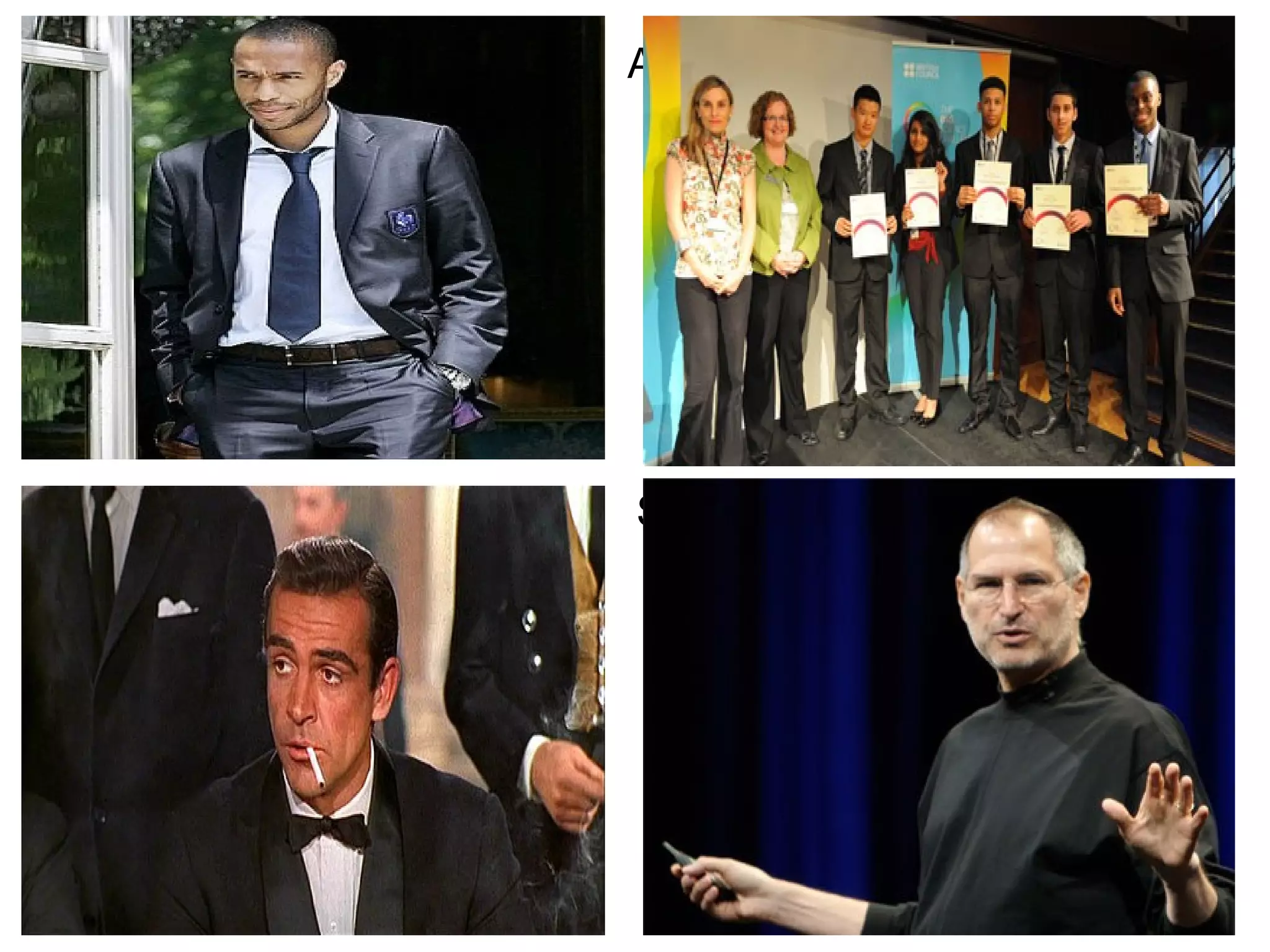
Draw a me picture of a….
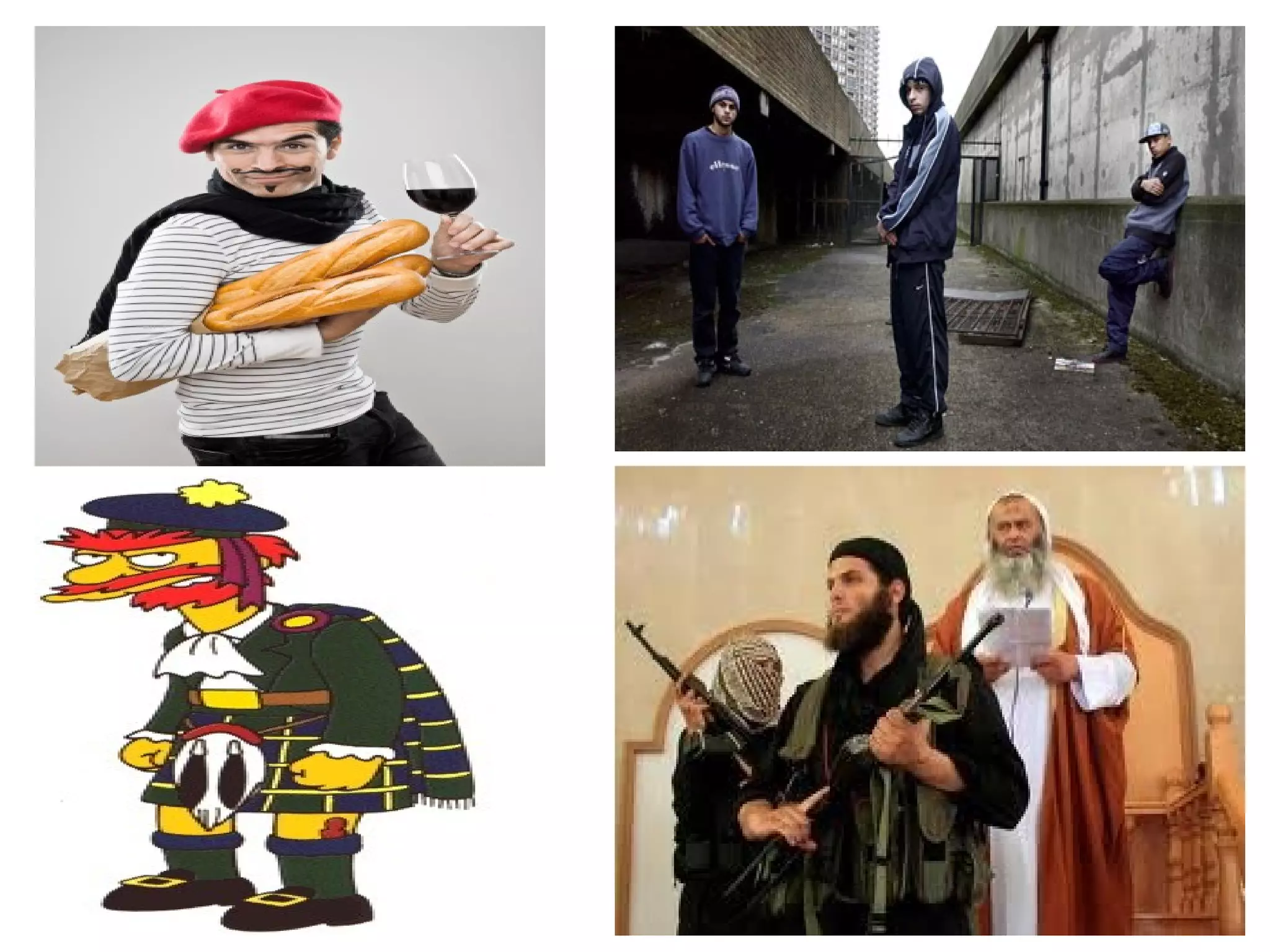
A Frenchman An inner-city youth 
A Scottish Person Someone of Arabic decent
A Frenchman An inner-city youth 
A Scottish Person Someone of Arabic decent
A Frenchman An inner-city youth 
A Scottish Person Someone of Arabic decent
A Frenchman An inner-city youth 
A Scottish Person Someone of Arabic decent
So why do we have these 
images in our heads? Where 
do they come from?
Definitions 
• Stereotypes 
• Media Institutions use stereotypes because the audience 
will instantly understand them. Think of stereotypes as a 
‘visual shortcut’. They’re repeated so often that we 
assume they are normal or ‘true’. 
• Archetypes 
• This is the ‘ultimate’ stereotype. For example, the white 
stiletto wearing, big busted, brainless blonde bimbo 
• Countertype 
• A representation that challenges tradition 
stereotypical associations of groups, people or places
Representation
Representation 
• The way in which people, events and 
ideas are presented to the audience. 
• To break it down, the media takes 
something that is already there and re-presents 
it to us in the way that they 
choose.
• These representations are created by the 
producers (anyone who makes a media 
text) of media texts. 
• What they choose to present to us is 
controlled by Gatekeepers…
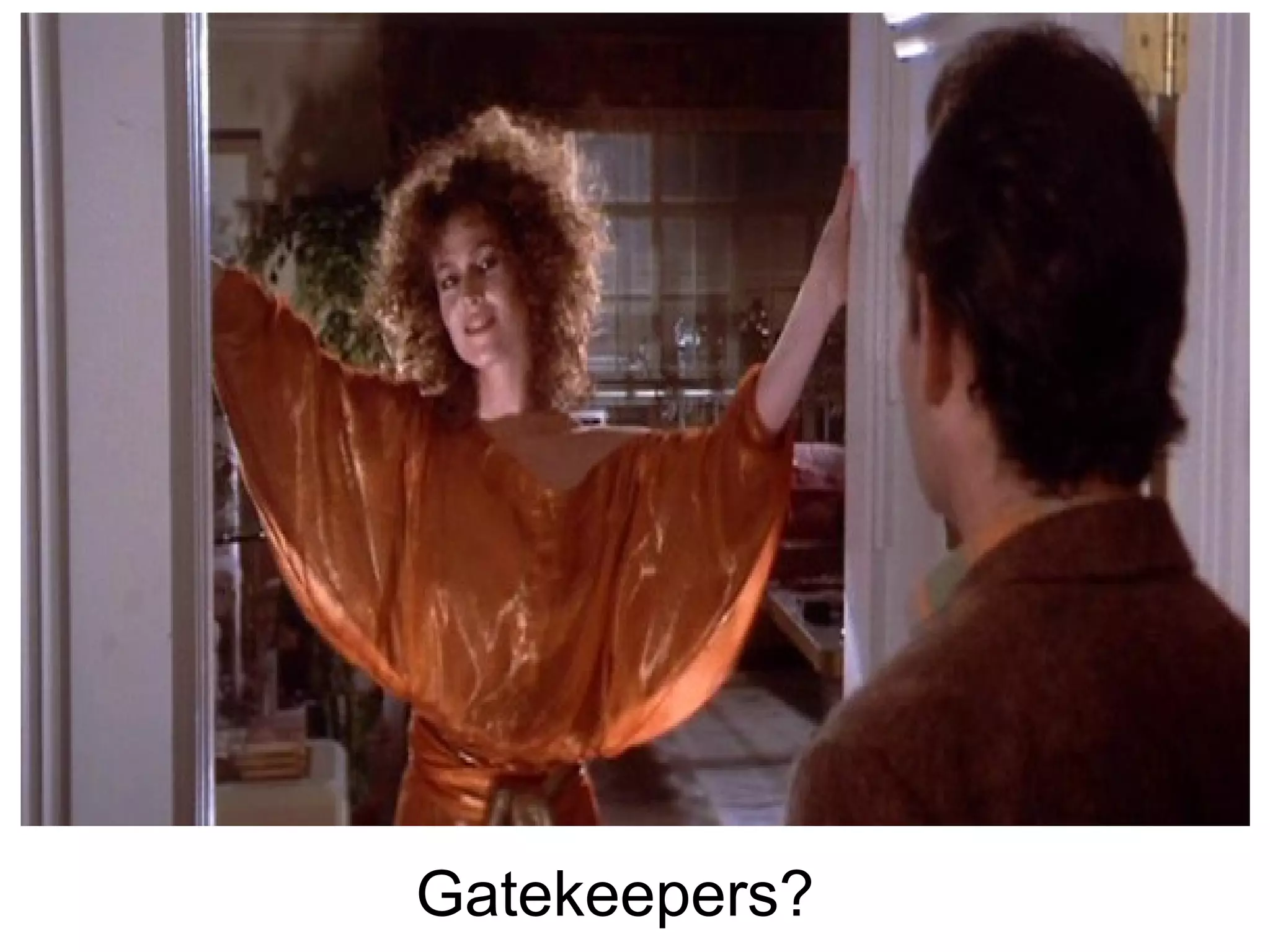
Gatekeepers?
Gatekeepers 
• A media ‘gatekeeper’ is any person 
involved in a media production with the 
power to make a decision about 
something the audience are allowed to 
read, hear or see – and, of course, not get 
to see; for instance, a newspaper editor 
has the final say on what goes into his or 
her newspaper, where it goes within the 
pages, next to what other piece, with 
which pictures, strap-lines and headlines, 
etc.
Moguls 
• But the in the example of the newspaper 
editor’s decision, this will not be made 
freely: it will have been affected by 
technical issues, by the kind of person 
who owns the newspaper, for example 
(i.e. the so-called media moguls, such as 
Rupert Murdoch), and by many other 
things.
• Media consumers, that is you and me, 
the audience for media texts, are mostly 
unaware of these ‘gatekeeping’ decisions; 
indeed, the gatekeeper’s job is to ensure 
his or her decisions and actions are 
‘transparent’ or ‘invisible’ to the audience: 
but our perceptions of the news – and 
the version of the world it represents 
for us – are often strongly influenced 
by the gatekeeper’s decisions.
Who, What, Why, Where 
When you're analysing representation, think about the 
following questions: 
•Who or what is being represented? Who is the preferred 
audience for this representation? 
•What are they doing? Is their activity presented as typical, or 
atypical? Are they conforming to genre expectations or other 
conventions? 
•Why are they present? What purpose do they serve? What 
are they communicating by their presence? What's the 
preferred reading? 
•Where are they? How are they framed? Are they represented 
as natural or artificial? What surrounds them? What is in the 
foreground and what is in the background?
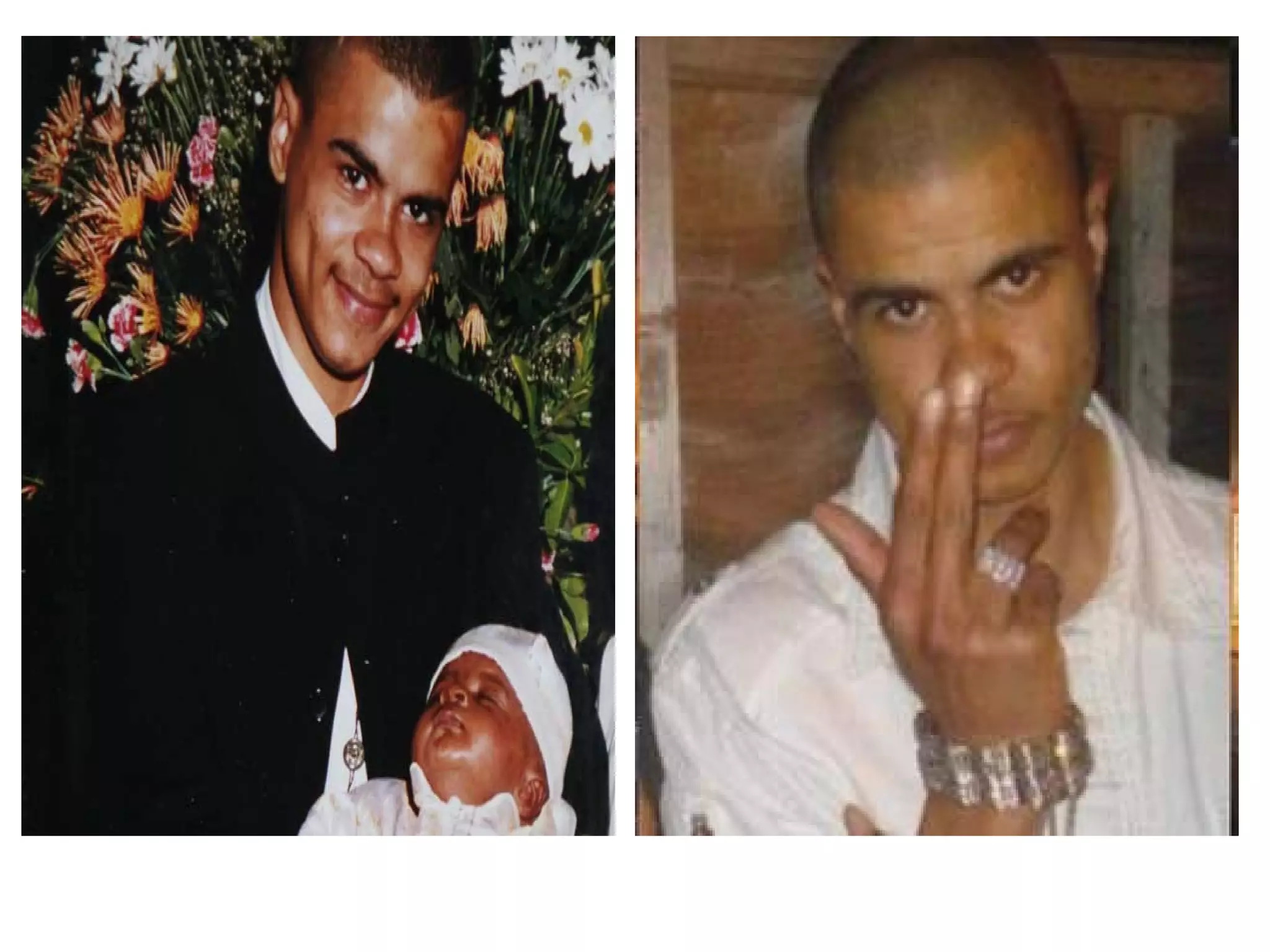
What can you say about the 
following two images?
Now lets try a media text
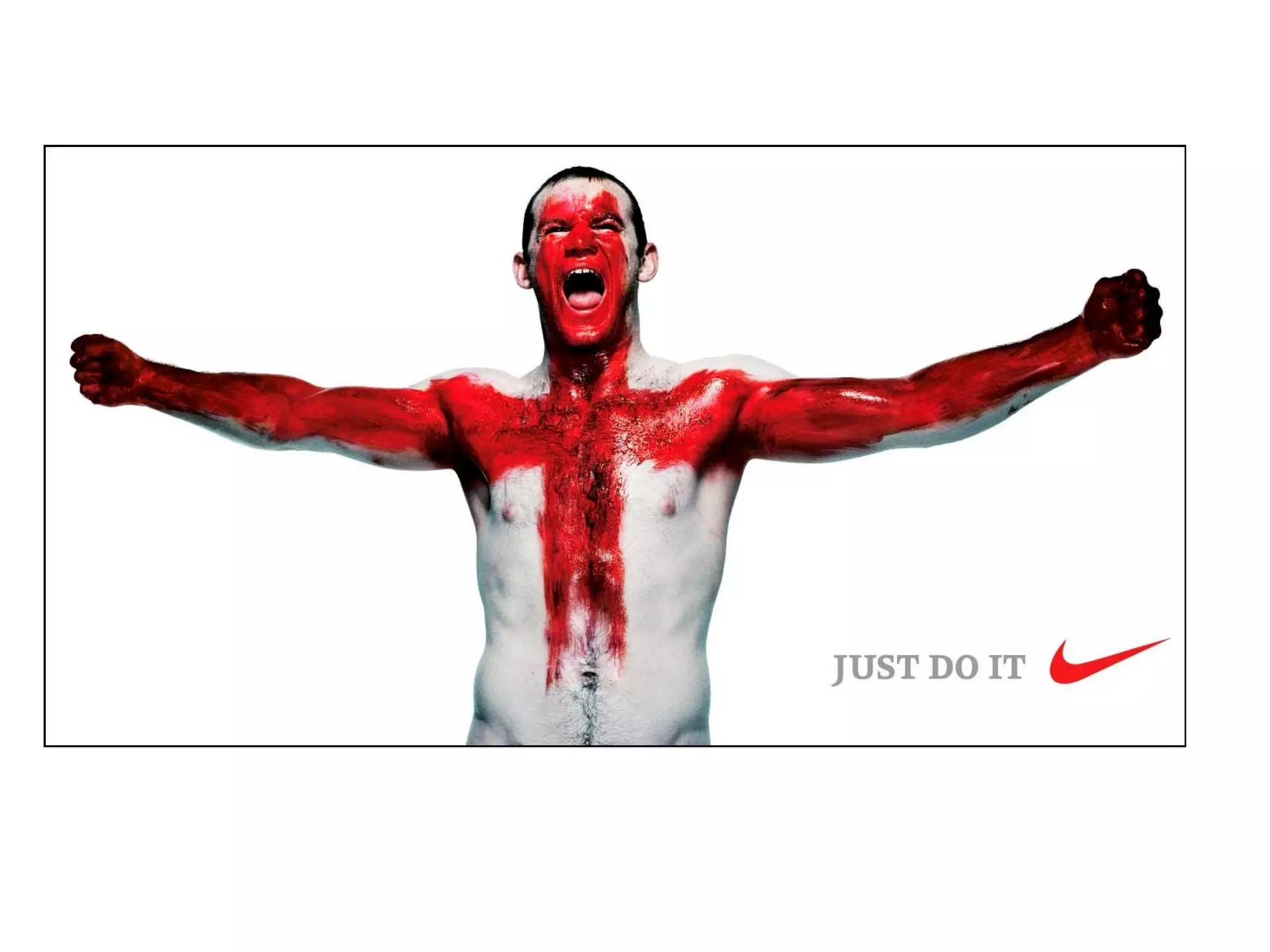
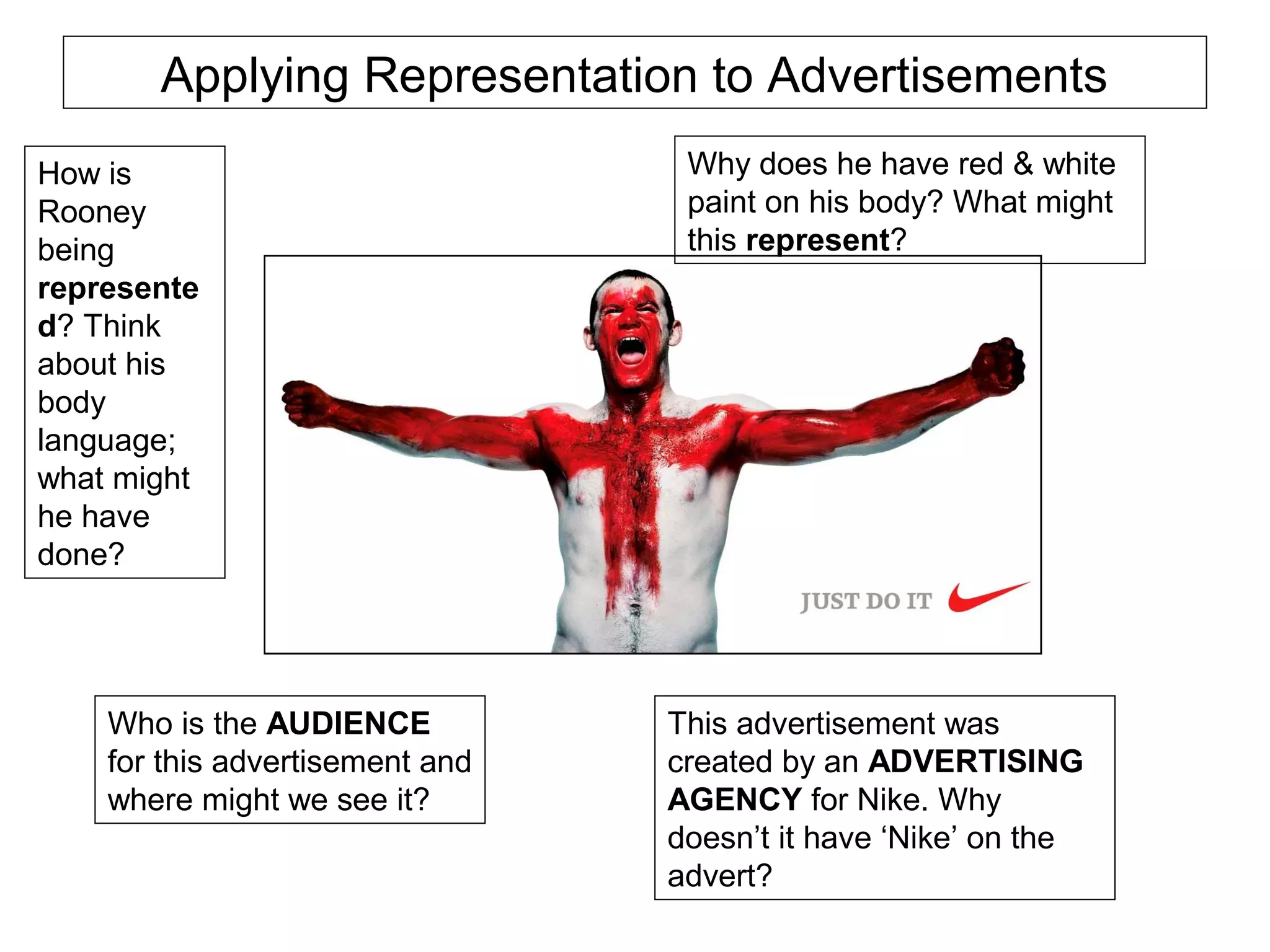
Applying Representation to Advertisements 
How is 
Rooney 
being 
represente 
d? Think 
about his 
body 
language; 
what might 
he have 
done? 
Why does he have red & white 
paint on his body? What might 
this represent? 
Who is the AUDIENCE 
for this advertisement and 
where might we see it? 
This advertisement was 
created by an ADVERTISING 
AGENCY for Nike. Why 
doesn’t it have ‘Nike’ on the 
advert?
How about something a little 
trickier…
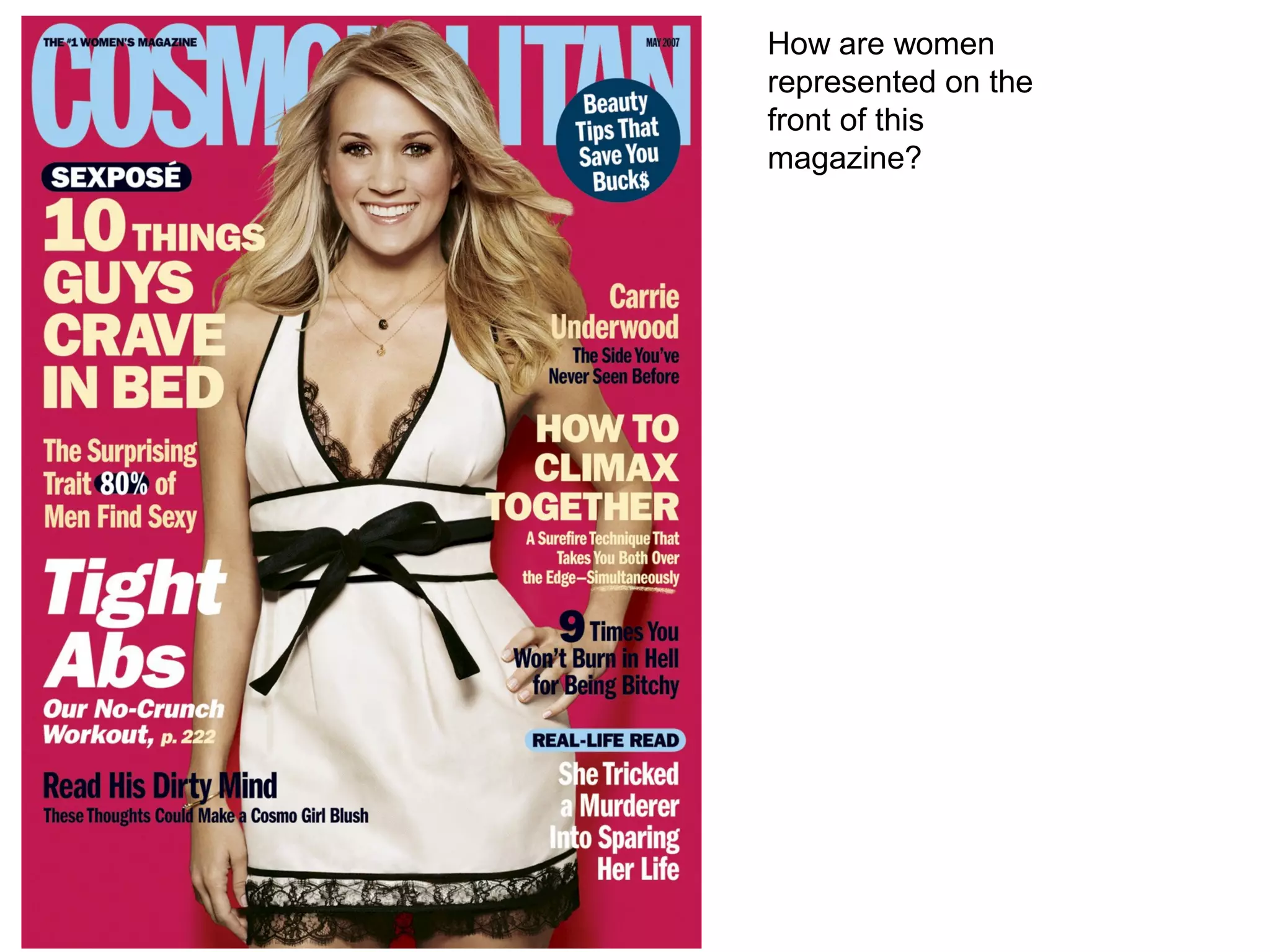
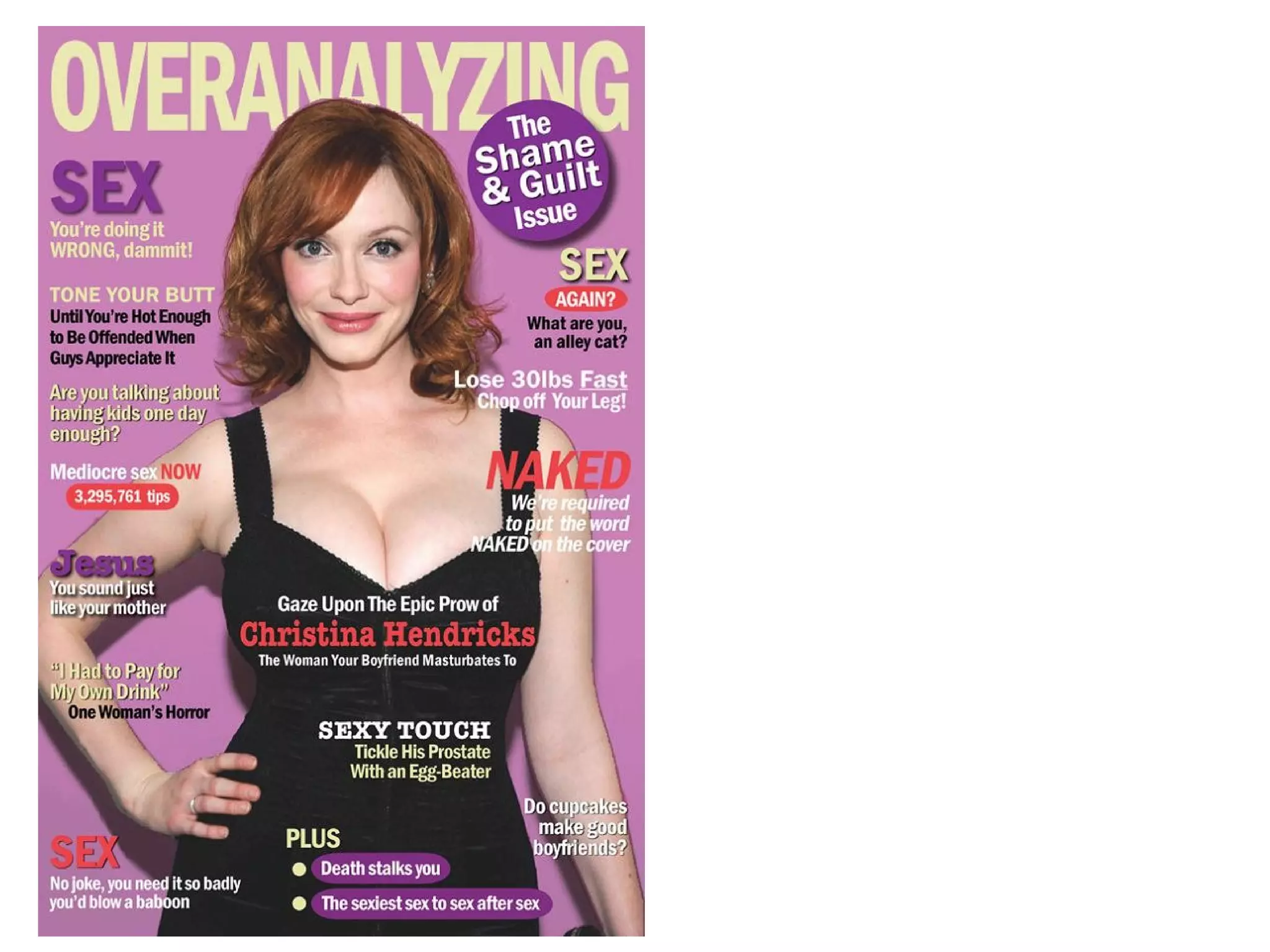
How are women 
represented on the 
front of this 
magazine?
Representation Theory
http://www.youtube.com/watch?v=What can you say about the 
representation of women in this clip. 
Also how are we as the audience 
positioned?
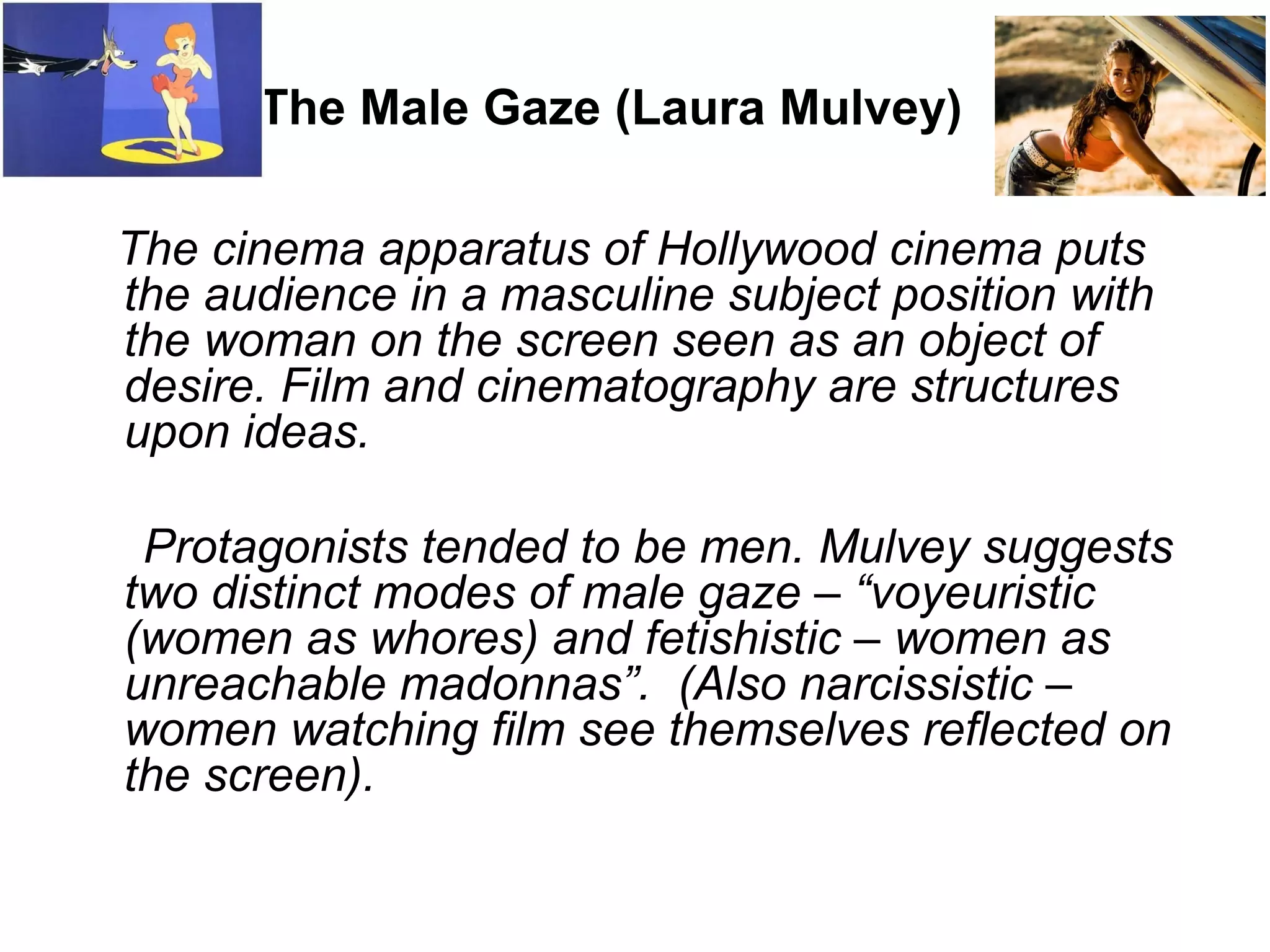
The Male Gaze (Laura Mulvey) 
The cinema apparatus of Hollywood cinema puts 
the audience in a masculine subject position with 
the woman on the screen seen as an object of 
desire. Film and cinematography are structures 
upon ideas. 
Protagonists tended to be men. Mulvey suggests 
two distinct modes of male gaze – “voyeuristic 
(women as whores) and fetishistic – women as 
unreachable madonnas”. (Also narcissistic – 
women watching film see themselves reflected on 
the screen).
Are the times a changin’? 
• http://www.youtube.com/watch? 
v=h_Tx7TpLuLs
The Bechdal Test 
• The Bechdel Test, sometimes called 
the Mo Movie Measure or Bechdel Rule is 
a simple test which names the following 
three criteria: 
(1)It has to have at least two (named) 
women in it. 
(2) who have a conversation with each 
other… 
(3) … about something besides a man.
http://www.youtube.com/watch? 
v=y1nsgU0meaw 
How are young people from the 
inner city represented in the 
following clip?
How we treat people (Richard 
Dyer) 
Dyer argues that how we are seen determines 
how we are treated and how we treat other 
people is based on how we see them. This 
comes from our understanding of 
representation. 
He believes that stereotypes come down to 
power. Those who have power stereotype 
those who don’t. 
How many stereotypes of white middle aged 
men can you think of? 
http://www.youtube.com/watch? 
v=y1nsgU0meaw
http://www.youtube.com/watch 
?v=Ig_88q9M3SU 
How is London represented in the 
following clip? Do you think that it 
is a true reflection?
Myths (Roland Barthes) 
• Barthes theory looks quite closely at the 
idea of mythology, usually in regards to 
people and places. He suggested that the 
media often gives us mythic 
representations or a fairytale-like portrayal 
or a particular place person.
Subculture (Dick Hebdidge/Ken 
Gelder) 
• Hebdidge said that a subculture is a group of like minded 
individuals who feel neglected by societal standards and who 
develop a sense of identity which differs to the dominant on to 
which they belong. 
• Ken Gelder lists 6 ways in which a subculture can be recognised: 
• 1) Often have negative relationship to work 
• 2) Negative or ambivalent relationship to class 
• 3) Through their associuations with territory ( The street, the 
hood, the club) rather than property 
• 4) Through their stylistic ties to excess 
• 5) Through their movement out of home into non-domestic forms 
of belonging (social groups as opposed to family) 
• 6) Through their refusal to engage with they might see as the 
‘banalities’ of life.
http://www.youtube.com/watch 
?v=VjZ5tgjPVfU 
Takes notes on the representations 
in the following clip. 
Think about gender, ethnicity, 
location
Homework 
• Representation in a film opening sequence of your choice: 
• What/who is being represented? 
• How is it being represented? 
• How is the representation made to seem 'true', 'commonsense' or 'natural'? 
• Is Dyer theory more appropriate in relation to the opening? Justify, using 
detailed examples. 
• What is foregrounded and what is backgrounded? Are there any notable 
absences? 
• Whose representation is it? Whose interests does it reflect? How do you know? 
• How do people make sense of the representation? According to what codes? 
(Consider Mulvey’s theory and Barthes concept of myth – make reference to 
both). 
• Apply the theory of semiotics to the sequence: i.e. what are the signs and their 
associated meanings? 
• Considering semiotics, what as the audience, have you learnt about the overall 
direction of the film’s representation? 
• What way do you believe you have ‘received’ the meaning of the film: through 
preferred, negotiated or oppositional reading? (Hall’s theory) Explain in detail, 
using supporting textual reference.

Representation

  • 1.
    Draw a mepicture of a….
  • 2.
    A Frenchman Aninner-city youth A Scottish Person Someone of Arabic decent
  • 3.
    A Frenchman Aninner-city youth A Scottish Person Someone of Arabic decent
  • 4.
    A Frenchman Aninner-city youth A Scottish Person Someone of Arabic decent
  • 5.
    A Frenchman Aninner-city youth A Scottish Person Someone of Arabic decent
  • 6.
    So why dowe have these images in our heads? Where do they come from?
  • 7.
    Definitions • Stereotypes • Media Institutions use stereotypes because the audience will instantly understand them. Think of stereotypes as a ‘visual shortcut’. They’re repeated so often that we assume they are normal or ‘true’. • Archetypes • This is the ‘ultimate’ stereotype. For example, the white stiletto wearing, big busted, brainless blonde bimbo • Countertype • A representation that challenges tradition stereotypical associations of groups, people or places
  • 8.
  • 9.
    Representation • Theway in which people, events and ideas are presented to the audience. • To break it down, the media takes something that is already there and re-presents it to us in the way that they choose.
  • 10.
    • These representationsare created by the producers (anyone who makes a media text) of media texts. • What they choose to present to us is controlled by Gatekeepers…
  • 11.
  • 12.
    Gatekeepers • Amedia ‘gatekeeper’ is any person involved in a media production with the power to make a decision about something the audience are allowed to read, hear or see – and, of course, not get to see; for instance, a newspaper editor has the final say on what goes into his or her newspaper, where it goes within the pages, next to what other piece, with which pictures, strap-lines and headlines, etc.
  • 13.
    Moguls • Butthe in the example of the newspaper editor’s decision, this will not be made freely: it will have been affected by technical issues, by the kind of person who owns the newspaper, for example (i.e. the so-called media moguls, such as Rupert Murdoch), and by many other things.
  • 14.
    • Media consumers,that is you and me, the audience for media texts, are mostly unaware of these ‘gatekeeping’ decisions; indeed, the gatekeeper’s job is to ensure his or her decisions and actions are ‘transparent’ or ‘invisible’ to the audience: but our perceptions of the news – and the version of the world it represents for us – are often strongly influenced by the gatekeeper’s decisions.
  • 15.
    Who, What, Why,Where When you're analysing representation, think about the following questions: •Who or what is being represented? Who is the preferred audience for this representation? •What are they doing? Is their activity presented as typical, or atypical? Are they conforming to genre expectations or other conventions? •Why are they present? What purpose do they serve? What are they communicating by their presence? What's the preferred reading? •Where are they? How are they framed? Are they represented as natural or artificial? What surrounds them? What is in the foreground and what is in the background?
  • 16.
    What can yousay about the following two images?
  • 18.
    Now lets trya media text
  • 20.
    Applying Representation toAdvertisements How is Rooney being represente d? Think about his body language; what might he have done? Why does he have red & white paint on his body? What might this represent? Who is the AUDIENCE for this advertisement and where might we see it? This advertisement was created by an ADVERTISING AGENCY for Nike. Why doesn’t it have ‘Nike’ on the advert?
  • 21.
    How about somethinga little trickier…
  • 22.
    How are women represented on the front of this magazine?
  • 24.
  • 25.
    http://www.youtube.com/watch?v=What can yousay about the representation of women in this clip. Also how are we as the audience positioned?
  • 26.
    The Male Gaze(Laura Mulvey) The cinema apparatus of Hollywood cinema puts the audience in a masculine subject position with the woman on the screen seen as an object of desire. Film and cinematography are structures upon ideas. Protagonists tended to be men. Mulvey suggests two distinct modes of male gaze – “voyeuristic (women as whores) and fetishistic – women as unreachable madonnas”. (Also narcissistic – women watching film see themselves reflected on the screen).
  • 27.
    Are the timesa changin’? • http://www.youtube.com/watch? v=h_Tx7TpLuLs
  • 28.
    The Bechdal Test • The Bechdel Test, sometimes called the Mo Movie Measure or Bechdel Rule is a simple test which names the following three criteria: (1)It has to have at least two (named) women in it. (2) who have a conversation with each other… (3) … about something besides a man.
  • 29.
    http://www.youtube.com/watch? v=y1nsgU0meaw Howare young people from the inner city represented in the following clip?
  • 30.
    How we treatpeople (Richard Dyer) Dyer argues that how we are seen determines how we are treated and how we treat other people is based on how we see them. This comes from our understanding of representation. He believes that stereotypes come down to power. Those who have power stereotype those who don’t. How many stereotypes of white middle aged men can you think of? http://www.youtube.com/watch? v=y1nsgU0meaw
  • 31.
    http://www.youtube.com/watch ?v=Ig_88q9M3SU Howis London represented in the following clip? Do you think that it is a true reflection?
  • 32.
    Myths (Roland Barthes) • Barthes theory looks quite closely at the idea of mythology, usually in regards to people and places. He suggested that the media often gives us mythic representations or a fairytale-like portrayal or a particular place person.
  • 33.
    Subculture (Dick Hebdidge/Ken Gelder) • Hebdidge said that a subculture is a group of like minded individuals who feel neglected by societal standards and who develop a sense of identity which differs to the dominant on to which they belong. • Ken Gelder lists 6 ways in which a subculture can be recognised: • 1) Often have negative relationship to work • 2) Negative or ambivalent relationship to class • 3) Through their associuations with territory ( The street, the hood, the club) rather than property • 4) Through their stylistic ties to excess • 5) Through their movement out of home into non-domestic forms of belonging (social groups as opposed to family) • 6) Through their refusal to engage with they might see as the ‘banalities’ of life.
  • 34.
    http://www.youtube.com/watch ?v=VjZ5tgjPVfU Takesnotes on the representations in the following clip. Think about gender, ethnicity, location
  • 35.
    Homework • Representationin a film opening sequence of your choice: • What/who is being represented? • How is it being represented? • How is the representation made to seem 'true', 'commonsense' or 'natural'? • Is Dyer theory more appropriate in relation to the opening? Justify, using detailed examples. • What is foregrounded and what is backgrounded? Are there any notable absences? • Whose representation is it? Whose interests does it reflect? How do you know? • How do people make sense of the representation? According to what codes? (Consider Mulvey’s theory and Barthes concept of myth – make reference to both). • Apply the theory of semiotics to the sequence: i.e. what are the signs and their associated meanings? • Considering semiotics, what as the audience, have you learnt about the overall direction of the film’s representation? • What way do you believe you have ‘received’ the meaning of the film: through preferred, negotiated or oppositional reading? (Hall’s theory) Explain in detail, using supporting textual reference.