Year 12 Media - 2012
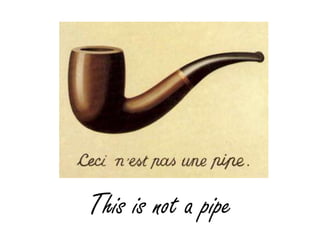
This is not a pipe
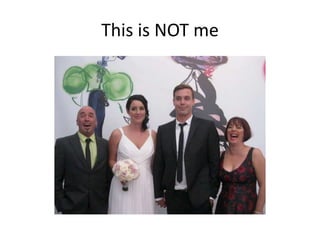
This is NOT me
Huh?
• These are not the actual thing or person –
  they are a representation of the thing.
• Representation means to re-present (i.e. show
  again)
• Individuals and groups of people are
  represented in the media as being a certain
  way. This is a construct of reality and NOT
  reality itself.
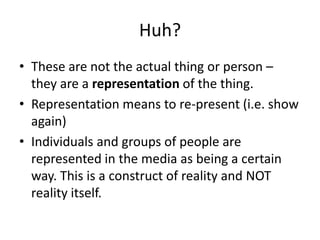
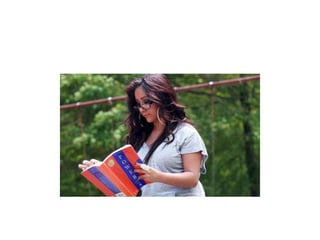
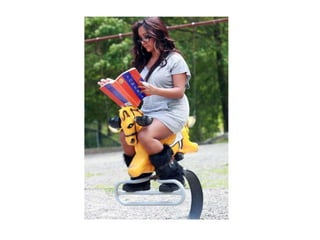
Let’s take Snooki
How we are represented
• I could represent this class as diligent and hard
  working
• Or I could represent you as off-task and
  disengaged.

It’s all about HOW I choose to show you, and
what I leave OUT
It’s also about WHO is doing the re-presenting
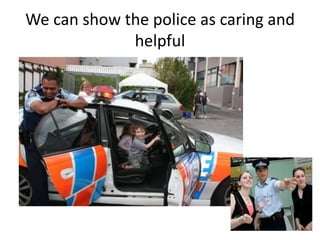
We can show the police as caring and
             helpful
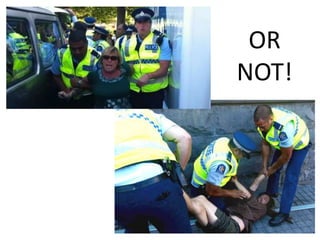
OR
NOT!
MEDIATION
• The media selects (mediates) the way it shows
  people to serve its own purposes.
• The way in which a media producer (the person
  who made the media product – ad, film, tv show)
  represents a person or group is affected by their
  own experiences and values and society’s
  dominant values.
• The way we as an audience read it will also reflect
  OUR values and experiences – a National voter is
  going to react differently to the previous images
  to how an Occupy supporter might.
How representations work
• They are repeated
• We are asked to identify with or recognise the
  representation
• They make generalisations about people –
  grouping them together – mothers, business,
  teenagers
• Representations both SHOW and SHAPE our
  world
• Representations are connected to world views –
  these are called ideologies
Representations
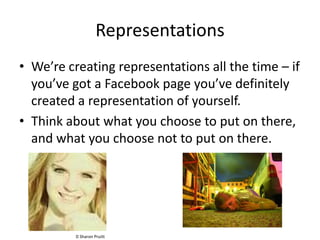
• We’re creating representations all the time – if
  you’ve got a Facebook page you’ve definitely
  created a representation of yourself.
• Think about what you choose to put on there,
  and what you choose not to put on there.


          D Sharon Pruitt
Stereotypes
• The idea of representation in media is really key,
  because if you see the same representation again
  and again, you start to believe it is true.
• These repeated representations can become
  stereotypes.
• Stereotypes are useful for media producers as
  they are like a ‘short cut’ that media consumers
  can recognise and decode immediately –
  someone with glasses is smart, blondes are ditzy,
  people with dreads are?
STEREOTYPES
• Stereotypes are often highly judgmental and
  over-simplified. They are an extreme form of
  stereotyping that become ‘natural’ through
  repetition.
• Stereotyping often involves minority groups
  and prejudice, and come about due to a
  power imbalance between groups in society.
Do Now Please
• Use these words in a paragraph about
  REPRESENTATION

Repeated
Selected
Shape and Show
World Views
What is a representation made up of?
Representations of groups of people are made up of many
layers:
• what we see and hear about the group
• how the group are shown behaving
• their relationship with others
• Production techniques used to show them
   (different for each type of media)
Remember everything in the media is SELECTED
(mediated) by the person/group who produces
it
Representing US
• Fold your paper into 6 squares
• On the top row Draw and/or Brainstorm
• How YOU would represent teenagers
• How YOU would represent your gender (female
  or male)
• How YOU would represent your cultural group
On the next row down:
How the MEDIA would represent each of these
groups. Be prepared to discuss your opinions
When viewing/reading any media
    text you should ask these questions
• Who made it?
• When was it made?
• What was it made for?
• Who benefits from this representation or whose
  point of view does it support?
• Who does not benefit from this representation or
  whose point of view is not considered?
• Who or what is not shown?
For this standard you will learn about:
• features that create the representation
• the difference between the representation
  and reality
• the stereotypes/messages/values that are
  created by the representation
• the selection and/or omission of material
• who created the representation.
Achieved
• Can describe what the representation is
• How features of the media texts create the
  representation
• The effect of the media representation


 What is it?
 How do they do it?
 What’s the effect of that?
Merit        Why is it
                                    like that?
Demonstrate in-depth understanding involves providing
reasoned explanations for the effect of the
representation. This includes such aspects as
• Reasons for the difference between the representation
   and reality
• Reasons for stereotypes, messages, and/or values
   created by the representation
• Reasons why the selection and/or omission of material
   reinforce stereotypes, messages and/or values
A reasoned explanation involves a logical argument
supported by specific evidence.
So what?             Excellence Why does it
                                matter?
Demonstrate critical understanding involves examining likely
consequences of the representation and drawing conclusions
based on the evidence. The examination includes aspects of
the representation such as:
• the effectiveness of the features in creating the
  representation
• implications of the difference(s) between the
  representation and reality
• the implications and/or effectiveness of the stereotypes,
  messages, and/or values that are created by the
  representation
• the implications and issues associated with the selection
  and/or omission of material.
"Taken as a whole, these films provide audiences, young and old
alike with a peculiarly jaundiced view of American society and
the role of adolescents within it...In looking at the images in
these films, it is necessary therefore to consider, not only what
we see and are told, but what we do not see and are not told.
The adolescent, still in the process of establishing his or her own
self-image, may well fall prey to mistaking the screen image for
the self he or she is to become. Adolescence itself is a time of role
and identity experimentation. Standing in the wings of life,
waiting to be cued, the young person may well mistake the cues
Hollywood sends.....For some adolescents, the film industry's
repetitive images and stereotypes offer the opportunity for a
pre-packaged identity that subverts the natural emergence of an
authentic self".[p276]
              Cinema of Adolescence – David Considine, 1985

Representations year 12 deb

  • 1.
  • 2.
  • 3.
  • 4.
    Huh? • These arenot the actual thing or person – they are a representation of the thing. • Representation means to re-present (i.e. show again) • Individuals and groups of people are represented in the media as being a certain way. This is a construct of reality and NOT reality itself.
  • 5.
  • 8.
    How we arerepresented • I could represent this class as diligent and hard working • Or I could represent you as off-task and disengaged. It’s all about HOW I choose to show you, and what I leave OUT It’s also about WHO is doing the re-presenting
  • 9.
    We can showthe police as caring and helpful
  • 10.
  • 11.
    MEDIATION • The mediaselects (mediates) the way it shows people to serve its own purposes. • The way in which a media producer (the person who made the media product – ad, film, tv show) represents a person or group is affected by their own experiences and values and society’s dominant values. • The way we as an audience read it will also reflect OUR values and experiences – a National voter is going to react differently to the previous images to how an Occupy supporter might.
  • 12.
    How representations work •They are repeated • We are asked to identify with or recognise the representation • They make generalisations about people – grouping them together – mothers, business, teenagers • Representations both SHOW and SHAPE our world • Representations are connected to world views – these are called ideologies
  • 13.
    Representations • We’re creatingrepresentations all the time – if you’ve got a Facebook page you’ve definitely created a representation of yourself. • Think about what you choose to put on there, and what you choose not to put on there. D Sharon Pruitt
  • 14.
    Stereotypes • The ideaof representation in media is really key, because if you see the same representation again and again, you start to believe it is true. • These repeated representations can become stereotypes. • Stereotypes are useful for media producers as they are like a ‘short cut’ that media consumers can recognise and decode immediately – someone with glasses is smart, blondes are ditzy, people with dreads are?
  • 15.
    STEREOTYPES • Stereotypes areoften highly judgmental and over-simplified. They are an extreme form of stereotyping that become ‘natural’ through repetition. • Stereotyping often involves minority groups and prejudice, and come about due to a power imbalance between groups in society.
  • 16.
    Do Now Please •Use these words in a paragraph about REPRESENTATION Repeated Selected Shape and Show World Views
  • 17.
    What is arepresentation made up of? Representations of groups of people are made up of many layers: • what we see and hear about the group • how the group are shown behaving • their relationship with others • Production techniques used to show them (different for each type of media) Remember everything in the media is SELECTED (mediated) by the person/group who produces it
  • 18.
    Representing US • Foldyour paper into 6 squares • On the top row Draw and/or Brainstorm • How YOU would represent teenagers • How YOU would represent your gender (female or male) • How YOU would represent your cultural group On the next row down: How the MEDIA would represent each of these groups. Be prepared to discuss your opinions
  • 19.
    When viewing/reading anymedia text you should ask these questions • Who made it? • When was it made? • What was it made for? • Who benefits from this representation or whose point of view does it support? • Who does not benefit from this representation or whose point of view is not considered? • Who or what is not shown?
  • 20.
    For this standardyou will learn about: • features that create the representation • the difference between the representation and reality • the stereotypes/messages/values that are created by the representation • the selection and/or omission of material • who created the representation.
  • 21.
    Achieved • Can describewhat the representation is • How features of the media texts create the representation • The effect of the media representation What is it? How do they do it? What’s the effect of that?
  • 22.
    Merit Why is it like that? Demonstrate in-depth understanding involves providing reasoned explanations for the effect of the representation. This includes such aspects as • Reasons for the difference between the representation and reality • Reasons for stereotypes, messages, and/or values created by the representation • Reasons why the selection and/or omission of material reinforce stereotypes, messages and/or values A reasoned explanation involves a logical argument supported by specific evidence.
  • 23.
    So what? Excellence Why does it matter? Demonstrate critical understanding involves examining likely consequences of the representation and drawing conclusions based on the evidence. The examination includes aspects of the representation such as: • the effectiveness of the features in creating the representation • implications of the difference(s) between the representation and reality • the implications and/or effectiveness of the stereotypes, messages, and/or values that are created by the representation • the implications and issues associated with the selection and/or omission of material.
  • 24.
    "Taken as awhole, these films provide audiences, young and old alike with a peculiarly jaundiced view of American society and the role of adolescents within it...In looking at the images in these films, it is necessary therefore to consider, not only what we see and are told, but what we do not see and are not told. The adolescent, still in the process of establishing his or her own self-image, may well fall prey to mistaking the screen image for the self he or she is to become. Adolescence itself is a time of role and identity experimentation. Standing in the wings of life, waiting to be cued, the young person may well mistake the cues Hollywood sends.....For some adolescents, the film industry's repetitive images and stereotypes offer the opportunity for a pre-packaged identity that subverts the natural emergence of an authentic self".[p276] Cinema of Adolescence – David Considine, 1985