55 yo male c/ epigastric pain on/off x 1 mo
History Awoke him from sleep Relieved by food, but pain worsened 1-3 hrs later Fatigue Dyspepsia/ bloating/ belching/ burning Wt loss No SOB/ pain radiation/N/V/D/F Wife states that his diet is “poor”
History PMH No DM No CAD Etc. Family History Mother died 75 MI Father died 70 stroke Surgical Hx None Social History + Smoker 1ppd Medications “ some arthritis med” “ some HTN med” NKDA
Physical Exam + Epigastric tenderness Guiaic +
Differential Diagnosis? Cardiac MI Aortic Dissection Pulmonary GI PUD Pancreatitis Gallstones Inflammatory bowel ds. (crohn’s/UC) Colon Ca
Dx tests CBC (blood loss) Chem c/ BUN/creat Type & cross H. pylori EKG CXR (free air) Barium study
Procedures NG tube (if upper GI bleed) IVF Endoscopy ? Sig vs. colonoscopy?
Tx Antacids GI cocktail H2 blockers PPI’s Abx
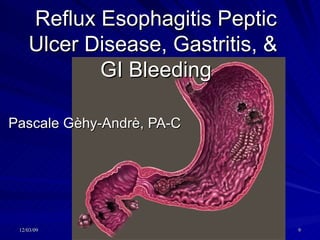
Reflux Esophagitis Peptic Ulcer Disease, Gastritis, &  GI Bleeding Pascale Gèhy-Andrè, PA-C
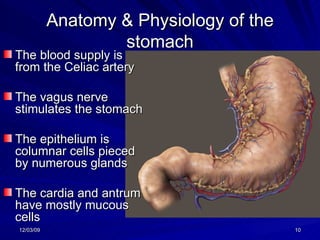
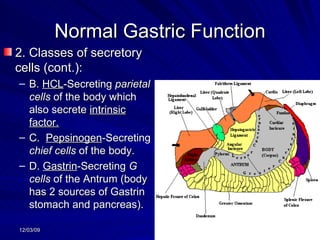
Anatomy & Physiology of the stomach The blood supply is from the Celiac artery The vagus nerve stimulates the stomach The epithelium is columnar cells pieced by numerous glands The cardia and antrum have mostly mucous cells
Normal Gastric Function 1. Primary function of the stomach A. secretion of substances important to digestion & absorption B. movement of gastric contents downstream to small bowel 2. Classes of secretory cells A.  Mucous secreting cells of the cardia :  1. Protect underlying cells from mechanical forces of digestion 2. Lubrication of mucosa to move food over surface 3. Retain water within the mucous gel providing aqueous environment for underlying cells. 4. Forming an unstirred layer above the mucosa impending but not blocking diffusion of hydrogen ions from the lumen to the superficial epithelial cells.
Normal Gastric Function 2. Classes of secretory cells (cont.): B.  HCL -Secreting  parietal cells  of the body which also secrete  intrinsic factor. C.  Pepsinogen -Secreting  chief cells  of the body. D.  Gastrin -Secreting  G cells  of the Antrum (body has 2 sources of Gastrin stomach and pancreas).
Gastric Function (cont.) 3. Neural & Hormonal influence on gastric function: A.  Cephalic phase : (smell/thinking) initiates cholinergic impulse via the vagus nerve stimulating parietal secretion of acid & G cell secretion of Gastrin which also stimulates acid. B.  Gastric phase : causes distention of the stomach by food which causes further secretion of acid and gastrin.  Protein will also stimulate G cells to produce Gastrin and acid. C.  Intestinal phase : will cause gastric acids to stimulate secretion of secretin & cholecystokinin which will also inhibit the action of gastrin on the parietal cells.
Reflux Esophagitis Definition: Recurrent reflux of gastric contents in the distal esophagus Commonly called heartburn 20% of normal population at least one week May cause erosions that leads to Barrett’s esophagitis which can predispose  to malignancy
Reflux Esophagitis Contributing Factors: Hiatal hernia Delayed gastric emptying (gastroparesis/obstruction) Incompetent Lower esophageal sphincter Irritant effects of gastric juices (refluxate)  Clinical features:  Heartburn most common presenting feature Hoarseness, cough, hiccup, atypical chest pain, sore throat
Reflux Esophagitis Laboratory studies Barium swallow may indicate a large hiatal hernia ENDOSCOPY with BIOPSY  standard procedure  describes the presence and extent   of mucosal damage Endoscopy when symptoms do not respond to medical therapy  pH monitoring can be done
Reflux Esophagitis Treatment:  Life style modification  ( DC smoking) Pharmacotherapy Antacids or alginic acid(gaviscon) Histamine (H2 blockers)  Prokinetic drugs ( e.g. metoclopramide, cisapride, bethanechol) increase gastric emptying and can be combined with H2 blockers Acid-suppressant proton-pump inhibitor (e.g. omeprazole, lansoprazole) may be tried as last resort Anticholinergic,  B - adrenergic, and calcium channel-blocking agents decrease lower esophageal sphincter pressure and  should be avoided Complication:  Barrett’s Esophagagus
Gastritis Acute Gastritis  is an inflammation of the gastric mucosa.  Gastropathy : epithelial or endothelial damage without inflammation Gastritis has 3 basic types: Acute (erosive/ hemorrhagic) Non-erosive, Non-specific/Chronic Special Forms
Acute Gastritis (Erosive/Hemorrhagic) Most common causes: NSAIDS gastric injury by diminishing prostaglandin production in stomach and duodenum Alcohol use is the  leading cause of gastritis Stress from CNS injury burns, sepsis, surgery Portal hypertension (portal gastropathy) Other causes: Caustic ingestion  radiation
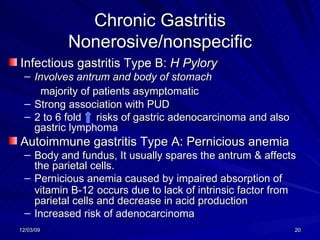
Chronic Gastritis Nonerosive/nonspecific Infectious gastritis Type B:  H Pylory  Involves antrum and body of stomach majority of patients asymptomatic Strong association with PUD  2 to 6 fold  risks of gastric adenocarcinoma and also gastric lymphoma Autoimmune gastritis Type A: Pernicious anemia  Body and fundus, It usually spares the antrum & affects the parietal cells.  Pernicious anemia caused by impaired absorption of vitamin B-12   occurs due to lack of intrinsic factor from parietal cells and decrease in acid production Increased risk of adenocarcinoma
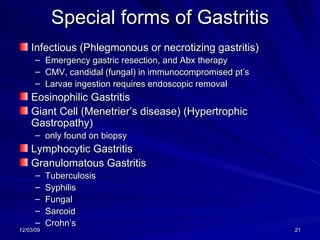
Special forms of Gastritis Infectious (Phlegmonous or necrotizing gastritis) Emergency gastric resection, and Abx therapy CMV, candidal (fungal) in immunocompromised pt’s Larvae ingestion requires endoscopic removal Eosinophilic Gastritis Giant Cell (Menetrier’s disease) (Hypertrophic Gastropathy)  only found on biopsy Lymphocytic Gastritis Granulomatous Gastritis Tuberculosis Syphilis Fungal Sarcoid Crohn’s
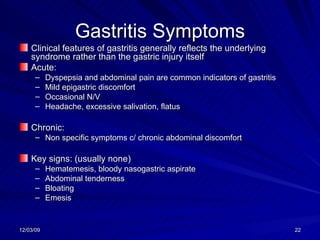
Gastritis Symptoms Clinical features of gastritis generally reflects the underlying syndrome rather than the gastric injury itself Acute: Dyspepsia and abdominal pain are common indicators of gastritis Mild epigastric discomfort Occasional N/V Headache, excessive salivation, flatus Chronic: Non specific symptoms c/ chronic abdominal discomfort Key signs: (usually none) Hematemesis, bloody nasogastric aspirate Abdominal tenderness Bloating Emesis
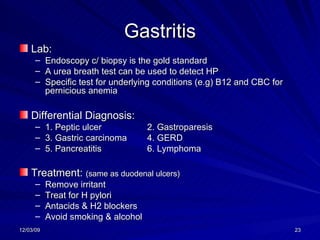
Gastritis Lab: Endoscopy c/ biopsy is the gold standard A urea breath test can be used to detect HP Specific test for underlying conditions (e.g) B12 and CBC for pernicious anemia Differential Diagnosis: 1. Peptic ulcer 2. Gastroparesis 3. Gastric carcinoma 4. GERD 5. Pancreatitis 6. Lymphoma Treatment:  (same as duodenal ulcers) Remove irritant Treat for H pylori Antacids & H2 blockers Avoid smoking & alcohol
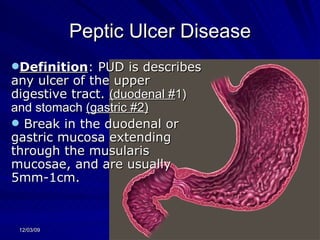
Peptic Ulcer Disease Definition : PUD is describes any ulcer of the upper digestive tract.  (duodenal # 1) and stomach  (gastric #2)   Break in the duodenal or gastric mucosa extending through the musularis mucosae, and are usually 5mm-1cm.
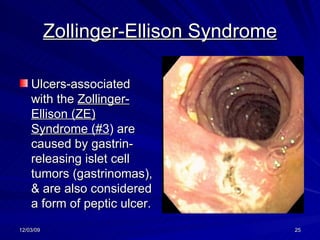
Zollinger-Ellison Syndrome Ulcers-associated with the  Zollinger-Ellison (ZE) Syndrome (#3 ) are caused by gastrin-releasing islet cell tumors (gastrinomas), & are also considered a form of peptic ulcer.
Zollinger-Ellison Syndrome A tumor of the pancreas that secretes gastrin ( Gastrinoma) Usually found in head of pancreas but can also be found in duodenum, liver & lung 75-80% of ulcers produced develop in the duodenal bulb Suspect in any patient with: Multiple or recurring duodenal ulcers Post bulbar or jejunal ulcers Ulcers associated with diarrhea Elevated serum gastrin levels Usually only tested when suspect ZE syndrome
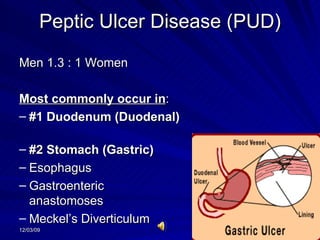
Peptic Ulcer Disease (PUD) Men 1.3 : 1 Women Most commonly occur in : #1 Duodenum (Duodenal)  #2 Stomach (Gastric)   Esophagus Gastroenteric anastomoses Meckel’s Diverticulum
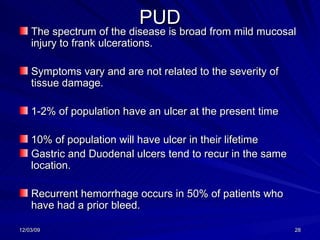
PUD The spectrum of the disease is broad from mild mucosal injury to frank ulcerations. Symptoms vary and are not related to the severity of tissue damage. 1-2% of population have an ulcer at the present time 10% of population will have ulcer in their lifetime Gastric and Duodenal ulcers tend to recur in the same location. Recurrent hemorrhage occurs in 50% of patients who have had a prior bleed.
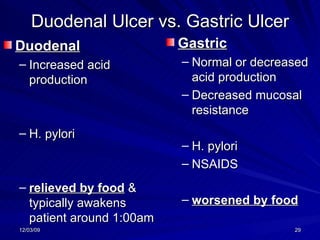
Duodenal Ulcer vs. Gastric Ulcer Duodenal Increased acid production H. pylori relieved by food  & typically awakens patient around 1:00am Gastric Normal or decreased acid production Decreased mucosal resistance H. pylori NSAIDS worsened by food
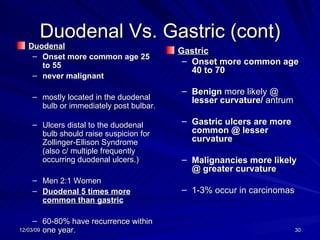
Duodenal Vs. Gastric (cont) Duodenal Onset more common age 25 to 55 never malignant mostly located in the duodenal bulb or immediately post bulbar.  Ulcers distal to the duodenal bulb should raise suspicion for Zollinger-Ellison Syndrome (also c/ multiple frequently occurring duodenal ulcers.) Men 2:1 Women Duodenal 5 times more common than gastric 60-80% have recurrence within one year. Gastric Onset more common age 40 to 70 Benign  more likely @  lesser curvature/  antrum Gastric ulcers are more common @ lesser curvature Malignancies more likely @ greater curvature   1-3% occur in carcinomas
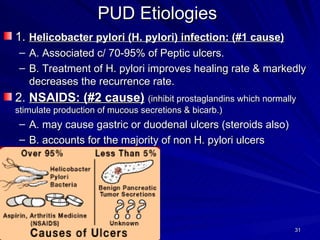
PUD Etiologies 1.  Helicobacter pylori (H. pylori) infection: (#1 cause) A. Associated c/ 70-95% of Peptic ulcers. B. Treatment of H. pylori improves healing rate & markedly decreases the recurrence rate. 2.  NSAIDS: (#2 cause)   (inhibit prostaglandins which normally stimulate production of mucous secretions & bicarb.) A. may cause gastric or duodenal ulcers (steroids also) B. accounts for the majority of non H. pylori ulcers
PUD Etiologies (cont) 3.  Hypersecretion states: (#3 although uncommon) Gastrinomas (Zollinger-Ellison Syndrome) Multiple endocrine neoplasia (MEN-1) Systemic mastocytosis  (mast cells infiltrate intestinal wall, release histamine- stimulates acid.  Symptoms are diarrhea, flushing, urticaria.  Histamine in blood.  Confirmed by biopsy.) 4. Stress:  physiologic stress  (eg. Burns, surgery, & severe medical conditions) 5. Rare causes: viral, radiation, vascular insuff. Diseases assoc. c/ peptic ulcers: Cirrhosis, renal failure, pulmonary ds. Any pt. c/ systemic ds. (COPD, renal failure, cirrhosis of liver) are prone to ulcers so should be started on H2 blockers.
The pathogenesis of PUD is related to the imbalance between normal protective factors and injurious factors No Ulcer Normal Ulcer Aggressive forces Gastric acid Digestive enzymes Vs. Defensive forces Mucus Bicarb Prostaglandins Epithelial regeneration
Ulcers result from: 1. Increased aggression H. pylori infection NSAIDS Cigarettes ETOH Or  2. Impaired Defense Ischemia Prostaglandin Inhibition (NSAIDS) Delayed gastric emptying
PUD ADVERSE EFFECTS OF SMOKING 1. Interferes c/ action of H2 antagonists 2. Increases rate of gastric emptying 3. Increases duodenogastric reflux 4. Decreases pancreatic bicarb secretion 5. Decreases mucosal blood flow 6. Depresses gastric mucosal prostaglandin synthesis
 
Peptic Ulcer Disease Facts Most ulcers are caused by H. pylori infection, not spicy food, acid or stress.   You can test for  H. pylori  infection.  H. pylori  / ulcers can be tx’d c/ antibiotics. Complications: A Major complication is bleeding & perforation Erosion of a small vessel at the base of the ulcer is the cause of the bleeding Perforation is usually catastrophic causing peritonitis
What is H. pylori Helicobacter pylori  ( H. pylori ) is a gram negative spiral-shaped bacillus found in the gastric mucous layer or adherent to the epithelial lining of the stomach.  H. pylori  causes more than 90% of duodenal ulcers and up to 80% of gastric ulcers.
How do people get infected with  H. pylori ? It is not known how  H. pylori  is transmitted or why some patients become symptomatic while others do not.  The bacteria are most likely spread from person to person through fecal-oral or oral-oral routes.  Possible environmental reservoirs include: contaminated water sources Iatrogenic spread through contaminated endoscopes has been documented but can be prevented
What can people do to prevent  H. pylori  infection?  Since the source of  H. pylori  is not yet known, recommendations for avoiding infection have not been made.  In general, it is always wise for persons to wash hands thoroughly, to eat food that has been properly prepared, and to drink water from a safe, clean source.
H. pylori  infection Before this bacterium was discovered, spicy food, acid, stress, and lifestyle were considered the major causes of ulcers.  The majority of patients were given long-term medications, such as H2 blockers, and more recently, proton pump inhibitors, without a chance for permanent cure.  These medications relieve ulcer-related symptoms, heal gastric mucosal inflammation, and may heal the ulcer, but they do NOT treat the infection.
H. Pylori  infection When acid suppression is removed, the majority of ulcers, particularly those caused by  H. pylori , recur.  Since we now know that most ulcers are caused by  H. pylori , appropriate antibiotic regimens can successfully eradicate the infection in most patients, with complete resolution of mucosal inflammation and a minimal chance for recurrence of ulcers.
What illnesses does  H. pylori  cause? Most persons who are infected with H. pylori never suffer any symptoms related to the infection; however,  H. pylori  causes chronic active, chronic persistent, and atrophic gastritis in adults and children.  Infection with  H. pylori  also causes duodenal and gastric ulcers. Infected persons have a 2- to 6-fold increased risk of developing gastric cancer and mucosal-associated-lymphoid-type (MALT) lymphoma compared with their uninfected counterparts.  The role of  H. pylori  in non-ulcer dyspepsia remains unclear.
Peptic Ulcer Disease Symptoms #1. Epigastric Pain Burning Occurs 1-3 hrs p/ meals Relieved by food May occur @ night May radiate to back or shoulders if perforated Nausea Vomiting May be related to partial or complete gastric outlet obstruction Dyspepsia Belching/ Bloating Heartburn Chest Discomfort Anorexia Weight loss  In gastric ulcers (also in pancreatic ds.) Weight gain In duodenal ulcers Hematemesis or melena Due to GI bleeding If severe = hematochezia
Chinese Proverbs Man with one chopstick go hungry. Man who scratch ass should not bite fingernails.   Man who eat many prunes get good run for money. Baseball is wrong: man with four balls cannot walk. Panties not best thing on earth! But next to best thing on earth. Man who fight with wife all day get no piece at night. It take many nails to build crib, but one screw to fill it.   Man who drive like hell, bound to get there.
Who should be tested and treated for  H. pylori  ? Persons with active gastric or duodenal ulcers or documented history of ulcers should be tested for  H. pylori , and if found to be infected, they should be treated.  To date, there has been no conclusive evidence that treatment of  H. pylori  infection in patients with non-ulcer dyspepsia is warranted.
PUD Tests Laboratory Test: Routine tests are of little importance.  Having a CBC is helpful. Upper GI endoscopy c/ biopsy* Upper GI series (barium) (limited today) Serum Test Amylase Electrolytes Serum Gastrin level if ZE syndrome is suspected Frequently occurring duodenal ulcers or multiple Duodenal Ulcers*
How is  H. pylori  infection diagnosed?   Several methods may be used to diagnose  H. pylori  infection.   Serological tests  that measure specific  H. pylori  IgG antibodies can determine if a person has been infected.  The sensitivity and specificity of these assays around 80%  Fecal Antigen Assay Urea Breath test   In this test, the patient is given either 13C- or 14C-labeled urea to drink.  H. pylori  metabolizes the urea rapidly, and the labeled carbon is absorbed.  This labeled carbon can then be measured as CO2 in the patient's expired breath to determine whether  H. pylori  is present.  The sensitivity and specificity of the breath test ranges from 94% to 98%.  PPI’s can give false negative results
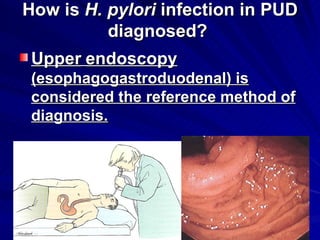
How is  H. pylori  infection in PUD diagnosed?  Upper   endoscopy  (esophagogastroduodenal) is considered the reference method of diagnosis.
Dx of  H. pylori  by Endoscopy During endoscopy, biopsy specimens of the stomach and duodenum are obtained and the diagnosis of  H. pylori  can be made by several methods:  The biopsy urease test - a colorimetric test based on the ability of  H. pylori  to produce urease; it provides rapid testing at the time of biopsy.  Histologic identification of organisms - considered the gold standard of diagnostic tests.  Culture of biopsy specimens for  H. pylori,  which requires an experienced laboratory and is necessary when antimicrobial susceptibility testing is desired
Peptic Ulcer Disease Therapy Non-Pharmacological  Diet change is of no value Smoking Cessation Smoking delays healing DC medications that enhance the progression NSAIDS Pharmacological Therapy Inhibit secretion of acid Neutralizing gastric acids Augmentation of protection of mucosa Antibiotics prn Maintenance Therapy Prevention c/ colloid bismuth Bedtime dosage of H2 blockers
Peptic Ulcer Disease Therapy Pharmacological Therapy Inhibition of acid H2 blockers Antacids Proton pump inhibitors Anticholinergics Prostaglandins Augmentation protection
Peptic Ulcer Disease Therapy Antacids  (magnesium, aluminum, & calcium based)  cause diarrhea Moderate to high doses of H2 blockers result in improved healing rates Used 1 hr PC & HS for 6-8 wks Side effects: Hypermagnesemia (careful in renal patients) Aluminum causes phosphate depletion & osteoporosis Sodium overload in CHF Hypercalcium causing Milk alkali syndrome Inhibits absorption of antibiotics, digoxin, warfarin
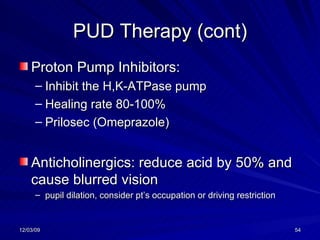
PUD Therapy (cont) Proton Pump Inhibitors: Inhibit the H,K-ATPase pump Healing rate 80-100% Prilosec (Omeprazole) Anticholinergics: reduce acid by 50% and cause blurred vision  pupil dilation, consider pt’s occupation or driving restriction
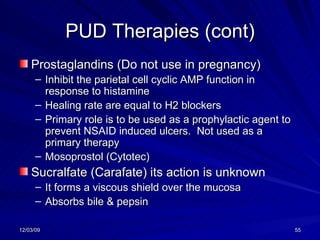
PUD Therapies (cont) Prostaglandins (Do not use in pregnancy) Inhibit the parietal cell cyclic AMP function in response to histamine Healing rate are equal to H2 blockers Primary role is to be used as a prophylactic agent to prevent NSAID induced ulcers.  Not used as a primary therapy Mosoprostol (Cytotec) Sucralfate (Carafate) its action is unknown It forms a viscous shield over the mucosa Absorbs bile & pepsin
Screw the environment carpooling is bad
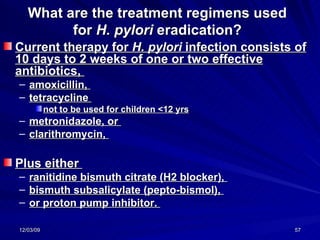
What are the treatment regimens used for  H. pylori  eradication? Current therapy for  H. pylori  infection consists of 10 days to 2 weeks of one or two effective antibiotics,  amoxicillin,  tetracycline  not to be used for children <12 yrs metronidazole, or  clarithromycin,  Plus either  ranitidine bismuth citrate (H2 blocker),  bismuth subsalicylate (pepto-bismol),  or proton pump inhibitor.
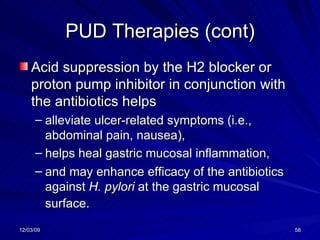
PUD Therapies (cont) Acid suppression by the H2 blocker or proton pump inhibitor in conjunction with the antibiotics helps  alleviate ulcer-related symptoms (i.e., abdominal pain, nausea),  helps heal gastric mucosal inflammation,  and may enhance efficacy of the antibiotics against  H. pylori  at the gastric mucosal surface.
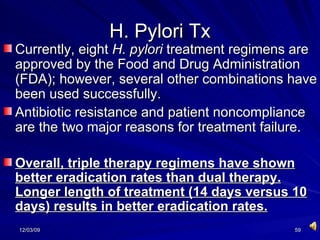
H. Pylori Tx Currently, eight  H. pylori  treatment regimens are approved by the Food and Drug Administration (FDA); however, several other combinations have been used successfully.  Antibiotic resistance and patient noncompliance are the two major reasons for treatment failure.  Overall, triple therapy regimens have shown better eradication rates than dual therapy. Longer length of treatment (14 days versus 10 days) results in better eradication rates.
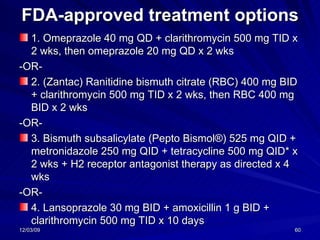
FDA-approved treatment options 1. Omeprazole 40 mg QD + clarithromycin 500 mg TID x 2 wks, then omeprazole 20 mg QD x 2 wks  -OR-  2. (Zantac) Ranitidine bismuth citrate (RBC) 400 mg BID + clarithromycin 500 mg TID x 2 wks, then RBC 400 mg BID x 2 wks  -OR- 3. Bismuth subsalicylate (Pepto Bismol®) 525 mg QID + metronidazole 250 mg QID + tetracycline 500 mg QID* x 2 wks + H2 receptor antagonist therapy as directed x 4 wks -OR- 4. Lansoprazole 30 mg BID + amoxicillin 1 g BID + clarithromycin 500 mg TID x 10 days
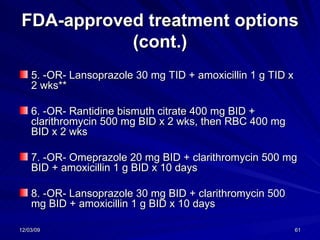
FDA-approved treatment options (cont.) 5. -OR- Lansoprazole 30 mg TID + amoxicillin 1 g TID x 2 wks**  6. -OR- Rantidine bismuth citrate 400 mg BID + clarithromycin 500 mg BID x 2 wks, then RBC 400 mg BID x 2 wks  7. -OR- Omeprazole 20 mg BID + clarithromycin 500 mg BID + amoxicillin 1 g BID x 10 days  8. -OR- Lansoprazole 30 mg BID + clarithromycin 500 mg BID + amoxicillin 1 g BID x 10 days
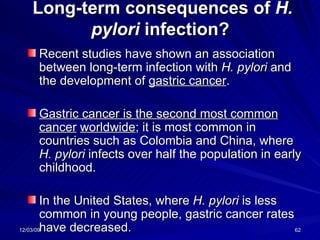
Long-term consequences of  H. pylori  infection?  Recent studies have shown an association between long-term infection with  H. pylori  and the development of  gastric cancer .  Gastric cancer is the second most common cancer   worldwide ; it is most common in countries such as Colombia and China, where  H. pylori  infects over half the population in early childhood.  In the United States, where  H. pylori  is less common in young people, gastric cancer rates have decreased.
 
GI Bleeding
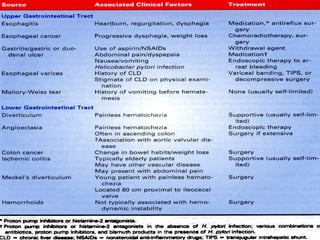
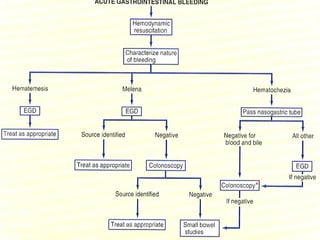
Gastrointestinal Bleeding May present as: Occult blood (not visualized) Melena (black stool) Hematemesis (vomiting blood) Hematochezia (passage of BRBPR in stool)
Kinds of GI Bleeding Hematemesis Rapid bleed: vomiting bright red blood Slow bleed: “coffee-grounds” Melena Black tarry stool Source: Upper GI Or lower GI to right colon Hematochezia Bright red blood in stool Source: Lower GI Or Upper GI if massive
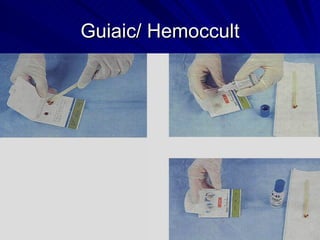
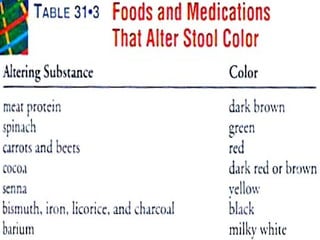
Occult blood Hemacult/Guiaic is the most commonly used test False positives <2% Obtain 2 different samples from 2 stools over a 3 day period Laxatives alter results causing both false-positive and false-negative results False positive results from food rich in peroxidase Bloody meats Broccoli Turnips Cauliflower False negatives from taking Vit. C or food containing vitamin C Neoplasms is #1 cause of occult blood loss
Guiaic/ Hemoccult
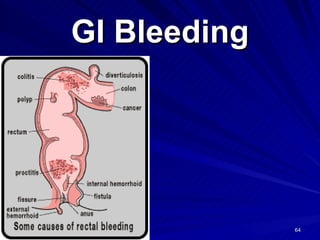
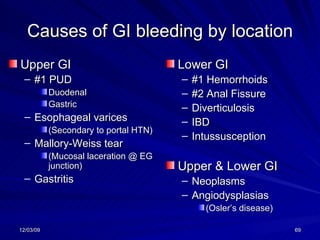
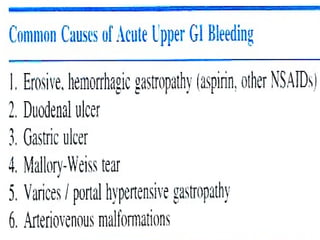
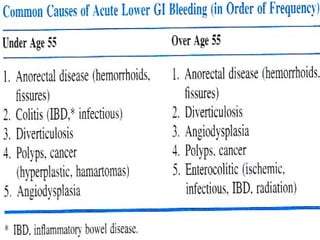
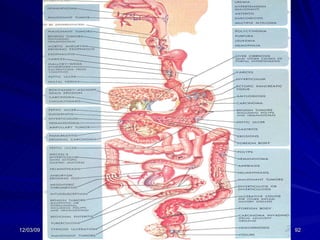
Causes of GI bleeding by location Upper GI  #1 PUD Duodenal Gastric Esophageal varices (Secondary to portal HTN) Mallory-Weiss tear  (Mucosal laceration @ EG junction) Gastritis Lower GI  #1 Hemorrhoids #2 Anal Fissure Diverticulosis IBD Intussusception Upper & Lower GI Neoplasms Angiodysplasias  (Osler’s disease)
 
GI Bleed GI bleeding is a powerful laxative GI bleeding may be life threatening GI bleeding may be acute or chronic Adult anemia is secondary to GI bleeding until proven otherwise GI bleeding is secondary to cancer until proven otherwise
GI Bleed Nature & duration helps with evaluation Presence of pain is important Watch for associated symptoms: fever, weight loss Medication and past surgery history The initial step is assessment of hemodynamic status.  A systolic BP <100mm Hg is high risk c/ acute bleeding. CAN BE MASSIVE AND DEADLY MUST BE TREATED RAPIDILY AND AGGRESSIVELY ALWAYS R/O CANCER
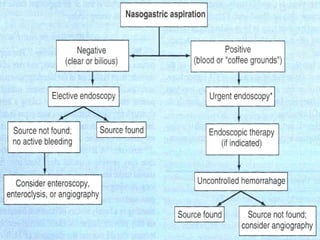
Upper GI bleed 4x more common than lower GI bleed R/O upper GI source by NG tube aspirate
Upper GI Differential Dx aids Signs of chronic liver disease implicates bleeding due to portal HTN. A hx of dyspepsia, NSAID use, or PUD, suggests Peptic Ulcer. Acute bleeding after heavy alcohol ingestion or retching suggests a Mallory-Weiss tear.
Lower GI bleeds Hematochezia (however, 10% is from upper GI source) Defined as below ligament of Treitz  (divides duodenum/ jejunum) 95% from Colon Less likely than Upper GI bleed to present in shock, or require transfusion 85% spontaneous cessation
Complications of GI bleed DIC from both massive blood loss & coagulation  Multi-organ failure Hemodynamic collapse Hyper-ammonia toxicity Hepatorenal failure Encephalopathy


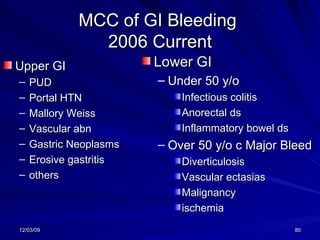
MCC of GI Bleeding  2006 Current Upper GI PUD Portal HTN Mallory Weiss Vascular abn Gastric Neoplasms Erosive gastritis others Lower GI Under 50 y/o Infectious colitis Anorectal ds Inflammatory bowel ds Over 50 y/o c Major Bleed Diverticulosis Vascular ectasias Malignancy ischemia
 
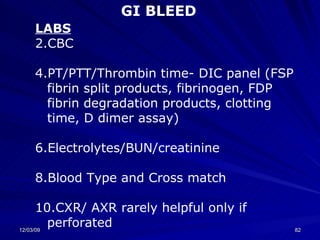
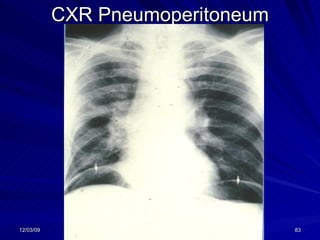
LABS CBC PT/PTT/Thrombin time- DIC panel (FSP fibrin split products, fibrinogen, FDP fibrin degradation products, clotting time, D dimer assay) Electrolytes/BUN/creatinine Blood Type and Cross match CXR/ AXR rarely helpful only if perforated GI BLEED
CXR Pneumoperitoneum
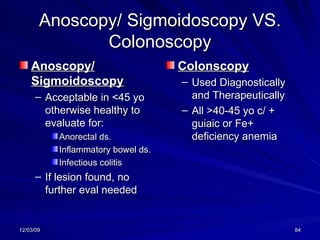
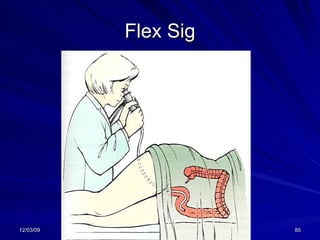
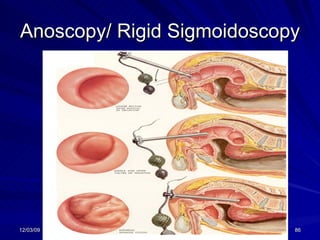
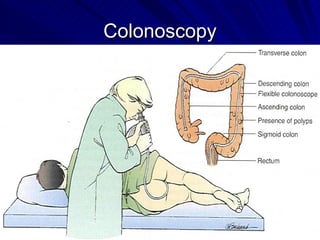
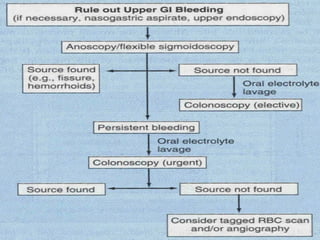
Anoscopy/ Sigmoidoscopy VS. Colonoscopy Anoscopy/ Sigmoidoscopy Acceptable in <45 yo otherwise healthy to evaluate for: Anorectal ds. Inflammatory bowel ds. Infectious colitis If lesion found, no further eval needed Colonscopy Used Diagnostically and Therapeutically All >40-45 yo c/ + guiaic or Fe+ deficiency anemia
Flex Sig
Anoscopy/ Rigid Sigmoidoscopy
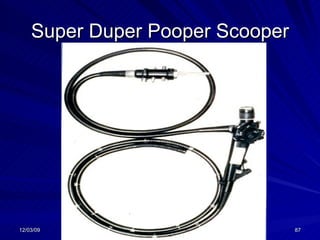
Super Duper Pooper Scooper
Colonoscopy


Urgent management of Upper GI bleeds 2 Large bore IV lines need started c/ colloid solution started until PRBC can be infused, if needed. Octreotide - Decreases portal HTN (it is administered promptly to all patients with active upper GI bleeds, and liver ds, or known portal HTN, until source can be ID’d by endoscopy. PPI’s reduce risk of rebleed in PUD Endoscopy To ID source Determine risk of rebleed Hemostasis Other Tx modalities (used only if endoscopy fails) Angiographic embolization Transvenous shunts (for portal HTN, and variceal bleeds)
Chinese Proverbs Man who stand on toilet is high on pot. Man who live in glass house should change clothes in basement.   Man who fish in other man's well often catch crabs.   Man who fart in church sit in own pew.   Crowded elevator smell different to midget.
Review Acute Erosive Gastritis D/C NSAIDS or add misoprostol If bleeding caused by ASA; consider platelet administration Sucralfate/ H2 antagonists Chronic Gastritis (Nonerosive) Type A Eradicate H. pylori: amox + tetracycline + PPI Type B Treat pernicious anemia: monthly lifelong IM B12 Specific Types of Gastritis
Review Peptic Ulcer Disease Almost all need Pepsin, Acid, &  H. pylori  to form ulcer Eradicate H. pylori  Endoscopic bx to exclude adenocarcinoma recommended for all patients If refractory: obtain fasting serum gastrin levels to exclude Zollinger-Ellison Consider parietal cell vagotomy.  Partial gastrectomy c/ gastro-duodenostomy (Billroth I) or gastrojejunostomy (Billroth II) are rarely used now.
Review Upper GI Bleed Evaluate hemodynamic status, stabilize Nasogastric tube Octreotide Endoscopy if bleeding is severe enough to require blood transfusions Bleeding from esophageal varices: endoscopic sclerotherapy preferred
Review Lower GI Bleed The most common cause of significant bleeding is diverticular bleeding; that of intermittent minor hematochezia is hemorrhoidal bleeding   Evaluate hemodynamic status, stabilize Colonoscopy if bleeding is severe or patient >50 yrs (neoplasms) If bleeding continues consider nuclear bleeding scan or mesenteric angiography (often of limited use if bleeding is slow or intermittent), or Intra-arterial vasopressin or embolization. Surgery as last resort
 

Pud Gastritis Lecture[1]

  • 1.
    55 yo malec/ epigastric pain on/off x 1 mo
  • 2.
    History Awoke himfrom sleep Relieved by food, but pain worsened 1-3 hrs later Fatigue Dyspepsia/ bloating/ belching/ burning Wt loss No SOB/ pain radiation/N/V/D/F Wife states that his diet is “poor”
  • 3.
    History PMH NoDM No CAD Etc. Family History Mother died 75 MI Father died 70 stroke Surgical Hx None Social History + Smoker 1ppd Medications “ some arthritis med” “ some HTN med” NKDA
  • 4.
    Physical Exam +Epigastric tenderness Guiaic +
  • 5.
    Differential Diagnosis? CardiacMI Aortic Dissection Pulmonary GI PUD Pancreatitis Gallstones Inflammatory bowel ds. (crohn’s/UC) Colon Ca
  • 6.
    Dx tests CBC(blood loss) Chem c/ BUN/creat Type & cross H. pylori EKG CXR (free air) Barium study
  • 7.
    Procedures NG tube(if upper GI bleed) IVF Endoscopy ? Sig vs. colonoscopy?
  • 8.
    Tx Antacids GIcocktail H2 blockers PPI’s Abx
  • 9.
    Reflux Esophagitis PepticUlcer Disease, Gastritis, & GI Bleeding Pascale Gèhy-Andrè, PA-C
  • 10.
    Anatomy & Physiologyof the stomach The blood supply is from the Celiac artery The vagus nerve stimulates the stomach The epithelium is columnar cells pieced by numerous glands The cardia and antrum have mostly mucous cells
  • 11.
    Normal Gastric Function1. Primary function of the stomach A. secretion of substances important to digestion & absorption B. movement of gastric contents downstream to small bowel 2. Classes of secretory cells A. Mucous secreting cells of the cardia : 1. Protect underlying cells from mechanical forces of digestion 2. Lubrication of mucosa to move food over surface 3. Retain water within the mucous gel providing aqueous environment for underlying cells. 4. Forming an unstirred layer above the mucosa impending but not blocking diffusion of hydrogen ions from the lumen to the superficial epithelial cells.
  • 12.
    Normal Gastric Function2. Classes of secretory cells (cont.): B. HCL -Secreting parietal cells of the body which also secrete intrinsic factor. C. Pepsinogen -Secreting chief cells of the body. D. Gastrin -Secreting G cells of the Antrum (body has 2 sources of Gastrin stomach and pancreas).
  • 13.
    Gastric Function (cont.)3. Neural & Hormonal influence on gastric function: A. Cephalic phase : (smell/thinking) initiates cholinergic impulse via the vagus nerve stimulating parietal secretion of acid & G cell secretion of Gastrin which also stimulates acid. B. Gastric phase : causes distention of the stomach by food which causes further secretion of acid and gastrin. Protein will also stimulate G cells to produce Gastrin and acid. C. Intestinal phase : will cause gastric acids to stimulate secretion of secretin & cholecystokinin which will also inhibit the action of gastrin on the parietal cells.
  • 14.
    Reflux Esophagitis Definition:Recurrent reflux of gastric contents in the distal esophagus Commonly called heartburn 20% of normal population at least one week May cause erosions that leads to Barrett’s esophagitis which can predispose to malignancy
  • 15.
    Reflux Esophagitis ContributingFactors: Hiatal hernia Delayed gastric emptying (gastroparesis/obstruction) Incompetent Lower esophageal sphincter Irritant effects of gastric juices (refluxate) Clinical features: Heartburn most common presenting feature Hoarseness, cough, hiccup, atypical chest pain, sore throat
  • 16.
    Reflux Esophagitis Laboratorystudies Barium swallow may indicate a large hiatal hernia ENDOSCOPY with BIOPSY standard procedure describes the presence and extent of mucosal damage Endoscopy when symptoms do not respond to medical therapy pH monitoring can be done
  • 17.
    Reflux Esophagitis Treatment: Life style modification ( DC smoking) Pharmacotherapy Antacids or alginic acid(gaviscon) Histamine (H2 blockers) Prokinetic drugs ( e.g. metoclopramide, cisapride, bethanechol) increase gastric emptying and can be combined with H2 blockers Acid-suppressant proton-pump inhibitor (e.g. omeprazole, lansoprazole) may be tried as last resort Anticholinergic, B - adrenergic, and calcium channel-blocking agents decrease lower esophageal sphincter pressure and should be avoided Complication: Barrett’s Esophagagus
  • 18.
    Gastritis Acute Gastritis is an inflammation of the gastric mucosa. Gastropathy : epithelial or endothelial damage without inflammation Gastritis has 3 basic types: Acute (erosive/ hemorrhagic) Non-erosive, Non-specific/Chronic Special Forms
  • 19.
    Acute Gastritis (Erosive/Hemorrhagic)Most common causes: NSAIDS gastric injury by diminishing prostaglandin production in stomach and duodenum Alcohol use is the leading cause of gastritis Stress from CNS injury burns, sepsis, surgery Portal hypertension (portal gastropathy) Other causes: Caustic ingestion radiation
  • 20.
    Chronic Gastritis Nonerosive/nonspecificInfectious gastritis Type B: H Pylory Involves antrum and body of stomach majority of patients asymptomatic Strong association with PUD 2 to 6 fold risks of gastric adenocarcinoma and also gastric lymphoma Autoimmune gastritis Type A: Pernicious anemia Body and fundus, It usually spares the antrum & affects the parietal cells. Pernicious anemia caused by impaired absorption of vitamin B-12 occurs due to lack of intrinsic factor from parietal cells and decrease in acid production Increased risk of adenocarcinoma
  • 21.
    Special forms ofGastritis Infectious (Phlegmonous or necrotizing gastritis) Emergency gastric resection, and Abx therapy CMV, candidal (fungal) in immunocompromised pt’s Larvae ingestion requires endoscopic removal Eosinophilic Gastritis Giant Cell (Menetrier’s disease) (Hypertrophic Gastropathy) only found on biopsy Lymphocytic Gastritis Granulomatous Gastritis Tuberculosis Syphilis Fungal Sarcoid Crohn’s
  • 22.
    Gastritis Symptoms Clinicalfeatures of gastritis generally reflects the underlying syndrome rather than the gastric injury itself Acute: Dyspepsia and abdominal pain are common indicators of gastritis Mild epigastric discomfort Occasional N/V Headache, excessive salivation, flatus Chronic: Non specific symptoms c/ chronic abdominal discomfort Key signs: (usually none) Hematemesis, bloody nasogastric aspirate Abdominal tenderness Bloating Emesis
  • 23.
    Gastritis Lab: Endoscopyc/ biopsy is the gold standard A urea breath test can be used to detect HP Specific test for underlying conditions (e.g) B12 and CBC for pernicious anemia Differential Diagnosis: 1. Peptic ulcer 2. Gastroparesis 3. Gastric carcinoma 4. GERD 5. Pancreatitis 6. Lymphoma Treatment: (same as duodenal ulcers) Remove irritant Treat for H pylori Antacids & H2 blockers Avoid smoking & alcohol
  • 24.
    Peptic Ulcer DiseaseDefinition : PUD is describes any ulcer of the upper digestive tract. (duodenal # 1) and stomach (gastric #2) Break in the duodenal or gastric mucosa extending through the musularis mucosae, and are usually 5mm-1cm.
  • 25.
    Zollinger-Ellison Syndrome Ulcers-associatedwith the Zollinger-Ellison (ZE) Syndrome (#3 ) are caused by gastrin-releasing islet cell tumors (gastrinomas), & are also considered a form of peptic ulcer.
  • 26.
    Zollinger-Ellison Syndrome Atumor of the pancreas that secretes gastrin ( Gastrinoma) Usually found in head of pancreas but can also be found in duodenum, liver & lung 75-80% of ulcers produced develop in the duodenal bulb Suspect in any patient with: Multiple or recurring duodenal ulcers Post bulbar or jejunal ulcers Ulcers associated with diarrhea Elevated serum gastrin levels Usually only tested when suspect ZE syndrome
  • 27.
    Peptic Ulcer Disease(PUD) Men 1.3 : 1 Women Most commonly occur in : #1 Duodenum (Duodenal) #2 Stomach (Gastric) Esophagus Gastroenteric anastomoses Meckel’s Diverticulum
  • 28.
    PUD The spectrumof the disease is broad from mild mucosal injury to frank ulcerations. Symptoms vary and are not related to the severity of tissue damage. 1-2% of population have an ulcer at the present time 10% of population will have ulcer in their lifetime Gastric and Duodenal ulcers tend to recur in the same location. Recurrent hemorrhage occurs in 50% of patients who have had a prior bleed.
  • 29.
    Duodenal Ulcer vs.Gastric Ulcer Duodenal Increased acid production H. pylori relieved by food & typically awakens patient around 1:00am Gastric Normal or decreased acid production Decreased mucosal resistance H. pylori NSAIDS worsened by food
  • 30.
    Duodenal Vs. Gastric(cont) Duodenal Onset more common age 25 to 55 never malignant mostly located in the duodenal bulb or immediately post bulbar. Ulcers distal to the duodenal bulb should raise suspicion for Zollinger-Ellison Syndrome (also c/ multiple frequently occurring duodenal ulcers.) Men 2:1 Women Duodenal 5 times more common than gastric 60-80% have recurrence within one year. Gastric Onset more common age 40 to 70 Benign more likely @ lesser curvature/ antrum Gastric ulcers are more common @ lesser curvature Malignancies more likely @ greater curvature 1-3% occur in carcinomas
  • 31.
    PUD Etiologies 1. Helicobacter pylori (H. pylori) infection: (#1 cause) A. Associated c/ 70-95% of Peptic ulcers. B. Treatment of H. pylori improves healing rate & markedly decreases the recurrence rate. 2. NSAIDS: (#2 cause) (inhibit prostaglandins which normally stimulate production of mucous secretions & bicarb.) A. may cause gastric or duodenal ulcers (steroids also) B. accounts for the majority of non H. pylori ulcers
  • 32.
    PUD Etiologies (cont)3. Hypersecretion states: (#3 although uncommon) Gastrinomas (Zollinger-Ellison Syndrome) Multiple endocrine neoplasia (MEN-1) Systemic mastocytosis (mast cells infiltrate intestinal wall, release histamine- stimulates acid. Symptoms are diarrhea, flushing, urticaria. Histamine in blood. Confirmed by biopsy.) 4. Stress: physiologic stress (eg. Burns, surgery, & severe medical conditions) 5. Rare causes: viral, radiation, vascular insuff. Diseases assoc. c/ peptic ulcers: Cirrhosis, renal failure, pulmonary ds. Any pt. c/ systemic ds. (COPD, renal failure, cirrhosis of liver) are prone to ulcers so should be started on H2 blockers.
  • 33.
    The pathogenesis ofPUD is related to the imbalance between normal protective factors and injurious factors No Ulcer Normal Ulcer Aggressive forces Gastric acid Digestive enzymes Vs. Defensive forces Mucus Bicarb Prostaglandins Epithelial regeneration

  • 34.
    Ulcers result from:1. Increased aggression H. pylori infection NSAIDS Cigarettes ETOH Or 2. Impaired Defense Ischemia Prostaglandin Inhibition (NSAIDS) Delayed gastric emptying
  • 35.
    PUD ADVERSE EFFECTSOF SMOKING 1. Interferes c/ action of H2 antagonists 2. Increases rate of gastric emptying 3. Increases duodenogastric reflux 4. Decreases pancreatic bicarb secretion 5. Decreases mucosal blood flow 6. Depresses gastric mucosal prostaglandin synthesis
  • 36.
  • 37.
    Peptic Ulcer DiseaseFacts Most ulcers are caused by H. pylori infection, not spicy food, acid or stress. You can test for H. pylori infection. H. pylori / ulcers can be tx’d c/ antibiotics. Complications: A Major complication is bleeding & perforation Erosion of a small vessel at the base of the ulcer is the cause of the bleeding Perforation is usually catastrophic causing peritonitis
  • 38.
    What is H.pylori Helicobacter pylori ( H. pylori ) is a gram negative spiral-shaped bacillus found in the gastric mucous layer or adherent to the epithelial lining of the stomach. H. pylori causes more than 90% of duodenal ulcers and up to 80% of gastric ulcers.
  • 39.
    How do peopleget infected with H. pylori ? It is not known how H. pylori is transmitted or why some patients become symptomatic while others do not. The bacteria are most likely spread from person to person through fecal-oral or oral-oral routes. Possible environmental reservoirs include: contaminated water sources Iatrogenic spread through contaminated endoscopes has been documented but can be prevented
  • 40.
    What can peopledo to prevent H. pylori infection? Since the source of H. pylori is not yet known, recommendations for avoiding infection have not been made. In general, it is always wise for persons to wash hands thoroughly, to eat food that has been properly prepared, and to drink water from a safe, clean source.
  • 41.
    H. pylori infection Before this bacterium was discovered, spicy food, acid, stress, and lifestyle were considered the major causes of ulcers. The majority of patients were given long-term medications, such as H2 blockers, and more recently, proton pump inhibitors, without a chance for permanent cure. These medications relieve ulcer-related symptoms, heal gastric mucosal inflammation, and may heal the ulcer, but they do NOT treat the infection.
  • 42.
    H. Pylori infection When acid suppression is removed, the majority of ulcers, particularly those caused by H. pylori , recur. Since we now know that most ulcers are caused by H. pylori , appropriate antibiotic regimens can successfully eradicate the infection in most patients, with complete resolution of mucosal inflammation and a minimal chance for recurrence of ulcers.
  • 43.
    What illnesses does H. pylori cause? Most persons who are infected with H. pylori never suffer any symptoms related to the infection; however, H. pylori causes chronic active, chronic persistent, and atrophic gastritis in adults and children. Infection with H. pylori also causes duodenal and gastric ulcers. Infected persons have a 2- to 6-fold increased risk of developing gastric cancer and mucosal-associated-lymphoid-type (MALT) lymphoma compared with their uninfected counterparts. The role of H. pylori in non-ulcer dyspepsia remains unclear.
  • 44.
    Peptic Ulcer DiseaseSymptoms #1. Epigastric Pain Burning Occurs 1-3 hrs p/ meals Relieved by food May occur @ night May radiate to back or shoulders if perforated Nausea Vomiting May be related to partial or complete gastric outlet obstruction Dyspepsia Belching/ Bloating Heartburn Chest Discomfort Anorexia Weight loss In gastric ulcers (also in pancreatic ds.) Weight gain In duodenal ulcers Hematemesis or melena Due to GI bleeding If severe = hematochezia
  • 45.
    Chinese Proverbs Manwith one chopstick go hungry. Man who scratch ass should not bite fingernails.   Man who eat many prunes get good run for money. Baseball is wrong: man with four balls cannot walk. Panties not best thing on earth! But next to best thing on earth. Man who fight with wife all day get no piece at night. It take many nails to build crib, but one screw to fill it. Man who drive like hell, bound to get there.
  • 46.
    Who should betested and treated for H. pylori ? Persons with active gastric or duodenal ulcers or documented history of ulcers should be tested for H. pylori , and if found to be infected, they should be treated. To date, there has been no conclusive evidence that treatment of H. pylori infection in patients with non-ulcer dyspepsia is warranted.
  • 47.
    PUD Tests LaboratoryTest: Routine tests are of little importance. Having a CBC is helpful. Upper GI endoscopy c/ biopsy* Upper GI series (barium) (limited today) Serum Test Amylase Electrolytes Serum Gastrin level if ZE syndrome is suspected Frequently occurring duodenal ulcers or multiple Duodenal Ulcers*
  • 48.
    How is H. pylori infection diagnosed? Several methods may be used to diagnose H. pylori infection. Serological tests that measure specific H. pylori IgG antibodies can determine if a person has been infected. The sensitivity and specificity of these assays around 80% Fecal Antigen Assay Urea Breath test In this test, the patient is given either 13C- or 14C-labeled urea to drink. H. pylori metabolizes the urea rapidly, and the labeled carbon is absorbed. This labeled carbon can then be measured as CO2 in the patient's expired breath to determine whether H. pylori is present. The sensitivity and specificity of the breath test ranges from 94% to 98%. PPI’s can give false negative results
  • 49.
    How is H. pylori infection in PUD diagnosed? Upper endoscopy (esophagogastroduodenal) is considered the reference method of diagnosis.
  • 50.
    Dx of H. pylori by Endoscopy During endoscopy, biopsy specimens of the stomach and duodenum are obtained and the diagnosis of H. pylori can be made by several methods: The biopsy urease test - a colorimetric test based on the ability of H. pylori to produce urease; it provides rapid testing at the time of biopsy. Histologic identification of organisms - considered the gold standard of diagnostic tests. Culture of biopsy specimens for H. pylori, which requires an experienced laboratory and is necessary when antimicrobial susceptibility testing is desired
  • 51.
    Peptic Ulcer DiseaseTherapy Non-Pharmacological Diet change is of no value Smoking Cessation Smoking delays healing DC medications that enhance the progression NSAIDS Pharmacological Therapy Inhibit secretion of acid Neutralizing gastric acids Augmentation of protection of mucosa Antibiotics prn Maintenance Therapy Prevention c/ colloid bismuth Bedtime dosage of H2 blockers
  • 52.
    Peptic Ulcer DiseaseTherapy Pharmacological Therapy Inhibition of acid H2 blockers Antacids Proton pump inhibitors Anticholinergics Prostaglandins Augmentation protection
  • 53.
    Peptic Ulcer DiseaseTherapy Antacids (magnesium, aluminum, & calcium based) cause diarrhea Moderate to high doses of H2 blockers result in improved healing rates Used 1 hr PC & HS for 6-8 wks Side effects: Hypermagnesemia (careful in renal patients) Aluminum causes phosphate depletion & osteoporosis Sodium overload in CHF Hypercalcium causing Milk alkali syndrome Inhibits absorption of antibiotics, digoxin, warfarin
  • 54.
    PUD Therapy (cont)Proton Pump Inhibitors: Inhibit the H,K-ATPase pump Healing rate 80-100% Prilosec (Omeprazole) Anticholinergics: reduce acid by 50% and cause blurred vision pupil dilation, consider pt’s occupation or driving restriction
  • 55.
    PUD Therapies (cont)Prostaglandins (Do not use in pregnancy) Inhibit the parietal cell cyclic AMP function in response to histamine Healing rate are equal to H2 blockers Primary role is to be used as a prophylactic agent to prevent NSAID induced ulcers. Not used as a primary therapy Mosoprostol (Cytotec) Sucralfate (Carafate) its action is unknown It forms a viscous shield over the mucosa Absorbs bile & pepsin
  • 56.
    Screw the environmentcarpooling is bad
  • 57.
    What are thetreatment regimens used for H. pylori eradication? Current therapy for H. pylori infection consists of 10 days to 2 weeks of one or two effective antibiotics, amoxicillin, tetracycline not to be used for children <12 yrs metronidazole, or clarithromycin, Plus either ranitidine bismuth citrate (H2 blocker), bismuth subsalicylate (pepto-bismol), or proton pump inhibitor.
  • 58.
    PUD Therapies (cont)Acid suppression by the H2 blocker or proton pump inhibitor in conjunction with the antibiotics helps alleviate ulcer-related symptoms (i.e., abdominal pain, nausea), helps heal gastric mucosal inflammation, and may enhance efficacy of the antibiotics against H. pylori at the gastric mucosal surface.
  • 59.
    H. Pylori TxCurrently, eight H. pylori treatment regimens are approved by the Food and Drug Administration (FDA); however, several other combinations have been used successfully. Antibiotic resistance and patient noncompliance are the two major reasons for treatment failure. Overall, triple therapy regimens have shown better eradication rates than dual therapy. Longer length of treatment (14 days versus 10 days) results in better eradication rates.
  • 60.
    FDA-approved treatment options1. Omeprazole 40 mg QD + clarithromycin 500 mg TID x 2 wks, then omeprazole 20 mg QD x 2 wks -OR- 2. (Zantac) Ranitidine bismuth citrate (RBC) 400 mg BID + clarithromycin 500 mg TID x 2 wks, then RBC 400 mg BID x 2 wks -OR- 3. Bismuth subsalicylate (Pepto Bismol®) 525 mg QID + metronidazole 250 mg QID + tetracycline 500 mg QID* x 2 wks + H2 receptor antagonist therapy as directed x 4 wks -OR- 4. Lansoprazole 30 mg BID + amoxicillin 1 g BID + clarithromycin 500 mg TID x 10 days
  • 61.
    FDA-approved treatment options(cont.) 5. -OR- Lansoprazole 30 mg TID + amoxicillin 1 g TID x 2 wks** 6. -OR- Rantidine bismuth citrate 400 mg BID + clarithromycin 500 mg BID x 2 wks, then RBC 400 mg BID x 2 wks 7. -OR- Omeprazole 20 mg BID + clarithromycin 500 mg BID + amoxicillin 1 g BID x 10 days 8. -OR- Lansoprazole 30 mg BID + clarithromycin 500 mg BID + amoxicillin 1 g BID x 10 days
  • 62.
    Long-term consequences of H. pylori infection? Recent studies have shown an association between long-term infection with H. pylori and the development of gastric cancer . Gastric cancer is the second most common cancer worldwide ; it is most common in countries such as Colombia and China, where H. pylori infects over half the population in early childhood. In the United States, where H. pylori is less common in young people, gastric cancer rates have decreased.
  • 63.
  • 64.
  • 65.
    Gastrointestinal Bleeding Maypresent as: Occult blood (not visualized) Melena (black stool) Hematemesis (vomiting blood) Hematochezia (passage of BRBPR in stool)
  • 66.
    Kinds of GIBleeding Hematemesis Rapid bleed: vomiting bright red blood Slow bleed: “coffee-grounds” Melena Black tarry stool Source: Upper GI Or lower GI to right colon Hematochezia Bright red blood in stool Source: Lower GI Or Upper GI if massive
  • 67.
    Occult blood Hemacult/Guiaicis the most commonly used test False positives <2% Obtain 2 different samples from 2 stools over a 3 day period Laxatives alter results causing both false-positive and false-negative results False positive results from food rich in peroxidase Bloody meats Broccoli Turnips Cauliflower False negatives from taking Vit. C or food containing vitamin C Neoplasms is #1 cause of occult blood loss
  • 68.
  • 69.
    Causes of GIbleeding by location Upper GI #1 PUD Duodenal Gastric Esophageal varices (Secondary to portal HTN) Mallory-Weiss tear (Mucosal laceration @ EG junction) Gastritis Lower GI #1 Hemorrhoids #2 Anal Fissure Diverticulosis IBD Intussusception Upper & Lower GI Neoplasms Angiodysplasias (Osler’s disease)
  • 70.
  • 71.
    GI Bleed GIbleeding is a powerful laxative GI bleeding may be life threatening GI bleeding may be acute or chronic Adult anemia is secondary to GI bleeding until proven otherwise GI bleeding is secondary to cancer until proven otherwise
  • 72.
    GI Bleed Nature& duration helps with evaluation Presence of pain is important Watch for associated symptoms: fever, weight loss Medication and past surgery history The initial step is assessment of hemodynamic status. A systolic BP <100mm Hg is high risk c/ acute bleeding. CAN BE MASSIVE AND DEADLY MUST BE TREATED RAPIDILY AND AGGRESSIVELY ALWAYS R/O CANCER
  • 73.
    Upper GI bleed4x more common than lower GI bleed R/O upper GI source by NG tube aspirate
  • 74.
    Upper GI DifferentialDx aids Signs of chronic liver disease implicates bleeding due to portal HTN. A hx of dyspepsia, NSAID use, or PUD, suggests Peptic Ulcer. Acute bleeding after heavy alcohol ingestion or retching suggests a Mallory-Weiss tear.
  • 75.
    Lower GI bleedsHematochezia (however, 10% is from upper GI source) Defined as below ligament of Treitz (divides duodenum/ jejunum) 95% from Colon Less likely than Upper GI bleed to present in shock, or require transfusion 85% spontaneous cessation
  • 76.
    Complications of GIbleed DIC from both massive blood loss & coagulation Multi-organ failure Hemodynamic collapse Hyper-ammonia toxicity Hepatorenal failure Encephalopathy
  • 77.
  • 78.
  • 79.
  • 80.
    MCC of GIBleeding 2006 Current Upper GI PUD Portal HTN Mallory Weiss Vascular abn Gastric Neoplasms Erosive gastritis others Lower GI Under 50 y/o Infectious colitis Anorectal ds Inflammatory bowel ds Over 50 y/o c Major Bleed Diverticulosis Vascular ectasias Malignancy ischemia
  • 81.
  • 82.
    LABS CBC PT/PTT/Thrombintime- DIC panel (FSP fibrin split products, fibrinogen, FDP fibrin degradation products, clotting time, D dimer assay) Electrolytes/BUN/creatinine Blood Type and Cross match CXR/ AXR rarely helpful only if perforated GI BLEED
  • 83.
  • 84.
    Anoscopy/ Sigmoidoscopy VS.Colonoscopy Anoscopy/ Sigmoidoscopy Acceptable in <45 yo otherwise healthy to evaluate for: Anorectal ds. Inflammatory bowel ds. Infectious colitis If lesion found, no further eval needed Colonscopy Used Diagnostically and Therapeutically All >40-45 yo c/ + guiaic or Fe+ deficiency anemia
  • 85.
  • 86.
  • 87.
  • 88.
  • 89.
  • 90.
  • 91.
  • 92.
  • 93.
    Urgent management ofUpper GI bleeds 2 Large bore IV lines need started c/ colloid solution started until PRBC can be infused, if needed. Octreotide - Decreases portal HTN (it is administered promptly to all patients with active upper GI bleeds, and liver ds, or known portal HTN, until source can be ID’d by endoscopy. PPI’s reduce risk of rebleed in PUD Endoscopy To ID source Determine risk of rebleed Hemostasis Other Tx modalities (used only if endoscopy fails) Angiographic embolization Transvenous shunts (for portal HTN, and variceal bleeds)
  • 94.
    Chinese Proverbs Manwho stand on toilet is high on pot. Man who live in glass house should change clothes in basement. Man who fish in other man's well often catch crabs. Man who fart in church sit in own pew. Crowded elevator smell different to midget.
  • 95.
    Review Acute ErosiveGastritis D/C NSAIDS or add misoprostol If bleeding caused by ASA; consider platelet administration Sucralfate/ H2 antagonists Chronic Gastritis (Nonerosive) Type A Eradicate H. pylori: amox + tetracycline + PPI Type B Treat pernicious anemia: monthly lifelong IM B12 Specific Types of Gastritis
  • 96.
    Review Peptic UlcerDisease Almost all need Pepsin, Acid, & H. pylori to form ulcer Eradicate H. pylori Endoscopic bx to exclude adenocarcinoma recommended for all patients If refractory: obtain fasting serum gastrin levels to exclude Zollinger-Ellison Consider parietal cell vagotomy. Partial gastrectomy c/ gastro-duodenostomy (Billroth I) or gastrojejunostomy (Billroth II) are rarely used now.
  • 97.
    Review Upper GIBleed Evaluate hemodynamic status, stabilize Nasogastric tube Octreotide Endoscopy if bleeding is severe enough to require blood transfusions Bleeding from esophageal varices: endoscopic sclerotherapy preferred
  • 98.
    Review Lower GIBleed The most common cause of significant bleeding is diverticular bleeding; that of intermittent minor hematochezia is hemorrhoidal bleeding Evaluate hemodynamic status, stabilize Colonoscopy if bleeding is severe or patient >50 yrs (neoplasms) If bleeding continues consider nuclear bleeding scan or mesenteric angiography (often of limited use if bleeding is slow or intermittent), or Intra-arterial vasopressin or embolization. Surgery as last resort
  • 99.