Proteomic
s
Sneha (2021-21-058)
1st PhD, Department of Plant
Physiology
CONTENT
Introduction
Types of proteomics
Proteomics techniques
Protein separation technique
Protein identification
Protein-protein interaction
INTRODUCTION
• Many researchers considered the 21st century the
“Postgenomic era”.
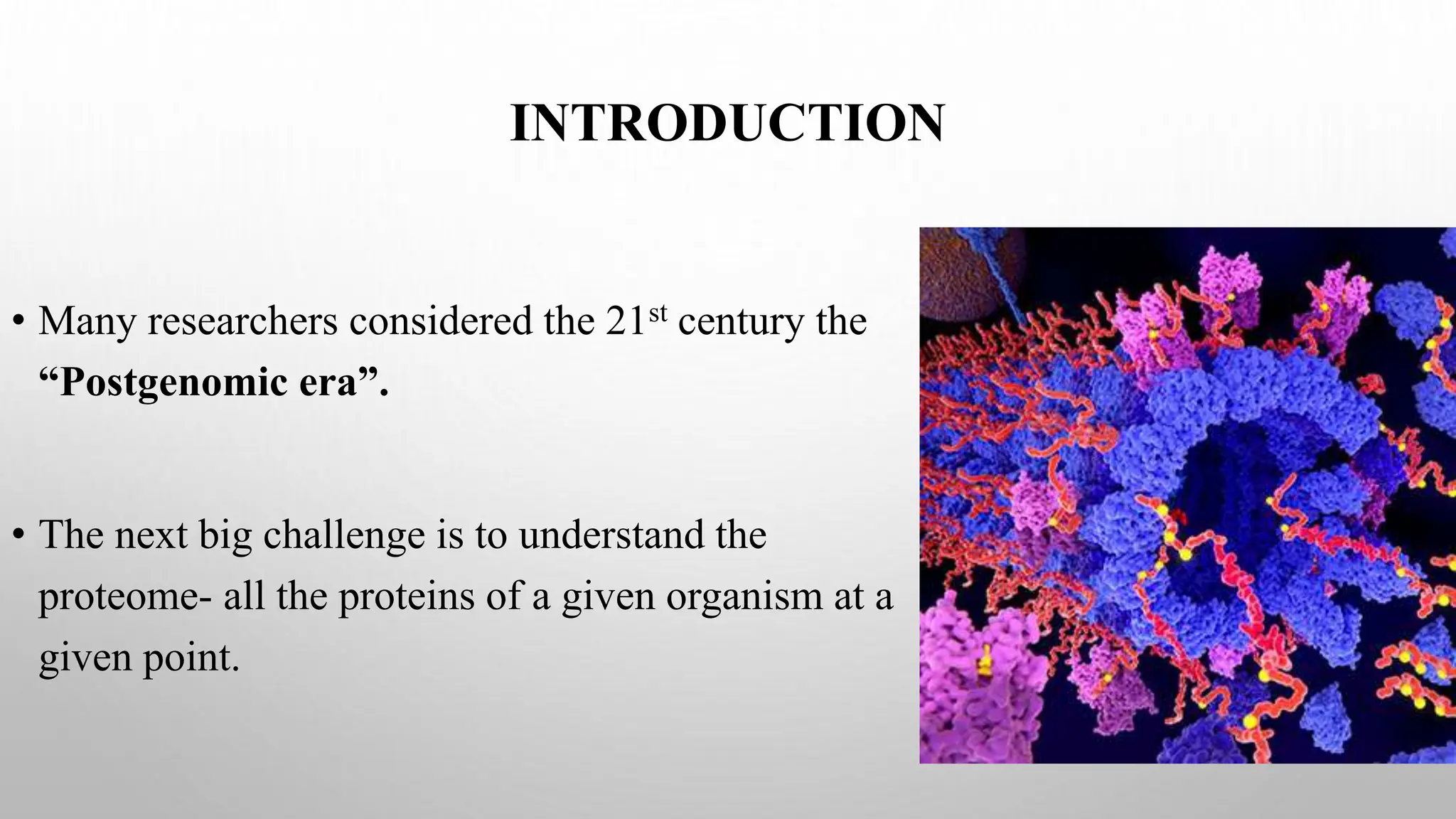
• The next big challenge is to understand the
proteome- all the proteins of a given organism at a
given point.
The word “Proteome” is actually a combination of protein and genome and was coined
by mark wilkins in 1994.
Definition: Proteome is a the complete set of proteins expressed during a cell’s entire
lifetime. Proteomics assesses activities, modifications, localization, and interactions of
proteins in complexes.
Aim:
1. To study the protein products of the genome and their interaction.
2. A large-scale characterization and functional analysis of the proteins expressed by a
genome.
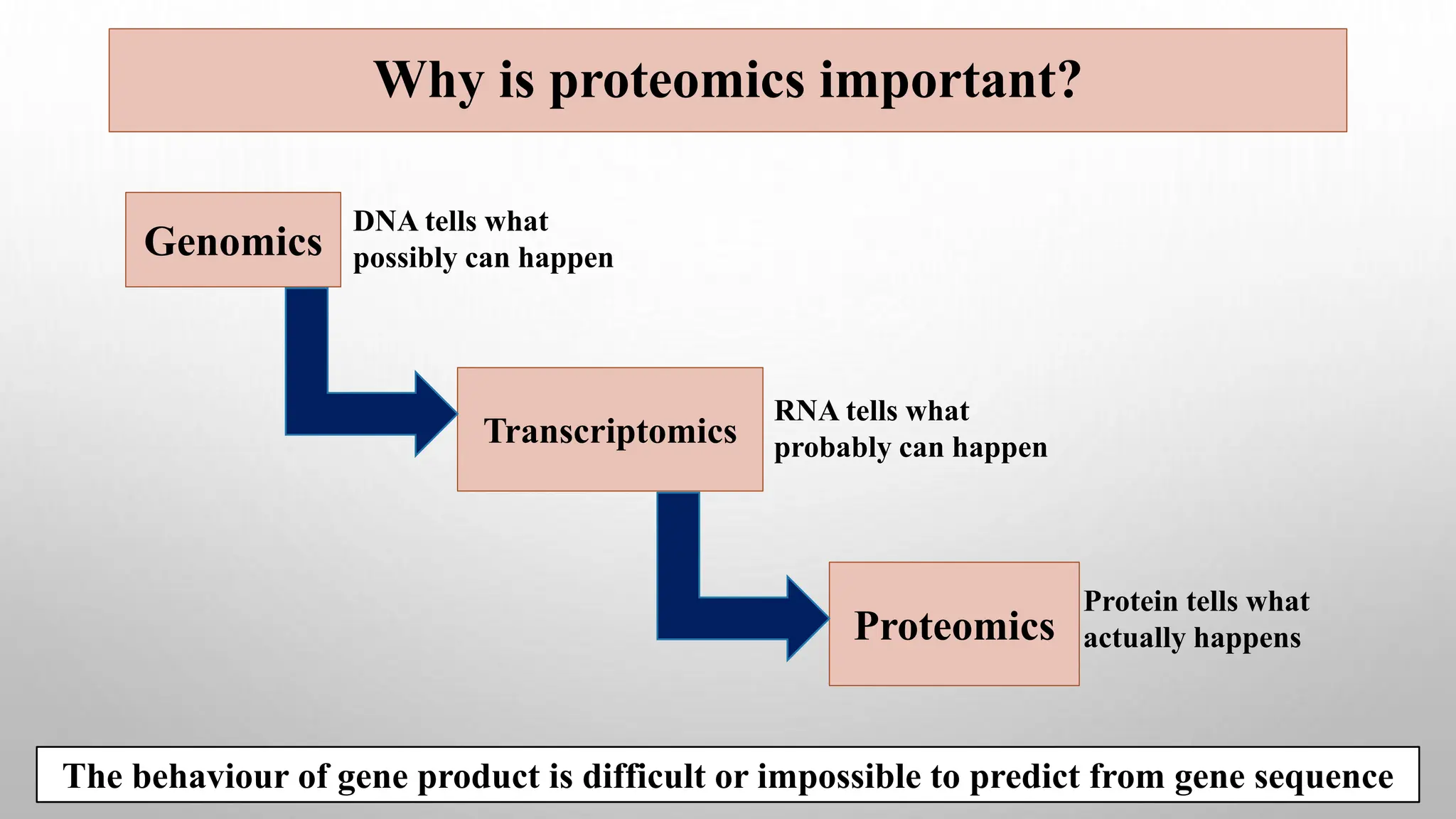
Why is proteomics important?
Genomics
Transcriptomics
DNA tells what
possibly can happen
Protein tells what
actually happens
RNA tells what
probably can happen
The behaviour of gene product is difficult or impossible to predict from gene sequence
Proteomics
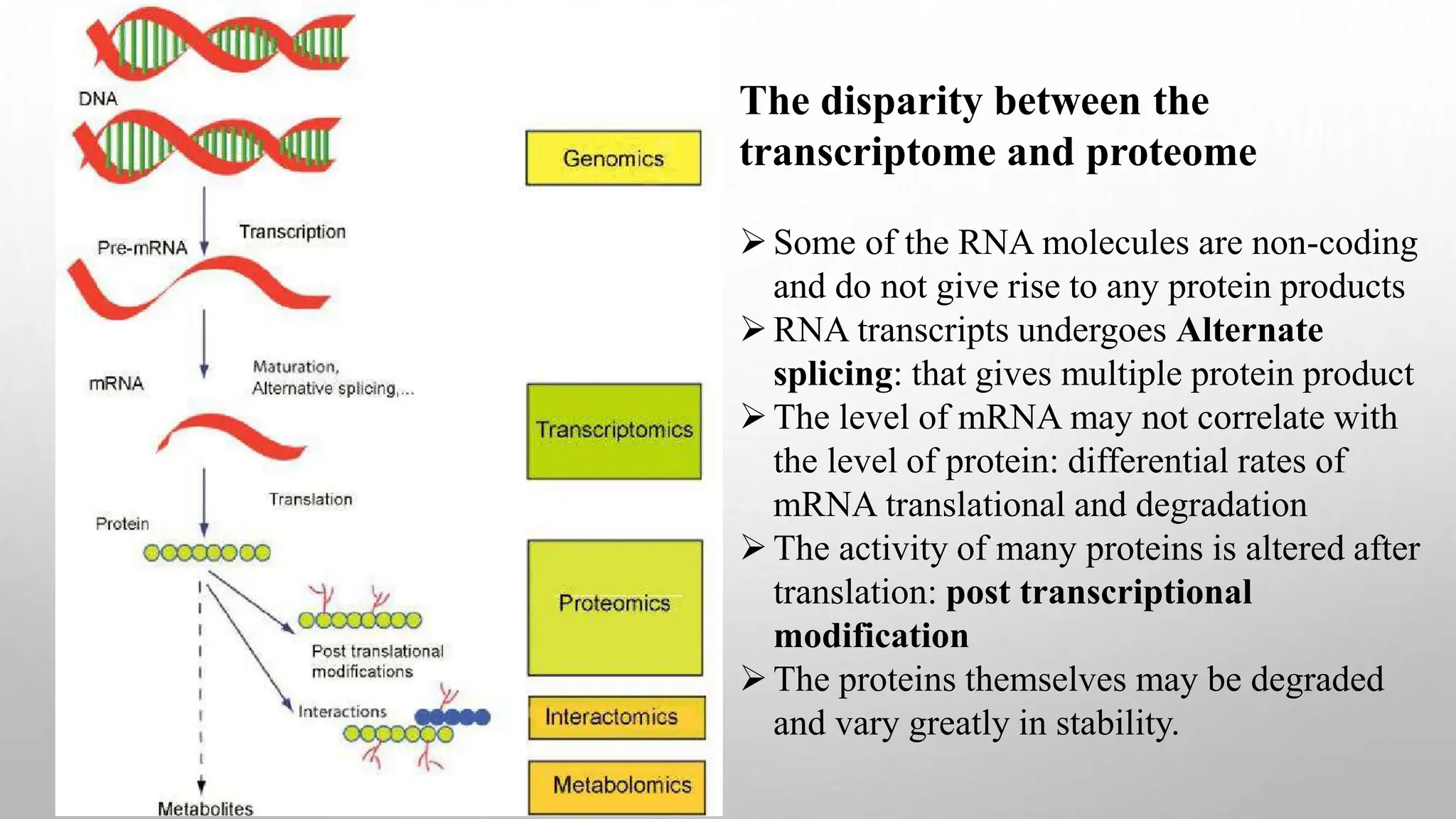
The disparity between the
transcriptome and proteome
Some of the RNA molecules are non-coding
and do not give rise to any protein products
RNA transcripts undergoes Alternate
splicing: that gives multiple protein product
The level of mRNA may not correlate with
the level of protein: differential rates of
mRNA translational and degradation
The activity of many proteins is altered after
translation: post transcriptional
modification
The proteins themselves may be degraded
and vary greatly in stability.
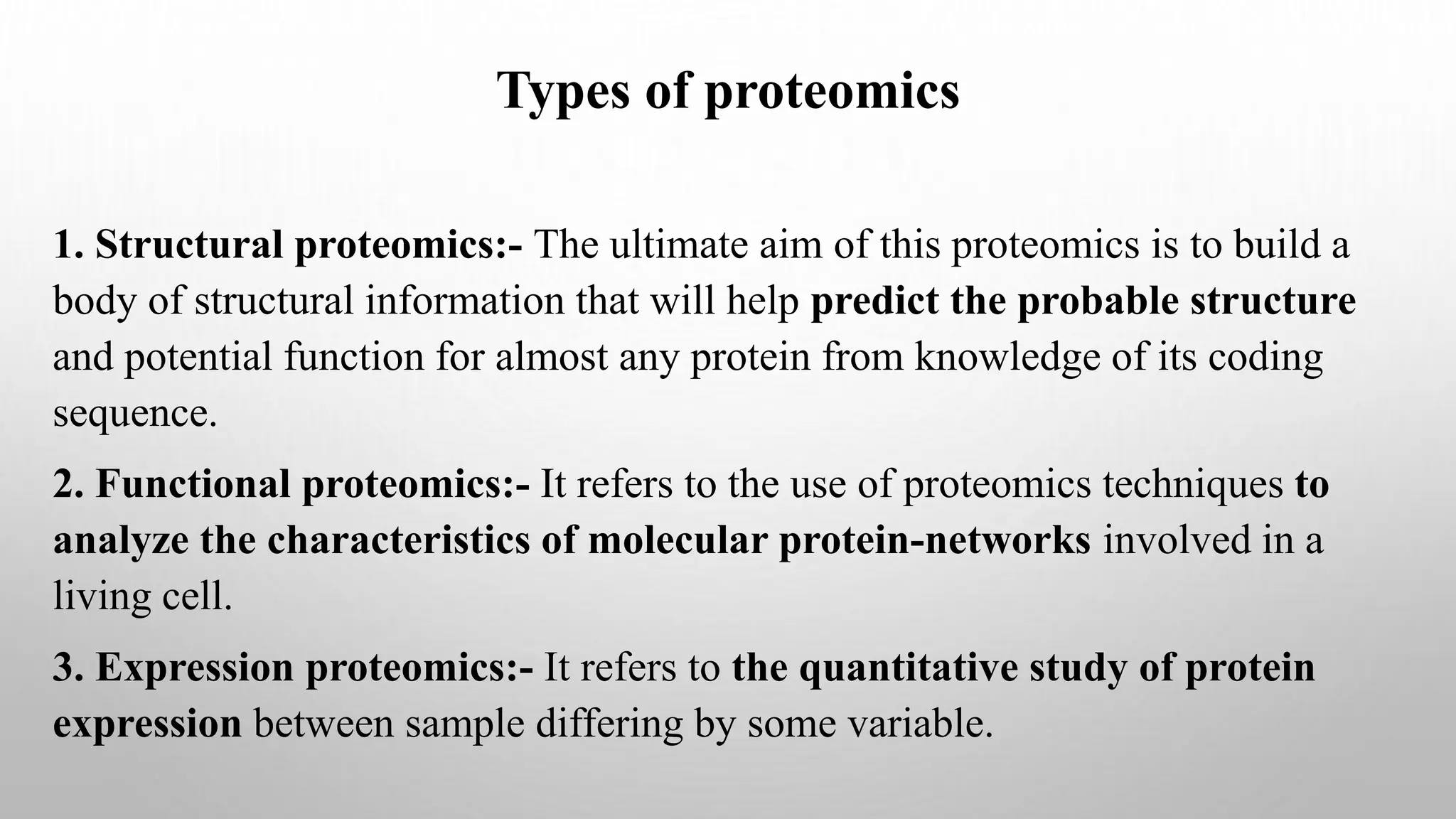
Types of proteomics
1. Structural proteomics:- The ultimate aim of this proteomics is to build a
body of structural information that will help predict the probable structure
and potential function for almost any protein from knowledge of its coding
sequence.
2. Functional proteomics:- It refers to the use of proteomics techniques to
analyze the characteristics of molecular protein-networks involved in a
living cell.
3. Expression proteomics:- It refers to the quantitative study of protein
expression between sample differing by some variable.
Proteomics techniques
1. Protein separation technique
a) 1D-SDS PAGE
b) 2D-SDS PAGE
2. Protein identification
• Mass spectrometry-MALDI-TOF
3. Protein-protein interaction
a) Yeast two hybrid system (YH2)
b) Co-Immunoprecipitation
c) Affinity chromatography
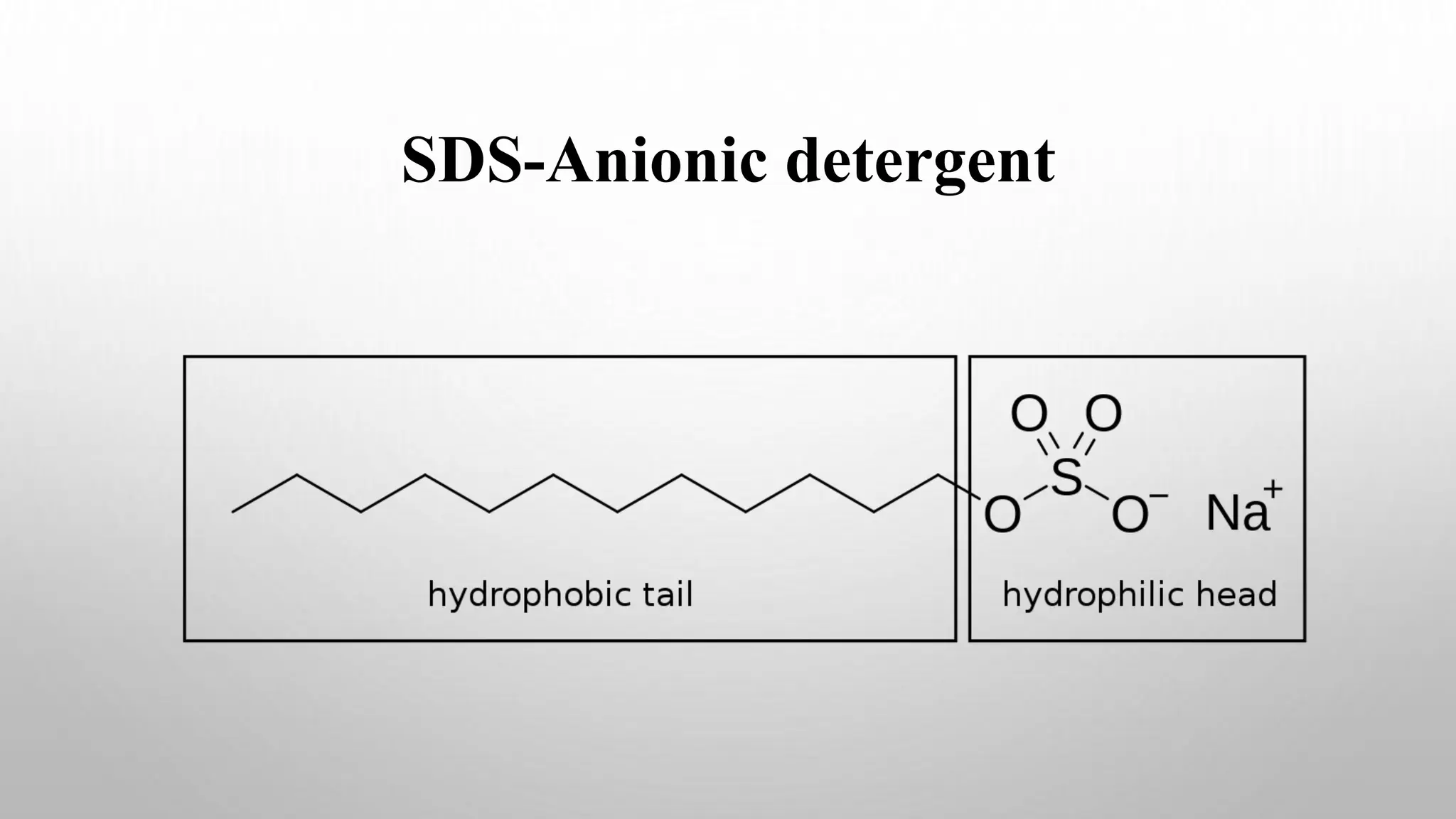
SDS-Anionic detergent
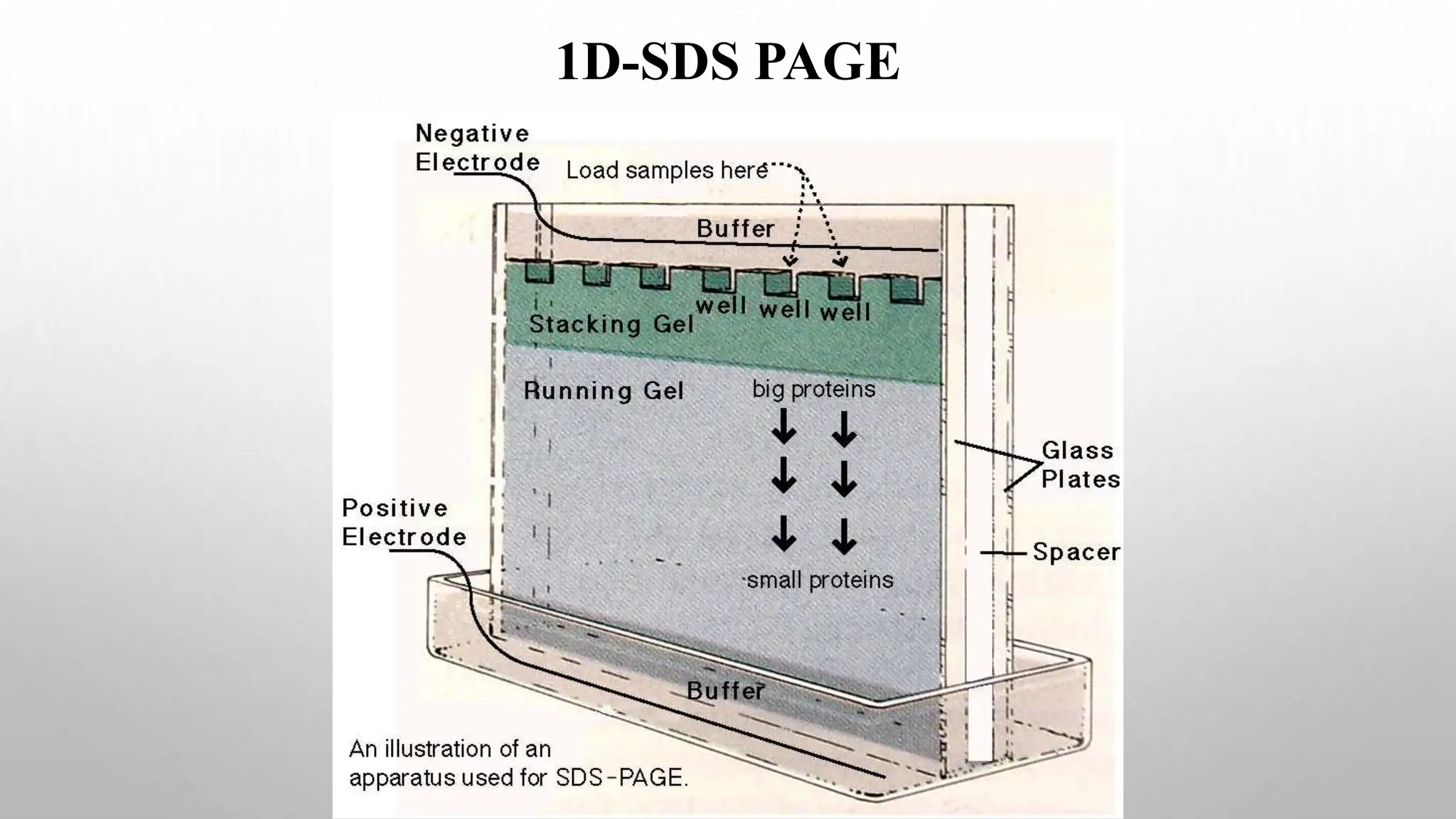
1D-SDS PAGE
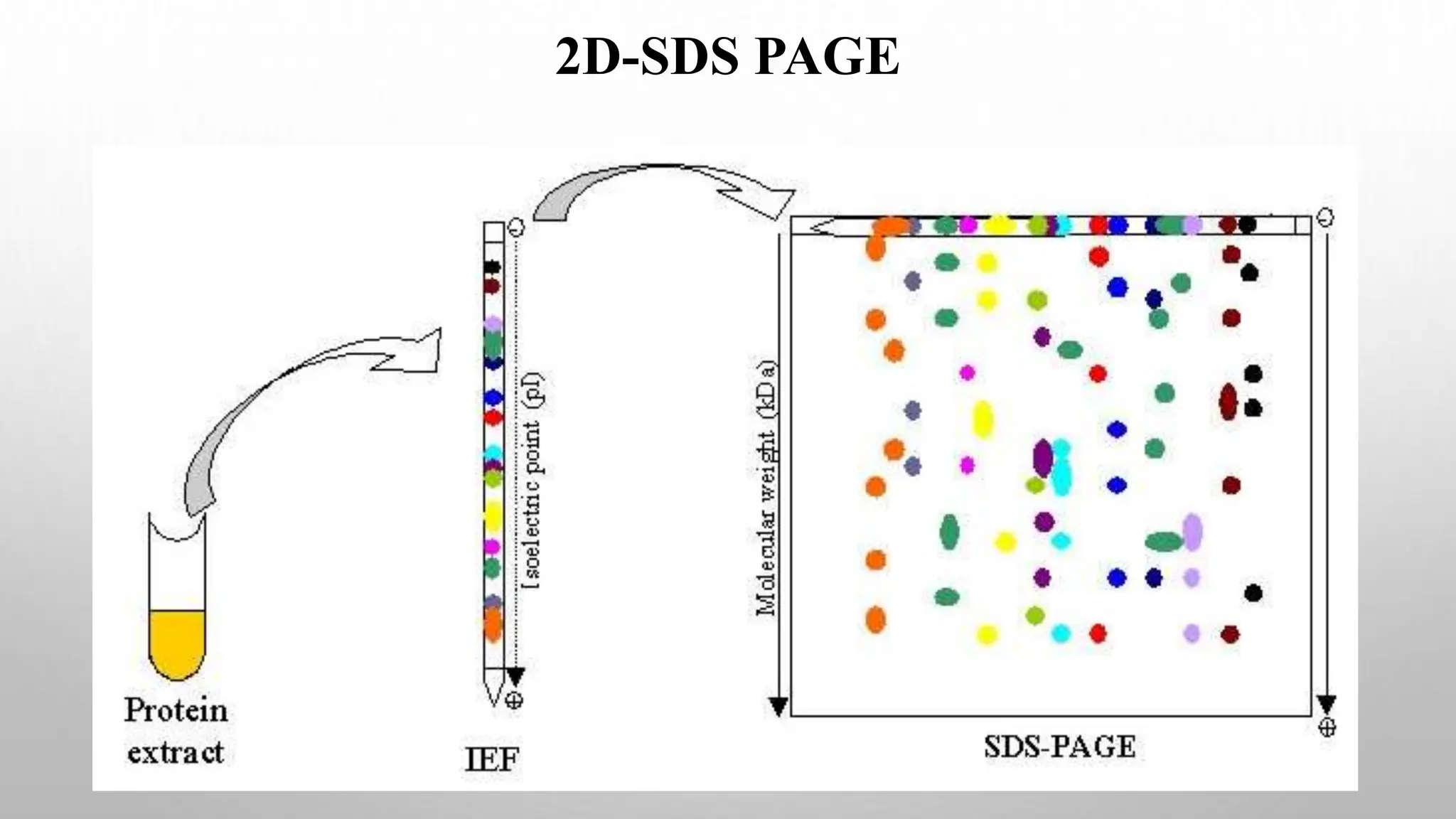
2D-SDS PAGE
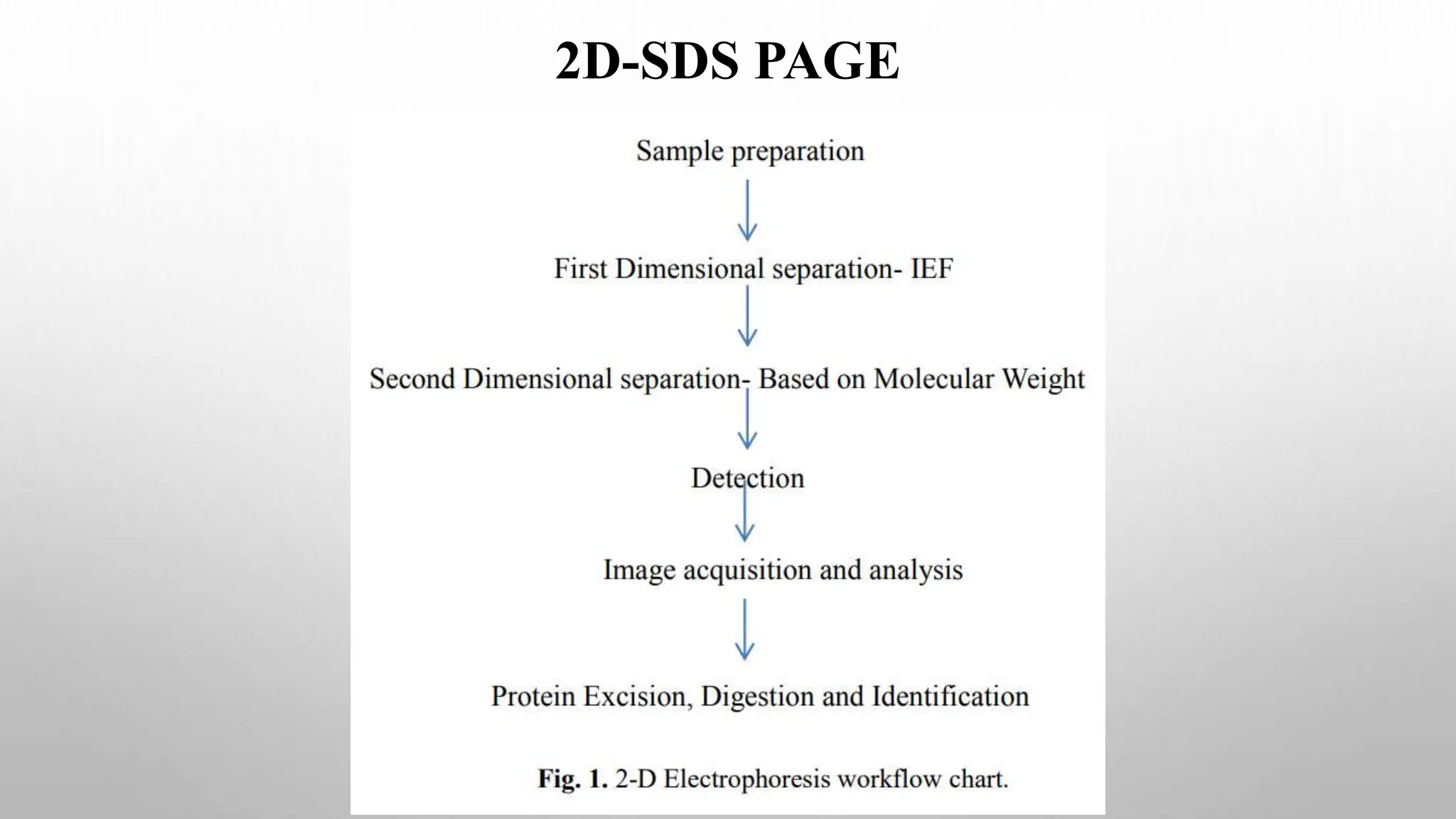
2D-SDS PAGE
2D-SDS PAGE
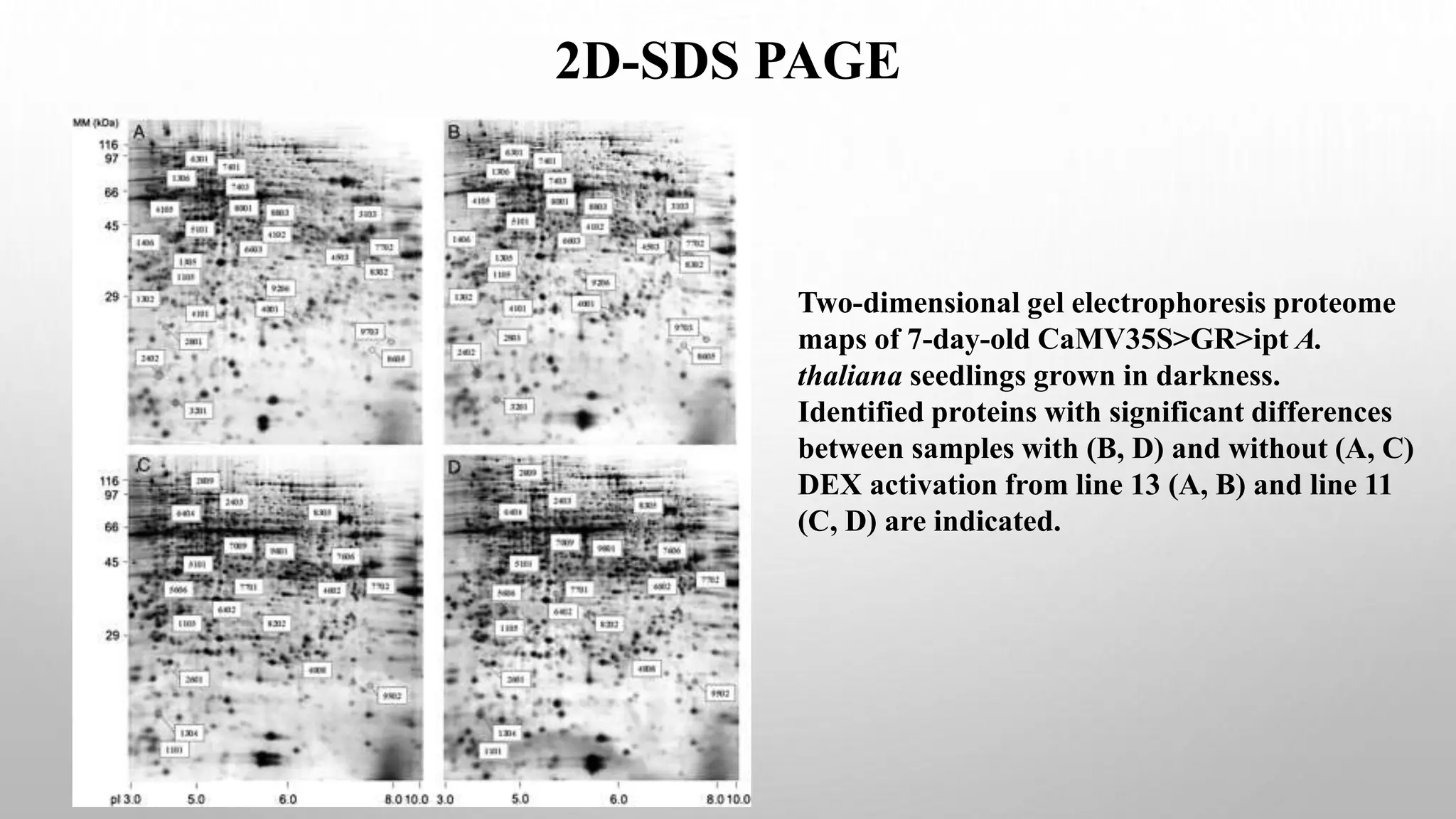
Two-dimensional gel electrophoresis proteome
maps of 7-day-old CaMV35S>GR>ipt A.
thaliana seedlings grown in darkness.
Identified proteins with significant differences
between samples with (B, D) and without (A, C)
DEX activation from line 13 (A, B) and line 11
(C, D) are indicated.
2D-SDS PAGE
Protein identification – Mass spectrometry
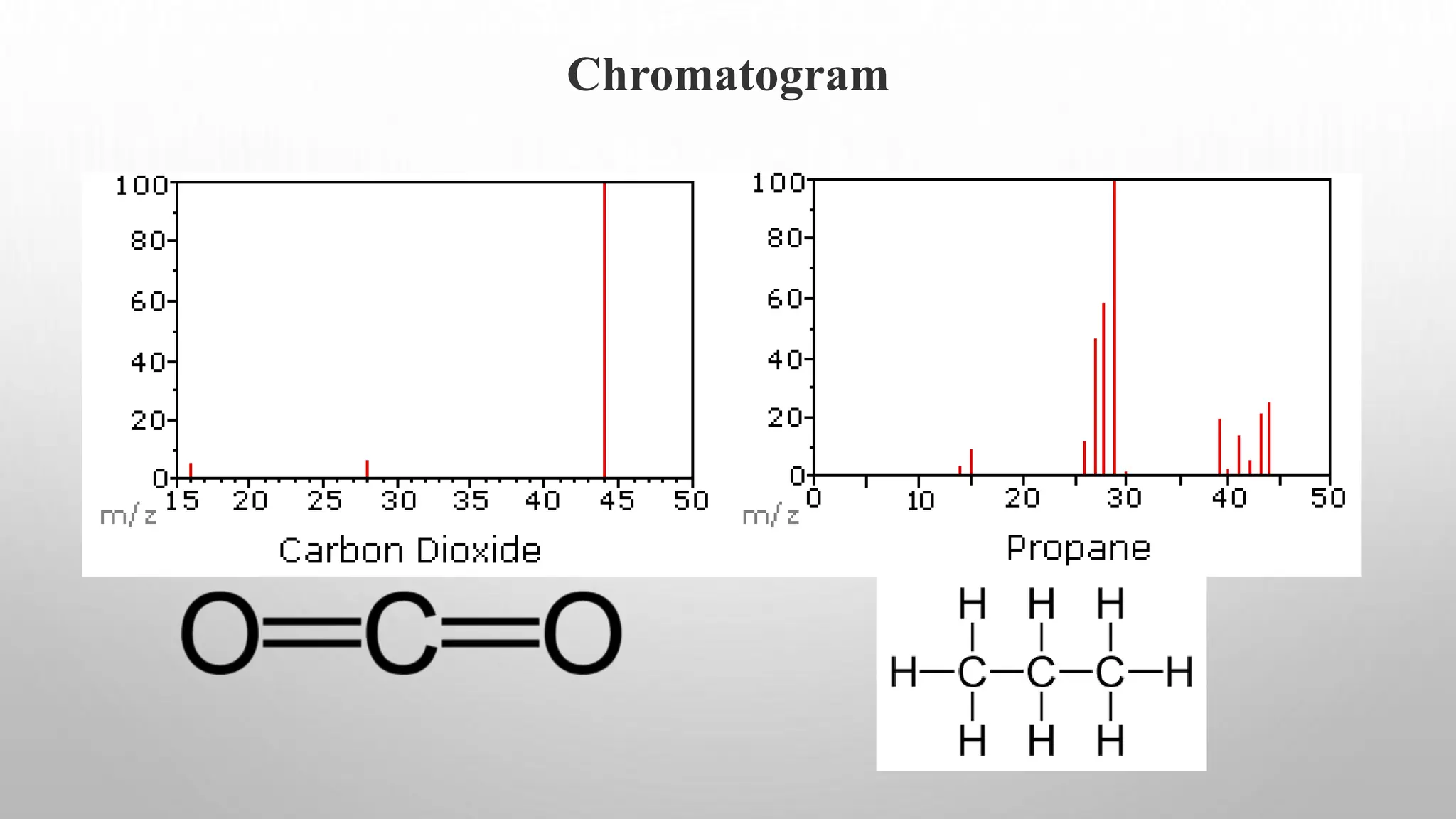
• Mass spectrometry is an analytical tool useful for measuring the mass-to-charge
ratio (m/z) of one or more molecules present in a sample.
• “The basic principle of mass spectrometry (MS) is to generate ions from sample to
separate these ions by their mass-to-charge ratio (m/z) and to detect them qualitatively
and quantitatively by their respective m/z and abundance.”
• Heat liable molecules such as proteins could not be analyzed by mass spectrometry.
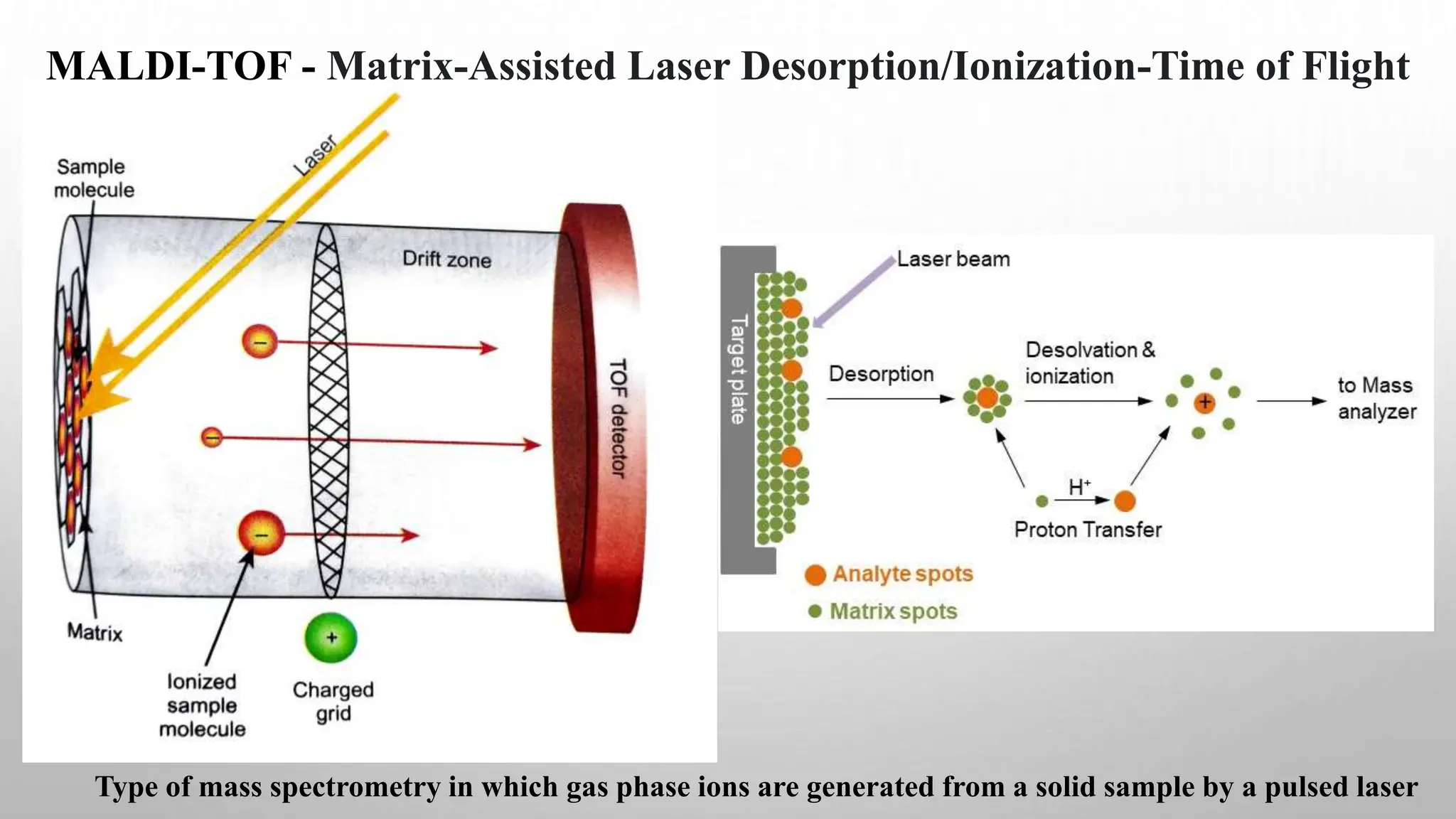
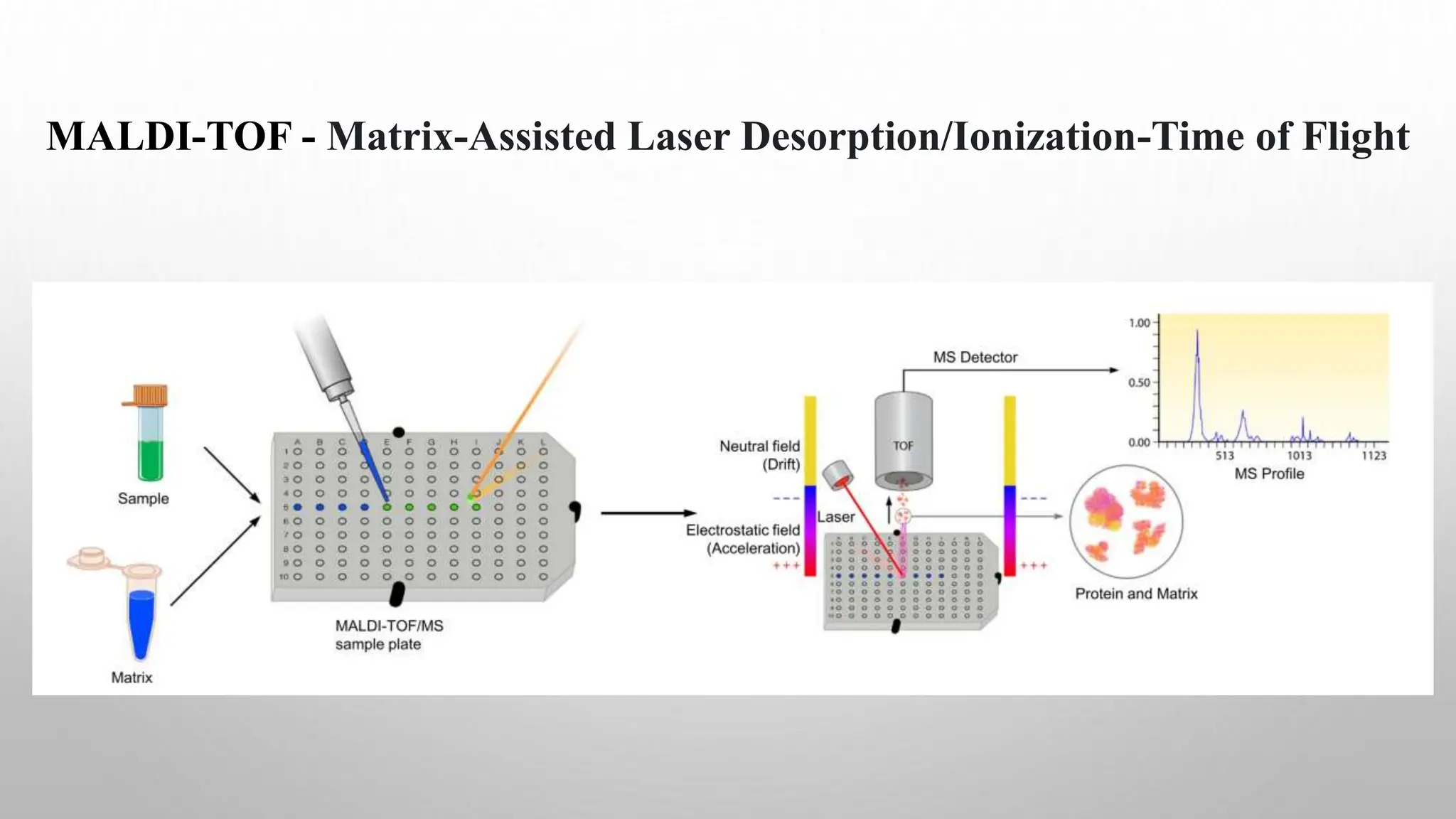
Type of mass spectrometry in which gas phase ions are generated from a solid sample by a pulsed laser
MALDI-TOF - Matrix-Assisted Laser Desorption/Ionization-Time of Flight
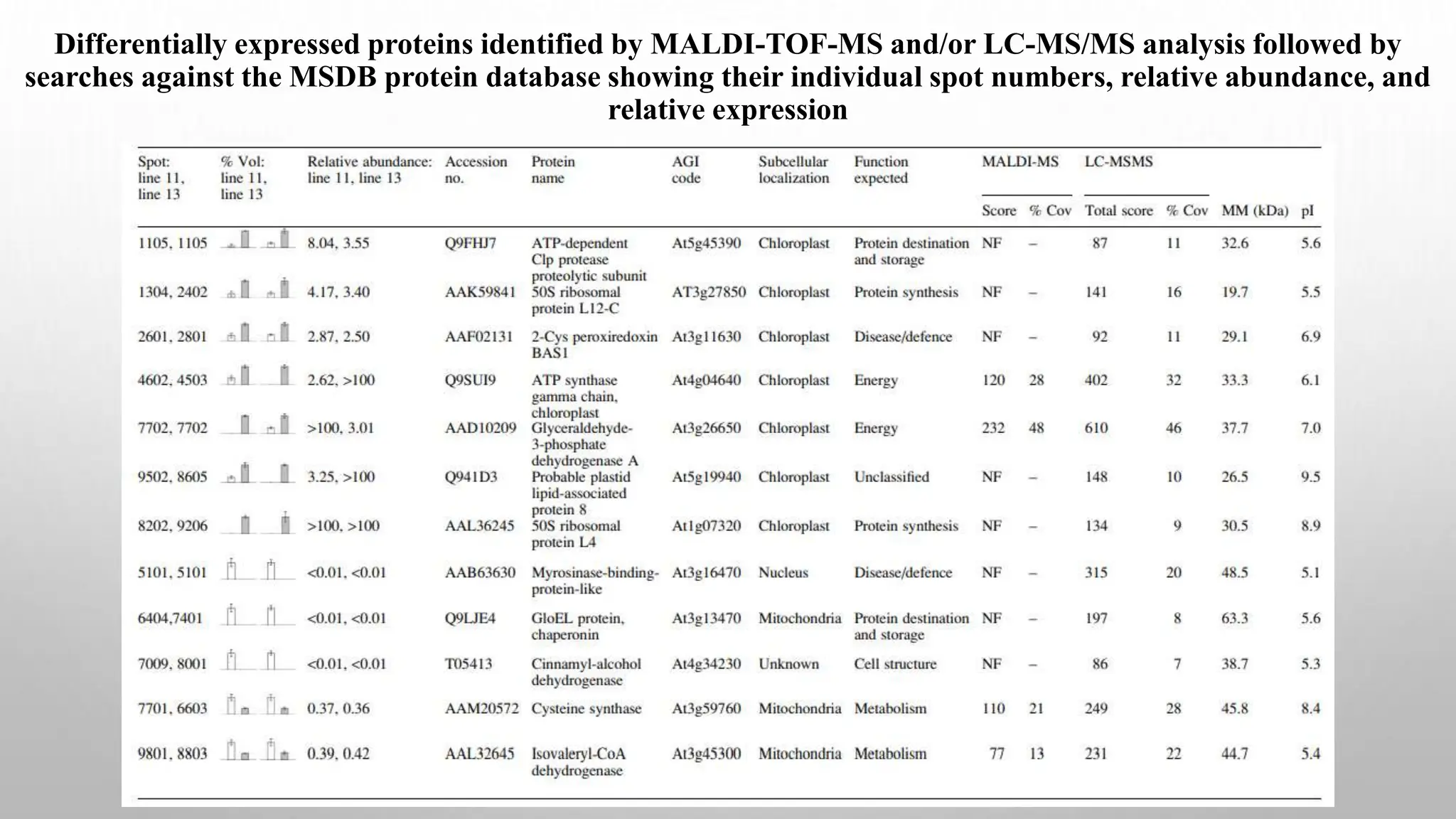
Differentially expressed proteins identified by MALDI-TOF-MS and/or LC-MS/MS analysis followed by
searches against the MSDB protein database showing their individual spot numbers, relative abundance, and
relative expression
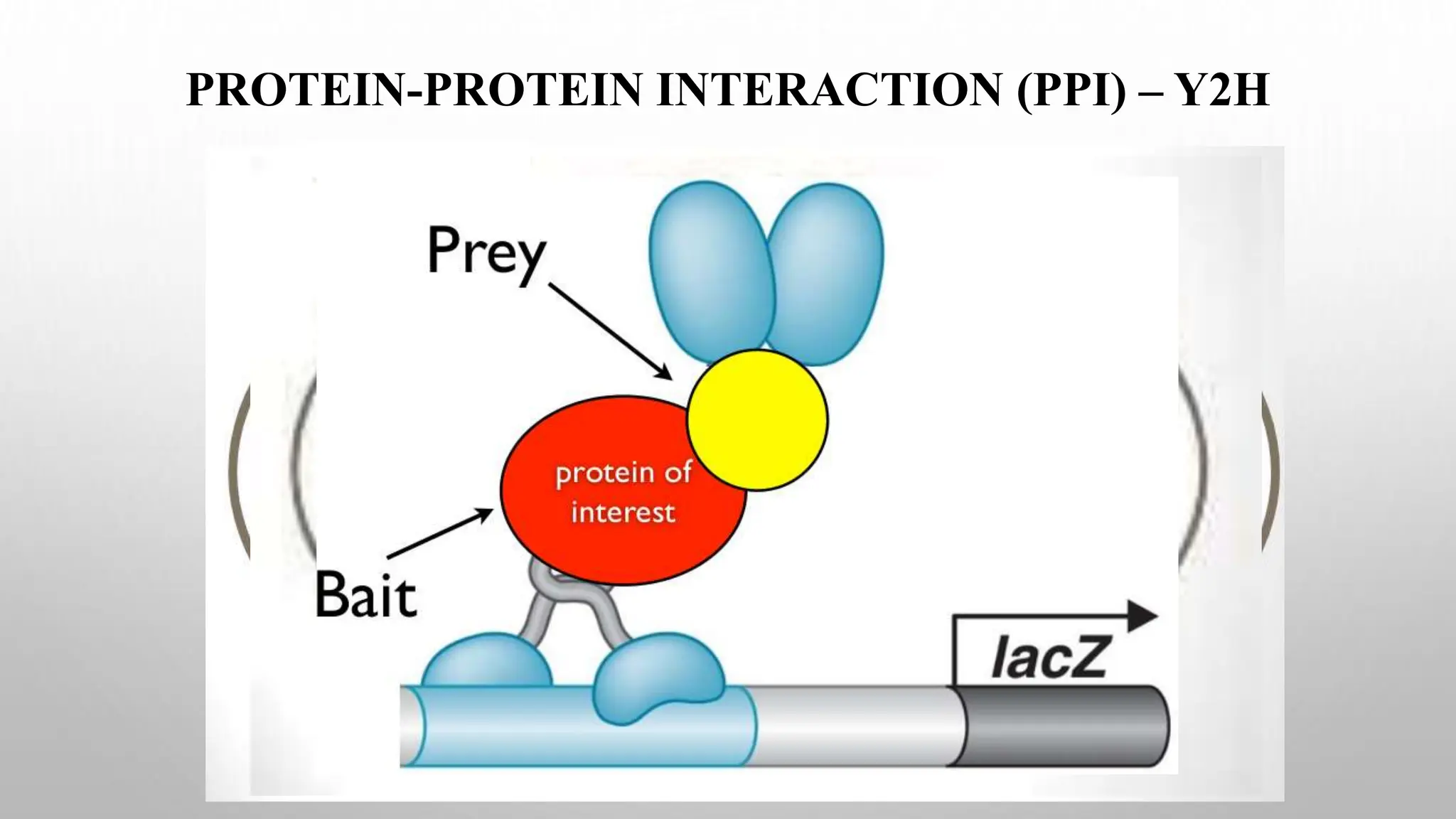
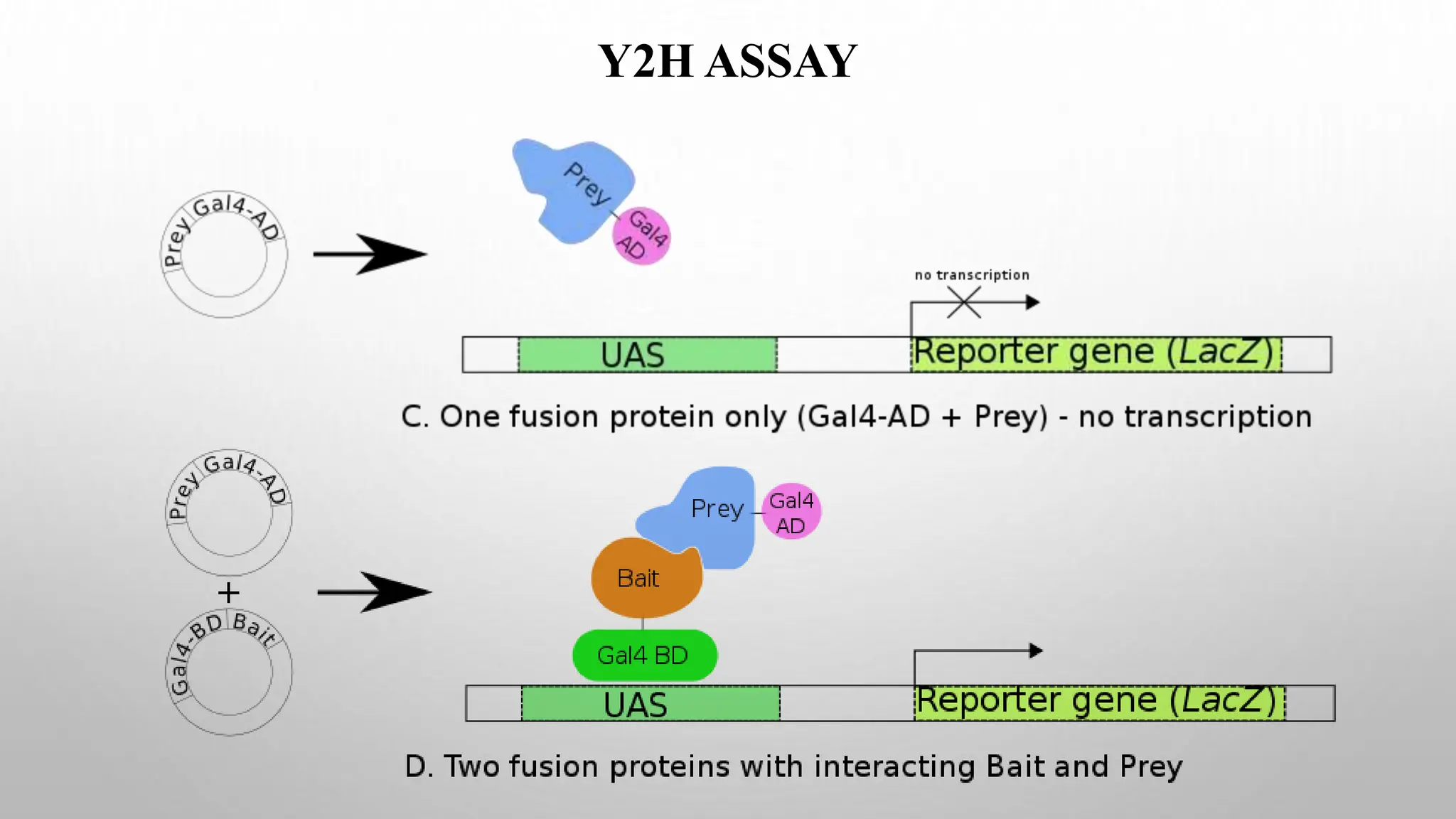
PROTEIN-PROTEIN INTERACTION (PPI) – Y2H
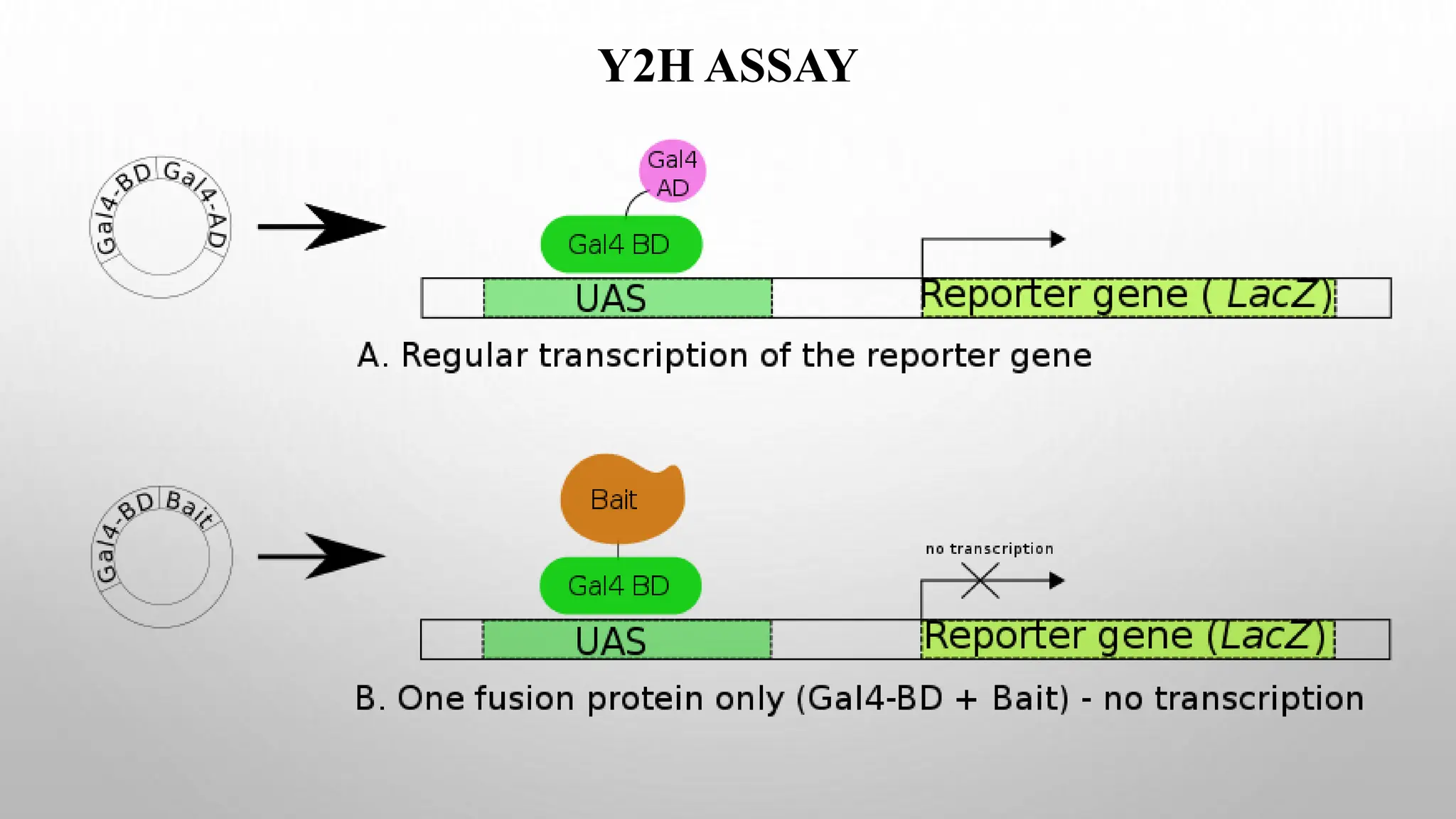
Y2H ASSAY
Y2H ASSAY
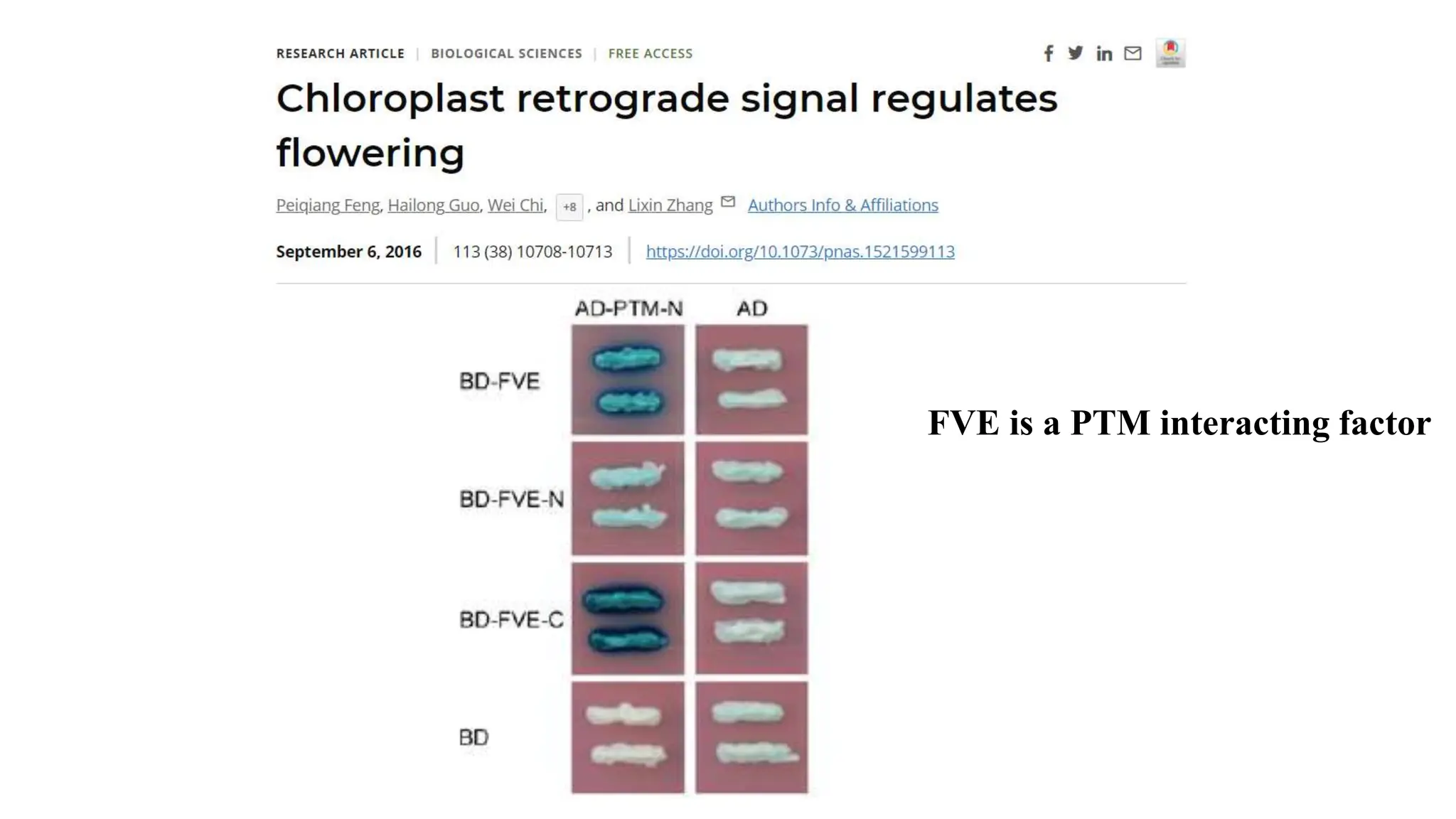
FVE is a PTM interacting factor
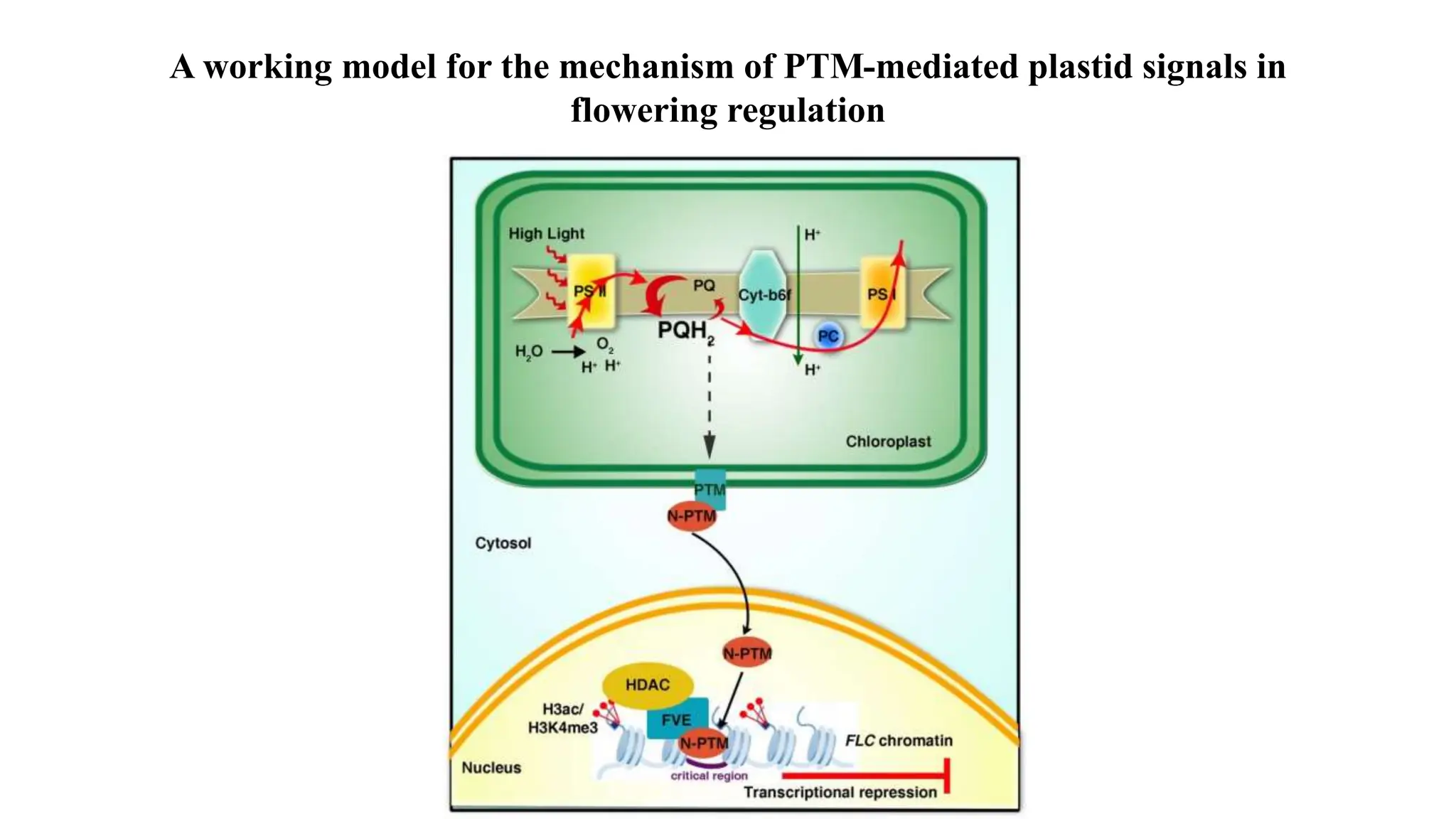
A working model for the mechanism of PTM-mediated plastid signals in
flowering regulation
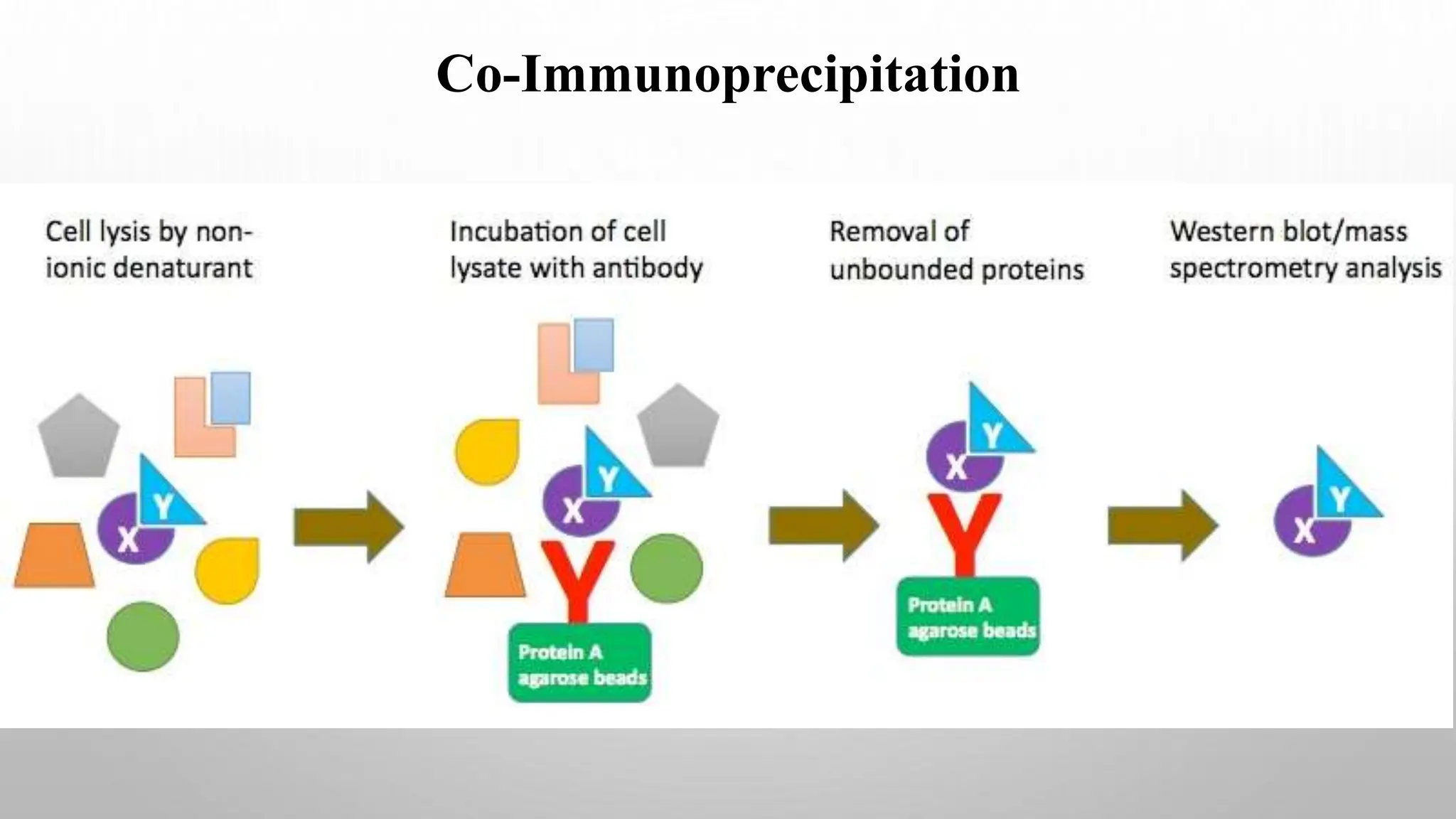
Co-Immunoprecipitation
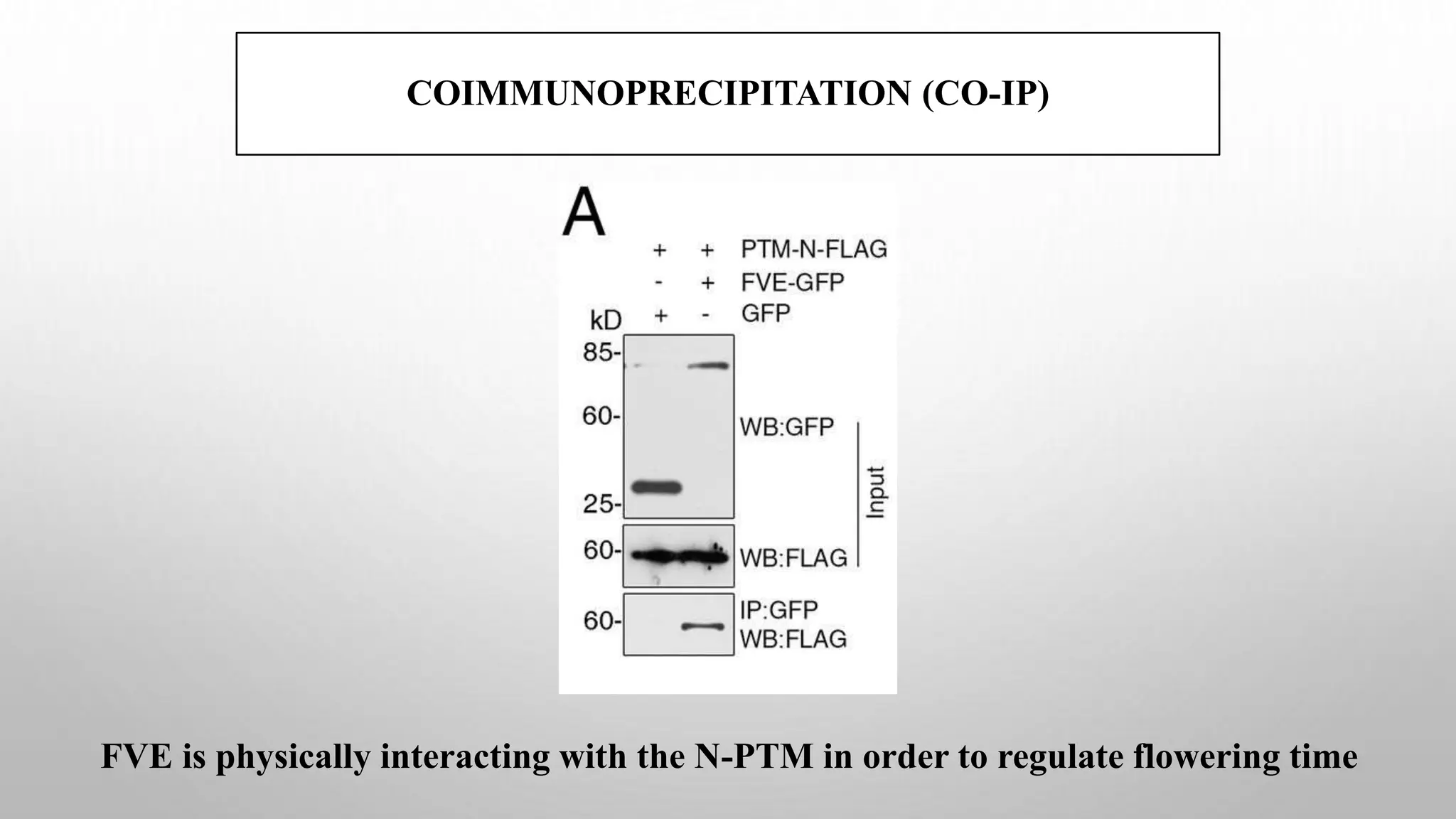
COIMMUNOPRECIPITATION (CO-IP)
FVE is physically interacting with the N-PTM in order to regulate flowering time
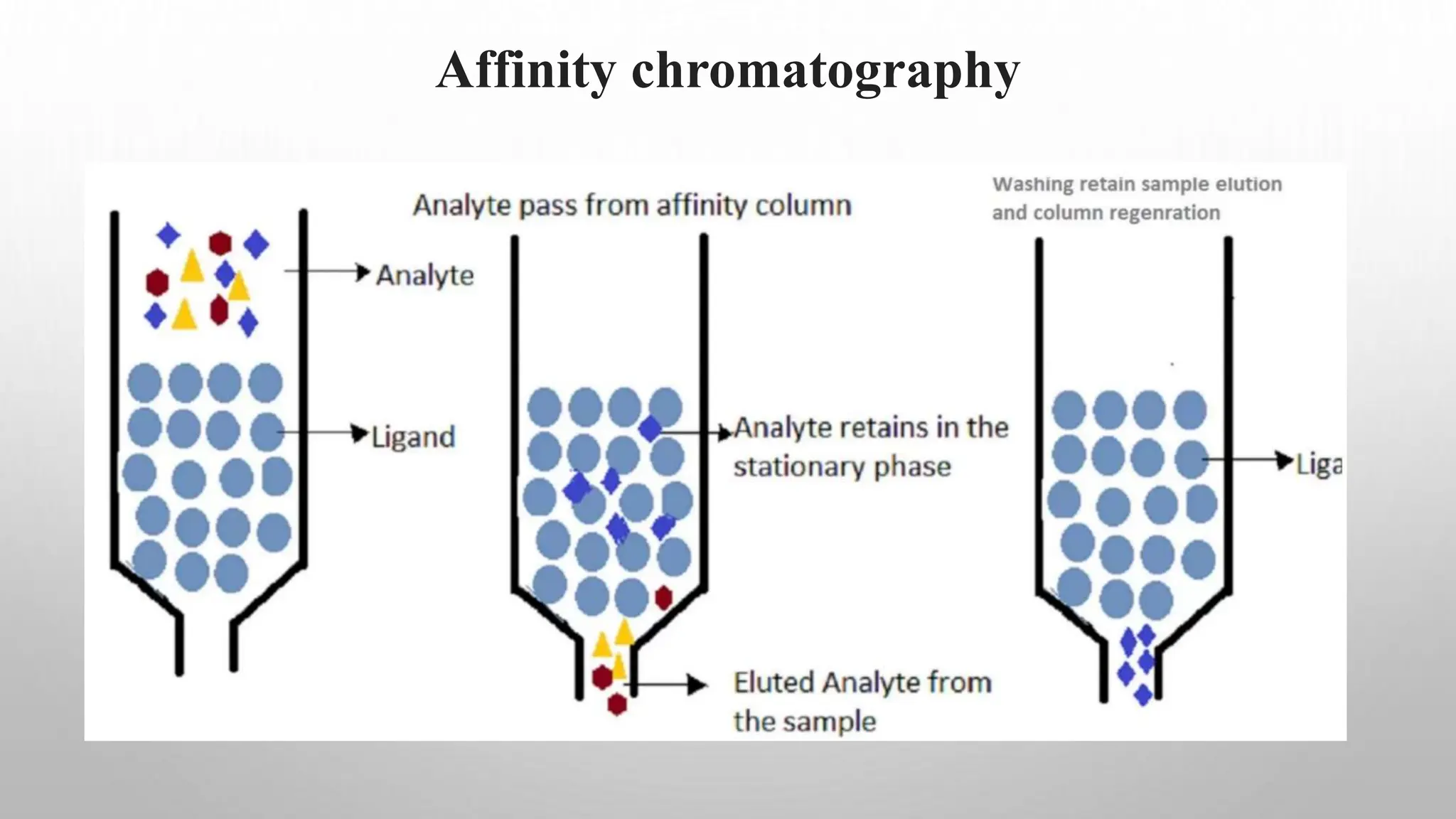
Affinity chromatography
• Protein sample identification/confirmation.
• Protein sample purity determination.
• Detection of post translational modifications.
• Detection of amino acid substitution.
• To identify the unknown protein of interest.
• Quantify protein and peptide.
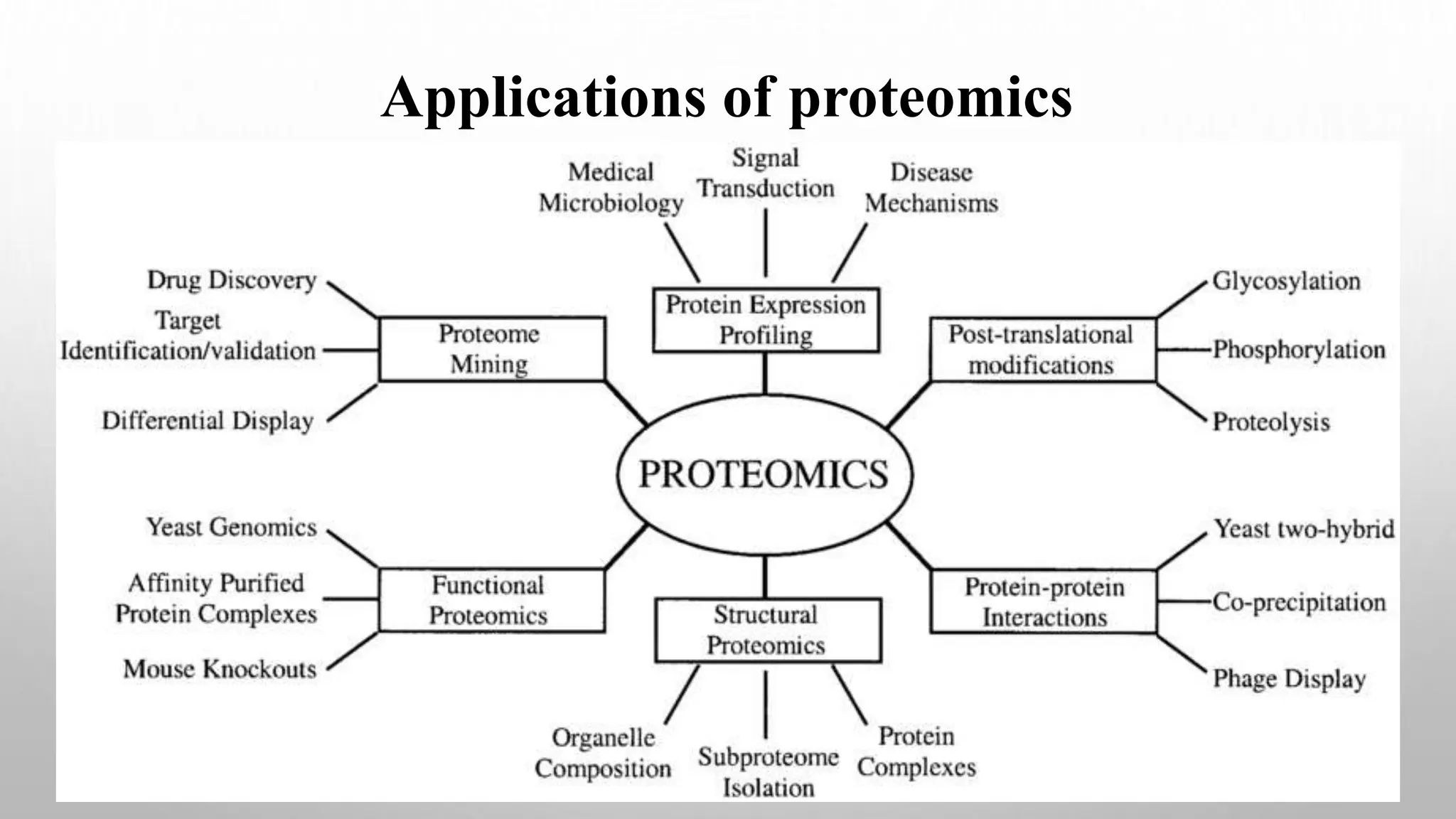
Applications of proteomics
CONTENT
1. HPLC
a) Chromatogram
2. Protein microarray
a) Types of protein microarray
3. Protein databases
a) UniProtKB
b) PDB
c) KEGG
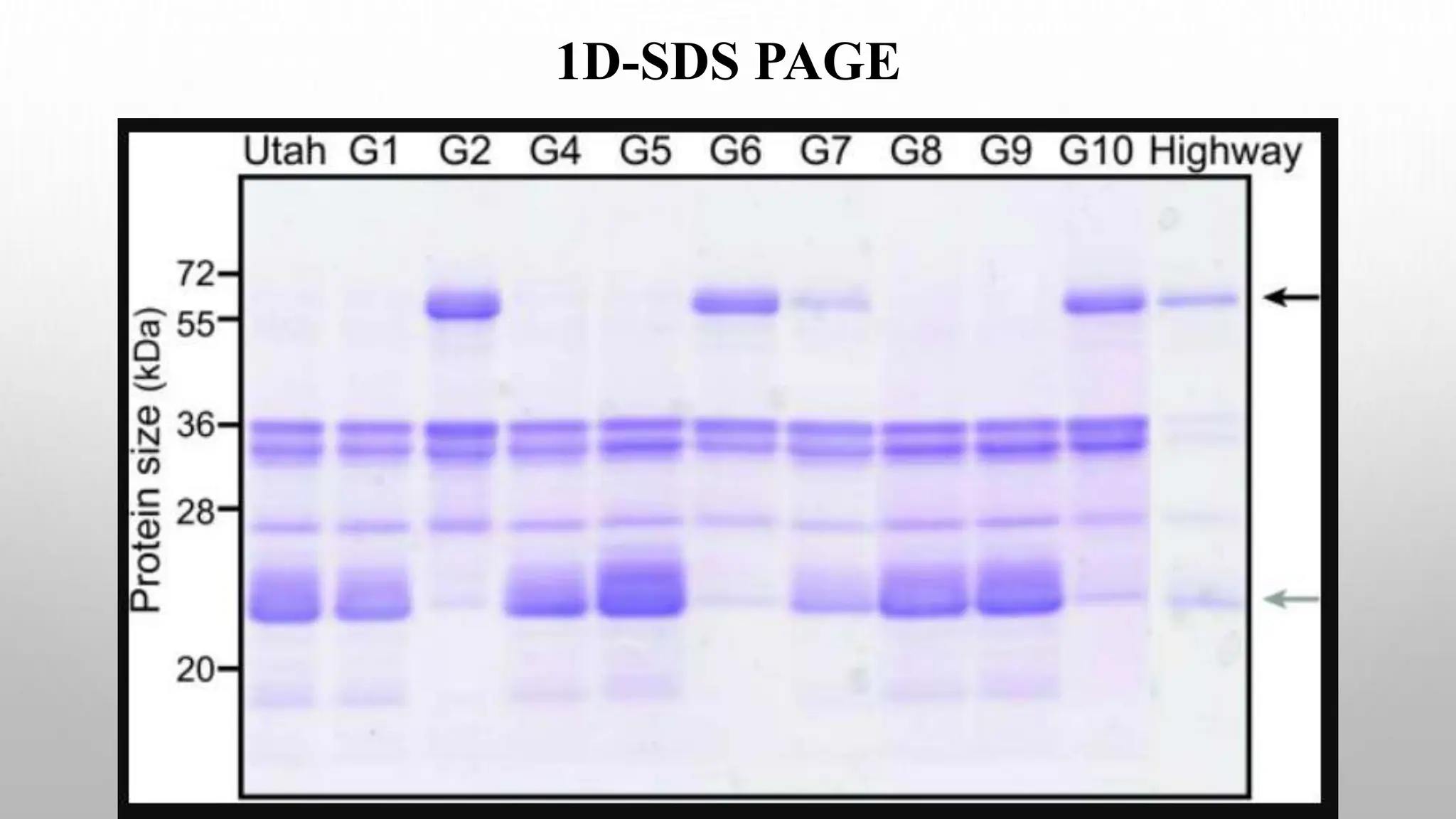
4. 1D-SDS PAGE
HPLC
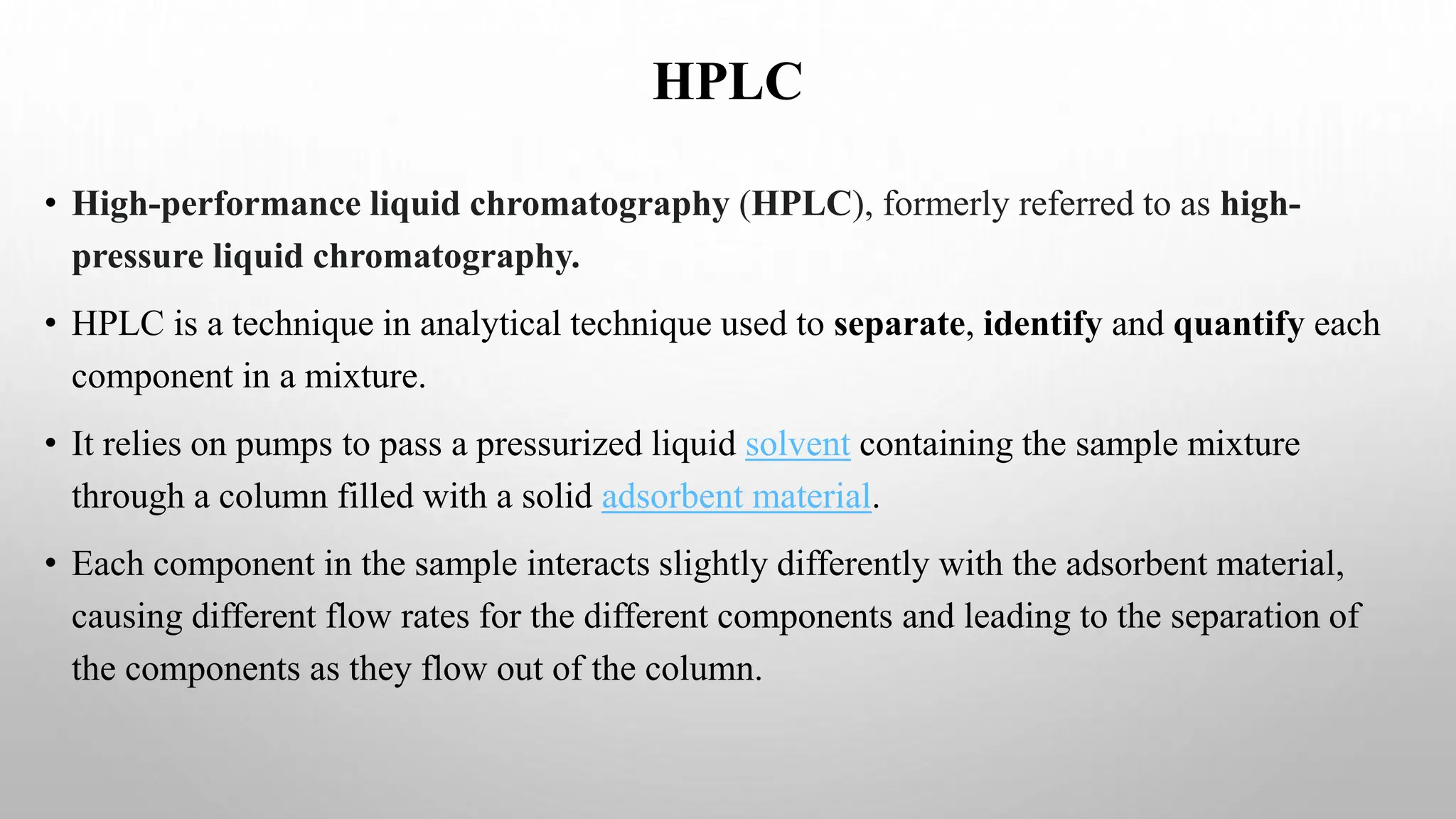
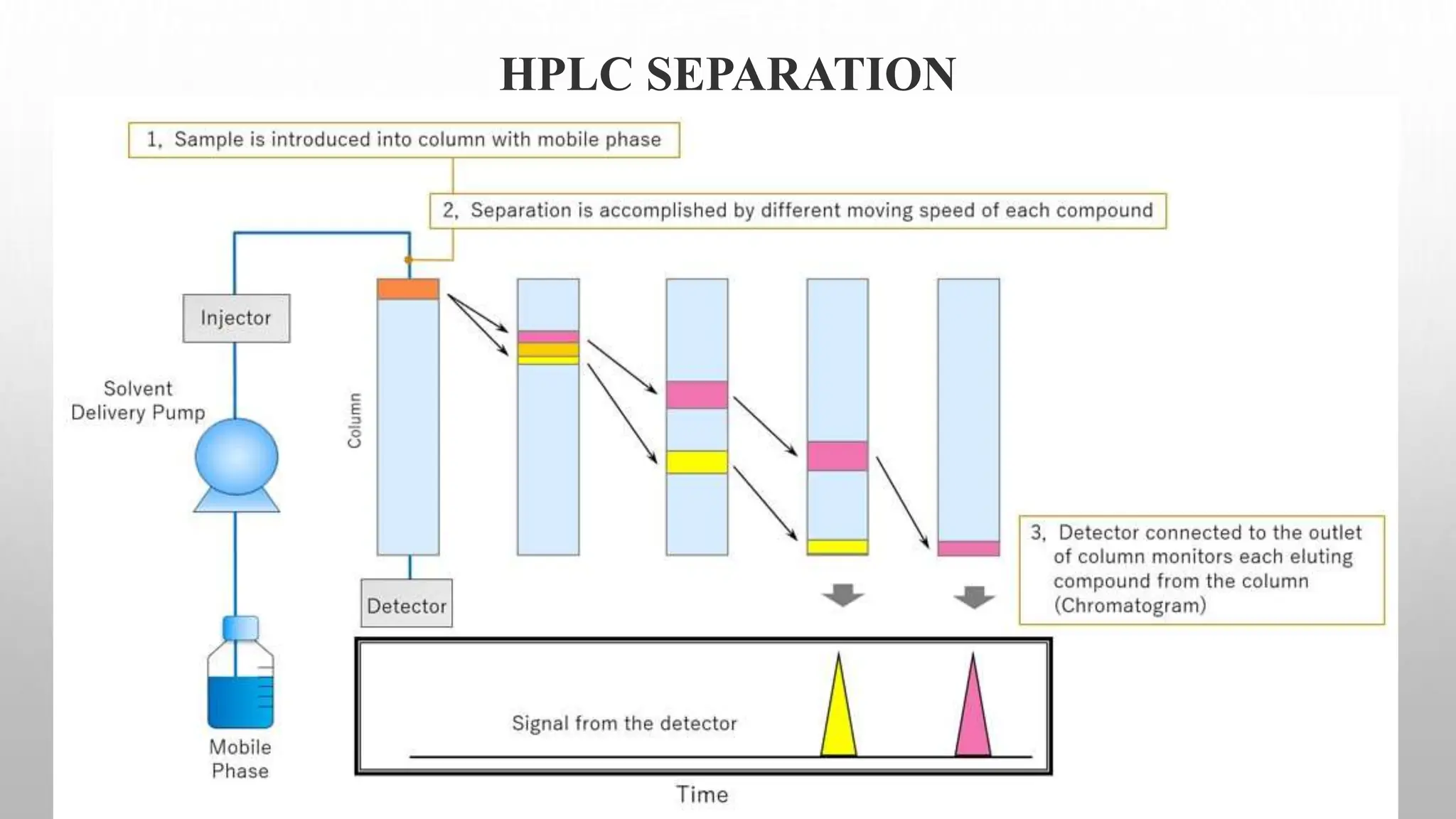
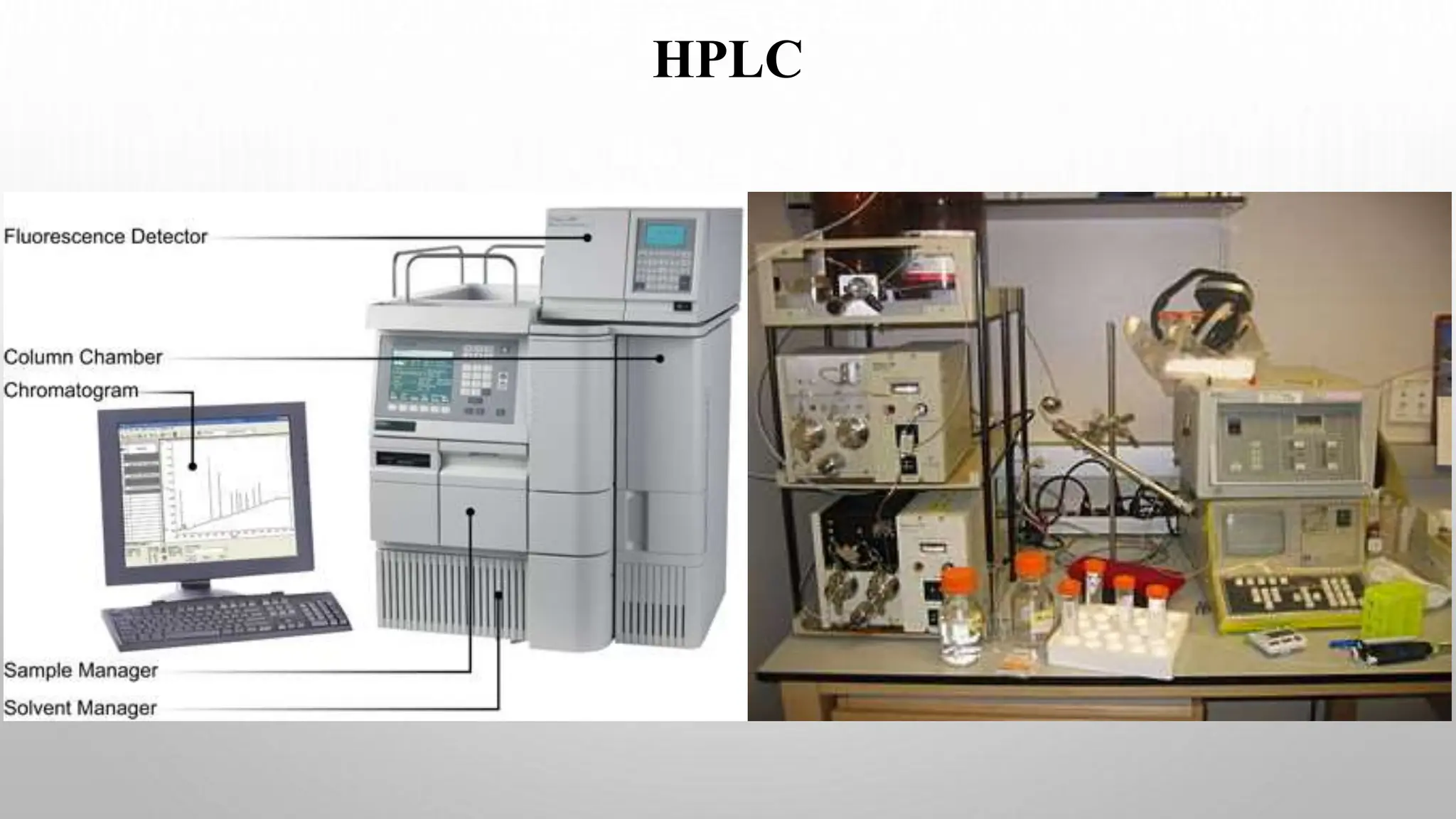
• High-performance liquid chromatography (HPLC), formerly referred to as high-
pressure liquid chromatography.
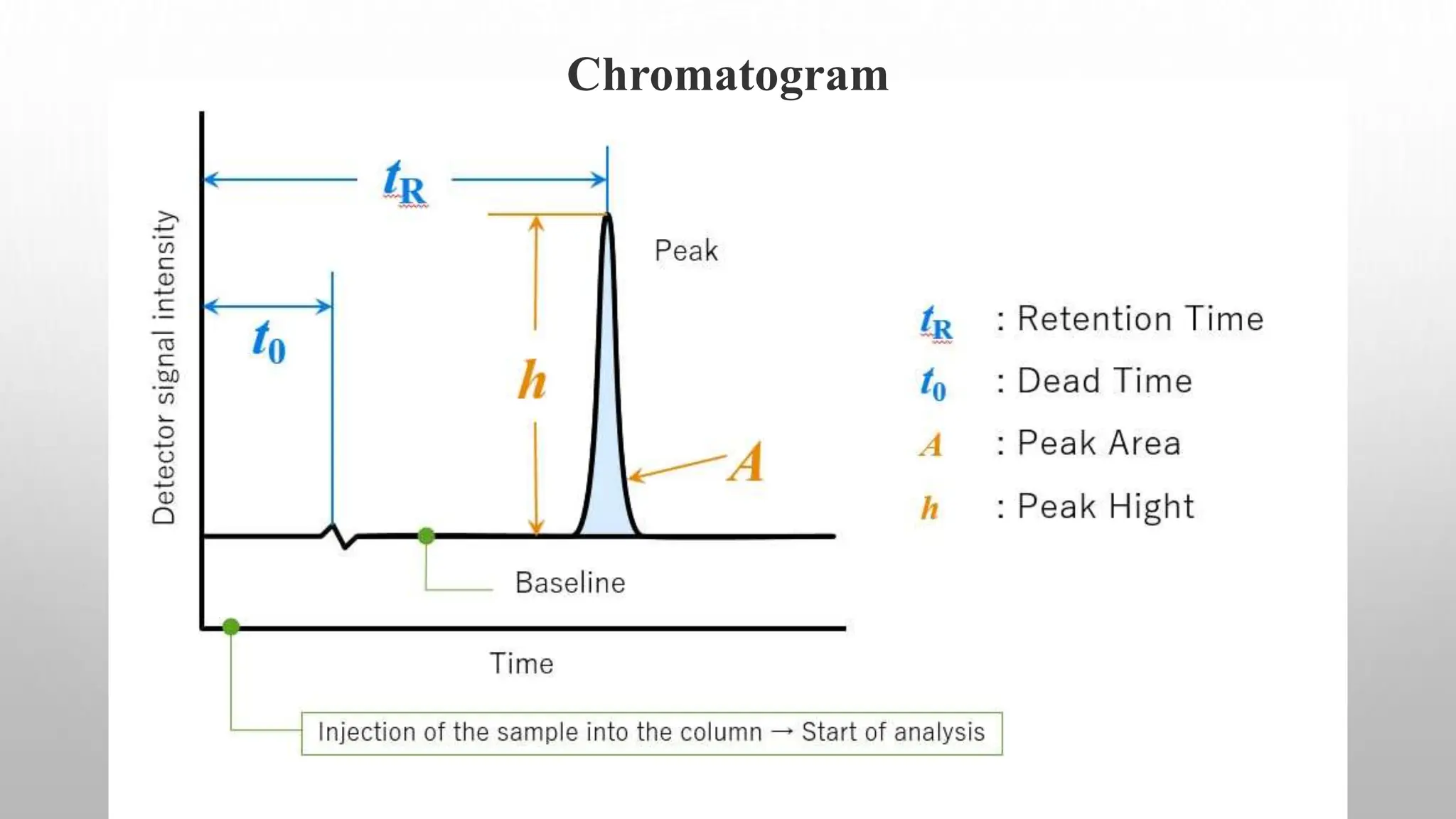
• HPLC is a technique in analytical technique used to separate, identify and quantify each
component in a mixture.
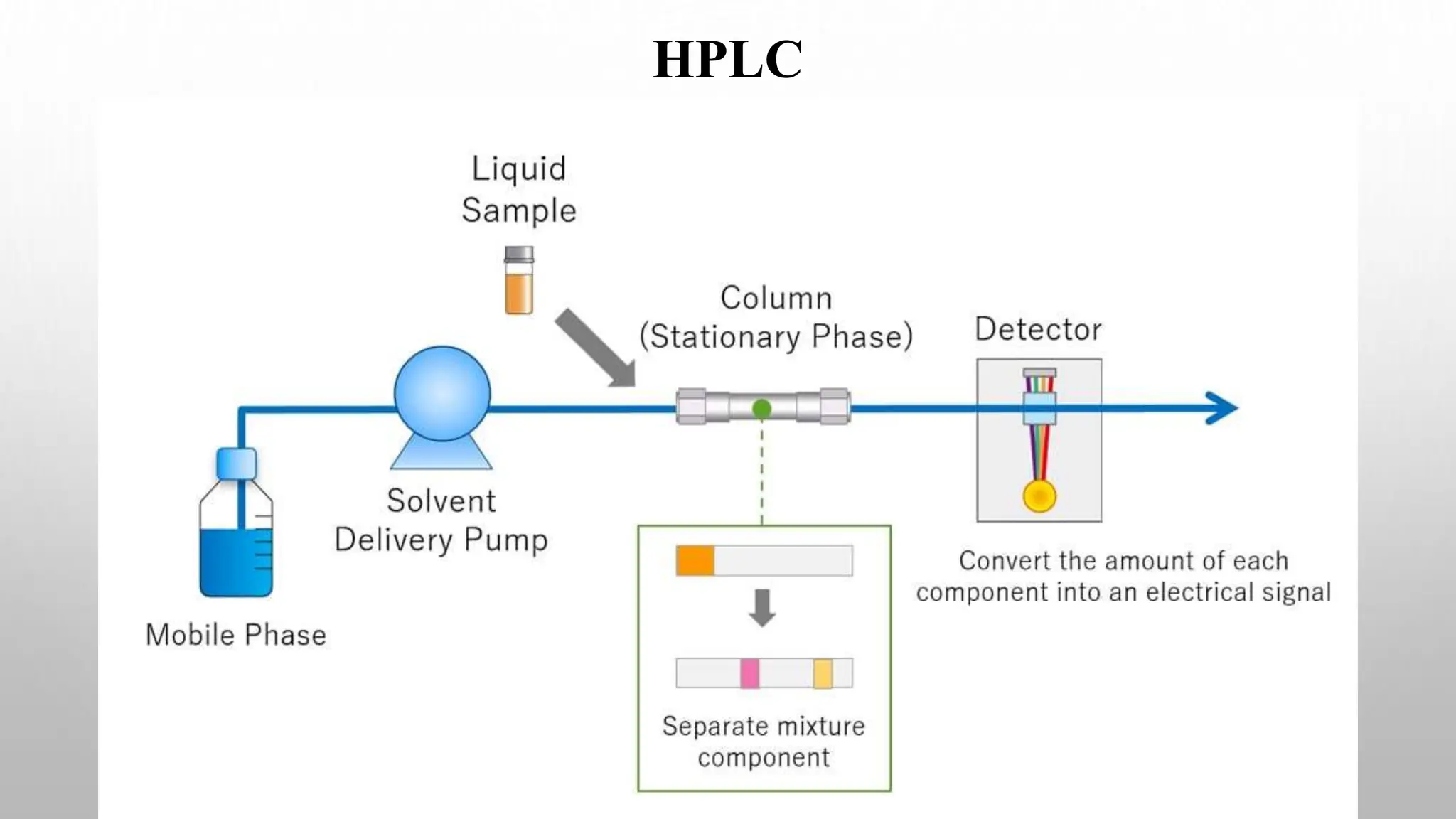
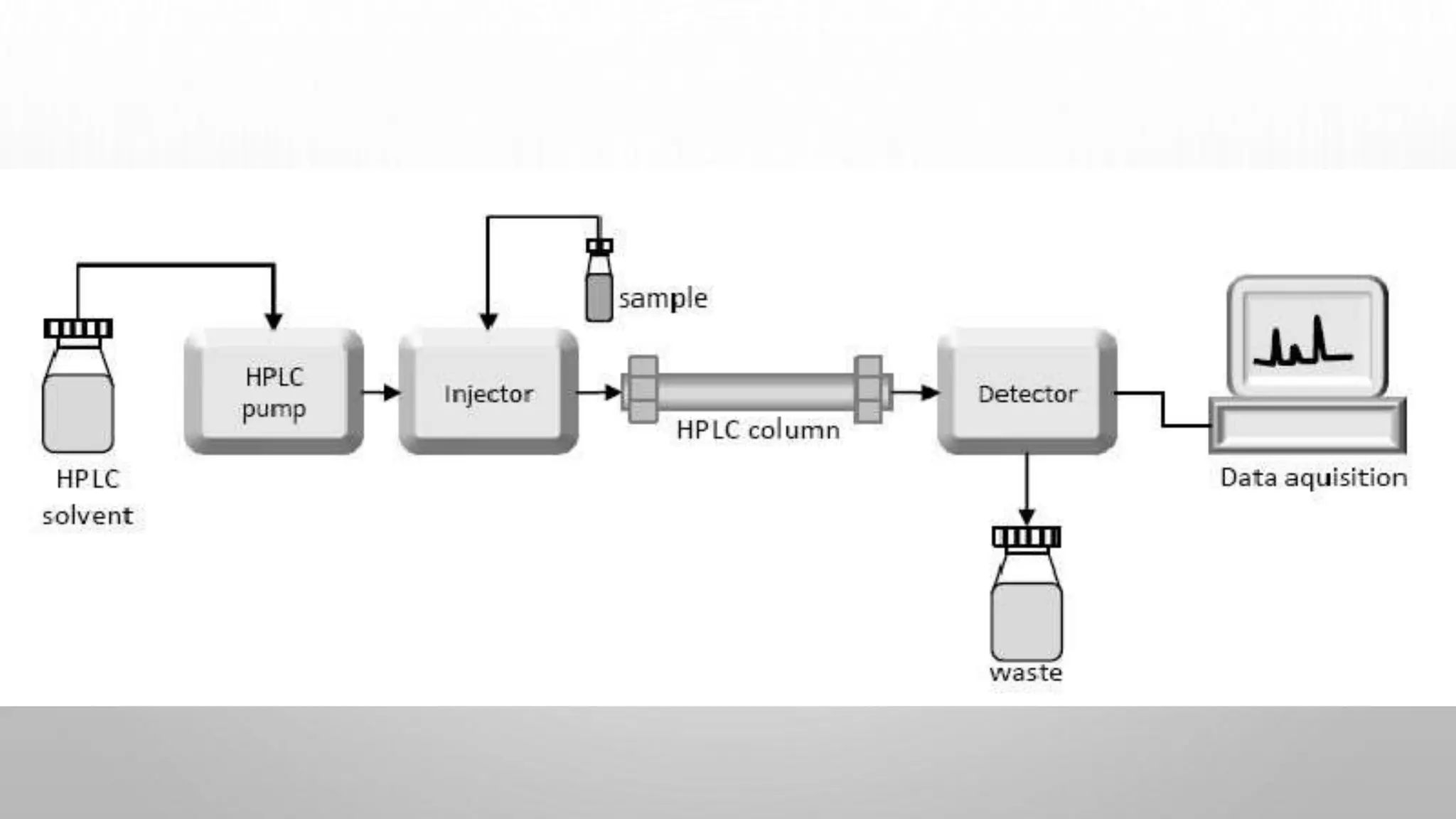
• It relies on pumps to pass a pressurized liquid solvent containing the sample mixture
through a column filled with a solid adsorbent material.
• Each component in the sample interacts slightly differently with the adsorbent material,
causing different flow rates for the different components and leading to the separation of
the components as they flow out of the column.
HPLC
HPLC SEPARATION
Chromatogram
Chromatogram
HPLC
TYPES OF HPLC
1. Normal–phase chromatography (NP-HPLC): This method separates analytes based on their affinity for a
polar stationary surface such as silica. NP-HPLC uses a non-polar, non-aqueous mobile phase
(e.G., Chloroform).
2. Displacement chromatography: A molecule with a high affinity for the chromatography matrix (the displacer)
will compete effectively for binding sites, and thus displace all molecules with lesser affinities.
3. Reversed-phase chromatography (RPC-HPLC): HPLC (RP-HPLC) has a non-polar stationary phase and an
aqueous, moderately polar mobile phase.
4. Size-exclusion chromatograph: Size-exclusion chromatography (SEC), also known as gel permeation
chromatography or gel filtration chromatography, separates particles on the basis of molecular size.
5. Ion-exchange chromatography: In ion-exchange chromatography (IC), retention is based on the attraction
between solute ions and charged sites bound to the stationary phase.
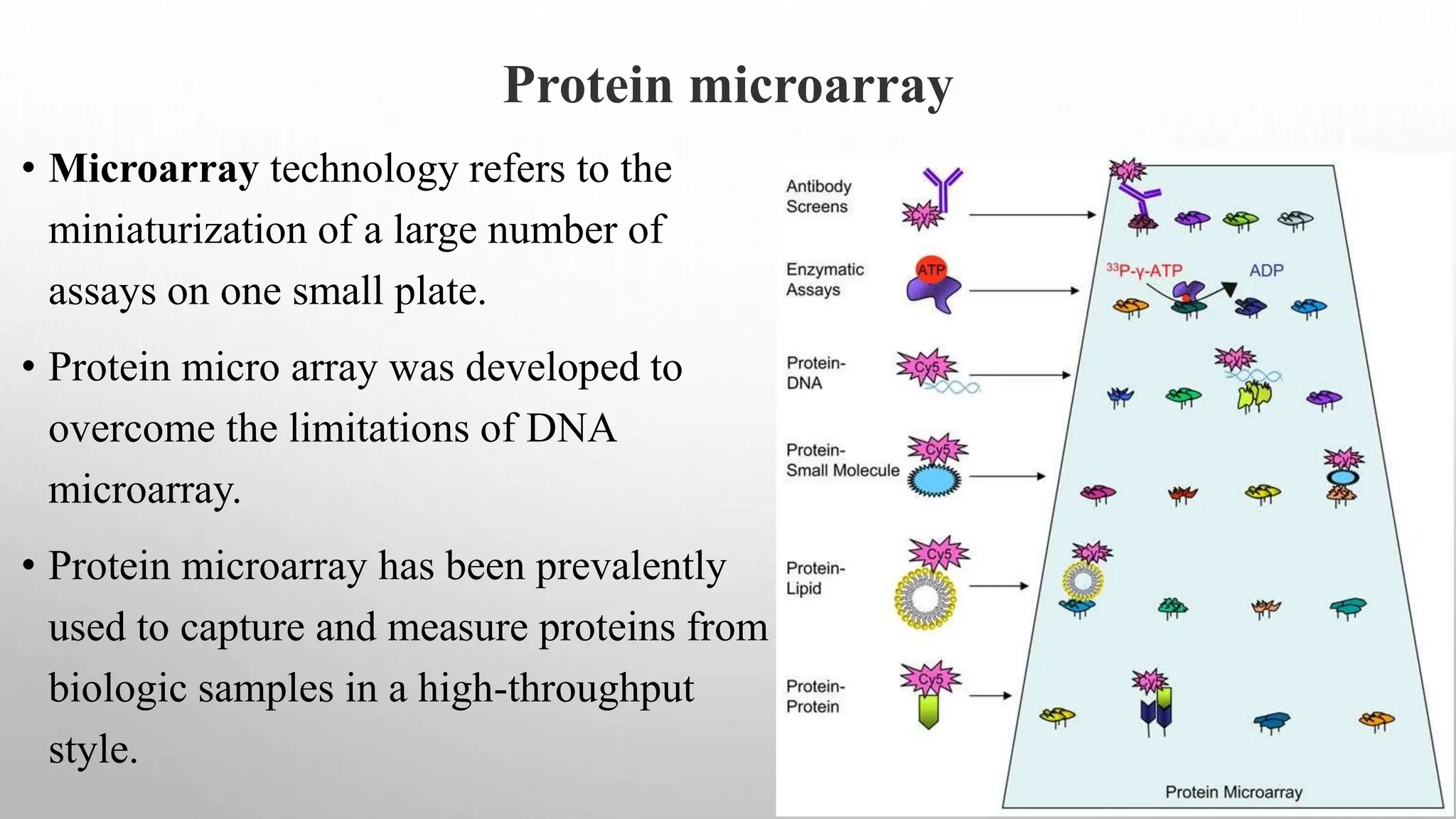
Protein microarray
• Microarray technology refers to the
miniaturization of a large number of
assays on one small plate.
• Protein micro array was developed to
overcome the limitations of DNA
microarray.
• Protein microarray has been prevalently
used to capture and measure proteins from
biologic samples in a high-throughput
style.
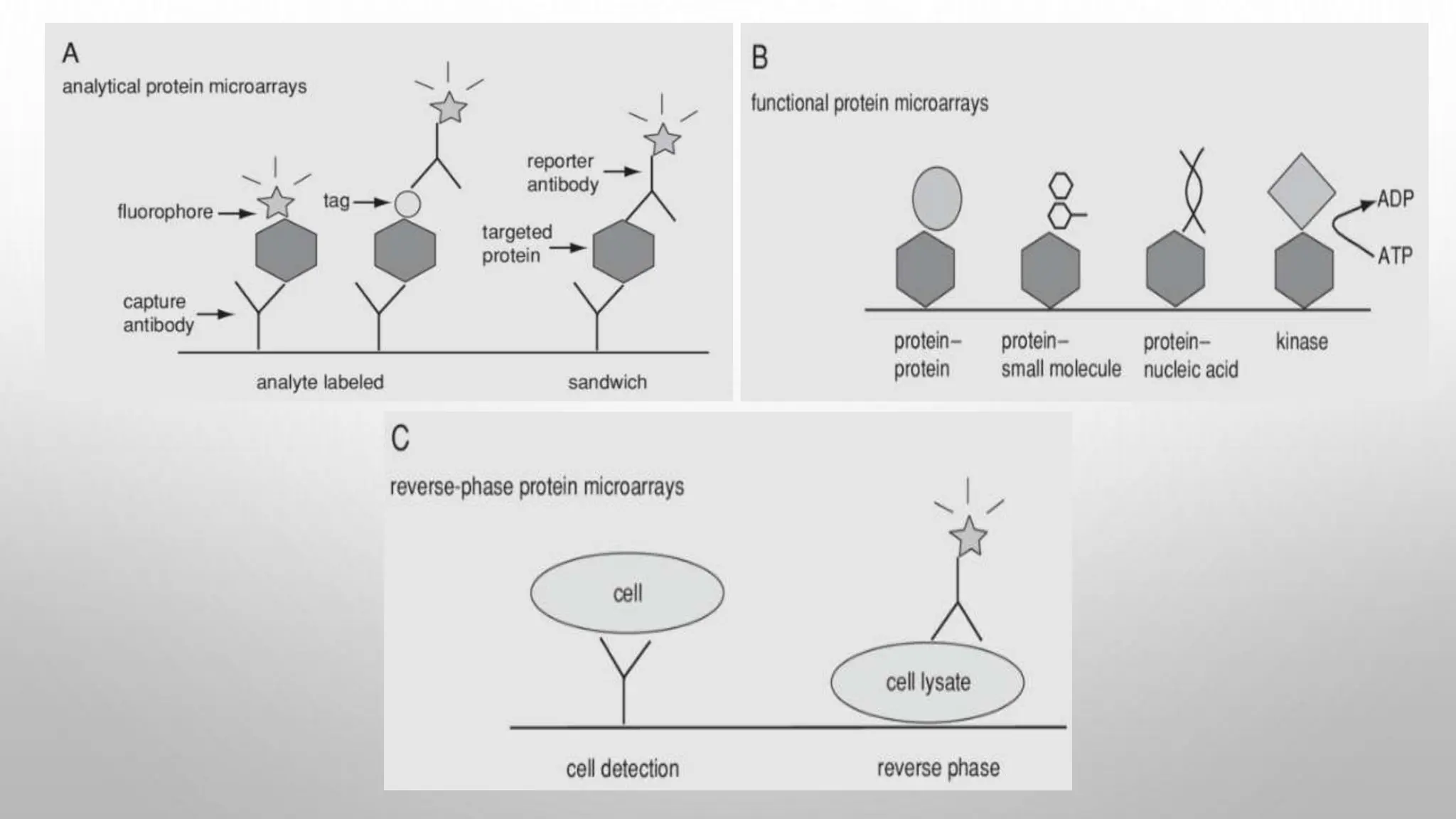
Types of arrays
1) Analytical protein microarrays - They’re represented by antibody
microarrays and can be used to profile a complex mixture of proteins in
order to measure binding affinities, specificities, and protein expression
levels.
2) Functional protein microarrays - They’re constructed using individually
purified proteins that involve full-length functional proteins or protein
domains.
3) Reverse-phase protein microarrays (RPPAS) - Cells are isolated from
various tissues of interest and are lysed. The lysate is arrayed onto the
microarray and probed with antibodies against the target protein of interest.
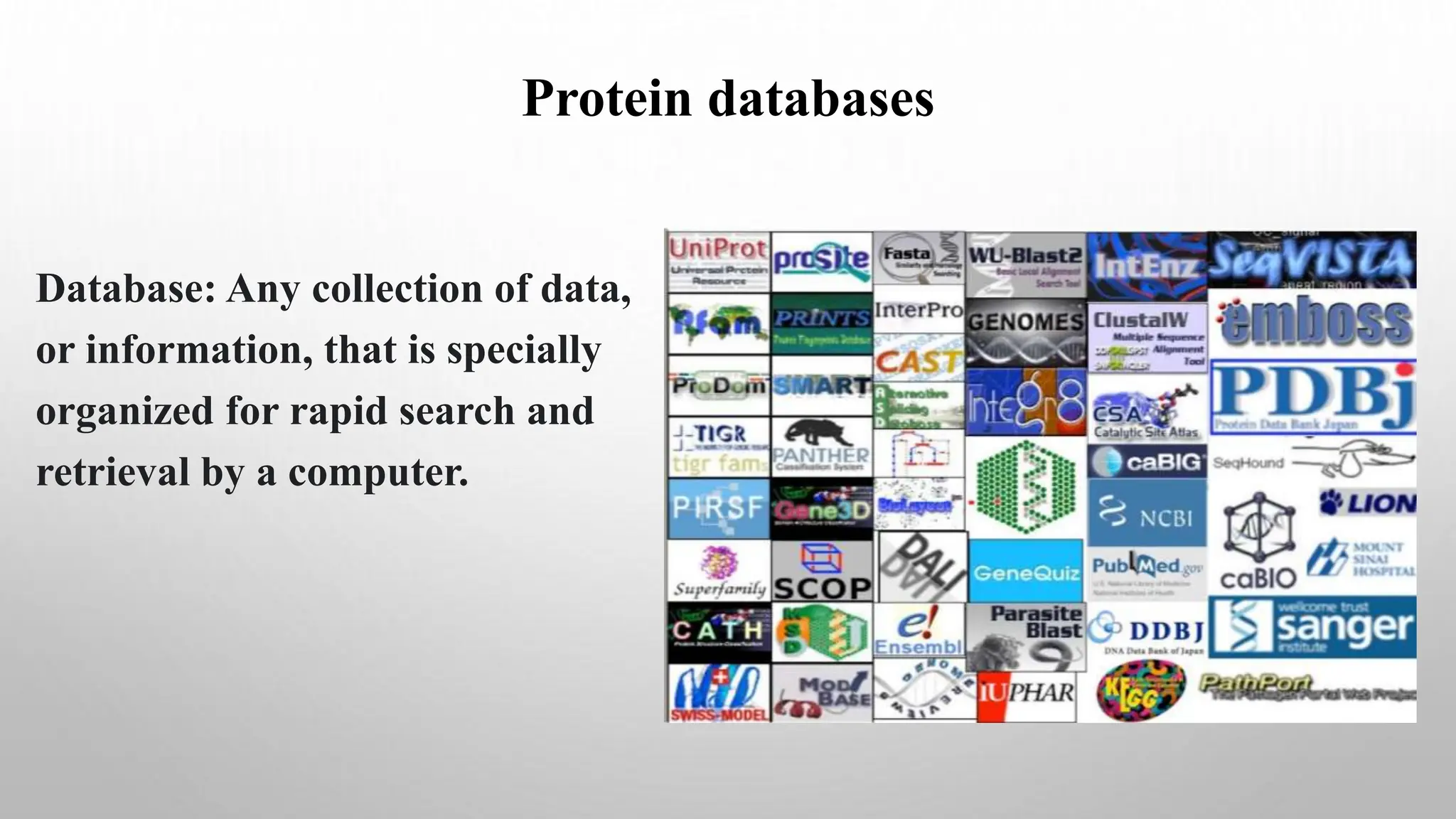
Protein databases
Database: Any collection of data,
or information, that is specially
organized for rapid search and
retrieval by a computer.
Protein sequence databases
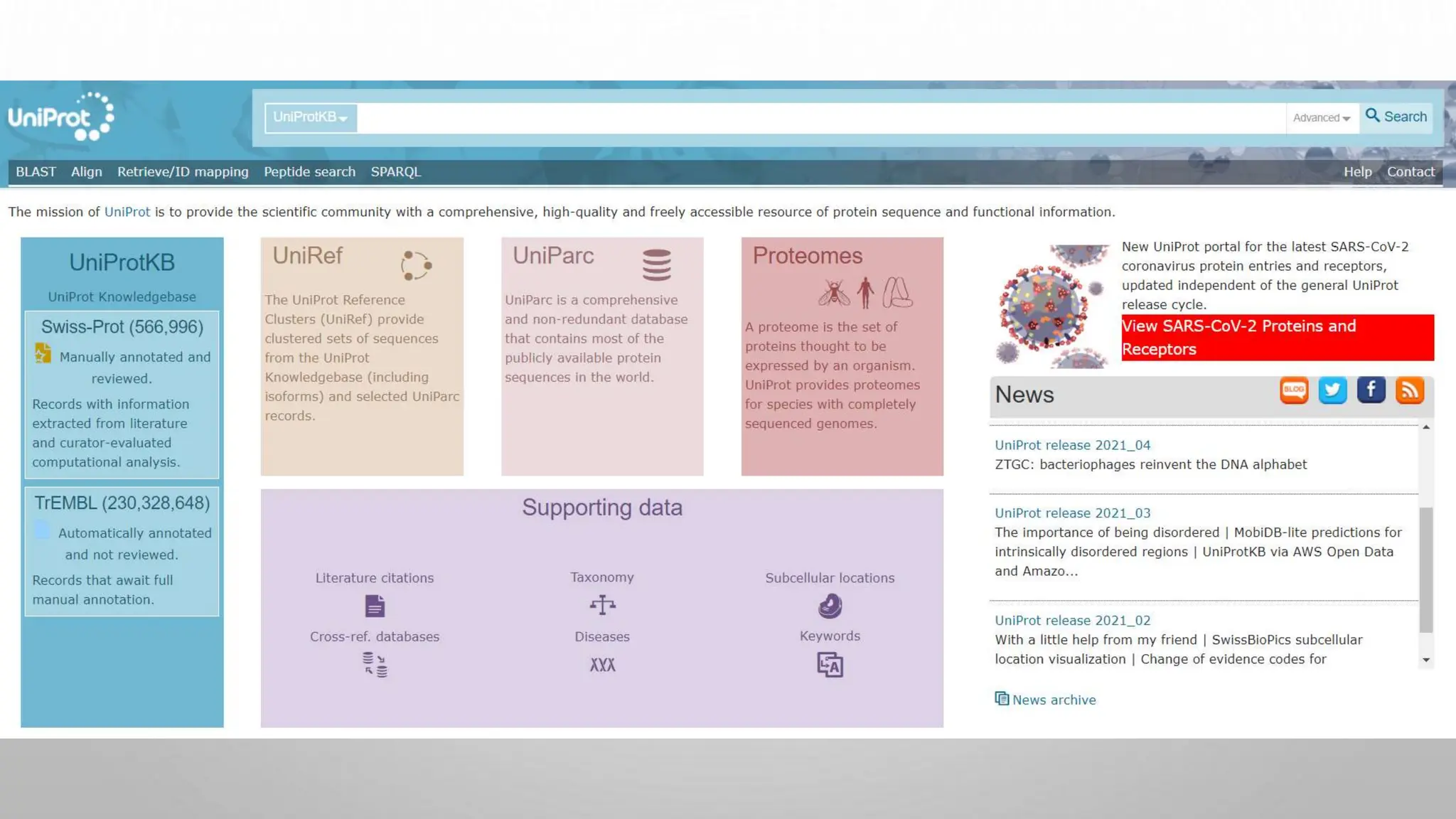
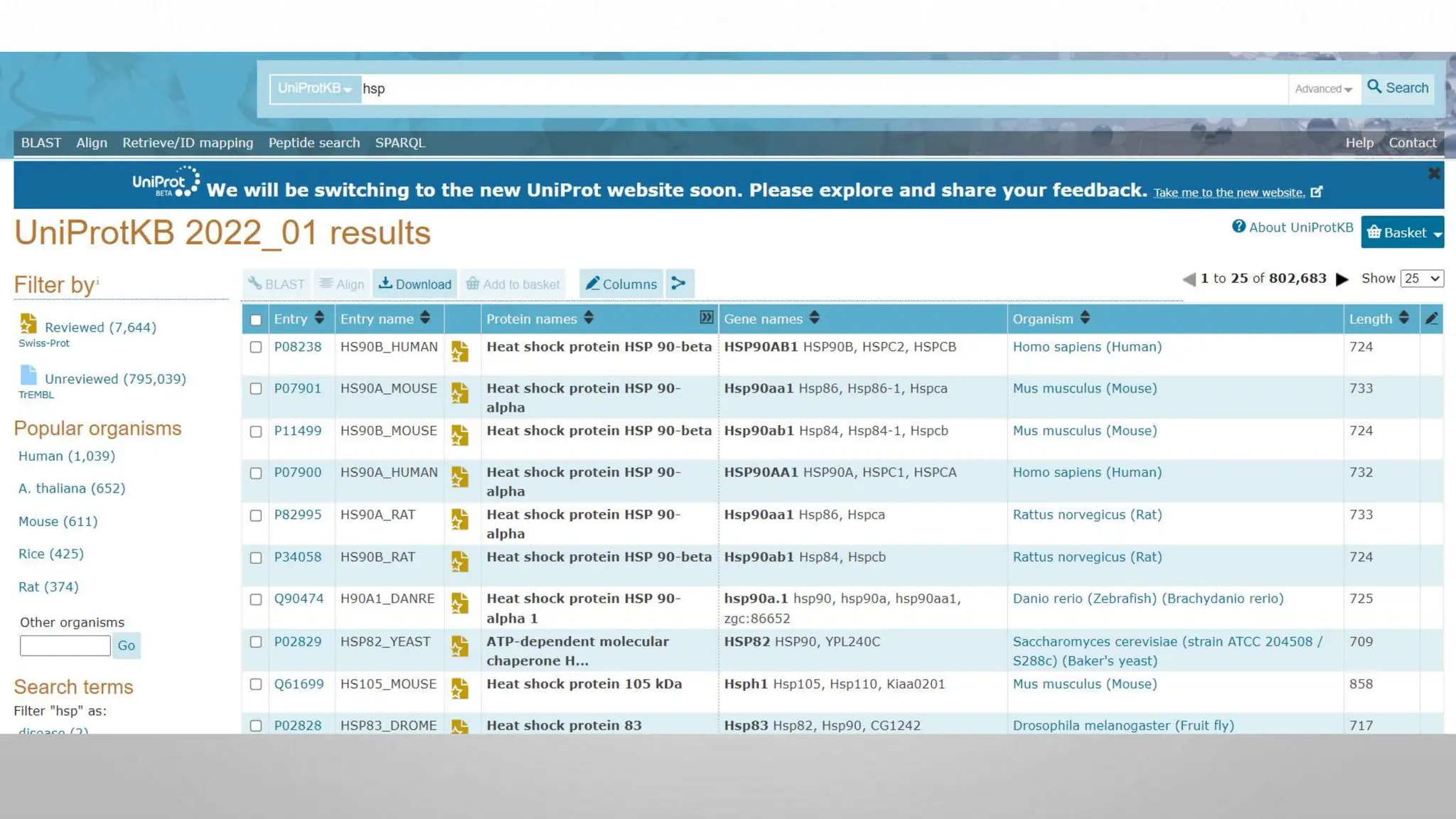
• Uniprot : UniprotKB has 2
components:
(1)Swiss-Prot (manually annotated and
reviewed) and
(2)TrEMBL (automatically annotated)
(bairoch and apweiler, 1999)
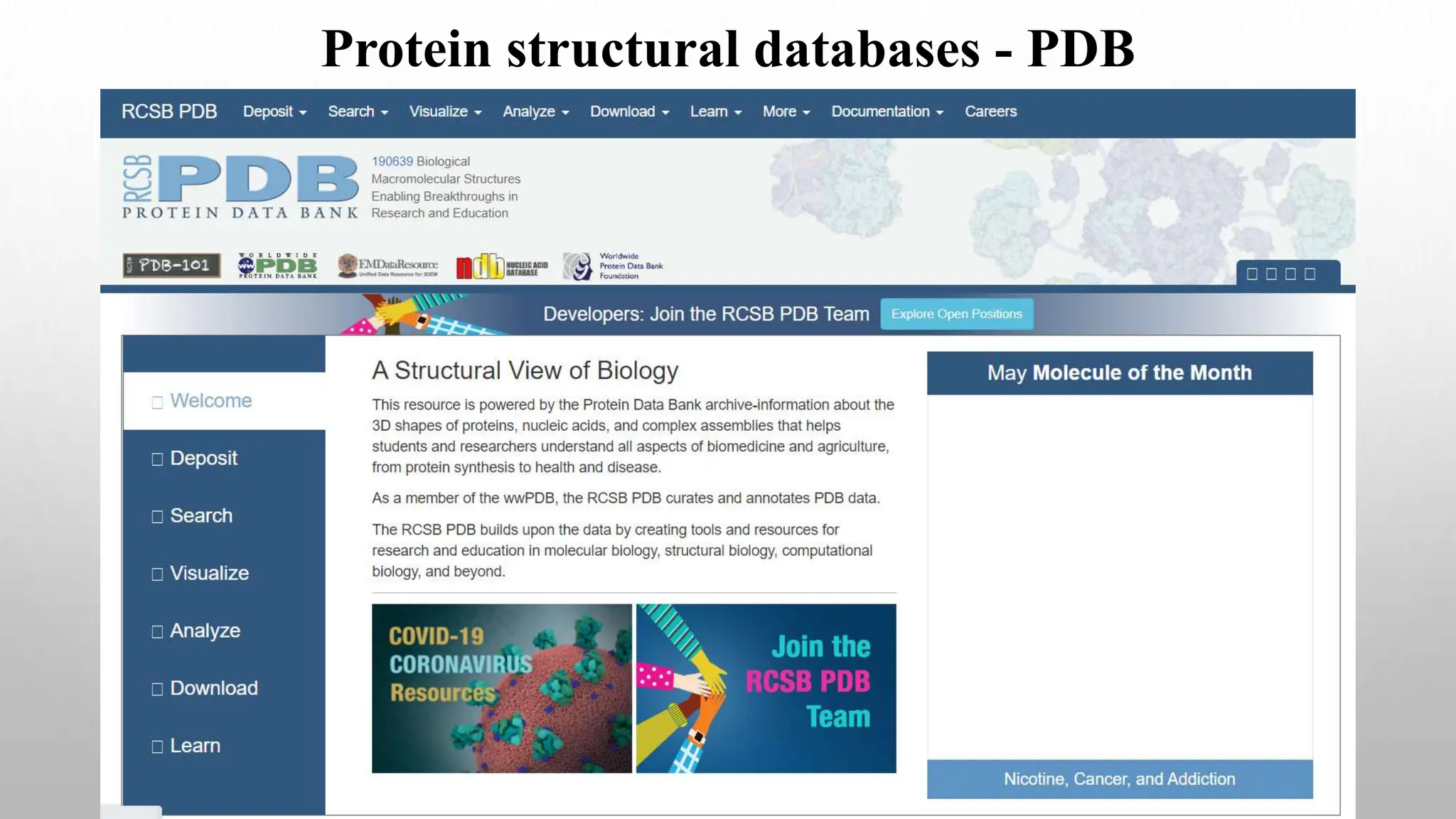
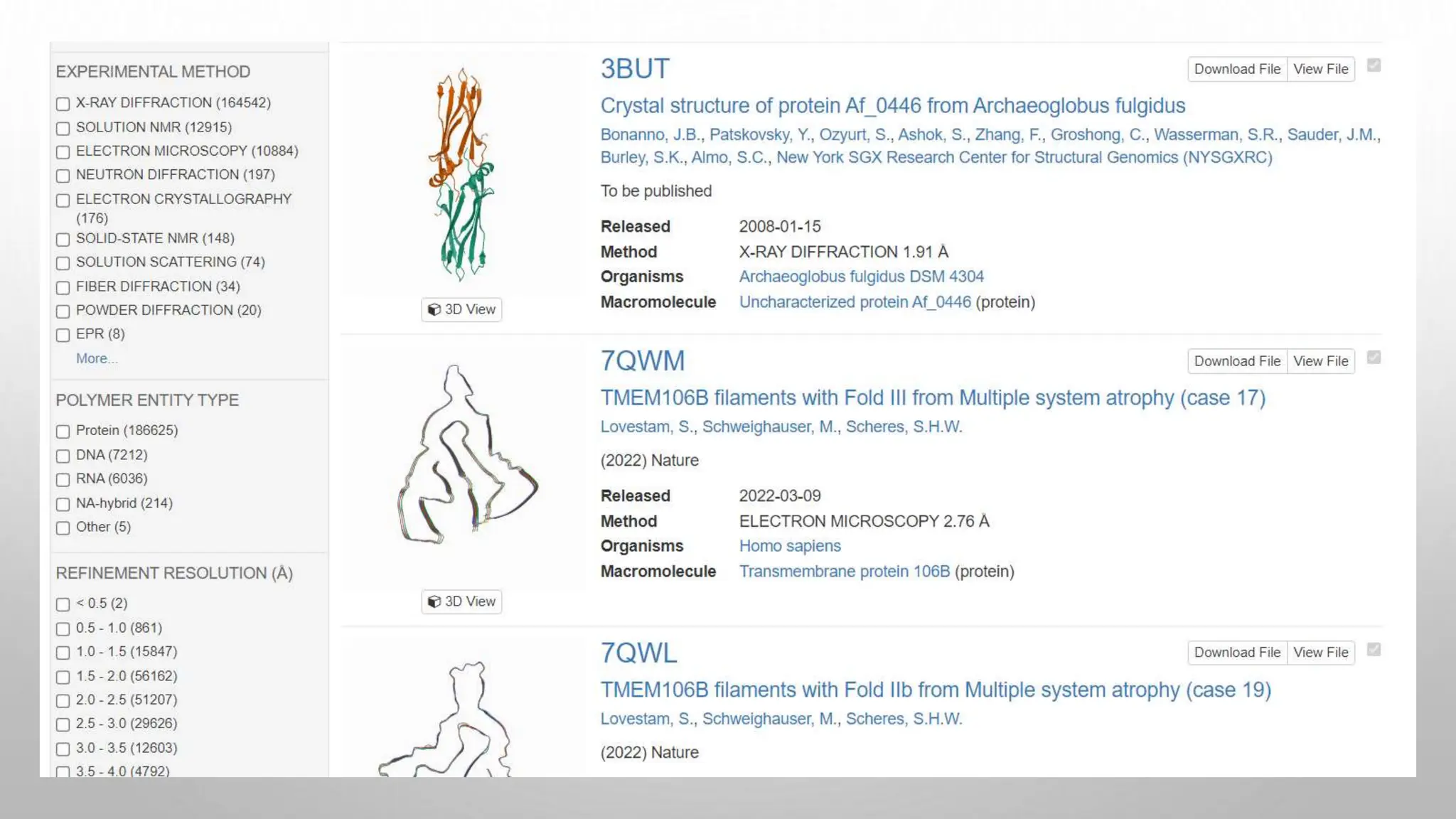
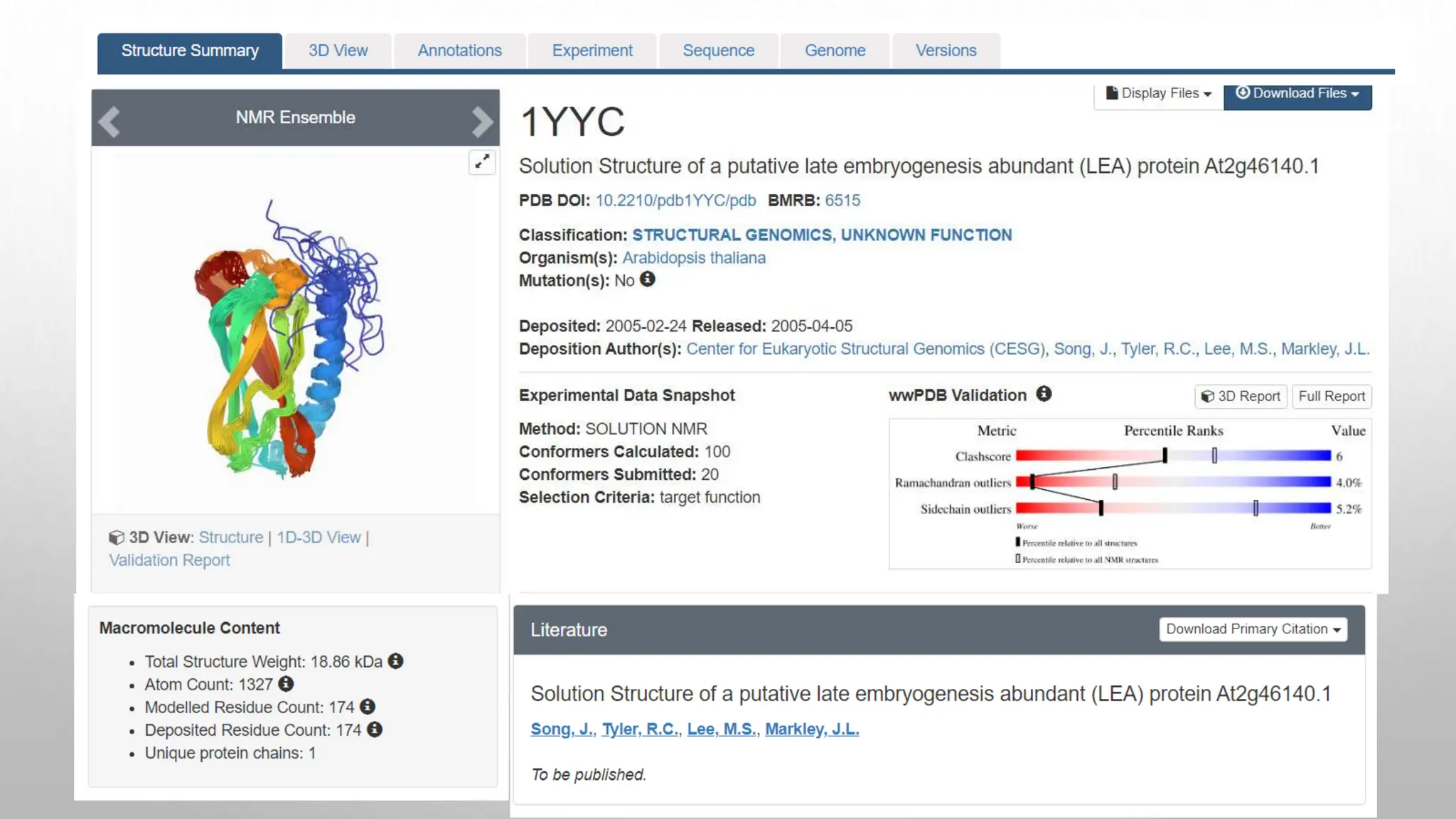
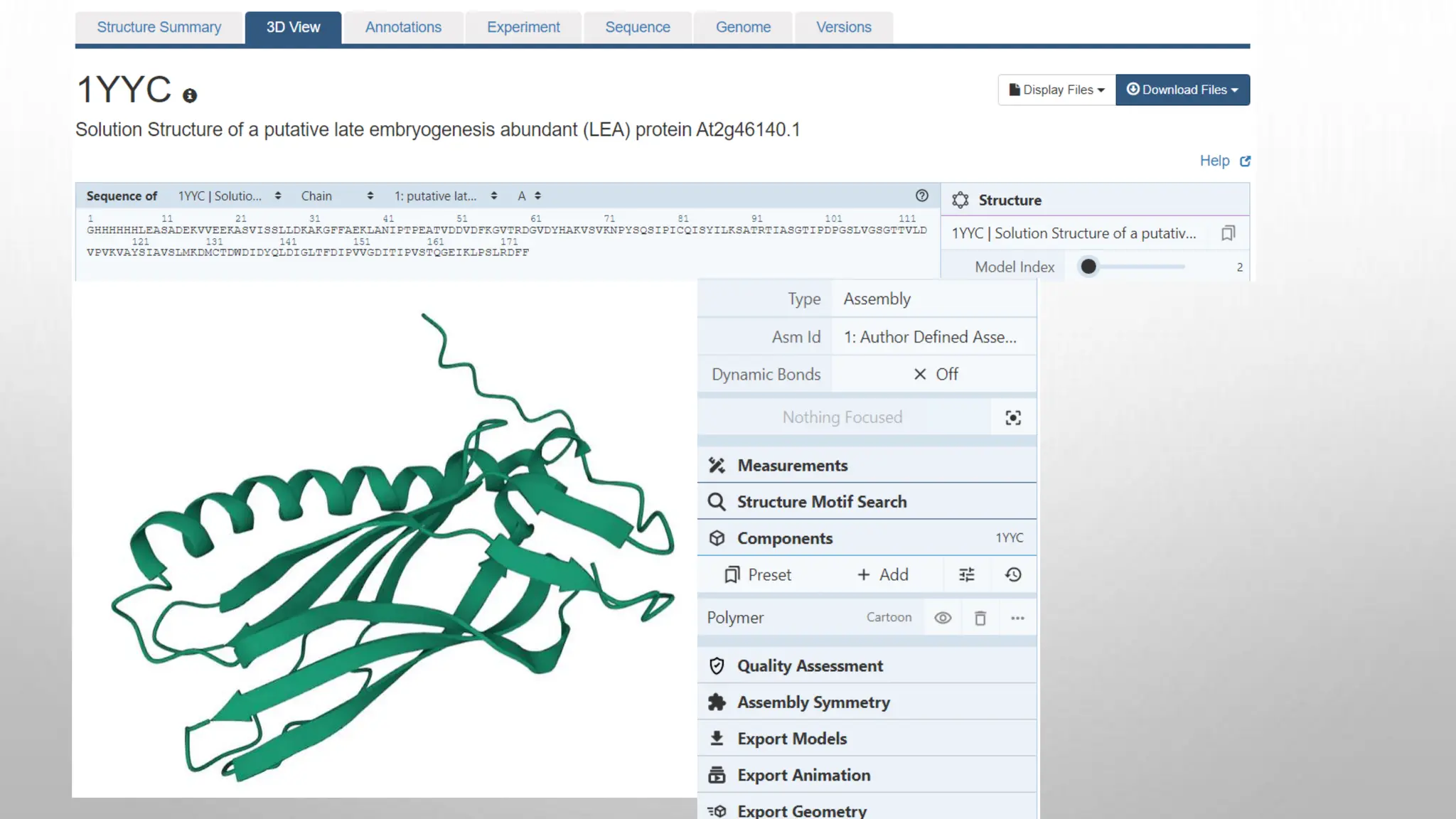
PROTEIN STRUCTURAL DATABASES
Protein structural databases - PDB
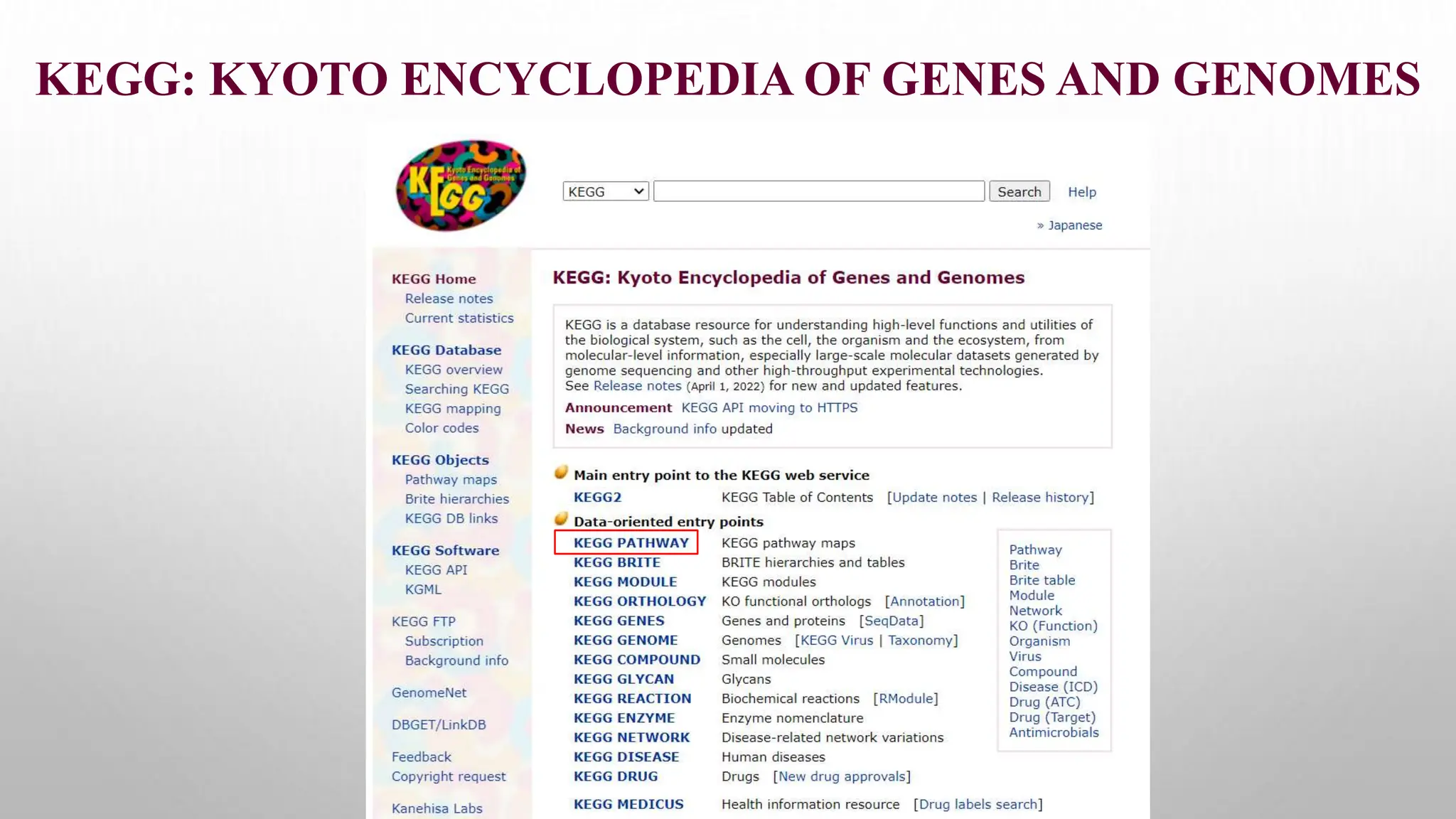
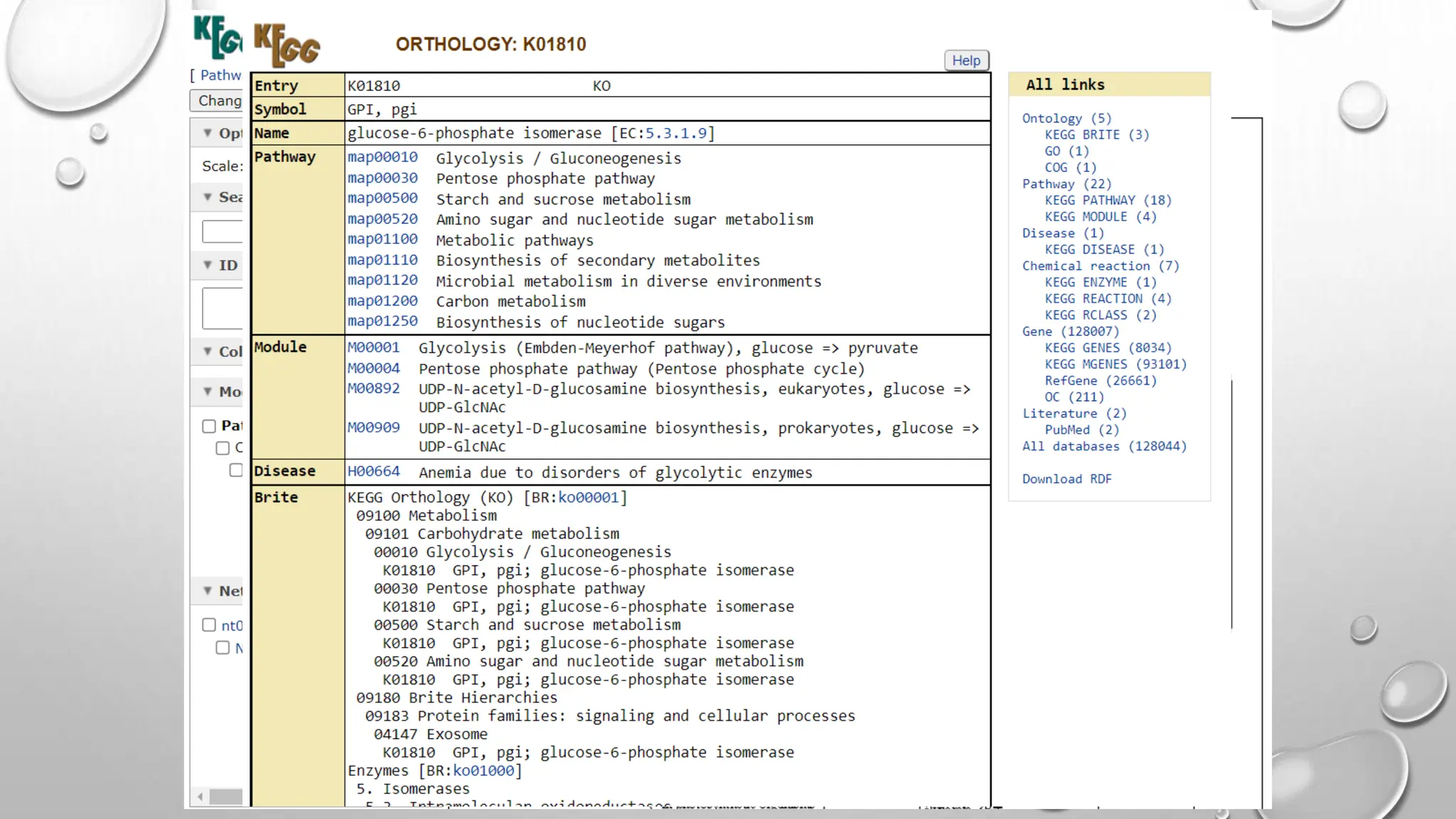
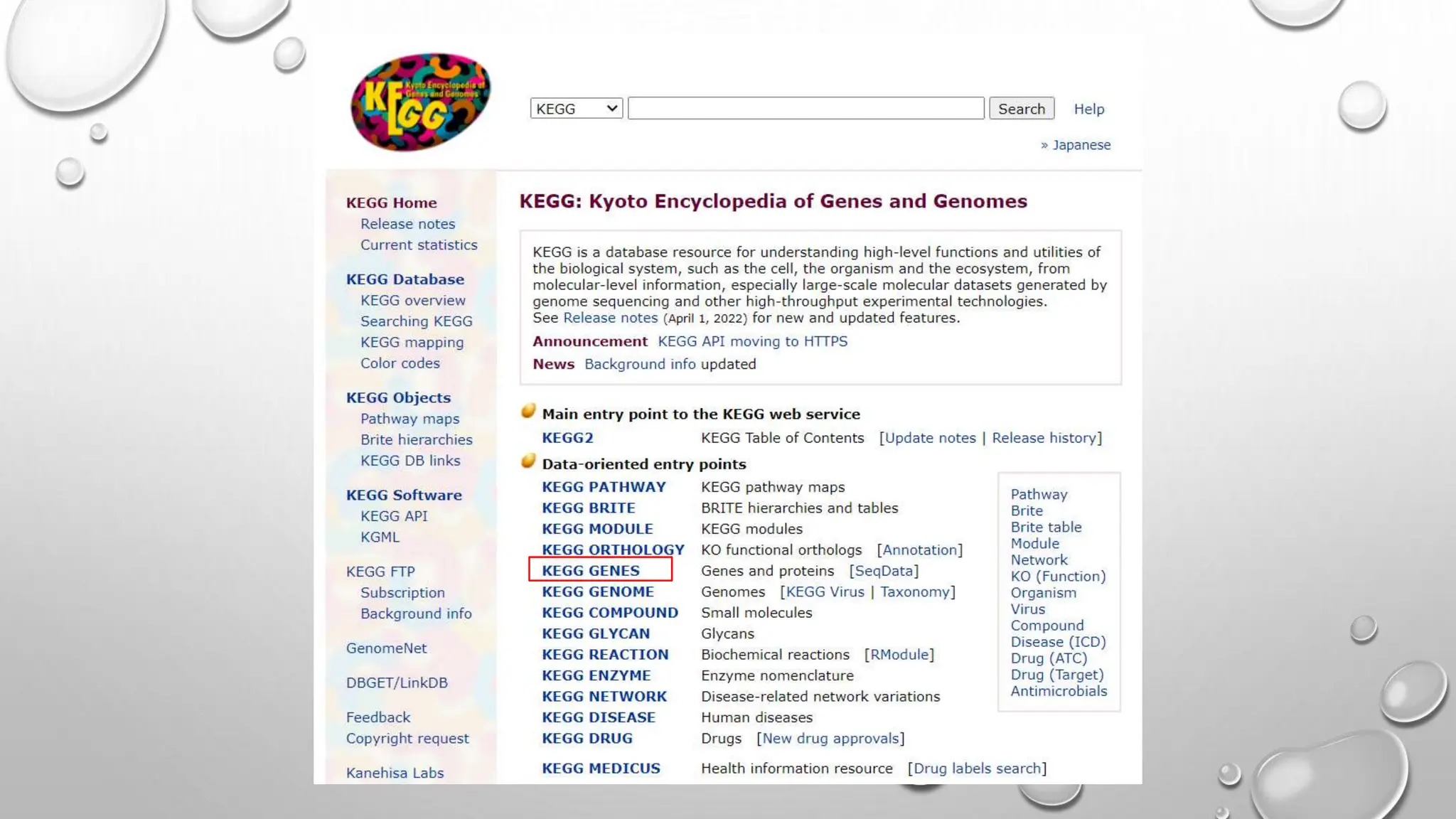
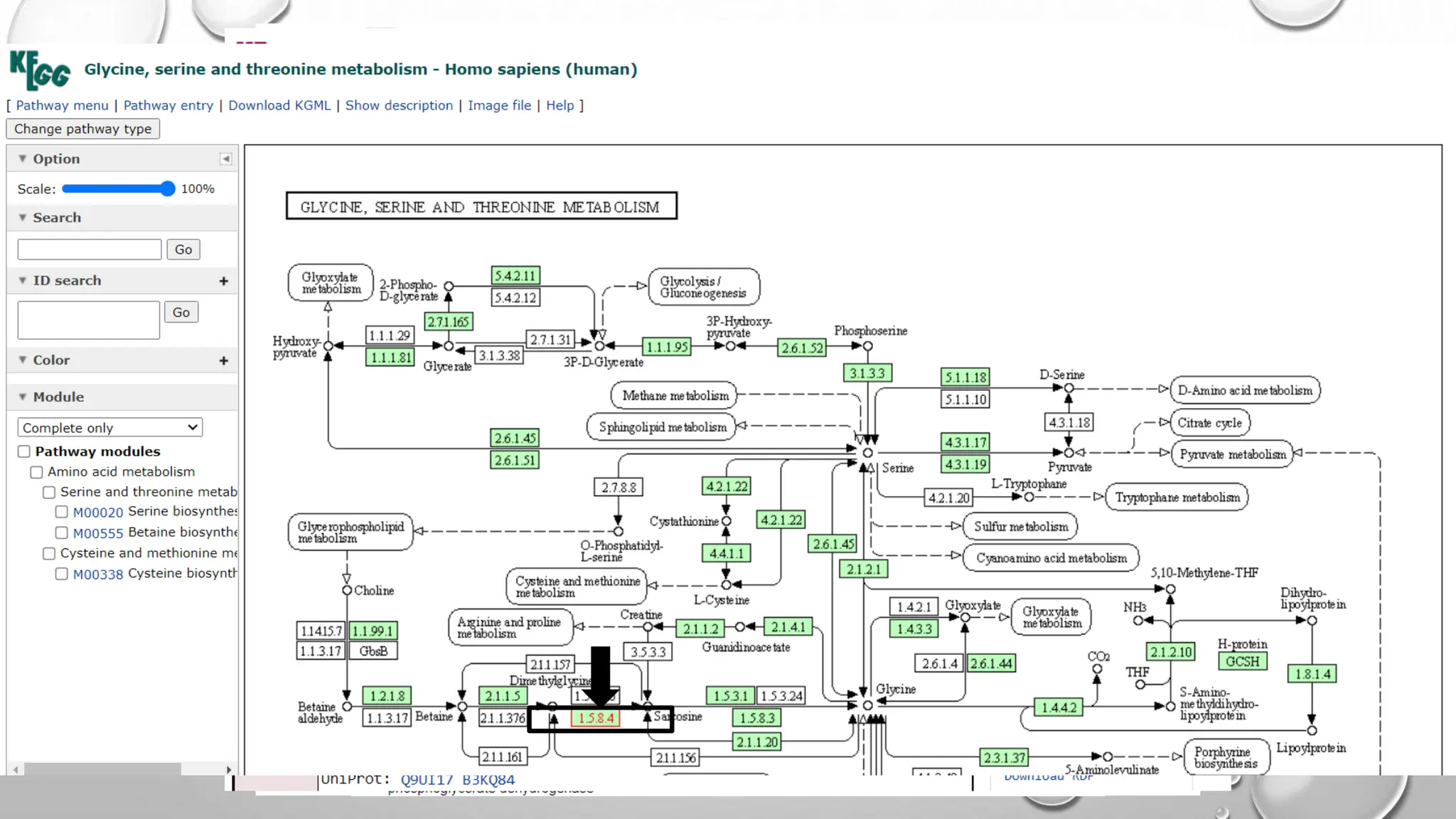
KEGG: KYOTO ENCYCLOPEDIA OF GENES AND GENOMES
1D-SDS PAGE
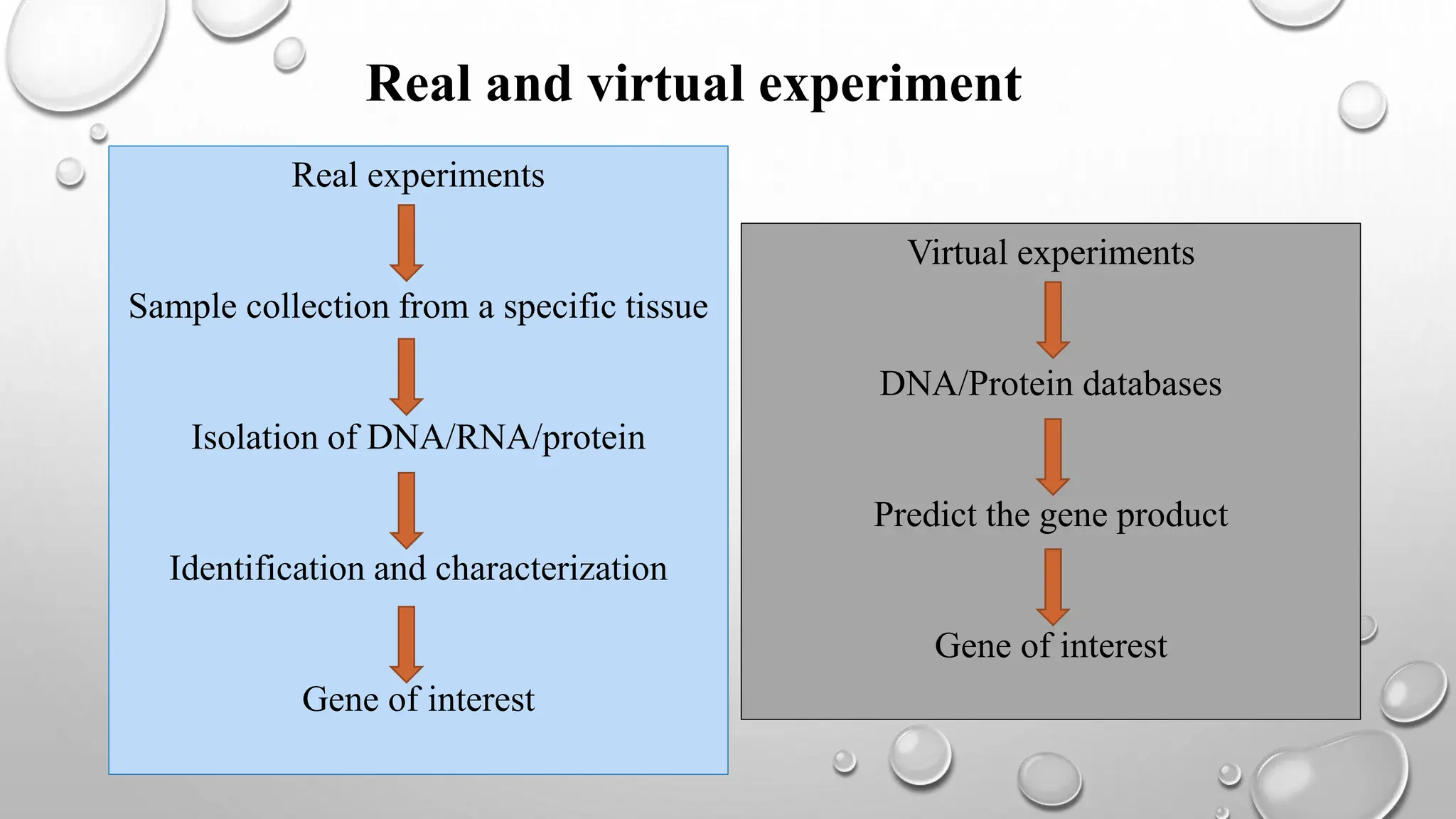
Real experiments
Sample collection from a specific tissue
Isolation of DNA/RNA/protein
Identification and characterization
Gene of interest
Virtual experiments
DNA/Protein databases
Predict the gene product
Gene of interest
Real and virtual experiment
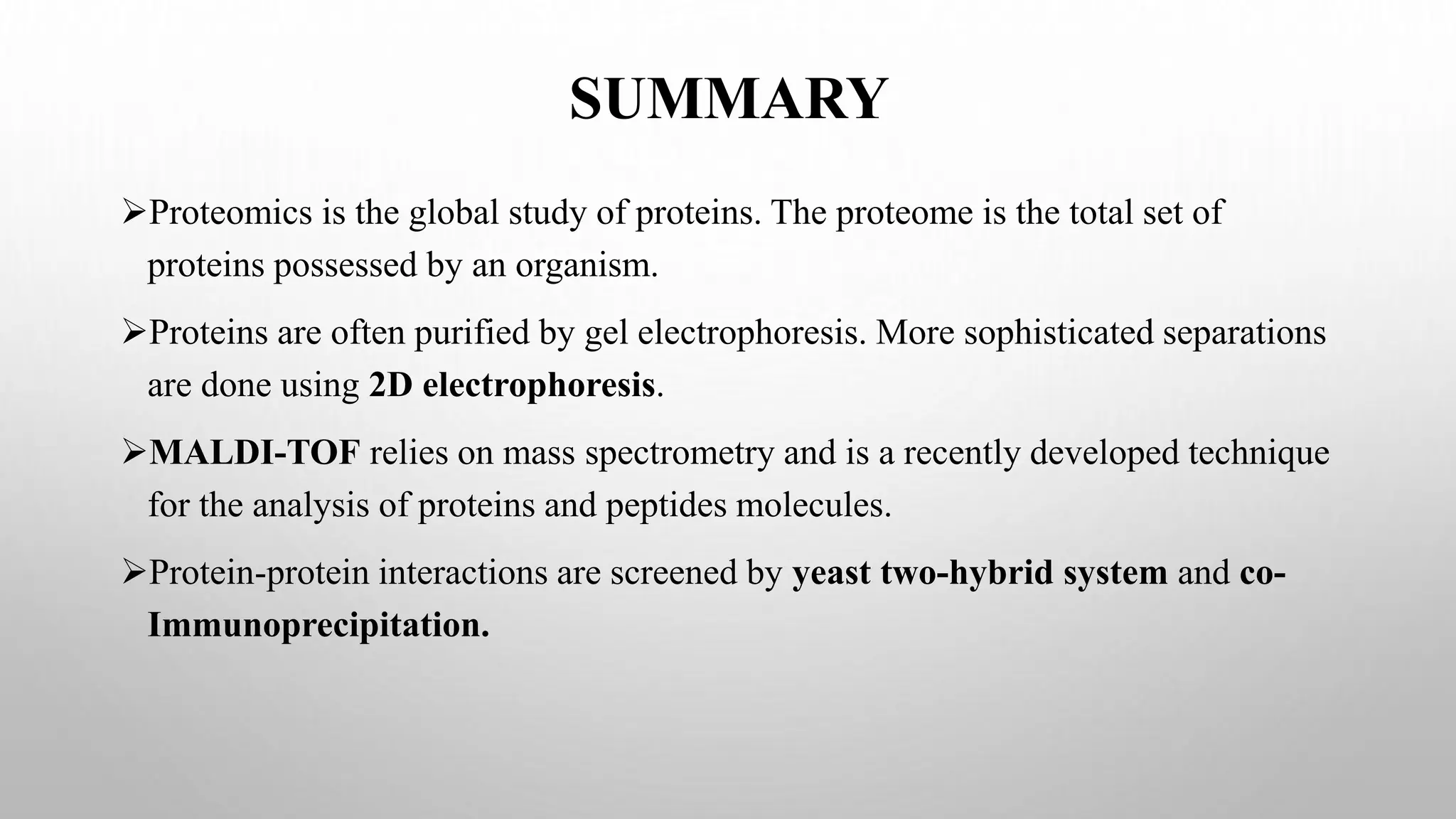
SUMMARY
Proteomics is the global study of proteins. The proteome is the total set of
proteins possessed by an organism.
Proteins are often purified by gel electrophoresis. More sophisticated separations
are done using 2D electrophoresis.
MALDI-TOF relies on mass spectrometry and is a recently developed technique
for the analysis of proteins and peptides molecules.
Protein-protein interactions are screened by yeast two-hybrid system and co-
Immunoprecipitation.
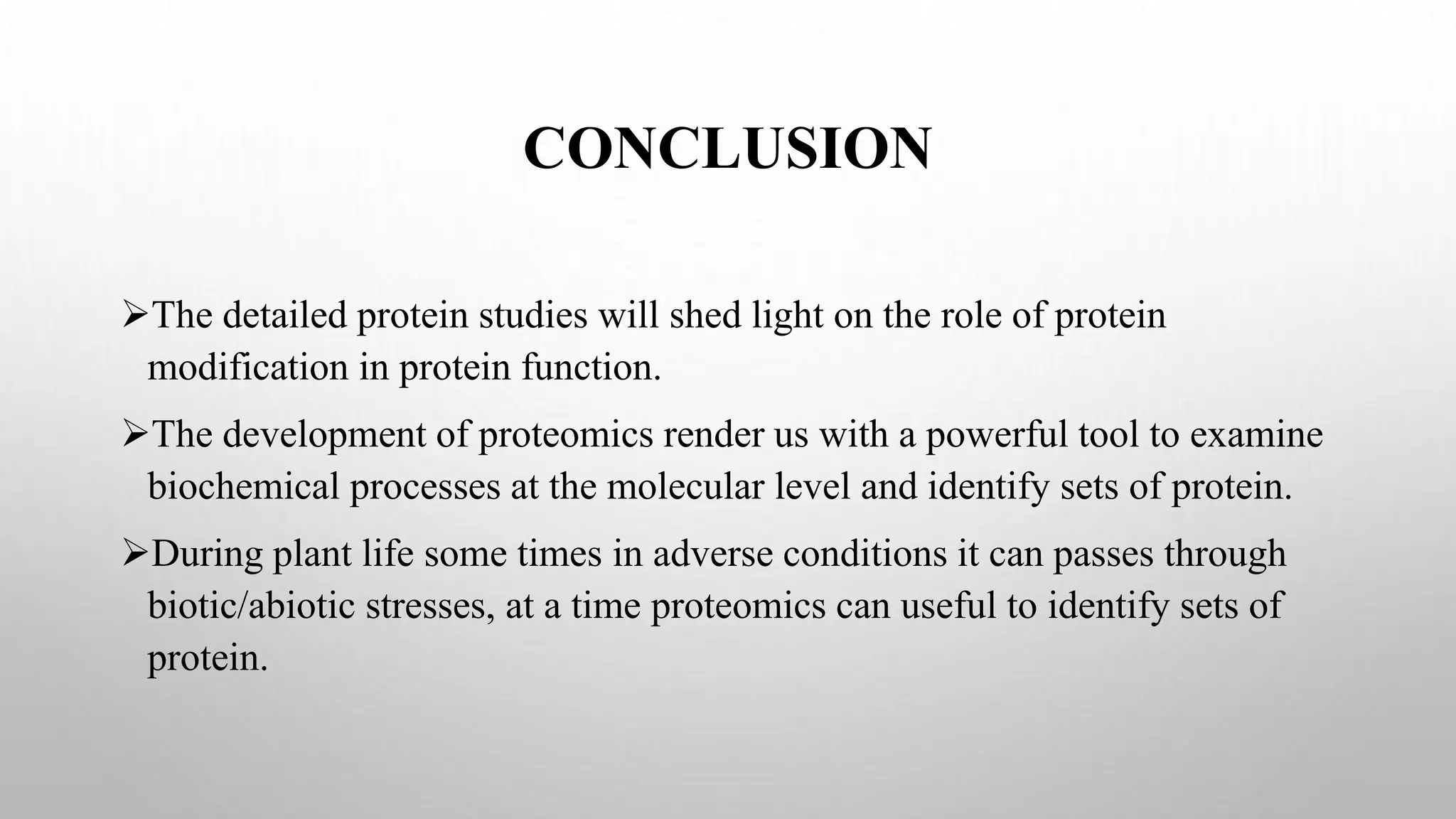
CONCLUSION
The detailed protein studies will shed light on the role of protein
modification in protein function.
The development of proteomics render us with a powerful tool to examine
biochemical processes at the molecular level and identify sets of protein.
During plant life some times in adverse conditions it can passes through
biotic/abiotic stresses, at a time proteomics can useful to identify sets of
protein.
REFERENCES
Molecular biology – David P. Clark
Bioinformatics and functional genomics – Jonathan Pevsner
Chloroplast retrograde signal regulates flowering. Feng, P., Guo, H., Chi, W., Chai, X., Sun, X., Xu, X., Ma,
J., Rochaix, J.D., Leister, D., Wang, H. And lu, C., 2016. Proceedings of the national academy of
sciences, 113(38), pp.10708-10713.
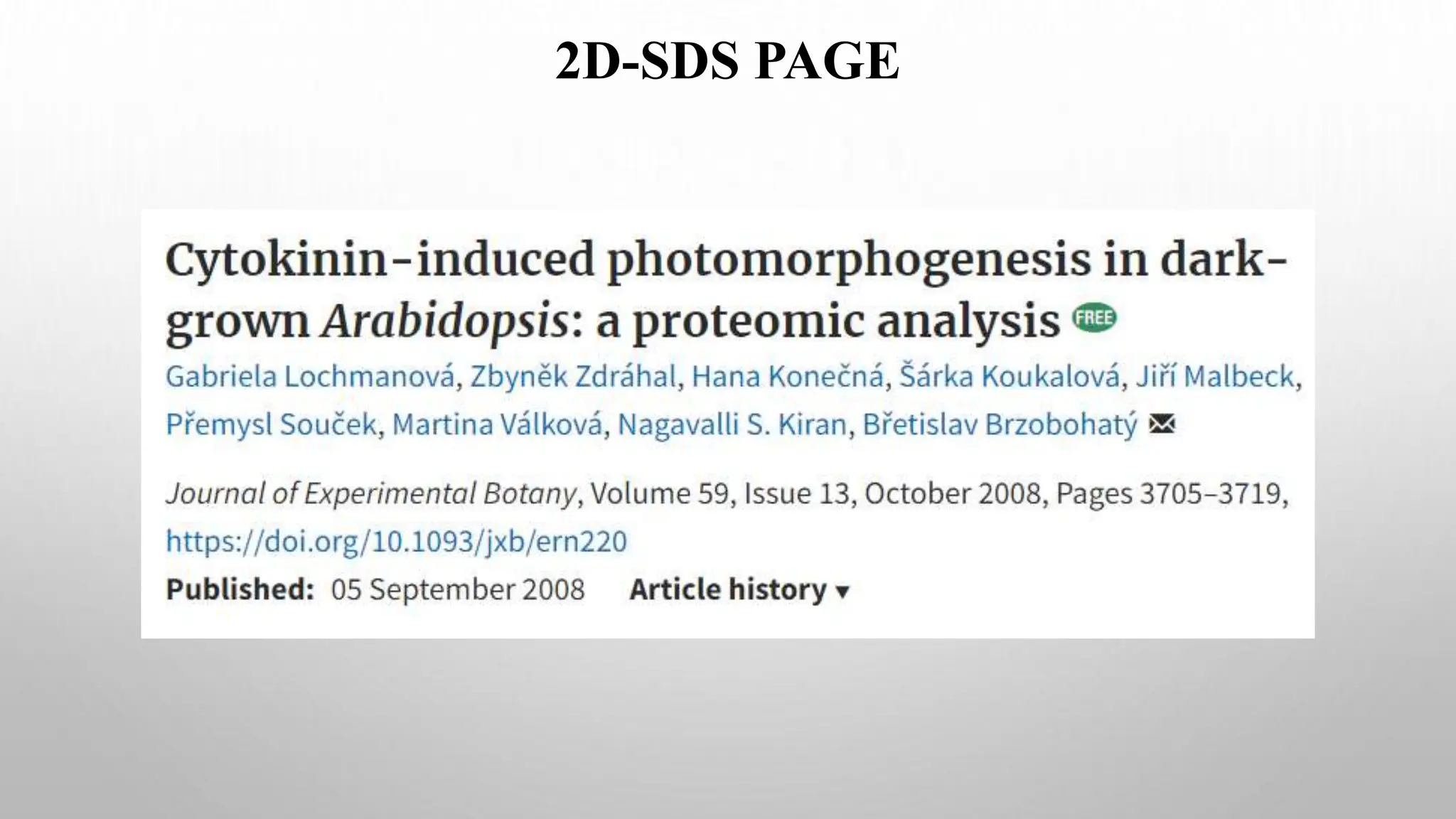
Cytokinin-induced photomorphogenesis in dark-grown arabidopsis: a proteomic analysis. Lochmanová,
G., Zdráhal, Z., Konečná, H., Koukalová, Š., Malbeck, J., Souček, P., Válková, M., Kiran, N.S. And
brzobohatý, B., 2008. Journal of experimental botany, 59(13), pp.3705-3719.
Proteomics in VSC for crop improvement programme

Proteomics in VSC for crop improvement programme

  • 1.
    Proteomic s Sneha (2021-21-058) 1st PhD,Department of Plant Physiology
  • 2.
    CONTENT Introduction Types of proteomics Proteomicstechniques Protein separation technique Protein identification Protein-protein interaction
  • 3.
    INTRODUCTION • Many researchersconsidered the 21st century the “Postgenomic era”. • The next big challenge is to understand the proteome- all the proteins of a given organism at a given point.
  • 4.
    The word “Proteome”is actually a combination of protein and genome and was coined by mark wilkins in 1994. Definition: Proteome is a the complete set of proteins expressed during a cell’s entire lifetime. Proteomics assesses activities, modifications, localization, and interactions of proteins in complexes. Aim: 1. To study the protein products of the genome and their interaction. 2. A large-scale characterization and functional analysis of the proteins expressed by a genome.
  • 5.
    Why is proteomicsimportant? Genomics Transcriptomics DNA tells what possibly can happen Protein tells what actually happens RNA tells what probably can happen The behaviour of gene product is difficult or impossible to predict from gene sequence Proteomics
  • 6.
    The disparity betweenthe transcriptome and proteome Some of the RNA molecules are non-coding and do not give rise to any protein products RNA transcripts undergoes Alternate splicing: that gives multiple protein product The level of mRNA may not correlate with the level of protein: differential rates of mRNA translational and degradation The activity of many proteins is altered after translation: post transcriptional modification The proteins themselves may be degraded and vary greatly in stability.
  • 7.
    Types of proteomics 1.Structural proteomics:- The ultimate aim of this proteomics is to build a body of structural information that will help predict the probable structure and potential function for almost any protein from knowledge of its coding sequence. 2. Functional proteomics:- It refers to the use of proteomics techniques to analyze the characteristics of molecular protein-networks involved in a living cell. 3. Expression proteomics:- It refers to the quantitative study of protein expression between sample differing by some variable.
  • 8.
    Proteomics techniques 1. Proteinseparation technique a) 1D-SDS PAGE b) 2D-SDS PAGE 2. Protein identification • Mass spectrometry-MALDI-TOF 3. Protein-protein interaction a) Yeast two hybrid system (YH2) b) Co-Immunoprecipitation c) Affinity chromatography
  • 9.
  • 10.
  • 11.
  • 12.
  • 13.
  • 14.
    Two-dimensional gel electrophoresisproteome maps of 7-day-old CaMV35S>GR>ipt A. thaliana seedlings grown in darkness. Identified proteins with significant differences between samples with (B, D) and without (A, C) DEX activation from line 13 (A, B) and line 11 (C, D) are indicated. 2D-SDS PAGE
  • 15.
    Protein identification –Mass spectrometry • Mass spectrometry is an analytical tool useful for measuring the mass-to-charge ratio (m/z) of one or more molecules present in a sample. • “The basic principle of mass spectrometry (MS) is to generate ions from sample to separate these ions by their mass-to-charge ratio (m/z) and to detect them qualitatively and quantitatively by their respective m/z and abundance.” • Heat liable molecules such as proteins could not be analyzed by mass spectrometry.
  • 16.
    Type of massspectrometry in which gas phase ions are generated from a solid sample by a pulsed laser MALDI-TOF - Matrix-Assisted Laser Desorption/Ionization-Time of Flight
  • 17.
    MALDI-TOF - Matrix-AssistedLaser Desorption/Ionization-Time of Flight
  • 18.
    Differentially expressed proteinsidentified by MALDI-TOF-MS and/or LC-MS/MS analysis followed by searches against the MSDB protein database showing their individual spot numbers, relative abundance, and relative expression
  • 19.
  • 20.
  • 21.
  • 22.
    FVE is aPTM interacting factor
  • 23.
    A working modelfor the mechanism of PTM-mediated plastid signals in flowering regulation
  • 24.
  • 25.
    COIMMUNOPRECIPITATION (CO-IP) FVE isphysically interacting with the N-PTM in order to regulate flowering time
  • 26.
  • 27.
    • Protein sampleidentification/confirmation. • Protein sample purity determination. • Detection of post translational modifications. • Detection of amino acid substitution. • To identify the unknown protein of interest. • Quantify protein and peptide. Applications of proteomics
  • 28.
  • 30.
    CONTENT 1. HPLC a) Chromatogram 2.Protein microarray a) Types of protein microarray 3. Protein databases a) UniProtKB b) PDB c) KEGG 4. 1D-SDS PAGE
  • 31.
    HPLC • High-performance liquidchromatography (HPLC), formerly referred to as high- pressure liquid chromatography. • HPLC is a technique in analytical technique used to separate, identify and quantify each component in a mixture. • It relies on pumps to pass a pressurized liquid solvent containing the sample mixture through a column filled with a solid adsorbent material. • Each component in the sample interacts slightly differently with the adsorbent material, causing different flow rates for the different components and leading to the separation of the components as they flow out of the column.
  • 32.
  • 34.
  • 35.
  • 36.
  • 37.
  • 38.
    TYPES OF HPLC 1.Normal–phase chromatography (NP-HPLC): This method separates analytes based on their affinity for a polar stationary surface such as silica. NP-HPLC uses a non-polar, non-aqueous mobile phase (e.G., Chloroform). 2. Displacement chromatography: A molecule with a high affinity for the chromatography matrix (the displacer) will compete effectively for binding sites, and thus displace all molecules with lesser affinities. 3. Reversed-phase chromatography (RPC-HPLC): HPLC (RP-HPLC) has a non-polar stationary phase and an aqueous, moderately polar mobile phase. 4. Size-exclusion chromatograph: Size-exclusion chromatography (SEC), also known as gel permeation chromatography or gel filtration chromatography, separates particles on the basis of molecular size. 5. Ion-exchange chromatography: In ion-exchange chromatography (IC), retention is based on the attraction between solute ions and charged sites bound to the stationary phase.
  • 39.
    Protein microarray • Microarraytechnology refers to the miniaturization of a large number of assays on one small plate. • Protein micro array was developed to overcome the limitations of DNA microarray. • Protein microarray has been prevalently used to capture and measure proteins from biologic samples in a high-throughput style.
  • 40.
    Types of arrays 1)Analytical protein microarrays - They’re represented by antibody microarrays and can be used to profile a complex mixture of proteins in order to measure binding affinities, specificities, and protein expression levels. 2) Functional protein microarrays - They’re constructed using individually purified proteins that involve full-length functional proteins or protein domains. 3) Reverse-phase protein microarrays (RPPAS) - Cells are isolated from various tissues of interest and are lysed. The lysate is arrayed onto the microarray and probed with antibodies against the target protein of interest.
  • 42.
    Protein databases Database: Anycollection of data, or information, that is specially organized for rapid search and retrieval by a computer.
  • 43.
    Protein sequence databases •Uniprot : UniprotKB has 2 components: (1)Swiss-Prot (manually annotated and reviewed) and (2)TrEMBL (automatically annotated) (bairoch and apweiler, 1999)
  • 44.
  • 47.
  • 51.
    KEGG: KYOTO ENCYCLOPEDIAOF GENES AND GENOMES
  • 55.
  • 56.
    Real experiments Sample collectionfrom a specific tissue Isolation of DNA/RNA/protein Identification and characterization Gene of interest Virtual experiments DNA/Protein databases Predict the gene product Gene of interest Real and virtual experiment
  • 57.
    SUMMARY Proteomics is theglobal study of proteins. The proteome is the total set of proteins possessed by an organism. Proteins are often purified by gel electrophoresis. More sophisticated separations are done using 2D electrophoresis. MALDI-TOF relies on mass spectrometry and is a recently developed technique for the analysis of proteins and peptides molecules. Protein-protein interactions are screened by yeast two-hybrid system and co- Immunoprecipitation.
  • 58.
    CONCLUSION The detailed proteinstudies will shed light on the role of protein modification in protein function. The development of proteomics render us with a powerful tool to examine biochemical processes at the molecular level and identify sets of protein. During plant life some times in adverse conditions it can passes through biotic/abiotic stresses, at a time proteomics can useful to identify sets of protein.
  • 59.
    REFERENCES Molecular biology –David P. Clark Bioinformatics and functional genomics – Jonathan Pevsner Chloroplast retrograde signal regulates flowering. Feng, P., Guo, H., Chi, W., Chai, X., Sun, X., Xu, X., Ma, J., Rochaix, J.D., Leister, D., Wang, H. And lu, C., 2016. Proceedings of the national academy of sciences, 113(38), pp.10708-10713. Cytokinin-induced photomorphogenesis in dark-grown arabidopsis: a proteomic analysis. Lochmanová, G., Zdráhal, Z., Konečná, H., Koukalová, Š., Malbeck, J., Souček, P., Válková, M., Kiran, N.S. And brzobohatý, B., 2008. Journal of experimental botany, 59(13), pp.3705-3719.