BY MUHAMMED RASHID AK
M.pharm pharmaceutics
What is a Proteome?

• The terms proteomics and proteome
  were coined by Wilkins et al. in 1994
  to describe the entire collection of
  proteins encoded by genomes in the
  human organism.
• Proteomics differs from protein chemistry at
  this point since it focuses on multiprotein
  systems rather than individual proteins and
  uses partial sequence analysis with the aid
  of databases.
Why is the Proteome Important?
• It is the proteins within the cell that:
   –   Provide structure
   –   Produce energy
   –   Allow communication
   –   Allow movement
   –   Allow reproduction
• Proteins provide the structural and
  functional framework of cellular life
What is Proteomics?

• Proteomics refers to the systematic
  analysis of protein profiles of entire
  cells, tissues, organisms, or species.
• It represents the protein counterpart to
  the analysis of gene function.
• Proteomics is an attempt to describe or
  explain biological state and qualitative
  and quantitative changes of protein
  content of cells and extracellular biological
  materials under different conditions to
  further understand biological processes.
Aims of Proteomics
• Detect the different proteins expressed by
  tissue, cell culture, or organism using
  various techniques.
• Store those information in a database
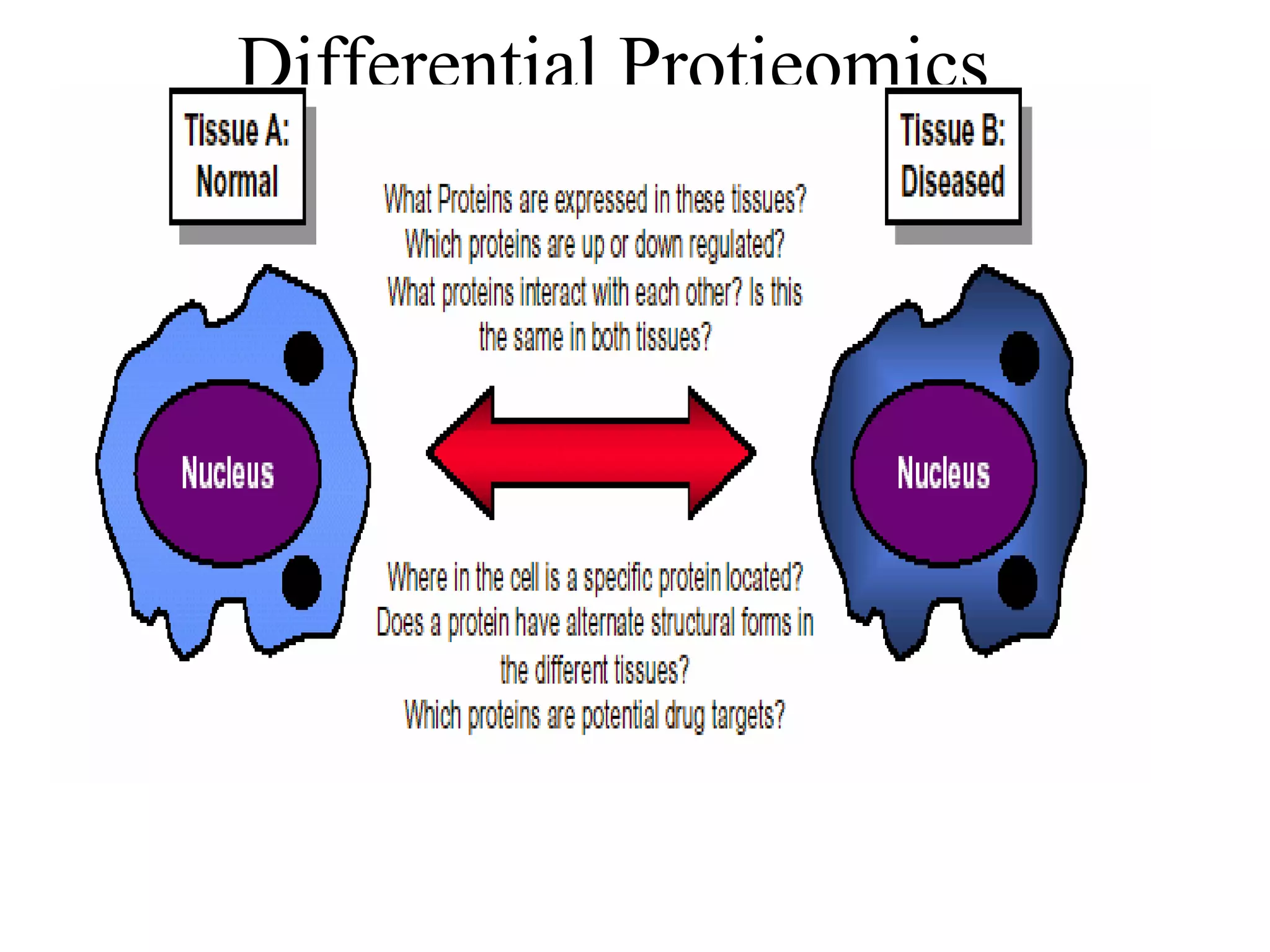
• Compare expression profiles between a
  healthy cell vs. a diseased cell
• The data comparison can then be used for
  testing and rational drug design.
Proteomics vs Genomics
•     DNA sequence does not predict if the protein is in an
    active form
• RNA quantitation does not always reflect corresponding
  protein levels
• Multiple proteins can be obtained from each gene
  (alternative splicing)
• Genomics cannot predict post-translational modifications
  and the effects thereof
• DNA/RNA analysis cannot predict the amount of a gene
  product made (if and when)
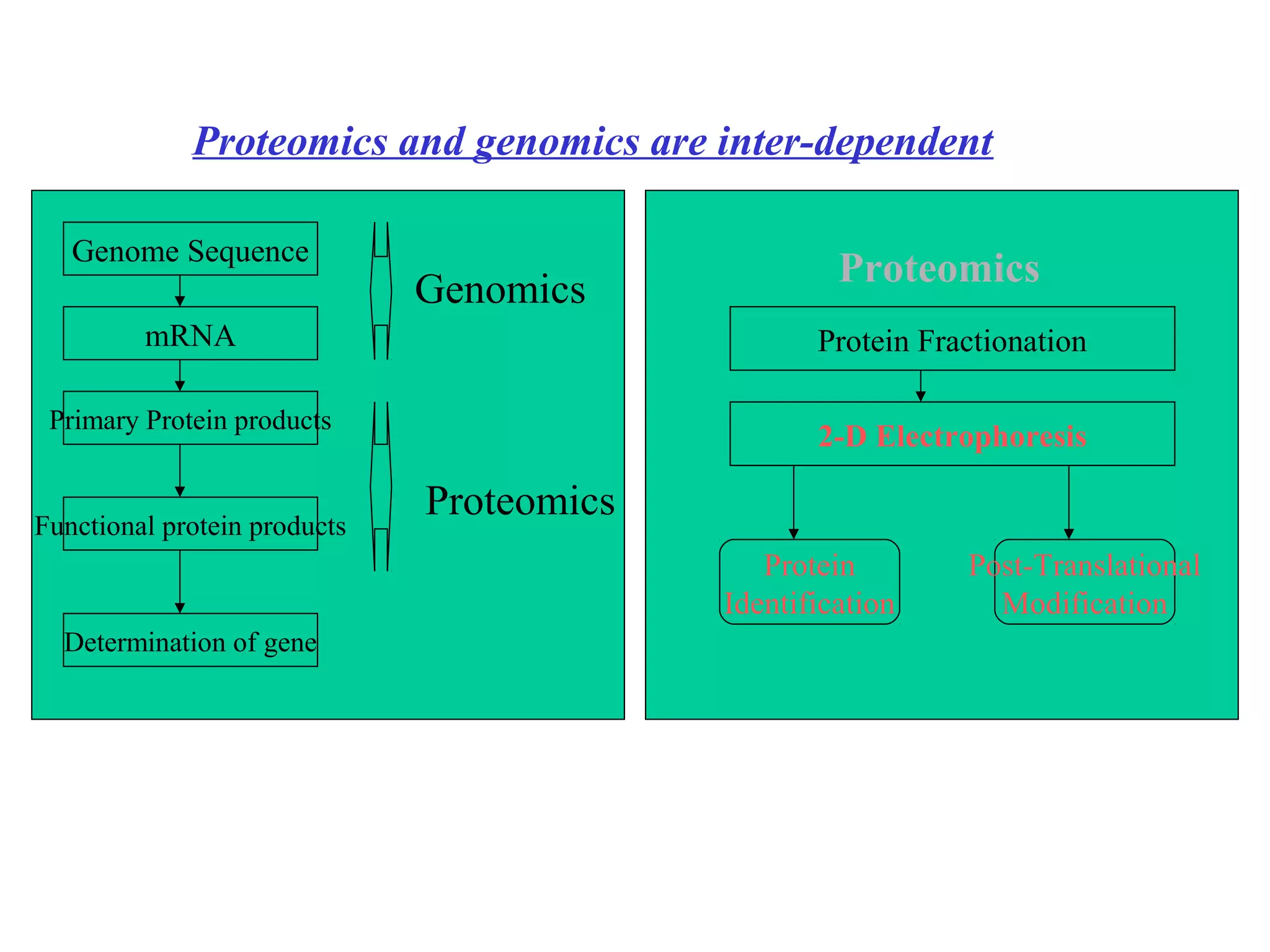
Proteomics and genomics are inter-dependent

   Genome Sequence
                                                    Proteomics
                              Genomics
         mRNA                                     Protein Fractionation

 Primary Protein products
                                                  2-D Electrophoresis

Functional protein products
                              Proteomics
                                              Protein        Post-Translational
                                           Identification      Modification
  Determination of gene
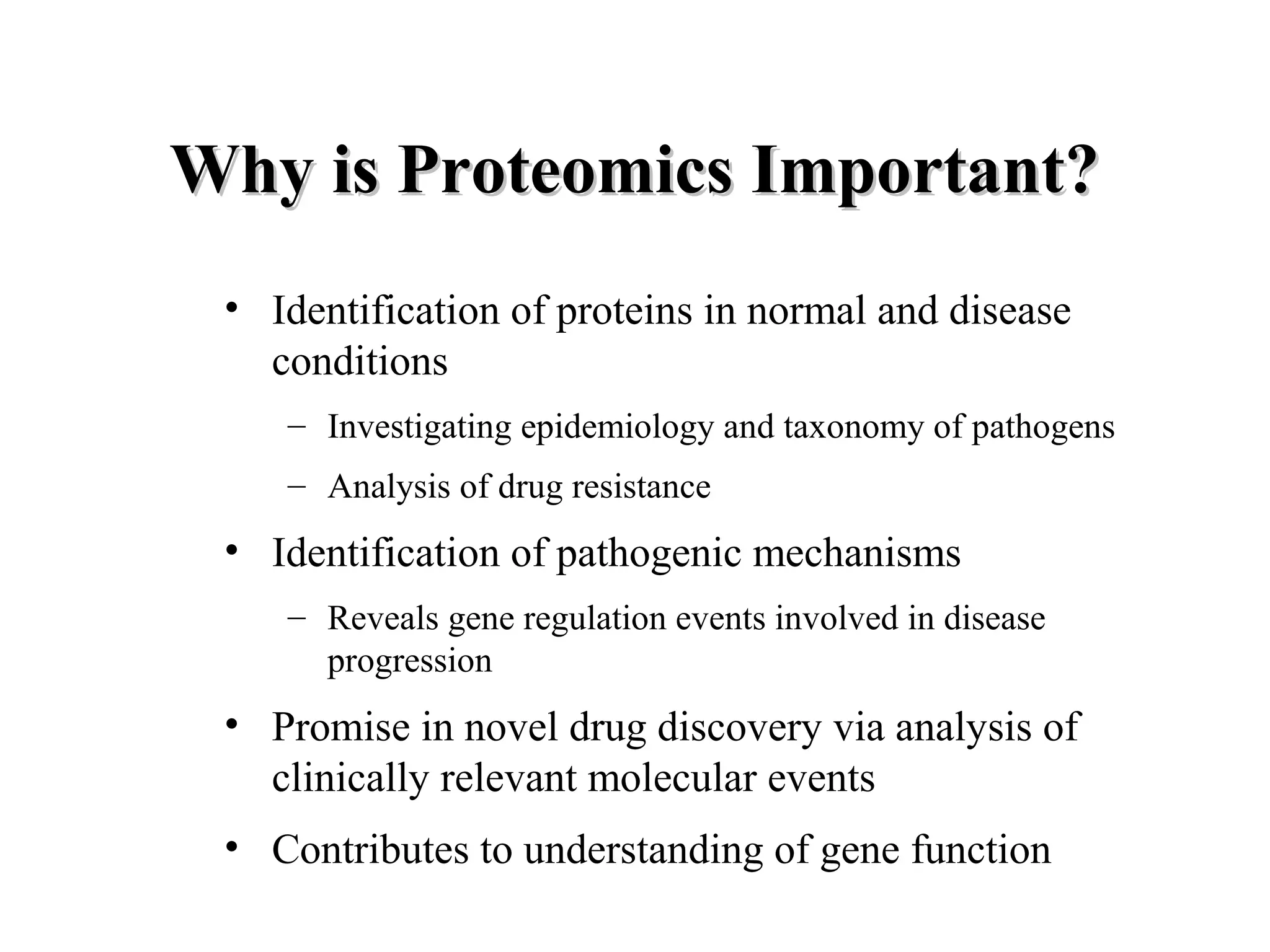
Why is Proteomics Important?
 • Identification of proteins in normal and disease
   conditions
    – Investigating epidemiology and taxonomy of pathogens
    – Analysis of drug resistance
 • Identification of pathogenic mechanisms
    – Reveals gene regulation events involved in disease
      progression
 • Promise in novel drug discovery via analysis of
   clinically relevant molecular events
 • Contributes to understanding of gene function
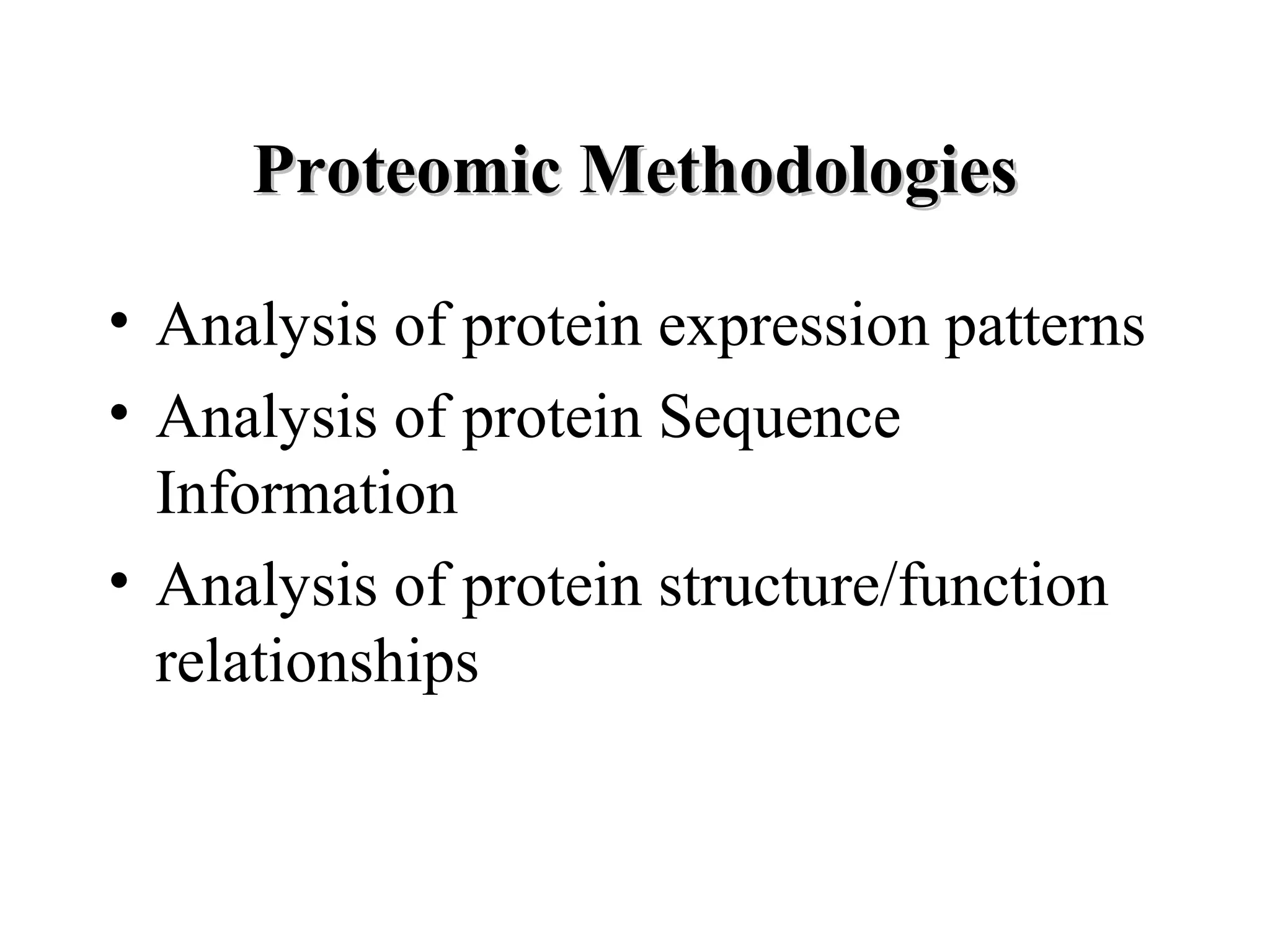
Proteomic Methodologies

• Analysis of protein expression patterns
• Analysis of protein Sequence
  Information
• Analysis of protein structure/function
  relationships
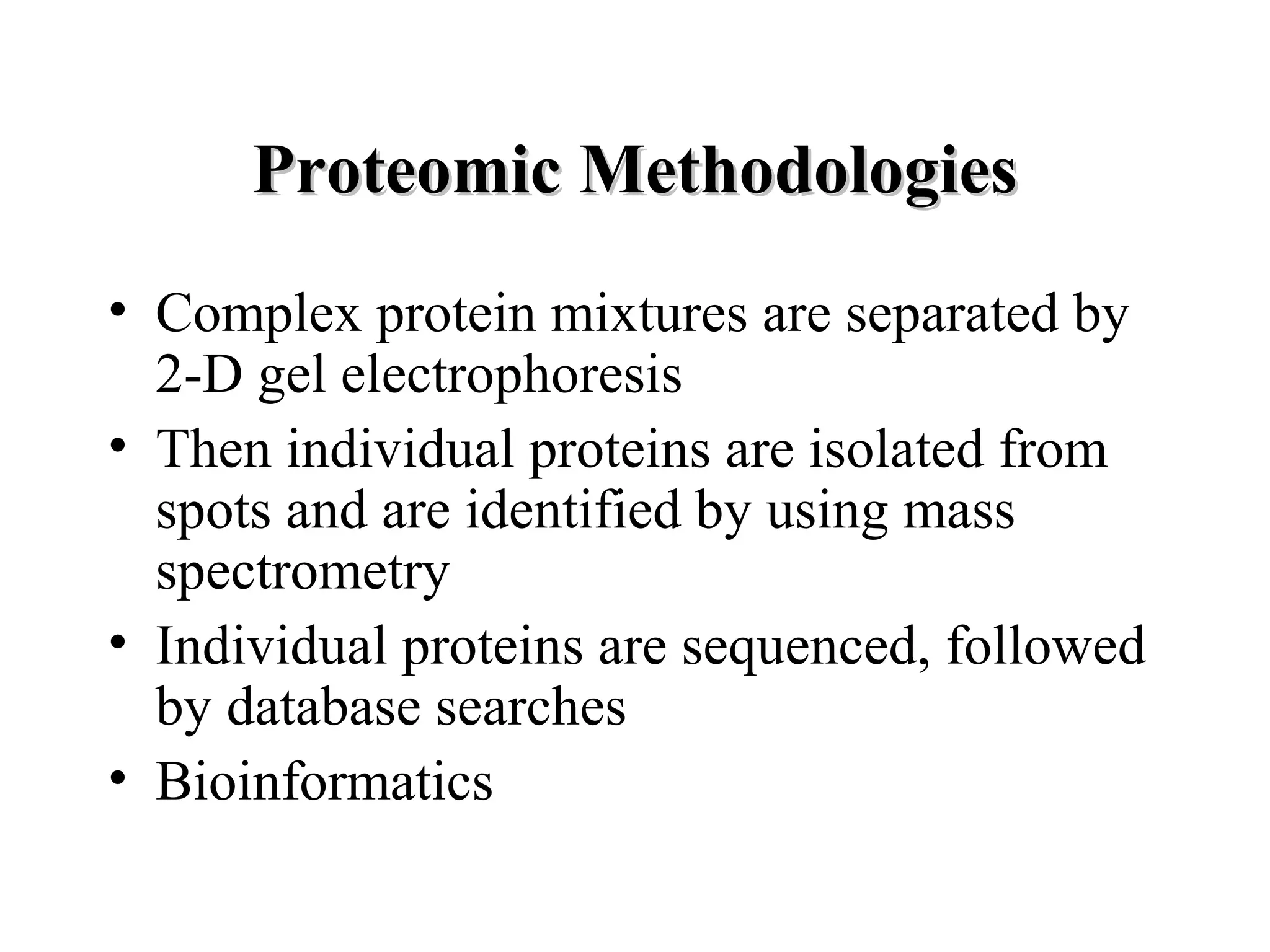
Proteomic Methodologies
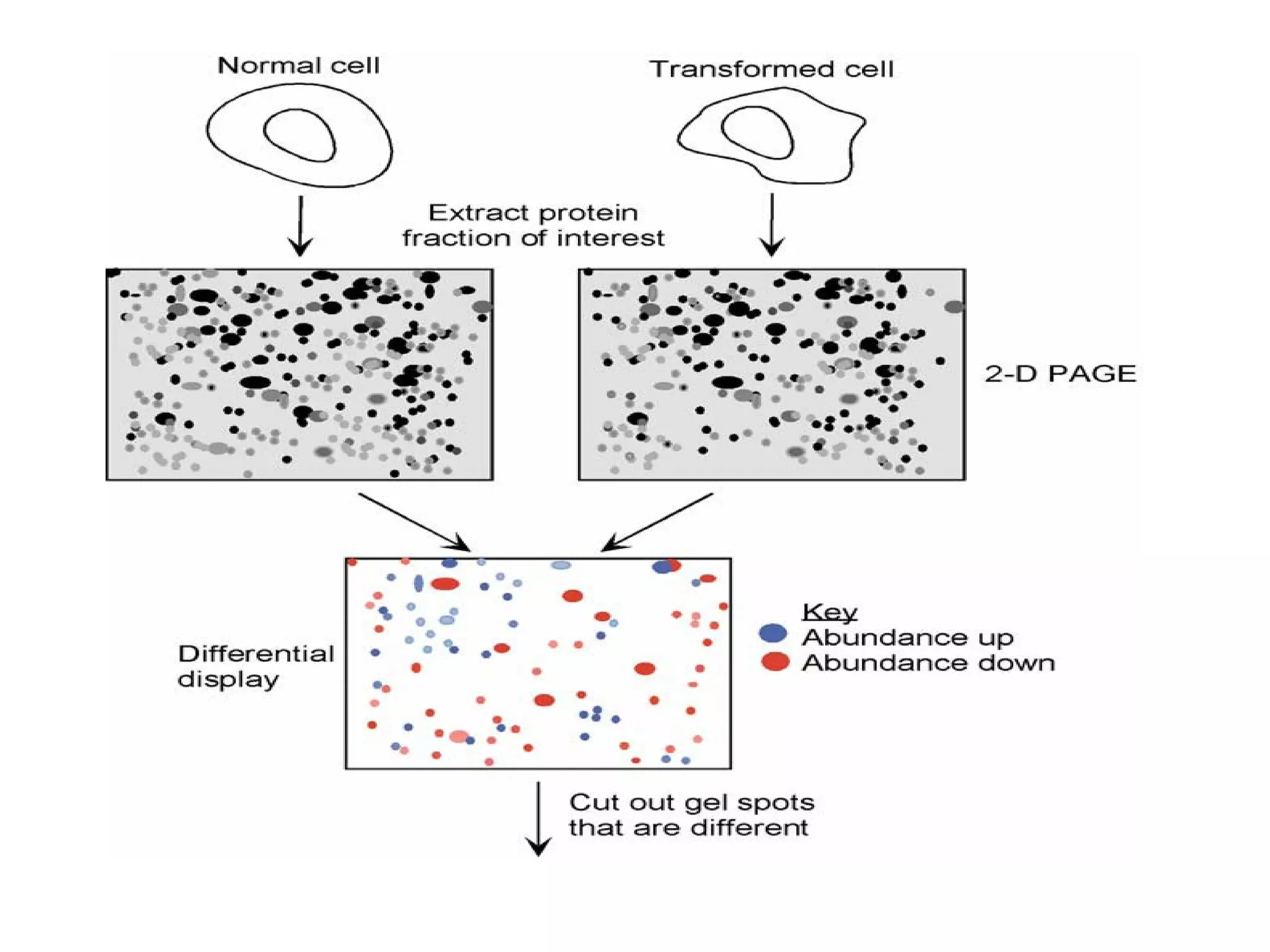
• Complex protein mixtures are separated by
  2-D gel electrophoresis
• Then individual proteins are isolated from
  spots and are identified by using mass
  spectrometry
• Individual proteins are sequenced, followed
  by database searches
• Bioinformatics
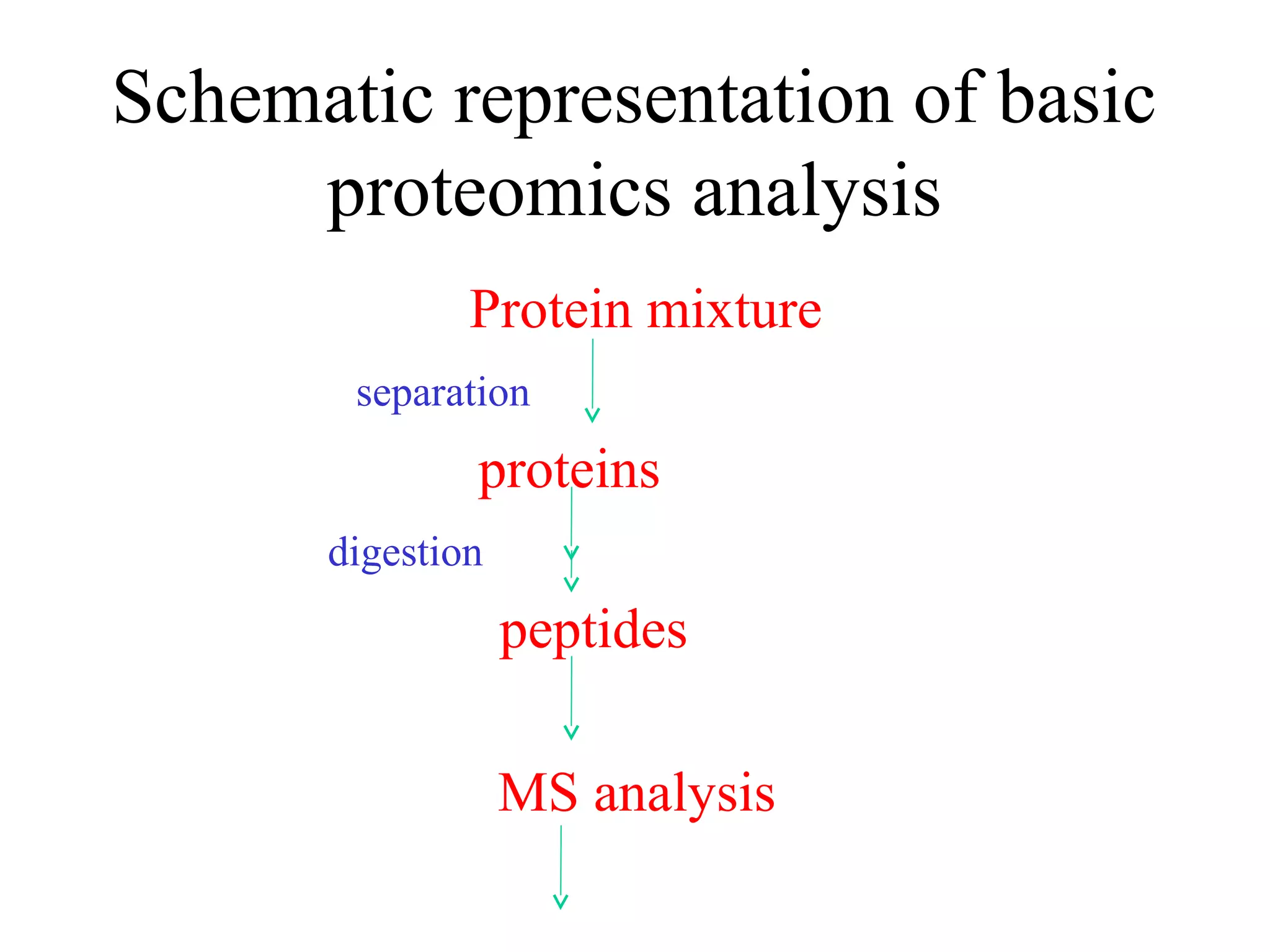
Schematic representation of basic
     proteomics analysis
              Protein mixture
       separation
              proteins
      digestion
                  peptides

                  MS analysis
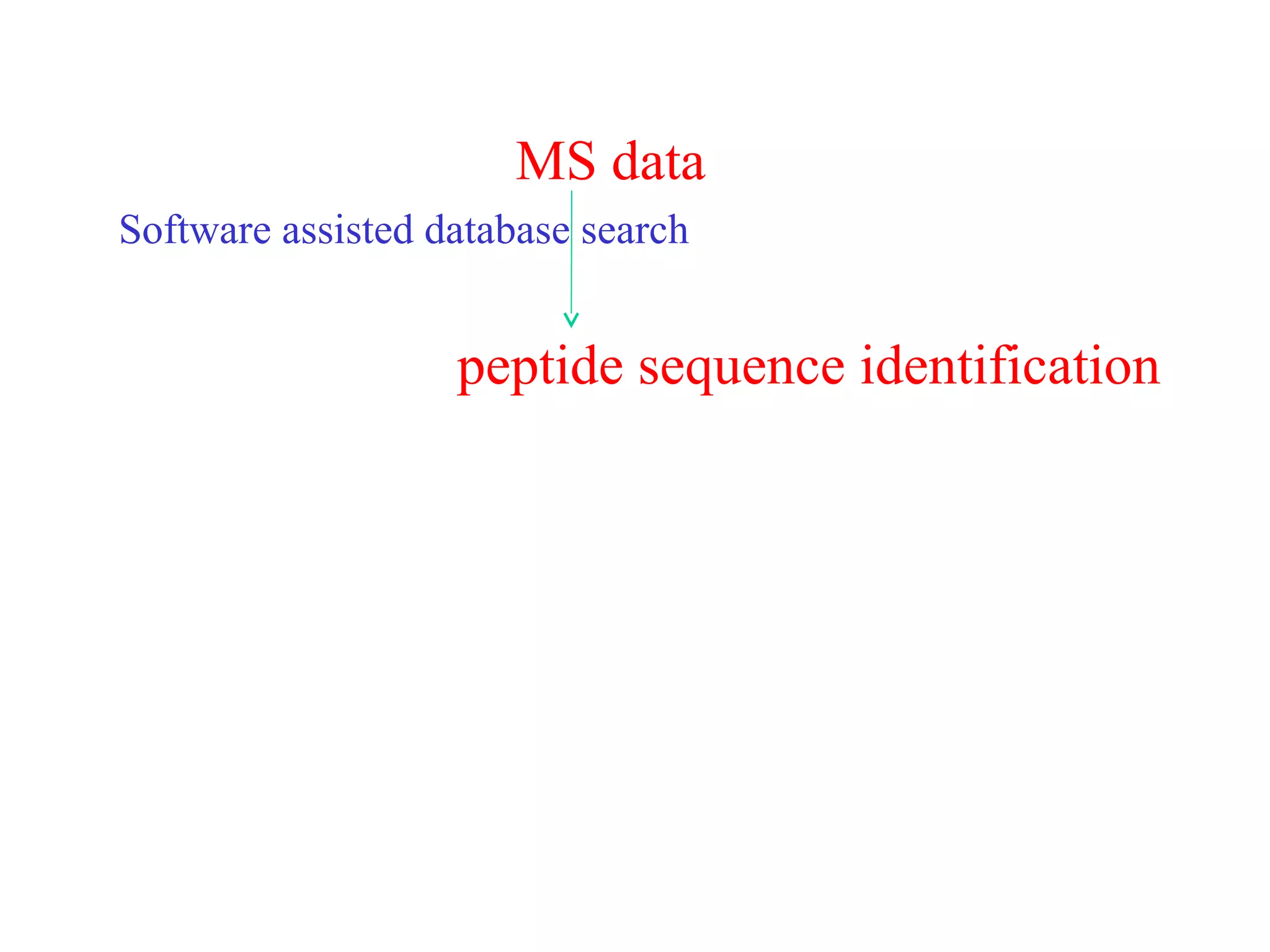
MS data
Software assisted database search


                   peptide sequence identification
Protein separation
• First step in proteomic research
• The biological sample for analysis is first
  pulverized; homogenized, sonicated, or
  disrupted to form a mixture containing cells
  and sub cellular components in a buffer
  system
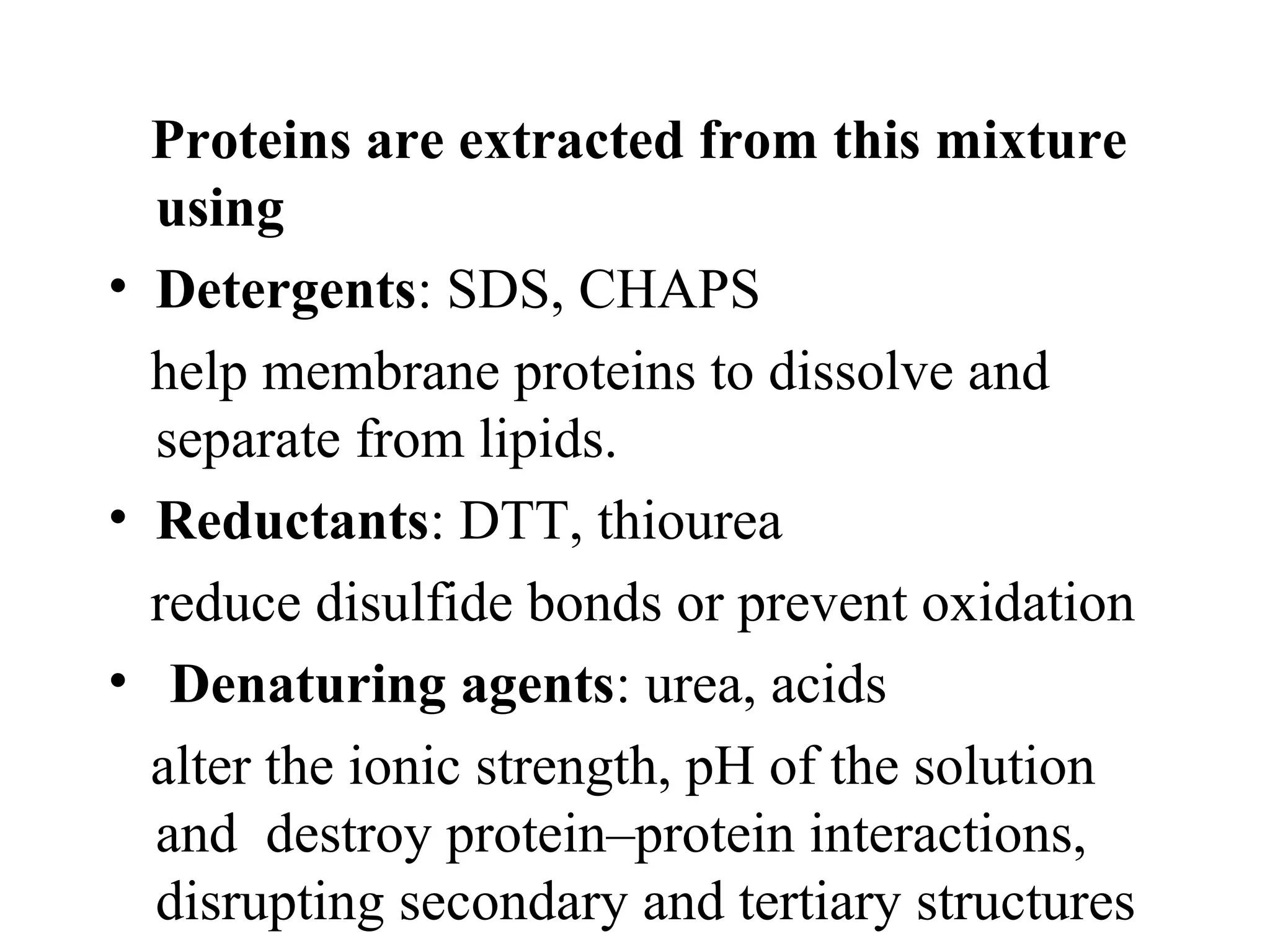
Proteins are extracted from this mixture
  using
• Detergents: SDS, CHAPS
  help membrane proteins to dissolve and
  separate from lipids.
• Reductants: DTT, thiourea
  reduce disulfide bonds or prevent oxidation
• Denaturing agents: urea, acids
  alter the ionic strength, pH of the solution
  and destroy protein–protein interactions,
  disrupting secondary and tertiary structures
• Enzymes: DNAse, RNAse , Digestion is
 achieved by enzymes. Protease inhibitors
  are often used to prevent proteolytic
 degradation.
Extracted proteins are separated by
    following techniques
•   1D-SDS-PAGE (1-dimensional sodium
    dodecyl sulfate-polyacrylamide gel
    electrophoresis)
•    2D-SDS-PAGE (2-dimensional sodium
    dodecyl sulfate-polyacrylamide gel
•   electrophoresis)
•   IEF (isoelectric focusing)
• HPLC (high performance liquid
  chromatography)
• Size exclusion chromatography
• Ion exchange chromatography
• Affinity chromatography
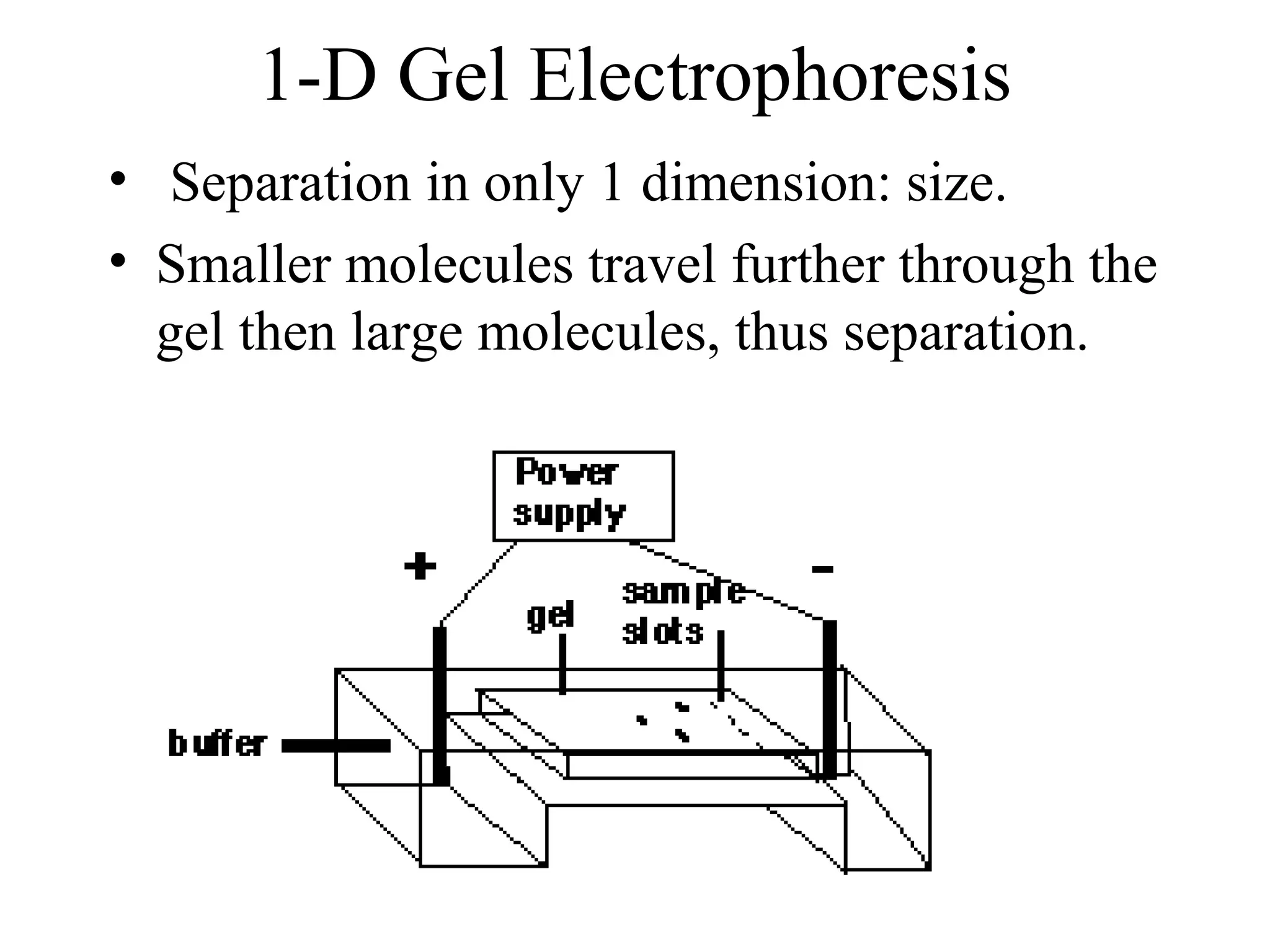
Gel Electrophoresis

• Motion of charged molecules in an electric field.
• Polyacrylamide gel provides a porous matrix
   – (PAGE – Polyacrylamide Gel Electrophoresis)
• Sample is stained with comassie blue to make it
  visible in the gel.
• Sample placed in wells on the gel
1-D Gel Electrophoresis
• Separation in only 1 dimension: size.
• Smaller molecules travel further through the
  gel then large molecules, thus separation.
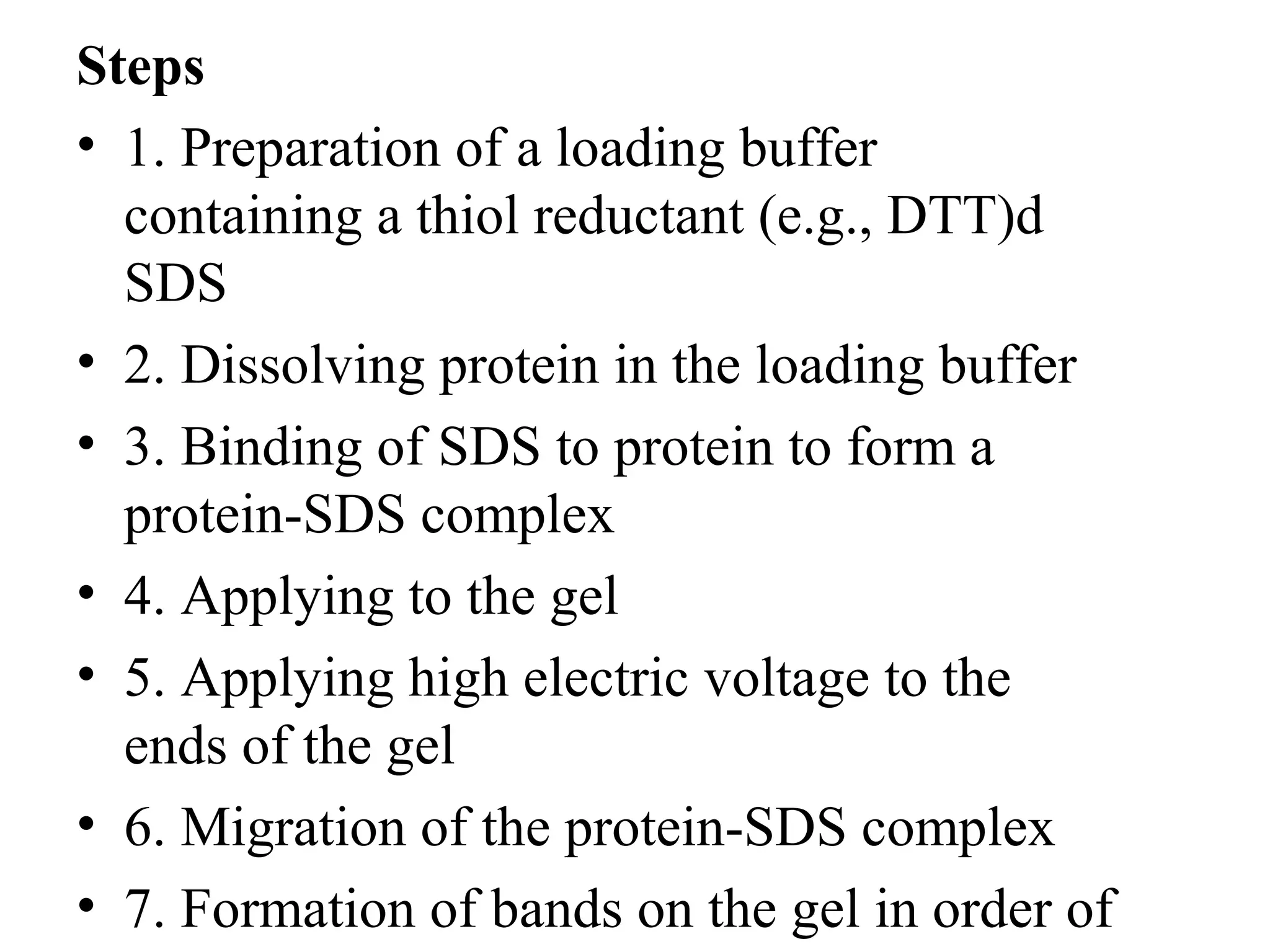
Steps
• 1. Preparation of a loading buffer
  containing a thiol reductant (e.g., DTT)d
  SDS
• 2. Dissolving protein in the loading buffer
• 3. Binding of SDS to protein to form a
  protein-SDS complex
• 4. Applying to the gel
• 5. Applying high electric voltage to the
  ends of the gel
• 6. Migration of the protein-SDS complex
• 7. Formation of bands on the gel in order of
2DE
• most effective way of separating proteins
• Help to identify diseases-specific proteins,
  drug targets, indicators of drug efficacy and
  toxicity.
• separation of post-translationally modified
  protein from the parent one is usually
  achieved by 2DE.
• Several thousands of different proteins can
  be separated from each other in one gel.
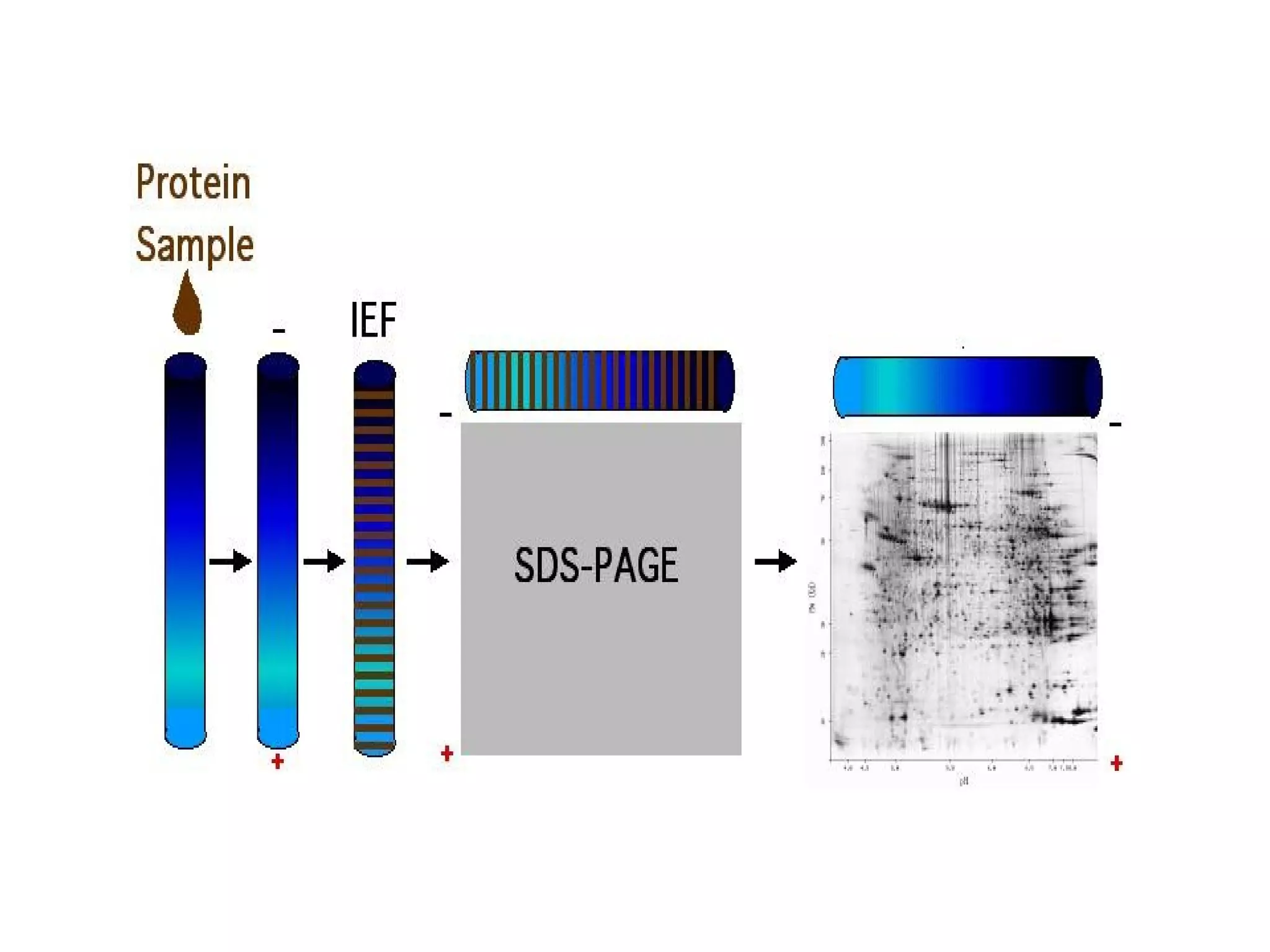
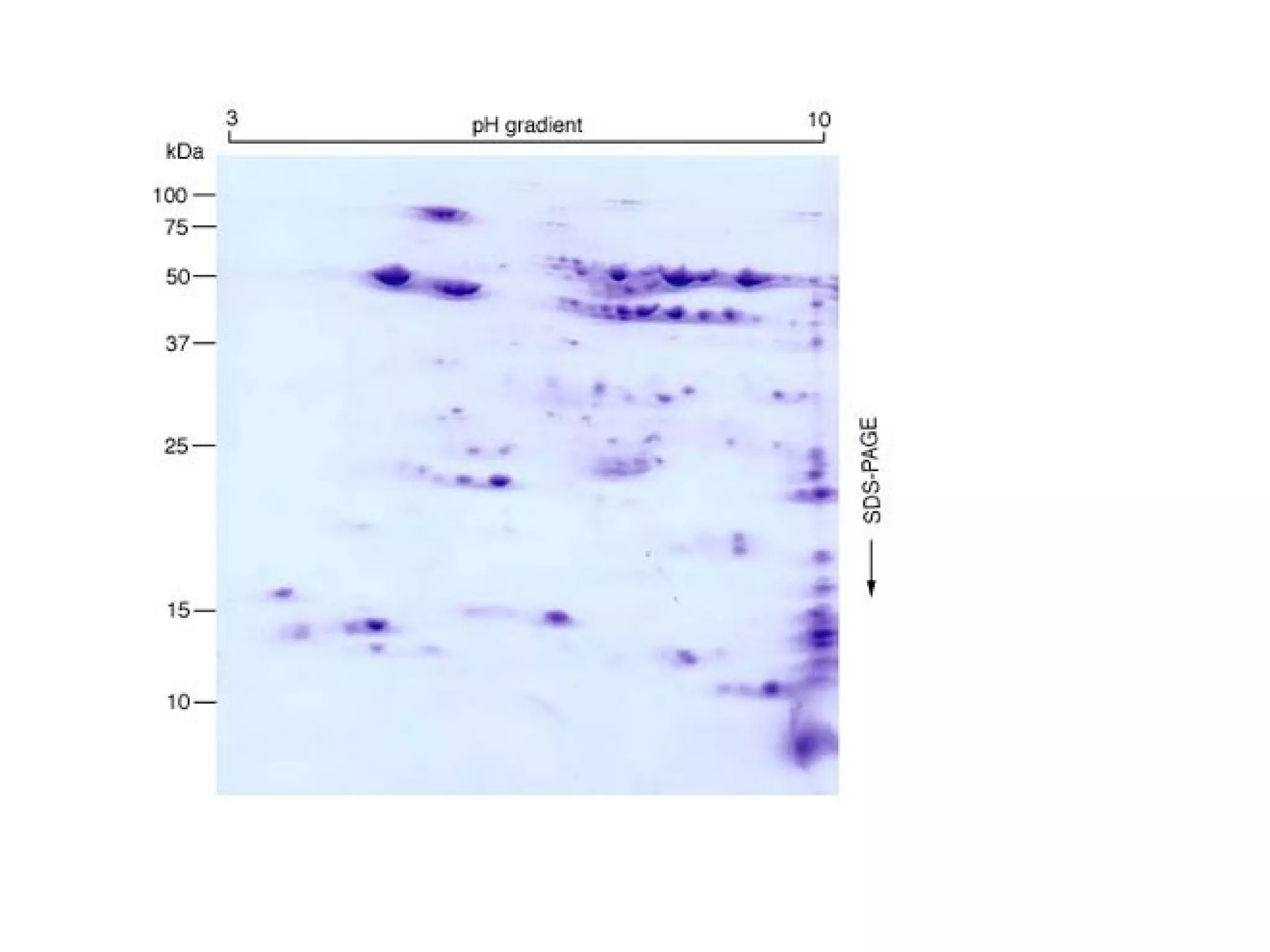
• 2-DE separation is conducted based on
  the electrical charge and molecular weight
  (size) of the proteins
• First step is to separate based on charge or
  isoelectric point, called isoelectric focusing.
• Then separate based on size (SDS-PAGE).
steps 2-DE are
1. Preparation of the sample
2. Solubilization
3. Reduction
4. IPG-IEF
5. Equilibration
6. SDS-PAGE
Preparation of the Samples for 2-DE
• The method with minimum modification
  should be chosen, otherwise artifactual
   spots may form on the gel and mislead the
  operator
• Serum, plasma, urine, cerebrospinal fluid
  (CSF), and aqueous extracts of cells and
  tissues are often require no pretreatment.
• They can be directly analyzed by 2-DE
  following a solubilization step with a
  suitable buffer (e.g., mostly phosphate
  buffered saline, or PBS).
• Liquid samples with low protein
  concentrations or large amounts of salt
  should be desalted and concentrated prior to
  2-DE.
• Desalination can be achieved by dialysis or
  liquid chromatography
Solubilization

• In order to avoid misleading spots on the 2-
  DE profile and to remove salts,
  lipids,polysaccharides, or nucleic acids
  interfering with separation,
• solubilization procedure involves disruption
  of all noncovalently bond protein
  complexes into a solution of polypeptides
Reduction of Proteins
• involves reduction of disulfide bonds in the
  protein samples.
• DTT or β-mercaptoethanol are the most
  widely used reducing agents.
• noncharged reducing agents (e.g., tributyl
  phosphine: TBP*) have been preferred
  recently.
ISOELECTRIC FOCUSING (IEF)
• The isoelectric point is the pH at which the
  net charge of the protein molecule is neutral
• Proteins in mixture are separated based on
  their isoelectric points (pI) following the
  voltage application.
• With the commercially available IEF
  apparatus, proteins can be separated into
  12–20 fractions.
• Equilibration step:
• . gels are often equilibrated prior to
   second dimension analysis in order to allow
  separated proteins to interact with SDS.
• This interaction will provide migration
  during SDS-PAGE analysis.
• Equilibration can be achieved by
  incubating the strips for 15 minutes in 50
  mM Tris buffer of pH 8.8 in the presence of
  SDS, DTT,urea, and glycerol
SDS-PAGE
• Second Dimension.
• Separation by size.
• Run perpendicular to Isoelectric focusing.
• The only unresolved proteins after the first
  and second dimensions are those proteins
  with the same size and same charge – rare!
• 2D-PAGE Analysis
• Gel matching, or “registration”, is the
  process of aligning two images to
  compensate for warp.
List of 2-D GEL DATABASES
• One can find an extensive list of such
  databases by following these links.
• We would discuss a few “Interesting ones”.
• World 2-D PAGE
• NCIFCRF
• DEAMBULUM-Protein Databases
• Ludwig Institute of Cancer Research
• Phoretix
• LINKS
• Z3 system (Compugen) -
 http://www.2dgels.com/
• Melanie3 (SIB) -
  http://us.expasy.org/melanie/
• ProteomWeaver (Definiens) -
  http://www.proteomweaver.com/
• PDQuest (Bio-Rad) -
  http://www.biorad.com/
• Delta2d (Decodon) -
  http://www.decodon.com/
PROTEIN DIGESTION
 reasons behind this approach
• MS instruments used for the analysis of
  separated proteins run for peptides with
  fewer errors.
• Because the greater the mass of the protein,
  the greater the possibility of obtaining
  inaccurate results.
• difficult to perform MS on very large and
  hydrophobic proteins.
• Sensitivity of mass measurements of
  peptides is superior to that of proteins.
• enzymes used for digestion.
• Proteases are the most widely used
  enzymes.
  Trypsin is the most frequently used serine
  protease
• Glu-C, so-called V8-proteases, is an endoprotease
  digesting proteins at carboxyl side of
  glutamate residues in the buffer solutions
• Nonspecific proteases such as subtilysin,
  pepsin, proteinase K, or pronase are also
  used in proteomics
• Cyanogenbromide (CNBr) is the most
  widely used chemical digestion
  agent. It cleaves proteins at methionine
  residues
Identification of separated protein
• Second step in proteomic study.
• The basic identification process is analysis
  of the sequence or mass of six amino acids
  unique in the proteome of an organism, then
  to match it in a database.
MASS SPECTROMETRY (MS) FOR
        PROTEOMICS
• The ion producing source
• A mass analyzer: converts components of a
  mixture into ions based on their
  mass/charge ratio (m/z ratio)
• A detector to detect the resolved ions.
• most frequently used instruments of MS-
  based proteome analysis are
 MALDI-TOFF
  matrix-assisted laser desorption ionization
  time of flight.
• MALDI refers to the source of ionization
  whereas TOF indicates type of the mass
   analyzer.
 ESI Tandem Ms
• electrospray ionization mass spectrometry
  performed in multistage
• based on the production of multiply charged
 Matrix-assisted laser desorption/ionization
  (MALDI)
 Electrospray ionization (ESI)
• The resultant ion is propelled into a mass
  analyzer by charge repulsion in an electric
  field.
• Ions are then resolved according to their
  m/z ratio.
• Information is collected by a detector and
  transferred to a computer for analysis
TECHNIQUES USED FOR
    STRUCTURAL PROTEOMICS
•   aims the determination of three-dimensional
    protein structures in order to better
    understand the relationship between protein
    sequence, structure,and function
•   NMR and x-ray crystallography are used t
    determine the structure of macromolecule
•     To obtain optimal results, protein should
    possess minimum 95% purity.
•   .
• the molecule under investigation should be
  purified by gel or column separation,
  dialysis, differential centrifugation, salting
  out, or HPLC prior to structural analysis.
X-ray crystallography
• X-ray crystallography is used to determine
  the tertiary structure of a protein
• Much information about flexibility of
  protein structure has also come from x-ray
• crystallography data. the production of
  crystals for x-ray studies can sometimes
  cause structural anomalies. They might
  mask native architectural features.
• membrane proteins are not readily
  amenable to existing crystallization methods
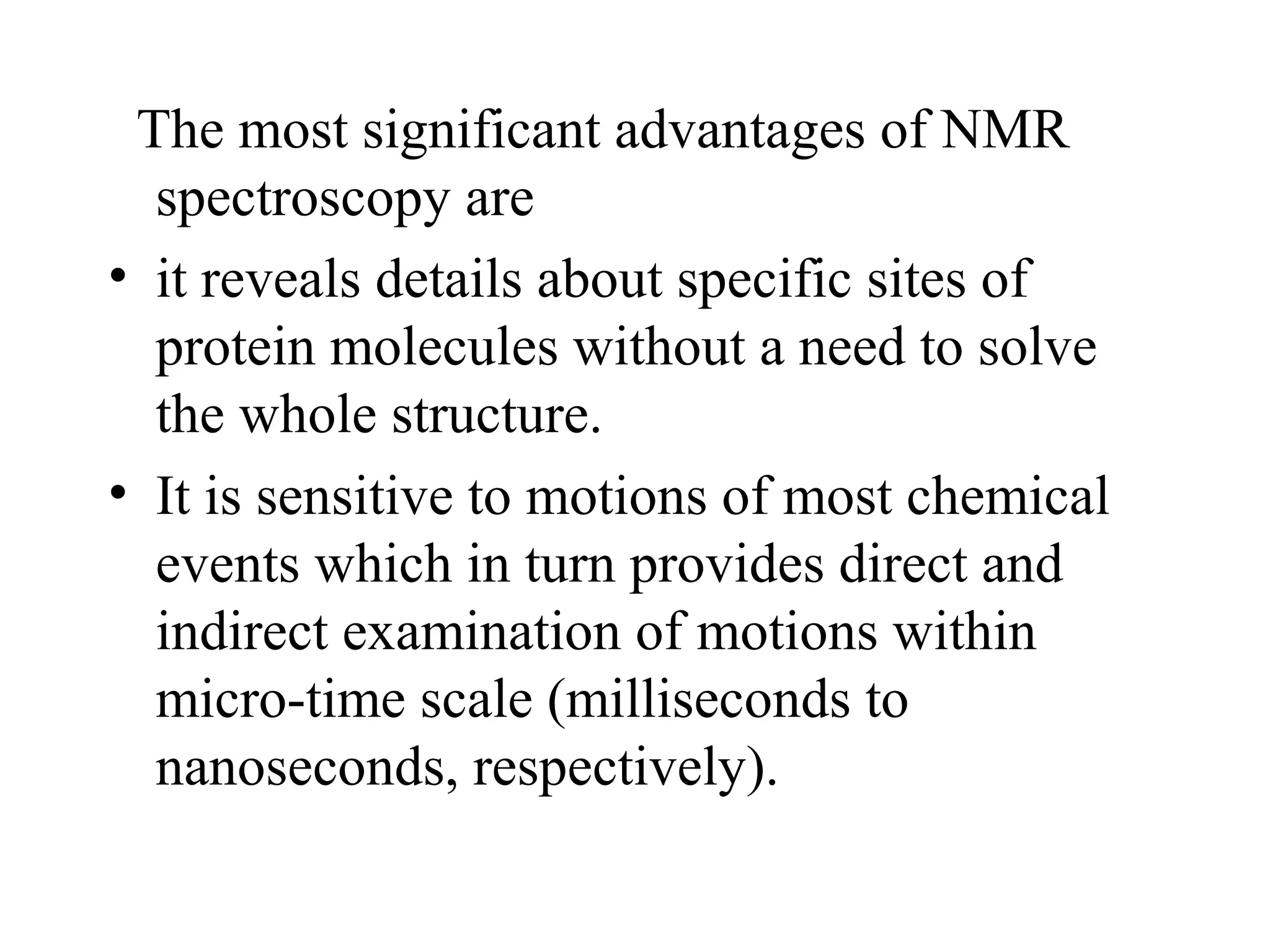
NMR
• NMR measures proteins in their native state
• Precise crystallization, which is often
  difficult, is not necessary for conducting
  structural analysis by NMR
• NMR is increasingly being recognized as a
  valuable tool, not only in three-dimensional
  structure determination, but also for the
  screening process
• Proteins with large molecular weight (up to
  30 kDa) can be analyzed
The most significant advantages of NMR
  spectroscopy are
• it reveals details about specific sites of
  protein molecules without a need to solve
  the whole structure.
• It is sensitive to motions of most chemical
  events which in turn provides direct and
  indirect examination of motions within
  micro-time scale (milliseconds to
  nanoseconds, respectively).
Differential Protieomics
New proteomics

New proteomics

  • 1.
    BY MUHAMMED RASHIDAK M.pharm pharmaceutics
  • 2.
    What is aProteome? • The terms proteomics and proteome were coined by Wilkins et al. in 1994 to describe the entire collection of proteins encoded by genomes in the human organism.
  • 3.
    • Proteomics differsfrom protein chemistry at this point since it focuses on multiprotein systems rather than individual proteins and uses partial sequence analysis with the aid of databases.
  • 4.
    Why is theProteome Important? • It is the proteins within the cell that: – Provide structure – Produce energy – Allow communication – Allow movement – Allow reproduction • Proteins provide the structural and functional framework of cellular life
  • 5.
    What is Proteomics? •Proteomics refers to the systematic analysis of protein profiles of entire cells, tissues, organisms, or species. • It represents the protein counterpart to the analysis of gene function.
  • 6.
    • Proteomics isan attempt to describe or explain biological state and qualitative and quantitative changes of protein content of cells and extracellular biological materials under different conditions to further understand biological processes.
  • 7.
    Aims of Proteomics •Detect the different proteins expressed by tissue, cell culture, or organism using various techniques. • Store those information in a database • Compare expression profiles between a healthy cell vs. a diseased cell • The data comparison can then be used for testing and rational drug design.
  • 8.
    Proteomics vs Genomics • DNA sequence does not predict if the protein is in an active form • RNA quantitation does not always reflect corresponding protein levels • Multiple proteins can be obtained from each gene (alternative splicing) • Genomics cannot predict post-translational modifications and the effects thereof • DNA/RNA analysis cannot predict the amount of a gene product made (if and when)
  • 9.
    Proteomics and genomicsare inter-dependent Genome Sequence Proteomics Genomics mRNA Protein Fractionation Primary Protein products 2-D Electrophoresis Functional protein products Proteomics Protein Post-Translational Identification Modification Determination of gene
  • 10.
    Why is ProteomicsImportant? • Identification of proteins in normal and disease conditions – Investigating epidemiology and taxonomy of pathogens – Analysis of drug resistance • Identification of pathogenic mechanisms – Reveals gene regulation events involved in disease progression • Promise in novel drug discovery via analysis of clinically relevant molecular events • Contributes to understanding of gene function
  • 11.
    Proteomic Methodologies • Analysisof protein expression patterns • Analysis of protein Sequence Information • Analysis of protein structure/function relationships
  • 12.
    Proteomic Methodologies • Complexprotein mixtures are separated by 2-D gel electrophoresis • Then individual proteins are isolated from spots and are identified by using mass spectrometry • Individual proteins are sequenced, followed by database searches • Bioinformatics
  • 13.
    Schematic representation ofbasic proteomics analysis Protein mixture separation proteins digestion peptides MS analysis
  • 14.
    MS data Software assisteddatabase search peptide sequence identification
  • 15.
    Protein separation • Firststep in proteomic research • The biological sample for analysis is first pulverized; homogenized, sonicated, or disrupted to form a mixture containing cells and sub cellular components in a buffer system
  • 16.
    Proteins are extractedfrom this mixture using • Detergents: SDS, CHAPS help membrane proteins to dissolve and separate from lipids. • Reductants: DTT, thiourea reduce disulfide bonds or prevent oxidation • Denaturing agents: urea, acids alter the ionic strength, pH of the solution and destroy protein–protein interactions, disrupting secondary and tertiary structures
  • 17.
    • Enzymes: DNAse,RNAse , Digestion is achieved by enzymes. Protease inhibitors are often used to prevent proteolytic degradation.
  • 18.
    Extracted proteins areseparated by following techniques • 1D-SDS-PAGE (1-dimensional sodium dodecyl sulfate-polyacrylamide gel electrophoresis) • 2D-SDS-PAGE (2-dimensional sodium dodecyl sulfate-polyacrylamide gel • electrophoresis) • IEF (isoelectric focusing)
  • 19.
    • HPLC (highperformance liquid chromatography) • Size exclusion chromatography • Ion exchange chromatography • Affinity chromatography
  • 20.
    Gel Electrophoresis • Motionof charged molecules in an electric field. • Polyacrylamide gel provides a porous matrix – (PAGE – Polyacrylamide Gel Electrophoresis) • Sample is stained with comassie blue to make it visible in the gel. • Sample placed in wells on the gel
  • 21.
    1-D Gel Electrophoresis •Separation in only 1 dimension: size. • Smaller molecules travel further through the gel then large molecules, thus separation.
  • 22.
    Steps • 1. Preparationof a loading buffer containing a thiol reductant (e.g., DTT)d SDS • 2. Dissolving protein in the loading buffer • 3. Binding of SDS to protein to form a protein-SDS complex • 4. Applying to the gel • 5. Applying high electric voltage to the ends of the gel • 6. Migration of the protein-SDS complex • 7. Formation of bands on the gel in order of
  • 23.
    2DE • most effectiveway of separating proteins • Help to identify diseases-specific proteins, drug targets, indicators of drug efficacy and toxicity. • separation of post-translationally modified protein from the parent one is usually achieved by 2DE. • Several thousands of different proteins can be separated from each other in one gel.
  • 24.
    • 2-DE separationis conducted based on the electrical charge and molecular weight (size) of the proteins • First step is to separate based on charge or isoelectric point, called isoelectric focusing. • Then separate based on size (SDS-PAGE).
  • 26.
    steps 2-DE are 1.Preparation of the sample 2. Solubilization 3. Reduction 4. IPG-IEF 5. Equilibration 6. SDS-PAGE
  • 27.
    Preparation of theSamples for 2-DE • The method with minimum modification should be chosen, otherwise artifactual spots may form on the gel and mislead the operator • Serum, plasma, urine, cerebrospinal fluid (CSF), and aqueous extracts of cells and tissues are often require no pretreatment. • They can be directly analyzed by 2-DE following a solubilization step with a suitable buffer (e.g., mostly phosphate buffered saline, or PBS).
  • 28.
    • Liquid sampleswith low protein concentrations or large amounts of salt should be desalted and concentrated prior to 2-DE. • Desalination can be achieved by dialysis or liquid chromatography
  • 29.
    Solubilization • In orderto avoid misleading spots on the 2- DE profile and to remove salts, lipids,polysaccharides, or nucleic acids interfering with separation, • solubilization procedure involves disruption of all noncovalently bond protein complexes into a solution of polypeptides
  • 30.
    Reduction of Proteins •involves reduction of disulfide bonds in the protein samples. • DTT or β-mercaptoethanol are the most widely used reducing agents. • noncharged reducing agents (e.g., tributyl phosphine: TBP*) have been preferred recently.
  • 31.
    ISOELECTRIC FOCUSING (IEF) •The isoelectric point is the pH at which the net charge of the protein molecule is neutral • Proteins in mixture are separated based on their isoelectric points (pI) following the voltage application. • With the commercially available IEF apparatus, proteins can be separated into 12–20 fractions.
  • 32.
    • Equilibration step: •. gels are often equilibrated prior to second dimension analysis in order to allow separated proteins to interact with SDS. • This interaction will provide migration during SDS-PAGE analysis. • Equilibration can be achieved by incubating the strips for 15 minutes in 50 mM Tris buffer of pH 8.8 in the presence of SDS, DTT,urea, and glycerol
  • 33.
    SDS-PAGE • Second Dimension. •Separation by size. • Run perpendicular to Isoelectric focusing. • The only unresolved proteins after the first and second dimensions are those proteins with the same size and same charge – rare!
  • 35.
    • 2D-PAGE Analysis •Gel matching, or “registration”, is the process of aligning two images to compensate for warp.
  • 36.
    List of 2-DGEL DATABASES • One can find an extensive list of such databases by following these links. • We would discuss a few “Interesting ones”. • World 2-D PAGE • NCIFCRF • DEAMBULUM-Protein Databases • Ludwig Institute of Cancer Research • Phoretix
  • 37.
    • LINKS • Z3system (Compugen) - http://www.2dgels.com/ • Melanie3 (SIB) - http://us.expasy.org/melanie/ • ProteomWeaver (Definiens) - http://www.proteomweaver.com/ • PDQuest (Bio-Rad) - http://www.biorad.com/ • Delta2d (Decodon) - http://www.decodon.com/
  • 38.
    PROTEIN DIGESTION reasonsbehind this approach • MS instruments used for the analysis of separated proteins run for peptides with fewer errors. • Because the greater the mass of the protein, the greater the possibility of obtaining inaccurate results. • difficult to perform MS on very large and hydrophobic proteins. • Sensitivity of mass measurements of peptides is superior to that of proteins.
  • 39.
    • enzymes usedfor digestion. • Proteases are the most widely used enzymes. Trypsin is the most frequently used serine protease • Glu-C, so-called V8-proteases, is an endoprotease digesting proteins at carboxyl side of glutamate residues in the buffer solutions • Nonspecific proteases such as subtilysin, pepsin, proteinase K, or pronase are also used in proteomics
  • 40.
    • Cyanogenbromide (CNBr)is the most widely used chemical digestion agent. It cleaves proteins at methionine residues
  • 41.
    Identification of separatedprotein • Second step in proteomic study. • The basic identification process is analysis of the sequence or mass of six amino acids unique in the proteome of an organism, then to match it in a database.
  • 42.
    MASS SPECTROMETRY (MS)FOR PROTEOMICS • The ion producing source • A mass analyzer: converts components of a mixture into ions based on their mass/charge ratio (m/z ratio) • A detector to detect the resolved ions. • most frequently used instruments of MS- based proteome analysis are
  • 43.
     MALDI-TOFF matrix-assisted laser desorption ionization time of flight. • MALDI refers to the source of ionization whereas TOF indicates type of the mass analyzer.  ESI Tandem Ms • electrospray ionization mass spectrometry performed in multistage • based on the production of multiply charged
  • 44.
     Matrix-assisted laserdesorption/ionization (MALDI)  Electrospray ionization (ESI) • The resultant ion is propelled into a mass analyzer by charge repulsion in an electric field. • Ions are then resolved according to their m/z ratio. • Information is collected by a detector and transferred to a computer for analysis
  • 45.
    TECHNIQUES USED FOR STRUCTURAL PROTEOMICS • aims the determination of three-dimensional protein structures in order to better understand the relationship between protein sequence, structure,and function • NMR and x-ray crystallography are used t determine the structure of macromolecule • To obtain optimal results, protein should possess minimum 95% purity. • .
  • 46.
    • the moleculeunder investigation should be purified by gel or column separation, dialysis, differential centrifugation, salting out, or HPLC prior to structural analysis.
  • 47.
    X-ray crystallography • X-raycrystallography is used to determine the tertiary structure of a protein • Much information about flexibility of protein structure has also come from x-ray • crystallography data. the production of crystals for x-ray studies can sometimes cause structural anomalies. They might mask native architectural features. • membrane proteins are not readily amenable to existing crystallization methods
  • 48.
    NMR • NMR measuresproteins in their native state • Precise crystallization, which is often difficult, is not necessary for conducting structural analysis by NMR • NMR is increasingly being recognized as a valuable tool, not only in three-dimensional structure determination, but also for the screening process • Proteins with large molecular weight (up to 30 kDa) can be analyzed
  • 49.
    The most significantadvantages of NMR spectroscopy are • it reveals details about specific sites of protein molecules without a need to solve the whole structure. • It is sensitive to motions of most chemical events which in turn provides direct and indirect examination of motions within micro-time scale (milliseconds to nanoseconds, respectively).
  • 50.

Editor's Notes

  • #3 ~30,000 genes = 300,000 to 1 million proteins when alternate splicing and post-translational modifications are considered. While a genome remains unchanged to a large extent, the proteins in any particular cell change dramatically as genes are turned on and off in response to environment. “ Functional Proteome” reflects the dynamic nature fo the proteome.
  • #6 Proteomics is high capacity global analysis of gene expression proteomics parallels and complements the related field of genomics Genomics, ie. DNA sequence information is static-a snapshot proteomic information is directed more to the dynamic life cycle and changes in protein populations associated with growth, disease, death , and the interactions between proteins and groups of proteins .
  • #9 Proteomics is high capacity global analysis of gene expression proteomics parallels and complements the related field of genomics Genetic information is static while the protein complement of a cell is dynamic Genomics, ie. DNA sequence information is static-a snapshot proteomic information is directed more to the dynamic life cycle and changes in protein populations associated with growth, disease, death , and the interactions between proteins and groups of proteins . Examples of post-translation modifications: Phophorylation glycosylation
  • #11 Can discriminate among disease subtypes that are not recognizable using traditional pathological criteria.
  • #12 Major techniques used in proteomic research 2D gel electrophoresis (studies expression) 2D gel electrophoresis is a method where a protein sample is applied to a gel and the proteins separated by, e.g., molecular weight. Then the strip of the gel containing the separated proteins is cut out, flipped 90 degrees and the proteins separated by another criteria, such as based on their pI (isoelectric point) protein sequence databases mass spectrometry-helpful in linking gel-separated proteins to sequence databases storage, manipulation,comparison of data using bioinformatics Might want to add bullet re: protein-protien interactions as well since there are slides dealing with orphan receptors. Analysis of protein structure/function intra- and interrelationships
  • #13 2-D gel electrophoresis Currently used in reference to the gel-based separation of proteins by their isoelectric point in one dimension followed by a molecular weight separation by SDS-polyacrylamide gel electrophoresis perpendicular to the first dimension protein sequence databases mass spectrometry-helpful in linking gel-separated proteins to sequence databases storage, manipulation,comparison of data using bioinformatics Might want to add bullet re: protein-protien interactions as well since there are slides dealing with orphan receptors. Analysis of protein structure/function intra- and interrelationships