


ONLINE FREELY AVAILABLE
REMOTE SENSED DATA
L.D. COLLEGE OF
ENGINEERING
Dhaval A. Jalalpara
What is remote Sensing?
 Remote sensing means collecting data from a
remote location without coming in contact with the
object.
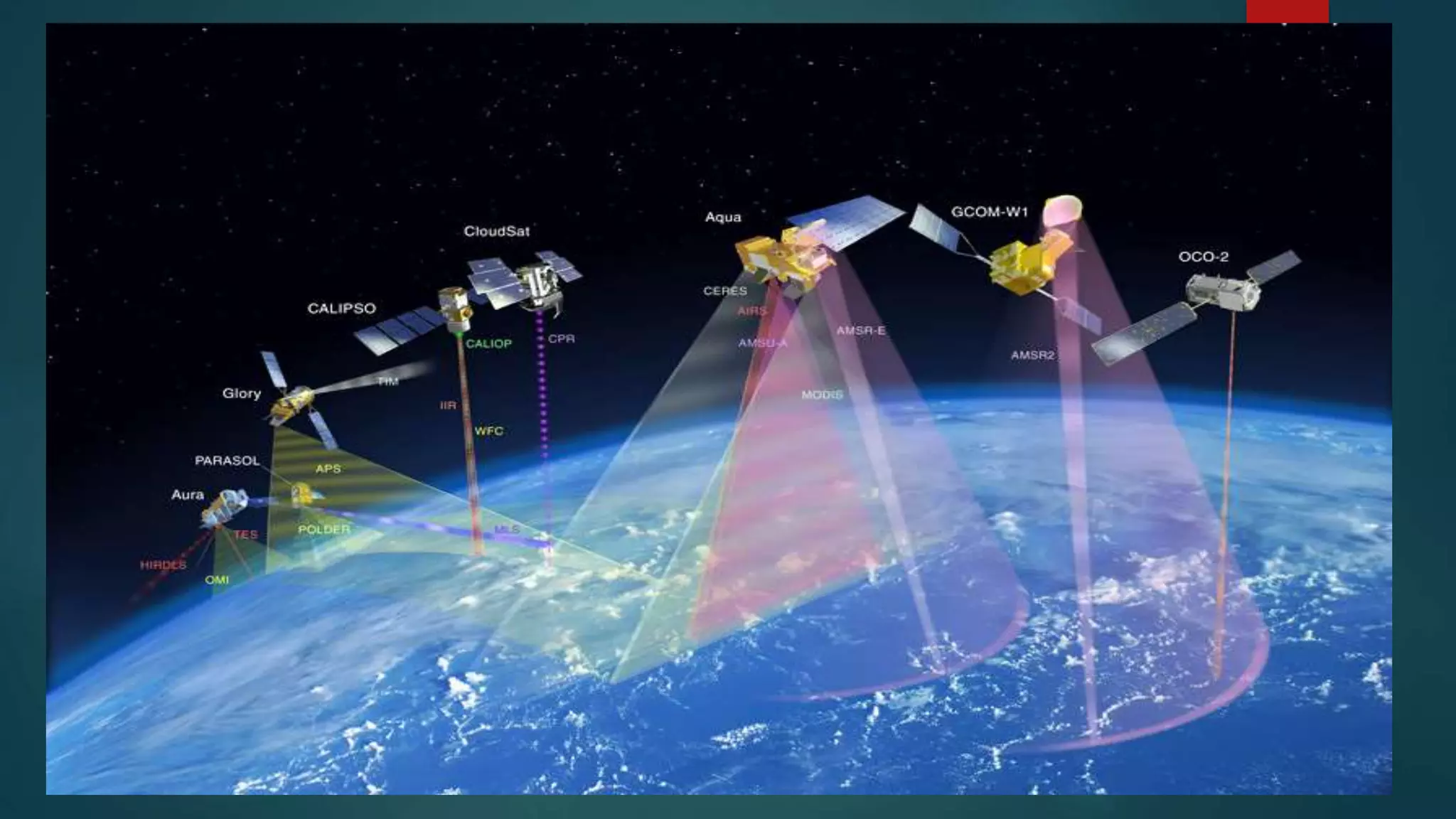
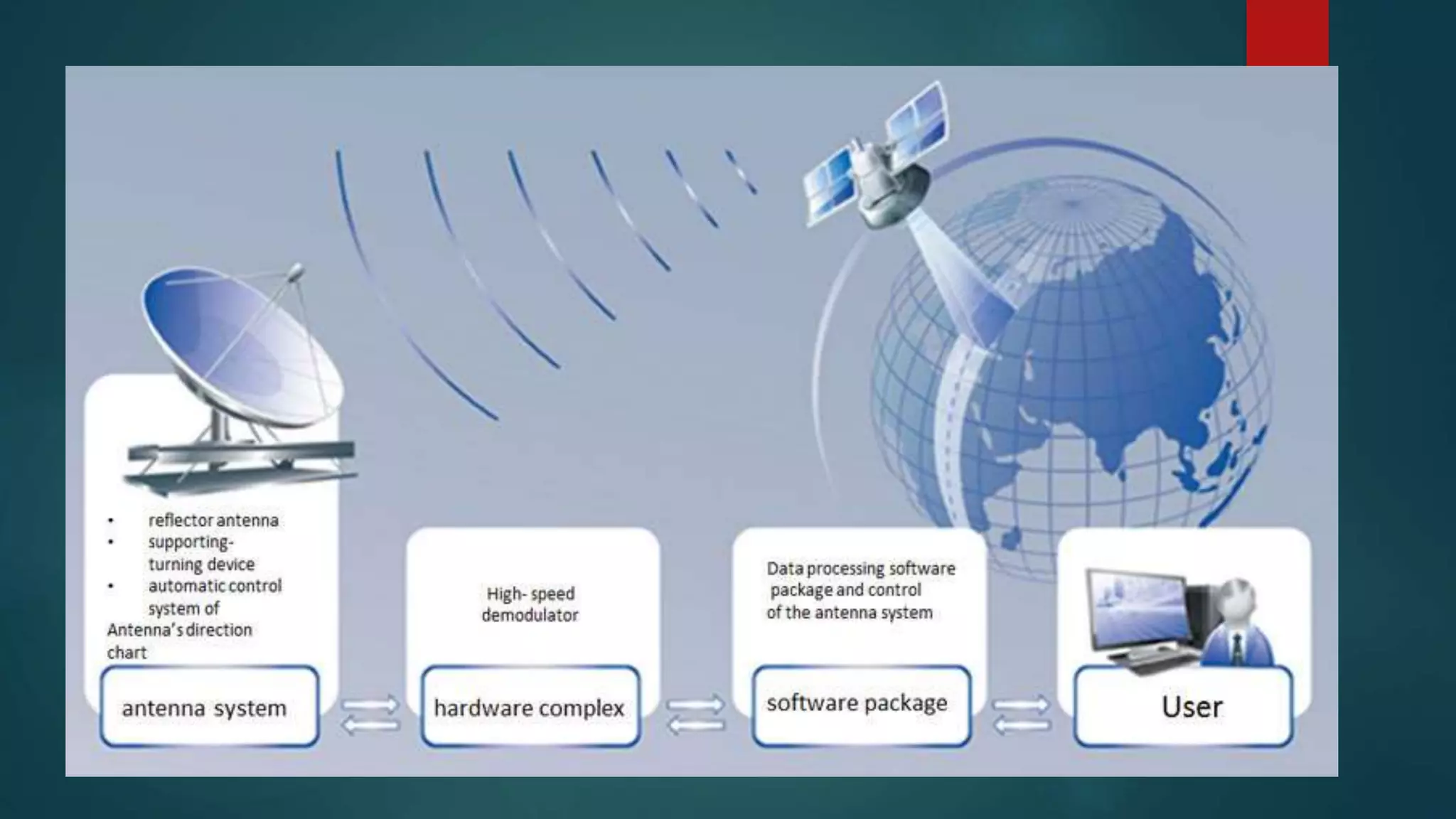
 But present day remote sensing means
technology where images or photographs are
taken by sensors mounted on satellite transmitted
to ground station , where images are interpreted
for creating maps or GIS databases for variety of
field applications.
What is Remotely Sensed Data?
 Remotely gathered data is available from a range
of sources and data collection techniques and is often
the only type od data that is not always easily found
within the public domain.
 This is largely due to the fact that most of this data
is required by equipment that is expensive to build and
maintain.
 However, there are many types of basic imageny
of high-quality that are readily available at largely
subsidized costs, particularly within the United States.
Mangrove forest distributions and dynamics
(1975–2005) of the tsunami-affected region of
Asia
 AIM :-
We aimed to estimate the present extent of tsunami-
affected mangrove forests and determine the rates and causes
of deforestation from 1975 to 2005.
 LOCATION :-
Our study region covers the tsunami-affected coastal
areas of Indonesia, Malaysia, Thailand, Burma (Myanmar),
Bangladesh, India and Sri Lanka in Asia.
 METHOS :-
We interpreted time-series Landsat data using a hybrid supervised and
unsupervised classification approach.
Landsat data were geometrically corrected to an accuracy of plus-or-
minus half a pixel, an accuracy necessary for change analysis. Each image
was normalized for solar irradiance by converting digital number values to the
top-of-the atmosphere reflectance.
Ground truth data and existing maps and data bases were used to
select training samples and also for iterative labelling. We used a post-
classification change detection approach.
Results were validated with the help of local experts and/or high-
resolution commercial satellite data.
 RESULTS :-
The region lost 12% of its mangrove forests from 1975 to 2005, to a
present extent of c. 1,670,000 ha. Rates and causes of deforestation varied
both spatially and temporally.
Annual deforestation was highest in Burma (c. 1%) and lowest in Sri
Lanka (0.1%). In contrast, mangrove forests in India and Bangladesh
remained unchanged or gained a small percentage.
Net deforestation peaked at 137,000 ha during 1990–2000, increasing
from 97,000 ha during 1975–90, and declining to 14,000 ha during 2000–05.
The major causes of deforestation were agricultural expansion (81%),
aquaculture (12%) and urban development (2%).
 MAIN CONCUSION :-
We assessed and monitored mangrove forests in the tsunami-affected
region of Asia using the historical archive of Landsat data.
We also measured the rates of change and determined possible
causes.
The results of our study can be used to better understand the role of
mangrove forests in saving lives and property from natural disasters such as
the Indian Ocean tsunami, and to identify possible areas for conservation,
restoration and rehabilitation.
Remotely sensed temperature and
precipitation data improve species
distribution modelling in the tropics
 AIM :-
Species distribution modelling typically relies completely
or partially on climatic variables as predictors, overlooking the
fact that these are themselves predictions with associated
uncertainties. This is particularly critical when such predictors
are interpolated between sparse station data, such as in the
tropics.
 LOCATION :-
Rain forests areas of Central Africa, the Western Ghats of
India and South America.
 METHOD :-
We compared models calibrated on the widely used WorldClim station-
interpolated climatic data with models where either temperature or precipitation
data from WorldClim were replaced by data from CRU, MODIS, TRMM and
CHIRPS. Each predictor set was used to model 451 plant species distribution.
 RESULT :-
Fewer than half of the studied rain forest species distributions matched the
climatic pattern better than did random distributions. The inclusion of MODIS
temperature and CHIRPS precipitation estimates derived from remote sensing
each allowed for a better than random fit for respectively 40% and 22% more
species than models calibrated on WorldClim. Furthermore, their inclusion was
positively related to a better transferability of models to novel regions.
REFERENCE :-
 WWW.ONLINELIBRARY.WILEY.COM
Online freely available remote sensed data

Online freely available remote sensed data

  • 1.
    ONLINE FREELY AVAILABLE REMOTESENSED DATA L.D. COLLEGE OF ENGINEERING Dhaval A. Jalalpara
  • 2.
    What is remoteSensing?  Remote sensing means collecting data from a remote location without coming in contact with the object.  But present day remote sensing means technology where images or photographs are taken by sensors mounted on satellite transmitted to ground station , where images are interpreted for creating maps or GIS databases for variety of field applications.
  • 4.
    What is RemotelySensed Data?  Remotely gathered data is available from a range of sources and data collection techniques and is often the only type od data that is not always easily found within the public domain.  This is largely due to the fact that most of this data is required by equipment that is expensive to build and maintain.  However, there are many types of basic imageny of high-quality that are readily available at largely subsidized costs, particularly within the United States.
  • 6.
    Mangrove forest distributionsand dynamics (1975–2005) of the tsunami-affected region of Asia  AIM :- We aimed to estimate the present extent of tsunami- affected mangrove forests and determine the rates and causes of deforestation from 1975 to 2005.  LOCATION :- Our study region covers the tsunami-affected coastal areas of Indonesia, Malaysia, Thailand, Burma (Myanmar), Bangladesh, India and Sri Lanka in Asia.
  • 8.
     METHOS :- Weinterpreted time-series Landsat data using a hybrid supervised and unsupervised classification approach. Landsat data were geometrically corrected to an accuracy of plus-or- minus half a pixel, an accuracy necessary for change analysis. Each image was normalized for solar irradiance by converting digital number values to the top-of-the atmosphere reflectance. Ground truth data and existing maps and data bases were used to select training samples and also for iterative labelling. We used a post- classification change detection approach. Results were validated with the help of local experts and/or high- resolution commercial satellite data.
  • 9.
     RESULTS :- Theregion lost 12% of its mangrove forests from 1975 to 2005, to a present extent of c. 1,670,000 ha. Rates and causes of deforestation varied both spatially and temporally. Annual deforestation was highest in Burma (c. 1%) and lowest in Sri Lanka (0.1%). In contrast, mangrove forests in India and Bangladesh remained unchanged or gained a small percentage. Net deforestation peaked at 137,000 ha during 1990–2000, increasing from 97,000 ha during 1975–90, and declining to 14,000 ha during 2000–05. The major causes of deforestation were agricultural expansion (81%), aquaculture (12%) and urban development (2%).
  • 10.
     MAIN CONCUSION:- We assessed and monitored mangrove forests in the tsunami-affected region of Asia using the historical archive of Landsat data. We also measured the rates of change and determined possible causes. The results of our study can be used to better understand the role of mangrove forests in saving lives and property from natural disasters such as the Indian Ocean tsunami, and to identify possible areas for conservation, restoration and rehabilitation.
  • 11.
    Remotely sensed temperatureand precipitation data improve species distribution modelling in the tropics  AIM :- Species distribution modelling typically relies completely or partially on climatic variables as predictors, overlooking the fact that these are themselves predictions with associated uncertainties. This is particularly critical when such predictors are interpolated between sparse station data, such as in the tropics.  LOCATION :- Rain forests areas of Central Africa, the Western Ghats of India and South America.
  • 12.
     METHOD :- Wecompared models calibrated on the widely used WorldClim station- interpolated climatic data with models where either temperature or precipitation data from WorldClim were replaced by data from CRU, MODIS, TRMM and CHIRPS. Each predictor set was used to model 451 plant species distribution.  RESULT :- Fewer than half of the studied rain forest species distributions matched the climatic pattern better than did random distributions. The inclusion of MODIS temperature and CHIRPS precipitation estimates derived from remote sensing each allowed for a better than random fit for respectively 40% and 22% more species than models calibrated on WorldClim. Furthermore, their inclusion was positively related to a better transferability of models to novel regions.
  • 13.