∗
∗

NUTRACEUTICALS

lal preethi s.s
s3 biochemistry
Dept of biochemistry
University of kerala
Times are changing…..
∗ 75% of Indians below 40 are stressed
∗ 35% -prone to diseases
Lifestyle habits are changing,
common lifestyle diseases are sleeping disorders ,stroke
heart attack,cancers e.t.c

NUTRITIONAL SUPPLEMENTS - provid a well rounded
health and fitness.
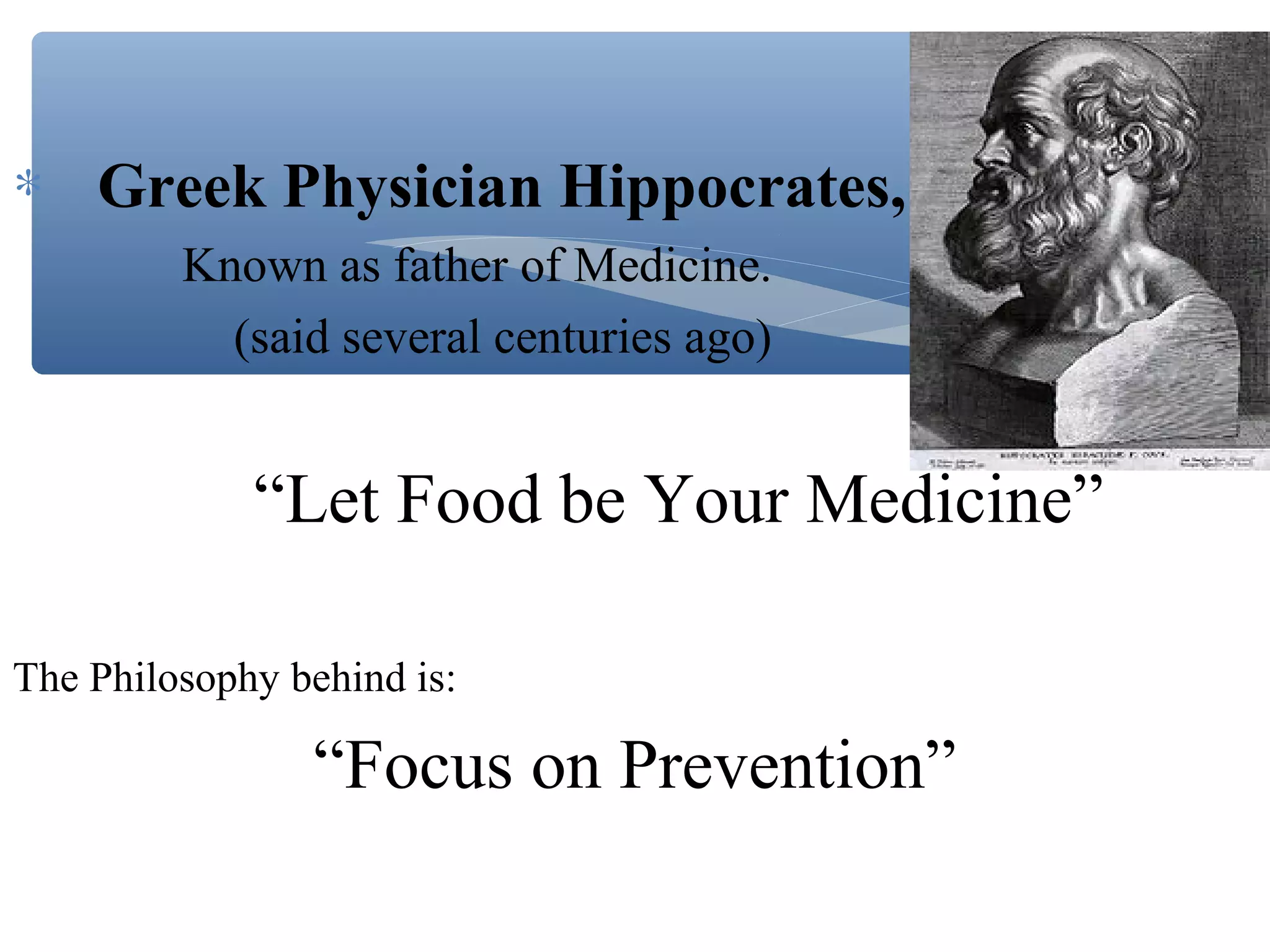
∗ Greek Physician Hippocrates,
Known as father of Medicine.
(said several centuries ago)

“Let Food be Your Medicine”
The Philosophy behind is:

“Focus on Prevention”
Nutraceutical can be defined as
The term “Nutraceutical” was coined from
“Nutrition” & “Pharmaceutical” in 1989 by Stephen
DeFelice,MD, Founder and Chairman of the Foundation for
Innovation in Medicine (FIM).
“A

food or part of food or nutrient, that
provides health benefits, including the
prevention and treatment of a disease.”
Broadly can be defined as:
∗ Nutrients: Substances which have established

Nutritional functions e.g. Vitamins, Minerals, Amino
Acids, Fatty acids, etc.
∗ Herbals/ Phytochemicals: Herbs or Botanical products
∗ Dietary Supplements: Probiotics, Prebiotics, Antioxidants,

Enzymes, etc.
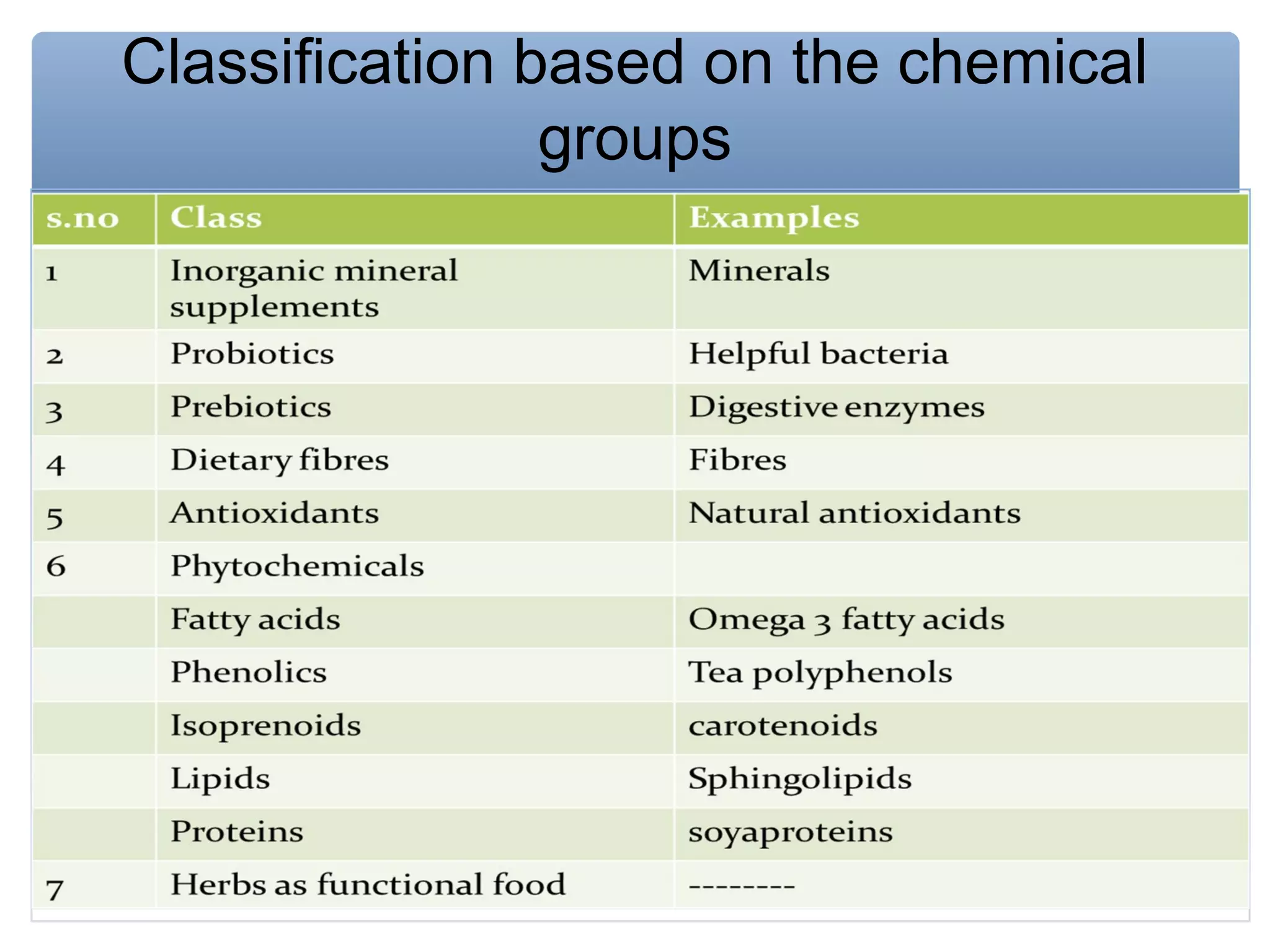
Classification based on the chemical
groups
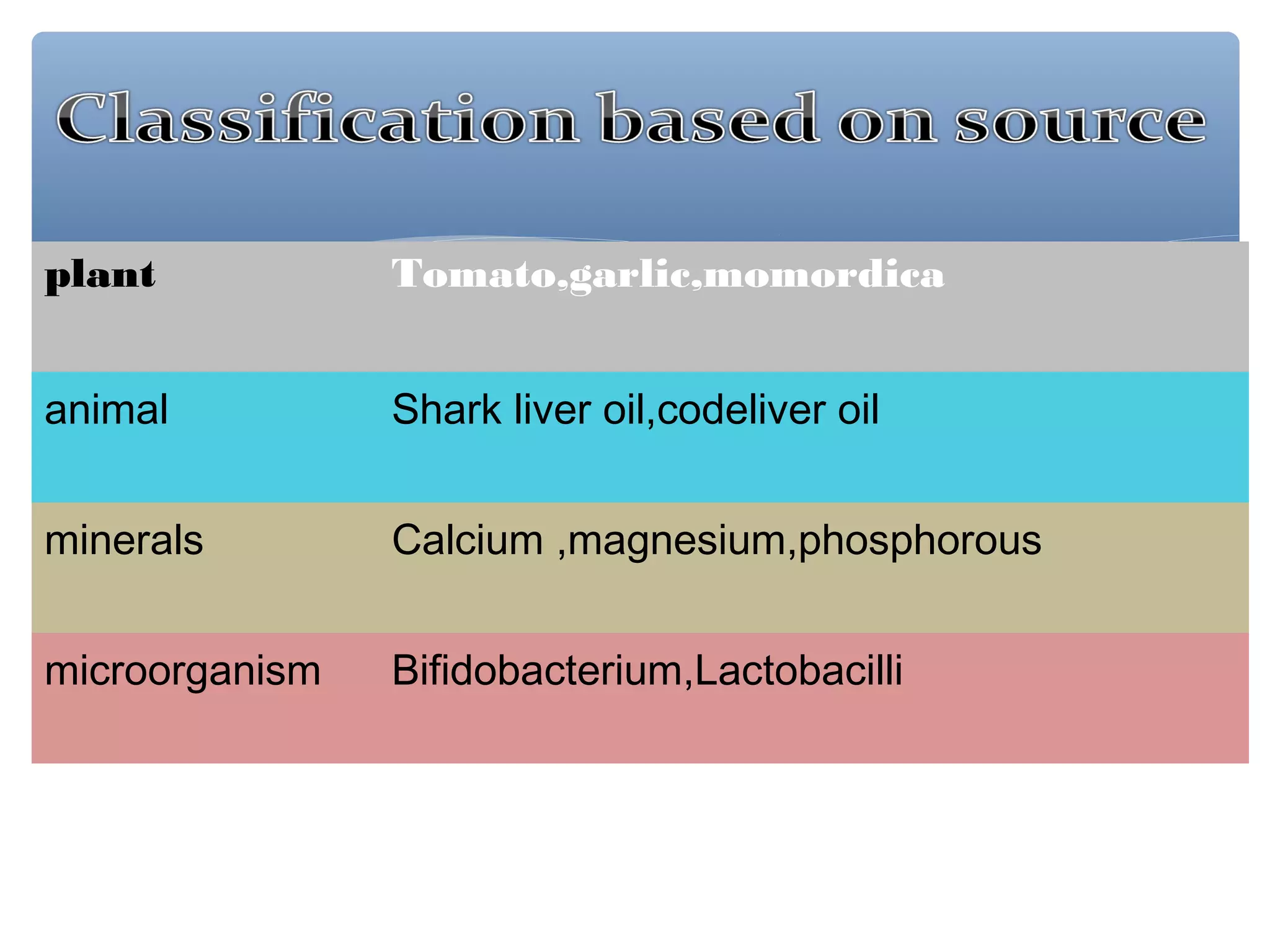
plant

Tomato,garlic,momordica

animal

Shark liver oil,codeliver oil

minerals

Calcium ,magnesium,phosphorous

microorganism

Bifidobacterium,Lactobacilli
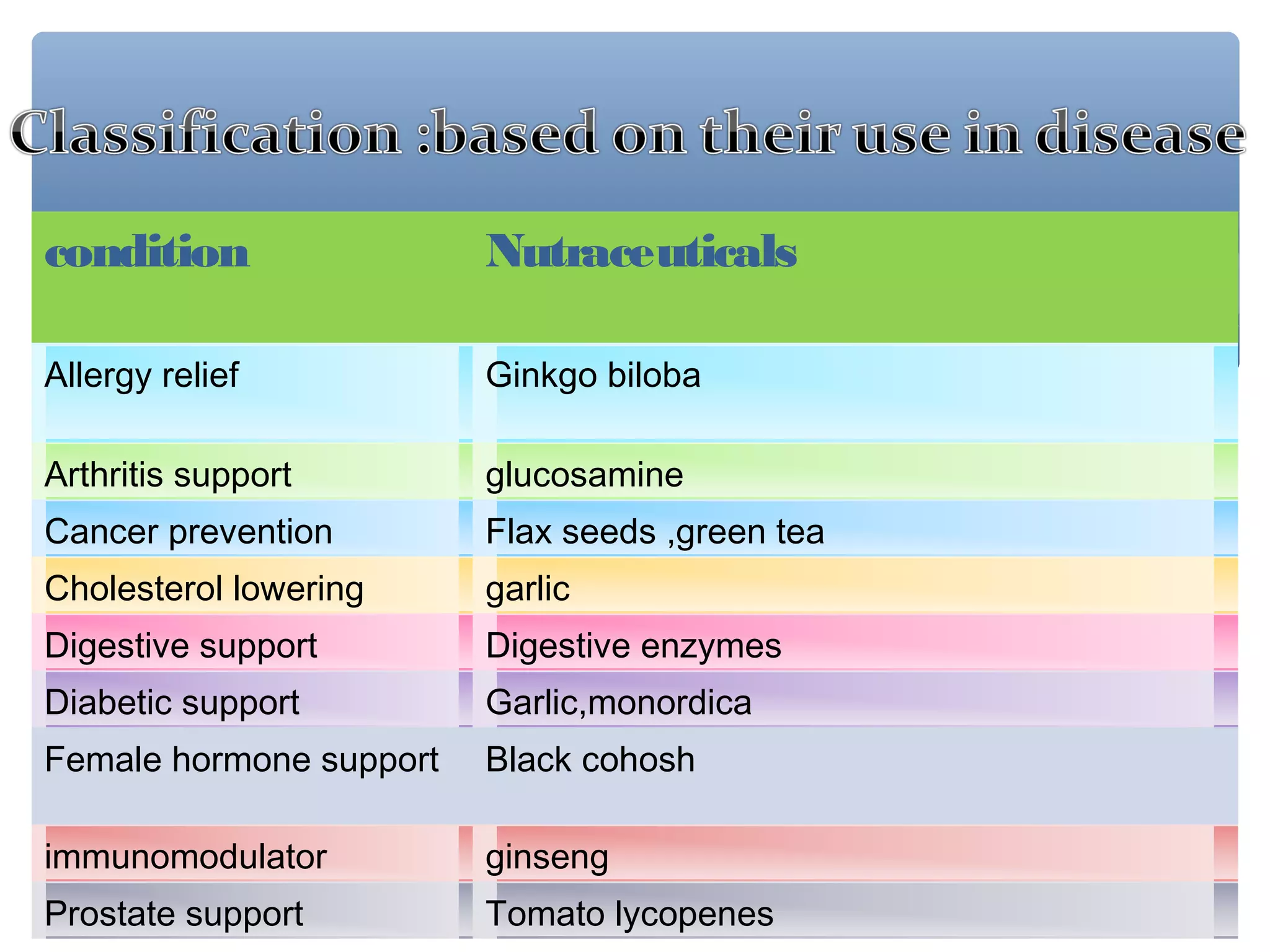
condition

Nutraceuticals

Allergy relief

Ginkgo biloba

Arthritis support

glucosamine

Cancer prevention

Flax seeds ,green tea

Cholesterol lowering

garlic

Digestive support

Digestive enzymes

Diabetic support

Garlic,monordica

Female hormone support

Black cohosh

immunomodulator

ginseng

Prostate support

Tomato lycopenes
∗
∗
∗
∗
∗
∗
∗

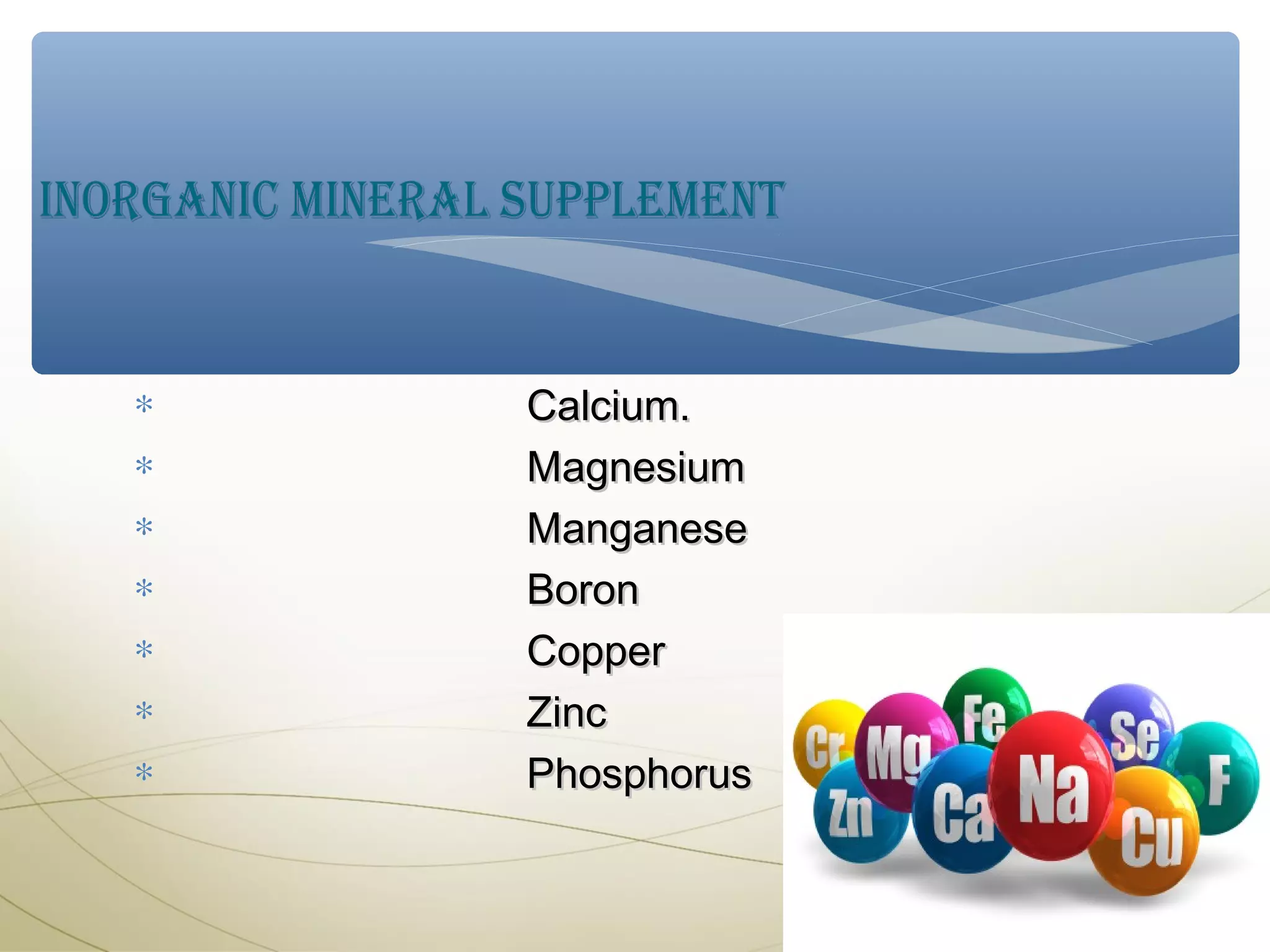
Calcium.
Magnesium
Manganese
Boron
Copper
Zinc
Phosphorus
Inorganic mineral supplements


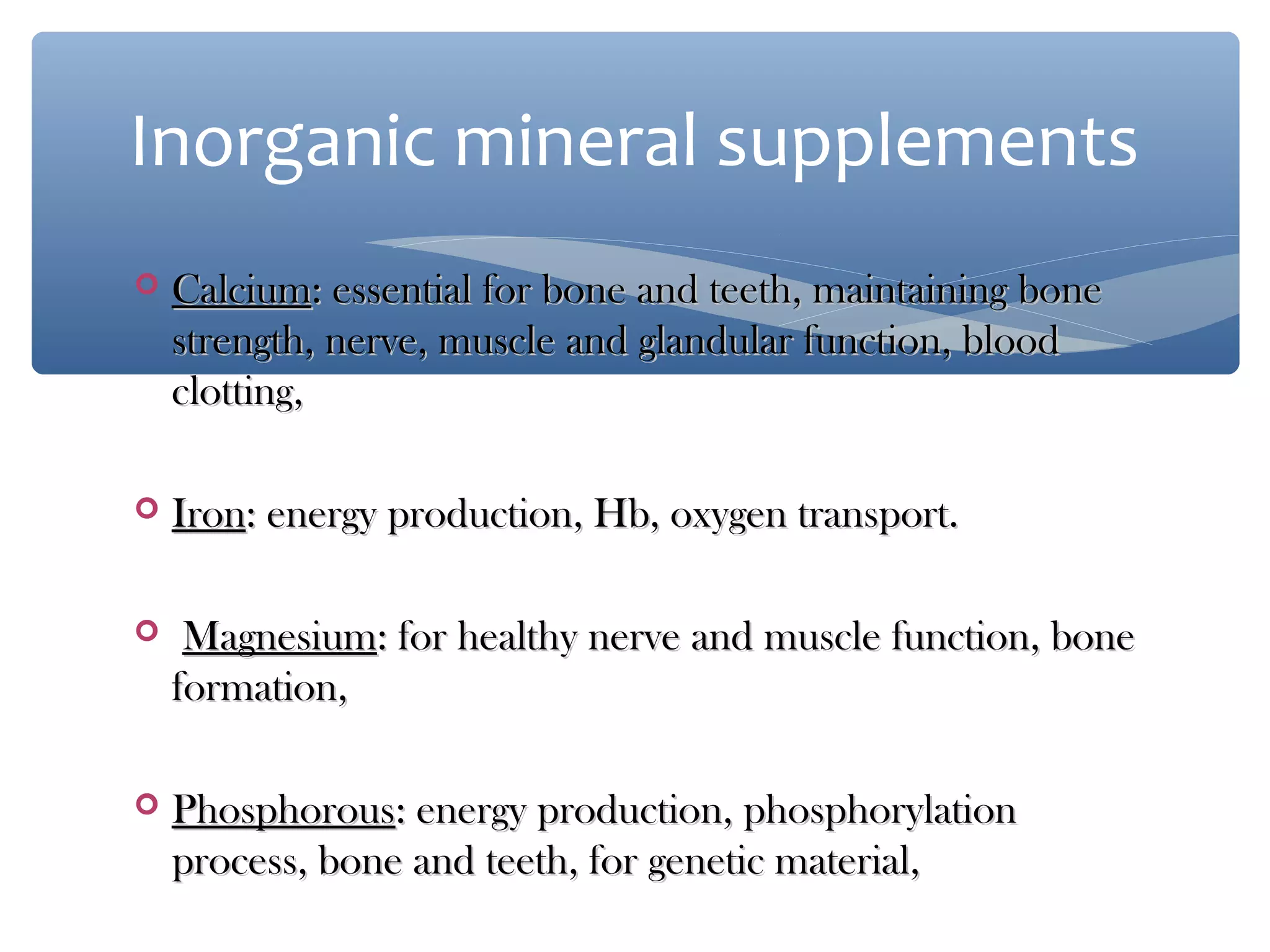
Calcium: essential for bone and teeth, maintaining bone
strength, nerve, muscle and glandular function, blood
clotting,



Iron: energy production, Hb, oxygen transport.



Magnesium: for healthy nerve and muscle function, bone
formation,



Phosphorous: energy production, phosphorylation
process, bone and teeth, for genetic material,


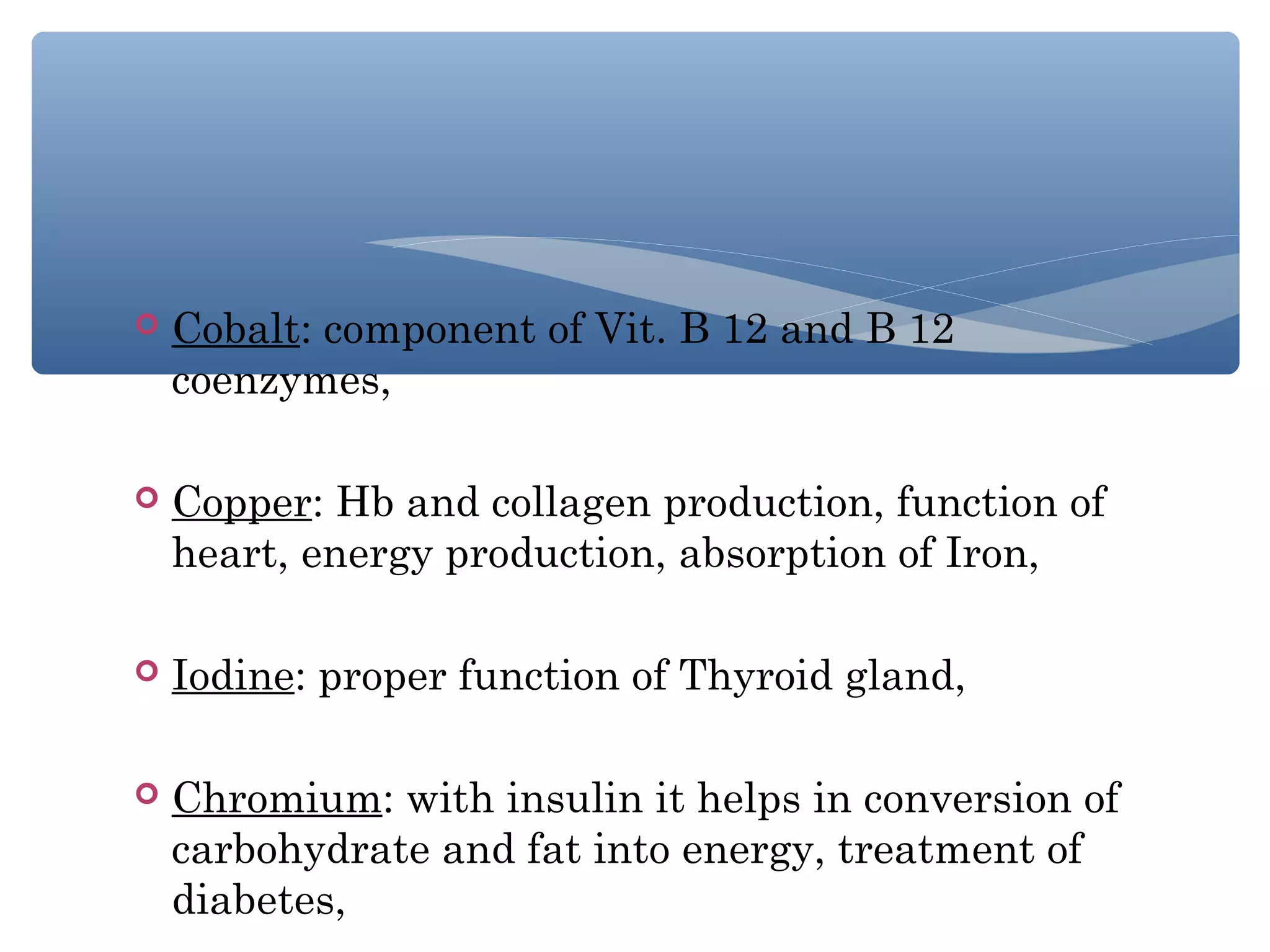
Cobalt: component of Vit. B 12 and B 12
coenzymes,



Copper: Hb and collagen production, function of
heart, energy production, absorption of Iron,



Iodine: proper function of Thyroid gland,



Chromium: with insulin it helps in conversion of
carbohydrate and fat into energy, treatment of
diabetes,


Selenium: Antioxidant, functioning of heart muscle,
part of GPX enzyme,



Zinc: Essential for cell reproduction, for
development in Neonates, wound healing,
production of sperm and testosterone hormone,


Vitamins



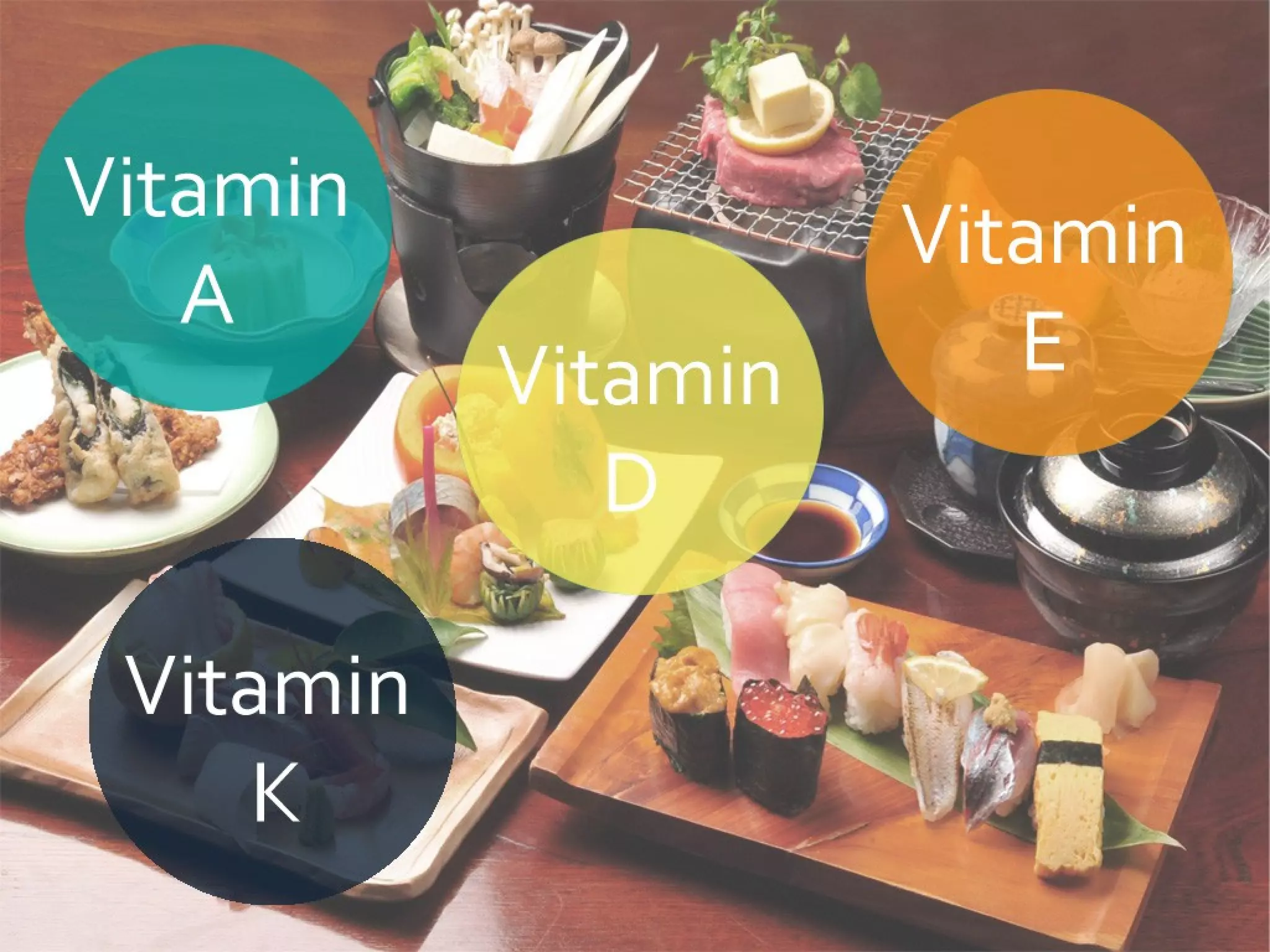
Fat Soluble Vitamins



Vitamin A: Acts as antioxidant, essential for growth and
development, maintains healthy vision, skin and mucous
membranes, may aid in the prevention and treatment of certain
cancers and in the treatment of certain skin disorders.



Vitamin D: Essential for formation of bones and teeth, helps the
body to absorb and use calcium.



Vitamin E: Antioxidant, helps to form blood cells, boosts immune
system



Vitamin K: Essential for blood clotting


Vitamin C: Antioxidant, necessary for healthy bones, gums,
teeth and skin. Helps in wound healing, prevent from
common cold



Vitamin B 1: Helps in carbohydrate metabolism, essential for
neurological function.



Vitamin B 2: Energy metabolism, maintain healthy eye, skin
and nerve function.

Vitamin B 3: Energy metabolism, brain function


Vitamin B 6: Helps to produce essential proteins, convert
proteins to energy



Vitamin B 12: Help in producing genetic material, formation of
RBC, maintenance of CNS, synthesis of amino acids,


Folic acid: Helps in RBC formation, formation of
genetic material of cell, very much essential during
pregnancy



Pantothenic acid: Aids in synthesis of cholesterol,
steroids, and fatty acids, crucial for intraneuronal
synthesis of acetylcholine.
probitics

Live microorganisms which, when administered
in adequate amounts, confer a health benefit on
the host
 Species of Lactobacillus
 Bifidobacterium
 yeast Saccharomyces cerevisiae
 some E. coli and Bacillus species are also used as
probiotics
Manage
Lactose
Intolerance
Shorten
Duration of
Intestinal
Infections

Potential
Benefits of
Probiotics

Treat Diarrhea

Reduce Bladder
and Urinary
Tract Infections

Improve
Symptoms of
Irritable Bowel
Syndrome
prebiotics
Nondigestible substances that provide a
beneficial physiological effect for the host by
selectively stimulating the favorable growth of
a limited number of indigenous bacteria.
Commonly known prebiotics are:
 Oligofructose .

 Inulin
Galacto-oligosaccharides
Lactulose
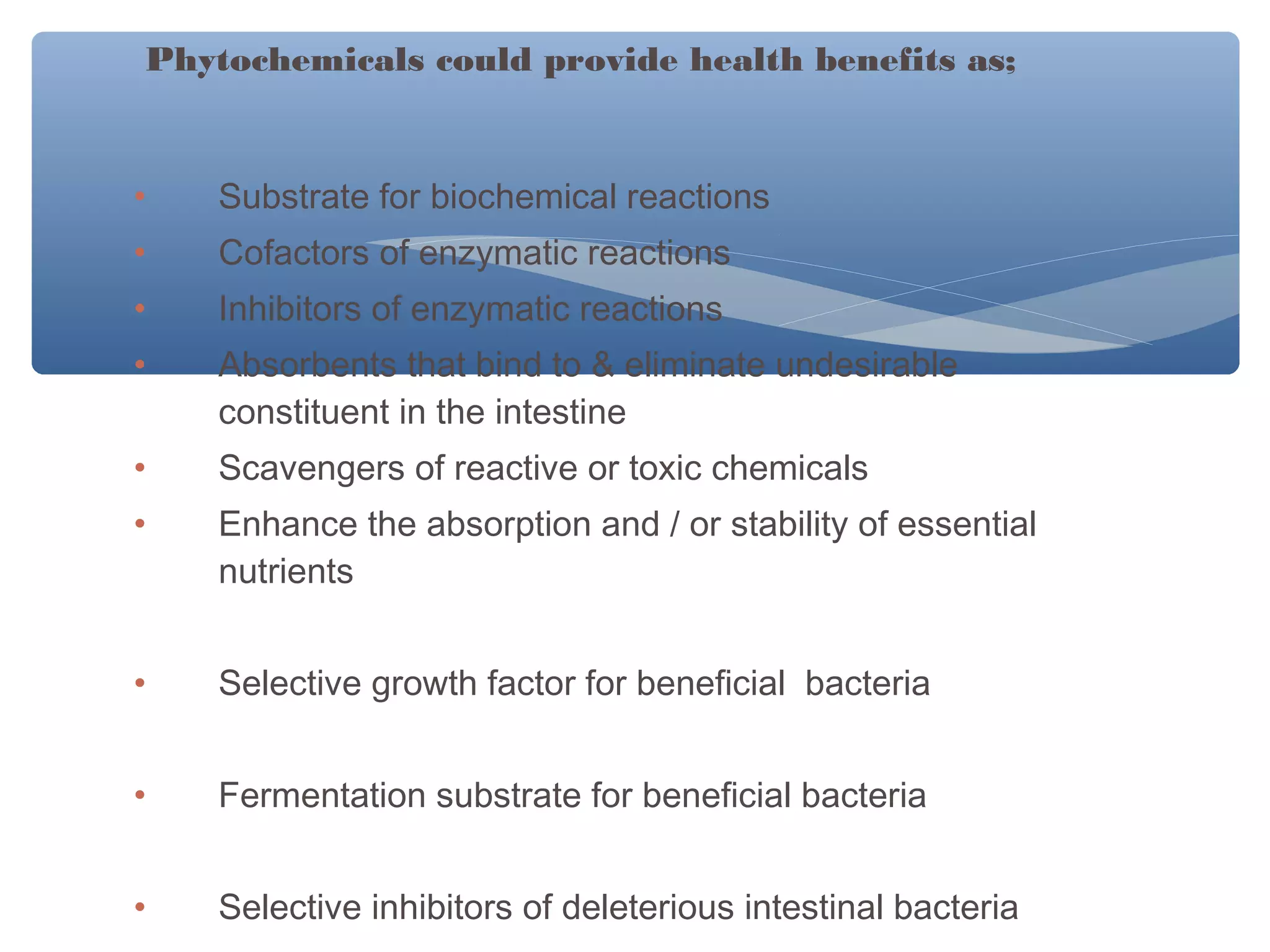
Phytochemicals could provide health benefits as;

•

Substrate for biochemical reactions

•

Cofactors of enzymatic reactions

•

Inhibitors of enzymatic reactions

•

Absorbents that bind to & eliminate undesirable
constituent in the intestine

•

Scavengers of reactive or toxic chemicals

•

Enhance the absorption and / or stability of essential
nutrients

•

Selective growth factor for beneficial bacteria

•

Fermentation substrate for beneficial bacteria

•

Selective inhibitors of deleterious intestinal bacteria
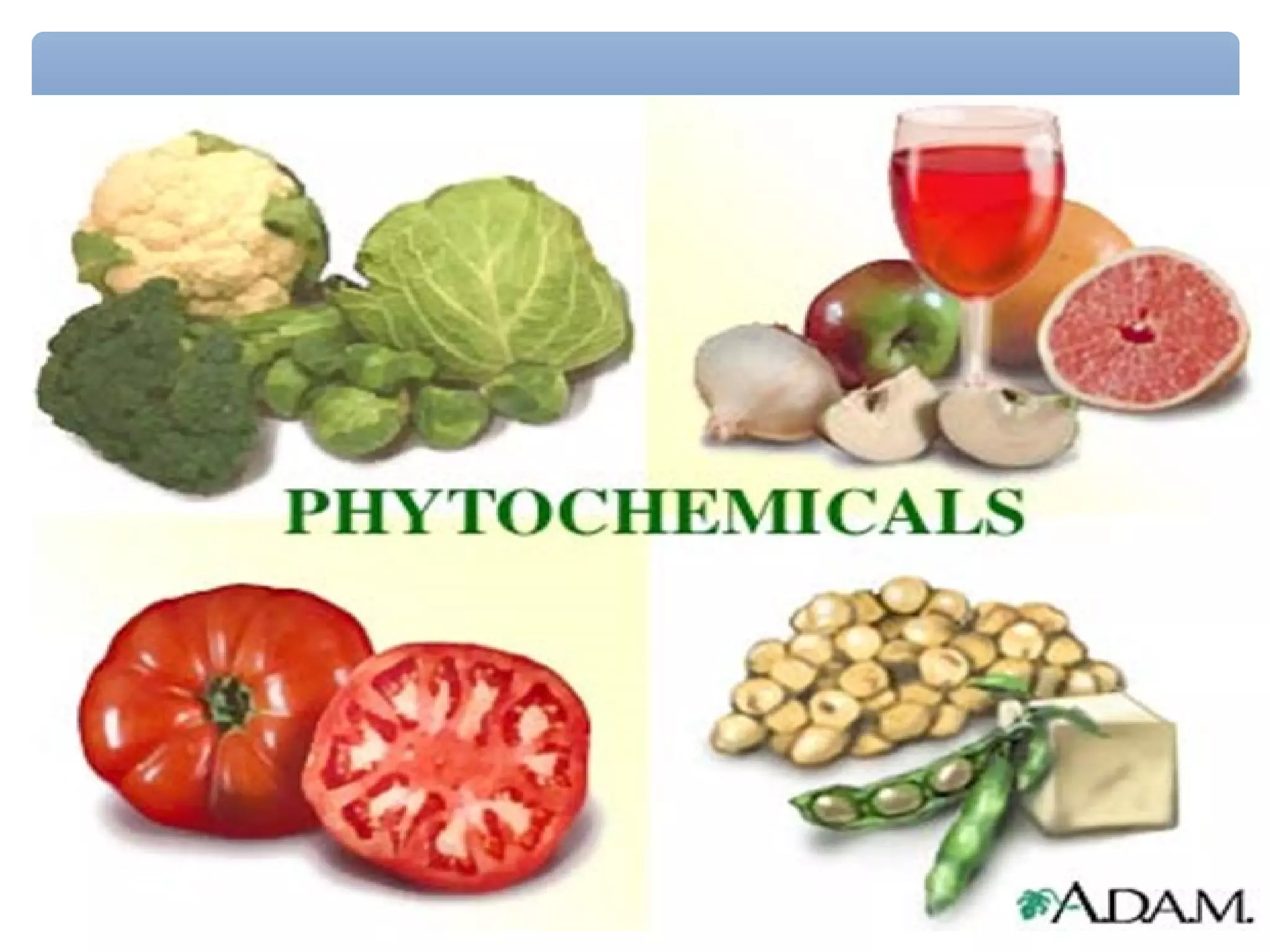
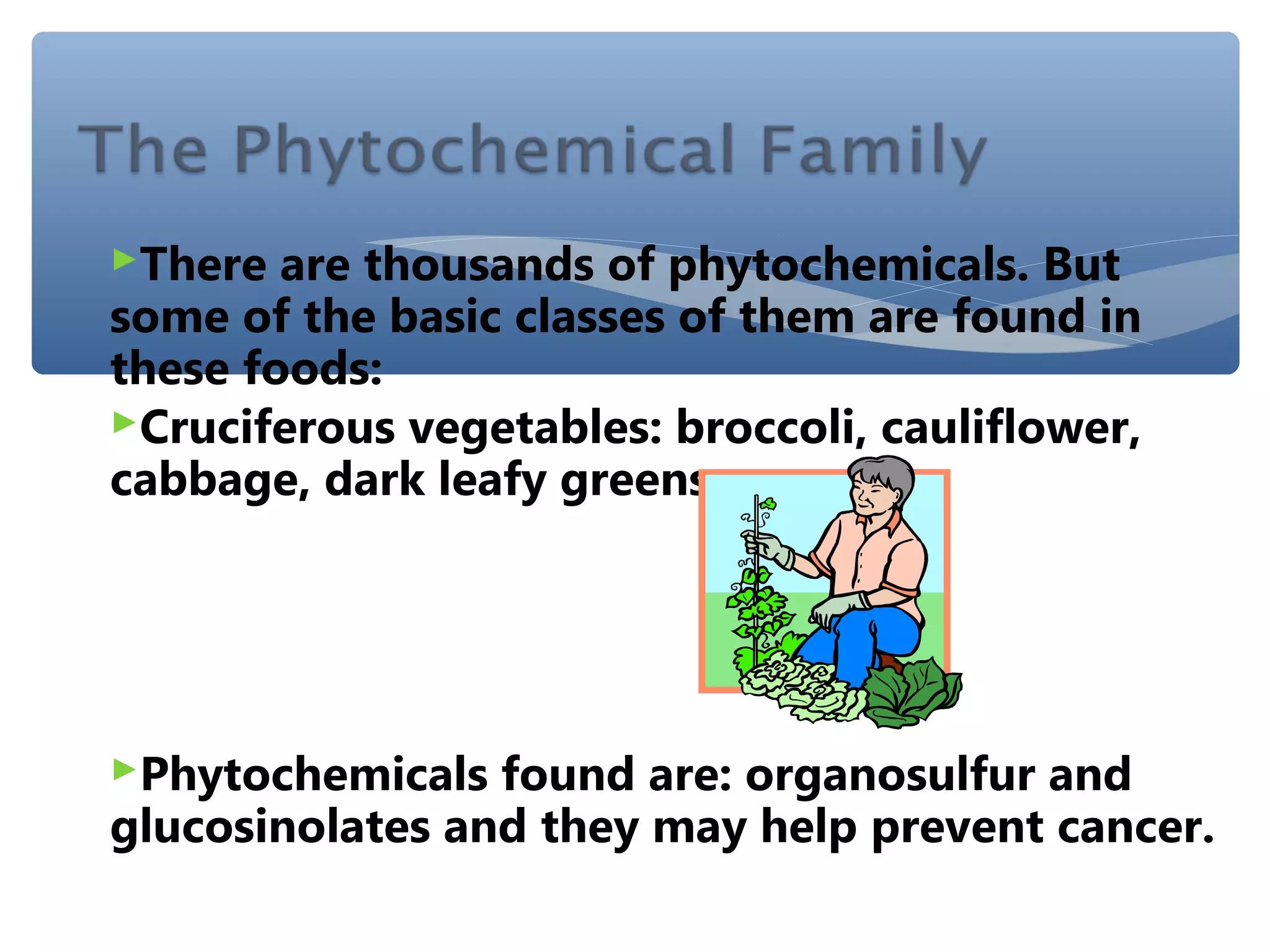
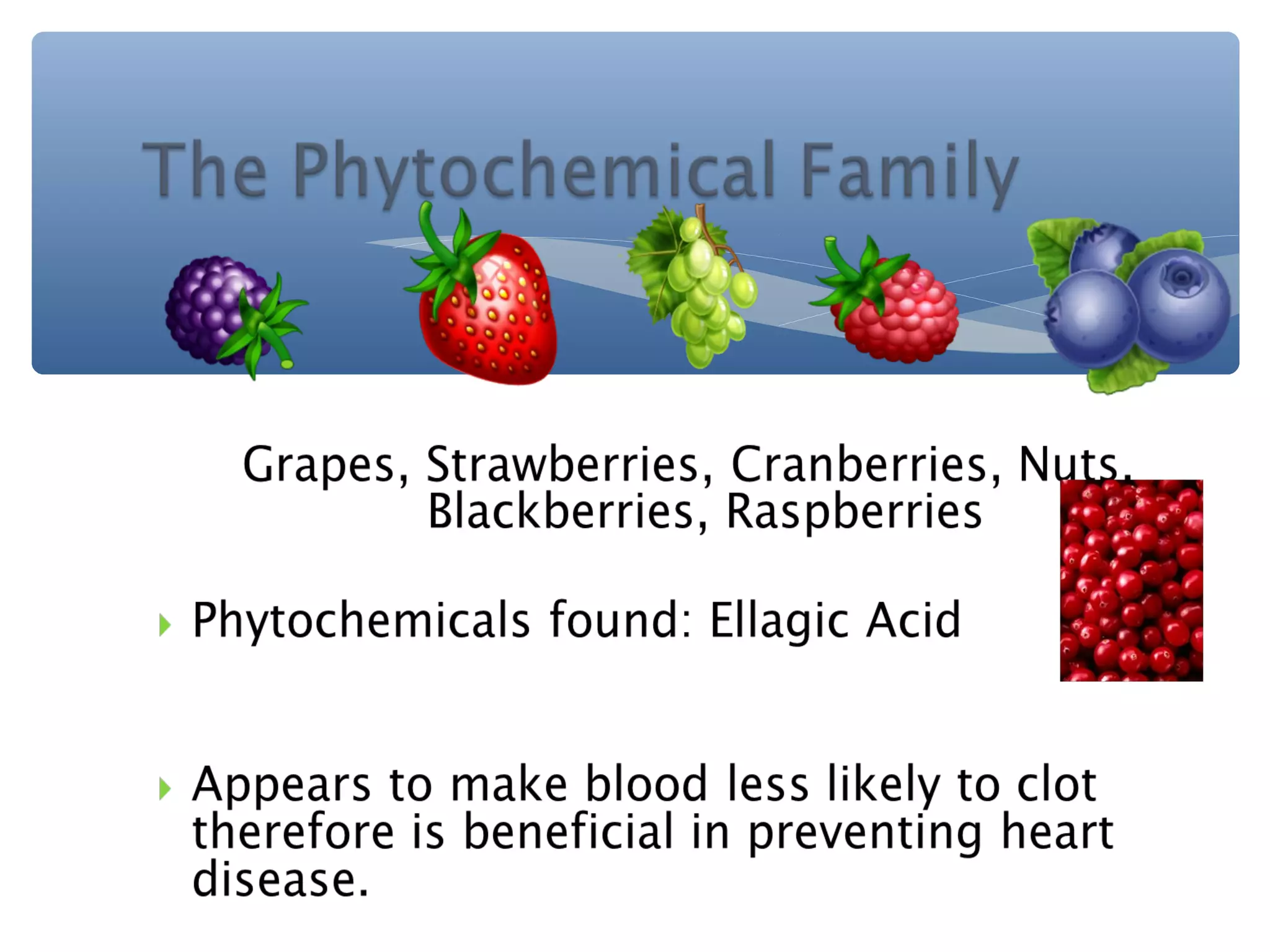
There are thousands of phytochemicals. But

some of the basic classes of them are found in
these foods:
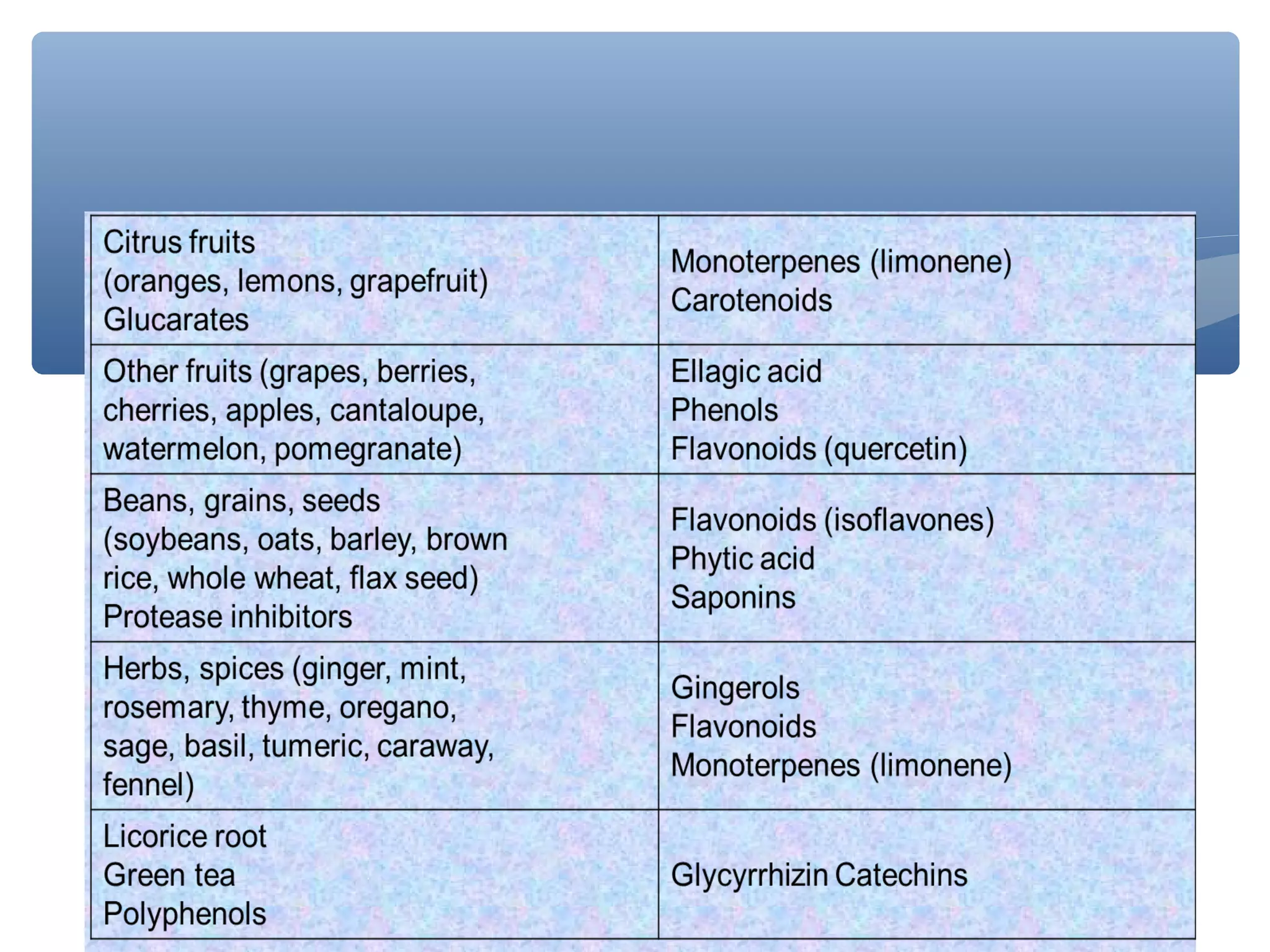
Cruciferous vegetables: broccoli, cauliflower,
cabbage, dark leafy greens.

Phytochemicals found are: organosulfur and

glucosinolates and they may help prevent cancer.
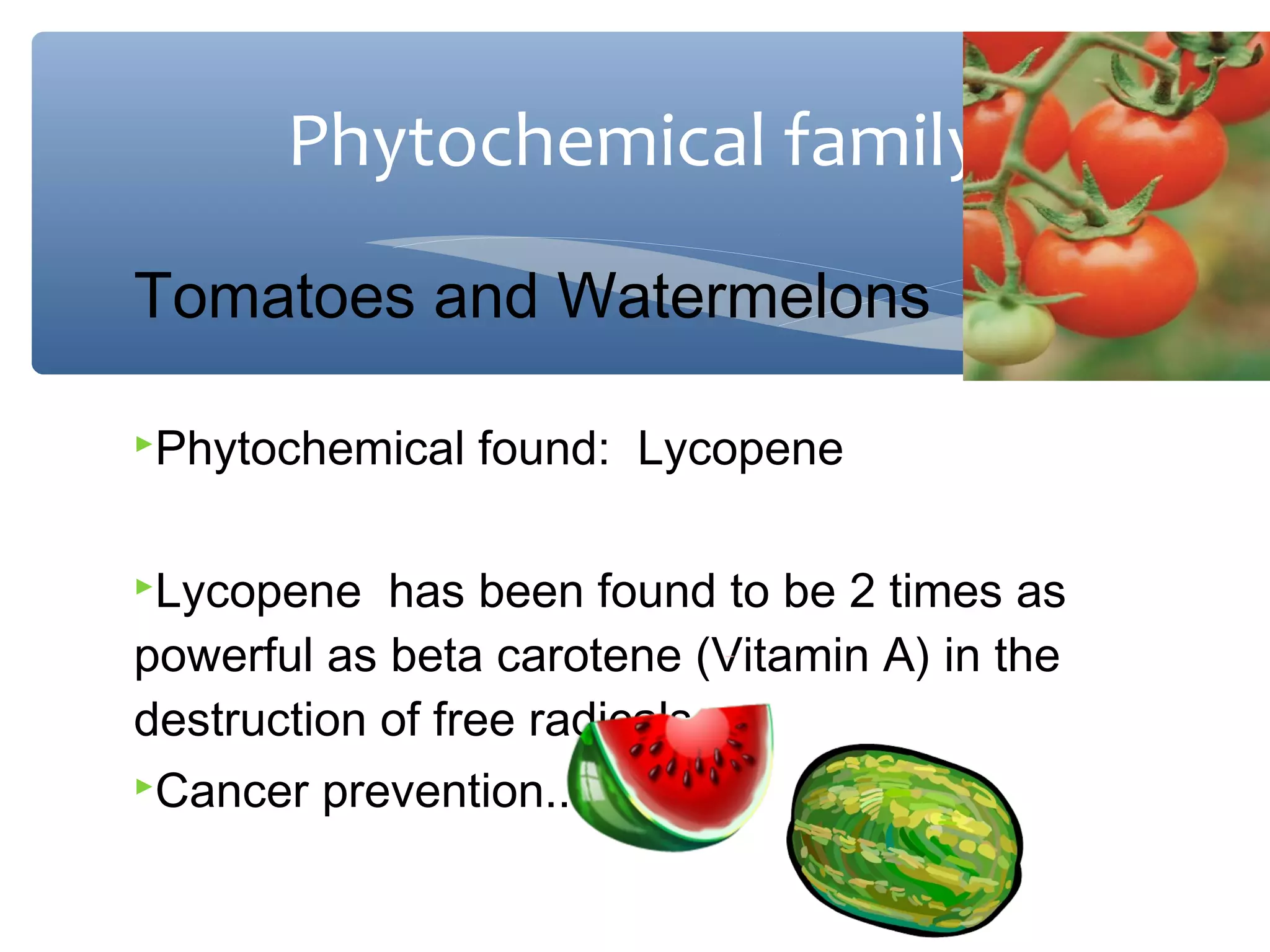
Phytochemical family
Tomatoes and Watermelons
Phytochemical
Lycopene

found: Lycopene

has been found to be 2 times as
powerful as beta carotene (Vitamin A) in the
destruction of free radicals.
Cancer prevention..
∗ Used in the treatment of heart
diseases.
∗ Prevent diabetes.
∗ Infertility treatment .
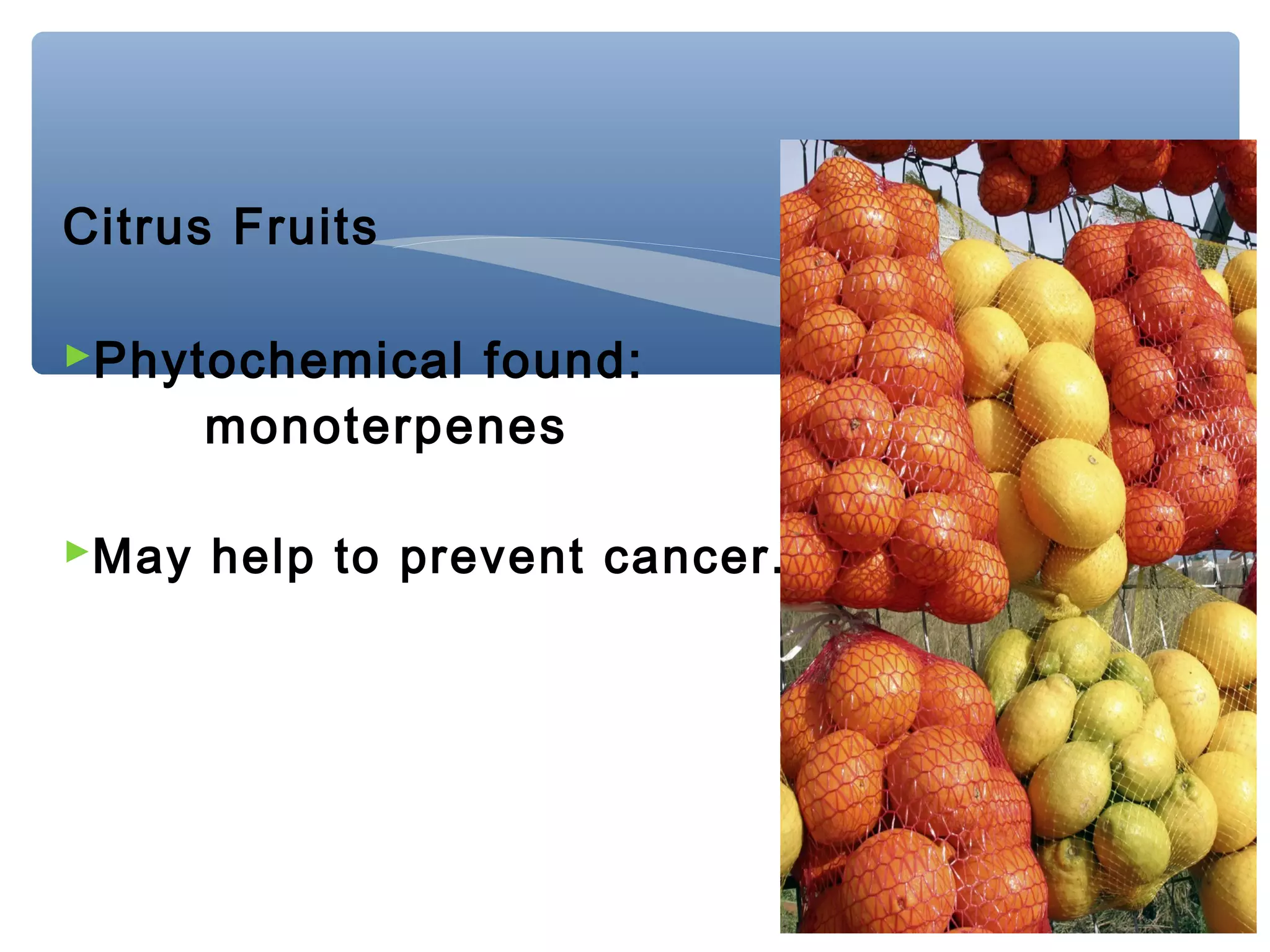
Citrus Fruits
Phytochemical found:

monoterpenes

May help to prevent cancer.
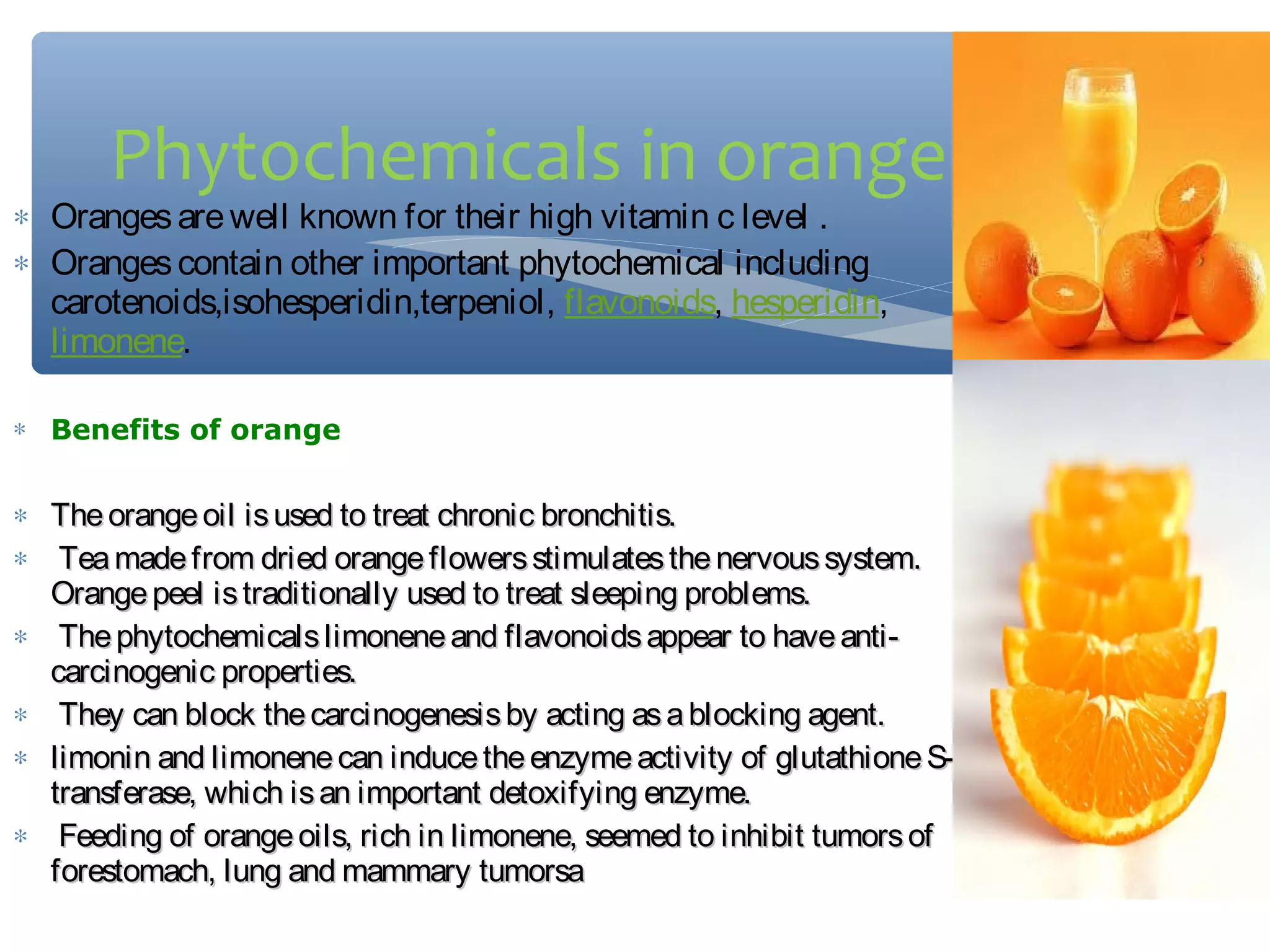
Phytochemicals in orange

∗ Oranges are well known for their high vitamin c level .
∗ Oranges contain other important phytochemical including
carotenoids,isohesperidin,terpeniol, flavonoids, hesperidin, 
limonene.
∗ Benefits of orange

∗ The orange oil is used to treat chronic bronchitis.
∗ Tea made from dried orange flowers stimulates the nervous system.
Orange peel is traditionally used to treat sleeping problems.
∗ The phytochemicals limonene and flavonoids appear to have anticarcinogenic properties.
∗ They can block the carcinogenesis by acting as a blocking agent.
∗ limonin and limonene can induce the enzyme activity of glutathione Stransferase, which is an important detoxifying enzyme.
∗ Feeding of orange oils, rich in limonene, seemed to inhibit tumors of
forestomach, lung and mammary tumorsa
Omega 3 and health
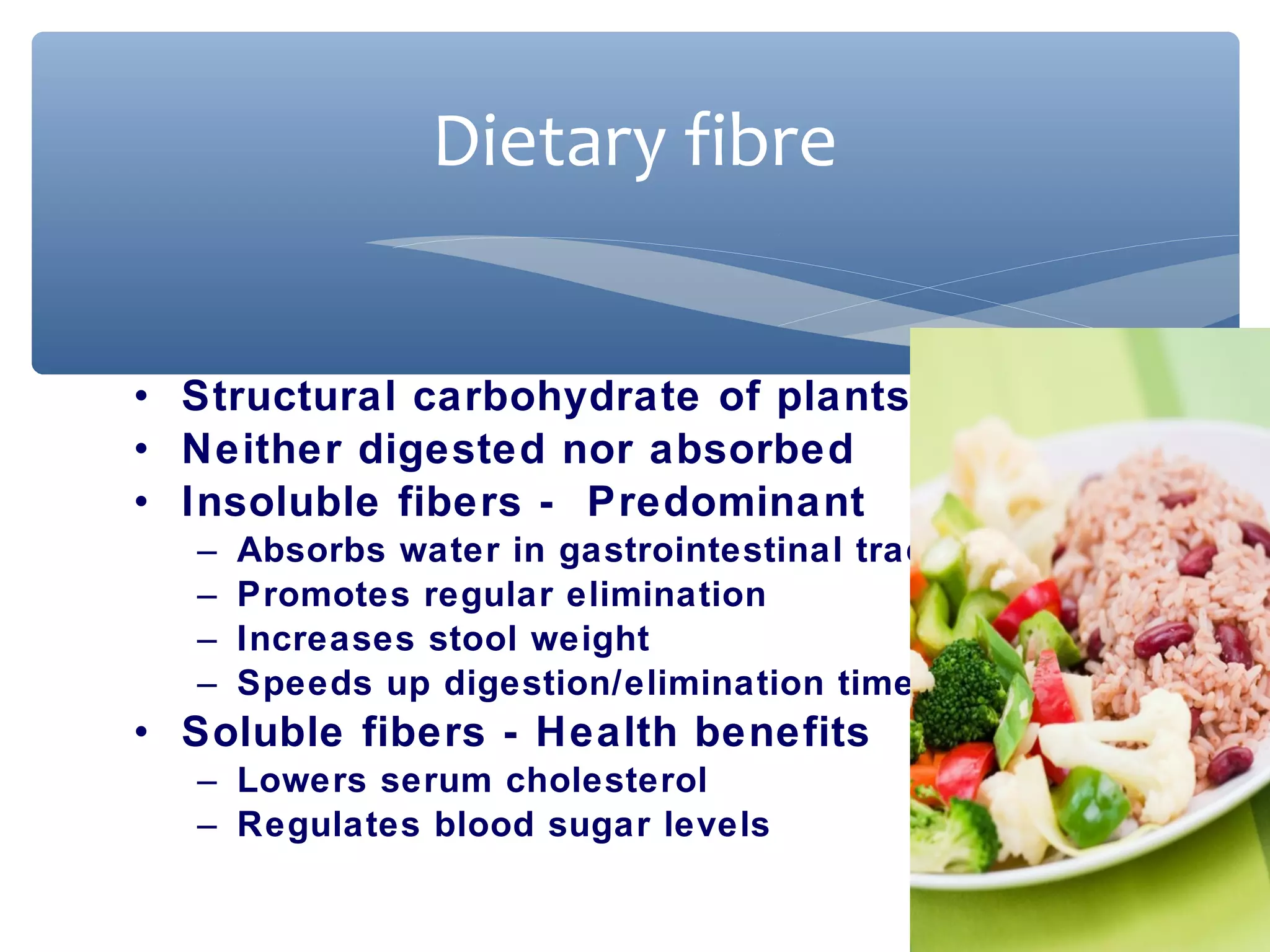
Dietary fibre
• Structural carbohydrate of plants
• Neither digested nor absorbed
• Insoluble fibers - Predominant
–
–
–
–

Absorbs water in gastrointestinal tract
Promotes regular elimination
Increases stool weight
Speeds up digestion/elimination time

• Soluble fibers - Health benefits
– Lowers serum cholesterol
– Regulates blood sugar levels
Intake of
Dietary Fiber
• Increased fiber intake may reduce risk of: Legumes:
15-19 g/cup
– Gastrointestinal diseases
– Hypertension
– Diabetes
– Heart disease
– Several types of cancer (Colon)

Wheat bran
(17 g/cup)

• Recommended: 20-35 g daily
• Best sources: fruit, vegetables, whole grain

breads/cereals, beans, rice, nuts, seeds
• Adequate water intake is important
Based on Therapeutic Use:
Nutraceuticals
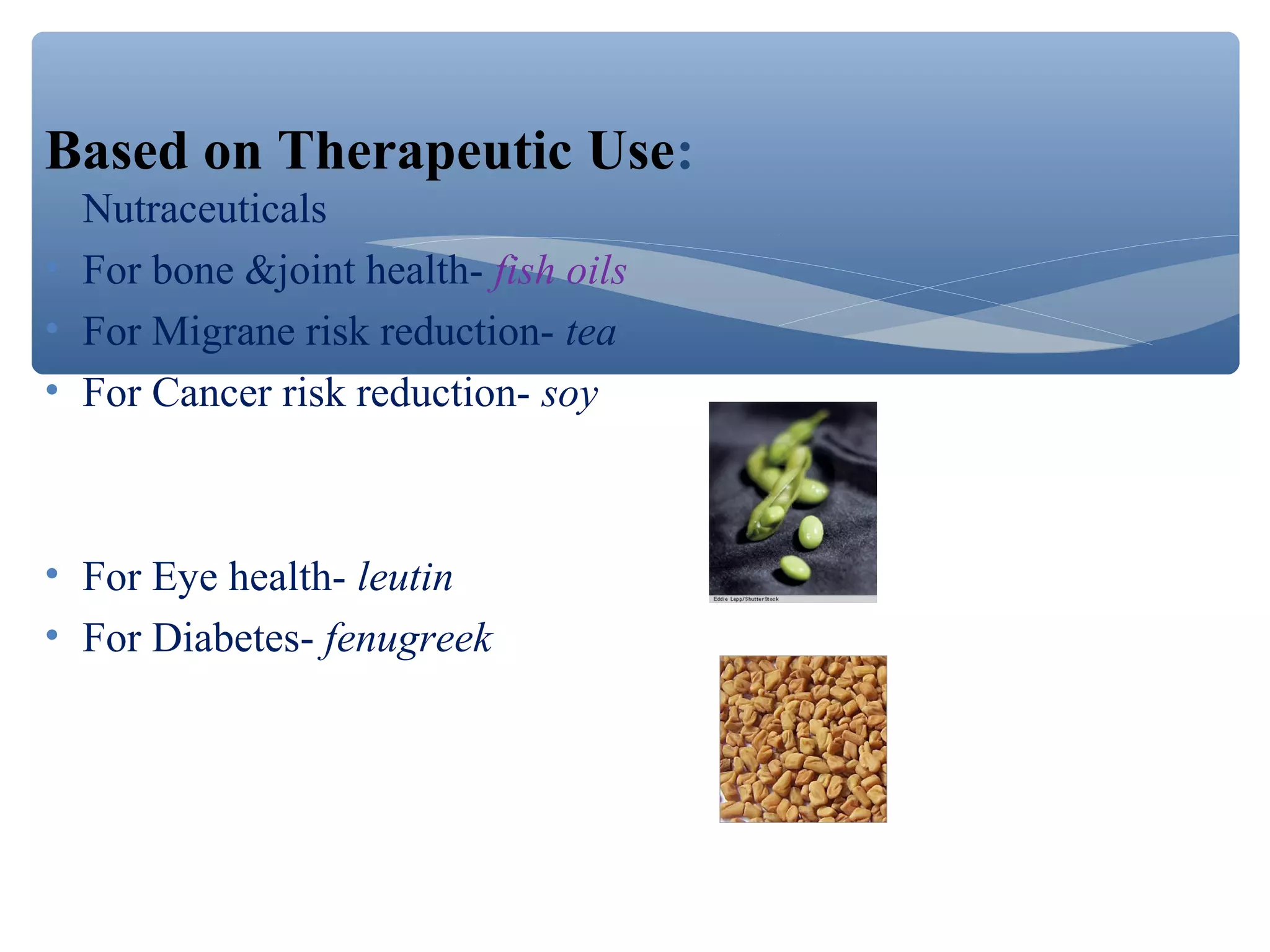
• For bone &joint health- fish oils
• For Migrane risk reduction- tea
• For Cancer risk reduction- soy

• For Eye health- leutin
• For Diabetes- fenugreek
LEUTIN
∗ Local name : Marigold
: Asteraceae
∗ Family
: Prevents the cataract,
∗ Uses
Protects macula of eye
Herbals
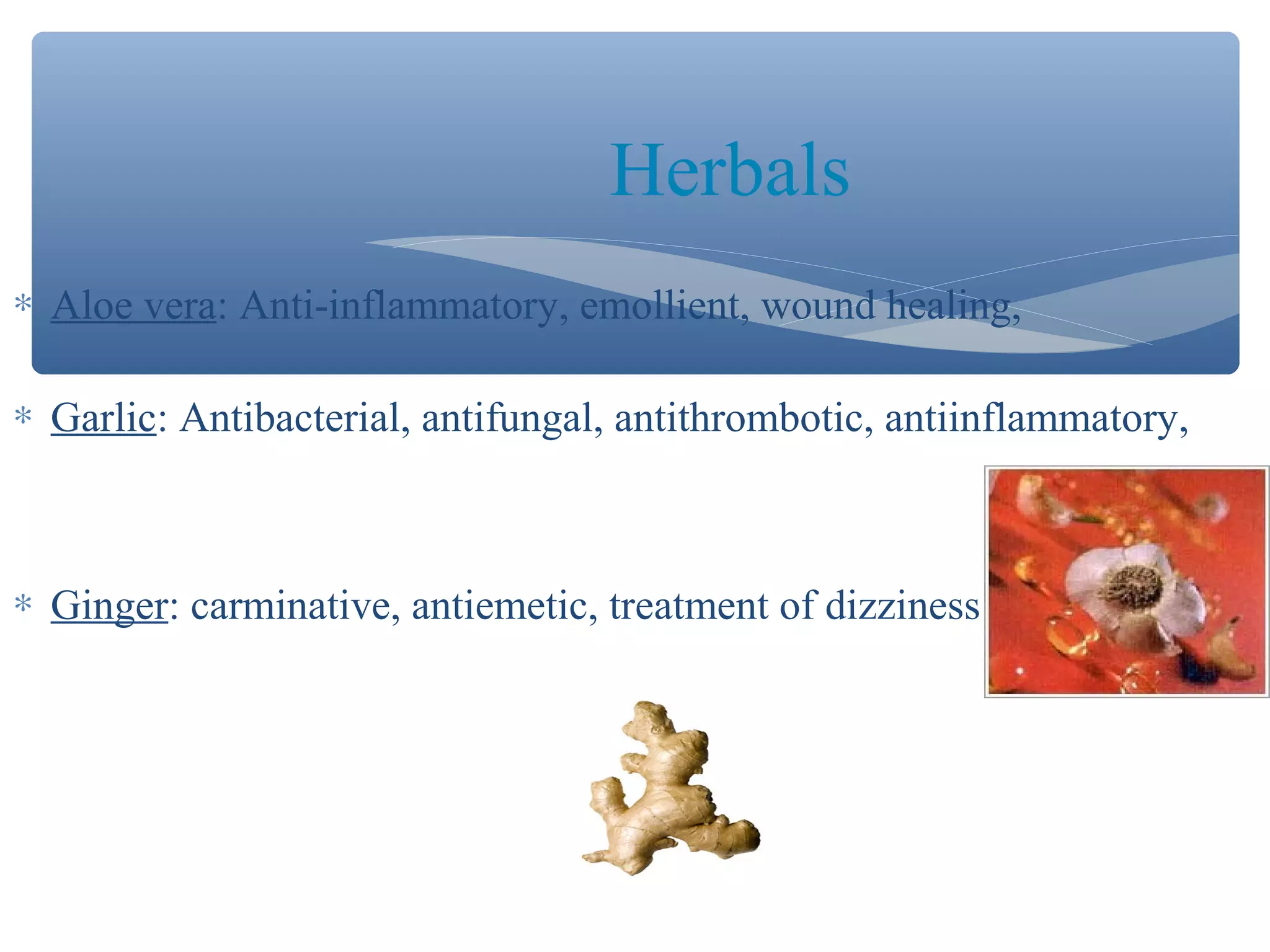
∗ Aloe vera: Anti-inflammatory, emollient, wound healing,
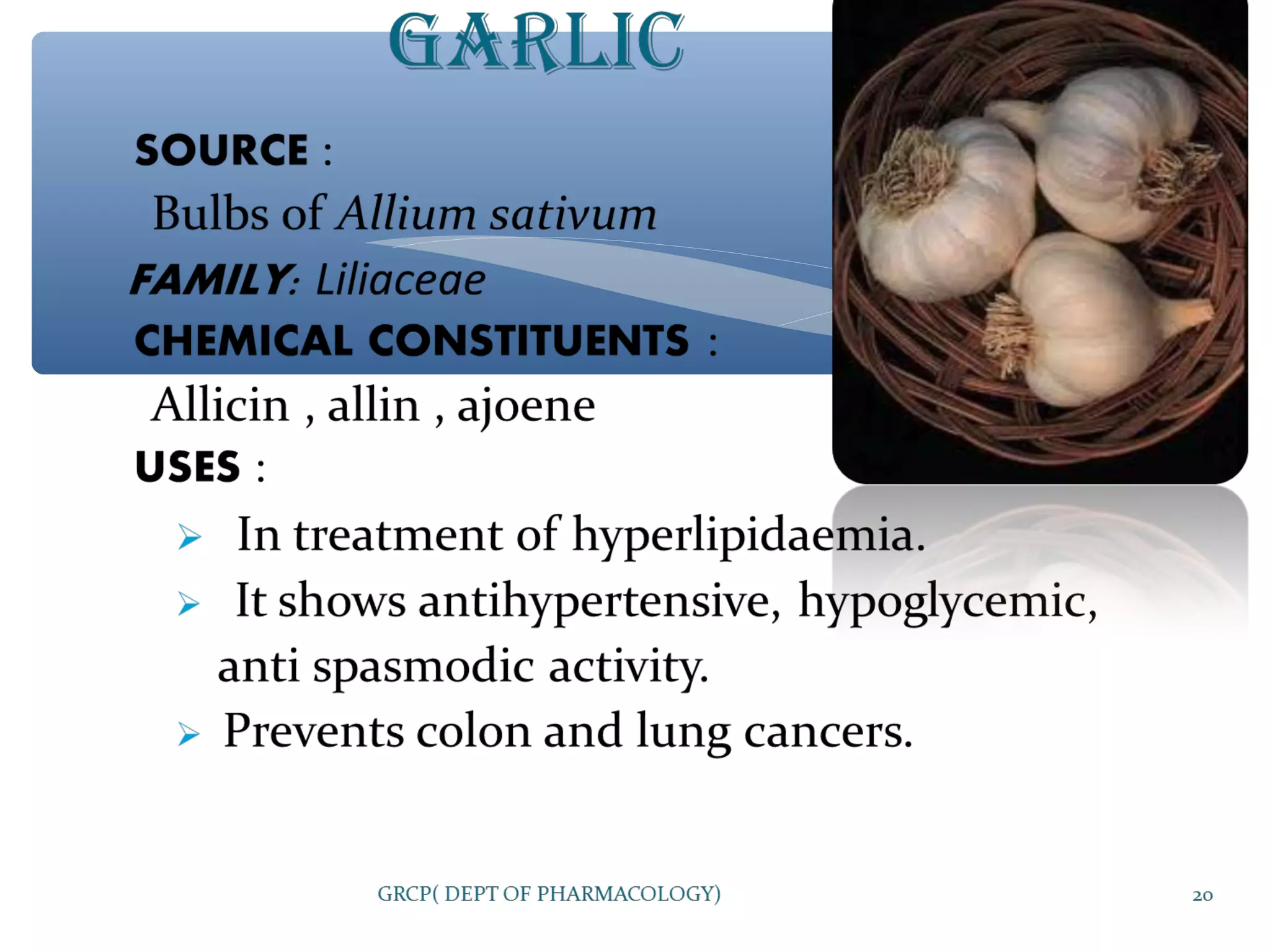
∗ Garlic: Antibacterial, antifungal, antithrombotic, antiinflammatory,

∗ Ginger: carminative, antiemetic, treatment of dizziness
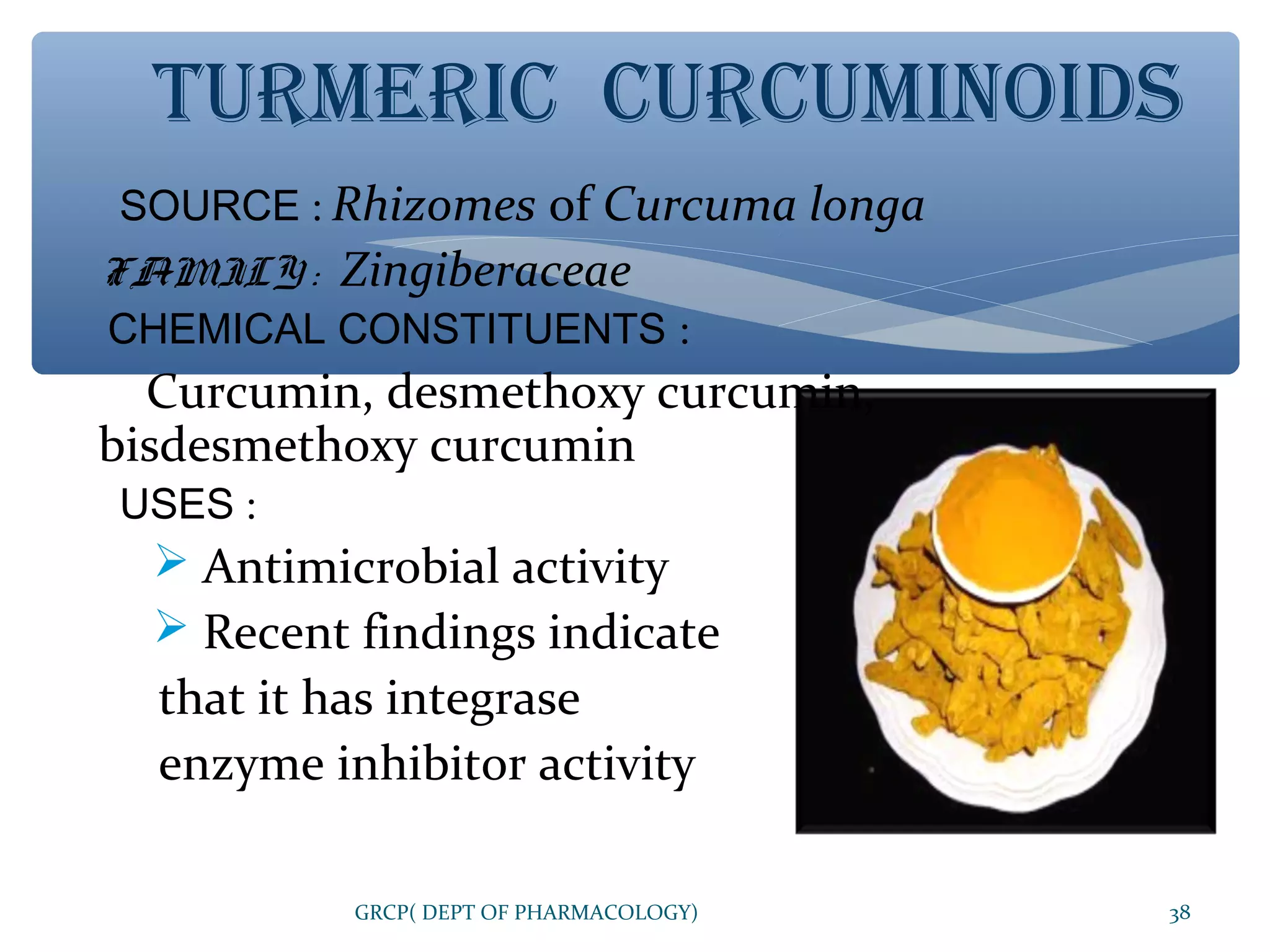
TURMERIC CURCUMINOIDS
SOURCE : Rhizomes of Curcuma longa
FAMILY : Zingiberaceae
CHEMICAL CONSTITUENTS :

Curcumin, desmethoxy curcumin,
bisdesmethoxy curcumin
USES :

 Antimicrobial activity
 Recent findings indicate

that it has integrase
enzyme inhibitor activity
GRCP( DEPT OF PHARMACOLOGY)

38
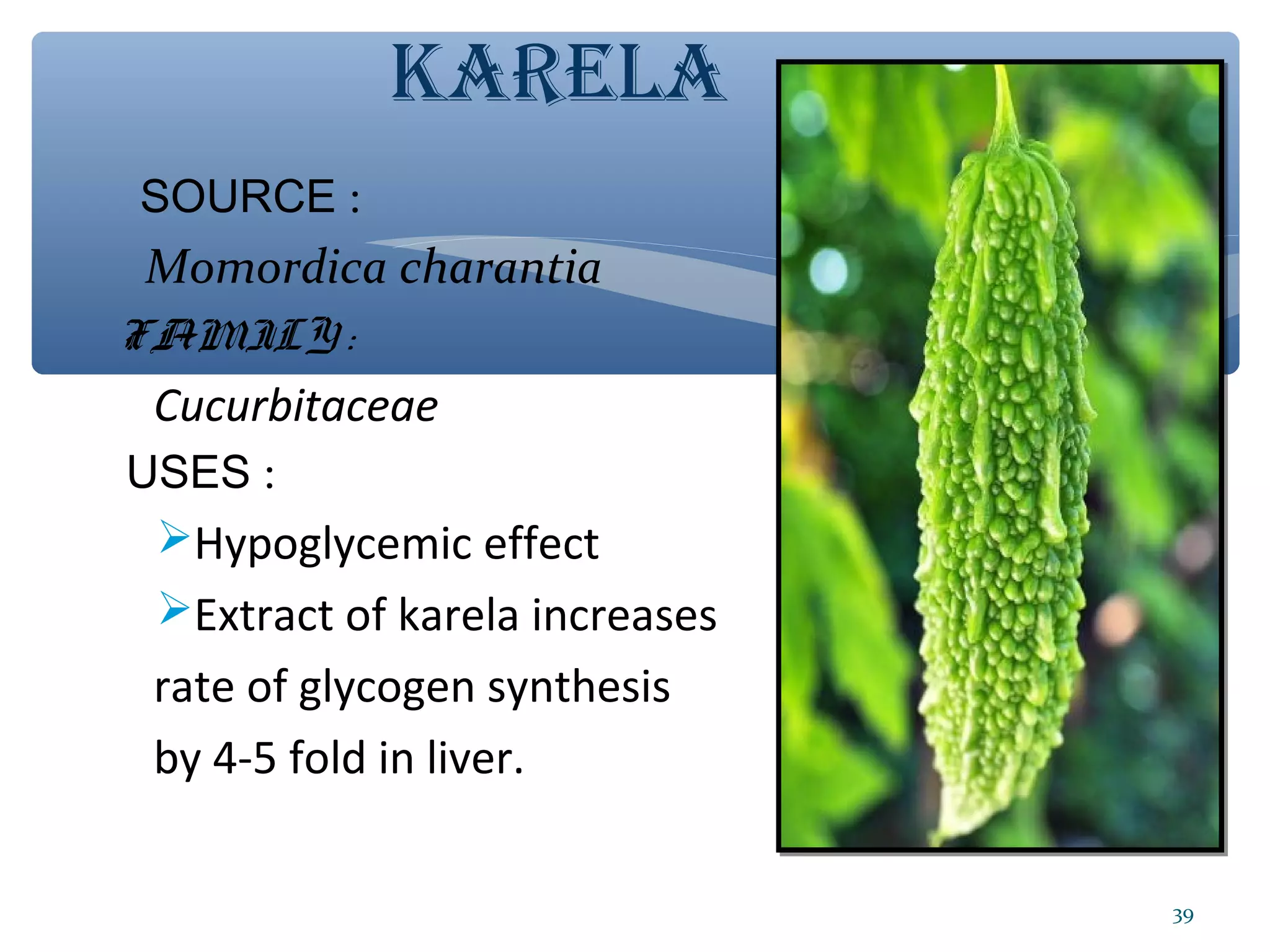
KARELA
SOURCE :

Momordica charantia
FAMILY :

Cucurbitaceae
USES :
Hypoglycemic effect

Extract of karela increases

rate of glycogen synthesis
by 4-5 fold in liver.
39
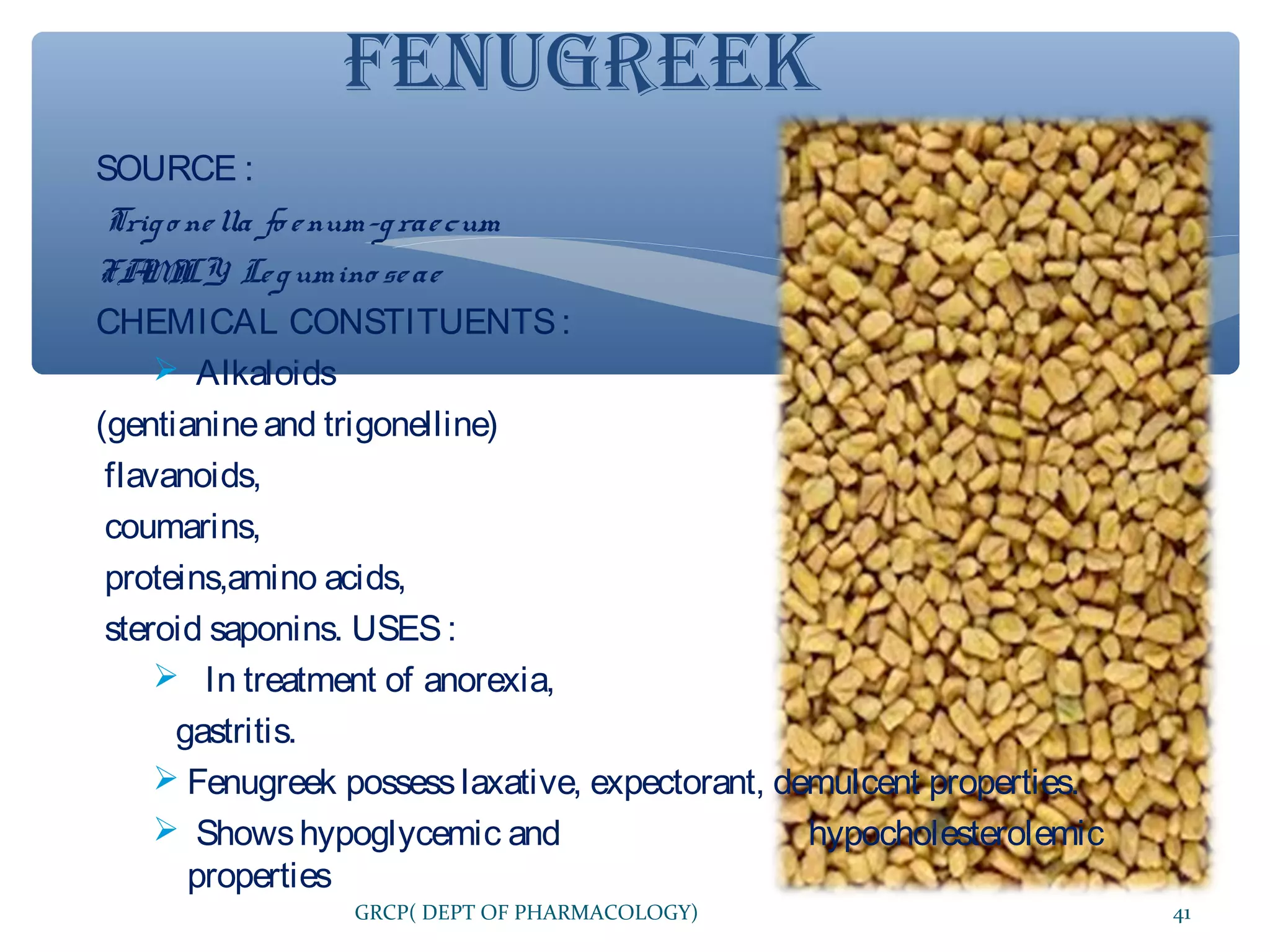
FENUGREEK
SOURCE :
Trig o ne lla fo e num-g rae cum
FA I Le g umino se ae
M LY:
CHEMICAL CONSTITUENTS :
 Alkaloids
(gentianine and trigonelline)
flavanoids,
coumarins,
proteins,amino acids,
steroid saponins. USES :
 In treatment of anorexia,
gastritis.
 Fenugreek possess laxative, expectorant, demulcent properties.
 Shows hypoglycemic and
hypocholesterolemic
properties
GRCP( DEPT OF PHARMACOLOGY)

41
∗ Green tea: Antioxidant, reduces risk of CVD, enhances humoral and
cell mediated Immunity,
∗ Vegetables, fruits, whole grain, herbs, nuts and various seeds contain
an abundance of phenolic compounds, terpenoids, sulphur compounds,
pigments etc. that has been associated with protection / treatment of
certain disease conditions,
CONCLUSION
∗ Nutraceuticals are present in most of the food ingredients with varying
concentration
∗ Concentration, time and duration of supply of nutraceuticals influence
human health
∗ Manipulating the foods, the concentration of active ingredients can be
increased
∗ Diet rich in nutraceuticals along with regular exercise, stress reduction
and maintenance of healthy body weight will maximise health and
reduce disease risk
∗ Advanced Human Nutrition
Wildman
wikepedia
∗

- Robert E.C
Nutritional supplements and nutraceuticals

Nutritional supplements and nutraceuticals

  • 1.
    ∗ ∗ NUTRACEUTICALS lal preethi s.s s3biochemistry Dept of biochemistry University of kerala
  • 2.
    Times are changing….. ∗75% of Indians below 40 are stressed ∗ 35% -prone to diseases Lifestyle habits are changing, common lifestyle diseases are sleeping disorders ,stroke heart attack,cancers e.t.c NUTRITIONAL SUPPLEMENTS - provid a well rounded health and fitness.
  • 3.
    ∗ Greek PhysicianHippocrates, Known as father of Medicine. (said several centuries ago) “Let Food be Your Medicine” The Philosophy behind is: “Focus on Prevention”
  • 4.
    Nutraceutical can bedefined as The term “Nutraceutical” was coined from “Nutrition” & “Pharmaceutical” in 1989 by Stephen DeFelice,MD, Founder and Chairman of the Foundation for Innovation in Medicine (FIM). “A food or part of food or nutrient, that provides health benefits, including the prevention and treatment of a disease.”
  • 5.
    Broadly can bedefined as: ∗ Nutrients: Substances which have established Nutritional functions e.g. Vitamins, Minerals, Amino Acids, Fatty acids, etc. ∗ Herbals/ Phytochemicals: Herbs or Botanical products ∗ Dietary Supplements: Probiotics, Prebiotics, Antioxidants, Enzymes, etc.
  • 7.
    Classification based onthe chemical groups
  • 8.
    plant Tomato,garlic,momordica animal Shark liver oil,codeliveroil minerals Calcium ,magnesium,phosphorous microorganism Bifidobacterium,Lactobacilli
  • 9.
    condition Nutraceuticals Allergy relief Ginkgo biloba Arthritissupport glucosamine Cancer prevention Flax seeds ,green tea Cholesterol lowering garlic Digestive support Digestive enzymes Diabetic support Garlic,monordica Female hormone support Black cohosh immunomodulator ginseng Prostate support Tomato lycopenes
  • 10.
  • 11.
    Inorganic mineral supplements  Calcium:essential for bone and teeth, maintaining bone strength, nerve, muscle and glandular function, blood clotting,  Iron: energy production, Hb, oxygen transport.  Magnesium: for healthy nerve and muscle function, bone formation,  Phosphorous: energy production, phosphorylation process, bone and teeth, for genetic material,
  • 12.
     Cobalt: component ofVit. B 12 and B 12 coenzymes,  Copper: Hb and collagen production, function of heart, energy production, absorption of Iron,  Iodine: proper function of Thyroid gland,  Chromium: with insulin it helps in conversion of carbohydrate and fat into energy, treatment of diabetes,
  • 13.
     Selenium: Antioxidant, functioningof heart muscle, part of GPX enzyme,  Zinc: Essential for cell reproduction, for development in Neonates, wound healing, production of sperm and testosterone hormone,
  • 15.
     Vitamins  Fat Soluble Vitamins  VitaminA: Acts as antioxidant, essential for growth and development, maintains healthy vision, skin and mucous membranes, may aid in the prevention and treatment of certain cancers and in the treatment of certain skin disorders.  Vitamin D: Essential for formation of bones and teeth, helps the body to absorb and use calcium.  Vitamin E: Antioxidant, helps to form blood cells, boosts immune system  Vitamin K: Essential for blood clotting
  • 17.
     Vitamin C: Antioxidant,necessary for healthy bones, gums, teeth and skin. Helps in wound healing, prevent from common cold  Vitamin B 1: Helps in carbohydrate metabolism, essential for neurological function.  Vitamin B 2: Energy metabolism, maintain healthy eye, skin and nerve function. Vitamin B 3: Energy metabolism, brain function  Vitamin B 6: Helps to produce essential proteins, convert proteins to energy  Vitamin B 12: Help in producing genetic material, formation of RBC, maintenance of CNS, synthesis of amino acids,
  • 18.
     Folic acid: Helpsin RBC formation, formation of genetic material of cell, very much essential during pregnancy  Pantothenic acid: Aids in synthesis of cholesterol, steroids, and fatty acids, crucial for intraneuronal synthesis of acetylcholine.
  • 19.
    probitics Live microorganisms which,when administered in adequate amounts, confer a health benefit on the host  Species of Lactobacillus  Bifidobacterium  yeast Saccharomyces cerevisiae  some E. coli and Bacillus species are also used as probiotics
  • 20.
    Manage Lactose Intolerance Shorten Duration of Intestinal Infections Potential Benefits of Probiotics TreatDiarrhea Reduce Bladder and Urinary Tract Infections Improve Symptoms of Irritable Bowel Syndrome
  • 21.
    prebiotics Nondigestible substances thatprovide a beneficial physiological effect for the host by selectively stimulating the favorable growth of a limited number of indigenous bacteria. Commonly known prebiotics are:  Oligofructose .  Inulin Galacto-oligosaccharides Lactulose
  • 23.
    Phytochemicals could providehealth benefits as; • Substrate for biochemical reactions • Cofactors of enzymatic reactions • Inhibitors of enzymatic reactions • Absorbents that bind to & eliminate undesirable constituent in the intestine • Scavengers of reactive or toxic chemicals • Enhance the absorption and / or stability of essential nutrients • Selective growth factor for beneficial bacteria • Fermentation substrate for beneficial bacteria • Selective inhibitors of deleterious intestinal bacteria
  • 24.
    There are thousandsof phytochemicals. But some of the basic classes of them are found in these foods: Cruciferous vegetables: broccoli, cauliflower, cabbage, dark leafy greens. Phytochemicals found are: organosulfur and glucosinolates and they may help prevent cancer.
  • 27.
    Phytochemical family Tomatoes andWatermelons Phytochemical Lycopene found: Lycopene has been found to be 2 times as powerful as beta carotene (Vitamin A) in the destruction of free radicals. Cancer prevention..
  • 28.
    ∗ Used inthe treatment of heart diseases. ∗ Prevent diabetes. ∗ Infertility treatment .
  • 30.
  • 31.
    Phytochemicals in orange ∗Oranges are well known for their high vitamin c level . ∗ Oranges contain other important phytochemical including carotenoids,isohesperidin,terpeniol, flavonoids, hesperidin,  limonene. ∗ Benefits of orange ∗ The orange oil is used to treat chronic bronchitis. ∗ Tea made from dried orange flowers stimulates the nervous system. Orange peel is traditionally used to treat sleeping problems. ∗ The phytochemicals limonene and flavonoids appear to have anticarcinogenic properties. ∗ They can block the carcinogenesis by acting as a blocking agent. ∗ limonin and limonene can induce the enzyme activity of glutathione Stransferase, which is an important detoxifying enzyme. ∗ Feeding of orange oils, rich in limonene, seemed to inhibit tumors of forestomach, lung and mammary tumorsa
  • 32.
  • 33.
    Dietary fibre • Structuralcarbohydrate of plants • Neither digested nor absorbed • Insoluble fibers - Predominant – – – – Absorbs water in gastrointestinal tract Promotes regular elimination Increases stool weight Speeds up digestion/elimination time • Soluble fibers - Health benefits – Lowers serum cholesterol – Regulates blood sugar levels
  • 34.
    Intake of Dietary Fiber •Increased fiber intake may reduce risk of: Legumes: 15-19 g/cup – Gastrointestinal diseases – Hypertension – Diabetes – Heart disease – Several types of cancer (Colon) Wheat bran (17 g/cup) • Recommended: 20-35 g daily • Best sources: fruit, vegetables, whole grain breads/cereals, beans, rice, nuts, seeds • Adequate water intake is important
  • 35.
    Based on TherapeuticUse: Nutraceuticals • For bone &joint health- fish oils • For Migrane risk reduction- tea • For Cancer risk reduction- soy • For Eye health- leutin • For Diabetes- fenugreek
  • 36.
    LEUTIN ∗ Local name: Marigold : Asteraceae ∗ Family : Prevents the cataract, ∗ Uses Protects macula of eye
  • 37.
    Herbals ∗ Aloe vera:Anti-inflammatory, emollient, wound healing, ∗ Garlic: Antibacterial, antifungal, antithrombotic, antiinflammatory, ∗ Ginger: carminative, antiemetic, treatment of dizziness
  • 38.
    TURMERIC CURCUMINOIDS SOURCE :Rhizomes of Curcuma longa FAMILY : Zingiberaceae CHEMICAL CONSTITUENTS : Curcumin, desmethoxy curcumin, bisdesmethoxy curcumin USES :  Antimicrobial activity  Recent findings indicate that it has integrase enzyme inhibitor activity GRCP( DEPT OF PHARMACOLOGY) 38
  • 39.
    KARELA SOURCE : Momordica charantia FAMILY: Cucurbitaceae USES : Hypoglycemic effect Extract of karela increases rate of glycogen synthesis by 4-5 fold in liver. 39
  • 41.
    FENUGREEK SOURCE : Trig one lla fo e num-g rae cum FA I Le g umino se ae M LY: CHEMICAL CONSTITUENTS :  Alkaloids (gentianine and trigonelline) flavanoids, coumarins, proteins,amino acids, steroid saponins. USES :  In treatment of anorexia, gastritis.  Fenugreek possess laxative, expectorant, demulcent properties.  Shows hypoglycemic and hypocholesterolemic properties GRCP( DEPT OF PHARMACOLOGY) 41
  • 42.
    ∗ Green tea:Antioxidant, reduces risk of CVD, enhances humoral and cell mediated Immunity, ∗ Vegetables, fruits, whole grain, herbs, nuts and various seeds contain an abundance of phenolic compounds, terpenoids, sulphur compounds, pigments etc. that has been associated with protection / treatment of certain disease conditions,
  • 43.
    CONCLUSION ∗ Nutraceuticals arepresent in most of the food ingredients with varying concentration ∗ Concentration, time and duration of supply of nutraceuticals influence human health ∗ Manipulating the foods, the concentration of active ingredients can be increased ∗ Diet rich in nutraceuticals along with regular exercise, stress reduction and maintenance of healthy body weight will maximise health and reduce disease risk
  • 44.
    ∗ Advanced HumanNutrition Wildman wikepedia ∗ - Robert E.C