NUTRACEUTICALS & FUNCTIONAL FOODS
FT 504
NUTRACEUTICALS FOR
SUBMITTED BY:
KRATIKA SINGHAM
INT. FOOD TECHNOLOGY
(B.TECH+M.TECH)
NEUTRACEUTICALS AND DIABETES
 A nutraceutical is a food /dietary constituent with a medical-health benefit, including the
prevention and treatment of disease. Also it refers to natural functional/medical foods or
bioactive phytochemicals that have health promoting, disease preventing or medicinal
properties. These nutraceuticals normally contain the required amount of vitamins, lipids,
proteins, carbohydrates, minerals, or other necessary nutrients, depending on their
emphases.
 The name was coined in 1989 by Stephen De Felice
Categories of nutraceuticals for diabetes:
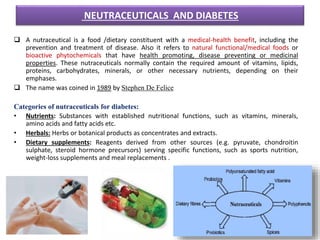
• Nutrients: Substances with established nutritional functions, such as vitamins, minerals,
amino acids and fatty acids etc.
• Herbals: Herbs or botanical products as concentrates and extracts.
• Dietary supplements: Reagents derived from other sources (e.g. pyruvate, chondroitin
sulphate, steroid hormone precursors) serving specific functions, such as sports nutrition,
weight-loss supplements and meal replacements .
.
DIABETES MELLITUS
DIABETES is a group of metabolic disorders in which the body doesn’t produce enough or
any insulin, or doesn’t properly use the insulin that is produced, or exhibits a combination
of both. When any of these things happens, the body is unable to get sugar from the blood
into the cells. That leads to high blood sugar levels.
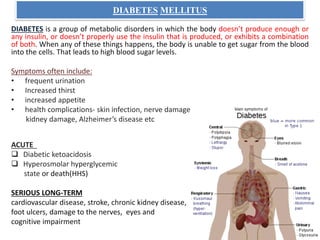
Symptoms often include:
• frequent urination
• Increased thirst
• increased appetite
• health complications- skin infection, nerve damage
kidney damage, Alzheimer’s disease etc
ACUTE
 Diabetic ketoacidosis
 Hyperosmolar hyperglycemic
state or death(HHS)
SERIOUS LONG-TERM
cardiovascular disease, stroke, chronic kidney disease,
foot ulcers, damage to the nerves, eyes and
cognitive impairment
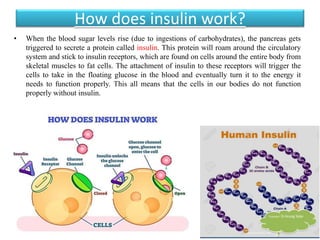
How does insulin work?
• When the blood sugar levels rise (due to ingestions of carbohydrates), the pancreas gets
triggered to secrete a protein called insulin. This protein will roam around the circulatory
system and stick to insulin receptors, which are found on cells around the entire body from
skeletal muscles to fat cells. The attachment of insulin to these receptors will trigger the
cells to take in the floating glucose in the blood and eventually turn it to the energy it
needs to function properly. This all means that the cells in our bodies do not function
properly without insulin.
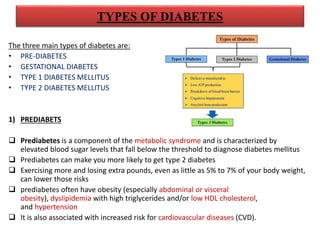
TYPES OF DIABETES
The three main types of diabetes are:
• PRE-DIABETES
• GESTATIONAL DIABETES
• TYPE 1 DIABETES MELLITUS
• TYPE 2 DIABETES MELLITUS
1) PREDIABETS
 Prediabetes is a component of the metabolic syndrome and is characterized by
elevated blood sugar levels that fall below the threshold to diagnose diabetes mellitus
 Prediabetes can make you more likely to get type 2 diabetes
 Exercising more and losing extra pounds, even as little as 5% to 7% of your body weight,
can lower those risks
 prediabetes often have obesity (especially abdominal or visceral
obesity), dyslipidemia with high triglycerides and/or low HDL cholesterol,
and hypertension
 It is also associated with increased risk for cardiovascular diseases (CVD).
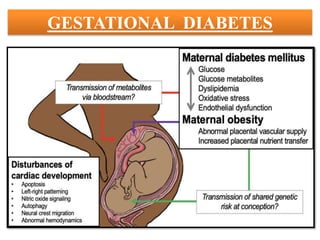
(2) GESTATIONAL DIABETES
 Gestational diabetes is due to insulin-blocking hormones produced during
pregnancy. This type of diabetes only occurs during pregnancy .
 According to the National Institute of Diabetes and Digestive and Kidney Diseases
(NIDDK), people with gestational diabetes will have a greater chance of developing
type 2 diabetes within 10 years.
 woman’s blood sugars travel through their placenta to the baby, so it’s important to
control gestational diabetes to protect the baby's growth and development.
.
General symptoms
 Excessive thirst and hunger
 frequent urination
 drowsiness or fatigue
 dry, itchy skin
 blurry vision
 slow-healing wounds
A baby might have unusual weight gain before birth, trouble breathing at birth, or a
higher risk of obesity and diabetes later in life.
GESTATIONAL DIABETES
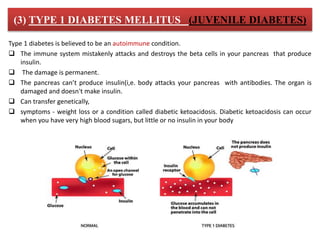
(3) TYPE 1 DIABETES MELLITUS (JUVENILE DIABETES)
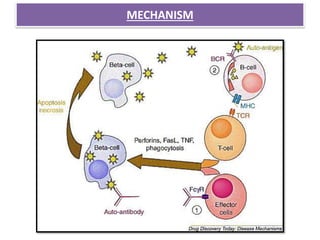
Type 1 diabetes is believed to be an autoimmune condition.
 The immune system mistakenly attacks and destroys the beta cells in your pancreas that produce
insulin.
 The damage is permanent.
 The pancreas can’t produce insulin(i,e. body attacks your pancreas with antibodies. The organ is
damaged and doesn't make insulin.
 Can transfer genetically,
 symptoms - weight loss or a condition called diabetic ketoacidosis. Diabetic ketoacidosis can occur
when you have very high blood sugars, but little or no insulin in your body
MECHANISM
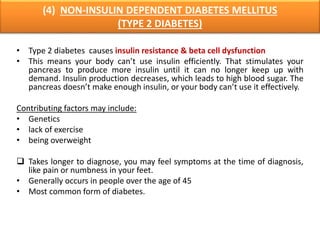
(4) NON-INSULIN DEPENDENT DIABETES MELLITUS
(TYPE 2 DIABETES)
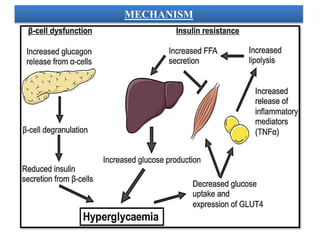
• Type 2 diabetes causes insulin resistance & beta cell dysfunction
• This means your body can’t use insulin efficiently. That stimulates your
pancreas to produce more insulin until it can no longer keep up with
demand. Insulin production decreases, which leads to high blood sugar. The
pancreas doesn’t make enough insulin, or your body can’t use it effectively.
Contributing factors may include:
• Genetics
• lack of exercise
• being overweight
 Takes longer to diagnose, you may feel symptoms at the time of diagnosis,
like pain or numbness in your feet.
• Generally occurs in people over the age of 45
• Most common form of diabetes.
MECHANISM
FUNCTIONAL FOODS FOR DIABETES
DIETARY FIBRE-
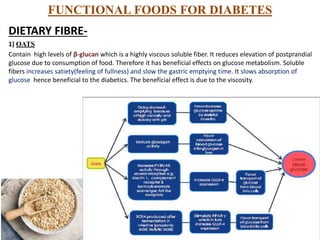
1) OATS
Contain high levels of β-glucan which is a highly viscous soluble fiber. It reduces elevation of postprandial
glucose due to consumption of food. Therefore it has beneficial effects on glucose metabolism. Soluble
fibers increases satiety(feeling of fullness) and slow the gastric emptying time. It slows absorption of
glucose hence beneficial to the diabetics. The beneficial effect is due to the viscosity.
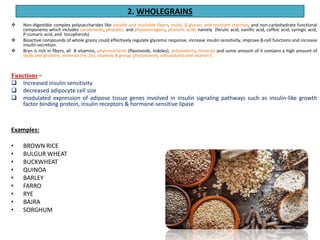
2. WHOLEGRAINS
 Non-digestible complex polysaccharides like soluble and insoluble fibers, inulin, β-glucan, and resistant starches, and non-carbohydrate functional
components which includes carotenoids, phytates, and phytoestrogens, phenolic acids namely (ferulic acid, vanillic acid, caffeic acid, syringic acid,
P-cumaric acid, and tocopherols)
 Bioactive compounds of whole grains could effectively regulate glycemic response, increase insulin sensitivity, improve β-cell functions and increase
insulin secretion.
 Bran is rich in fibers, all B vitamins, phytonutrients (flavonoids, indoles), antioxidants, minerals and some amount of it contains a high amount of
lipids and proteins, minerals (Fe, Zn), vitamins B group, phytosterols, antioxidants and vitamin E.
Functions –
 Increased insulin sensitivity
 decreased adipocyte cell size
 modulated expression of adipose tissue genes involved in insulin signaling pathways such as insulin-like growth
factor binding protein, insulin receptors & hormone-sensitive lipase
Examples:
• BROWN RICE
• BULGUR WHEAT
• BUCKWHEAT
• QUINOA
• BARLEY
• FARRO
• RYE
• BAJRA
• SORGHUM
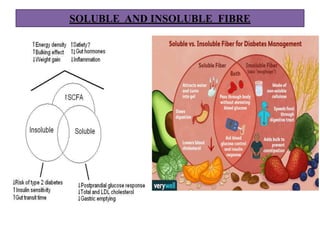
SOLUBLE AND INSOLUBLE FIBRE
PHYTO CHEMICALS RICH FOODS AS NUTRACEUTICALS
 Phytochemicals improve glycemic control, reduce HbA1c and triglyceride levels, enhance
antioxidant defense system, attenuated oxidative stress and inflammatory markers, decreased the
risk of diabetic retinopathy.
 stimulate insulin secretion from the pancreas, modulate glucose release from the liver, activate
insulin receptors and glucose uptake in insulin-sensitive tissue, and modulate intracellular signaling
pathways and gene expression
 Reduce the risk of type 2 diabetes
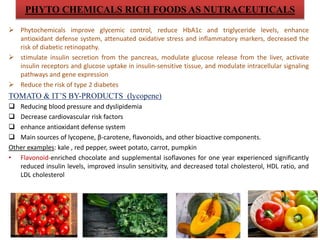
TOMATO & IT’S BY-PRODUCTS (lycopene)
 Reducing blood pressure and dyslipidemia
 Decrease cardiovascular risk factors
 enhance antioxidant defense system
 Main sources of lycopene, β-carotene, flavonoids, and other bioactive components.
Other examples: kale , red pepper, sweet potato, carrot, pumpkin
• Flavonoid-enriched chocolate and supplemental isoflavones for one year experienced significantly
reduced insulin levels, improved insulin sensitivity, and decreased total cholesterol, HDL ratio, and
LDL cholesterol
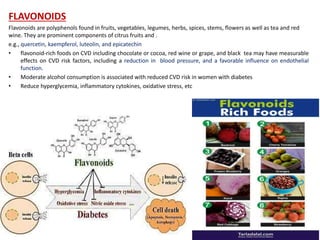
FLAVONOIDS
Flavonoids are polyphenols found in fruits, vegetables, legumes, herbs, spices, stems, flowers as well as tea and red
wine. They are prominent components of citrus fruits and .
e.g., quercetin, kaempferol, luteolin, and epicatechin
• flavonoid‐rich foods on CVD including chocolate or cocoa, red wine or grape, and black tea may have measurable
effects on CVD risk factors, including a reduction in blood pressure, and a favorable influence on endothelial
function.
• Moderate alcohol consumption is associated with reduced CVD risk in women with diabetes
• Reduce hyperglycemia, inflammatory cytokines, oxidative stress, etc
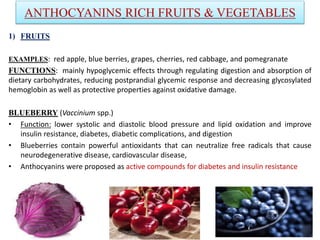
ANTHOCYANINS RICH FRUITS & VEGETABLES
1) FRUITS
EXAMPLES: red apple, blue berries, grapes, cherries, red cabbage, and pomegranate
FUNCTIONS: mainly hypoglycemic effects through regulating digestion and absorption of
dietary carbohydrates, reducing postprandial glycemic response and decreasing glycosylated
hemoglobin as well as protective properties against oxidative damage.
BLUEBERRY (Vaccinium spp.)
• Function: lower systolic and diastolic blood pressure and lipid oxidation and improve
insulin resistance, diabetes, diabetic complications, and digestion
• Blueberries contain powerful antioxidants that can neutralize free radicals that cause
neurodegenerative disease, cardiovascular disease,
• Anthocyanins were proposed as active compounds for diabetes and insulin resistance
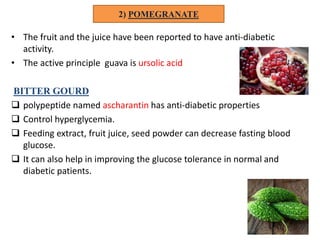
2) POMEGRANATE
• The fruit and the juice have been reported to have anti-diabetic
activity.
• The active principle guava is ursolic acid
BITTER GOURD
 polypeptide named ascharantin has anti-diabetic properties
 Control hyperglycemia.
 Feeding extract, fruit juice, seed powder can decrease fasting blood
glucose.
 It can also help in improving the glucose tolerance in normal and
diabetic patients.
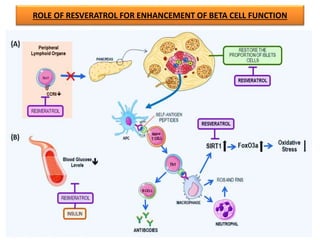
ROLE OF RESVERATROL FOR ENHANCEMENT OF BETA CELL FUNCTION
LEGUMES
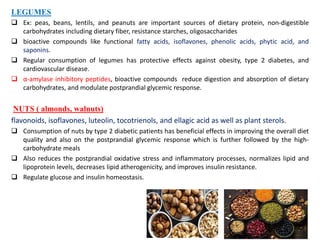
 Ex: peas, beans, lentils, and peanuts are important sources of dietary protein, non-digestible
carbohydrates including dietary fiber, resistance starches, oligosaccharides
 bioactive compounds like functional fatty acids, isoflavones, phenolic acids, phytic acid, and
saponins.
 Regular consumption of legumes has protective effects against obesity, type 2 diabetes, and
cardiovascular disease.
 α-amylase inhibitory peptides, bioactive compounds reduce digestion and absorption of dietary
carbohydrates, and modulate postprandial glycemic response.
NUTS ( almonds, walnuts)
flavonoids, isoflavones, luteolin, tocotrienols, and ellagic acid as well as plant sterols.
 Consumption of nuts by type 2 diabetic patients has beneficial effects in improving the overall diet
quality and also on the postprandial glycemic response which is further followed by the high-
carbohydrate meals
 Also reduces the postprandial oxidative stress and inflammatory processes, normalizes lipid and
lipoprotein levels, decreases lipid atherogenicity, and improves insulin resistance.
 Regulate glucose and insulin homeostasis.
SPICES AS NUTRACEUTICALS
1) FENUGREEK
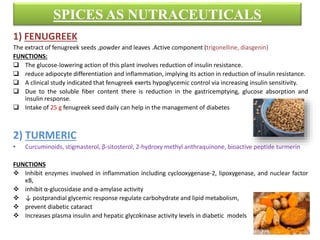
The extract of fenugreek seeds ,powder and leaves .Active component (trigonelline, diasgenin)
FUNCTIONS:
 The glucose-lowering action of this plant involves reduction of insulin resistance.
 reduce adipocyte differentiation and inflammation, implying its action in reduction of insulin resistance.
 A clinical study indicated that fenugreek exerts hypoglycemic control via increasing insulin sensitivity.
 Due to the soluble fiber content there is reduction in the gastricemptying, glucose absorption and
insulin response.
 Intake of 25 g fenugreek seed daily can help in the management of diabetes
2) TURMERIC
• Curcuminoids, stigmasterol, β-sitosterol, 2-hydroxy methyl anthraquinone, bioactive peptide turmerin
FUNCTIONS
 Inhibit enzymes involved in inflammation including cyclooxygenase-2, lipoxygenase, and nuclear factor
κB,
 inhibit α-glucosidase and α-amylase activity
 ↓ postprandial glycemic response regulate carbohydrate and lipid metabolism,
 prevent diabetic cataract
 Increases plasma insulin and hepatic glycokinase activity levels in diabetic models
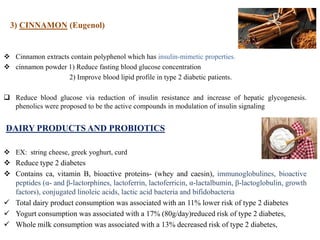
3) CINNAMON (Eugenol)
 Cinnamon extracts contain polyphenol which has insulin-mimetic properties.
 cinnamon powder 1) Reduce fasting blood glucose concentration
2) Improve blood lipid profile in type 2 diabetic patients.
 Reduce blood glucose via reduction of insulin resistance and increase of hepatic glycogenesis.
phenolics were proposed to be the active compounds in modulation of insulin signaling
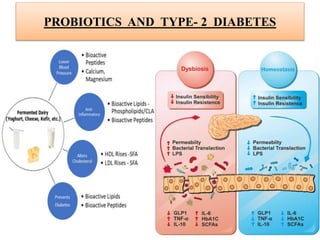
DAIRY PRODUCTS AND PROBIOTICS
 EX: string cheese, greek yoghurt, curd
 Reduce type 2 diabetes
 Contains ca, vitamin B, bioactive proteins- (whey and caesin), immunoglobulines, bioactive
peptides (α- and β-lactorphines, lactoferrin, lactoferricin, α-lactalbumin, β-lactoglobulin, growth
factors), conjugated linoleic acids, lactic acid bacteria and bifidobacteria
 Total dairy product consumption was associated with an 11% lower risk of type 2 diabetes
 Yogurt consumption was associated with a 17% (80g/day)reduced risk of type 2 diabetes,
 Whole milk consumption was associated with a 13% decreased risk of type 2 diabetes,
MILK PROTEIN
• Whey protein may promote insulin sensitivity, improve glucose tolerance and lipid profile, and help in weight
control
• Bioactive peptides may also help to control blood pressure.
DAIRY FATTY ACIDS
• Trans-palmitoleic acid (trans-16:1n-7) has been associated with lower insulin resistance, lower blood pressure, a
better lipid profile and a reduced risk of type 2 diabetes
• Pentadecanoic acid (15:0) has been inversely associated with fasting plasma glucose and incident type 2 diabetes
• Conjugated linoleic acid may play a role in the prevention of obesity, which is a risk factor for type 2 diabetes.
OTHER DAIRY COMPONENTS
• Probiotic bacteria, found in fermented milk products such as yogurt, have been shown to improve blood lipid
profile and antioxidant status of individuals with type 2 diabetes.
• Milk products, particularly cheese, contain menaquinones (vitamin K2), which have been associated with reduced
risk of developing type 2 diabetes.
• A higher fat dairy-based diet has been shown to significantly alter the gut microbiome and reduce liver fat
(compared to a soy and sucrose-based diet) in animal studies.
# Regulate satiety and food intake,↑ dietary fat excretion , ↓ adiposity and body weight ,↓ oxidative stress and
inflammatory markers, ↑ insulin sensitivity, modulate immune responses in diabetic patients ,↑ total antioxidant
capacity ,↓ lipid peroxidation ,↓ HbA1c
PROBIOTICS AND TYPE- 2 DIABETES
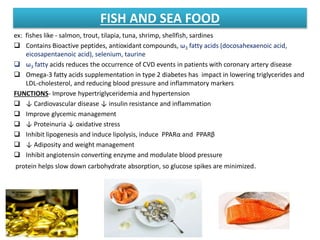
FISH AND SEA FOOD
ex: fishes like - salmon, trout, tilapia, tuna, shrimp, shellfish, sardines
 Contains Bioactive peptides, antioxidant compounds, ω3 fatty acids (docosahexaenoic acid,
eicosapentaenoic acid), selenium, taurine
 ω3 fatty acids reduces the occurrence of CVD events in patients with coronary artery disease
 Omega‐3 fatty acids supplementation in type 2 diabetes has impact in lowering triglycerides and
LDL‐cholesterol, and reducing blood pressure and inflammatory markers
FUNCTIONS- Improve hypertriglyceridemia and hypertension
 ↓ Cardiovascular disease ↓ insulin resistance and inflammation
 Improve glycemic management
 ↓ Proteinuria ↓ oxidative stress
 Inhibit lipogenesis and induce lipolysis, induce PPARα and PPARβ
 ↓ Adiposity and weight management
 Inhibit angiotensin converting enzyme and modulate blood pressure
protein helps slow down carbohydrate absorption, so glucose spikes are minimized.
OLIVE OIL
Bioactive compounds- Oleic acid, ω3 fatty acids,Flavonoids, cinnamic acid, benzoic acid, lignans,
cumaric acid, ferulic acid, tocopherols, carotenoids, oleuopein, oleocanthal
FUNCTIONS:
 Regulate cholesterol metabolism
 ↓ LDL oxidation,
 protect vascular endothelium against atherogenesis
 Inhibit platelet aggregation
COFFEE
• Coffee intake and improvement in glucose tolerance and insulin sensitivity and a lower risk of T2D
• Glycemic control and/or insulin sensitivity
• Caffeine improved the function of adipocytes and the liver .
• Quinides, which are known to reduce blood glucose levels in animal models
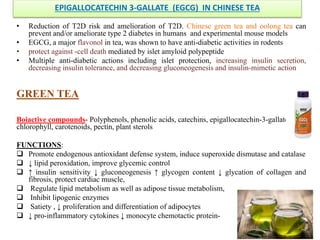
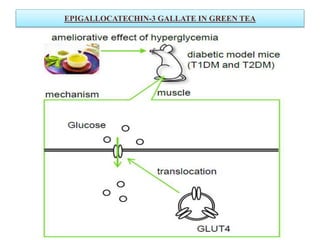
EPIGALLOCATECHIN 3-GALLATE (EGCG) IN CHINESE TEA
• Reduction of T2D risk and amelioration of T2D. Chinese green tea and oolong tea can
prevent and/or ameliorate type 2 diabetes in humans and experimental mouse models
• EGCG, a major flavonol in tea, was shown to have anti-diabetic activities in rodents
• protect against -cell death mediated by islet amyloid polypeptide
• Multiple anti-diabetic actions including islet protection, increasing insulin secretion,
decreasing insulin tolerance, and decreasing gluconeogenesis and insulin-mimetic action
GREEN TEA
Boiactive compounds- Polyphenols, phenolic acids, catechins, epigallocatechin-3-gallate,
chlorophyll, carotenoids, pectin, plant sterols
FUNCTIONS:
 Promote endogenous antioxidant defense system, induce superoxide dismutase and catalase
 ↓ lipid peroxidation, improve glycemic control
 ↑ insulin sensitivity ↓ gluconeogenesis ↑ glycogen content ↓ glycation of collagen and
fibrosis, protect cardiac muscle,
 Regulate lipid metabolism as well as adipose tissue metabolism,
 Inhibit lipogenic enzymes
 Satiety , ↓ proliferation and differentiation of adipocytes
 ↓ pro-inflammatory cytokines ↓ monocyte chemotactic protein-
EPIGALLOCATECHIN-3 GALLATE IN GREEN TEA
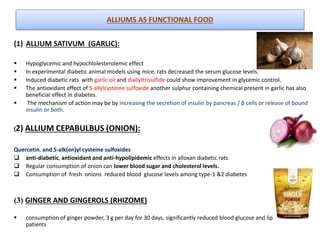
ALLIUMS AS FUNCTIONAL FOOD
(1) ALLIUM SATIVUM (GARLIC):
 Hypoglycemic and hypochlolesterolemic effect
 In experimental diabetic animal models using mice, rats decreased the serum glucose levels.
 Induced diabetic rats with garlic oil and diallyltrisulfide could show improvement in glycemic control.
 The antioxidant effect of S-allylcysteine sulfoxide another sulphur containing chemical present in garlic has also
beneficial effect in diabetes.
 The mechanism of action may be by increasing the secretion of insulin by pancreas / β cells or release of bound
insulin or both.
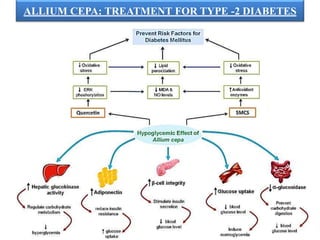
(2) ALLIUM CEPABULBUS (ONION):
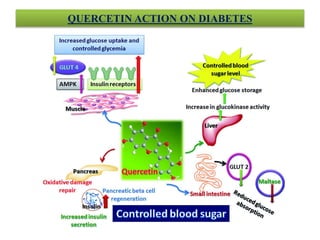
Quercetin, and S-alk(en)yl cysteine sulfoxides
 anti-diabetic, antioxidant and anti-hypolipidemic effects in alloxan diabetic rats
 Regular consumption of onion can lower blood sugar and cholesterol levels.
 Consumption of fresh onions reduced blood glucose levels among type-1 &2 diabetes
(3) GINGER AND GINGEROLS (RHIZOME)
 consumption of ginger powder, 3 g per day for 30 days, significantly reduced blood glucose and lipids in T2D
patients
ALLIUM CEPA: TREATMENT FOR TYPE -2 DIABETES
QUERCETIN ACTION ON DIABETES
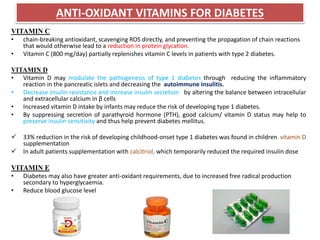
ANTI-OXIDANT VITAMINS FOR DIABETES
VITAMIN C
• chain‐breaking antioxidant, scavenging ROS directly, and preventing the propagation of chain reactions
that would otherwise lead to a reduction in protein glycation.
• Vitamin C (800 mg/day) partially replenishes vitamin C levels in patients with type 2 diabetes.
VITAMIN D
• Vitamin D may modulate the pathogenesis of type 1 diabetes through reducing the inflammatory
reaction in the pancreatic islets and decreasing the autoimmune insulitis.
• Decrease insulin resistance and increase insulin secretion by altering the balance between intracellular
and extracellular calcium in β cells
• Increased vitamin D intake by infants may reduce the risk of developing type 1 diabetes.
• By suppressing secretion of parathyroid hormone (PTH), good calcium/ vitamin D status may help to
preserve insulin sensitivity and thus help prevent diabetes mellitus.
 33% reduction in the risk of developing childhood‐onset type 1 diabetes was found in children vitamin D
supplementation
 In adult patients supplementation with calcitriol, which temporarily reduced the required insulin dose
VITAMIN E
• Diabetes may also have greater anti-oxidant requirements, due to increased free radical production
secondary to hyperglycaemia.
• Reduce blood glucose level
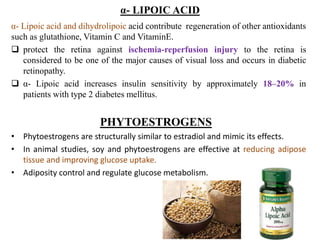
α- LIPOIC ACID
α- Lipoic acid and dihydrolipoic acid contribute regeneration of other antioxidants
such as glutathione, Vitamin C and VitaminE.
 protect the retina against ischemia-reperfusion injury to the retina is
considered to be one of the major causes of visual loss and occurs in diabetic
retinopathy.
 α- Lipoic acid increases insulin sensitivity by approximately 18–20% in
patients with type 2 diabetes mellitus.
PHYTOESTROGENS
• Phytoestrogens are structurally similar to estradiol and mimic its effects.
• In animal studies, soy and phytoestrogens are effective at reducing adipose
tissue and improving glucose uptake.
• Adiposity control and regulate glucose metabolism.
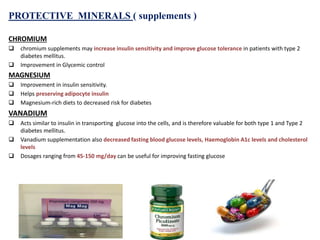
PROTECTIVE MINERALS ( supplements )
CHROMIUM
 chromium supplements may increase insulin sensitivity and improve glucose tolerance in patients with type 2
diabetes mellitus.
 Improvement in Glycemic control
MAGNESIUM
 Improvement in insulin sensitivity.
 Helps preserving adipocyte insulin
 Magnesium‐rich diets to decreased risk for diabetes
VANADIUM
 Acts similar to insulin in transporting glucose into the cells, and is therefore valuable for both type 1 and Type 2
diabetes mellitus.
 Vanadium supplementation also decreased fasting blood glucose levels, Haemoglobin A1c levels and cholesterol
levels
 Dosages ranging from 45-150 mg/day can be useful for improving fasting glucose
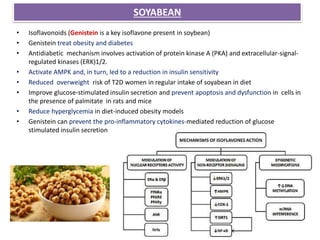
SOYABEAN
• Isoflavonoids (Genistein is a key isoflavone present in soybean)
• Genistein treat obesity and diabetes
• Antidiabetic mechanism involves activation of protein kinase A (PKA) and extracellular-signal-
regulated kinases (ERK)1/2.
• Activate AMPK and, in turn, led to a reduction in insulin sensitivity
• Reduced overweight risk of T2D women in regular intake of soyabean in diet
• Improve glucose-stimulated insulin secretion and prevent apoptosis and dysfunction in cells in
the presence of palmitate in rats and mice
• Reduce hyperglycemia in diet-induced obesity models
• Genistein can prevent the pro-inflammatory cytokines-mediated reduction of glucose
stimulated insulin secretion
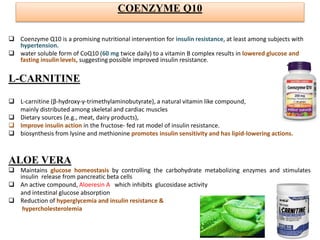
COENZYME Q10
 Coenzyme Q10 is a promising nutritional intervention for insulin resistance, at least among subjects with
hypertension.
 water soluble form of CoQ10 (60 mg twice daily) to a vitamin B complex results in lowered glucose and
fasting insulin levels, suggesting possible improved insulin resistance.
L-CARNITINE
 L-carnitine (β-hydroxy-γ-trimethylaminobutyrate), a natural vitamin like compound,
mainly distributed among skeletal and cardiac muscles
 Dietary sources (e.g., meat, dairy products),
 Improve insulin action in the fructose- fed rat model of insulin resistance.
 biosynthesis from lysine and methionine promotes insulin sensitivity and has lipid-lowering actions.
ALOE VERA
 Maintains glucose homeostasis by controlling the carbohydrate metabolizing enzymes and stimulates
insulin release from pancreatic beta cells
 An active compound, Aloeresin A which inhibits glucosidase activity
and intestinal glucose absorption
 Reduction of hyperglycemia and insulin resistance &
hypercholesterolemia
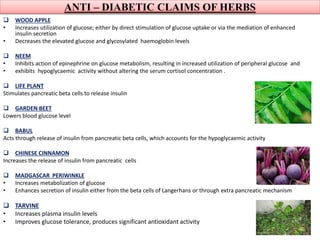
ANTI – DIABETIC CLAIMS OF HERBS
 WOOD APPLE
• Increases utilization of glucose; either by direct stimulation of glucose uptake or via the mediation of enhanced
insulin secretion
• Decreases the elevated glucose and glycosylated haemoglobin levels
 NEEM
• Inhibits action of epinephrine on glucose metabolism, resulting in increased utilization of peripheral glucose and
• exhibits hypoglycaemic activity without altering the serum cortisol concentration .
 LIFE PLANT
Stimulates pancreatic beta cells to release insulin
 GARDEN BEET
Lowers blood glucose level
 BABUL
Acts through release of insulin from pancreatic beta cells, which accounts for the hypoglycaemic activity
 CHINESE CINNAMON
Increases the release of insulin from pancreatic cells
 MADGASCAR PERIWINKLE
• Increases metabolization of glucose
• Enhances secretion of insulin either from the beta cells of Langerhans or through extra pancreatic mechanism
 TARVINE
• Increases plasma insulin levels
• Improves glucose tolerance, produces significant antioxidant activity
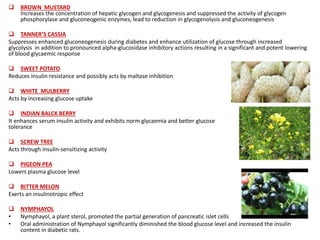
 BROWN MUSTARD
Increases the concentration of hepatic glycogen and glycogenesis and suppressed the activity of glycogen
phosphorylase and gluconeogenic enzymes, lead to reduction in glycogenolysis and gluconeogenesis
 TANNER’S CASSIA
Suppresses enhanced gluconeogenesis during diabetes and enhance utilization of glucose through increased
glycolysis in addition to pronounced alpha-glucosidase inhibitory actions resulting in a significant and potent lowering
of blood glycaemic response
 SWEET POTATO
Reduces insulin resistance and possibly acts by maltase inhibition
 WHITE MULBERRY
Acts by increasing glucose uptake
 INDIAN BALCK BERRY
It enhances serum insulin activity and exhibits norm glycaemia and better glucose
tolerance
 SCREW TREE
Acts through insulin-sensitizing activity
 PIGEON PEA
Lowers plasma glucose level
 BITTER MELON
Exerts an insulinotropic effect
 NYMPHAYOL
• Nymphayol, a plant sterol, promoted the partial generation of pancreatic islet cells
• Oral administration of Nymphayol significantly diminished the blood glucose level and increased the insulin
content in diabetic rats.
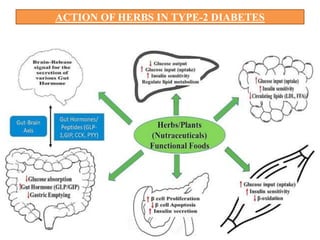
ACTION OF HERBS IN TYPE-2 DIABETES
Nutraceuticals for diabetes

Nutraceuticals for diabetes

  • 1.
    NUTRACEUTICALS & FUNCTIONALFOODS FT 504 NUTRACEUTICALS FOR SUBMITTED BY: KRATIKA SINGHAM INT. FOOD TECHNOLOGY (B.TECH+M.TECH)
  • 2.
    NEUTRACEUTICALS AND DIABETES A nutraceutical is a food /dietary constituent with a medical-health benefit, including the prevention and treatment of disease. Also it refers to natural functional/medical foods or bioactive phytochemicals that have health promoting, disease preventing or medicinal properties. These nutraceuticals normally contain the required amount of vitamins, lipids, proteins, carbohydrates, minerals, or other necessary nutrients, depending on their emphases.  The name was coined in 1989 by Stephen De Felice Categories of nutraceuticals for diabetes: • Nutrients: Substances with established nutritional functions, such as vitamins, minerals, amino acids and fatty acids etc. • Herbals: Herbs or botanical products as concentrates and extracts. • Dietary supplements: Reagents derived from other sources (e.g. pyruvate, chondroitin sulphate, steroid hormone precursors) serving specific functions, such as sports nutrition, weight-loss supplements and meal replacements .
  • 3.
  • 4.
    DIABETES MELLITUS DIABETES isa group of metabolic disorders in which the body doesn’t produce enough or any insulin, or doesn’t properly use the insulin that is produced, or exhibits a combination of both. When any of these things happens, the body is unable to get sugar from the blood into the cells. That leads to high blood sugar levels. Symptoms often include: • frequent urination • Increased thirst • increased appetite • health complications- skin infection, nerve damage kidney damage, Alzheimer’s disease etc ACUTE  Diabetic ketoacidosis  Hyperosmolar hyperglycemic state or death(HHS) SERIOUS LONG-TERM cardiovascular disease, stroke, chronic kidney disease, foot ulcers, damage to the nerves, eyes and cognitive impairment
  • 5.
    How does insulinwork? • When the blood sugar levels rise (due to ingestions of carbohydrates), the pancreas gets triggered to secrete a protein called insulin. This protein will roam around the circulatory system and stick to insulin receptors, which are found on cells around the entire body from skeletal muscles to fat cells. The attachment of insulin to these receptors will trigger the cells to take in the floating glucose in the blood and eventually turn it to the energy it needs to function properly. This all means that the cells in our bodies do not function properly without insulin.
  • 6.
    TYPES OF DIABETES Thethree main types of diabetes are: • PRE-DIABETES • GESTATIONAL DIABETES • TYPE 1 DIABETES MELLITUS • TYPE 2 DIABETES MELLITUS 1) PREDIABETS  Prediabetes is a component of the metabolic syndrome and is characterized by elevated blood sugar levels that fall below the threshold to diagnose diabetes mellitus  Prediabetes can make you more likely to get type 2 diabetes  Exercising more and losing extra pounds, even as little as 5% to 7% of your body weight, can lower those risks  prediabetes often have obesity (especially abdominal or visceral obesity), dyslipidemia with high triglycerides and/or low HDL cholesterol, and hypertension  It is also associated with increased risk for cardiovascular diseases (CVD).
  • 7.
    (2) GESTATIONAL DIABETES Gestational diabetes is due to insulin-blocking hormones produced during pregnancy. This type of diabetes only occurs during pregnancy .  According to the National Institute of Diabetes and Digestive and Kidney Diseases (NIDDK), people with gestational diabetes will have a greater chance of developing type 2 diabetes within 10 years.  woman’s blood sugars travel through their placenta to the baby, so it’s important to control gestational diabetes to protect the baby's growth and development. . General symptoms  Excessive thirst and hunger  frequent urination  drowsiness or fatigue  dry, itchy skin  blurry vision  slow-healing wounds A baby might have unusual weight gain before birth, trouble breathing at birth, or a higher risk of obesity and diabetes later in life.
  • 8.
  • 9.
    (3) TYPE 1DIABETES MELLITUS (JUVENILE DIABETES) Type 1 diabetes is believed to be an autoimmune condition.  The immune system mistakenly attacks and destroys the beta cells in your pancreas that produce insulin.  The damage is permanent.  The pancreas can’t produce insulin(i,e. body attacks your pancreas with antibodies. The organ is damaged and doesn't make insulin.  Can transfer genetically,  symptoms - weight loss or a condition called diabetic ketoacidosis. Diabetic ketoacidosis can occur when you have very high blood sugars, but little or no insulin in your body
  • 10.
  • 11.
    (4) NON-INSULIN DEPENDENTDIABETES MELLITUS (TYPE 2 DIABETES) • Type 2 diabetes causes insulin resistance & beta cell dysfunction • This means your body can’t use insulin efficiently. That stimulates your pancreas to produce more insulin until it can no longer keep up with demand. Insulin production decreases, which leads to high blood sugar. The pancreas doesn’t make enough insulin, or your body can’t use it effectively. Contributing factors may include: • Genetics • lack of exercise • being overweight  Takes longer to diagnose, you may feel symptoms at the time of diagnosis, like pain or numbness in your feet. • Generally occurs in people over the age of 45 • Most common form of diabetes.
  • 12.
  • 13.
    FUNCTIONAL FOODS FORDIABETES DIETARY FIBRE- 1) OATS Contain high levels of β-glucan which is a highly viscous soluble fiber. It reduces elevation of postprandial glucose due to consumption of food. Therefore it has beneficial effects on glucose metabolism. Soluble fibers increases satiety(feeling of fullness) and slow the gastric emptying time. It slows absorption of glucose hence beneficial to the diabetics. The beneficial effect is due to the viscosity.
  • 14.
    2. WHOLEGRAINS  Non-digestiblecomplex polysaccharides like soluble and insoluble fibers, inulin, β-glucan, and resistant starches, and non-carbohydrate functional components which includes carotenoids, phytates, and phytoestrogens, phenolic acids namely (ferulic acid, vanillic acid, caffeic acid, syringic acid, P-cumaric acid, and tocopherols)  Bioactive compounds of whole grains could effectively regulate glycemic response, increase insulin sensitivity, improve β-cell functions and increase insulin secretion.  Bran is rich in fibers, all B vitamins, phytonutrients (flavonoids, indoles), antioxidants, minerals and some amount of it contains a high amount of lipids and proteins, minerals (Fe, Zn), vitamins B group, phytosterols, antioxidants and vitamin E. Functions –  Increased insulin sensitivity  decreased adipocyte cell size  modulated expression of adipose tissue genes involved in insulin signaling pathways such as insulin-like growth factor binding protein, insulin receptors & hormone-sensitive lipase Examples: • BROWN RICE • BULGUR WHEAT • BUCKWHEAT • QUINOA • BARLEY • FARRO • RYE • BAJRA • SORGHUM
  • 15.
  • 16.
    PHYTO CHEMICALS RICHFOODS AS NUTRACEUTICALS  Phytochemicals improve glycemic control, reduce HbA1c and triglyceride levels, enhance antioxidant defense system, attenuated oxidative stress and inflammatory markers, decreased the risk of diabetic retinopathy.  stimulate insulin secretion from the pancreas, modulate glucose release from the liver, activate insulin receptors and glucose uptake in insulin-sensitive tissue, and modulate intracellular signaling pathways and gene expression  Reduce the risk of type 2 diabetes TOMATO & IT’S BY-PRODUCTS (lycopene)  Reducing blood pressure and dyslipidemia  Decrease cardiovascular risk factors  enhance antioxidant defense system  Main sources of lycopene, β-carotene, flavonoids, and other bioactive components. Other examples: kale , red pepper, sweet potato, carrot, pumpkin • Flavonoid-enriched chocolate and supplemental isoflavones for one year experienced significantly reduced insulin levels, improved insulin sensitivity, and decreased total cholesterol, HDL ratio, and LDL cholesterol
  • 17.
    FLAVONOIDS Flavonoids are polyphenolsfound in fruits, vegetables, legumes, herbs, spices, stems, flowers as well as tea and red wine. They are prominent components of citrus fruits and . e.g., quercetin, kaempferol, luteolin, and epicatechin • flavonoid‐rich foods on CVD including chocolate or cocoa, red wine or grape, and black tea may have measurable effects on CVD risk factors, including a reduction in blood pressure, and a favorable influence on endothelial function. • Moderate alcohol consumption is associated with reduced CVD risk in women with diabetes • Reduce hyperglycemia, inflammatory cytokines, oxidative stress, etc
  • 18.
    ANTHOCYANINS RICH FRUITS& VEGETABLES 1) FRUITS EXAMPLES: red apple, blue berries, grapes, cherries, red cabbage, and pomegranate FUNCTIONS: mainly hypoglycemic effects through regulating digestion and absorption of dietary carbohydrates, reducing postprandial glycemic response and decreasing glycosylated hemoglobin as well as protective properties against oxidative damage. BLUEBERRY (Vaccinium spp.) • Function: lower systolic and diastolic blood pressure and lipid oxidation and improve insulin resistance, diabetes, diabetic complications, and digestion • Blueberries contain powerful antioxidants that can neutralize free radicals that cause neurodegenerative disease, cardiovascular disease, • Anthocyanins were proposed as active compounds for diabetes and insulin resistance
  • 19.
    2) POMEGRANATE • Thefruit and the juice have been reported to have anti-diabetic activity. • The active principle guava is ursolic acid BITTER GOURD  polypeptide named ascharantin has anti-diabetic properties  Control hyperglycemia.  Feeding extract, fruit juice, seed powder can decrease fasting blood glucose.  It can also help in improving the glucose tolerance in normal and diabetic patients.
  • 20.
    ROLE OF RESVERATROLFOR ENHANCEMENT OF BETA CELL FUNCTION
  • 21.
    LEGUMES  Ex: peas,beans, lentils, and peanuts are important sources of dietary protein, non-digestible carbohydrates including dietary fiber, resistance starches, oligosaccharides  bioactive compounds like functional fatty acids, isoflavones, phenolic acids, phytic acid, and saponins.  Regular consumption of legumes has protective effects against obesity, type 2 diabetes, and cardiovascular disease.  α-amylase inhibitory peptides, bioactive compounds reduce digestion and absorption of dietary carbohydrates, and modulate postprandial glycemic response. NUTS ( almonds, walnuts) flavonoids, isoflavones, luteolin, tocotrienols, and ellagic acid as well as plant sterols.  Consumption of nuts by type 2 diabetic patients has beneficial effects in improving the overall diet quality and also on the postprandial glycemic response which is further followed by the high- carbohydrate meals  Also reduces the postprandial oxidative stress and inflammatory processes, normalizes lipid and lipoprotein levels, decreases lipid atherogenicity, and improves insulin resistance.  Regulate glucose and insulin homeostasis.
  • 22.
    SPICES AS NUTRACEUTICALS 1)FENUGREEK The extract of fenugreek seeds ,powder and leaves .Active component (trigonelline, diasgenin) FUNCTIONS:  The glucose-lowering action of this plant involves reduction of insulin resistance.  reduce adipocyte differentiation and inflammation, implying its action in reduction of insulin resistance.  A clinical study indicated that fenugreek exerts hypoglycemic control via increasing insulin sensitivity.  Due to the soluble fiber content there is reduction in the gastricemptying, glucose absorption and insulin response.  Intake of 25 g fenugreek seed daily can help in the management of diabetes 2) TURMERIC • Curcuminoids, stigmasterol, β-sitosterol, 2-hydroxy methyl anthraquinone, bioactive peptide turmerin FUNCTIONS  Inhibit enzymes involved in inflammation including cyclooxygenase-2, lipoxygenase, and nuclear factor κB,  inhibit α-glucosidase and α-amylase activity  ↓ postprandial glycemic response regulate carbohydrate and lipid metabolism,  prevent diabetic cataract  Increases plasma insulin and hepatic glycokinase activity levels in diabetic models
  • 23.
    3) CINNAMON (Eugenol) Cinnamon extracts contain polyphenol which has insulin-mimetic properties.  cinnamon powder 1) Reduce fasting blood glucose concentration 2) Improve blood lipid profile in type 2 diabetic patients.  Reduce blood glucose via reduction of insulin resistance and increase of hepatic glycogenesis. phenolics were proposed to be the active compounds in modulation of insulin signaling DAIRY PRODUCTS AND PROBIOTICS  EX: string cheese, greek yoghurt, curd  Reduce type 2 diabetes  Contains ca, vitamin B, bioactive proteins- (whey and caesin), immunoglobulines, bioactive peptides (α- and β-lactorphines, lactoferrin, lactoferricin, α-lactalbumin, β-lactoglobulin, growth factors), conjugated linoleic acids, lactic acid bacteria and bifidobacteria  Total dairy product consumption was associated with an 11% lower risk of type 2 diabetes  Yogurt consumption was associated with a 17% (80g/day)reduced risk of type 2 diabetes,  Whole milk consumption was associated with a 13% decreased risk of type 2 diabetes,
  • 24.
    MILK PROTEIN • Wheyprotein may promote insulin sensitivity, improve glucose tolerance and lipid profile, and help in weight control • Bioactive peptides may also help to control blood pressure. DAIRY FATTY ACIDS • Trans-palmitoleic acid (trans-16:1n-7) has been associated with lower insulin resistance, lower blood pressure, a better lipid profile and a reduced risk of type 2 diabetes • Pentadecanoic acid (15:0) has been inversely associated with fasting plasma glucose and incident type 2 diabetes • Conjugated linoleic acid may play a role in the prevention of obesity, which is a risk factor for type 2 diabetes. OTHER DAIRY COMPONENTS • Probiotic bacteria, found in fermented milk products such as yogurt, have been shown to improve blood lipid profile and antioxidant status of individuals with type 2 diabetes. • Milk products, particularly cheese, contain menaquinones (vitamin K2), which have been associated with reduced risk of developing type 2 diabetes. • A higher fat dairy-based diet has been shown to significantly alter the gut microbiome and reduce liver fat (compared to a soy and sucrose-based diet) in animal studies. # Regulate satiety and food intake,↑ dietary fat excretion , ↓ adiposity and body weight ,↓ oxidative stress and inflammatory markers, ↑ insulin sensitivity, modulate immune responses in diabetic patients ,↑ total antioxidant capacity ,↓ lipid peroxidation ,↓ HbA1c
  • 25.
  • 26.
    FISH AND SEAFOOD ex: fishes like - salmon, trout, tilapia, tuna, shrimp, shellfish, sardines  Contains Bioactive peptides, antioxidant compounds, ω3 fatty acids (docosahexaenoic acid, eicosapentaenoic acid), selenium, taurine  ω3 fatty acids reduces the occurrence of CVD events in patients with coronary artery disease  Omega‐3 fatty acids supplementation in type 2 diabetes has impact in lowering triglycerides and LDL‐cholesterol, and reducing blood pressure and inflammatory markers FUNCTIONS- Improve hypertriglyceridemia and hypertension  ↓ Cardiovascular disease ↓ insulin resistance and inflammation  Improve glycemic management  ↓ Proteinuria ↓ oxidative stress  Inhibit lipogenesis and induce lipolysis, induce PPARα and PPARβ  ↓ Adiposity and weight management  Inhibit angiotensin converting enzyme and modulate blood pressure protein helps slow down carbohydrate absorption, so glucose spikes are minimized.
  • 27.
    OLIVE OIL Bioactive compounds-Oleic acid, ω3 fatty acids,Flavonoids, cinnamic acid, benzoic acid, lignans, cumaric acid, ferulic acid, tocopherols, carotenoids, oleuopein, oleocanthal FUNCTIONS:  Regulate cholesterol metabolism  ↓ LDL oxidation,  protect vascular endothelium against atherogenesis  Inhibit platelet aggregation COFFEE • Coffee intake and improvement in glucose tolerance and insulin sensitivity and a lower risk of T2D • Glycemic control and/or insulin sensitivity • Caffeine improved the function of adipocytes and the liver . • Quinides, which are known to reduce blood glucose levels in animal models
  • 28.
    EPIGALLOCATECHIN 3-GALLATE (EGCG)IN CHINESE TEA • Reduction of T2D risk and amelioration of T2D. Chinese green tea and oolong tea can prevent and/or ameliorate type 2 diabetes in humans and experimental mouse models • EGCG, a major flavonol in tea, was shown to have anti-diabetic activities in rodents • protect against -cell death mediated by islet amyloid polypeptide • Multiple anti-diabetic actions including islet protection, increasing insulin secretion, decreasing insulin tolerance, and decreasing gluconeogenesis and insulin-mimetic action GREEN TEA Boiactive compounds- Polyphenols, phenolic acids, catechins, epigallocatechin-3-gallate, chlorophyll, carotenoids, pectin, plant sterols FUNCTIONS:  Promote endogenous antioxidant defense system, induce superoxide dismutase and catalase  ↓ lipid peroxidation, improve glycemic control  ↑ insulin sensitivity ↓ gluconeogenesis ↑ glycogen content ↓ glycation of collagen and fibrosis, protect cardiac muscle,  Regulate lipid metabolism as well as adipose tissue metabolism,  Inhibit lipogenic enzymes  Satiety , ↓ proliferation and differentiation of adipocytes  ↓ pro-inflammatory cytokines ↓ monocyte chemotactic protein-
  • 29.
  • 30.
    ALLIUMS AS FUNCTIONALFOOD (1) ALLIUM SATIVUM (GARLIC):  Hypoglycemic and hypochlolesterolemic effect  In experimental diabetic animal models using mice, rats decreased the serum glucose levels.  Induced diabetic rats with garlic oil and diallyltrisulfide could show improvement in glycemic control.  The antioxidant effect of S-allylcysteine sulfoxide another sulphur containing chemical present in garlic has also beneficial effect in diabetes.  The mechanism of action may be by increasing the secretion of insulin by pancreas / β cells or release of bound insulin or both. (2) ALLIUM CEPABULBUS (ONION): Quercetin, and S-alk(en)yl cysteine sulfoxides  anti-diabetic, antioxidant and anti-hypolipidemic effects in alloxan diabetic rats  Regular consumption of onion can lower blood sugar and cholesterol levels.  Consumption of fresh onions reduced blood glucose levels among type-1 &2 diabetes (3) GINGER AND GINGEROLS (RHIZOME)  consumption of ginger powder, 3 g per day for 30 days, significantly reduced blood glucose and lipids in T2D patients
  • 31.
    ALLIUM CEPA: TREATMENTFOR TYPE -2 DIABETES
  • 32.
  • 33.
    ANTI-OXIDANT VITAMINS FORDIABETES VITAMIN C • chain‐breaking antioxidant, scavenging ROS directly, and preventing the propagation of chain reactions that would otherwise lead to a reduction in protein glycation. • Vitamin C (800 mg/day) partially replenishes vitamin C levels in patients with type 2 diabetes. VITAMIN D • Vitamin D may modulate the pathogenesis of type 1 diabetes through reducing the inflammatory reaction in the pancreatic islets and decreasing the autoimmune insulitis. • Decrease insulin resistance and increase insulin secretion by altering the balance between intracellular and extracellular calcium in β cells • Increased vitamin D intake by infants may reduce the risk of developing type 1 diabetes. • By suppressing secretion of parathyroid hormone (PTH), good calcium/ vitamin D status may help to preserve insulin sensitivity and thus help prevent diabetes mellitus.  33% reduction in the risk of developing childhood‐onset type 1 diabetes was found in children vitamin D supplementation  In adult patients supplementation with calcitriol, which temporarily reduced the required insulin dose VITAMIN E • Diabetes may also have greater anti-oxidant requirements, due to increased free radical production secondary to hyperglycaemia. • Reduce blood glucose level
  • 34.
    α- LIPOIC ACID α-Lipoic acid and dihydrolipoic acid contribute regeneration of other antioxidants such as glutathione, Vitamin C and VitaminE.  protect the retina against ischemia-reperfusion injury to the retina is considered to be one of the major causes of visual loss and occurs in diabetic retinopathy.  α- Lipoic acid increases insulin sensitivity by approximately 18–20% in patients with type 2 diabetes mellitus. PHYTOESTROGENS • Phytoestrogens are structurally similar to estradiol and mimic its effects. • In animal studies, soy and phytoestrogens are effective at reducing adipose tissue and improving glucose uptake. • Adiposity control and regulate glucose metabolism.
  • 35.
    PROTECTIVE MINERALS (supplements ) CHROMIUM  chromium supplements may increase insulin sensitivity and improve glucose tolerance in patients with type 2 diabetes mellitus.  Improvement in Glycemic control MAGNESIUM  Improvement in insulin sensitivity.  Helps preserving adipocyte insulin  Magnesium‐rich diets to decreased risk for diabetes VANADIUM  Acts similar to insulin in transporting glucose into the cells, and is therefore valuable for both type 1 and Type 2 diabetes mellitus.  Vanadium supplementation also decreased fasting blood glucose levels, Haemoglobin A1c levels and cholesterol levels  Dosages ranging from 45-150 mg/day can be useful for improving fasting glucose
  • 36.
    SOYABEAN • Isoflavonoids (Genisteinis a key isoflavone present in soybean) • Genistein treat obesity and diabetes • Antidiabetic mechanism involves activation of protein kinase A (PKA) and extracellular-signal- regulated kinases (ERK)1/2. • Activate AMPK and, in turn, led to a reduction in insulin sensitivity • Reduced overweight risk of T2D women in regular intake of soyabean in diet • Improve glucose-stimulated insulin secretion and prevent apoptosis and dysfunction in cells in the presence of palmitate in rats and mice • Reduce hyperglycemia in diet-induced obesity models • Genistein can prevent the pro-inflammatory cytokines-mediated reduction of glucose stimulated insulin secretion
  • 37.
    COENZYME Q10  CoenzymeQ10 is a promising nutritional intervention for insulin resistance, at least among subjects with hypertension.  water soluble form of CoQ10 (60 mg twice daily) to a vitamin B complex results in lowered glucose and fasting insulin levels, suggesting possible improved insulin resistance. L-CARNITINE  L-carnitine (β-hydroxy-γ-trimethylaminobutyrate), a natural vitamin like compound, mainly distributed among skeletal and cardiac muscles  Dietary sources (e.g., meat, dairy products),  Improve insulin action in the fructose- fed rat model of insulin resistance.  biosynthesis from lysine and methionine promotes insulin sensitivity and has lipid-lowering actions. ALOE VERA  Maintains glucose homeostasis by controlling the carbohydrate metabolizing enzymes and stimulates insulin release from pancreatic beta cells  An active compound, Aloeresin A which inhibits glucosidase activity and intestinal glucose absorption  Reduction of hyperglycemia and insulin resistance & hypercholesterolemia
  • 38.
    ANTI – DIABETICCLAIMS OF HERBS  WOOD APPLE • Increases utilization of glucose; either by direct stimulation of glucose uptake or via the mediation of enhanced insulin secretion • Decreases the elevated glucose and glycosylated haemoglobin levels  NEEM • Inhibits action of epinephrine on glucose metabolism, resulting in increased utilization of peripheral glucose and • exhibits hypoglycaemic activity without altering the serum cortisol concentration .  LIFE PLANT Stimulates pancreatic beta cells to release insulin  GARDEN BEET Lowers blood glucose level  BABUL Acts through release of insulin from pancreatic beta cells, which accounts for the hypoglycaemic activity  CHINESE CINNAMON Increases the release of insulin from pancreatic cells  MADGASCAR PERIWINKLE • Increases metabolization of glucose • Enhances secretion of insulin either from the beta cells of Langerhans or through extra pancreatic mechanism  TARVINE • Increases plasma insulin levels • Improves glucose tolerance, produces significant antioxidant activity
  • 39.
     BROWN MUSTARD Increasesthe concentration of hepatic glycogen and glycogenesis and suppressed the activity of glycogen phosphorylase and gluconeogenic enzymes, lead to reduction in glycogenolysis and gluconeogenesis  TANNER’S CASSIA Suppresses enhanced gluconeogenesis during diabetes and enhance utilization of glucose through increased glycolysis in addition to pronounced alpha-glucosidase inhibitory actions resulting in a significant and potent lowering of blood glycaemic response  SWEET POTATO Reduces insulin resistance and possibly acts by maltase inhibition  WHITE MULBERRY Acts by increasing glucose uptake  INDIAN BALCK BERRY It enhances serum insulin activity and exhibits norm glycaemia and better glucose tolerance  SCREW TREE Acts through insulin-sensitizing activity  PIGEON PEA Lowers plasma glucose level  BITTER MELON Exerts an insulinotropic effect  NYMPHAYOL • Nymphayol, a plant sterol, promoted the partial generation of pancreatic islet cells • Oral administration of Nymphayol significantly diminished the blood glucose level and increased the insulin content in diabetic rats.
  • 40.
    ACTION OF HERBSIN TYPE-2 DIABETES