K.Sudheer Kumar,
Assistant professor.
Dept.of Pharmacognosy
Chilkur Balaji college of Pharmacy
Hyderabad.
E-mail:sudheer.y2k8@gmail.com
NUTRACEUTICALS
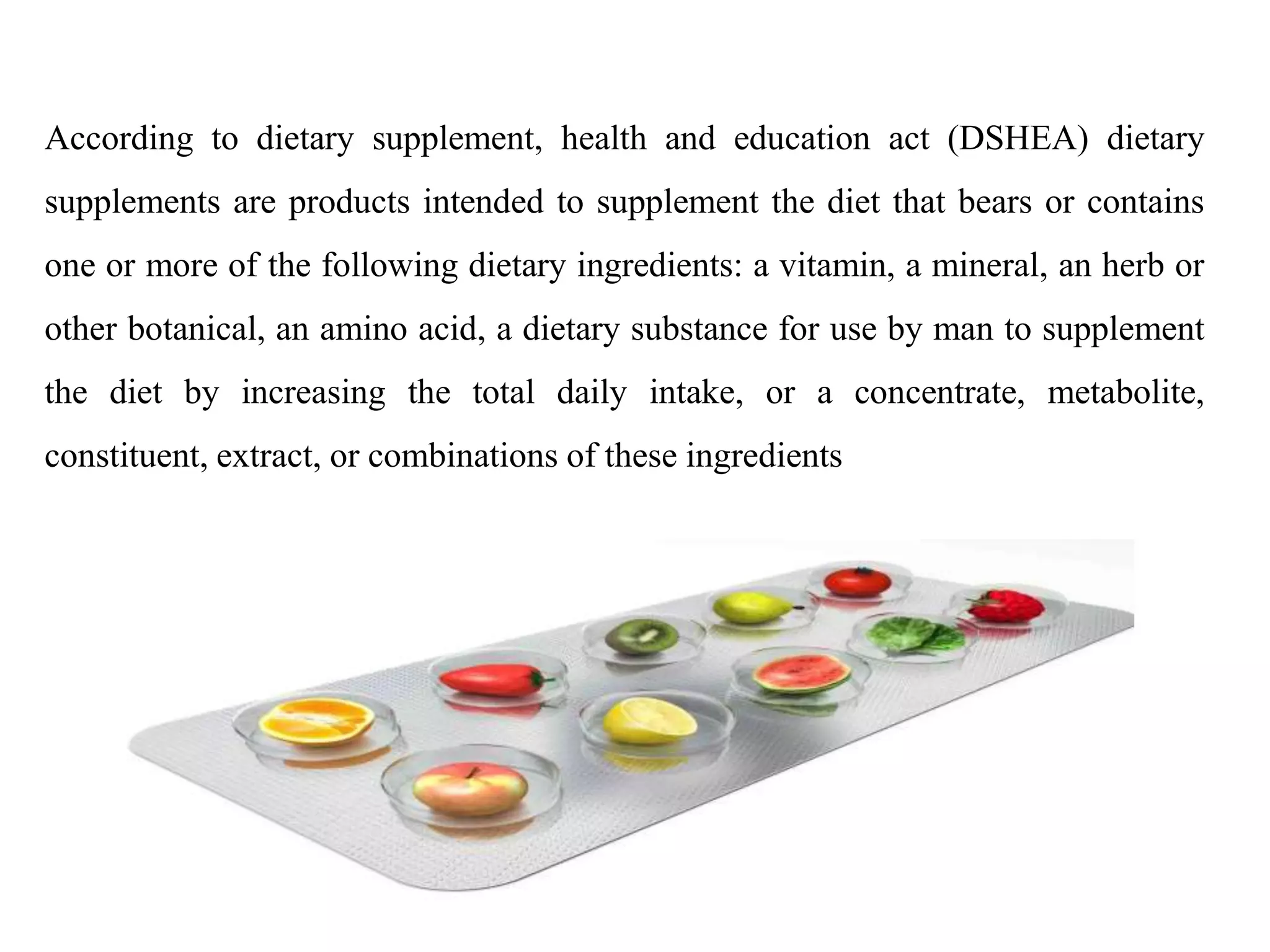
Nutraceutical, functional food ingredients and dietary supplements are important for
health promotion and disease risk reduction.
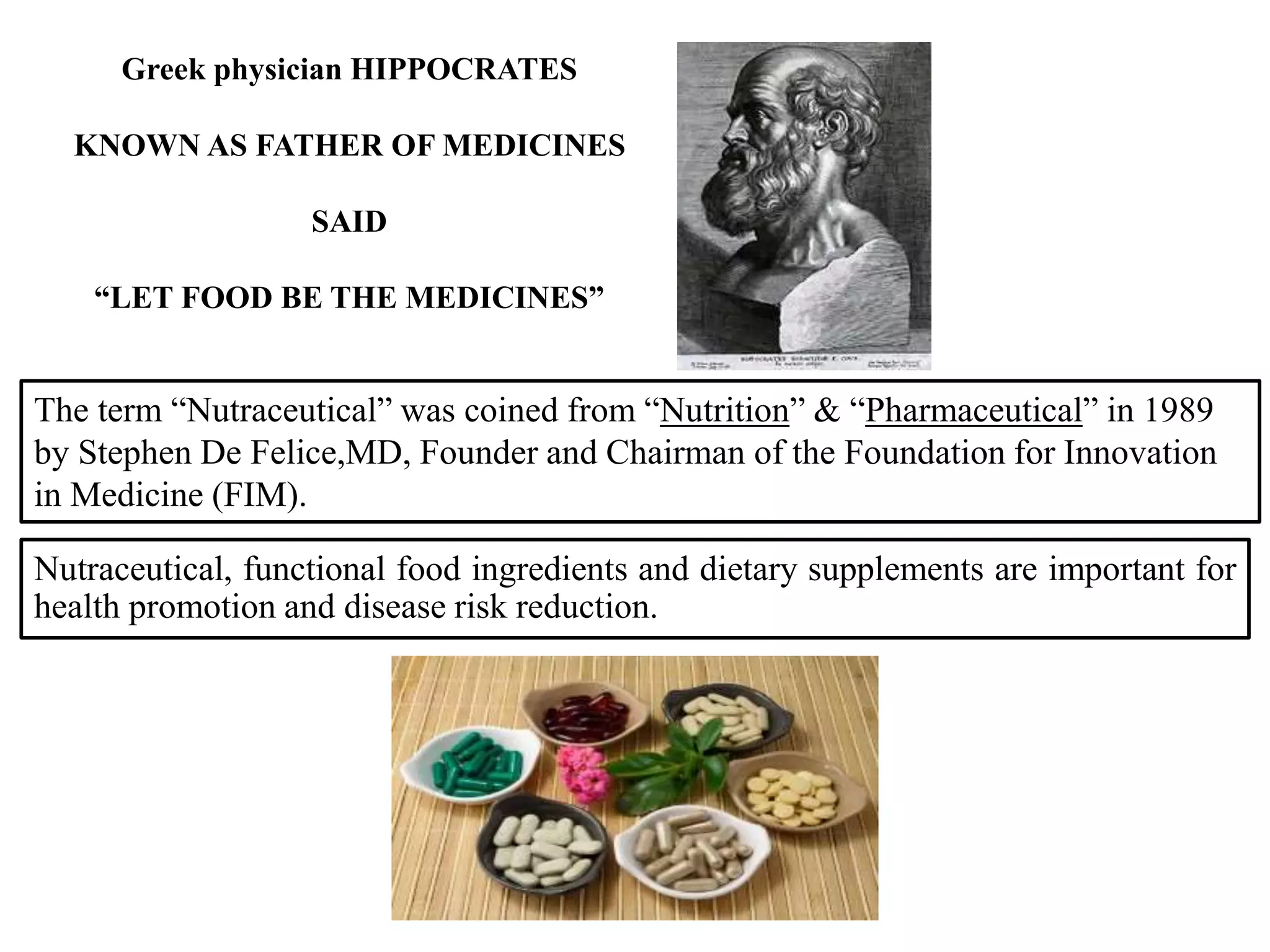
Greek physician HIPPOCRATES
KNOWN AS FATHER OF MEDICINES
SAID
“LET FOOD BE THE MEDICINES”
The term “Nutraceutical” was coined from “Nutrition” & “Pharmaceutical” in 1989
by Stephen De Felice,MD, Founder and Chairman of the Foundation for Innovation
in Medicine (FIM).
NUTRACEUTICALS
Nutrient and non-nutrient compounds in food that have health promoting, disease
prevents or medicinal properties are called Nutraceuticals.
NUTRACEUTICALS
“ A food or part of food or nutrient, that
provides health benefits, including the
prevention and treatment of a disease.”
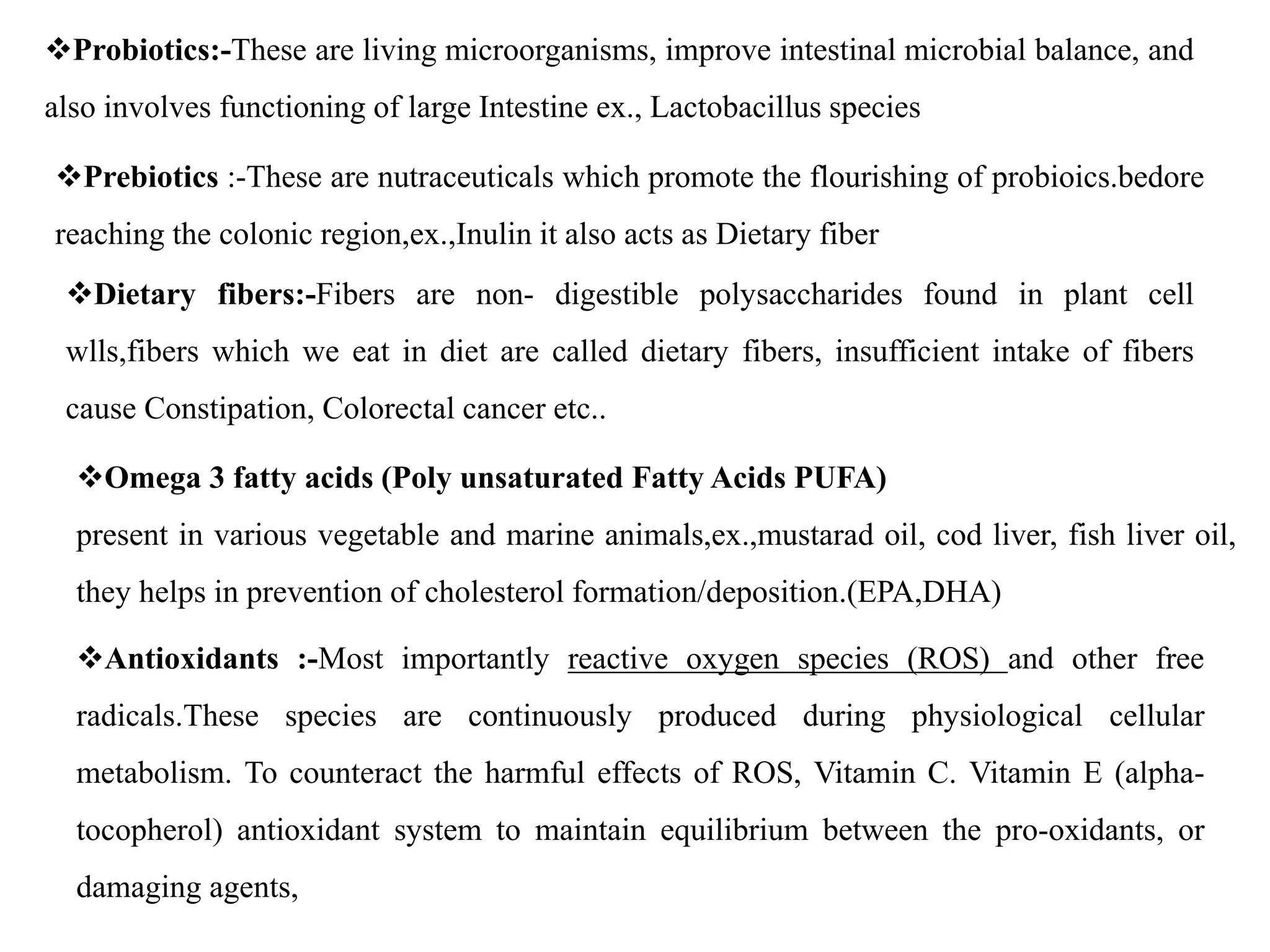
According to dietary supplement, health and education act (DSHEA) dietary
supplements are products intended to supplement the diet that bears or contains
one or more of the following dietary ingredients: a vitamin, a mineral, an herb or
other botanical, an amino acid, a dietary substance for use by man to supplement
the diet by increasing the total daily intake, or a concentrate, metabolite,
constituent, extract, or combinations of these ingredients
Nutraceuticals is a term used to describe any
product derived from food sources that provides
extra health benefits in addition to the basic
nutritional value found in foods. Products
typically claim to prevent chronic diseases,
improve health, delay the aging process, and
increase life expectancy.
Why nutraceuticals……………?
The regular consumption of synthetic drug may cause organ failure
and so many other after effects.
Numerous epidemiological studies suggest that the risks for many
chronic diseases are diet related and could be decreased significantly
through the change of dietary habits.
Prebiotics
Probiotics
Dietary fibers
Omega 3 fatty acids
Antioxidants
Nutraceuticals can be classified in to two groups-
Potential nutraceuticals. Established nutraceuticals.
TYPES
 Nutrients: Substances which have established
 Nutritional functions e.g. Vitamins, Minerals, Amino Acids, Fatty acids, etc.
 Herbals/ Phytochemicals: Herbs or Botanical products
Dietary Supplements
Probiotics:-These are living microorganisms, improve intestinal microbial balance, and
also involves functioning of large Intestine ex., Lactobacillus species
Prebiotics :-These are nutraceuticals which promote the flourishing of probioics.bedore
reaching the colonic region,ex.,Inulin it also acts as Dietary fiber
Dietary fibers:-Fibers are non- digestible polysaccharides found in plant cell
wlls,fibers which we eat in diet are called dietary fibers, insufficient intake of fibers
cause Constipation, Colorectal cancer etc..
Omega 3 fatty acids (Poly unsaturated Fatty Acids PUFA)
present in various vegetable and marine animals,ex.,mustarad oil, cod liver, fish liver oil,
they helps in prevention of cholesterol formation/deposition.(EPA,DHA)
Antioxidants :-Most importantly reactive oxygen species (ROS) and other free
radicals.These species are continuously produced during physiological cellular
metabolism. To counteract the harmful effects of ROS, Vitamin C. Vitamin E (alpha-
tocopherol) antioxidant system to maintain equilibrium between the pro-oxidants, or
damaging agents,
NUTRIENTS
Most common Nutrients used/ supplemented as Nutraceutical are:
Minerals and Vitamins.
or in combination
or in combination with other antioxidants
Fat Soluble Vitamins
Vitamin A: Acts as antioxidant, essential for growth and development, maintains
healthy vision, skin and mucous membranes,
 Vitamin D: Essential for formation of bones and teeth, helps the body to absorb
and use calcium
 Vitamin E: Antioxidant, helps to form blood cells, boosts immune system
 Vitamin K: Essential for blood clotting
Water Soluble Vitamins
 Vitamin C: Antioxidant, necessary for healthy bones, gums, teeth and skin.
Helps in wound healing, prevent from common cold
 Vitamin B 1: Helps in carbohydrate metabolism, essential for neurological
function.
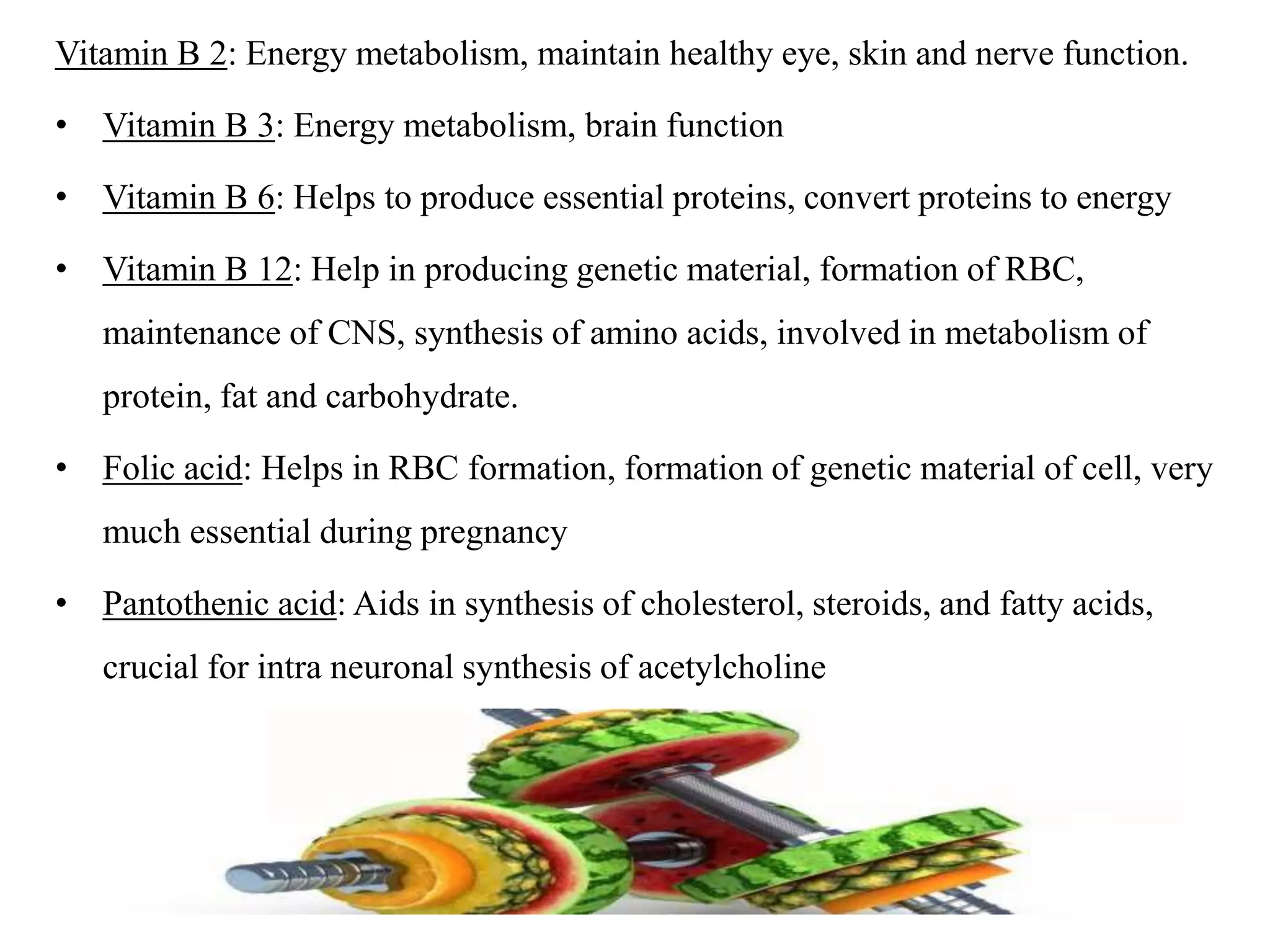
Vitamin B 2: Energy metabolism, maintain healthy eye, skin and nerve function.
• Vitamin B 3: Energy metabolism, brain function
• Vitamin B 6: Helps to produce essential proteins, convert proteins to energy
• Vitamin B 12: Help in producing genetic material, formation of RBC,
maintenance of CNS, synthesis of amino acids, involved in metabolism of
protein, fat and carbohydrate.
• Folic acid: Helps in RBC formation, formation of genetic material of cell, very
much essential during pregnancy
• Pantothenic acid: Aids in synthesis of cholesterol, steroids, and fatty acids,
crucial for intra neuronal synthesis of acetylcholine
Minerals:
• Calcium: essential for bone and teeth, maintaining bone strength, nerve,
muscle and glandular function, blood clotting,
• Iron: energy production, Hb, oxygen transport,
• Magnesium: for healthy nerve and muscle function, bone formation,
• Phosphorous: energy production, phosphorylation process, bone and teeth,
for genetic material,
• Cobalt: component of Vit. B 12 and B 12 coenzymes,
• Copper: Hb and collagen production, function of heart, energy production,
absorption of Iron,
• Iodine: proper function of Thyroid gland,
• Chromium: with insulin it helps in conversion of carbohydrate and fat into
energy, treatment of diabetes,
Selenium: Antioxidant, functioning of heart muscle, part of GPX enzyme,
Zinc: Essential for cell reproduction, for development in Neonates, wound healing,
production of sperm and testosterone hormone,
Herbals:
• Aloe vera: Anti-inflammatory, emollient, wound healing,
• Evening Primrose oil: Dietary supplement of linoleic acid, treatment of atopic
eczema,
• Garlic: Antibacterial, antifungal, antithrombotic, antiinflammatory,
• Ginger: carminative, antiemetic, treatment of dizziness
• Ginseng: Adaptogen,
• Green tea: Antioxidant, reduces risk of CVD, enhances humoral and cell
mediated Immunity,
• Vegetables, fruits, whole grain, herbs, nuts and various seeds contain an
abundance of phenolic compounds, terpenoids, sulphur compounds, pigments
etc.
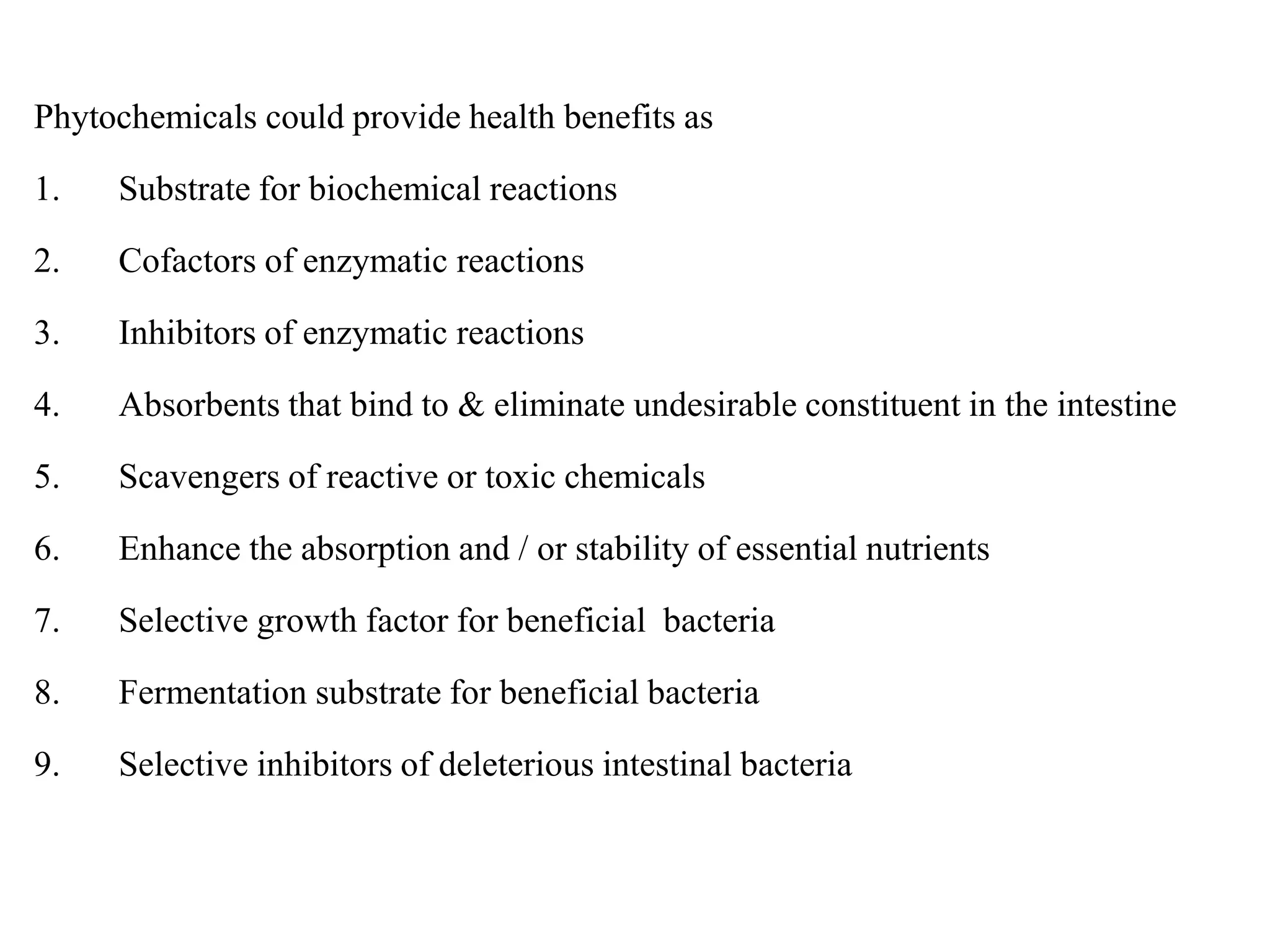
Phytochemicals could provide health benefits as
1. Substrate for biochemical reactions
2. Cofactors of enzymatic reactions
3. Inhibitors of enzymatic reactions
4. Absorbents that bind to & eliminate undesirable constituent in the intestine
5. Scavengers of reactive or toxic chemicals
6. Enhance the absorption and / or stability of essential nutrients
7. Selective growth factor for beneficial bacteria
8. Fermentation substrate for beneficial bacteria
9. Selective inhibitors of deleterious intestinal bacteria
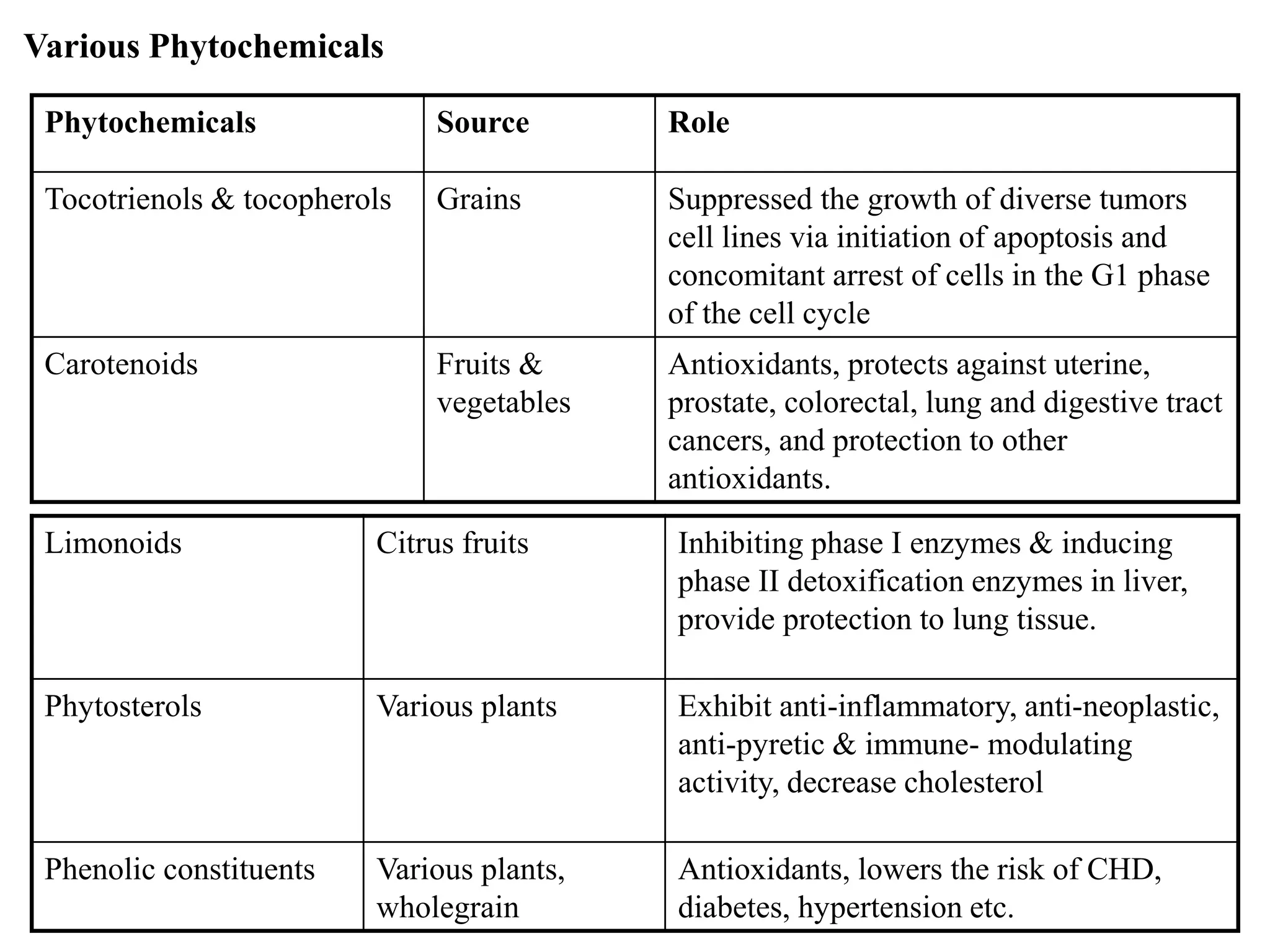
Various Phytochemicals
Phytochemicals Source Role
Tocotrienols & tocopherols Grains Suppressed the growth of diverse tumors
cell lines via initiation of apoptosis and
concomitant arrest of cells in the G1 phase
of the cell cycle
Carotenoids Fruits &
vegetables
Antioxidants, protects against uterine,
prostate, colorectal, lung and digestive tract
cancers, and protection to other
antioxidants.
Limonoids Citrus fruits Inhibiting phase I enzymes & inducing
phase II detoxification enzymes in liver,
provide protection to lung tissue.
Phytosterols Various plants Exhibit anti-inflammatory, anti-neoplastic,
anti-pyretic & immune- modulating
activity, decrease cholesterol
Phenolic constituents Various plants,
wholegrain
Antioxidants, lowers the risk of CHD,
diabetes, hypertension etc.
Flavanoids Grapes, wines Action against free radicals, free
radicals mediated cellular signaling,
inflammation, allergies, platelet
aggregation, & hepatotoxins
Catechin & gallic acids Grapes, berries, cocoa,
green tea, acacia spp.
Antioxidants, free radical scavenging
ability, inhibition of eicosanoid
synthesis, reduces CHD
Isoflavonoids Soybeans Treating cancers & osteoporosis
Anthocyanidins Fruits & flowers Antioxidants & anti-mutagenic
properties
Glucosinolates Cruciferous Activators of liver detoxification
enzymes, inhibit the neoplastic
effect of various carcinogens
Indoles Reduces estrogen-dependent
cancer risk,
Fiber Various vegetables, fruits, Protects against colorectal
diseases,
EXAMPLES OF FUNCTIONAL COMPONENTS
Class /
components
Source Potential benefit
1. Fatty acids Milk & Meat Improve body
composition, reduce
cancers
n-3 FA(DHA,
EPA)
Fish oils, berseem & maize
fodder,mustard,linseed,rapese
ed
Reduce CVD & improve
mental, visual function
2. Polyphenols
Anthocyanidine Fruits Nutralises free radicals,
reduce risk of cancerCatechins Tea,babul pods,mustard
cake,rape seed,salseed
Flavonone Citrus
Flavones Fruits, vegetables,soya bean
proanthocyanidine Cocoa, chocolate,tea,rape seed Reduce CVD
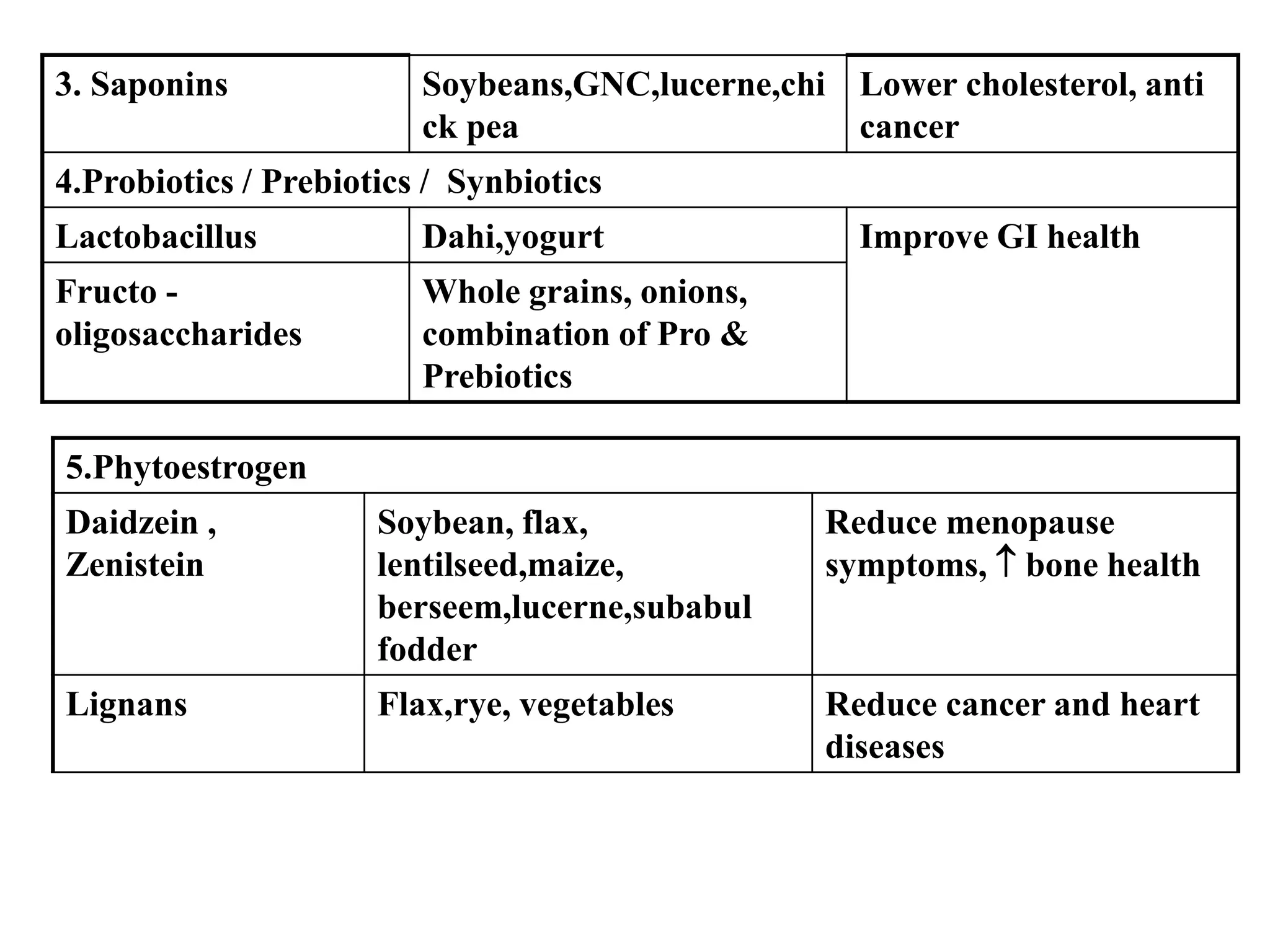
3. Saponins Soybeans,GNC,lucerne,chi
ck pea
Lower cholesterol, anti
cancer
4.Probiotics / Prebiotics / Synbiotics
Lactobacillus Dahi,yogurt Improve GI health
Fructo -
oligosaccharides
Whole grains, onions,
combination of Pro &
Prebiotics
5.Phytoestrogen
Daidzein ,
Zenistein
Soybean, flax,
lentilseed,maize,
berseem,lucerne,subabul
fodder
Reduce menopause
symptoms,  bone health
Lignans Flax,rye, vegetables Reduce cancer and heart
diseases
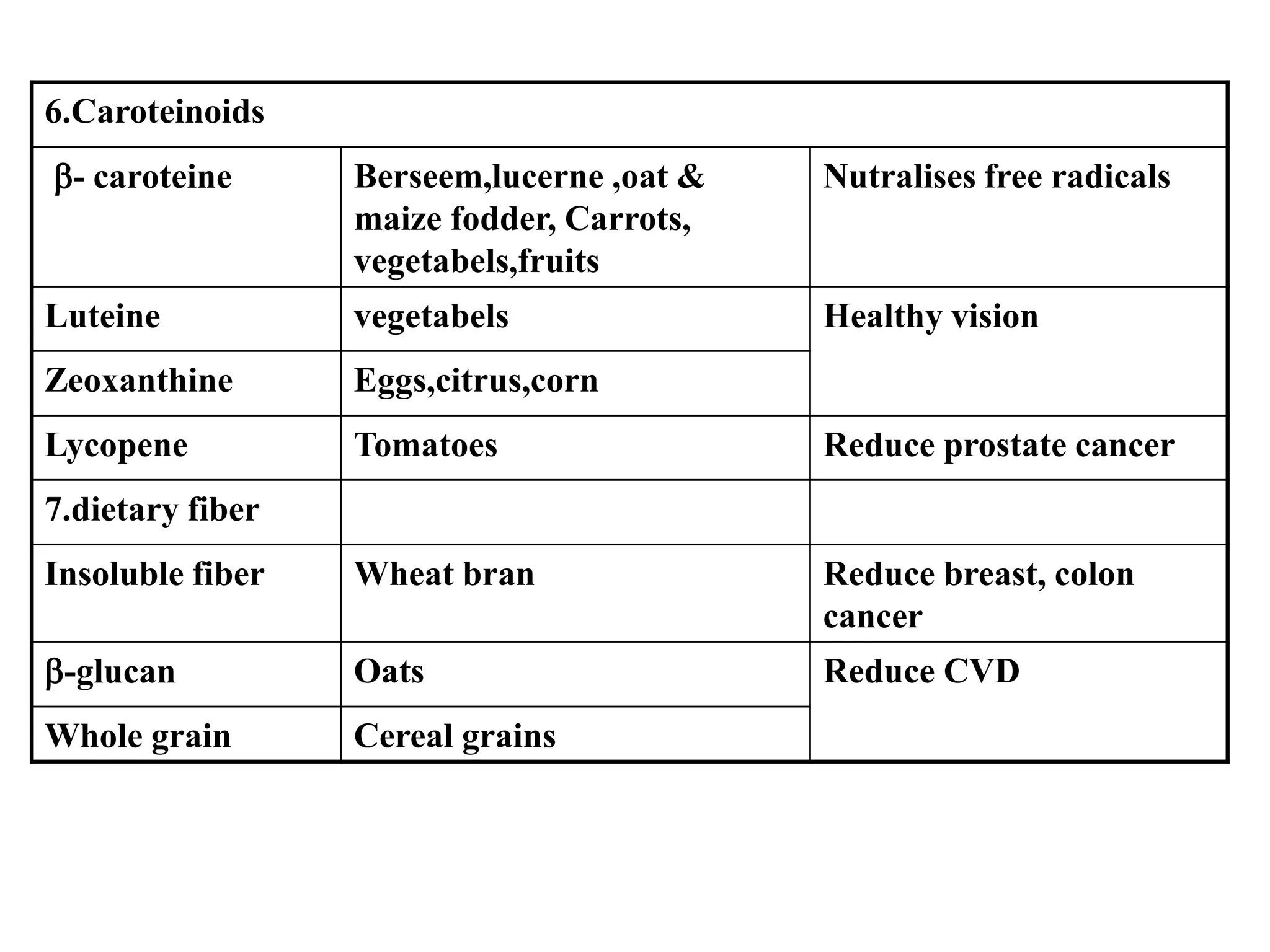
6.Caroteinoids
- caroteine Berseem,lucerne ,oat &
maize fodder, Carrots,
vegetabels,fruits
Nutralises free radicals
Luteine vegetabels Healthy vision
Zeoxanthine Eggs,citrus,corn
Lycopene Tomatoes Reduce prostate cancer
7.dietary fiber
Insoluble fiber Wheat bran Reduce breast, colon
cancer
-glucan Oats Reduce CVD
Whole grain Cereal grains
S.NO NUTRACEUTICAL SOURCE CONSTITUENTS USES
1. Garlic Ripe bulbs of
Allium
Sativum,Liliaceae
Allin,Allicin, Amoebic
dysentery,rubefacie
nt,condimentexpect
orant,
2 Blue green
algae
Spiruelina platensis
Oscillatoriace
Protiens,lipids,
Carbohydrates,vitamin
s
Antiviral,Anti-
HIV,Anti cancer
3 Soya Seeds of Glycine
soja ,Leguminaceae.
Protiens ,fats,Omega 3
fatty acids.
Soya milk is rich
nutrient,used to
treat brest and
prostate cancers
4 Royal jelly Salivery secretion
of Apis
mellifera,Apidae
Essential amini
acids,vitamins,
carbohydrates.
Antiageing agent,
nutrient suppliment,
health onic
Garlic Blue green algae Soya Royal jelly
THANK YOU

Nutrceuticals

  • 1.
    K.Sudheer Kumar, Assistant professor. Dept.ofPharmacognosy Chilkur Balaji college of Pharmacy Hyderabad. E-mail:sudheer.y2k8@gmail.com NUTRACEUTICALS
  • 2.
    Nutraceutical, functional foodingredients and dietary supplements are important for health promotion and disease risk reduction. Greek physician HIPPOCRATES KNOWN AS FATHER OF MEDICINES SAID “LET FOOD BE THE MEDICINES” The term “Nutraceutical” was coined from “Nutrition” & “Pharmaceutical” in 1989 by Stephen De Felice,MD, Founder and Chairman of the Foundation for Innovation in Medicine (FIM).
  • 3.
    NUTRACEUTICALS Nutrient and non-nutrientcompounds in food that have health promoting, disease prevents or medicinal properties are called Nutraceuticals. NUTRACEUTICALS “ A food or part of food or nutrient, that provides health benefits, including the prevention and treatment of a disease.”
  • 4.
    According to dietarysupplement, health and education act (DSHEA) dietary supplements are products intended to supplement the diet that bears or contains one or more of the following dietary ingredients: a vitamin, a mineral, an herb or other botanical, an amino acid, a dietary substance for use by man to supplement the diet by increasing the total daily intake, or a concentrate, metabolite, constituent, extract, or combinations of these ingredients
  • 5.
    Nutraceuticals is aterm used to describe any product derived from food sources that provides extra health benefits in addition to the basic nutritional value found in foods. Products typically claim to prevent chronic diseases, improve health, delay the aging process, and increase life expectancy.
  • 6.
    Why nutraceuticals……………? The regularconsumption of synthetic drug may cause organ failure and so many other after effects. Numerous epidemiological studies suggest that the risks for many chronic diseases are diet related and could be decreased significantly through the change of dietary habits.
  • 7.
    Prebiotics Probiotics Dietary fibers Omega 3fatty acids Antioxidants Nutraceuticals can be classified in to two groups- Potential nutraceuticals. Established nutraceuticals. TYPES  Nutrients: Substances which have established  Nutritional functions e.g. Vitamins, Minerals, Amino Acids, Fatty acids, etc.  Herbals/ Phytochemicals: Herbs or Botanical products Dietary Supplements
  • 8.
    Probiotics:-These are livingmicroorganisms, improve intestinal microbial balance, and also involves functioning of large Intestine ex., Lactobacillus species Prebiotics :-These are nutraceuticals which promote the flourishing of probioics.bedore reaching the colonic region,ex.,Inulin it also acts as Dietary fiber Dietary fibers:-Fibers are non- digestible polysaccharides found in plant cell wlls,fibers which we eat in diet are called dietary fibers, insufficient intake of fibers cause Constipation, Colorectal cancer etc.. Omega 3 fatty acids (Poly unsaturated Fatty Acids PUFA) present in various vegetable and marine animals,ex.,mustarad oil, cod liver, fish liver oil, they helps in prevention of cholesterol formation/deposition.(EPA,DHA) Antioxidants :-Most importantly reactive oxygen species (ROS) and other free radicals.These species are continuously produced during physiological cellular metabolism. To counteract the harmful effects of ROS, Vitamin C. Vitamin E (alpha- tocopherol) antioxidant system to maintain equilibrium between the pro-oxidants, or damaging agents,
  • 9.
    NUTRIENTS Most common Nutrientsused/ supplemented as Nutraceutical are: Minerals and Vitamins. or in combination or in combination with other antioxidants
  • 10.
    Fat Soluble Vitamins VitaminA: Acts as antioxidant, essential for growth and development, maintains healthy vision, skin and mucous membranes,  Vitamin D: Essential for formation of bones and teeth, helps the body to absorb and use calcium  Vitamin E: Antioxidant, helps to form blood cells, boosts immune system  Vitamin K: Essential for blood clotting Water Soluble Vitamins  Vitamin C: Antioxidant, necessary for healthy bones, gums, teeth and skin. Helps in wound healing, prevent from common cold  Vitamin B 1: Helps in carbohydrate metabolism, essential for neurological function.
  • 11.
    Vitamin B 2:Energy metabolism, maintain healthy eye, skin and nerve function. • Vitamin B 3: Energy metabolism, brain function • Vitamin B 6: Helps to produce essential proteins, convert proteins to energy • Vitamin B 12: Help in producing genetic material, formation of RBC, maintenance of CNS, synthesis of amino acids, involved in metabolism of protein, fat and carbohydrate. • Folic acid: Helps in RBC formation, formation of genetic material of cell, very much essential during pregnancy • Pantothenic acid: Aids in synthesis of cholesterol, steroids, and fatty acids, crucial for intra neuronal synthesis of acetylcholine
  • 12.
    Minerals: • Calcium: essentialfor bone and teeth, maintaining bone strength, nerve, muscle and glandular function, blood clotting, • Iron: energy production, Hb, oxygen transport, • Magnesium: for healthy nerve and muscle function, bone formation, • Phosphorous: energy production, phosphorylation process, bone and teeth, for genetic material, • Cobalt: component of Vit. B 12 and B 12 coenzymes, • Copper: Hb and collagen production, function of heart, energy production, absorption of Iron, • Iodine: proper function of Thyroid gland, • Chromium: with insulin it helps in conversion of carbohydrate and fat into energy, treatment of diabetes,
  • 13.
    Selenium: Antioxidant, functioningof heart muscle, part of GPX enzyme, Zinc: Essential for cell reproduction, for development in Neonates, wound healing, production of sperm and testosterone hormone,
  • 14.
    Herbals: • Aloe vera:Anti-inflammatory, emollient, wound healing, • Evening Primrose oil: Dietary supplement of linoleic acid, treatment of atopic eczema, • Garlic: Antibacterial, antifungal, antithrombotic, antiinflammatory, • Ginger: carminative, antiemetic, treatment of dizziness • Ginseng: Adaptogen, • Green tea: Antioxidant, reduces risk of CVD, enhances humoral and cell mediated Immunity, • Vegetables, fruits, whole grain, herbs, nuts and various seeds contain an abundance of phenolic compounds, terpenoids, sulphur compounds, pigments etc.
  • 15.
    Phytochemicals could providehealth benefits as 1. Substrate for biochemical reactions 2. Cofactors of enzymatic reactions 3. Inhibitors of enzymatic reactions 4. Absorbents that bind to & eliminate undesirable constituent in the intestine 5. Scavengers of reactive or toxic chemicals 6. Enhance the absorption and / or stability of essential nutrients 7. Selective growth factor for beneficial bacteria 8. Fermentation substrate for beneficial bacteria 9. Selective inhibitors of deleterious intestinal bacteria
  • 16.
    Various Phytochemicals Phytochemicals SourceRole Tocotrienols & tocopherols Grains Suppressed the growth of diverse tumors cell lines via initiation of apoptosis and concomitant arrest of cells in the G1 phase of the cell cycle Carotenoids Fruits & vegetables Antioxidants, protects against uterine, prostate, colorectal, lung and digestive tract cancers, and protection to other antioxidants. Limonoids Citrus fruits Inhibiting phase I enzymes & inducing phase II detoxification enzymes in liver, provide protection to lung tissue. Phytosterols Various plants Exhibit anti-inflammatory, anti-neoplastic, anti-pyretic & immune- modulating activity, decrease cholesterol Phenolic constituents Various plants, wholegrain Antioxidants, lowers the risk of CHD, diabetes, hypertension etc.
  • 17.
    Flavanoids Grapes, winesAction against free radicals, free radicals mediated cellular signaling, inflammation, allergies, platelet aggregation, & hepatotoxins Catechin & gallic acids Grapes, berries, cocoa, green tea, acacia spp. Antioxidants, free radical scavenging ability, inhibition of eicosanoid synthesis, reduces CHD Isoflavonoids Soybeans Treating cancers & osteoporosis Anthocyanidins Fruits & flowers Antioxidants & anti-mutagenic properties Glucosinolates Cruciferous Activators of liver detoxification enzymes, inhibit the neoplastic effect of various carcinogens Indoles Reduces estrogen-dependent cancer risk, Fiber Various vegetables, fruits, Protects against colorectal diseases,
  • 18.
    EXAMPLES OF FUNCTIONALCOMPONENTS Class / components Source Potential benefit 1. Fatty acids Milk & Meat Improve body composition, reduce cancers n-3 FA(DHA, EPA) Fish oils, berseem & maize fodder,mustard,linseed,rapese ed Reduce CVD & improve mental, visual function 2. Polyphenols Anthocyanidine Fruits Nutralises free radicals, reduce risk of cancerCatechins Tea,babul pods,mustard cake,rape seed,salseed Flavonone Citrus Flavones Fruits, vegetables,soya bean proanthocyanidine Cocoa, chocolate,tea,rape seed Reduce CVD
  • 19.
    3. Saponins Soybeans,GNC,lucerne,chi ckpea Lower cholesterol, anti cancer 4.Probiotics / Prebiotics / Synbiotics Lactobacillus Dahi,yogurt Improve GI health Fructo - oligosaccharides Whole grains, onions, combination of Pro & Prebiotics 5.Phytoestrogen Daidzein , Zenistein Soybean, flax, lentilseed,maize, berseem,lucerne,subabul fodder Reduce menopause symptoms,  bone health Lignans Flax,rye, vegetables Reduce cancer and heart diseases
  • 20.
    6.Caroteinoids - caroteine Berseem,lucerne,oat & maize fodder, Carrots, vegetabels,fruits Nutralises free radicals Luteine vegetabels Healthy vision Zeoxanthine Eggs,citrus,corn Lycopene Tomatoes Reduce prostate cancer 7.dietary fiber Insoluble fiber Wheat bran Reduce breast, colon cancer -glucan Oats Reduce CVD Whole grain Cereal grains
  • 21.
    S.NO NUTRACEUTICAL SOURCECONSTITUENTS USES 1. Garlic Ripe bulbs of Allium Sativum,Liliaceae Allin,Allicin, Amoebic dysentery,rubefacie nt,condimentexpect orant, 2 Blue green algae Spiruelina platensis Oscillatoriace Protiens,lipids, Carbohydrates,vitamin s Antiviral,Anti- HIV,Anti cancer 3 Soya Seeds of Glycine soja ,Leguminaceae. Protiens ,fats,Omega 3 fatty acids. Soya milk is rich nutrient,used to treat brest and prostate cancers 4 Royal jelly Salivery secretion of Apis mellifera,Apidae Essential amini acids,vitamins, carbohydrates. Antiageing agent, nutrient suppliment, health onic Garlic Blue green algae Soya Royal jelly
  • 22.