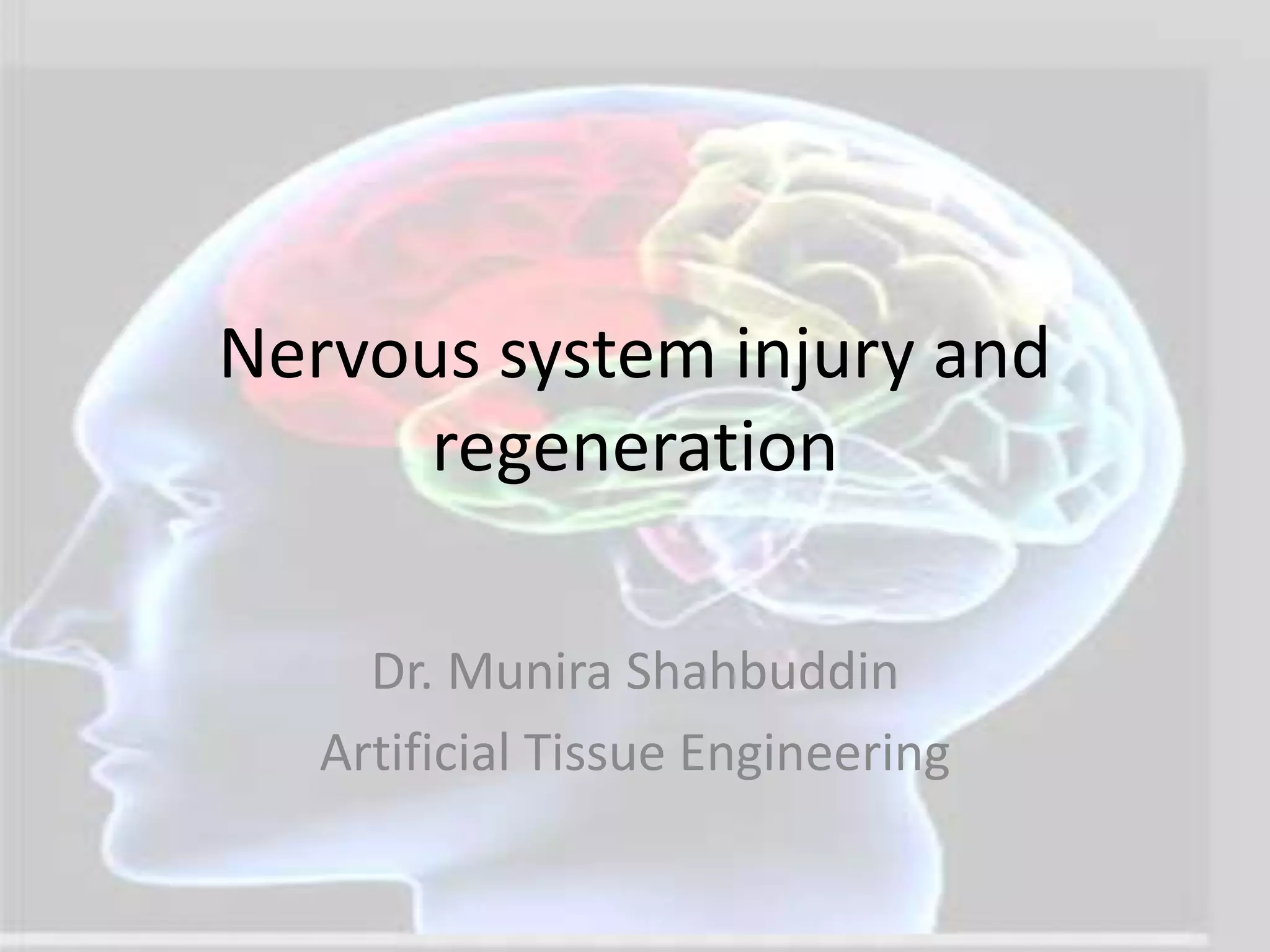
Nervous system injury and
regeneration
Dr. Munira Shahbuddin
Artificial Tissue Engineering
Nervous System Injury
and Regeneration
• The nervous system in vertebrates is composed of
two main divisions: the peripheral nervous system
(PNS) and the central nervous system (CNS). The
CNS includes the brain and the spinal cord; the PNS
contains the cranial, spinal, and autonomic nerves,
which (along with their branches) connect to the
CNS
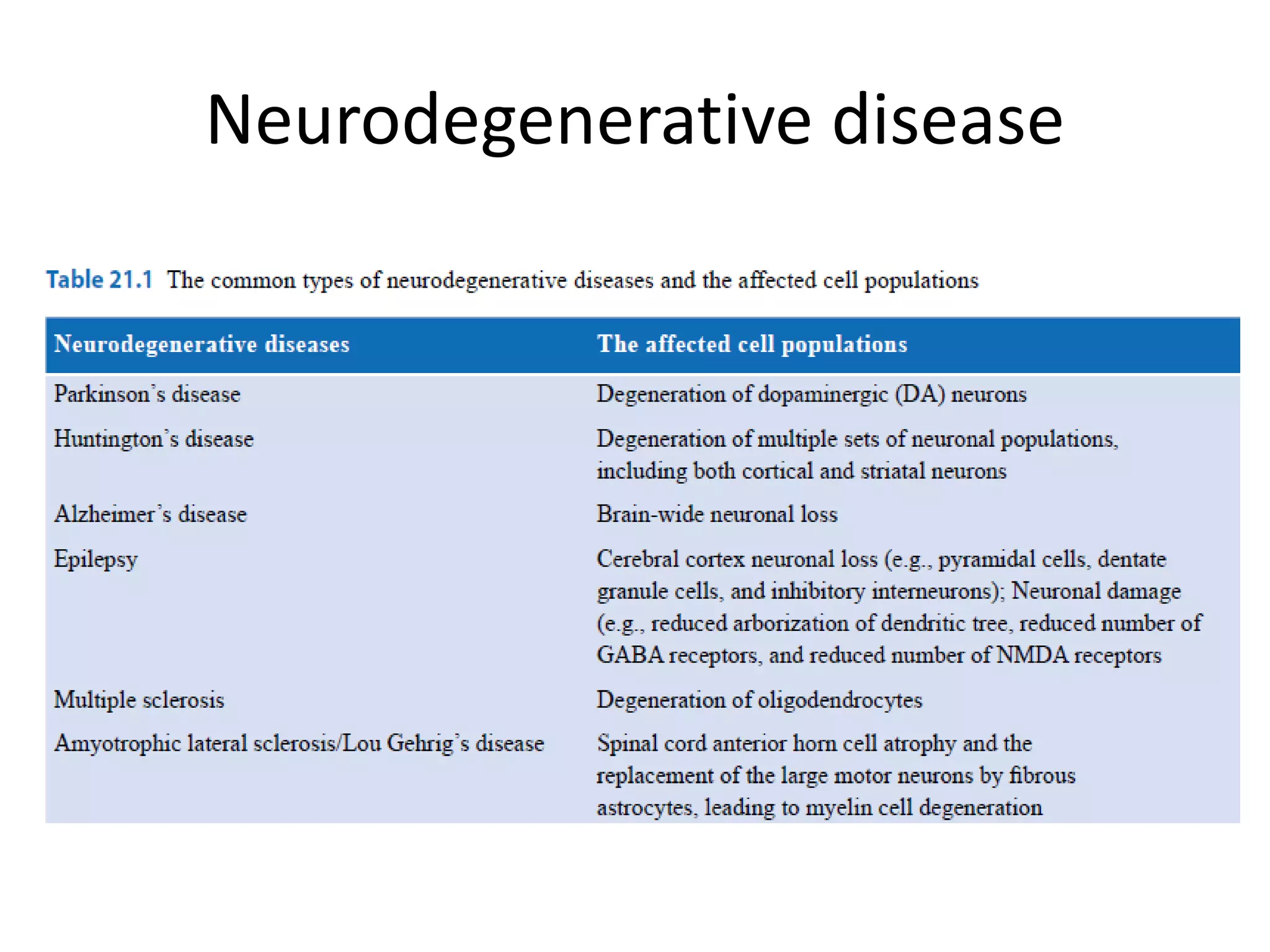
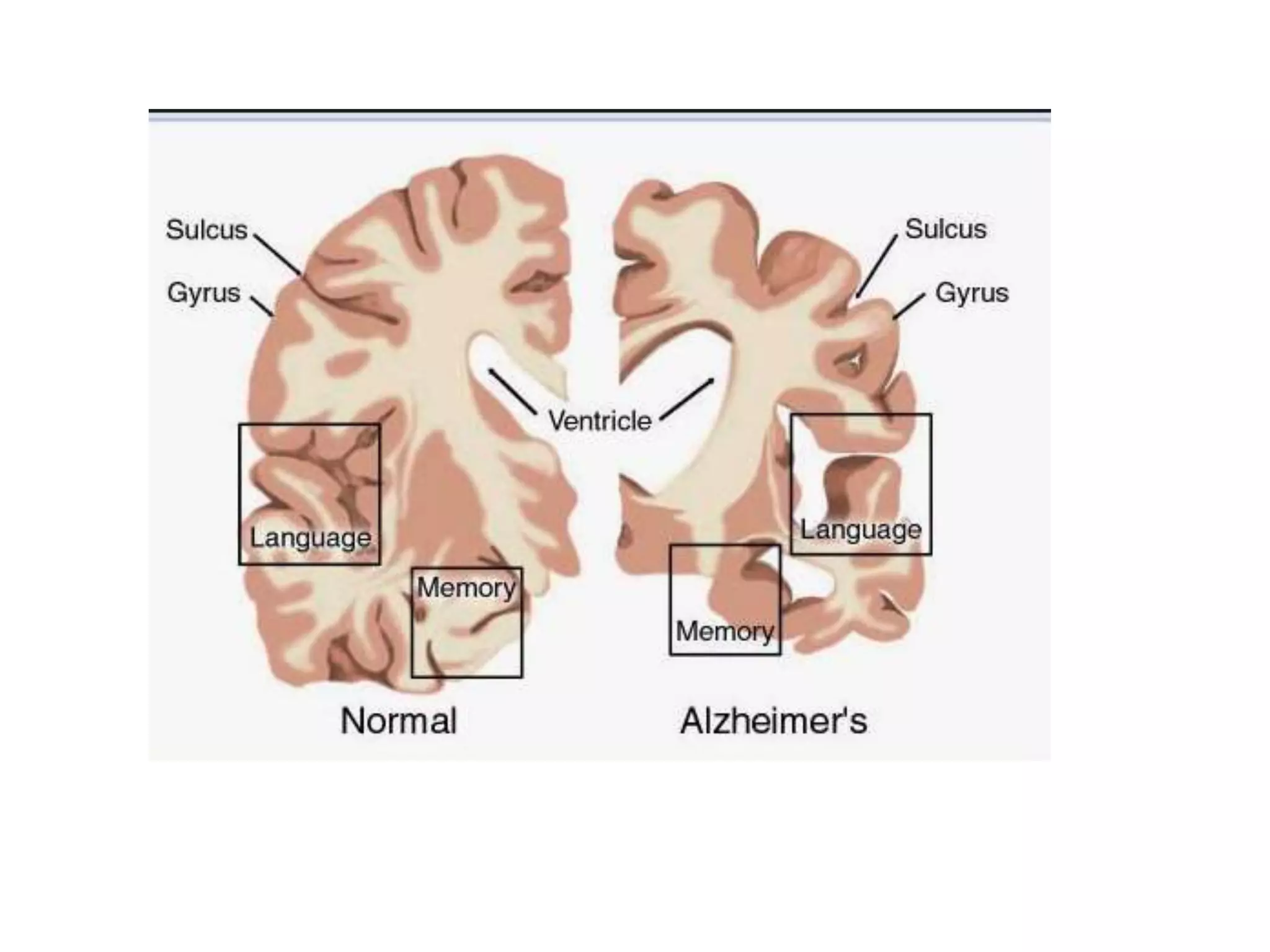
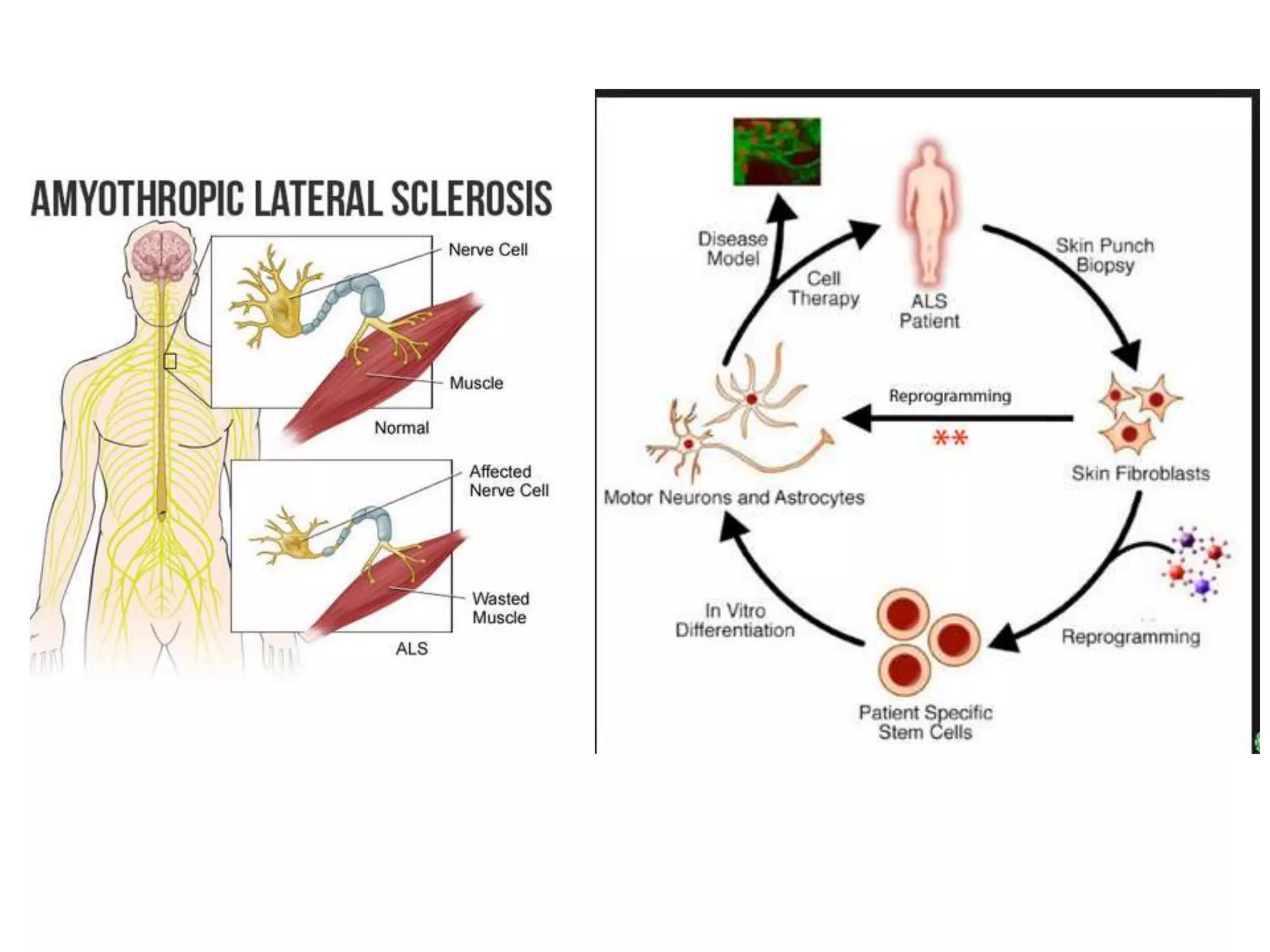
Neurodegenerative disease
• Damage to the nervous system can occur due to
ischemic, chemical, mechanical, or thermal
factors.
• In addition to triggering a variety of cellular and
molecular events, these insults may lead to
transection
of nerves, interruption of communications
between nerve cell bodies and their supporting
cells, disruption of the interrelations between
neurons and their supporting cells, and the
disruption of the blood nerve barrier.
• In the CNS, axons do not regenerate in their
native environment in response to injury.
Myelin debris and other types of
glycoproteins at the injury site are inhibitory
for axonal regeneration. The presence of the
blood-brain barrier retards the migration of
macrophages to the injury site for debris
clearance.
• Glial cells, such as astrocytes, do not provide
trophic support for axonal regeneration.
• The ability of nerves to regenerate is highly
dependent on the location of the damage,
whether it is on the nerve tract that connects
PNS to PNS, CNS to CNS, or PNS to CNS.
Tissue Engineering Strategies
for Nervous System Repair
• Use of nerve guidance channels is a promising
nerve graft alternative.
• A variety of channels presenting physical,
chemical, mechanical, and biological guidance
cues to regenerating nerves have been
developed with the potential for nerve repair
following PNS and spinal cord injuries, and
neurodegenerative pathologies [e.g.,
Parkinson’s disease (PD)]
TE strategies
• Tissue engineering strategies for nervous
system repair can be separated into four
categories.
• These include axonal guidance devices, cell
population recovery, drug delivery, and
electrical stimulation.
Repairing damaged brain
• The scientists genetically modified retroviruses to carry genes for
the transcription factor Sox2, which is known to play an important
role in the development of stem cells. The team injected the viruses
into the damaged brains of mice, where they incorporated the
genetic information into cells.
• This transformed adult NG2 glia cells (which normally help maintain
the physical structure of the brain and supply it with nutrients) into
neurons. The new neurons only grew in the injured areas and did
not grow in the brains of uninjured mice.
• By measuring the electrical conductance of the new cells, the
scientists were able to confirm that the new neurons had been
incorporated into the brain’s neural networks and could receive
signals.
• Tissue engineering approaches hold great
promise for neural tissue repair/regeneration.
Advances in developmental biology,
biomaterials, cell and molecular biology, and
neuroscience have furthered our
understanding of the neural tissue formation
process and environmental cues necessary for
neural tissue regeneration.
• Mimicry of these biological, chemical and
mechanical cues by creating cell-scaffold
constructs based on tissue engineering
principles would direct and accelerate the
tissue regeneration process, leading to
enhanced anatomical reconstruction and
functional restoration.
Nervous system injury and regeneration

Nervous system injury and regeneration

  • 1.
    Nervous system injuryand regeneration Dr. Munira Shahbuddin Artificial Tissue Engineering
  • 2.
    Nervous System Injury andRegeneration • The nervous system in vertebrates is composed of two main divisions: the peripheral nervous system (PNS) and the central nervous system (CNS). The CNS includes the brain and the spinal cord; the PNS contains the cranial, spinal, and autonomic nerves, which (along with their branches) connect to the CNS
  • 3.
  • 4.
    • Damage tothe nervous system can occur due to ischemic, chemical, mechanical, or thermal factors. • In addition to triggering a variety of cellular and molecular events, these insults may lead to transection of nerves, interruption of communications between nerve cell bodies and their supporting cells, disruption of the interrelations between neurons and their supporting cells, and the disruption of the blood nerve barrier.
  • 7.
    • In theCNS, axons do not regenerate in their native environment in response to injury. Myelin debris and other types of glycoproteins at the injury site are inhibitory for axonal regeneration. The presence of the blood-brain barrier retards the migration of macrophages to the injury site for debris clearance. • Glial cells, such as astrocytes, do not provide trophic support for axonal regeneration.
  • 8.
    • The abilityof nerves to regenerate is highly dependent on the location of the damage, whether it is on the nerve tract that connects PNS to PNS, CNS to CNS, or PNS to CNS.
  • 10.
    Tissue Engineering Strategies forNervous System Repair • Use of nerve guidance channels is a promising nerve graft alternative. • A variety of channels presenting physical, chemical, mechanical, and biological guidance cues to regenerating nerves have been developed with the potential for nerve repair following PNS and spinal cord injuries, and neurodegenerative pathologies [e.g., Parkinson’s disease (PD)]
  • 11.
    TE strategies • Tissueengineering strategies for nervous system repair can be separated into four categories. • These include axonal guidance devices, cell population recovery, drug delivery, and electrical stimulation.
  • 15.
    Repairing damaged brain •The scientists genetically modified retroviruses to carry genes for the transcription factor Sox2, which is known to play an important role in the development of stem cells. The team injected the viruses into the damaged brains of mice, where they incorporated the genetic information into cells. • This transformed adult NG2 glia cells (which normally help maintain the physical structure of the brain and supply it with nutrients) into neurons. The new neurons only grew in the injured areas and did not grow in the brains of uninjured mice. • By measuring the electrical conductance of the new cells, the scientists were able to confirm that the new neurons had been incorporated into the brain’s neural networks and could receive signals.
  • 16.
    • Tissue engineeringapproaches hold great promise for neural tissue repair/regeneration. Advances in developmental biology, biomaterials, cell and molecular biology, and neuroscience have furthered our understanding of the neural tissue formation process and environmental cues necessary for neural tissue regeneration.
  • 17.
    • Mimicry ofthese biological, chemical and mechanical cues by creating cell-scaffold constructs based on tissue engineering principles would direct and accelerate the tissue regeneration process, leading to enhanced anatomical reconstruction and functional restoration.