Intestinal regeneration biology
approach
Dr. Munira Shahbuddin
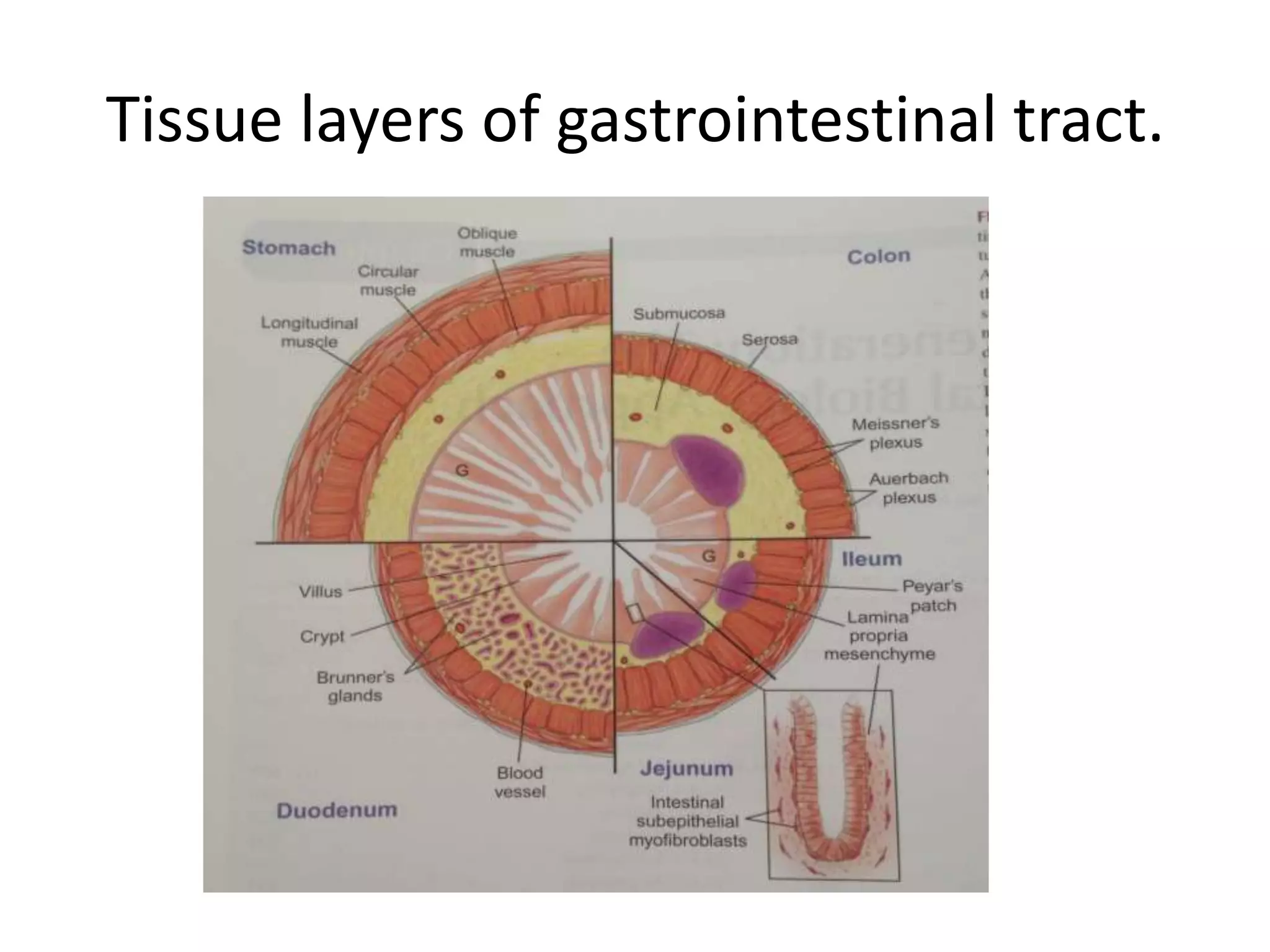
Tissue layers of gastrointestinal tract.
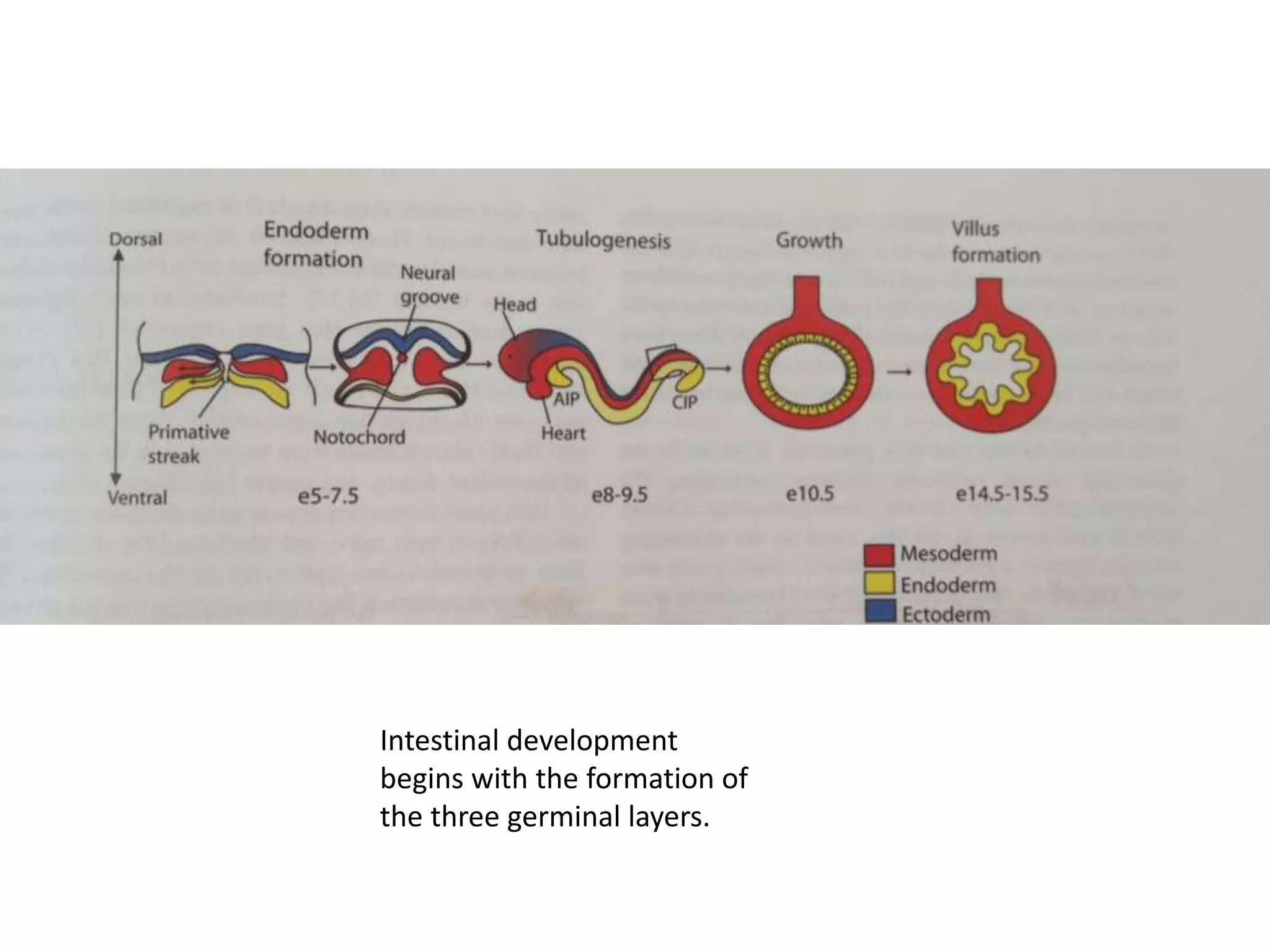
Intestinal development
Intestinal development from birth to adult
Intestinal development
begins with the formation of
the three germinal layers.
Various transcriptional factors associated with various region of
the digestive tract
Hirshsprung disease
• Hirschsprung's disease (HD) is a disorder of the
abdomen that occurs when part or all of the large
intestine or antecedent parts of
the gastrointestinal tract have no ganglion cells
and therefore cannot function. During normal
fetal development, cells from the neural
crest migrate into the large intestine (colon) to
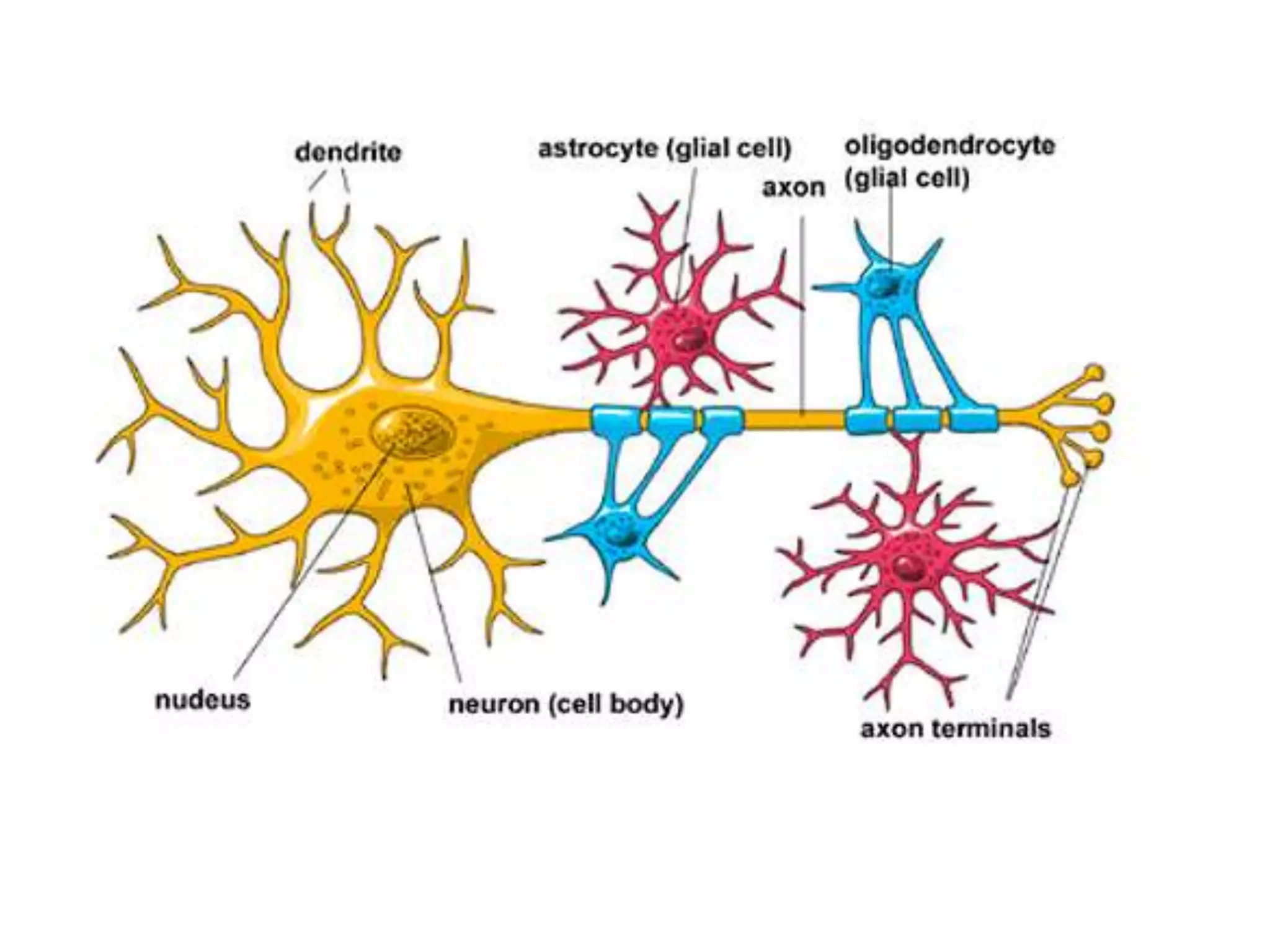
form the networks of nerves called Auerbach's
plexus and Meissner's plexus. In Hirschsprung's
disease, the migration is not complete and part of
the colon lacks these nerve bodies that regulate
the activity of the colon.
Introduction to NSC transplantation
• The source of stem cells it the outmost important
in the transplantation.
• NSC transplantation is driven by two significant
findings:
1. Neuronal progenitor cells can be isolated from
adult mammalian gut, including ganglionated
colon of Hirschsprung’s patient
2. Progenitor cells can be induced to differentiate
into several neuronal subtypes and glia
characteristics.
Sources of smooth muscle and
neuronal stem and progenitor cells
• In order to avoid immunosuppressive regiments,
autologous stem cells sources are ideal.
• Bone marrow derived stem cells have been
demonstrated to assume vascular and bladder smooth
muscle phenotypes and have been widely used in
regenerative medicine.
• Muscle derived stem cells can differentiate into
myotubes as well as smooth muscle phenotypes.
• Within the postnatal gut, interstitial cells of Cajal have
been shown to transdifferentiate into smooth muscle
cells upon blockade of Kit signalling.
ENS as a source of Neural Crest Stem
and Progenitor Cells
• The ENS is populated by migrating cells derived
from the neural crest. Neural stem or progenitor
cells have been isolated from embryonic, fetal,
post natal and adult rodent guts.
• Enteric stem and progenitor cells have also been
isolated from human full
thickness/muscularis/mucosal gut biopsies.
• Neural progenitor stem cells also been isolated
from ganglionated colons of Hirshsprung’s
patients.
What are the differences between
stem and progenitor cells?
Regenerating organogenesis
• Vertebrate intestinal regeneration in adults
• Mucosal development
• Intestinal mucosal development takes place
broadly through two processes:
• (1) morphogenesis, during which interactions
occur between the embryonic endoderm and the
mesenchyme to form the tubular foregut, midgut,
and hindgut, which then differentiate intocrypts
and villi;
• (2) crypt differentiation of epithelial stem cells into
four intestinal cell types (enterocytes, goblet cells,
enteroendocrine cells, and Paneth cells).
Epimorphin expression in the colon. A Immunostaining for epimorphin
expression in the colon. Two-color
immunofluorescence was used to determine a-smooth muscle actin (SMA)
expression (green) and epimorphin expression (red).
Cells showing the coexpression of a-SMA and epimorphin are visualized by a
yellow color
Inflammatory responses
Immunologic functions, which may be important in the
pathogenesis of IBD, have not been fully investigated
in SEMFs. In many tissues, inflammatory responses
are regulated in close association with the regulation
of ECM metabolism. For example, in colonic SEMFs,
coupled induction of chemokines [IL-8 and monocyte
chemoattractant protein (MCP)-1] and MMPs in response
to IL-1b and TNF-a has been observed
Fig. 5A–C. Bone marrow-derived
SEMFs in the noninflamed
(A, B) and inflamed (C) colonic
mucosa. The Y chromosome
is detected as a brown dot in the cell
nucleus (arrows). Red
staining of the cytoplasm reflects
positivity for a-SMA.

Intestinal regeneration biology approach

  • 3.
  • 4.
    Tissue layers ofgastrointestinal tract.
  • 6.
  • 7.
  • 8.
    Intestinal development begins withthe formation of the three germinal layers.
  • 9.
    Various transcriptional factorsassociated with various region of the digestive tract
  • 10.
    Hirshsprung disease • Hirschsprung'sdisease (HD) is a disorder of the abdomen that occurs when part or all of the large intestine or antecedent parts of the gastrointestinal tract have no ganglion cells and therefore cannot function. During normal fetal development, cells from the neural crest migrate into the large intestine (colon) to form the networks of nerves called Auerbach's plexus and Meissner's plexus. In Hirschsprung's disease, the migration is not complete and part of the colon lacks these nerve bodies that regulate the activity of the colon.
  • 15.
    Introduction to NSCtransplantation • The source of stem cells it the outmost important in the transplantation. • NSC transplantation is driven by two significant findings: 1. Neuronal progenitor cells can be isolated from adult mammalian gut, including ganglionated colon of Hirschsprung’s patient 2. Progenitor cells can be induced to differentiate into several neuronal subtypes and glia characteristics.
  • 16.
    Sources of smoothmuscle and neuronal stem and progenitor cells • In order to avoid immunosuppressive regiments, autologous stem cells sources are ideal. • Bone marrow derived stem cells have been demonstrated to assume vascular and bladder smooth muscle phenotypes and have been widely used in regenerative medicine. • Muscle derived stem cells can differentiate into myotubes as well as smooth muscle phenotypes. • Within the postnatal gut, interstitial cells of Cajal have been shown to transdifferentiate into smooth muscle cells upon blockade of Kit signalling.
  • 17.
    ENS as asource of Neural Crest Stem and Progenitor Cells • The ENS is populated by migrating cells derived from the neural crest. Neural stem or progenitor cells have been isolated from embryonic, fetal, post natal and adult rodent guts. • Enteric stem and progenitor cells have also been isolated from human full thickness/muscularis/mucosal gut biopsies. • Neural progenitor stem cells also been isolated from ganglionated colons of Hirshsprung’s patients.
  • 18.
    What are thedifferences between stem and progenitor cells?
  • 23.
    Regenerating organogenesis • Vertebrateintestinal regeneration in adults
  • 24.
    • Mucosal development •Intestinal mucosal development takes place broadly through two processes: • (1) morphogenesis, during which interactions occur between the embryonic endoderm and the mesenchyme to form the tubular foregut, midgut, and hindgut, which then differentiate intocrypts and villi; • (2) crypt differentiation of epithelial stem cells into four intestinal cell types (enterocytes, goblet cells, enteroendocrine cells, and Paneth cells).
  • 25.
    Epimorphin expression inthe colon. A Immunostaining for epimorphin expression in the colon. Two-color immunofluorescence was used to determine a-smooth muscle actin (SMA) expression (green) and epimorphin expression (red). Cells showing the coexpression of a-SMA and epimorphin are visualized by a yellow color
  • 26.
    Inflammatory responses Immunologic functions,which may be important in the pathogenesis of IBD, have not been fully investigated in SEMFs. In many tissues, inflammatory responses are regulated in close association with the regulation of ECM metabolism. For example, in colonic SEMFs, coupled induction of chemokines [IL-8 and monocyte chemoattractant protein (MCP)-1] and MMPs in response to IL-1b and TNF-a has been observed
  • 27.
    Fig. 5A–C. Bonemarrow-derived SEMFs in the noninflamed (A, B) and inflamed (C) colonic mucosa. The Y chromosome is detected as a brown dot in the cell nucleus (arrows). Red staining of the cytoplasm reflects positivity for a-SMA.