Downloaded 176 times

![T2* and T2 ContrastT2* and T2 Contrast
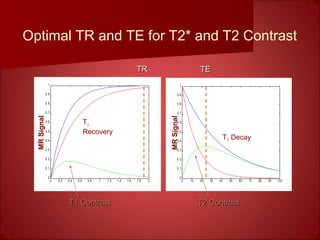
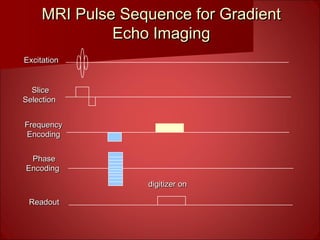
• Technique: use long TR and intermediate to
long TE in SE & FSE
• Use an itermediate TE & TR for GRE with a
narrow flip angle ( 15-30)
• In F-GRE, use a very short TE & TR & very
narrow flip angle.
• Useful for functional (T2* contrast) and
anatomical (T2 contrast to enhance fluid contrast)
studies
• 1mm resolution for anatomical scans or 4 mm
resolution [better is possible with better gradient
system, and a little longer time per volume]](https://image.slidesharecdn.com/mriimagequality-gamalmahdaly-151005145245-lva1-app6892/85/Mri-image-quality-gamal-mahdaly-27-320.jpg)



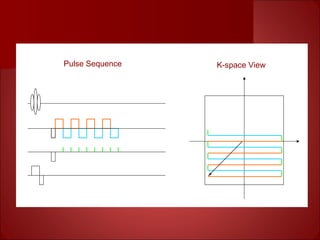
![Echo Planar Imaging (EPI)Echo Planar Imaging (EPI)
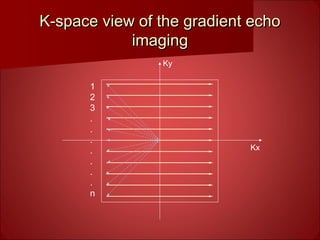
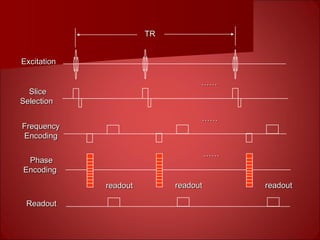
Methods shown earlier take multiple RF shots to readoutMethods shown earlier take multiple RF shots to readout
enough data to reconstruct a single imageenough data to reconstruct a single image
– Each RF shot gets data with one value of phase encodingEach RF shot gets data with one value of phase encoding
If gradient system (power supplies and gradient coil) areIf gradient system (power supplies and gradient coil) are
good enough, can read out all data required for one imagegood enough, can read out all data required for one image
after one RF shotafter one RF shot
– Total time signal is available is aboutTotal time signal is available is about 22⋅⋅T2*T2* [80 ms][80 ms]
Must make gradients sweep back and forth, doing allMust make gradients sweep back and forth, doing all
frequency and phase encoding steps in quick successionfrequency and phase encoding steps in quick succession
Can acquire 10-20 low resolution 2D images per secondCan acquire 10-20 low resolution 2D images per second](https://image.slidesharecdn.com/mriimagequality-gamalmahdaly-151005145245-lva1-app6892/85/Mri-image-quality-gamal-mahdaly-62-320.jpg)
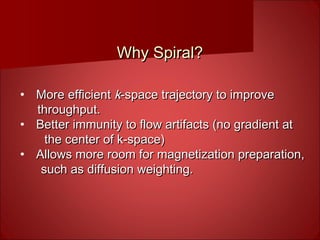


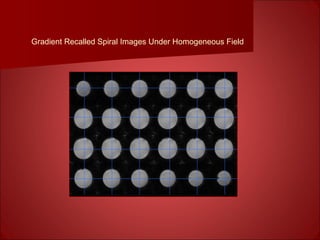

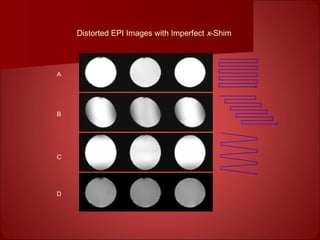
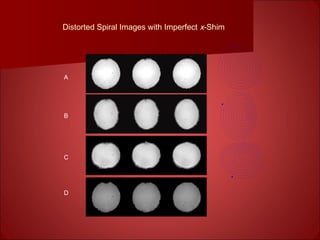


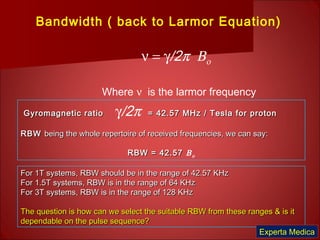
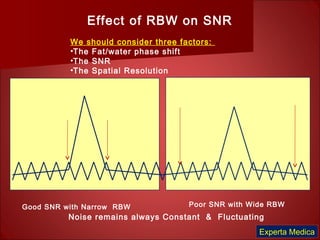
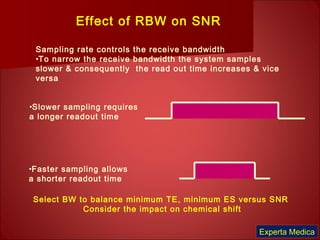
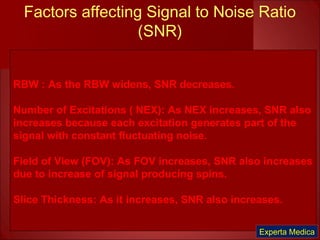
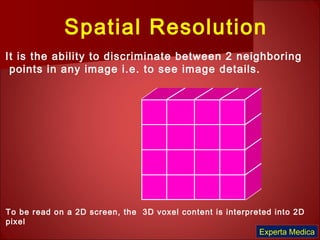
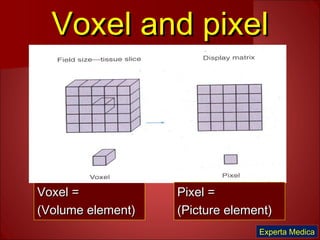
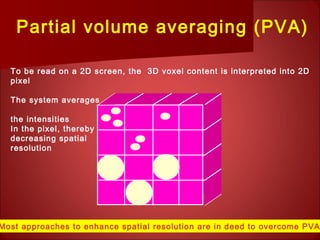
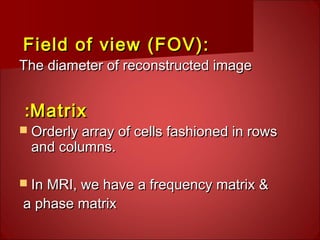
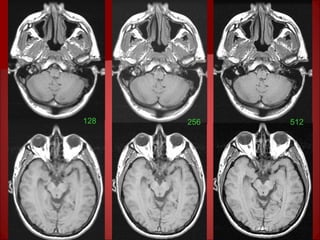
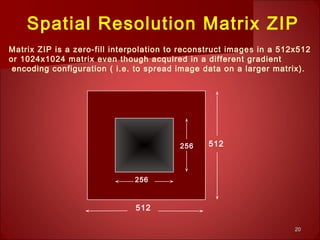
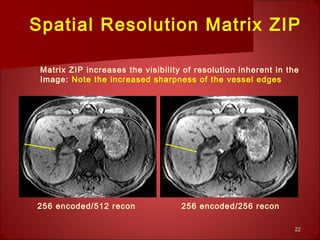
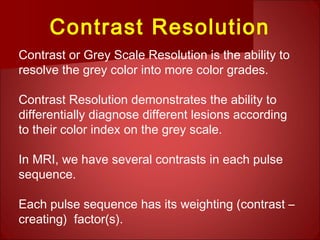
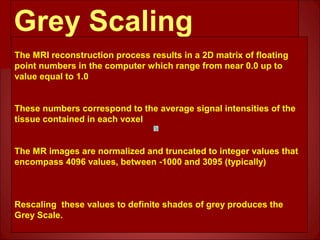
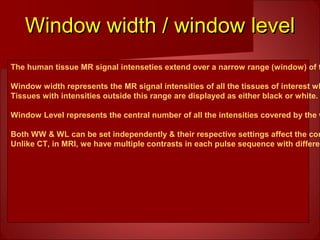
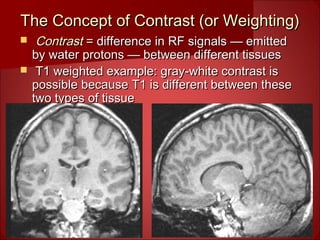
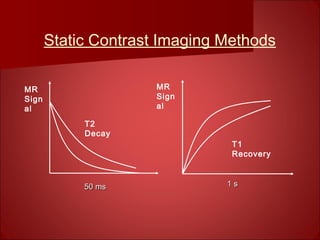
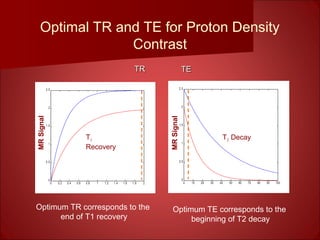
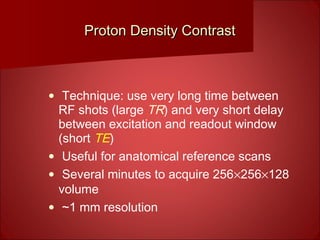
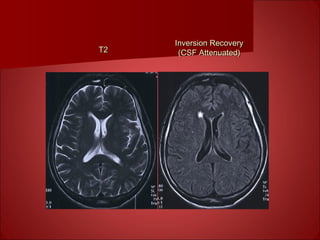
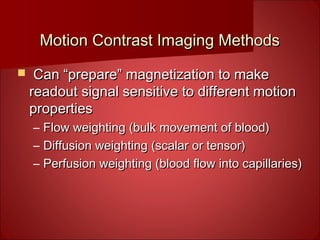
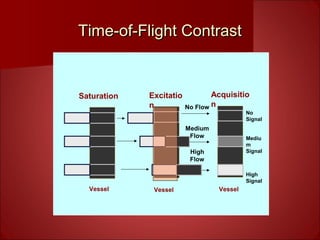
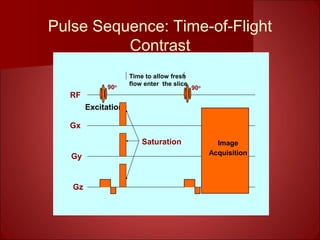
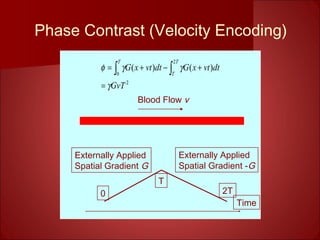
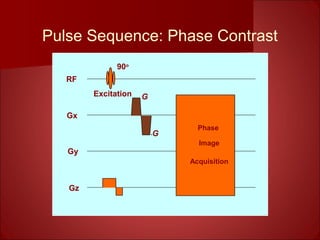
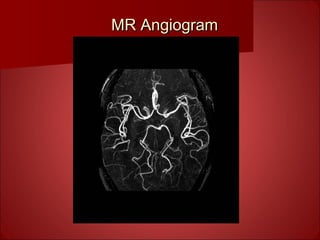
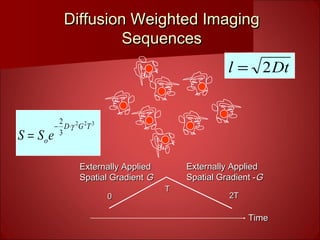
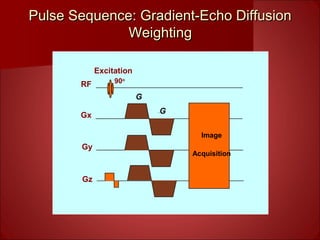
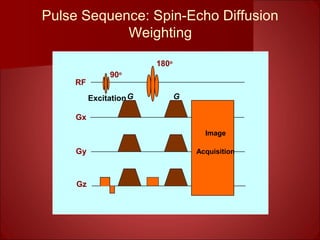
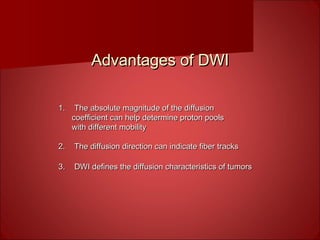
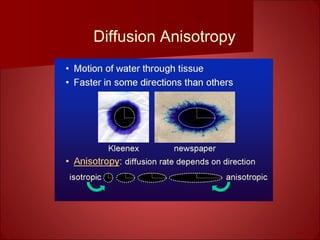
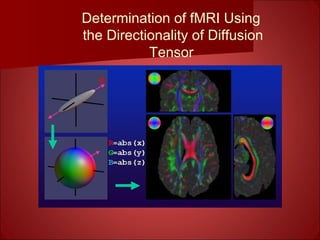
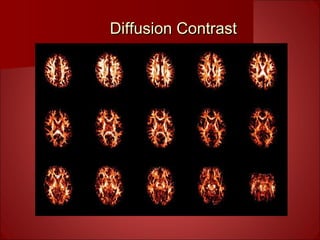
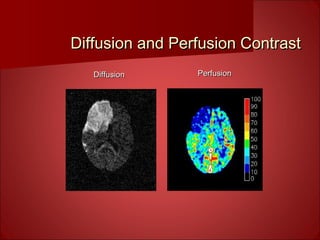
MRI image quality is affected by several factors including signal-to-noise ratio, receive bandwidth, noise sources, and spatial resolution. A higher signal-to-noise ratio provides better image quality. Receive bandwidth determines the range of frequencies received and affects chemical shift artifact and readout time. Noise in MRI comes from electronic noise and fluctuations in body tissues. Spatial resolution is influenced by receive bandwidth, matrix size, slice thickness, and field of view. Contrast resolution depends on tissue T1 and T2 values and the timing of pulse sequences. Motion contrast methods like diffusion weighting and flow weighting provide additional tissue information.


