
! 
Personalised Lifelong 
Learning in a Digital Age 
Moodlesposium 
‘Hitting the Targets’ 
UNSW Canberra ADFA 
November 3-4, 2014 
Professor Mike Keppell 
Executive Director 
Australian Digital Futures Institute 
Director, Digital Futures - CRN
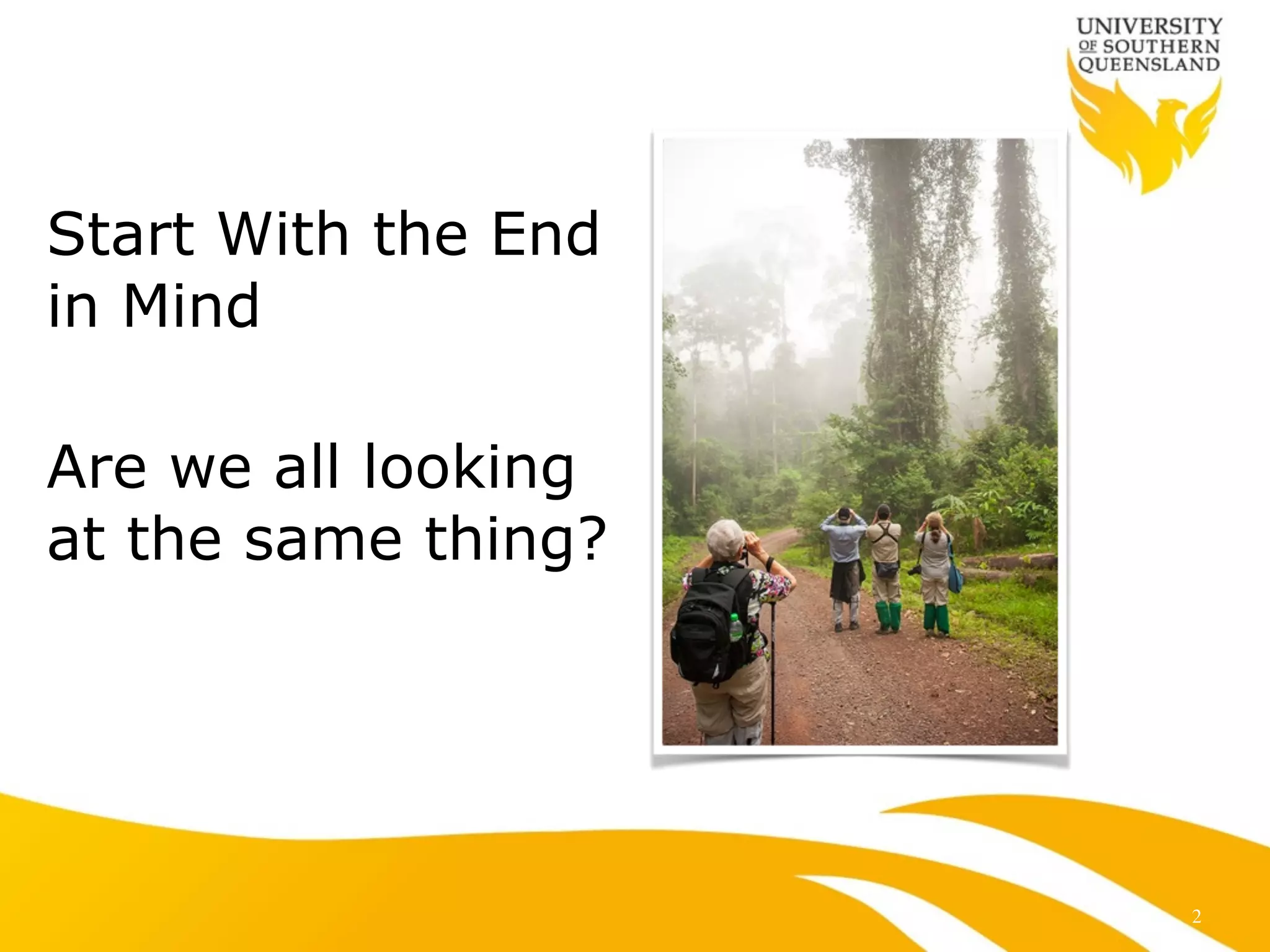
Start With the End 
in Mind 
! 
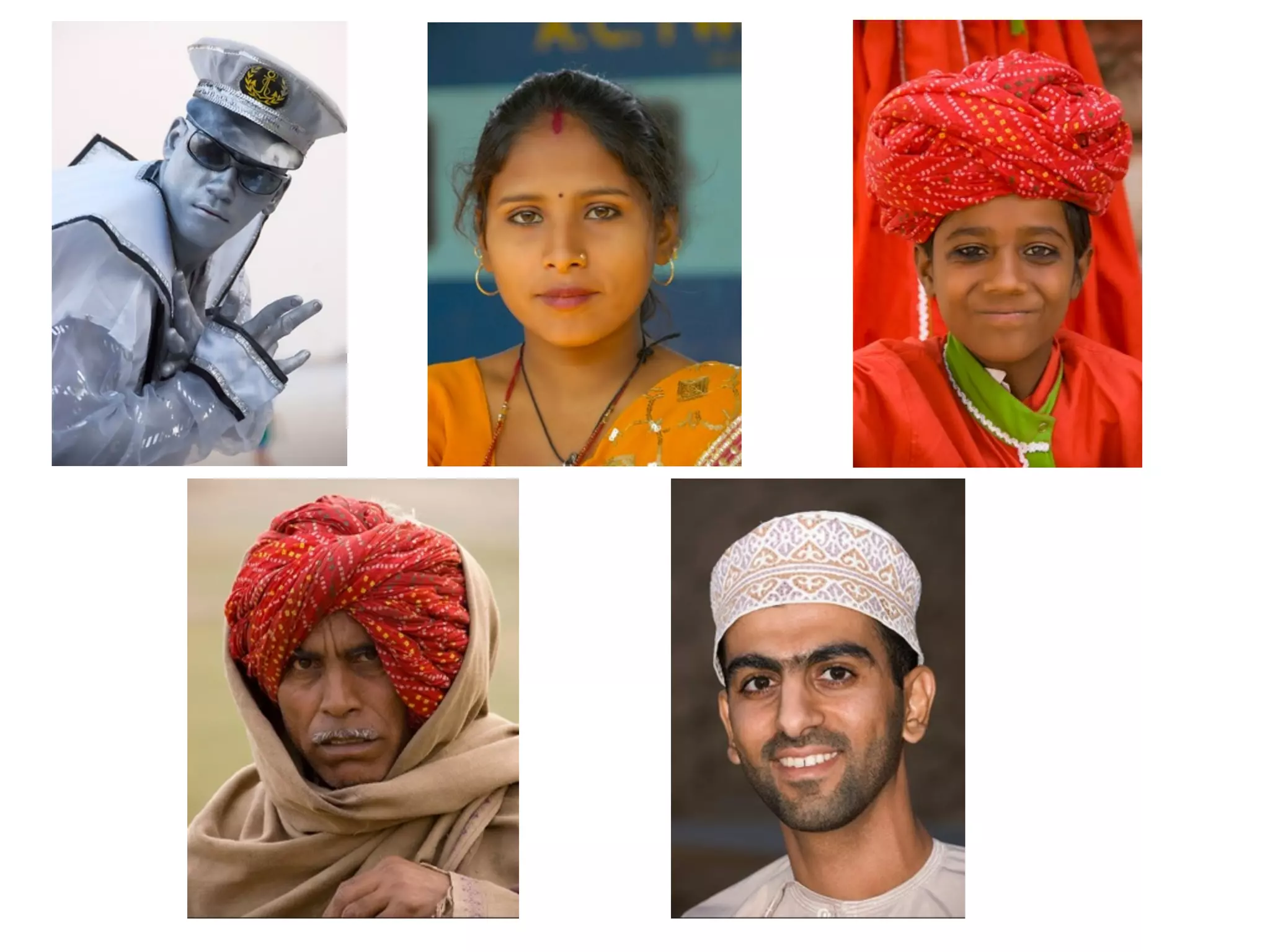
Are we all looking 
at the same thing? 
2
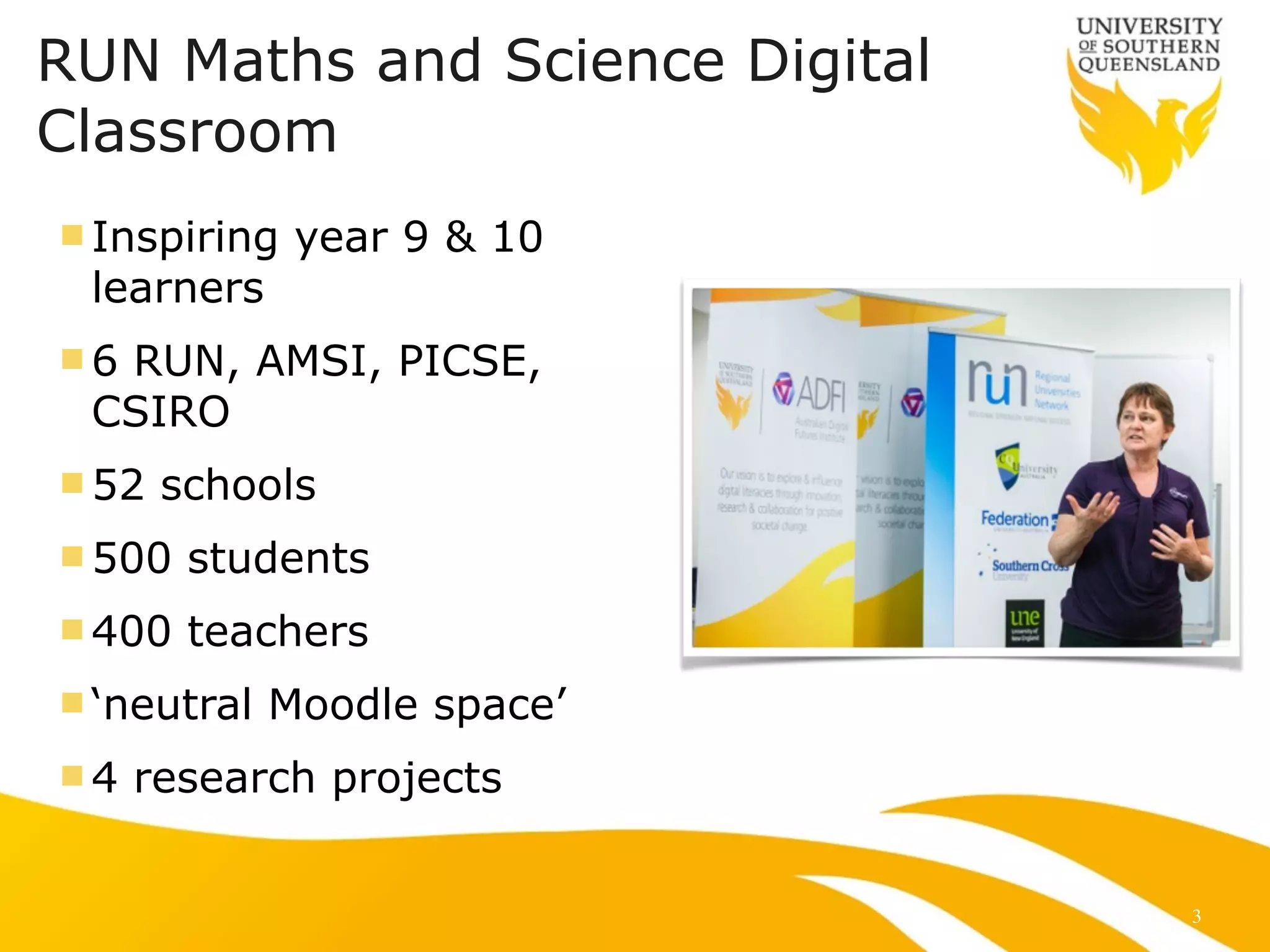
RUN Maths and Science Digital 
Classroom 
n Inspiring year 9 & 10 
learners 
n6 RUN, AMSI, PICSE, 
CSIRO 
n52 schools 
n500 students 
n400 teachers 
n ‘neutral Moodle space’ 
n4 research projects 
3
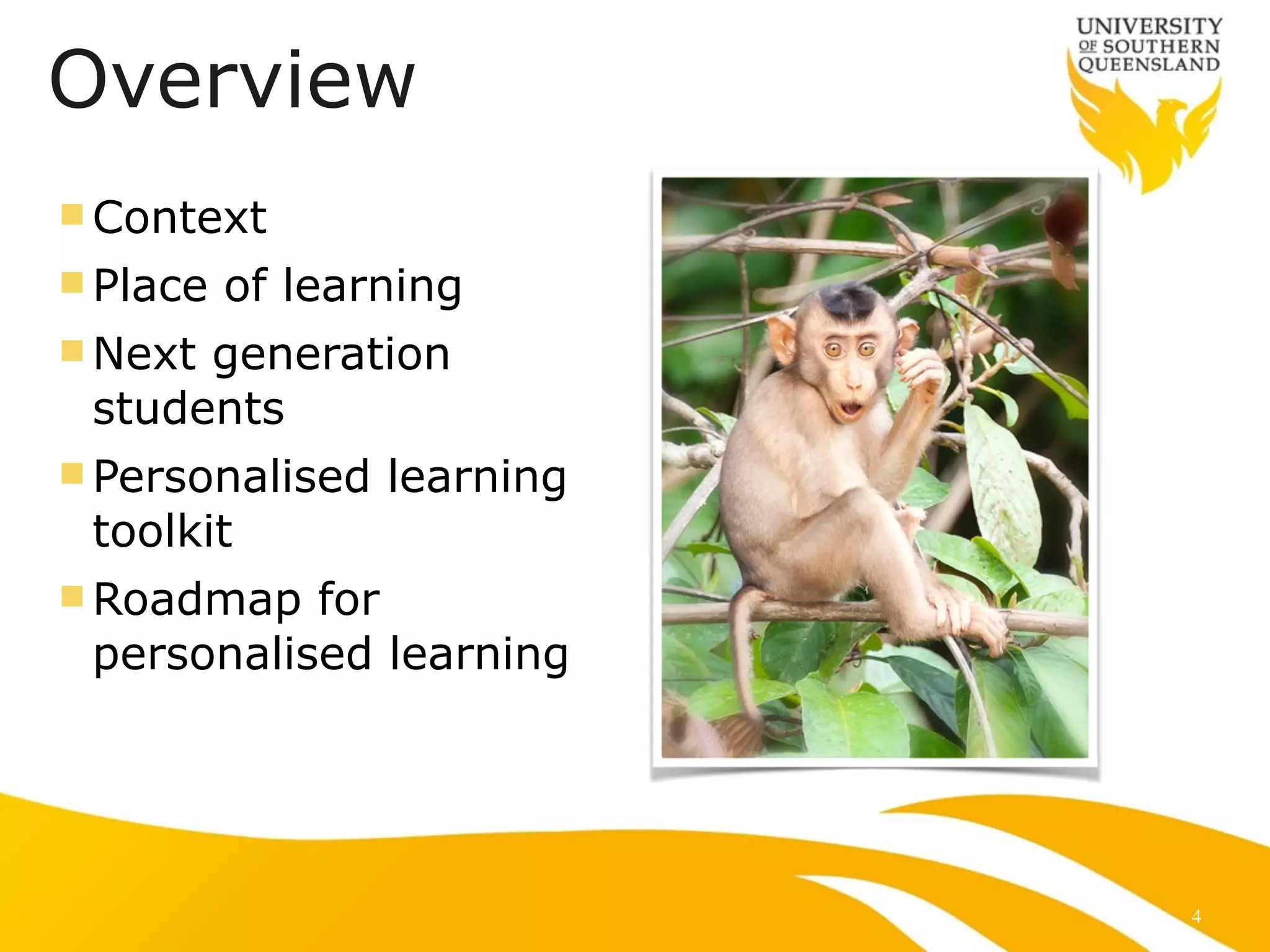
Overview 
nContext 
n Place of learning 
nNext generation 
students 
n Personalised learning 
toolkit 
nRoadmap for 
personalised learning 
4
Dynamic Context
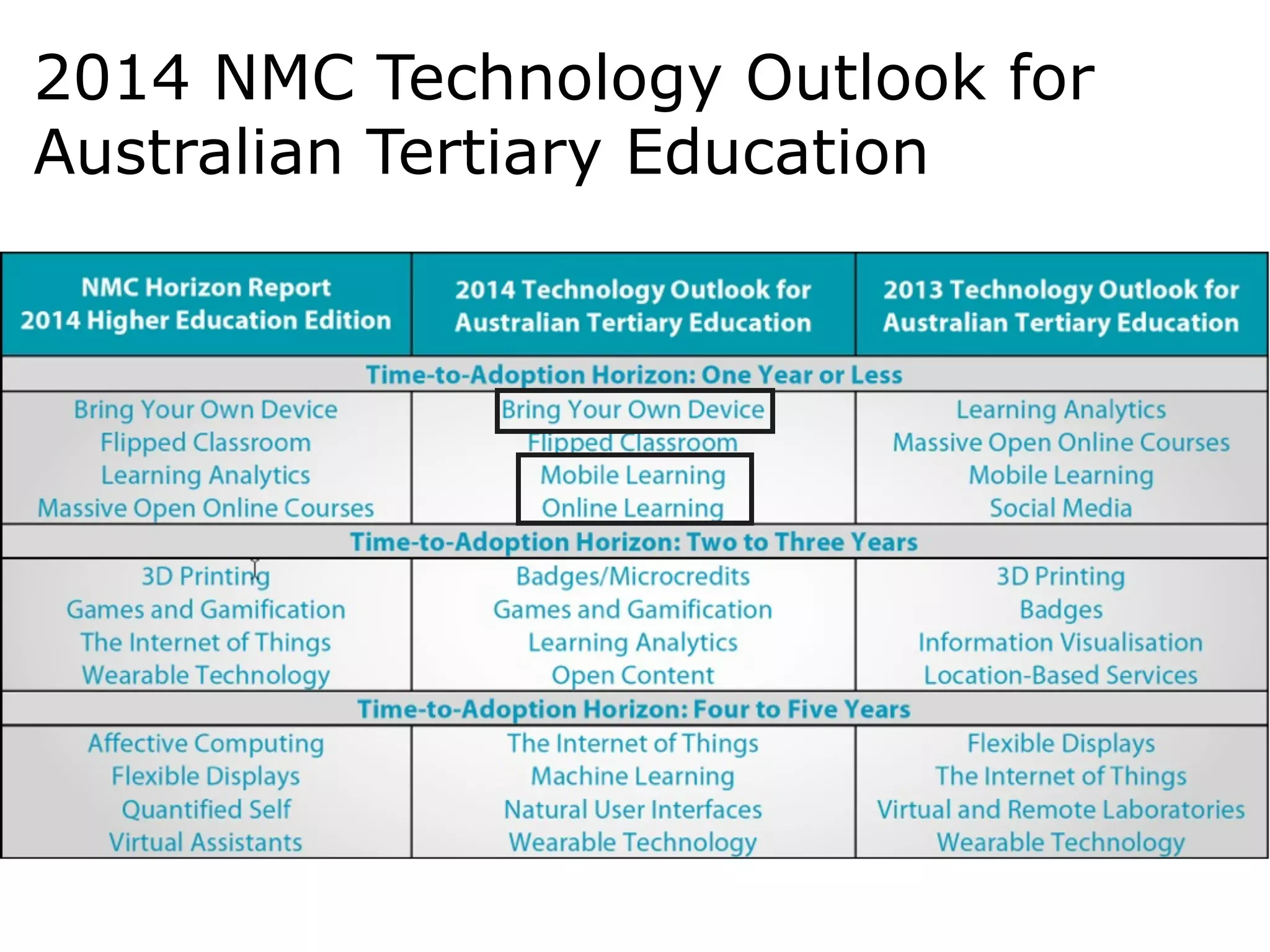
2014 NMC Technology Outlook for 
Australian Tertiary Education
‘Place’ of Learning
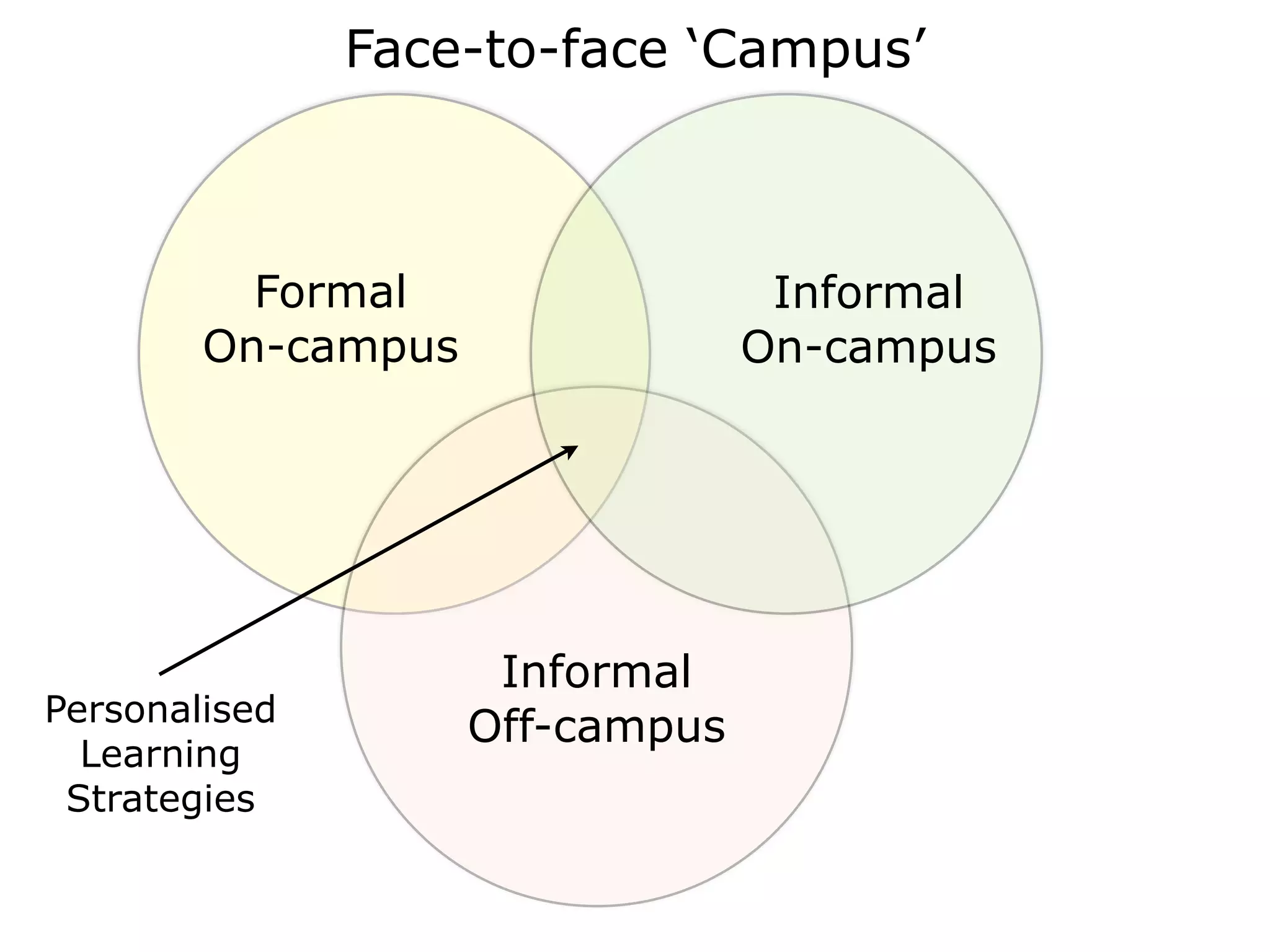
Face-to-face ‘Campus’ 
Formal 
On-campus 
Informal 
On-campus 
Informal 
Personalised Off-campus 
Learning 
Strategies
Next Generation 
Students
Defining Personalised 
Learning
I define personalised learning 
as the knowledge, skills and 
attitudes that enable learning 
and act as a catalyst to 
empower the learner to 
continue to learn (Keppell, 
2015)
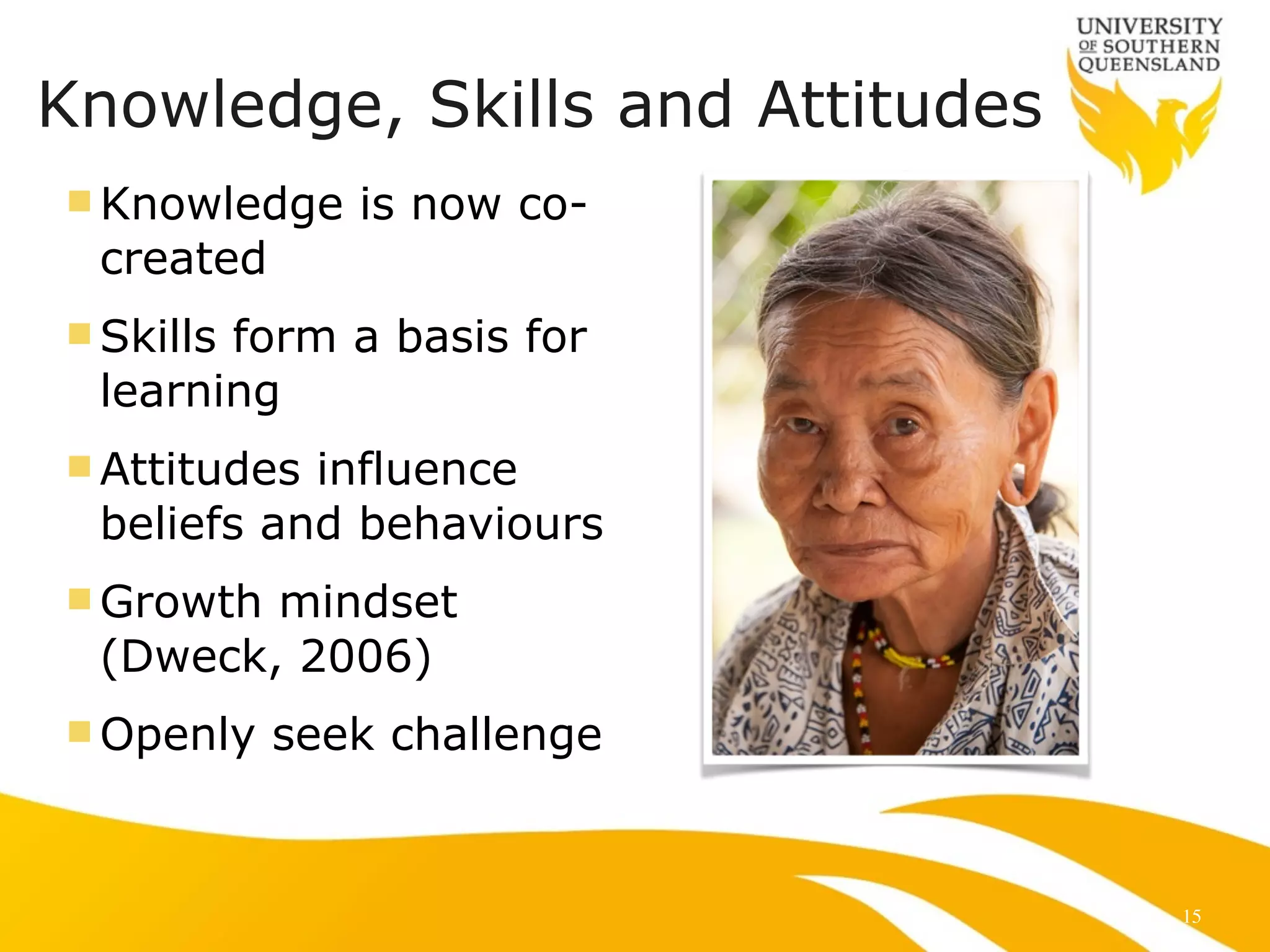
Knowledge, Skills and Attitudes 
nKnowledge is now co-created 
nSkills form a basis for 
learning 
nAttitudes influence 
beliefs and behaviours 
nGrowth mindset 
(Dweck, 2006) 
nOpenly seek challenge 
15
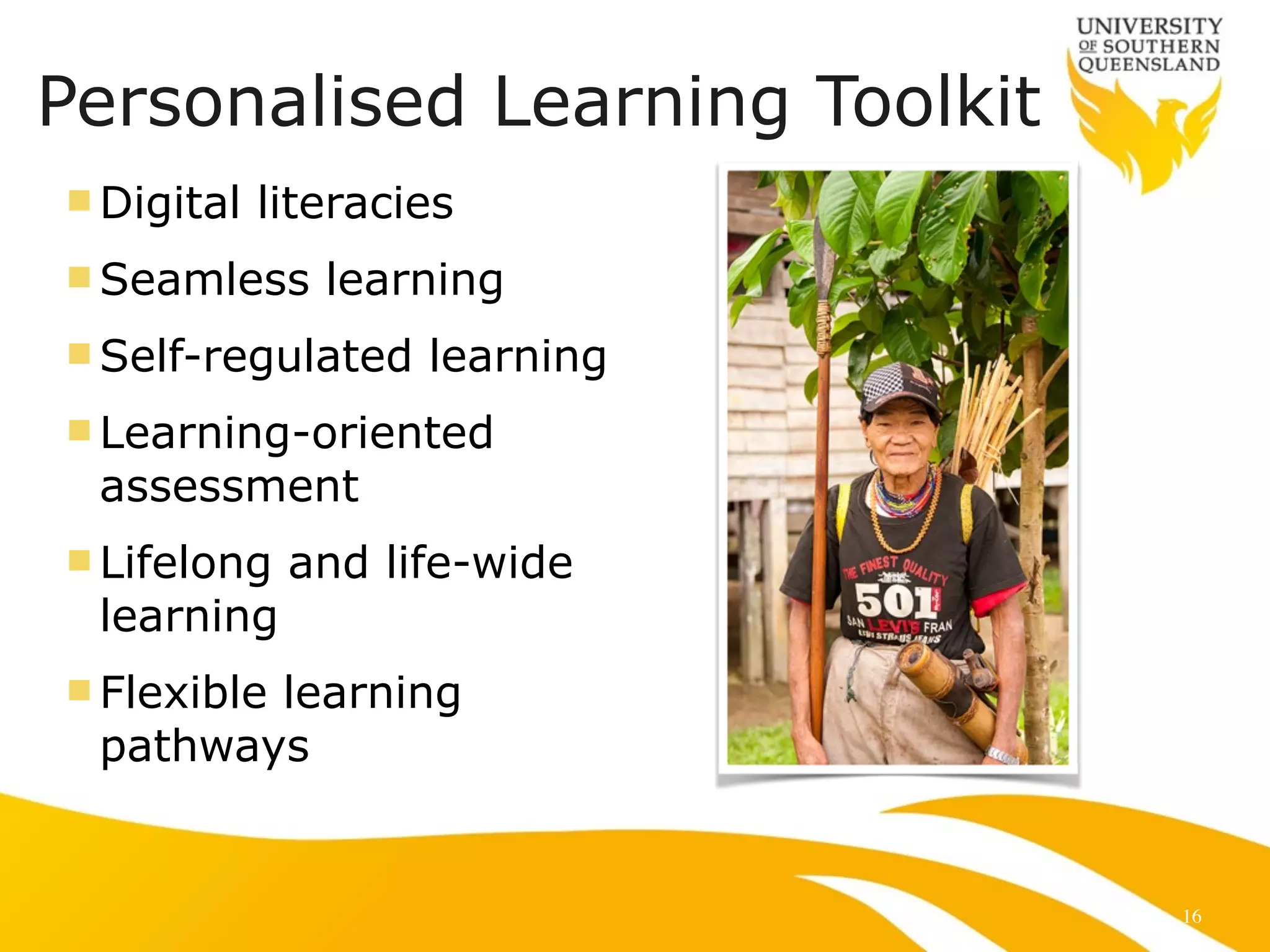
Personalised Learning Toolkit 
nDigital literacies 
nSeamless learning 
nSelf-regulated learning 
n Learning-oriented 
assessment 
n Lifelong and life-wide 
learning 
n Flexible learning 
pathways 
16
Digital Literacies
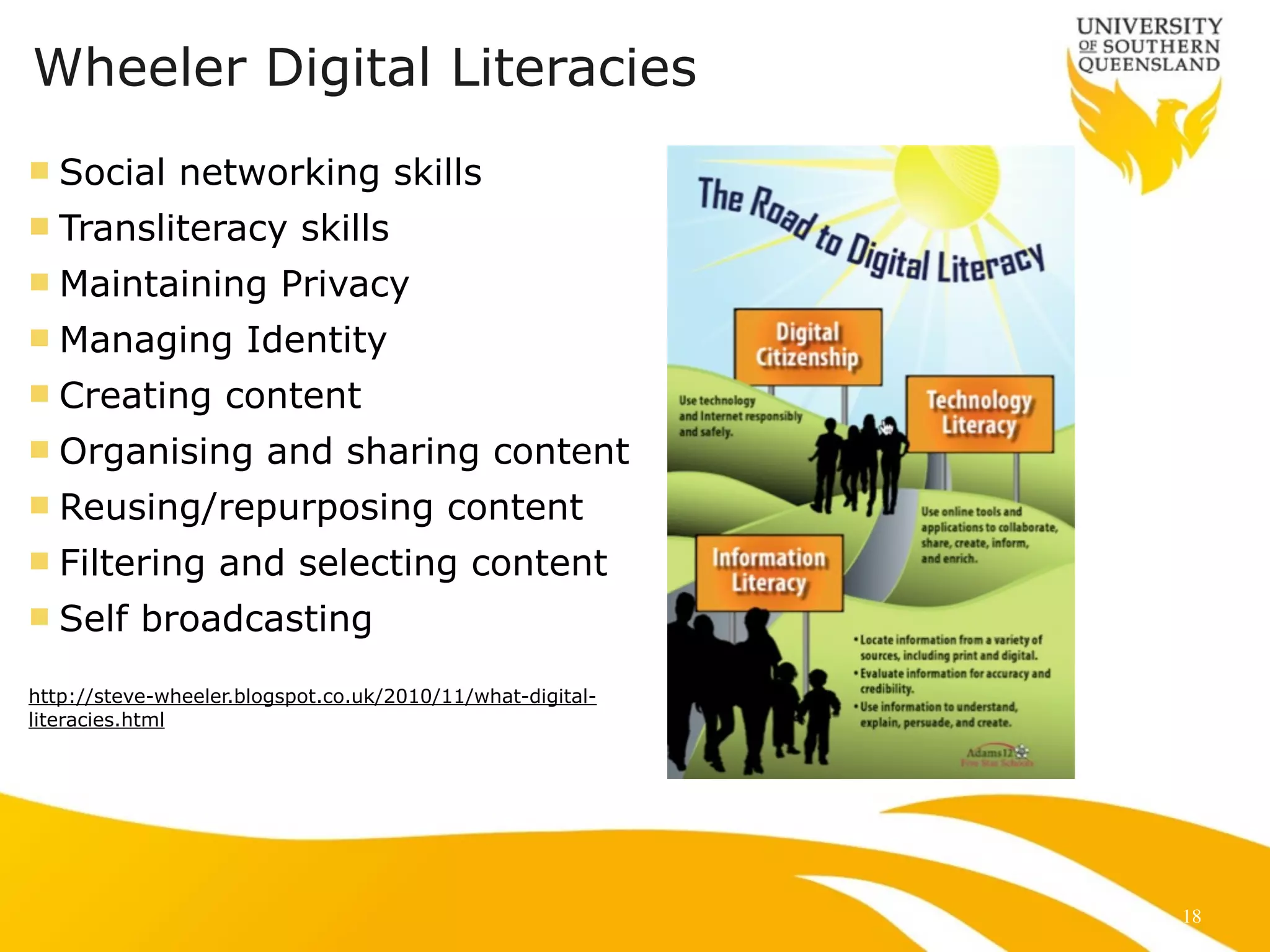
Wheeler Digital Literacies 
n Social networking skills 
n Transliteracy skills 
n Maintaining Privacy 
n Managing Identity 
n Creating content 
n Organising and sharing content 
n Reusing/repurposing content 
n Filtering and selecting content 
n Self broadcasting 
!! 
http://steve-wheeler.blogspot.co.uk/2010/11/what-digital-literacies. 
html 
18
Levels of Digital Literacies 
nDigital competency 
n knowing how to use 
digital tools 
nDigital Fluency 
n applying digital 
knowledge and skills 
nDigital design 
n user-generated content 
n ‘learner-as-designer’ 
19
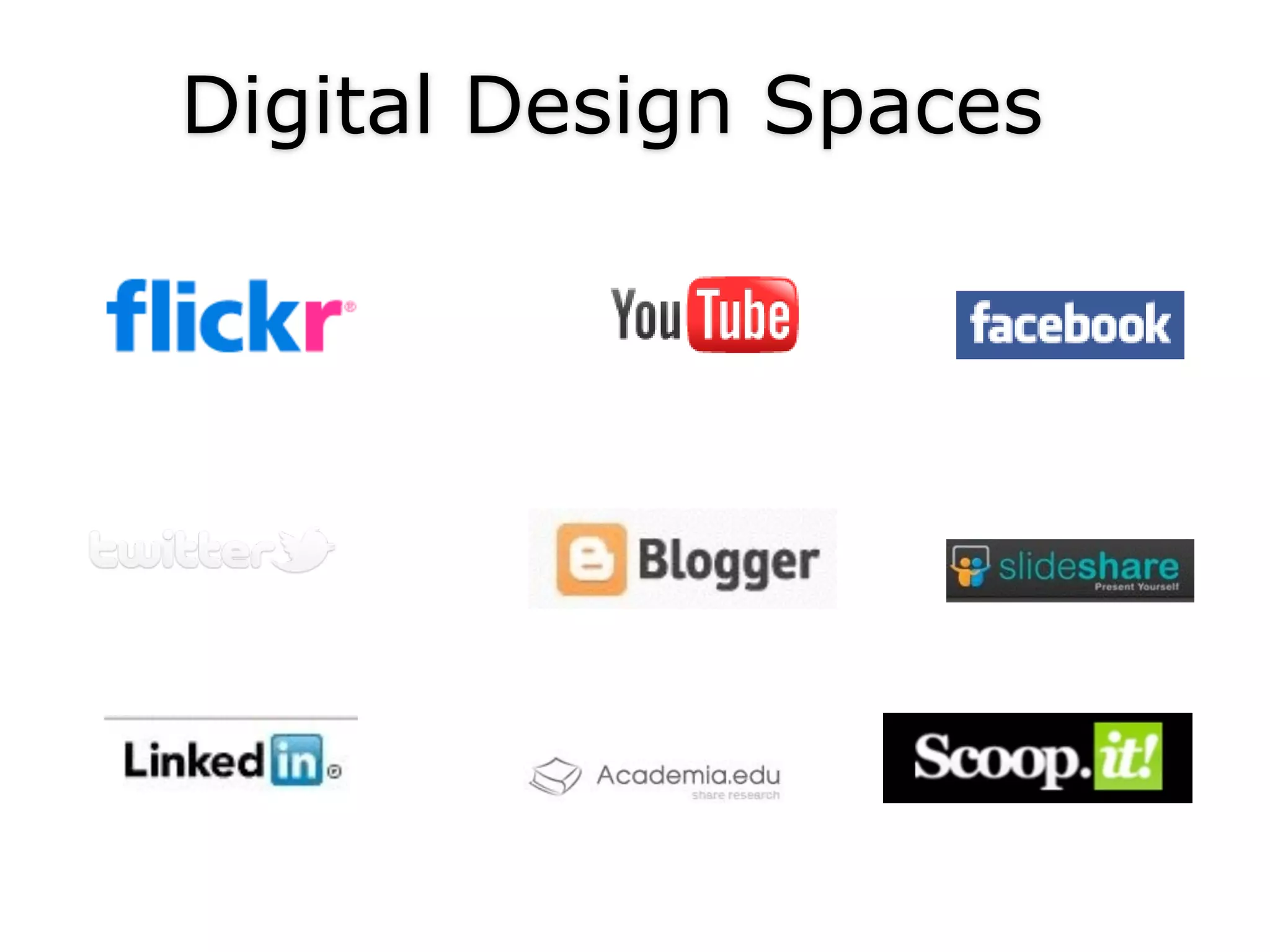
Digital Design Spaces
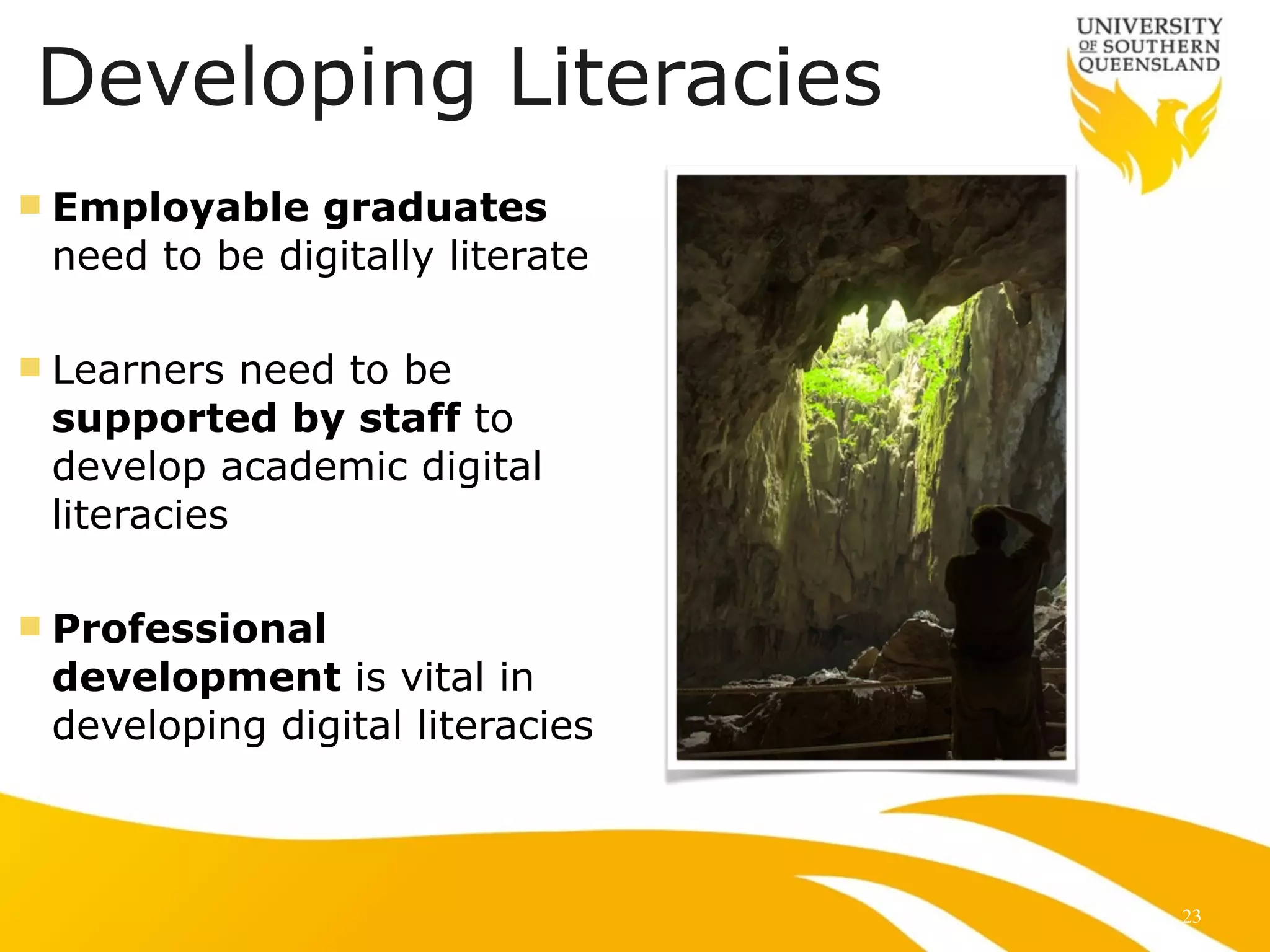
Developing Literacies 
n Employable graduates 
need to be digitally literate 
! 
n Learners need to be 
supported by staff to 
develop academic digital 
literacies 
! 
n Professional 
development is vital in 
developing digital literacies 
23
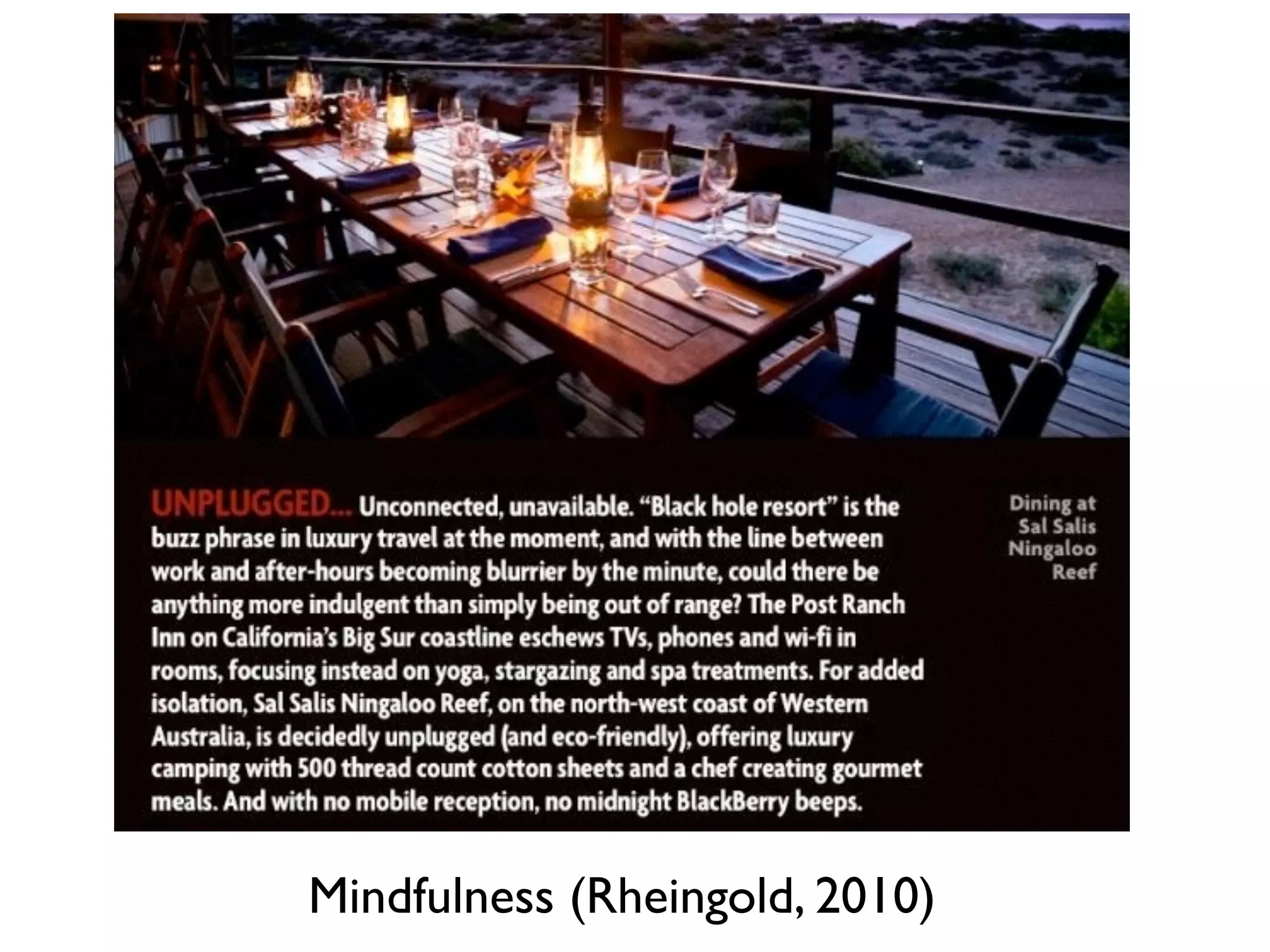
Mindfulness (Rheingold, 2010)
I can see a day in the not too 
distant future (if it’s not 
already here) where your 
“digital footprint” will carry 
far more weight than 
anything you might include in 
a resume or CV (Betcher, 
2009) 
! 
http://chrisbetcher.com/tag/ 
digitalfootprint/
Seamless Learning
Seamless Learning 
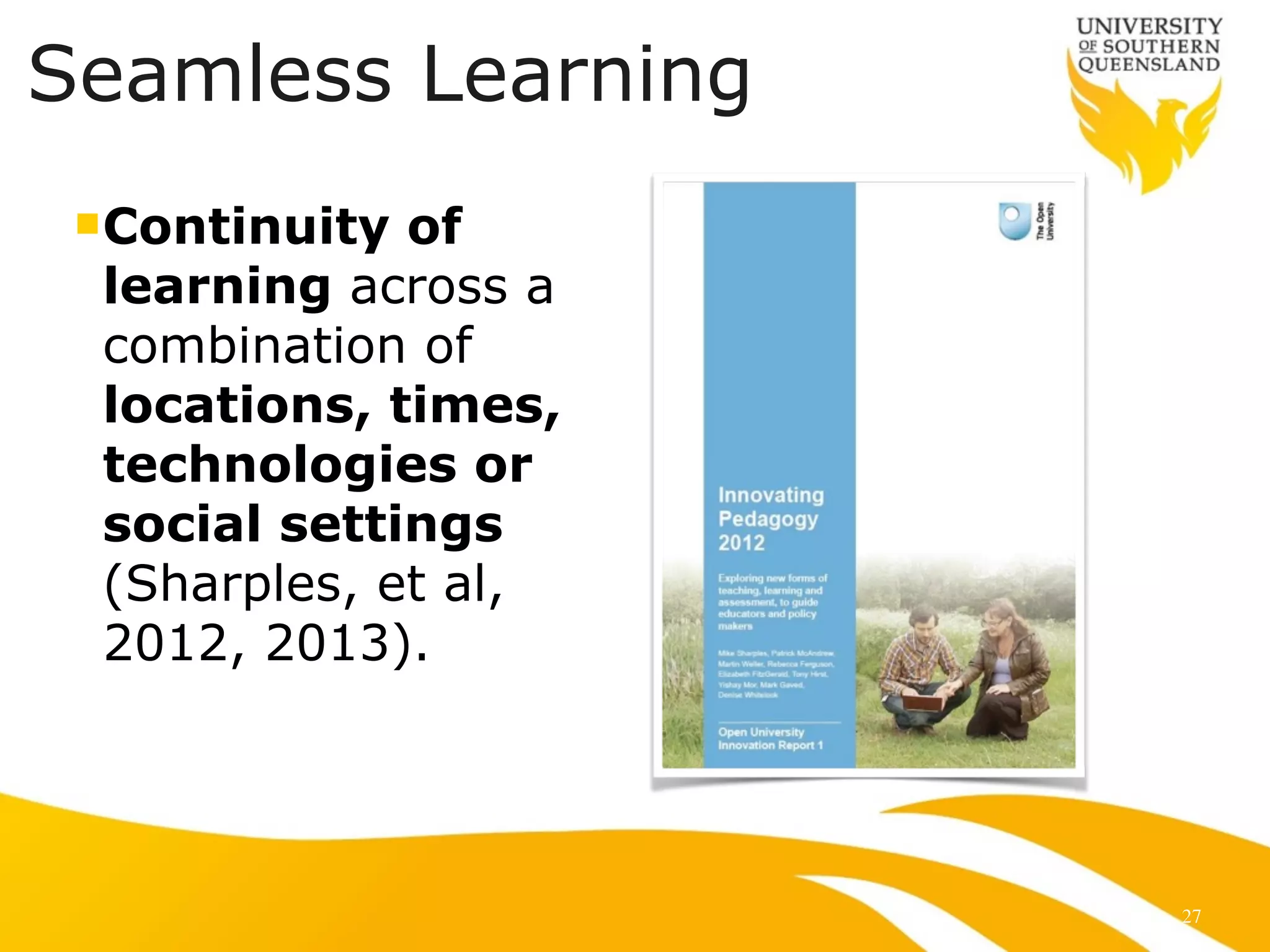
nContinuity of 
learning across a 
combination of 
locations, times, 
technologies or 
social settings 
(Sharples, et al, 
2012, 2013). 
27
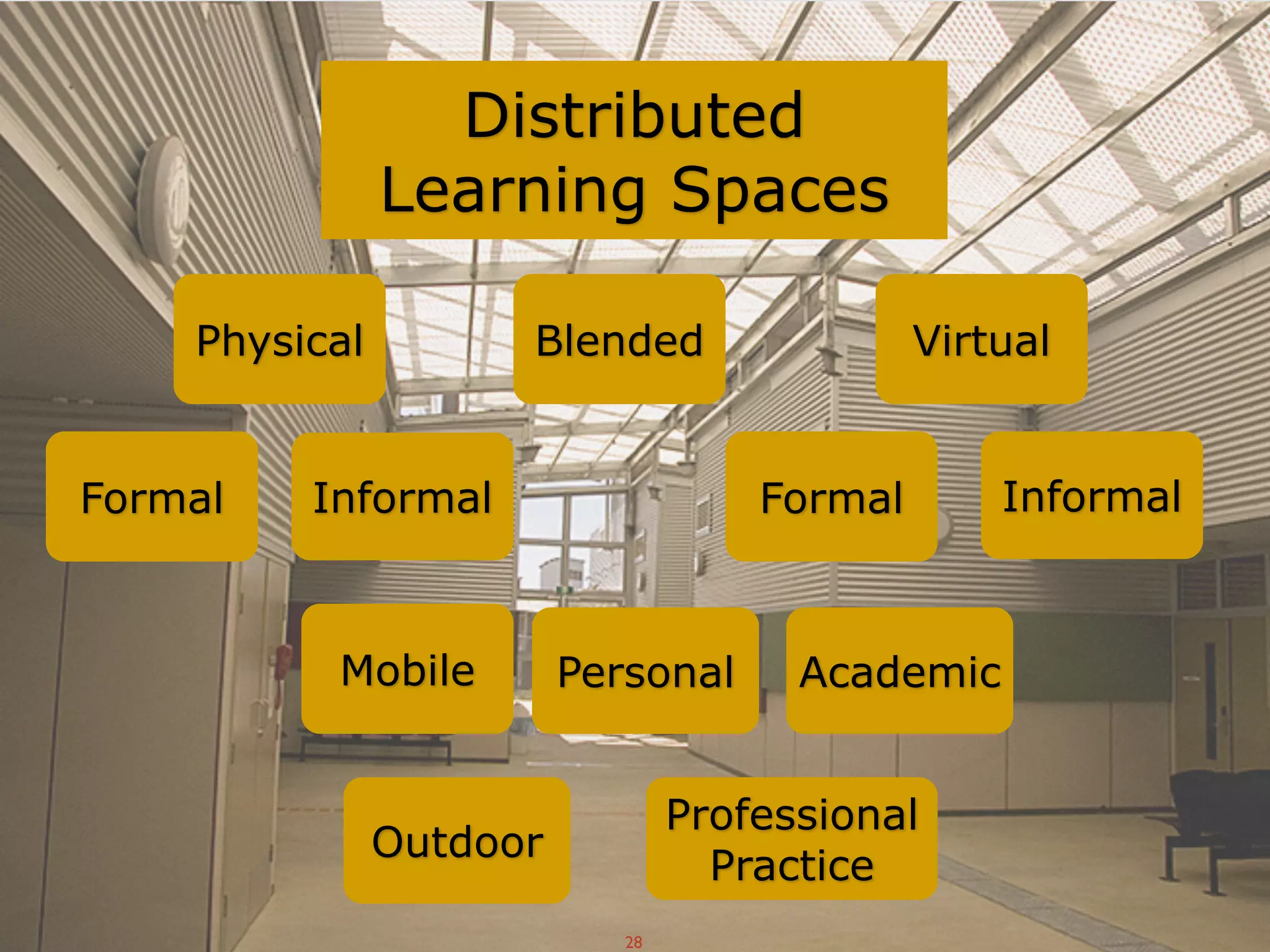
Distributed 
Learning Spaces 
Physical Blended 
Virtual 
Formal Informal Formal Informal 
Mobile Personal 
Academic 
Outdoor Professional 
Practice 
28
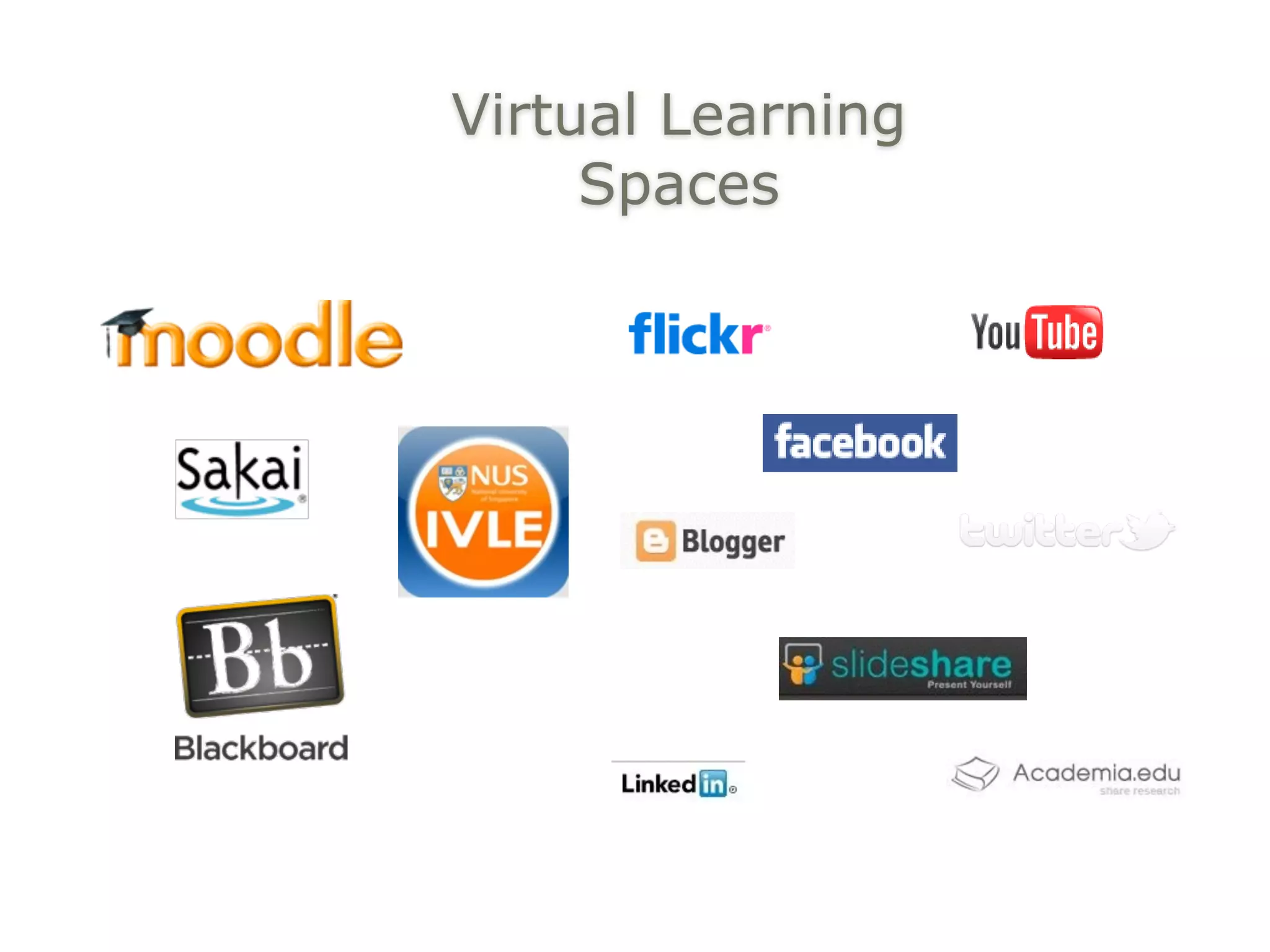
Virtual Learning 
Spaces
Learning Space Literacies 
nLearning space literacies 
are the knowledge, skills 
and attitudes that are 
required to recognise, 
utilise and adapt 
distributed learning 
spaces so that they allow 
the personalised learner to 
engage with their learning 
(Keppell, 2014). 
30
Levels of Seamless Learning 
nOn-campus 
n comfortable with formal 
and informal spaces 
nVirtual campus 
n comfortable with 
blended, online, social 
media 
nAnywhere 
n trains, cafes, 
teleworking 
31
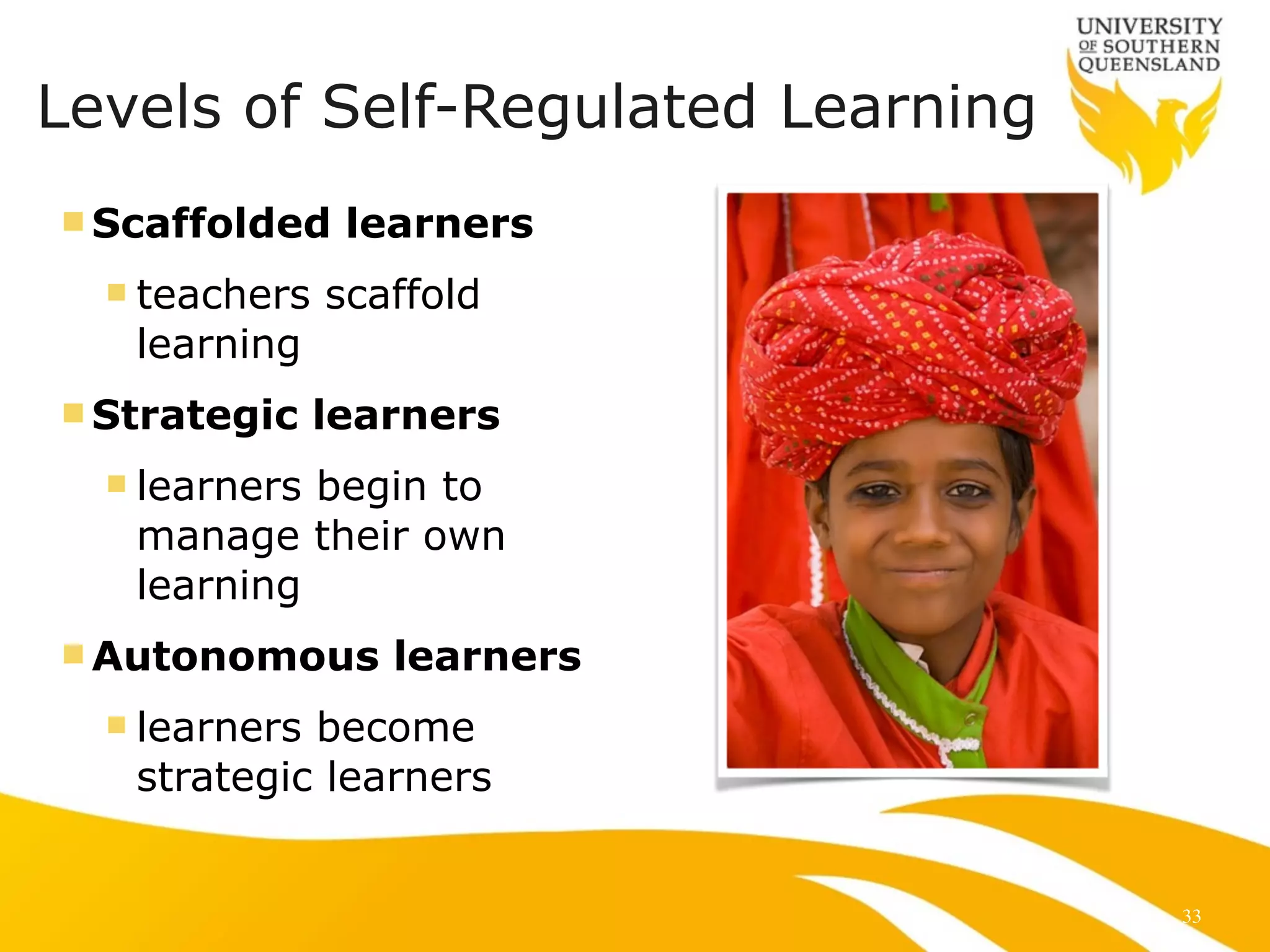
Self-Regulated Learner
Levels of Self-Regulated Learning 
nScaffolded learners 
n teachers scaffold 
learning 
nStrategic learners 
n learners begin to 
manage their own 
learning 
nAutonomous learners 
n learners become 
strategic learners 
33
Learning-oriented 
Assessment
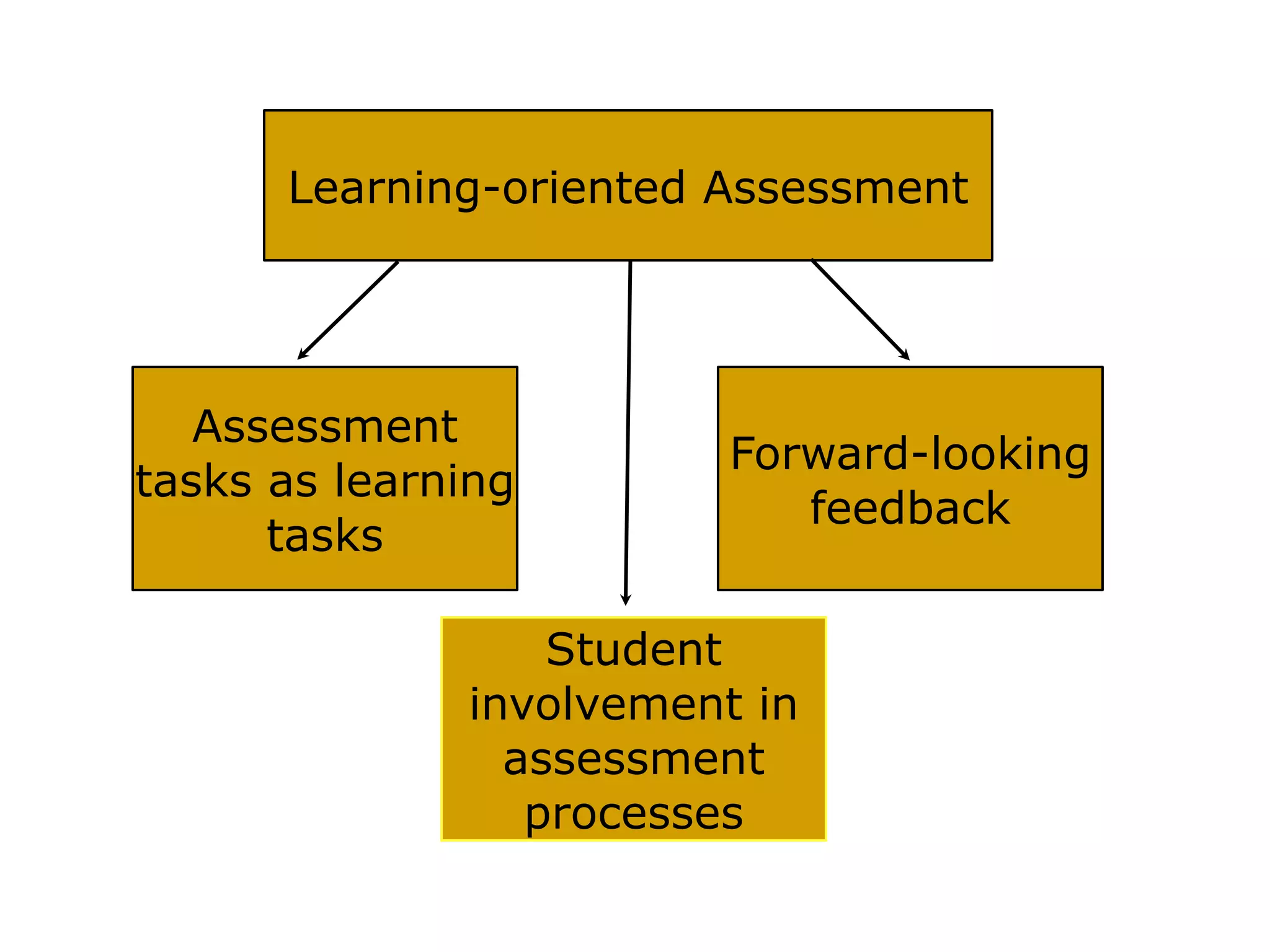
Learning-oriented Assessment 
Assessment 
tasks as learning 
tasks 
Student 
Forward-looking 
involvement in 
assessment 
processes 
feedback
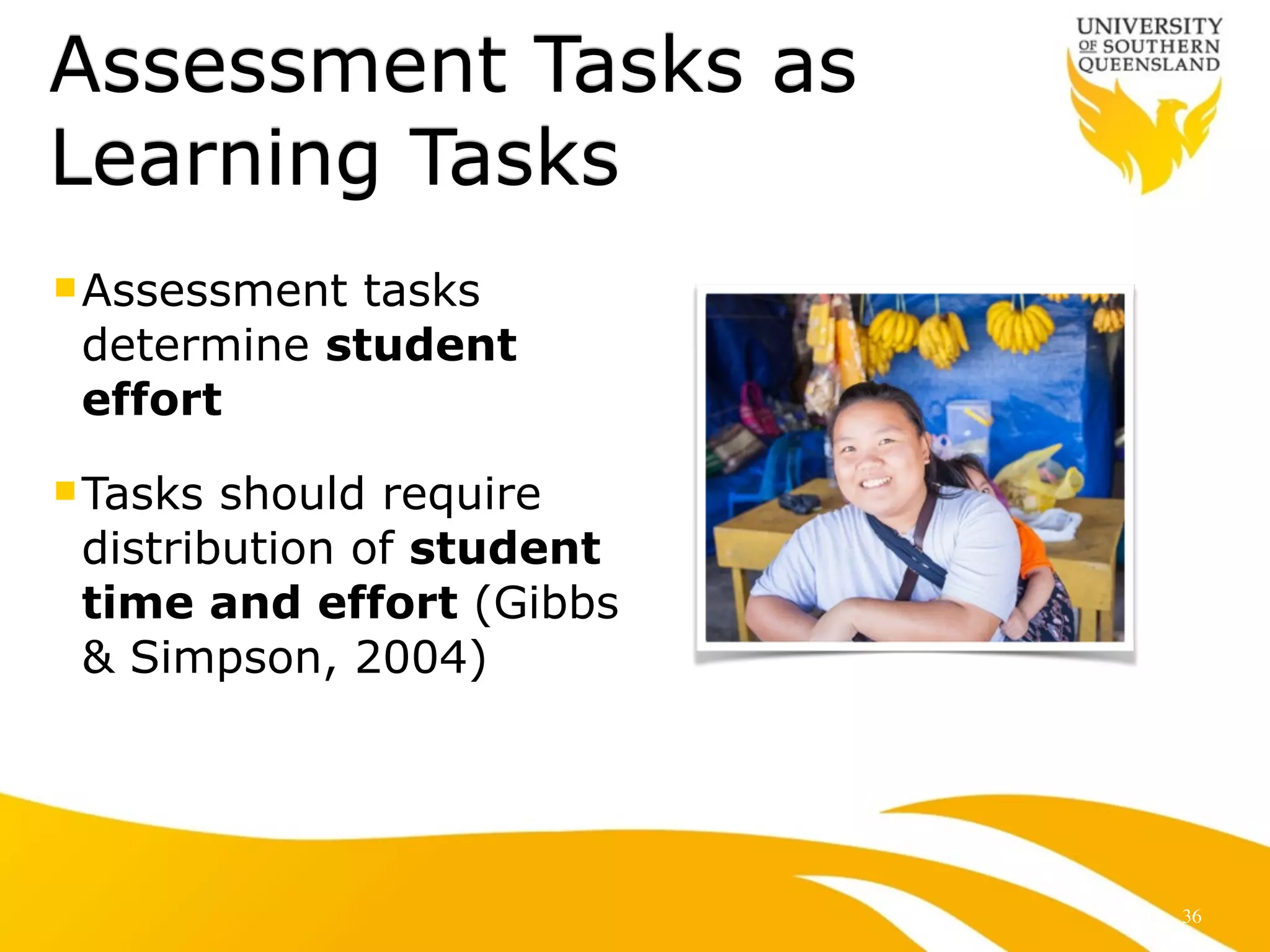
Assessment Tasks as 
Learning Tasks 
nAssessment tasks 
determine student 
effort 
nTasks should require 
distribution of student 
time and effort (Gibbs 
& Simpson, 2004) 
36
Student Involvement in 
Assessment 
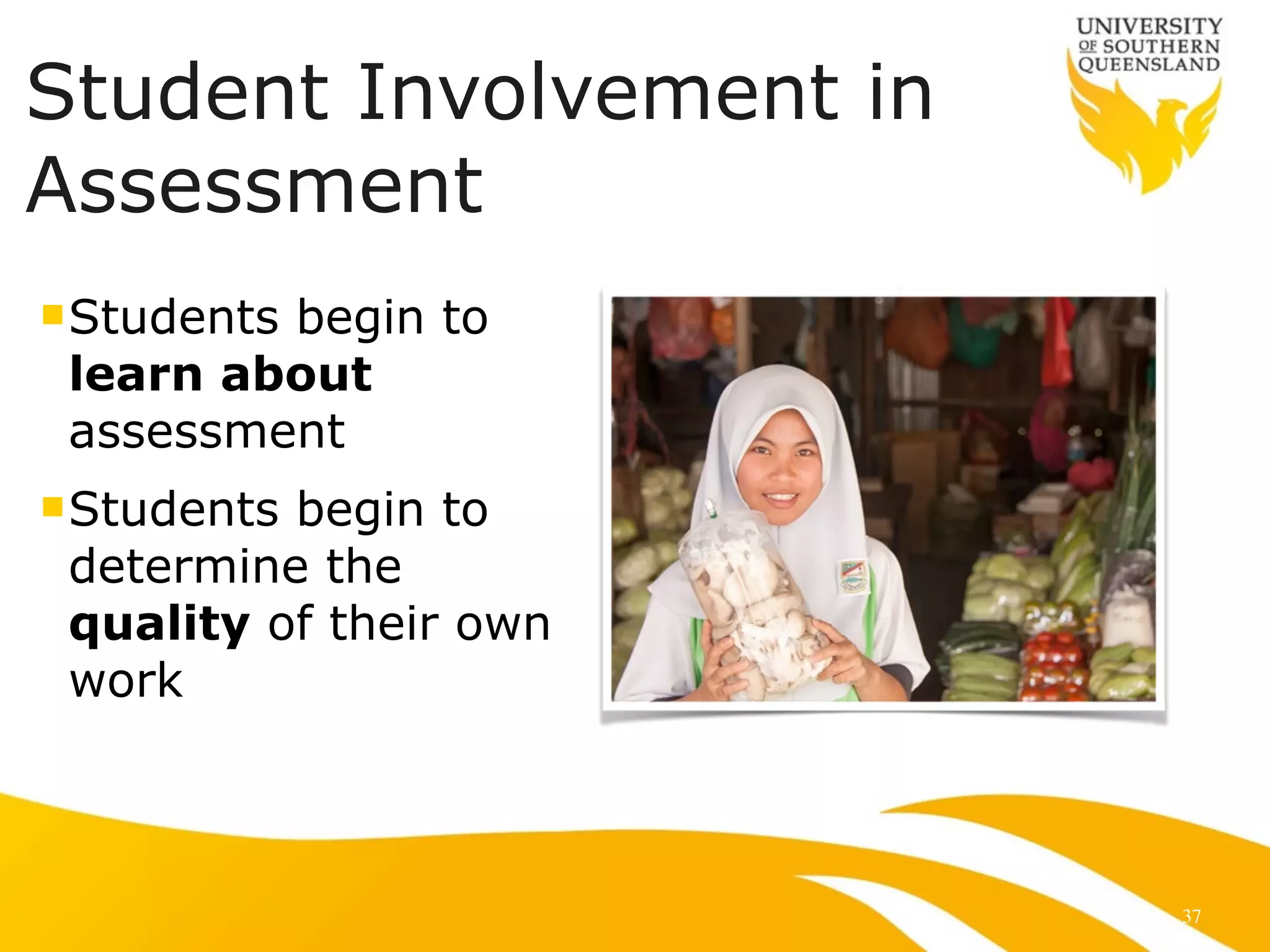
nStudents begin to 
learn about 
assessment 
nStudents begin to 
determine the 
quality of their own 
work 
37
Forward-looking Feedback 
! 
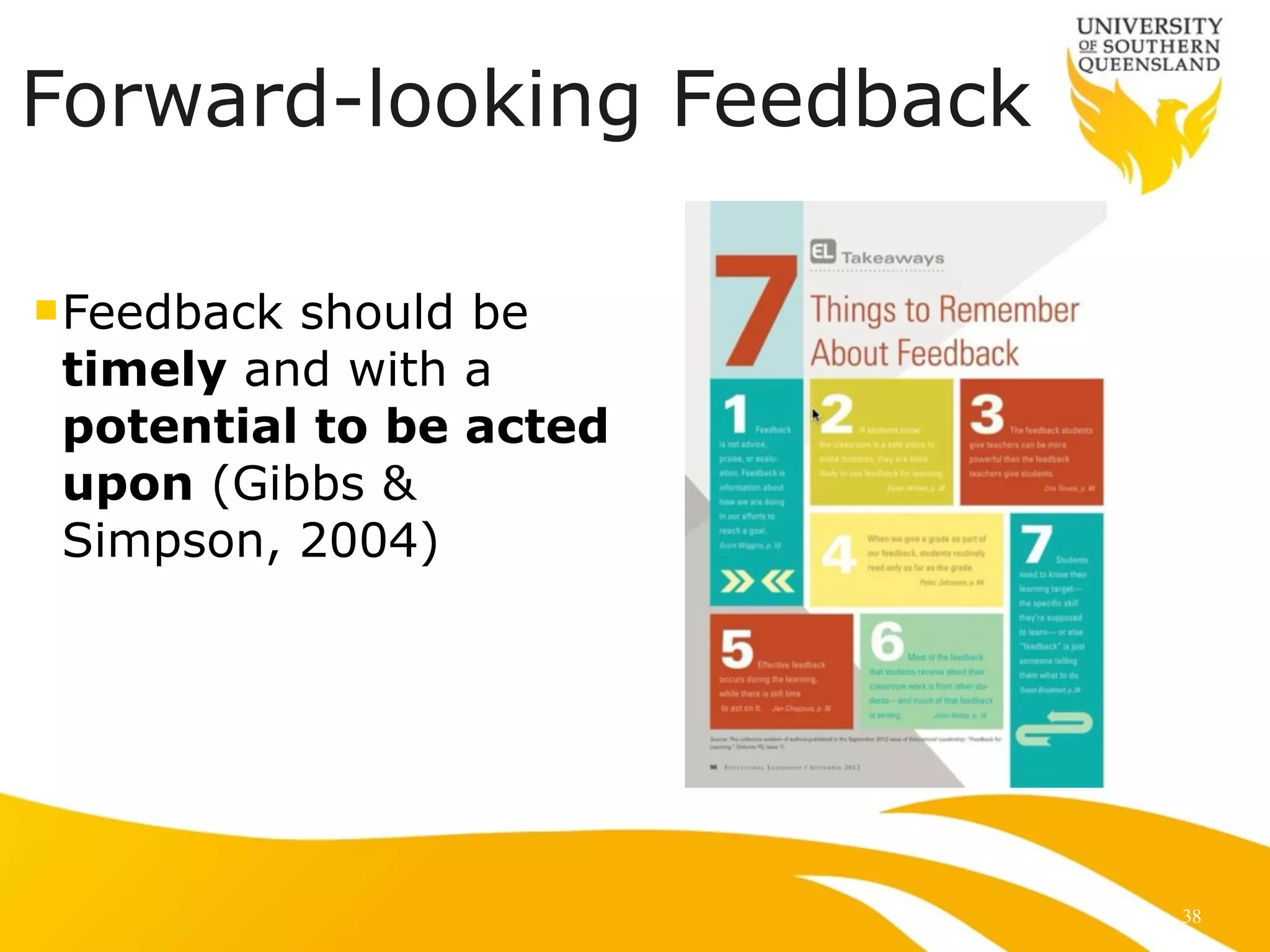
nFeedback should be 
timely and with a 
potential to be acted 
upon (Gibbs & 
Simpson, 2004) 
38
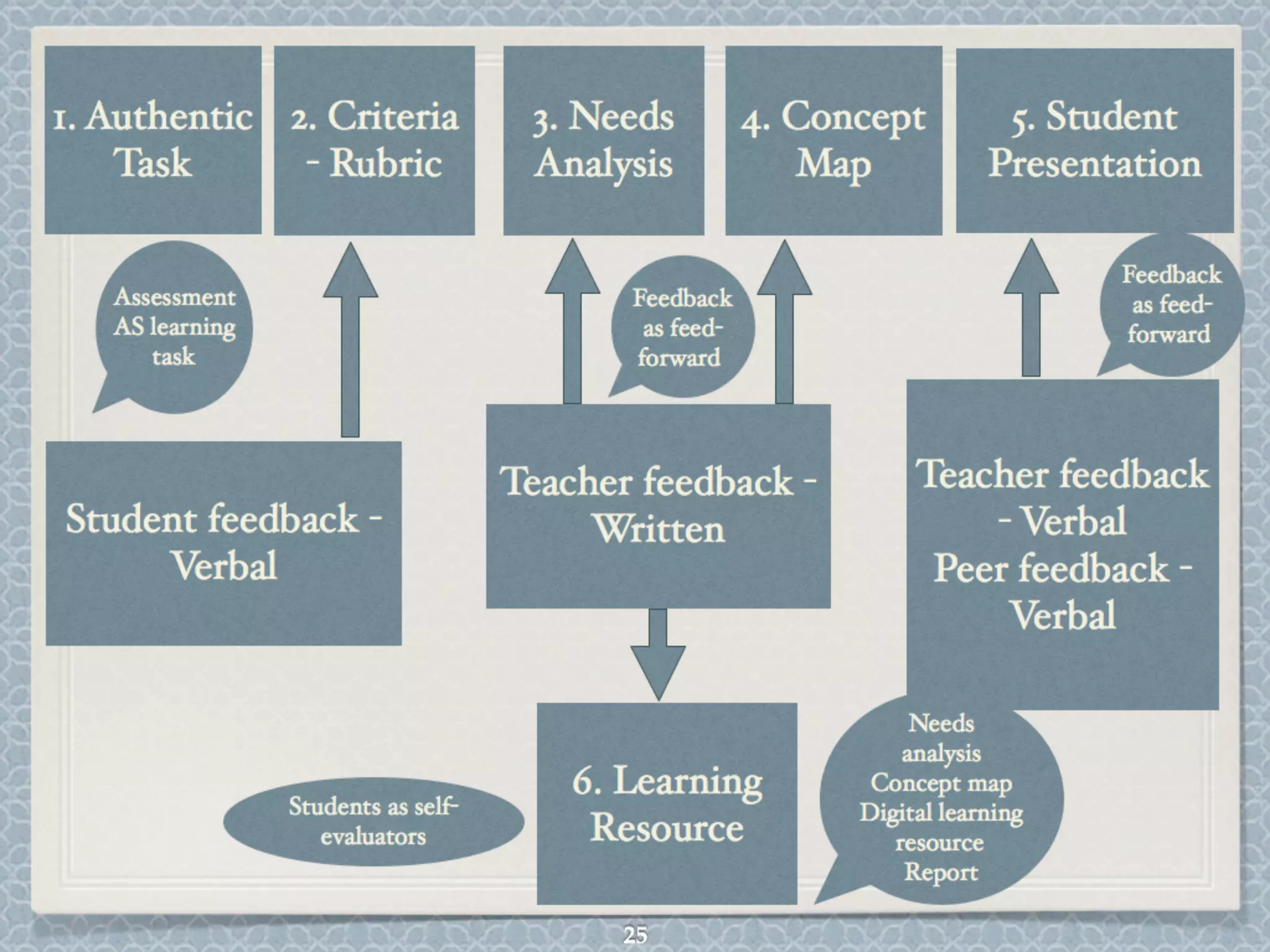
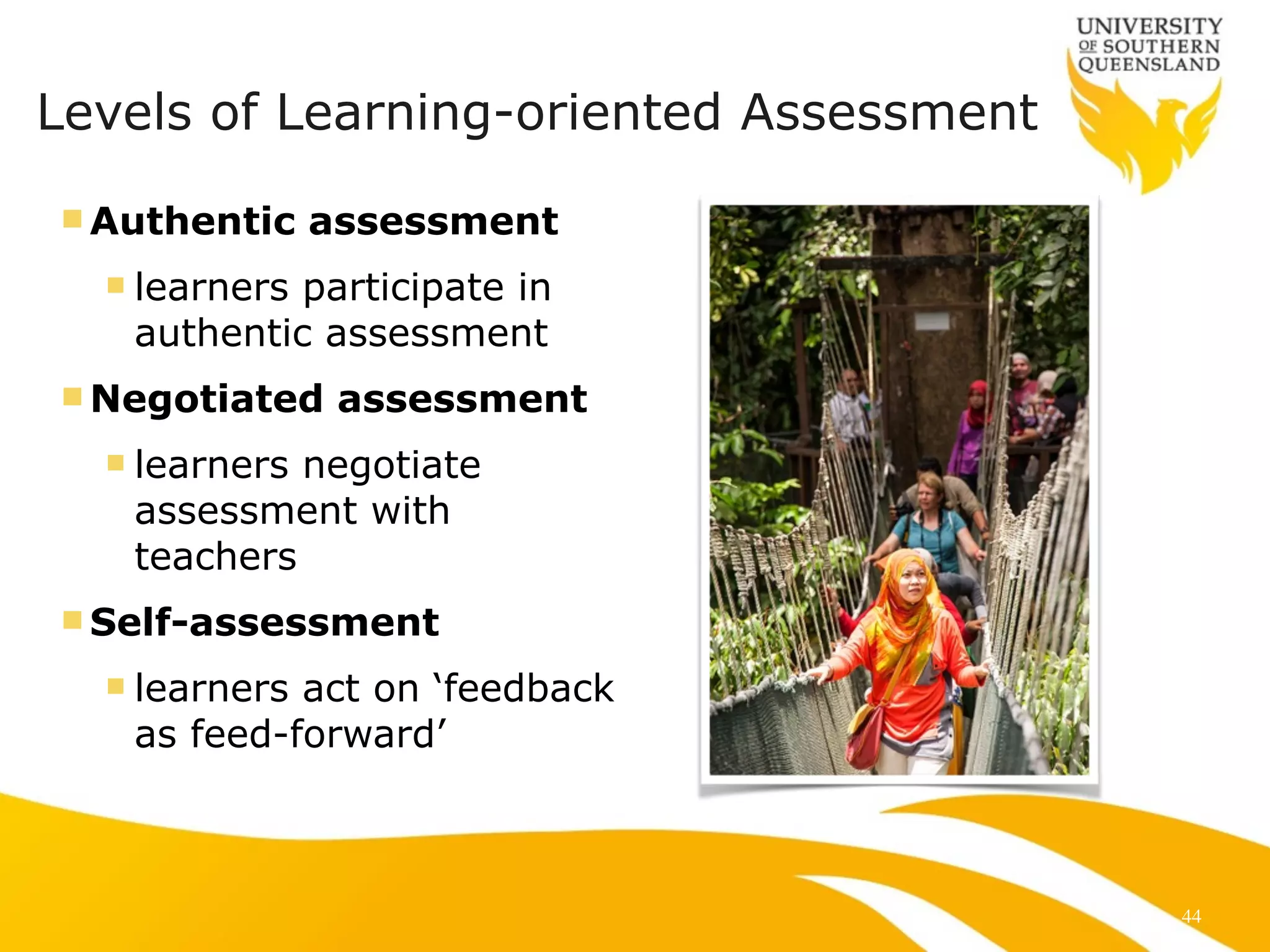
Levels of Learning-oriented Assessment 
nAuthentic assessment 
n learners participate in 
authentic assessment 
nNegotiated assessment 
n learners negotiate 
assessment with 
teachers 
nSelf-assessment 
n learners act on ‘feedback 
as feed-forward’ 
44
Lifelong and Life-wide 
Learning
Lifelong & Life-wide 
Learning 
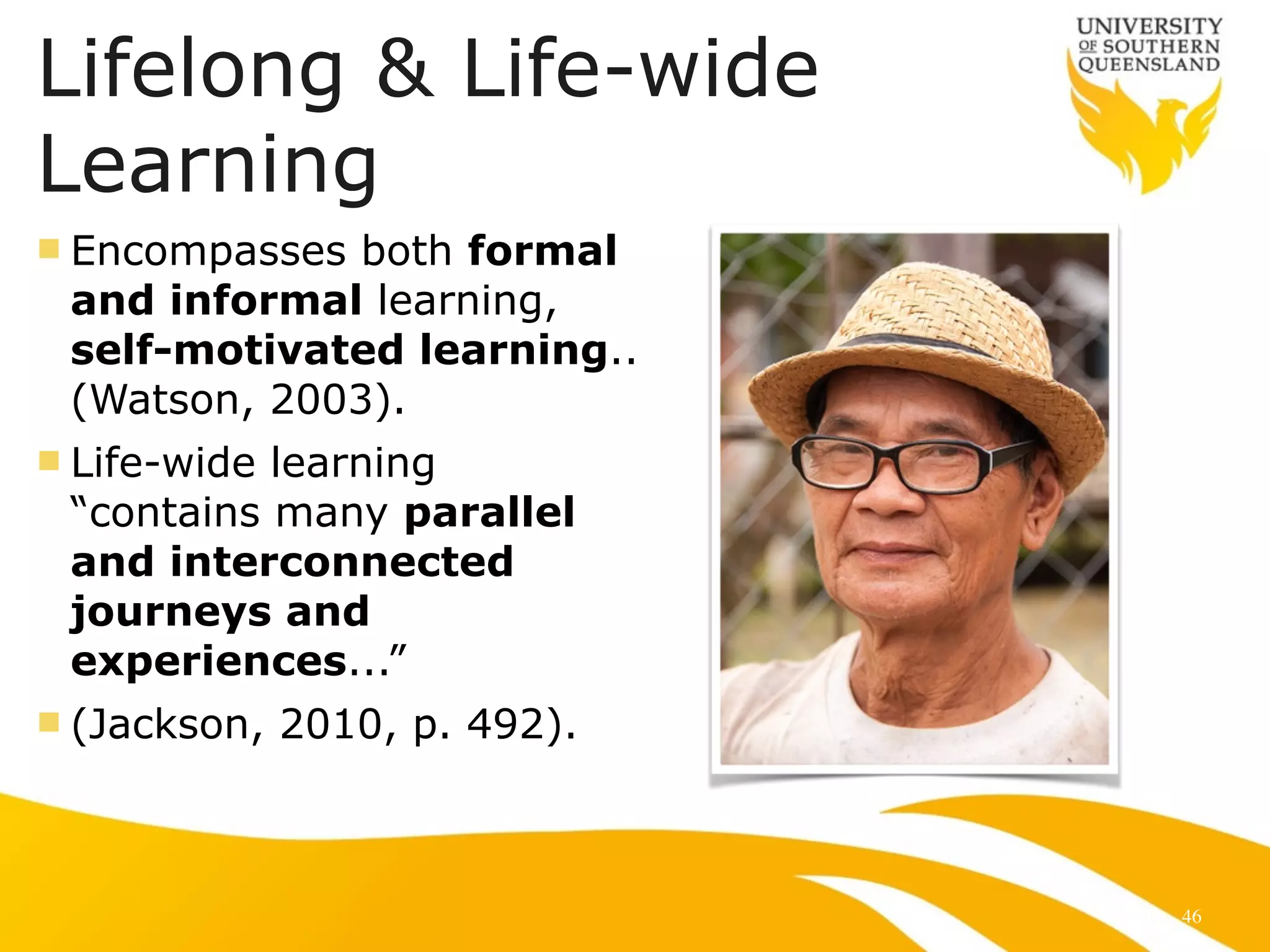
n Encompasses both formal 
and informal learning, 
self-motivated learning.. 
(Watson, 2003). 
n Life-wide learning 
“contains many parallel 
and interconnected 
journeys and 
experiences...” 
n (Jackson, 2010, p. 492). 
46
E-portfolios 
! 
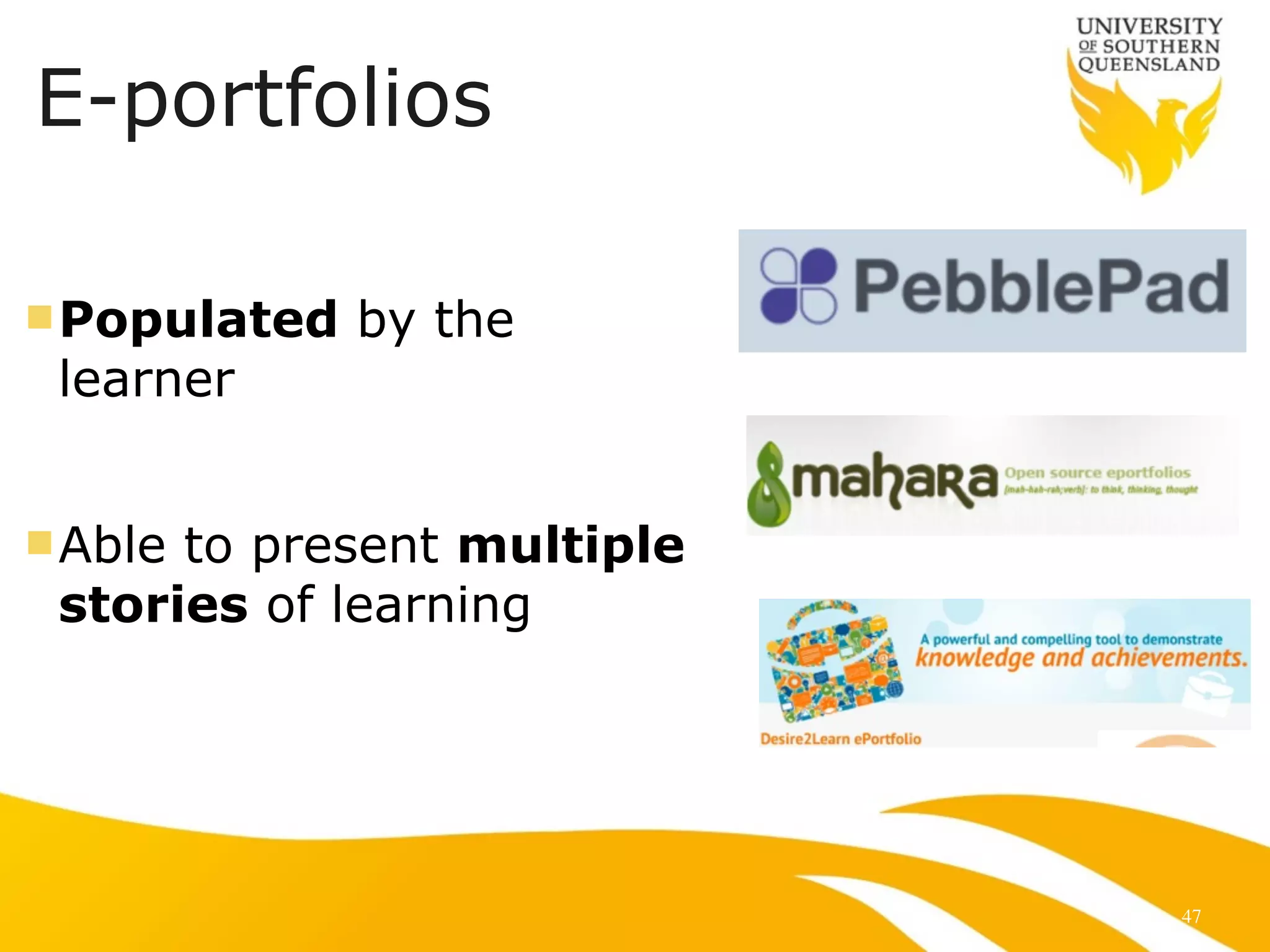
nPopulated by the 
learner 
! 
nAble to present multiple 
stories of learning 
47
The future will require 
learners to be lifelong 
learners whose ability to 
learn will be an essential 
survival skill set to thrive 
in this changing world 
(Keppell, 2015).
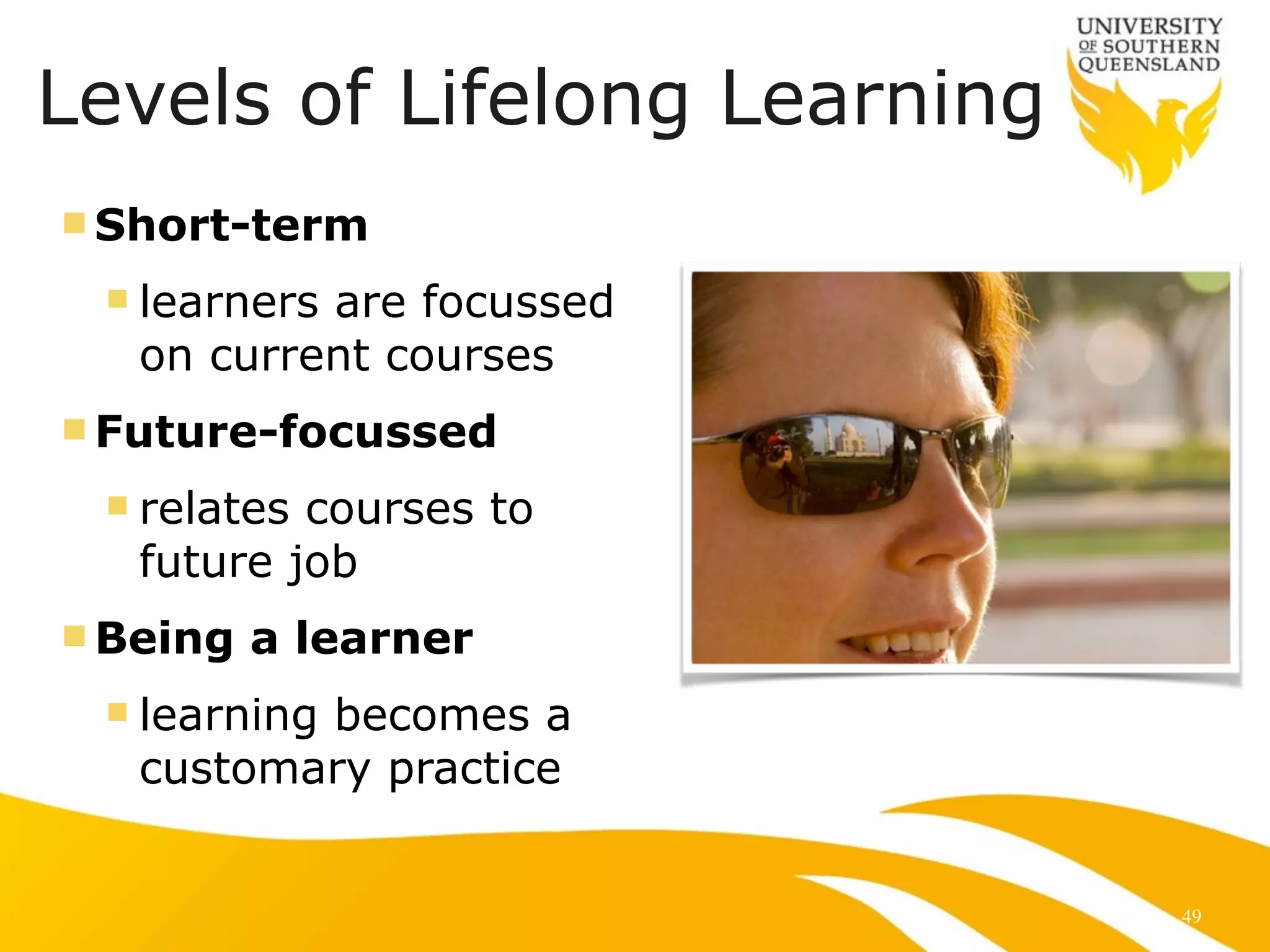
Levels of Lifelong Learning 
nShort-term 
n learners are focussed 
on current courses 
nFuture-focussed 
n relates courses to 
future job 
nBeing a learner 
n learning becomes a 
customary practice 
49
Learning Pathways
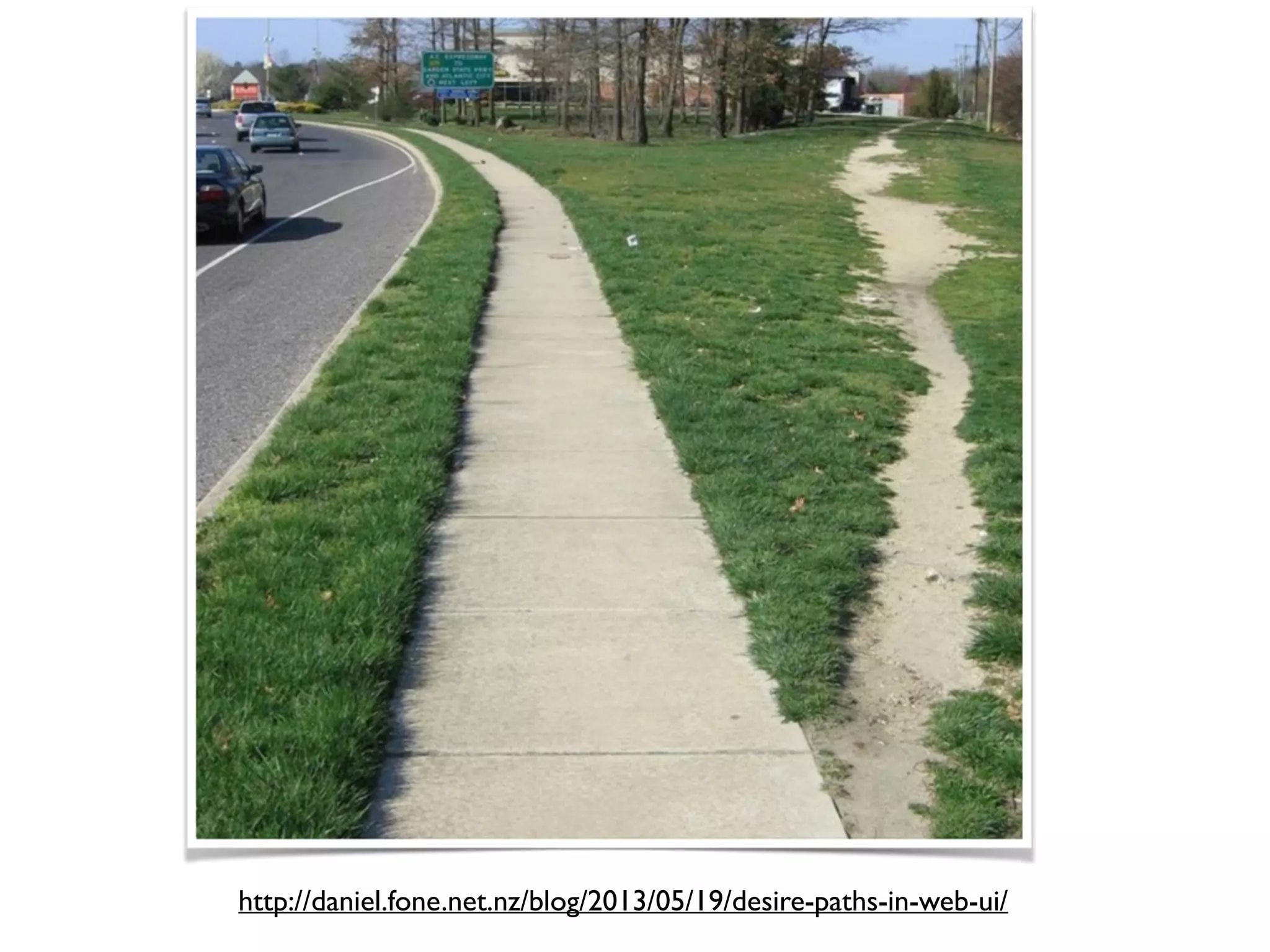
http://daniel.fone.net.nz/blog/2013/05/19/desire-paths-in-web-ui/
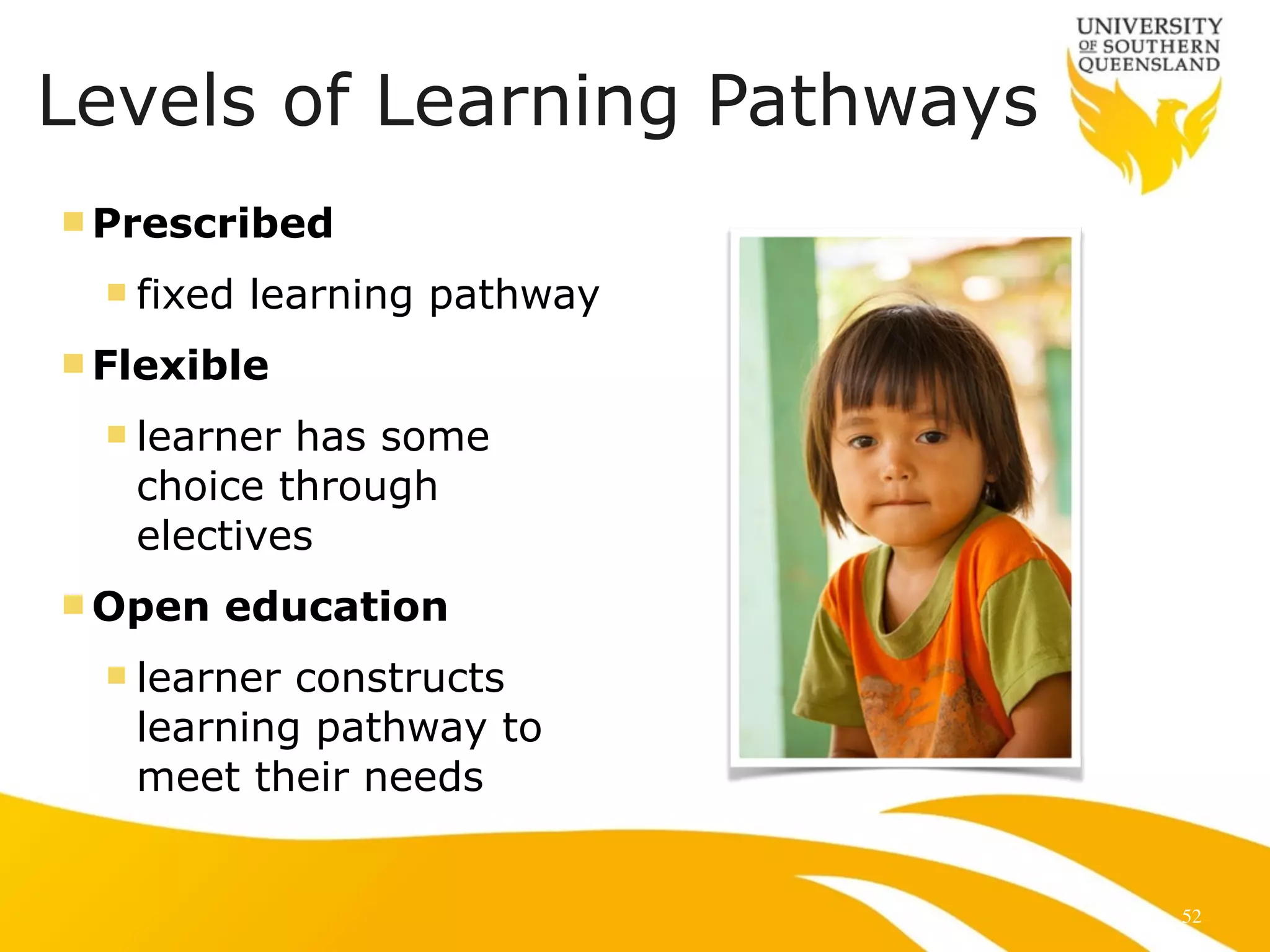
Levels of Learning Pathways 
nPrescribed 
n fixed learning pathway 
n Flexible 
n learner has some 
choice through 
electives 
nOpen education 
n learner constructs 
learning pathway to 
meet their needs 
52
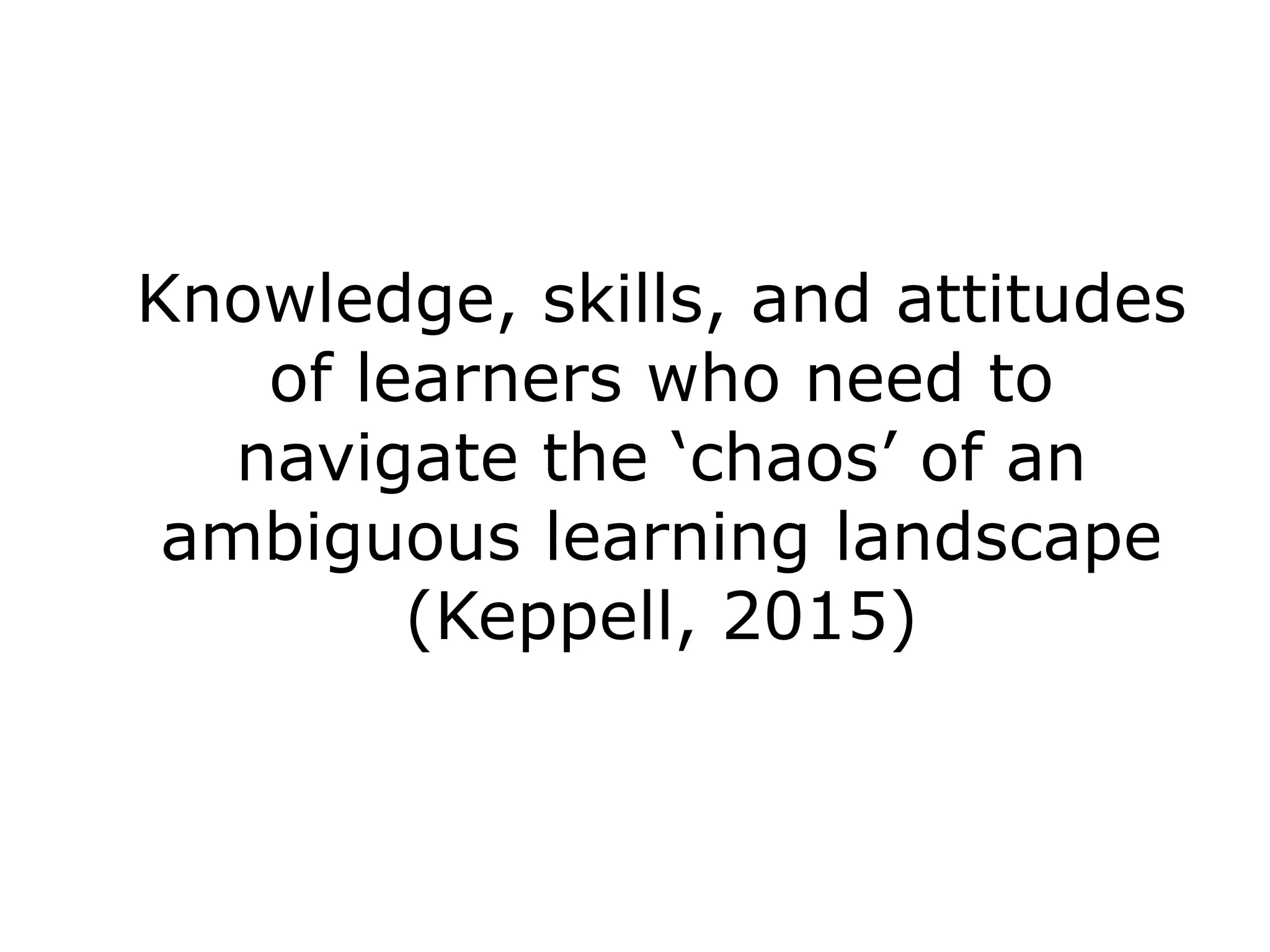
Knowledge, skills, and attitudes 
of learners who need to 
navigate the ‘chaos’ of an 
ambiguous learning landscape 
(Keppell, 2015)
54
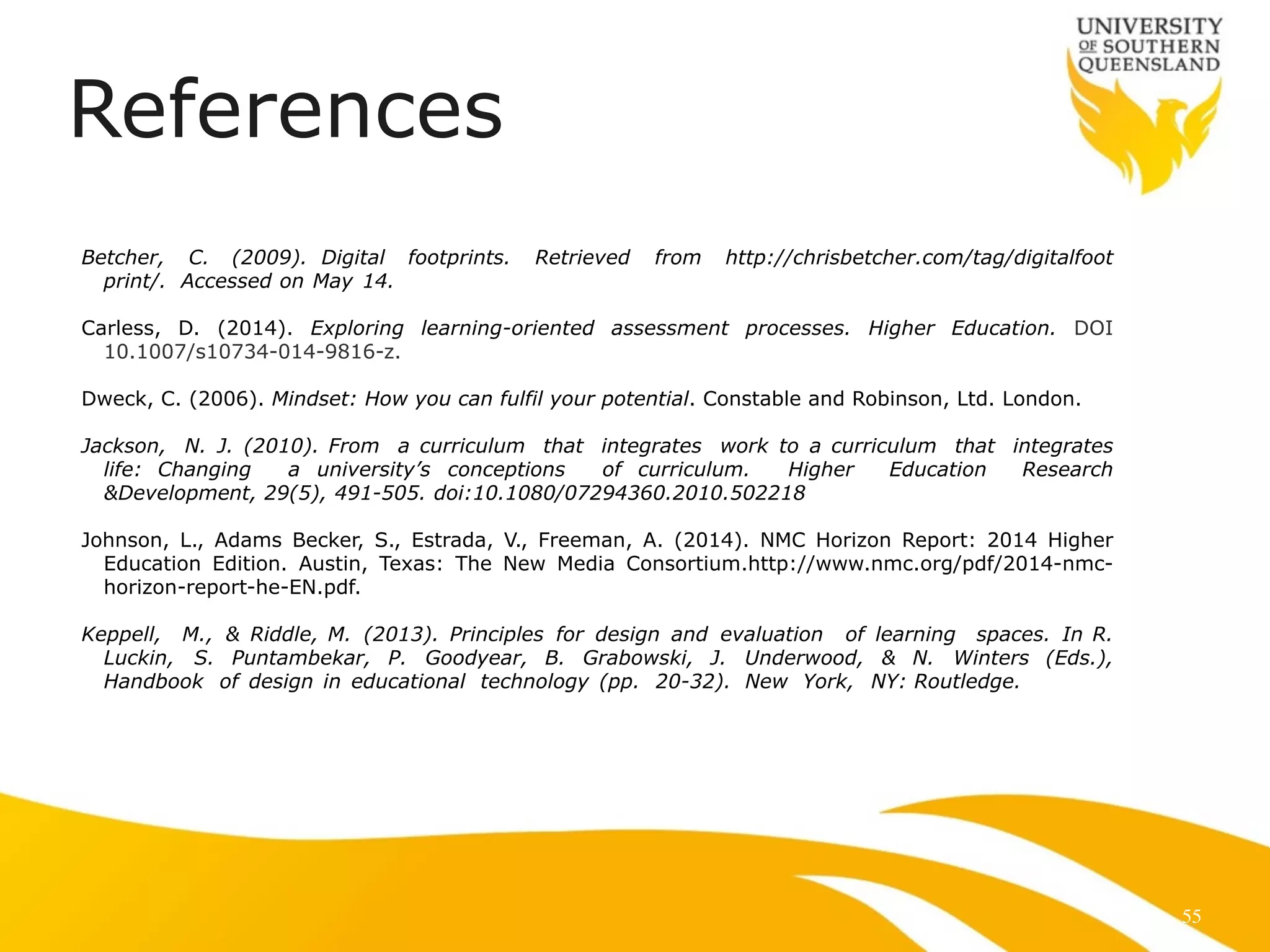
References 
Betcher, C. (2009). Digital footprints. Retrieved from http://chrisbetcher.com/tag/digitalfoot 
print/. Accessed on May 14. 
! 
Carless, D. (2014). Exploring learning-oriented assessment processes. Higher Education. DOI 
10.1007/s10734-014-9816-z. 
! 
Dweck, C. (2006). Mindset: How you can fulfil your potential. Constable and Robinson, Ltd. London. 
! 
Jackson, N. J. (2010). From a curriculum that integrates work to a curriculum that integrates 
life: Changing a university’s conceptions of curriculum. Higher Education Research 
&Development, 29(5), 491-505. doi:10.1080/07294360.2010.502218 
! 
Johnson, L., Adams Becker, S., Estrada, V., Freeman, A. (2014). NMC Horizon Report: 2014 Higher 
Education Edition. Austin, Texas: The New Media Consortium.http://www.nmc.org/pdf/2014-nmc-horizon- 
report-he-EN.pdf. 
! 
Keppell, M., & Riddle, M. (2013). Principles for design and evaluation of learning spaces. In R. 
Luckin, S. Puntambekar, P. Goodyear, B. Grabowski, J. Underwood, & N. Winters (Eds.), 
Handbook of design in educational technology (pp. 20-32). New York, NY: Routledge. 
!!!!! 
55
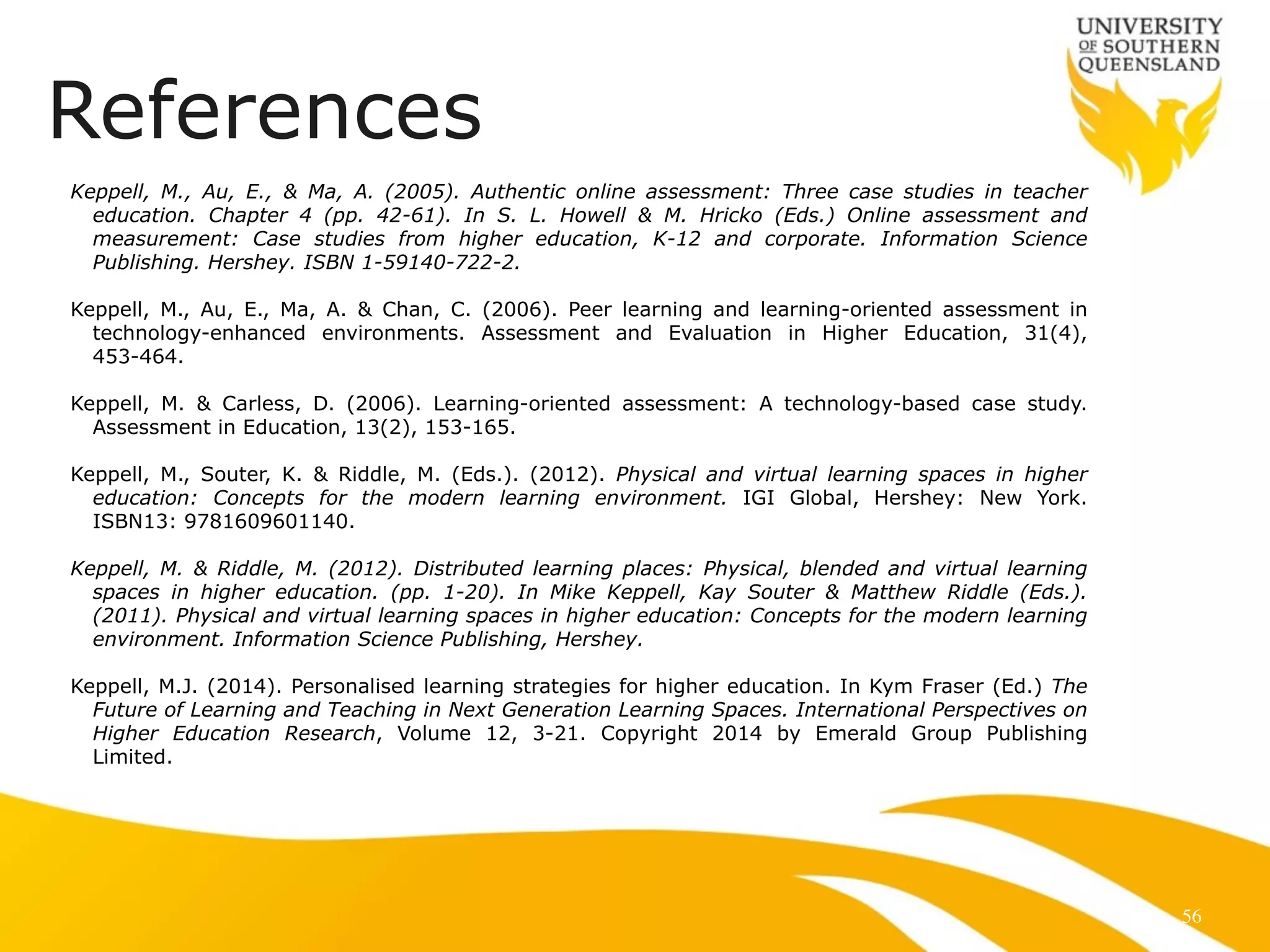
References 
Keppell, M., Au, E., & Ma, A. (2005). Authentic online assessment: Three case studies in teacher 
education. Chapter 4 (pp. 42-61). In S. L. Howell & M. Hricko (Eds.) Online assessment and 
measurement: Case studies from higher education, K-12 and corporate. Information Science 
Publishing. Hershey. ISBN 1-59140-722-2. 
! 
Keppell, M., Au, E., Ma, A. & Chan, C. (2006). Peer learning and learning-oriented assessment in 
technology-enhanced environments. Assessment and Evaluation in Higher Education, 31(4), 
453-464. 
! 
Keppell, M. & Carless, D. (2006). Learning-oriented assessment: A technology-based case study. 
Assessment in Education, 13(2), 153-165. 
! 
Keppell, M., Souter, K. & Riddle, M. (Eds.). (2012). Physical and virtual learning spaces in higher 
education: Concepts for the modern learning environment. IGI Global, Hershey: New York. 
ISBN13: 9781609601140. 
! 
Keppell, M. & Riddle, M. (2012). Distributed learning places: Physical, blended and virtual learning 
spaces in higher education. (pp. 1-20). In Mike Keppell, Kay Souter & Matthew Riddle (Eds.). 
(2011). Physical and virtual learning spaces in higher education: Concepts for the modern learning 
environment. Information Science Publishing, Hershey. 
! 
Keppell, M.J. (2014). Personalised learning strategies for higher education. In Kym Fraser (Ed.) The 
Future of Learning and Teaching in Next Generation Learning Spaces. International Perspectives on 
Higher Education Research, Volume 12, 3-21. Copyright 2014 by Emerald Group Publishing 
Limited. 
!!!! 
56
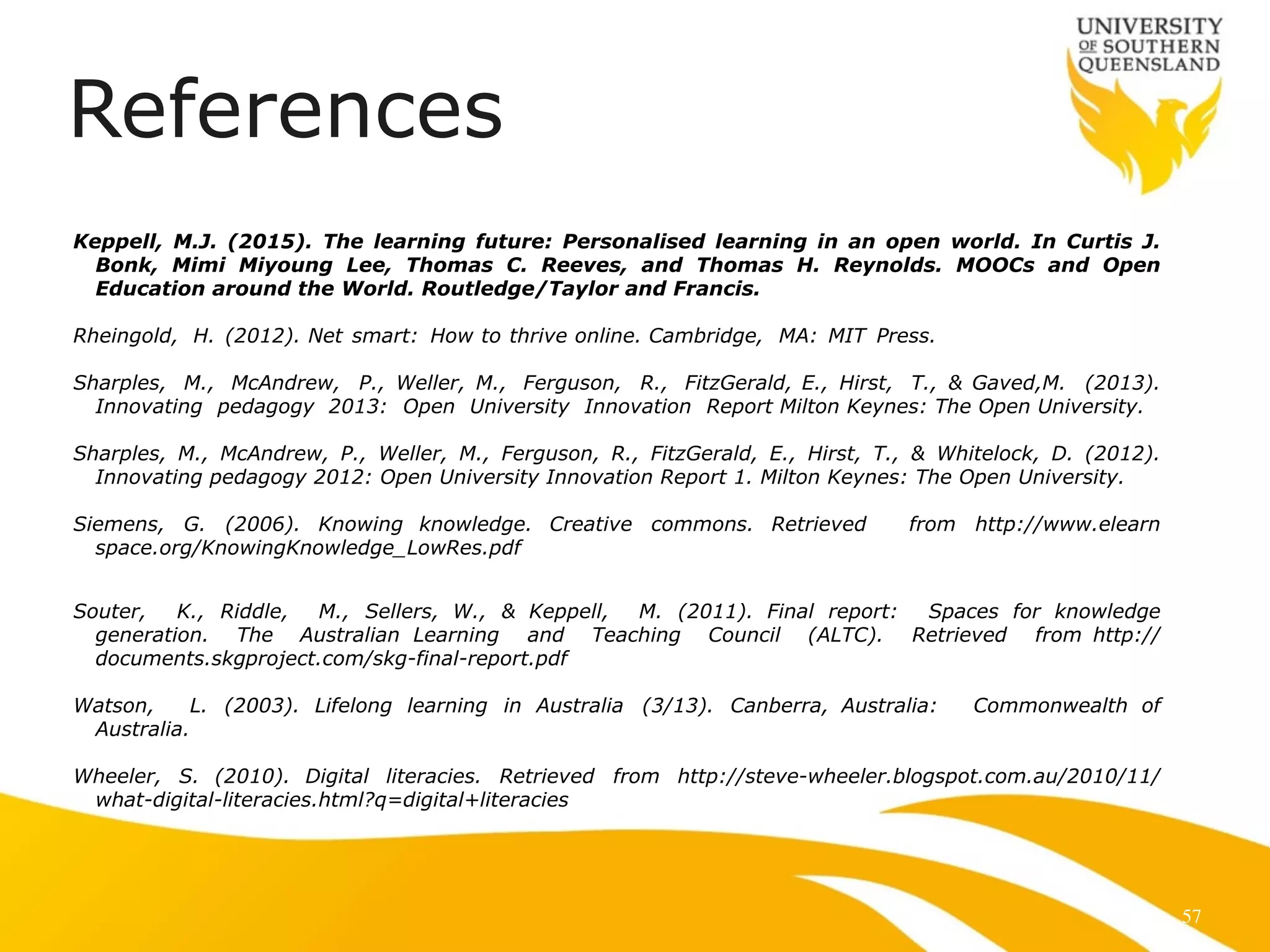
References 
! 
Keppell, M.J. (2015). The learning future: Personalised learning in an open world. In Curtis J. 
Bonk, Mimi Miyoung Lee, Thomas C. Reeves, and Thomas H. Reynolds. MOOCs and Open 
Education around the World. Routledge/Taylor and Francis. 
! 
Rheingold, H. (2012). Net smart: How to thrive online. Cambridge, MA: MIT Press. 
! 
Sharples, M., McAndrew, P., Weller, M., Ferguson, R., FitzGerald, E., Hirst, T., & Gaved,M. (2013). 
Innovating pedagogy 2013: Open University Innovation Report Milton Keynes: The Open University. 
! 
Sharples, M., McAndrew, P., Weller, M., Ferguson, R., FitzGerald, E., Hirst, T., & Whitelock, D. (2012). 
Innovating pedagogy 2012: Open University Innovation Report 1. Milton Keynes: The Open University. 
! 
Siemens, G. (2006). Knowing knowledge. Creative commons. Retrieved from http://www.elearn 
space.org/KnowingKnowledge_LowRes.pdf 
! 
! 
Souter, K., Riddle, M., Sellers, W., & Keppell, M. (2011). Final report: Spaces for knowledge 
generation. The Australian Learning and Teaching Council (ALTC). Retrieved from http:// 
documents.skgproject.com/skg-final-report.pdf 
! 
Watson, L. (2003). Lifelong learning in Australia (3/13). Canberra, Australia: Commonwealth of 
Australia. 
Wheeler, S. (2010). Digital literacies. Retrieved from http://steve-wheeler.blogspot.com.au/2010/11/ 
what-digital-literacies.html?q=digital+literacies 
! 
57

Moodleposium: Roadmap for Personalised Learning

  • 1.
    ! Personalised Lifelong Learning in a Digital Age Moodlesposium ‘Hitting the Targets’ UNSW Canberra ADFA November 3-4, 2014 Professor Mike Keppell Executive Director Australian Digital Futures Institute Director, Digital Futures - CRN
  • 2.
    Start With theEnd in Mind ! Are we all looking at the same thing? 2
  • 3.
    RUN Maths andScience Digital Classroom n Inspiring year 9 & 10 learners n6 RUN, AMSI, PICSE, CSIRO n52 schools n500 students n400 teachers n ‘neutral Moodle space’ n4 research projects 3
  • 4.
    Overview nContext nPlace of learning nNext generation students n Personalised learning toolkit nRoadmap for personalised learning 4
  • 5.
  • 6.
    2014 NMC TechnologyOutlook for Australian Tertiary Education
  • 8.
  • 9.
    Face-to-face ‘Campus’ Formal On-campus Informal On-campus Informal Personalised Off-campus Learning Strategies
  • 10.
  • 13.
  • 14.
    I define personalisedlearning as the knowledge, skills and attitudes that enable learning and act as a catalyst to empower the learner to continue to learn (Keppell, 2015)
  • 15.
    Knowledge, Skills andAttitudes nKnowledge is now co-created nSkills form a basis for learning nAttitudes influence beliefs and behaviours nGrowth mindset (Dweck, 2006) nOpenly seek challenge 15
  • 16.
    Personalised Learning Toolkit nDigital literacies nSeamless learning nSelf-regulated learning n Learning-oriented assessment n Lifelong and life-wide learning n Flexible learning pathways 16
  • 17.
  • 18.
    Wheeler Digital Literacies n Social networking skills n Transliteracy skills n Maintaining Privacy n Managing Identity n Creating content n Organising and sharing content n Reusing/repurposing content n Filtering and selecting content n Self broadcasting !! http://steve-wheeler.blogspot.co.uk/2010/11/what-digital-literacies. html 18
  • 19.
    Levels of DigitalLiteracies nDigital competency n knowing how to use digital tools nDigital Fluency n applying digital knowledge and skills nDigital design n user-generated content n ‘learner-as-designer’ 19
  • 20.
  • 23.
    Developing Literacies nEmployable graduates need to be digitally literate ! n Learners need to be supported by staff to develop academic digital literacies ! n Professional development is vital in developing digital literacies 23
  • 24.
  • 25.
    I can seea day in the not too distant future (if it’s not already here) where your “digital footprint” will carry far more weight than anything you might include in a resume or CV (Betcher, 2009) ! http://chrisbetcher.com/tag/ digitalfootprint/
  • 26.
  • 27.
    Seamless Learning nContinuityof learning across a combination of locations, times, technologies or social settings (Sharples, et al, 2012, 2013). 27
  • 28.
    Distributed Learning Spaces Physical Blended Virtual Formal Informal Formal Informal Mobile Personal Academic Outdoor Professional Practice 28
  • 29.
  • 30.
    Learning Space Literacies nLearning space literacies are the knowledge, skills and attitudes that are required to recognise, utilise and adapt distributed learning spaces so that they allow the personalised learner to engage with their learning (Keppell, 2014). 30
  • 31.
    Levels of SeamlessLearning nOn-campus n comfortable with formal and informal spaces nVirtual campus n comfortable with blended, online, social media nAnywhere n trains, cafes, teleworking 31
  • 32.
  • 33.
    Levels of Self-RegulatedLearning nScaffolded learners n teachers scaffold learning nStrategic learners n learners begin to manage their own learning nAutonomous learners n learners become strategic learners 33
  • 34.
  • 35.
    Learning-oriented Assessment Assessment tasks as learning tasks Student Forward-looking involvement in assessment processes feedback
  • 36.
    Assessment Tasks as Learning Tasks nAssessment tasks determine student effort nTasks should require distribution of student time and effort (Gibbs & Simpson, 2004) 36
  • 37.
    Student Involvement in Assessment nStudents begin to learn about assessment nStudents begin to determine the quality of their own work 37
  • 38.
    Forward-looking Feedback ! nFeedback should be timely and with a potential to be acted upon (Gibbs & Simpson, 2004) 38
  • 44.
    Levels of Learning-orientedAssessment nAuthentic assessment n learners participate in authentic assessment nNegotiated assessment n learners negotiate assessment with teachers nSelf-assessment n learners act on ‘feedback as feed-forward’ 44
  • 45.
  • 46.
    Lifelong & Life-wide Learning n Encompasses both formal and informal learning, self-motivated learning.. (Watson, 2003). n Life-wide learning “contains many parallel and interconnected journeys and experiences...” n (Jackson, 2010, p. 492). 46
  • 47.
    E-portfolios ! nPopulatedby the learner ! nAble to present multiple stories of learning 47
  • 48.
    The future willrequire learners to be lifelong learners whose ability to learn will be an essential survival skill set to thrive in this changing world (Keppell, 2015).
  • 49.
    Levels of LifelongLearning nShort-term n learners are focussed on current courses nFuture-focussed n relates courses to future job nBeing a learner n learning becomes a customary practice 49
  • 50.
  • 51.
  • 52.
    Levels of LearningPathways nPrescribed n fixed learning pathway n Flexible n learner has some choice through electives nOpen education n learner constructs learning pathway to meet their needs 52
  • 53.
    Knowledge, skills, andattitudes of learners who need to navigate the ‘chaos’ of an ambiguous learning landscape (Keppell, 2015)
  • 54.
  • 55.
    References Betcher, C.(2009). Digital footprints. Retrieved from http://chrisbetcher.com/tag/digitalfoot print/. Accessed on May 14. ! Carless, D. (2014). Exploring learning-oriented assessment processes. Higher Education. DOI 10.1007/s10734-014-9816-z. ! Dweck, C. (2006). Mindset: How you can fulfil your potential. Constable and Robinson, Ltd. London. ! Jackson, N. J. (2010). From a curriculum that integrates work to a curriculum that integrates life: Changing a university’s conceptions of curriculum. Higher Education Research &Development, 29(5), 491-505. doi:10.1080/07294360.2010.502218 ! Johnson, L., Adams Becker, S., Estrada, V., Freeman, A. (2014). NMC Horizon Report: 2014 Higher Education Edition. Austin, Texas: The New Media Consortium.http://www.nmc.org/pdf/2014-nmc-horizon- report-he-EN.pdf. ! Keppell, M., & Riddle, M. (2013). Principles for design and evaluation of learning spaces. In R. Luckin, S. Puntambekar, P. Goodyear, B. Grabowski, J. Underwood, & N. Winters (Eds.), Handbook of design in educational technology (pp. 20-32). New York, NY: Routledge. !!!!! 55
  • 56.
    References Keppell, M.,Au, E., & Ma, A. (2005). Authentic online assessment: Three case studies in teacher education. Chapter 4 (pp. 42-61). In S. L. Howell & M. Hricko (Eds.) Online assessment and measurement: Case studies from higher education, K-12 and corporate. Information Science Publishing. Hershey. ISBN 1-59140-722-2. ! Keppell, M., Au, E., Ma, A. & Chan, C. (2006). Peer learning and learning-oriented assessment in technology-enhanced environments. Assessment and Evaluation in Higher Education, 31(4), 453-464. ! Keppell, M. & Carless, D. (2006). Learning-oriented assessment: A technology-based case study. Assessment in Education, 13(2), 153-165. ! Keppell, M., Souter, K. & Riddle, M. (Eds.). (2012). Physical and virtual learning spaces in higher education: Concepts for the modern learning environment. IGI Global, Hershey: New York. ISBN13: 9781609601140. ! Keppell, M. & Riddle, M. (2012). Distributed learning places: Physical, blended and virtual learning spaces in higher education. (pp. 1-20). In Mike Keppell, Kay Souter & Matthew Riddle (Eds.). (2011). Physical and virtual learning spaces in higher education: Concepts for the modern learning environment. Information Science Publishing, Hershey. ! Keppell, M.J. (2014). Personalised learning strategies for higher education. In Kym Fraser (Ed.) The Future of Learning and Teaching in Next Generation Learning Spaces. International Perspectives on Higher Education Research, Volume 12, 3-21. Copyright 2014 by Emerald Group Publishing Limited. !!!! 56
  • 57.
    References ! Keppell,M.J. (2015). The learning future: Personalised learning in an open world. In Curtis J. Bonk, Mimi Miyoung Lee, Thomas C. Reeves, and Thomas H. Reynolds. MOOCs and Open Education around the World. Routledge/Taylor and Francis. ! Rheingold, H. (2012). Net smart: How to thrive online. Cambridge, MA: MIT Press. ! Sharples, M., McAndrew, P., Weller, M., Ferguson, R., FitzGerald, E., Hirst, T., & Gaved,M. (2013). Innovating pedagogy 2013: Open University Innovation Report Milton Keynes: The Open University. ! Sharples, M., McAndrew, P., Weller, M., Ferguson, R., FitzGerald, E., Hirst, T., & Whitelock, D. (2012). Innovating pedagogy 2012: Open University Innovation Report 1. Milton Keynes: The Open University. ! Siemens, G. (2006). Knowing knowledge. Creative commons. Retrieved from http://www.elearn space.org/KnowingKnowledge_LowRes.pdf ! ! Souter, K., Riddle, M., Sellers, W., & Keppell, M. (2011). Final report: Spaces for knowledge generation. The Australian Learning and Teaching Council (ALTC). Retrieved from http:// documents.skgproject.com/skg-final-report.pdf ! Watson, L. (2003). Lifelong learning in Australia (3/13). Canberra, Australia: Commonwealth of Australia. Wheeler, S. (2010). Digital literacies. Retrieved from http://steve-wheeler.blogspot.com.au/2010/11/ what-digital-literacies.html?q=digital+literacies ! 57