Dr Hatem El Bitar
Egyptian fellowship
Lecturer in MEDIANCE Medical Academy
Infection
control
COURSE
‫الرحيم‬ ‫الرحمن‬ ‫هللا‬ ‫بسم‬
At the end of this session, the participants will be
able to know:
1-definitions related to infection control
2-modes of transmission of infections
3-portals of entry of bacteria
4-Explain universal precautions
5-Explain the worker’s role in preventing spread of
infections
6-Demonstrate proper hand washing techniques,
application and removal of gloves
7-Describe appropriate techniques for cleaning up tools
OBJECTIVES
8-difference between pandemic and
epidemic
9-noscomial infection
10- protocols of infection control in
child care
11- protocols of infection control in
ophthalmology departments
12- protocols of infection control in
endoscopes
13- protocols of infection control in
respiratory tract infection
OBJECTIVES
14- protocols of infection control in
dentistry
15- protocols of infection control in icu
16- protocols of infection control in nicu
17- protocols of infection control in kidney
dialysis units
18- protocols of infection control in
urinary tract departments
19- protocols of infection control in
surgical site infection
20 international infection control
standards for health care facilities
OBJECTIVES
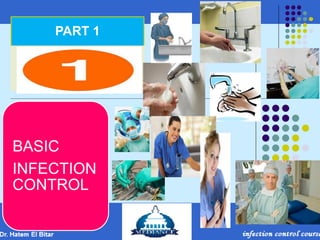
PART 1
BASIC
INFECTION
CONTROL
Introduction
Before we start studying
this branch of medicine
we should ask ourselves
why I select it to study?
and what I expect before I
study this diploma?
(first assignment)
-why you select this diploma to
study?
-Write about your job in the
hospital
- If you work in this field, what is
your tasks in the
committee/department?
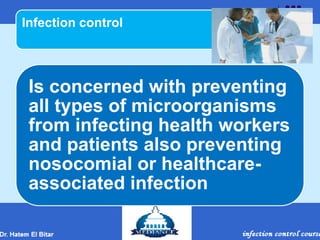
Infection control
Is concerned with preventing
all types of microorganisms
from infecting health workers
and patients also preventing
nosocomial or healthcare-
associated infection
-According to the WHO,
medical institutions must have an
A-Infection Control
Committee
B- Proper infection
control
infrastructure
Are required to meet hospital
accreditation Standards
Get educated and
involved
Be aware of your rights
To be a part of the
decision
Process for your
medical
care
THANK YOU
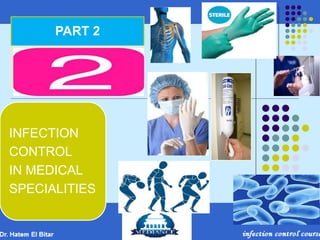
PART 2
INFECTION
CONTROL
IN MEDICAL
SPECIALITIES
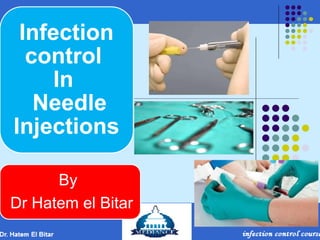
Infection
control
In
Needle
Injections
By
Dr Hatem el Bitar
Infection
control
in
endoscopy
By
Dr Hatem EL
Bitar
EGYPTIAN BOARD
(FELLOWSHIP)
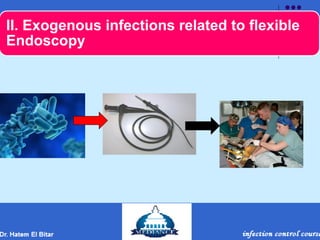
II. Exogenous infections related to flexible
Endoscopy
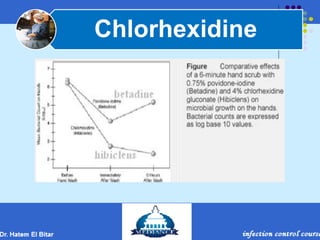
Chlorhexidine
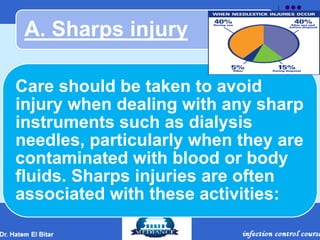
A. Sharps injury
Care should be taken to avoid
injury when dealing with any sharp
instruments such as dialysis
needles, particularly when they are
contaminated with blood or body
fluids. Sharps injuries are often
associated with these activities:
Thank You
Dr Hatem El Bitar
01005684344
When using sterile gloves,
hand washing is not
important
false
I should expect health care workers
to always introduce themselves or
to wear an identification badge.
True
‫للمؤلف‬ ‫محفوظة‬ ‫النشر‬ ‫حقوق‬ ‫جميع‬
‫مسبق‬ ‫كتابي‬ ‫بأمر‬ ‫اال‬ ‫النسخ‬ ‫او‬ ‫النشر‬ ‫يحق‬ ‫وال‬
All copy rights © reserved to
Dr Hatem El Bitar
01005684344

Mob 01005684344د حاتم الببطار (7)

  • 1.
    Dr Hatem ElBitar Egyptian fellowship Lecturer in MEDIANCE Medical Academy Infection control COURSE ‫الرحيم‬ ‫الرحمن‬ ‫هللا‬ ‫بسم‬
  • 2.
    At the endof this session, the participants will be able to know: 1-definitions related to infection control 2-modes of transmission of infections 3-portals of entry of bacteria 4-Explain universal precautions 5-Explain the worker’s role in preventing spread of infections 6-Demonstrate proper hand washing techniques, application and removal of gloves 7-Describe appropriate techniques for cleaning up tools OBJECTIVES
  • 3.
    8-difference between pandemicand epidemic 9-noscomial infection 10- protocols of infection control in child care 11- protocols of infection control in ophthalmology departments 12- protocols of infection control in endoscopes 13- protocols of infection control in respiratory tract infection OBJECTIVES
  • 4.
    14- protocols ofinfection control in dentistry 15- protocols of infection control in icu 16- protocols of infection control in nicu 17- protocols of infection control in kidney dialysis units 18- protocols of infection control in urinary tract departments 19- protocols of infection control in surgical site infection 20 international infection control standards for health care facilities OBJECTIVES
  • 5.
  • 6.
    Introduction Before we startstudying this branch of medicine we should ask ourselves why I select it to study? and what I expect before I study this diploma?
  • 7.
    (first assignment) -why youselect this diploma to study? -Write about your job in the hospital - If you work in this field, what is your tasks in the committee/department?
  • 8.
    Infection control Is concernedwith preventing all types of microorganisms from infecting health workers and patients also preventing nosocomial or healthcare- associated infection
  • 9.
    -According to theWHO, medical institutions must have an A-Infection Control Committee B- Proper infection control infrastructure Are required to meet hospital accreditation Standards
  • 10.
    Get educated and involved Beaware of your rights To be a part of the decision Process for your medical care
  • 11.
  • 12.
  • 13.
  • 14.
  • 15.
    II. Exogenous infectionsrelated to flexible Endoscopy
  • 17.
  • 18.
    A. Sharps injury Careshould be taken to avoid injury when dealing with any sharp instruments such as dialysis needles, particularly when they are contaminated with blood or body fluids. Sharps injuries are often associated with these activities:
  • 19.
    Thank You Dr HatemEl Bitar 01005684344
  • 20.
    When using sterilegloves, hand washing is not important false
  • 21.
    I should expecthealth care workers to always introduce themselves or to wear an identification badge. True
  • 22.
    ‫للمؤلف‬ ‫محفوظة‬ ‫النشر‬‫حقوق‬ ‫جميع‬ ‫مسبق‬ ‫كتابي‬ ‫بأمر‬ ‫اال‬ ‫النسخ‬ ‫او‬ ‫النشر‬ ‫يحق‬ ‫وال‬ All copy rights © reserved to Dr Hatem El Bitar 01005684344