Introduction
 The Tomahawk is a long-range, all-weather, subsonic cruise missile.
 The missile was named after the Native American axe.
 Introduced by McDonnell Douglas in the 1970s, it was initially designed as a medium to long-
range, low-altitude missile that could be launched from a surface platform.
 It has been improved several times, and due to corporate divestitures and acquisitions, is
now made by Raytheon.
 Some Tomahawks were also manufactured by General Dynamics (now Boeing Defense,
Space & Security).
 The Tomahawk missile family consists of a number of subsonic, jet engine-powered missiles
designed to attack a variety of surface targets.
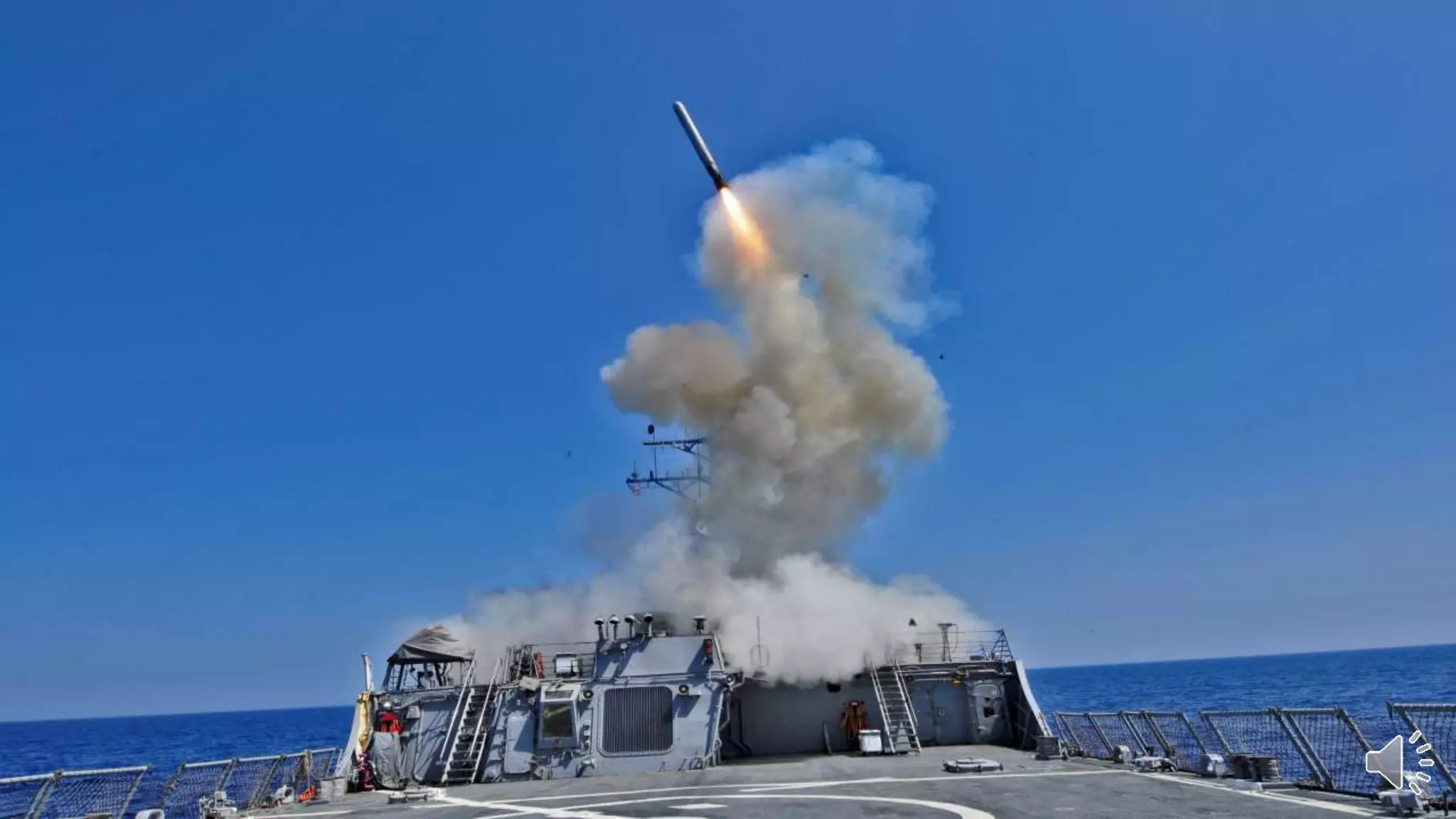
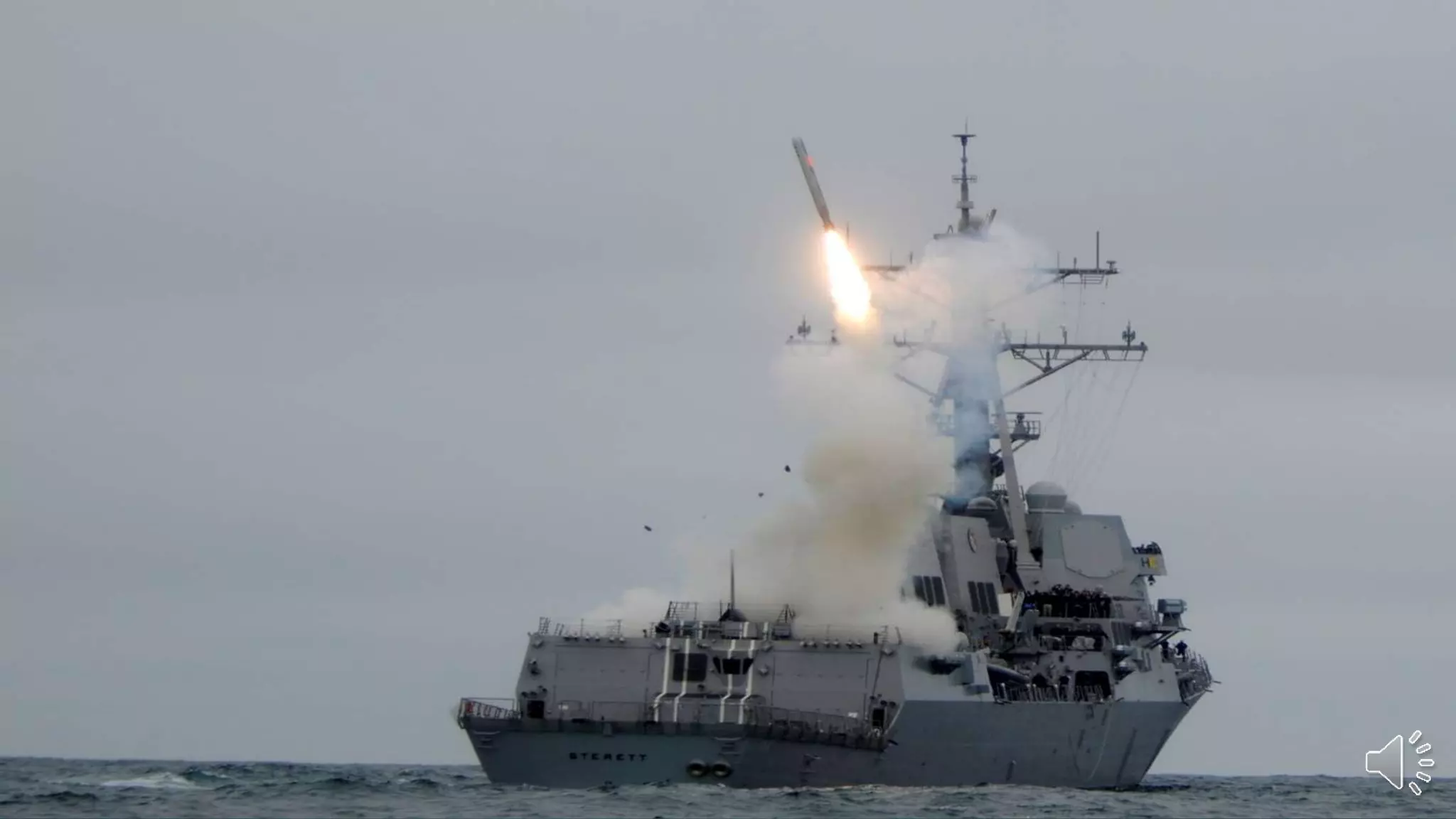
 Although a number of launch platforms have been deployed or envisaged, only sea (both
surface ship and submarine) launched variants are currently in service.
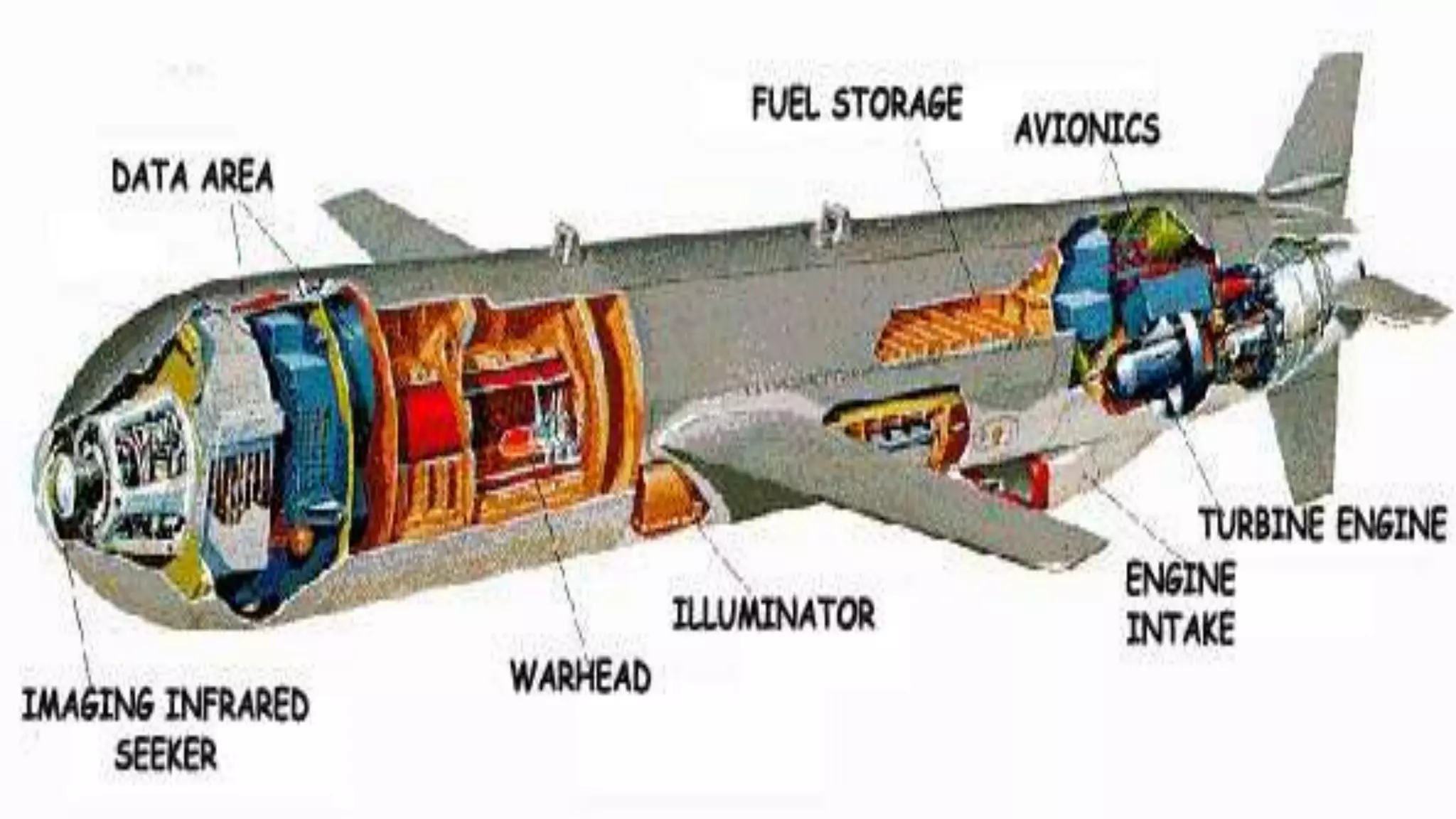
 Tomahawk has a modular design, allowing a wide variety of warhead, guidance, and
range capabilities.
Design
 The Tomahawk is designed to operate at very low altitudes, while
maintaining high subsonic speeds. Its modular design allows the integration
of numerous types of warheads, guidance and control systems.
 The missile carries a nuclear or conventional payload.
 It can be armed with a nuclear warhead or unitary warhead or a
conventional sub-munitions dispenser with combined effect bomblets.
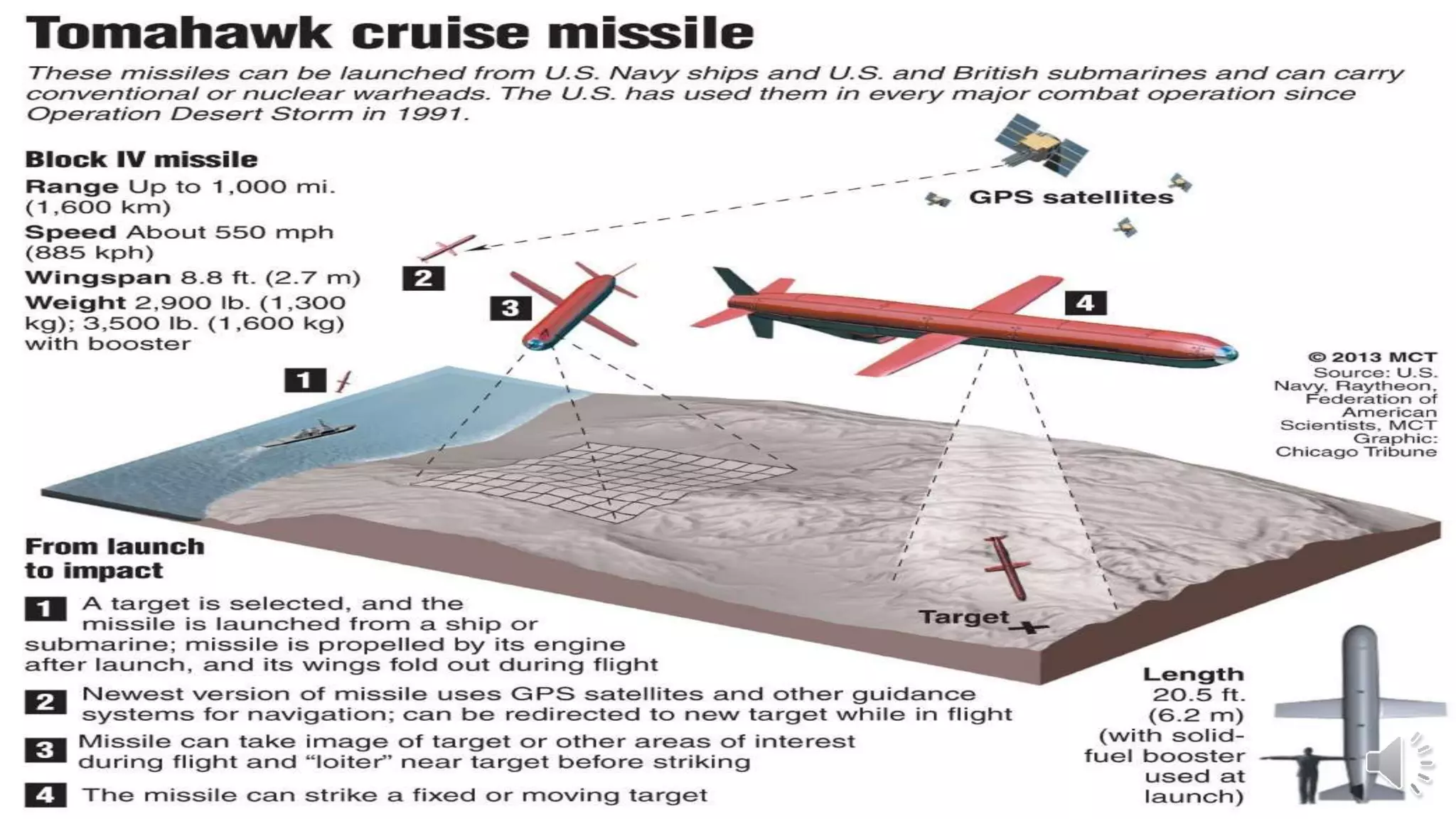
 The Tomahawk missile has a length of 5.56m, diameter of 51.8cm and a
wing span of 2.67m. The weight of the missile is 1,315kg.
 The Tomahawk weapon system includes the Tomahawk missile, Theatre
Mission Planning Centre (TMPC)/Afloat Planning System, and the Tomahawk
Weapon Control System (TWCS) for surface vessels or Combat Control
System (CCS) for submarines.
Control & guidance
 The Tomahawk Block IV uses GPS navigation and a satellite data-link to continue through a
pre-set course.
 The missile can be reprogrammed in-flight to a new target.
 The two-way satellite communications are utilised to perform post-launch mission changes
throughout the flight. The on-board camera provides imagery of the target to the
commanders.
 The guidance system is assisted by Terrain Contour Matching (TERCOM). The Digital Scene
Matching Area Correlation (DSMAC) system or GPS provide terminal guidance.
 The Tactical Tomahawk Weapons Control System (TTWCS) integrated with the ship's systems
computes the path to engage targets.
 The system allows the planning of new missions aboard the launch vessel. the TTWCS is also
used to communicate with multiple missiles for reassigning the targets and redirecting the
missiles in flight.
Propulsion
 The Tomahawk Block IV missile is powered by a
Williams International F415 cruise turbo-fan engine
and ARC MK 135 rocket motor.
 The propulsion provides a subsonic speed of
880km/h.
Launch Platforms
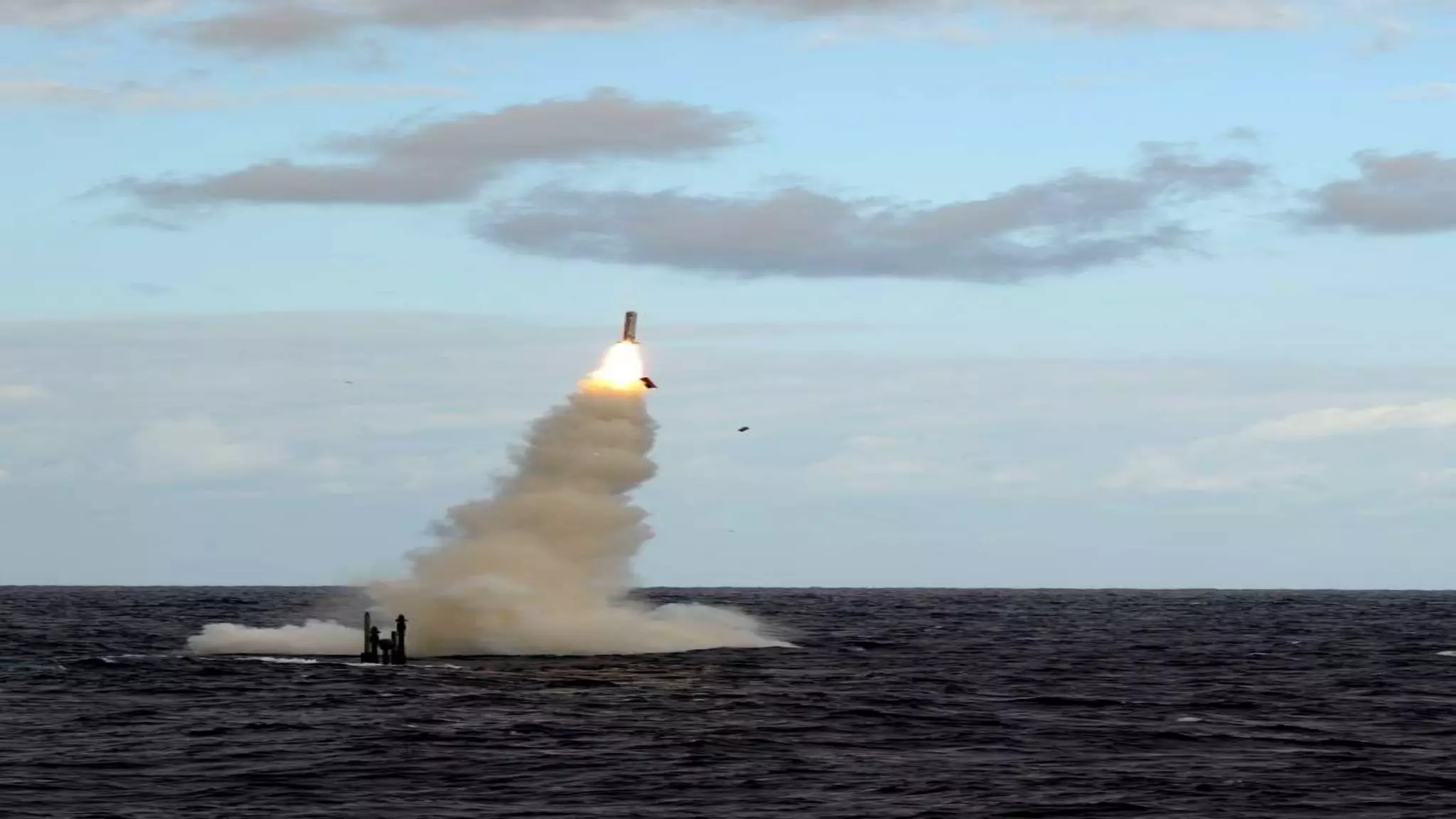
 The missile can be launched from over 140 US Navy ships and submarines as
well as Astute and Trafalgar class submarines of the Royal Navy.
 All cruisers, destroyers, guided missile and attack submarines in the US Navy
are equipped with a Tomahawk weapons system.
 US Navy launch platforms were modified to accommodate upgraded
Tomahawk missile variants.
 Four Ohio class nuclear ballistic missile submarines were converted into cruise
missile submarines for firing Tomahawk missiles.
 The Virginia class submarines and the Royal Navy Astute class submarines
were also fitted with new vertical launch modules for Tomahawk missile.
Navigation
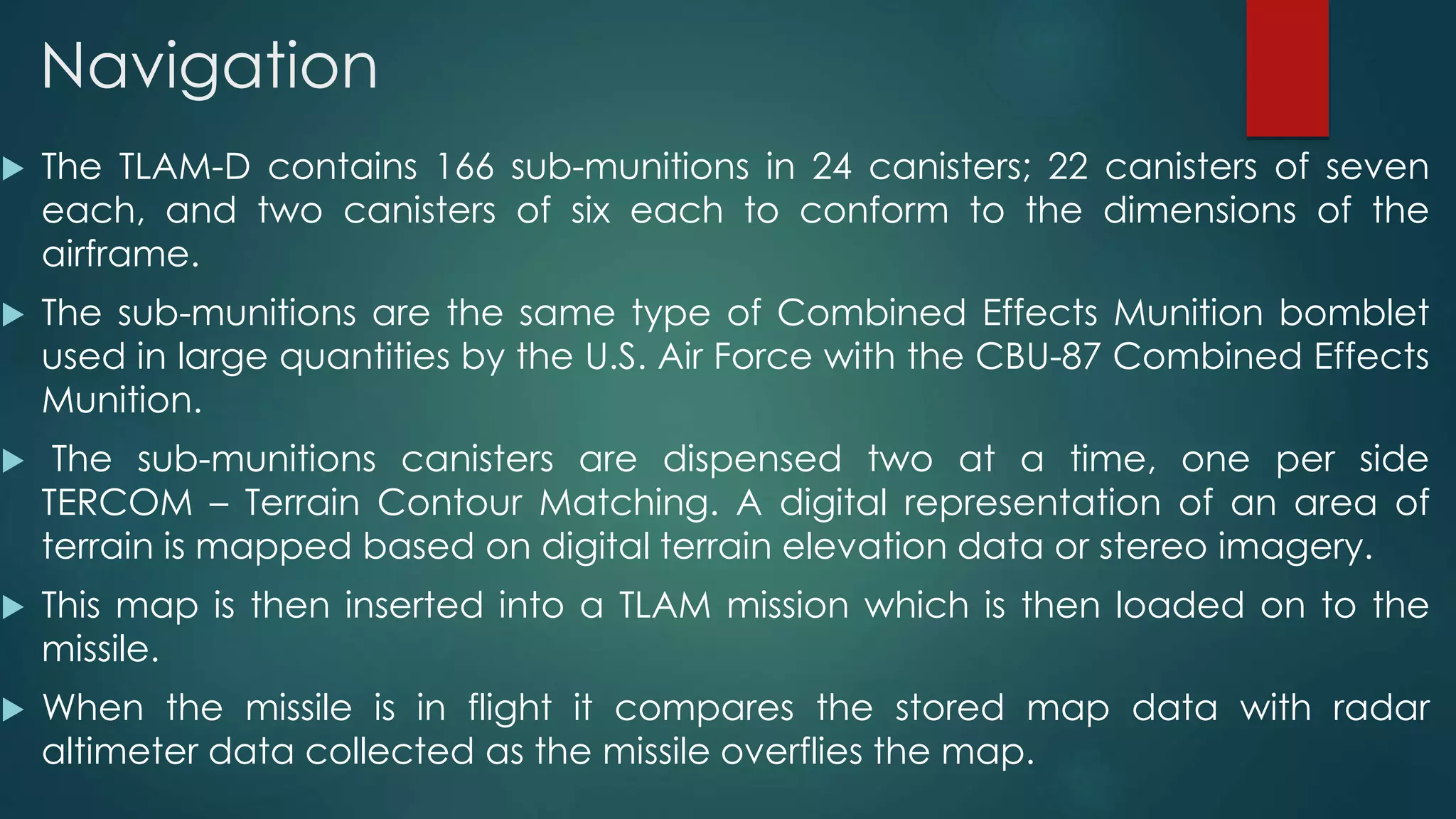
 The TLAM-D contains 166 sub-munitions in 24 canisters; 22 canisters of seven
each, and two canisters of six each to conform to the dimensions of the
airframe.
 The sub-munitions are the same type of Combined Effects Munition bomblet
used in large quantities by the U.S. Air Force with the CBU-87 Combined Effects
Munition.
 The sub-munitions canisters are dispensed two at a time, one per side
TERCOM – Terrain Contour Matching. A digital representation of an area of
terrain is mapped based on digital terrain elevation data or stereo imagery.
 This map is then inserted into a TLAM mission which is then loaded on to the
missile.
 When the missile is in flight it compares the stored map data with radar
altimeter data collected as the missile overflies the map.
Contd…
 Based on comparison results the missile's inertial navigation system
is updated and the missile corrects its course.
 TERCOM was based on, and was a significant improvement on,
"Fingerprint," a technology developed in 1964 for the SLAM.
 DSMAC – Digital Scene Matching Area Correlation.
 A digitized image of an area is mapped and then inserted into a
TLAM mission.
 During the flight the missile will verify that the images that it has
stored correlates with the image it sees below itself.
References
 http://en.wikipedia.org/wiki/Cruise_missile
 http://www.naval-technology.com/projects/tomahawk-long-range-
cruise-missile/
 http://en.wikipedia.org/wiki/Tomahawk_(missile)
Thank You

Missile tom

  • 2.
    Introduction  The Tomahawkis a long-range, all-weather, subsonic cruise missile.  The missile was named after the Native American axe.  Introduced by McDonnell Douglas in the 1970s, it was initially designed as a medium to long- range, low-altitude missile that could be launched from a surface platform.  It has been improved several times, and due to corporate divestitures and acquisitions, is now made by Raytheon.  Some Tomahawks were also manufactured by General Dynamics (now Boeing Defense, Space & Security).  The Tomahawk missile family consists of a number of subsonic, jet engine-powered missiles designed to attack a variety of surface targets.  Although a number of launch platforms have been deployed or envisaged, only sea (both surface ship and submarine) launched variants are currently in service.  Tomahawk has a modular design, allowing a wide variety of warhead, guidance, and range capabilities.
  • 4.
    Design  The Tomahawkis designed to operate at very low altitudes, while maintaining high subsonic speeds. Its modular design allows the integration of numerous types of warheads, guidance and control systems.  The missile carries a nuclear or conventional payload.  It can be armed with a nuclear warhead or unitary warhead or a conventional sub-munitions dispenser with combined effect bomblets.  The Tomahawk missile has a length of 5.56m, diameter of 51.8cm and a wing span of 2.67m. The weight of the missile is 1,315kg.  The Tomahawk weapon system includes the Tomahawk missile, Theatre Mission Planning Centre (TMPC)/Afloat Planning System, and the Tomahawk Weapon Control System (TWCS) for surface vessels or Combat Control System (CCS) for submarines.
  • 6.
    Control & guidance The Tomahawk Block IV uses GPS navigation and a satellite data-link to continue through a pre-set course.  The missile can be reprogrammed in-flight to a new target.  The two-way satellite communications are utilised to perform post-launch mission changes throughout the flight. The on-board camera provides imagery of the target to the commanders.  The guidance system is assisted by Terrain Contour Matching (TERCOM). The Digital Scene Matching Area Correlation (DSMAC) system or GPS provide terminal guidance.  The Tactical Tomahawk Weapons Control System (TTWCS) integrated with the ship's systems computes the path to engage targets.  The system allows the planning of new missions aboard the launch vessel. the TTWCS is also used to communicate with multiple missiles for reassigning the targets and redirecting the missiles in flight.
  • 8.
    Propulsion  The TomahawkBlock IV missile is powered by a Williams International F415 cruise turbo-fan engine and ARC MK 135 rocket motor.  The propulsion provides a subsonic speed of 880km/h.
  • 10.
    Launch Platforms  Themissile can be launched from over 140 US Navy ships and submarines as well as Astute and Trafalgar class submarines of the Royal Navy.  All cruisers, destroyers, guided missile and attack submarines in the US Navy are equipped with a Tomahawk weapons system.  US Navy launch platforms were modified to accommodate upgraded Tomahawk missile variants.  Four Ohio class nuclear ballistic missile submarines were converted into cruise missile submarines for firing Tomahawk missiles.  The Virginia class submarines and the Royal Navy Astute class submarines were also fitted with new vertical launch modules for Tomahawk missile.
  • 12.
    Navigation  The TLAM-Dcontains 166 sub-munitions in 24 canisters; 22 canisters of seven each, and two canisters of six each to conform to the dimensions of the airframe.  The sub-munitions are the same type of Combined Effects Munition bomblet used in large quantities by the U.S. Air Force with the CBU-87 Combined Effects Munition.  The sub-munitions canisters are dispensed two at a time, one per side TERCOM – Terrain Contour Matching. A digital representation of an area of terrain is mapped based on digital terrain elevation data or stereo imagery.  This map is then inserted into a TLAM mission which is then loaded on to the missile.  When the missile is in flight it compares the stored map data with radar altimeter data collected as the missile overflies the map.
  • 14.
    Contd…  Based oncomparison results the missile's inertial navigation system is updated and the missile corrects its course.  TERCOM was based on, and was a significant improvement on, "Fingerprint," a technology developed in 1964 for the SLAM.  DSMAC – Digital Scene Matching Area Correlation.  A digitized image of an area is mapped and then inserted into a TLAM mission.  During the flight the missile will verify that the images that it has stored correlates with the image it sees below itself.
  • 16.
  • 17.