












Mercury Free Hospitals An  Emerging Challenge  For  Egyptian Health Care Facilities A Review By Prof.  Dr. Ahmed-Refat AG Ahmed-Refat
مستشفيات خالية من الزئبق : تحديات تواجه المنشآت الصحية المصرية   أ د   أحمد رفعت الكشميري
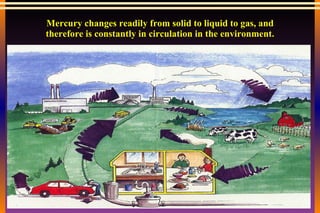
Mercury changes readily from solid to liquid to gas, and therefore is constantly in circulation in the environment.
Mercury Free Hospitals:   An Emerging Challenge For Egyptian Health Care Facilities   Prof. Dr. Ahmed-Refat AG Ahmed-Refat Professor of Occupational Medicine Faculty of Medicine, Zagazig University
Objectives of the Presentation 1.     To  understand the global context of mercury use in the health care  sector, how it relates to broader environmental and health problems caused by mercury 2- To d iscuss the hazards of mercury containing medical devices to health care workers, patients and the  global environment. 3.      To discuss safe, effective, environmentally sound and economically viable alternatives to mercury containing medical devices. 4.      To present  the new WHO policy on mercury in the health care sector. 5.      To identify  the experiences  of  other countries.
 
Mercury in the Environment Mercury (Hg) is a naturally occurring element found in air, water, and soil.  It is distributed throughout the environment by both natural and anthropogenic processes.  Mercury is found in various inorganic and organic forms and is persistent in the environment.
Mercury in the environment The three forms  of Mercury include:  1-  Elemental mercury   ( Hg 0 ) 2-  Ionic mercury  (inorganic mercury  Hg (II)   or  Hg 2+ )  which in nature exists as Hg (II) mercuric compounds or complexes in solution 3-  Organic mercury  with methylmercury  (MeHg)  being the most important.
 
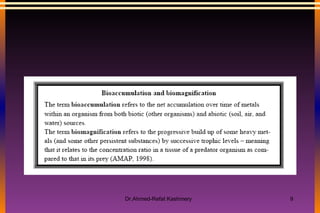
Transmission from mother to fetus Bioconcentration Biotransformation
Routes of exposure People are exposed to  methylmercury  mainly through their  diet,  - freshwater and marine fish  People may be exposed to  elemental or inorganic  mercury through inhalation of ambient air during  occupational  activities, and from  dental  amalgams.
Occupational exposures can occur where mercury compounds are produced, used in processes, or incorporated in products.  Occupational exposures have been reported from  chlor-alkali  plants, mercury  mines , mercury-based  small-scale gold and silver mining ,  refineries ,  thermometer  and  sphygmomanometer  factories,  dental  clinics, and production of mercury-based  chemicals .  Occupational  exposure:
Exposures to elemental mercury or inorganic mercury forms can also occur due to use of some  skin-lightening creams and soaps , the presence of mercury in some  traditional  medicines, use of mercury in cultural practices, and due to various accidental mercury  spills  in homes, schools or other locations.  Routes of exposure
Minor exposures to other forms of   organic mercury may result from the use of  thi_mero_sal (ethylmercury thiosalicylate)  as a preservative in some vaccines and other pharmaceuticals Routes of exposure
Health Effects The factors that determine the occurrence and severity of adverse health effects include: Chemical  form  of mercury;  >  Dose ; Age  or developmental stage of the person exposed (the fetus is  considered to be the most susceptible);  Duration  of exposure;  .  Route  of exposure  Dietary patterns  can increase exposure to a fish-eating population when fish are contaminated with mercury
The primary targets for toxicity of mercury are the  nervous system ,  the kidneys , and the  cardiovascular system . It is generally accepted that developing organ systems (such as the  fetal nervous system ) are the most sensitive to toxic effects of mercury.  Health Effects
Fetal brain mercury  levels appear to be significantly higher than in maternal blood and the developing central nervous system of the fetus is currently regarded as the main system of concern as it demonstrates the greatest sensitivity.  Health Effects
Other systems that may be affected include the respiratory, gastrointestinal, hematologic, immune, and reproductive systems   Mercury Health Effects
Mercury can cause  irreversible damage  to the developing brains of fetuses and small children. Even when mercury exposure occurs at levels that cause no apparent harm to a pregnant woman, it can still affect her fetus to the point that it  retards development .  Why should we be concerned about mercury exposure ?
According to an analysis from  CDC, nearly 8 percent of women of childbearing age in the US have mercury blood levels that exceed the US Environmental Protection Agency’s (EPA’s) safe upper limit for fetal risk. Based on these findings, the CDC estimates that, annually, as many as 630,000 children born in the US  (one out of six newborns) could be at risk for developmental delays associated with mercury exposure. Why should we be concerned about mercury exposure ?


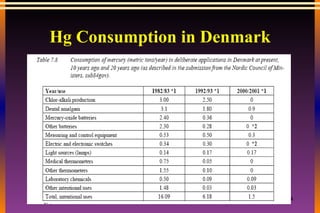
Hg Consumption in Denmark
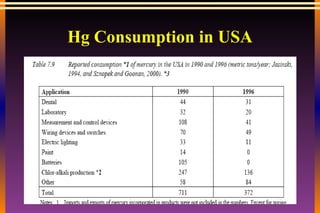
Hg Consumption in USA
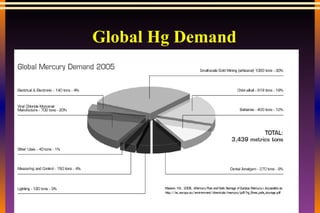
Global Hg Demand
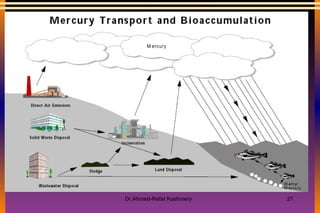
Mercury in Health Care facilities The coal-fired power plant emissions and mercury cell chlor-alkali plants, along with artisanal gold mining and battery disposal are all far more significant polluters. However, the health care sector still does play an important role as a key source of demand for mercury and global emissions, as well as a source of low-level, chronic and acute mercury poisoning.
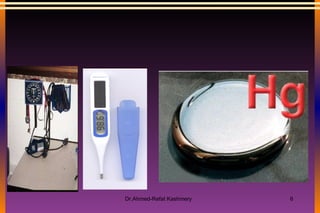
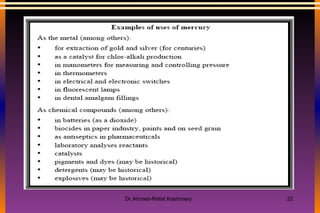
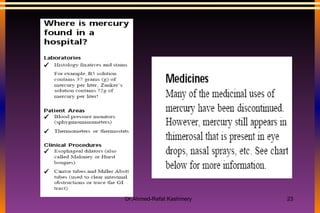
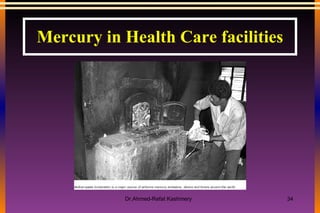
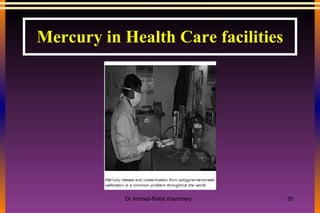
Mercury  can be found in many health care devices, including fever thermometers, blood pressure cuffs, and esophageal dilators. It is present in fluorescent lamps.  Dental amalgams  account for a major contribution to the global mercury load. Mercury is also  found in many chemicals and measurement devices used in health care laboratories.  If any of these products  are spilled, broken or disposed of improperly, there is a potential for significant harm to human health and the environment Mercury in Health Care facilities
For instance, medical waste  incinerators,  as well as municipal waste  incinerators , emit mercury into the atmosphere when they burn wastes that contain mercury, thereby directly contributing to the global mercury load.  According to the U.S. Environmental  Protection Agency (EPA), in 1996, prior to the mercury phase-out in U.S.  health care, medical waste incinerators were the fourth largest source of mercury emissions to the environment Mercury in Health Care facilities
Hospitals were also known to contribute 4-5% of the total wastewater mercury load. Mercury fever thermometers alone contributed about 15 metric tons of mercury to solid waste landfills annually. Mercury in Health Care facilities
In Buenos Aires , for instance, the city government, which runs 33 hospitals and more than 38 clinics, was purchasing nearly  40,000 new thermometers a year, until it began to switch over to alternatives in 2006.  Given that nurses and other health care professionals often  buy their own thermometers  to supplement the city's procurement, the city's health system was using well over 40,000 thermometers a year, most of which would break, and some of which would be taken home (where most would ultimately break as well).  Mercury in Health Care facilities
In Buenos Aires,  The system was ultimately emitting in excess of  40 kilograms  of mercury into the local hospital environment and into the global ecosystem every year. Mercury in Health Care facilities
If one were to use this figure and extrapolate for the entire country, one can estimate that until recently thermometers broken in Argentina's health care system were spilling  826 kilos, or nearly 1 metric ton of mercury, into the global environment every year. Mercury in Health Care facilities
Mercury in Health Care facilities
In Mexico City, the 250-bed “Federico Gomez” Children's Hospital is a medical service, teaching, and research hospital affiliated with the National Autonomous University of Mexico.  This prestigious children's hospital documented a thermometer  breakage rate of 385 per month, or well over 4,000 per year . The total number of estimated broken thermometers in this one hospital between 2002 and early 2007 is nearly 22,000 –the equivalent of  22 kilograms of mercury. Mercury in Health Care facilities
Most hospitals in developing countries suffer ongoing thermometer and sphygmomanometer breakages, but have no safety or clean-up protocols. Rather, mercury waste is dumped, flushed or burned Mercury in Health Care facilities
 
 
Obstacles to Mercury Elimination Reluctance to change Lack of awareness of alternatives and economics Minimal understanding of the human and environmental impacts
Hg-Free HCF : THE OBSTACLES ACCURACY,  AFFORDABILITY, DISPOSAL
1- Accuracy Some medical professionals still consider mercury to be the “gold standard,” for measuring temperature and blood pressure.  Yet, as peer reviewed studies from the last decade demonstrate, this is not, and probably never was true.
During routine accuracy testing in a study, reported that 25% of the glass/mercury thermometers tested differed from the reference thermometer by >0.2 degrees Centigrade. Indeed, another recent study had rejected 28% of glass/mercury thermometers due to inaccuracy. 1- Accuracy
A large number of scientific studies have concluded that mercury-free measuring devices produce the same degree of accuracy as mercury devices, provided they are properly maintained and calibrated. For instance, a study at the Mayo Medical Centre concluded that aneroid sphygmomanometers provide accurate pressure measurements when a proper maintenance protocol is followed. 1- Accuracy
2-Affordability Many healthcare practitioners are concerned about the availability of alternatives. In fact, there are many mercury- free thermometers and sphygmomanometers available from major medical equipment suppliers who service the global market.  Yet the issue of affordability is still a challenging one, especially where the costs of human and environmental impacts of mercury releases are not accounted for. However, from a strictly ethical perspective, these costs must be taken into account
For example, at the Mayo Clinic, between 1993 and 1995, costs associated with 50 sphygmomanometer spills and leaks were estimated to be $26,000, not including time lost from temporary closure of clinical areas. 2- Affordability
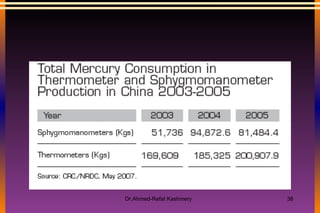
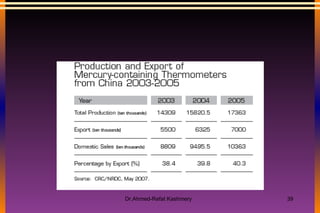
Mercury-based medical devices are, in the short run, still significantly less expensive than their digital or aneroid counterparts. This is due, in no small part, to the abundant supply of inexpensive mercury on the world market, and the massive production of inexpensive mercury-based devices in places like China and India. 2- Affordability
However, in the absence of strict environmental health regulations, and with limited healthcare budgets, many hospitals today still face the challenge of deciding between a mercury device or its alternative. 2- Affordability
3- Disposal Hospitals can solve their greatest mercury waste and acute mercury exposure problems simply by replacing mercury thermometers with digital alternatives.  If mercury is not used, spills will not occur. However, the problem of what to do with other mercury waste remains.
One option for disposal, though not ideal, occurs in North America and many European countries, where governments have developed infrastructure for the collection of mercury waste products. These wastes are “recycled” into new mercury-containing products.  3- Disposal
Ideally, these products involve essential uses of mercury for which alternatives do not currently exist. While this scenario provides healthcare facilities and others with a means of removing mercury waste from their facility's waste stream, the continued sale and use of mercury-containing products will invariably result in breakage and escape to the environment during product life or end of life 3- Disposal
Yet there is no one simple solution to the mercury problem, and until the goal of mercury elimination is realized, a variety of strategies must be implemented that move toward this solution. Some of these strategies are waiting to be invented. 3- Disposal
Storing Mercury Waste On-site: This short-term solution is designed to prevent mercury release to the environment. It provides an alternative to mercury disposal in solid waste, medical waste or waste water. It can be implemented in the absence of mercury recycling or collection infrastructure. Facilities can develop a well ventilated, designated location for the storage of waste mercury collection drums.  3- Disposal
These steel drums must have liners and be placed on a concrete slab. Drums must be protected from rainfall and be secured from theft and/or protected against unauthorized opening. Broken and/or obsolete mercury medical devices should be placed in these drums along with spilled mercury (following facility mercury spill clean-up procedures).  The storage site should be secure and carefully monitored. Facilities should develop a waste mercury collection plan that includes procedures and outlines individual responsibilities 3- Disposal
Extended Product Responsibility (EPR): EPR is a suite of policy tools for reducing the generation of wastes by promoting greater recycling and resource recovery and encouraging more sustainable product design. EPR schemes shift the responsibility for nominated product wastes to the producers or suppliers of those products according to the  Polluter Pays Principle .  EPR schemes can include: advanced disposal fees; product take-back policies; information and labeling schemes; deposit/refund schemes. 3- Disposal
National Regulations: Some national governments are now developing processes and timelines for the long term retirement of mercury wastes. For instance, Sweden is a global leader in this regard. In August 2005, the country passed a regulation which required that wastes be placed in terminal storage in bedrock by at January 2015. 3- Disposal
Meanwhile, in the United States, in the spring of 2007, the U.S. EPA announced the formation of a stakeholder panel and planned public meetings to consider how mercury stock should be managed. Considerable work on this issue remains to be accomplished to ensure that any solution is safe, but the process is beginning to move. 3- Disposal
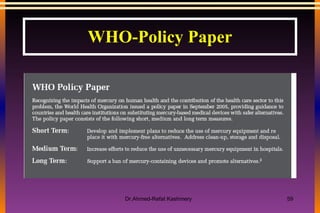
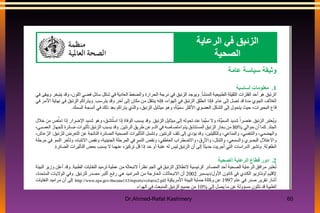
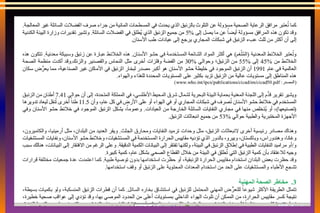
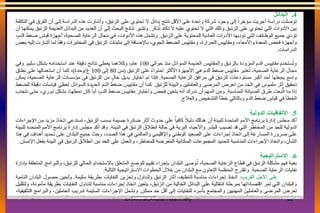
WHO-Policy Paper In September 2005, the World Health Organization published a policy paper regarding the use of mercury in health care and recommended adopting short, medium and long-term strategies with a view to replacing mercury inputs and  devices in the health care sector.
WHO-Policy Paper


MERCURY-FREE HEALTH CARE  IN THE UNITED STATES AND EUROPE Over the course of the last 10 years, the U.S. health care sector has made significant progress in addressing mercury in health care. Noteworthy results include: All the top pharmacy chains in the nation have stopped selling mercury thermometers, making it next to impossible to purchase a mercury thermometer in the United States.
At least 28 states have severely restricted or banned the sale of mercury fever thermometers. More than 1,200 hospitals have signed a pledge to eliminate the use of mercury through Hospitals for a Healthy Environment, and more than 400 have become virtually mercury-free. MERCURY-FREE HEALTH CARE  IN THE UNITED STATES AND EUROPE
Over 80% have completely eliminated mercury thermometers from their facilities, and 18.7% have replaced some or most with a plan in place for eliminating the remainder. Over 73% have completely eliminated mercury sphygmomanometers, with 25% having replaced some or most with a plan in place for eliminating the remainder. MERCURY-FREE HEALTH CARE  IN THE UNITED STATES AND EUROPE
About 75% have completely eliminated other clinical items (cantor tubes, bougies, etc) with about 10% having replaced some or most with a plan in place for eliminating the remainder. Mercury in facilities Over 72% have inventoried all devices and labeled them as mercury-containing where appropriate. About 75% are recycling fluorescent bulbs. MERCURY-FREE HEALTH CARE  IN THE UNITED STATES AND EUROPE
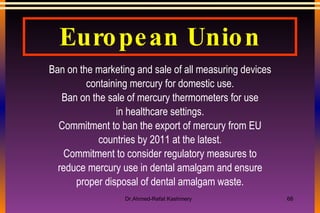
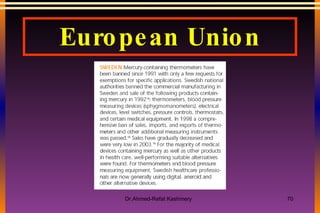
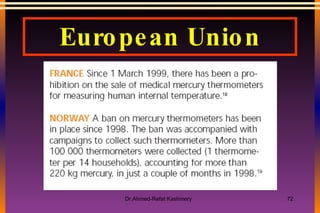
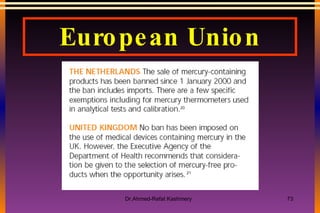
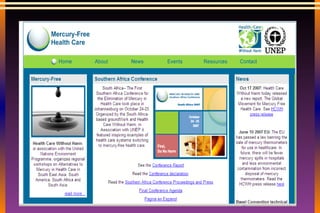
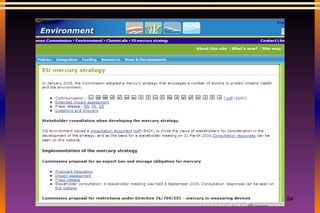
European Union In July 2007, after considerable pressure from Health Care Without Harm, the European Environmental Bureau, the Zero Mercury Working Group and several other NGOs in Europe, the EU banned the sale of mercury thermometers for use in health care. The ban will go into effect in 2008.62
Ban on the marketing and sale of all measuring devices containing mercury for domestic use. Ban on the sale of mercury thermometers for use in healthcare settings. Commitment to ban the export of mercury from EU countries by 2011 at the latest. Commitment to consider regulatory measures to reduce mercury use in dental amalgam and ensure proper disposal of dental amalgam waste. European Union
Improved protection of the European population from mercury exposure through bio-monitoring of vulnerable groups such as children and pregnant women. Support for international action on mercury through institution of a global agreement controlling mercury use and trade. European Union
European Union
European Union
European Union
European Union
Buenos Aires Declaration Buenos Aires Declaration First Latin American Conference on the Elimination of Mercury in Health Care 3-4 August 2006, Buenos Aires, Argentina
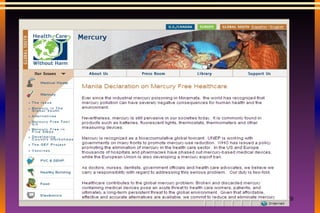
Manila Declaration Manila Declaration on Mercury Free Healthcare 2006…….
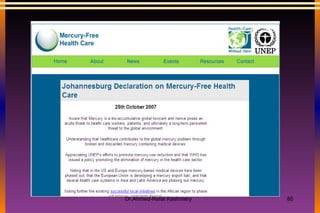
Johannesburg Declaration Johannesburg Declaration on Mercury-Free Health Care 25th October 2007


Developing a Mercury Safety Policy for your Hospital
1 – Assess the Mercury  in Your Facility Start by creating an inventory of mercury-containing products in your facility. Record where the mercury is, and how much is in each location.
1 – Assess the Mercury  in Your Facility The Inventory  will provide : perspective to help you develop realistic reduction goals and well-targeted action plans  a baseline against which you can measure your progress
2 – Make a Commitment Get support from the top. Talk to your hospital leadership and get a signed statement to be mercury-free. Establish a mercury-free team. Designate a program leader who will be enthusiastic and dedicated to the program. The leader should recruit support from a key person in each department who has the authority to make departmental changes.
3-Manage What You Have Until you are able to eliminate all mercury-containing items in your facility, you should have a comprehensive management plan in place. This includes: Mercury Management Policy  Mercury-free Purchasing Policy (see step 9)  general Employee Education program covering mercury use and disposal issues  Spill Prevention and Education program targeted specifically   toward spill prevention and response
4 – Replace Mercury-Containing Clinical Devices is to replace mercury thermometers with electronic devices, to make sure they are no longer being sold in your outpatient pharmacy, and to ensure that you are not sending them home with patients. Sphygmomanometers are more expensive to replace, so you might have to consider a phased in multi-year replacement plan. But always consider that the cost of a mercury spill clean-up
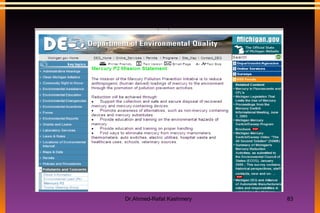
Establishing Hg Prevention Program  How to Establish Mercury Pollution Prevention in Your Hospital   The process of establishing a mercury prevention program in your hospital consists of five steps
1- Get Started Get support from the top Identify and involve staff
2- Gather Data Identify mercury sources Evaluate current handling and disposal techniques Evaluate current policies Evaluate mercury product alternatives
3- Establish Realistic Goals and Implementation Plans Key components of the plan could include:  >>Best management practices >>Policies for the medical departments, the purchasing department and the waste management department >>Training and continuing education programs for staff and administrators >>A process to review progress regularly
4- Institute Best Management Practices BMPs involve:   Use of alternatives  Recycling of mercury-containing products  Correct handling and disposal of mercury-containing equipment and chemicals  Proper cleanup of  mercury spills Hospital policies that support BMPs
Benefits of Mercury Pollution Prevention Protection of human health and wildlife by reducing occupational exposures and releases of mercury to the air, water and land from wastewater discharges, spills, landfilling or incineration
Benefits of Mercury Pollution Prevention Avoidance of the costs associated with the use of mercury, such as disposal or recycling, collection and storage prior to disposal, paper work for tracking hazardous waste disposal, training and equipment for spill response, training for hospital employees who handle mercury-containing products, and liability for environmental problems or worker exposure
Benefits of Mercury Pollution Prevention Avoidance of increased regulation in the future
Benefits of Mercury Pollution Prevention Increase in the public's awareness about the dangers of mercury through publicity about the hospital's program
Benefits of Mercury Pollution Prevention Enhancement of the positive public image of the medical facility due to publicity about success stories
Our Responsibility As HCWs As doctors, nurses, dentists, government officials and health care advocates, we believe we carry a responsibility with regard to addressing this serious problem Healthcare contributes to the global mercury problem.  Broken and discarded mercury containing medical devices pose an acute threat to health care workers, patients, and ultimately a long-term persistent threat to the global environment. 
Our Responsibility As HCWs     Given that affordable, effective and accurate alternatives are available, we commit to reduce and eliminate mercury use with the goal of mercury-free health care.
Our Responsibility As HCWs Furthermore, we believe that it is our responsibility to help educate our co-workers, patients and communities about the potential hazards of mercury.   We can carry out this educational work through leading by example-- demonstrating positive alternatives to current polluting practices.
Thank You Any Q *?* ?* ?* ?* ?*

Mercury Free Hospitals

  • 1.
    Mercury Free HospitalsAn Emerging Challenge For Egyptian Health Care Facilities A Review By Prof. Dr. Ahmed-Refat AG Ahmed-Refat
  • 2.
    مستشفيات خالية منالزئبق : تحديات تواجه المنشآت الصحية المصرية أ د أحمد رفعت الكشميري
  • 3.
    Mercury changes readilyfrom solid to liquid to gas, and therefore is constantly in circulation in the environment.
  • 4.
    Mercury Free Hospitals: An Emerging Challenge For Egyptian Health Care Facilities   Prof. Dr. Ahmed-Refat AG Ahmed-Refat Professor of Occupational Medicine Faculty of Medicine, Zagazig University
  • 5.
    Objectives of thePresentation 1.     To understand the global context of mercury use in the health care sector, how it relates to broader environmental and health problems caused by mercury 2- To d iscuss the hazards of mercury containing medical devices to health care workers, patients and the global environment. 3.      To discuss safe, effective, environmentally sound and economically viable alternatives to mercury containing medical devices. 4.      To present the new WHO policy on mercury in the health care sector. 5.      To identify the experiences of other countries.
  • 6.
  • 7.
    Mercury in theEnvironment Mercury (Hg) is a naturally occurring element found in air, water, and soil. It is distributed throughout the environment by both natural and anthropogenic processes. Mercury is found in various inorganic and organic forms and is persistent in the environment.
  • 8.
    Mercury in theenvironment The three forms of Mercury include: 1- Elemental mercury ( Hg 0 ) 2- Ionic mercury (inorganic mercury Hg (II) or Hg 2+ ) which in nature exists as Hg (II) mercuric compounds or complexes in solution 3- Organic mercury with methylmercury (MeHg) being the most important.
  • 9.
  • 10.
    Transmission from motherto fetus Bioconcentration Biotransformation
  • 11.
    Routes of exposurePeople are exposed to methylmercury mainly through their diet, - freshwater and marine fish People may be exposed to elemental or inorganic mercury through inhalation of ambient air during occupational activities, and from dental amalgams.
  • 12.
    Occupational exposures canoccur where mercury compounds are produced, used in processes, or incorporated in products. Occupational exposures have been reported from chlor-alkali plants, mercury mines , mercury-based small-scale gold and silver mining , refineries , thermometer and sphygmomanometer factories, dental clinics, and production of mercury-based chemicals . Occupational exposure:
  • 13.
    Exposures to elementalmercury or inorganic mercury forms can also occur due to use of some skin-lightening creams and soaps , the presence of mercury in some traditional medicines, use of mercury in cultural practices, and due to various accidental mercury spills in homes, schools or other locations. Routes of exposure
  • 14.
    Minor exposures toother forms of organic mercury may result from the use of thi_mero_sal (ethylmercury thiosalicylate) as a preservative in some vaccines and other pharmaceuticals Routes of exposure
  • 15.
    Health Effects Thefactors that determine the occurrence and severity of adverse health effects include: Chemical form of mercury; > Dose ; Age or developmental stage of the person exposed (the fetus is considered to be the most susceptible); Duration of exposure; . Route of exposure Dietary patterns can increase exposure to a fish-eating population when fish are contaminated with mercury
  • 16.
    The primary targetsfor toxicity of mercury are the nervous system , the kidneys , and the cardiovascular system . It is generally accepted that developing organ systems (such as the fetal nervous system ) are the most sensitive to toxic effects of mercury. Health Effects
  • 17.
    Fetal brain mercury levels appear to be significantly higher than in maternal blood and the developing central nervous system of the fetus is currently regarded as the main system of concern as it demonstrates the greatest sensitivity. Health Effects
  • 18.
    Other systems thatmay be affected include the respiratory, gastrointestinal, hematologic, immune, and reproductive systems Mercury Health Effects
  • 19.
    Mercury can cause irreversible damage to the developing brains of fetuses and small children. Even when mercury exposure occurs at levels that cause no apparent harm to a pregnant woman, it can still affect her fetus to the point that it retards development . Why should we be concerned about mercury exposure ?
  • 20.
    According to ananalysis from CDC, nearly 8 percent of women of childbearing age in the US have mercury blood levels that exceed the US Environmental Protection Agency’s (EPA’s) safe upper limit for fetal risk. Based on these findings, the CDC estimates that, annually, as many as 630,000 children born in the US (one out of six newborns) could be at risk for developmental delays associated with mercury exposure. Why should we be concerned about mercury exposure ?
  • 21.
  • 22.
  • 23.
  • 24.
  • 25.
  • 26.
  • 27.
    Mercury in HealthCare facilities The coal-fired power plant emissions and mercury cell chlor-alkali plants, along with artisanal gold mining and battery disposal are all far more significant polluters. However, the health care sector still does play an important role as a key source of demand for mercury and global emissions, as well as a source of low-level, chronic and acute mercury poisoning.
  • 28.
    Mercury canbe found in many health care devices, including fever thermometers, blood pressure cuffs, and esophageal dilators. It is present in fluorescent lamps. Dental amalgams account for a major contribution to the global mercury load. Mercury is also found in many chemicals and measurement devices used in health care laboratories. If any of these products are spilled, broken or disposed of improperly, there is a potential for significant harm to human health and the environment Mercury in Health Care facilities
  • 29.
    For instance, medicalwaste incinerators, as well as municipal waste incinerators , emit mercury into the atmosphere when they burn wastes that contain mercury, thereby directly contributing to the global mercury load. According to the U.S. Environmental Protection Agency (EPA), in 1996, prior to the mercury phase-out in U.S. health care, medical waste incinerators were the fourth largest source of mercury emissions to the environment Mercury in Health Care facilities
  • 30.
    Hospitals were alsoknown to contribute 4-5% of the total wastewater mercury load. Mercury fever thermometers alone contributed about 15 metric tons of mercury to solid waste landfills annually. Mercury in Health Care facilities
  • 31.
    In Buenos Aires, for instance, the city government, which runs 33 hospitals and more than 38 clinics, was purchasing nearly 40,000 new thermometers a year, until it began to switch over to alternatives in 2006. Given that nurses and other health care professionals often buy their own thermometers to supplement the city's procurement, the city's health system was using well over 40,000 thermometers a year, most of which would break, and some of which would be taken home (where most would ultimately break as well). Mercury in Health Care facilities
  • 32.
    In Buenos Aires, The system was ultimately emitting in excess of 40 kilograms of mercury into the local hospital environment and into the global ecosystem every year. Mercury in Health Care facilities
  • 33.
    If one wereto use this figure and extrapolate for the entire country, one can estimate that until recently thermometers broken in Argentina's health care system were spilling 826 kilos, or nearly 1 metric ton of mercury, into the global environment every year. Mercury in Health Care facilities
  • 34.
    Mercury in HealthCare facilities
  • 35.
    Mercury in HealthCare facilities
  • 36.
    In Mexico City,the 250-bed “Federico Gomez” Children's Hospital is a medical service, teaching, and research hospital affiliated with the National Autonomous University of Mexico. This prestigious children's hospital documented a thermometer breakage rate of 385 per month, or well over 4,000 per year . The total number of estimated broken thermometers in this one hospital between 2002 and early 2007 is nearly 22,000 –the equivalent of 22 kilograms of mercury. Mercury in Health Care facilities
  • 37.
    Most hospitals indeveloping countries suffer ongoing thermometer and sphygmomanometer breakages, but have no safety or clean-up protocols. Rather, mercury waste is dumped, flushed or burned Mercury in Health Care facilities
  • 38.
  • 39.
  • 40.
    Obstacles to MercuryElimination Reluctance to change Lack of awareness of alternatives and economics Minimal understanding of the human and environmental impacts
  • 41.
    Hg-Free HCF :THE OBSTACLES ACCURACY, AFFORDABILITY, DISPOSAL
  • 42.
    1- Accuracy Somemedical professionals still consider mercury to be the “gold standard,” for measuring temperature and blood pressure. Yet, as peer reviewed studies from the last decade demonstrate, this is not, and probably never was true.
  • 43.
    During routine accuracytesting in a study, reported that 25% of the glass/mercury thermometers tested differed from the reference thermometer by >0.2 degrees Centigrade. Indeed, another recent study had rejected 28% of glass/mercury thermometers due to inaccuracy. 1- Accuracy
  • 44.
    A large numberof scientific studies have concluded that mercury-free measuring devices produce the same degree of accuracy as mercury devices, provided they are properly maintained and calibrated. For instance, a study at the Mayo Medical Centre concluded that aneroid sphygmomanometers provide accurate pressure measurements when a proper maintenance protocol is followed. 1- Accuracy
  • 45.
    2-Affordability Many healthcarepractitioners are concerned about the availability of alternatives. In fact, there are many mercury- free thermometers and sphygmomanometers available from major medical equipment suppliers who service the global market. Yet the issue of affordability is still a challenging one, especially where the costs of human and environmental impacts of mercury releases are not accounted for. However, from a strictly ethical perspective, these costs must be taken into account
  • 46.
    For example, atthe Mayo Clinic, between 1993 and 1995, costs associated with 50 sphygmomanometer spills and leaks were estimated to be $26,000, not including time lost from temporary closure of clinical areas. 2- Affordability
  • 47.
    Mercury-based medical devicesare, in the short run, still significantly less expensive than their digital or aneroid counterparts. This is due, in no small part, to the abundant supply of inexpensive mercury on the world market, and the massive production of inexpensive mercury-based devices in places like China and India. 2- Affordability
  • 48.
    However, in theabsence of strict environmental health regulations, and with limited healthcare budgets, many hospitals today still face the challenge of deciding between a mercury device or its alternative. 2- Affordability
  • 49.
    3- Disposal Hospitalscan solve their greatest mercury waste and acute mercury exposure problems simply by replacing mercury thermometers with digital alternatives. If mercury is not used, spills will not occur. However, the problem of what to do with other mercury waste remains.
  • 50.
    One option fordisposal, though not ideal, occurs in North America and many European countries, where governments have developed infrastructure for the collection of mercury waste products. These wastes are “recycled” into new mercury-containing products. 3- Disposal
  • 51.
    Ideally, these productsinvolve essential uses of mercury for which alternatives do not currently exist. While this scenario provides healthcare facilities and others with a means of removing mercury waste from their facility's waste stream, the continued sale and use of mercury-containing products will invariably result in breakage and escape to the environment during product life or end of life 3- Disposal
  • 52.
    Yet there isno one simple solution to the mercury problem, and until the goal of mercury elimination is realized, a variety of strategies must be implemented that move toward this solution. Some of these strategies are waiting to be invented. 3- Disposal
  • 53.
    Storing Mercury WasteOn-site: This short-term solution is designed to prevent mercury release to the environment. It provides an alternative to mercury disposal in solid waste, medical waste or waste water. It can be implemented in the absence of mercury recycling or collection infrastructure. Facilities can develop a well ventilated, designated location for the storage of waste mercury collection drums. 3- Disposal
  • 54.
    These steel drumsmust have liners and be placed on a concrete slab. Drums must be protected from rainfall and be secured from theft and/or protected against unauthorized opening. Broken and/or obsolete mercury medical devices should be placed in these drums along with spilled mercury (following facility mercury spill clean-up procedures). The storage site should be secure and carefully monitored. Facilities should develop a waste mercury collection plan that includes procedures and outlines individual responsibilities 3- Disposal
  • 55.
    Extended Product Responsibility(EPR): EPR is a suite of policy tools for reducing the generation of wastes by promoting greater recycling and resource recovery and encouraging more sustainable product design. EPR schemes shift the responsibility for nominated product wastes to the producers or suppliers of those products according to the Polluter Pays Principle . EPR schemes can include: advanced disposal fees; product take-back policies; information and labeling schemes; deposit/refund schemes. 3- Disposal
  • 56.
    National Regulations: Somenational governments are now developing processes and timelines for the long term retirement of mercury wastes. For instance, Sweden is a global leader in this regard. In August 2005, the country passed a regulation which required that wastes be placed in terminal storage in bedrock by at January 2015. 3- Disposal
  • 57.
    Meanwhile, in theUnited States, in the spring of 2007, the U.S. EPA announced the formation of a stakeholder panel and planned public meetings to consider how mercury stock should be managed. Considerable work on this issue remains to be accomplished to ensure that any solution is safe, but the process is beginning to move. 3- Disposal
  • 58.
    WHO-Policy Paper InSeptember 2005, the World Health Organization published a policy paper regarding the use of mercury in health care and recommended adopting short, medium and long-term strategies with a view to replacing mercury inputs and devices in the health care sector.
  • 59.
  • 60.
  • 61.
  • 62.
  • 63.
    MERCURY-FREE HEALTH CARE IN THE UNITED STATES AND EUROPE Over the course of the last 10 years, the U.S. health care sector has made significant progress in addressing mercury in health care. Noteworthy results include: All the top pharmacy chains in the nation have stopped selling mercury thermometers, making it next to impossible to purchase a mercury thermometer in the United States.
  • 64.
    At least 28states have severely restricted or banned the sale of mercury fever thermometers. More than 1,200 hospitals have signed a pledge to eliminate the use of mercury through Hospitals for a Healthy Environment, and more than 400 have become virtually mercury-free. MERCURY-FREE HEALTH CARE IN THE UNITED STATES AND EUROPE
  • 65.
    Over 80% havecompletely eliminated mercury thermometers from their facilities, and 18.7% have replaced some or most with a plan in place for eliminating the remainder. Over 73% have completely eliminated mercury sphygmomanometers, with 25% having replaced some or most with a plan in place for eliminating the remainder. MERCURY-FREE HEALTH CARE IN THE UNITED STATES AND EUROPE
  • 66.
    About 75% havecompletely eliminated other clinical items (cantor tubes, bougies, etc) with about 10% having replaced some or most with a plan in place for eliminating the remainder. Mercury in facilities Over 72% have inventoried all devices and labeled them as mercury-containing where appropriate. About 75% are recycling fluorescent bulbs. MERCURY-FREE HEALTH CARE IN THE UNITED STATES AND EUROPE
  • 67.
    European Union InJuly 2007, after considerable pressure from Health Care Without Harm, the European Environmental Bureau, the Zero Mercury Working Group and several other NGOs in Europe, the EU banned the sale of mercury thermometers for use in health care. The ban will go into effect in 2008.62
  • 68.
    Ban on themarketing and sale of all measuring devices containing mercury for domestic use. Ban on the sale of mercury thermometers for use in healthcare settings. Commitment to ban the export of mercury from EU countries by 2011 at the latest. Commitment to consider regulatory measures to reduce mercury use in dental amalgam and ensure proper disposal of dental amalgam waste. European Union
  • 69.
    Improved protection ofthe European population from mercury exposure through bio-monitoring of vulnerable groups such as children and pregnant women. Support for international action on mercury through institution of a global agreement controlling mercury use and trade. European Union
  • 70.
  • 71.
  • 72.
  • 73.
  • 74.
    Buenos Aires DeclarationBuenos Aires Declaration First Latin American Conference on the Elimination of Mercury in Health Care 3-4 August 2006, Buenos Aires, Argentina
  • 75.
    Manila Declaration ManilaDeclaration on Mercury Free Healthcare 2006…….
  • 76.
    Johannesburg Declaration JohannesburgDeclaration on Mercury-Free Health Care 25th October 2007
  • 77.
  • 78.
  • 79.
  • 80.
  • 81.
  • 82.
  • 83.
  • 84.
  • 85.
  • 86.
    Developing a MercurySafety Policy for your Hospital
  • 87.
    1 – Assessthe Mercury in Your Facility Start by creating an inventory of mercury-containing products in your facility. Record where the mercury is, and how much is in each location.
  • 88.
    1 – Assessthe Mercury in Your Facility The Inventory will provide : perspective to help you develop realistic reduction goals and well-targeted action plans a baseline against which you can measure your progress
  • 89.
    2 – Makea Commitment Get support from the top. Talk to your hospital leadership and get a signed statement to be mercury-free. Establish a mercury-free team. Designate a program leader who will be enthusiastic and dedicated to the program. The leader should recruit support from a key person in each department who has the authority to make departmental changes.
  • 90.
    3-Manage What YouHave Until you are able to eliminate all mercury-containing items in your facility, you should have a comprehensive management plan in place. This includes: Mercury Management Policy Mercury-free Purchasing Policy (see step 9) general Employee Education program covering mercury use and disposal issues Spill Prevention and Education program targeted specifically toward spill prevention and response
  • 91.
    4 – ReplaceMercury-Containing Clinical Devices is to replace mercury thermometers with electronic devices, to make sure they are no longer being sold in your outpatient pharmacy, and to ensure that you are not sending them home with patients. Sphygmomanometers are more expensive to replace, so you might have to consider a phased in multi-year replacement plan. But always consider that the cost of a mercury spill clean-up
  • 92.
    Establishing Hg PreventionProgram How to Establish Mercury Pollution Prevention in Your Hospital   The process of establishing a mercury prevention program in your hospital consists of five steps
  • 93.
    1- Get StartedGet support from the top Identify and involve staff
  • 94.
    2- Gather DataIdentify mercury sources Evaluate current handling and disposal techniques Evaluate current policies Evaluate mercury product alternatives
  • 95.
    3- Establish RealisticGoals and Implementation Plans Key components of the plan could include: >>Best management practices >>Policies for the medical departments, the purchasing department and the waste management department >>Training and continuing education programs for staff and administrators >>A process to review progress regularly
  • 96.
    4- Institute BestManagement Practices BMPs involve: Use of alternatives Recycling of mercury-containing products Correct handling and disposal of mercury-containing equipment and chemicals Proper cleanup of mercury spills Hospital policies that support BMPs
  • 97.
    Benefits of MercuryPollution Prevention Protection of human health and wildlife by reducing occupational exposures and releases of mercury to the air, water and land from wastewater discharges, spills, landfilling or incineration
  • 98.
    Benefits of MercuryPollution Prevention Avoidance of the costs associated with the use of mercury, such as disposal or recycling, collection and storage prior to disposal, paper work for tracking hazardous waste disposal, training and equipment for spill response, training for hospital employees who handle mercury-containing products, and liability for environmental problems or worker exposure
  • 99.
    Benefits of MercuryPollution Prevention Avoidance of increased regulation in the future
  • 100.
    Benefits of MercuryPollution Prevention Increase in the public's awareness about the dangers of mercury through publicity about the hospital's program
  • 101.
    Benefits of MercuryPollution Prevention Enhancement of the positive public image of the medical facility due to publicity about success stories
  • 102.
    Our Responsibility AsHCWs As doctors, nurses, dentists, government officials and health care advocates, we believe we carry a responsibility with regard to addressing this serious problem Healthcare contributes to the global mercury problem. Broken and discarded mercury containing medical devices pose an acute threat to health care workers, patients, and ultimately a long-term persistent threat to the global environment. 
  • 103.
    Our Responsibility AsHCWs   Given that affordable, effective and accurate alternatives are available, we commit to reduce and eliminate mercury use with the goal of mercury-free health care.
  • 104.
    Our Responsibility AsHCWs Furthermore, we believe that it is our responsibility to help educate our co-workers, patients and communities about the potential hazards of mercury.  We can carry out this educational work through leading by example-- demonstrating positive alternatives to current polluting practices.
  • 105.
    Thank You AnyQ *?* ?* ?* ?* ?*

Editor's Notes

  • #2 Information mastery requires a shift in how we view ourselves. Every clinician today was trained in an era when we were valued for how much we know- the more information stored in our brains, whether it is from our own experience or from what we have read or heard, the better we are as a clinician. The amount of information available and necessary to have to practice the best medicine is increasing at a rate so fast than no one can possibly remember it all. Computers, however, can store information and never forget it. The job of clinicians in the future/present is to realize their value as “thinkers” instead of “knowers”. Descartes had it right a long time ago: “I think, therefore I am”. He didn’t say, “I know a lot, therefore I am.” We must learn to use computers as our ultimate source of knowledge and use our own brains as a source of creating wisdom: using the best knowledge in an individual circumstance to result in the optimal outcome. This is also why “evidence-based medicine” is often threatening, particularly to older clinicians who enjoy the “power” attributed to them because of their superior body of information they possess. In order to survive in the information age, every clinician, regardless of their health care discipline, will need: 1) a tool for hunting for relevant and valid information at the point-of-care, and, 2) A system that forages through new information as it becomes available and assembles the valid and relevant information in an easy to understand form. For more information about this idea, see: Thompson ML. Characteristics of information resources preferred by primary care physicians. Bull Med Libr Assoc 1997;85:187-192.
  • #5 Information mastery requires a shift in how we view ourselves. Every clinician today was trained in an era when we were valued for how much we know- the more information stored in our brains, whether it is from our own experience or from what we have read or heard, the better we are as a clinician. The amount of information available and necessary to have to practice the best medicine is increasing at a rate so fast than no one can possibly remember it all. Computers, however, can store information and never forget it. The job of clinicians in the future/present is to realize their value as “thinkers” instead of “knowers”. Descartes had it right a long time ago: “I think, therefore I am”. He didn’t say, “I know a lot, therefore I am.” We must learn to use computers as our ultimate source of knowledge and use our own brains as a source of creating wisdom: using the best knowledge in an individual circumstance to result in the optimal outcome. This is also why “evidence-based medicine” is often threatening, particularly to older clinicians who enjoy the “power” attributed to them because of their superior body of information they possess. In order to survive in the information age, every clinician, regardless of their health care discipline, will need: 1) a tool for hunting for relevant and valid information at the point-of-care, and, 2) A system that forages through new information as it becomes available and assembles the valid and relevant information in an easy to understand form. For more information about this idea, see: Thompson ML. Characteristics of information resources preferred by primary care physicians. Bull Med Libr Assoc 1997;85:187-192.
  • #6 Information mastery requires a shift in how we view ourselves. Every clinician today was trained in an era when we were valued for how much we know- the more information stored in our brains, whether it is from our own experience or from what we have read or heard, the better we are as a clinician. The amount of information available and necessary to have to practice the best medicine is increasing at a rate so fast than no one can possibly remember it all. Computers, however, can store information and never forget it. The job of clinicians in the future/present is to realize their value as “thinkers” instead of “knowers”. Descartes had it right a long time ago: “I think, therefore I am”. He didn’t say, “I know a lot, therefore I am.” We must learn to use computers as our ultimate source of knowledge and use our own brains as a source of creating wisdom: using the best knowledge in an individual circumstance to result in the optimal outcome. This is also why “evidence-based medicine” is often threatening, particularly to older clinicians who enjoy the “power” attributed to them because of their superior body of information they possess. In order to survive in the information age, every clinician, regardless of their health care discipline, will need: 1) a tool for hunting for relevant and valid information at the point-of-care, and, 2) A system that forages through new information as it becomes available and assembles the valid and relevant information in an easy to understand form. For more information about this idea, see: Thompson ML. Characteristics of information resources preferred by primary care physicians. Bull Med Libr Assoc 1997;85:187-192.
  • #78 Information mastery requires a shift in how we view ourselves. Every clinician today was trained in an era when we were valued for how much we know- the more information stored in our brains, whether it is from our own experience or from what we have read or heard, the better we are as a clinician. The amount of information available and necessary to have to practice the best medicine is increasing at a rate so fast than no one can possibly remember it all. Computers, however, can store information and never forget it. The job of clinicians in the future/present is to realize their value as “thinkers” instead of “knowers”. Descartes had it right a long time ago: “I think, therefore I am”. He didn’t say, “I know a lot, therefore I am.” We must learn to use computers as our ultimate source of knowledge and use our own brains as a source of creating wisdom: using the best knowledge in an individual circumstance to result in the optimal outcome. This is also why “evidence-based medicine” is often threatening, particularly to older clinicians who enjoy the “power” attributed to them because of their superior body of information they possess. In order to survive in the information age, every clinician, regardless of their health care discipline, will need: 1) a tool for hunting for relevant and valid information at the point-of-care, and, 2) A system that forages through new information as it becomes available and assembles the valid and relevant information in an easy to understand form. For more information about this idea, see: Thompson ML. Characteristics of information resources preferred by primary care physicians. Bull Med Libr Assoc 1997;85:187-192.
  • #79 Information mastery requires a shift in how we view ourselves. Every clinician today was trained in an era when we were valued for how much we know- the more information stored in our brains, whether it is from our own experience or from what we have read or heard, the better we are as a clinician. The amount of information available and necessary to have to practice the best medicine is increasing at a rate so fast than no one can possibly remember it all. Computers, however, can store information and never forget it. The job of clinicians in the future/present is to realize their value as “thinkers” instead of “knowers”. Descartes had it right a long time ago: “I think, therefore I am”. He didn’t say, “I know a lot, therefore I am.” We must learn to use computers as our ultimate source of knowledge and use our own brains as a source of creating wisdom: using the best knowledge in an individual circumstance to result in the optimal outcome. This is also why “evidence-based medicine” is often threatening, particularly to older clinicians who enjoy the “power” attributed to them because of their superior body of information they possess. In order to survive in the information age, every clinician, regardless of their health care discipline, will need: 1) a tool for hunting for relevant and valid information at the point-of-care, and, 2) A system that forages through new information as it becomes available and assembles the valid and relevant information in an easy to understand form. For more information about this idea, see: Thompson ML. Characteristics of information resources preferred by primary care physicians. Bull Med Libr Assoc 1997;85:187-192.
  • #80 Information mastery requires a shift in how we view ourselves. Every clinician today was trained in an era when we were valued for how much we know- the more information stored in our brains, whether it is from our own experience or from what we have read or heard, the better we are as a clinician. The amount of information available and necessary to have to practice the best medicine is increasing at a rate so fast than no one can possibly remember it all. Computers, however, can store information and never forget it. The job of clinicians in the future/present is to realize their value as “thinkers” instead of “knowers”. Descartes had it right a long time ago: “I think, therefore I am”. He didn’t say, “I know a lot, therefore I am.” We must learn to use computers as our ultimate source of knowledge and use our own brains as a source of creating wisdom: using the best knowledge in an individual circumstance to result in the optimal outcome. This is also why “evidence-based medicine” is often threatening, particularly to older clinicians who enjoy the “power” attributed to them because of their superior body of information they possess. In order to survive in the information age, every clinician, regardless of their health care discipline, will need: 1) a tool for hunting for relevant and valid information at the point-of-care, and, 2) A system that forages through new information as it becomes available and assembles the valid and relevant information in an easy to understand form. For more information about this idea, see: Thompson ML. Characteristics of information resources preferred by primary care physicians. Bull Med Libr Assoc 1997;85:187-192.
  • #81 Information mastery requires a shift in how we view ourselves. Every clinician today was trained in an era when we were valued for how much we know- the more information stored in our brains, whether it is from our own experience or from what we have read or heard, the better we are as a clinician. The amount of information available and necessary to have to practice the best medicine is increasing at a rate so fast than no one can possibly remember it all. Computers, however, can store information and never forget it. The job of clinicians in the future/present is to realize their value as “thinkers” instead of “knowers”. Descartes had it right a long time ago: “I think, therefore I am”. He didn’t say, “I know a lot, therefore I am.” We must learn to use computers as our ultimate source of knowledge and use our own brains as a source of creating wisdom: using the best knowledge in an individual circumstance to result in the optimal outcome. This is also why “evidence-based medicine” is often threatening, particularly to older clinicians who enjoy the “power” attributed to them because of their superior body of information they possess. In order to survive in the information age, every clinician, regardless of their health care discipline, will need: 1) a tool for hunting for relevant and valid information at the point-of-care, and, 2) A system that forages through new information as it becomes available and assembles the valid and relevant information in an easy to understand form. For more information about this idea, see: Thompson ML. Characteristics of information resources preferred by primary care physicians. Bull Med Libr Assoc 1997;85:187-192.
  • #82 Information mastery requires a shift in how we view ourselves. Every clinician today was trained in an era when we were valued for how much we know- the more information stored in our brains, whether it is from our own experience or from what we have read or heard, the better we are as a clinician. The amount of information available and necessary to have to practice the best medicine is increasing at a rate so fast than no one can possibly remember it all. Computers, however, can store information and never forget it. The job of clinicians in the future/present is to realize their value as “thinkers” instead of “knowers”. Descartes had it right a long time ago: “I think, therefore I am”. He didn’t say, “I know a lot, therefore I am.” We must learn to use computers as our ultimate source of knowledge and use our own brains as a source of creating wisdom: using the best knowledge in an individual circumstance to result in the optimal outcome. This is also why “evidence-based medicine” is often threatening, particularly to older clinicians who enjoy the “power” attributed to them because of their superior body of information they possess. In order to survive in the information age, every clinician, regardless of their health care discipline, will need: 1) a tool for hunting for relevant and valid information at the point-of-care, and, 2) A system that forages through new information as it becomes available and assembles the valid and relevant information in an easy to understand form. For more information about this idea, see: Thompson ML. Characteristics of information resources preferred by primary care physicians. Bull Med Libr Assoc 1997;85:187-192.
  • #83 Information mastery requires a shift in how we view ourselves. Every clinician today was trained in an era when we were valued for how much we know- the more information stored in our brains, whether it is from our own experience or from what we have read or heard, the better we are as a clinician. The amount of information available and necessary to have to practice the best medicine is increasing at a rate so fast than no one can possibly remember it all. Computers, however, can store information and never forget it. The job of clinicians in the future/present is to realize their value as “thinkers” instead of “knowers”. Descartes had it right a long time ago: “I think, therefore I am”. He didn’t say, “I know a lot, therefore I am.” We must learn to use computers as our ultimate source of knowledge and use our own brains as a source of creating wisdom: using the best knowledge in an individual circumstance to result in the optimal outcome. This is also why “evidence-based medicine” is often threatening, particularly to older clinicians who enjoy the “power” attributed to them because of their superior body of information they possess. In order to survive in the information age, every clinician, regardless of their health care discipline, will need: 1) a tool for hunting for relevant and valid information at the point-of-care, and, 2) A system that forages through new information as it becomes available and assembles the valid and relevant information in an easy to understand form. For more information about this idea, see: Thompson ML. Characteristics of information resources preferred by primary care physicians. Bull Med Libr Assoc 1997;85:187-192.
  • #84 Information mastery requires a shift in how we view ourselves. Every clinician today was trained in an era when we were valued for how much we know- the more information stored in our brains, whether it is from our own experience or from what we have read or heard, the better we are as a clinician. The amount of information available and necessary to have to practice the best medicine is increasing at a rate so fast than no one can possibly remember it all. Computers, however, can store information and never forget it. The job of clinicians in the future/present is to realize their value as “thinkers” instead of “knowers”. Descartes had it right a long time ago: “I think, therefore I am”. He didn’t say, “I know a lot, therefore I am.” We must learn to use computers as our ultimate source of knowledge and use our own brains as a source of creating wisdom: using the best knowledge in an individual circumstance to result in the optimal outcome. This is also why “evidence-based medicine” is often threatening, particularly to older clinicians who enjoy the “power” attributed to them because of their superior body of information they possess. In order to survive in the information age, every clinician, regardless of their health care discipline, will need: 1) a tool for hunting for relevant and valid information at the point-of-care, and, 2) A system that forages through new information as it becomes available and assembles the valid and relevant information in an easy to understand form. For more information about this idea, see: Thompson ML. Characteristics of information resources preferred by primary care physicians. Bull Med Libr Assoc 1997;85:187-192.
  • #85 Information mastery requires a shift in how we view ourselves. Every clinician today was trained in an era when we were valued for how much we know- the more information stored in our brains, whether it is from our own experience or from what we have read or heard, the better we are as a clinician. The amount of information available and necessary to have to practice the best medicine is increasing at a rate so fast than no one can possibly remember it all. Computers, however, can store information and never forget it. The job of clinicians in the future/present is to realize their value as “thinkers” instead of “knowers”. Descartes had it right a long time ago: “I think, therefore I am”. He didn’t say, “I know a lot, therefore I am.” We must learn to use computers as our ultimate source of knowledge and use our own brains as a source of creating wisdom: using the best knowledge in an individual circumstance to result in the optimal outcome. This is also why “evidence-based medicine” is often threatening, particularly to older clinicians who enjoy the “power” attributed to them because of their superior body of information they possess. In order to survive in the information age, every clinician, regardless of their health care discipline, will need: 1) a tool for hunting for relevant and valid information at the point-of-care, and, 2) A system that forages through new information as it becomes available and assembles the valid and relevant information in an easy to understand form. For more information about this idea, see: Thompson ML. Characteristics of information resources preferred by primary care physicians. Bull Med Libr Assoc 1997;85:187-192.
  • #86 Information mastery requires a shift in how we view ourselves. Every clinician today was trained in an era when we were valued for how much we know- the more information stored in our brains, whether it is from our own experience or from what we have read or heard, the better we are as a clinician. The amount of information available and necessary to have to practice the best medicine is increasing at a rate so fast than no one can possibly remember it all. Computers, however, can store information and never forget it. The job of clinicians in the future/present is to realize their value as “thinkers” instead of “knowers”. Descartes had it right a long time ago: “I think, therefore I am”. He didn’t say, “I know a lot, therefore I am.” We must learn to use computers as our ultimate source of knowledge and use our own brains as a source of creating wisdom: using the best knowledge in an individual circumstance to result in the optimal outcome. This is also why “evidence-based medicine” is often threatening, particularly to older clinicians who enjoy the “power” attributed to them because of their superior body of information they possess. In order to survive in the information age, every clinician, regardless of their health care discipline, will need: 1) a tool for hunting for relevant and valid information at the point-of-care, and, 2) A system that forages through new information as it becomes available and assembles the valid and relevant information in an easy to understand form. For more information about this idea, see: Thompson ML. Characteristics of information resources preferred by primary care physicians. Bull Med Libr Assoc 1997;85:187-192.
  • #87 Information mastery requires a shift in how we view ourselves. Every clinician today was trained in an era when we were valued for how much we know- the more information stored in our brains, whether it is from our own experience or from what we have read or heard, the better we are as a clinician. The amount of information available and necessary to have to practice the best medicine is increasing at a rate so fast than no one can possibly remember it all. Computers, however, can store information and never forget it. The job of clinicians in the future/present is to realize their value as “thinkers” instead of “knowers”. Descartes had it right a long time ago: “I think, therefore I am”. He didn’t say, “I know a lot, therefore I am.” We must learn to use computers as our ultimate source of knowledge and use our own brains as a source of creating wisdom: using the best knowledge in an individual circumstance to result in the optimal outcome. This is also why “evidence-based medicine” is often threatening, particularly to older clinicians who enjoy the “power” attributed to them because of their superior body of information they possess. In order to survive in the information age, every clinician, regardless of their health care discipline, will need: 1) a tool for hunting for relevant and valid information at the point-of-care, and, 2) A system that forages through new information as it becomes available and assembles the valid and relevant information in an easy to understand form. For more information about this idea, see: Thompson ML. Characteristics of information resources preferred by primary care physicians. Bull Med Libr Assoc 1997;85:187-192.
  • #88 Information mastery requires a shift in how we view ourselves. Every clinician today was trained in an era when we were valued for how much we know- the more information stored in our brains, whether it is from our own experience or from what we have read or heard, the better we are as a clinician. The amount of information available and necessary to have to practice the best medicine is increasing at a rate so fast than no one can possibly remember it all. Computers, however, can store information and never forget it. The job of clinicians in the future/present is to realize their value as “thinkers” instead of “knowers”. Descartes had it right a long time ago: “I think, therefore I am”. He didn’t say, “I know a lot, therefore I am.” We must learn to use computers as our ultimate source of knowledge and use our own brains as a source of creating wisdom: using the best knowledge in an individual circumstance to result in the optimal outcome. This is also why “evidence-based medicine” is often threatening, particularly to older clinicians who enjoy the “power” attributed to them because of their superior body of information they possess. In order to survive in the information age, every clinician, regardless of their health care discipline, will need: 1) a tool for hunting for relevant and valid information at the point-of-care, and, 2) A system that forages through new information as it becomes available and assembles the valid and relevant information in an easy to understand form. For more information about this idea, see: Thompson ML. Characteristics of information resources preferred by primary care physicians. Bull Med Libr Assoc 1997;85:187-192.
  • #89 Information mastery requires a shift in how we view ourselves. Every clinician today was trained in an era when we were valued for how much we know- the more information stored in our brains, whether it is from our own experience or from what we have read or heard, the better we are as a clinician. The amount of information available and necessary to have to practice the best medicine is increasing at a rate so fast than no one can possibly remember it all. Computers, however, can store information and never forget it. The job of clinicians in the future/present is to realize their value as “thinkers” instead of “knowers”. Descartes had it right a long time ago: “I think, therefore I am”. He didn’t say, “I know a lot, therefore I am.” We must learn to use computers as our ultimate source of knowledge and use our own brains as a source of creating wisdom: using the best knowledge in an individual circumstance to result in the optimal outcome. This is also why “evidence-based medicine” is often threatening, particularly to older clinicians who enjoy the “power” attributed to them because of their superior body of information they possess. In order to survive in the information age, every clinician, regardless of their health care discipline, will need: 1) a tool for hunting for relevant and valid information at the point-of-care, and, 2) A system that forages through new information as it becomes available and assembles the valid and relevant information in an easy to understand form. For more information about this idea, see: Thompson ML. Characteristics of information resources preferred by primary care physicians. Bull Med Libr Assoc 1997;85:187-192.
  • #90 Information mastery requires a shift in how we view ourselves. Every clinician today was trained in an era when we were valued for how much we know- the more information stored in our brains, whether it is from our own experience or from what we have read or heard, the better we are as a clinician. The amount of information available and necessary to have to practice the best medicine is increasing at a rate so fast than no one can possibly remember it all. Computers, however, can store information and never forget it. The job of clinicians in the future/present is to realize their value as “thinkers” instead of “knowers”. Descartes had it right a long time ago: “I think, therefore I am”. He didn’t say, “I know a lot, therefore I am.” We must learn to use computers as our ultimate source of knowledge and use our own brains as a source of creating wisdom: using the best knowledge in an individual circumstance to result in the optimal outcome. This is also why “evidence-based medicine” is often threatening, particularly to older clinicians who enjoy the “power” attributed to them because of their superior body of information they possess. In order to survive in the information age, every clinician, regardless of their health care discipline, will need: 1) a tool for hunting for relevant and valid information at the point-of-care, and, 2) A system that forages through new information as it becomes available and assembles the valid and relevant information in an easy to understand form. For more information about this idea, see: Thompson ML. Characteristics of information resources preferred by primary care physicians. Bull Med Libr Assoc 1997;85:187-192.
  • #91 Information mastery requires a shift in how we view ourselves. Every clinician today was trained in an era when we were valued for how much we know- the more information stored in our brains, whether it is from our own experience or from what we have read or heard, the better we are as a clinician. The amount of information available and necessary to have to practice the best medicine is increasing at a rate so fast than no one can possibly remember it all. Computers, however, can store information and never forget it. The job of clinicians in the future/present is to realize their value as “thinkers” instead of “knowers”. Descartes had it right a long time ago: “I think, therefore I am”. He didn’t say, “I know a lot, therefore I am.” We must learn to use computers as our ultimate source of knowledge and use our own brains as a source of creating wisdom: using the best knowledge in an individual circumstance to result in the optimal outcome. This is also why “evidence-based medicine” is often threatening, particularly to older clinicians who enjoy the “power” attributed to them because of their superior body of information they possess. In order to survive in the information age, every clinician, regardless of their health care discipline, will need: 1) a tool for hunting for relevant and valid information at the point-of-care, and, 2) A system that forages through new information as it becomes available and assembles the valid and relevant information in an easy to understand form. For more information about this idea, see: Thompson ML. Characteristics of information resources preferred by primary care physicians. Bull Med Libr Assoc 1997;85:187-192.
  • #92 Information mastery requires a shift in how we view ourselves. Every clinician today was trained in an era when we were valued for how much we know- the more information stored in our brains, whether it is from our own experience or from what we have read or heard, the better we are as a clinician. The amount of information available and necessary to have to practice the best medicine is increasing at a rate so fast than no one can possibly remember it all. Computers, however, can store information and never forget it. The job of clinicians in the future/present is to realize their value as “thinkers” instead of “knowers”. Descartes had it right a long time ago: “I think, therefore I am”. He didn’t say, “I know a lot, therefore I am.” We must learn to use computers as our ultimate source of knowledge and use our own brains as a source of creating wisdom: using the best knowledge in an individual circumstance to result in the optimal outcome. This is also why “evidence-based medicine” is often threatening, particularly to older clinicians who enjoy the “power” attributed to them because of their superior body of information they possess. In order to survive in the information age, every clinician, regardless of their health care discipline, will need: 1) a tool for hunting for relevant and valid information at the point-of-care, and, 2) A system that forages through new information as it becomes available and assembles the valid and relevant information in an easy to understand form. For more information about this idea, see: Thompson ML. Characteristics of information resources preferred by primary care physicians. Bull Med Libr Assoc 1997;85:187-192.
  • #93 Information mastery requires a shift in how we view ourselves. Every clinician today was trained in an era when we were valued for how much we know- the more information stored in our brains, whether it is from our own experience or from what we have read or heard, the better we are as a clinician. The amount of information available and necessary to have to practice the best medicine is increasing at a rate so fast than no one can possibly remember it all. Computers, however, can store information and never forget it. The job of clinicians in the future/present is to realize their value as “thinkers” instead of “knowers”. Descartes had it right a long time ago: “I think, therefore I am”. He didn’t say, “I know a lot, therefore I am.” We must learn to use computers as our ultimate source of knowledge and use our own brains as a source of creating wisdom: using the best knowledge in an individual circumstance to result in the optimal outcome. This is also why “evidence-based medicine” is often threatening, particularly to older clinicians who enjoy the “power” attributed to them because of their superior body of information they possess. In order to survive in the information age, every clinician, regardless of their health care discipline, will need: 1) a tool for hunting for relevant and valid information at the point-of-care, and, 2) A system that forages through new information as it becomes available and assembles the valid and relevant information in an easy to understand form. For more information about this idea, see: Thompson ML. Characteristics of information resources preferred by primary care physicians. Bull Med Libr Assoc 1997;85:187-192.
  • #97 Information mastery requires a shift in how we view ourselves. Every clinician today was trained in an era when we were valued for how much we know- the more information stored in our brains, whether it is from our own experience or from what we have read or heard, the better we are as a clinician. The amount of information available and necessary to have to practice the best medicine is increasing at a rate so fast than no one can possibly remember it all. Computers, however, can store information and never forget it. The job of clinicians in the future/present is to realize their value as “thinkers” instead of “knowers”. Descartes had it right a long time ago: “I think, therefore I am”. He didn’t say, “I know a lot, therefore I am.” We must learn to use computers as our ultimate source of knowledge and use our own brains as a source of creating wisdom: using the best knowledge in an individual circumstance to result in the optimal outcome. This is also why “evidence-based medicine” is often threatening, particularly to older clinicians who enjoy the “power” attributed to them because of their superior body of information they possess. In order to survive in the information age, every clinician, regardless of their health care discipline, will need: 1) a tool for hunting for relevant and valid information at the point-of-care, and, 2) A system that forages through new information as it becomes available and assembles the valid and relevant information in an easy to understand form. For more information about this idea, see: Thompson ML. Characteristics of information resources preferred by primary care physicians. Bull Med Libr Assoc 1997;85:187-192.
  • #98 Information mastery requires a shift in how we view ourselves. Every clinician today was trained in an era when we were valued for how much we know- the more information stored in our brains, whether it is from our own experience or from what we have read or heard, the better we are as a clinician. The amount of information available and necessary to have to practice the best medicine is increasing at a rate so fast than no one can possibly remember it all. Computers, however, can store information and never forget it. The job of clinicians in the future/present is to realize their value as “thinkers” instead of “knowers”. Descartes had it right a long time ago: “I think, therefore I am”. He didn’t say, “I know a lot, therefore I am.” We must learn to use computers as our ultimate source of knowledge and use our own brains as a source of creating wisdom: using the best knowledge in an individual circumstance to result in the optimal outcome. This is also why “evidence-based medicine” is often threatening, particularly to older clinicians who enjoy the “power” attributed to them because of their superior body of information they possess. In order to survive in the information age, every clinician, regardless of their health care discipline, will need: 1) a tool for hunting for relevant and valid information at the point-of-care, and, 2) A system that forages through new information as it becomes available and assembles the valid and relevant information in an easy to understand form. For more information about this idea, see: Thompson ML. Characteristics of information resources preferred by primary care physicians. Bull Med Libr Assoc 1997;85:187-192.
  • #99 Information mastery requires a shift in how we view ourselves. Every clinician today was trained in an era when we were valued for how much we know- the more information stored in our brains, whether it is from our own experience or from what we have read or heard, the better we are as a clinician. The amount of information available and necessary to have to practice the best medicine is increasing at a rate so fast than no one can possibly remember it all. Computers, however, can store information and never forget it. The job of clinicians in the future/present is to realize their value as “thinkers” instead of “knowers”. Descartes had it right a long time ago: “I think, therefore I am”. He didn’t say, “I know a lot, therefore I am.” We must learn to use computers as our ultimate source of knowledge and use our own brains as a source of creating wisdom: using the best knowledge in an individual circumstance to result in the optimal outcome. This is also why “evidence-based medicine” is often threatening, particularly to older clinicians who enjoy the “power” attributed to them because of their superior body of information they possess. In order to survive in the information age, every clinician, regardless of their health care discipline, will need: 1) a tool for hunting for relevant and valid information at the point-of-care, and, 2) A system that forages through new information as it becomes available and assembles the valid and relevant information in an easy to understand form. For more information about this idea, see: Thompson ML. Characteristics of information resources preferred by primary care physicians. Bull Med Libr Assoc 1997;85:187-192.
  • #100 Information mastery requires a shift in how we view ourselves. Every clinician today was trained in an era when we were valued for how much we know- the more information stored in our brains, whether it is from our own experience or from what we have read or heard, the better we are as a clinician. The amount of information available and necessary to have to practice the best medicine is increasing at a rate so fast than no one can possibly remember it all. Computers, however, can store information and never forget it. The job of clinicians in the future/present is to realize their value as “thinkers” instead of “knowers”. Descartes had it right a long time ago: “I think, therefore I am”. He didn’t say, “I know a lot, therefore I am.” We must learn to use computers as our ultimate source of knowledge and use our own brains as a source of creating wisdom: using the best knowledge in an individual circumstance to result in the optimal outcome. This is also why “evidence-based medicine” is often threatening, particularly to older clinicians who enjoy the “power” attributed to them because of their superior body of information they possess. In order to survive in the information age, every clinician, regardless of their health care discipline, will need: 1) a tool for hunting for relevant and valid information at the point-of-care, and, 2) A system that forages through new information as it becomes available and assembles the valid and relevant information in an easy to understand form. For more information about this idea, see: Thompson ML. Characteristics of information resources preferred by primary care physicians. Bull Med Libr Assoc 1997;85:187-192.
  • #101 Information mastery requires a shift in how we view ourselves. Every clinician today was trained in an era when we were valued for how much we know- the more information stored in our brains, whether it is from our own experience or from what we have read or heard, the better we are as a clinician. The amount of information available and necessary to have to practice the best medicine is increasing at a rate so fast than no one can possibly remember it all. Computers, however, can store information and never forget it. The job of clinicians in the future/present is to realize their value as “thinkers” instead of “knowers”. Descartes had it right a long time ago: “I think, therefore I am”. He didn’t say, “I know a lot, therefore I am.” We must learn to use computers as our ultimate source of knowledge and use our own brains as a source of creating wisdom: using the best knowledge in an individual circumstance to result in the optimal outcome. This is also why “evidence-based medicine” is often threatening, particularly to older clinicians who enjoy the “power” attributed to them because of their superior body of information they possess. In order to survive in the information age, every clinician, regardless of their health care discipline, will need: 1) a tool for hunting for relevant and valid information at the point-of-care, and, 2) A system that forages through new information as it becomes available and assembles the valid and relevant information in an easy to understand form. For more information about this idea, see: Thompson ML. Characteristics of information resources preferred by primary care physicians. Bull Med Libr Assoc 1997;85:187-192.
  • #102 Information mastery requires a shift in how we view ourselves. Every clinician today was trained in an era when we were valued for how much we know- the more information stored in our brains, whether it is from our own experience or from what we have read or heard, the better we are as a clinician. The amount of information available and necessary to have to practice the best medicine is increasing at a rate so fast than no one can possibly remember it all. Computers, however, can store information and never forget it. The job of clinicians in the future/present is to realize their value as “thinkers” instead of “knowers”. Descartes had it right a long time ago: “I think, therefore I am”. He didn’t say, “I know a lot, therefore I am.” We must learn to use computers as our ultimate source of knowledge and use our own brains as a source of creating wisdom: using the best knowledge in an individual circumstance to result in the optimal outcome. This is also why “evidence-based medicine” is often threatening, particularly to older clinicians who enjoy the “power” attributed to them because of their superior body of information they possess. In order to survive in the information age, every clinician, regardless of their health care discipline, will need: 1) a tool for hunting for relevant and valid information at the point-of-care, and, 2) A system that forages through new information as it becomes available and assembles the valid and relevant information in an easy to understand form. For more information about this idea, see: Thompson ML. Characteristics of information resources preferred by primary care physicians. Bull Med Libr Assoc 1997;85:187-192.
  • #103 Information mastery requires a shift in how we view ourselves. Every clinician today was trained in an era when we were valued for how much we know- the more information stored in our brains, whether it is from our own experience or from what we have read or heard, the better we are as a clinician. The amount of information available and necessary to have to practice the best medicine is increasing at a rate so fast than no one can possibly remember it all. Computers, however, can store information and never forget it. The job of clinicians in the future/present is to realize their value as “thinkers” instead of “knowers”. Descartes had it right a long time ago: “I think, therefore I am”. He didn’t say, “I know a lot, therefore I am.” We must learn to use computers as our ultimate source of knowledge and use our own brains as a source of creating wisdom: using the best knowledge in an individual circumstance to result in the optimal outcome. This is also why “evidence-based medicine” is often threatening, particularly to older clinicians who enjoy the “power” attributed to them because of their superior body of information they possess. In order to survive in the information age, every clinician, regardless of their health care discipline, will need: 1) a tool for hunting for relevant and valid information at the point-of-care, and, 2) A system that forages through new information as it becomes available and assembles the valid and relevant information in an easy to understand form. For more information about this idea, see: Thompson ML. Characteristics of information resources preferred by primary care physicians. Bull Med Libr Assoc 1997;85:187-192.
  • #104 Information mastery requires a shift in how we view ourselves. Every clinician today was trained in an era when we were valued for how much we know- the more information stored in our brains, whether it is from our own experience or from what we have read or heard, the better we are as a clinician. The amount of information available and necessary to have to practice the best medicine is increasing at a rate so fast than no one can possibly remember it all. Computers, however, can store information and never forget it. The job of clinicians in the future/present is to realize their value as “thinkers” instead of “knowers”. Descartes had it right a long time ago: “I think, therefore I am”. He didn’t say, “I know a lot, therefore I am.” We must learn to use computers as our ultimate source of knowledge and use our own brains as a source of creating wisdom: using the best knowledge in an individual circumstance to result in the optimal outcome. This is also why “evidence-based medicine” is often threatening, particularly to older clinicians who enjoy the “power” attributed to them because of their superior body of information they possess. In order to survive in the information age, every clinician, regardless of their health care discipline, will need: 1) a tool for hunting for relevant and valid information at the point-of-care, and, 2) A system that forages through new information as it becomes available and assembles the valid and relevant information in an easy to understand form. For more information about this idea, see: Thompson ML. Characteristics of information resources preferred by primary care physicians. Bull Med Libr Assoc 1997;85:187-192.
  • #105 Information mastery requires a shift in how we view ourselves. Every clinician today was trained in an era when we were valued for how much we know- the more information stored in our brains, whether it is from our own experience or from what we have read or heard, the better we are as a clinician. The amount of information available and necessary to have to practice the best medicine is increasing at a rate so fast than no one can possibly remember it all. Computers, however, can store information and never forget it. The job of clinicians in the future/present is to realize their value as “thinkers” instead of “knowers”. Descartes had it right a long time ago: “I think, therefore I am”. He didn’t say, “I know a lot, therefore I am.” We must learn to use computers as our ultimate source of knowledge and use our own brains as a source of creating wisdom: using the best knowledge in an individual circumstance to result in the optimal outcome. This is also why “evidence-based medicine” is often threatening, particularly to older clinicians who enjoy the “power” attributed to them because of their superior body of information they possess. In order to survive in the information age, every clinician, regardless of their health care discipline, will need: 1) a tool for hunting for relevant and valid information at the point-of-care, and, 2) A system that forages through new information as it becomes available and assembles the valid and relevant information in an easy to understand form. For more information about this idea, see: Thompson ML. Characteristics of information resources preferred by primary care physicians. Bull Med Libr Assoc 1997;85:187-192.
  • #106 Information mastery requires a shift in how we view ourselves. Every clinician today was trained in an era when we were valued for how much we know- the more information stored in our brains, whether it is from our own experience or from what we have read or heard, the better we are as a clinician. The amount of information available and necessary to have to practice the best medicine is increasing at a rate so fast than no one can possibly remember it all. Computers, however, can store information and never forget it. The job of clinicians in the future/present is to realize their value as “thinkers” instead of “knowers”. Descartes had it right a long time ago: “I think, therefore I am”. He didn’t say, “I know a lot, therefore I am.” We must learn to use computers as our ultimate source of knowledge and use our own brains as a source of creating wisdom: using the best knowledge in an individual circumstance to result in the optimal outcome. This is also why “evidence-based medicine” is often threatening, particularly to older clinicians who enjoy the “power” attributed to them because of their superior body of information they possess. In order to survive in the information age, every clinician, regardless of their health care discipline, will need: 1) a tool for hunting for relevant and valid information at the point-of-care, and, 2) A system that forages through new information as it becomes available and assembles the valid and relevant information in an easy to understand form. For more information about this idea, see: Thompson ML. Characteristics of information resources preferred by primary care physicians. Bull Med Libr Assoc 1997;85:187-192.