College of language
English department

Lexical borrowing
What is lexical borrowing?
It is a words borrowed from a donor language and
incorporated in to a recipient language.
Lexical borrowing is one of the process of linguistic
change , this process visible especially in phonetic
,morphological , syntactic .
In our language we borrowed some words from other
language but with a little bit change in pronunciation.
Lexical borrowing in English language
Lexical borrowing in English started in period of { middle
English} roughly 1100-1500 and the French language
contributed many loanword in English and also English
has adopted from more than300 language
For example the word of joy comes from joie which it is
old French
The word of rich comes from reich which it is a Germany
word
Lexical borrowing vs Code switching

Code-switching occurs when a speaker of two distinct
languages switches between the two in conversing with
another person who also understands both languages.
Lexical borrowing is process of adopting words from one
or more languages
There are kinds of loan words according to David
Crystal like:-

1) Loan words: “where both form and meaning are borrowed or
assimilated with some adaptation to the phonological of the new
language”
2) Loan blends: It is another kind “where the meaning is
borrowed, but only part of the form”
3) Loan shifts: This is another sort of “loan words where the meaning
is borrowed, but the structure is indigenous”.
4) Loan translation: points out that it refers to loans, “where the
morphemes in the borrowed word are translated item by item”.
Circumstances or situations of lexical
borrowing
1) History:A great war between Turks and Iranian,
(Chaldiran in 23 August 1514)
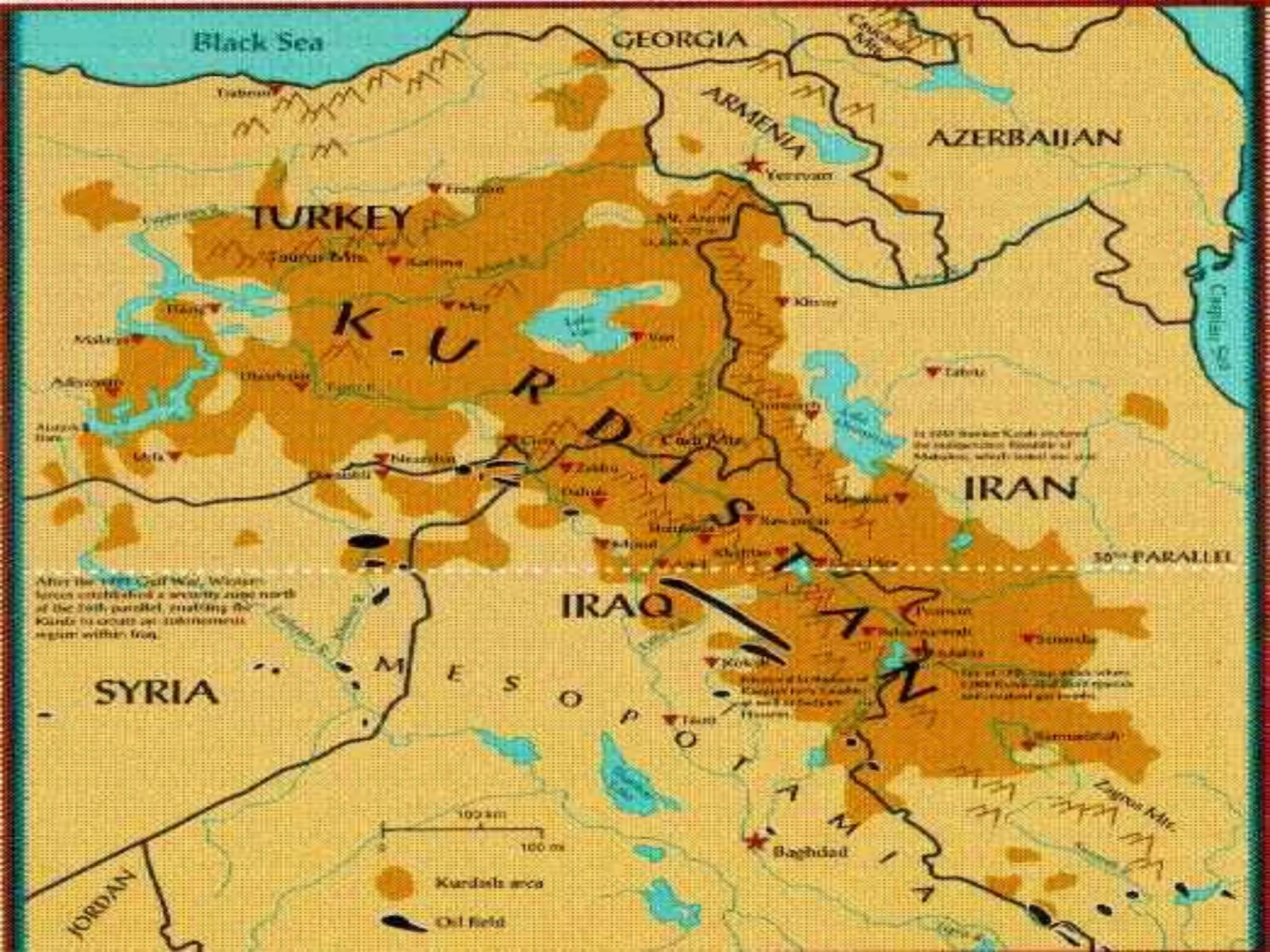
Division of Great Kurdistan into four different countries
(Syria, Turkey, Iran and Iraq)
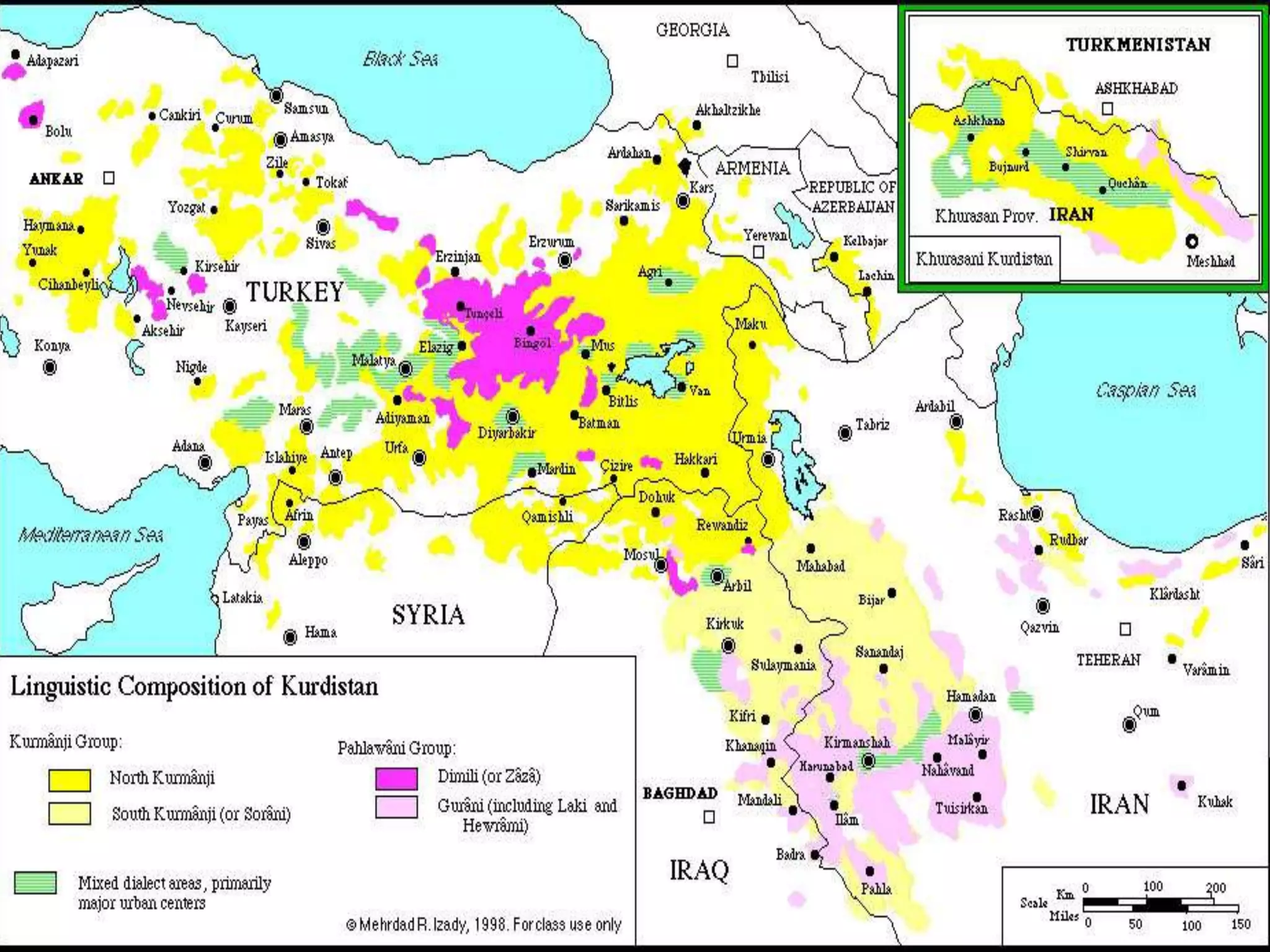
Lexical borrowing occurs between Kurdish dialects
Kurmanci, Sorani, Hawrami
Lexical borrowing appeared in some great poet’s poem
of Kurdistan
Mawlawe, Malaye Ciziri, Haci Qadri koye… etc
Examples of borrowings in some
poems:-

(Ashq)e bajna (latef)m
(Xasta) (hal)m pr (za’if)m
Kas b (hal)m nazan
(Malaye Ciziri)
Ashq=lover, latef=cute, hal=situation, xasta=sick, za’if=wea
k
Kteb u daftar u tarix u kaxaz
Ba kurdi gar bnusraya zuban e
Mala u shex u mir u padshaman
Hata (mah'shar) dama nav u nishane
(Haji Qadri Koyee)
2)Culture
Cultural borrowing is when one country or culture
borrows or copies elements of another country or
culture. Contact between cultures leads to borrowing
between languages, when cultural borrowings happening
within this ''lexical (word) borrowings'' also appear…
For example:(
kfta
3)Religion
In Islam, Kurdish language influenced with Arabic language.
Some of the most important words had been borrowed from
Arabic because as we know it is the main language of Holy Quran
For instance :Alhamdulillah
(Supas w stayesh bo Xudai Gawra)
(praise to God)
In Christianity borrowing word ‘Ameen’ between European
countries.
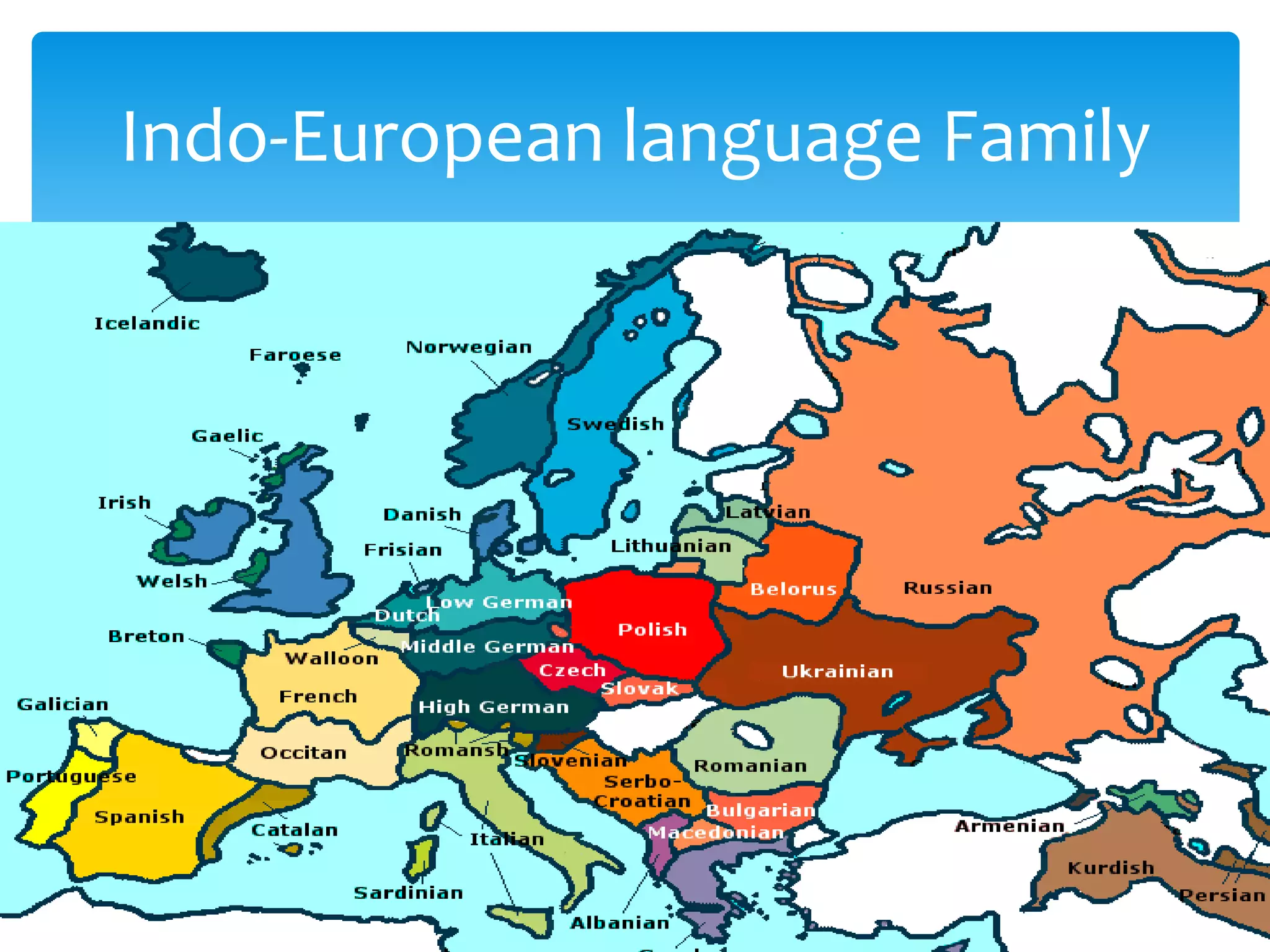
Indo-European language Family
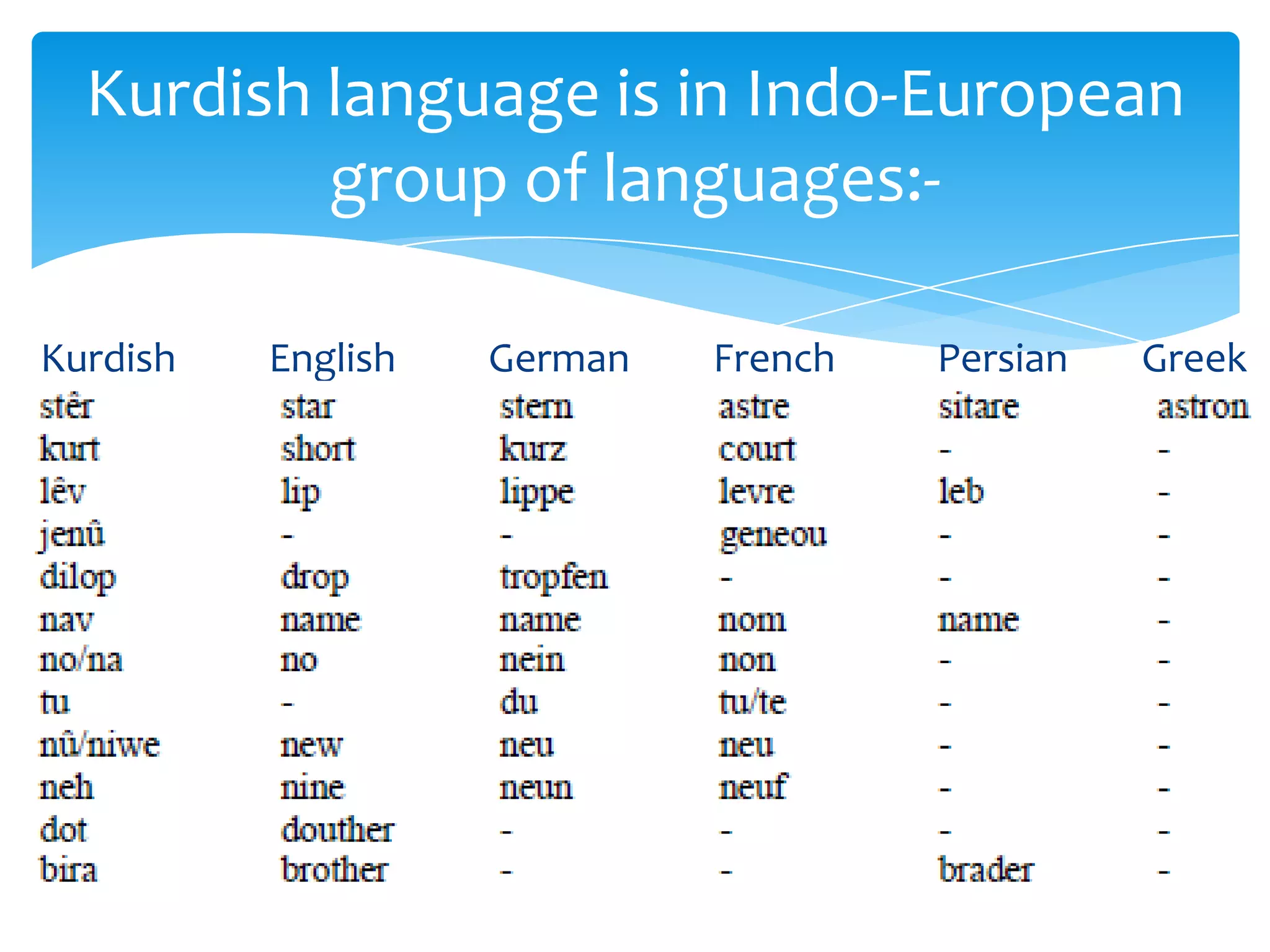
Kurdish language is in Indo-European
group of languages:Kurdish

English

German

French

Persian

Greek
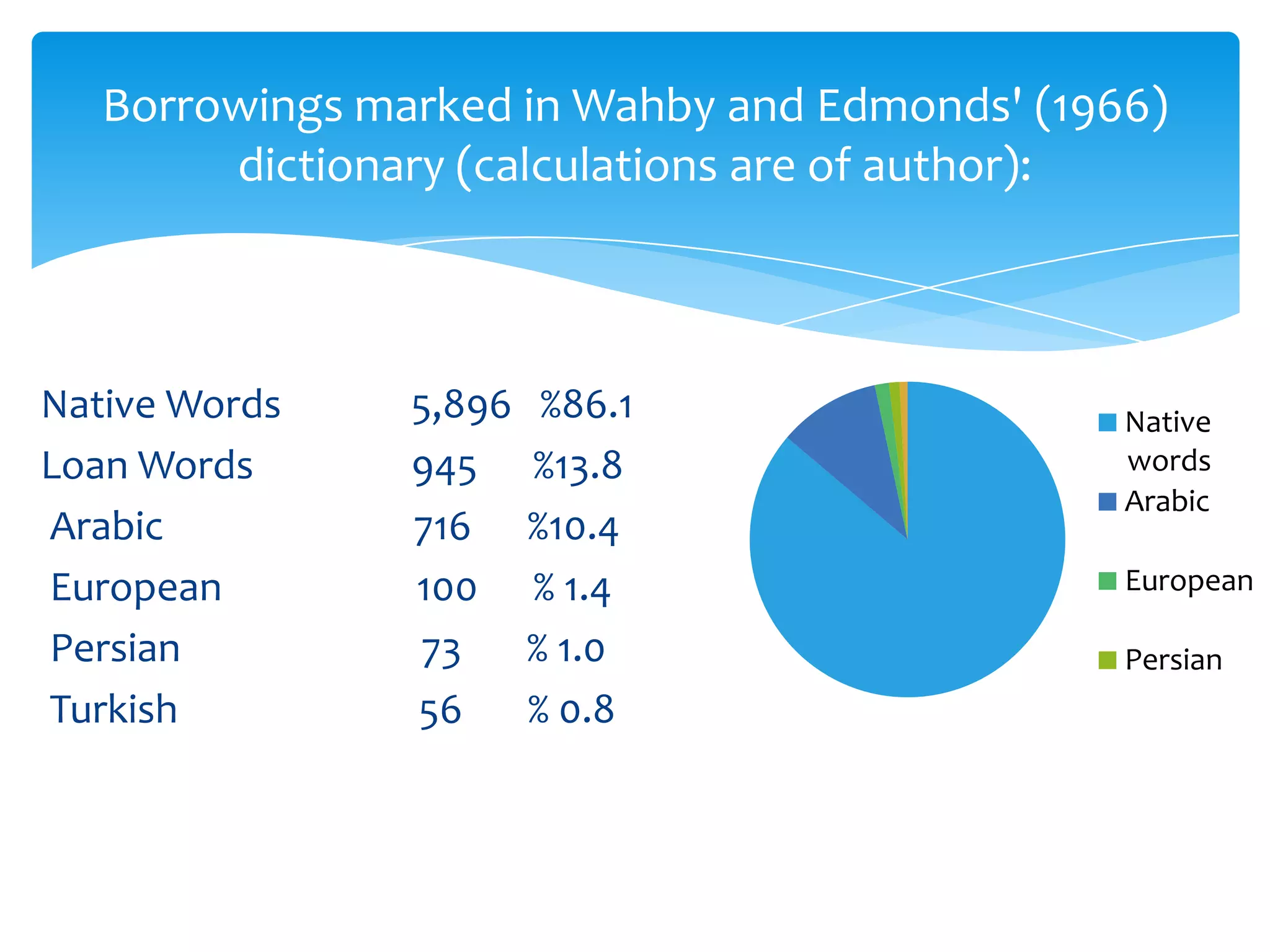
Borrowings marked in Wahby and Edmonds' (1966)
dictionary (calculations are of author):

Native Words
Loan Words
Arabic
European
Persian
Turkish

5,896
945
716
100
73
56

%86.1
%13.8
%10.4
% 1.4
% 1.0
% 0.8

Native
words
Arabic
European
Persian
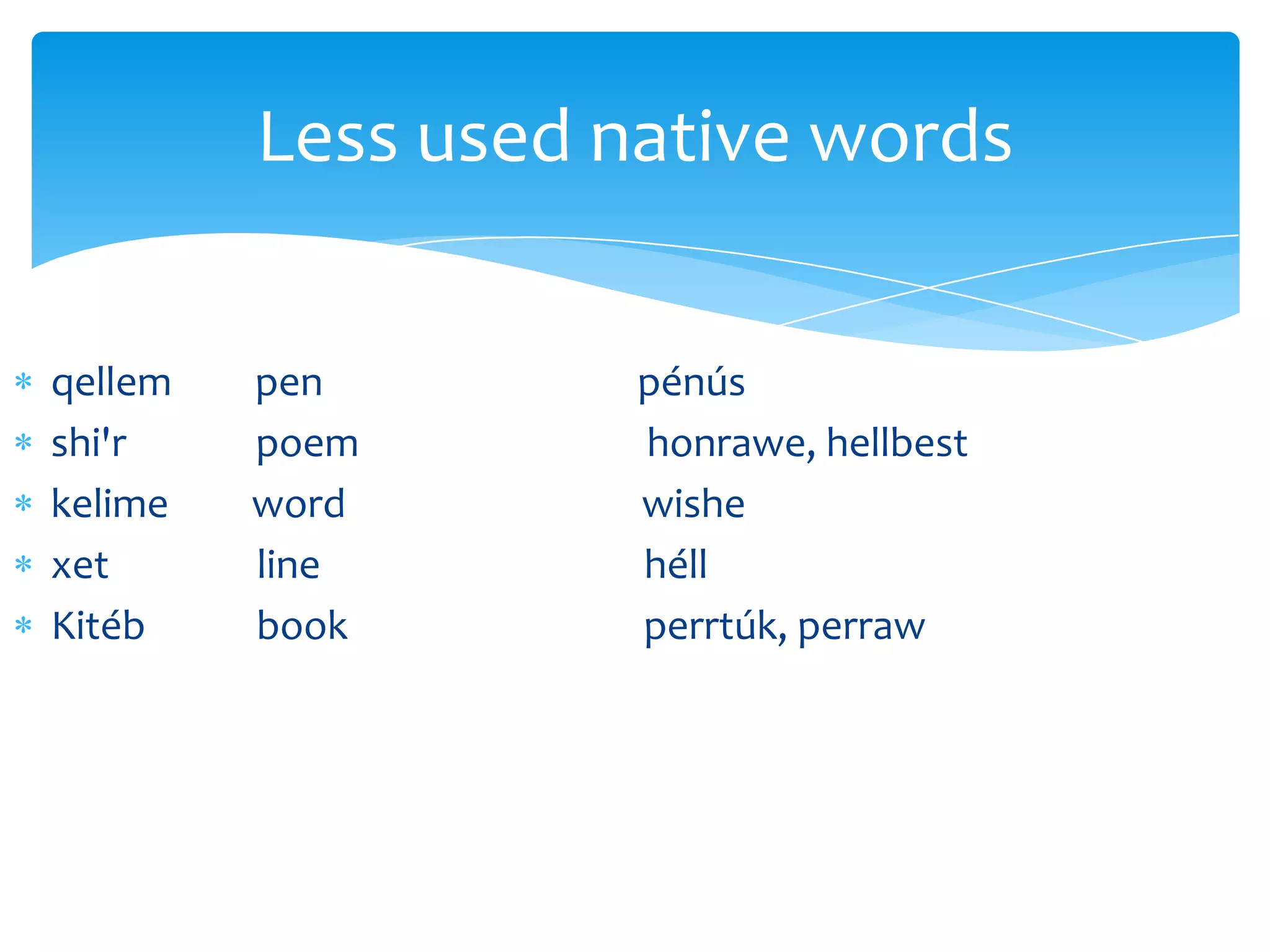
Less used native words
qellem
shi'r
kelime
xet
Kitéb

pen
poem
word
line
book

pénús
honrawe, hellbest
wishe
héll
perrtúk, perraw
Language death:-

A linguistic term for the end or extinction of a language.
A language dies when it no longer has any speakers. It's normal
for languages to borrow words from other languages, but in
some circumstances, this can get out of control.
6,500 languages in the world, more than half are
expected to die within the next century, and many more are
declining. It's estimated that two languages die out every
month.
References:Crystal D. (2003). A dictionary of Linguistics and Phonetics.
(5th ed.). UK: Blackwell
(Jhiyan, December 9, 1926, pp. 1-2)
Kurdish-English dictionary by Tawfeq wahby & C. J. Edmonds
Oxford Clarendon Press, 1966
http://www.kurdishacademy.org/?q=node/443
http://en.wikipedia.org/wiki/Loanword
http://www.bbc.co.uk/voices/yourvoice/language/ecology2.shtml
http://www.daplatform.com/images/kurdceyitaniyalim
http://tr.wikipedia.org/wiki/K%C3%BCrt%C3%A7e

Lexical borrowing in Kurdish language

  • 1.
    College of language Englishdepartment Lexical borrowing
  • 2.
    What is lexicalborrowing? It is a words borrowed from a donor language and incorporated in to a recipient language. Lexical borrowing is one of the process of linguistic change , this process visible especially in phonetic ,morphological , syntactic . In our language we borrowed some words from other language but with a little bit change in pronunciation.
  • 3.
    Lexical borrowing inEnglish language Lexical borrowing in English started in period of { middle English} roughly 1100-1500 and the French language contributed many loanword in English and also English has adopted from more than300 language For example the word of joy comes from joie which it is old French The word of rich comes from reich which it is a Germany word
  • 4.
    Lexical borrowing vsCode switching Code-switching occurs when a speaker of two distinct languages switches between the two in conversing with another person who also understands both languages. Lexical borrowing is process of adopting words from one or more languages
  • 5.
    There are kindsof loan words according to David Crystal like:- 1) Loan words: “where both form and meaning are borrowed or assimilated with some adaptation to the phonological of the new language” 2) Loan blends: It is another kind “where the meaning is borrowed, but only part of the form” 3) Loan shifts: This is another sort of “loan words where the meaning is borrowed, but the structure is indigenous”. 4) Loan translation: points out that it refers to loans, “where the morphemes in the borrowed word are translated item by item”.
  • 6.
    Circumstances or situationsof lexical borrowing 1) History:A great war between Turks and Iranian, (Chaldiran in 23 August 1514) Division of Great Kurdistan into four different countries (Syria, Turkey, Iran and Iraq) Lexical borrowing occurs between Kurdish dialects Kurmanci, Sorani, Hawrami Lexical borrowing appeared in some great poet’s poem of Kurdistan Mawlawe, Malaye Ciziri, Haci Qadri koye… etc
  • 9.
    Examples of borrowingsin some poems:- (Ashq)e bajna (latef)m (Xasta) (hal)m pr (za’if)m Kas b (hal)m nazan (Malaye Ciziri) Ashq=lover, latef=cute, hal=situation, xasta=sick, za’if=wea k
  • 10.
    Kteb u daftaru tarix u kaxaz Ba kurdi gar bnusraya zuban e Mala u shex u mir u padshaman Hata (mah'shar) dama nav u nishane (Haji Qadri Koyee)
  • 11.
    2)Culture Cultural borrowing iswhen one country or culture borrows or copies elements of another country or culture. Contact between cultures leads to borrowing between languages, when cultural borrowings happening within this ''lexical (word) borrowings'' also appear… For example:( kfta
  • 12.
    3)Religion In Islam, Kurdishlanguage influenced with Arabic language. Some of the most important words had been borrowed from Arabic because as we know it is the main language of Holy Quran For instance :Alhamdulillah (Supas w stayesh bo Xudai Gawra) (praise to God) In Christianity borrowing word ‘Ameen’ between European countries.
  • 13.
  • 14.
    Kurdish language isin Indo-European group of languages:Kurdish English German French Persian Greek
  • 15.
    Borrowings marked inWahby and Edmonds' (1966) dictionary (calculations are of author): Native Words Loan Words Arabic European Persian Turkish 5,896 945 716 100 73 56 %86.1 %13.8 %10.4 % 1.4 % 1.0 % 0.8 Native words Arabic European Persian
  • 16.
    Less used nativewords qellem shi'r kelime xet Kitéb pen poem word line book pénús honrawe, hellbest wishe héll perrtúk, perraw
  • 17.
    Language death:- A linguisticterm for the end or extinction of a language. A language dies when it no longer has any speakers. It's normal for languages to borrow words from other languages, but in some circumstances, this can get out of control. 6,500 languages in the world, more than half are expected to die within the next century, and many more are declining. It's estimated that two languages die out every month.
  • 18.
    References:Crystal D. (2003).A dictionary of Linguistics and Phonetics. (5th ed.). UK: Blackwell (Jhiyan, December 9, 1926, pp. 1-2) Kurdish-English dictionary by Tawfeq wahby & C. J. Edmonds Oxford Clarendon Press, 1966 http://www.kurdishacademy.org/?q=node/443 http://en.wikipedia.org/wiki/Loanword http://www.bbc.co.uk/voices/yourvoice/language/ecology2.shtml http://www.daplatform.com/images/kurdceyitaniyalim http://tr.wikipedia.org/wiki/K%C3%BCrt%C3%A7e