Let’s Mark the Boundaries
Plate Tectonics, Earthquake
Distribution, Active Volcanoes and
Mountain Ranges
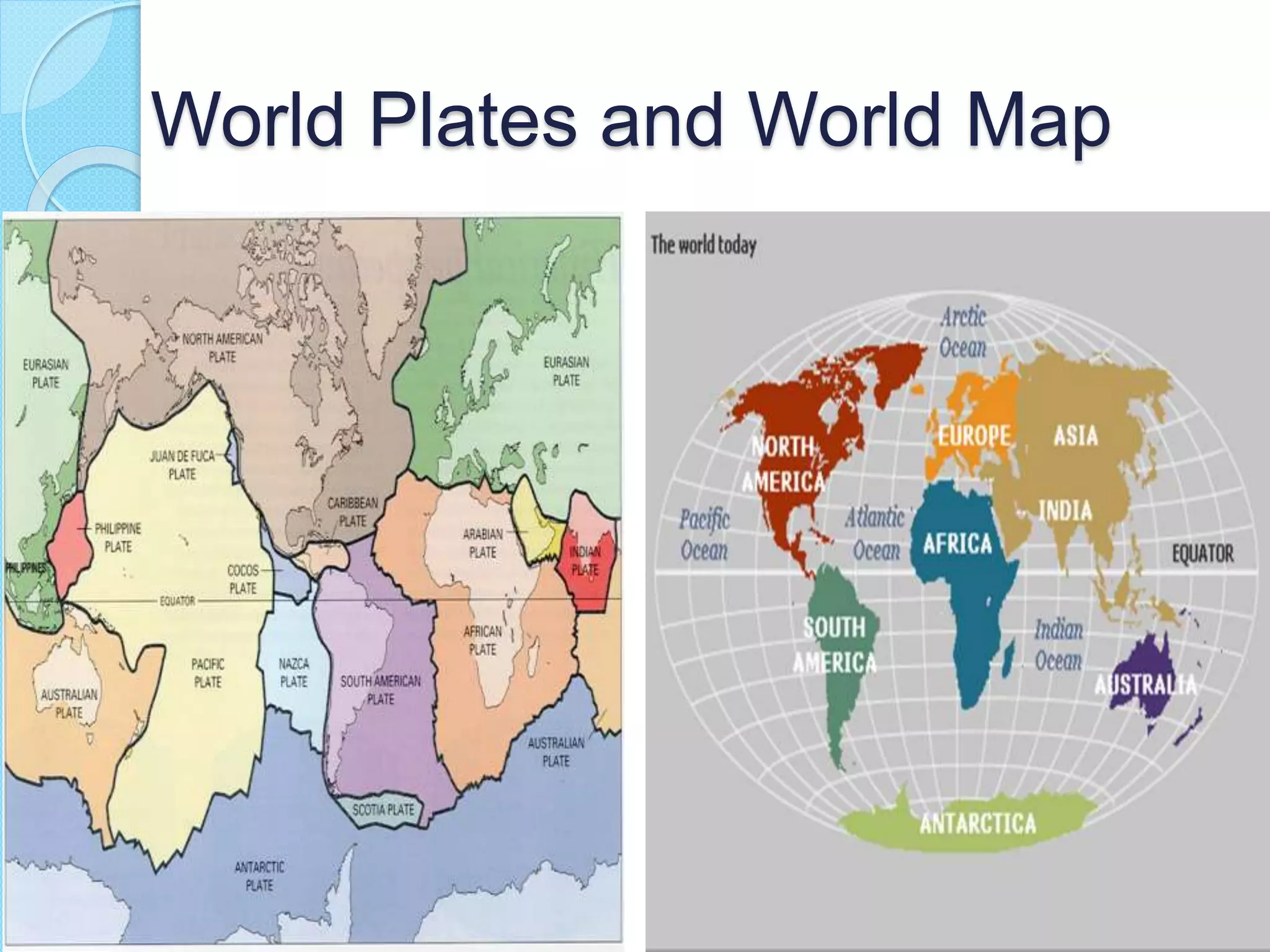
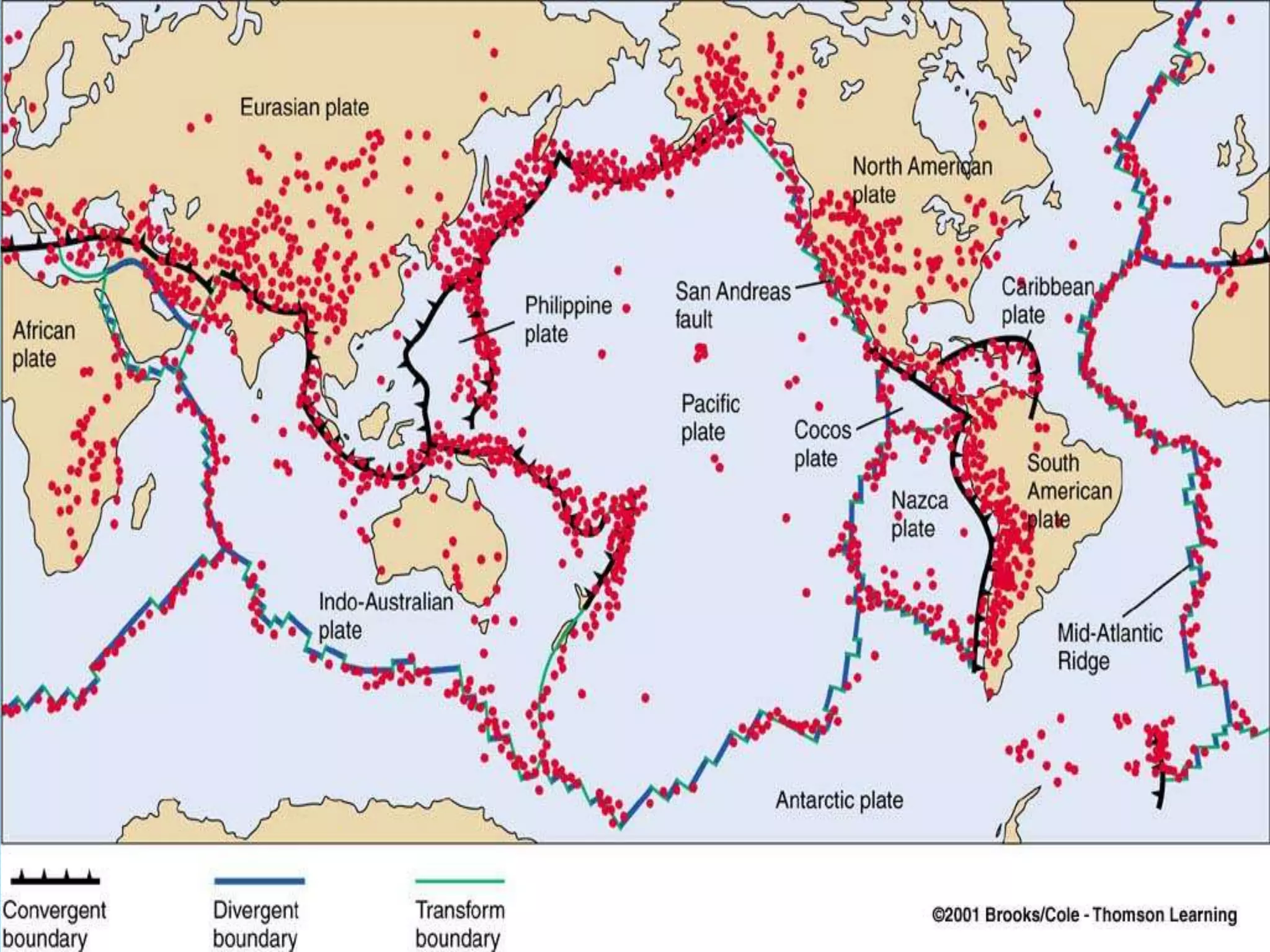
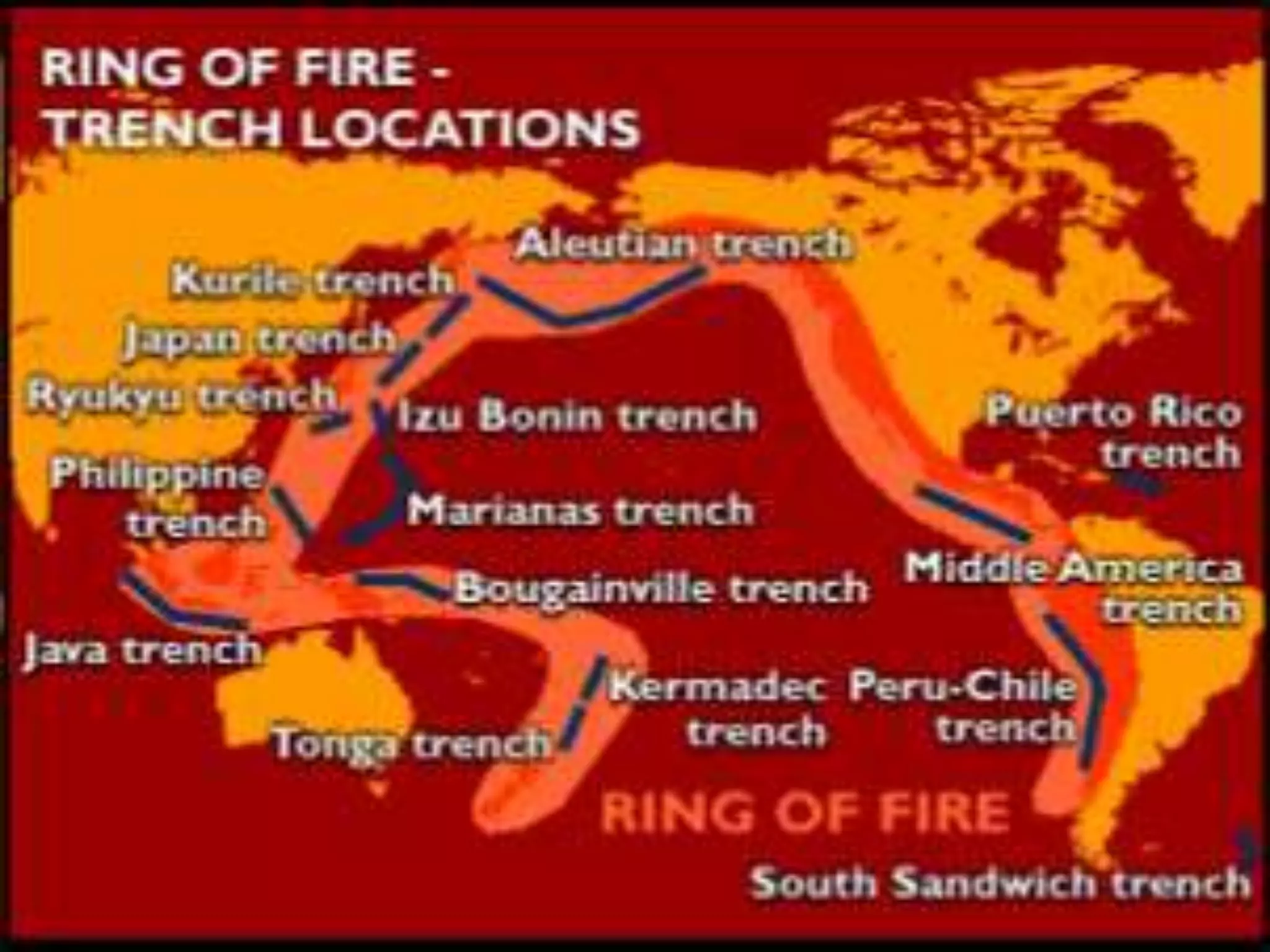
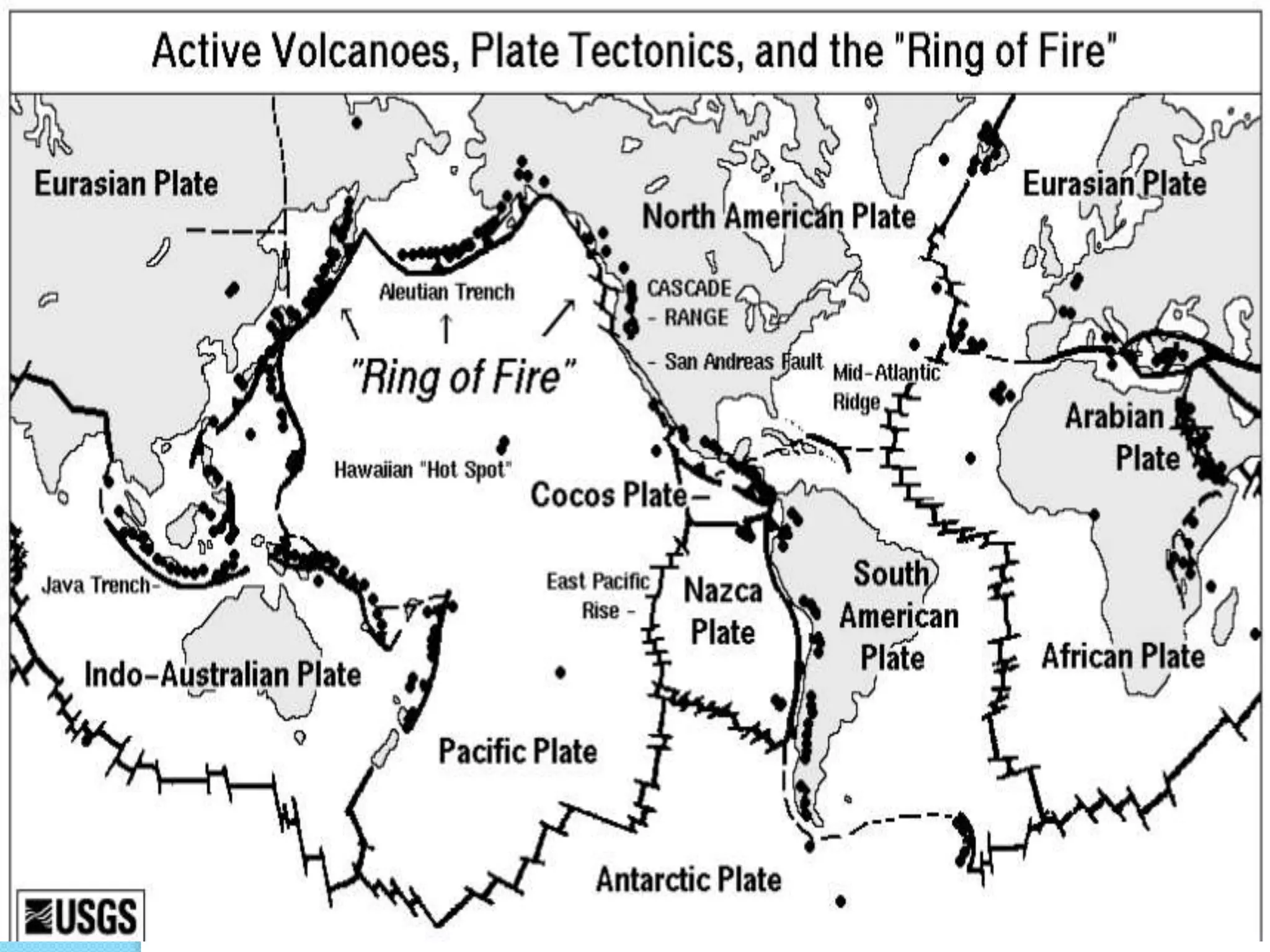
World Plates and World Map
Objectives:
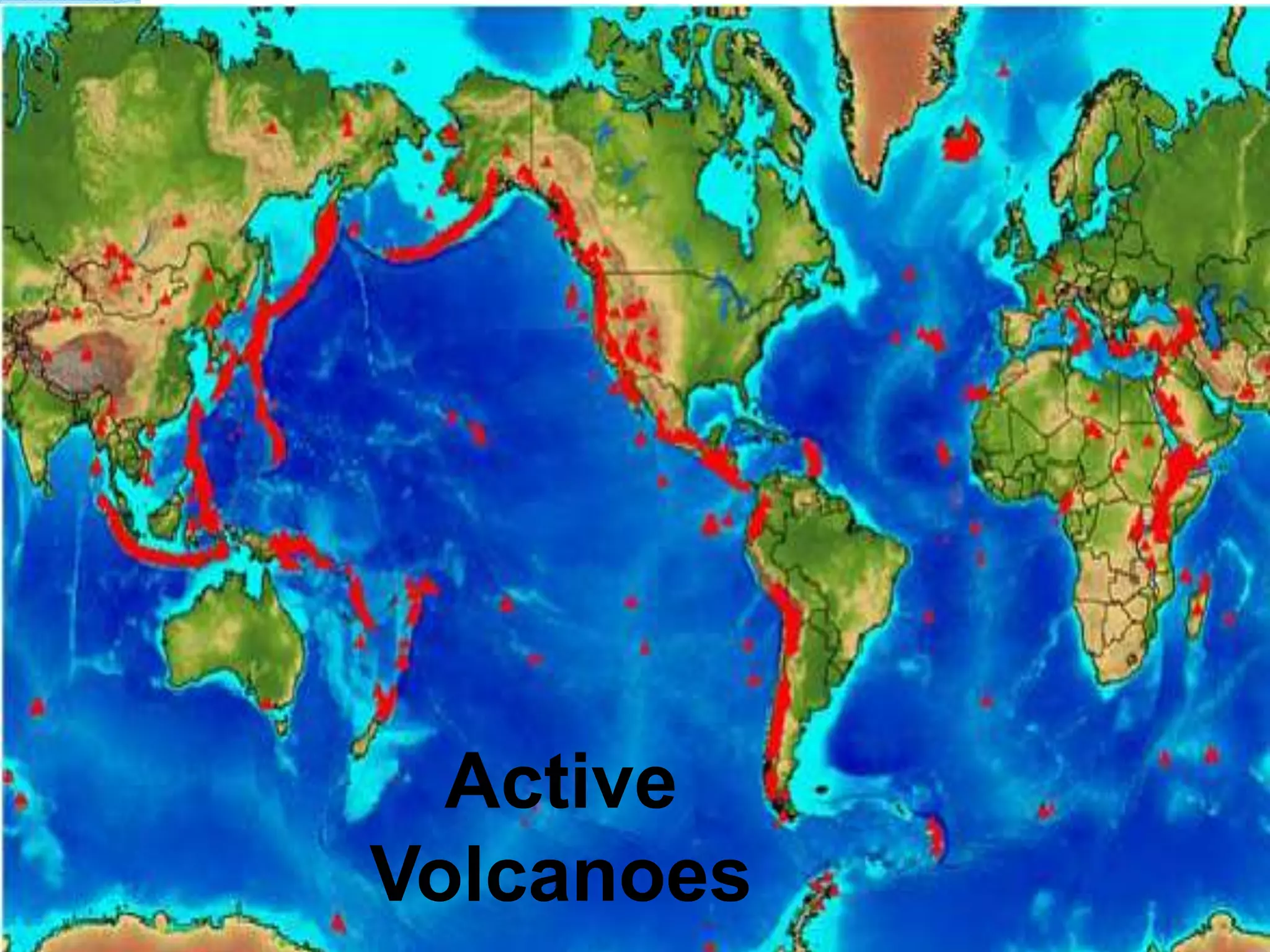
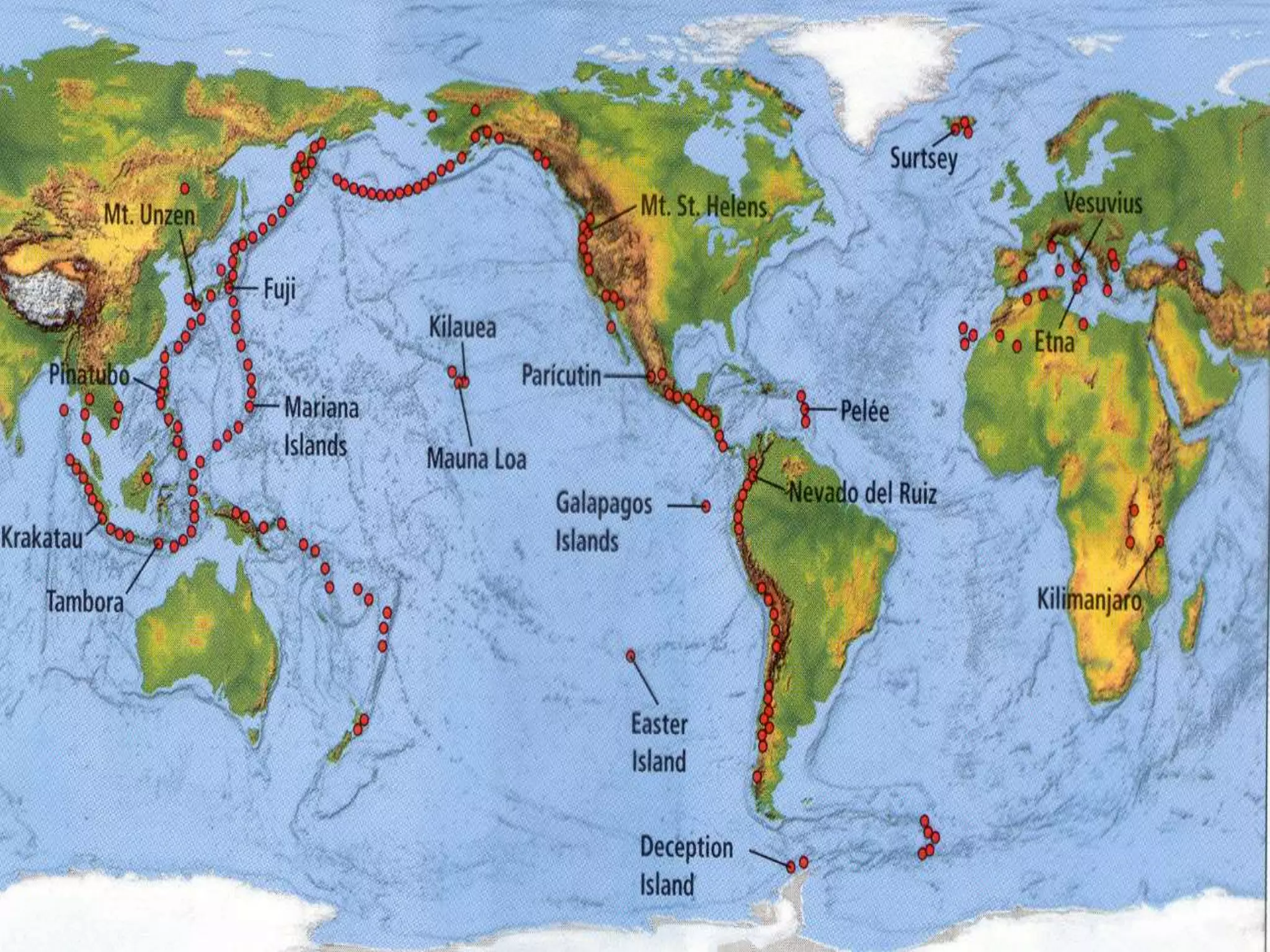
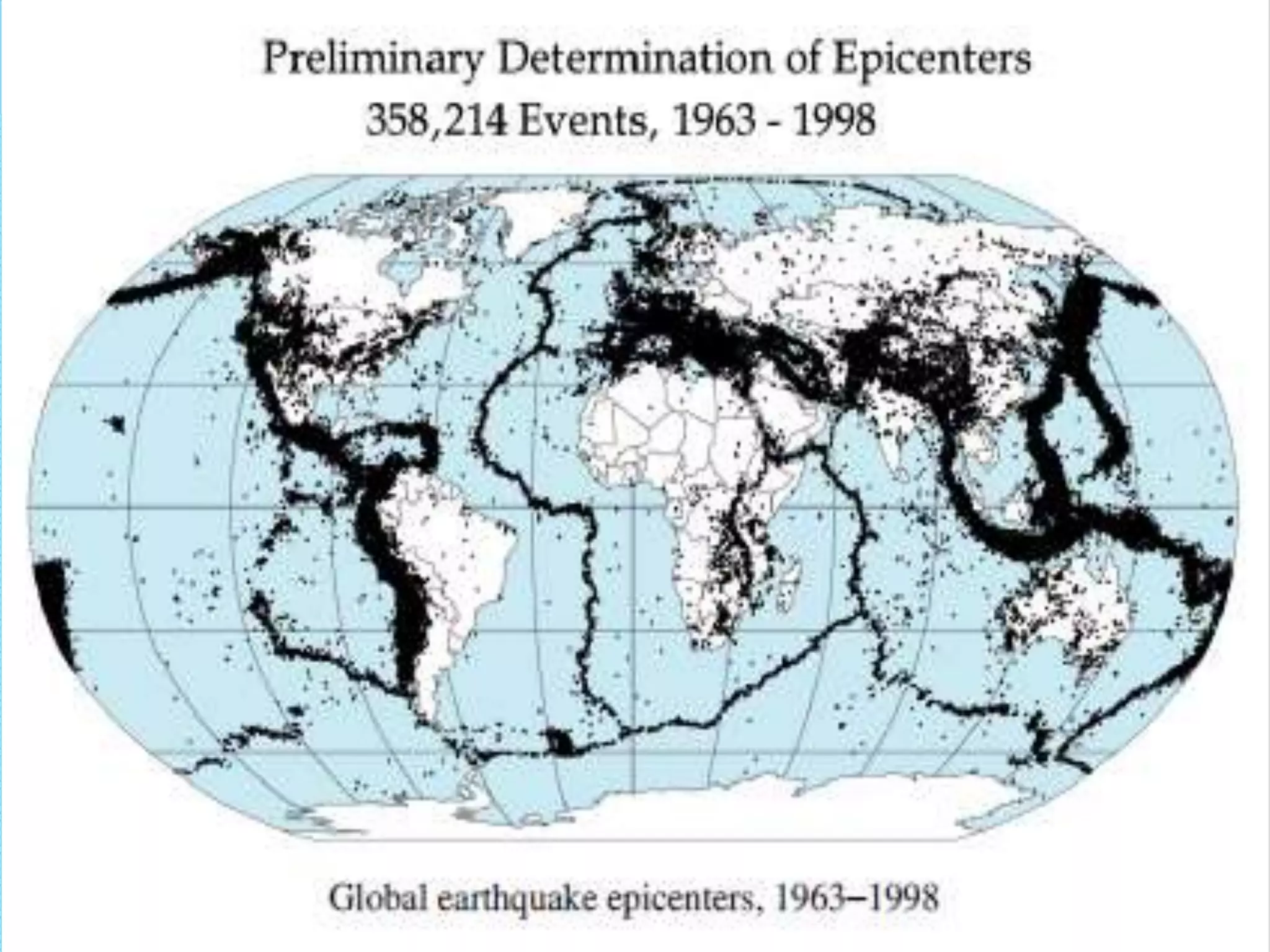
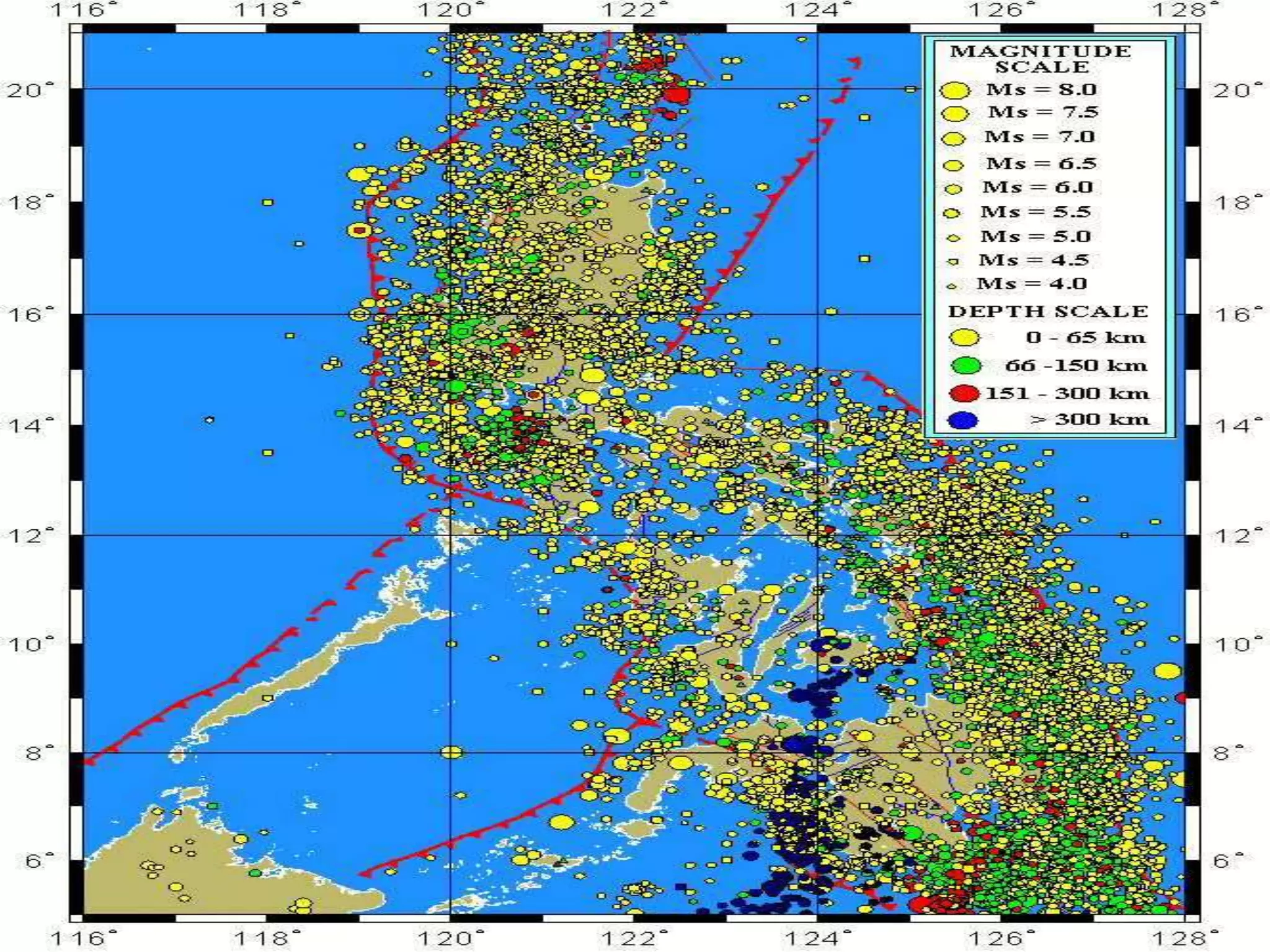
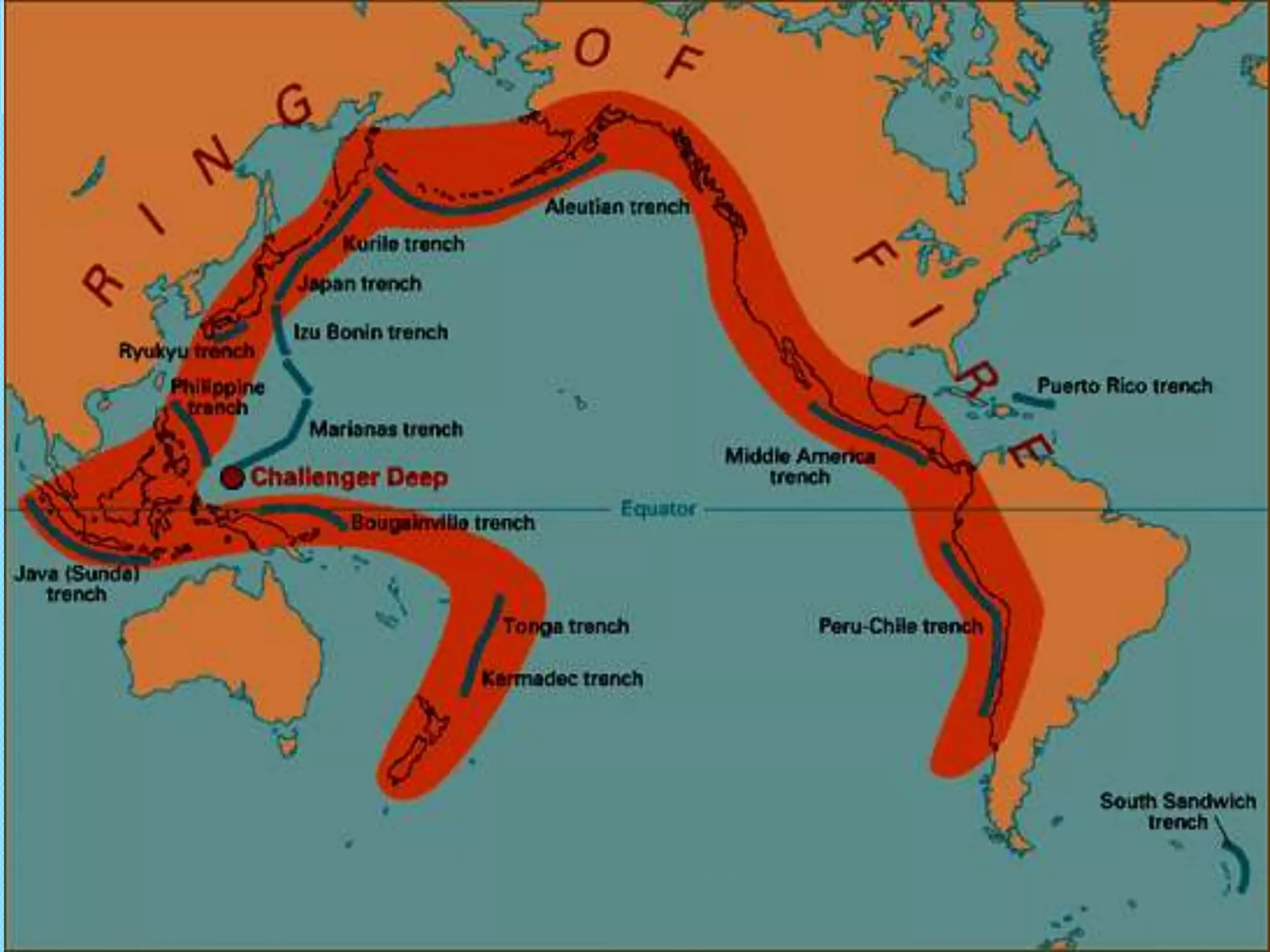
 Describe the distribution of active
volcanoes, earthquake epicenters and
major mountain belts.
 Determine the scientific basis for
dividing the Lithospheric Plates.
1 whole:
Copy and Answer Q5-Q14
Trace the earthquake
distribution around the
world and the approximate
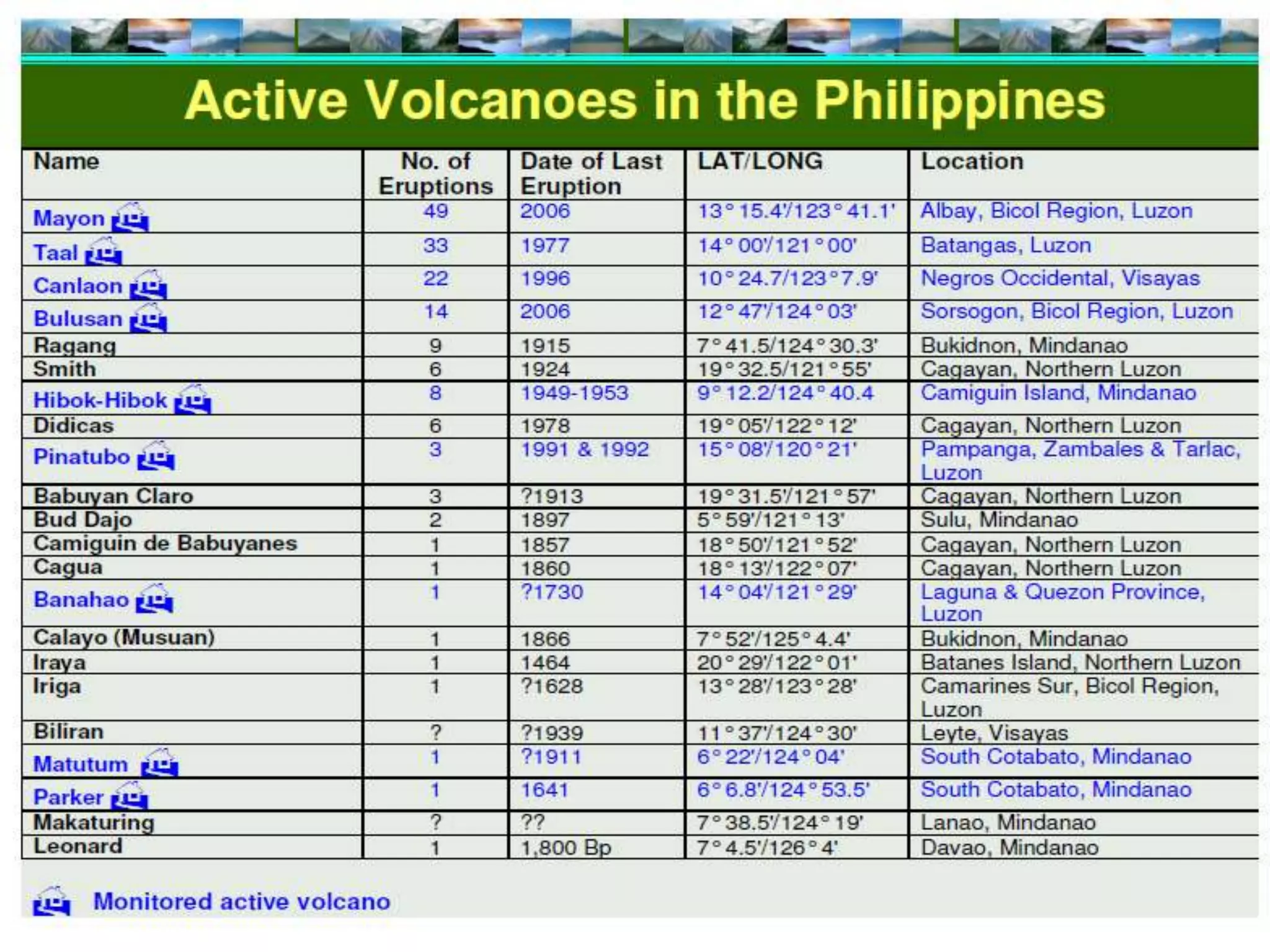
locations of several
volcanoes in two separate
plastic sheets.
Q and A
 Q5-Q14
Plate
Boundaries
Active
Volcanoes
E
Remember:
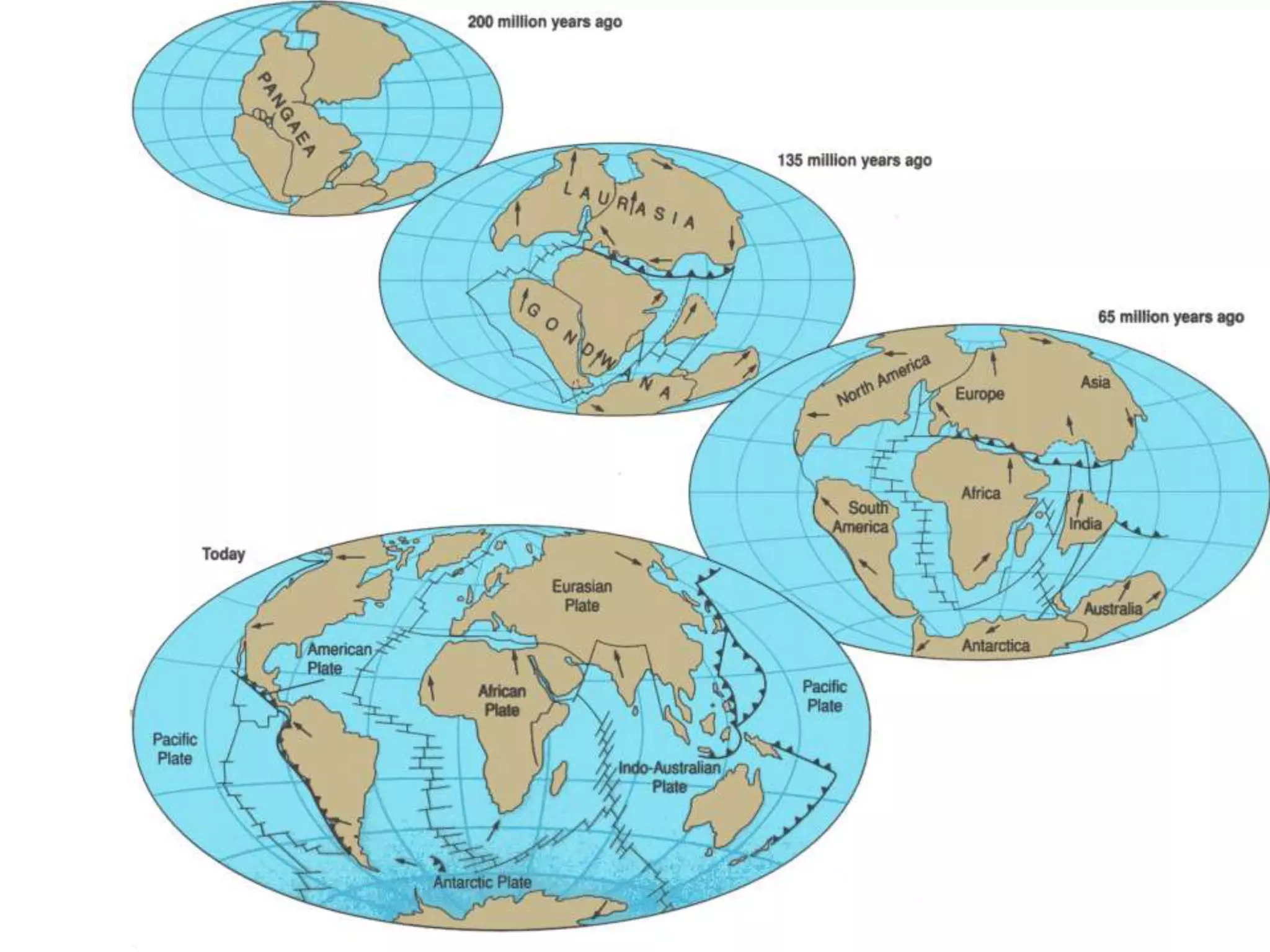
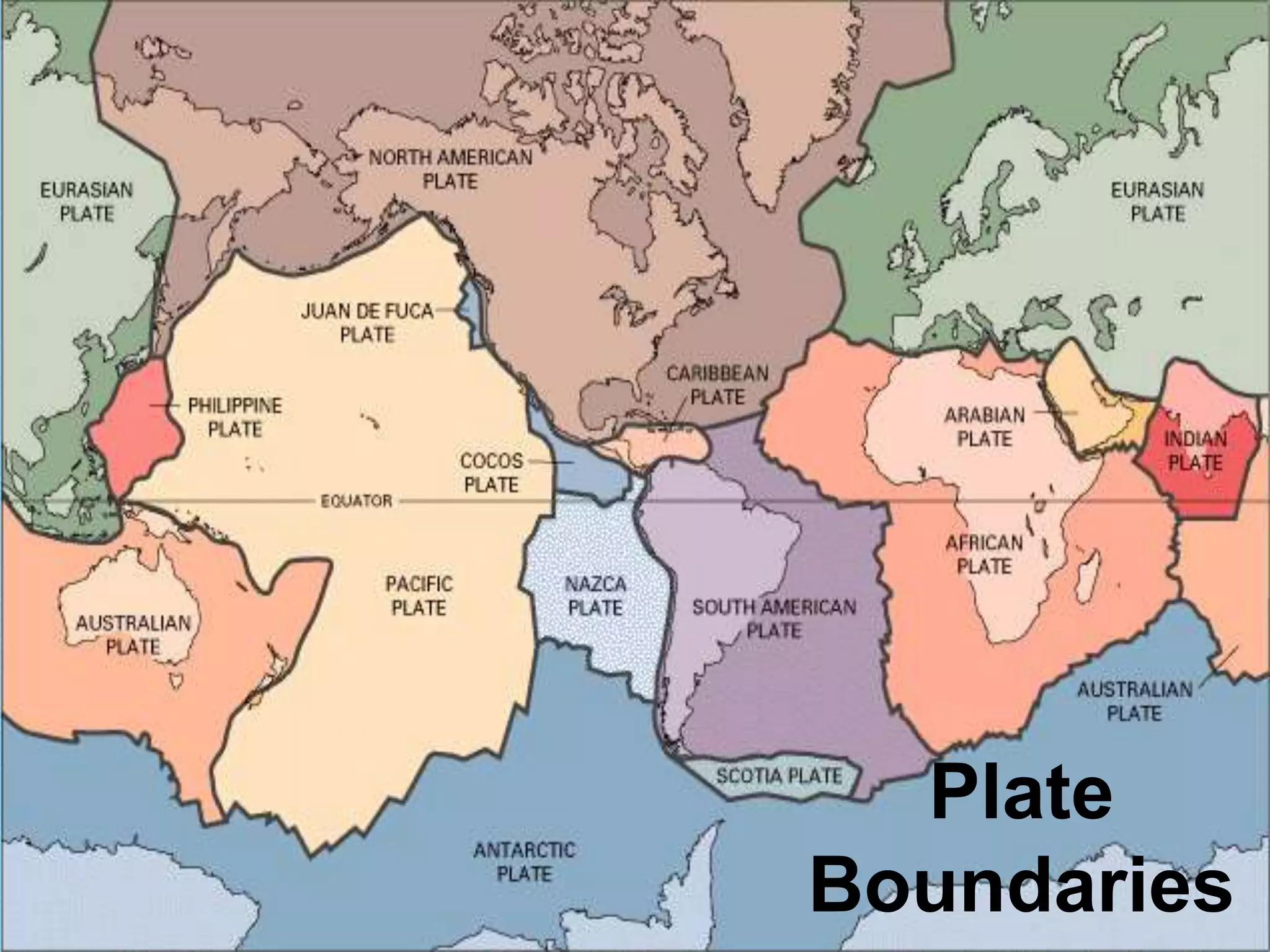
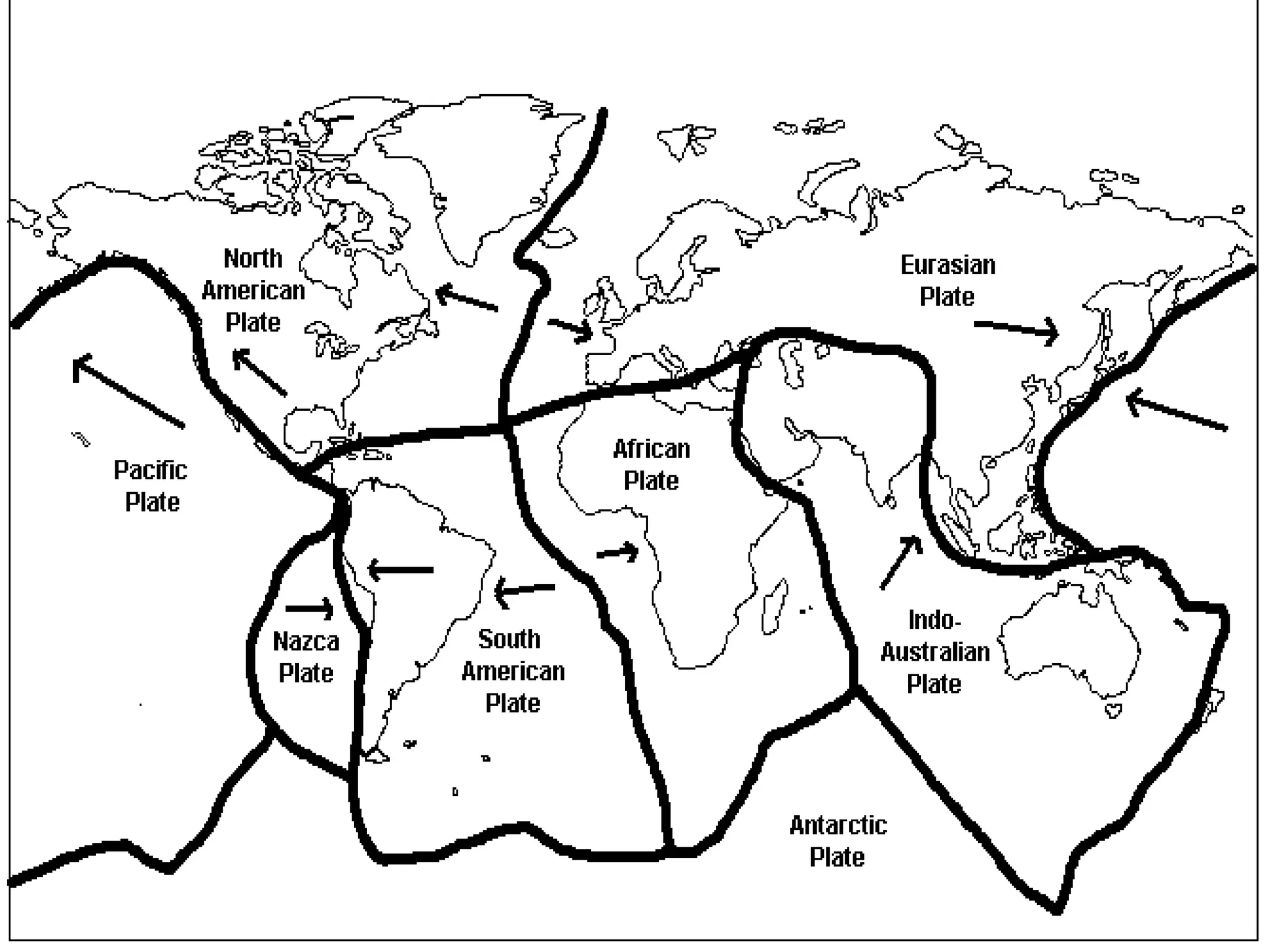
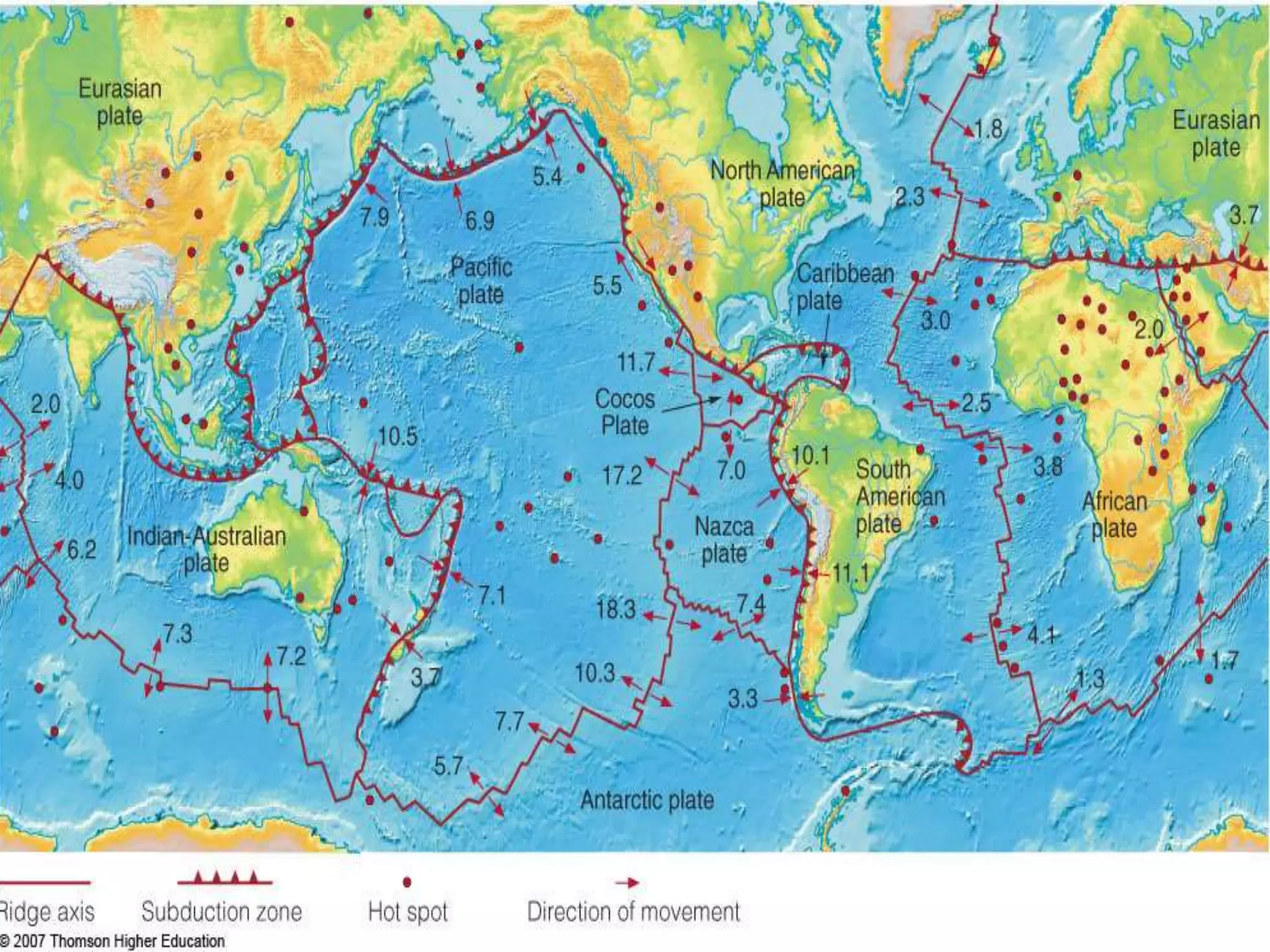
 Places on earth where most of the
earthquakes originated or some
mountains and volcanoes were
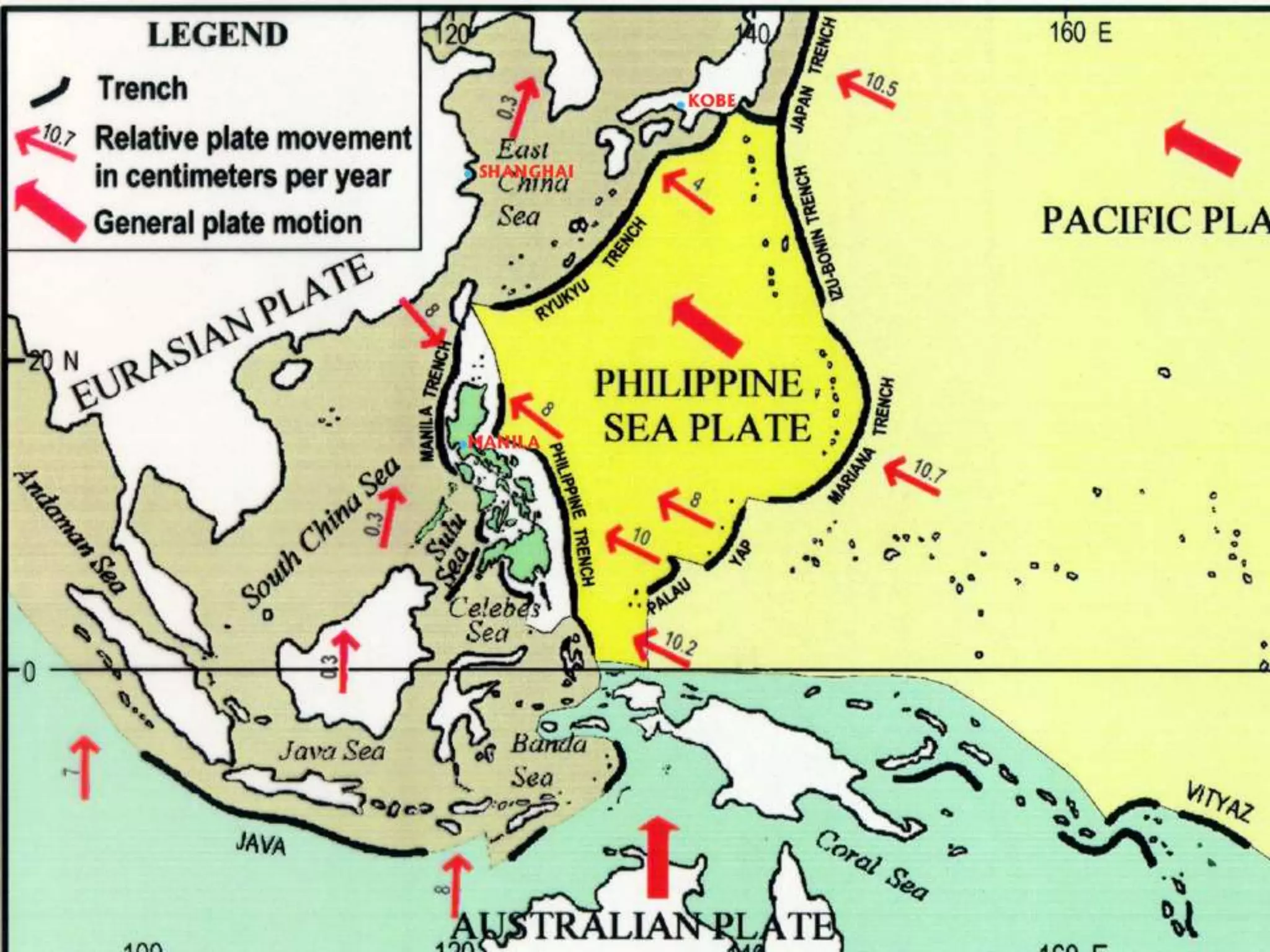
formed mark the boundaries of each
lithospheric plate.
 Each plate is slowly moving relative to
each other, causing geologic events
to happen along their boundaries.
Remember:
 Plates are large pieces of the upper
few hundred kilometers of Earth that
move as a single unit as it floats
above the mantle.
 As plates interact along their margins,
important geological processes take
place,
such as the formation of mountain belts,
earthquakes, and volcanoes.
Active Volcanoes
(ppt) (video)
Type of Boundaries
 ppt
Bring: (by grp)
 Clay (atleast 3 colors)

Let’s mark the boundaries

  • 1.
    Let’s Mark theBoundaries Plate Tectonics, Earthquake Distribution, Active Volcanoes and Mountain Ranges
  • 2.
  • 3.
    Objectives:  Describe thedistribution of active volcanoes, earthquake epicenters and major mountain belts.  Determine the scientific basis for dividing the Lithospheric Plates.
  • 4.
    1 whole: Copy andAnswer Q5-Q14 Trace the earthquake distribution around the world and the approximate locations of several volcanoes in two separate plastic sheets.
  • 5.
  • 7.
  • 11.
  • 13.
  • 20.
    Remember:  Places onearth where most of the earthquakes originated or some mountains and volcanoes were formed mark the boundaries of each lithospheric plate.  Each plate is slowly moving relative to each other, causing geologic events to happen along their boundaries.
  • 21.
    Remember:  Plates arelarge pieces of the upper few hundred kilometers of Earth that move as a single unit as it floats above the mantle.  As plates interact along their margins, important geological processes take place, such as the formation of mountain belts, earthquakes, and volcanoes.
  • 22.
  • 23.
  • 24.
    Bring: (by grp) Clay (atleast 3 colors)