Unit 1
Knowing Language Across Curriculum
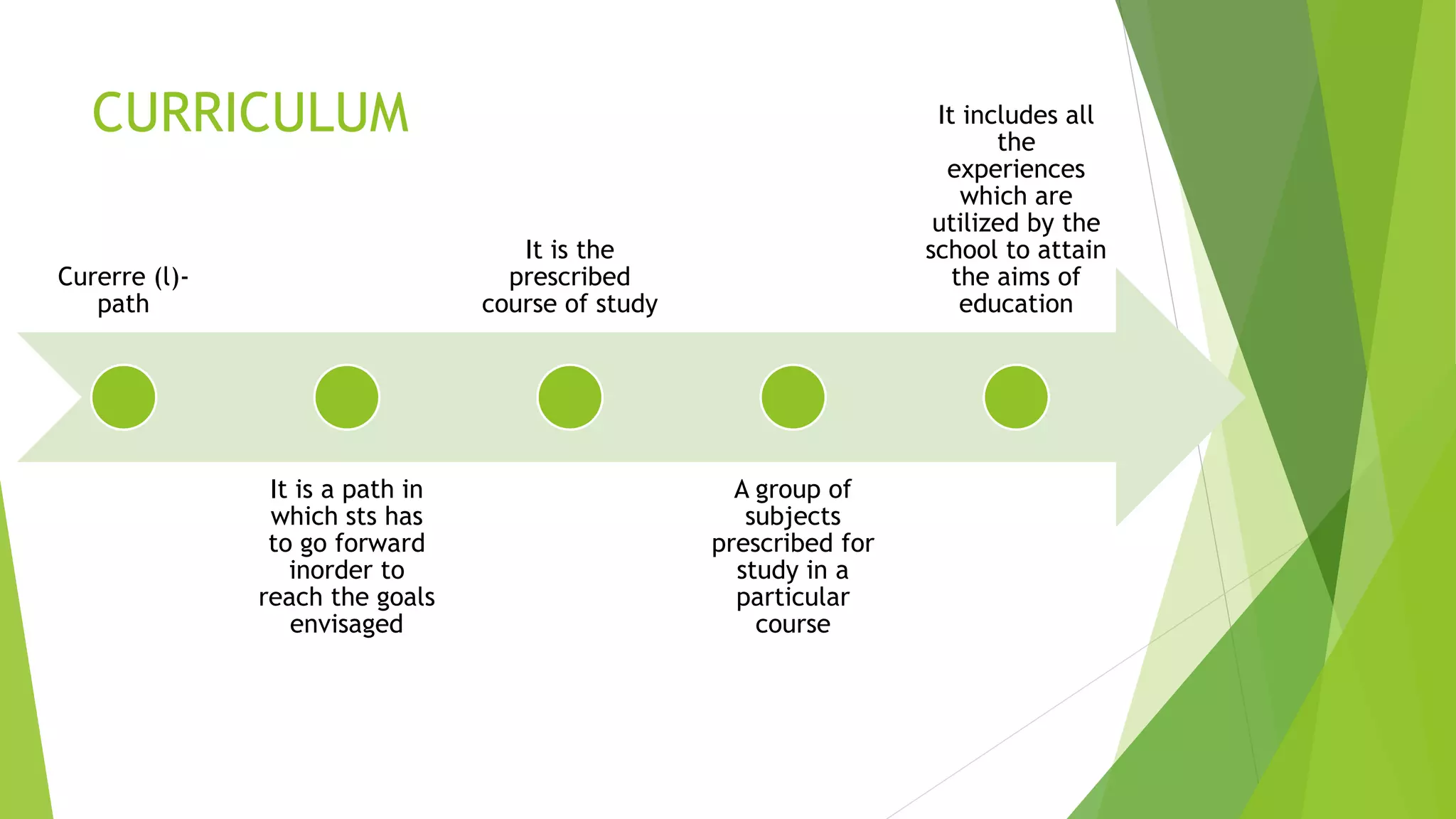
CURRICULUM
Curerre (l)-
path
It is a path in
which sts has
to go forward
inorder to
reach the goals
envisaged
It is the
prescribed
course of study
A group of
subjects
prescribed for
study in a
particular
course
It includes all
the
experiences
which are
utilized by the
school to attain
the aims of
education
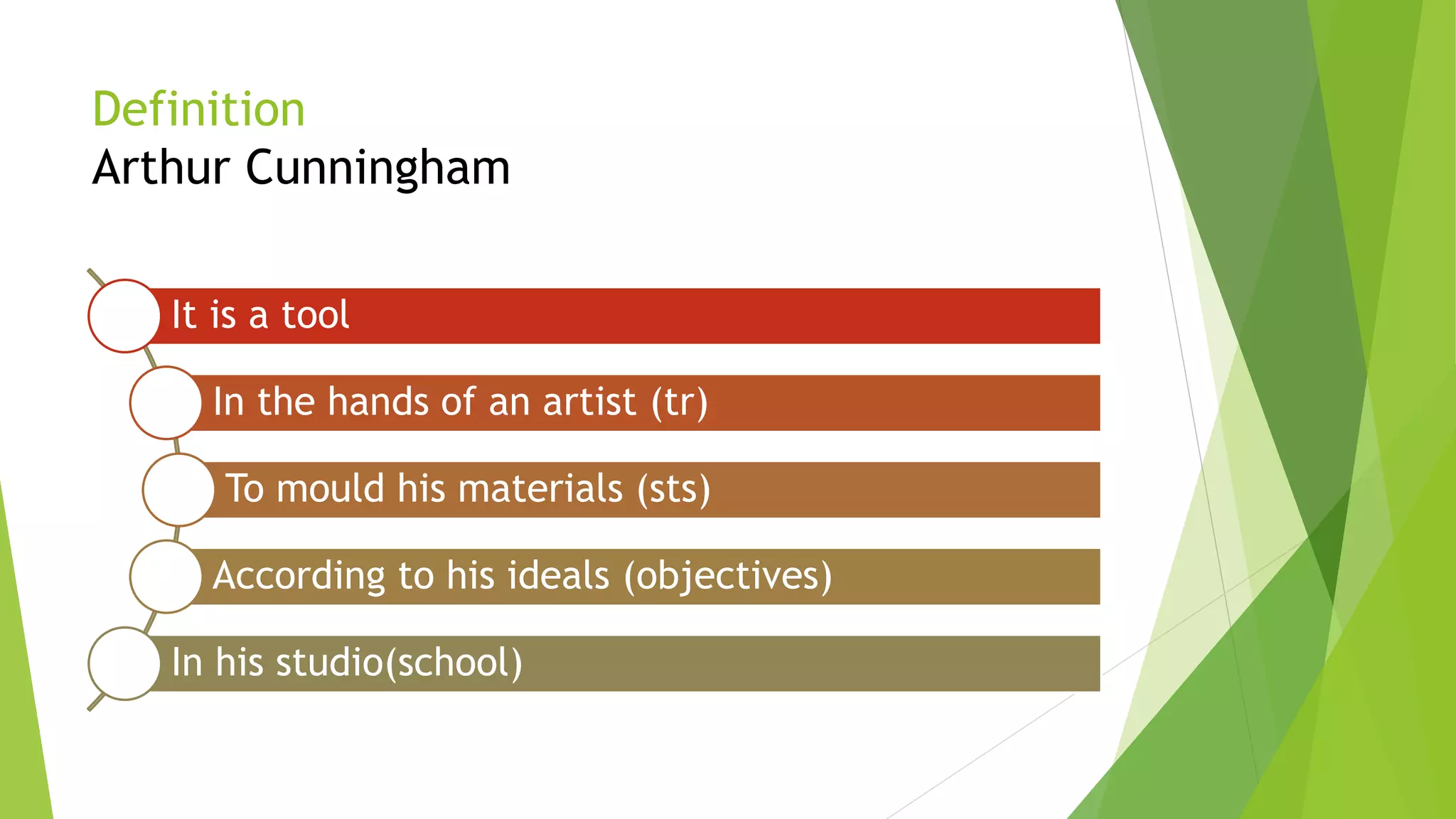
Definition
Arthur Cunningham
It is a tool
In the hands of an artist (tr)
To mould his materials (sts)
According to his ideals (objectives)
In his studio(school)
Language and
communication
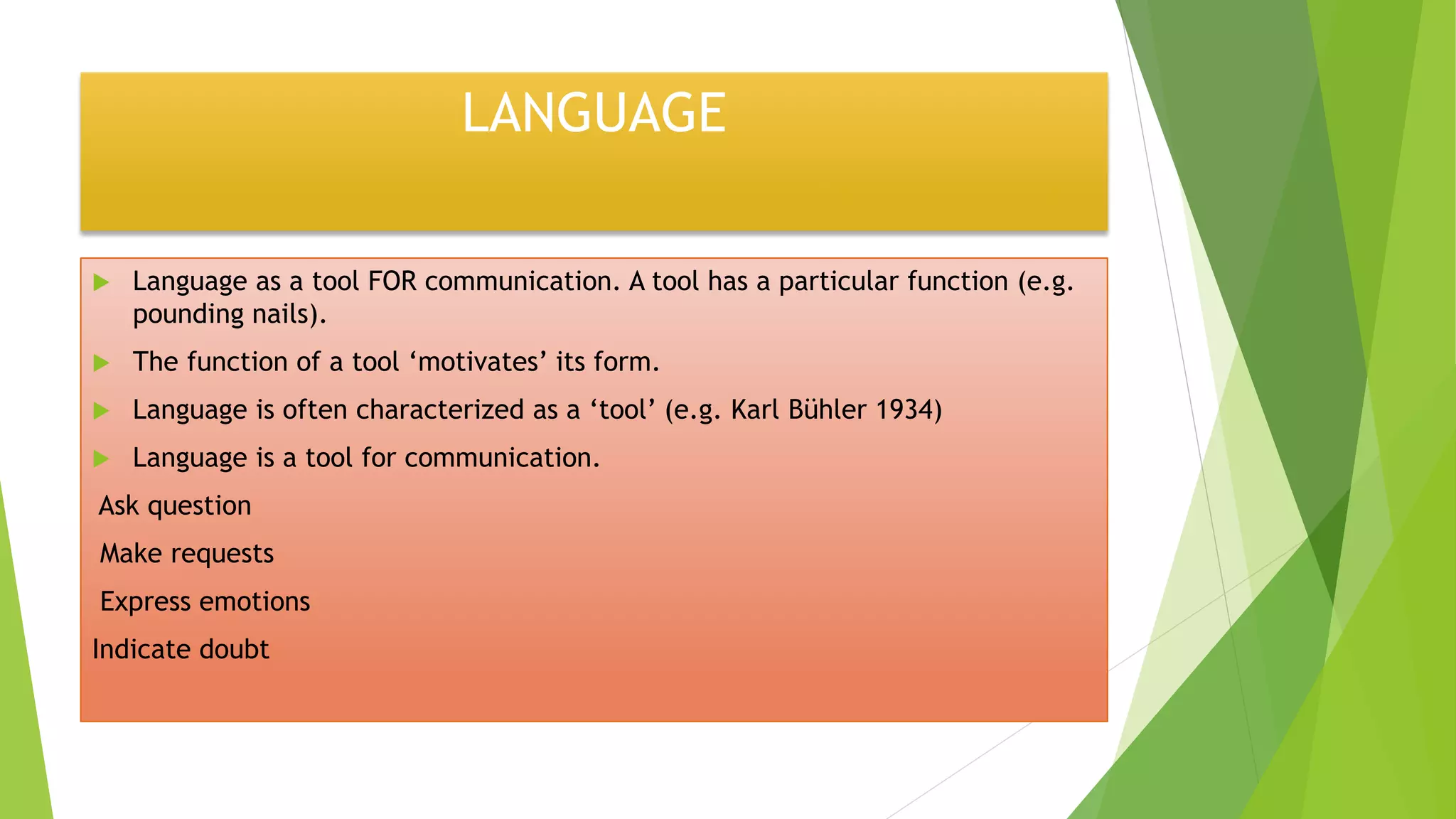
LANGUAGE
 Language as a tool FOR communication. A tool has a particular function (e.g.
pounding nails).
 The function of a tool ‘motivates’ its form.
 Language is often characterized as a ‘tool’ (e.g. Karl Bühler 1934)
 Language is a tool for communication.
Ask question
Make requests
Express emotions
Indicate doubt
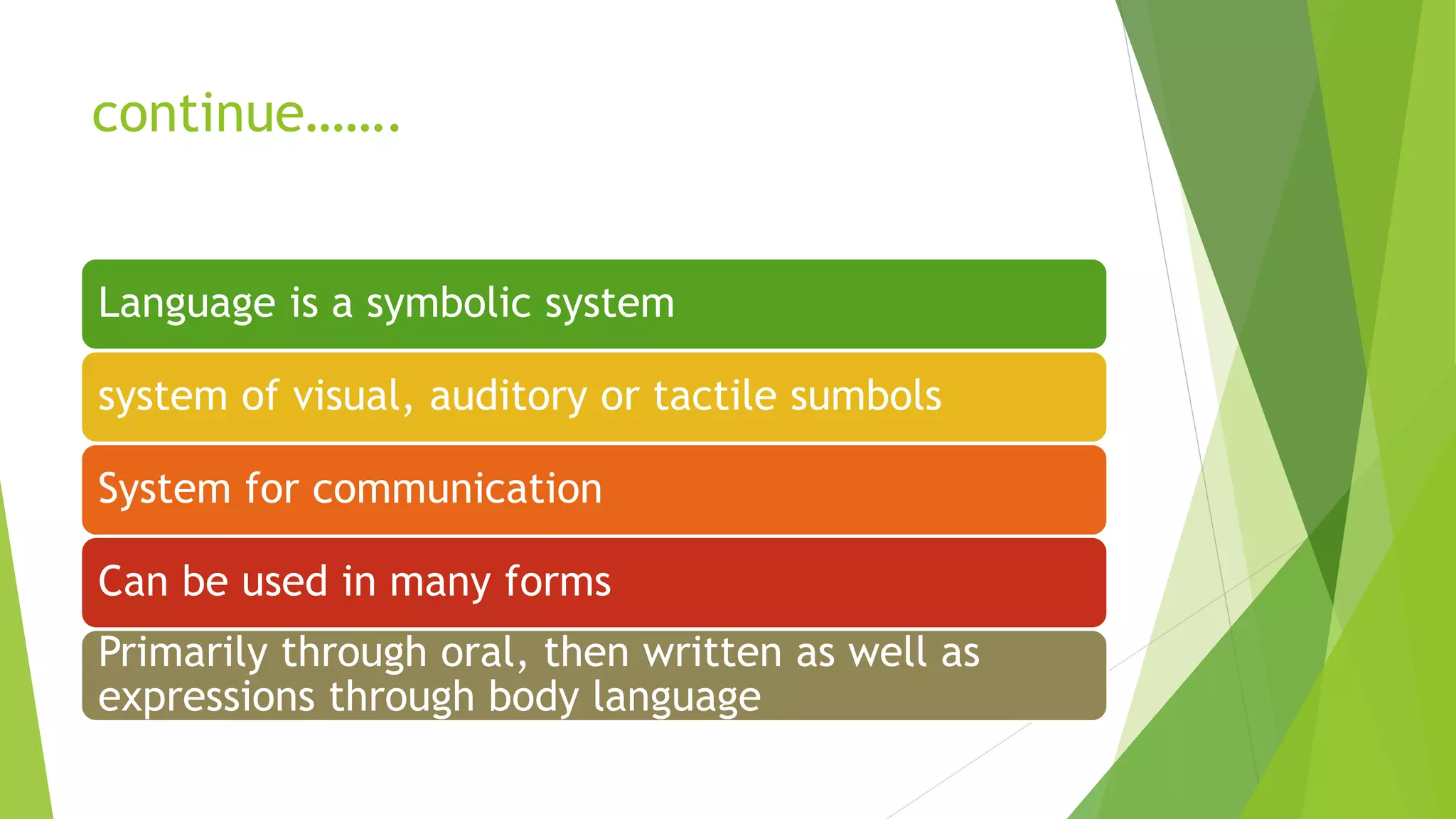
continue…….
Language is a symbolic system
system of visual, auditory or tactile sumbols
System for communication
Can be used in many forms
Primarily through oral, then written as well as
expressions through body language
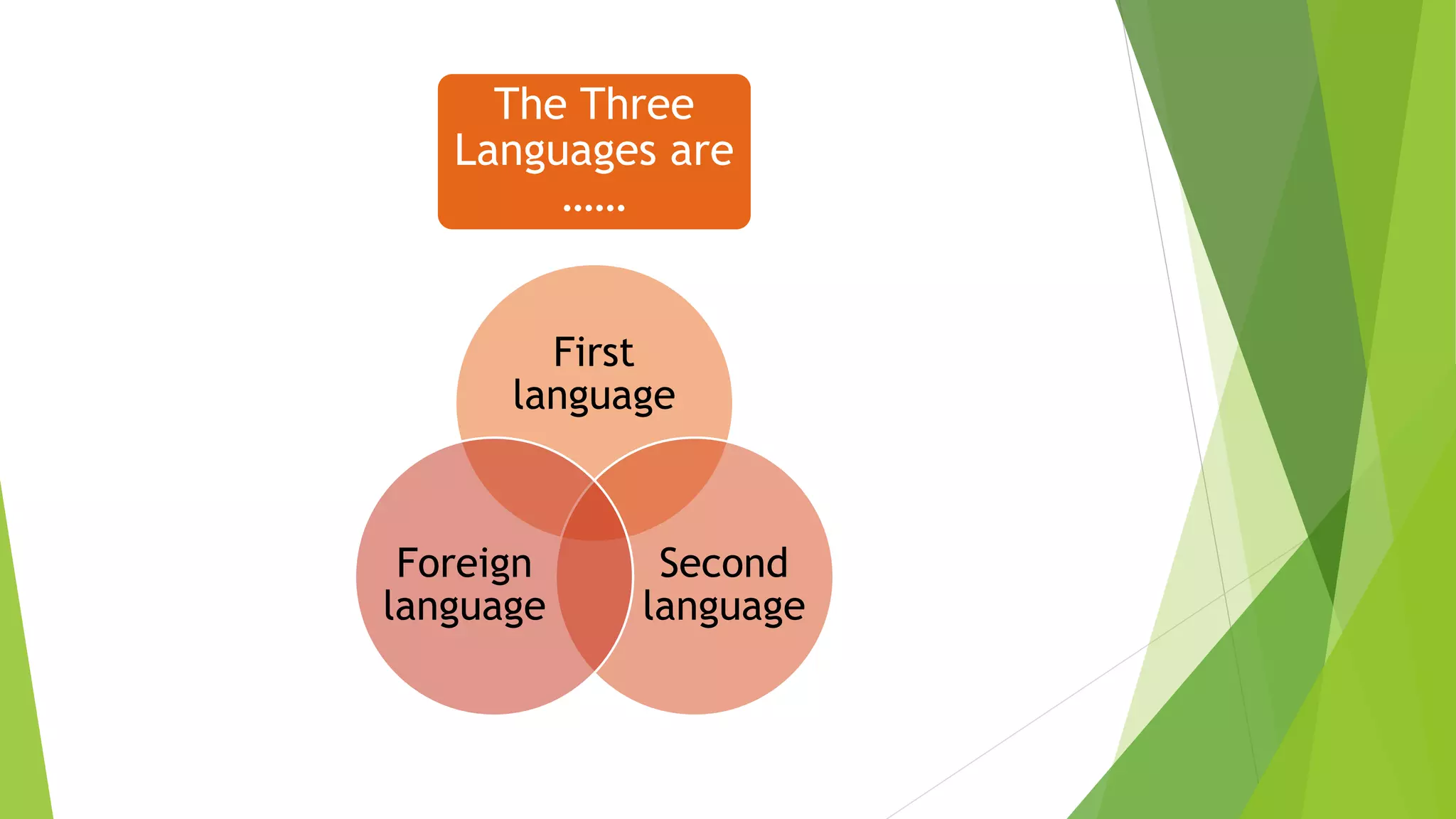
The Three
Languages are
……
First
language
Second
language
Foreign
language
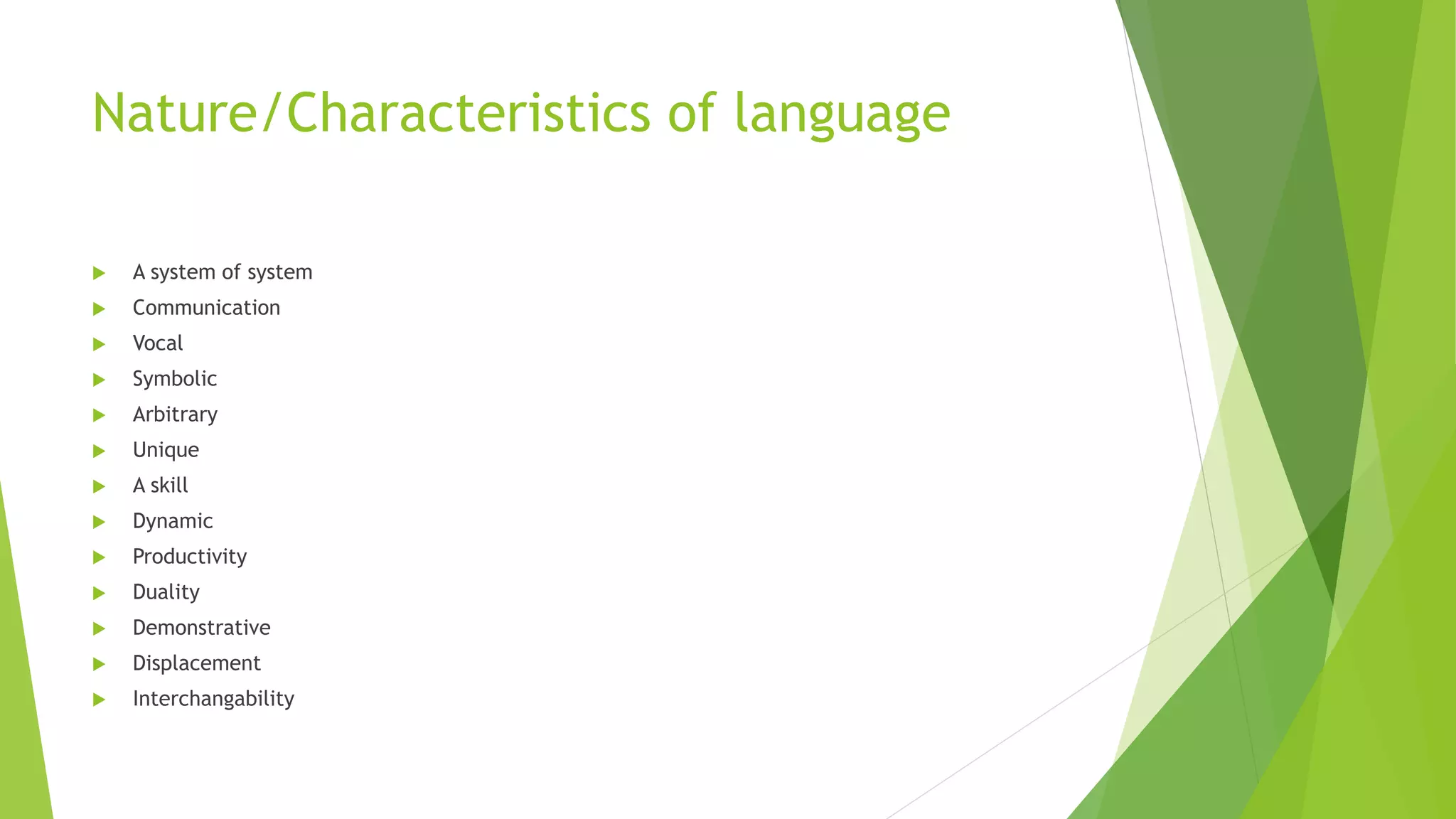
Nature/Characteristics of language
 A system of system
 Communication
 Vocal
 Symbolic
 Arbitrary
 Unique
 A skill
 Dynamic
 Productivity
 Duality
 Demonstrative
 Displacement
 Interchangability
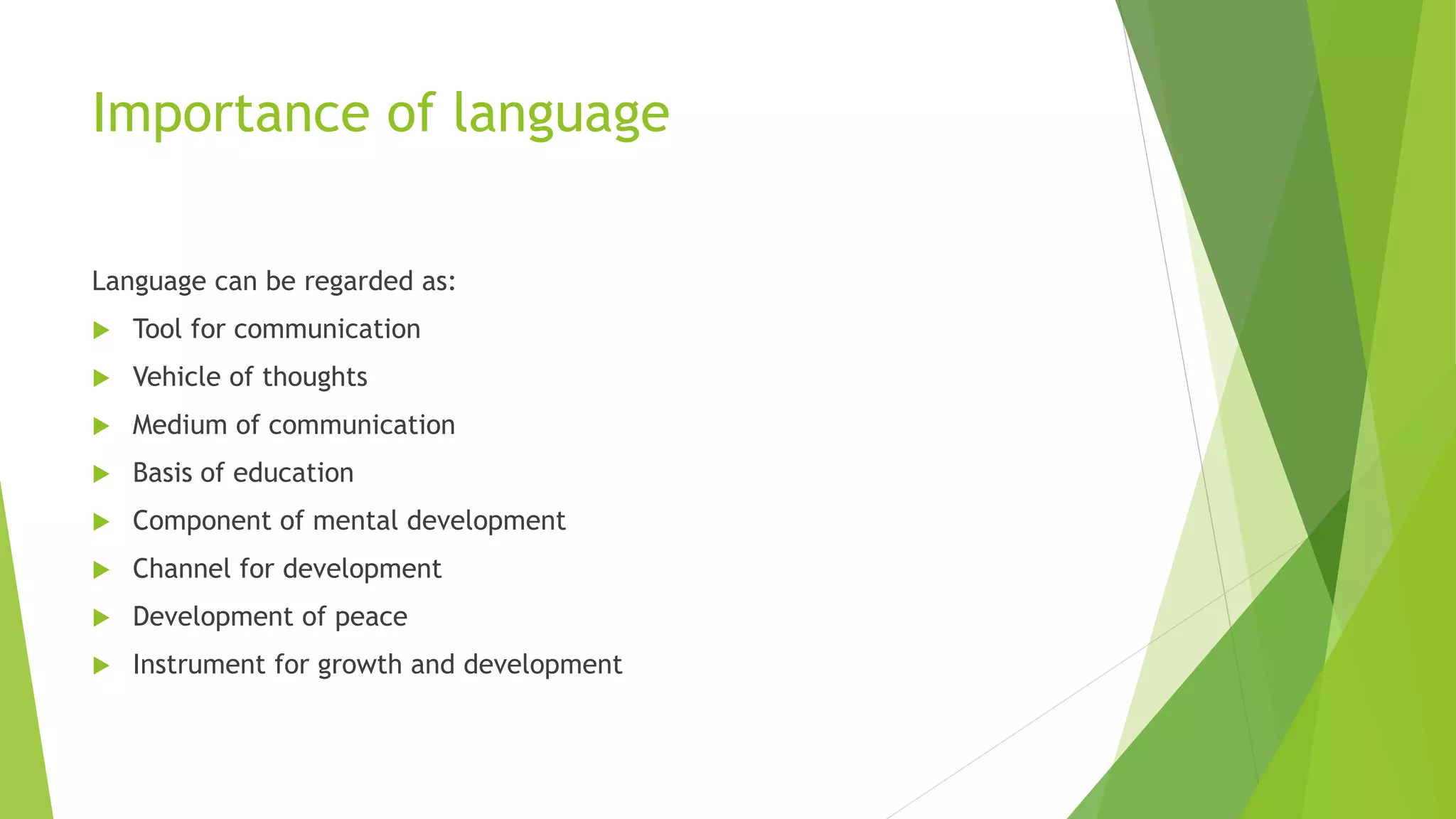
Importance of language
Language can be regarded as:
 Tool for communication
 Vehicle of thoughts
 Medium of communication
 Basis of education
 Component of mental development
 Channel for development
 Development of peace
 Instrument for growth and development
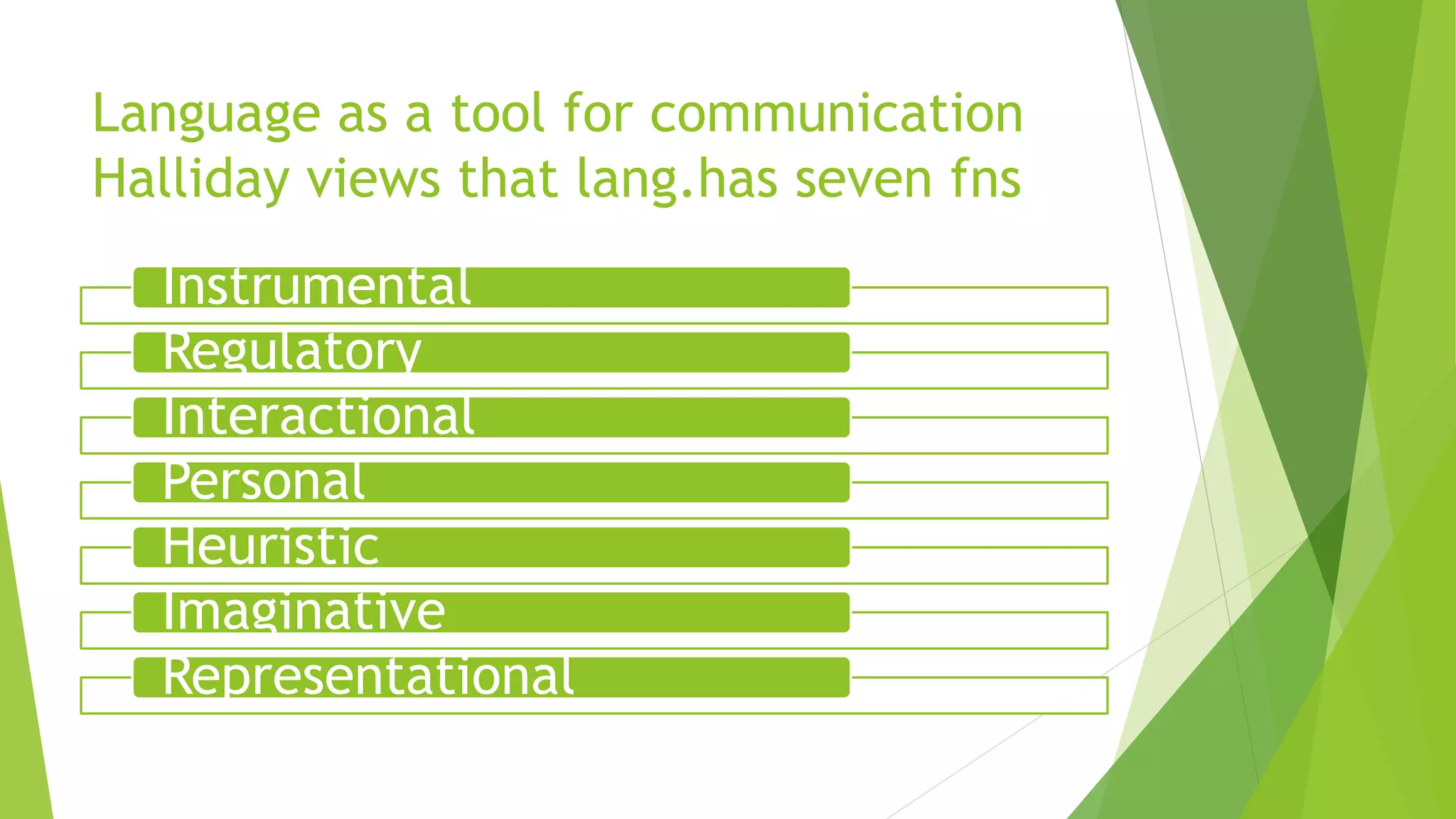
Language as a tool for communication
Halliday views that lang.has seven fns
Instrumental
Regulatory
Interactional
Personal
Heuristic
Imaginative
Representational
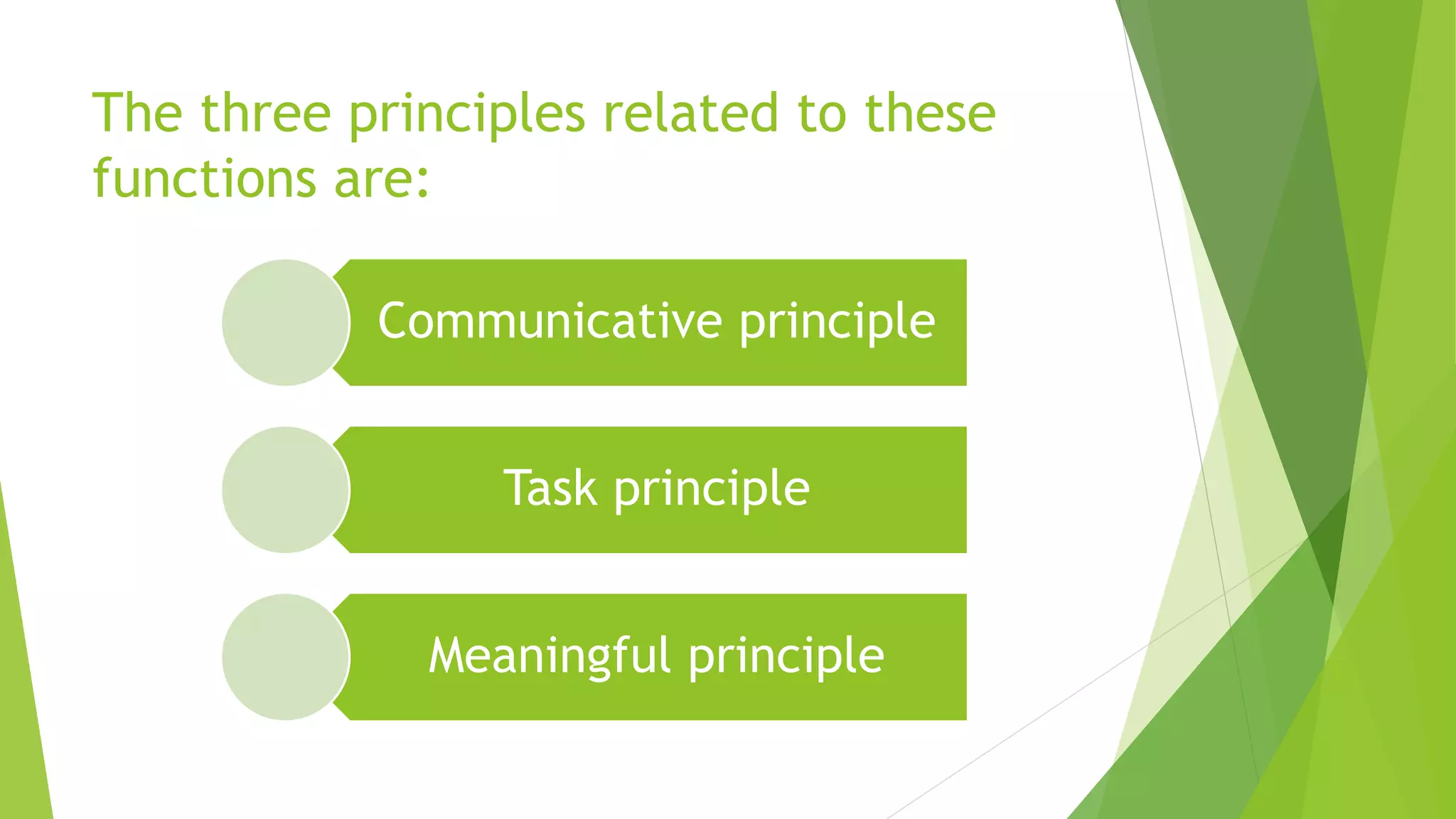
The three principles related to these
functions are:
Communicative principle
Task principle
Meaningful principle
Communication
 Meaning
 Definition
 Types of communication
 Human communication
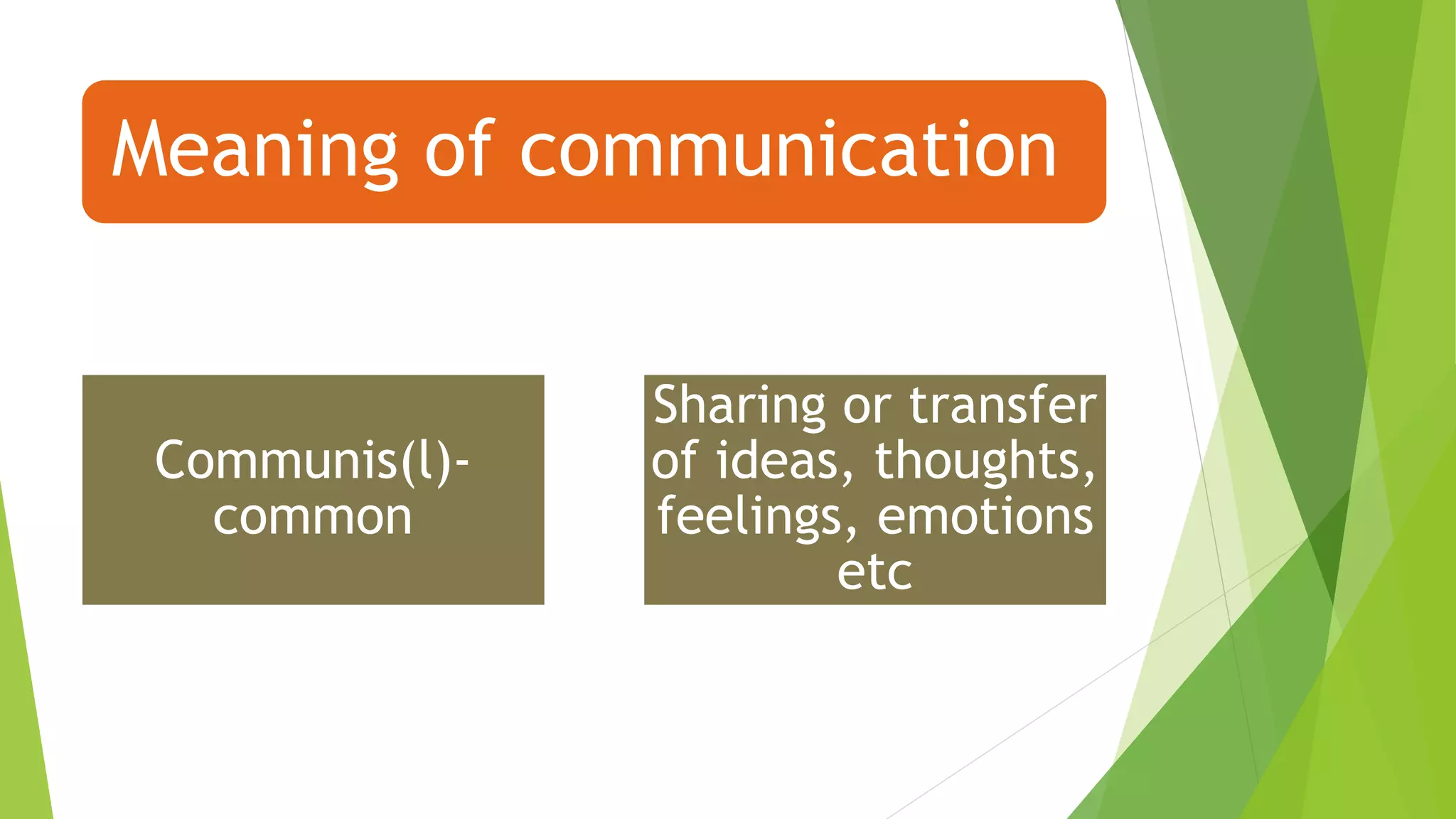
Meaning of communication
Communis(l)-
common
Sharing or transfer
of ideas, thoughts,
feelings, emotions
etc
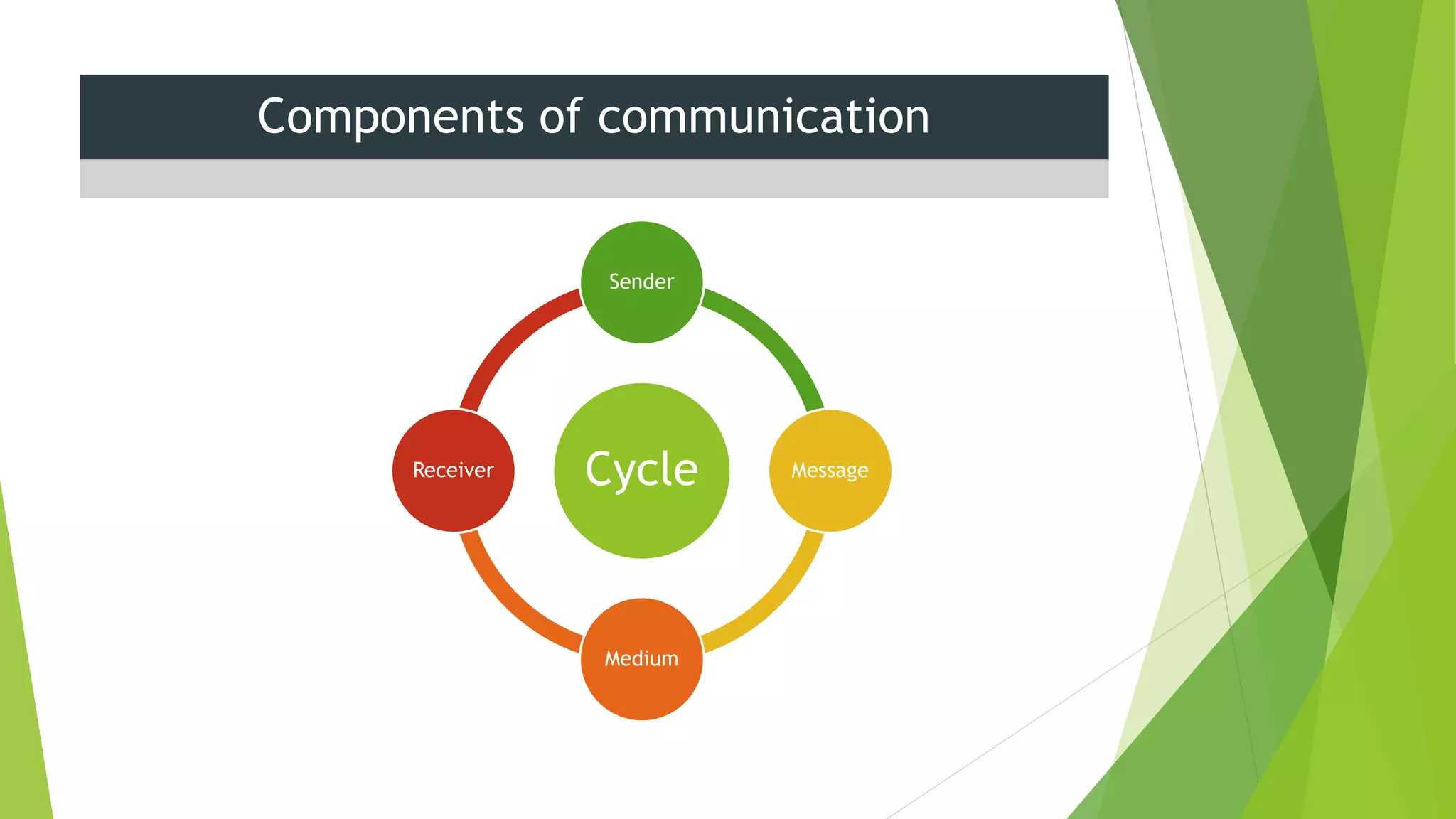
Components of communication
Cycle
Sender
Message
Medium
Receiver
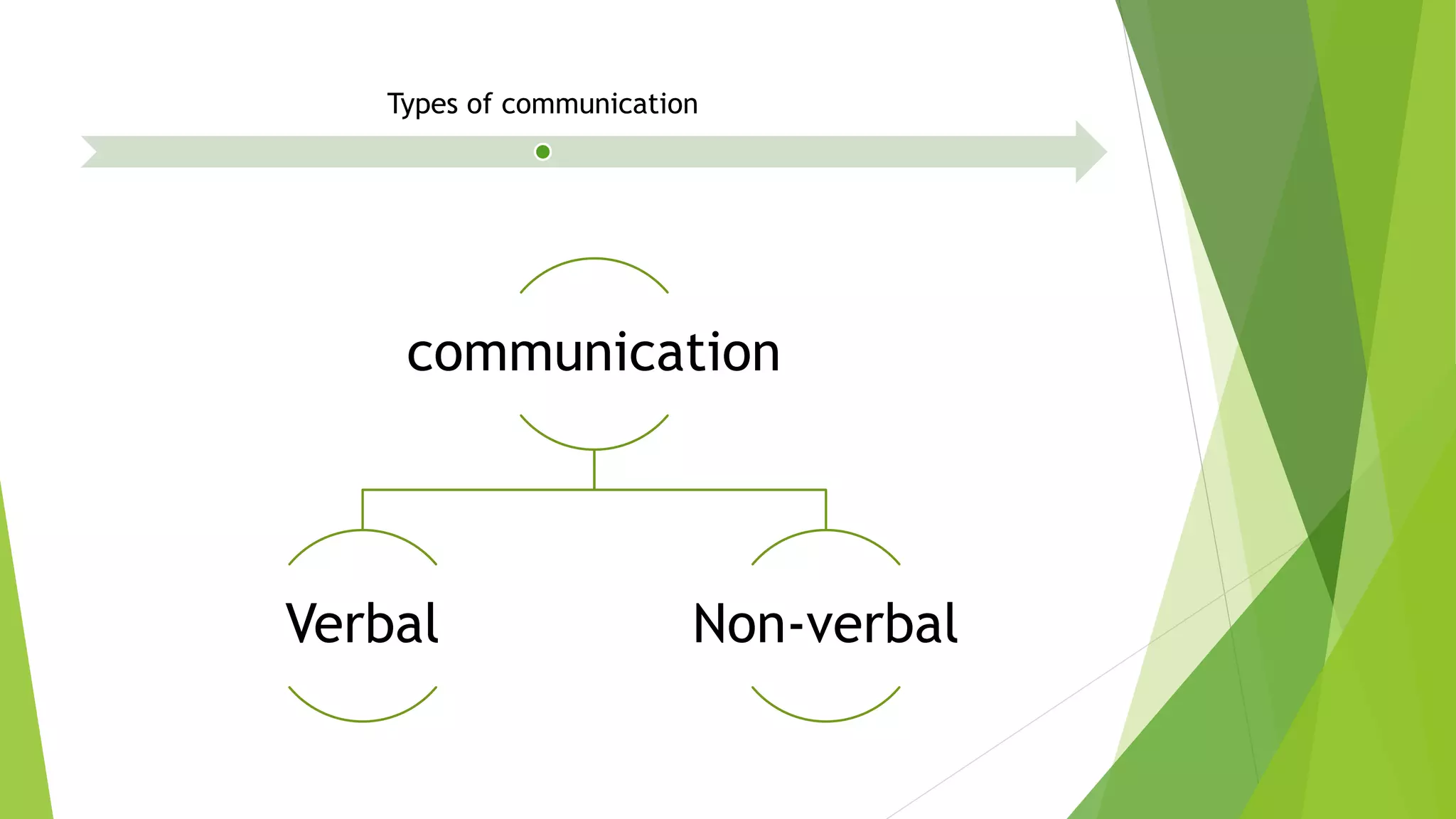
Types of communication
communication
Verbal Non-verbal
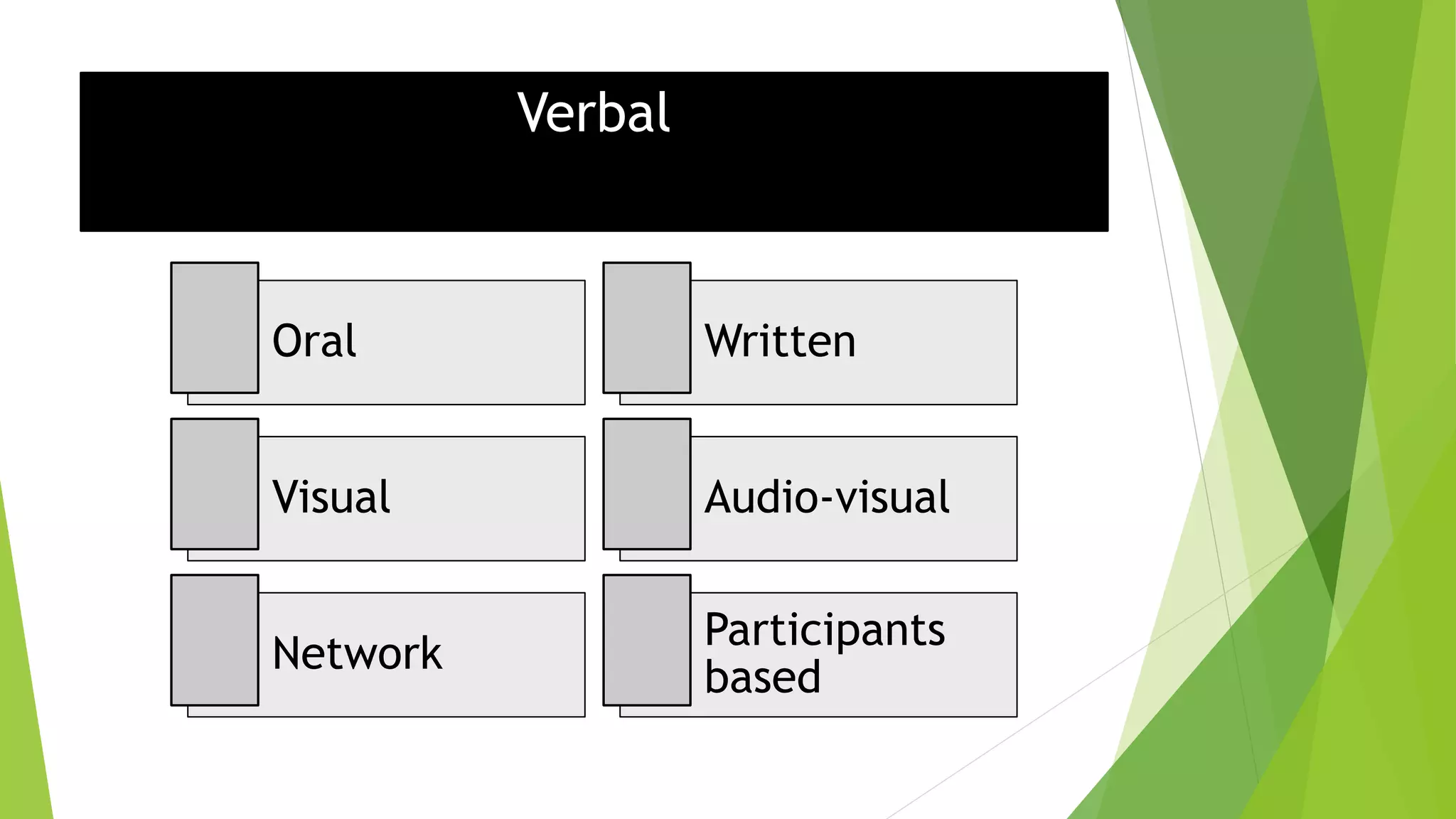
Verbal
Oral Written
Visual Audio-visual
Network
Participants
based
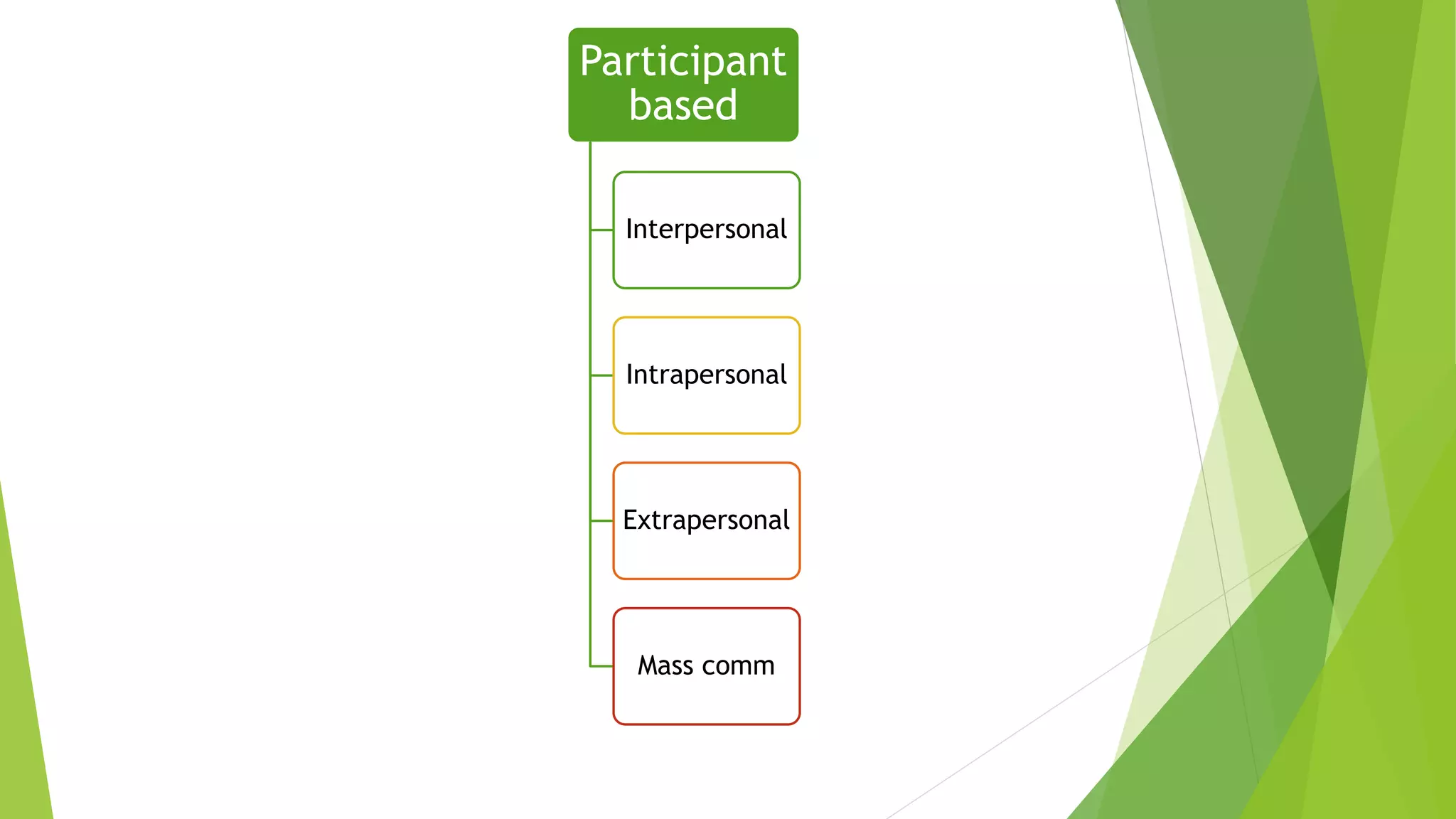
Participant
based
Interpersonal
Intrapersonal
Extrapersonal
Mass comm
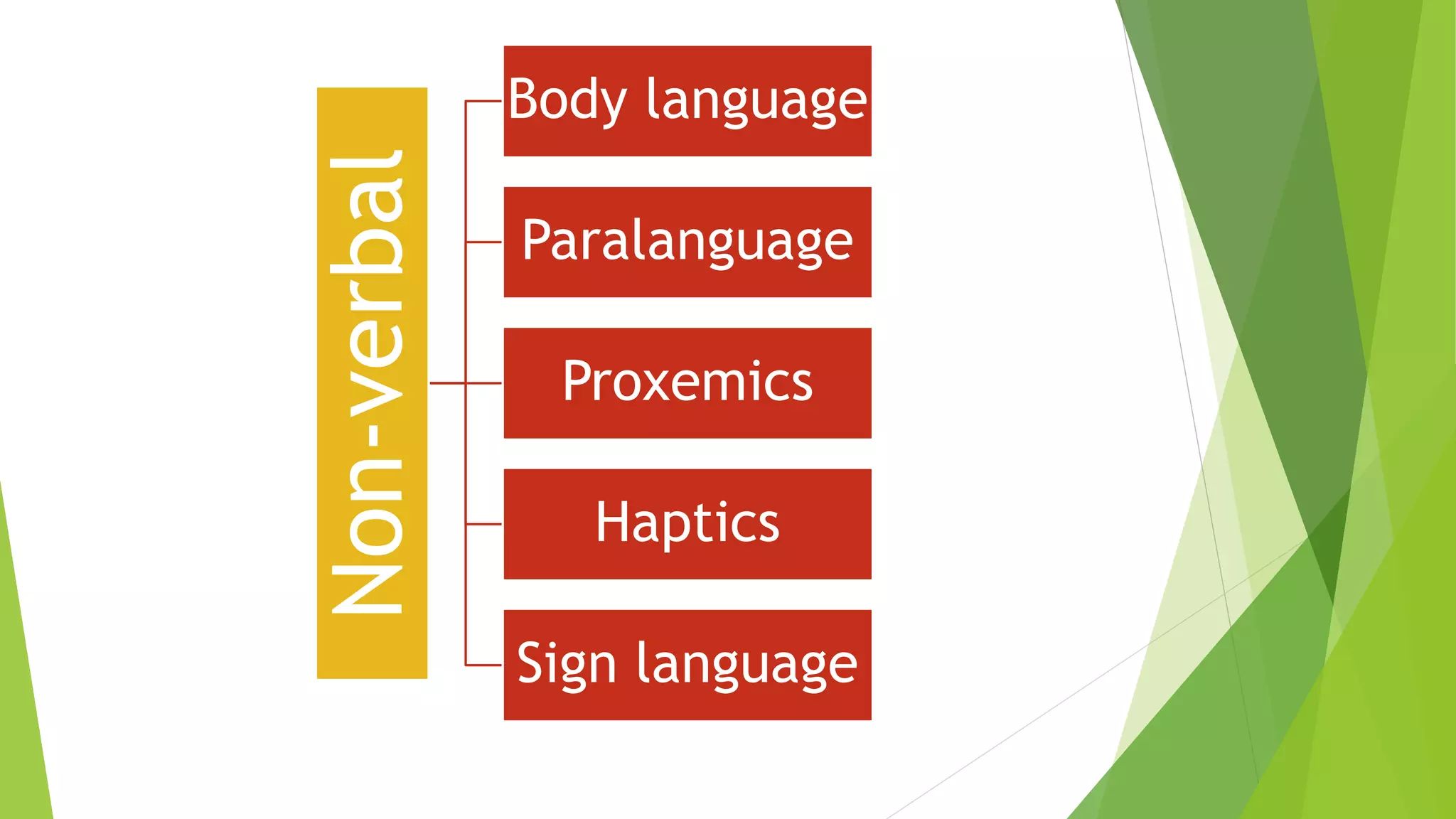
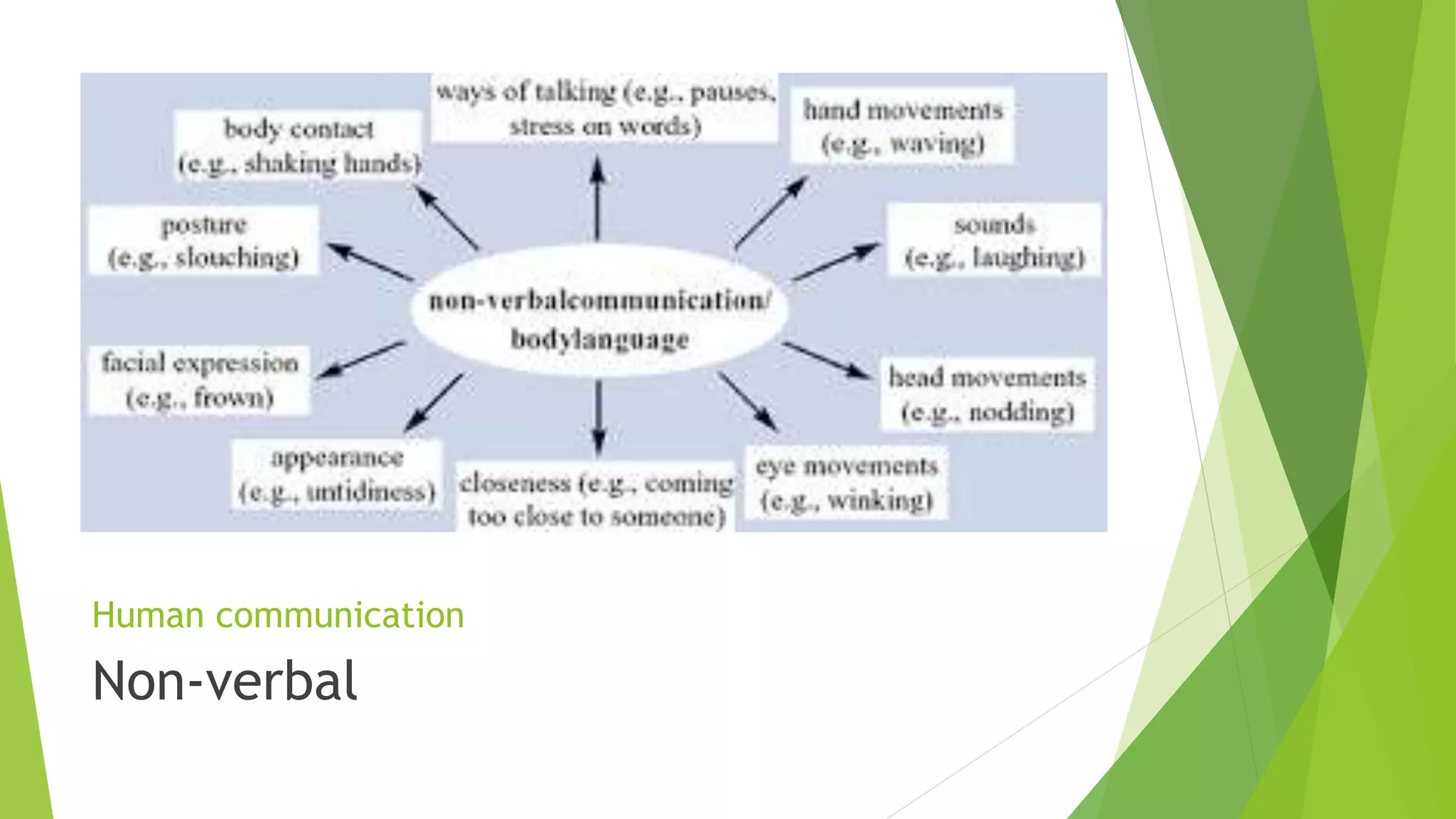
Non-verbal
Body language
Paralanguage
Proxemics
Haptics
Sign language
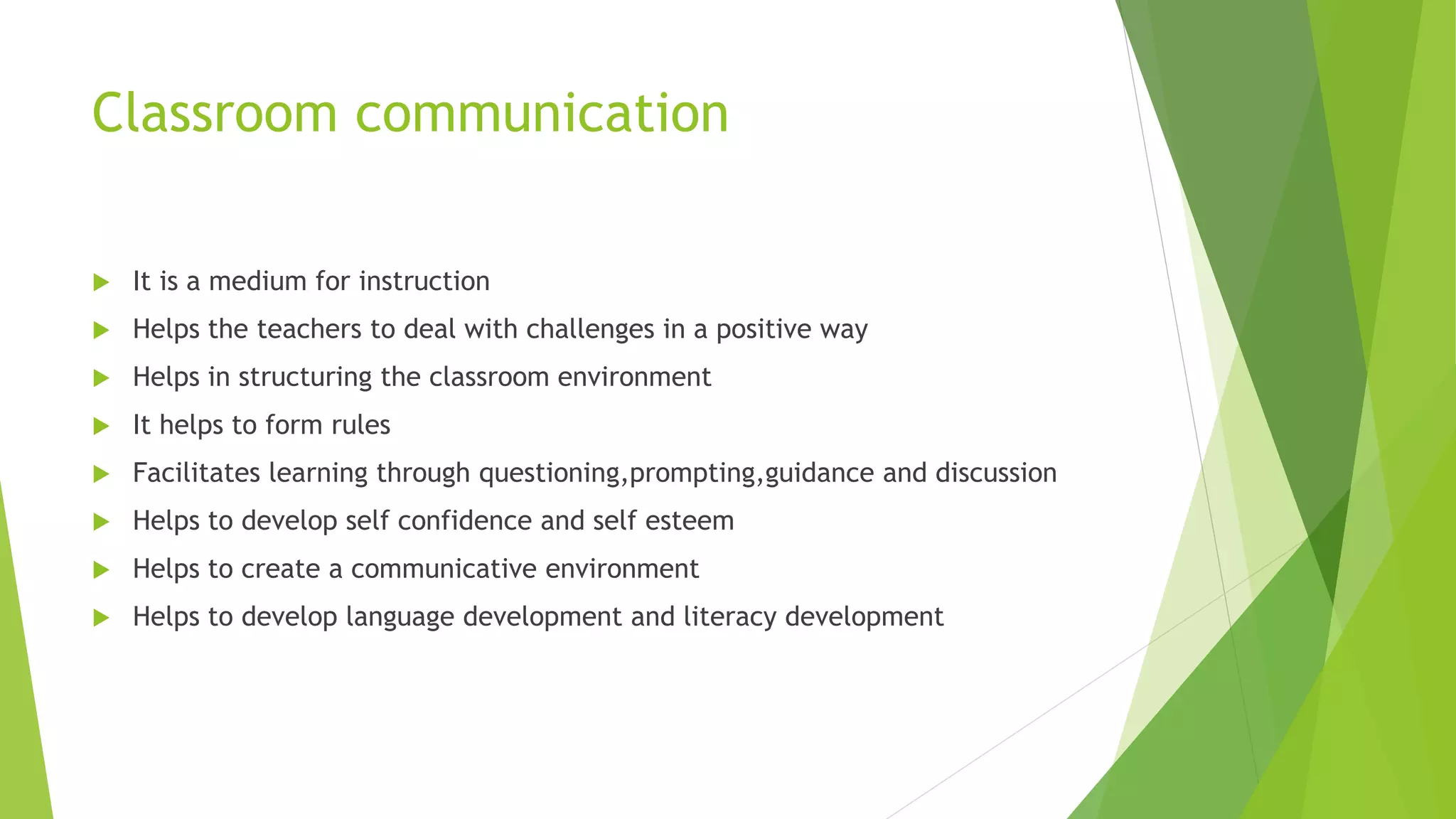
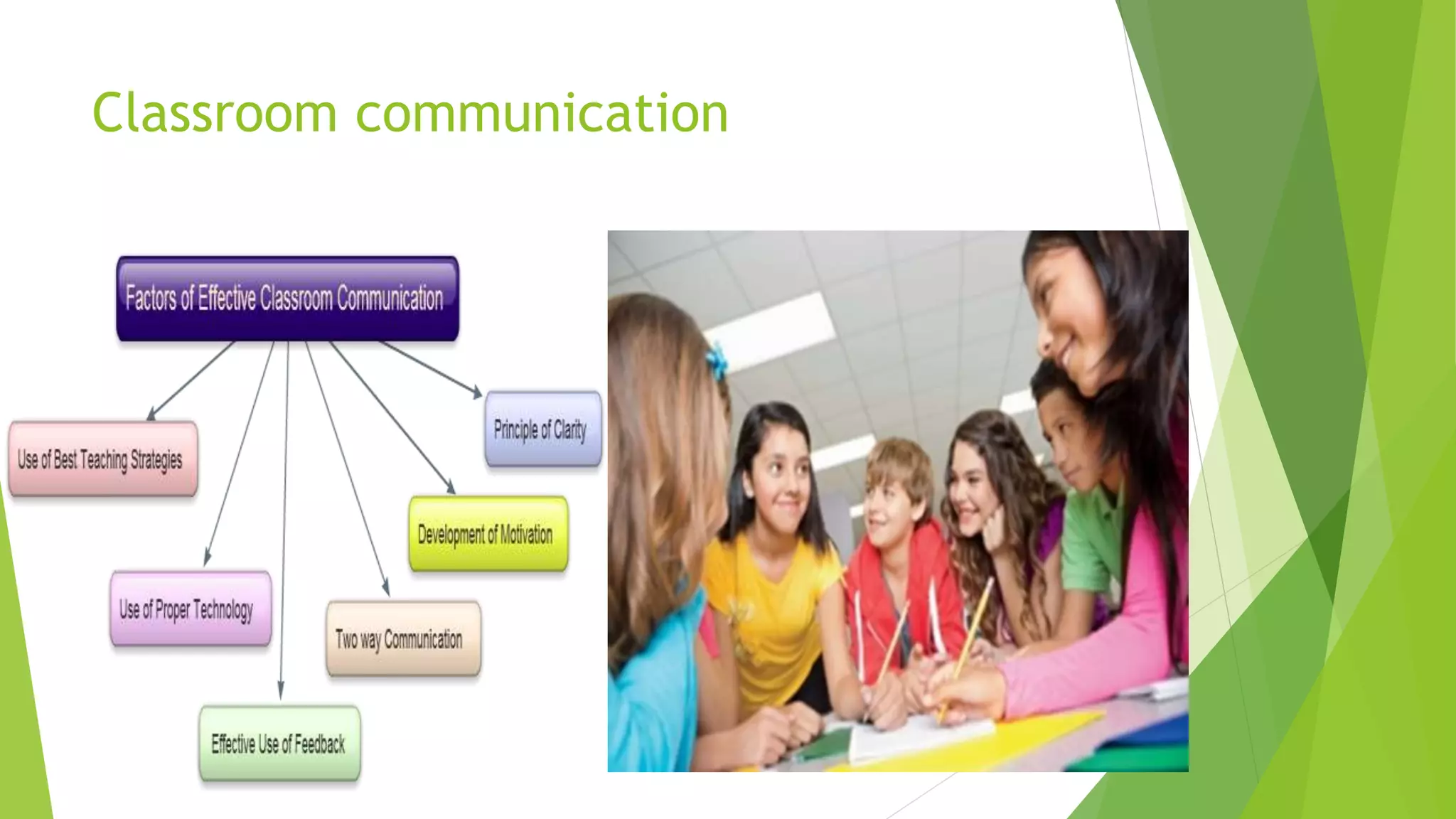
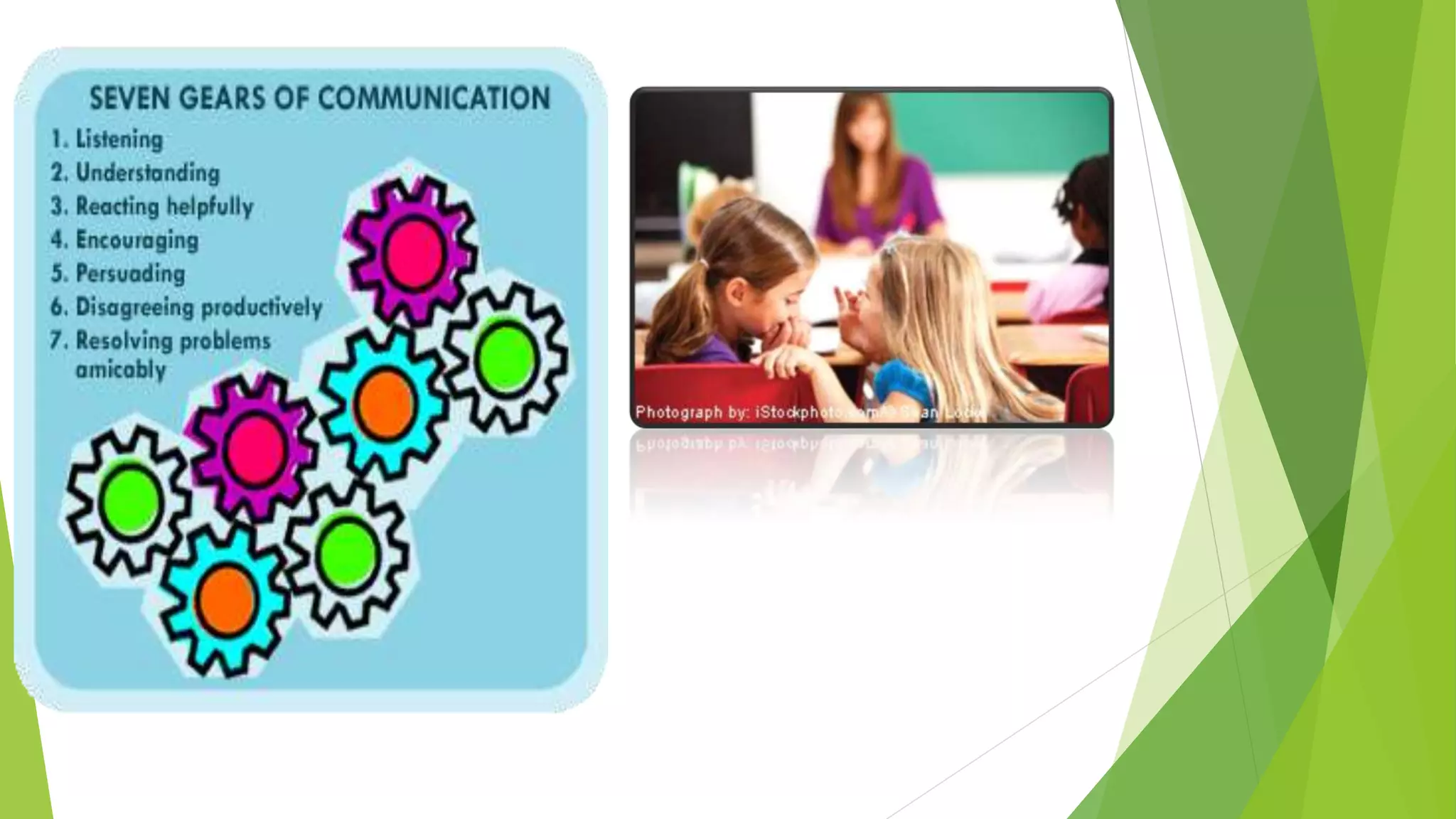
Classroom communication
 It is a medium for instruction
 Helps the teachers to deal with challenges in a positive way
 Helps in structuring the classroom environment
 It helps to form rules
 Facilitates learning through questioning,prompting,guidance and discussion
 Helps to develop self confidence and self esteem
 Helps to create a communicative environment
 Helps to develop language development and literacy development
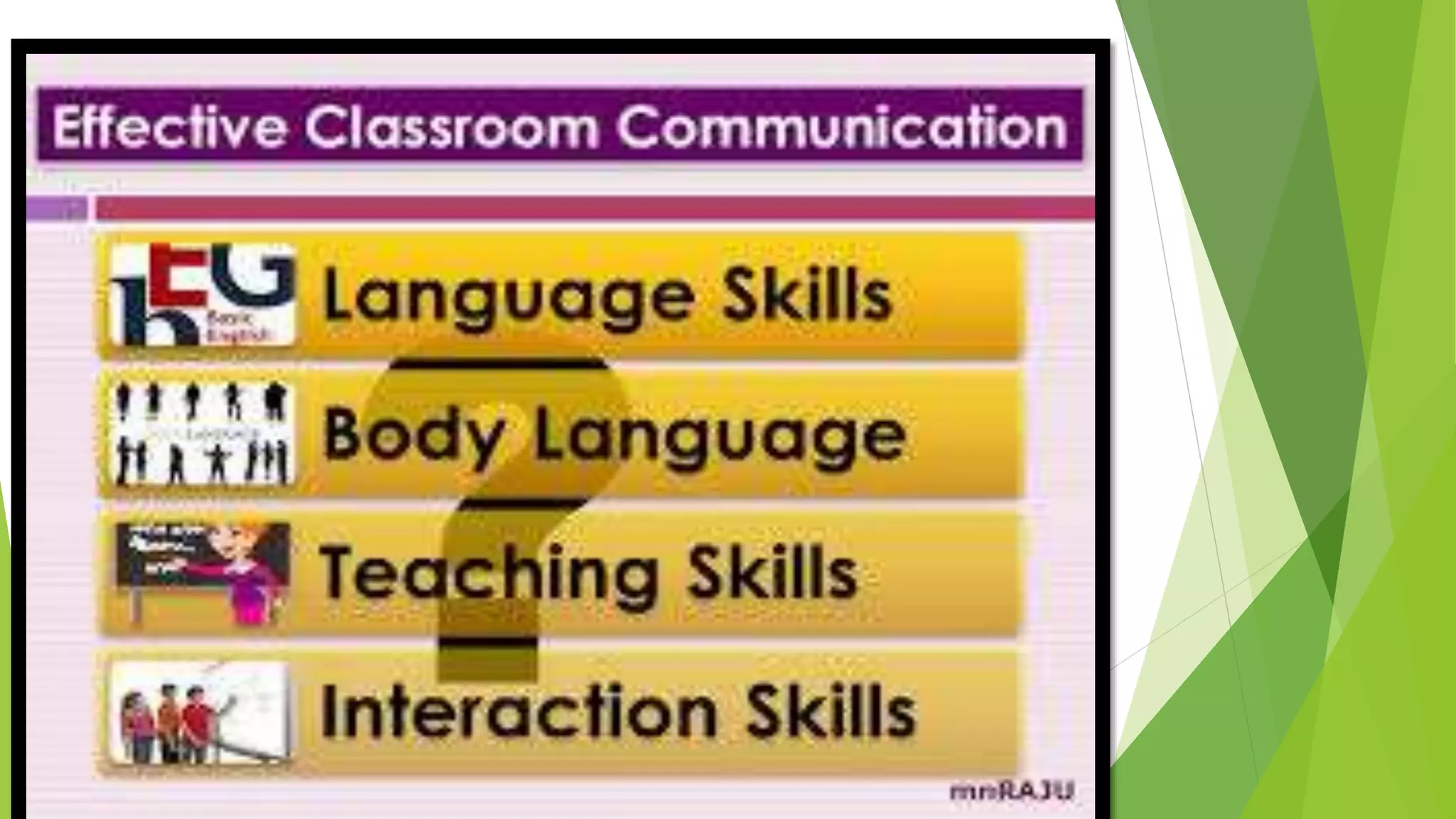
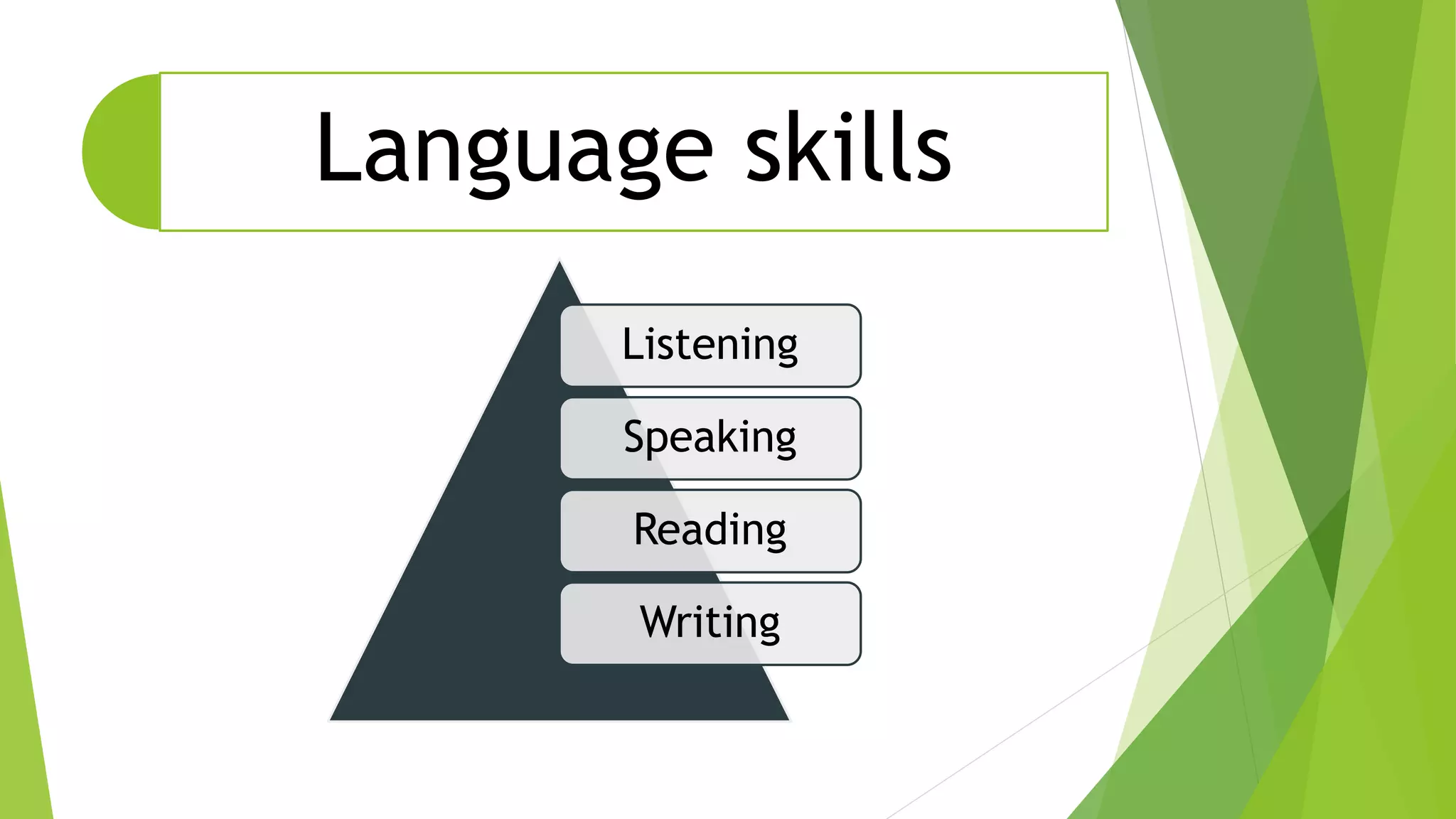
Language skills
Listening
Speaking
Reading
Writing
Human communication
Non-verbal
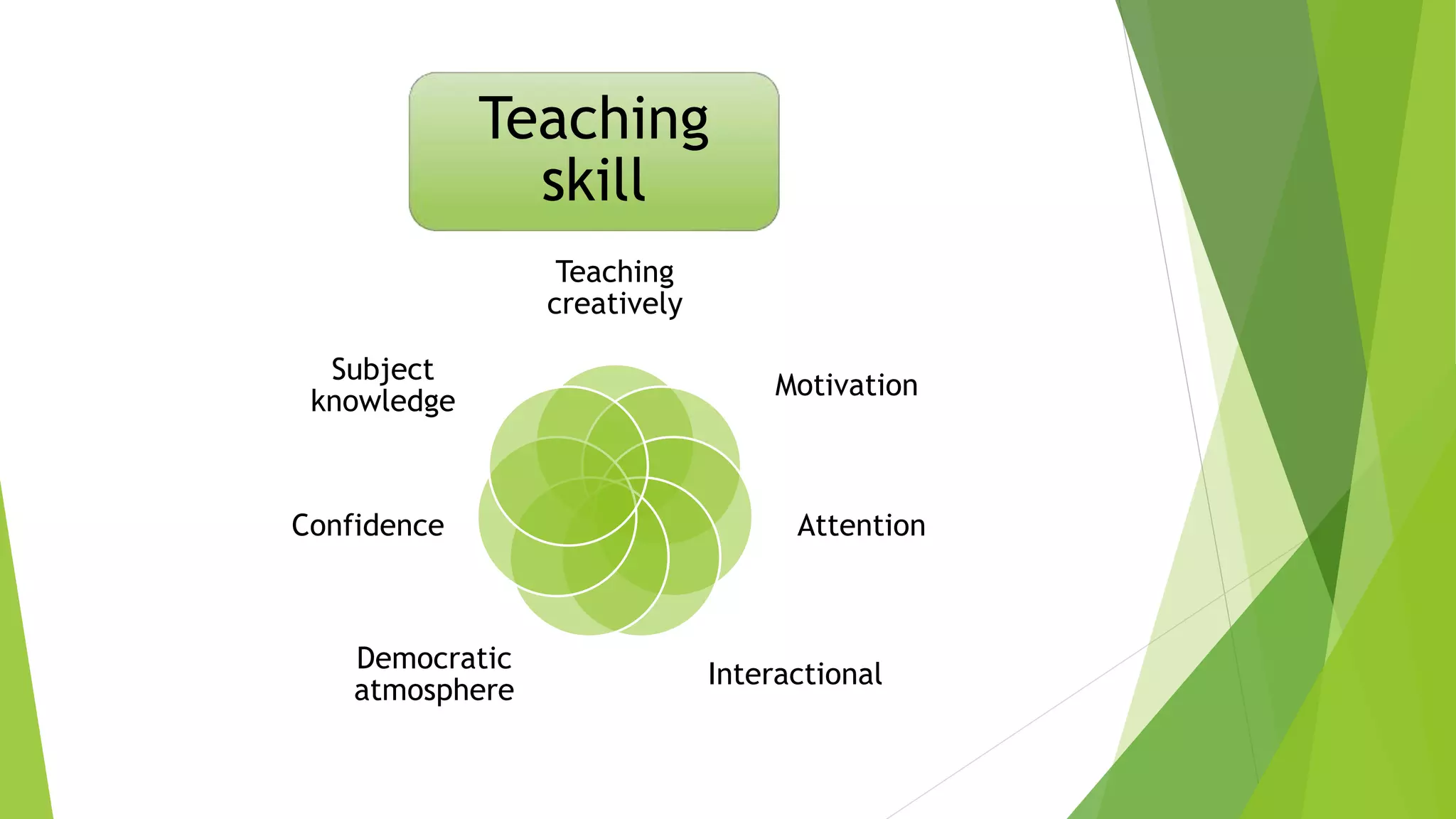
Teaching
skill
Teaching
creatively
Motivation
Attention
Interactional
Democratic
atmosphere
Confidence
Subject
knowledge
Interactional skill
 Is an effect upon one another a kind of action that occurs
as two or more objects have an effect upon one another
 The basis of teaching –learning situation is a method of
interaction between teacher and learner
 Every learner wants to interact with his teacher and with
his peers
 Interaction can be formal or informal
Classroom communication
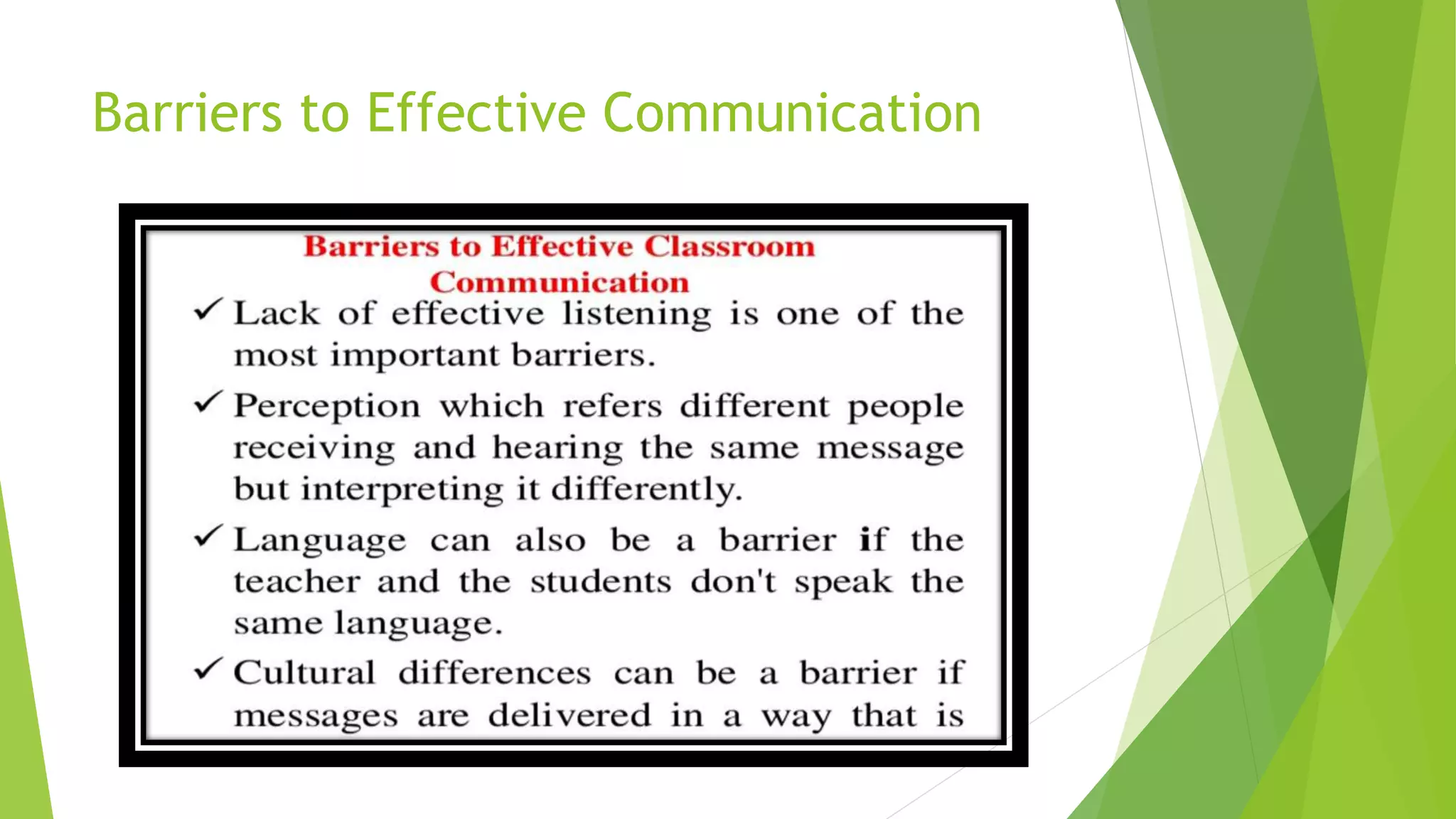
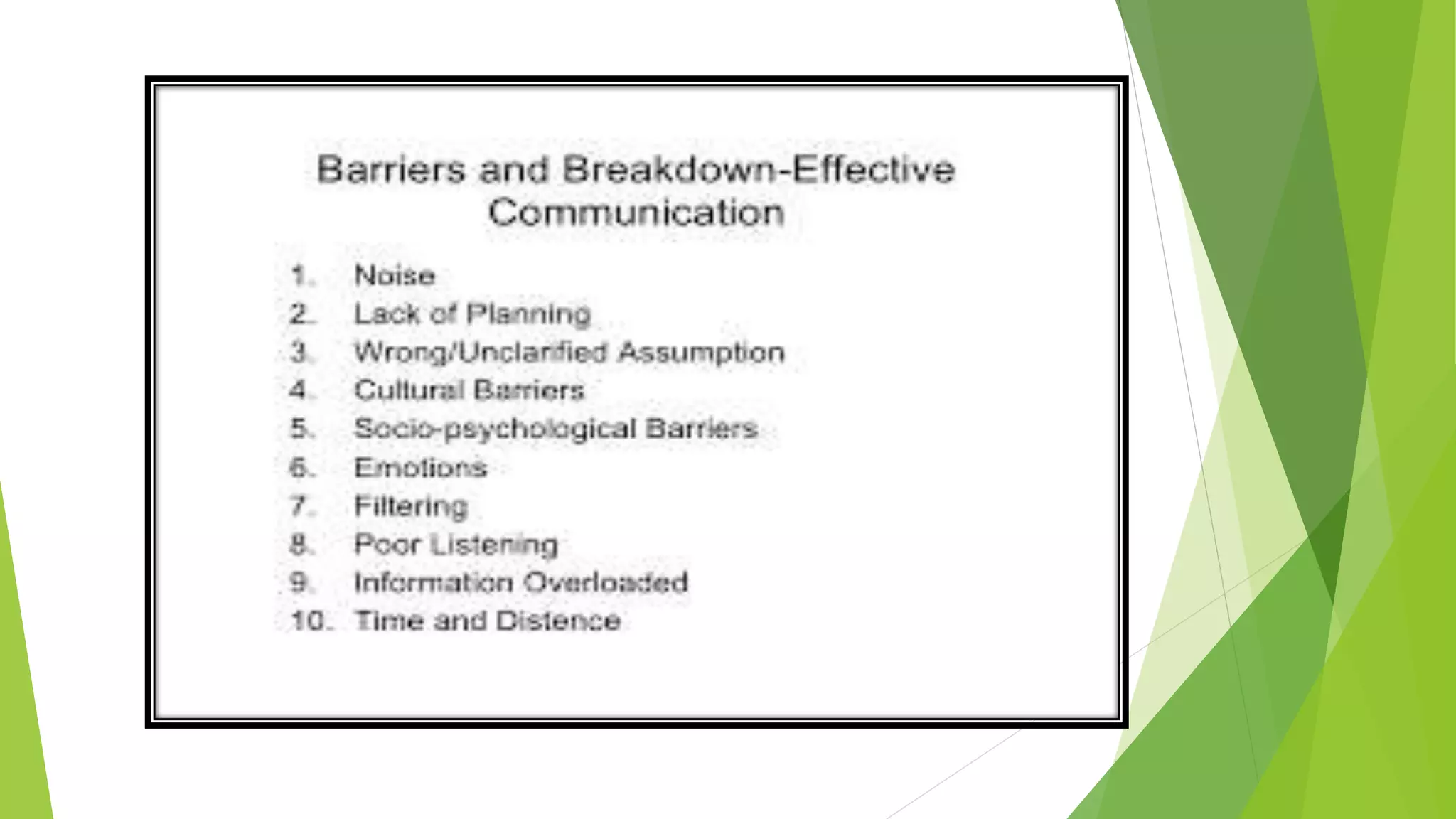
Barriers to Effective Communication
Need for English Language Acquisition
 Common language
 National link language
 International link language
 Medium of instruction at Higher Education
 Language of Science and technology
 Passport for employment
Continue….
 A window to the world
 Library and source language
 Language of Trade, Commerce, Administration
and Mass media
 Aesthetic language
 Unifying factor
 It is the language of court and law
Language and communication

Language and communication