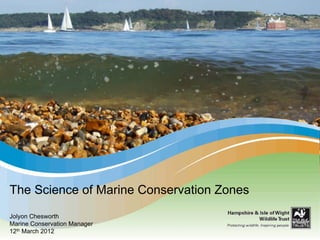
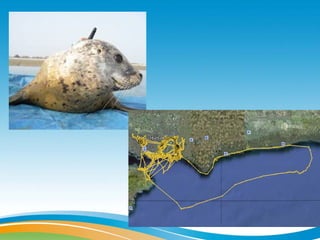


The Science of Marine Conservation Zones
Beneath the Waves;
Marine conservation in the Solent
 Jolyon Chesworth
 Marine Conservation Manager
 12th March 2012
Outline
 •   Why we need MPAs
 •   Benefits of MPAs
 •   Protected area designations
 •   Marine Conservation Zones
 •   Balanced Seas stakeholder process
 •   Site selection science
 •   Ecological data
 •   Management measures
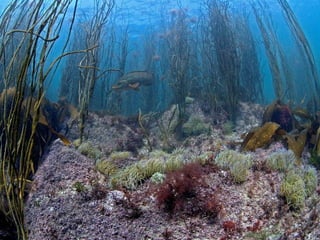
Habitats
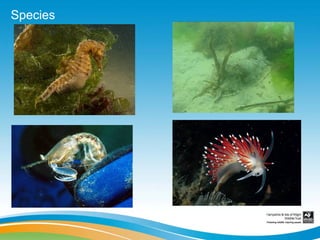
Species
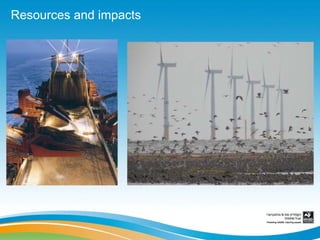
Resources and impacts
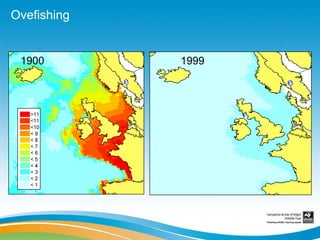
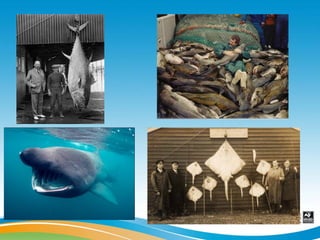
Ovefishing


 1900        1999
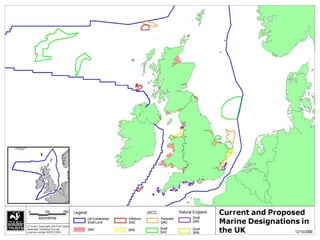
Marine Protected Areas
    •    Area of sea / seabed designated to protect or conserve habitats and or species
    •    May be designated for specific habitats and species or full range
    •    May be multi-use or highly protected


                                         •   Statutory
•       Voluntary
                                                – SSSI’s – terrestrially focused
        – Biodiversity Action Plans
                                                – Ramsar – wetlands of international
        – Marine SNCI’s and
                                                  importance
           conservation areas
                                                – Natura 2000 sites
        – Voluntary agreements
                                                – Marine Conservation Zones
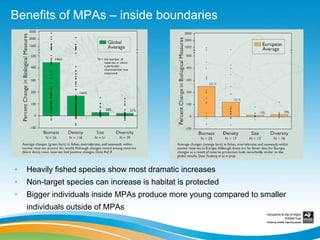
Benefits of MPAs – inside boundaries


•   Heavily fished species show most dramatic increases
•   Non-target species can increase is habitat is protected
•   Bigger individuals inside MPAs produce more young compared to smaller
    individuals outside of MPAs
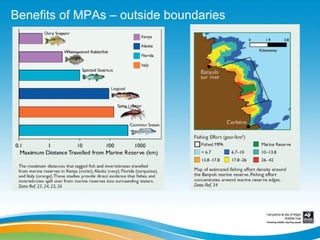
Benefits of MPAs – outside boundaries
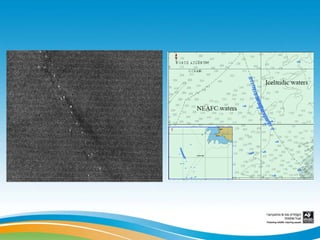
Case studies - Bradda Inshore Fishing Ground
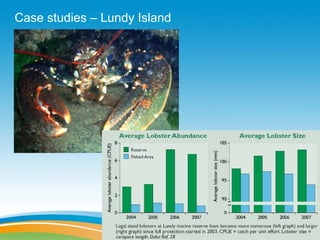
Case studies – Lundy Island
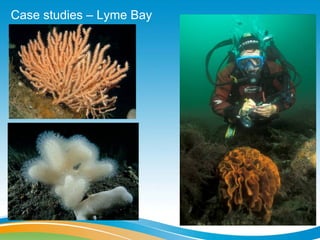
Case studies – Lyme Bay
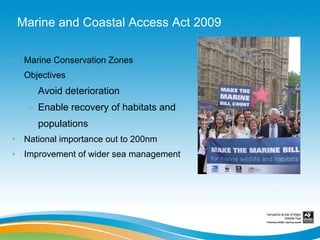
Marine and Coastal Access Act 2009

•    Marine Conservation Zones
•    Objectives
     – Avoid deterioration
     – Enable recovery of habitats and
        populations
•    National importance out to 200nm
•    Improvement of wider sea management
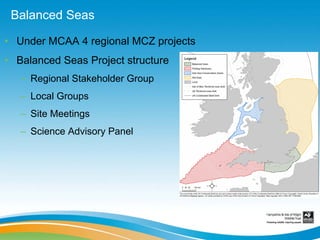
Balanced Seas

• Under MCAA 4 regional MCZ projects
• Balanced Seas Project structure
   – Regional Stakeholder Group
   – Local Groups
   – Site Meetings
   – Science Advisory Panel
Site selection
• Ecological Network Guidance
• 7 principals:
   – Representativity
   – Replication
   – Adequacy
   – Viability
   – Connectivity
   – Best Available Evidence
   – Protection
• Reference Areas
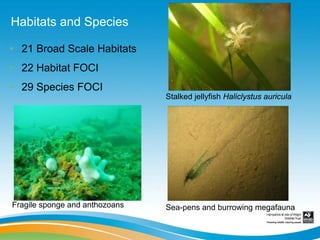
Habitats and Species

• 21 Broad Scale Habitats
• 22 Habitat FOCI
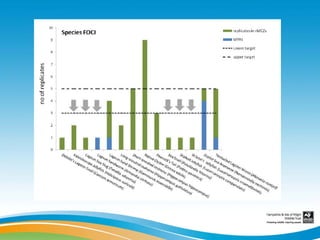
• 29 Species FOCI
                                Stalked jellyfish Haliclystus auricula


Fragile sponge and anthozoans   Sea-pens and burrowing megafauna
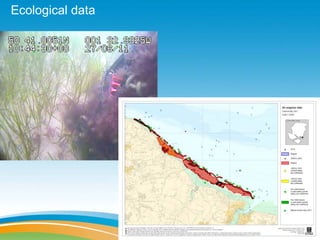
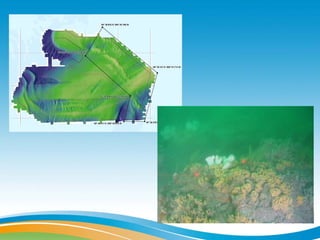
Ecological data
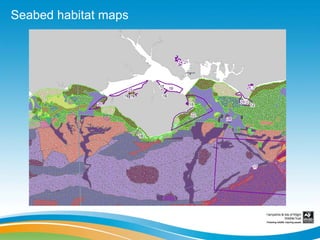
Seabed habitat maps
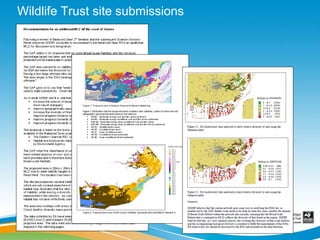
Wildlife Trust site submissions
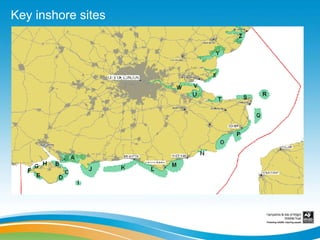
Key inshore sites
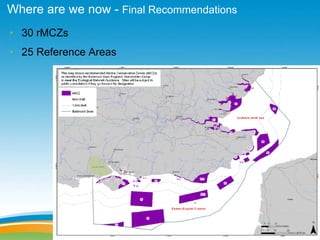
Where are we now - Final Recommendations
• 30 rMCZs
• 25 Reference Areas
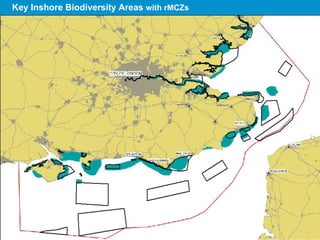
Key Inshore Biodiversity Areas with rMCZs
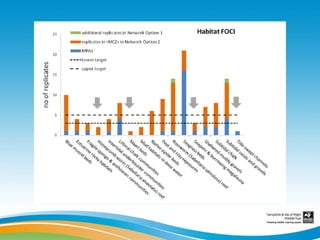
Progress towards selection criteria
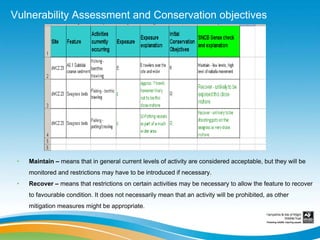
Vulnerability Assessment and Conservation objectives


 •   Maintain – means that in general current levels of activity are considered acceptable, but they will be
     monitored and restrictions may have to be introduced if necessary.
 •   Recover – means that restrictions on certain activities may be necessary to allow the feature to recover
     to favourable condition. It does not necessarily mean that an activity will be prohibited, as other
     mitigation measures might be appropriate.
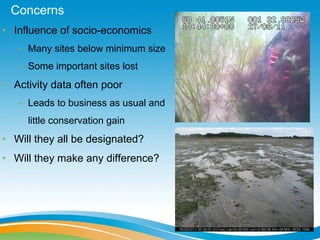
Concerns
• Influence of socio-economics
   – Many sites below minimum size
   – Some important sites lost
• Activity data often poor
   – Leads to business as usual and
     little conservation gain
• Will they all be designated?
• Will they make any difference?
Petition Fish
Questions?

Jolyon Chesworth on Marine Conservation at Cafe Scientifique

  • 1.
    The Science ofMarine Conservation Zones Beneath the Waves; Marine conservation in the Solent Jolyon Chesworth Marine Conservation Manager 12th March 2012
  • 2.
    Outline • Why we need MPAs • Benefits of MPAs • Protected area designations • Marine Conservation Zones • Balanced Seas stakeholder process • Site selection science • Ecological data • Management measures
  • 3.
  • 4.
  • 5.
  • 6.
  • 10.
    Marine Protected Areas • Area of sea / seabed designated to protect or conserve habitats and or species • May be designated for specific habitats and species or full range • May be multi-use or highly protected • Statutory • Voluntary – SSSI’s – terrestrially focused – Biodiversity Action Plans – Ramsar – wetlands of international – Marine SNCI’s and importance conservation areas – Natura 2000 sites – Voluntary agreements – Marine Conservation Zones
  • 12.
    Benefits of MPAs– inside boundaries • Heavily fished species show most dramatic increases • Non-target species can increase is habitat is protected • Bigger individuals inside MPAs produce more young compared to smaller individuals outside of MPAs
  • 13.
    Benefits of MPAs– outside boundaries
  • 15.
    Case studies -Bradda Inshore Fishing Ground
  • 16.
    Case studies –Lundy Island
  • 17.
  • 18.
    Marine and CoastalAccess Act 2009 • Marine Conservation Zones • Objectives – Avoid deterioration – Enable recovery of habitats and populations • National importance out to 200nm • Improvement of wider sea management
  • 19.
    Balanced Seas • UnderMCAA 4 regional MCZ projects • Balanced Seas Project structure – Regional Stakeholder Group – Local Groups – Site Meetings – Science Advisory Panel
  • 20.
    Site selection • EcologicalNetwork Guidance • 7 principals: – Representativity – Replication – Adequacy – Viability – Connectivity – Best Available Evidence – Protection • Reference Areas
  • 21.
    Habitats and Species •21 Broad Scale Habitats • 22 Habitat FOCI • 29 Species FOCI Stalked jellyfish Haliclystus auricula Fragile sponge and anthozoans Sea-pens and burrowing megafauna
  • 22.
  • 25.
  • 27.
  • 28.
  • 29.
    Where are wenow - Final Recommendations • 30 rMCZs • 25 Reference Areas
  • 30.
    Key Inshore BiodiversityAreas with rMCZs
  • 32.
  • 35.
    Vulnerability Assessment andConservation objectives • Maintain – means that in general current levels of activity are considered acceptable, but they will be monitored and restrictions may have to be introduced if necessary. • Recover – means that restrictions on certain activities may be necessary to allow the feature to recover to favourable condition. It does not necessarily mean that an activity will be prohibited, as other mitigation measures might be appropriate.
  • 36.
    Concerns • Influence ofsocio-economics – Many sites below minimum size – Some important sites lost • Activity data often poor – Leads to business as usual and little conservation gain • Will they all be designated? • Will they make any difference?
  • 37.
  • 38.