TYRE MARINE MANAGEMENT AREA - TyMMA

A Pilot Artificial Reef project and Marine Protected Area
Marine & Community Values
CURRENT SITUATION
•   Increase in water-based tourism activity in Tyre vs. traditional users

•   Conflict and competition for limited space and resources among
    various               users               and             uses

•   Degradation of resources; loss of economic opportunity; threat of
                                violence!

•   Initial unsuccessful effort by Department of Fisheries
A SET OF GOALS
•   Co-existence          of          users        with        minimal       conflict
•   Support the locals, improve the local economy, highlight the cultural
                                  heritage
•   Increase in fish stocks, in marine reserves and fishing areas and
    reflection  of    these    increases   in   fishermen’s    catches
•   Self-sustainability        with      regards          to    operating      costs
•   International                                                        recognition
•   Community                                                               support
•   Enhanced awareness and sensitization
MARINE PROTECTED AREA - MPA

According to the UNEP, a protected area is defined as:


An area of land and/or sea especially dedicated to the protection and

maintenance of biological diversity and of natural and associated cultural

resources, managed through legal or other effective means…
THE IMPORTANCE OF MPAs
•   MPAs are recognized as an important way to conserve life-
    sustaining ecosystems and specific habitat for marine animals

•   Used to protect and preserve representative samples of marine
    biodiversity for    the   benefit of      future  generations

•   They are distinct from terrestrial protected areas by being less
    about preventing immediate threats or looming extinction and
    more about precaution and the benefits to industry of
    preserving types of habitat
BENEFITS OF MPAs
MPAs have been shown to have substantial benefits for:
•   Renewing fish and other marine populations
•   Scientific and educational initiatives
•   Encouraging support of marine conservation from human
    communities
•   Attracting important economic interest from marine ecotourism
    that is compatible with zoned MPAs.
BENEFITS OF MPAs


                    CNRS


CNRS
NOT TO MIX WITH…
Areas where access is restricted for reasons other than
conservation do not fall under the classification for MPAs


Shellfish closures
Security zones
Sewage discharge areas
Pipeline and cable corridors


Or unprotected areas logistically inaccessible
due to weather, sea state, etc..
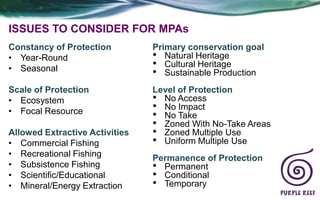
ISSUES TO CONSIDER FOR MPAs
Constancy of Protection         Primary conservation goal
• Year-Round                    • Natural Heritage
• Seasonal                      • Cultural Heritage
                                • Sustainable Production
Scale of Protection             Level of Protection
• Ecosystem                     • No Access
• Focal Resource                • No Impact
                                • No Take
                                • Zoned With No-Take Areas
Allowed Extractive Activities   • Zoned Multiple Use
• Commercial Fishing            • Uniform Multiple Use
• Recreational Fishing          Permanence of Protection
• Subsistence Fishing           • Permanent
• Scientific/Educational        • Conditional
• Mineral/Energy Extraction     • Temporary
ARTIFICIAL REEF – THE TOOL
An artificial reef is anything from the size of a beer can to something as
large as a ship...
Once in the water, within weeks things start to grow
A few months later small marine animals show up
More and more marine life begin to make this home
Within a year, when the buffet opens, fish and friends move in...
With time, they form a mini self- sustaining ecosystem living off itself and
producing surplus marine animals to help resupply our fishery
Without artificial reefs for protection, the chance of living to maturity
would be slim…
The setting up of ARs to attract fish in Mediterranean goes
back to around 3,000 years ago!
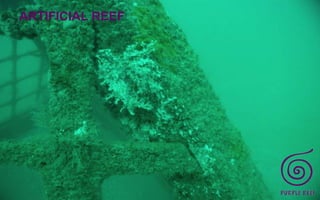
ARTIFICIAL REEF
A NETWORK OF PROTECTION


 PROPOSED 30 TO 40%
 TO DATE 3.88% THANKS TO THE PELAGOS SANCTUARY (90.000KM2)
 GLOBAL PROTECTION 0.65%
LOCALLY, START WITH Tyre Coast Nature Reserve

•   Marine Reserves


•   Fishing Priority Areas


•   Mooring Areas


•   Recreational Areas


•   Multiple Use Areas
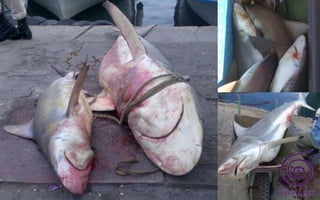
THREATS TO BE CONTAINED AND CONTROLLED

•   Sedimentation, Ocean dumping, Sewage, Toxics, Damage to Nests,
    Vessel collision…
•   Overuse of certain dive sites (localized congestion)
•   Non-compliance with rules and regulations by fishers from
    communities adjacent to Tyre
•   Lenient penalties
•   Inadequate consultation regarding development activity or inadequate
    and/or untimely action when reports are made
•   Late payment of user fees
NEW DEVELOPMENTS & OPPORTUNITIES
•   Spread the Marine Management
    Area projects
•   Proposed new green ecological hotel
    development in the TyMMA,
    including marina
•   International Conservation Site
•   Sedimentation & wastewater,
    coupled with the compounding
    effects of storm events and Global
    warming
STEPS AND SOLUTIONS…
•   Engaging and protecting local communities
•   Support NGOs advocacy work
•   Support political decentralization – Empowering local
    governments [Municipalities, Unions of Municipalities] as to
    ensure efficient means of law enforcement
•   Targeted Funding and Grant-Making


But also, educate society and push for environmental
awareness in school curriculums!
EVERY SECOND BREATH WE TAKE COMES FROM THE SEA…
LETS PROTECT OUR SEAS AND OCEANS AND THE PEOPLE
               THAT DEPEND ON IT

Tymma 2012

  • 1.
    TYRE MARINE MANAGEMENTAREA - TyMMA A Pilot Artificial Reef project and Marine Protected Area Marine & Community Values
  • 2.
    CURRENT SITUATION • Increase in water-based tourism activity in Tyre vs. traditional users • Conflict and competition for limited space and resources among various users and uses • Degradation of resources; loss of economic opportunity; threat of violence! • Initial unsuccessful effort by Department of Fisheries
  • 6.
    A SET OFGOALS • Co-existence of users with minimal conflict • Support the locals, improve the local economy, highlight the cultural heritage • Increase in fish stocks, in marine reserves and fishing areas and reflection of these increases in fishermen’s catches • Self-sustainability with regards to operating costs • International recognition • Community support • Enhanced awareness and sensitization
  • 7.
    MARINE PROTECTED AREA- MPA According to the UNEP, a protected area is defined as: An area of land and/or sea especially dedicated to the protection and maintenance of biological diversity and of natural and associated cultural resources, managed through legal or other effective means…
  • 8.
    THE IMPORTANCE OFMPAs • MPAs are recognized as an important way to conserve life- sustaining ecosystems and specific habitat for marine animals • Used to protect and preserve representative samples of marine biodiversity for the benefit of future generations • They are distinct from terrestrial protected areas by being less about preventing immediate threats or looming extinction and more about precaution and the benefits to industry of preserving types of habitat
  • 9.
    BENEFITS OF MPAs MPAshave been shown to have substantial benefits for: • Renewing fish and other marine populations • Scientific and educational initiatives • Encouraging support of marine conservation from human communities • Attracting important economic interest from marine ecotourism that is compatible with zoned MPAs.
  • 10.
  • 12.
    NOT TO MIXWITH… Areas where access is restricted for reasons other than conservation do not fall under the classification for MPAs Shellfish closures Security zones Sewage discharge areas Pipeline and cable corridors Or unprotected areas logistically inaccessible due to weather, sea state, etc..
  • 13.
    ISSUES TO CONSIDERFOR MPAs Constancy of Protection Primary conservation goal • Year-Round • Natural Heritage • Seasonal • Cultural Heritage • Sustainable Production Scale of Protection Level of Protection • Ecosystem • No Access • Focal Resource • No Impact • No Take • Zoned With No-Take Areas Allowed Extractive Activities • Zoned Multiple Use • Commercial Fishing • Uniform Multiple Use • Recreational Fishing Permanence of Protection • Subsistence Fishing • Permanent • Scientific/Educational • Conditional • Mineral/Energy Extraction • Temporary
  • 14.
    ARTIFICIAL REEF –THE TOOL An artificial reef is anything from the size of a beer can to something as large as a ship... Once in the water, within weeks things start to grow A few months later small marine animals show up More and more marine life begin to make this home Within a year, when the buffet opens, fish and friends move in... With time, they form a mini self- sustaining ecosystem living off itself and producing surplus marine animals to help resupply our fishery Without artificial reefs for protection, the chance of living to maturity would be slim… The setting up of ARs to attract fish in Mediterranean goes back to around 3,000 years ago!
  • 15.
  • 16.
    A NETWORK OFPROTECTION PROPOSED 30 TO 40% TO DATE 3.88% THANKS TO THE PELAGOS SANCTUARY (90.000KM2) GLOBAL PROTECTION 0.65%
  • 17.
    LOCALLY, START WITHTyre Coast Nature Reserve • Marine Reserves • Fishing Priority Areas • Mooring Areas • Recreational Areas • Multiple Use Areas
  • 18.
    THREATS TO BECONTAINED AND CONTROLLED • Sedimentation, Ocean dumping, Sewage, Toxics, Damage to Nests, Vessel collision… • Overuse of certain dive sites (localized congestion) • Non-compliance with rules and regulations by fishers from communities adjacent to Tyre • Lenient penalties • Inadequate consultation regarding development activity or inadequate and/or untimely action when reports are made • Late payment of user fees
  • 19.
    NEW DEVELOPMENTS &OPPORTUNITIES • Spread the Marine Management Area projects • Proposed new green ecological hotel development in the TyMMA, including marina • International Conservation Site • Sedimentation & wastewater, coupled with the compounding effects of storm events and Global warming
  • 20.
    STEPS AND SOLUTIONS… • Engaging and protecting local communities • Support NGOs advocacy work • Support political decentralization – Empowering local governments [Municipalities, Unions of Municipalities] as to ensure efficient means of law enforcement • Targeted Funding and Grant-Making But also, educate society and push for environmental awareness in school curriculums!
  • 21.
    EVERY SECOND BREATHWE TAKE COMES FROM THE SEA… LETS PROTECT OUR SEAS AND OCEANS AND THE PEOPLE THAT DEPEND ON IT

Editor's Notes

  • #2 This template can be used as a starter file to give updates for project milestones.SectionsSections can help to organize your slides or facilitate collaboration between multiple authors. On the Home tab, under Slides, click Section, and then click Add Section.NotesUse the Notes pane for delivery notes or to provide additional details for the audience. You can see these notes in Presenter View during your presentation. Keep in mind the font size (important for accessibility, visibility, videotaping, and online production)Coordinated colors Pay particular attention to the graphs, charts, and text boxes.Consider that attendees will print in black and white or grayscale. Run a test print to make sure your colors work when printed in pure black and white and grayscale.Graphics, tables, and graphsKeep it simple: If possible, use consistent, non-distracting styles and colors.Label all graphs and tables.