Alternative
Teaching Strategies

   »J Ann Sangcay
        BSED II
group in the classroom.

These Strategies, when
conducted
properly, are interactive in
nature,
thereby developing confidence
among
students as they further
develop their
analytic and social skills.
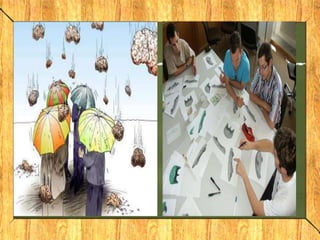
Brainstorming
This strategy is an excellent
way to generate a class
discussion about a puzzling
issue.
This is often used when the
objective of the lesson is to
get as many solutions to the
problem as possible.
Steps in conducting a Brainstorming
              Session (Maxim,1995)
1. Present the
   problem/situation/issue.
2. Share ideas suggesting possible
   solutions.
3. Accept all ideas.
4. The teacher records all ideas.
5. Review/Discuss ideas.
6. Organize ideas.
7. Provide closure.
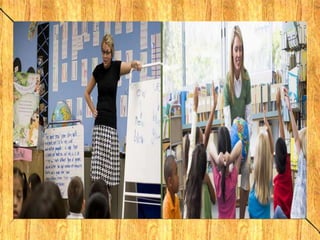
Demonstation
This is direct strategy in which
the teacher models the
behaviors of
presentations, analyses, and
syntheses.
Thus, in this strategy the
students become observers and
recorders of information and
skills.
In conducting demonstration lessons
           (McGinnis and Goldstein, Sheridan)


1. While acting and talking, point to the
   steps written on a poster.
2. Be sure to think aloud.
3. Keep it simple. Teach one skill at a
   time, each step in a sequence.
4. Check for understanding by assigning
   students to watch for different steps
   and asking them how the steps are
   demonstrated following the model.
Class Discussion
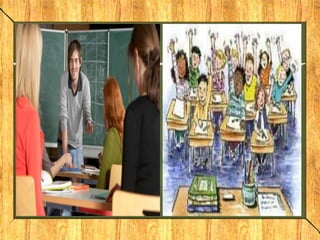
This describes the procedures
used by teachers in encouraging
students to engage in verbal
interchange and in expressing
thoughts on a particular
learning area.

According to Arends, there are
three important objectives in a
1. to improve the students’
   thinking and help them
   construct their own
   understanding for academic
   content
2. To promote student
   involvement and engagement
3. To help students learn
   important communication
   skills to discover what they
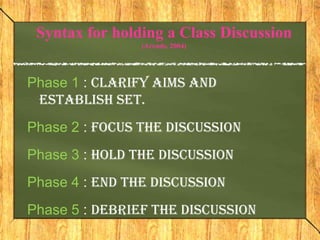
Syntax for holding a Class Discussion
                (Arends, 2004)


Phase 1 : Clarify aims and
 establish set.
Phase 2 : Focus the discussion
Phase 3 : Hold the Discussion
Phase 4 : End the Discussion
Phase 5 : Debrief the Discussion
Class Debate
A formal discussion approach
consisting of a set of speeches by
participants of two opposing
teams and a rebuttal by each
participant.

Oral presentations are made by
members of two opposing teams
regarding the preassigned and
Syntax for
           Class Debate
            (Parker and Jarolimek, 1997)


1. Choose an issue.
2. Organize the issue.
3. Prepare the issue.
4. Present the debate.
5. Guide, revise and analyze the
   issue.
6. Give a closure.
Presentation
A teacher-centered strategy
consisting of Four major phases :
1. Initial attempt of the
   teacher to clarify the
   lessons’ aims
2. Presentation of an
   advance organizer
3. Presentation of new
Syntax of the presentation
          Model (Arends, 2004)

Phase 1 : Clarify aims and establish
 set.
Phase 2 : Present advance
 organizer.
Phase 3 : Present learning
 materials.
Phase 4 : Check for understanding
 and strengthen
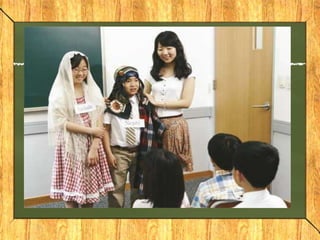
Role Playing
  Valuable strategy for creating
  empathy and understanding
  another person’s views or
  behavior.
  It usually involves structure, a
  stated issue to be resolved, and
  in some cases a winner or loser.
  It has three components :
- the situation,
Steps in Role playing
     (Shaftel &Shaftel , 1982)


1. Present the events/
   situation.
2. Choose the characters.
3. Prepare the audience.
4. Enact.
5. Discuss the issue.
6. Re-enact.
7. Share experiences.
8. Summarize.
Simulation
 This strategy is a replication or
situations or issues based on
 reality or an actual scenario. It
 simply put, simulations provide
 presentations of some phenomena.
 events., or issues that exist in the
 real world.
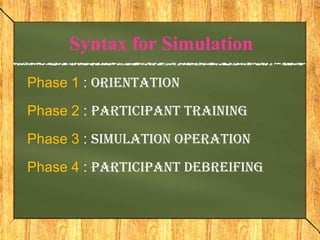
Syntax for Simulation
Phase 1 : Orientation
Phase 2 : Participant Training
Phase 3 : Simulation operation
Phase 4 : Participant debreifing
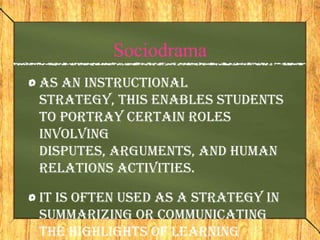
Sociodrama
As an instructional
strategy, this enables students
to portray certain roles
involving
disputes, arguments, and human
relations activities.

It is often used as a strategy in
summarizing or communicating
the highlights of learning
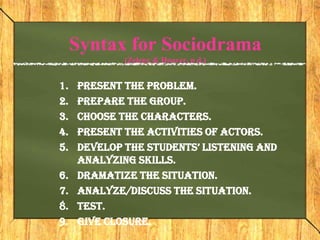
Syntax for Sociodrama
             (Zeleny & Hoover, n d.)


1.   Present the problem.
2.   Prepare the group.
3.   Choose the characters.
4.   Present the activities of actors.
5.   develop the students’ listening and
     analyzing skills.
6.   Dramatize the situation.
7.   Analyze/Discuss the situation.
8.   Test.
9.   Give closure.
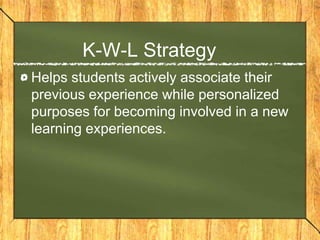
K-W-L Strategy
Helps students actively associate their
previous experience while personalized
purposes for becoming involved in a new
learning experiences.
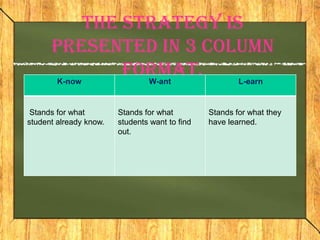
The strategy is
      presented in 3 column
      K-now
                format.
                  W-ant    L-earn


 Stands for what        Stands for what         Stands for what they
student already know.   students want to find   have learned.
                        out.
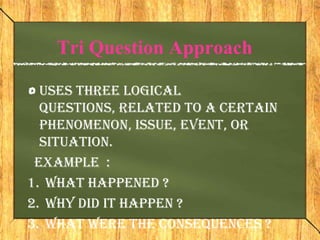
Tri Question Approach

  Uses three logical
  questions, related to a certain
  phenomenon, issue, event, or
  situation.
 Example :
1. What happened ?
2. Why did it happen ?
3. What were the consequences ?
The End 
Thank You !

Alternative teaching strategies

  • 1.
    Alternative Teaching Strategies »J Ann Sangcay BSED II
  • 2.
    group in theclassroom. These Strategies, when conducted properly, are interactive in nature, thereby developing confidence among students as they further develop their analytic and social skills.
  • 3.
    Brainstorming This strategy isan excellent way to generate a class discussion about a puzzling issue. This is often used when the objective of the lesson is to get as many solutions to the problem as possible.
  • 5.
    Steps in conductinga Brainstorming Session (Maxim,1995) 1. Present the problem/situation/issue. 2. Share ideas suggesting possible solutions. 3. Accept all ideas. 4. The teacher records all ideas. 5. Review/Discuss ideas. 6. Organize ideas. 7. Provide closure.
  • 6.
    Demonstation This is directstrategy in which the teacher models the behaviors of presentations, analyses, and syntheses. Thus, in this strategy the students become observers and recorders of information and skills.
  • 8.
    In conducting demonstrationlessons (McGinnis and Goldstein, Sheridan) 1. While acting and talking, point to the steps written on a poster. 2. Be sure to think aloud. 3. Keep it simple. Teach one skill at a time, each step in a sequence. 4. Check for understanding by assigning students to watch for different steps and asking them how the steps are demonstrated following the model.
  • 9.
    Class Discussion This describesthe procedures used by teachers in encouraging students to engage in verbal interchange and in expressing thoughts on a particular learning area. According to Arends, there are three important objectives in a
  • 10.
    1. to improvethe students’ thinking and help them construct their own understanding for academic content 2. To promote student involvement and engagement 3. To help students learn important communication skills to discover what they
  • 12.
    Syntax for holdinga Class Discussion (Arends, 2004) Phase 1 : Clarify aims and establish set. Phase 2 : Focus the discussion Phase 3 : Hold the Discussion Phase 4 : End the Discussion Phase 5 : Debrief the Discussion
  • 13.
    Class Debate A formaldiscussion approach consisting of a set of speeches by participants of two opposing teams and a rebuttal by each participant. Oral presentations are made by members of two opposing teams regarding the preassigned and
  • 15.
    Syntax for Class Debate (Parker and Jarolimek, 1997) 1. Choose an issue. 2. Organize the issue. 3. Prepare the issue. 4. Present the debate. 5. Guide, revise and analyze the issue. 6. Give a closure.
  • 16.
    Presentation A teacher-centered strategy consistingof Four major phases : 1. Initial attempt of the teacher to clarify the lessons’ aims 2. Presentation of an advance organizer 3. Presentation of new
  • 17.
    Syntax of thepresentation Model (Arends, 2004) Phase 1 : Clarify aims and establish set. Phase 2 : Present advance organizer. Phase 3 : Present learning materials. Phase 4 : Check for understanding and strengthen
  • 18.
    Role Playing Valuable strategy for creating empathy and understanding another person’s views or behavior. It usually involves structure, a stated issue to be resolved, and in some cases a winner or loser. It has three components : - the situation,
  • 19.
    Steps in Roleplaying (Shaftel &Shaftel , 1982) 1. Present the events/ situation. 2. Choose the characters. 3. Prepare the audience. 4. Enact. 5. Discuss the issue. 6. Re-enact. 7. Share experiences. 8. Summarize.
  • 21.
    Simulation This strategyis a replication or situations or issues based on reality or an actual scenario. It simply put, simulations provide presentations of some phenomena. events., or issues that exist in the real world.
  • 22.
    Syntax for Simulation Phase1 : Orientation Phase 2 : Participant Training Phase 3 : Simulation operation Phase 4 : Participant debreifing
  • 23.
    Sociodrama As an instructional strategy,this enables students to portray certain roles involving disputes, arguments, and human relations activities. It is often used as a strategy in summarizing or communicating the highlights of learning
  • 24.
    Syntax for Sociodrama (Zeleny & Hoover, n d.) 1. Present the problem. 2. Prepare the group. 3. Choose the characters. 4. Present the activities of actors. 5. develop the students’ listening and analyzing skills. 6. Dramatize the situation. 7. Analyze/Discuss the situation. 8. Test. 9. Give closure.
  • 25.
    K-W-L Strategy Helps studentsactively associate their previous experience while personalized purposes for becoming involved in a new learning experiences.
  • 26.
    The strategy is presented in 3 column K-now format. W-ant L-earn Stands for what Stands for what Stands for what they student already know. students want to find have learned. out.
  • 27.
    Tri Question Approach Uses three logical questions, related to a certain phenomenon, issue, event, or situation. Example : 1. What happened ? 2. Why did it happen ? 3. What were the consequences ?
  • 28.