The Future of
Training and
Development
Chapter 11

6th Edition
Raymond A. Noe

McGraw-Hill/Irwin

Copyright © 2013 by The McGraw-Hill Companies, Inc. All rights reserved.
Introduction
• Sustainability: Company’s ability to make a profit

without sacrificing the resources of:
– Its employees
– The community
– The environment

11-2
Increased Use of New Technologies for
Training Delivery
 The use of new technologies will increase for several

reasons:
 The cost of new technologies will decrease
 Technology will help employees to better serve

customers and generate new business
 It can reduce training costs
 It allows trainers to build into training the desirable
features of a learning environment
 Training can be delivered at any place and time

11-3
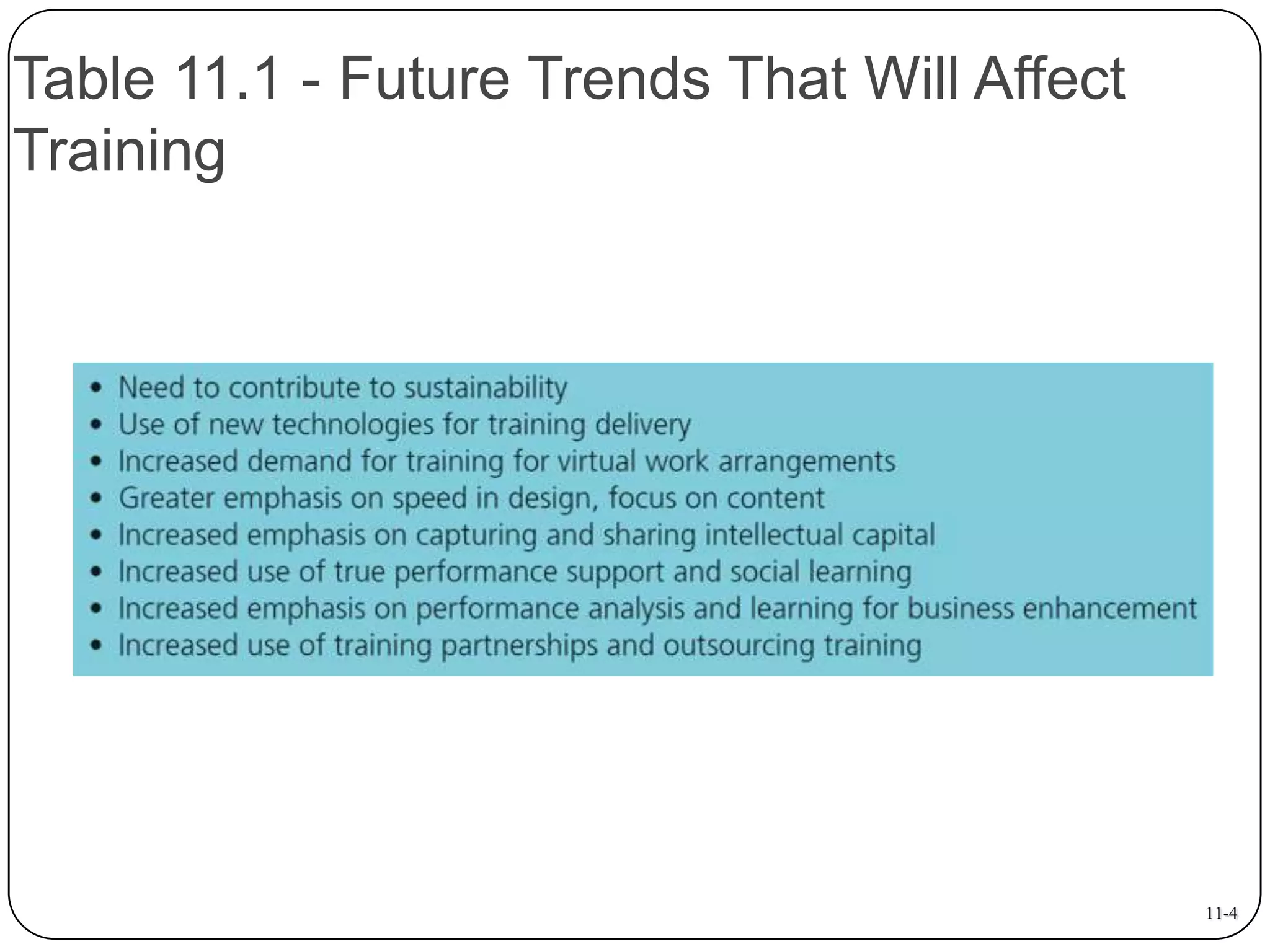
Table 11.1 - Future Trends That Will Affect
Training

11-4
Increased Demand for Training for Virtual
Work Arrangements
 Virtual work arrangements: Virtual teams and

telecommuting
 Telecommuting: Work that is conducted in a remote

location where the employee has limited contact with
peers but is able to communicate electronically

11-5
Increased Demand for Training for Virtual
Work Arrangements
 Location, organization structure, and employment

relationships are not limiting factors in virtual work
arrangements
 Two training challenges:
 Companies must invest in training delivery methods

that facilitate digital collaboration
 Digital collaboration: Interaction between two or more people

mediated by a computer

 Teams and employees must be provided with tools

needed for finding knowledge

11-6
Increased Emphasis on Speed in Design, Focus
in Content, and Use of Multiple Delivery Methods
 Rapid instructional design (RID): Group of

techniques that allows training to be built more
quickly
 Two important principles in RID:
 Instructional content and process can be developed

independent of each other
 Resources devoted to design and delivery of instruction
can be reallocated as appropriate

11-7
Table 11.2 - Examples of RID
Strategies

11-8
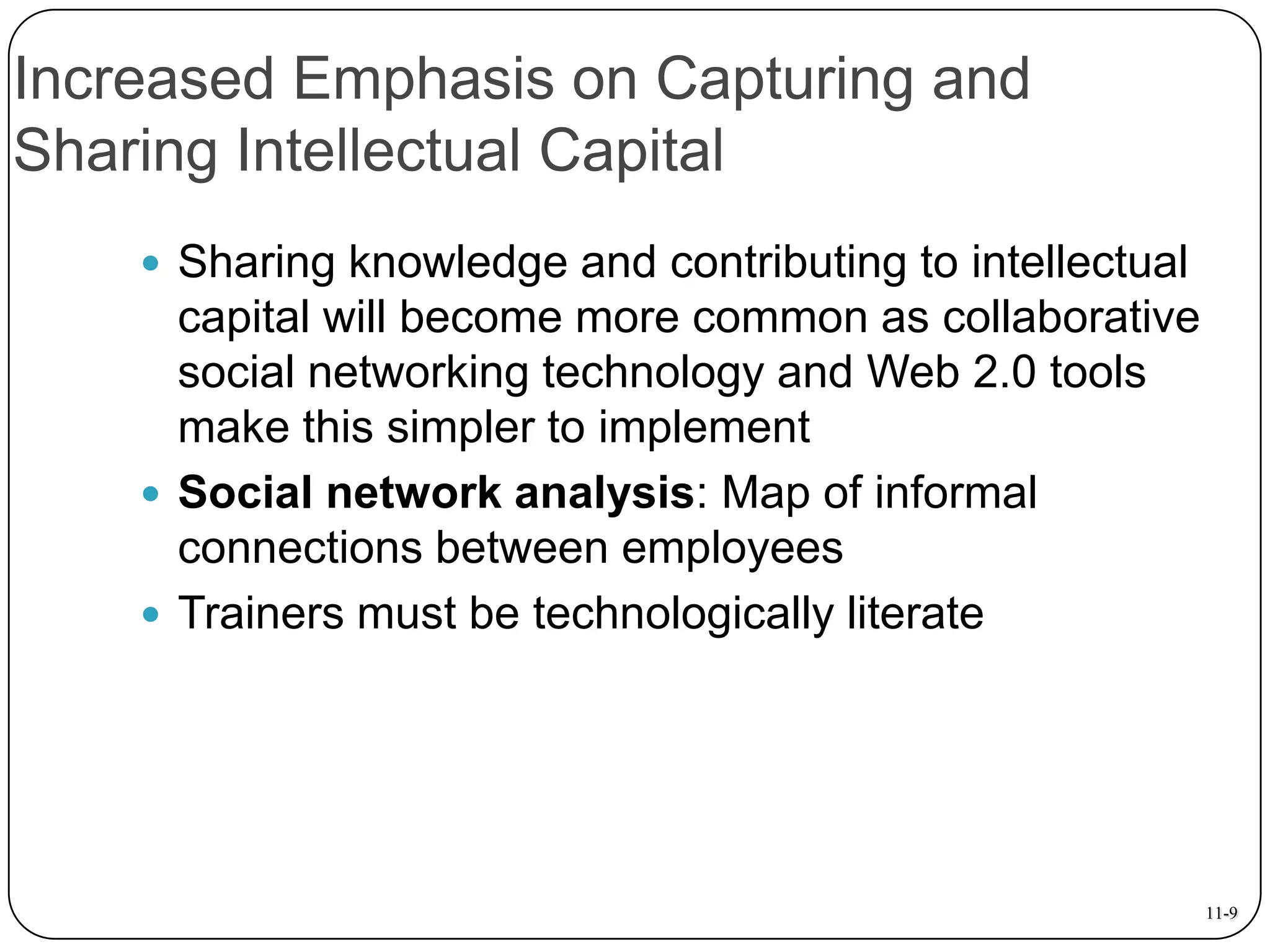
Increased Emphasis on Capturing and
Sharing Intellectual Capital
 Sharing knowledge and contributing to intellectual

capital will become more common as collaborative
social networking technology and Web 2.0 tools
make this simpler to implement
 Social network analysis: Map of informal
connections between employees
 Trainers must be technologically literate

11-9
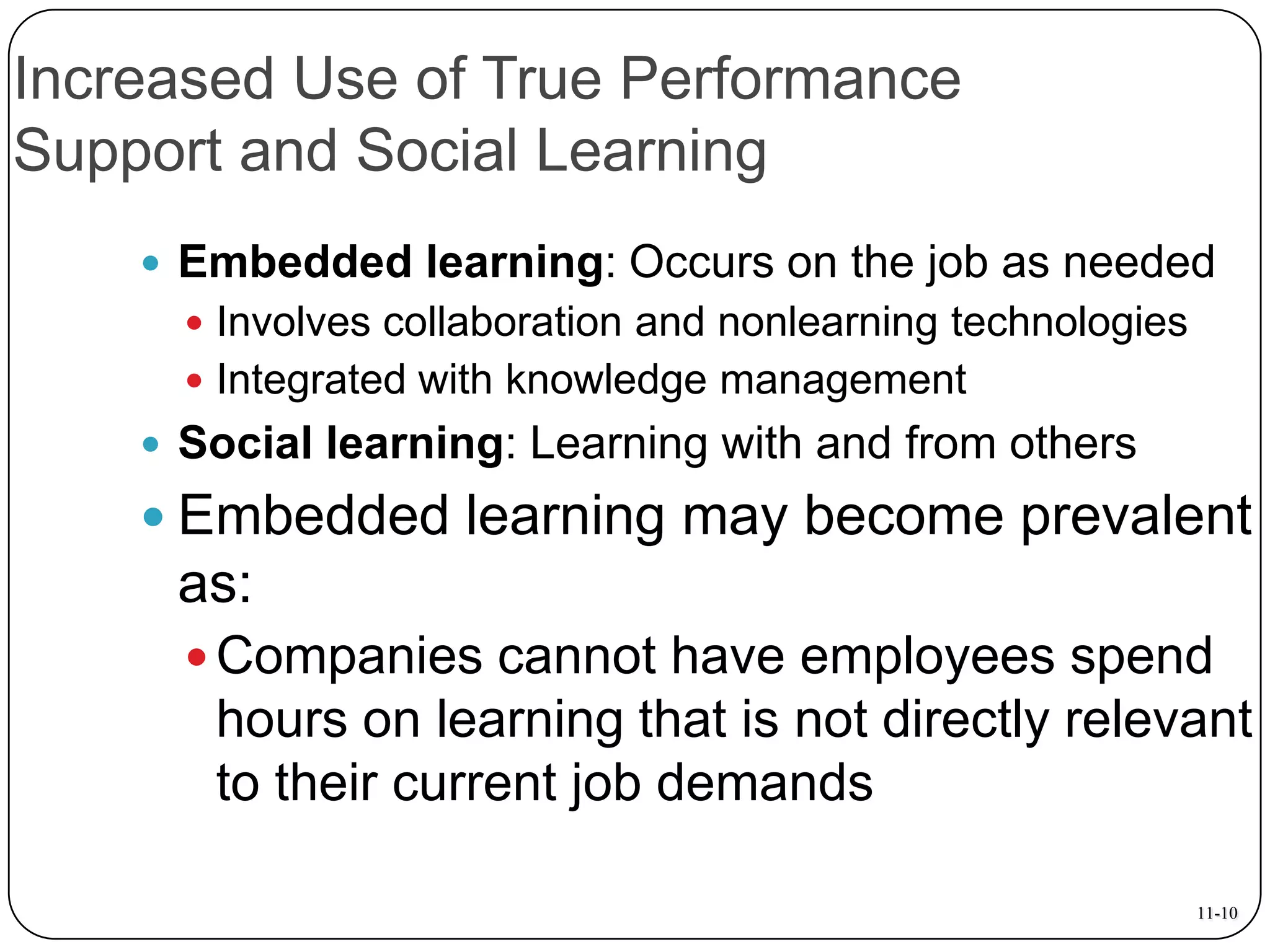
Increased Use of True Performance
Support and Social Learning
 Embedded learning: Occurs on the job as needed
 Involves collaboration and nonlearning technologies

 Integrated with knowledge management

 Social learning: Learning with and from others

 Embedded learning may become prevalent

as:
 Companies cannot have employees spend

hours on learning that is not directly relevant
to their current job demands
11-10
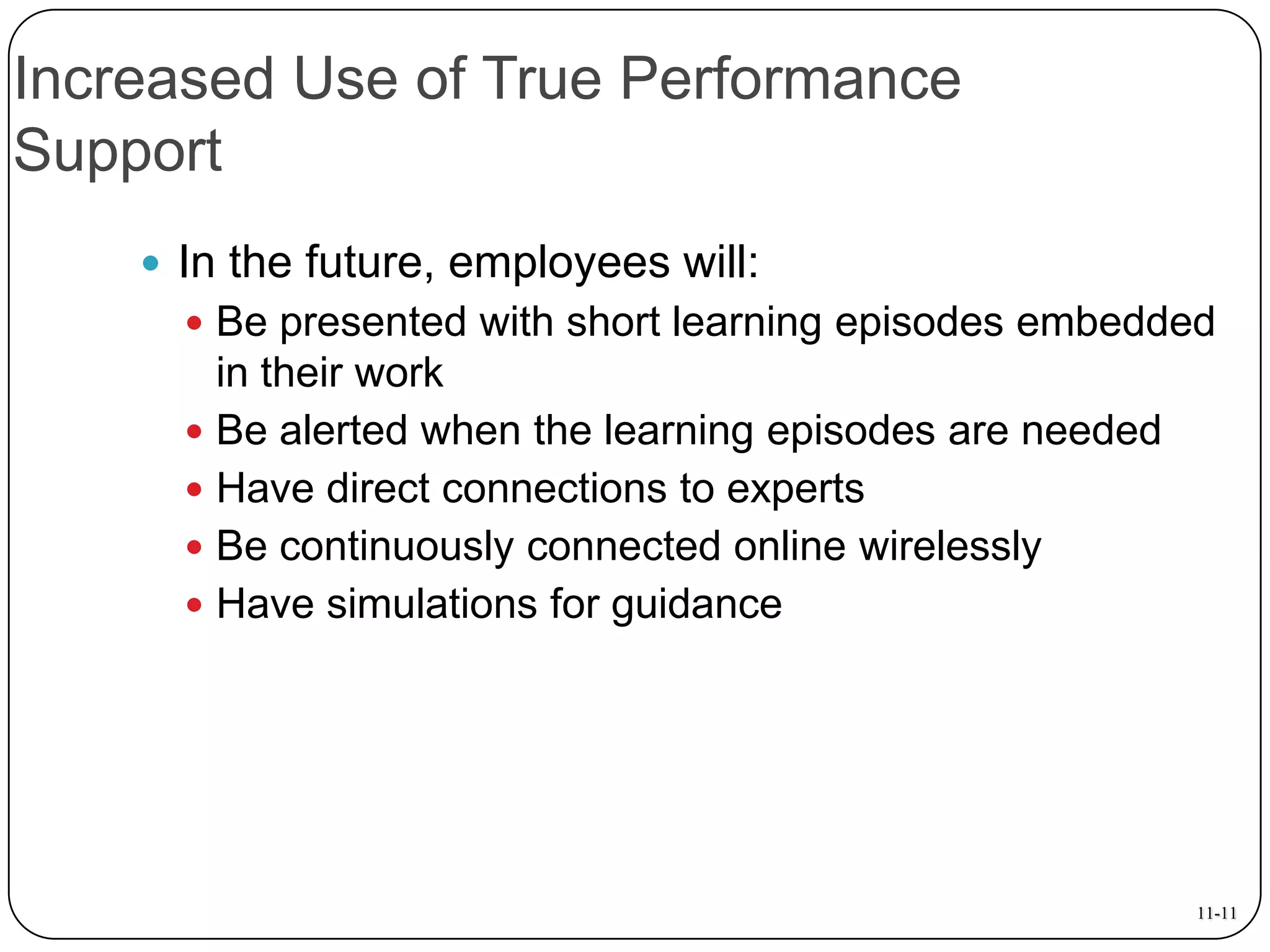
Increased Use of True Performance
Support
 In the future, employees will:
 Be presented with short learning episodes embedded

in their work
 Be alerted when the learning episodes are needed
 Have direct connections to experts
 Be continuously connected online wirelessly
 Have simulations for guidance

11-11
Increased Use of True Performance
Support and Social Learning
 Learning will become just-in-time
 Social cyborg - Integrates social networks into the

way they think, learn, and solve problems
 Social networking platforms will be part of learning
management systems

11-12
Increased Emphasis on Performance Analysis
and Learning for Business Enhancement
 Performance analysis approach: Identifying

performance gaps or deficiencies and examining
training as one possible solution for the business
units

11-13
Increased Emphasis on Performance Analysis
and Learning for Business Enhancement
 Training departments will need to:
 Focus on interventions related to performance

improvement
 Provide support for high-performance work systems
 Develop systems for training administration,
development, and delivery that reduce costs and
increase employees’ access to learning

11-14
Increased Emphasis on Performance Analysis
and Learning for Business Enhancement
 Training departments’ responsibilities will include a

greater focus on:
 Systems that employees can use for information on an

as-needed basis
 Cloud computing: Provides information technology

infrastructure over a network in a self-service,
modifiable, and on-demand

11-15
Increased Use of Training Partnerships
and Outsourcing Training
 Partnerships help:
 Individuals prepare for higher-skill and higher-wage

jobs
 Attract new companies to the area by integrating:
 Employee retraining
 Elementary through high school career education programs
 Career academies
 Higher education programs into a lifelong learning system

11-16
Increased Use of Training Partnerships
and Outsourcing Training
 Type of training outsourcing
 Application service provider (ASP): Company that

rents out access to software for a specific application
 Benefit
 Company resources are not used to purchase or maintain an

internal network

11-17
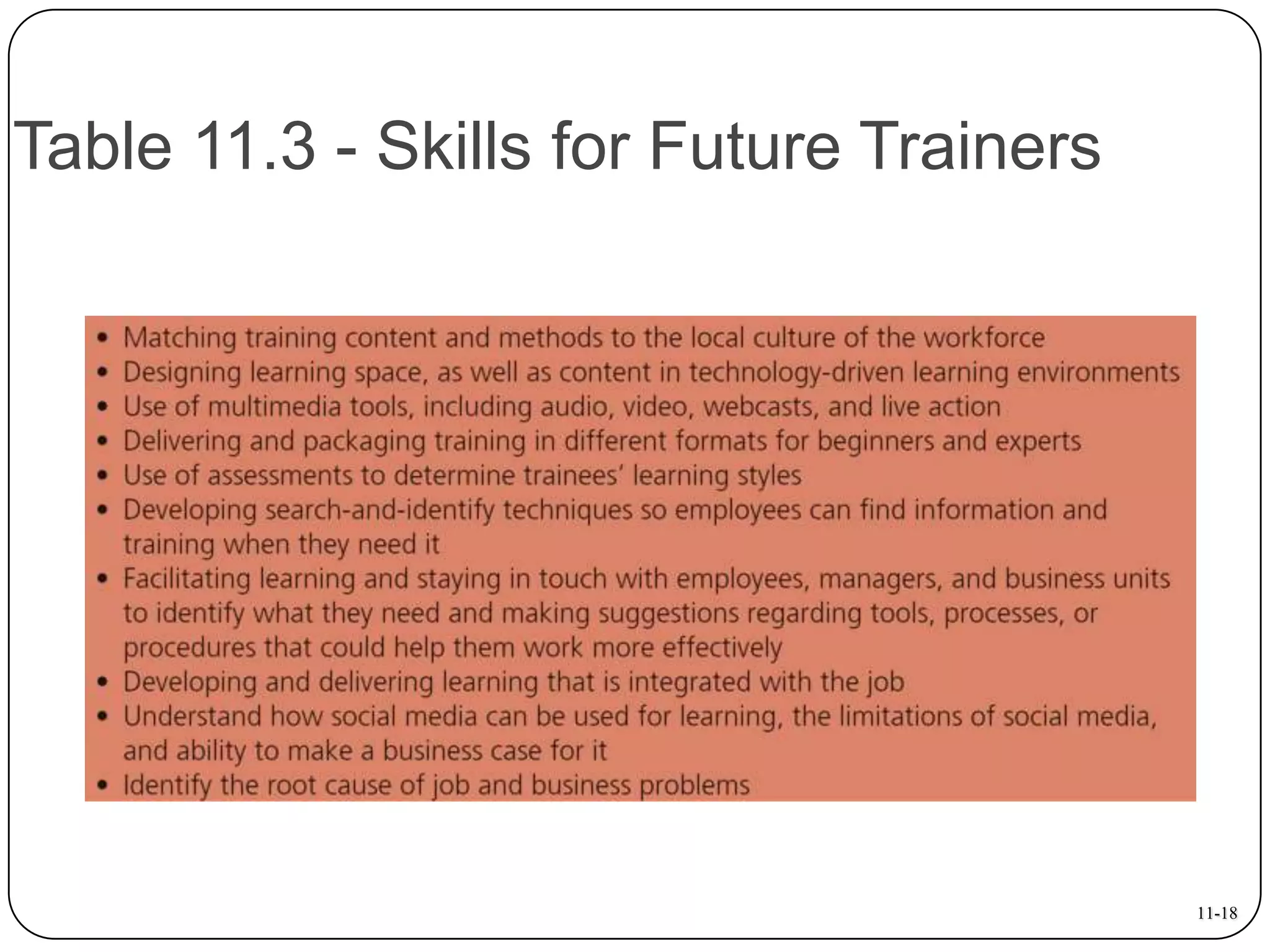
Table 11.3 - Skills for Future Trainers

11-18

MBA760 Chapter 11

  • 1.
    The Future of Trainingand Development Chapter 11 6th Edition Raymond A. Noe McGraw-Hill/Irwin Copyright © 2013 by The McGraw-Hill Companies, Inc. All rights reserved.
  • 2.
    Introduction • Sustainability: Company’sability to make a profit without sacrificing the resources of: – Its employees – The community – The environment 11-2
  • 3.
    Increased Use ofNew Technologies for Training Delivery  The use of new technologies will increase for several reasons:  The cost of new technologies will decrease  Technology will help employees to better serve customers and generate new business  It can reduce training costs  It allows trainers to build into training the desirable features of a learning environment  Training can be delivered at any place and time 11-3
  • 4.
    Table 11.1 -Future Trends That Will Affect Training 11-4
  • 5.
    Increased Demand forTraining for Virtual Work Arrangements  Virtual work arrangements: Virtual teams and telecommuting  Telecommuting: Work that is conducted in a remote location where the employee has limited contact with peers but is able to communicate electronically 11-5
  • 6.
    Increased Demand forTraining for Virtual Work Arrangements  Location, organization structure, and employment relationships are not limiting factors in virtual work arrangements  Two training challenges:  Companies must invest in training delivery methods that facilitate digital collaboration  Digital collaboration: Interaction between two or more people mediated by a computer  Teams and employees must be provided with tools needed for finding knowledge 11-6
  • 7.
    Increased Emphasis onSpeed in Design, Focus in Content, and Use of Multiple Delivery Methods  Rapid instructional design (RID): Group of techniques that allows training to be built more quickly  Two important principles in RID:  Instructional content and process can be developed independent of each other  Resources devoted to design and delivery of instruction can be reallocated as appropriate 11-7
  • 8.
    Table 11.2 -Examples of RID Strategies 11-8
  • 9.
    Increased Emphasis onCapturing and Sharing Intellectual Capital  Sharing knowledge and contributing to intellectual capital will become more common as collaborative social networking technology and Web 2.0 tools make this simpler to implement  Social network analysis: Map of informal connections between employees  Trainers must be technologically literate 11-9
  • 10.
    Increased Use ofTrue Performance Support and Social Learning  Embedded learning: Occurs on the job as needed  Involves collaboration and nonlearning technologies  Integrated with knowledge management  Social learning: Learning with and from others  Embedded learning may become prevalent as:  Companies cannot have employees spend hours on learning that is not directly relevant to their current job demands 11-10
  • 11.
    Increased Use ofTrue Performance Support  In the future, employees will:  Be presented with short learning episodes embedded in their work  Be alerted when the learning episodes are needed  Have direct connections to experts  Be continuously connected online wirelessly  Have simulations for guidance 11-11
  • 12.
    Increased Use ofTrue Performance Support and Social Learning  Learning will become just-in-time  Social cyborg - Integrates social networks into the way they think, learn, and solve problems  Social networking platforms will be part of learning management systems 11-12
  • 13.
    Increased Emphasis onPerformance Analysis and Learning for Business Enhancement  Performance analysis approach: Identifying performance gaps or deficiencies and examining training as one possible solution for the business units 11-13
  • 14.
    Increased Emphasis onPerformance Analysis and Learning for Business Enhancement  Training departments will need to:  Focus on interventions related to performance improvement  Provide support for high-performance work systems  Develop systems for training administration, development, and delivery that reduce costs and increase employees’ access to learning 11-14
  • 15.
    Increased Emphasis onPerformance Analysis and Learning for Business Enhancement  Training departments’ responsibilities will include a greater focus on:  Systems that employees can use for information on an as-needed basis  Cloud computing: Provides information technology infrastructure over a network in a self-service, modifiable, and on-demand 11-15
  • 16.
    Increased Use ofTraining Partnerships and Outsourcing Training  Partnerships help:  Individuals prepare for higher-skill and higher-wage jobs  Attract new companies to the area by integrating:  Employee retraining  Elementary through high school career education programs  Career academies  Higher education programs into a lifelong learning system 11-16
  • 17.
    Increased Use ofTraining Partnerships and Outsourcing Training  Type of training outsourcing  Application service provider (ASP): Company that rents out access to software for a specific application  Benefit  Company resources are not used to purchase or maintain an internal network 11-17
  • 18.
    Table 11.3 -Skills for Future Trainers 11-18