Introduction to PIC
Microcontroller
T.Ramprakash
AP/ECE
Ramco Institute of Technology
Academic Year 2016-17 (Odd Sem)
Why PIC has become popular ???
• Low cost
• Wide availability
• Large user base
• Easy of availability of its supporting hardware
and software tools like assemblers, debuggers
and simulators
• Re-programming with flash memory capability
• Easy to interface with other peripherals
PIC - Introduction
• Peripheral Interface Controller
• Harvard architecture
• RISC Architecture
• Low end Architecture and Mid-range Architecture
• line packages and surface mount packages
• Speed (20 Mhz)
• Watch dog timer
• Brown-out protection
PIC - Introduction
• Power on Reset
• ROM/OTP/EPROM/ROM/Flash
• 8 level stack
• Powerful output pin control
• Up to 12 independent interrupt sources
• Direct and Indirect addressing modes
• Timers
• Serial Programming
PIC 16C6x Architecture
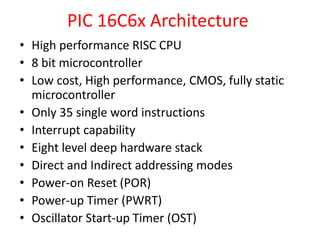
• High performance RISC CPU
• 8 bit microcontroller
• Low cost, High performance, CMOS, fully static
microcontroller
• Only 35 single word instructions
• Interrupt capability
• Eight level deep hardware stack
• Direct and Indirect addressing modes
• Power-on Reset (POR)
• Power-up Timer (PWRT)
• Oscillator Start-up Timer (OST)
PIC 16C6x Architecture
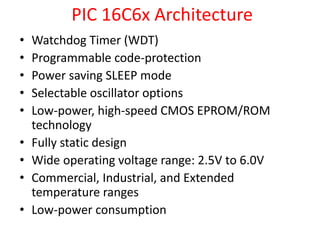
• Watchdog Timer (WDT)
• Programmable code-protection
• Power saving SLEEP mode
• Selectable oscillator options
• Low-power, high-speed CMOS EPROM/ROM
technology
• Fully static design
• Wide operating voltage range: 2.5V to 6.0V
• Commercial, Industrial, and Extended
temperature ranges
• Low-power consumption
PIC 16C6x Peripheral Features
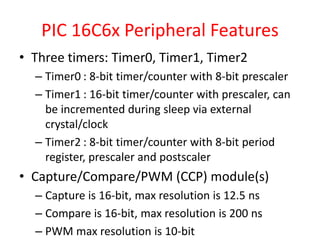
• Three timers: Timer0, Timer1, Timer2
– Timer0 : 8-bit timer/counter with 8-bit prescaler
– Timer1 : 16-bit timer/counter with prescaler, can
be incremented during sleep via external
crystal/clock
– Timer2 : 8-bit timer/counter with 8-bit period
register, prescaler and postscaler
• Capture/Compare/PWM (CCP) module(s)
– Capture is 16-bit, max resolution is 12.5 ns
– Compare is 16-bit, max resolution is 200 ns
– PWM max resolution is 10-bit
PIC 16C6x Peripheral Features
• Synchronous Serial Port (SSP) with SPI and I2C
• Universal Synchronous Asynchronous Receiver
Transmitter (USART/SCI)
• Parallel Slave Port (PSP) 8-bits wide, with
external RD, WR and CS controls
• Brown-out detection circuitry for Brown-out
Reset (BOR)
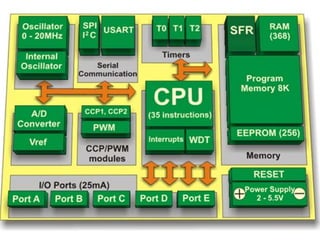
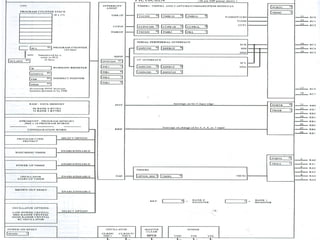
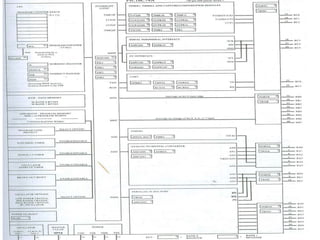
• The figure shows the block diagram of PIC
16C62A
PIC Working Registers
• W - Reg
• Status Register
• FSR – File Select Register
• INDF
• Program Counter
• PCL
• PCLATCH
• Eight Level Stack
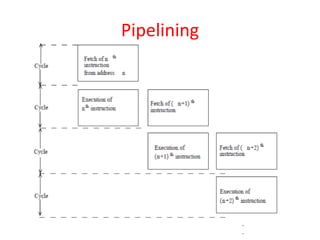
Pipelining
Thank You
Reference
• Peatman,J.B., “Design with PIC Micro
Controllers”PearsonEducation,3rdEdition,
2004
• Furber,S., “ARM System on Chip Architecture”
Addison Wesley trade Computer
Publication, 2000

Introduction to pic microcontroller

  • 1.
    Introduction to PIC Microcontroller T.Ramprakash AP/ECE RamcoInstitute of Technology Academic Year 2016-17 (Odd Sem)
  • 2.
    Why PIC hasbecome popular ??? • Low cost • Wide availability • Large user base • Easy of availability of its supporting hardware and software tools like assemblers, debuggers and simulators • Re-programming with flash memory capability • Easy to interface with other peripherals
  • 3.
    PIC - Introduction •Peripheral Interface Controller • Harvard architecture • RISC Architecture • Low end Architecture and Mid-range Architecture • line packages and surface mount packages • Speed (20 Mhz) • Watch dog timer • Brown-out protection
  • 4.
    PIC - Introduction •Power on Reset • ROM/OTP/EPROM/ROM/Flash • 8 level stack • Powerful output pin control • Up to 12 independent interrupt sources • Direct and Indirect addressing modes • Timers • Serial Programming
  • 6.
    PIC 16C6x Architecture •High performance RISC CPU • 8 bit microcontroller • Low cost, High performance, CMOS, fully static microcontroller • Only 35 single word instructions • Interrupt capability • Eight level deep hardware stack • Direct and Indirect addressing modes • Power-on Reset (POR) • Power-up Timer (PWRT) • Oscillator Start-up Timer (OST)
  • 7.
    PIC 16C6x Architecture •Watchdog Timer (WDT) • Programmable code-protection • Power saving SLEEP mode • Selectable oscillator options • Low-power, high-speed CMOS EPROM/ROM technology • Fully static design • Wide operating voltage range: 2.5V to 6.0V • Commercial, Industrial, and Extended temperature ranges • Low-power consumption
  • 8.
    PIC 16C6x PeripheralFeatures • Three timers: Timer0, Timer1, Timer2 – Timer0 : 8-bit timer/counter with 8-bit prescaler – Timer1 : 16-bit timer/counter with prescaler, can be incremented during sleep via external crystal/clock – Timer2 : 8-bit timer/counter with 8-bit period register, prescaler and postscaler • Capture/Compare/PWM (CCP) module(s) – Capture is 16-bit, max resolution is 12.5 ns – Compare is 16-bit, max resolution is 200 ns – PWM max resolution is 10-bit
  • 9.
    PIC 16C6x PeripheralFeatures • Synchronous Serial Port (SSP) with SPI and I2C • Universal Synchronous Asynchronous Receiver Transmitter (USART/SCI) • Parallel Slave Port (PSP) 8-bits wide, with external RD, WR and CS controls • Brown-out detection circuitry for Brown-out Reset (BOR) • The figure shows the block diagram of PIC 16C62A
  • 12.
    PIC Working Registers •W - Reg • Status Register • FSR – File Select Register • INDF • Program Counter • PCL • PCLATCH • Eight Level Stack
  • 13.
  • 14.
  • 15.
    Reference • Peatman,J.B., “Designwith PIC Micro Controllers”PearsonEducation,3rdEdition, 2004 • Furber,S., “ARM System on Chip Architecture” Addison Wesley trade Computer Publication, 2000