
ENGINE
PERFORMANCE
PARAMETRS
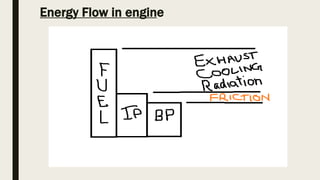
Energy Flow in engine
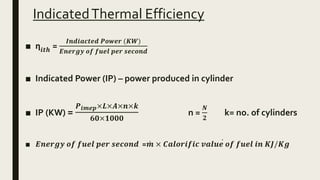
IndicatedThermal Efficiency
■ ƞ𝒊𝒕𝒉 =
𝑰𝒏𝒅𝒊𝒂𝒄𝒕𝒆𝒅 𝑷𝒐𝒘𝒆𝒓 (𝑲𝑾)
𝑬𝒏𝒆𝒓𝒈𝒚 𝒐𝒇 𝒇𝒖𝒆𝒍 𝒑𝒆𝒓 𝒔𝒆𝒄𝒐𝒏𝒅
■ Indicated Power (IP) – power produced in cylinder
■ IP (KW) =
𝑷 𝒊𝒎𝒆𝒑×𝑳×𝑨×𝒏×𝒌
𝟔𝟎×𝟏𝟎𝟎𝟎
n =
𝑵
𝟐
k= no. of cylinders
■ 𝑬𝒏𝒆𝒓𝒈𝒚 𝒐𝒇 𝒇𝒖𝒆𝒍 𝒑𝒆𝒓 𝒔𝒆𝒄𝒐𝒏𝒅 = 𝒎 × 𝑪𝒂𝒍𝒐𝒓𝒊𝒇𝒊𝒄 𝒗𝒂𝒍𝒖𝒆 𝒐𝒇 𝒇𝒖𝒆𝒍 𝒊𝒏 𝑲𝑱/𝑲𝒈
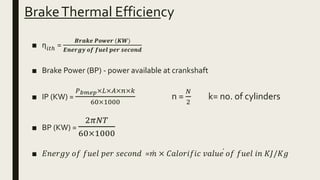
BrakeThermal Efficiency
■ ƞ𝑖𝑡ℎ =
𝑩𝒓𝒂𝒌𝒆 𝑷𝒐𝒘𝒆𝒓 (𝑲𝑾)
𝑬𝒏𝒆𝒓𝒈𝒚 𝒐𝒇 𝒇𝒖𝒆𝒍 𝒑𝒆𝒓 𝒔𝒆𝒄𝒐𝒏𝒅
■ Brake Power (BP) - power available at crankshaft
■ IP (KW) =
𝑃 𝑏𝑚𝑒𝑝×𝐿×𝐴×𝑛×𝑘
60×1000
n =
𝑁
2
k= no. of cylinders
■ BP (KW) =
2𝜋𝑁𝑇
60×1000
■ 𝐸𝑛𝑒𝑟𝑔𝑦 𝑜𝑓 𝑓𝑢𝑒𝑙 𝑝𝑒𝑟 𝑠𝑒𝑐𝑜𝑛𝑑 = 𝑚 × 𝐶𝑎𝑙𝑜𝑟𝑖𝑓𝑖𝑐 𝑣𝑎𝑙𝑢𝑒 𝑜𝑓 𝑓𝑢𝑒𝑙 𝑖𝑛 𝐾𝐽/𝐾𝑔
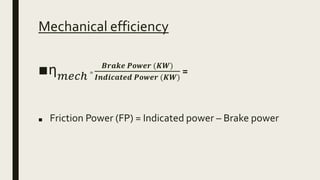
Mechanical efficiency
■ƞ 𝑚𝑒𝑐ℎ =
𝑩𝒓𝒂𝒌𝒆 𝑷𝒐𝒘𝒆𝒓 (𝑲𝑾)
𝑰𝒏𝒅𝒊𝒄𝒂𝒕𝒆𝒅 𝑷𝒐𝒘𝒆𝒓 (𝑲𝑾)
=
■ Friction Power (FP) = Indicated power – Brake power
Volumetric Efficiency
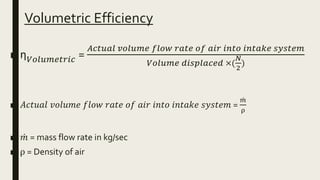
■ ƞ 𝑉𝑜𝑙𝑢𝑚𝑒𝑡𝑟𝑖𝑐 =
𝐴𝑐𝑡𝑢𝑎𝑙 𝑣𝑜𝑙𝑢𝑚𝑒 𝑓𝑙𝑜𝑤 𝑟𝑎𝑡𝑒 𝑜𝑓 𝑎𝑖𝑟 𝑖𝑛𝑡𝑜 𝑖𝑛𝑡𝑎𝑘𝑒 𝑠𝑦𝑠𝑡𝑒𝑚
𝑉𝑜𝑙𝑢𝑚𝑒 𝑑𝑖𝑠𝑝𝑙𝑎𝑐𝑒𝑑 ×(
𝑁
2
)
■ 𝐴𝑐𝑡𝑢𝑎𝑙 𝑣𝑜𝑙𝑢𝑚𝑒 𝑓𝑙𝑜𝑤 𝑟𝑎𝑡𝑒 𝑜𝑓 𝑎𝑖𝑟 𝑖𝑛𝑡𝑜 𝑖𝑛𝑡𝑎𝑘𝑒 𝑠𝑦𝑠𝑡𝑒𝑚 =
𝑚
ρ
■ 𝑚 = mass flow rate in kg/sec
■ ρ = Density of air
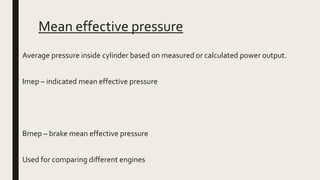
Mean effective pressure
■ Average pressure inside cylinder based on measured or calculated power output.
■ Imep – indicated mean effective pressure
■ Bmep – brake mean effective pressure
■ Used for comparing different engines
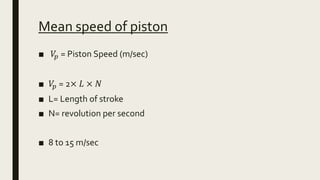
Mean speed of piston
■ 𝑉𝑝 = Piston Speed (m/sec)
■ 𝑉𝑝 = 2× 𝐿 × 𝑁
■ L= Length of stroke
■ N= revolution per second
■ 8 to 15 m/sec
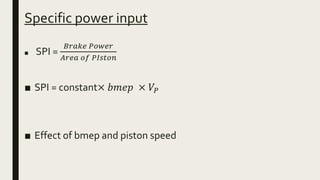
Specific power input
■ SPI =
𝐵𝑟𝑎𝑘𝑒 𝑃𝑜𝑤𝑒𝑟
𝐴𝑟𝑒𝑎 𝑜𝑓 𝑃𝐼𝑠𝑡𝑜𝑛
■ SPI = constant× 𝑏𝑚𝑒𝑝 × 𝑉𝑃
■ Effect of bmep and piston speed
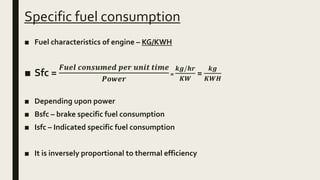
Specific fuel consumption
■ Fuel characteristics of engine – KG/KWH
■ Sfc =
𝑭𝒖𝒆𝒍 𝒄𝒐𝒏𝒔𝒖𝒎𝒆𝒅 𝒑𝒆𝒓 𝒖𝒏𝒊𝒕 𝒕𝒊𝒎𝒆
𝑷𝒐𝒘𝒆𝒓
=
𝒌𝒈/𝒉𝒓
𝑲𝑾
=
𝒌𝒈
𝑲𝑾𝑯
■ Depending upon power
■ Bsfc – brake specific fuel consumption
■ Isfc – Indicated specific fuel consumption
■ It is inversely proportional to thermal efficiency
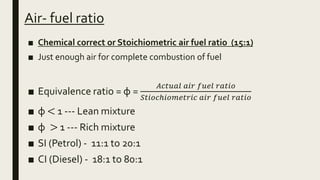
Air- fuel ratio
■ Chemical correct or Stoichiometric air fuel ratio (15:1)
■ Just enough air for complete combustion of fuel
■ Equivalence ratio = φ =
𝐴𝑐𝑡𝑢𝑎𝑙 𝑎𝑖𝑟 𝑓𝑢𝑒𝑙 𝑟𝑎𝑡𝑖𝑜
𝑆𝑡𝑖𝑜𝑐ℎ𝑖𝑜𝑚𝑒𝑡𝑟𝑖𝑐 𝑎𝑖𝑟 𝑓𝑢𝑒𝑙 𝑟𝑎𝑡𝑖𝑜
■ φ < 1 --- Lean mixture
■ φ > 1 --- Rich mixture
■ SI (Petrol) - 11:1 to 20:1
■ CI (Diesel) - 18:1 to 80:1
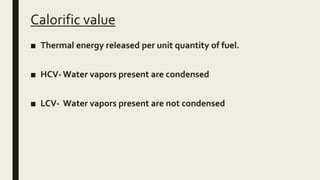
Calorific value
■ Thermal energy released per unit quantity of fuel.
■ HCV-Water vapors present are condensed
■ LCV- Water vapors present are not condensed
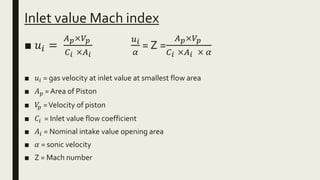
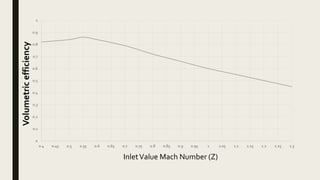
Inlet value Mach index
■ 𝑢𝑖 =
𝐴 𝑝×𝑉𝑝
𝐶 𝑖 ×𝐴 𝑖
𝑢 𝑖
𝛼
= Z =
𝐴 𝑝×𝑉𝑝
𝐶 𝑖 ×𝐴 𝑖 × 𝛼
■ 𝑢𝑖 = gas velocity at inlet value at smallest flow area
■ 𝐴 𝑝 = Area of Piston
■ 𝑉𝑝 =Velocity of piston
■ 𝐶𝑖 = Inlet value flow coefficient
■ 𝐴𝑖 = Nominal intake value opening area
■ 𝛼 = sonic velocity
■ Z = Mach number
0
0.1
0.2
0.3
0.4
0.5
0.6
0.7
0.8
0.9
1
0.4 0.45 0.5 0.55 0.6 0.65 0.7 0.75 0.8 0.85 0.9 0.95 1 1.05 1.1 1.15 1.2 1.25 1.3
Volumetricefficiency
InletValue Mach Number (Z)

INTERNAL COMBUSTION ENGINE PERFORMANCE PARAMETERS

  • 1.
  • 2.
  • 3.
    IndicatedThermal Efficiency ■ ƞ𝒊𝒕𝒉= 𝑰𝒏𝒅𝒊𝒂𝒄𝒕𝒆𝒅 𝑷𝒐𝒘𝒆𝒓 (𝑲𝑾) 𝑬𝒏𝒆𝒓𝒈𝒚 𝒐𝒇 𝒇𝒖𝒆𝒍 𝒑𝒆𝒓 𝒔𝒆𝒄𝒐𝒏𝒅 ■ Indicated Power (IP) – power produced in cylinder ■ IP (KW) = 𝑷 𝒊𝒎𝒆𝒑×𝑳×𝑨×𝒏×𝒌 𝟔𝟎×𝟏𝟎𝟎𝟎 n = 𝑵 𝟐 k= no. of cylinders ■ 𝑬𝒏𝒆𝒓𝒈𝒚 𝒐𝒇 𝒇𝒖𝒆𝒍 𝒑𝒆𝒓 𝒔𝒆𝒄𝒐𝒏𝒅 = 𝒎 × 𝑪𝒂𝒍𝒐𝒓𝒊𝒇𝒊𝒄 𝒗𝒂𝒍𝒖𝒆 𝒐𝒇 𝒇𝒖𝒆𝒍 𝒊𝒏 𝑲𝑱/𝑲𝒈
  • 4.
    BrakeThermal Efficiency ■ ƞ𝑖𝑡ℎ= 𝑩𝒓𝒂𝒌𝒆 𝑷𝒐𝒘𝒆𝒓 (𝑲𝑾) 𝑬𝒏𝒆𝒓𝒈𝒚 𝒐𝒇 𝒇𝒖𝒆𝒍 𝒑𝒆𝒓 𝒔𝒆𝒄𝒐𝒏𝒅 ■ Brake Power (BP) - power available at crankshaft ■ IP (KW) = 𝑃 𝑏𝑚𝑒𝑝×𝐿×𝐴×𝑛×𝑘 60×1000 n = 𝑁 2 k= no. of cylinders ■ BP (KW) = 2𝜋𝑁𝑇 60×1000 ■ 𝐸𝑛𝑒𝑟𝑔𝑦 𝑜𝑓 𝑓𝑢𝑒𝑙 𝑝𝑒𝑟 𝑠𝑒𝑐𝑜𝑛𝑑 = 𝑚 × 𝐶𝑎𝑙𝑜𝑟𝑖𝑓𝑖𝑐 𝑣𝑎𝑙𝑢𝑒 𝑜𝑓 𝑓𝑢𝑒𝑙 𝑖𝑛 𝐾𝐽/𝐾𝑔
  • 5.
    Mechanical efficiency ■ƞ 𝑚𝑒𝑐ℎ= 𝑩𝒓𝒂𝒌𝒆 𝑷𝒐𝒘𝒆𝒓 (𝑲𝑾) 𝑰𝒏𝒅𝒊𝒄𝒂𝒕𝒆𝒅 𝑷𝒐𝒘𝒆𝒓 (𝑲𝑾) = ■ Friction Power (FP) = Indicated power – Brake power
  • 6.
    Volumetric Efficiency ■ ƞ𝑉𝑜𝑙𝑢𝑚𝑒𝑡𝑟𝑖𝑐 = 𝐴𝑐𝑡𝑢𝑎𝑙 𝑣𝑜𝑙𝑢𝑚𝑒 𝑓𝑙𝑜𝑤 𝑟𝑎𝑡𝑒 𝑜𝑓 𝑎𝑖𝑟 𝑖𝑛𝑡𝑜 𝑖𝑛𝑡𝑎𝑘𝑒 𝑠𝑦𝑠𝑡𝑒𝑚 𝑉𝑜𝑙𝑢𝑚𝑒 𝑑𝑖𝑠𝑝𝑙𝑎𝑐𝑒𝑑 ×( 𝑁 2 ) ■ 𝐴𝑐𝑡𝑢𝑎𝑙 𝑣𝑜𝑙𝑢𝑚𝑒 𝑓𝑙𝑜𝑤 𝑟𝑎𝑡𝑒 𝑜𝑓 𝑎𝑖𝑟 𝑖𝑛𝑡𝑜 𝑖𝑛𝑡𝑎𝑘𝑒 𝑠𝑦𝑠𝑡𝑒𝑚 = 𝑚 ρ ■ 𝑚 = mass flow rate in kg/sec ■ ρ = Density of air
  • 7.
    Mean effective pressure ■Average pressure inside cylinder based on measured or calculated power output. ■ Imep – indicated mean effective pressure ■ Bmep – brake mean effective pressure ■ Used for comparing different engines
  • 8.
    Mean speed ofpiston ■ 𝑉𝑝 = Piston Speed (m/sec) ■ 𝑉𝑝 = 2× 𝐿 × 𝑁 ■ L= Length of stroke ■ N= revolution per second ■ 8 to 15 m/sec
  • 9.
    Specific power input ■SPI = 𝐵𝑟𝑎𝑘𝑒 𝑃𝑜𝑤𝑒𝑟 𝐴𝑟𝑒𝑎 𝑜𝑓 𝑃𝐼𝑠𝑡𝑜𝑛 ■ SPI = constant× 𝑏𝑚𝑒𝑝 × 𝑉𝑃 ■ Effect of bmep and piston speed
  • 10.
    Specific fuel consumption ■Fuel characteristics of engine – KG/KWH ■ Sfc = 𝑭𝒖𝒆𝒍 𝒄𝒐𝒏𝒔𝒖𝒎𝒆𝒅 𝒑𝒆𝒓 𝒖𝒏𝒊𝒕 𝒕𝒊𝒎𝒆 𝑷𝒐𝒘𝒆𝒓 = 𝒌𝒈/𝒉𝒓 𝑲𝑾 = 𝒌𝒈 𝑲𝑾𝑯 ■ Depending upon power ■ Bsfc – brake specific fuel consumption ■ Isfc – Indicated specific fuel consumption ■ It is inversely proportional to thermal efficiency
  • 11.
    Air- fuel ratio ■Chemical correct or Stoichiometric air fuel ratio (15:1) ■ Just enough air for complete combustion of fuel ■ Equivalence ratio = φ = 𝐴𝑐𝑡𝑢𝑎𝑙 𝑎𝑖𝑟 𝑓𝑢𝑒𝑙 𝑟𝑎𝑡𝑖𝑜 𝑆𝑡𝑖𝑜𝑐ℎ𝑖𝑜𝑚𝑒𝑡𝑟𝑖𝑐 𝑎𝑖𝑟 𝑓𝑢𝑒𝑙 𝑟𝑎𝑡𝑖𝑜 ■ φ < 1 --- Lean mixture ■ φ > 1 --- Rich mixture ■ SI (Petrol) - 11:1 to 20:1 ■ CI (Diesel) - 18:1 to 80:1
  • 12.
    Calorific value ■ Thermalenergy released per unit quantity of fuel. ■ HCV-Water vapors present are condensed ■ LCV- Water vapors present are not condensed
  • 13.
    Inlet value Machindex ■ 𝑢𝑖 = 𝐴 𝑝×𝑉𝑝 𝐶 𝑖 ×𝐴 𝑖 𝑢 𝑖 𝛼 = Z = 𝐴 𝑝×𝑉𝑝 𝐶 𝑖 ×𝐴 𝑖 × 𝛼 ■ 𝑢𝑖 = gas velocity at inlet value at smallest flow area ■ 𝐴 𝑝 = Area of Piston ■ 𝑉𝑝 =Velocity of piston ■ 𝐶𝑖 = Inlet value flow coefficient ■ 𝐴𝑖 = Nominal intake value opening area ■ 𝛼 = sonic velocity ■ Z = Mach number
  • 14.
    0 0.1 0.2 0.3 0.4 0.5 0.6 0.7 0.8 0.9 1 0.4 0.45 0.50.55 0.6 0.65 0.7 0.75 0.8 0.85 0.9 0.95 1 1.05 1.1 1.15 1.2 1.25 1.3 Volumetricefficiency InletValue Mach Number (Z)