Downloaded 14 times



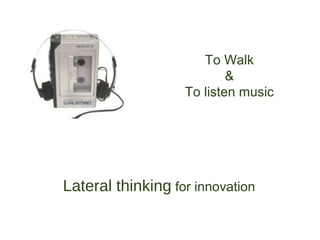
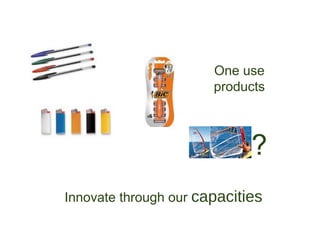


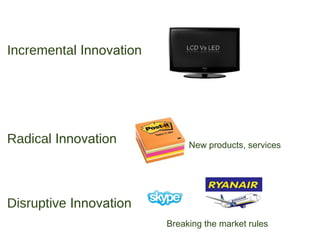

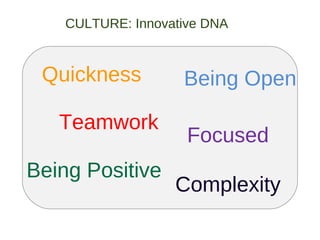
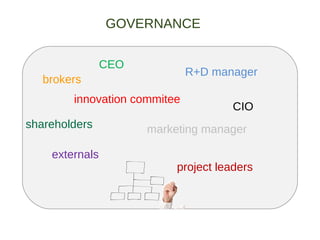

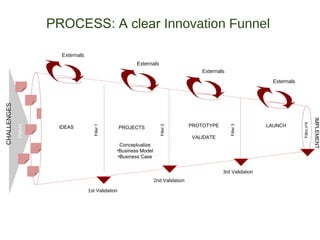

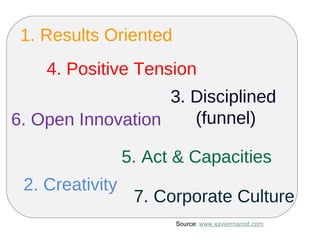

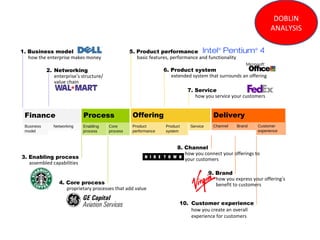
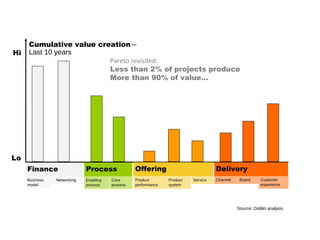
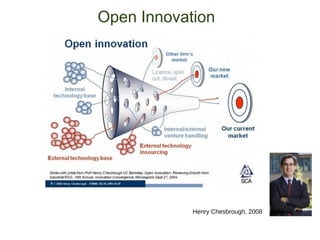






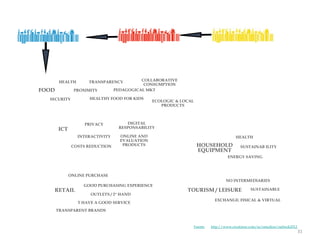

This document discusses innovation challenges and knowledge transfer in the digital era. It provides examples of both incremental and radical innovations, as well as disruptive innovations that break market rules. Key factors for innovation are identified as culture, governance, strategy, and process. Culture requires an innovative DNA and qualities like quickness, openness, teamwork, focus, and positivity. Governance involves defining roles for leadership, R&D, and other functions. Strategy requires strategic alignment with the company and flexibility to spin out non-aligned projects. Process involves defining a clear innovation funnel with multiple steps of validation and testing from ideas to implementation. Open innovation and listening to consumer trends and scenarios are also emphasized for driving innovation.


