Diseases of the heart
BLOOD SUPPLY OF THE HEART 
• 2 coronary arteries 
branch from the main 
aorta just above the 
aortic valve. “No larger 
than drinking straws, 
they divide and encircle 
the heart to cover its 
surface with a lacy 
network that reminded 
physicians of a slightly 
crooked crown 
(coronary comes from 
the Latin coronarius, 
belonging to a crown or 
wreath). They carry out 
about 130 gallons of 
blood through the heart 
muscle daily.”
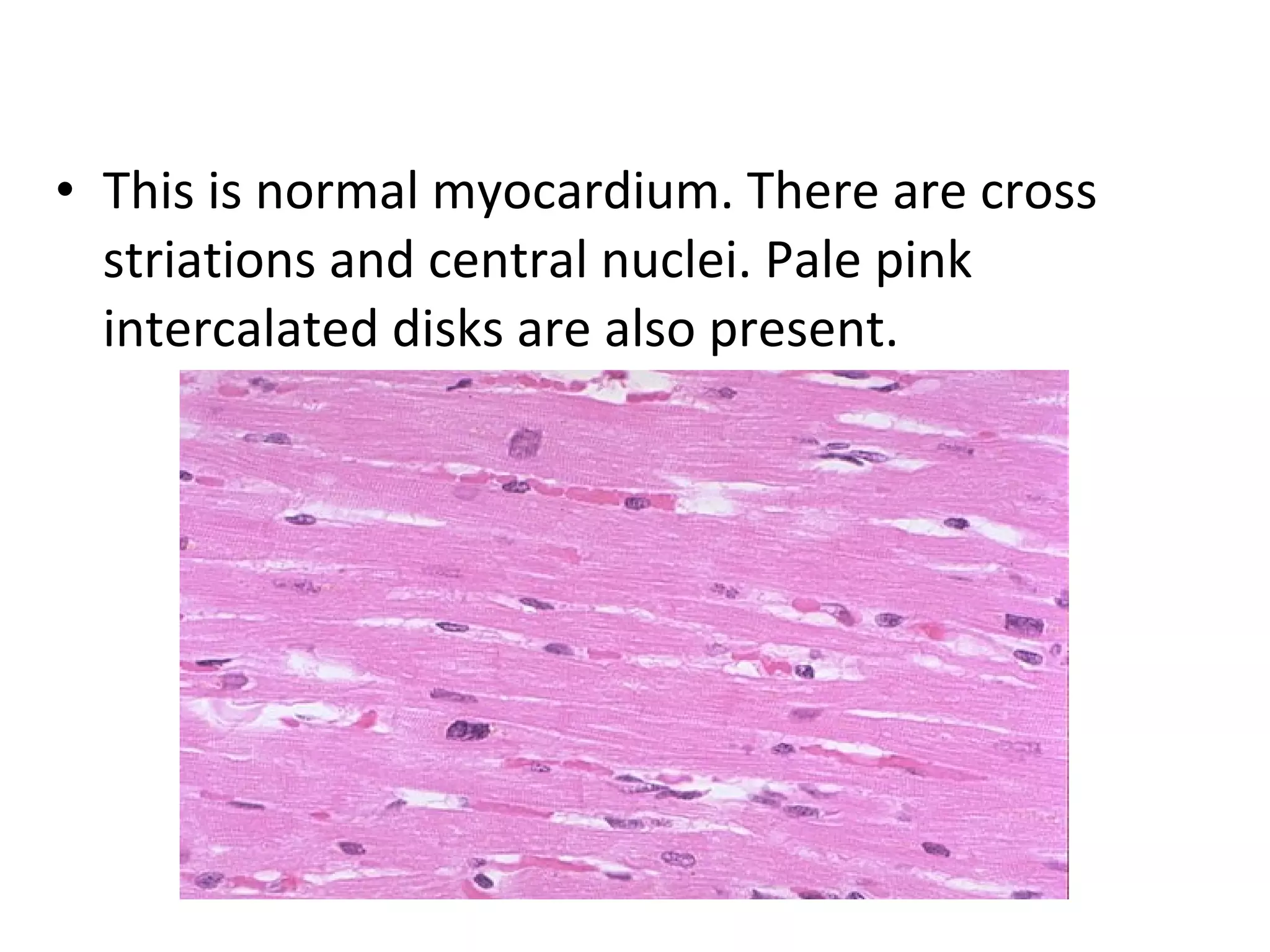
• This is normal myocardium. There are cross 
striations and central nuclei. Pale pink 
intercalated disks are also present.
Classification of HD 
• -acute 
• - chronic
Epidemiology 
- Myocardial infarction is a common presentation of 
ischemic 
heart disease. 
- Ischemic heart disease is the leading cause of death in 
developed countries, but 3rd to AIDS and lower 
respiratory infections in developing countries. 
- In industrialized countries, myocardial infarction accounts 
for 10 – 25% of incidences , all deaths. 
- About 5% of heart attacks occur in young people under the 
age of 40 years old, especially with hypertension, diabetes 
mellitus, cigarette smoking and etc.
Acute heart diseases 
• Causes- 
• Trombosis 
• Embolizm 
• Prolong spasmus 
• Discoordination between blood flow and 
cardiac work
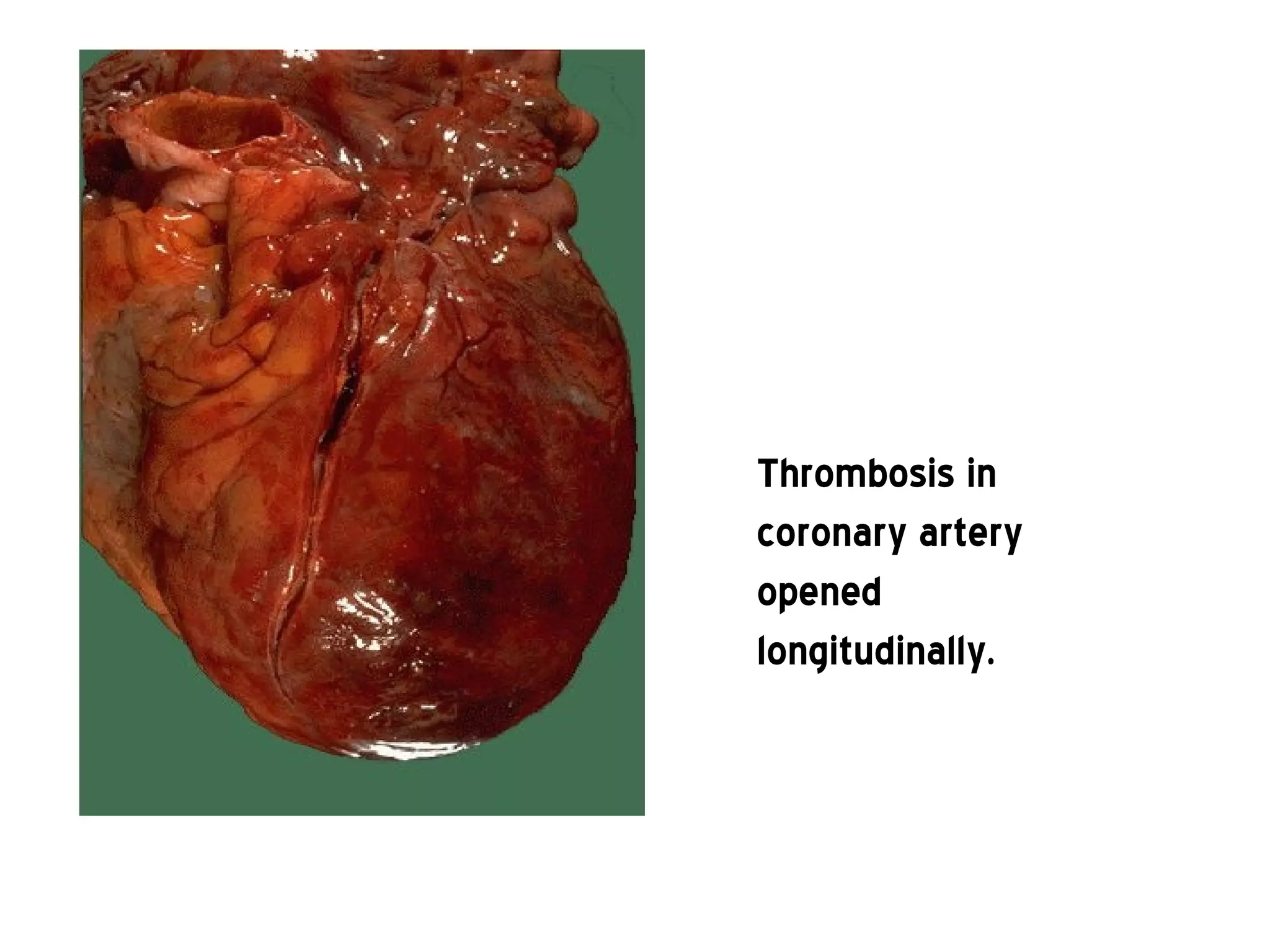
Thrombosis in 
coronary artery 
opened 
longitudinally.
Risk factors 
• Risk factors for atherosclerosis are generally risk factors for 
myocardial infarction: 
• Diabetes (with or without insulin resistance) - the single most 
important risk factor for ischaemic heart disease (IHD) 
• Tobacco smoking 
• Hypercholesterolemia (more accurately hyperlipoproteinemia, 
especially high low density lipoprotein and low 
high density lipoprotein) 
• High blood pressure 
• Family history of ischaemic heart disease (IHD) 
• Obesity[29] (defined by a body mass index of more than 30 kg/m², or 
alternatively by waist circumference or waist-hip ratio).
Risk factors 
• Age: Men acquire an independent risk factor at age 45, Women acquire an 
independent risk factor at age 55; in addition individuals acquire another 
independent risk factor if they have a first-degree male relative (brother, father) 
who suffered a coronary vascular event at or before age 55. Another independent 
risk factor is acquired if one has a first-degree female relative (mother, sister) who 
suffered a coronary vascular event at age 65 or younger. 
• Hyperhomocysteinemia (high homocysteine, a toxic blood amino acid that is 
elevated when intakes of vitamins B2, B6, B12 and folic acid are insufficient) 
• Stress (occupations with high stress index are known to have susceptibility 
for atherosclerosis) 
• Alcohol Studies show that prolonged exposure to high quantities of alcohol can 
increase the risk of heart attack 
• Males are more at risk than females.[20] 
• Many of these risk factors are modifiable, so many heart attacks can be prevented 
by maintaining a healthier lifestyle. Physical activity, for example, is associated 
with a lower risk p
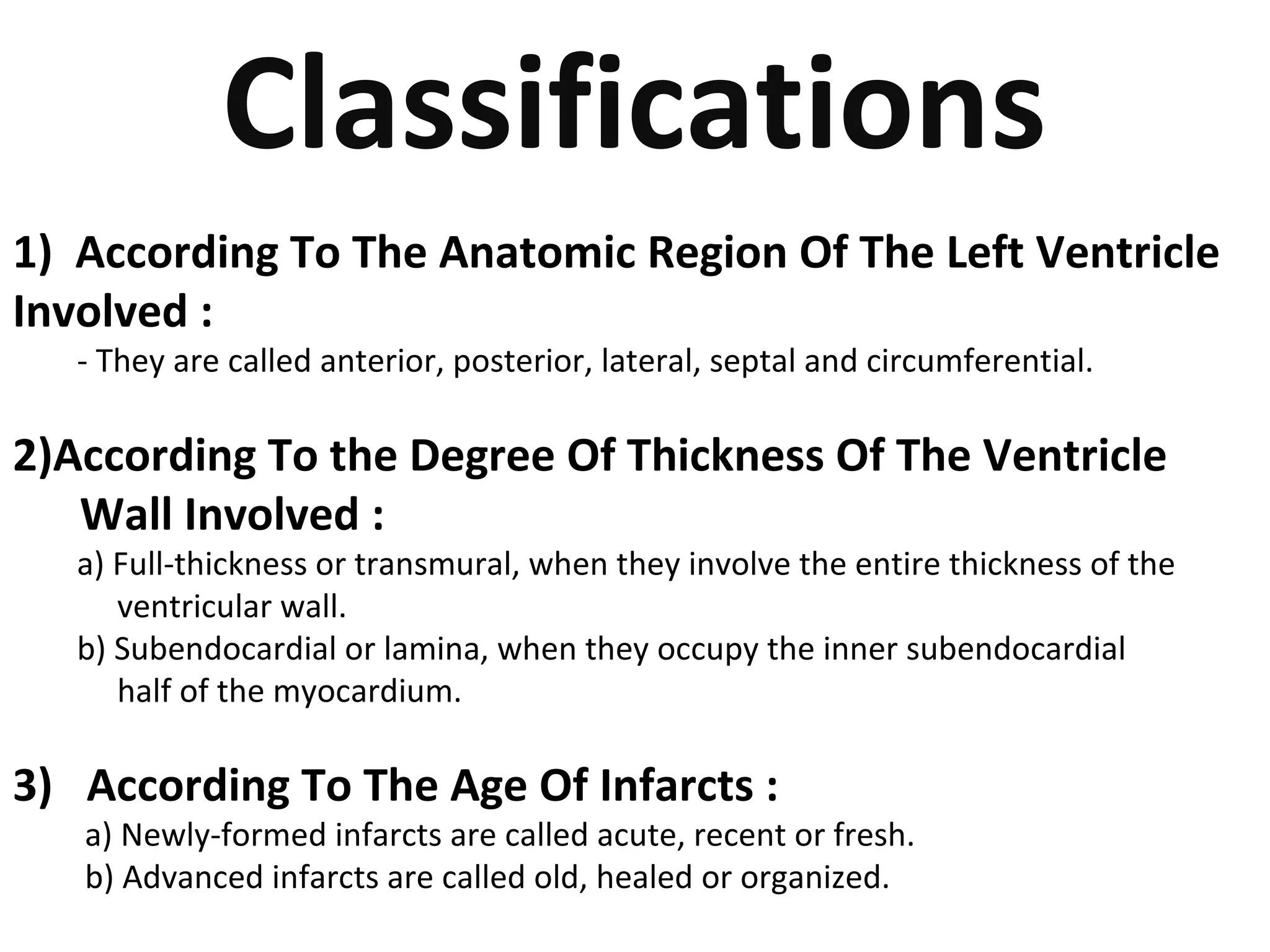
Classifications 
1) According To The Anatomic Region Of The Left Ventricle 
Involved : 
- They are called anterior, posterior, lateral, septal and circumferential. 
2)According To the Degree Of Thickness Of The Ventricle 
Wall Involved : 
a) Full-thickness or transmural, when they involve the entire thickness of the 
ventricular wall. 
b) Subendocardial or lamina, when they occupy the inner subendocardial 
half of the myocardium. 
3) According To The Age Of Infarcts : 
a) Newly-formed infarcts are called acute, recent or fresh. 
b) Advanced infarcts are called old, healed or organized.
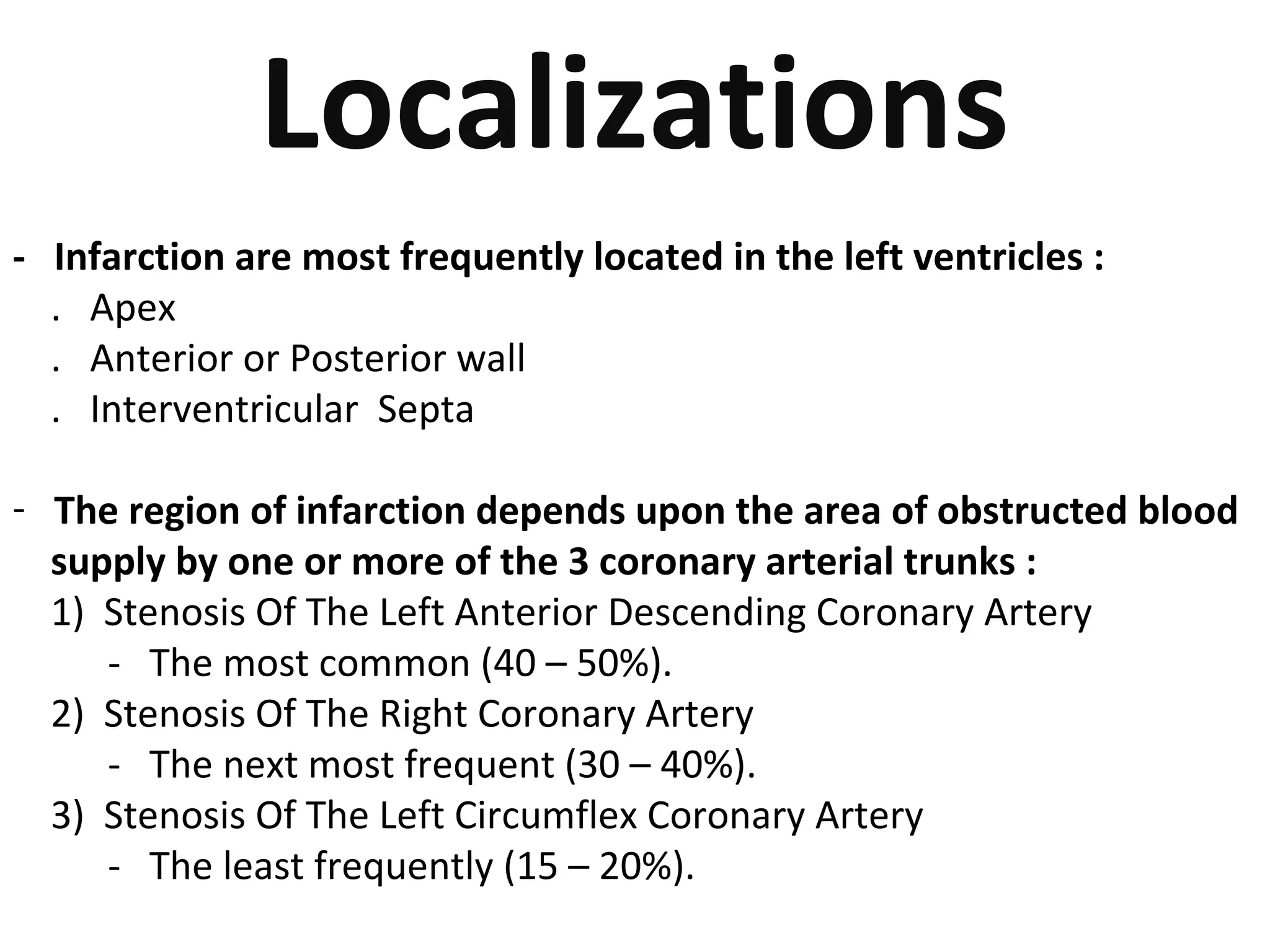
Localizations 
- Infarction are most frequently located in the left ventricles : 
. Apex 
. Anterior or Posterior wall 
. Interventricular Septa 
- The region of infarction depends upon the area of obstructed blood 
supply by one or more of the 3 coronary arterial trunks : 
1) Stenosis Of The Left Anterior Descending Coronary Artery 
- The most common (40 – 50%). 
2) Stenosis Of The Right Coronary Artery 
- The next most frequent (30 – 40%). 
3) Stenosis Of The Left Circumflex Coronary Artery 
- The least frequently (15 – 20%).
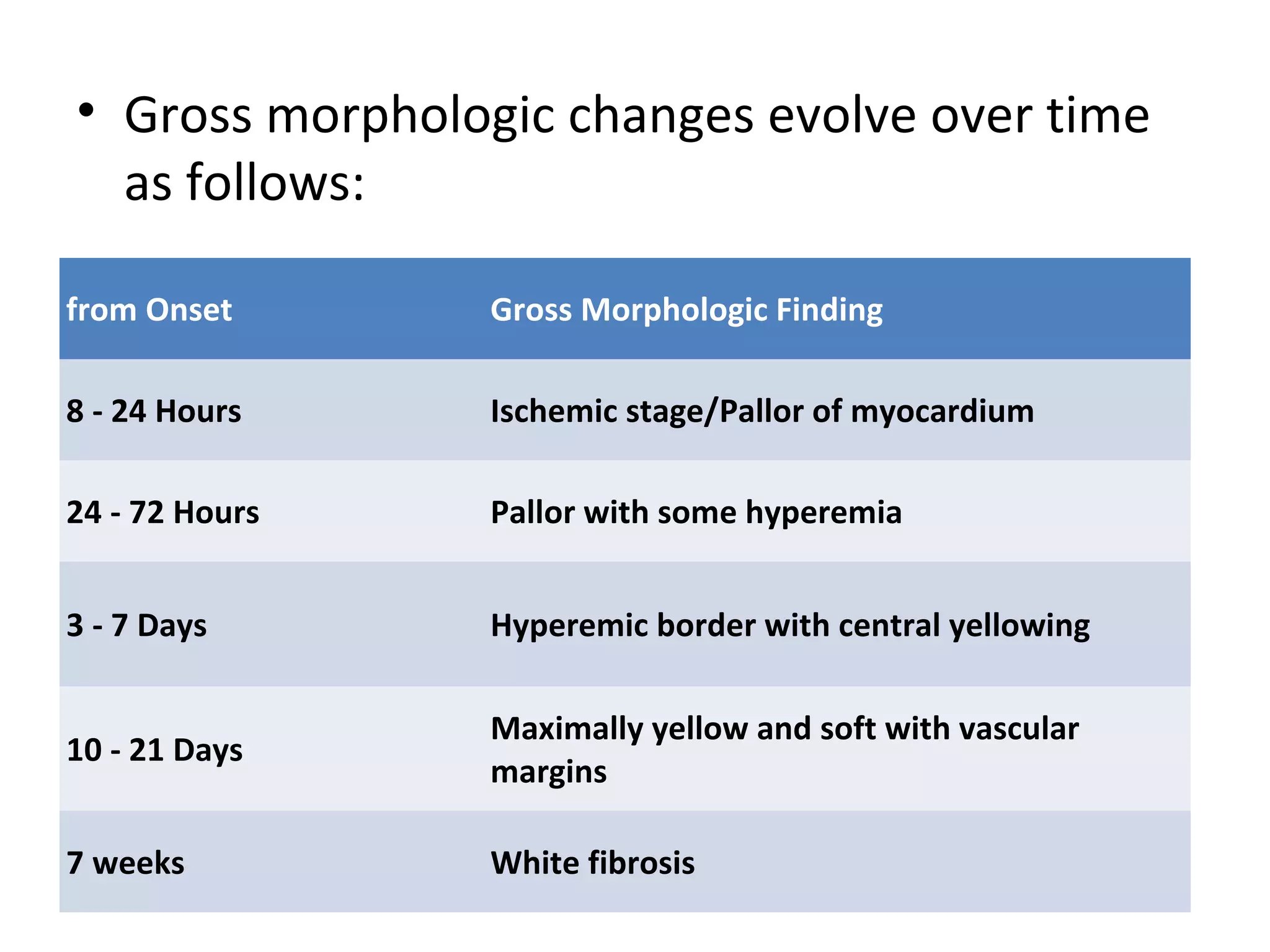
• Gross morphologic changes evolve over time 
as follows: 
from Onset Gross Morphologic Finding 
8 - 24 Hours Ischemic stage/Pallor of myocardium 
24 - 72 Hours Pallor with some hyperemia 
3 - 7 Days Hyperemic border with central yellowing 
10 - 21 Days 
Maximally yellow and soft with vascular 
margins 
7 weeks White fibrosis
Visual Inspection 
Development Of 
Stages 
Visual Inspection 
1) Ischemic Stage 
- This stage takes 24 
hours. 
- No sharp changes in visual inspection. 
- Not clear foci of myocardium, only in left ventricle pale, 
multicoloured zone, flabby consistency. 
2) Necrotic Stage 
- Begin 24 hours after 
pain attack. 
- White (ischemic) infarction with red ring (focus of nonregular 
form whitish-yellowish colour with dark red border line is 
observed). 
3) Organization/ 
Scarring 
- Begin at the 3-d, 4-th 
days after pain attack, 
The end – in 4-6 weeks. 
- Postinfarction cardiosclerosis appear : 
Big focal scar formation
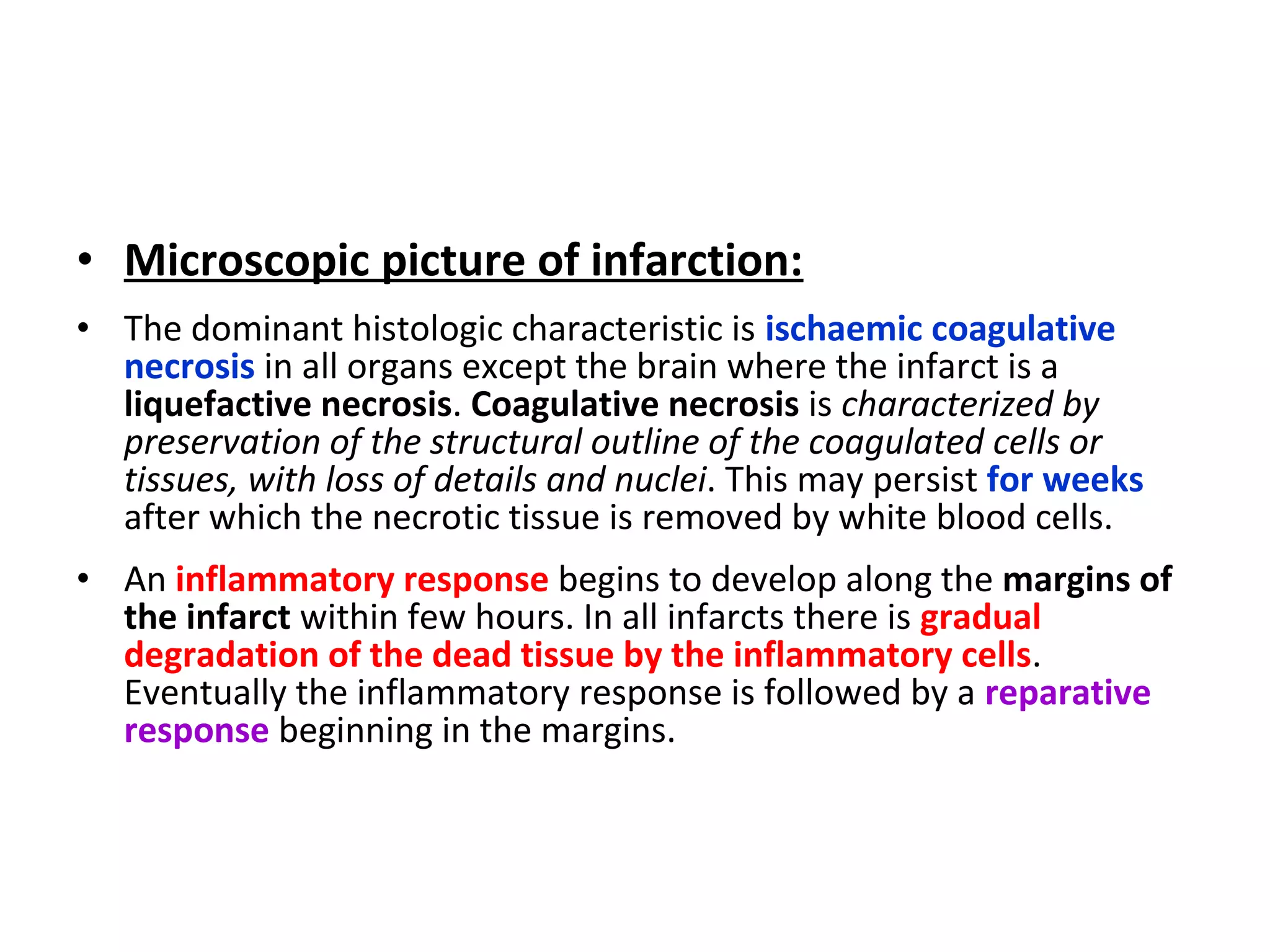
• Microscopic picture of infarction: 
• The dominant histologic characteristic is ischaemic coagulative 
necrosis in all organs except the brain where the infarct is a 
liquefactive necrosis. Coagulative necrosis is characterized by 
preservation of the structural outline of the coagulated cells or 
tissues, with loss of details and nuclei. This may persist for weeks 
after which the necrotic tissue is removed by white blood cells. 
• An inflammatory response begins to develop along the margins of 
the infarct within few hours. In all infarcts there is gradual 
degradation of the dead tissue by the inflammatory cells. 
Eventually the inflammatory response is followed by a reparative 
response beginning in the margins.
Early Acute Myocardial Infarction 
- Prominent pink contraction bands can be seen.
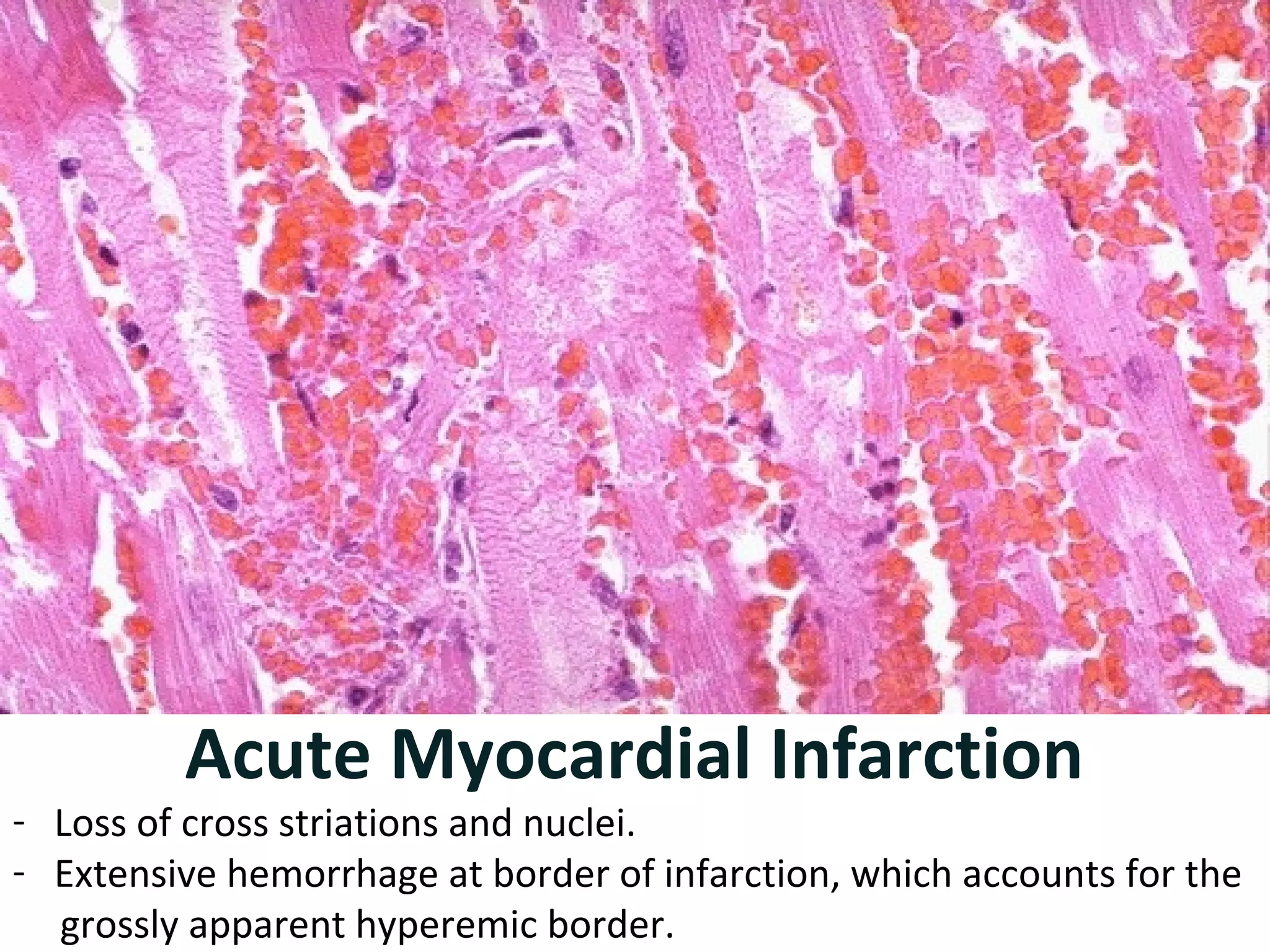
Acute Myocardial Infarction 
- Loss of cross striations and nuclei. 
- Extensive hemorrhage at border of infarction, which accounts for the 
grossly apparent hyperemic border.
Microscopic morphologic changes 
evolve over time as follows: 
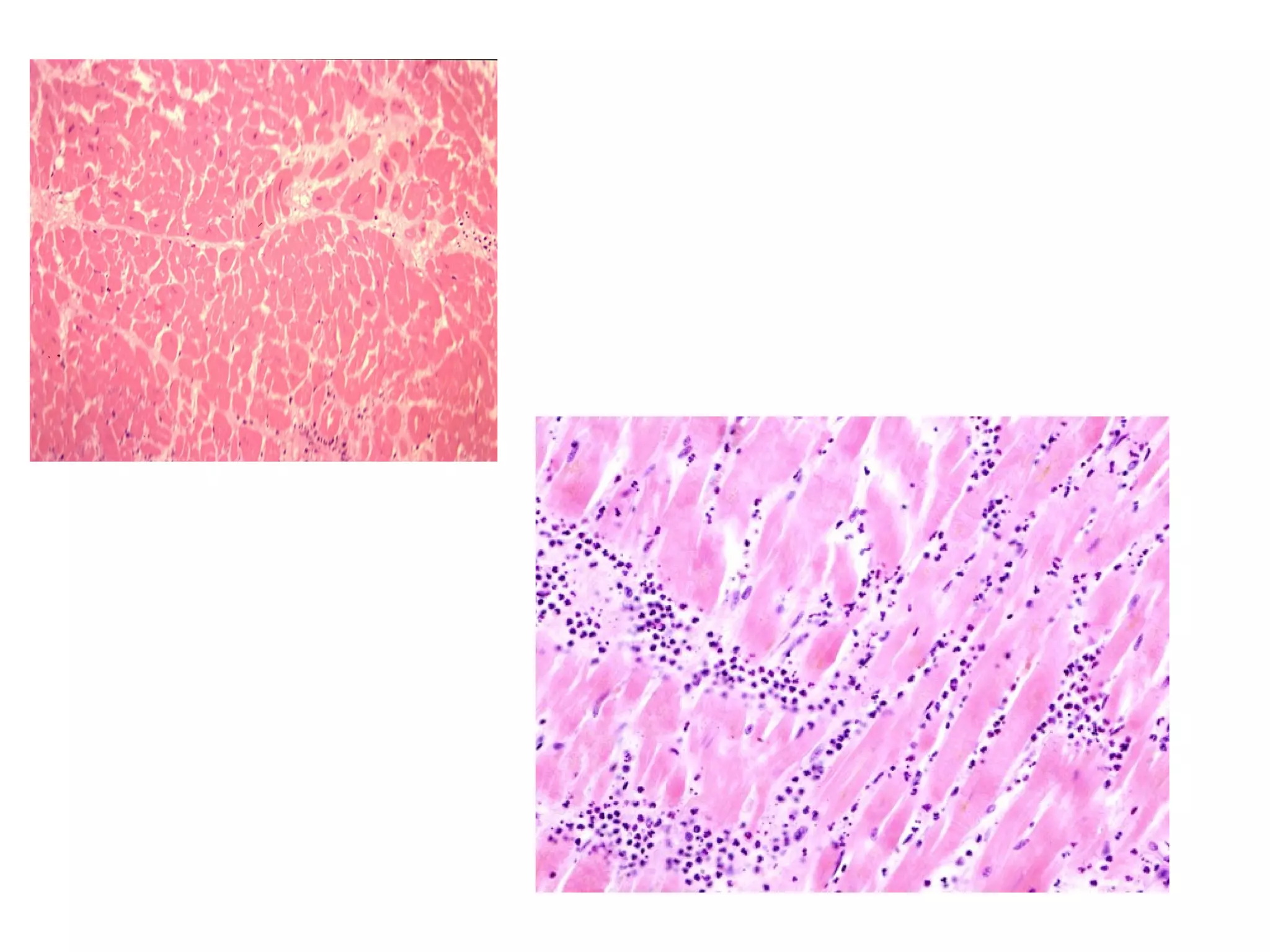
ime from Onset Microscopic Morphologic Finding 
1 - 3 Hours Wavy myocardial fibers 
2 - 3 Hours Staining defect with tetrazolium or basic fuchsin dye 
4 - 12 Hours 
Coagulation necrosis with loss of cross striations, contraction bands, 
edema, hemorrhage, and early neutrophilic infiltrate 
18 - 24 Hours 
Continuing coagulation necrosis, pyknosis of nuclei, and marginal 
contraction bands 
24 - 72 Hours 
Total loss of nuclei and striations along with heavy neutrophilic 
infiltrate 
3 - 7 Days 
Macrophage and mononuclear infiltration begin, fibrovascular 
response begins 
10 - 21 Days Fibrovascular response with prominent granulation tissue 
7 Weeks Fibrosis
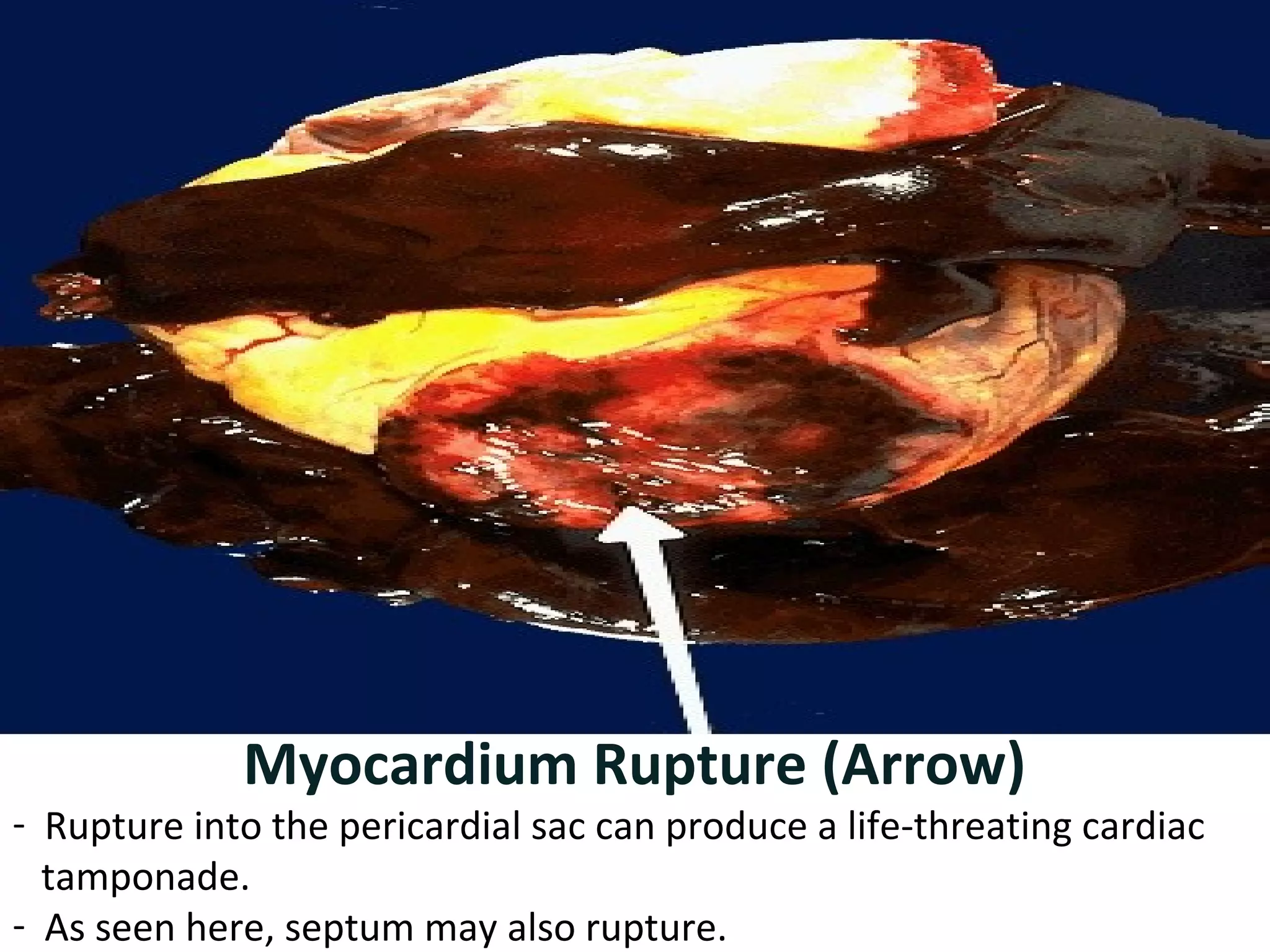
Myocardium Rupture (Arrow) 
- Rupture into the pericardial sac can produce a life-threating cardiac 
tamponade. 
- As seen here, septum may also rupture.
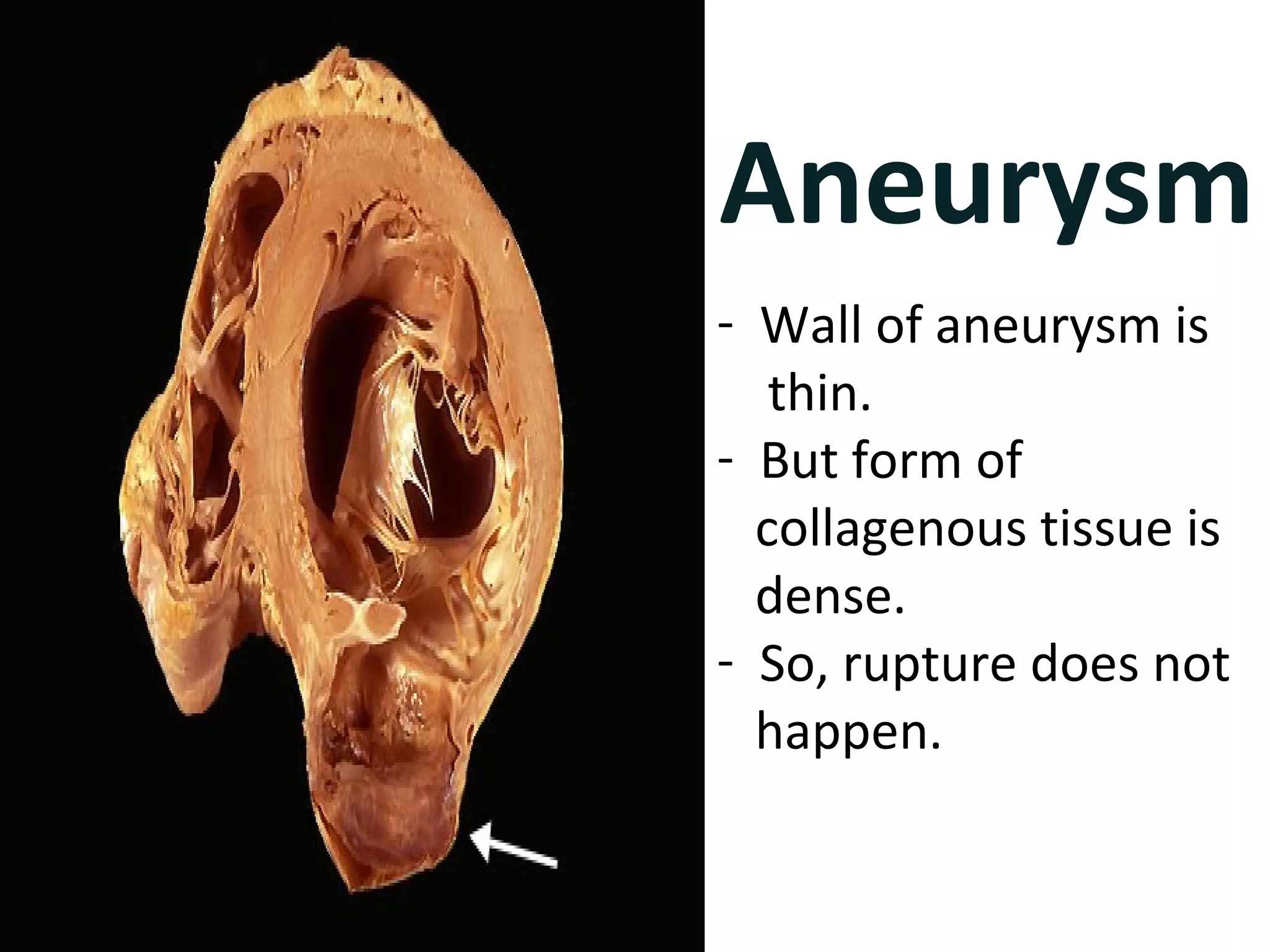
Aneurysm 
- Wall of aneurysm is 
thin. 
- But form of 
collagenous tissue is 
dense. 
- So, rupture does not 
happen.
Aneurysm Formation 
- Complication of myocardial infarction. 
- Can be seen in the bulge of left ventricular wall. 
- Very thin wall of aneurysm toward apex.
Complications 
a) Arrhythmias 
- Most common form of complication of acute myocardial infarction. 
b) Congestive Heart Failure 
- May be in the form of right ventricular, left ventricular failure or both. 
- It is responsible for about 40% of deaths from acute myocardial infarction. 
c) Cardiogenic Shock 
- Characterized by hypotension with systolic blood pressure of 80 mmHg or less 
for 
many days. 
- Shock may be accompanied by peripheral circulatory failure, oliguria and mental 
confusion. 
d) Mural Thrombosis and Thromboembolism 
- From intracardiac thrombi and thrombosis in the leg veins is observed in 
15 – 45% cases of acute myocardial infarction.
e) Myocardial Rupture 
- It occurs in the free walls of the ventricles, the septum between them, the 
papillary muscles, or less commonly the atria. 
- Rupture occurs because of increased pressure against the weakened walls of the 
heart chambers due to heart muscle that cannot pump blood out effectively. 
f) Cardiac Aneurysm 
- Often occur in left ventricle, it impairs the function of the heart and is the site for 
mural thrombi. 
g) Fibrinous Pericarditis 
- This complication develops in the patients with transmural myocardial 
infarction. 
- About 3 – 4% of patients who suffered from acute myocardial infarction develop 
post-myocardial infarction syndrome which is characterized by pneumonitis.
Main Causes Of Death 
1) Angina Pectoris 
- Clinical syndrome of ischemic heart disease, resulting from transient 
myocardial ischemia. 
- Characterized by pain in the pericardial region of the chest, as a result of 
dystrophy in the myocardial cells. 
2) Chronic Ischemic Heart Disease (Myocardial Fibrosis) 
- It may be focal or diffuse. The mechanism of development can be different. 
3) Sudden Cardiac Death 
- Defined as sudden death within 24 hours of the onset of cardiac symptoms. 
- The most causes are ischemic heart disease, myocarditis, hypertrophic 
cardiomyopathy, hereditary and acquired defects of the conduction system. 
- Autopsy in such cases reveals most commonly critical atherosclerosis coronary 
narrowing.
Chronic Ischemic Heart Disease
DEFINITION 
• Chronic disease characterized by lipid-protein 
metabolism disturbance and 
accumulation of cholesterol and its 
ester into blood vessel walls with their 
destruction
• In other words, artheriosclerosis is characterized 
by intimal lesion called atheroma, or 
atheromatous or fibrofatty plagues, which 
protrude into and obstruct vascular lumens and 
weaken the underlying media
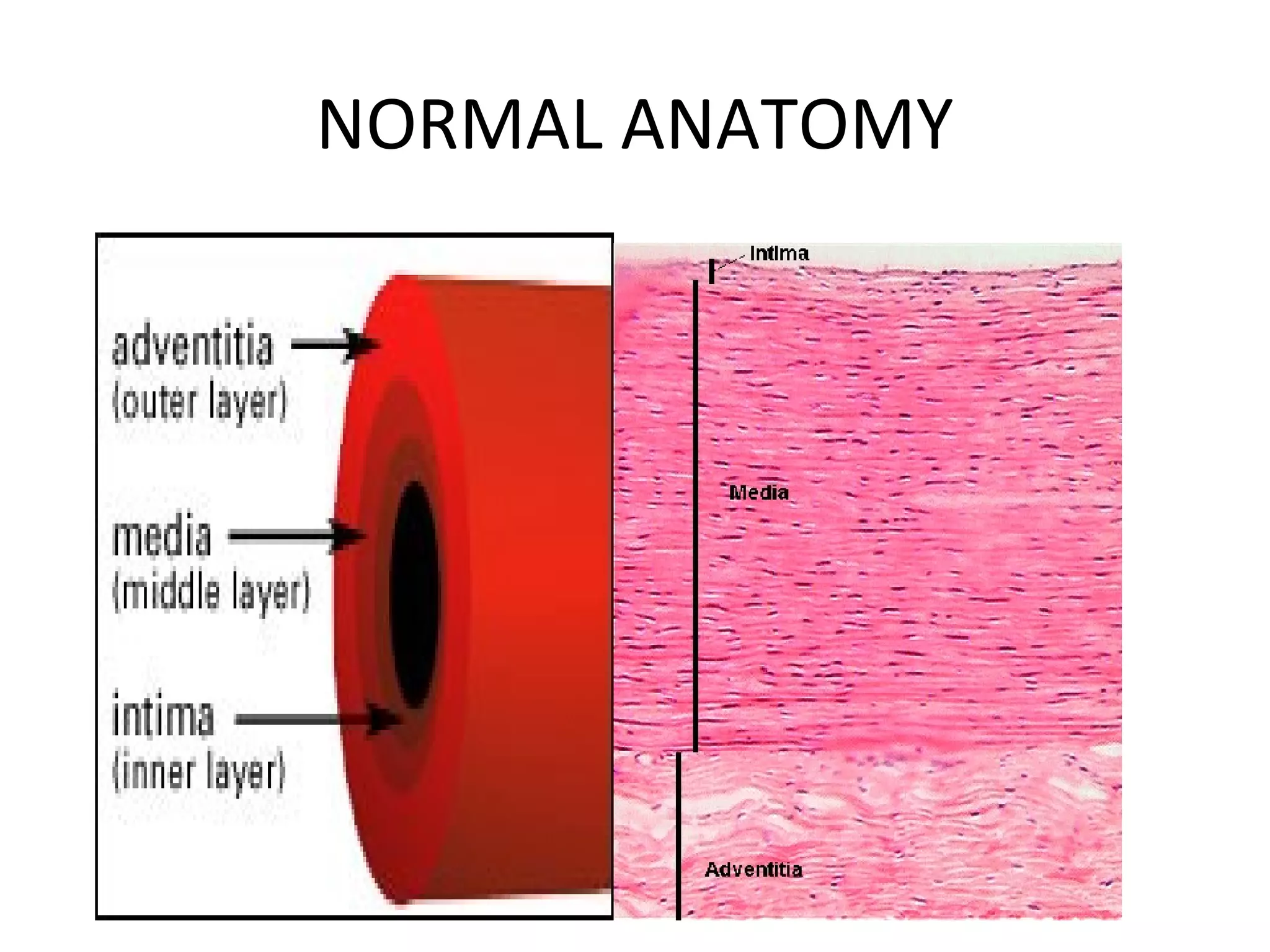
NORMAL ANATOMY
Cause - atherosclerosis
BASIC FACTORS 
1) Age 
• More severe in elderly person 
• The risk increase with the increase of age 
• Dominant influence
2) Sex 
• Male have more severe and more 
rapidly 
• For woman, the risk increase after 
menopause 
• Estrogen =>stimulate HDL => 
resulting in decrease in cholesterol 
level 
• But after menopause => decrease 
estrogen level => increase risk of 
arteriosclerosis
3)Smoking 
• Nicotine stimulate symphathetic nervous 
system=> displace oxygen in Hb=> increase 
level of carboxyHb => increase blood 
adhereness 
4) Diabetic Mellitus 
• Includes hypercholesterolemia and markedly 
increase predisposition of artheriosclerosis 
5)Hereditary predisposition/ genetic
NON-BASIC FACTORS 
1)Hyperlipidermia 
2)Alcoholism 
3)Arterial hypertension 
4)Obesity 
5)High content of cholesterol in food 
6) Stress 
7)Hypodynamia
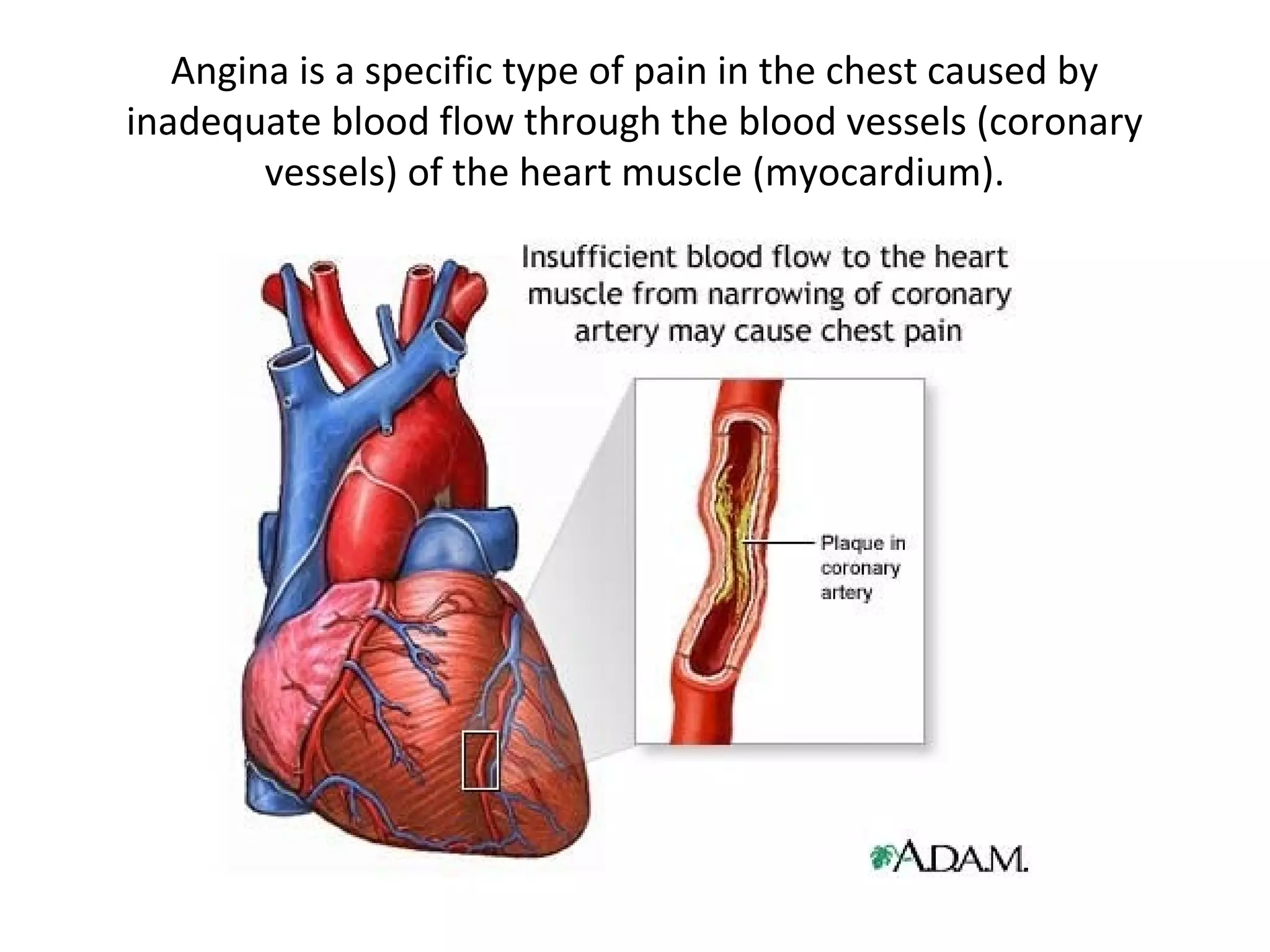
Angina is a specific type of pain in the chest caused by 
inadequate blood flow through the blood vessels (coronary 
vessels) of the heart muscle (myocardium).
Lumen 
becomes 
smaller, blood 
supply 
decreases

Ihd

  • 1.
  • 2.
    BLOOD SUPPLY OFTHE HEART • 2 coronary arteries branch from the main aorta just above the aortic valve. “No larger than drinking straws, they divide and encircle the heart to cover its surface with a lacy network that reminded physicians of a slightly crooked crown (coronary comes from the Latin coronarius, belonging to a crown or wreath). They carry out about 130 gallons of blood through the heart muscle daily.”
  • 3.
    • This isnormal myocardium. There are cross striations and central nuclei. Pale pink intercalated disks are also present.
  • 4.
    Classification of HD • -acute • - chronic
  • 5.
    Epidemiology - Myocardialinfarction is a common presentation of ischemic heart disease. - Ischemic heart disease is the leading cause of death in developed countries, but 3rd to AIDS and lower respiratory infections in developing countries. - In industrialized countries, myocardial infarction accounts for 10 – 25% of incidences , all deaths. - About 5% of heart attacks occur in young people under the age of 40 years old, especially with hypertension, diabetes mellitus, cigarette smoking and etc.
  • 6.
    Acute heart diseases • Causes- • Trombosis • Embolizm • Prolong spasmus • Discoordination between blood flow and cardiac work
  • 8.
    Thrombosis in coronaryartery opened longitudinally.
  • 9.
    Risk factors •Risk factors for atherosclerosis are generally risk factors for myocardial infarction: • Diabetes (with or without insulin resistance) - the single most important risk factor for ischaemic heart disease (IHD) • Tobacco smoking • Hypercholesterolemia (more accurately hyperlipoproteinemia, especially high low density lipoprotein and low high density lipoprotein) • High blood pressure • Family history of ischaemic heart disease (IHD) • Obesity[29] (defined by a body mass index of more than 30 kg/m², or alternatively by waist circumference or waist-hip ratio).
  • 10.
    Risk factors •Age: Men acquire an independent risk factor at age 45, Women acquire an independent risk factor at age 55; in addition individuals acquire another independent risk factor if they have a first-degree male relative (brother, father) who suffered a coronary vascular event at or before age 55. Another independent risk factor is acquired if one has a first-degree female relative (mother, sister) who suffered a coronary vascular event at age 65 or younger. • Hyperhomocysteinemia (high homocysteine, a toxic blood amino acid that is elevated when intakes of vitamins B2, B6, B12 and folic acid are insufficient) • Stress (occupations with high stress index are known to have susceptibility for atherosclerosis) • Alcohol Studies show that prolonged exposure to high quantities of alcohol can increase the risk of heart attack • Males are more at risk than females.[20] • Many of these risk factors are modifiable, so many heart attacks can be prevented by maintaining a healthier lifestyle. Physical activity, for example, is associated with a lower risk p
  • 11.
    Classifications 1) AccordingTo The Anatomic Region Of The Left Ventricle Involved : - They are called anterior, posterior, lateral, septal and circumferential. 2)According To the Degree Of Thickness Of The Ventricle Wall Involved : a) Full-thickness or transmural, when they involve the entire thickness of the ventricular wall. b) Subendocardial or lamina, when they occupy the inner subendocardial half of the myocardium. 3) According To The Age Of Infarcts : a) Newly-formed infarcts are called acute, recent or fresh. b) Advanced infarcts are called old, healed or organized.
  • 12.
    Localizations - Infarctionare most frequently located in the left ventricles : . Apex . Anterior or Posterior wall . Interventricular Septa - The region of infarction depends upon the area of obstructed blood supply by one or more of the 3 coronary arterial trunks : 1) Stenosis Of The Left Anterior Descending Coronary Artery - The most common (40 – 50%). 2) Stenosis Of The Right Coronary Artery - The next most frequent (30 – 40%). 3) Stenosis Of The Left Circumflex Coronary Artery - The least frequently (15 – 20%).
  • 13.
    • Gross morphologicchanges evolve over time as follows: from Onset Gross Morphologic Finding 8 - 24 Hours Ischemic stage/Pallor of myocardium 24 - 72 Hours Pallor with some hyperemia 3 - 7 Days Hyperemic border with central yellowing 10 - 21 Days Maximally yellow and soft with vascular margins 7 weeks White fibrosis
  • 14.
    Visual Inspection DevelopmentOf Stages Visual Inspection 1) Ischemic Stage - This stage takes 24 hours. - No sharp changes in visual inspection. - Not clear foci of myocardium, only in left ventricle pale, multicoloured zone, flabby consistency. 2) Necrotic Stage - Begin 24 hours after pain attack. - White (ischemic) infarction with red ring (focus of nonregular form whitish-yellowish colour with dark red border line is observed). 3) Organization/ Scarring - Begin at the 3-d, 4-th days after pain attack, The end – in 4-6 weeks. - Postinfarction cardiosclerosis appear : Big focal scar formation
  • 16.
    • Microscopic pictureof infarction: • The dominant histologic characteristic is ischaemic coagulative necrosis in all organs except the brain where the infarct is a liquefactive necrosis. Coagulative necrosis is characterized by preservation of the structural outline of the coagulated cells or tissues, with loss of details and nuclei. This may persist for weeks after which the necrotic tissue is removed by white blood cells. • An inflammatory response begins to develop along the margins of the infarct within few hours. In all infarcts there is gradual degradation of the dead tissue by the inflammatory cells. Eventually the inflammatory response is followed by a reparative response beginning in the margins.
  • 18.
    Early Acute MyocardialInfarction - Prominent pink contraction bands can be seen.
  • 19.
    Acute Myocardial Infarction - Loss of cross striations and nuclei. - Extensive hemorrhage at border of infarction, which accounts for the grossly apparent hyperemic border.
  • 21.
    Microscopic morphologic changes evolve over time as follows: ime from Onset Microscopic Morphologic Finding 1 - 3 Hours Wavy myocardial fibers 2 - 3 Hours Staining defect with tetrazolium or basic fuchsin dye 4 - 12 Hours Coagulation necrosis with loss of cross striations, contraction bands, edema, hemorrhage, and early neutrophilic infiltrate 18 - 24 Hours Continuing coagulation necrosis, pyknosis of nuclei, and marginal contraction bands 24 - 72 Hours Total loss of nuclei and striations along with heavy neutrophilic infiltrate 3 - 7 Days Macrophage and mononuclear infiltration begin, fibrovascular response begins 10 - 21 Days Fibrovascular response with prominent granulation tissue 7 Weeks Fibrosis
  • 22.
    Myocardium Rupture (Arrow) - Rupture into the pericardial sac can produce a life-threating cardiac tamponade. - As seen here, septum may also rupture.
  • 23.
    Aneurysm - Wallof aneurysm is thin. - But form of collagenous tissue is dense. - So, rupture does not happen.
  • 24.
    Aneurysm Formation -Complication of myocardial infarction. - Can be seen in the bulge of left ventricular wall. - Very thin wall of aneurysm toward apex.
  • 25.
    Complications a) Arrhythmias - Most common form of complication of acute myocardial infarction. b) Congestive Heart Failure - May be in the form of right ventricular, left ventricular failure or both. - It is responsible for about 40% of deaths from acute myocardial infarction. c) Cardiogenic Shock - Characterized by hypotension with systolic blood pressure of 80 mmHg or less for many days. - Shock may be accompanied by peripheral circulatory failure, oliguria and mental confusion. d) Mural Thrombosis and Thromboembolism - From intracardiac thrombi and thrombosis in the leg veins is observed in 15 – 45% cases of acute myocardial infarction.
  • 26.
    e) Myocardial Rupture - It occurs in the free walls of the ventricles, the septum between them, the papillary muscles, or less commonly the atria. - Rupture occurs because of increased pressure against the weakened walls of the heart chambers due to heart muscle that cannot pump blood out effectively. f) Cardiac Aneurysm - Often occur in left ventricle, it impairs the function of the heart and is the site for mural thrombi. g) Fibrinous Pericarditis - This complication develops in the patients with transmural myocardial infarction. - About 3 – 4% of patients who suffered from acute myocardial infarction develop post-myocardial infarction syndrome which is characterized by pneumonitis.
  • 27.
    Main Causes OfDeath 1) Angina Pectoris - Clinical syndrome of ischemic heart disease, resulting from transient myocardial ischemia. - Characterized by pain in the pericardial region of the chest, as a result of dystrophy in the myocardial cells. 2) Chronic Ischemic Heart Disease (Myocardial Fibrosis) - It may be focal or diffuse. The mechanism of development can be different. 3) Sudden Cardiac Death - Defined as sudden death within 24 hours of the onset of cardiac symptoms. - The most causes are ischemic heart disease, myocarditis, hypertrophic cardiomyopathy, hereditary and acquired defects of the conduction system. - Autopsy in such cases reveals most commonly critical atherosclerosis coronary narrowing.
  • 28.
  • 29.
    DEFINITION • Chronicdisease characterized by lipid-protein metabolism disturbance and accumulation of cholesterol and its ester into blood vessel walls with their destruction
  • 30.
    • In otherwords, artheriosclerosis is characterized by intimal lesion called atheroma, or atheromatous or fibrofatty plagues, which protrude into and obstruct vascular lumens and weaken the underlying media
  • 31.
  • 32.
  • 33.
    BASIC FACTORS 1)Age • More severe in elderly person • The risk increase with the increase of age • Dominant influence
  • 34.
    2) Sex •Male have more severe and more rapidly • For woman, the risk increase after menopause • Estrogen =>stimulate HDL => resulting in decrease in cholesterol level • But after menopause => decrease estrogen level => increase risk of arteriosclerosis
  • 35.
    3)Smoking • Nicotinestimulate symphathetic nervous system=> displace oxygen in Hb=> increase level of carboxyHb => increase blood adhereness 4) Diabetic Mellitus • Includes hypercholesterolemia and markedly increase predisposition of artheriosclerosis 5)Hereditary predisposition/ genetic
  • 36.
    NON-BASIC FACTORS 1)Hyperlipidermia 2)Alcoholism 3)Arterial hypertension 4)Obesity 5)High content of cholesterol in food 6) Stress 7)Hypodynamia
  • 38.
    Angina is aspecific type of pain in the chest caused by inadequate blood flow through the blood vessels (coronary vessels) of the heart muscle (myocardium).
  • 39.
    Lumen becomes smaller,blood supply decreases