

Hepatic EncephalopathyHepatic Encephalopathy
Dr.Santosh M Narayankar
Department Of Gastroenterology
Yashoda Hospital
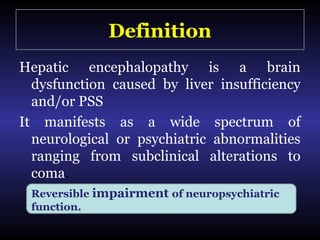
Definition
Hepatic encephalopathy is a brain
dysfunction caused by liver insufficiency
and/or PSS
It manifests as a wide spectrum of
neurological or psychiatric abnormalities
ranging from subclinical alterations to
coma.
Reversible impairment of neuropsychiatric
function.
Prevalence
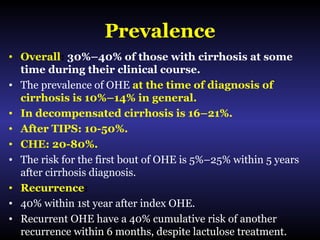
• Overall: 30%–40% of those with cirrhosis at some
time during their clinical course.
• The prevalence of OHE at the time of diagnosis of
cirrhosis is 10%–14% in general.
• In decompensated cirrhosis is 16–21%.
• After TIPS: 10-50%.
• CHE: 20-80%.
• The risk for the first bout of OHE is 5%–25% within 5 years
after cirrhosis diagnosis.
• Recurrence:
• 40% within 1st year after index OHE.
• Recurrent OHE have a 40% cumulative risk of another
recurrence within 6 months, despite lactulose treatment.
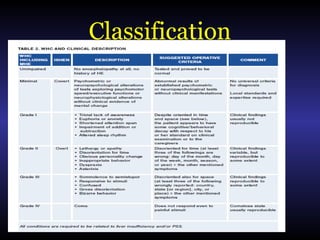
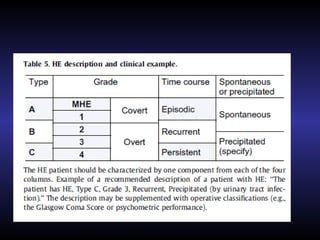
Classification
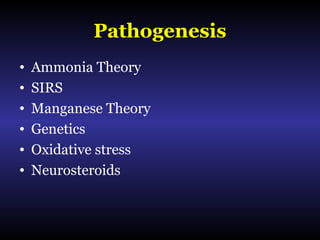
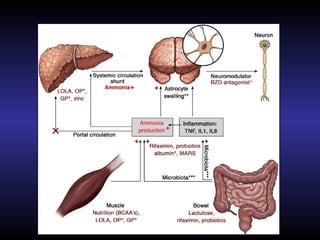
Pathogenesis
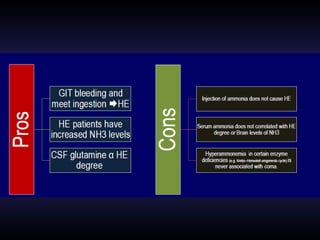
• Ammonia Theory
• SIRS
• Manganese Theory
• Genetics
• Oxidative stress
• Neurosteroids
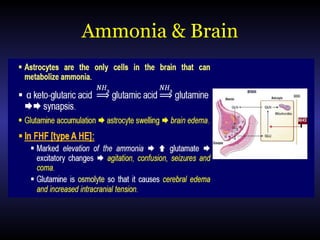
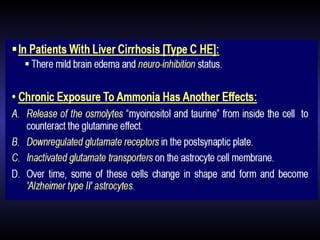
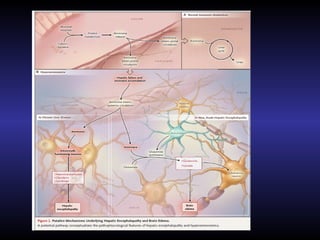
Ammonia & Brain
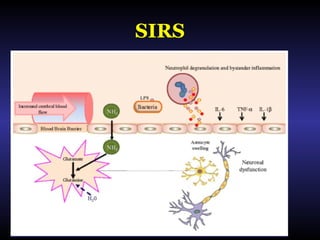
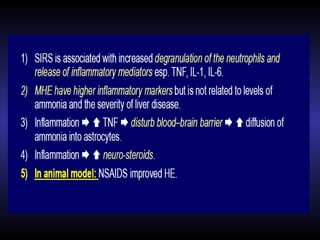
SIRS
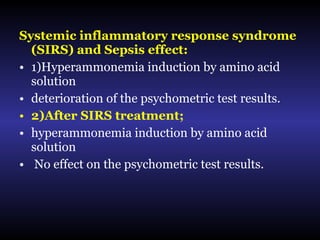
Systemic inflammatory response syndrome
(SIRS) and Sepsis effect:
• 1)Hyperammonemia induction by amino acid
solution
• deterioration of the psychometric test results.
• 2)After SIRS treatment;
• hyperammonemia induction by amino acid
solution
• No effect on the psychometric test results.
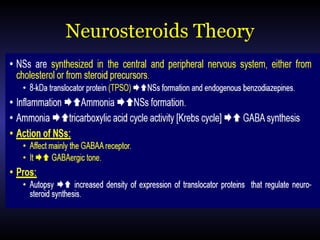
Neurosteroids Theory
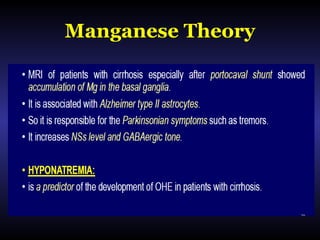
Manganese Theory
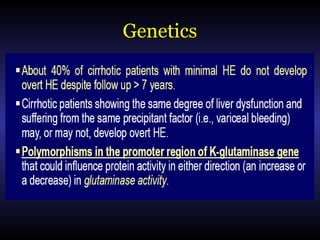
Genetics
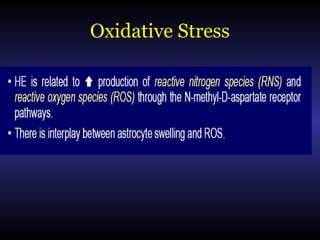
Oxidative Stress
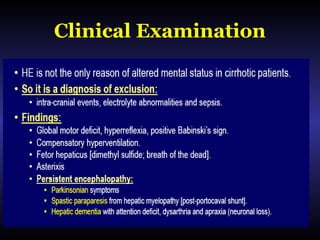
Clinical Examination
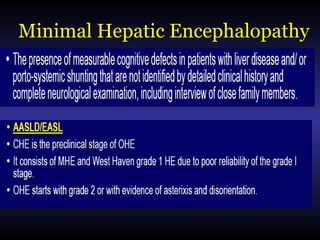
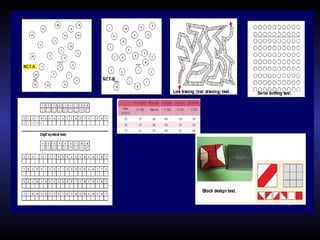
Minimal Hepatic Encephalopathy
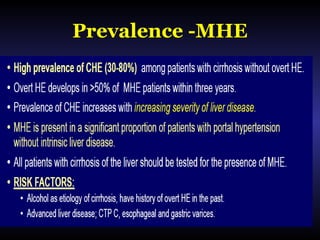
Prevalence -MHE
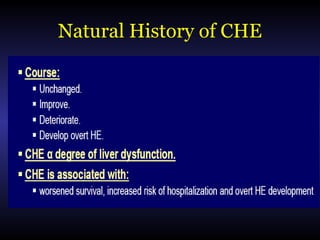
Natural History of CHE
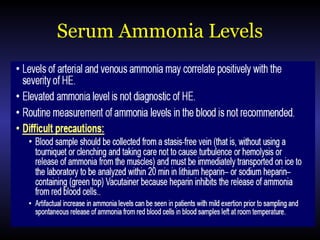
Serum Ammonia Levels
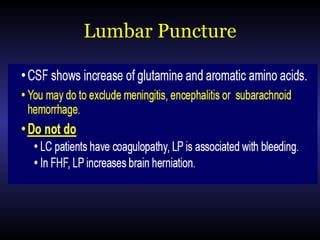
Lumbar Puncture
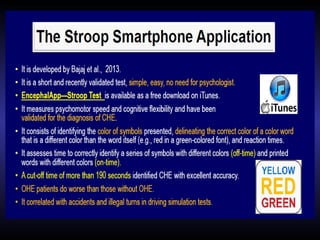
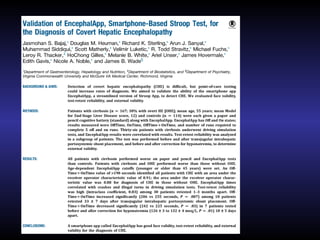
Apple store Apps
• Stoop Test
• Inhibitory Control Test
• Trail Marking Test
• Line Drawing Test
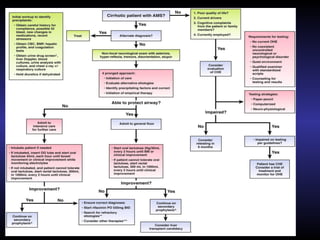
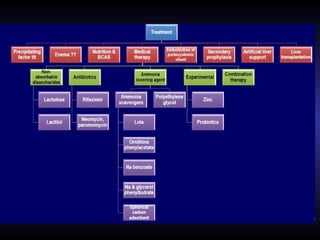
Management
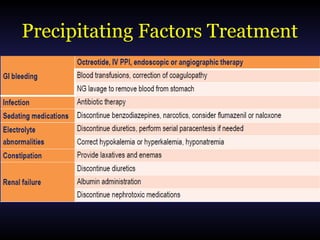
Precipitating Factors Treatment
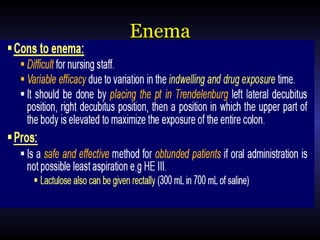
Enema
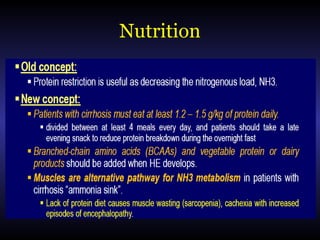
Nutrition
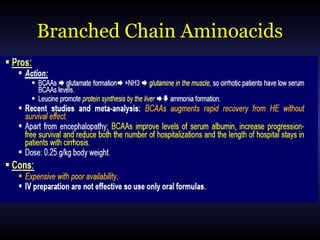
Branched Chain Aminoacids
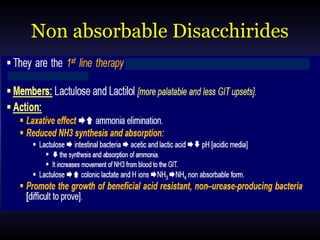
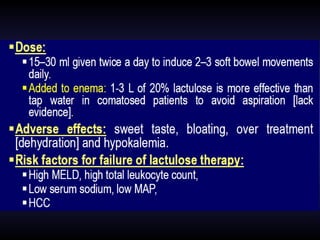
Non absorbable Disacchirides
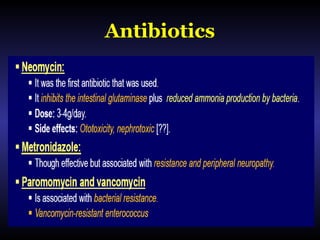
Antibiotics
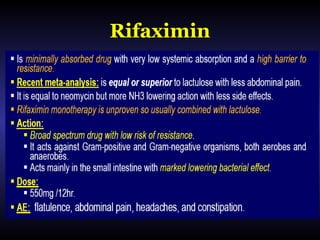
Rifaximin
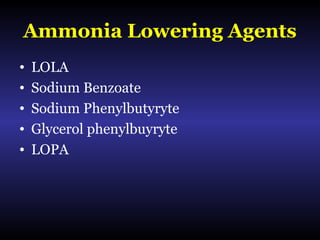
Ammonia Lowering Agents
• LOLA
• Sodium Benzoate
• Sodium Phenylbutyryte
• Glycerol phenylbuyryte
• LOPA
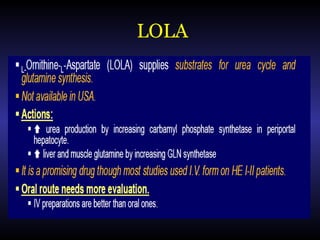
LOLA
LOPA
• Is similar to LOLA
• OP (OCR-002) combines ornithine and
PAA.
• It supplies urea cycle with ornithine.
• Phenylacetate + glutamine
phenylacetylglutamine [easily excreted]
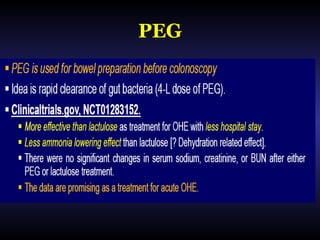
PEG
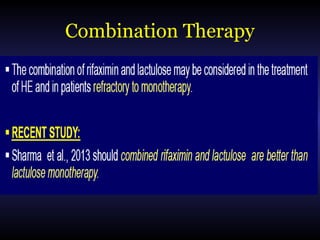
Combination Therapy
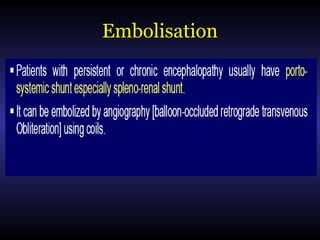
Embolisation
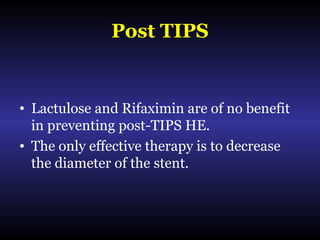
Post TIPS
• Lactulose and Rifaximin are of no benefit
in preventing post-TIPS HE.
• The only effective therapy is to decrease
the diameter of the stent.
Prophylaxis
• There is no primary prophylaxis ???.
• No drug was shown to prevent 1st HE
episode after TIPS [Riggio et al., 2005].
• ??? Prevention of CHE to OHE.
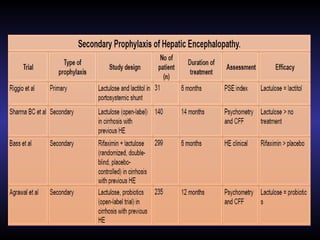
Secondary Prophylaxis
It is the prevention of second HE episode after index
episode.
• Lactulose can be used.
• 46% recurrence of OHE due to lactulose misuse.
• Combined lactulose and rifaximin have a
decreasing risk of both breakthrough HE episodes
as well as hospitalizations when compared with
lactulose alone.
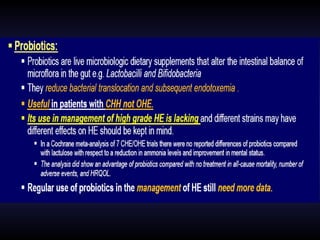
• Probiotics [VSL#3] in a recent study is equal to
lactulose [Agrawal et al., 2012].
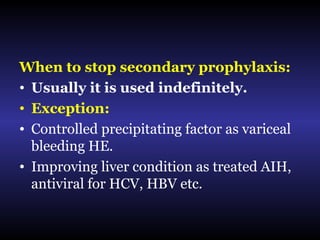
When to stop secondary prophylaxis:
• Usually it is used indefinitely.
• Exception:
• Controlled precipitating factor as variceal
bleeding HE.
• Improving liver condition as treated AIH,
antiviral for HCV, HBV etc.
Artificial Liver Support
Not studied well
• In a small trial of 56 patients:
• MARS with albumin infusion did not show
faster recovery from HE.
• Only a mortality benefit in albumin
treated group.
• May be used for refractory cases
without survival benefit.
Liver Transplantation
Liver transplantation resolves both hepatic dysfunction
and portal hypertension
• It usually results in complete resolution of HE.
• Indication: recurrent or treatment resistant cases.
• MELD obstacle:
• HE does not necessarily correlate with MELD score.
• Patients with HE may be disadvantaged in the era of
MELD-based organ allocation despite a serious
impact of HE on productivity, health, and survival.
Flumazenil
• This drug is not frequently used.
• It transiently improves mental status in OHE without
improvement on recovery or survival.
• The effect may be of importance in marginal
situations to avoid assisted ventilation.
• Likewise, the effect may be helpful in difficult
differential diagnostic situations by confirming
reversibility (e.g., when standard therapy
unexpectedly fails or when benzodiazepine toxicity is
suspected).
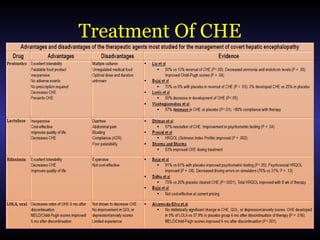
Treatment Of CHE
Thank youThank you

Hepatic Encephalopathy -Pathophysiology,Evaluation And Management

  • 1.
    Hepatic EncephalopathyHepatic Encephalopathy Dr.SantoshM Narayankar Department Of Gastroenterology Yashoda Hospital
  • 2.
    Definition Hepatic encephalopathy isa brain dysfunction caused by liver insufficiency and/or PSS It manifests as a wide spectrum of neurological or psychiatric abnormalities ranging from subclinical alterations to coma. Reversible impairment of neuropsychiatric function.
  • 3.
    Prevalence • Overall: 30%–40%of those with cirrhosis at some time during their clinical course. • The prevalence of OHE at the time of diagnosis of cirrhosis is 10%–14% in general. • In decompensated cirrhosis is 16–21%. • After TIPS: 10-50%. • CHE: 20-80%. • The risk for the first bout of OHE is 5%–25% within 5 years after cirrhosis diagnosis. • Recurrence: • 40% within 1st year after index OHE. • Recurrent OHE have a 40% cumulative risk of another recurrence within 6 months, despite lactulose treatment.
  • 5.
  • 8.
    Pathogenesis • Ammonia Theory •SIRS • Manganese Theory • Genetics • Oxidative stress • Neurosteroids
  • 9.
  • 13.
  • 14.
    Systemic inflammatory responsesyndrome (SIRS) and Sepsis effect: • 1)Hyperammonemia induction by amino acid solution • deterioration of the psychometric test results. • 2)After SIRS treatment; • hyperammonemia induction by amino acid solution • No effect on the psychometric test results.
  • 16.
  • 17.
  • 18.
  • 19.
  • 20.
  • 22.
  • 23.
  • 24.
  • 37.
  • 38.
  • 40.
    Apple store Apps •Stoop Test • Inhibitory Control Test • Trail Marking Test • Line Drawing Test
  • 42.
  • 51.
  • 52.
  • 53.
  • 54.
  • 55.
  • 57.
  • 58.
  • 59.
    Ammonia Lowering Agents •LOLA • Sodium Benzoate • Sodium Phenylbutyryte • Glycerol phenylbuyryte • LOPA
  • 60.
  • 61.
    LOPA • Is similarto LOLA • OP (OCR-002) combines ornithine and PAA. • It supplies urea cycle with ornithine. • Phenylacetate + glutamine phenylacetylglutamine [easily excreted]
  • 62.
  • 65.
  • 66.
  • 67.
    Post TIPS • Lactuloseand Rifaximin are of no benefit in preventing post-TIPS HE. • The only effective therapy is to decrease the diameter of the stent.
  • 68.
    Prophylaxis • There isno primary prophylaxis ???. • No drug was shown to prevent 1st HE episode after TIPS [Riggio et al., 2005]. • ??? Prevention of CHE to OHE.
  • 69.
    Secondary Prophylaxis It isthe prevention of second HE episode after index episode. • Lactulose can be used. • 46% recurrence of OHE due to lactulose misuse. • Combined lactulose and rifaximin have a decreasing risk of both breakthrough HE episodes as well as hospitalizations when compared with lactulose alone. • Probiotics [VSL#3] in a recent study is equal to lactulose [Agrawal et al., 2012].
  • 70.
    When to stopsecondary prophylaxis: • Usually it is used indefinitely. • Exception: • Controlled precipitating factor as variceal bleeding HE. • Improving liver condition as treated AIH, antiviral for HCV, HBV etc.
  • 72.
    Artificial Liver Support Notstudied well • In a small trial of 56 patients: • MARS with albumin infusion did not show faster recovery from HE. • Only a mortality benefit in albumin treated group. • May be used for refractory cases without survival benefit.
  • 73.
    Liver Transplantation Liver transplantationresolves both hepatic dysfunction and portal hypertension • It usually results in complete resolution of HE. • Indication: recurrent or treatment resistant cases. • MELD obstacle: • HE does not necessarily correlate with MELD score. • Patients with HE may be disadvantaged in the era of MELD-based organ allocation despite a serious impact of HE on productivity, health, and survival.
  • 74.
    Flumazenil • This drugis not frequently used. • It transiently improves mental status in OHE without improvement on recovery or survival. • The effect may be of importance in marginal situations to avoid assisted ventilation. • Likewise, the effect may be helpful in difficult differential diagnostic situations by confirming reversibility (e.g., when standard therapy unexpectedly fails or when benzodiazepine toxicity is suspected).
  • 75.
  • 77.