HEART FAILURE
Definition:
• A state in which the heart cannot
provide sufficient cardiac output to
satisfy the metabolic needs of the body
• It is commonly termed congestive heart
failure (CHF) since symptoms of
increase venous pressure are often
prominent
Etiology
• It is a common end point for many
diseases of cardiovascular system
• It can be caused by :
-Inappropriate work load (volume or pressure
overload)
-Restricted filling
-Myocyte loss
Causes of left ventricular
failure
• Volume over load: Regurgitate valve
High output status
• Pressure overload: Systemic hypertension
Outflow obstruction
• Loss of muscles: Post MI, Chronic ischemia
Connective tissue diseases
Infection, Poisons
(alcohol,cobalt,Doxorubicin)
• Restricted Filling: Pericardial diseases, Restrictive
cardiomyopathy, tachyarrhythmia
Main causes
• Coronary artery disease
• Hypertension
• Valvular heart disease
• Cardiomyopathy
• Cor pulmonale
Heart Failure
• Final common pathway for many cardiovascular
diseases whose natural history results in
symptomatic or asymptomatic left ventricular
dysfunction
• Cardinal manifestations of heart failure include
dyspnea, fatigue and fluid retention
• Risk of death is 5-10% annually in patients with mil
symptoms and increases to as high as 30-40%
annually in patients with advanced disease
Pathophysiology
• Hemodynamic changes
• Neurohormonal changes
• Cellular changes
Hemodynamic changes
• From hemodynamic stand point HF can
be secondary to systolic dysfunction or
diastolic dysfunction
Neurohormonal changes
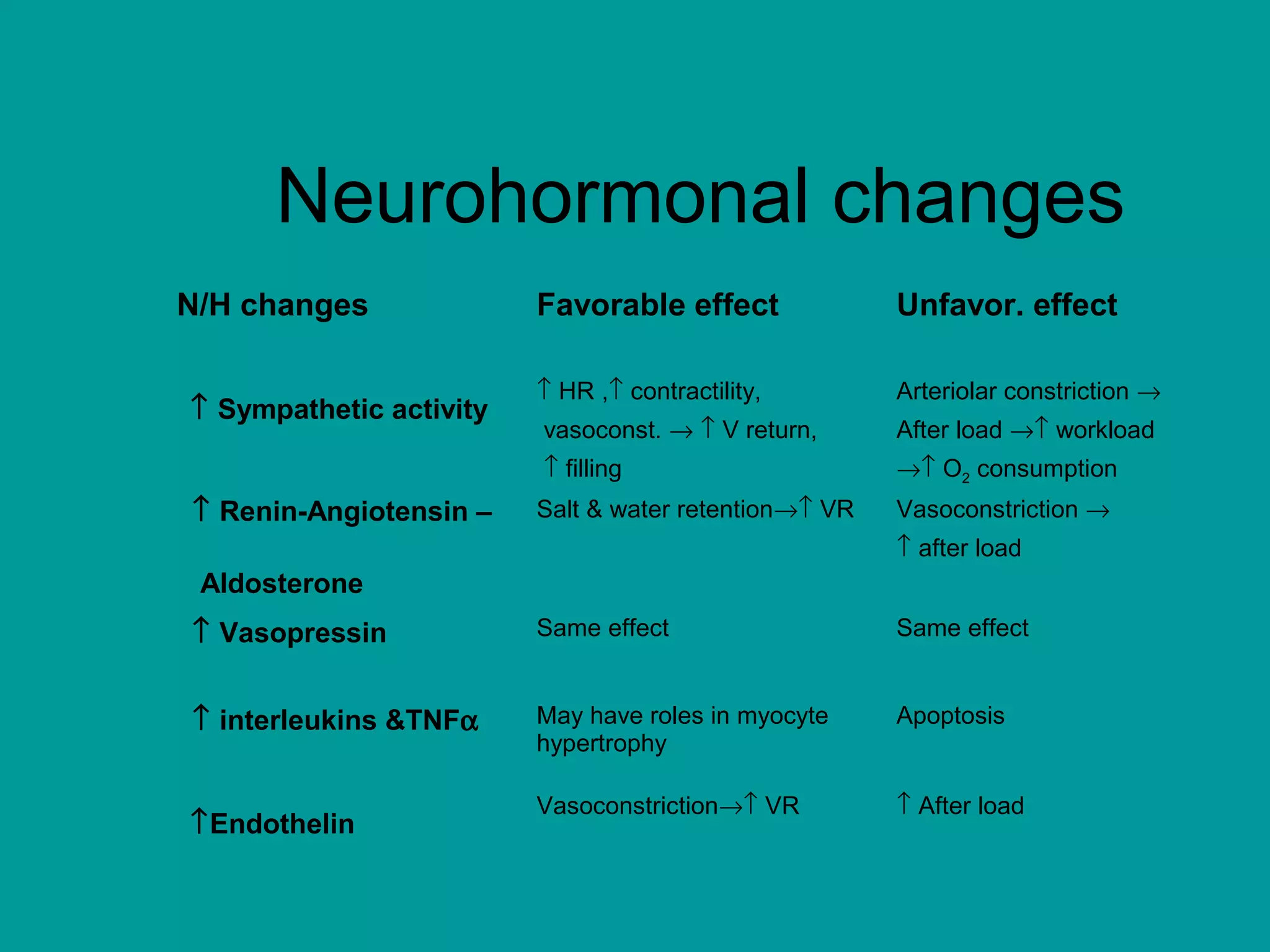
N/H changes Favorable effect Unfavor. effect
↑ Sympathetic activity
↑ HR ,↑ contractility,
vasoconst. → ↑ V return,
↑ filling
Arteriolar constriction →
After load →↑ workload
→↑ O2 consumption
↑ Renin-Angiotensin –
Aldosterone
Salt & water retention→↑ VR Vasoconstriction →
↑ after load
↑ Vasopressin Same effect Same effect
↑ interleukins &TNFα May have roles in myocyte
hypertrophy
Apoptosis
↑Endothelin
Vasoconstriction→↑ VR ↑ After load
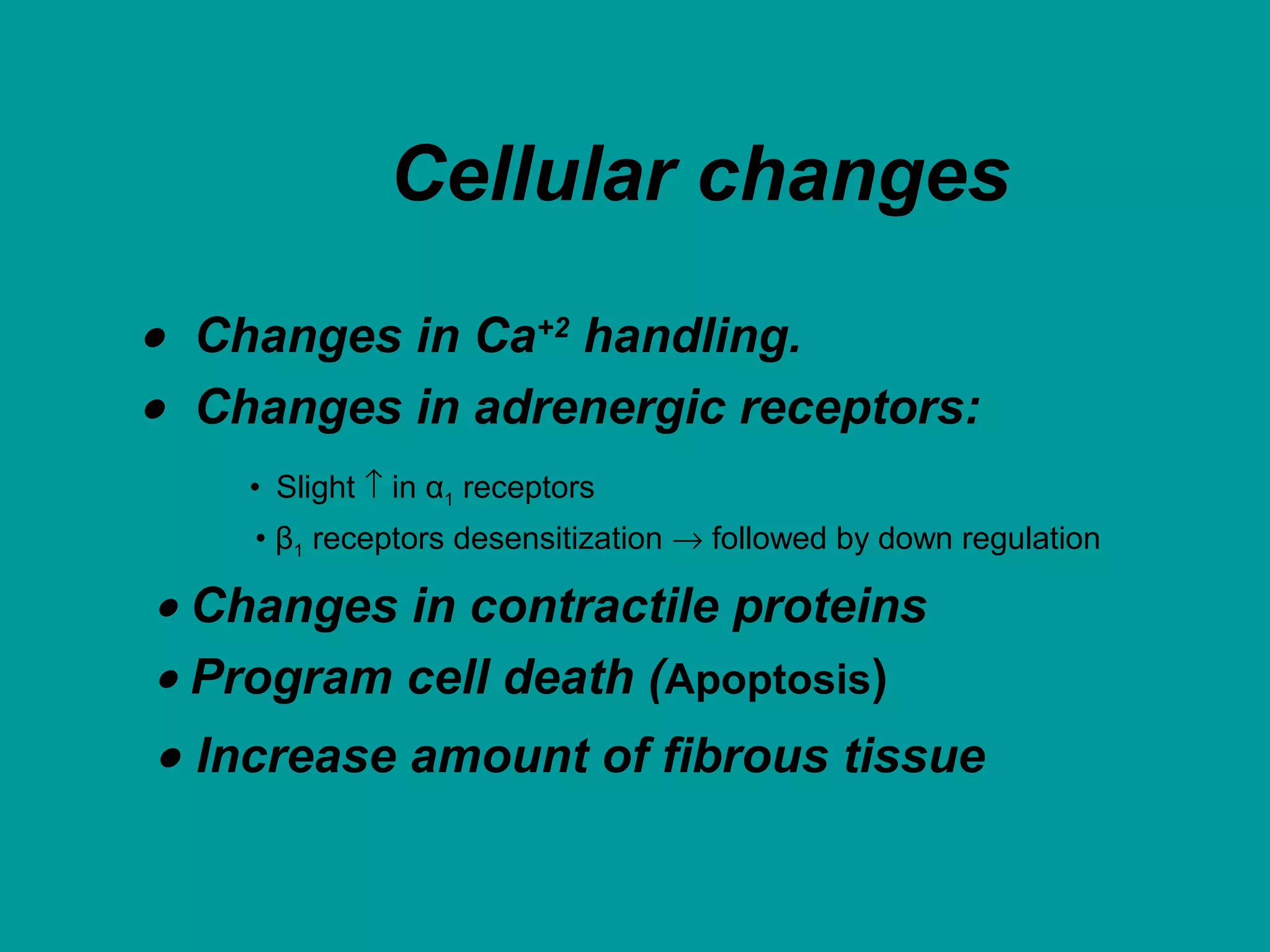
Cellular changes
• Changes in Ca+2
handling.
• Changes in adrenergic receptors:
• Slight ↑ in α1 receptors
• β1 receptors desensitization → followed by down regulation
• Changes in contractile proteins
• Program cell death (Apoptosis)
• Increase amount of fibrous tissue
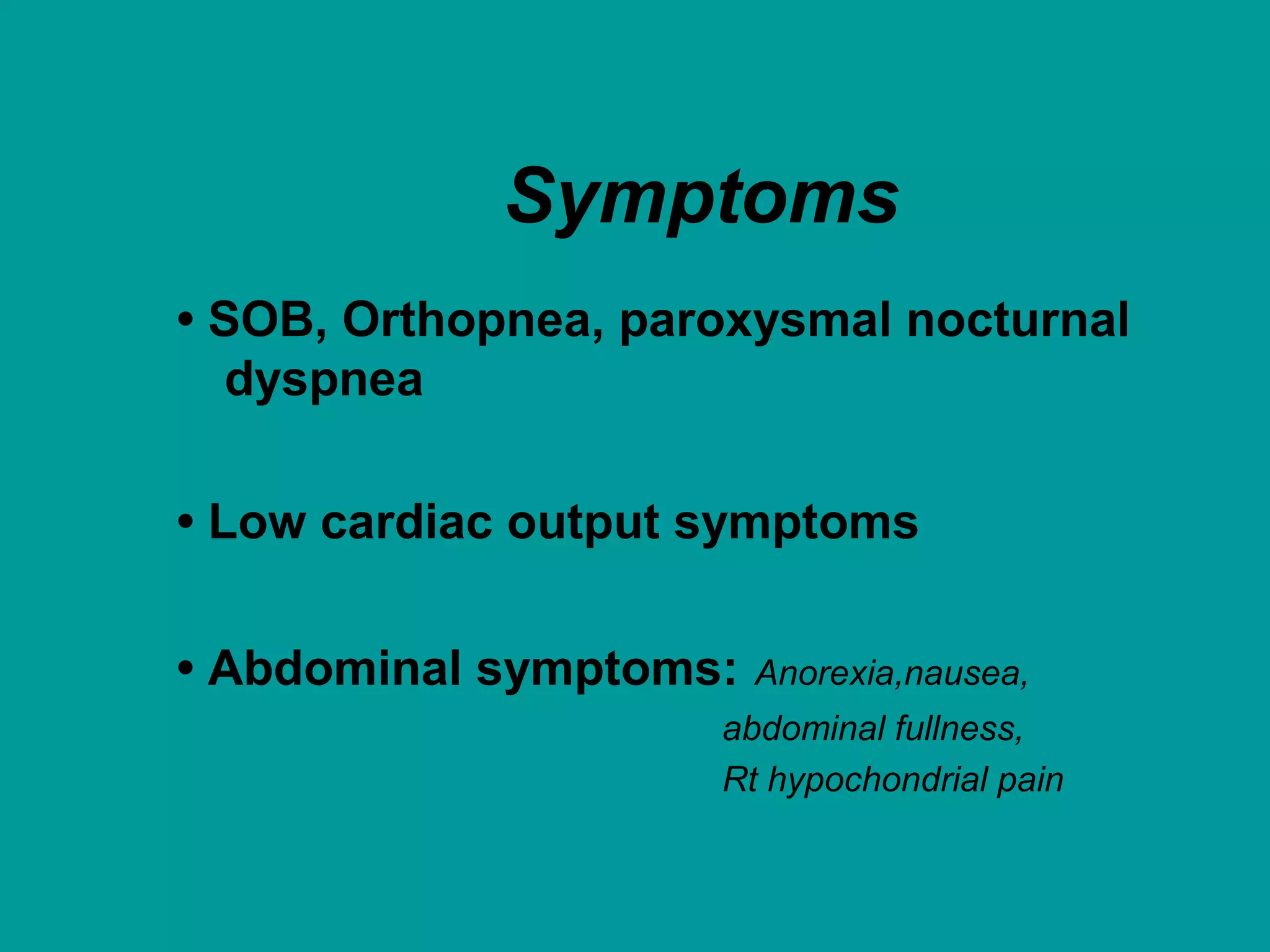
Symptoms
• SOB, Orthopnea, paroxysmal nocturnal
dyspnea
• Low cardiac output symptoms
• Abdominal symptoms: Anorexia,nausea,
abdominal fullness,
Rt hypochondrial pain
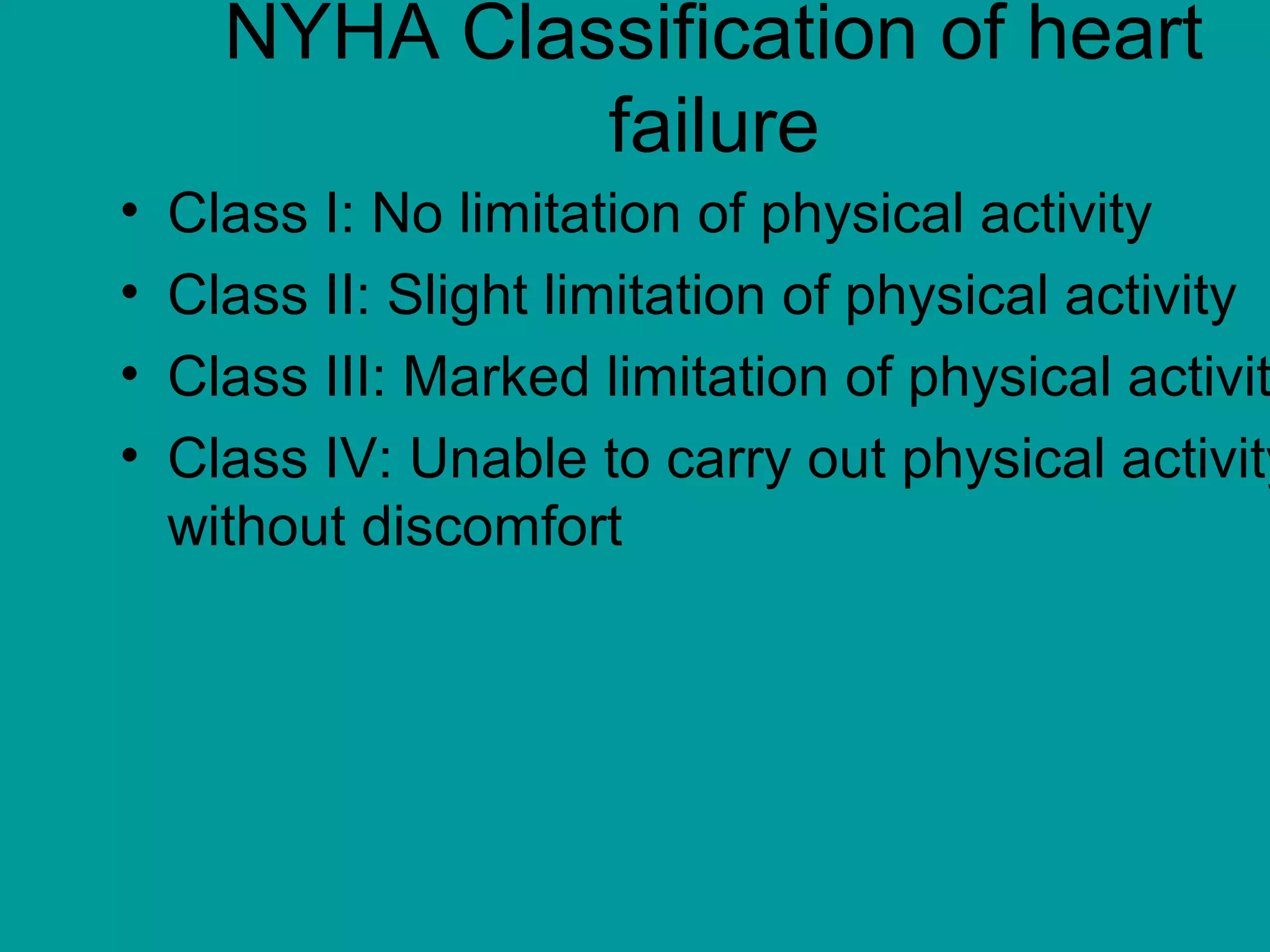
NYHA Classification of heart
failure
• Class I: No limitation of physical activity
• Class II: Slight limitation of physical activity
• Class III: Marked limitation of physical activit
• Class IV: Unable to carry out physical activity
without discomfort
New classification of heart failure
• Stage A: Asymptomatic with no heart damage
but have risk factors for heart failure
• Stage B: Asymptomatic but have signs of
structural heart damage
• Stage C: Have symptoms and heart damage
• Stage D: Endstage disease
ACC/AHA guidelines, 2001
Types of heart failure
• Diastolic dysfunction or diastolic heart failure
• Systolic dysfunction or systolic heart failure
Factors aggravating heart failure
• Myocardial ischemia or infarct
• Dietary sodium excess
• Excess fluid intake
• Medication noncompliance
• Arrhythmias
• Intercurrent illness (eg infection)
• Conditions associated with increased metabolic demand (eg
pregnancy, thyrotoxicosis, excessive physical activity)
• Administration of drug with negative inotropic properties or flui
retaining properties (e. NSAIDs, corticosteroids)
• Alcohol
Compensatory changes in heart
failure
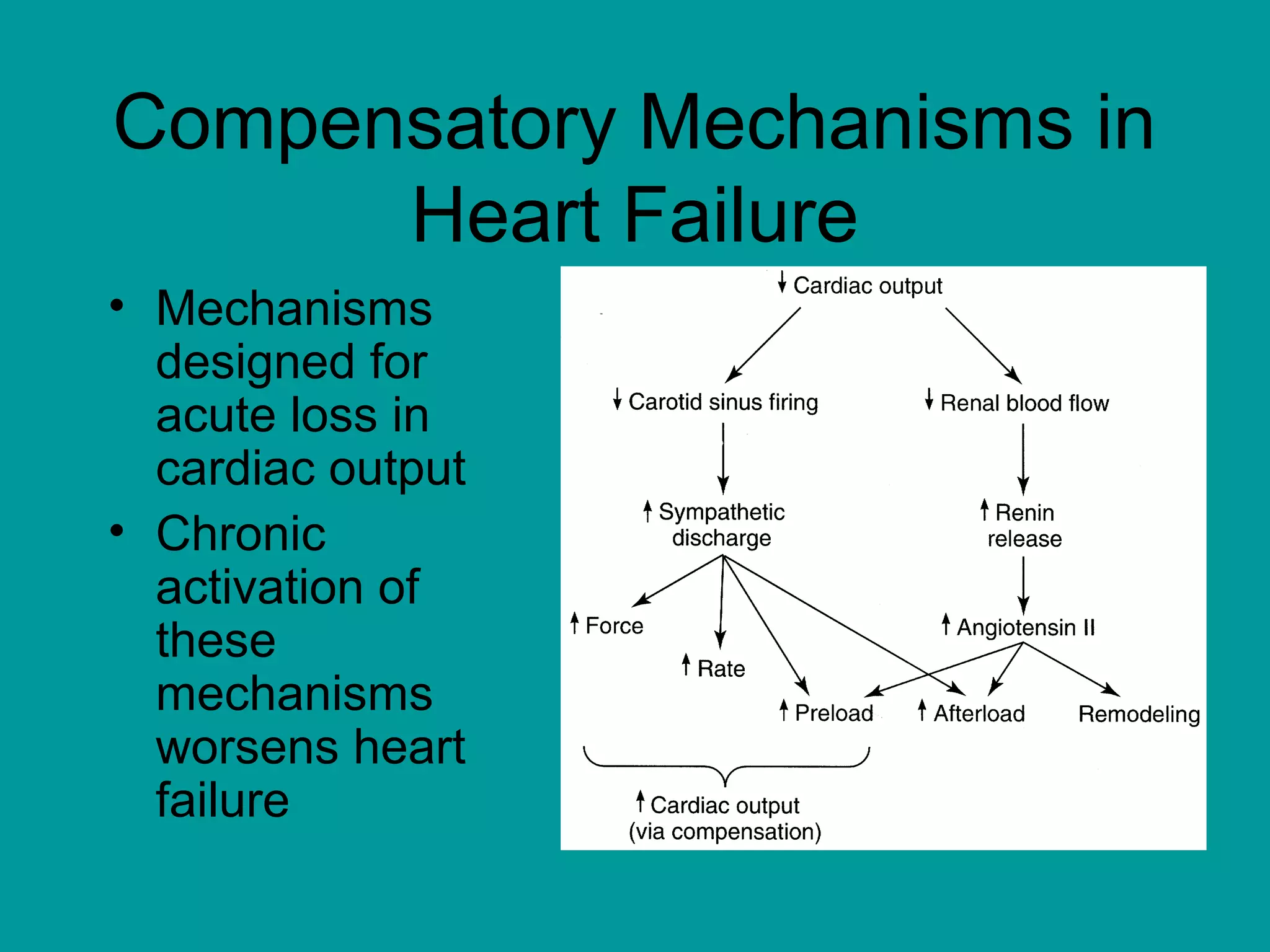
• Activation of SNS
• Activation of RAS
• Increased heart rate
• Release of ADH
• Release of atrial natriuretic peptide
• Chamber enlargement
• Myocardial hypertrophy
Compensatory Mechanisms in
Heart Failure
• Mechanisms
designed for
acute loss in
cardiac output
• Chronic
activation of
these
mechanisms
worsens heart
failure
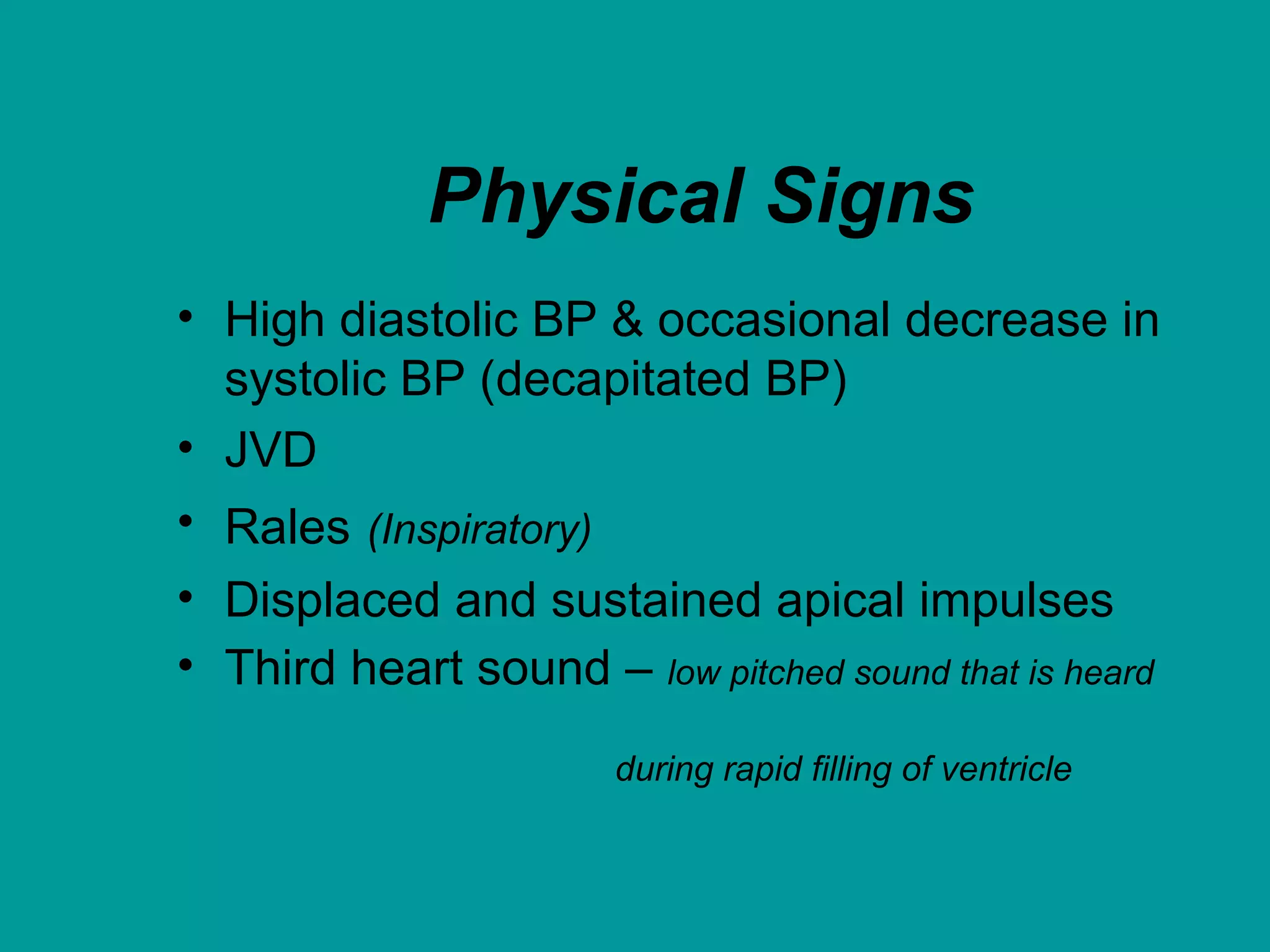
Physical Signs
• High diastolic BP & occasional decrease in
systolic BP (decapitated BP)
• JVD
• Rales (Inspiratory)
• Displaced and sustained apical impulses
• Third heart sound – low pitched sound that is heard
during rapid filling of ventricle
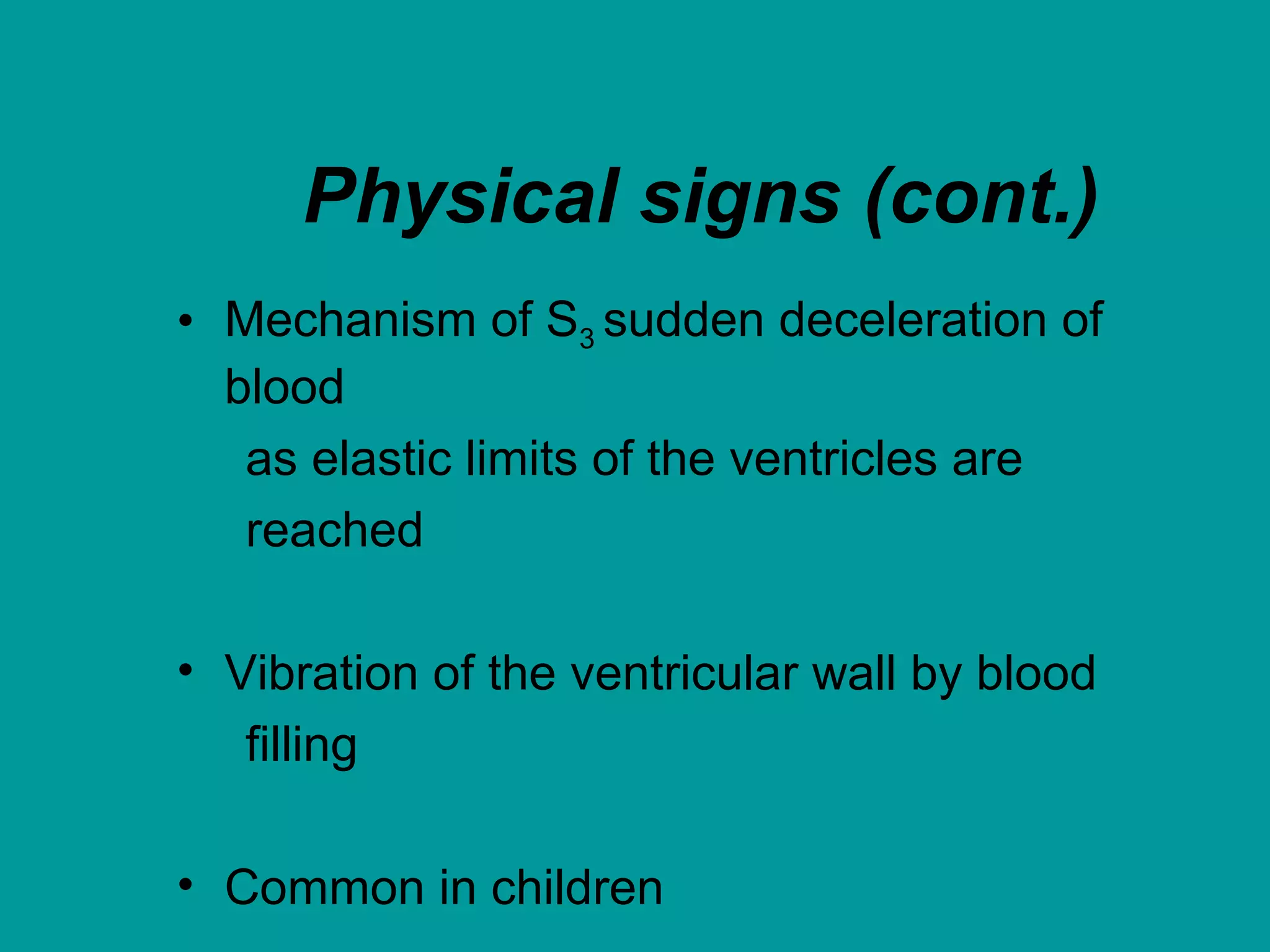
Physical signs (cont.)
• Mechanism of S3 sudden deceleration of
blood
as elastic limits of the ventricles are
reached
• Vibration of the ventricular wall by blood
filling
• Common in children
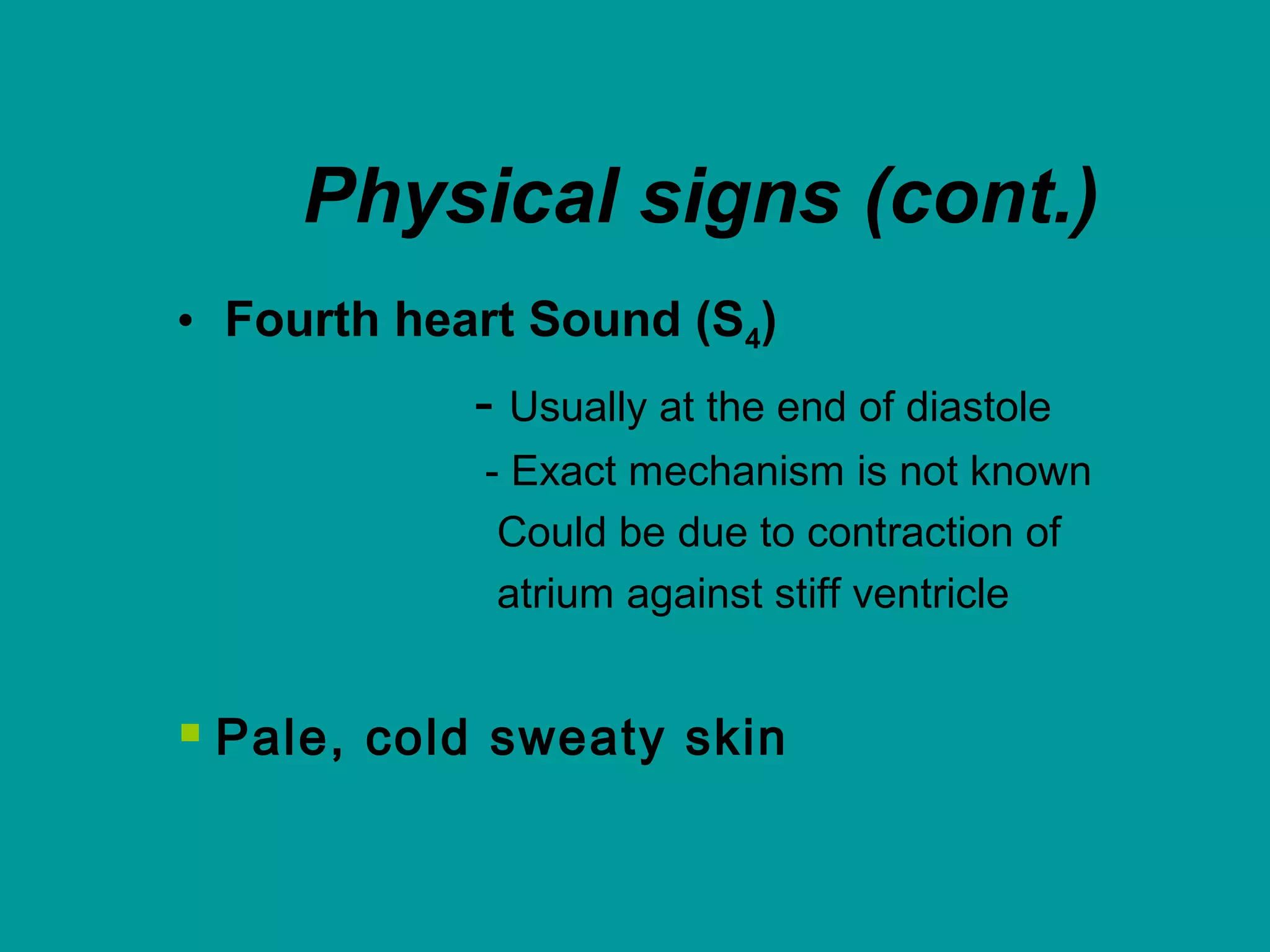
Physical signs (cont.)
• Fourth heart Sound (S4)
- Usually at the end of diastole
- Exact mechanism is not known
Could be due to contraction of
atrium against stiff ventricle
 Pale, cold sweaty skin
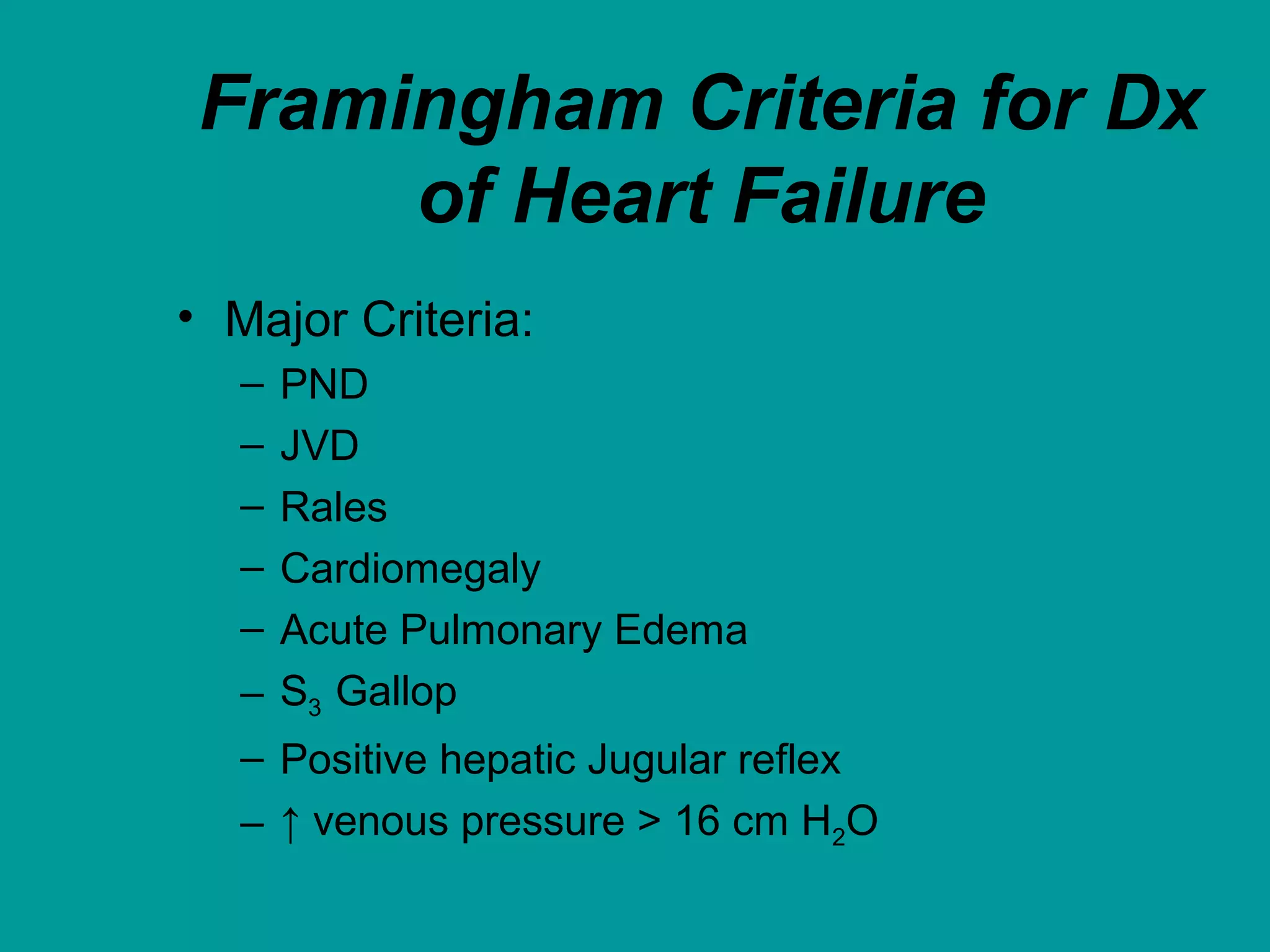
Framingham Criteria for Dx
of Heart Failure
• Major Criteria:
– PND
– JVD
– Rales
– Cardiomegaly
– Acute Pulmonary Edema
– S3 Gallop
– Positive hepatic Jugular reflex
– ↑ venous pressure > 16 cm H2O
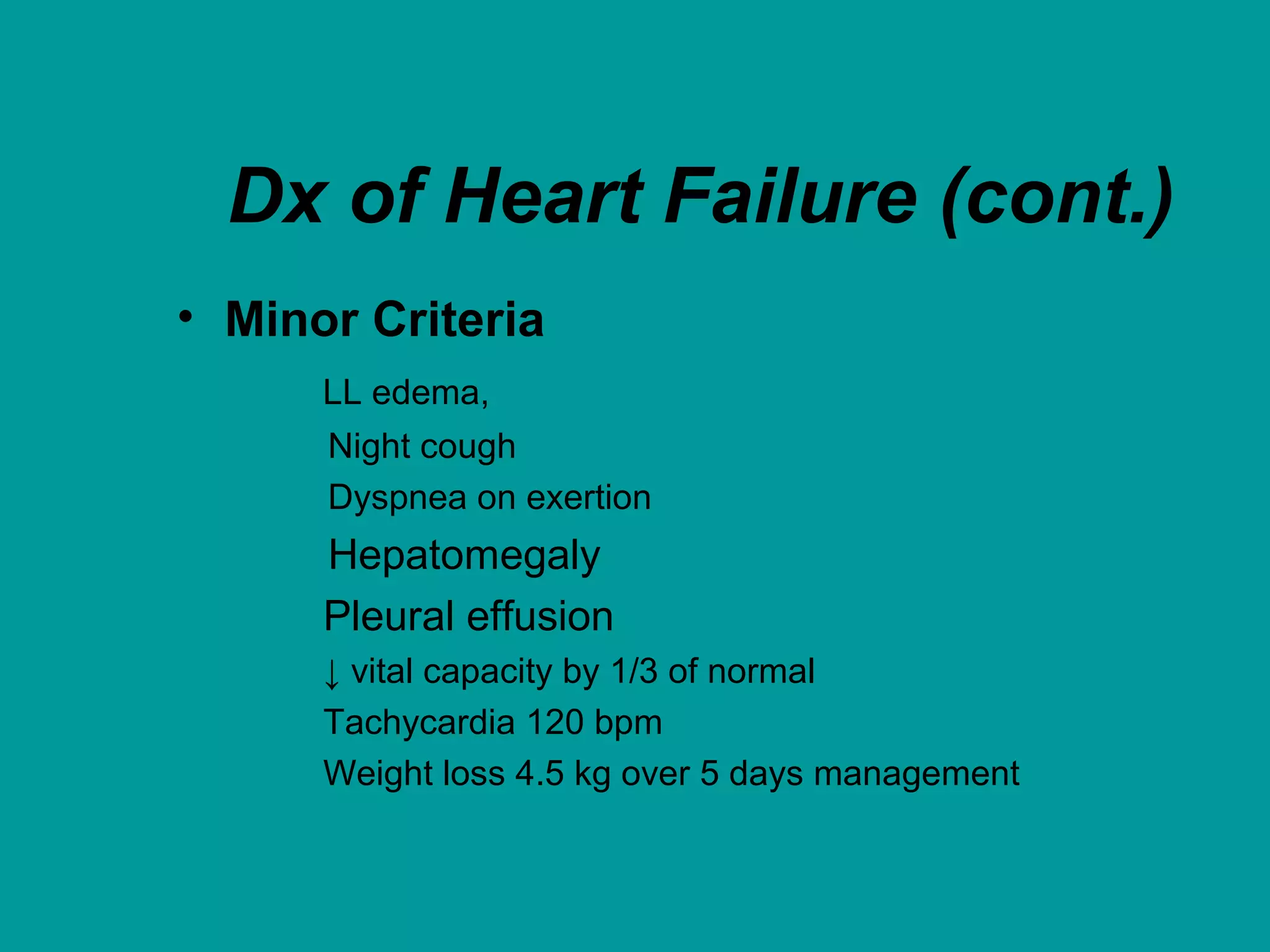
Dx of Heart Failure (cont.)
• Minor Criteria
LL edema,
Night cough
Dyspnea on exertion
Hepatomegaly
Pleural effusion
↓ vital capacity by 1/3 of normal
Tachycardia 120 bpm
Weight loss 4.5 kg over 5 days management
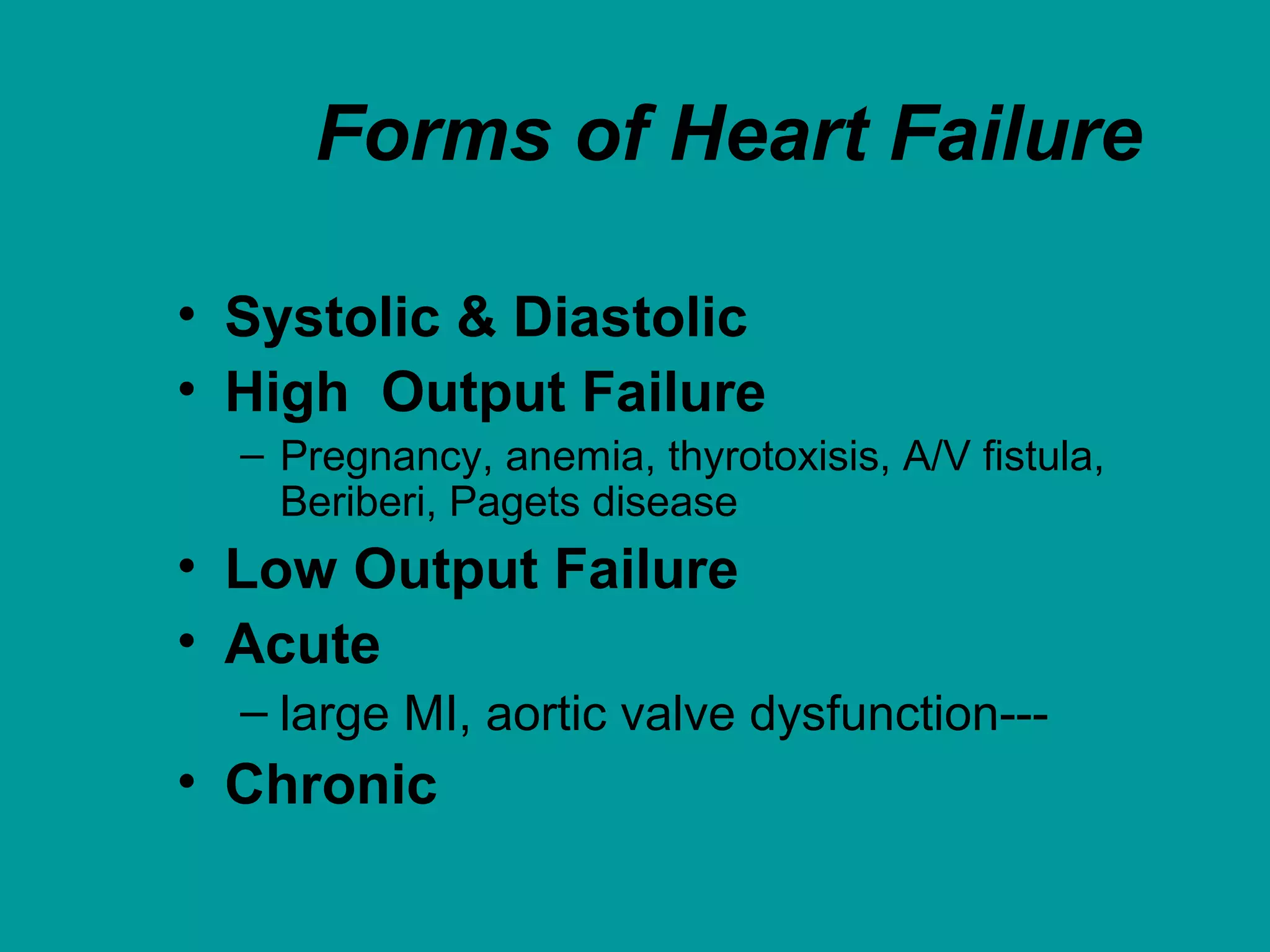
Forms of Heart Failure
• Systolic & Diastolic
• High Output Failure
– Pregnancy, anemia, thyrotoxisis, A/V fistula,
Beriberi, Pagets disease
• Low Output Failure
• Acute
– large MI, aortic valve dysfunction---
• Chronic
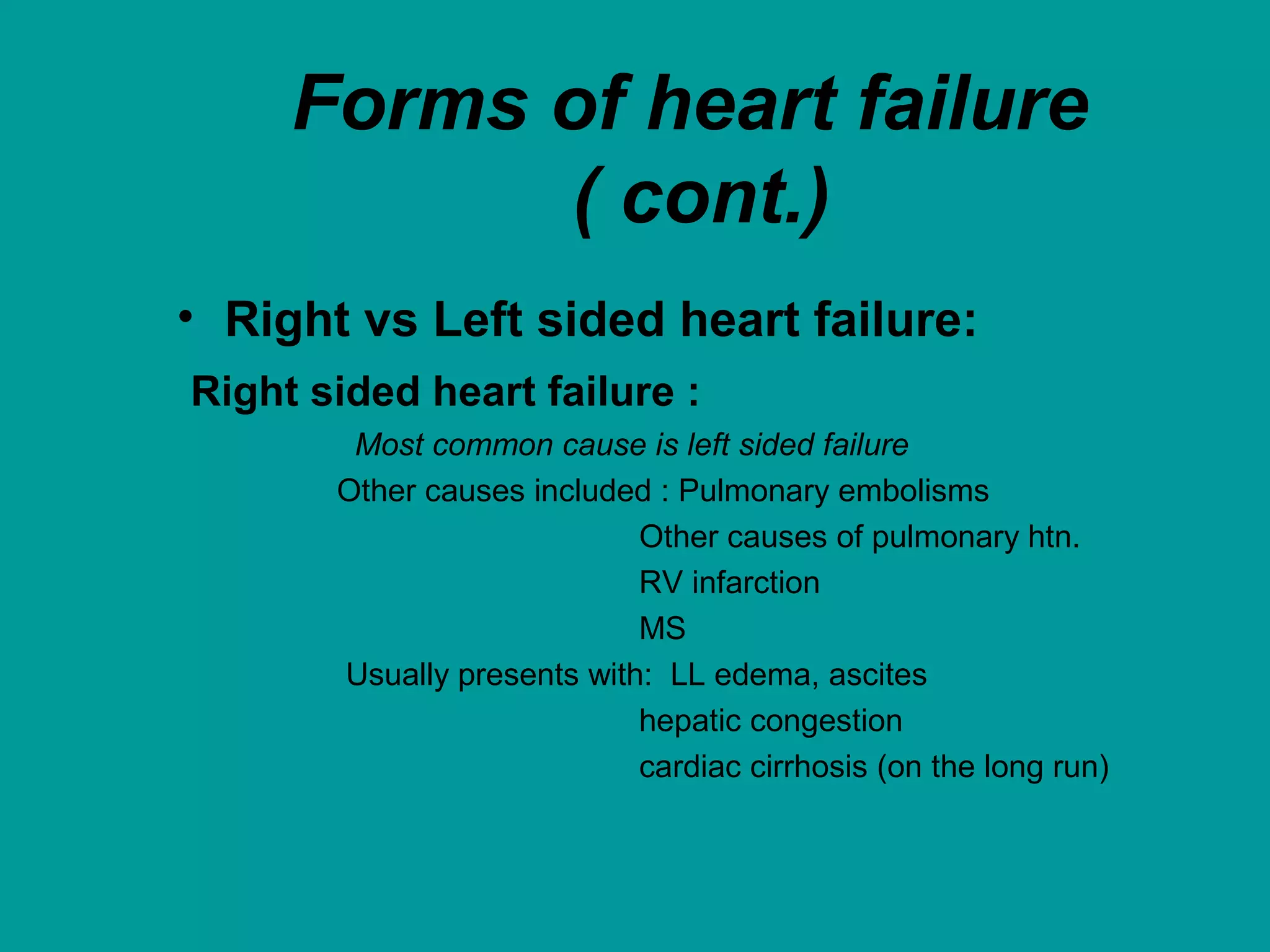
Forms of heart failure
( cont.)
• Right vs Left sided heart failure:
Right sided heart failure :
Most common cause is left sided failure
Other causes included : Pulmonary embolisms
Other causes of pulmonary htn.
RV infarction
MS
Usually presents with: LL edema, ascites
hepatic congestion
cardiac cirrhosis (on the long run)
Differential diagnosis
• Pericardial diseases
• Liver diseases
• Nephrotic syndrome
• Protein losing enteropathy
Laboratory Findings
• Anemia
• Hyperthyroid
• Chronic renal insuffiency, electrolytes
abnormality
• Pre-renal azotemia
• Hemochromatosis
Electrocardiogram
• Old MI or recent MI
• Arrhythmia
• Some forms of Cardiomyopathy are
tachycardia related
• LBBB→may help in management
Chest X-ray
• Size and shape of heart
• Evidence of pulmonary venous congestion
(dilated or upper lobe veins → perivascular
edema)
• Pleural effusion
Echocardiogram
• Function of both ventricles
• Wall motion abnormality that may signify CAD
• Valvular abnormality
• Intra-cardiac shunts
Cardiac Catheterization
• When CAD or valvular is suspected
• If heart transplant is indicated
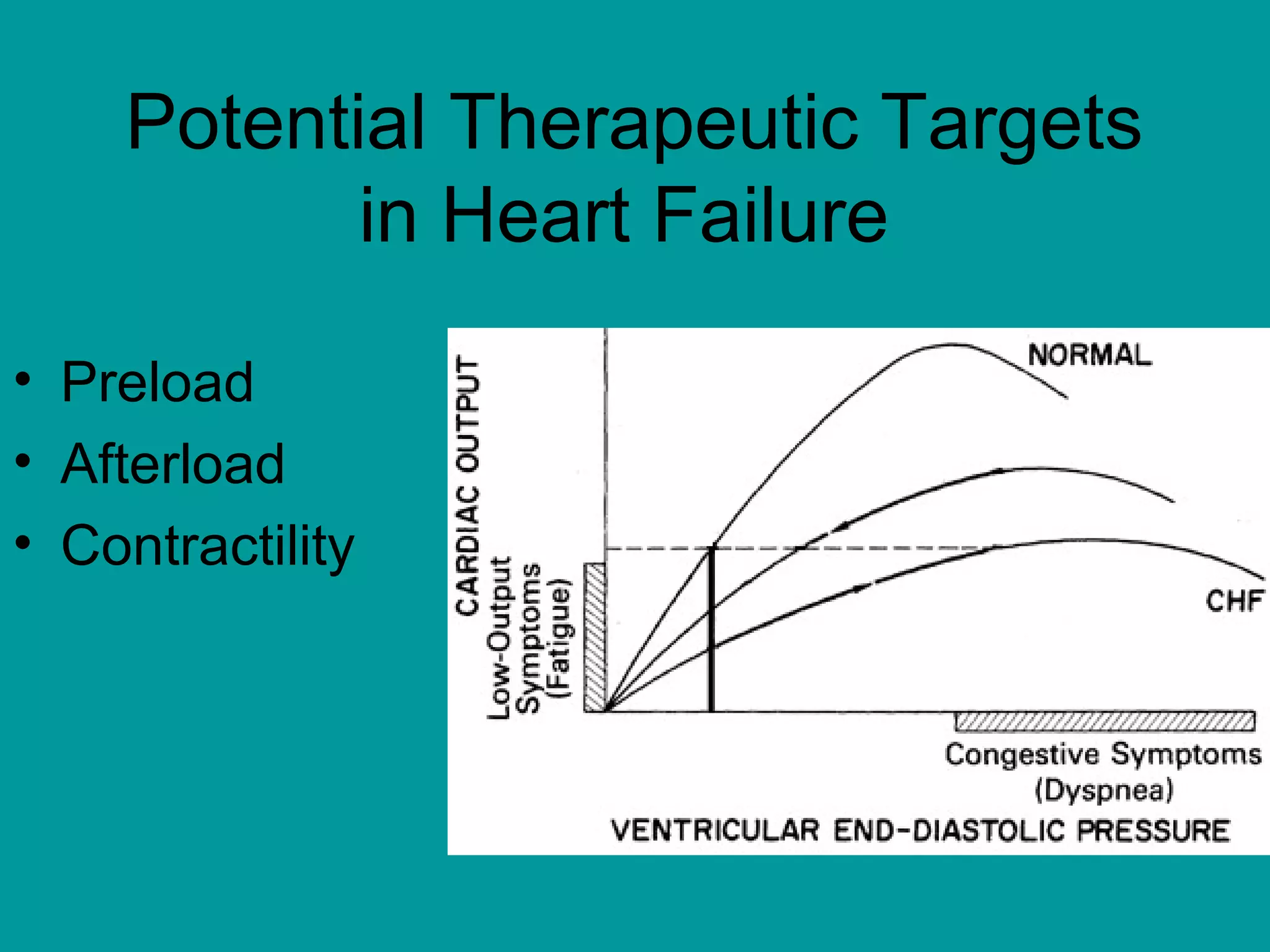
Potential Therapeutic Targets
in Heart Failure
• Preload
• Afterload
• Contractility
Goals of treatment
• To improve symptoms and quality of life
• To decrease likelihood of disease
progression
• To reduce the risk of death and need for
hospitalisation
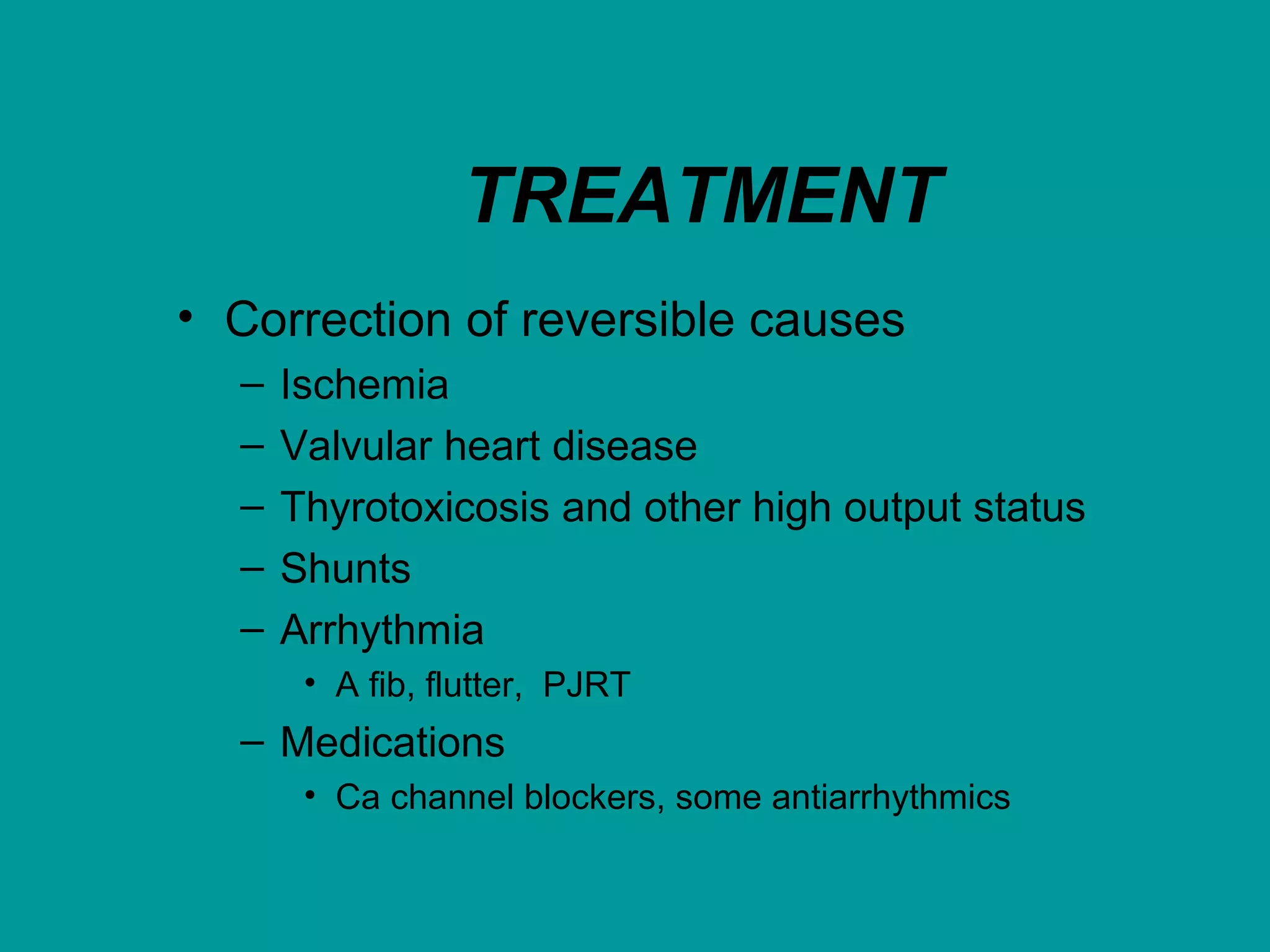
TREATMENT
• Correction of reversible causes
– Ischemia
– Valvular heart disease
– Thyrotoxicosis and other high output status
– Shunts
– Arrhythmia
• A fib, flutter, PJRT
– Medications
• Ca channel blockers, some antiarrhythmics
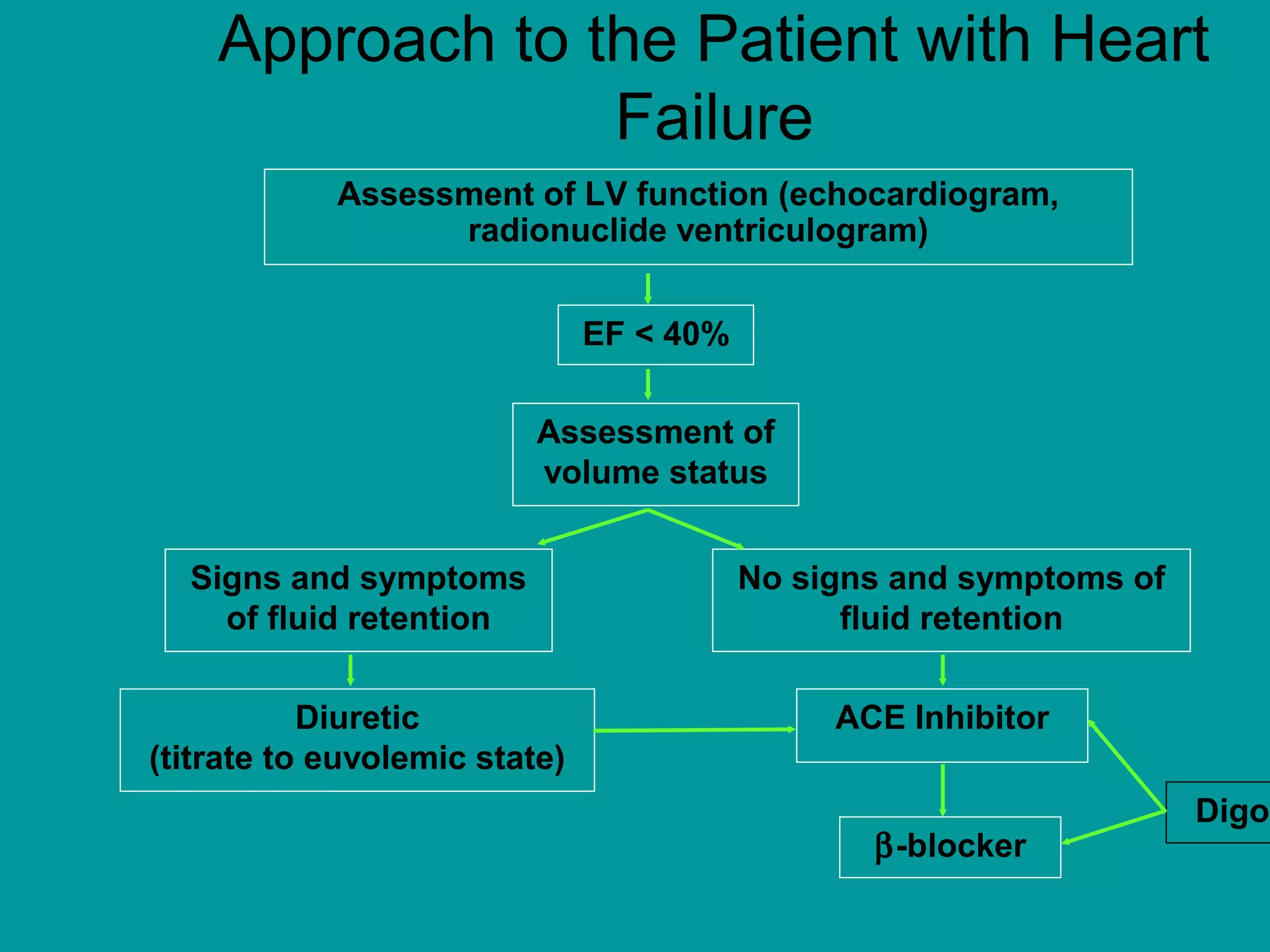
Approach to the Patient with Heart
Failure
Assessment of LV function (echocardiogram,
radionuclide ventriculogram)
EF < 40%
Assessment of
volume status
Signs and symptoms
of fluid retention
No signs and symptoms of
fluid retention
Diuretic
(titrate to euvolemic state)
ACE Inhibitor
β-blocker
Digox
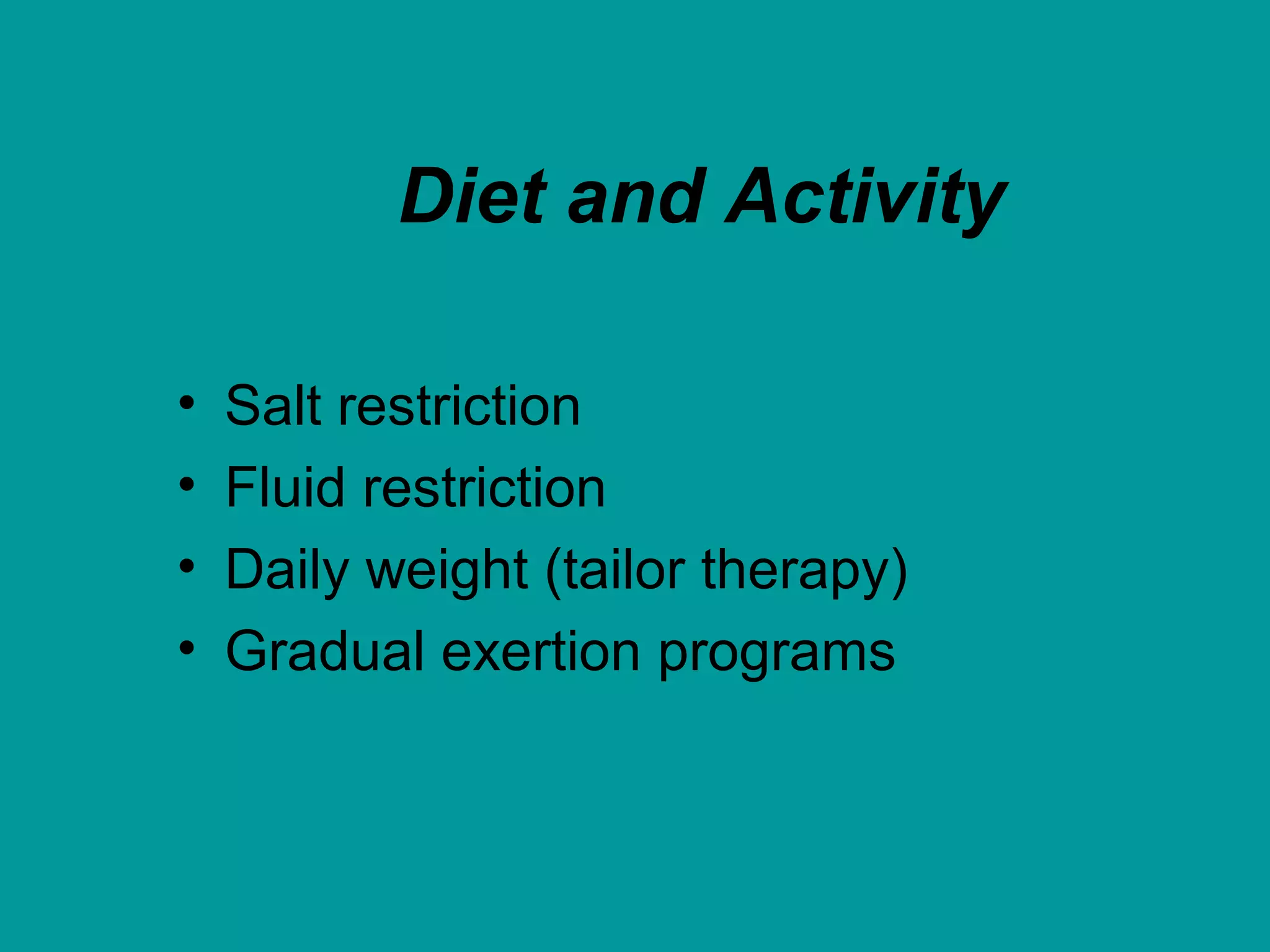
Diet and Activity
• Salt restriction
• Fluid restriction
• Daily weight (tailor therapy)
• Gradual exertion programs
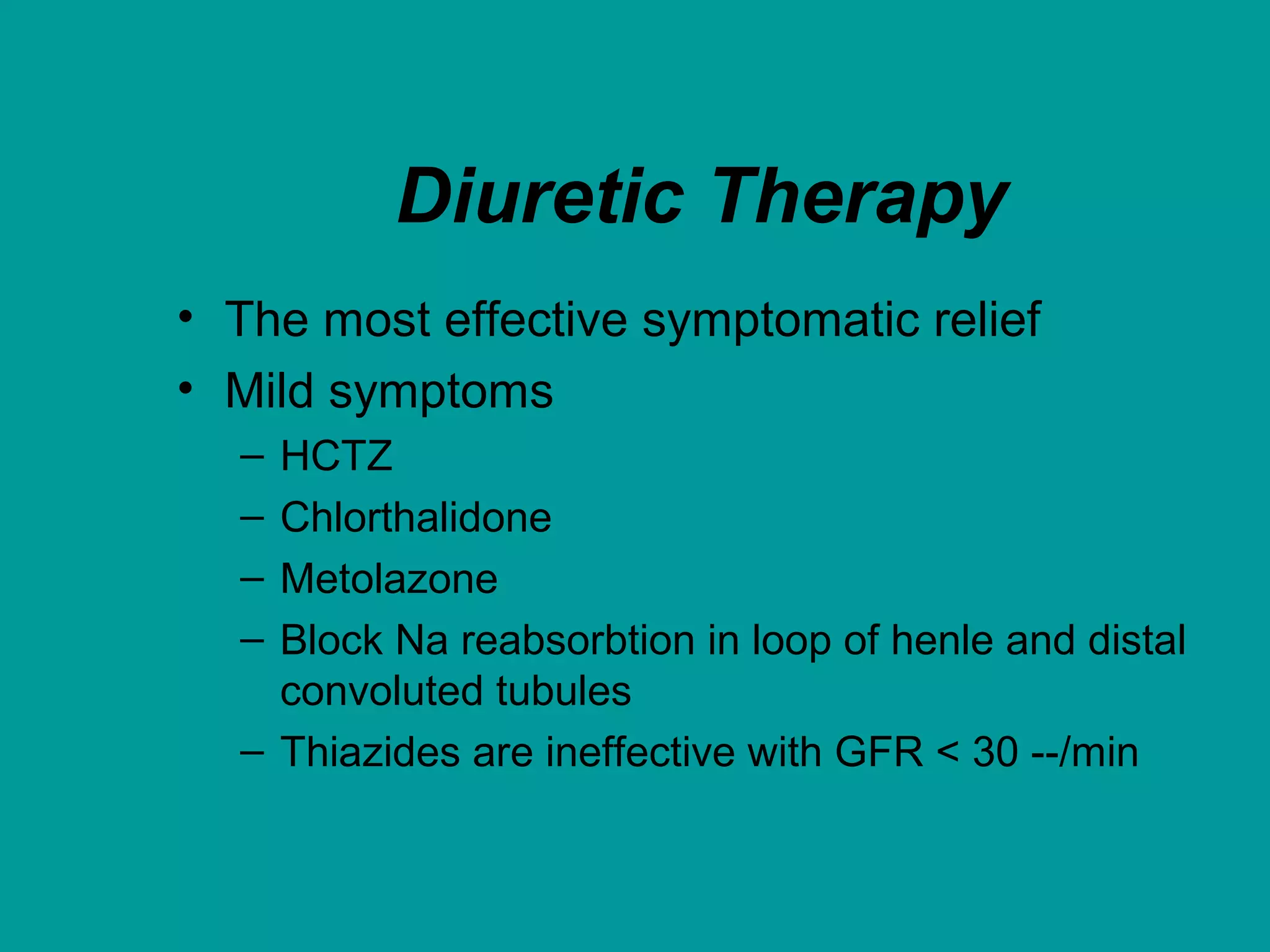
Diuretic Therapy
• The most effective symptomatic relief
• Mild symptoms
– HCTZ
– Chlorthalidone
– Metolazone
– Block Na reabsorbtion in loop of henle and distal
convoluted tubules
– Thiazides are ineffective with GFR < 30 --/min
Diuretics (cont.)
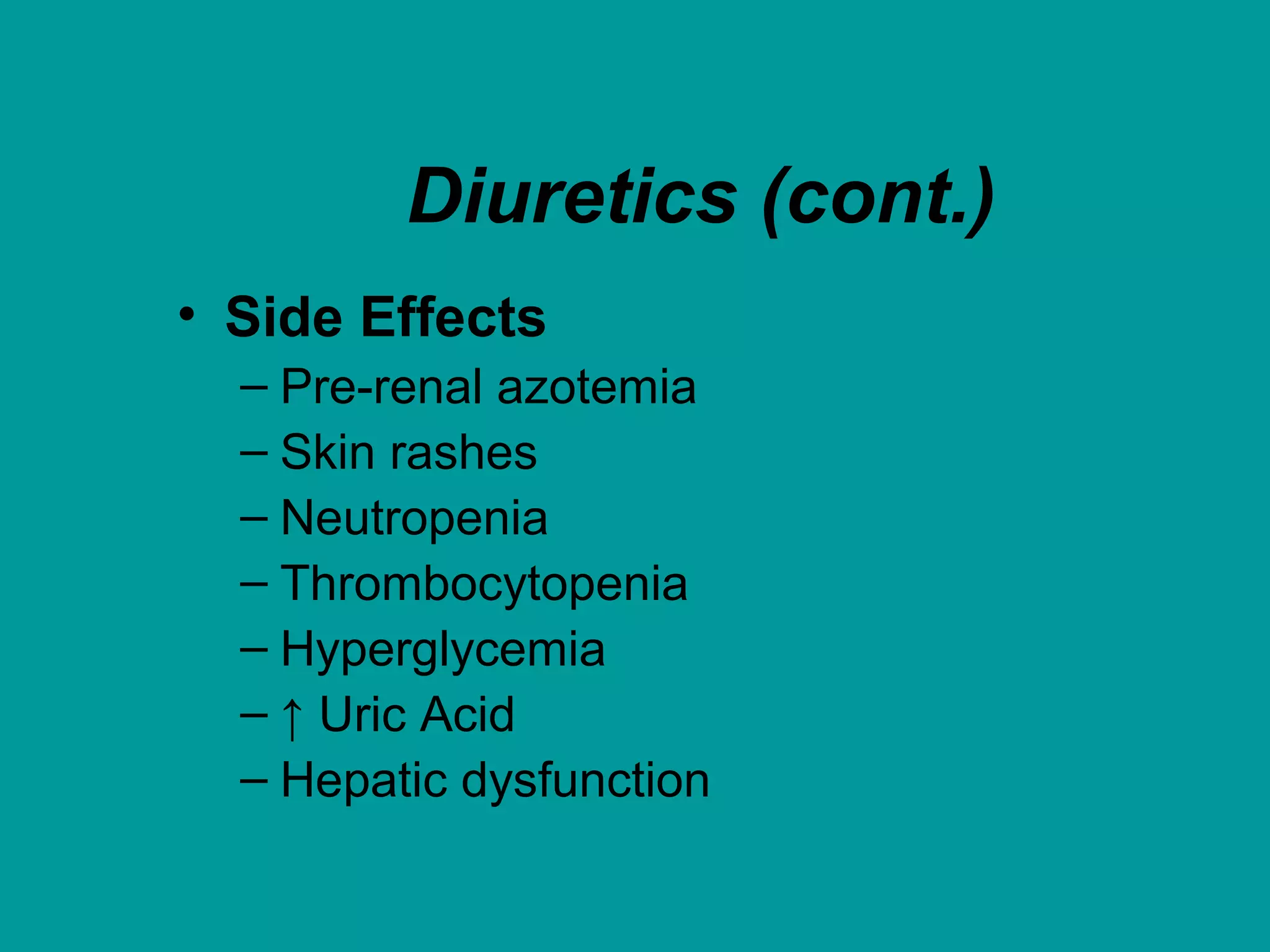
• Side Effects
– Pre-renal azotemia
– Skin rashes
– Neutropenia
– Thrombocytopenia
– Hyperglycemia
– ↑ Uric Acid
– Hepatic dysfunction
Diuretics (cont.)
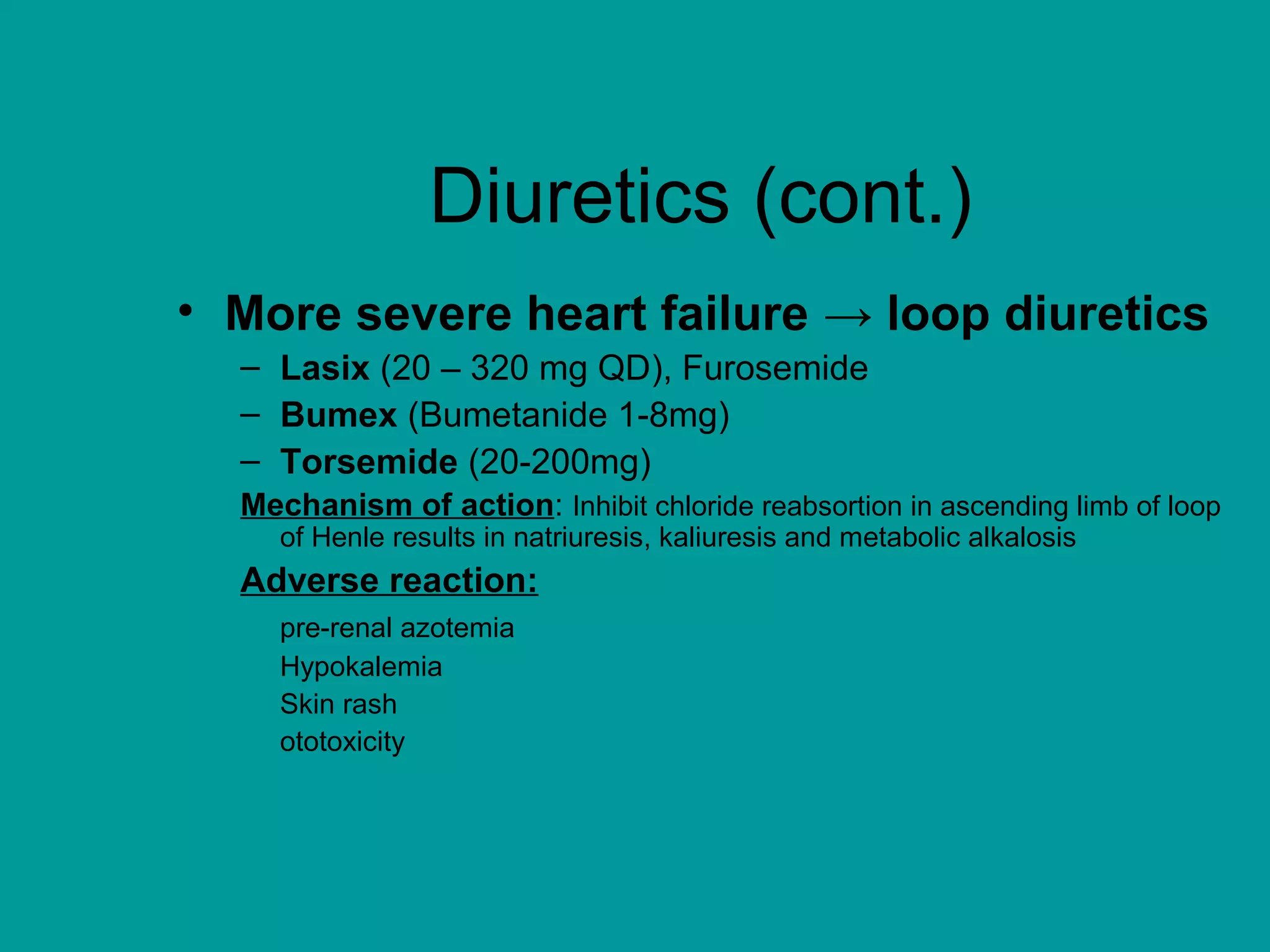
• More severe heart failure → loop diuretics
– Lasix (20 – 320 mg QD), Furosemide
– Bumex (Bumetanide 1-8mg)
– Torsemide (20-200mg)
Mechanism of action: Inhibit chloride reabsortion in ascending limb of loop
of Henle results in natriuresis, kaliuresis and metabolic alkalosis
Adverse reaction:
pre-renal azotemia
Hypokalemia
Skin rash
ototoxicity
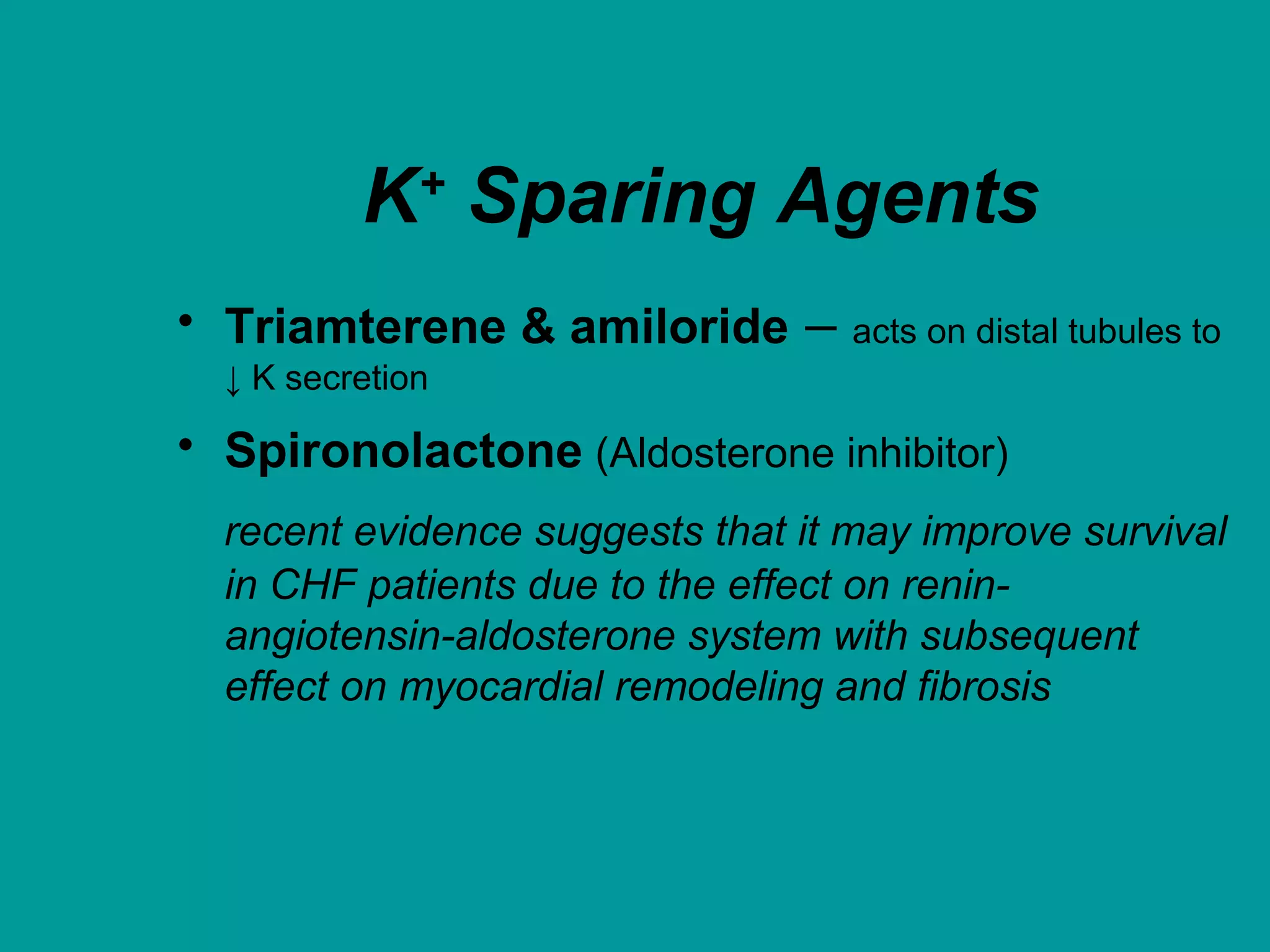
K+
Sparing Agents
• Triamterene & amiloride – acts on distal tubules to
↓ K secretion
• Spironolactone (Aldosterone inhibitor)
recent evidence suggests that it may improve survival
in CHF patients due to the effect on renin-
angiotensin-aldosterone system with subsequent
effect on myocardial remodeling and fibrosis
Inhibitors of renin-angiotensin-
aldosterone system
– Renin-angiotensin-aldosterone system is
activation early in the course of heart failure and
plays an important role in the progression of the
syndrome
– Angiotensin converting enzyme inhibitors
– Angiotensin receptors blockers
– Spironolactone
Angiotensin Converting
Enzyme Inhibitors
• They block the R-A-A system by inhibiting the
conversion of angiotensin I to angiotensin II
→ vasodilation and ↓ Na retention
• ↓ Bradykinin degradation ↑ its level → ↑ PG
secretion & nitric oxide
• Ace Inhibitors were found to improve survival
in CHF patients
– Delay onset & progression of HF in pts with
asymptomatic LV dysfunction
– ↓ cardiac remodeling
Side effects of ACE
inhibitors
• Angioedema
• Hypotension
• Renal insuffiency
• Rash
• cough
Angiotensin II receptor
blockers
• Has comparable effect to ACE I
• Can be used in certain conditions when ACE I
are contraindicated (angioneurotic edema,
cough)
Digitalis Glycosides
(Digoxin, Digitoxin)
• The role of digitalis has declined somewhat
because of safety concern
• Recent studies have shown that digitals does
not affect mortality in CHF patients but
causes significant
– Reduction in hospitalization
– Reduction in symptoms of HF
Digitalis (cont.)
Mechanism of Action
• +ve inotropic effect by ↑ intracellular Ca &
enhancing actin-myosin cross bride formation
(binds to the Na-K ATPase → inhibits Na
pump → ↑ intracellular Na → ↑ Na-Ca
exchange
• Vagotonic effect
• Arrhythmogenic effect
Digitalis Toxicity
• Narrow therapeutic to toxic ratio
• Non cardiac manifestations
Anorexia,
Nausea, vomiting,
Headache,
Xanthopsia sotoma,
Disorientation
Digitalis Toxicity
• Cardiac manifestations
– Sinus bradycardia and arrest
– A/V block (usually 2nd
degree)
– Atrial tachycardia with A/V Block
– Development of junctional rhythm in patients with
a fib
– PVC’s, VT/ V fib (bi-directional VT)
Digitalis Toxicity
Treatment
• Hold the medications
• Observation
• In case of A/V block or severe bradycardia →
atropine followed by temporary PM if needed
• In life threatening arrhythmia → digoxin-
specific fab antibodies
• Lidocaine and phenytoin could be used – try
to avoid D/C cardioversion in non life
threatening arrhythmia
β Blockers
• Has been traditionally contraindicated in pts
with CHF
• Now they are the main stay in treatment on
CHF & may be the only medication that
shows substantial improvement in LV function
• In addition to improved LV function multiple
studies show improved survival
• The only contraindication is severe
decompensated CHF
Carvedilol in Heart Failure
• Effective receptor-blockade approach to heart
failure
• Negative inotropic effect counteracted by
vasodilation
• Provides anti-proliferative, anti-arrhythmic
activity and inhibition of apoptosis
• Prevents renin secretion
Drugs of Today 1998; 34 (Suppl B): 1-
Vasodilators
• Reduction of afterload by arteriolar
vasodilatation (hydralazin) → reduce LVEDP, O2
consumption,improve myocardial perfusion, ↑ stroke
volume and COP
• Reduction of preload By venous dilation
( Nitrate) → ↓ the venous return →↓ the load on
both ventricles.
• Usually the maximum benefit is achieved by
using agents with both action.
Positive inotropic agents
• These are the drugs that improve myocardial
contractility (β adrenergic agonists, dopaminergic
agents, phosphodiesterase inhibitors),
dopamine, dobutamine, milrinone, amrinone
• Several studies showed ↑ mortality with oral
inotropic agents
• So the only use for them now is in acute
sittings as cardiogenic shock
Anticoagulation
(coumadine)
• Atrial fibrillation
• H/o embolic episodes
• Left ventricular apical thrombus
Antiarrhythmics
• Most common cause of SCD in these patients
is ventricular tachyarrhythmia
• Patients with h/o sustained VT or SCD → ICD
implant
Antiarrhythmics (cont.)
• Patients with non sustained ventricular
tachycardia
– Correction of electrolytes and acid base imbalance
– In patients with ischemic cardiomyopathy → ICD
implant is the option after r/o acute ischemia as
the cause
– In patients wit non ischemic cardiomyopathy
management is ICD implantation
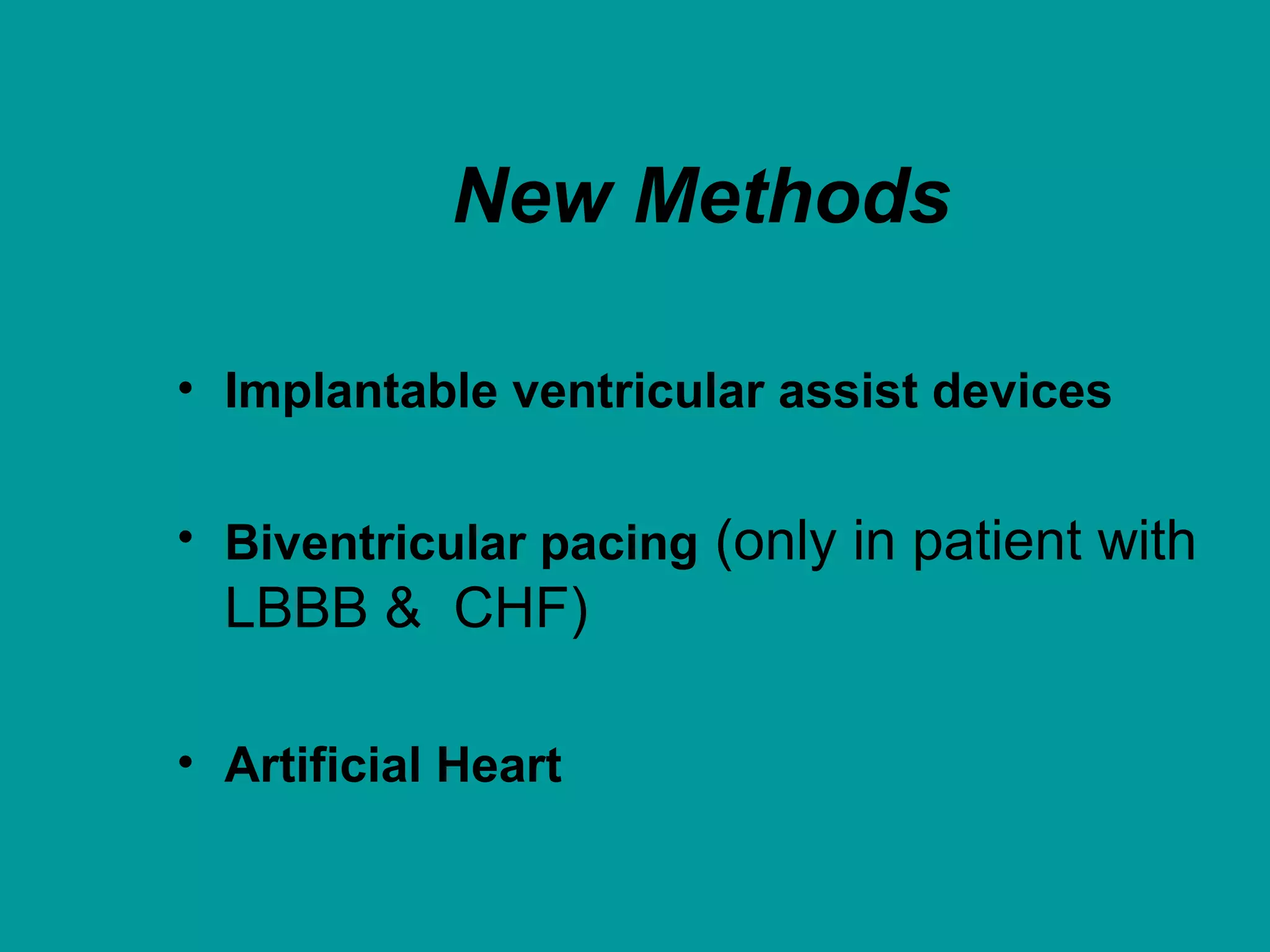
New Methods
• Implantable ventricular assist devices
• Biventricular pacing (only in patient with
LBBB & CHF)
• Artificial Heart
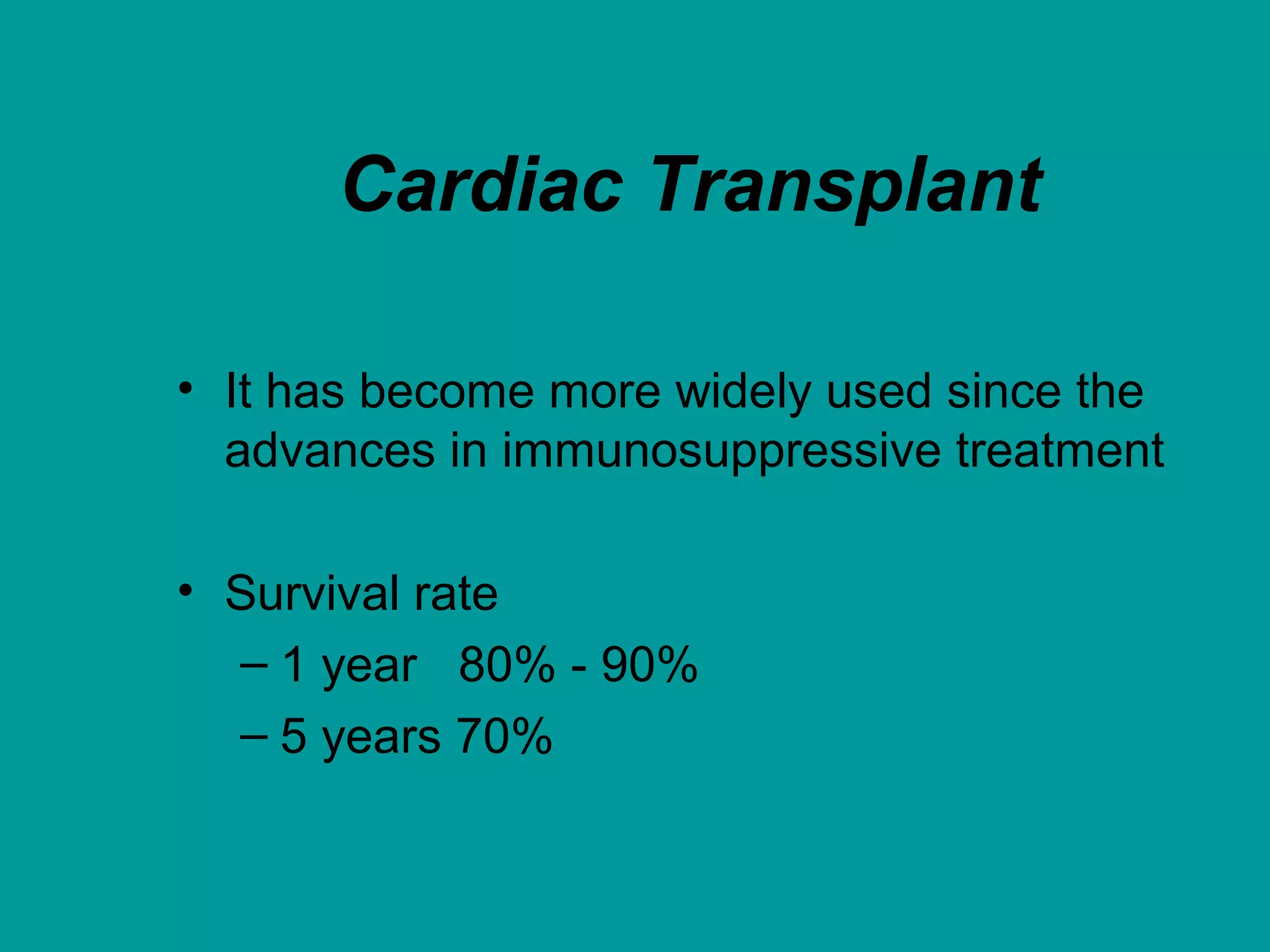
Cardiac Transplant
• It has become more widely used since the
advances in immunosuppressive treatment
• Survival rate
– 1 year 80% - 90%
– 5 years 70%
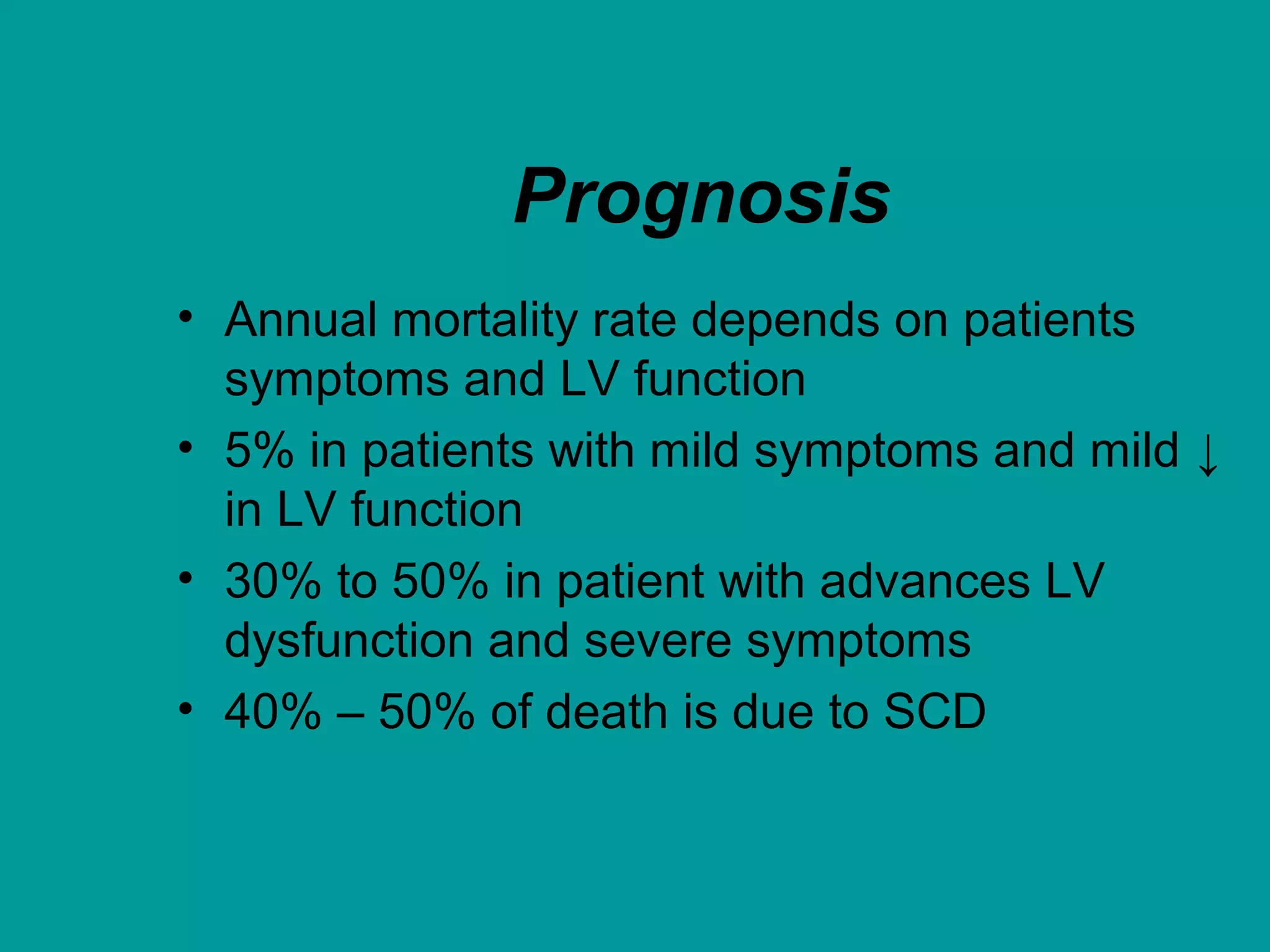
Prognosis
• Annual mortality rate depends on patients
symptoms and LV function
• 5% in patients with mild symptoms and mild ↓
in LV function
• 30% to 50% in patient with advances LV
dysfunction and severe symptoms
• 40% – 50% of death is due to SCD
THANK YOU

Heartfailuremodified 090721100845-phpapp01

  • 1.
  • 2.
    Definition: • A statein which the heart cannot provide sufficient cardiac output to satisfy the metabolic needs of the body • It is commonly termed congestive heart failure (CHF) since symptoms of increase venous pressure are often prominent
  • 3.
    Etiology • It isa common end point for many diseases of cardiovascular system • It can be caused by : -Inappropriate work load (volume or pressure overload) -Restricted filling -Myocyte loss
  • 4.
    Causes of leftventricular failure • Volume over load: Regurgitate valve High output status • Pressure overload: Systemic hypertension Outflow obstruction • Loss of muscles: Post MI, Chronic ischemia Connective tissue diseases Infection, Poisons (alcohol,cobalt,Doxorubicin) • Restricted Filling: Pericardial diseases, Restrictive cardiomyopathy, tachyarrhythmia
  • 5.
    Main causes • Coronaryartery disease • Hypertension • Valvular heart disease • Cardiomyopathy • Cor pulmonale
  • 6.
    Heart Failure • Finalcommon pathway for many cardiovascular diseases whose natural history results in symptomatic or asymptomatic left ventricular dysfunction • Cardinal manifestations of heart failure include dyspnea, fatigue and fluid retention • Risk of death is 5-10% annually in patients with mil symptoms and increases to as high as 30-40% annually in patients with advanced disease
  • 7.
    Pathophysiology • Hemodynamic changes •Neurohormonal changes • Cellular changes
  • 8.
    Hemodynamic changes • Fromhemodynamic stand point HF can be secondary to systolic dysfunction or diastolic dysfunction
  • 9.
    Neurohormonal changes N/H changesFavorable effect Unfavor. effect ↑ Sympathetic activity ↑ HR ,↑ contractility, vasoconst. → ↑ V return, ↑ filling Arteriolar constriction → After load →↑ workload →↑ O2 consumption ↑ Renin-Angiotensin – Aldosterone Salt & water retention→↑ VR Vasoconstriction → ↑ after load ↑ Vasopressin Same effect Same effect ↑ interleukins &TNFα May have roles in myocyte hypertrophy Apoptosis ↑Endothelin Vasoconstriction→↑ VR ↑ After load
  • 10.
    Cellular changes • Changesin Ca+2 handling. • Changes in adrenergic receptors: • Slight ↑ in α1 receptors • β1 receptors desensitization → followed by down regulation • Changes in contractile proteins • Program cell death (Apoptosis) • Increase amount of fibrous tissue
  • 11.
    Symptoms • SOB, Orthopnea,paroxysmal nocturnal dyspnea • Low cardiac output symptoms • Abdominal symptoms: Anorexia,nausea, abdominal fullness, Rt hypochondrial pain
  • 12.
    NYHA Classification ofheart failure • Class I: No limitation of physical activity • Class II: Slight limitation of physical activity • Class III: Marked limitation of physical activit • Class IV: Unable to carry out physical activity without discomfort
  • 13.
    New classification ofheart failure • Stage A: Asymptomatic with no heart damage but have risk factors for heart failure • Stage B: Asymptomatic but have signs of structural heart damage • Stage C: Have symptoms and heart damage • Stage D: Endstage disease ACC/AHA guidelines, 2001
  • 14.
    Types of heartfailure • Diastolic dysfunction or diastolic heart failure • Systolic dysfunction or systolic heart failure
  • 15.
    Factors aggravating heartfailure • Myocardial ischemia or infarct • Dietary sodium excess • Excess fluid intake • Medication noncompliance • Arrhythmias • Intercurrent illness (eg infection) • Conditions associated with increased metabolic demand (eg pregnancy, thyrotoxicosis, excessive physical activity) • Administration of drug with negative inotropic properties or flui retaining properties (e. NSAIDs, corticosteroids) • Alcohol
  • 16.
    Compensatory changes inheart failure • Activation of SNS • Activation of RAS • Increased heart rate • Release of ADH • Release of atrial natriuretic peptide • Chamber enlargement • Myocardial hypertrophy
  • 17.
    Compensatory Mechanisms in HeartFailure • Mechanisms designed for acute loss in cardiac output • Chronic activation of these mechanisms worsens heart failure
  • 18.
    Physical Signs • Highdiastolic BP & occasional decrease in systolic BP (decapitated BP) • JVD • Rales (Inspiratory) • Displaced and sustained apical impulses • Third heart sound – low pitched sound that is heard during rapid filling of ventricle
  • 19.
    Physical signs (cont.) •Mechanism of S3 sudden deceleration of blood as elastic limits of the ventricles are reached • Vibration of the ventricular wall by blood filling • Common in children
  • 20.
    Physical signs (cont.) •Fourth heart Sound (S4) - Usually at the end of diastole - Exact mechanism is not known Could be due to contraction of atrium against stiff ventricle  Pale, cold sweaty skin
  • 21.
    Framingham Criteria forDx of Heart Failure • Major Criteria: – PND – JVD – Rales – Cardiomegaly – Acute Pulmonary Edema – S3 Gallop – Positive hepatic Jugular reflex – ↑ venous pressure > 16 cm H2O
  • 22.
    Dx of HeartFailure (cont.) • Minor Criteria LL edema, Night cough Dyspnea on exertion Hepatomegaly Pleural effusion ↓ vital capacity by 1/3 of normal Tachycardia 120 bpm Weight loss 4.5 kg over 5 days management
  • 23.
    Forms of HeartFailure • Systolic & Diastolic • High Output Failure – Pregnancy, anemia, thyrotoxisis, A/V fistula, Beriberi, Pagets disease • Low Output Failure • Acute – large MI, aortic valve dysfunction--- • Chronic
  • 24.
    Forms of heartfailure ( cont.) • Right vs Left sided heart failure: Right sided heart failure : Most common cause is left sided failure Other causes included : Pulmonary embolisms Other causes of pulmonary htn. RV infarction MS Usually presents with: LL edema, ascites hepatic congestion cardiac cirrhosis (on the long run)
  • 25.
    Differential diagnosis • Pericardialdiseases • Liver diseases • Nephrotic syndrome • Protein losing enteropathy
  • 26.
    Laboratory Findings • Anemia •Hyperthyroid • Chronic renal insuffiency, electrolytes abnormality • Pre-renal azotemia • Hemochromatosis
  • 27.
    Electrocardiogram • Old MIor recent MI • Arrhythmia • Some forms of Cardiomyopathy are tachycardia related • LBBB→may help in management
  • 28.
    Chest X-ray • Sizeand shape of heart • Evidence of pulmonary venous congestion (dilated or upper lobe veins → perivascular edema) • Pleural effusion
  • 29.
    Echocardiogram • Function ofboth ventricles • Wall motion abnormality that may signify CAD • Valvular abnormality • Intra-cardiac shunts
  • 30.
    Cardiac Catheterization • WhenCAD or valvular is suspected • If heart transplant is indicated
  • 31.
    Potential Therapeutic Targets inHeart Failure • Preload • Afterload • Contractility
  • 32.
    Goals of treatment •To improve symptoms and quality of life • To decrease likelihood of disease progression • To reduce the risk of death and need for hospitalisation
  • 33.
    TREATMENT • Correction ofreversible causes – Ischemia – Valvular heart disease – Thyrotoxicosis and other high output status – Shunts – Arrhythmia • A fib, flutter, PJRT – Medications • Ca channel blockers, some antiarrhythmics
  • 34.
    Approach to thePatient with Heart Failure Assessment of LV function (echocardiogram, radionuclide ventriculogram) EF < 40% Assessment of volume status Signs and symptoms of fluid retention No signs and symptoms of fluid retention Diuretic (titrate to euvolemic state) ACE Inhibitor β-blocker Digox
  • 35.
    Diet and Activity •Salt restriction • Fluid restriction • Daily weight (tailor therapy) • Gradual exertion programs
  • 36.
    Diuretic Therapy • Themost effective symptomatic relief • Mild symptoms – HCTZ – Chlorthalidone – Metolazone – Block Na reabsorbtion in loop of henle and distal convoluted tubules – Thiazides are ineffective with GFR < 30 --/min
  • 37.
    Diuretics (cont.) • SideEffects – Pre-renal azotemia – Skin rashes – Neutropenia – Thrombocytopenia – Hyperglycemia – ↑ Uric Acid – Hepatic dysfunction
  • 38.
    Diuretics (cont.) • Moresevere heart failure → loop diuretics – Lasix (20 – 320 mg QD), Furosemide – Bumex (Bumetanide 1-8mg) – Torsemide (20-200mg) Mechanism of action: Inhibit chloride reabsortion in ascending limb of loop of Henle results in natriuresis, kaliuresis and metabolic alkalosis Adverse reaction: pre-renal azotemia Hypokalemia Skin rash ototoxicity
  • 39.
    K+ Sparing Agents • Triamterene& amiloride – acts on distal tubules to ↓ K secretion • Spironolactone (Aldosterone inhibitor) recent evidence suggests that it may improve survival in CHF patients due to the effect on renin- angiotensin-aldosterone system with subsequent effect on myocardial remodeling and fibrosis
  • 40.
    Inhibitors of renin-angiotensin- aldosteronesystem – Renin-angiotensin-aldosterone system is activation early in the course of heart failure and plays an important role in the progression of the syndrome – Angiotensin converting enzyme inhibitors – Angiotensin receptors blockers – Spironolactone
  • 41.
    Angiotensin Converting Enzyme Inhibitors •They block the R-A-A system by inhibiting the conversion of angiotensin I to angiotensin II → vasodilation and ↓ Na retention • ↓ Bradykinin degradation ↑ its level → ↑ PG secretion & nitric oxide • Ace Inhibitors were found to improve survival in CHF patients – Delay onset & progression of HF in pts with asymptomatic LV dysfunction – ↓ cardiac remodeling
  • 42.
    Side effects ofACE inhibitors • Angioedema • Hypotension • Renal insuffiency • Rash • cough
  • 43.
    Angiotensin II receptor blockers •Has comparable effect to ACE I • Can be used in certain conditions when ACE I are contraindicated (angioneurotic edema, cough)
  • 44.
    Digitalis Glycosides (Digoxin, Digitoxin) •The role of digitalis has declined somewhat because of safety concern • Recent studies have shown that digitals does not affect mortality in CHF patients but causes significant – Reduction in hospitalization – Reduction in symptoms of HF
  • 45.
    Digitalis (cont.) Mechanism ofAction • +ve inotropic effect by ↑ intracellular Ca & enhancing actin-myosin cross bride formation (binds to the Na-K ATPase → inhibits Na pump → ↑ intracellular Na → ↑ Na-Ca exchange • Vagotonic effect • Arrhythmogenic effect
  • 46.
    Digitalis Toxicity • Narrowtherapeutic to toxic ratio • Non cardiac manifestations Anorexia, Nausea, vomiting, Headache, Xanthopsia sotoma, Disorientation
  • 47.
    Digitalis Toxicity • Cardiacmanifestations – Sinus bradycardia and arrest – A/V block (usually 2nd degree) – Atrial tachycardia with A/V Block – Development of junctional rhythm in patients with a fib – PVC’s, VT/ V fib (bi-directional VT)
  • 48.
    Digitalis Toxicity Treatment • Holdthe medications • Observation • In case of A/V block or severe bradycardia → atropine followed by temporary PM if needed • In life threatening arrhythmia → digoxin- specific fab antibodies • Lidocaine and phenytoin could be used – try to avoid D/C cardioversion in non life threatening arrhythmia
  • 49.
    β Blockers • Hasbeen traditionally contraindicated in pts with CHF • Now they are the main stay in treatment on CHF & may be the only medication that shows substantial improvement in LV function • In addition to improved LV function multiple studies show improved survival • The only contraindication is severe decompensated CHF
  • 50.
    Carvedilol in HeartFailure • Effective receptor-blockade approach to heart failure • Negative inotropic effect counteracted by vasodilation • Provides anti-proliferative, anti-arrhythmic activity and inhibition of apoptosis • Prevents renin secretion Drugs of Today 1998; 34 (Suppl B): 1-
  • 51.
    Vasodilators • Reduction ofafterload by arteriolar vasodilatation (hydralazin) → reduce LVEDP, O2 consumption,improve myocardial perfusion, ↑ stroke volume and COP • Reduction of preload By venous dilation ( Nitrate) → ↓ the venous return →↓ the load on both ventricles. • Usually the maximum benefit is achieved by using agents with both action.
  • 52.
    Positive inotropic agents •These are the drugs that improve myocardial contractility (β adrenergic agonists, dopaminergic agents, phosphodiesterase inhibitors), dopamine, dobutamine, milrinone, amrinone • Several studies showed ↑ mortality with oral inotropic agents • So the only use for them now is in acute sittings as cardiogenic shock
  • 53.
    Anticoagulation (coumadine) • Atrial fibrillation •H/o embolic episodes • Left ventricular apical thrombus
  • 54.
    Antiarrhythmics • Most commoncause of SCD in these patients is ventricular tachyarrhythmia • Patients with h/o sustained VT or SCD → ICD implant
  • 55.
    Antiarrhythmics (cont.) • Patientswith non sustained ventricular tachycardia – Correction of electrolytes and acid base imbalance – In patients with ischemic cardiomyopathy → ICD implant is the option after r/o acute ischemia as the cause – In patients wit non ischemic cardiomyopathy management is ICD implantation
  • 56.
    New Methods • Implantableventricular assist devices • Biventricular pacing (only in patient with LBBB & CHF) • Artificial Heart
  • 57.
    Cardiac Transplant • Ithas become more widely used since the advances in immunosuppressive treatment • Survival rate – 1 year 80% - 90% – 5 years 70%
  • 58.
    Prognosis • Annual mortalityrate depends on patients symptoms and LV function • 5% in patients with mild symptoms and mild ↓ in LV function • 30% to 50% in patient with advances LV dysfunction and severe symptoms • 40% – 50% of death is due to SCD
  • 59.