DR GORDHAN DAS
FCPS
What is diabetes?
 Diabetes mellitus (DM) is a group of diseases
characterized by high levels of blood glucose resulting
from defects in insulin production, insulin action, or
both.
 The term diabetes mellitus describes a metabolic
disorder of multiple aetiology characterized by chronic
hyperglycaemia with disturbances of carbohydrate, fat
and protein metabolism resulting from defects in
insulin secretion, insulin action, or both.
 The effects of diabetes mellitus include long–term
damage, dysfunction and failure of various organs.
Insulin is produced
by the pancreas when
blood sugar is high
Insulin keeps blood
sugar level within
the normal range
for health
Blood sugar and health
Sugar (glucose) is
an important source
of energy
What is eaten is
absorbed into
the blood
Types of Diabetes
• Type 1 Diabetes Mellitus
• Type 2 Diabetes Mellitus
• Gestational Diabetes
• Other types:
LADA ( Latent Automine diabetes of adulthood)
MODY (maturity-onset diabetes of young)
Secondary Diabetes Mellitus
Burden of Diabetes
 The development of diabetes is projected to reach pandemic
proportions over the next10-20 years.
 International Diabetes Federation (IDF) data indicate that by the
year 2025, the number of people affected will reach 333 million –
90% of these people will have Type 2 diabetes.
 In most Western societies, the overall prevalence has reached 4-
6%, and is as high as 10-12% among 60-70-year-old people.
 The annual health costs caused by diabetes and its complications
account for around 6-12% of all health-care expenditure.
Type 1 diabetes
 Was previously called insulin-dependent diabetes mellitus (IDDM)
or juvenile-onset diabetes.
 Type 1 diabetes develops when the body’s immune system
destroys pancreatic beta cells, the only cells in the body that
make the hormone insulin that regulates blood glucose.
 This form of diabetes usually strikes children and young adults,
although disease onset can occur at any age.
 Type 1 diabetes may account for 5% to 10% of all diagnosed cases
of diabetes.
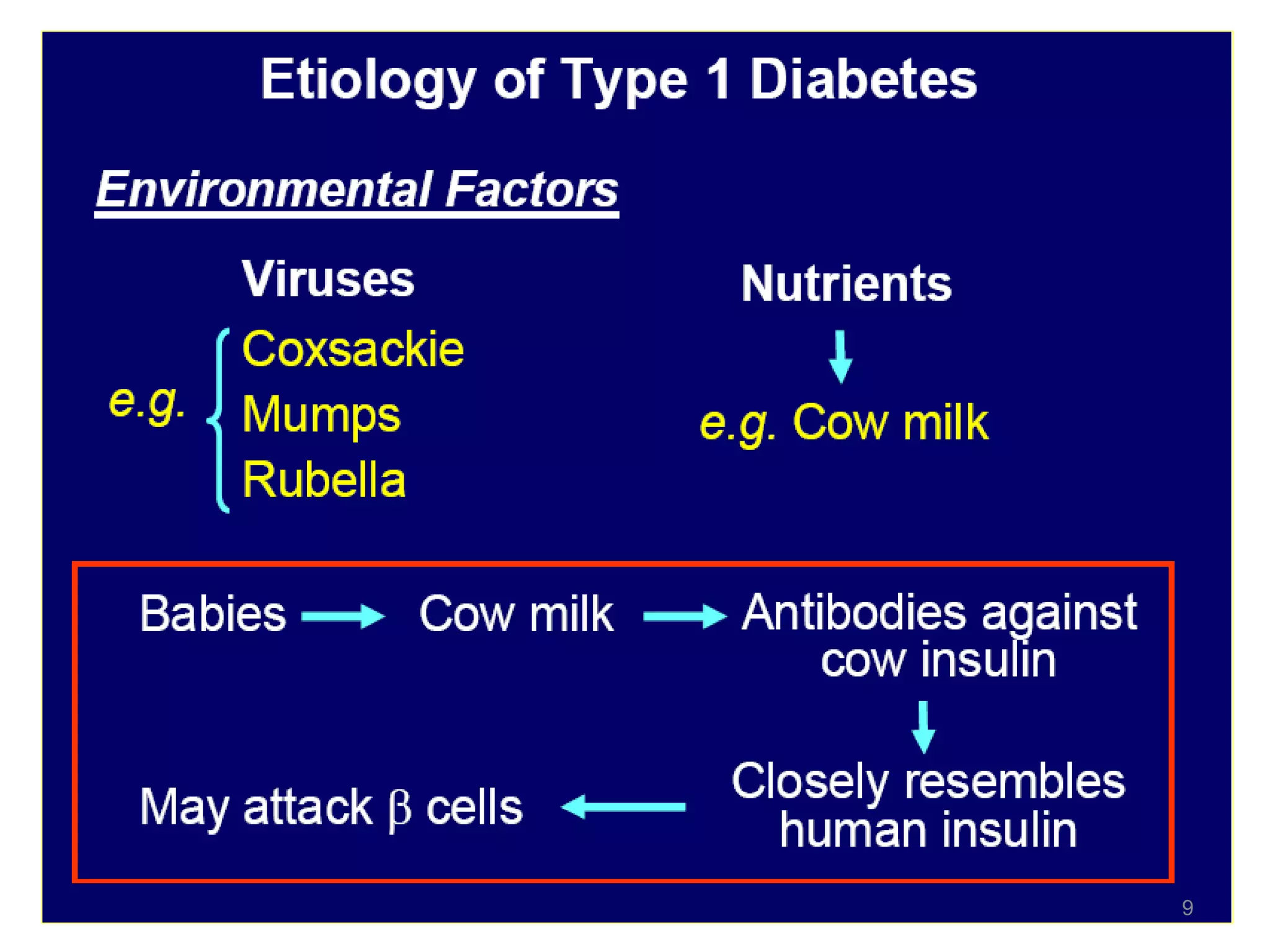
 Risk factors for type 1 diabetes may include autoimmune, genetic,
and environmental factors.
Pathophysiology
• Type 1 DM
 There are four stages in the development of
Type 1 DM:
1. Preclinical period with positive b-cell antibodies
2. Hyperglycemia when 80-90% of the
β- cells are destroyed.
3. Transient remission (honeymoon phase).
3. Establishment of the disease
7
• Type 1 DM
– Type 1 diabetes may occur at any age before 30 years
of age , mostly peak incidence at school going age and
around puberty.
– Accounts for between 5 – 15% of all people with
diabetes.
– Usually HLA DR3 and HLA DR4 associated.
– ICA( islet cell antibody), GAD (glutamic acid
decarboxylase), IAA (Insulin auto antibody) , Tyrosine
phosphatse, ZINC transporter .
– If mother has type 1 then child has 3% chance to
develope if father then 6%, in identical twins then 25%
to 50%.
9
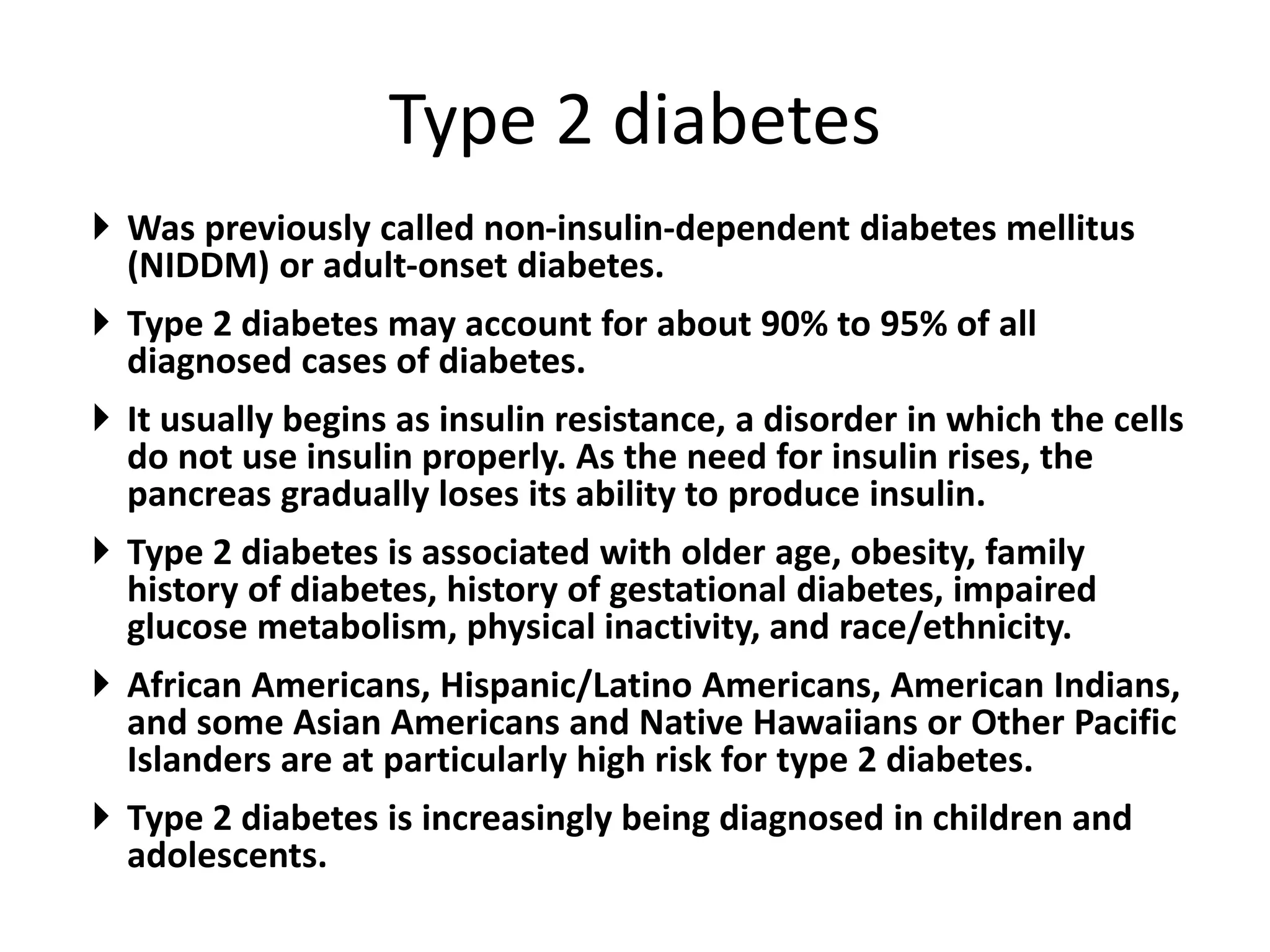
Type 2 diabetes
 Was previously called non-insulin-dependent diabetes mellitus
(NIDDM) or adult-onset diabetes.
 Type 2 diabetes may account for about 90% to 95% of all
diagnosed cases of diabetes.
 It usually begins as insulin resistance, a disorder in which the cells
do not use insulin properly. As the need for insulin rises, the
pancreas gradually loses its ability to produce insulin.
 Type 2 diabetes is associated with older age, obesity, family
history of diabetes, history of gestational diabetes, impaired
glucose metabolism, physical inactivity, and race/ethnicity.
 African Americans, Hispanic/Latino Americans, American Indians,
and some Asian Americans and Native Hawaiians or Other Pacific
Islanders are at particularly high risk for type 2 diabetes.
 Type 2 diabetes is increasingly being diagnosed in children and
adolescents.
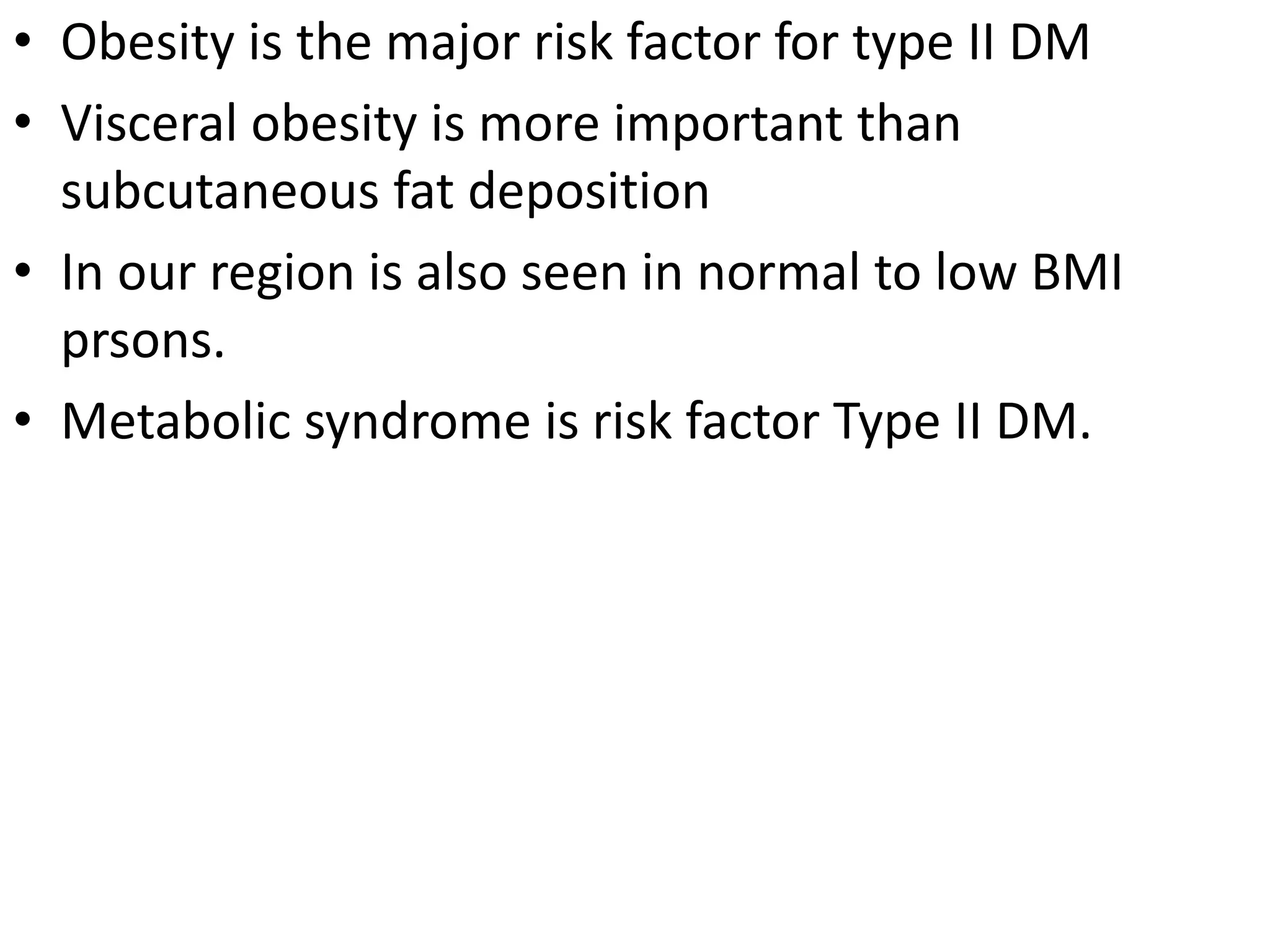
• Obesity is the major risk factor for type II DM
• Visceral obesity is more important than
subcutaneous fat deposition
• In our region is also seen in normal to low BMI
prsons.
• Metabolic syndrome is risk factor Type II DM.
12
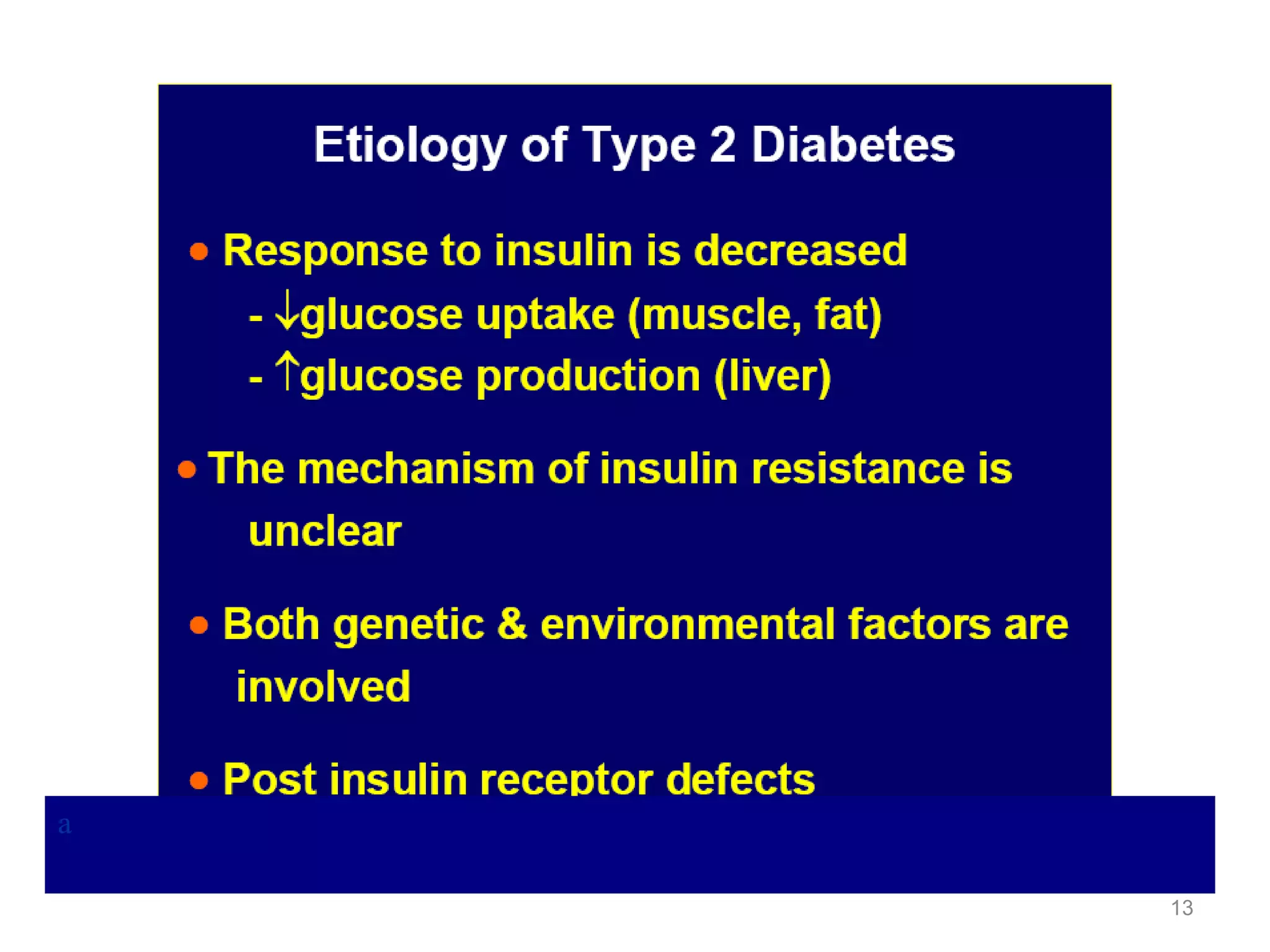
2. Etiology of Type 2 Diabetes
13
a
Reason for increasing prevalence of
type-2 diabetes
The disease is reaching epidemic proportions
because:
 Rates of overweight/obesity have increased
 We have become a physically inactive species
 Our diets are increasingly unhealthy
Risk factors for type 2 diabetes
Certain people are more at risk of diabetes:
 Those who are overweight/obese
 People with a family history of diabetes
 Women who had diabetes during pregnancy or have had a baby
weighing more than 9lbs
 Physically inactive people
 Certain ethnic groups (african, american indian, asian)
 People who have high blood pressure or high cholesterol
 Age more than 45 years
Gestational diabetes
 A form of glucose intolerance that is diagnosed in some
women during pregnancy.
 Gestational diabetes occurs more frequently among
African Americans, Hispanic/Latino Americans, and
American Indians. It is also more common among obese
women and women with a family history of diabetes.
 During pregnancy, gestational diabetes requires treatment
to normalize maternal blood glucose levels to avoid
complications in the infant.
 After pregnancy, 5% to 10% of women with gestational
diabetes are found to have type 2 diabetes.
 Women who have had gestational diabetes have a 20% to
50% chance of developing diabetes in the next 5-10 years.
Other types of DM
• Other specific types of diabetes result from
specific genetic conditions (such as maturity-
onset diabetes of youth), surgery, drugs,
malnutrition, infections, and other illnesses.
• Such types of diabetes may account for 1% to
5% of all diagnosed cases of diabetes.
LADA
Latent Autoimmune Diabetes in Adults (LADA) is
a form of autoimmune (type 1 diabetes) which is
diagnosed in individuals who are older than the
usual age of onset of type 1 diabetes.
Alternate terms that have been used for "LADA"
include Late-onset Autoimmune Diabetes of
Adulthood, "Slow Onset Type 1" diabetes, and
sometimes also "Type 1.5
Often, patients with LADA are mistakenly thought
to have type 2 diabetes, based on their age at
the time of diagnosis.
LADA
LADA (cont.)
• About 80% of adults apparently with recently
diagnosed Type 2 diabetes but with GAD auto-
antibodies (i.e. LADA) progress to insulin
requirement within 6 years.
• The potential value of identifying this group at
high risk of progression to insulin dependence
includes:
– the avoidance of using metformin treatment
– the early introduction of insulin therapy
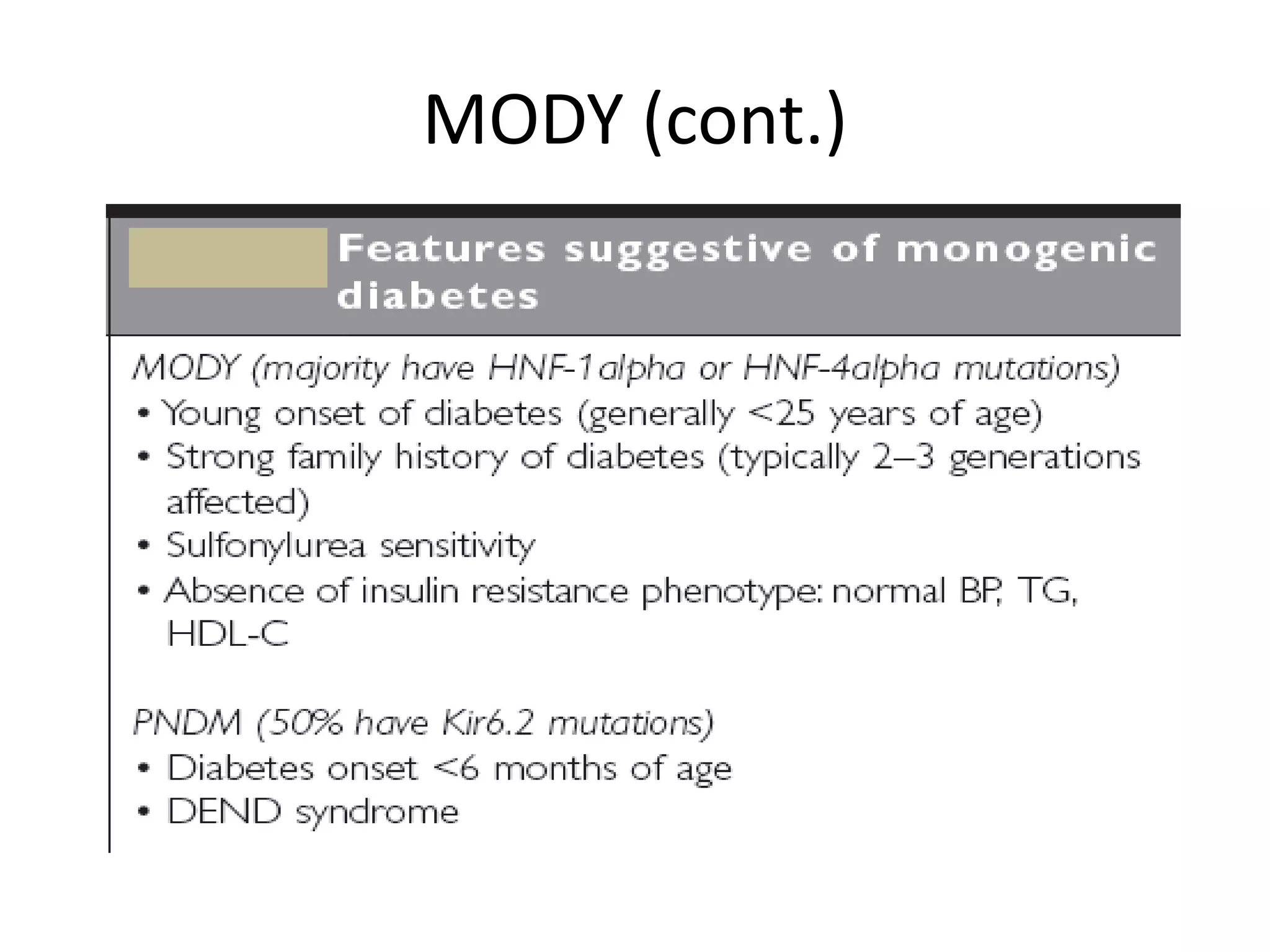
MODY
 MODY – Maturity Onset Diabetes of the Young
 MODY is a monogenic form of diabetes with an autosomal
dominant mode of inheritance:
◦ Mutations in any one of several transcription factors or in the enzyme
glucokinase lead to insufficient insulin release from pancreatic ß-cells,
causing MODY.
◦ Different subtypes of MODY are identified based on the mutated gene.
 Originally, diagnosis of MODY was based on presence of non-ketotic
hyperglycemia in adolescents or young adults in conjunction with a
family history of diabetes.
 However, genetic testing has shown that MODY can occur at any
age and that a family history of diabetes is not always obvious.
MODY (cont.)
MODY
 Within MODY, the different subtypes can essentially be
divided into 2 distinct groups: glucokinase MODY and
transcription factor MODY, distinguished by
characteristic phenotypic features and pattern on oral
glucose tolerance testing.
 Glucokinase MODY requires no treatment, while
transcription factor MODY (i.e. Hepatocyte nuclear
factor -1alpha) requires low-dose sulfonylurea therapy
and PNDM (caused by Kir6.2 mutation) requires high-
dose sulfonylurea therapy.
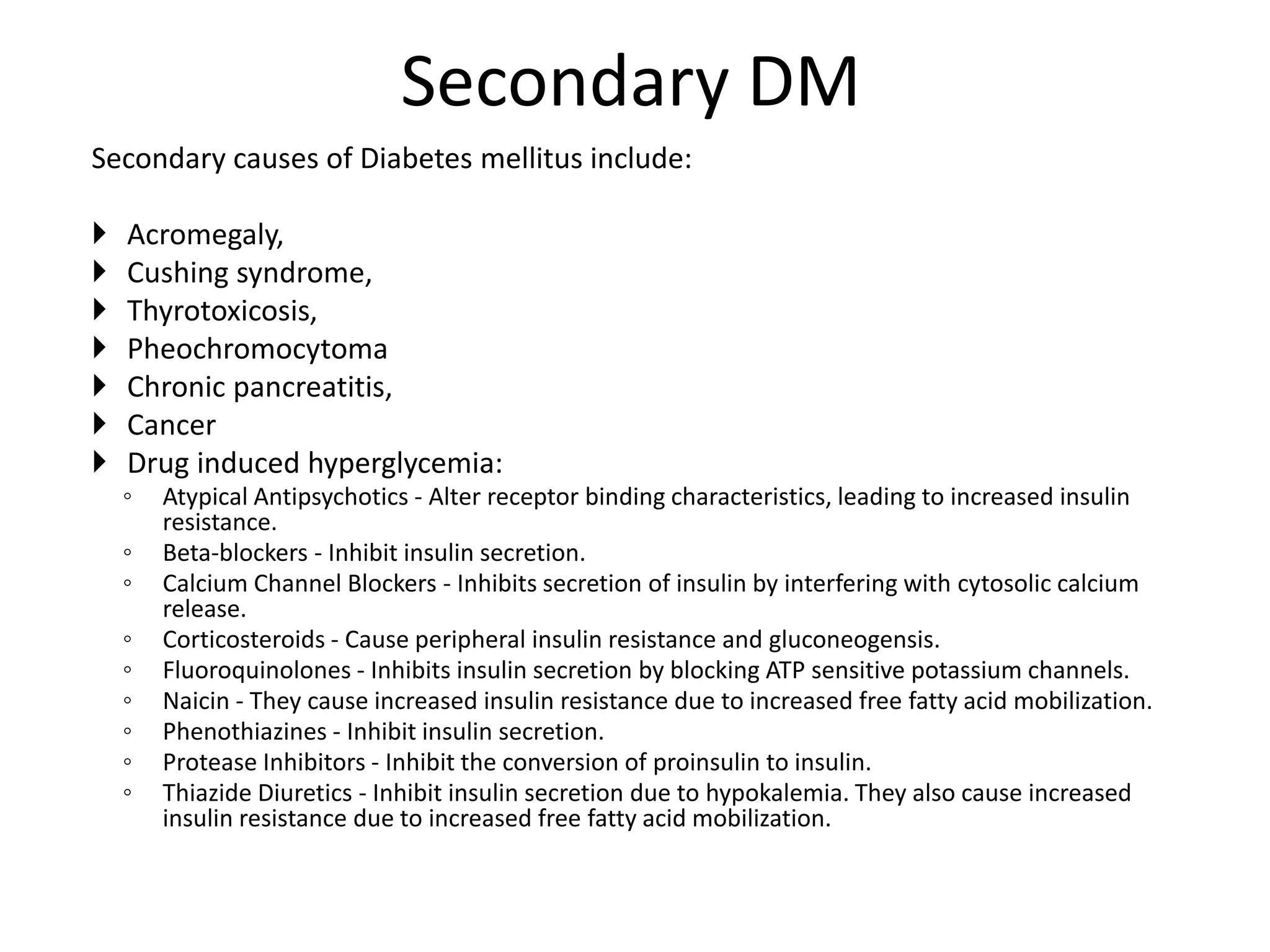
Secondary DM
Secondary causes of Diabetes mellitus include:
 Acromegaly,
 Cushing syndrome,
 Thyrotoxicosis,
 Pheochromocytoma
 Chronic pancreatitis,
 Cancer
 Drug induced hyperglycemia:
◦ Atypical Antipsychotics - Alter receptor binding characteristics, leading to increased insulin
resistance.
◦ Beta-blockers - Inhibit insulin secretion.
◦ Calcium Channel Blockers - Inhibits secretion of insulin by interfering with cytosolic calcium
release.
◦ Corticosteroids - Cause peripheral insulin resistance and gluconeogensis.
◦ Fluoroquinolones - Inhibits insulin secretion by blocking ATP sensitive potassium channels.
◦ Naicin - They cause increased insulin resistance due to increased free fatty acid mobilization.
◦ Phenothiazines - Inhibit insulin secretion.
◦ Protease Inhibitors - Inhibit the conversion of proinsulin to insulin.
◦ Thiazide Diuretics - Inhibit insulin secretion due to hypokalemia. They also cause increased
insulin resistance due to increased free fatty acid mobilization.
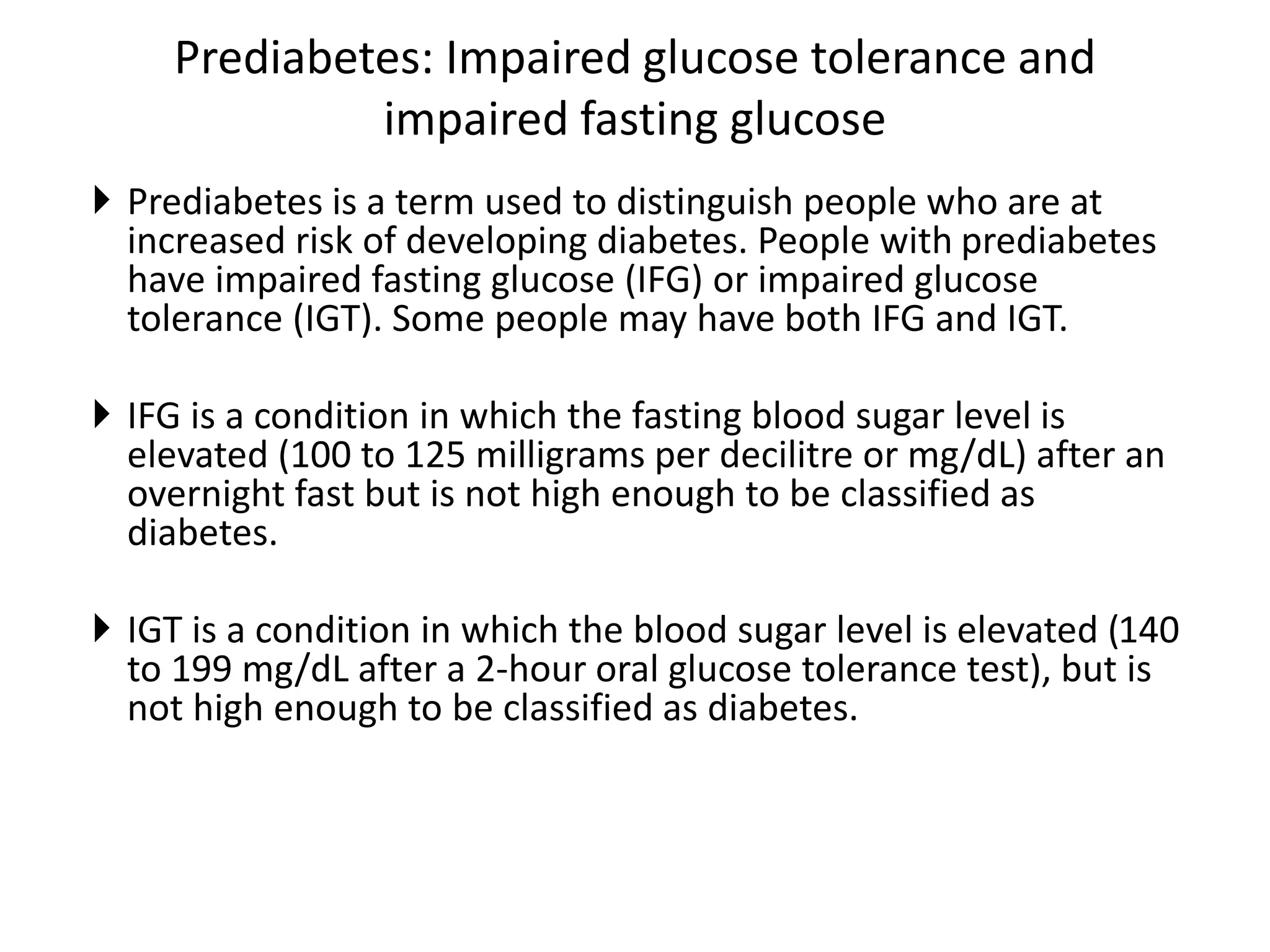
Prediabetes: Impaired glucose tolerance and
impaired fasting glucose
 Prediabetes is a term used to distinguish people who are at
increased risk of developing diabetes. People with prediabetes
have impaired fasting glucose (IFG) or impaired glucose
tolerance (IGT). Some people may have both IFG and IGT.
 IFG is a condition in which the fasting blood sugar level is
elevated (100 to 125 milligrams per decilitre or mg/dL) after an
overnight fast but is not high enough to be classified as
diabetes.
 IGT is a condition in which the blood sugar level is elevated (140
to 199 mg/dL after a 2-hour oral glucose tolerance test), but is
not high enough to be classified as diabetes.
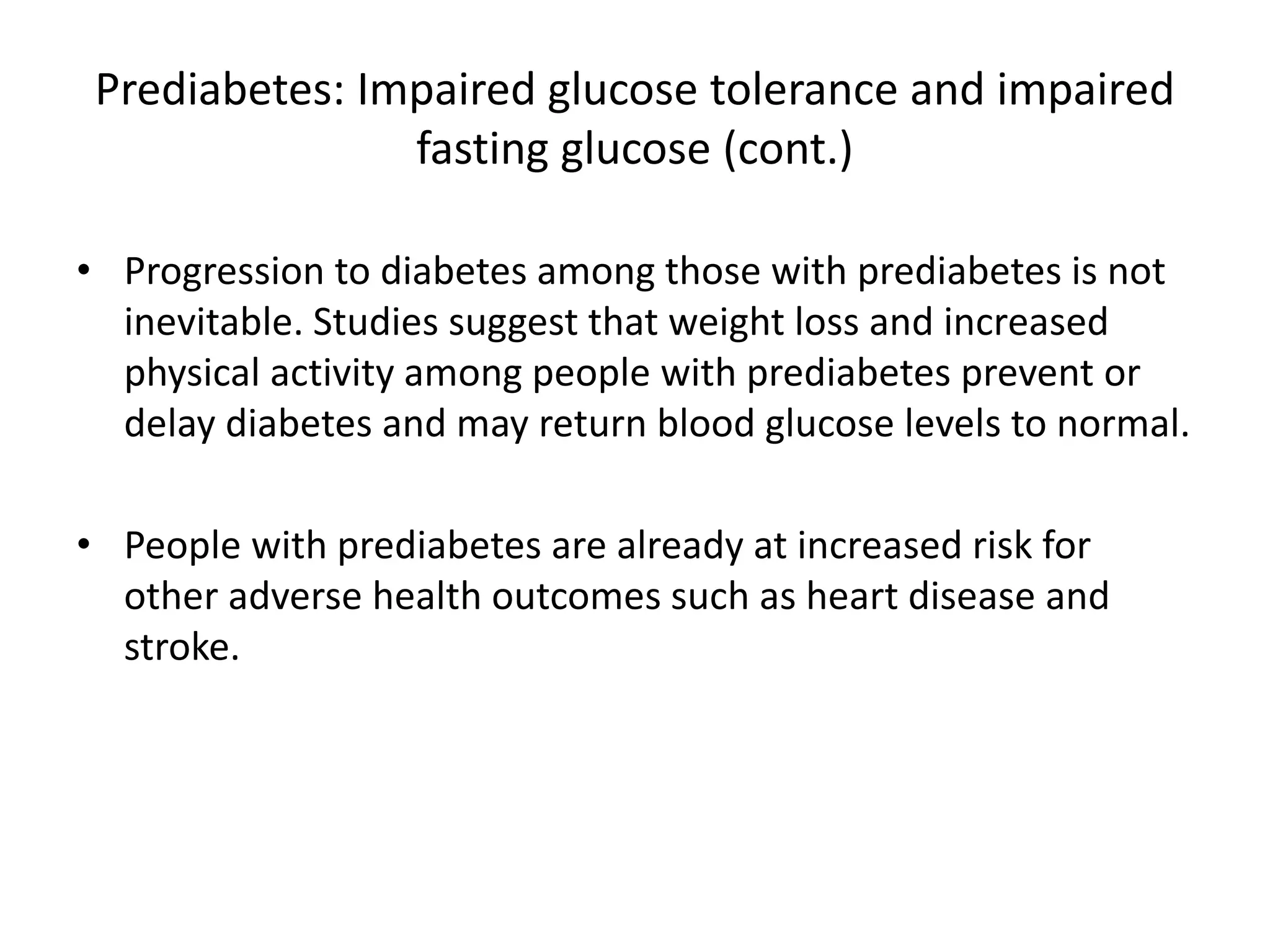
Prediabetes: Impaired glucose tolerance and impaired
fasting glucose (cont.)
• Progression to diabetes among those with prediabetes is not
inevitable. Studies suggest that weight loss and increased
physical activity among people with prediabetes prevent or
delay diabetes and may return blood glucose levels to normal.
• People with prediabetes are already at increased risk for
other adverse health outcomes such as heart disease and
stroke.
THANK YOU

Presentation1

  • 1.
  • 2.
    What is diabetes? Diabetes mellitus (DM) is a group of diseases characterized by high levels of blood glucose resulting from defects in insulin production, insulin action, or both.  The term diabetes mellitus describes a metabolic disorder of multiple aetiology characterized by chronic hyperglycaemia with disturbances of carbohydrate, fat and protein metabolism resulting from defects in insulin secretion, insulin action, or both.  The effects of diabetes mellitus include long–term damage, dysfunction and failure of various organs.
  • 3.
    Insulin is produced bythe pancreas when blood sugar is high Insulin keeps blood sugar level within the normal range for health Blood sugar and health Sugar (glucose) is an important source of energy What is eaten is absorbed into the blood
  • 4.
    Types of Diabetes •Type 1 Diabetes Mellitus • Type 2 Diabetes Mellitus • Gestational Diabetes • Other types: LADA ( Latent Automine diabetes of adulthood) MODY (maturity-onset diabetes of young) Secondary Diabetes Mellitus
  • 5.
    Burden of Diabetes The development of diabetes is projected to reach pandemic proportions over the next10-20 years.  International Diabetes Federation (IDF) data indicate that by the year 2025, the number of people affected will reach 333 million – 90% of these people will have Type 2 diabetes.  In most Western societies, the overall prevalence has reached 4- 6%, and is as high as 10-12% among 60-70-year-old people.  The annual health costs caused by diabetes and its complications account for around 6-12% of all health-care expenditure.
  • 6.
    Type 1 diabetes Was previously called insulin-dependent diabetes mellitus (IDDM) or juvenile-onset diabetes.  Type 1 diabetes develops when the body’s immune system destroys pancreatic beta cells, the only cells in the body that make the hormone insulin that regulates blood glucose.  This form of diabetes usually strikes children and young adults, although disease onset can occur at any age.  Type 1 diabetes may account for 5% to 10% of all diagnosed cases of diabetes.  Risk factors for type 1 diabetes may include autoimmune, genetic, and environmental factors.
  • 7.
    Pathophysiology • Type 1DM  There are four stages in the development of Type 1 DM: 1. Preclinical period with positive b-cell antibodies 2. Hyperglycemia when 80-90% of the β- cells are destroyed. 3. Transient remission (honeymoon phase). 3. Establishment of the disease 7
  • 8.
    • Type 1DM – Type 1 diabetes may occur at any age before 30 years of age , mostly peak incidence at school going age and around puberty. – Accounts for between 5 – 15% of all people with diabetes. – Usually HLA DR3 and HLA DR4 associated. – ICA( islet cell antibody), GAD (glutamic acid decarboxylase), IAA (Insulin auto antibody) , Tyrosine phosphatse, ZINC transporter . – If mother has type 1 then child has 3% chance to develope if father then 6%, in identical twins then 25% to 50%.
  • 9.
  • 10.
    Type 2 diabetes Was previously called non-insulin-dependent diabetes mellitus (NIDDM) or adult-onset diabetes.  Type 2 diabetes may account for about 90% to 95% of all diagnosed cases of diabetes.  It usually begins as insulin resistance, a disorder in which the cells do not use insulin properly. As the need for insulin rises, the pancreas gradually loses its ability to produce insulin.  Type 2 diabetes is associated with older age, obesity, family history of diabetes, history of gestational diabetes, impaired glucose metabolism, physical inactivity, and race/ethnicity.  African Americans, Hispanic/Latino Americans, American Indians, and some Asian Americans and Native Hawaiians or Other Pacific Islanders are at particularly high risk for type 2 diabetes.  Type 2 diabetes is increasingly being diagnosed in children and adolescents.
  • 11.
    • Obesity isthe major risk factor for type II DM • Visceral obesity is more important than subcutaneous fat deposition • In our region is also seen in normal to low BMI prsons. • Metabolic syndrome is risk factor Type II DM.
  • 12.
    12 2. Etiology ofType 2 Diabetes
  • 13.
  • 14.
    Reason for increasingprevalence of type-2 diabetes The disease is reaching epidemic proportions because:  Rates of overweight/obesity have increased  We have become a physically inactive species  Our diets are increasingly unhealthy
  • 15.
    Risk factors fortype 2 diabetes Certain people are more at risk of diabetes:  Those who are overweight/obese  People with a family history of diabetes  Women who had diabetes during pregnancy or have had a baby weighing more than 9lbs  Physically inactive people  Certain ethnic groups (african, american indian, asian)  People who have high blood pressure or high cholesterol  Age more than 45 years
  • 18.
    Gestational diabetes  Aform of glucose intolerance that is diagnosed in some women during pregnancy.  Gestational diabetes occurs more frequently among African Americans, Hispanic/Latino Americans, and American Indians. It is also more common among obese women and women with a family history of diabetes.  During pregnancy, gestational diabetes requires treatment to normalize maternal blood glucose levels to avoid complications in the infant.  After pregnancy, 5% to 10% of women with gestational diabetes are found to have type 2 diabetes.  Women who have had gestational diabetes have a 20% to 50% chance of developing diabetes in the next 5-10 years.
  • 19.
    Other types ofDM • Other specific types of diabetes result from specific genetic conditions (such as maturity- onset diabetes of youth), surgery, drugs, malnutrition, infections, and other illnesses. • Such types of diabetes may account for 1% to 5% of all diagnosed cases of diabetes.
  • 20.
    LADA Latent Autoimmune Diabetesin Adults (LADA) is a form of autoimmune (type 1 diabetes) which is diagnosed in individuals who are older than the usual age of onset of type 1 diabetes. Alternate terms that have been used for "LADA" include Late-onset Autoimmune Diabetes of Adulthood, "Slow Onset Type 1" diabetes, and sometimes also "Type 1.5 Often, patients with LADA are mistakenly thought to have type 2 diabetes, based on their age at the time of diagnosis.
  • 21.
  • 22.
    LADA (cont.) • About80% of adults apparently with recently diagnosed Type 2 diabetes but with GAD auto- antibodies (i.e. LADA) progress to insulin requirement within 6 years. • The potential value of identifying this group at high risk of progression to insulin dependence includes: – the avoidance of using metformin treatment – the early introduction of insulin therapy
  • 23.
    MODY  MODY –Maturity Onset Diabetes of the Young  MODY is a monogenic form of diabetes with an autosomal dominant mode of inheritance: ◦ Mutations in any one of several transcription factors or in the enzyme glucokinase lead to insufficient insulin release from pancreatic ß-cells, causing MODY. ◦ Different subtypes of MODY are identified based on the mutated gene.  Originally, diagnosis of MODY was based on presence of non-ketotic hyperglycemia in adolescents or young adults in conjunction with a family history of diabetes.  However, genetic testing has shown that MODY can occur at any age and that a family history of diabetes is not always obvious.
  • 24.
  • 25.
    MODY  Within MODY,the different subtypes can essentially be divided into 2 distinct groups: glucokinase MODY and transcription factor MODY, distinguished by characteristic phenotypic features and pattern on oral glucose tolerance testing.  Glucokinase MODY requires no treatment, while transcription factor MODY (i.e. Hepatocyte nuclear factor -1alpha) requires low-dose sulfonylurea therapy and PNDM (caused by Kir6.2 mutation) requires high- dose sulfonylurea therapy.
  • 26.
    Secondary DM Secondary causesof Diabetes mellitus include:  Acromegaly,  Cushing syndrome,  Thyrotoxicosis,  Pheochromocytoma  Chronic pancreatitis,  Cancer  Drug induced hyperglycemia: ◦ Atypical Antipsychotics - Alter receptor binding characteristics, leading to increased insulin resistance. ◦ Beta-blockers - Inhibit insulin secretion. ◦ Calcium Channel Blockers - Inhibits secretion of insulin by interfering with cytosolic calcium release. ◦ Corticosteroids - Cause peripheral insulin resistance and gluconeogensis. ◦ Fluoroquinolones - Inhibits insulin secretion by blocking ATP sensitive potassium channels. ◦ Naicin - They cause increased insulin resistance due to increased free fatty acid mobilization. ◦ Phenothiazines - Inhibit insulin secretion. ◦ Protease Inhibitors - Inhibit the conversion of proinsulin to insulin. ◦ Thiazide Diuretics - Inhibit insulin secretion due to hypokalemia. They also cause increased insulin resistance due to increased free fatty acid mobilization.
  • 27.
    Prediabetes: Impaired glucosetolerance and impaired fasting glucose  Prediabetes is a term used to distinguish people who are at increased risk of developing diabetes. People with prediabetes have impaired fasting glucose (IFG) or impaired glucose tolerance (IGT). Some people may have both IFG and IGT.  IFG is a condition in which the fasting blood sugar level is elevated (100 to 125 milligrams per decilitre or mg/dL) after an overnight fast but is not high enough to be classified as diabetes.  IGT is a condition in which the blood sugar level is elevated (140 to 199 mg/dL after a 2-hour oral glucose tolerance test), but is not high enough to be classified as diabetes.
  • 28.
    Prediabetes: Impaired glucosetolerance and impaired fasting glucose (cont.) • Progression to diabetes among those with prediabetes is not inevitable. Studies suggest that weight loss and increased physical activity among people with prediabetes prevent or delay diabetes and may return blood glucose levels to normal. • People with prediabetes are already at increased risk for other adverse health outcomes such as heart disease and stroke.
  • 29.