HDL is the smallest and densest lipoprotein particle, composed of proteins, phospholipids, free cholesterol, cholesterol esters, and triglycerides. HDL particles transport cholesterol from tissues like macrophages to the liver for processing or excretion. The liver synthesizes nascent HDL particles that acquire cholesterol through interactions with the ATP-binding cassette transporter A1 and other receptors on cells. Enzymes further process and enlarge HDL as it circulates, eventually returning mature HDL to the liver to offload cholesterol through the scavenger receptor class B type 1. This reverse cholesterol transport pathway is important for reducing atherosclerosis and is part of HDL's anti-inflammatory and antioxidant functions that provide protection against cardiovascular disease.
Introduction to the topic of Biochemistry with a focus on Lipids, specifically paper 1 and unit 3.
Overview of lipoproteins, highlighting HDL as the smallest and densest, composed of proteins that transport lipids in the body.
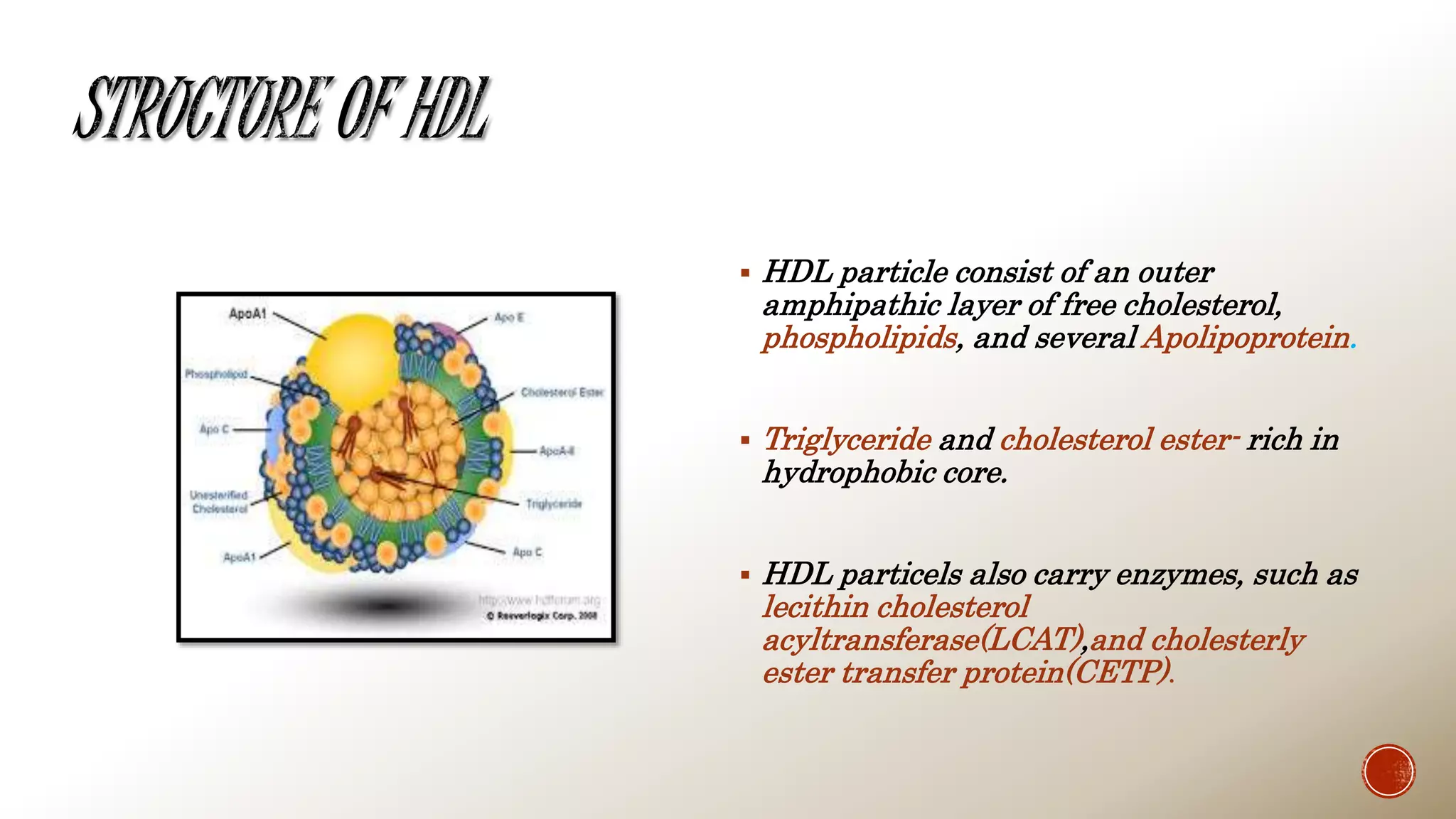
Details of HDL composition including proteins, apolipoproteins (ApoA-1, ApoA-2, ApoC, ApoE), cholesterol, and the lipoprotein's structure.
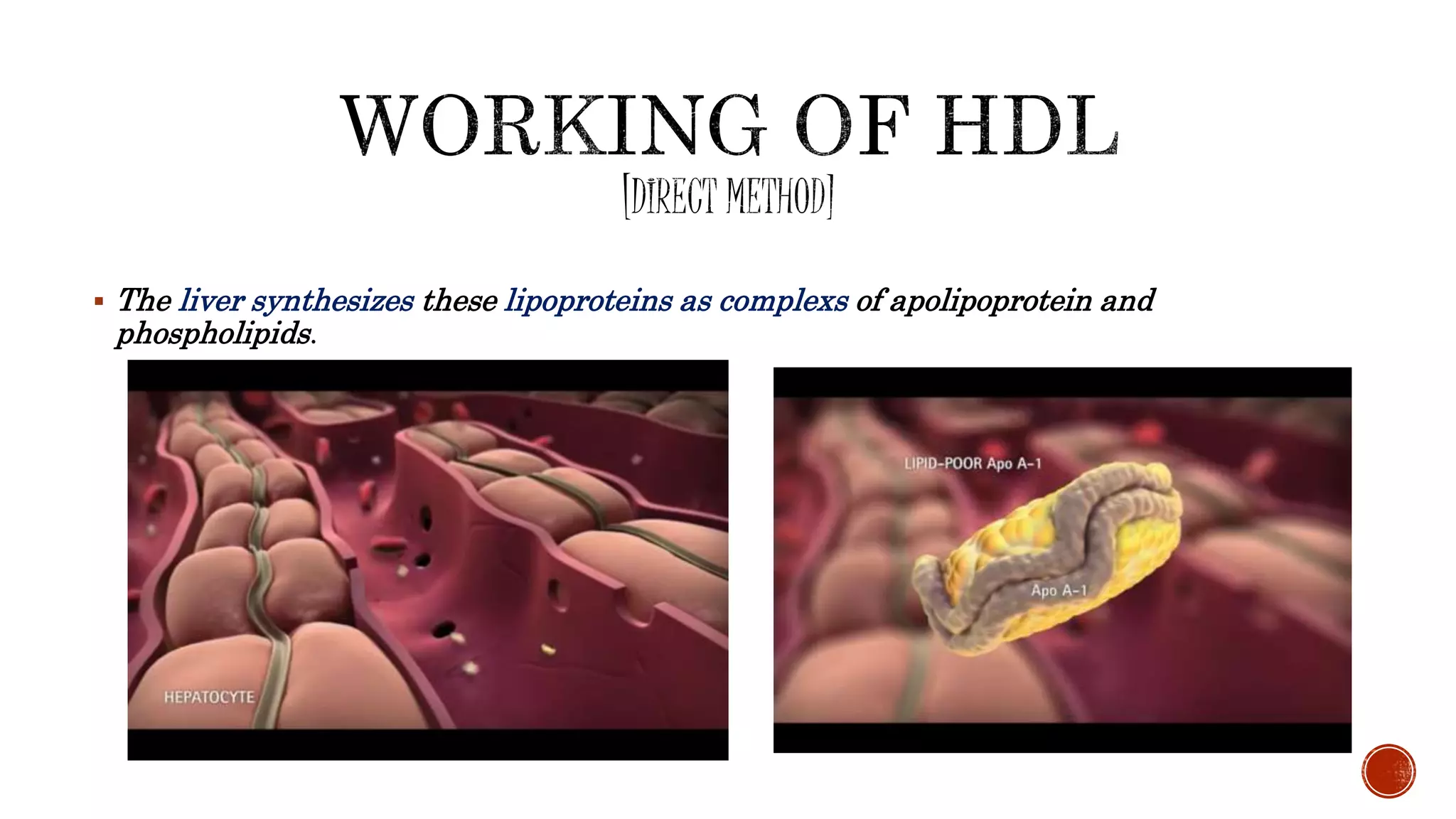
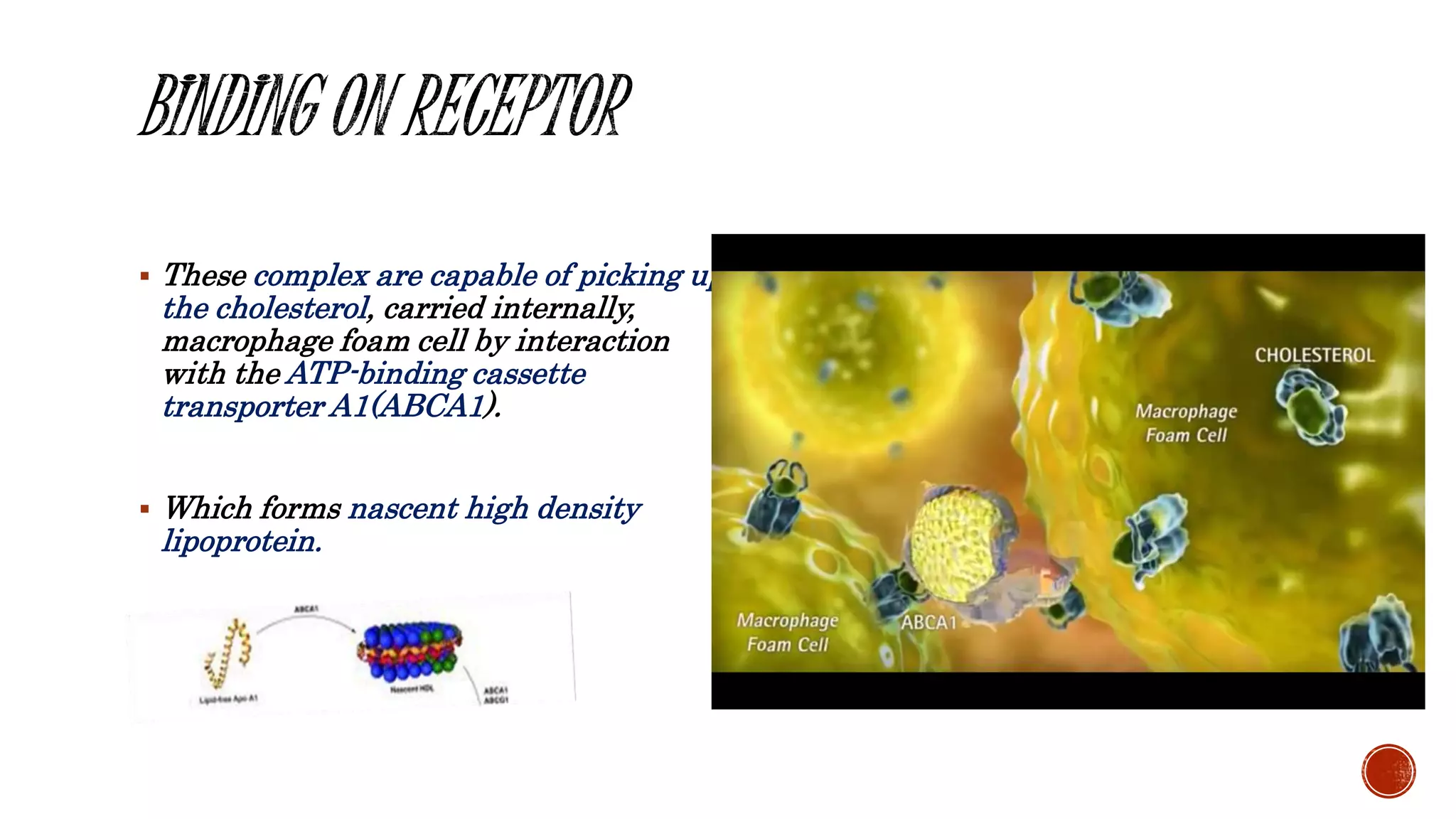
Explains the liver's role in synthesizing lipoproteins, the formation of nascent HDL, and the mechanisms of cholesterol transport into HDL.
Describes how nascent HDL matures, its interaction with liver receptors, and its role in cholesterol uptake and metabolism.
Discusses the delivery of cholesterol to the liver and its importance in hormone synthesis, as well as HDL's role as 'good cholesterol' and therapeutic potential.
Citations and reference sources for the presented information, including Google, Wikipedia, and Science Direct.
Major groupof LIPOPROTEIN.
HDL is the smallest lipoprotein particle. It is the densest because of contains the
highest portion of protein to lipids.
LIPOPROTEIN are complex particles composed of multiple proteins which
transport all fat molecules (lipids) around the body within the water outside cells.
4.
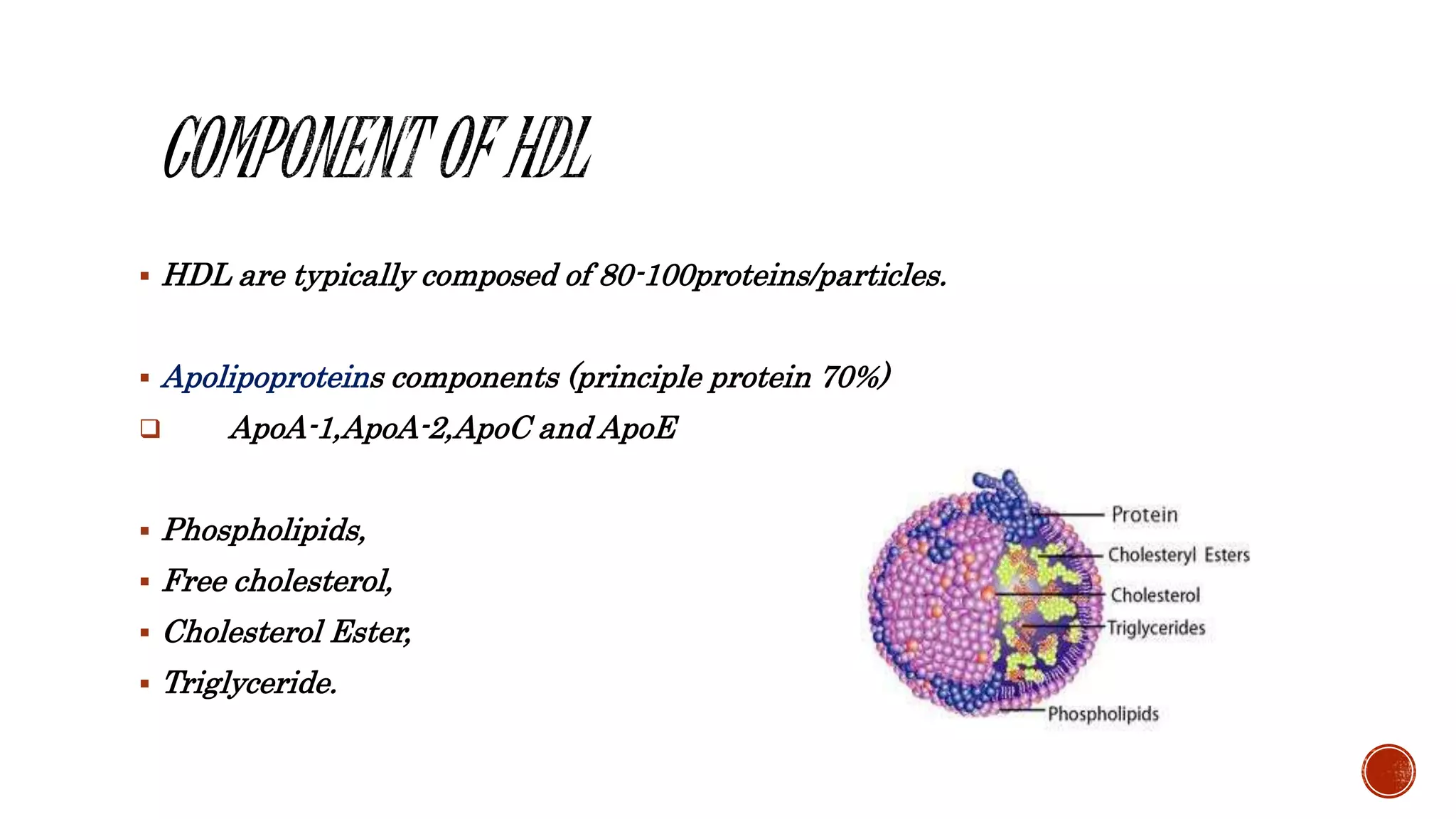
HDL aretypically composed of 80-100proteins/particles.
Apolipoproteins components (principle protein 70%)
ApoA-1,ApoA-2,ApoC and ApoE
Phospholipids,
Free cholesterol,
Cholesterol Ester,
Triglyceride.
5.
HDL particleconsist of an outer
amphipathic layer of free cholesterol,
phospholipids, and several Apolipoprotein.
Triglyceride and cholesterol ester- rich in
hydrophobic core.
HDL particels also carry enzymes, such as
lecithin cholesterol
acyltransferase(LCAT),and cholesterly
ester transfer protein(CETP).
7.
The liversynthesizes these lipoproteins as complexs of apolipoprotein and
phospholipids.
8.
These complexare capable of picking up
the cholesterol, carried internally,
macrophage foam cell by interaction
with the ATP-binding cassette
transporter A1(ABCA1).
Which forms nascent high density
lipoprotein.
9.
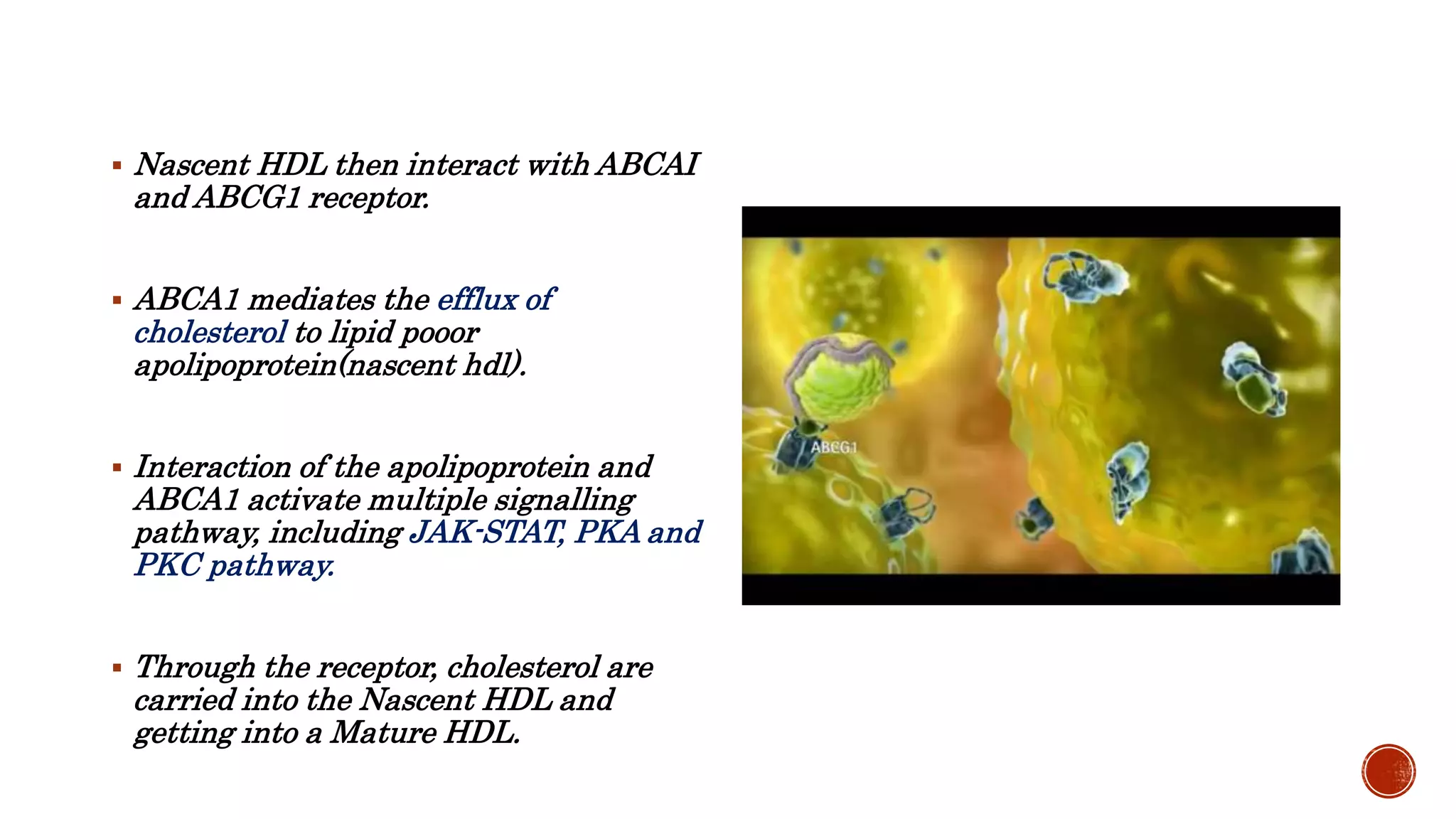
Nascent HDLthen interact with ABCAI
and ABCG1 receptor.
ABCA1 mediates the efflux of
cholesterol to lipid pooor
apolipoprotein(nascent hdl).
Interaction of the apolipoprotein and
ABCA1 activate multiple signalling
pathway, including JAK-STAT, PKA and
PKC pathway.
Through the receptor, cholesterol are
carried into the Nascent HDL and
getting into a Mature HDL.
10.
A Plasmaenzymes called lecithin cholesterol acyltransferase(LCAT) converts the
free cholesterol into cholesteryl ester.(more hydrophobic form of cholesterol).
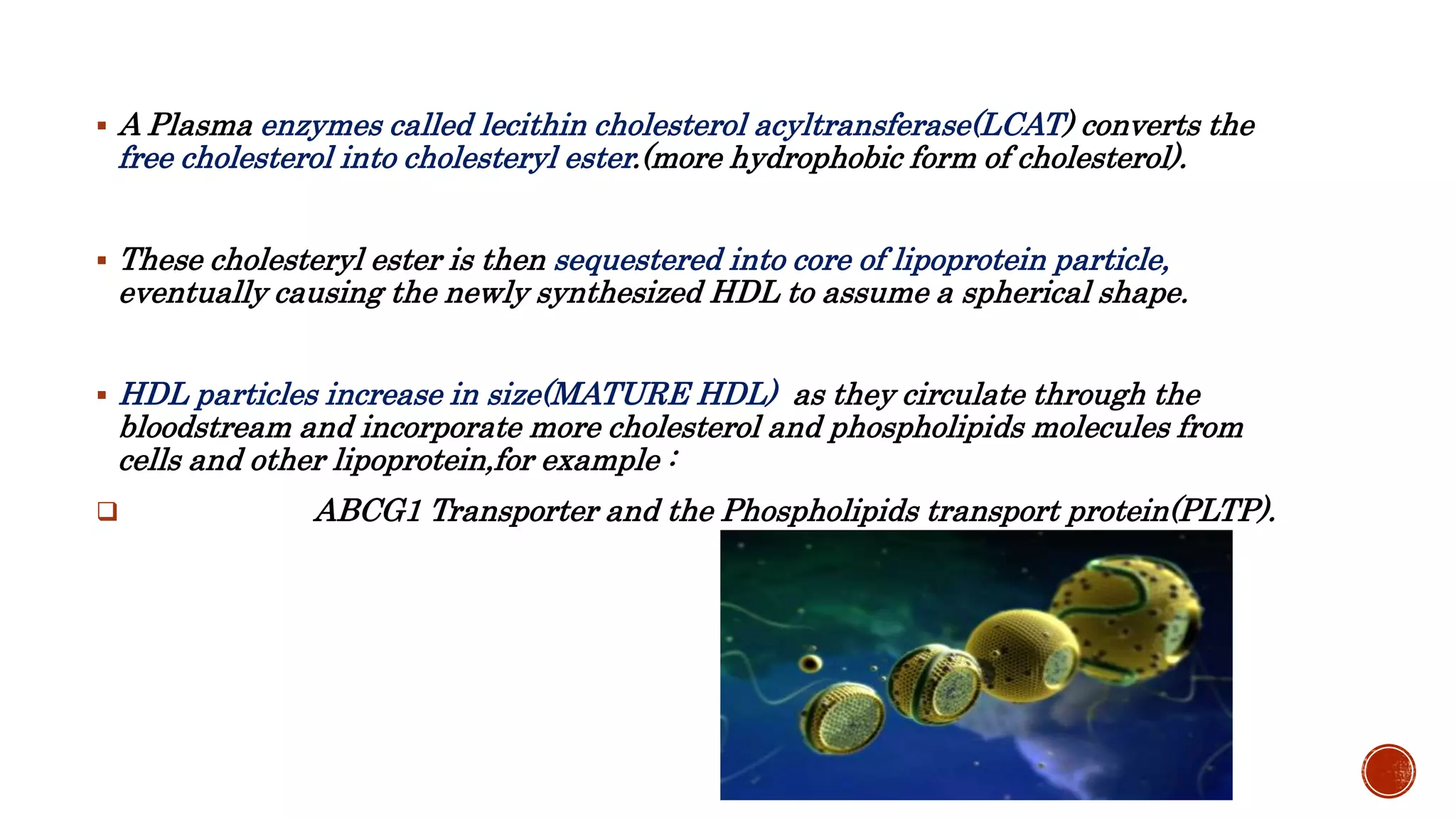
These cholesteryl ester is then sequestered into core of lipoprotein particle,
eventually causing the newly synthesized HDL to assume a spherical shape.
HDL particles increase in size(MATURE HDL) as they circulate through the
bloodstream and incorporate more cholesterol and phospholipids molecules from
cells and other lipoprotein,for example :
ABCG1 Transporter and the Phospholipids transport protein(PLTP).
11.
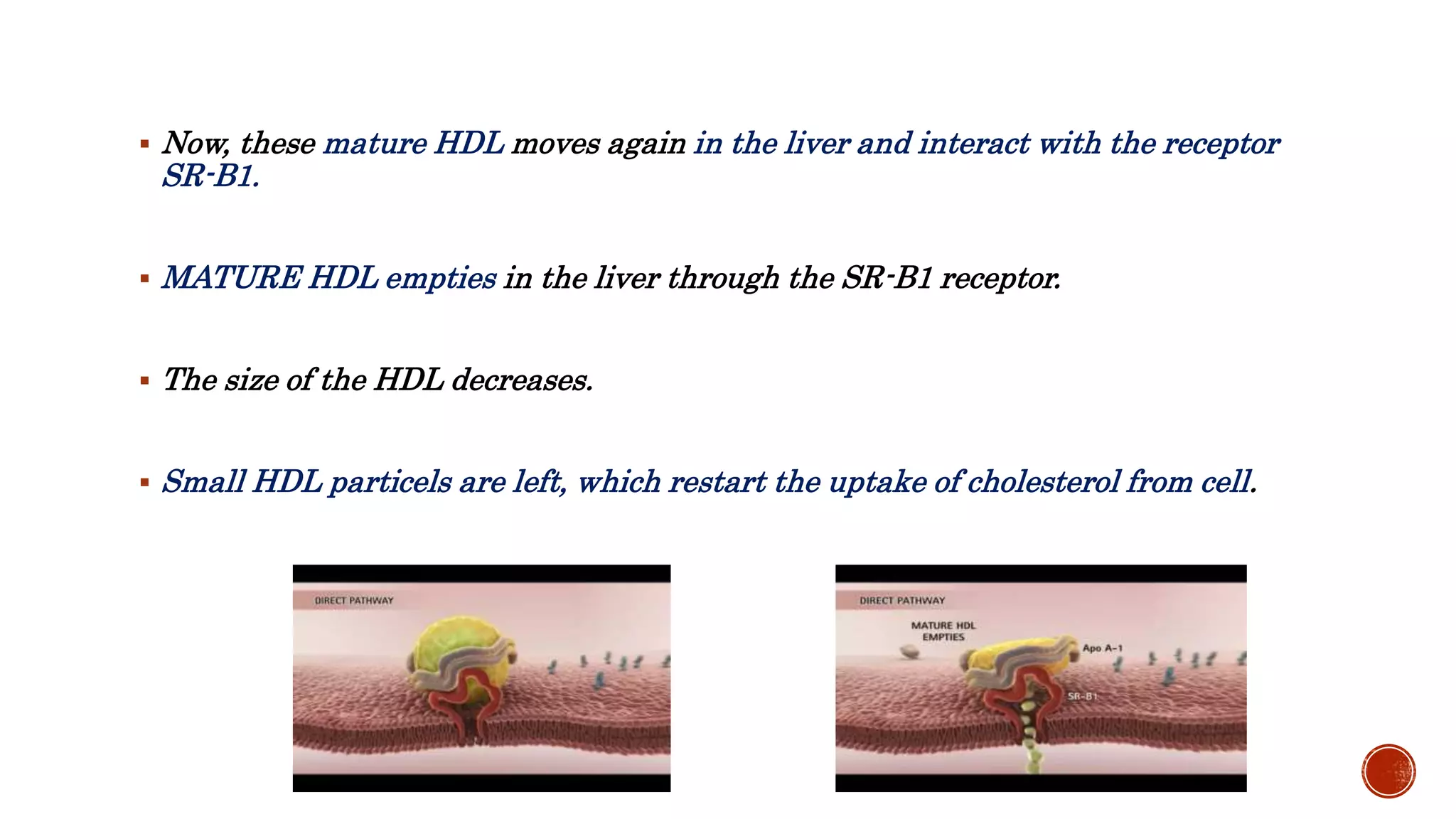
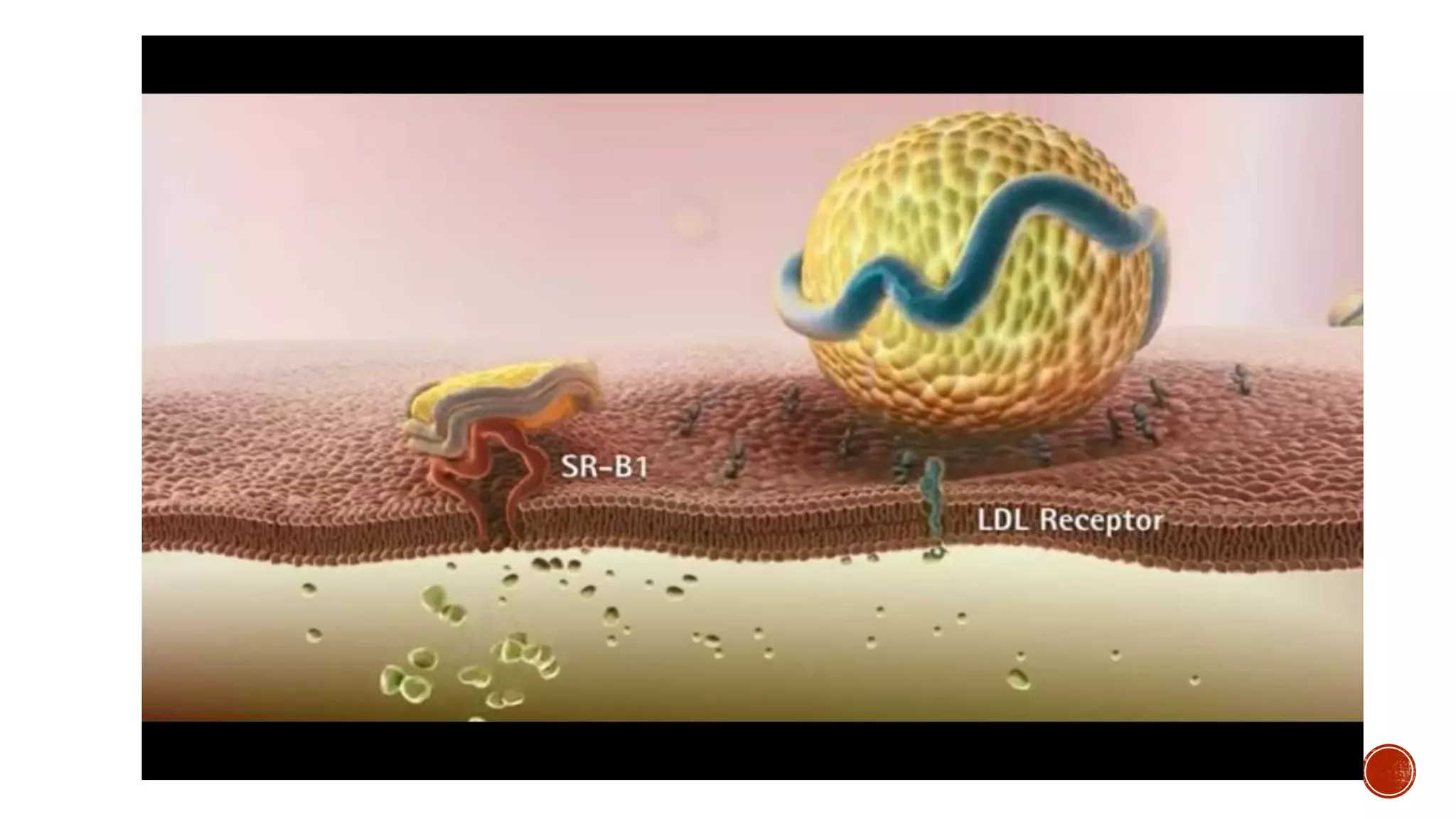
Now, thesemature HDL moves again in the liver and interact with the receptor
SR-B1.
MATURE HDL empties in the liver through the SR-B1 receptor.
The size of the HDL decreases.
Small HDL particels are left, which restart the uptake of cholesterol from cell.
12.
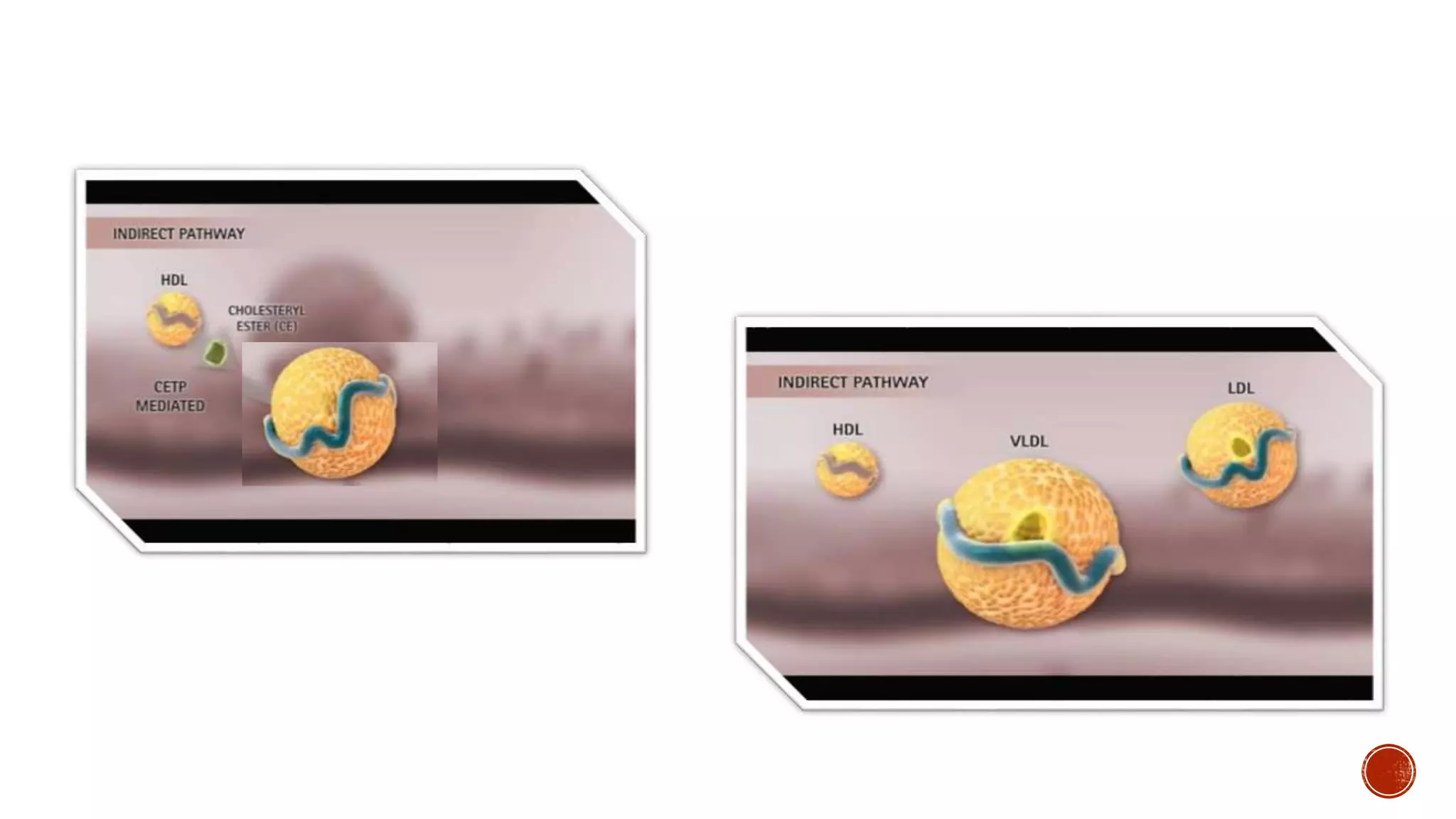
This pathwayis mediated by cholesteryl ester transfer protein(CEPT). This
protein exchanges triglycerides of VLDL against cholesteryl ester of HDL.
VLDL processed to LDL, which are removed from the circulation by the LDL
receptor pathway.
LDL are endocytosis and all proteins are degraded in proteins and cholesterol are
used up for formation of cell membrane.
The triglycerides are not stable in HDL, but degraded by hepatic lipase so that
only small HDL particels are left, which restart the uptake of cholesterol from
cell.
15.
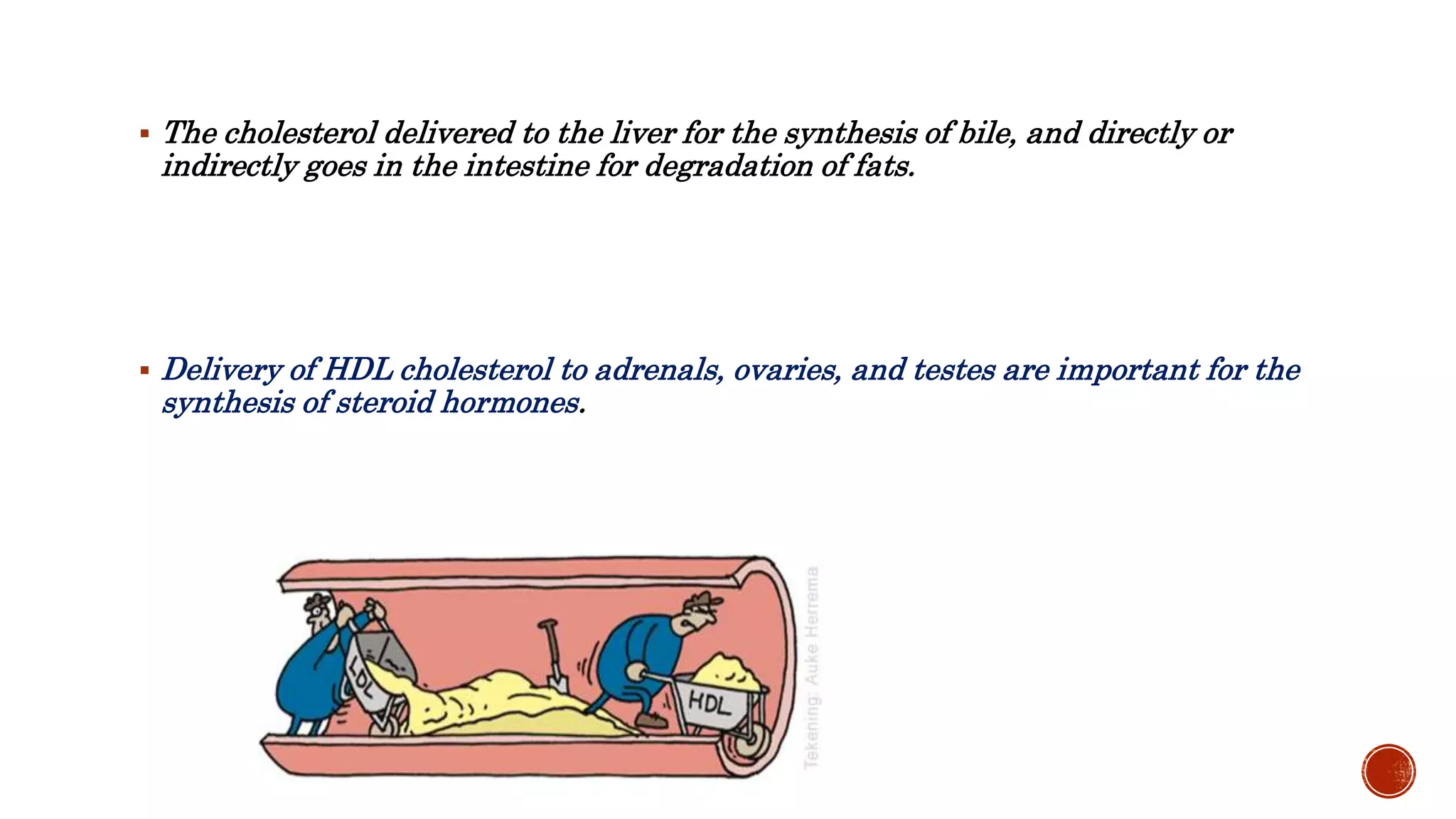
The cholesteroldelivered to the liver for the synthesis of bile, and directly or
indirectly goes in the intestine for degradation of fats.
Delivery of HDL cholesterol to adrenals, ovaries, and testes are important for the
synthesis of steroid hormones.
16.
Antiatherogenic i.e.Protecting against heart disease via reverse cholesterol
transport.
Plaque reduction.
So, it is also known as a GOOD CHOLESTEROL
Also a part of an innate immune system due to ability to bind a number of toxic
substances in blood.
HDL are used as a therapy against sepsis(deadly blood-borne infection).
It also have antioxidant, anti-inflammatory, and antithrombotic.