FORMATIVE ASSESSMENT 
IN B-LEARNING 
EFFECTIVELY MONITORING STUDENTS 
LEARNING 
MARINA DUARTE
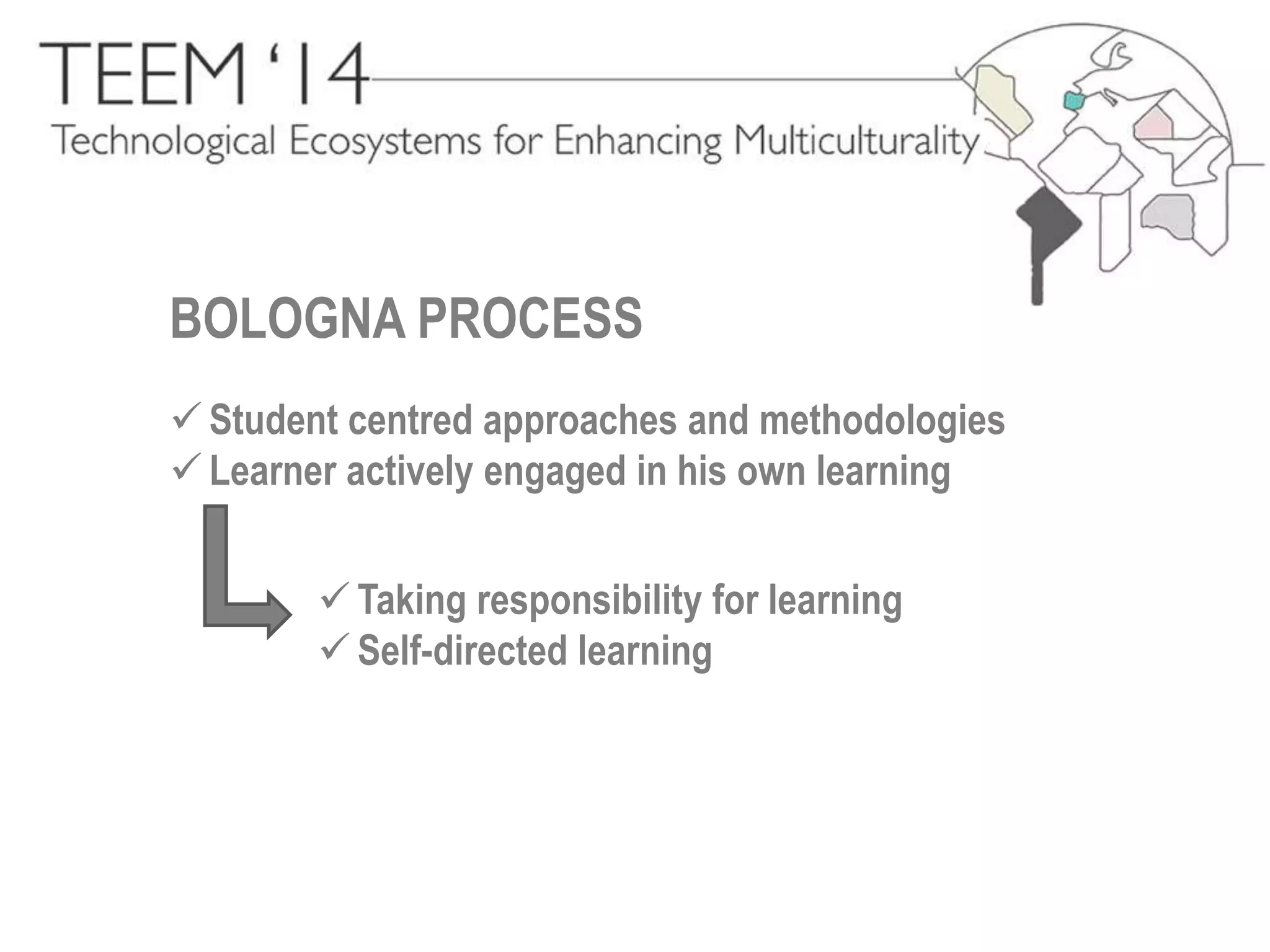
BOLOGNA PROCESS 
 Student centred approaches and methodologies 
 Learner actively engaged in his own learning 
 Taking responsibility for learning 
 Self-directed learning
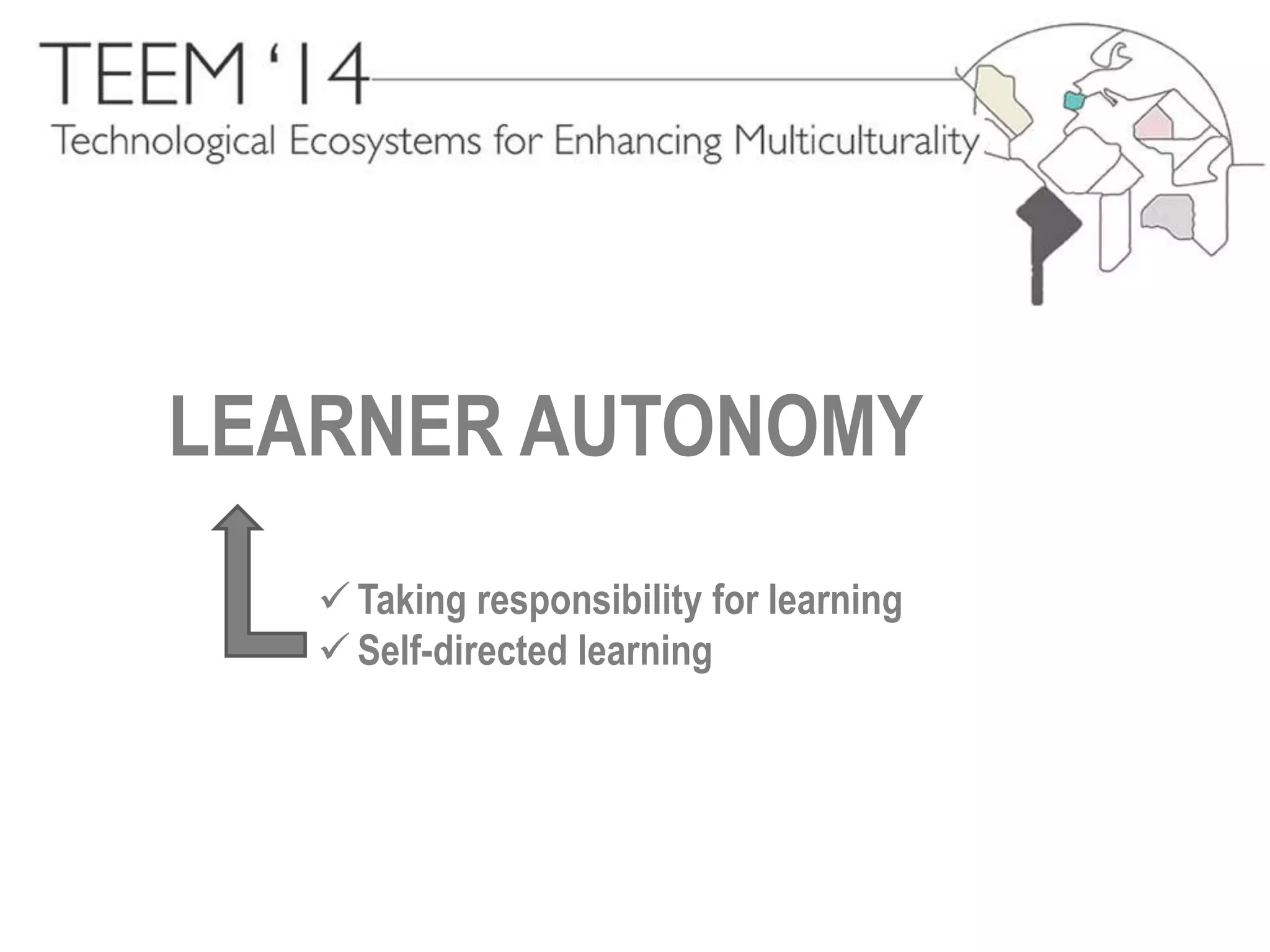
LEARNER AUTONOMY 
 Taking responsibility for learning 
 Self-directed learning
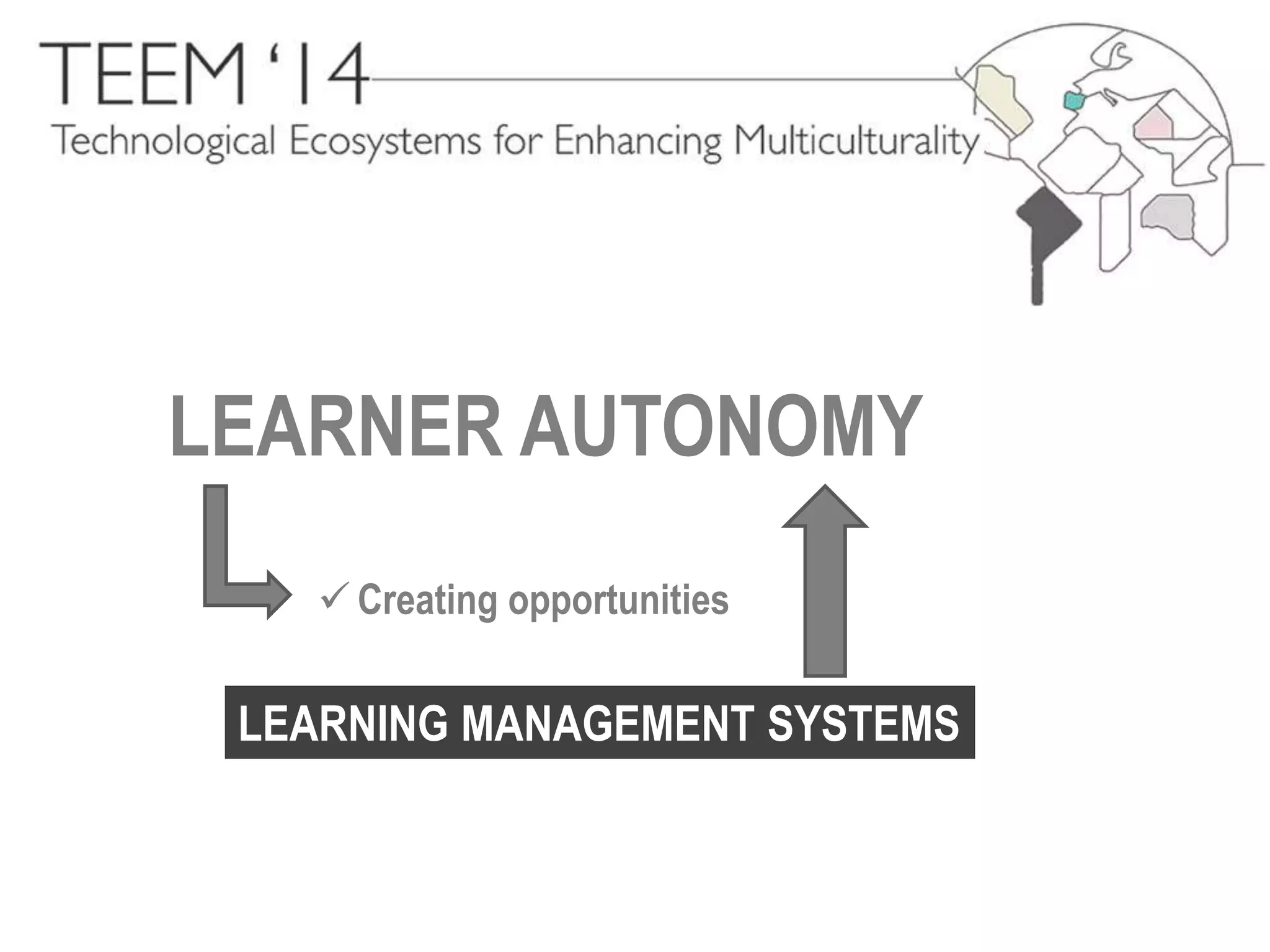
LEARNER AUTONOMY 
 Creating opportunities 
LEARNING MANAGEMENT SYSTEMS
STUDY OBJECTIVES 
To check to what extent formative self-assessment 
activities implemented in a LMS have potential as a 
learning monitoring tool
SELF-ASSESSMENT 
“the factor that influences most academic 
achievement is self-assessement” 
Hattie (2009)
BLENDED LEARNING 
Aulas teóricas: vídeos + ficha de acompanhamento 
Aulas teóricas: self-assessment quizzes 
Formative assessment (self-assessment) 
Not considered for final grade 
Not mandatory 
Multiple choice questions 
General implicit solution questions (Leclercq, 2001) 
facultativos feedback imediato 
não contribuem para a classificação final
THE STUDY 
2nd year 1st semester curricular unit 
1st cycle engineering degree 
474 students enrolled 
Day 1st time+ Day not 1st time + Night 
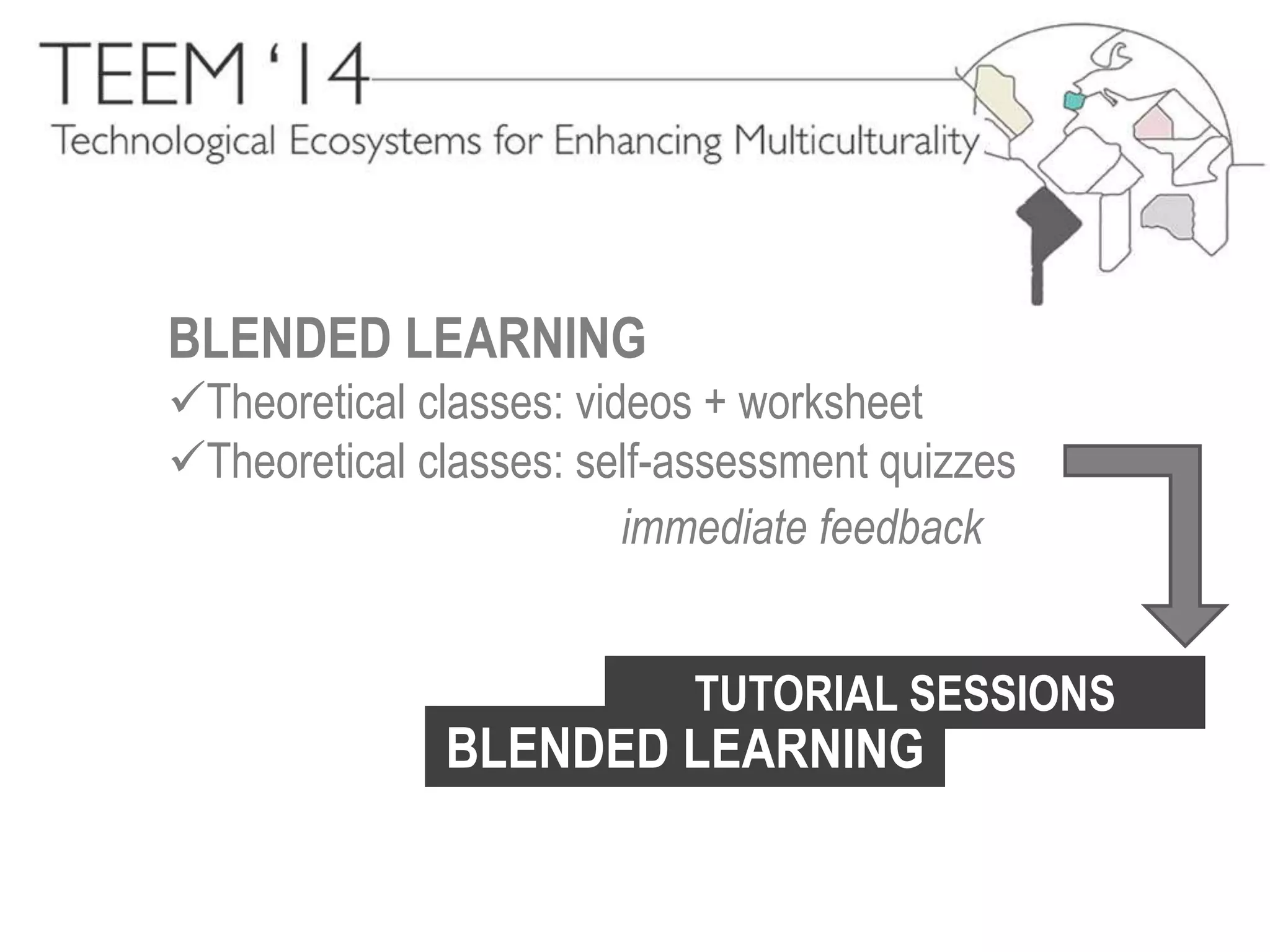
BLENDED LEARNING
BLENDED LEARNING 
Theoretical classes: videos + worksheet 
Theoretical classes: self-assessment quizzes 
immediate feedback 
TUTORIAL SESSIONS 
BLENDED LEARNING
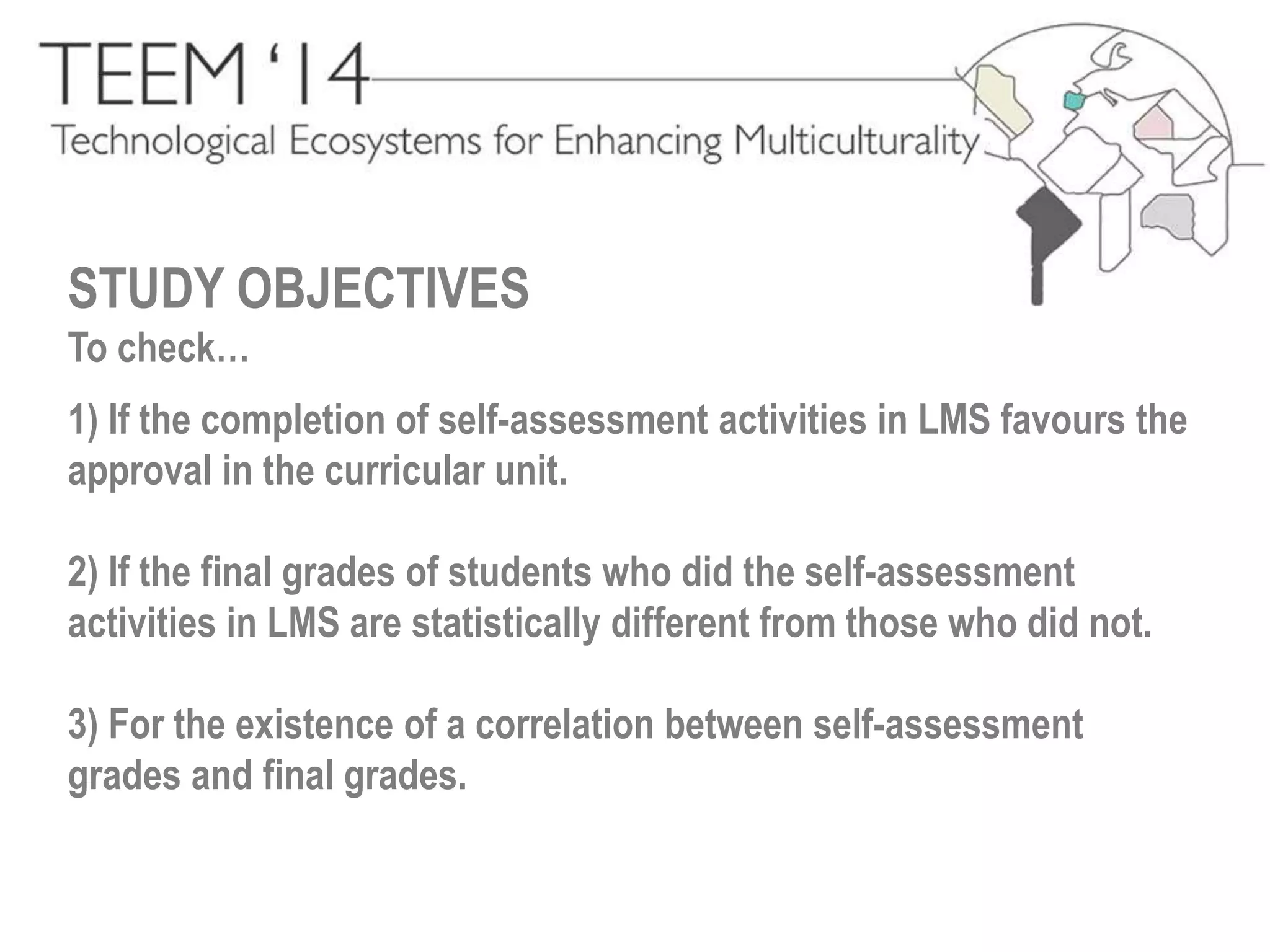
STUDY OBJECTIVES 
To check… 
1) If the completion of self-assessment activities in LMS favours the 
approval in the curricular unit. 
2) If the final grades of students who did the self-assessment 
activities in LMS are statistically different from those who did not. 
3) For the existence of a correlation between self-assessment 
grades and final grades.
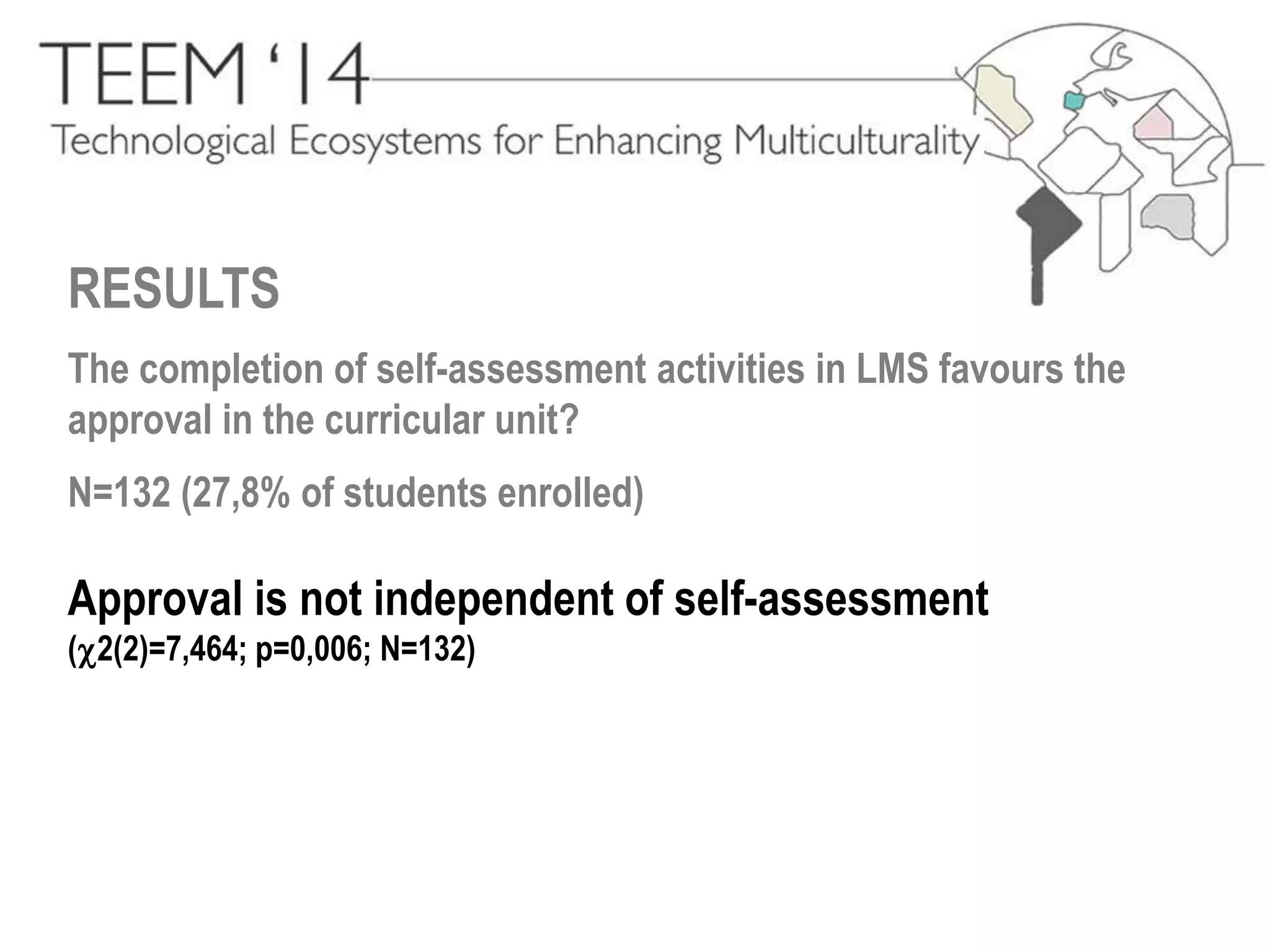
RESULTS 
The completion of self-assessment activities in LMS favours the 
approval in the curricular unit? 
N=132 (27,8% of students enrolled) 
Approval is not independent of self-assessment 
(2(2)=7,464; p=0,006; N=132)
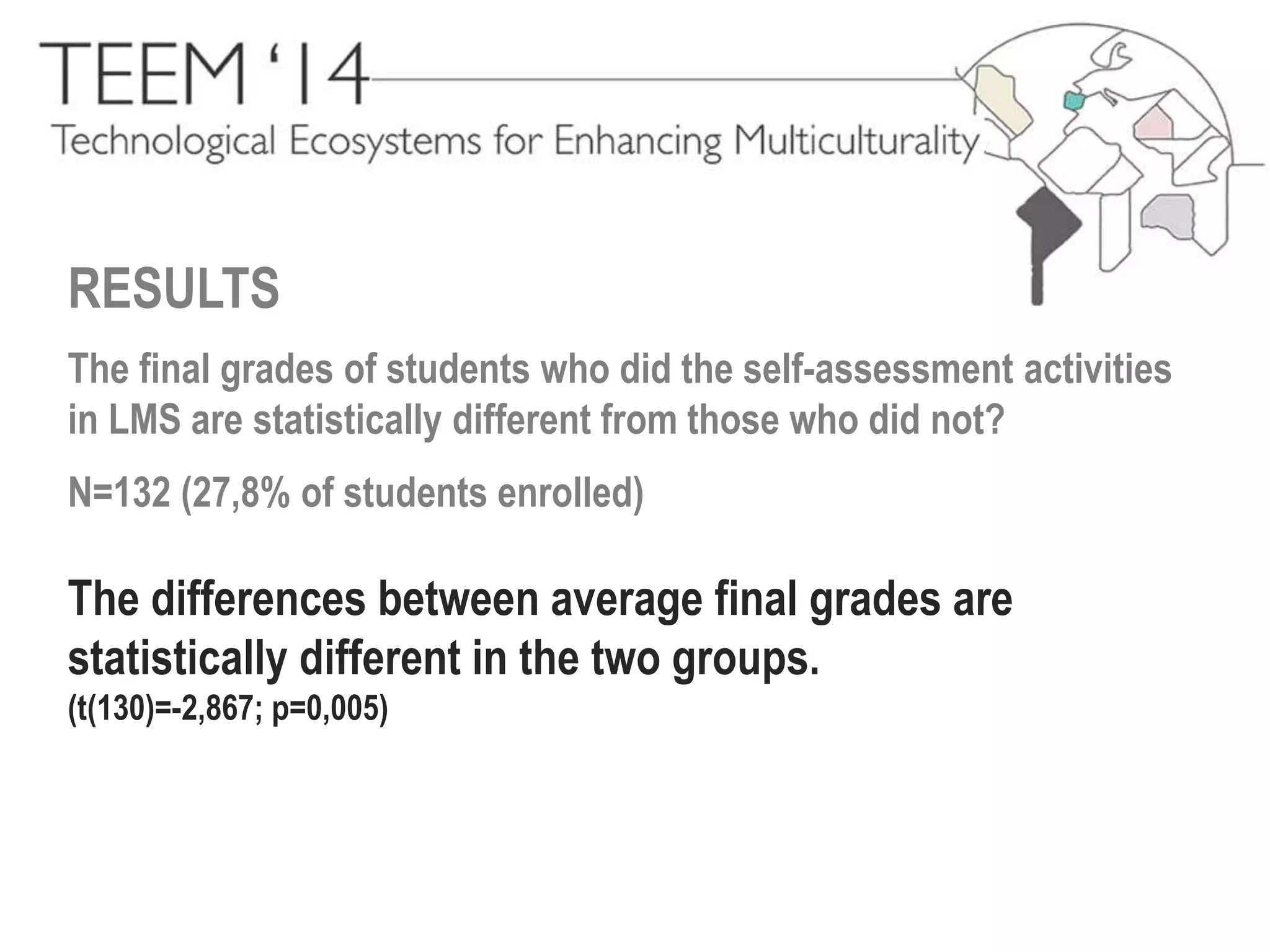
RESULTS 
The final grades of students who did the self-assessment activities 
in LMS are statistically different from those who did not? 
N=132 (27,8% of students enrolled) 
The differences between average final grades are 
statistically different in the two groups. 
(t(130)=-2,867; p=0,005)
RESULTS 
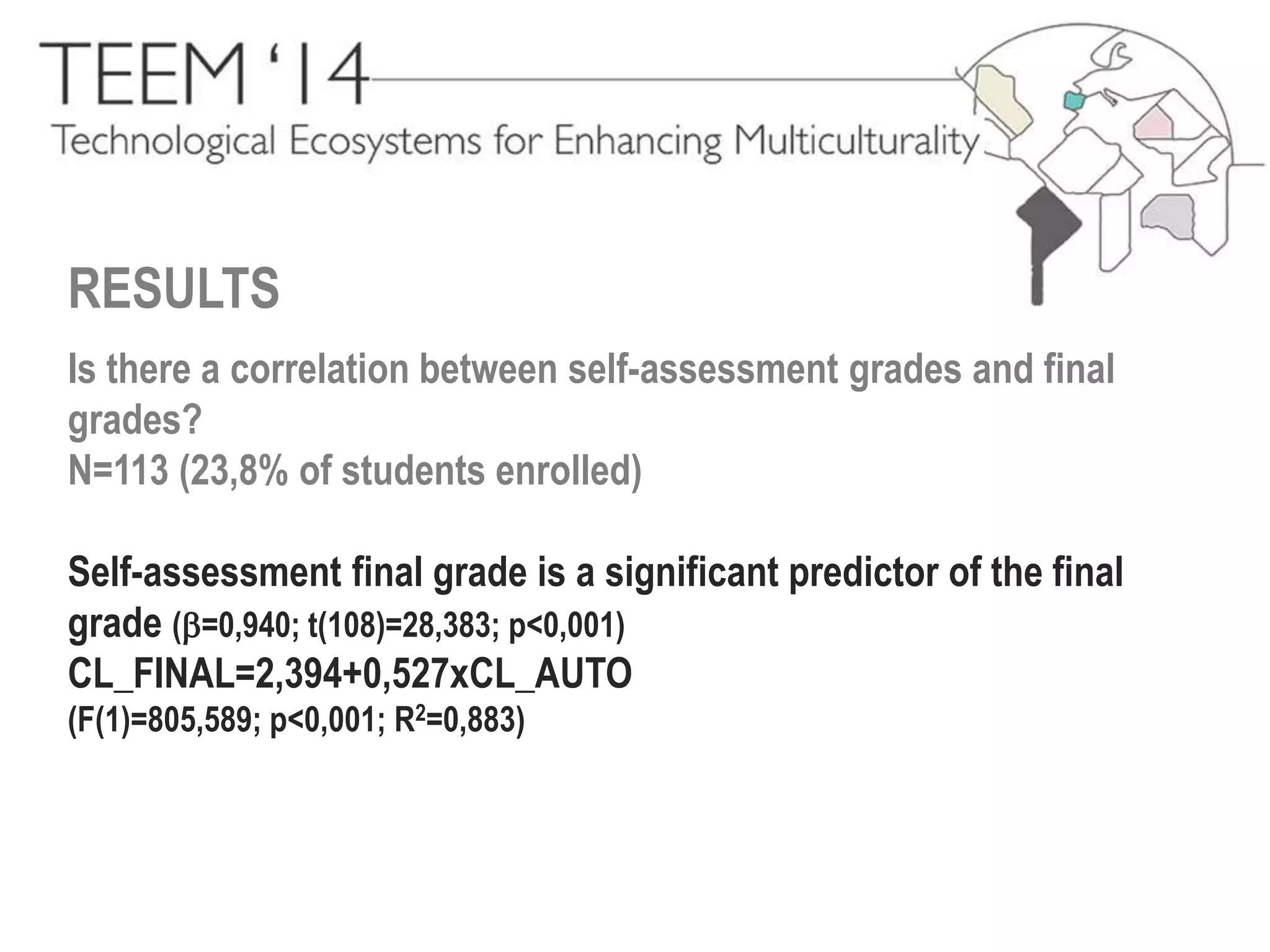
Is there a correlation between self-assessment grades and final 
grades? 
N=113 (23,8% of students enrolled) 
Self-assessment final grade is a significant predictor of the final 
grade (=0,940; t(108)=28,383; p<0,001) 
CL_FINAL=2,394+0,527xCL_AUTO 
(F(1)=805,589; p<0,001; R2=0,883)
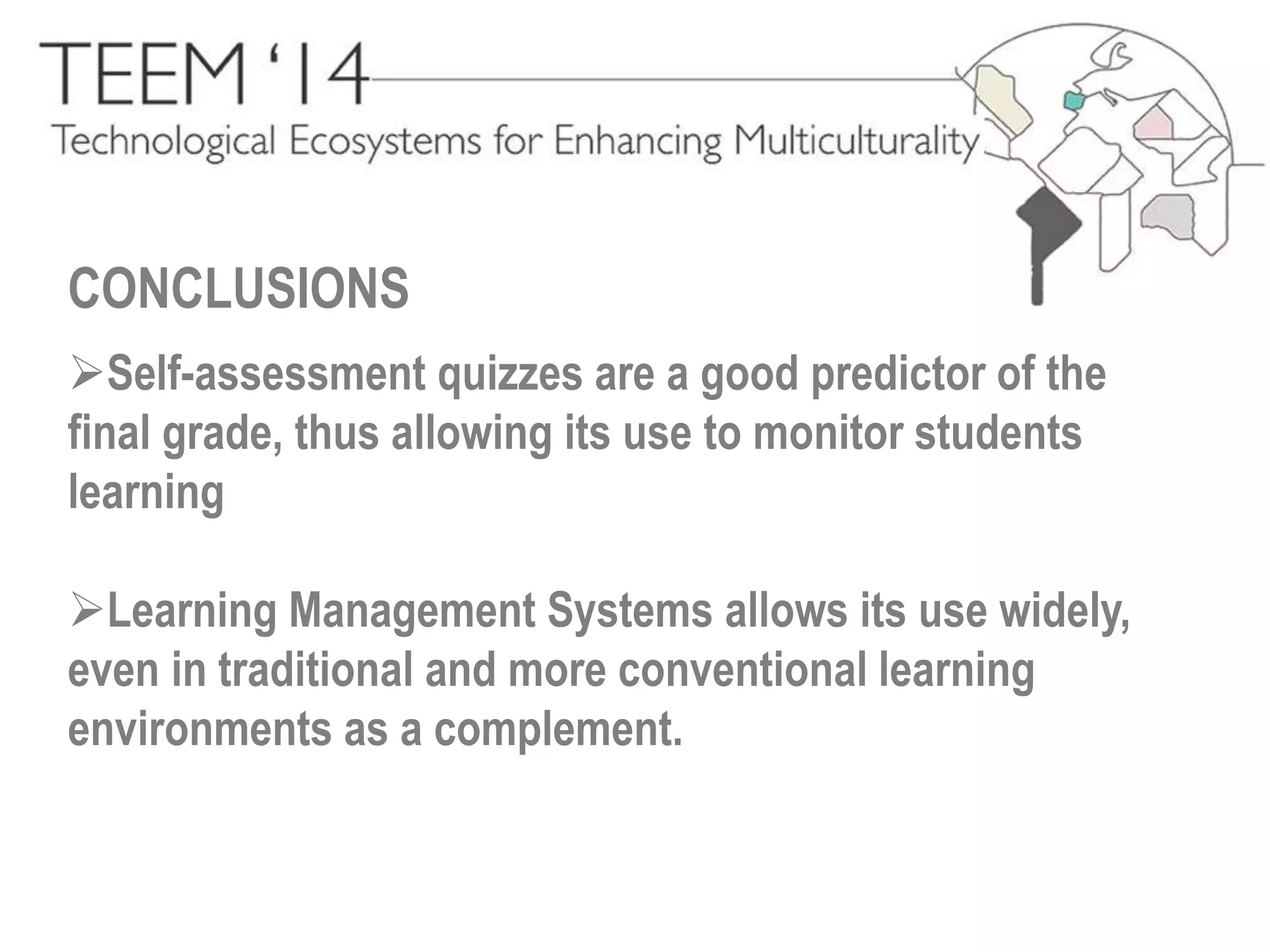
CONCLUSIONS 
Self-assessment quizzes are a good predictor of the 
final grade, thus allowing its use to monitor students 
learning 
Learning Management Systems allows its use widely, 
even in traditional and more conventional learning 
environments as a complement.
Thank you very much. 
mic@isep.ipp.pt

Formative assessment in b-learning: effectively monitoring students learning

  • 1.
    FORMATIVE ASSESSMENT INB-LEARNING EFFECTIVELY MONITORING STUDENTS LEARNING MARINA DUARTE
  • 2.
    BOLOGNA PROCESS Student centred approaches and methodologies  Learner actively engaged in his own learning  Taking responsibility for learning  Self-directed learning
  • 3.
    LEARNER AUTONOMY Taking responsibility for learning  Self-directed learning
  • 4.
    LEARNER AUTONOMY Creating opportunities LEARNING MANAGEMENT SYSTEMS
  • 5.
    STUDY OBJECTIVES Tocheck to what extent formative self-assessment activities implemented in a LMS have potential as a learning monitoring tool
  • 6.
    SELF-ASSESSMENT “the factorthat influences most academic achievement is self-assessement” Hattie (2009)
  • 7.
    BLENDED LEARNING Aulasteóricas: vídeos + ficha de acompanhamento Aulas teóricas: self-assessment quizzes Formative assessment (self-assessment) Not considered for final grade Not mandatory Multiple choice questions General implicit solution questions (Leclercq, 2001) facultativos feedback imediato não contribuem para a classificação final
  • 8.
    THE STUDY 2ndyear 1st semester curricular unit 1st cycle engineering degree 474 students enrolled Day 1st time+ Day not 1st time + Night BLENDED LEARNING
  • 9.
    BLENDED LEARNING Theoreticalclasses: videos + worksheet Theoretical classes: self-assessment quizzes immediate feedback TUTORIAL SESSIONS BLENDED LEARNING
  • 10.
    STUDY OBJECTIVES Tocheck… 1) If the completion of self-assessment activities in LMS favours the approval in the curricular unit. 2) If the final grades of students who did the self-assessment activities in LMS are statistically different from those who did not. 3) For the existence of a correlation between self-assessment grades and final grades.
  • 11.
    RESULTS The completionof self-assessment activities in LMS favours the approval in the curricular unit? N=132 (27,8% of students enrolled) Approval is not independent of self-assessment (2(2)=7,464; p=0,006; N=132)
  • 12.
    RESULTS The finalgrades of students who did the self-assessment activities in LMS are statistically different from those who did not? N=132 (27,8% of students enrolled) The differences between average final grades are statistically different in the two groups. (t(130)=-2,867; p=0,005)
  • 13.
    RESULTS Is therea correlation between self-assessment grades and final grades? N=113 (23,8% of students enrolled) Self-assessment final grade is a significant predictor of the final grade (=0,940; t(108)=28,383; p<0,001) CL_FINAL=2,394+0,527xCL_AUTO (F(1)=805,589; p<0,001; R2=0,883)
  • 14.
    CONCLUSIONS Self-assessment quizzesare a good predictor of the final grade, thus allowing its use to monitor students learning Learning Management Systems allows its use widely, even in traditional and more conventional learning environments as a complement.
  • 15.
    Thank you verymuch. mic@isep.ipp.pt