Downloaded 167 times

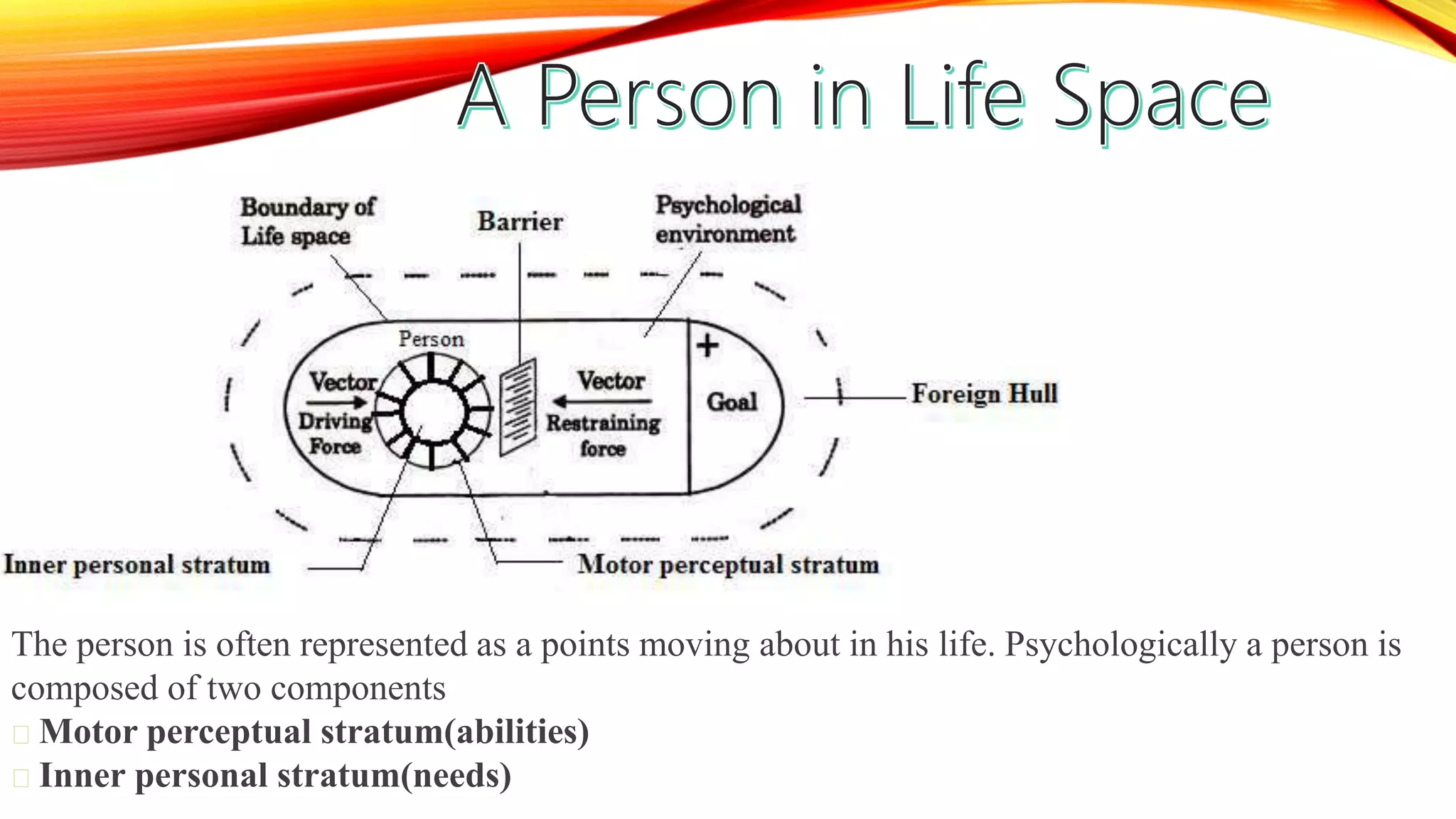
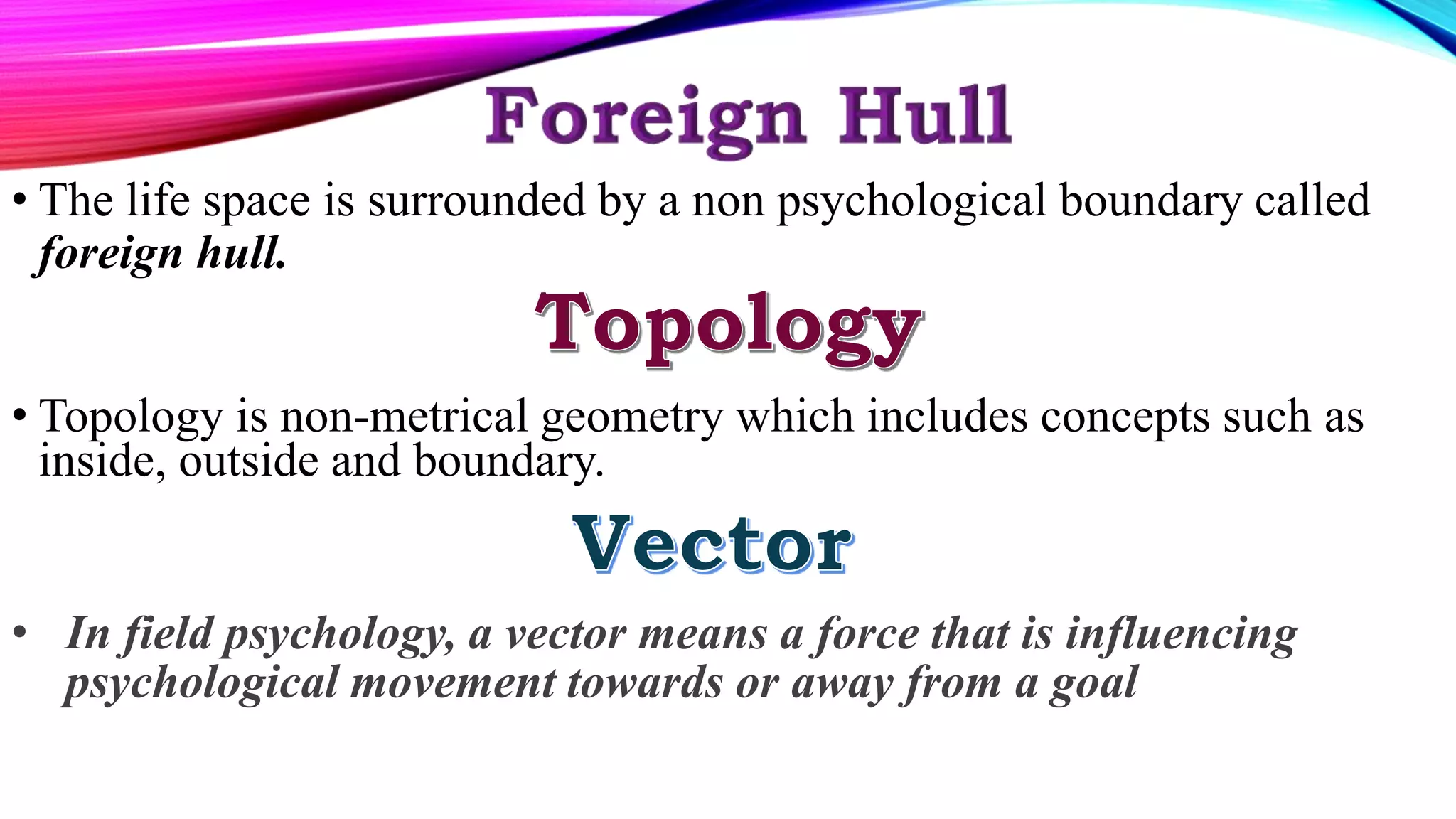
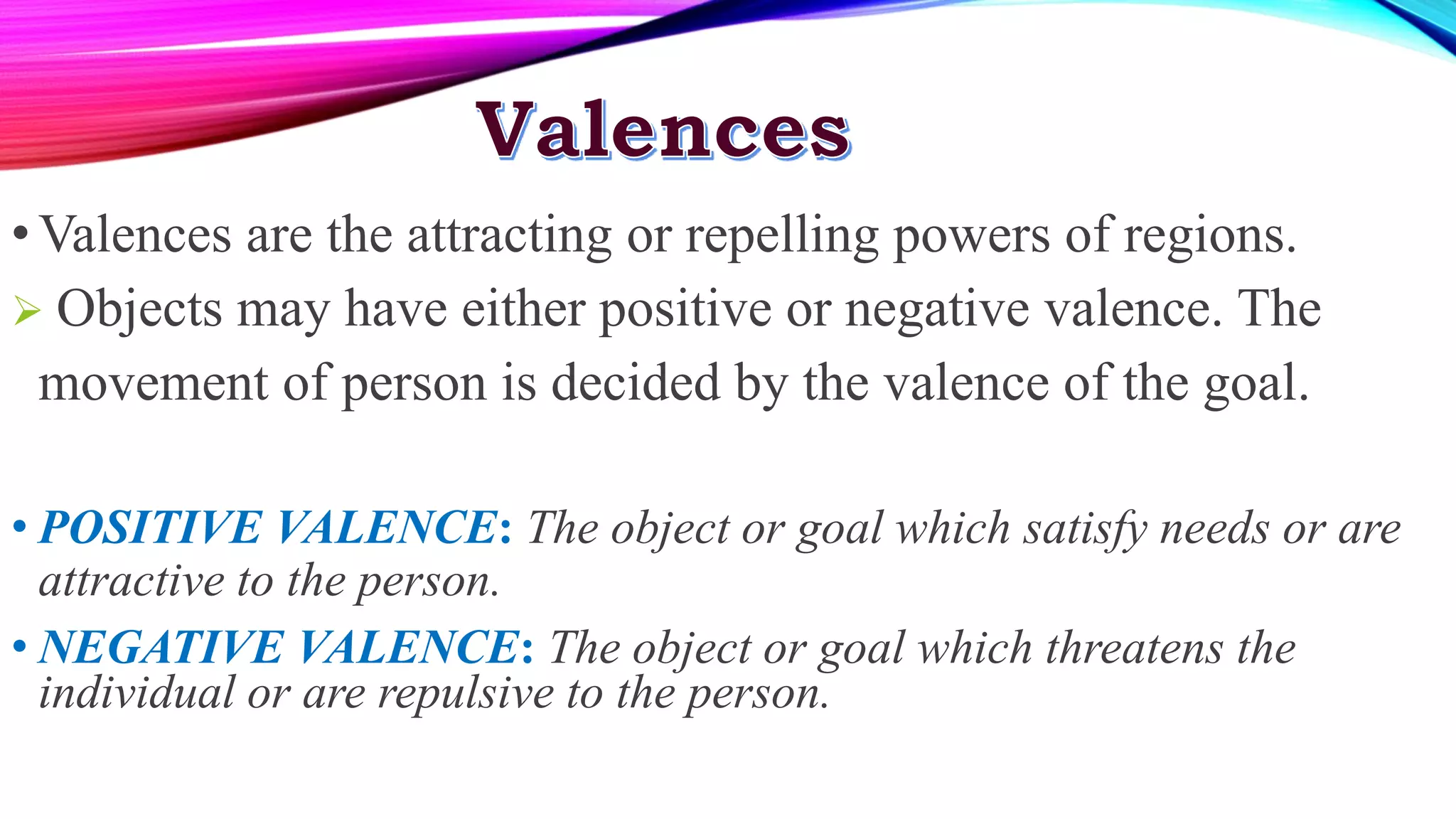
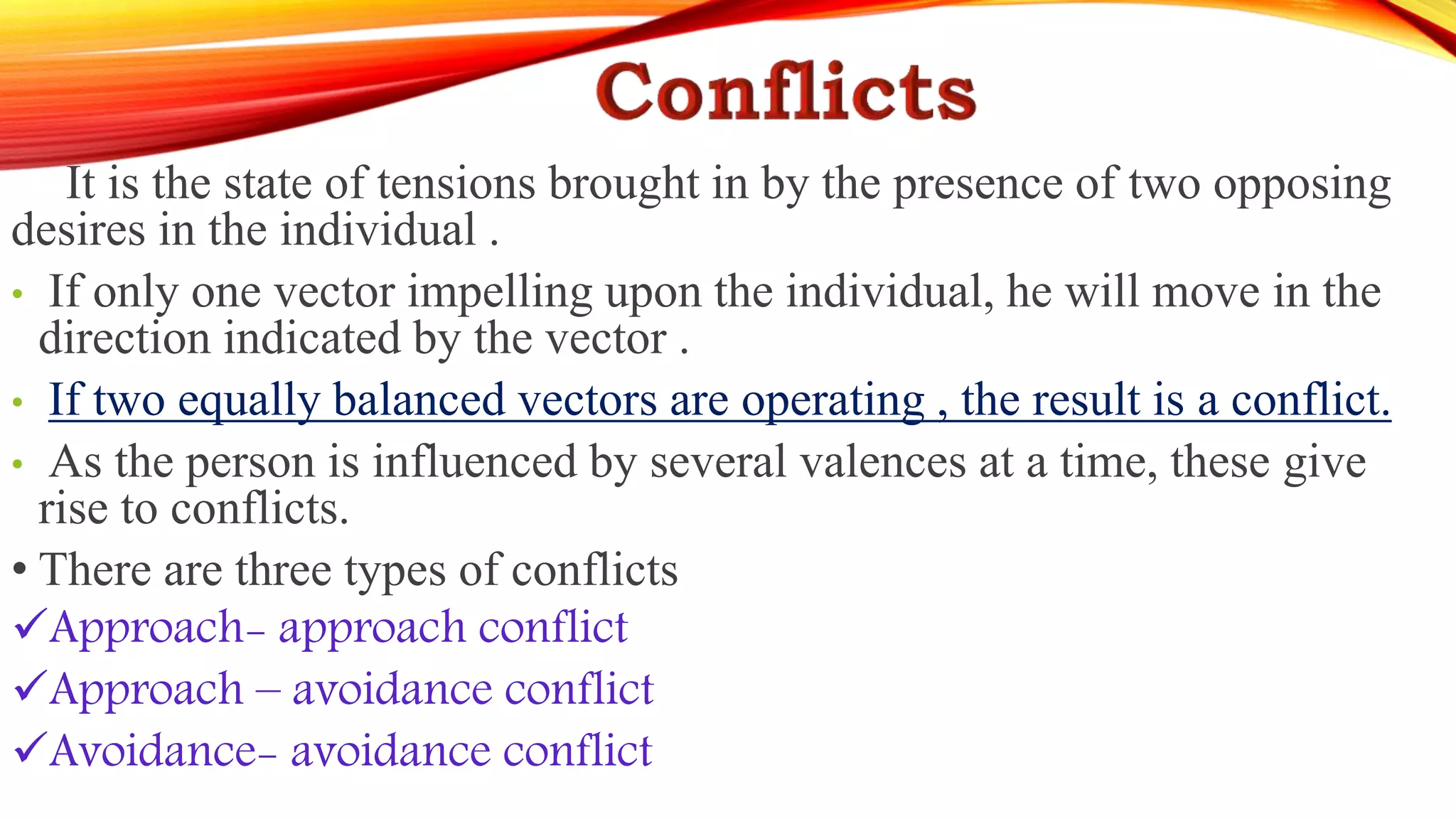
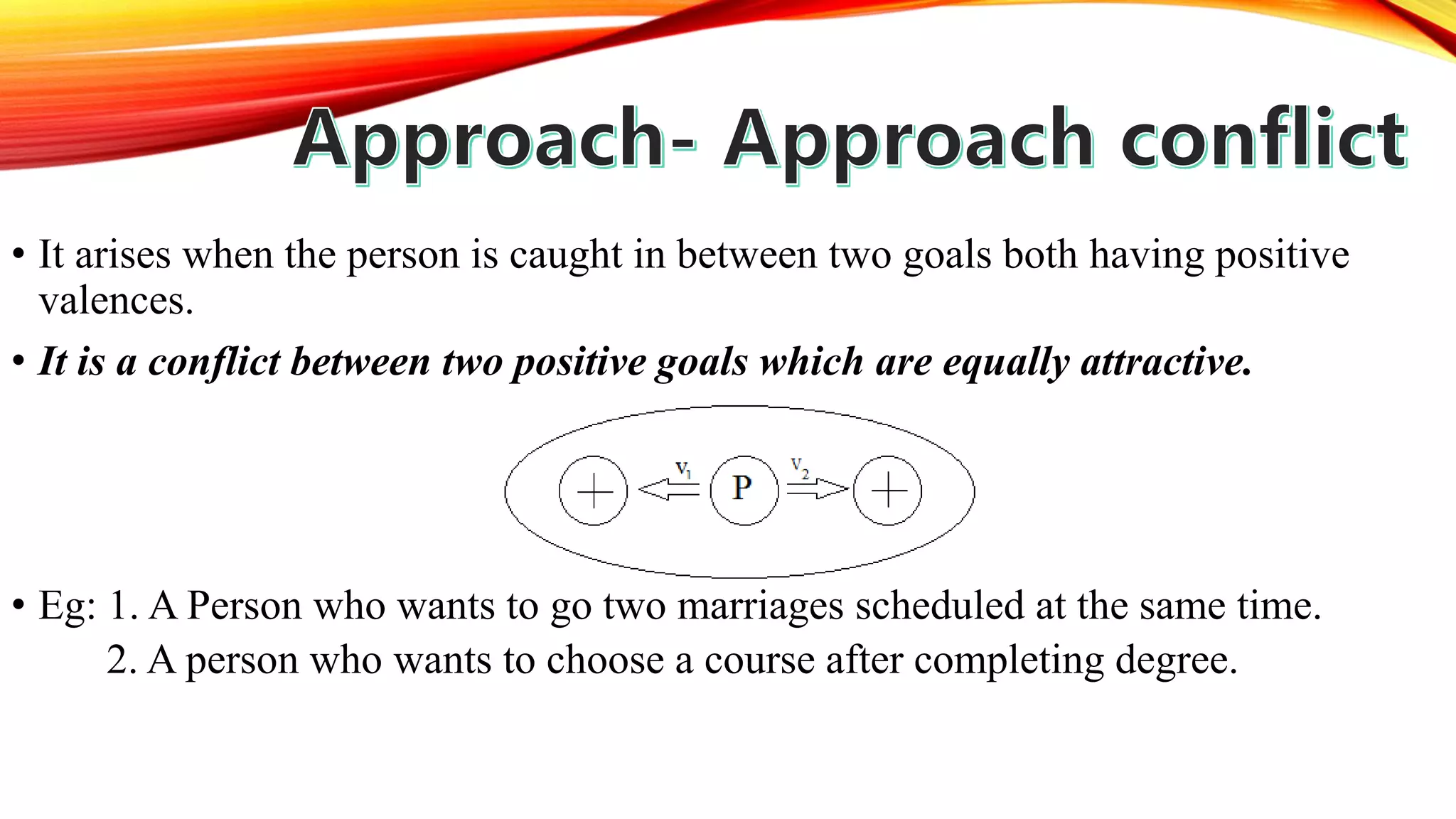
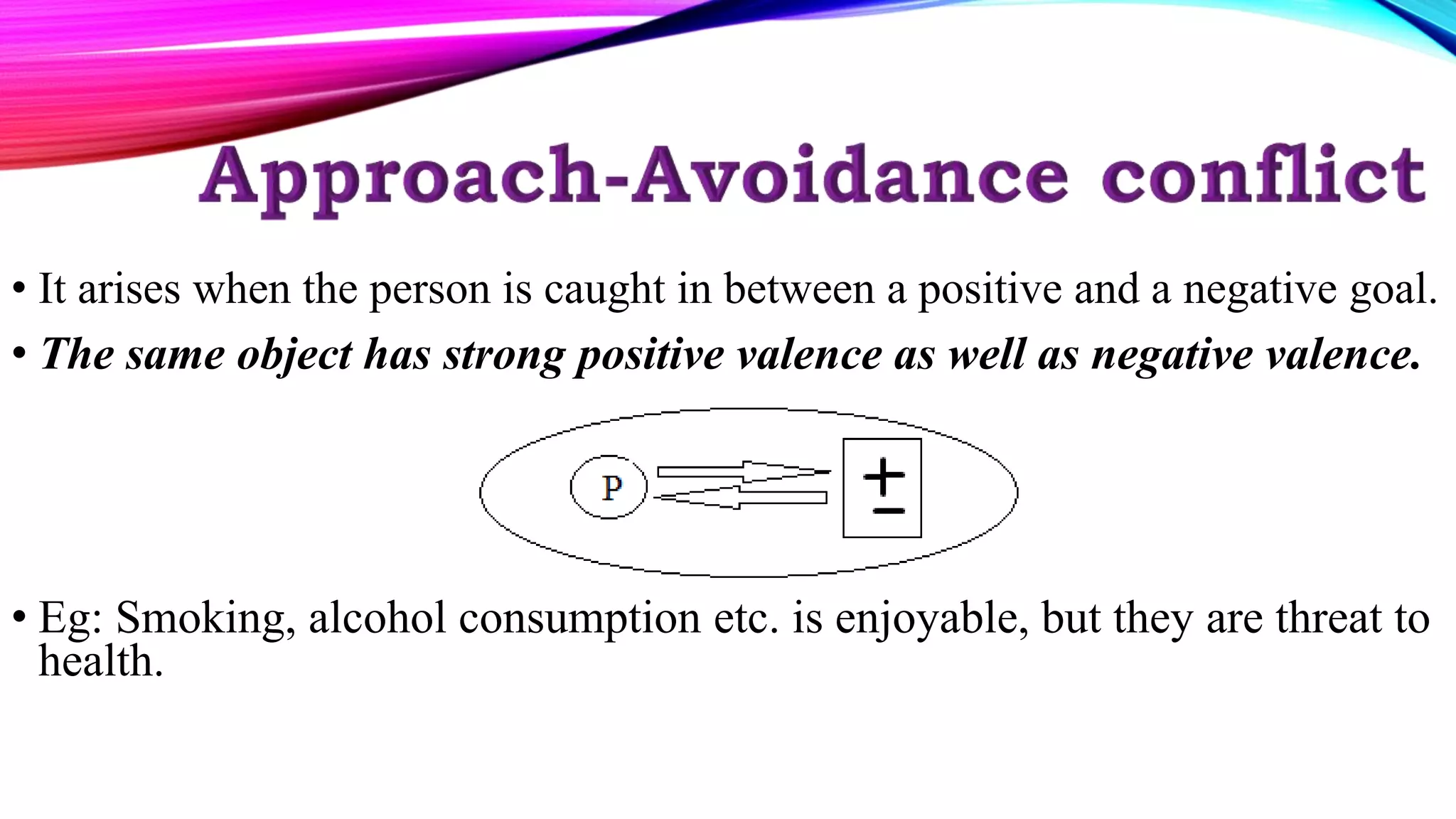
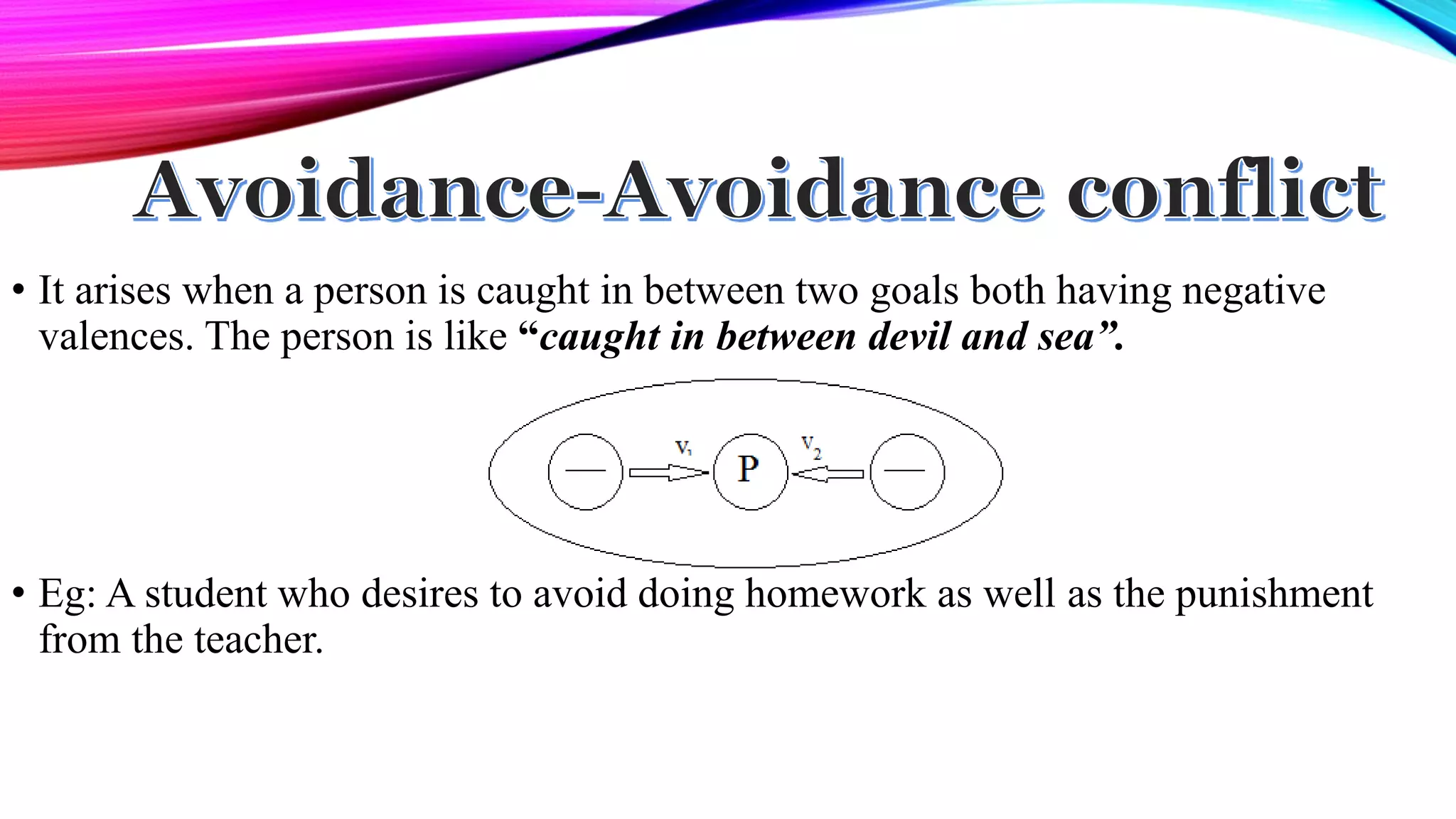




Field theory proposes that an individual's psychological environment, or life space, is composed of the person and all external factors influencing their behavior, both consciously and unconsciously. A person's life space includes their needs, motives, beliefs, thoughts, feelings, and physical surroundings. Their movement and learning within this life space is determined by vectors of motivation toward or away from goals, and the positive or negative valences of different regions. Conflicts can arise when opposing vectors create approach-approach, approach-avoidance, or avoidance-avoidance dilemmas. Barriers may also restrict a person's movement toward their goals. According to field theory, learning occurs through perceptual reorganization of one's life space via locomotion between regions as their cognitive


