Downloaded 88 times

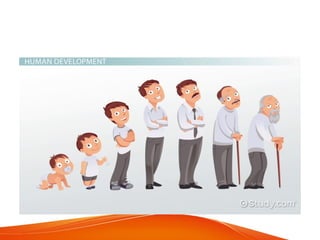


Physical development refers to the progressive changes that occur both externally and internally from birth to adulthood. It involves changes in gross physical structure and internal organs. Physical development is very rapid during infancy but slows during periods of fixation from ages 3-6 and 7-9. Adolescence from ages 10-13 and the first three years of teens is also a period of rapid growth. Physical development is influenced by heredity, nutrition, immunization, ventilation, endocrine glands, prenatal health, family, sex differences, intelligence, and socioeconomic status. Understanding physical development helps teachers tailor educational experiences and expectations to a child's developmental level.


