FENTANYL AND
SUFENTANYL
PRESENTER:- Dr. Vishal kumar kandhway
INTRODUCTION TO OPIOIDS
 The word opium is derived from opos, the
Greek word for juice, because the drug is
derived from the juice of the opium poppy,
Papaver somniferum.
 Opioid refers to all exogenous
substances,natural as well as synthetic ,that
bind specifically to opiod receptors and
produce morphine like effects.
 Morphine the most well known opioid was
isolated in 1803.
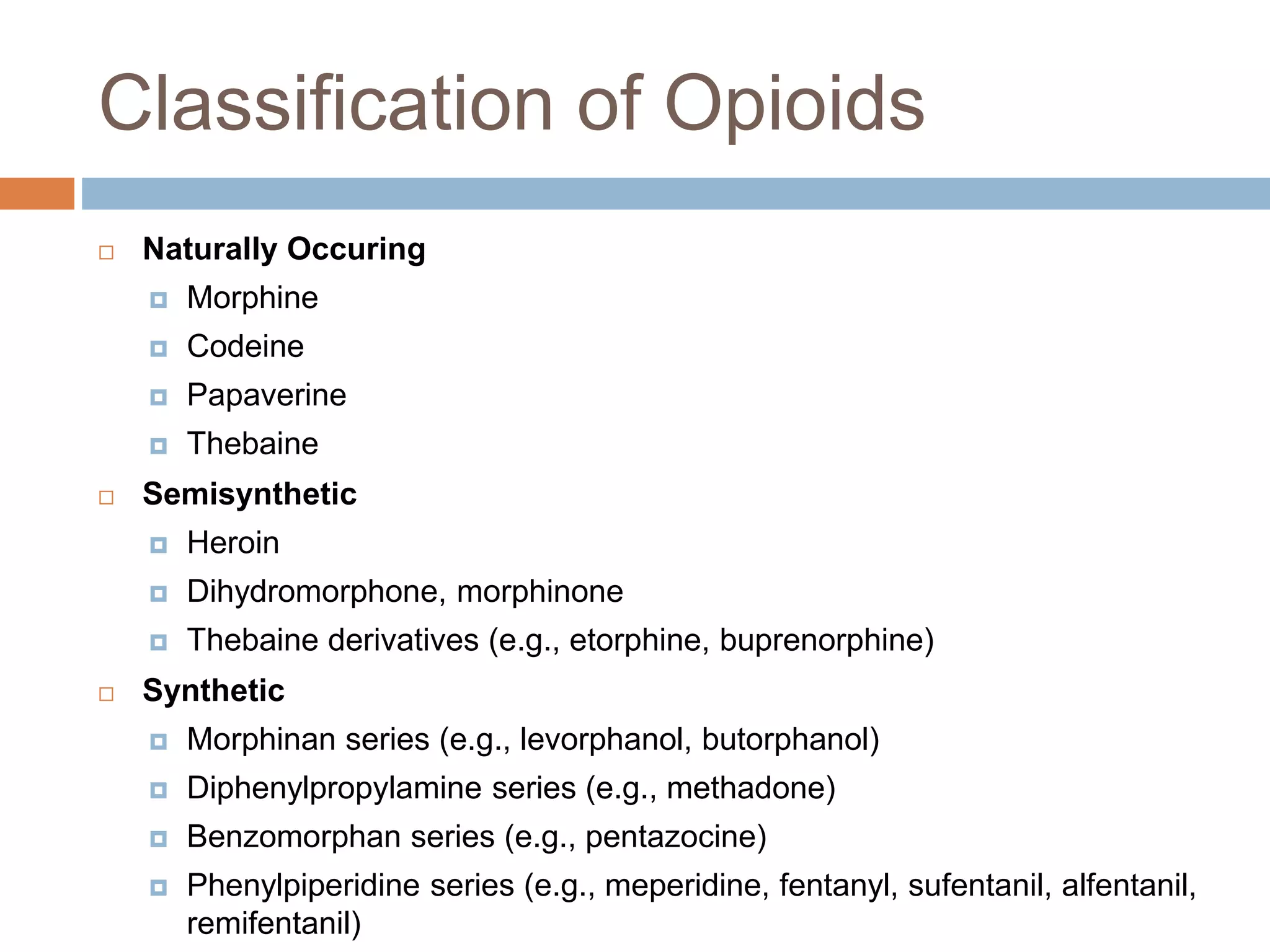
Classification of Opioids
 Naturally Occuring
 Morphine
 Codeine
 Papaverine
 Thebaine
 Semisynthetic
 Heroin
 Dihydromorphone, morphinone
 Thebaine derivatives (e.g., etorphine, buprenorphine)
 Synthetic
 Morphinan series (e.g., levorphanol, butorphanol)
 Diphenylpropylamine series (e.g., methadone)
 Benzomorphan series (e.g., pentazocine)
 Phenylpiperidine series (e.g., meperidine, fentanyl, sufentanil, alfentanil,
remifentanil)
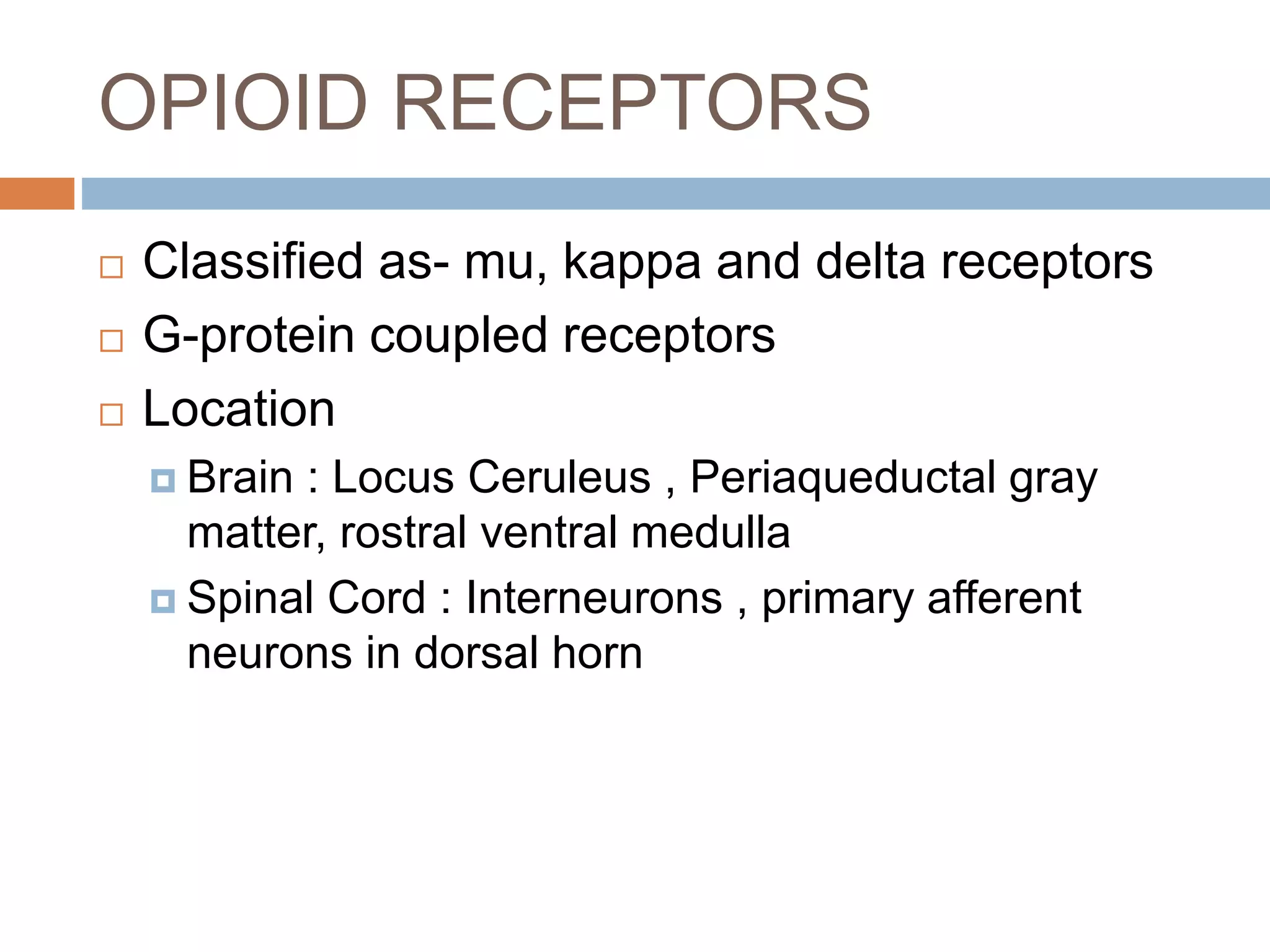
OPIOID RECEPTORS
 Classified as- mu, kappa and delta receptors
 G-protein coupled receptors
 Location
 Brain : Locus Ceruleus , Periaqueductal gray
matter, rostral ventral medulla
 Spinal Cord : Interneurons , primary afferent
neurons in dorsal horn
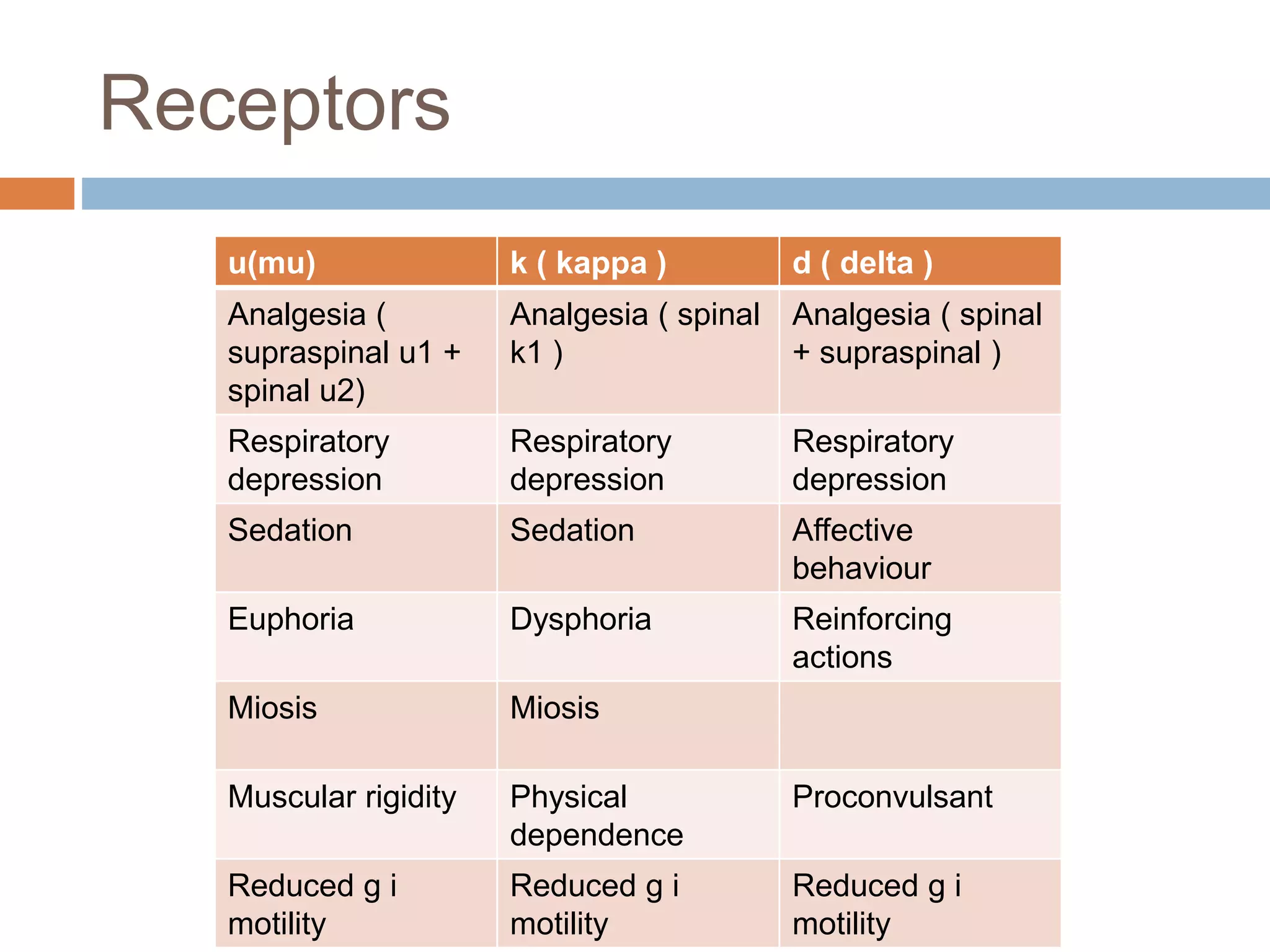
Receptors
u(mu) k ( kappa ) d ( delta )
Analgesia (
supraspinal u1 +
spinal u2)
Analgesia ( spinal
k1 )
Analgesia ( spinal
+ supraspinal )
Respiratory
depression
Respiratory
depression
Respiratory
depression
Sedation Sedation Affective
behaviour
Euphoria Dysphoria Reinforcing
actions
Miosis Miosis
Muscular rigidity Physical
dependence
Proconvulsant
Reduced g i
motility
Reduced g i
motility
Reduced g i
motility
MECHANISM OF ACTION
Opioids
Bind to extracellular domain of GPC receptor
Change in receptor shape
Activates G protein
G protein bound GDP is replaced with GTP which
dissociates into two active sub-units.
 Opening of inward flowing K+ channel
 Decreased conductance of volatage gated
calcium channel
 Inhibition of adenylate cyclase
Leads to decreased neuronal transmission by
inhibition of neurotransmitter release.
FENTANYL
 Phenylpiperidine derivative
 Synthetic opioid agonist
 1st synthesized in 1960
 Potent synthetic narcotic with properties
similar to those of morphine
 50 to 100 times more potent as compared to
morphine
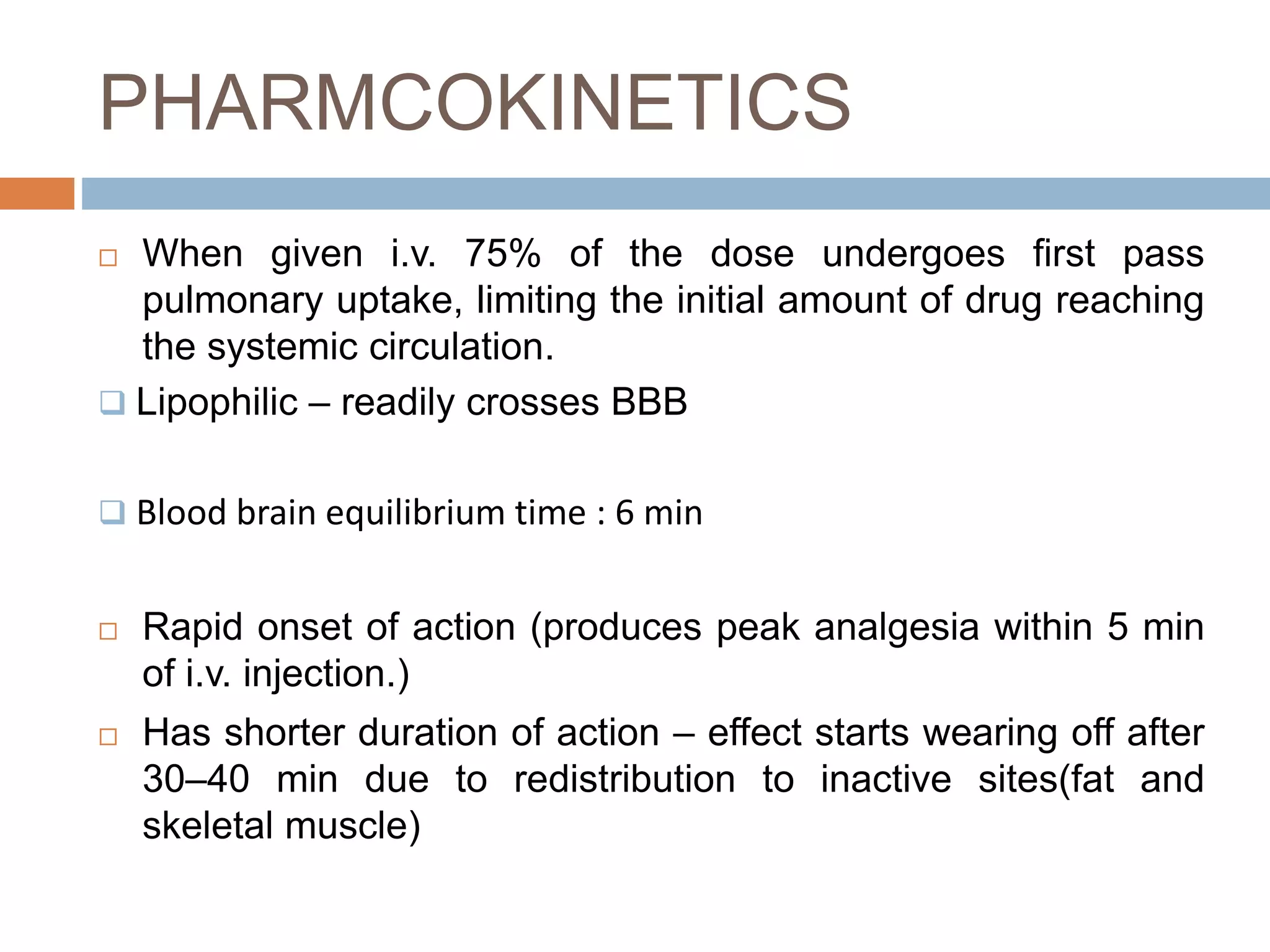
PHARMCOKINETICS
 When given i.v. 75% of the dose undergoes first pass
pulmonary uptake, limiting the initial amount of drug reaching
the systemic circulation.
 Lipophilic – readily crosses BBB
 Blood brain equilibrium time : 6 min
 Rapid onset of action (produces peak analgesia within 5 min
of i.v. injection.)
 Has shorter duration of action – effect starts wearing off after
30–40 min due to redistribution to inactive sites(fat and
skeletal muscle)
 The elimination T ½ of fentanyl is however longer because of its
larger volume of distribution.
 Plasma concentration of the drug is maintained by slow uptake
from inactive sites
 Metabolised by N-demethylation (norfentanyl is the principal
metabolite) in liver by P450 enzyme
 Excreted by kidney
 <10% is excreted unchanged
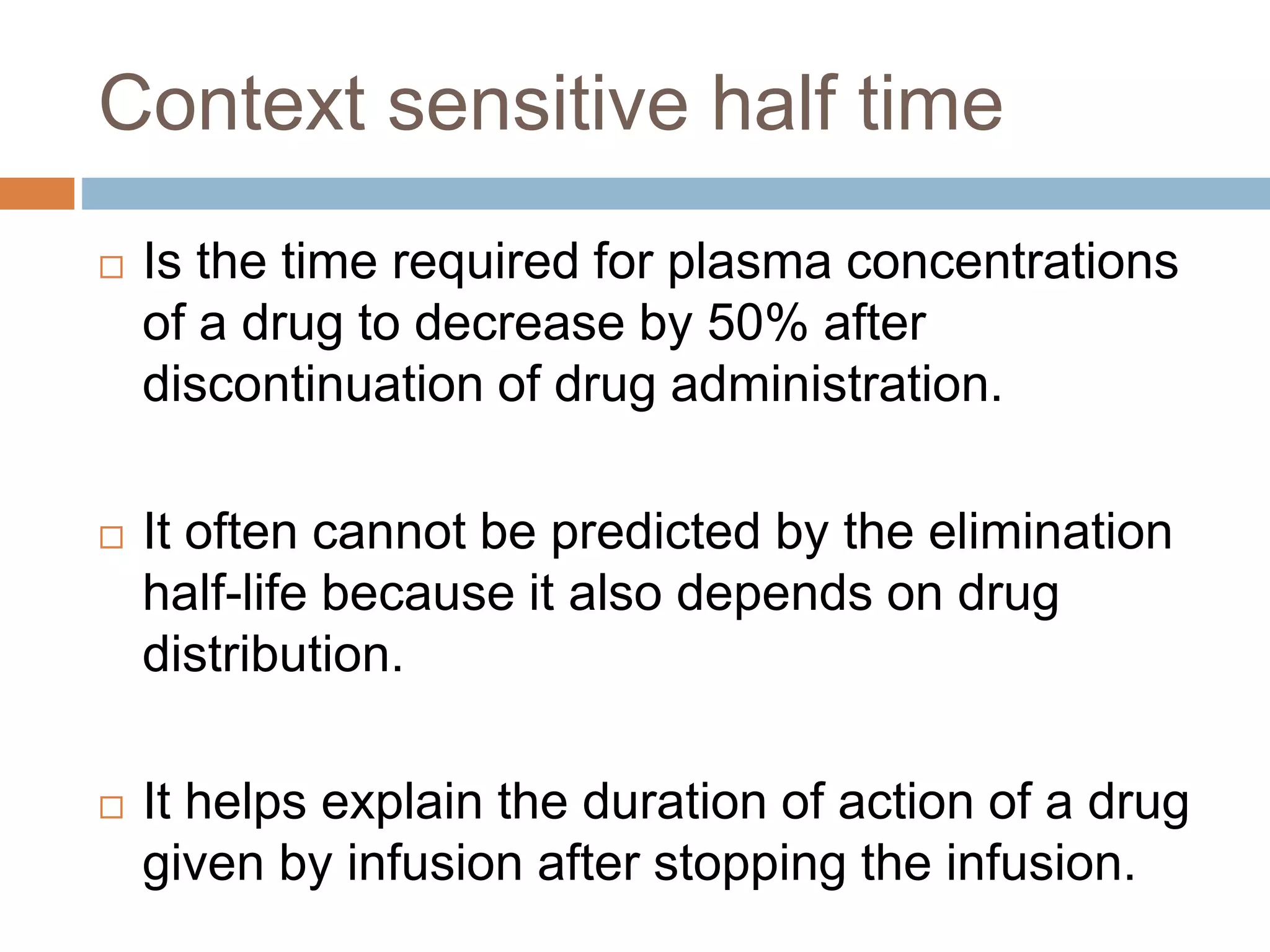
Context sensitive half time
 Is the time required for plasma concentrations
of a drug to decrease by 50% after
discontinuation of drug administration.
 It often cannot be predicted by the elimination
half-life because it also depends on drug
distribution.
 It helps explain the duration of action of a drug
given by infusion after stopping the infusion.
 It reflects several pharmacokinetic principles:
1. Longer the duration of infusion - more of the
drug will deposit in the body’s tissues until the
tissues are completely saturated.
2. Every drug accumulates to differing extents,
which is influenced by the physicochemical
properties of the drug.
3. Drugs are removed from the blood through
two major mechanisms:
 Distribution: where the drug moves from the blood
into the tissues, e.g., fat.
 Excretion: where the drug is either metabolized
(e.g., by the liver) or excreted from the body
unchanged (e.g., in urine). Whether or not the
metabolites are active is also important.
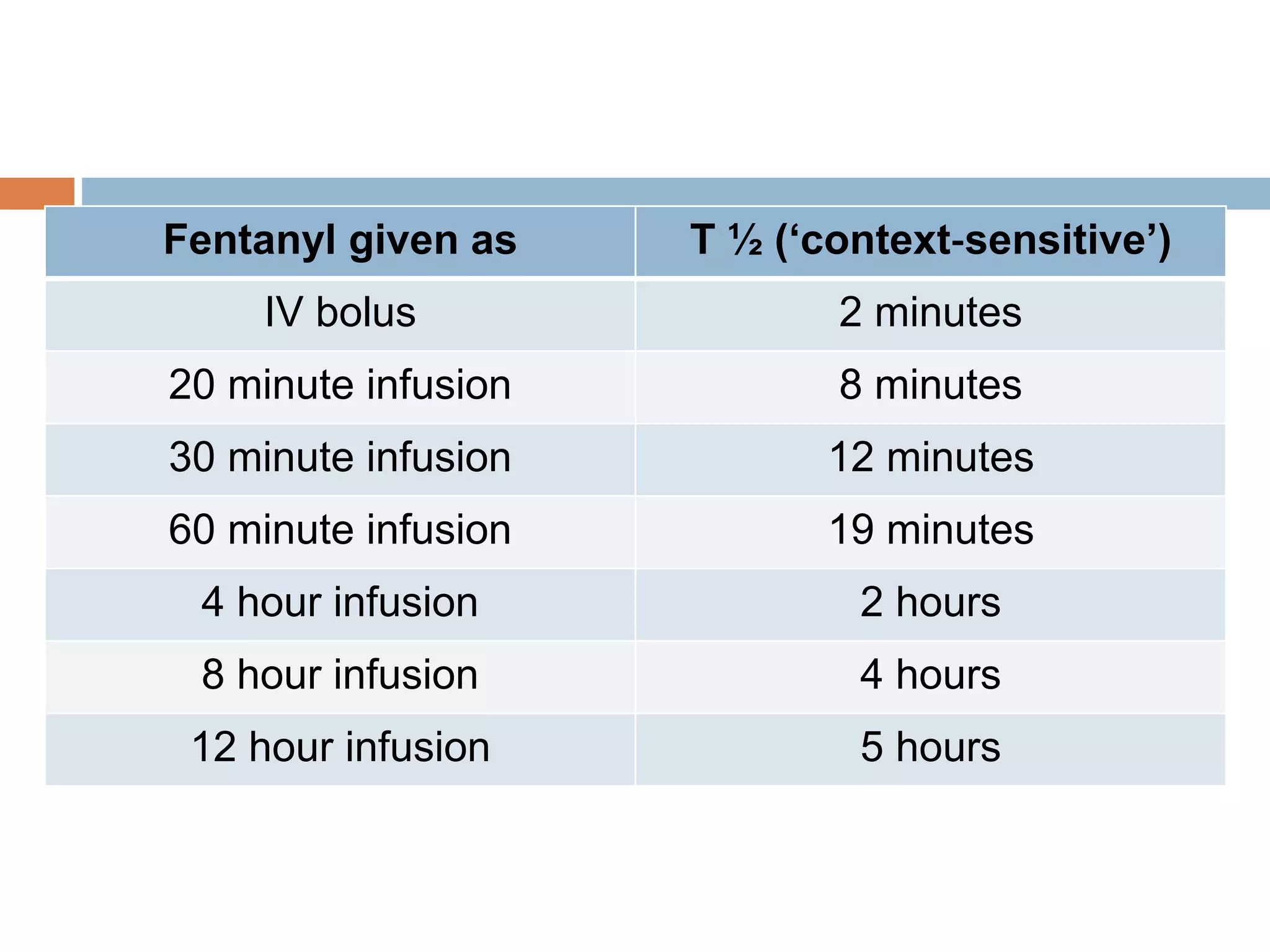
Fentanyl given as T ½ (‘context‐sensitive’)
IV bolus 2 minutes
20 minute infusion 8 minutes
30 minute infusion 12 minutes
60 minute infusion 19 minutes
4 hour infusion 2 hours
8 hour infusion 4 hours
12 hour infusion 5 hours
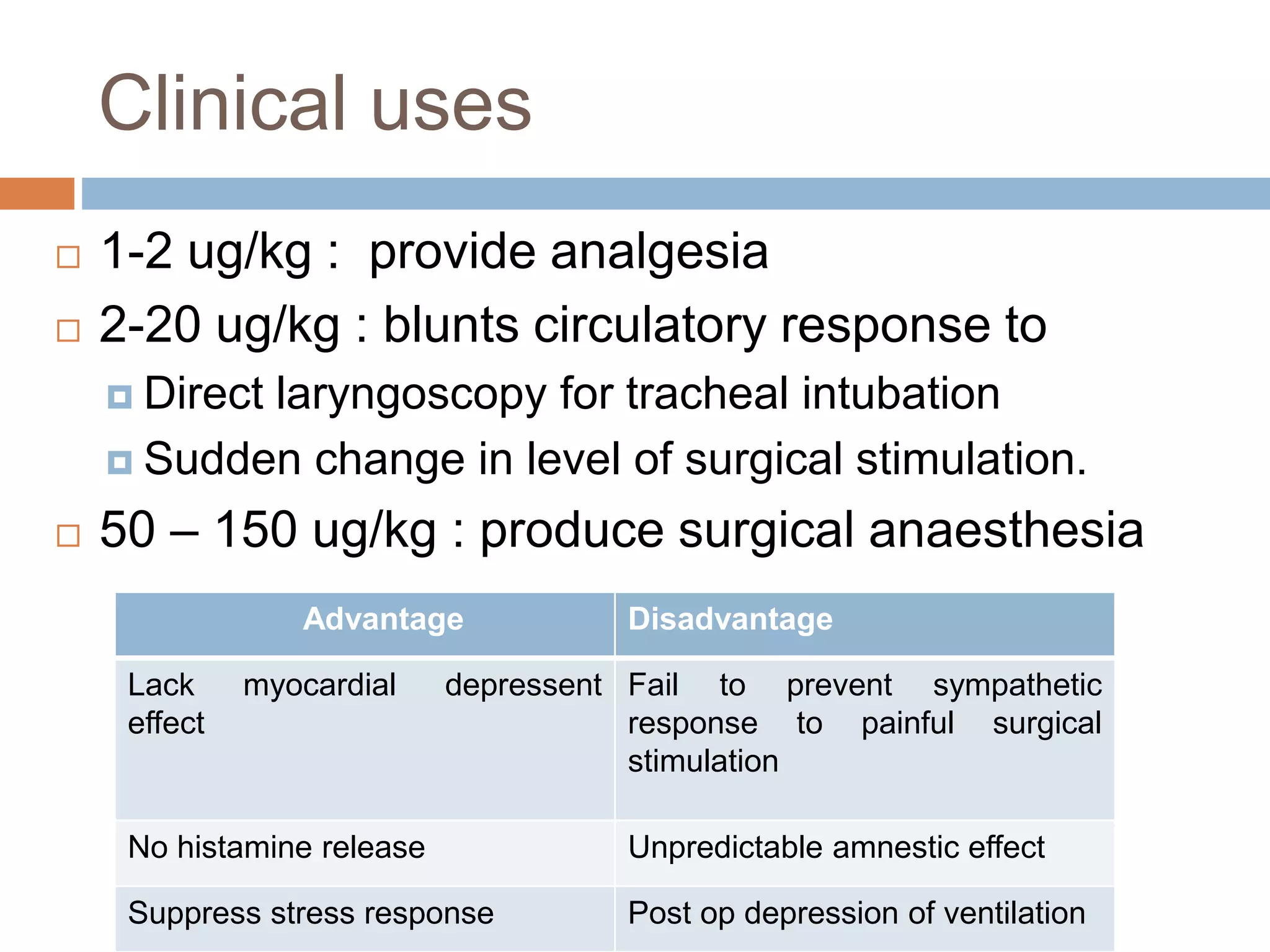
Clinical uses
 1-2 ug/kg : provide analgesia
 2-20 ug/kg : blunts circulatory response to
 Direct laryngoscopy for tracheal intubation
 Sudden change in level of surgical stimulation.
 50 – 150 ug/kg : produce surgical anaesthesia
Advantage Disadvantage
Lack myocardial depressent
effect
Fail to prevent sympathetic
response to painful surgical
stimulation
No histamine release Unpredictable amnestic effect
Suppress stress response Post op depression of ventilation
1. Analgesia
 Intravenous bolus of fentanyl (1-2ug/ kg) produces
potent and short lasting analgesia.
2. Balanced anaesthesia
 Fentanyl is used as a component of balanced
anaesthesia
 To reduce preoperative pain and anxiety
 To decrease somatic and autonomic response to airway
manipulation
 To improve hemodynamic stability.
 Reduce requirement for inhaled anaesthetic
 Immediate post op analgesia
 3. Neurolept analgesia
 Combination of a major tranquilizer (usually the
butyrophenone droperidol) and a potent opioid
analgesic (fentanyl) to produce a detached, pain-free
state of immobilization and insensitivity to pain.
 It is characterized by analgesia, absence of clinically
apparent motor activity, suppression of autonomic
reflexes, maintenance of cardiovascular stability, and
amnesia in most patients.
 The addition of an inhaled anesthetic, usually N2O,
improves amnesia and has been called neurolept
anesthesia.
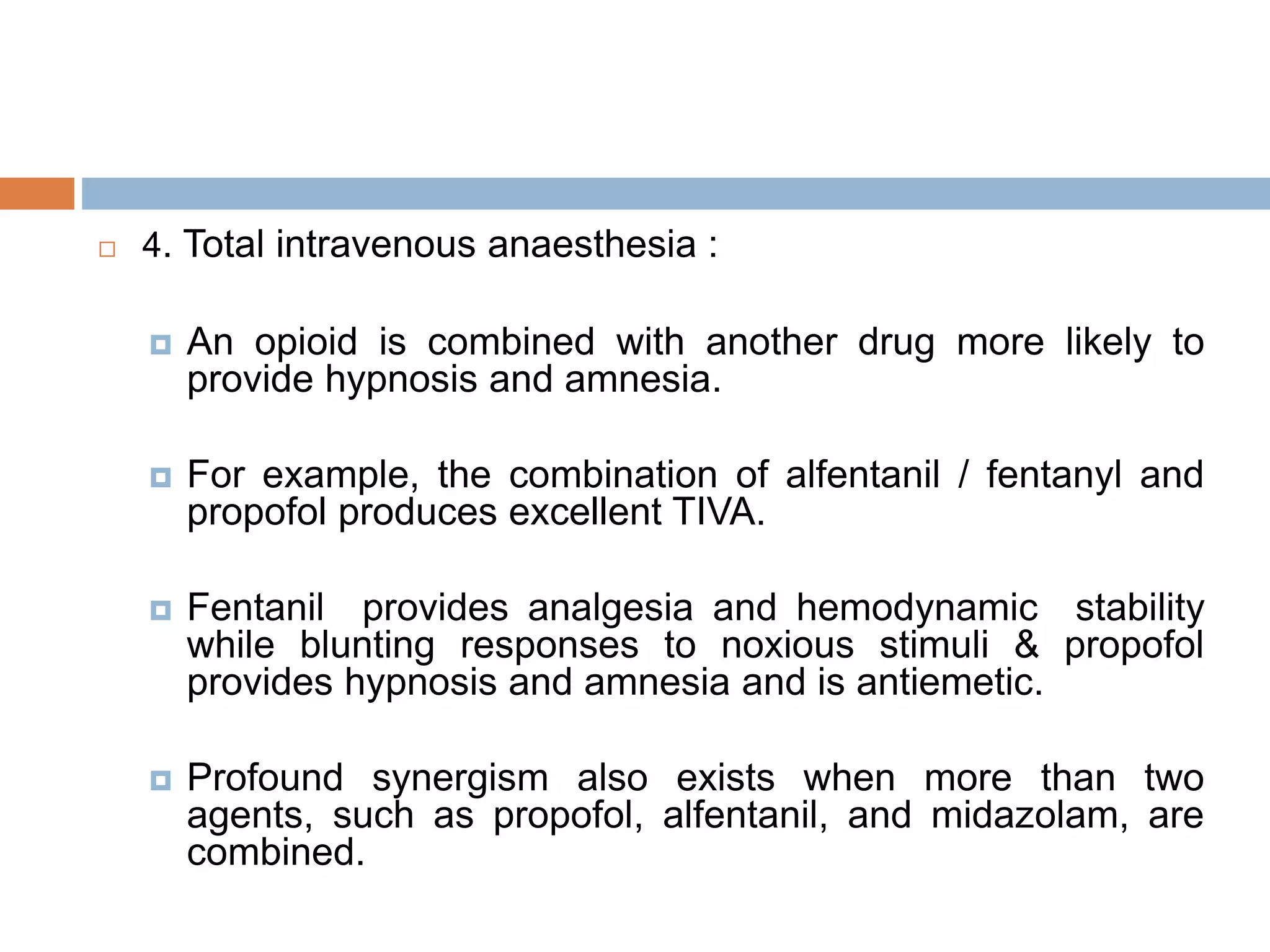
 4. Total intravenous anaesthesia :
 An opioid is combined with another drug more likely to
provide hypnosis and amnesia.
 For example, the combination of alfentanil / fentanyl and
propofol produces excellent TIVA.
 Fentanil provides analgesia and hemodynamic stability
while blunting responses to noxious stimuli & propofol
provides hypnosis and amnesia and is antiemetic.
 Profound synergism also exists when more than two
agents, such as propofol, alfentanil, and midazolam, are
combined.
 The optimal propofol-opioid concentrations
that ensure adequate anesthesia and rapid
emergence were determined by computer
modeling.
 The optimal propofol concentration decreases
in the order of fentanyl > alfentanil > sufentanil
>> remifentanil.
 A shorter contextsensitive half-time allows the
administration of greater amounts of opioid
(and less propofol) during anesthesia without
creating prolonged opioid effects.
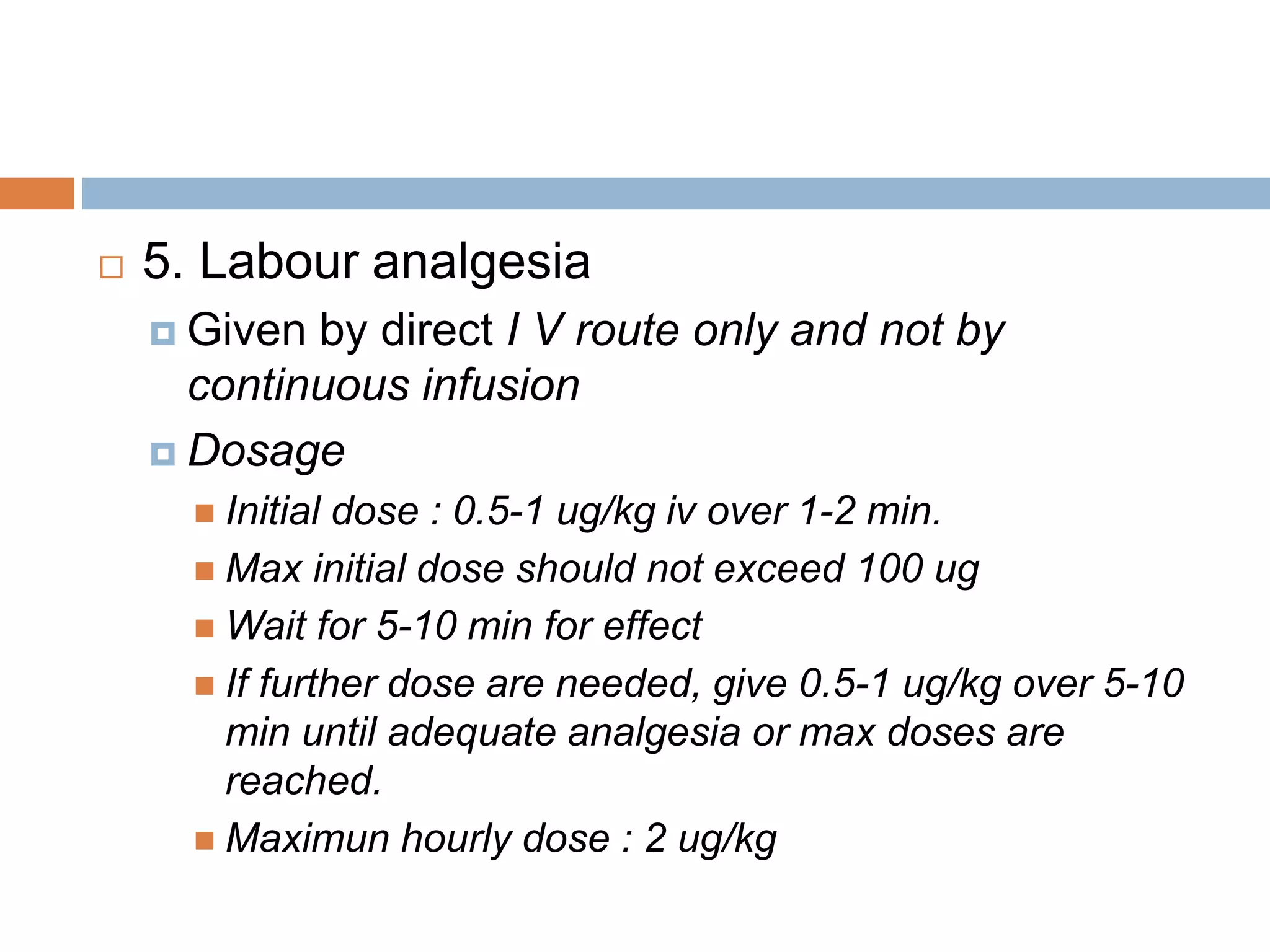
 5. Labour analgesia
 Given by direct I V route only and not by
continuous infusion
 Dosage
 Initial dose : 0.5-1 ug/kg iv over 1-2 min.
 Max initial dose should not exceed 100 ug
 Wait for 5-10 min for effect
 If further dose are needed, give 0.5-1 ug/kg over 5-10
min until adequate analgesia or max doses are
reached.
 Maximun hourly dose : 2 ug/kg
 Monitoring
 Respiratory rate should be monitored prior to and
following every dose.
 Continuous SPo2 monitoring
 Neither initial or subsequent dose should be
administered if RR < 8/min or SPo2 < 94 %.
 Narcotics administered during active labour will
never completely remove pain.
 Close observation for signs of adverse reaction
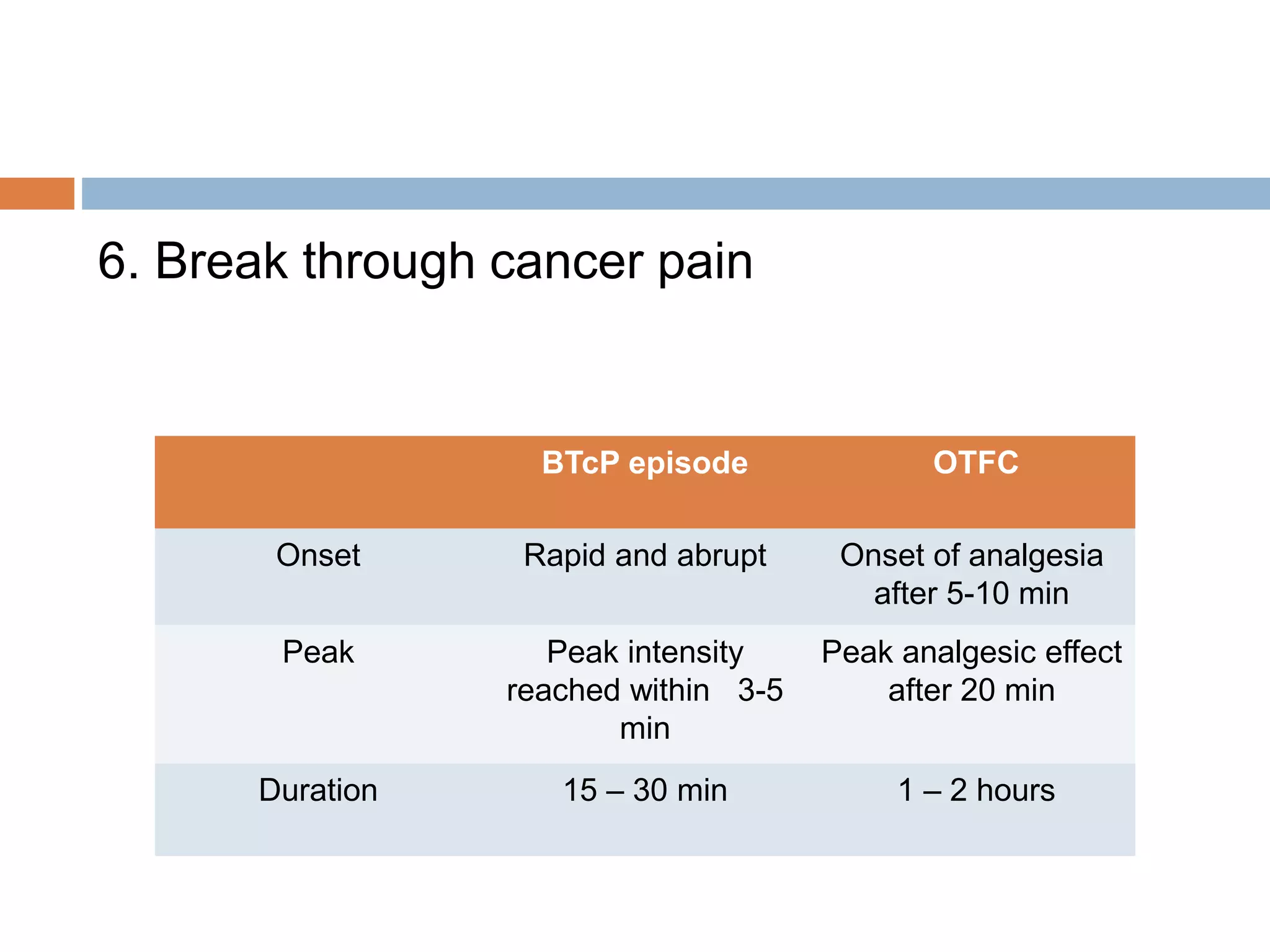
6. Break through cancer pain
BTcP episode OTFC
Onset Rapid and abrupt Onset of analgesia
after 5-10 min
Peak Peak intensity
reached within 3-5
min
Peak analgesic effect
after 20 min
Duration 15 – 30 min 1 – 2 hours
Fentanyl is available
as-
 injectable (50
ug/mL)
 transdermal patch
 sublingual / buccal
tablet
 transmucosal film
 intranasal
 Transdermal therapeutic system
 Produces adequate sustained analgesia by
maintaining long term plasma concentration for 3
days.
 Delivers 75 – 100 ug/hr of fentanyl--- 18 hrs to
reach peak concentration.
 Cancer related pain.
 If applied preoperatively –decreases the dose of
parentral opioid required for postop analgesia.
 s/e acute toxic delirium
 Oral transmucosal fenatnyl ( OTMF)
 easy to use
 Takes advantage of characteristics of the oral mucosa
that facilitate rapid absorption
 large surface area
 high permeability
 high vascularity
 uniform temperature
 Associated with high bioavailability, due to avoidance of
first‐pass metabolism.
 Film/ lollipop / tablet applied to buccal mucosa.
 Delivers 5 – 20 ug/kg
 Decrease preoperative anxiety and facilitate
induction of anaesthesia especially in children.
 S/e : Increased incidence of post op nausea and
vomiting.
: Decrease in breathing frequency and
arterial oxygenation
Iontophoresis
 Is a technique by which drug passage through
the skin is augmented by an external electric
current.
 The fentanyl HCl iontophoretic transdermal
system is a novel PCA system for the
management of acute moderate to severe
post operative pain.
SIDE EFFECTS OF
FENTANYL
 Respiratory System-Depression of ventillation
( persistent or recurrent )
 CVS-Hypotension and bradycardia ( d/t
abolishment of carotid sinus mediated
baroreceptore reflex )
 CNS- Seizure like activity on rapid i.v injection
- Increase in ICP in head injury patients (
by 6-9 mmhg ).
SUFENTANYL
 First synthesized in 1974
 Has greater affinity for opioid receptors
compared to fentanyl explaining its 10 times
analgesic potency to that of fentanyl.
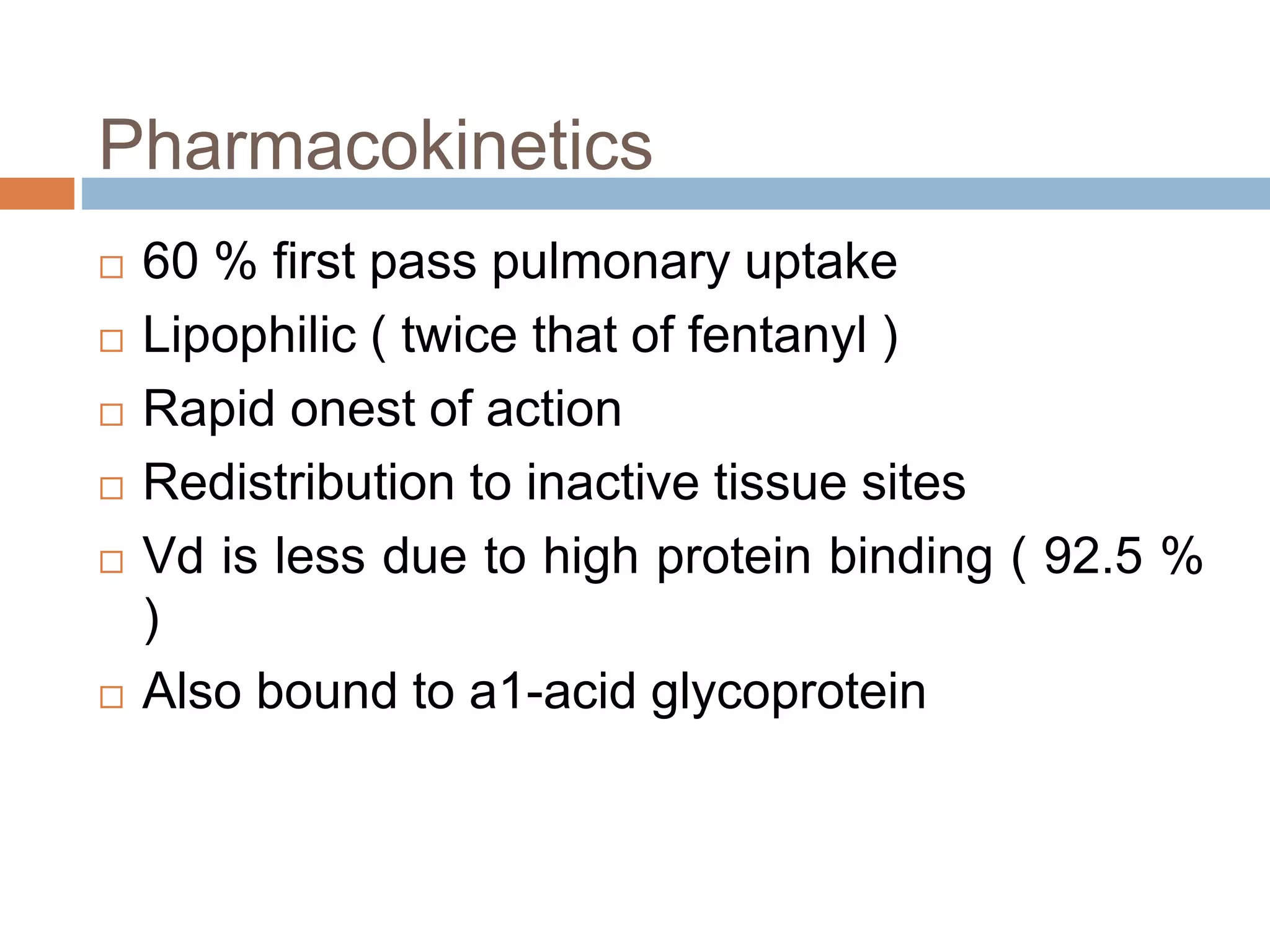
Pharmacokinetics
 60 % first pass pulmonary uptake
 Lipophilic ( twice that of fentanyl )
 Rapid onest of action
 Redistribution to inactive tissue sites
 Vd is less due to high protein binding ( 92.5 %
)
 Also bound to a1-acid glycoprotein
 Metabolized by N- dealkylation or O-
demethylation
 Metabolite desmethyl sufentanyl has about
10% of the activity of sufentanyl.
 < 1% excreted unchanged in urine.
 High lipid solubility of sufentanyl accounts for
increased renal tubular reabsoption and
increased hepatic extraction and metabolism,
hence a normal renal function is important for
the clearance of sufentanyl.
 Context sensitive half time
 After termination of continuous infusion the
decrease in plasma concentration of drug is
accelerated not only by metabolism but also by
continued redistribution of sufentanyl in to
peripheral tissue compartments ----thus have a
more favourable recovery profile if used over a
long period.
SIDE EFFECTS
 Respiratory depression
 Skeletal muscle rigidity
 Hypotension
 Bradycardia
 Nausea and vomitting
 Pruritus
ADVANTAGE OVER FENTANYL
 More potent
 Better haemodynamic stability than other
opioids
 Post op recovery is rapid
 Lesser requirement of post-op analgesia
References
 Miller’s Anaesthesia ; 8th edition
 Stoelting’s pharmacology and physiology ;5th
edition
 Bennett D et al. P&T 2005;30:296–301.
 Chandler S. Am J Hosp Palliat Care
1999;16:489–491
 Simmonds MA. Oncology 1999;13:1103–1108
THANK YOU

Fentanyl

  • 1.
  • 2.
    INTRODUCTION TO OPIOIDS The word opium is derived from opos, the Greek word for juice, because the drug is derived from the juice of the opium poppy, Papaver somniferum.  Opioid refers to all exogenous substances,natural as well as synthetic ,that bind specifically to opiod receptors and produce morphine like effects.  Morphine the most well known opioid was isolated in 1803.
  • 3.
    Classification of Opioids Naturally Occuring  Morphine  Codeine  Papaverine  Thebaine  Semisynthetic  Heroin  Dihydromorphone, morphinone  Thebaine derivatives (e.g., etorphine, buprenorphine)  Synthetic  Morphinan series (e.g., levorphanol, butorphanol)  Diphenylpropylamine series (e.g., methadone)  Benzomorphan series (e.g., pentazocine)  Phenylpiperidine series (e.g., meperidine, fentanyl, sufentanil, alfentanil, remifentanil)
  • 4.
    OPIOID RECEPTORS  Classifiedas- mu, kappa and delta receptors  G-protein coupled receptors  Location  Brain : Locus Ceruleus , Periaqueductal gray matter, rostral ventral medulla  Spinal Cord : Interneurons , primary afferent neurons in dorsal horn
  • 5.
    Receptors u(mu) k (kappa ) d ( delta ) Analgesia ( supraspinal u1 + spinal u2) Analgesia ( spinal k1 ) Analgesia ( spinal + supraspinal ) Respiratory depression Respiratory depression Respiratory depression Sedation Sedation Affective behaviour Euphoria Dysphoria Reinforcing actions Miosis Miosis Muscular rigidity Physical dependence Proconvulsant Reduced g i motility Reduced g i motility Reduced g i motility
  • 6.
    MECHANISM OF ACTION Opioids Bindto extracellular domain of GPC receptor Change in receptor shape Activates G protein G protein bound GDP is replaced with GTP which dissociates into two active sub-units.
  • 8.
     Opening ofinward flowing K+ channel  Decreased conductance of volatage gated calcium channel  Inhibition of adenylate cyclase Leads to decreased neuronal transmission by inhibition of neurotransmitter release.
  • 9.
    FENTANYL  Phenylpiperidine derivative Synthetic opioid agonist  1st synthesized in 1960  Potent synthetic narcotic with properties similar to those of morphine  50 to 100 times more potent as compared to morphine
  • 10.
    PHARMCOKINETICS  When giveni.v. 75% of the dose undergoes first pass pulmonary uptake, limiting the initial amount of drug reaching the systemic circulation.  Lipophilic – readily crosses BBB  Blood brain equilibrium time : 6 min  Rapid onset of action (produces peak analgesia within 5 min of i.v. injection.)  Has shorter duration of action – effect starts wearing off after 30–40 min due to redistribution to inactive sites(fat and skeletal muscle)
  • 11.
     The eliminationT ½ of fentanyl is however longer because of its larger volume of distribution.  Plasma concentration of the drug is maintained by slow uptake from inactive sites  Metabolised by N-demethylation (norfentanyl is the principal metabolite) in liver by P450 enzyme  Excreted by kidney  <10% is excreted unchanged
  • 12.
    Context sensitive halftime  Is the time required for plasma concentrations of a drug to decrease by 50% after discontinuation of drug administration.  It often cannot be predicted by the elimination half-life because it also depends on drug distribution.  It helps explain the duration of action of a drug given by infusion after stopping the infusion.
  • 13.
     It reflectsseveral pharmacokinetic principles: 1. Longer the duration of infusion - more of the drug will deposit in the body’s tissues until the tissues are completely saturated. 2. Every drug accumulates to differing extents, which is influenced by the physicochemical properties of the drug.
  • 14.
    3. Drugs areremoved from the blood through two major mechanisms:  Distribution: where the drug moves from the blood into the tissues, e.g., fat.  Excretion: where the drug is either metabolized (e.g., by the liver) or excreted from the body unchanged (e.g., in urine). Whether or not the metabolites are active is also important.
  • 15.
    Fentanyl given asT ½ (‘context‐sensitive’) IV bolus 2 minutes 20 minute infusion 8 minutes 30 minute infusion 12 minutes 60 minute infusion 19 minutes 4 hour infusion 2 hours 8 hour infusion 4 hours 12 hour infusion 5 hours
  • 16.
    Clinical uses  1-2ug/kg : provide analgesia  2-20 ug/kg : blunts circulatory response to  Direct laryngoscopy for tracheal intubation  Sudden change in level of surgical stimulation.  50 – 150 ug/kg : produce surgical anaesthesia Advantage Disadvantage Lack myocardial depressent effect Fail to prevent sympathetic response to painful surgical stimulation No histamine release Unpredictable amnestic effect Suppress stress response Post op depression of ventilation
  • 17.
    1. Analgesia  Intravenousbolus of fentanyl (1-2ug/ kg) produces potent and short lasting analgesia. 2. Balanced anaesthesia  Fentanyl is used as a component of balanced anaesthesia  To reduce preoperative pain and anxiety  To decrease somatic and autonomic response to airway manipulation  To improve hemodynamic stability.  Reduce requirement for inhaled anaesthetic  Immediate post op analgesia
  • 18.
     3. Neuroleptanalgesia  Combination of a major tranquilizer (usually the butyrophenone droperidol) and a potent opioid analgesic (fentanyl) to produce a detached, pain-free state of immobilization and insensitivity to pain.  It is characterized by analgesia, absence of clinically apparent motor activity, suppression of autonomic reflexes, maintenance of cardiovascular stability, and amnesia in most patients.  The addition of an inhaled anesthetic, usually N2O, improves amnesia and has been called neurolept anesthesia.
  • 19.
     4. Totalintravenous anaesthesia :  An opioid is combined with another drug more likely to provide hypnosis and amnesia.  For example, the combination of alfentanil / fentanyl and propofol produces excellent TIVA.  Fentanil provides analgesia and hemodynamic stability while blunting responses to noxious stimuli & propofol provides hypnosis and amnesia and is antiemetic.  Profound synergism also exists when more than two agents, such as propofol, alfentanil, and midazolam, are combined.
  • 20.
     The optimalpropofol-opioid concentrations that ensure adequate anesthesia and rapid emergence were determined by computer modeling.  The optimal propofol concentration decreases in the order of fentanyl > alfentanil > sufentanil >> remifentanil.  A shorter contextsensitive half-time allows the administration of greater amounts of opioid (and less propofol) during anesthesia without creating prolonged opioid effects.
  • 21.
     5. Labouranalgesia  Given by direct I V route only and not by continuous infusion  Dosage  Initial dose : 0.5-1 ug/kg iv over 1-2 min.  Max initial dose should not exceed 100 ug  Wait for 5-10 min for effect  If further dose are needed, give 0.5-1 ug/kg over 5-10 min until adequate analgesia or max doses are reached.  Maximun hourly dose : 2 ug/kg
  • 22.
     Monitoring  Respiratoryrate should be monitored prior to and following every dose.  Continuous SPo2 monitoring  Neither initial or subsequent dose should be administered if RR < 8/min or SPo2 < 94 %.  Narcotics administered during active labour will never completely remove pain.  Close observation for signs of adverse reaction
  • 23.
    6. Break throughcancer pain BTcP episode OTFC Onset Rapid and abrupt Onset of analgesia after 5-10 min Peak Peak intensity reached within 3-5 min Peak analgesic effect after 20 min Duration 15 – 30 min 1 – 2 hours
  • 24.
    Fentanyl is available as- injectable (50 ug/mL)  transdermal patch  sublingual / buccal tablet  transmucosal film  intranasal
  • 25.
     Transdermal therapeuticsystem  Produces adequate sustained analgesia by maintaining long term plasma concentration for 3 days.  Delivers 75 – 100 ug/hr of fentanyl--- 18 hrs to reach peak concentration.  Cancer related pain.  If applied preoperatively –decreases the dose of parentral opioid required for postop analgesia.  s/e acute toxic delirium
  • 26.
     Oral transmucosalfenatnyl ( OTMF)  easy to use  Takes advantage of characteristics of the oral mucosa that facilitate rapid absorption  large surface area  high permeability  high vascularity  uniform temperature  Associated with high bioavailability, due to avoidance of first‐pass metabolism.
  • 27.
     Film/ lollipop/ tablet applied to buccal mucosa.  Delivers 5 – 20 ug/kg  Decrease preoperative anxiety and facilitate induction of anaesthesia especially in children.  S/e : Increased incidence of post op nausea and vomiting. : Decrease in breathing frequency and arterial oxygenation
  • 28.
    Iontophoresis  Is atechnique by which drug passage through the skin is augmented by an external electric current.  The fentanyl HCl iontophoretic transdermal system is a novel PCA system for the management of acute moderate to severe post operative pain.
  • 29.
    SIDE EFFECTS OF FENTANYL Respiratory System-Depression of ventillation ( persistent or recurrent )  CVS-Hypotension and bradycardia ( d/t abolishment of carotid sinus mediated baroreceptore reflex )  CNS- Seizure like activity on rapid i.v injection - Increase in ICP in head injury patients ( by 6-9 mmhg ).
  • 30.
    SUFENTANYL  First synthesizedin 1974  Has greater affinity for opioid receptors compared to fentanyl explaining its 10 times analgesic potency to that of fentanyl.
  • 31.
    Pharmacokinetics  60 %first pass pulmonary uptake  Lipophilic ( twice that of fentanyl )  Rapid onest of action  Redistribution to inactive tissue sites  Vd is less due to high protein binding ( 92.5 % )  Also bound to a1-acid glycoprotein
  • 32.
     Metabolized byN- dealkylation or O- demethylation  Metabolite desmethyl sufentanyl has about 10% of the activity of sufentanyl.  < 1% excreted unchanged in urine.  High lipid solubility of sufentanyl accounts for increased renal tubular reabsoption and increased hepatic extraction and metabolism, hence a normal renal function is important for the clearance of sufentanyl.
  • 33.
     Context sensitivehalf time  After termination of continuous infusion the decrease in plasma concentration of drug is accelerated not only by metabolism but also by continued redistribution of sufentanyl in to peripheral tissue compartments ----thus have a more favourable recovery profile if used over a long period.
  • 34.
    SIDE EFFECTS  Respiratorydepression  Skeletal muscle rigidity  Hypotension  Bradycardia  Nausea and vomitting  Pruritus
  • 35.
    ADVANTAGE OVER FENTANYL More potent  Better haemodynamic stability than other opioids  Post op recovery is rapid  Lesser requirement of post-op analgesia
  • 36.
    References  Miller’s Anaesthesia; 8th edition  Stoelting’s pharmacology and physiology ;5th edition  Bennett D et al. P&T 2005;30:296–301.  Chandler S. Am J Hosp Palliat Care 1999;16:489–491  Simmonds MA. Oncology 1999;13:1103–1108
  • 37.

Editor's Notes

  • #7 This leads to h
  • #24 A Transitory flare of pain that occurs on top of a background of otherwise controlled persistent pain OTFC has a time–action profile that closely matches the temporal characteristics of BTcP episodes: