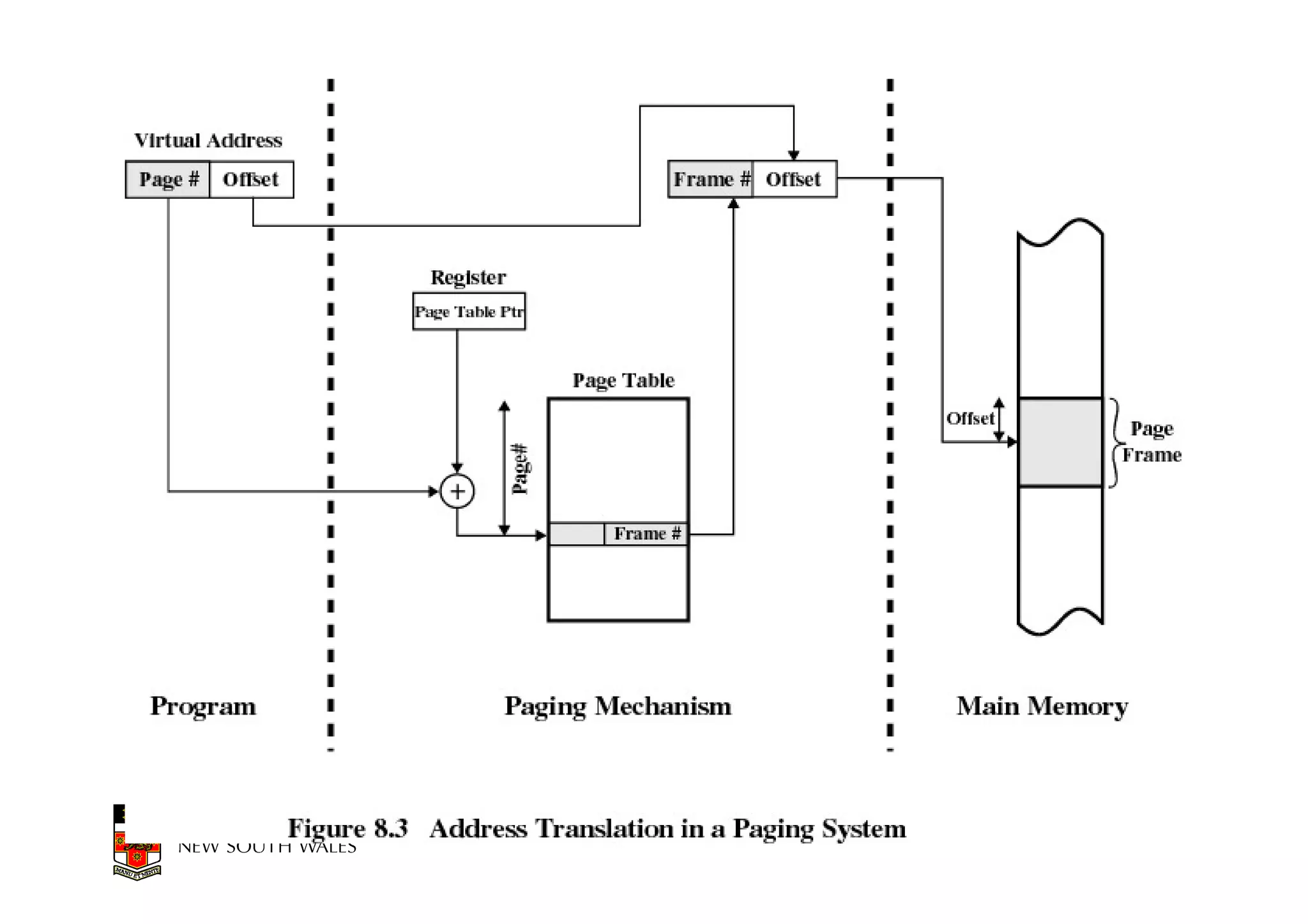
Page Tables Revisited


                        1
2
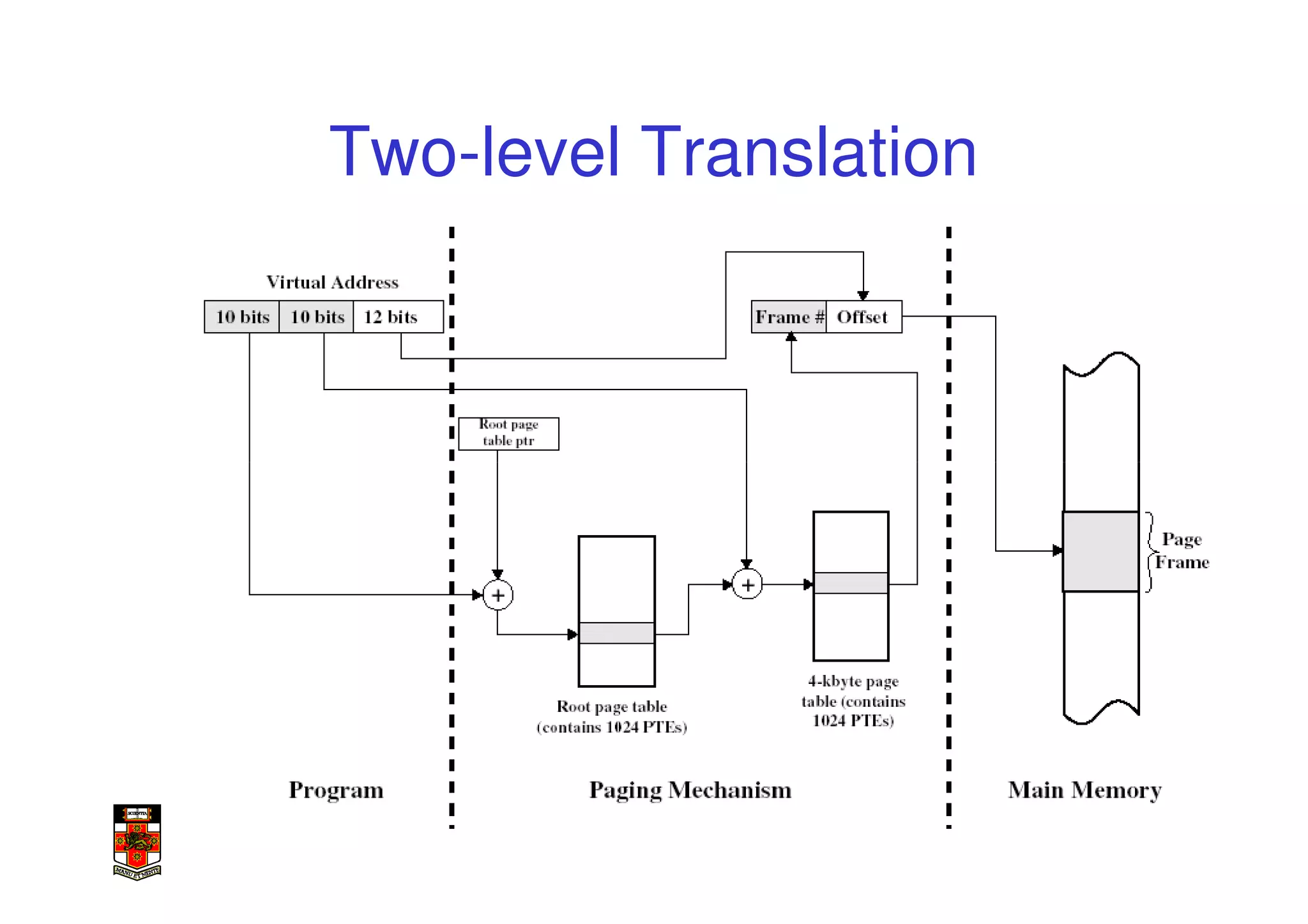
Two-level Translation


                        3
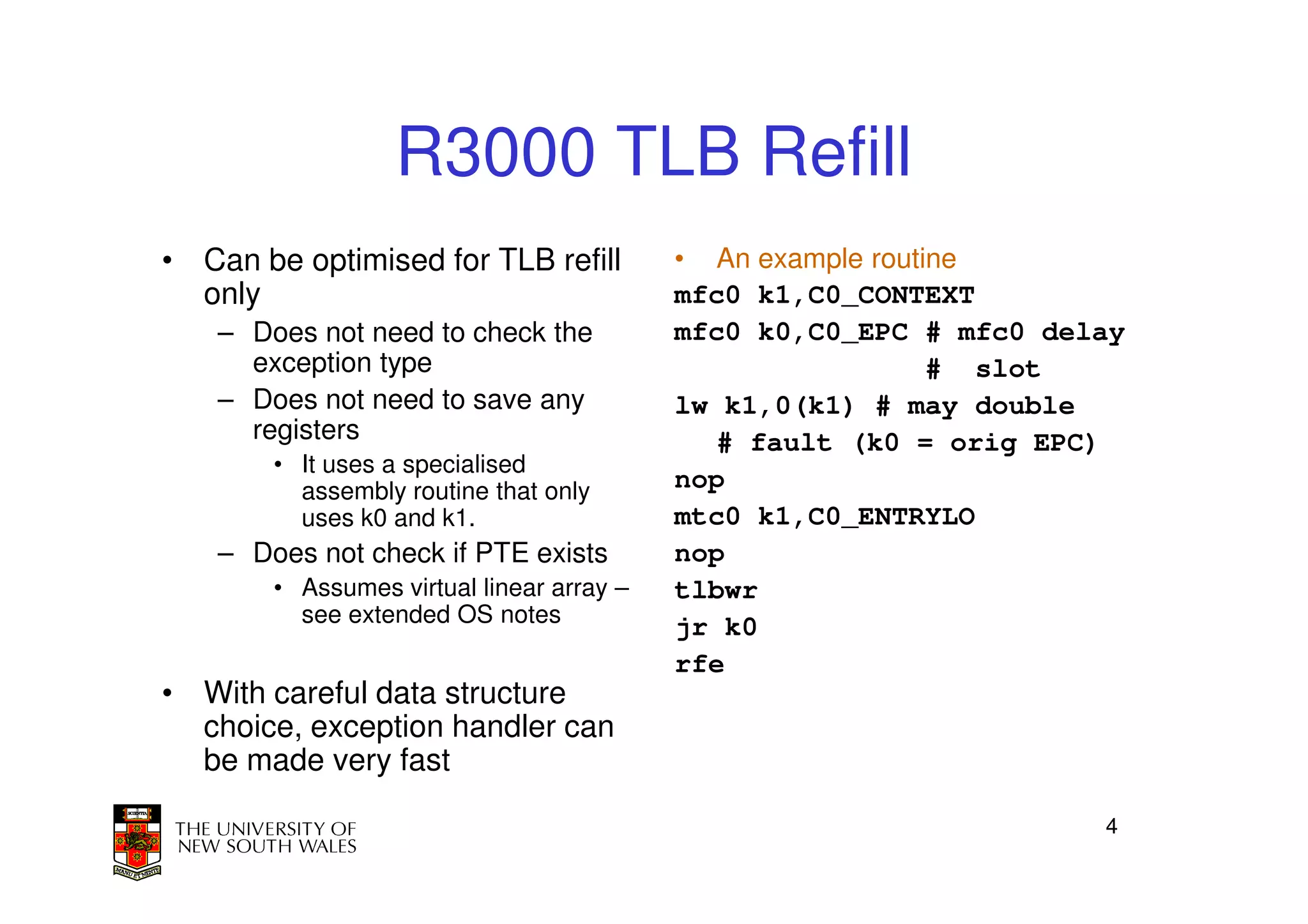
R3000 TLB Refill
• Can be optimised for TLB refill          • An example routine
  only                                     mfc0 k1,C0_CONTEXT
    – Does not need to check the           mfc0 k0,C0_EPC # mfc0 delay
      exception type                                         # slot
    – Does not need to save any            lw k1,0(k1) # may double
      registers                               # fault (k0 = orig EPC)
        • It uses a specialised
          assembly routine that only       nop
          uses k0 and k1.                  mtc0 k1,C0_ENTRYLO
    – Does not check if PTE exists         nop
        • Assumes virtual linear array –   tlbwr
          see extended OS notes
                                           jr k0
                                           rfe
• With careful data structure
  choice, exception handler can
  be made very fast

                                                                    4
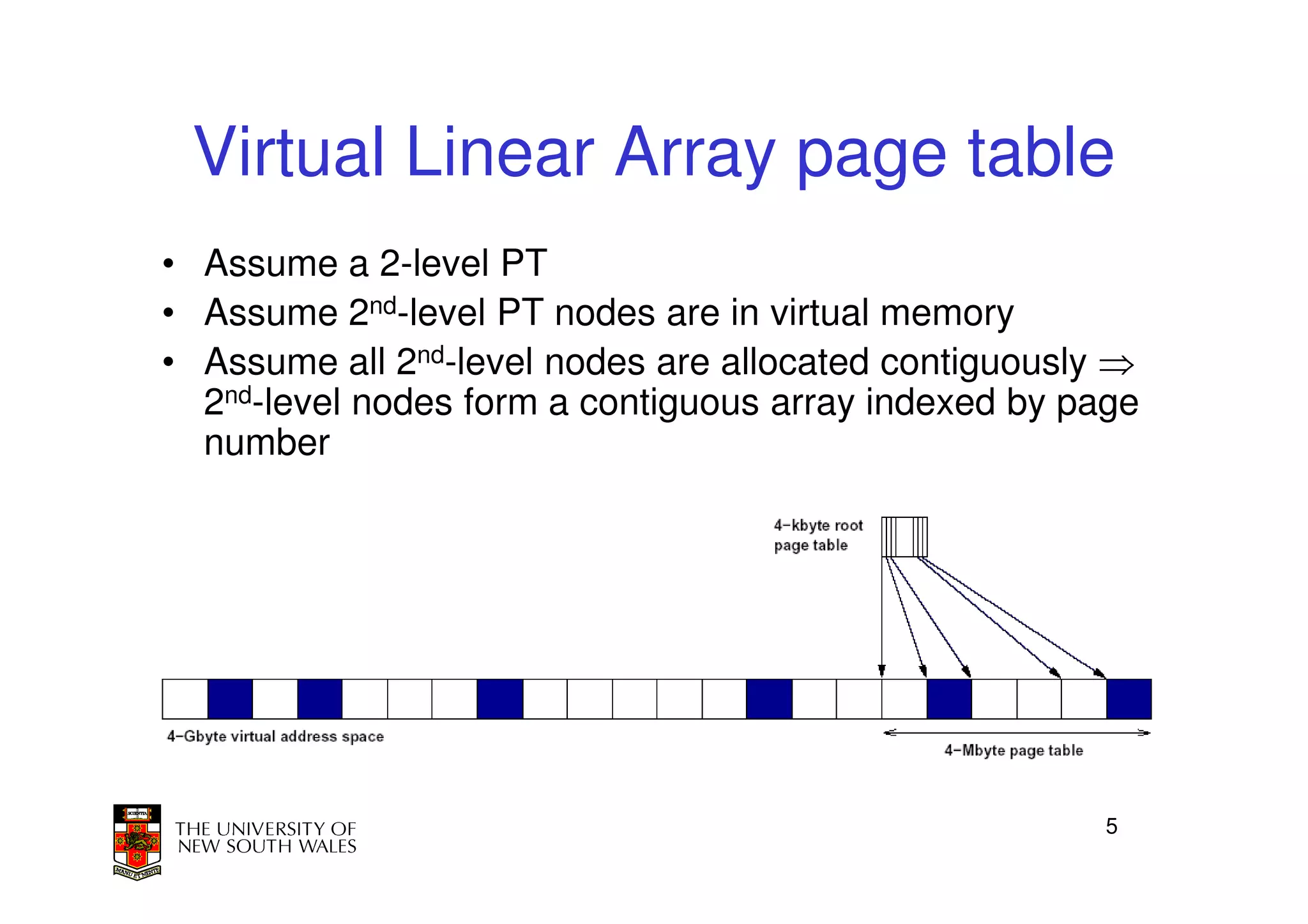
Virtual Linear Array page table
• Assume a 2-level PT
• Assume 2nd-level PT nodes are in virtual memory
• Assume all 2nd-level nodes are allocated contiguously ⇒
  2nd-level nodes form a contiguous array indexed by page
  number


                                                       5
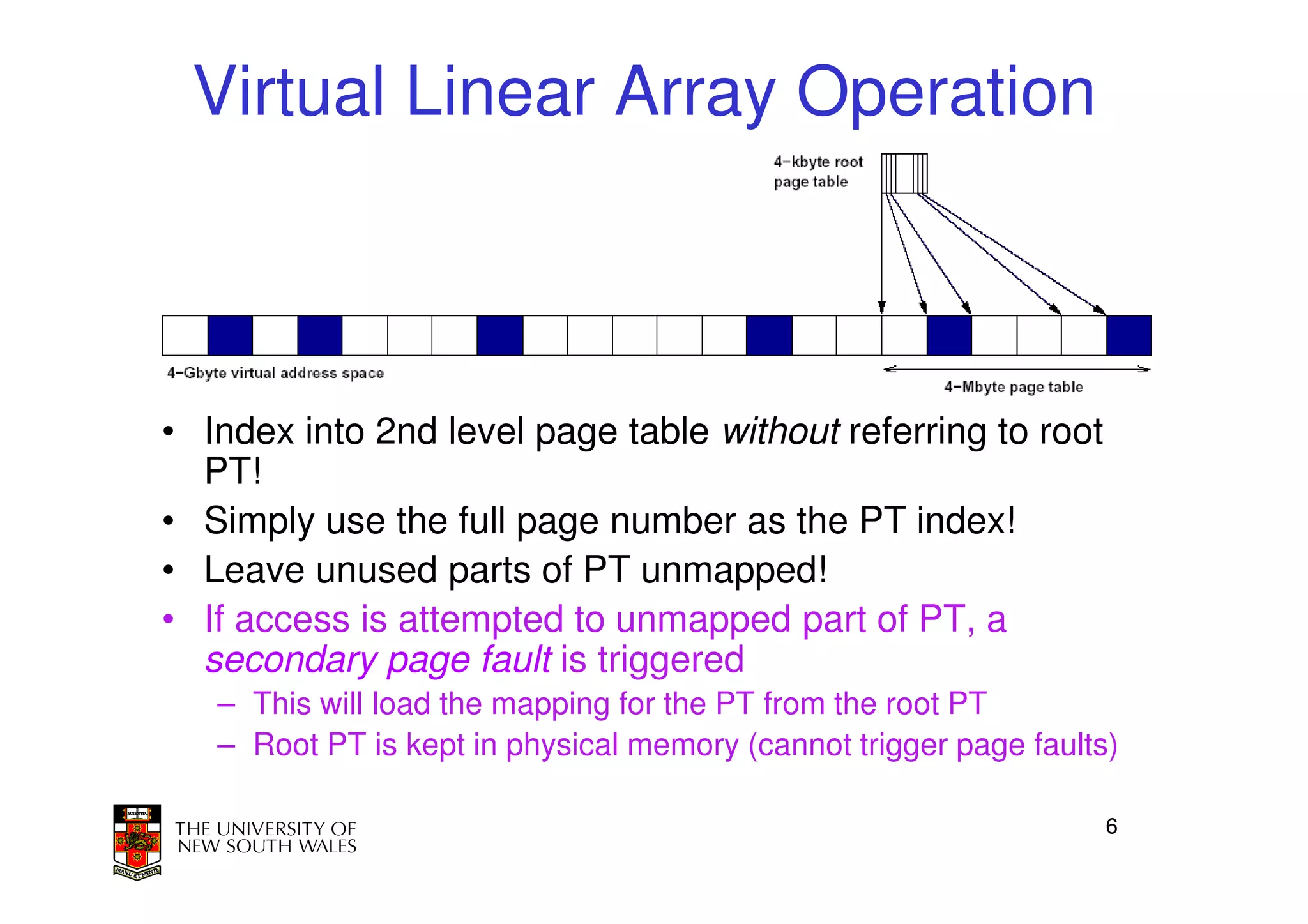
Virtual Linear Array Operation


• Index into 2nd level page table without referring to root
  PT!
• Simply use the full page number as the PT index!
• Leave unused parts of PT unmapped!
• If access is attempted to unmapped part of PT, a
  secondary page fault is triggered
   – This will load the mapping for the PT from the root PT
   – Root PT is kept in physical memory (cannot trigger page faults)

                                                                   6
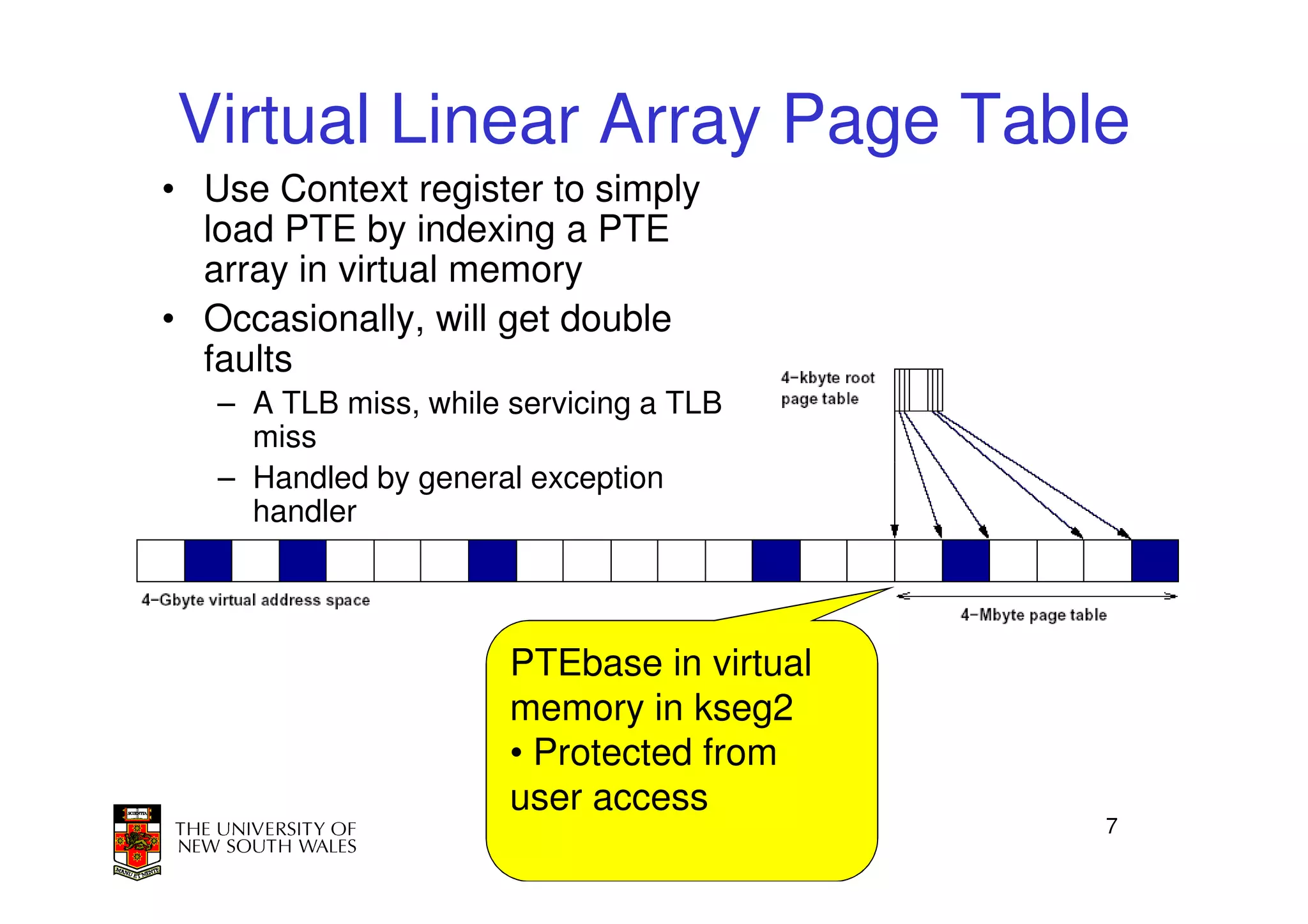
Virtual Linear Array Page Table
• Use Context register to simply
  load PTE by indexing a PTE
  array in virtual memory
• Occasionally, will get double
  faults
   – A TLB miss, while servicing a TLB
     miss
   – Handled by general exception
     handler


                       PTEbase in virtual
                       memory in kseg2
                       • Protected from
                       user access
                                            7
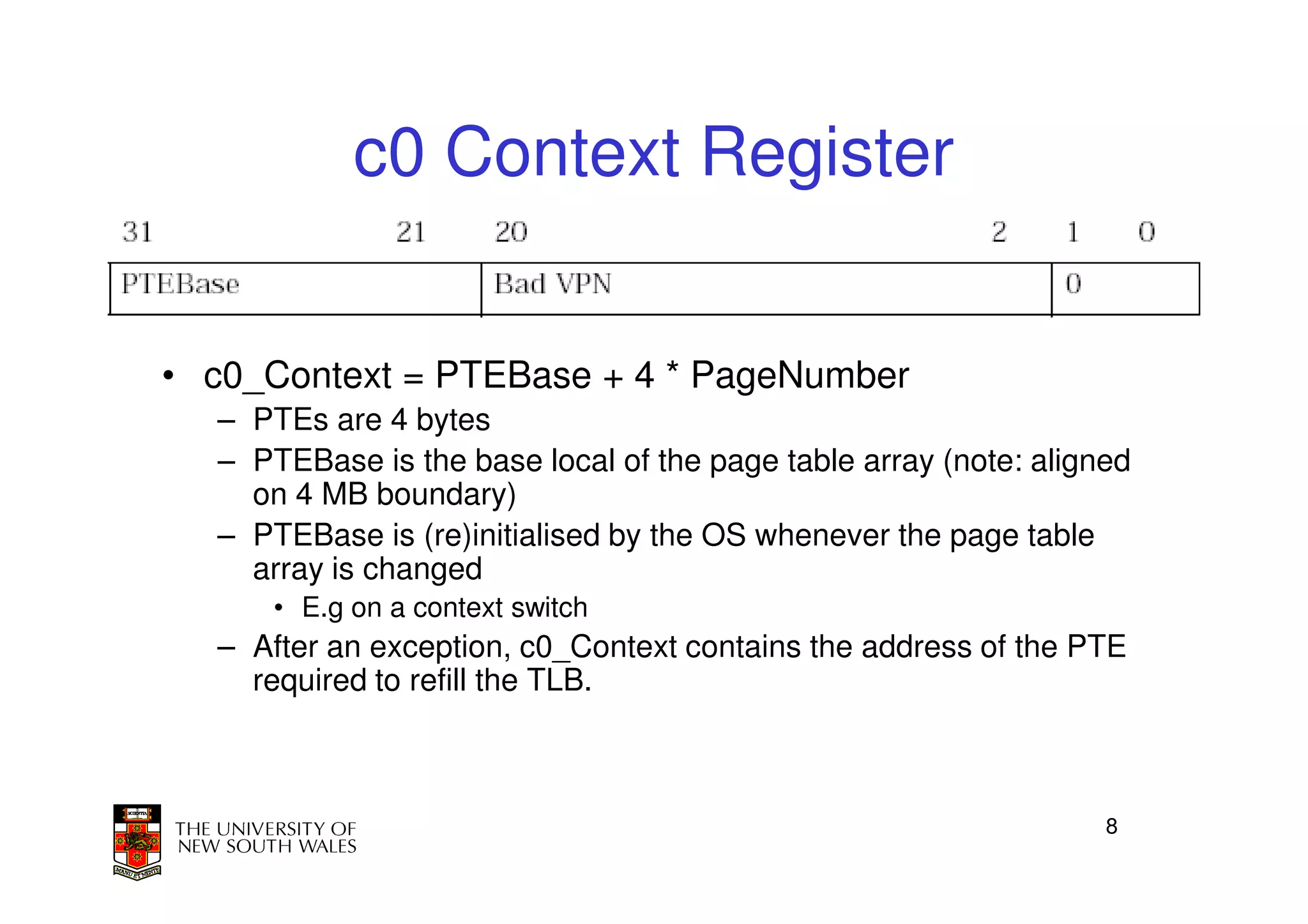
c0 Context Register


• c0_Context = PTEBase + 4 * PageNumber
  – PTEs are 4 bytes
  – PTEBase is the base local of the page table array (note: aligned
    on 4 MB boundary)
  – PTEBase is (re)initialised by the OS whenever the page table
    array is changed
      • E.g on a context switch
  – After an exception, c0_Context contains the address of the PTE
    required to refill the TLB.


                                                                  8
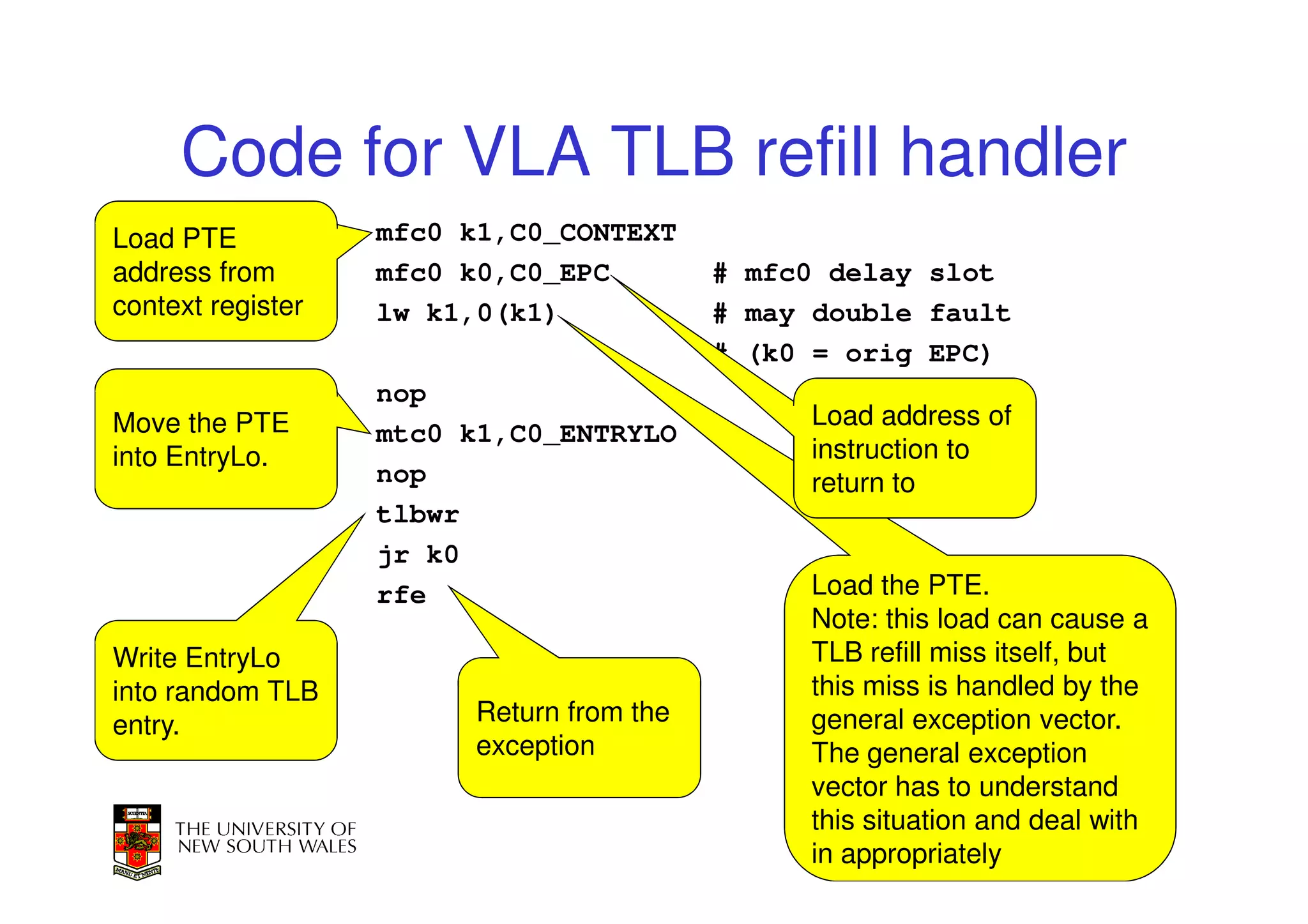
Code for VLA TLB refill handler
Load PTE           mfc0 k1,C0_CONTEXT
address from       mfc0 k0,C0_EPC         # mfc0 delay slot
context register   lw k1,0(k1)            # may double fault
                                          # (k0 = orig EPC)
                   nop
Move the PTE                                   Load address of
                   mtc0 k1,C0_ENTRYLO
into EntryLo.                                  instruction to
                   nop                         return to
                   tlbwr
                   jr k0
                   rfe                         Load the PTE.
                                               Note: this load can cause a
Write EntryLo                                  TLB refill miss itself, but
into random TLB                                this miss is handled by the
entry.                  Return from the        general exception vector.
                        exception              The general exception
                                               vector has to understand
                                               this situation and deal with
                                                                          9
                                               in appropriately
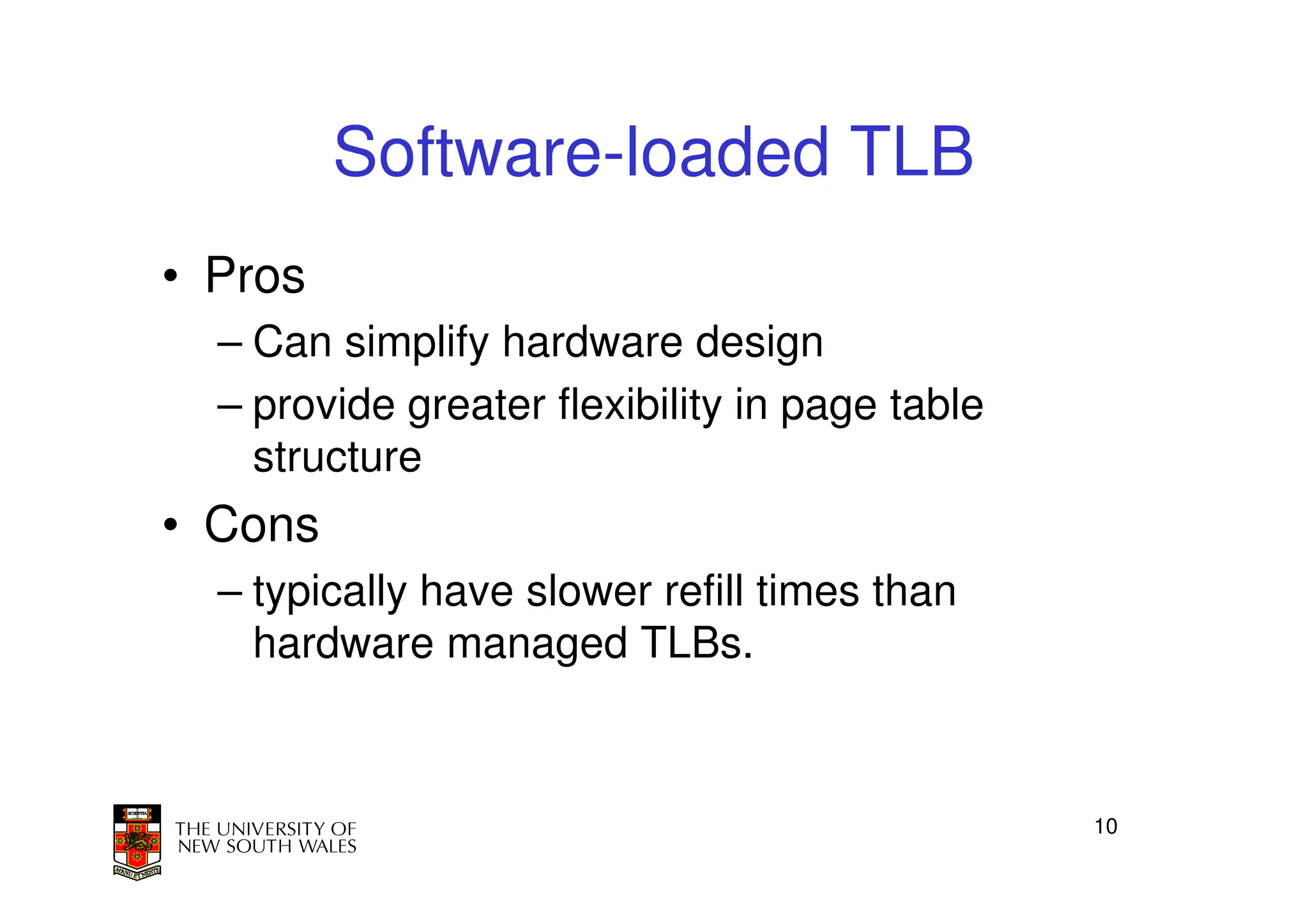
Software-loaded TLB
• Pros
  – Can simplify hardware design
  – provide greater flexibility in page table
    structure
• Cons
  – typically have slower refill times than
    hardware managed TLBs.


                                                10
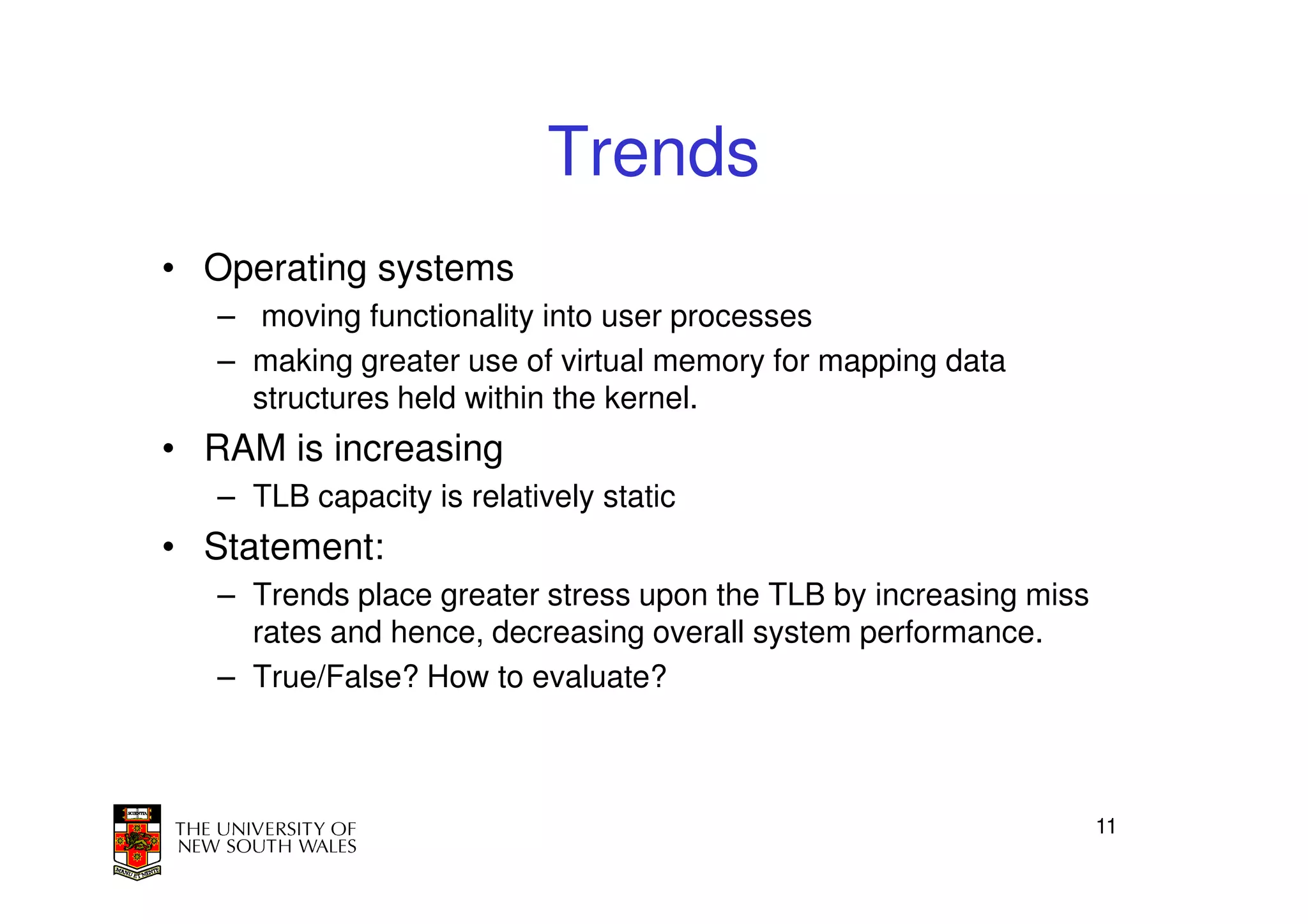
Trends
• Operating systems
   – moving functionality into user processes
   – making greater use of virtual memory for mapping data
     structures held within the kernel.
• RAM is increasing
   – TLB capacity is relatively static
• Statement:
   – Trends place greater stress upon the TLB by increasing miss
     rates and hence, decreasing overall system performance.
   – True/False? How to evaluate?


                                                                   11
Design Tradeoffs for Software-Managed TLBs
David Nagle, Richard Uhlig, Tim Stanley, Stuart Sechrest Trevor
  Mudge & Richard Brown


                                                                  12
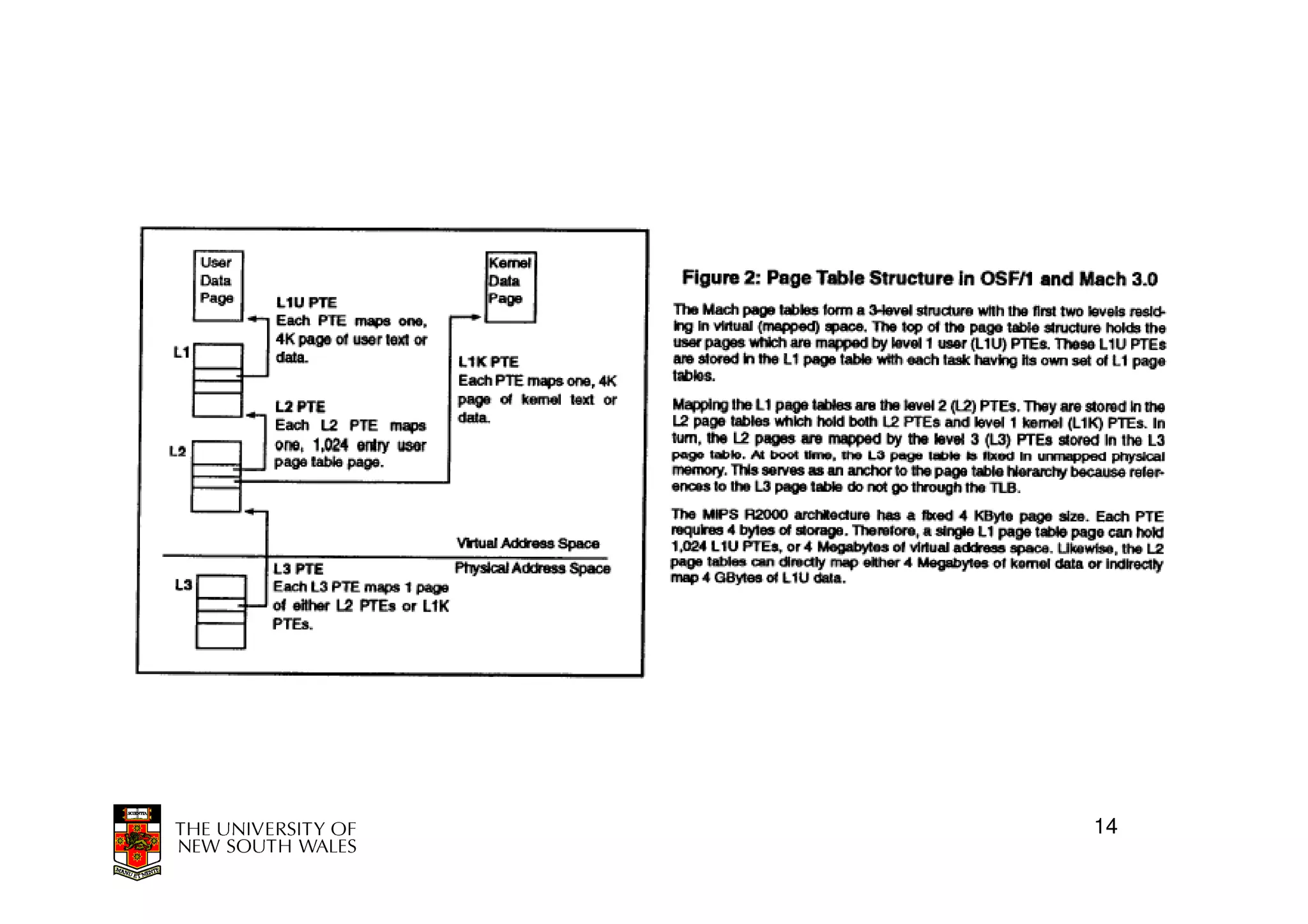
13
14
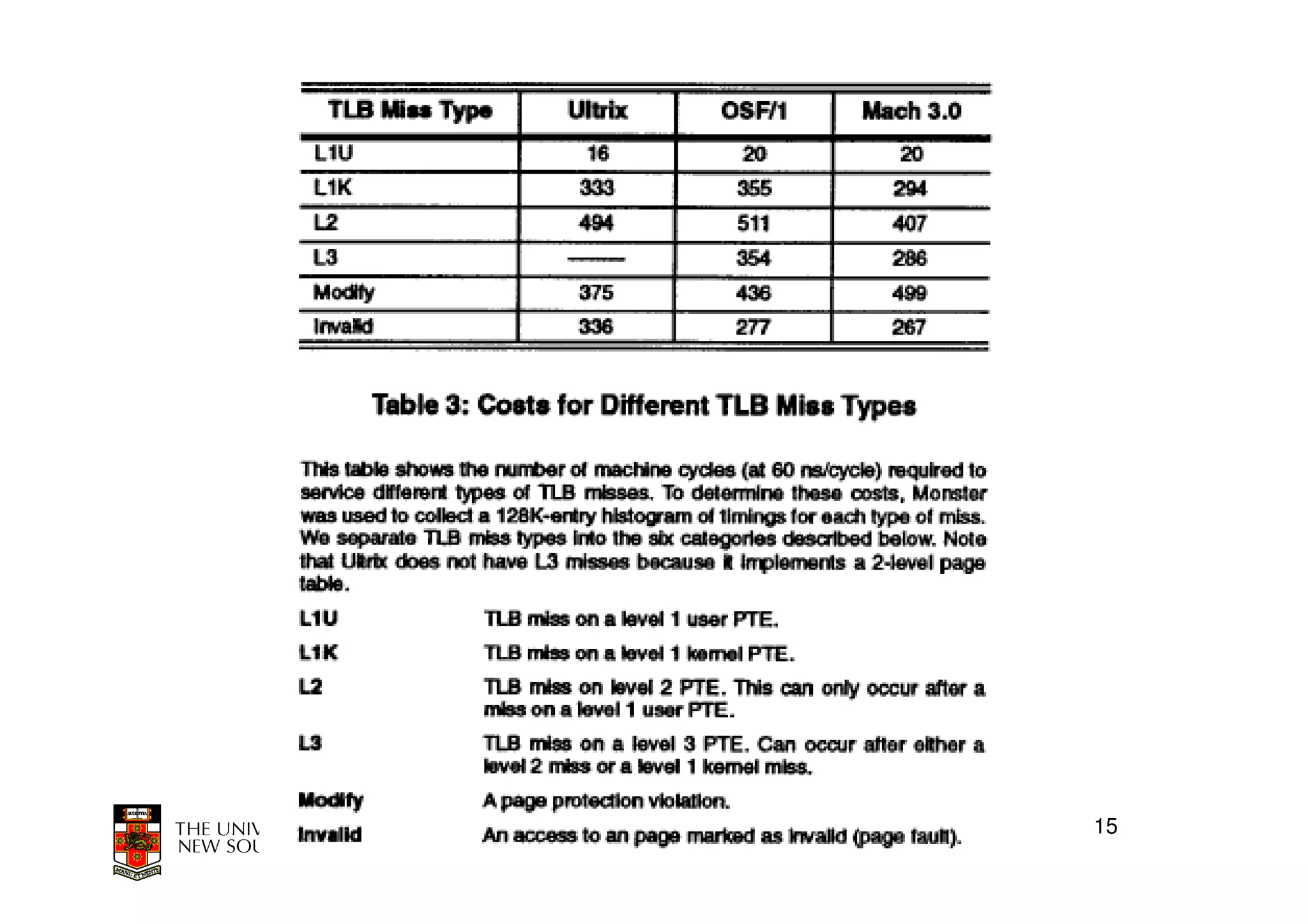
15
Note the TLB miss costs
• What is expected to be the common case?


                                      16
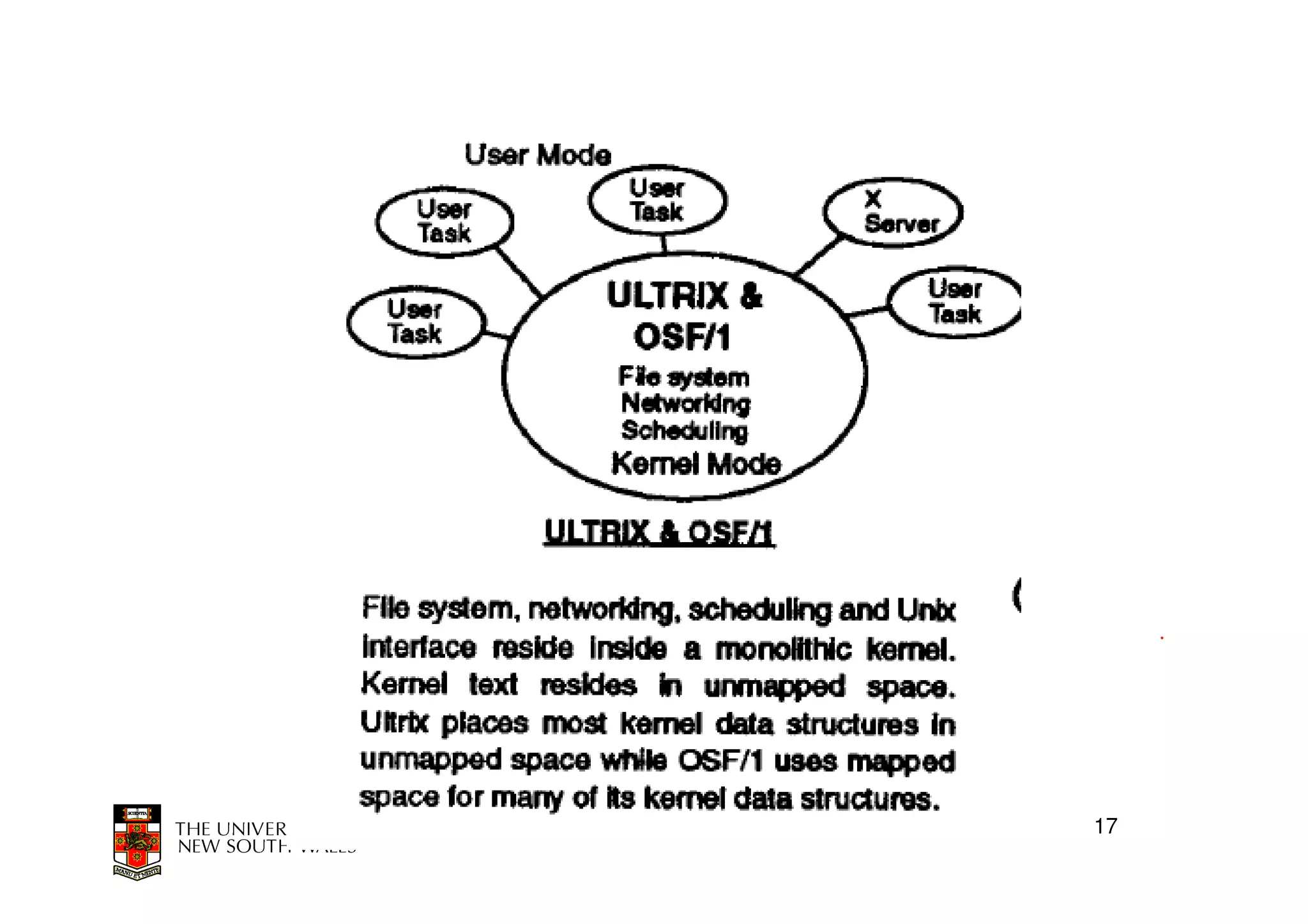
17
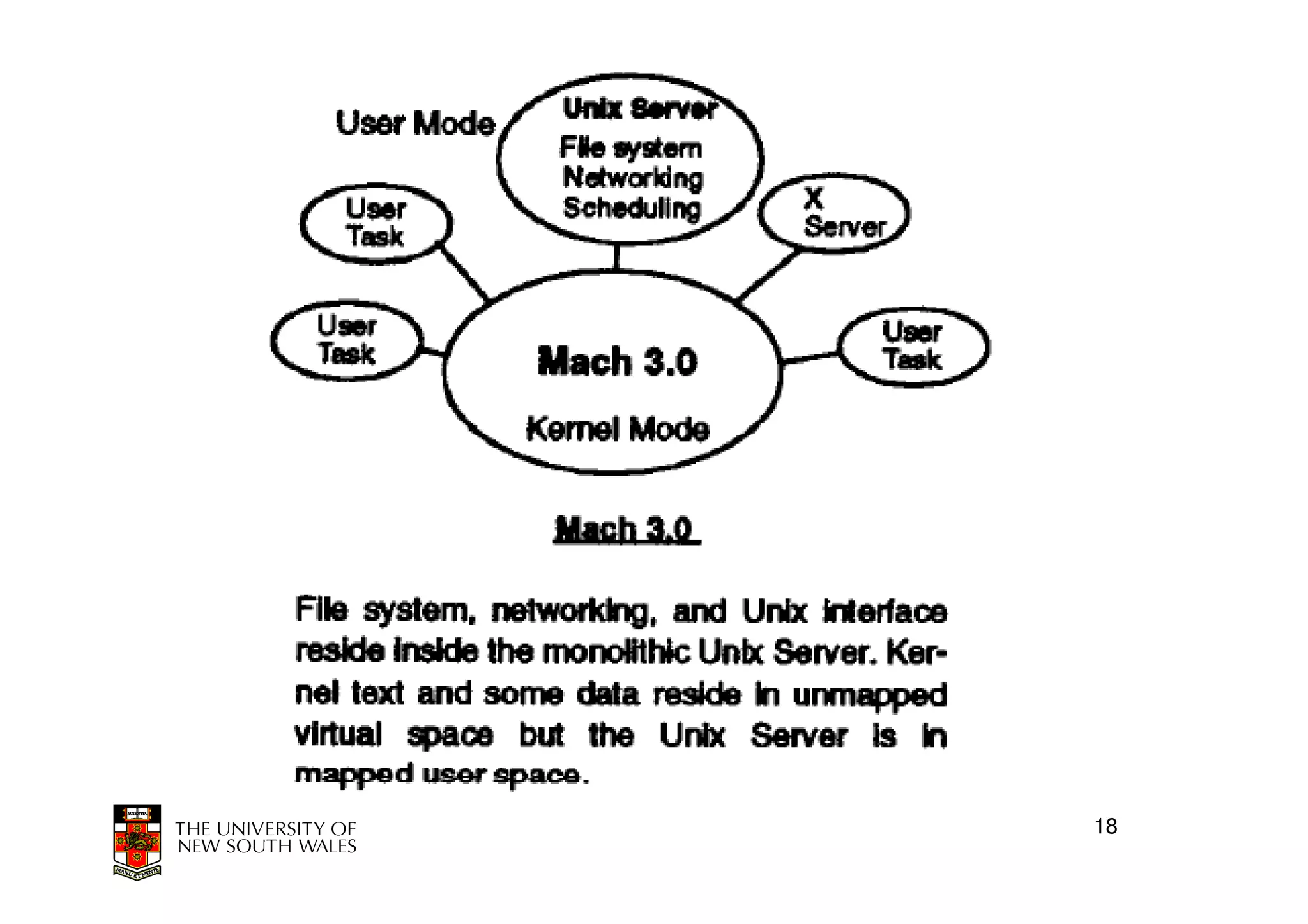
18
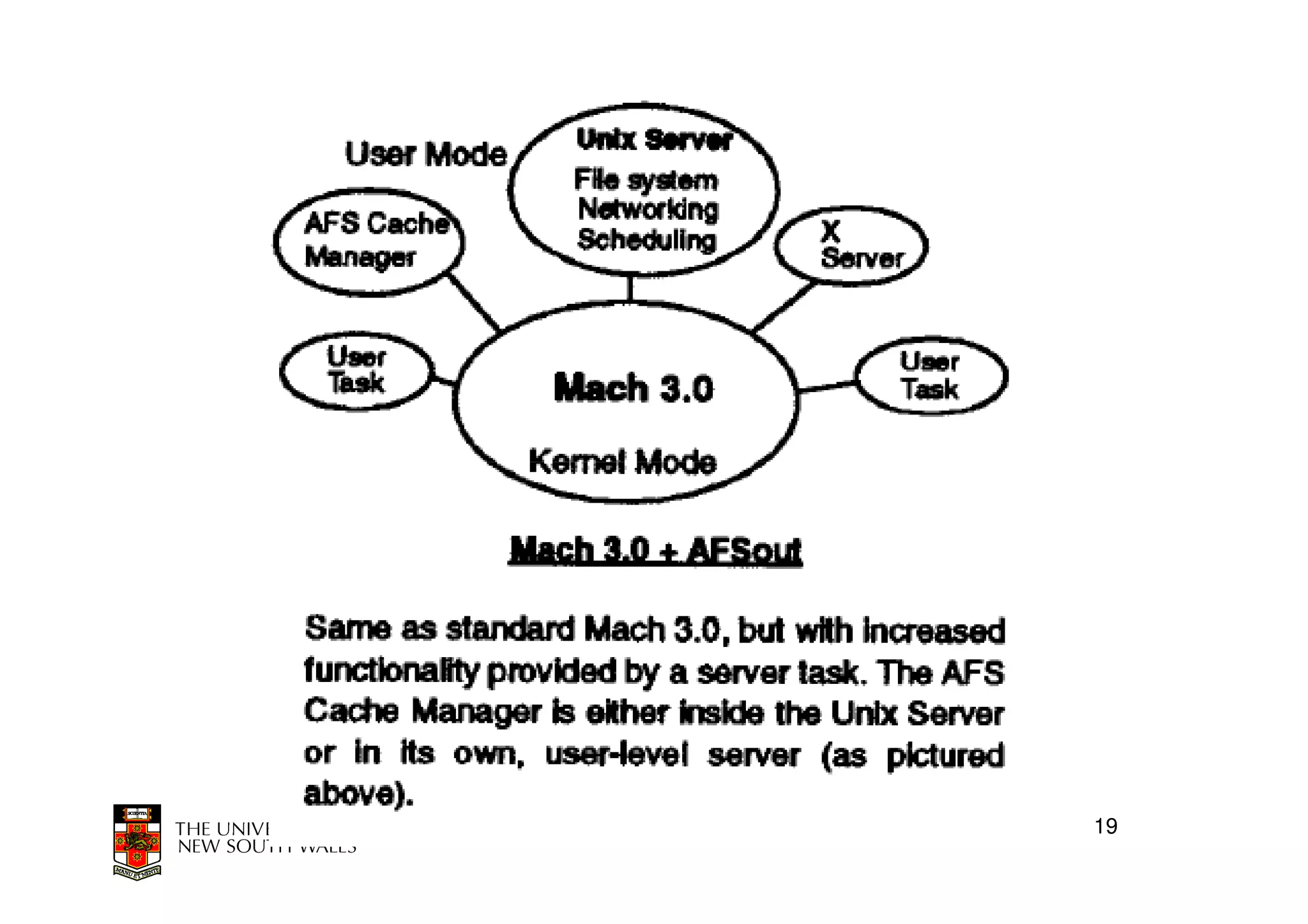
19
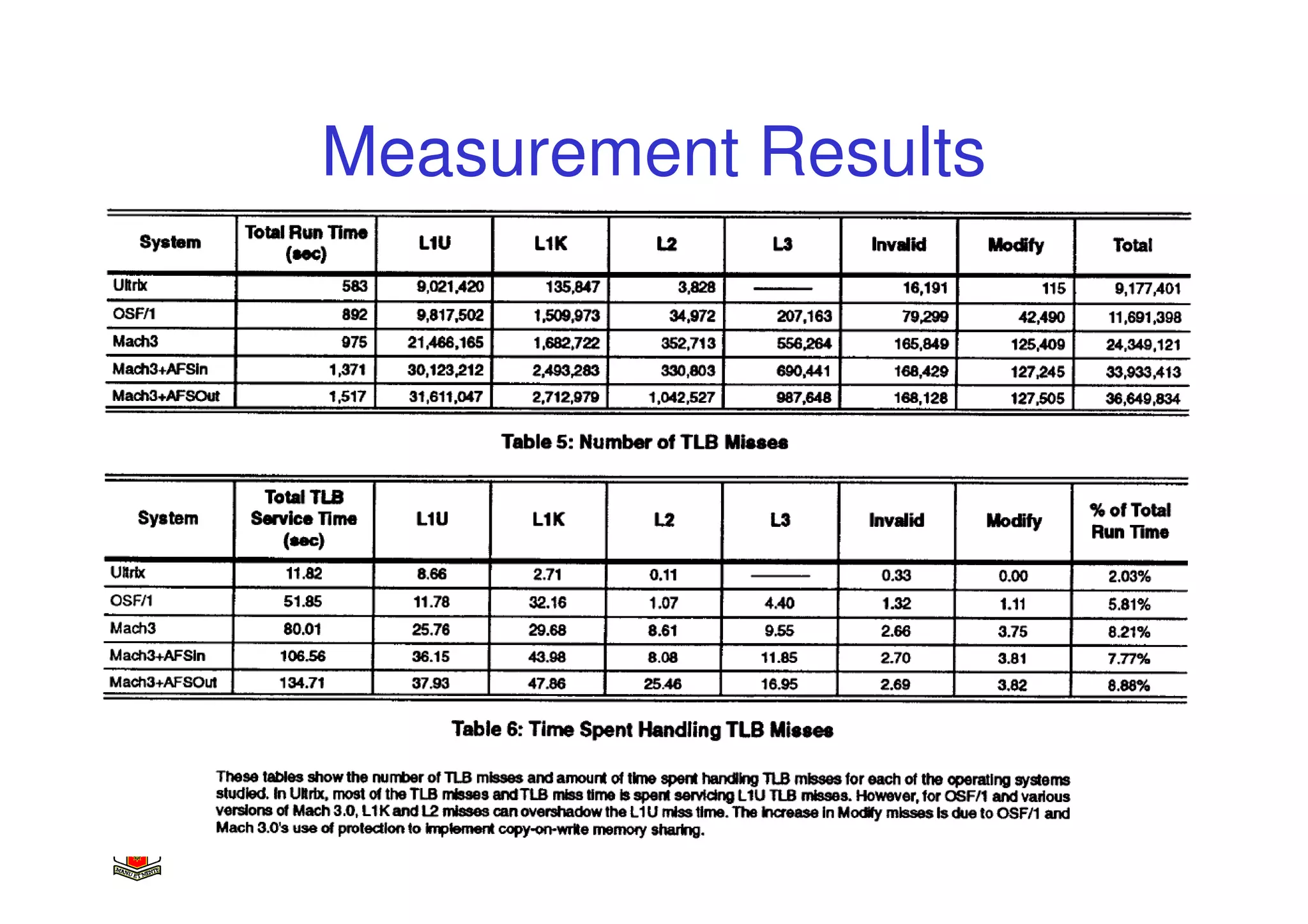
Measurement Results


                      20
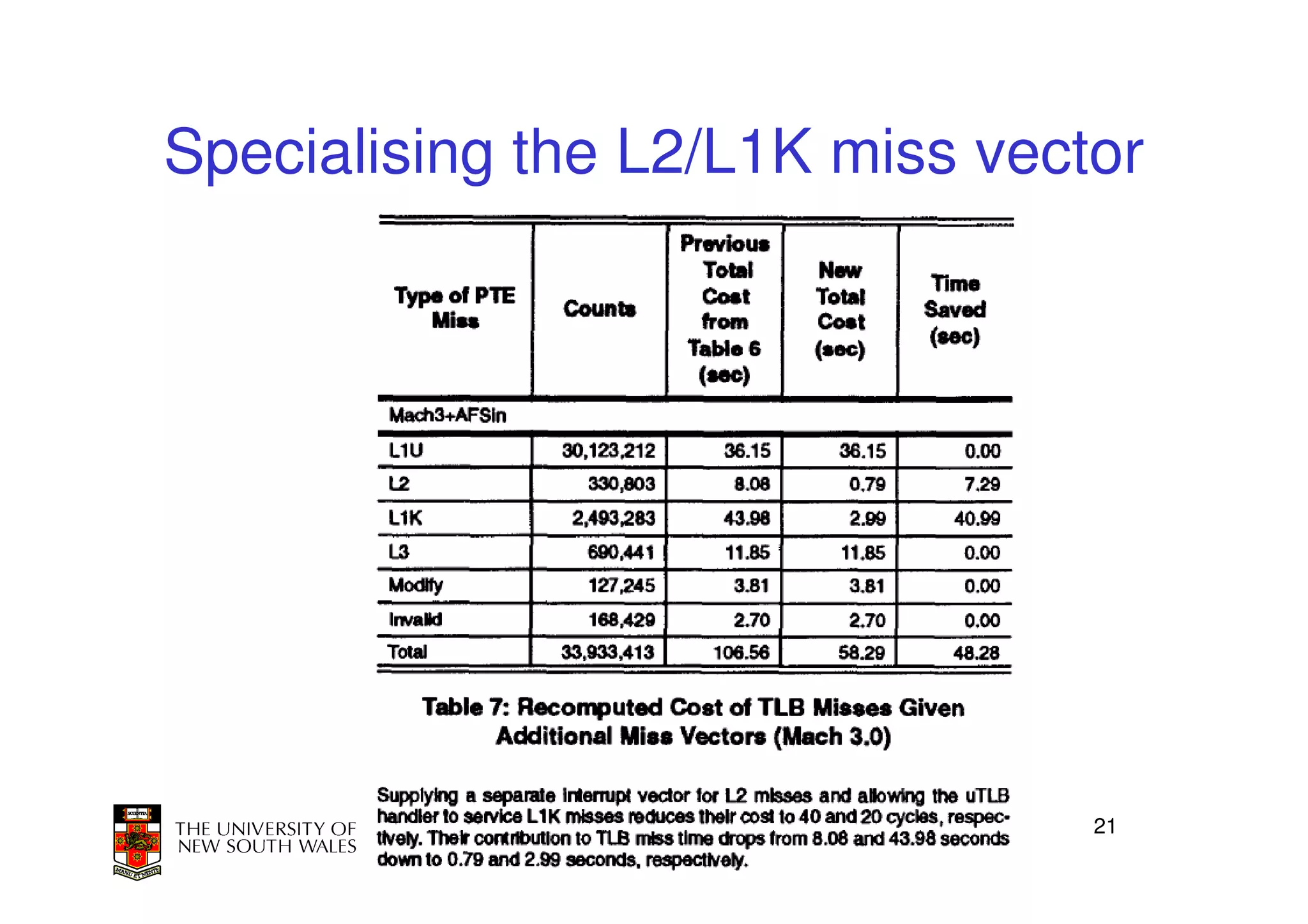
Specialising the L2/L1K miss vector


                                 21
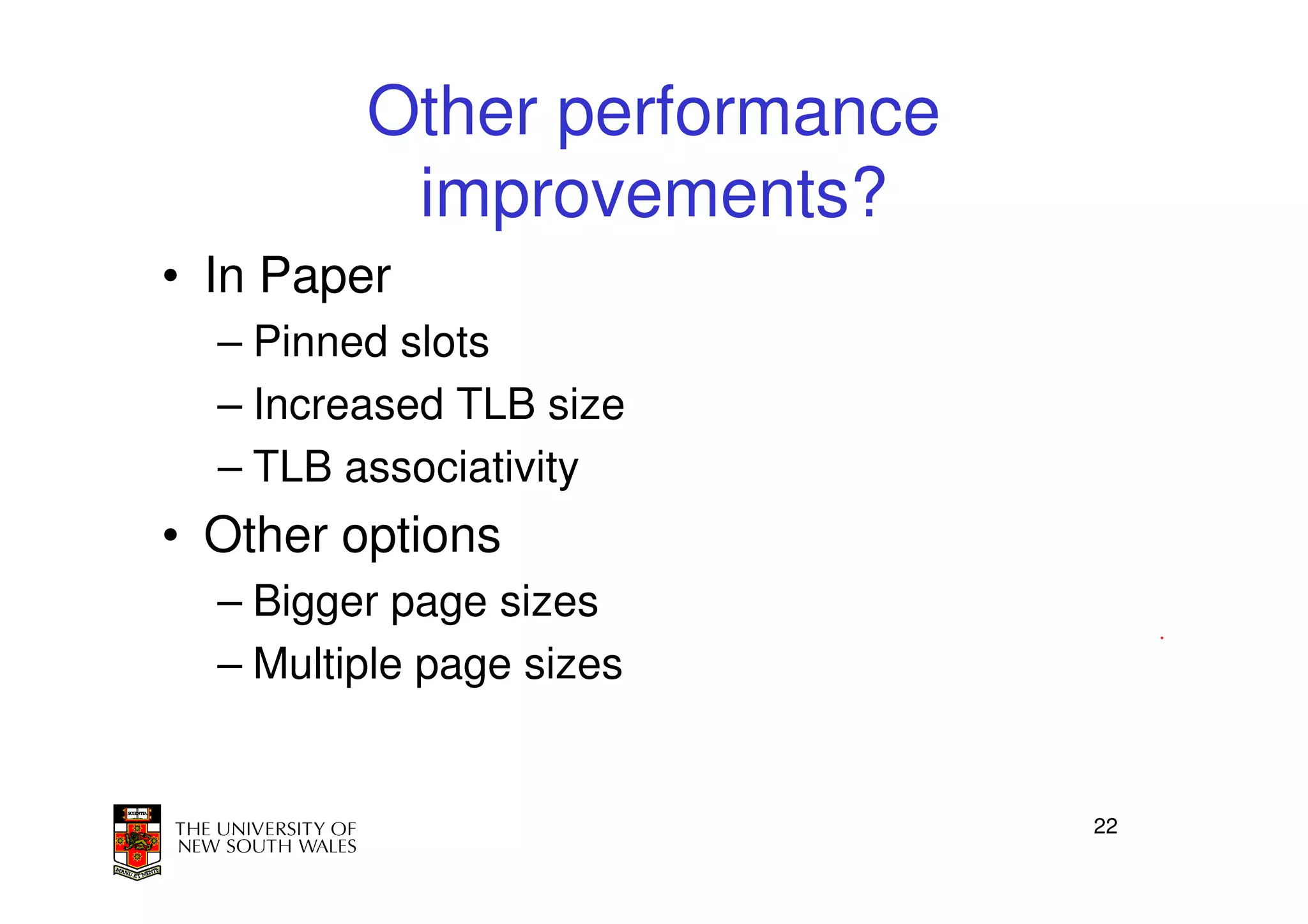
Other performance
          improvements?
• In Paper
  – Pinned slots
  – Increased TLB size
  – TLB associativity
• Other options
  – Bigger page sizes
  – Multiple page sizes


                             22
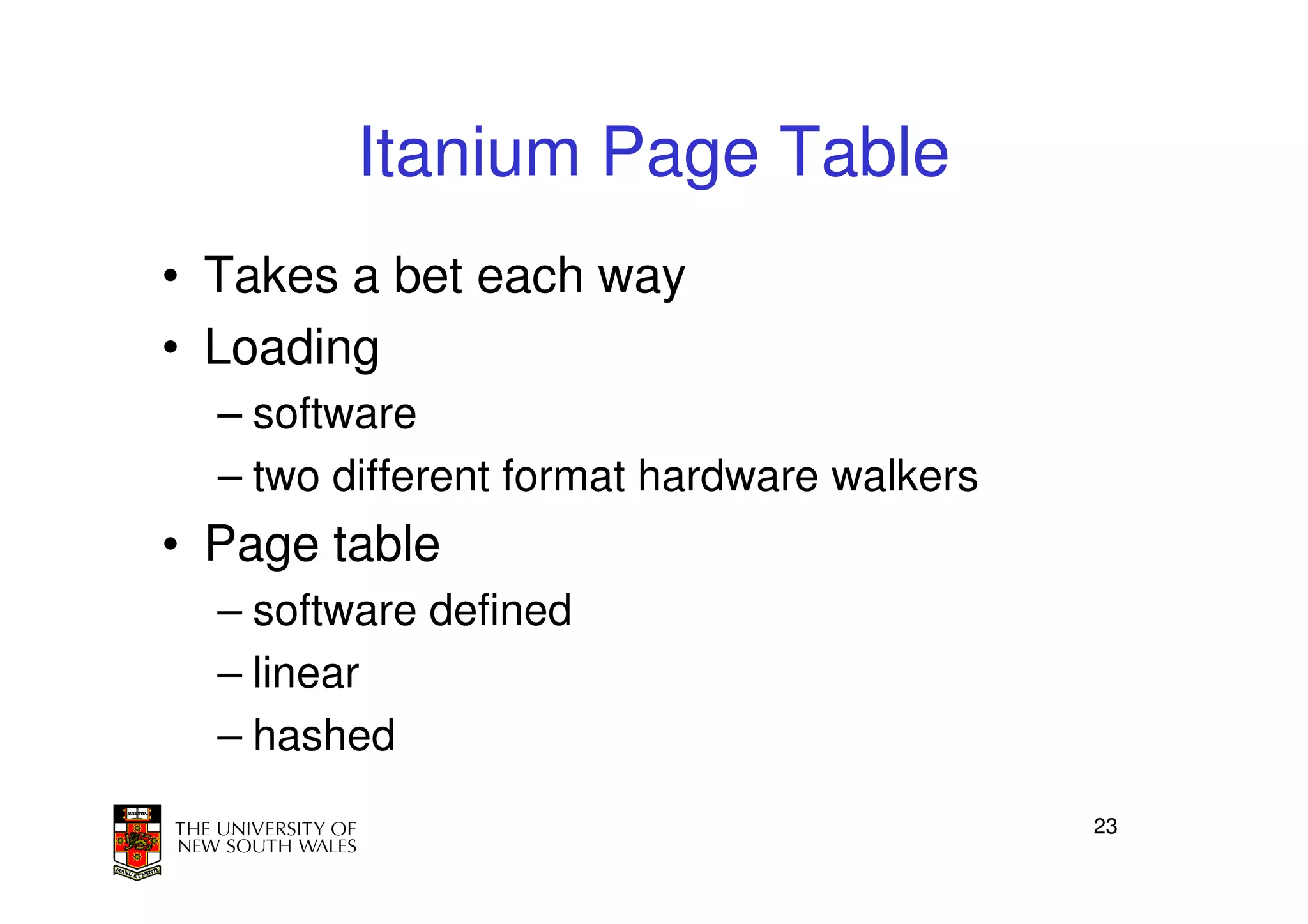
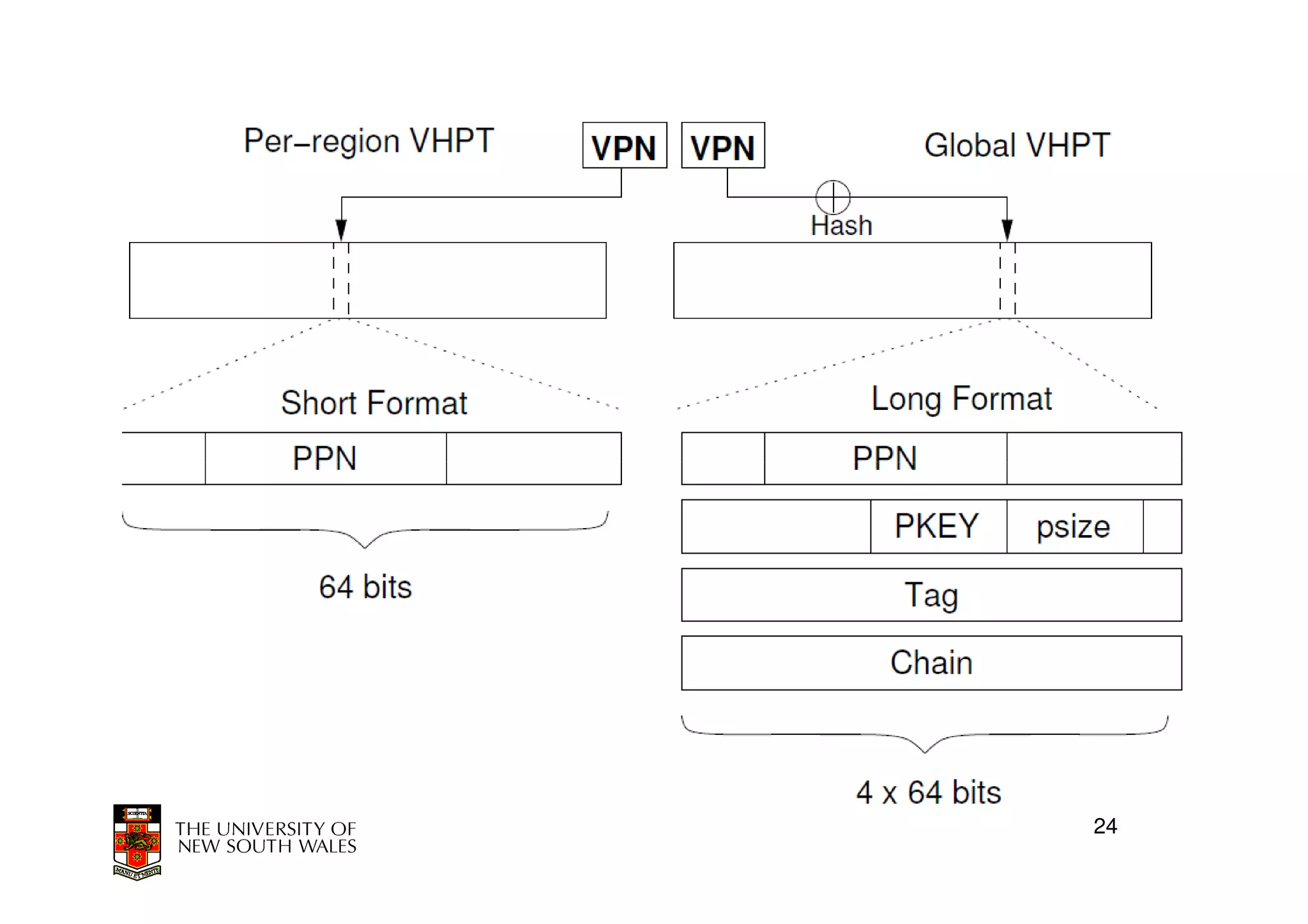
Itanium Page Table
• Takes a bet each way
• Loading
  – software
  – two different format hardware walkers
• Page table
  – software defined
  – linear
  – hashed
                                            23
24
what about the P4?
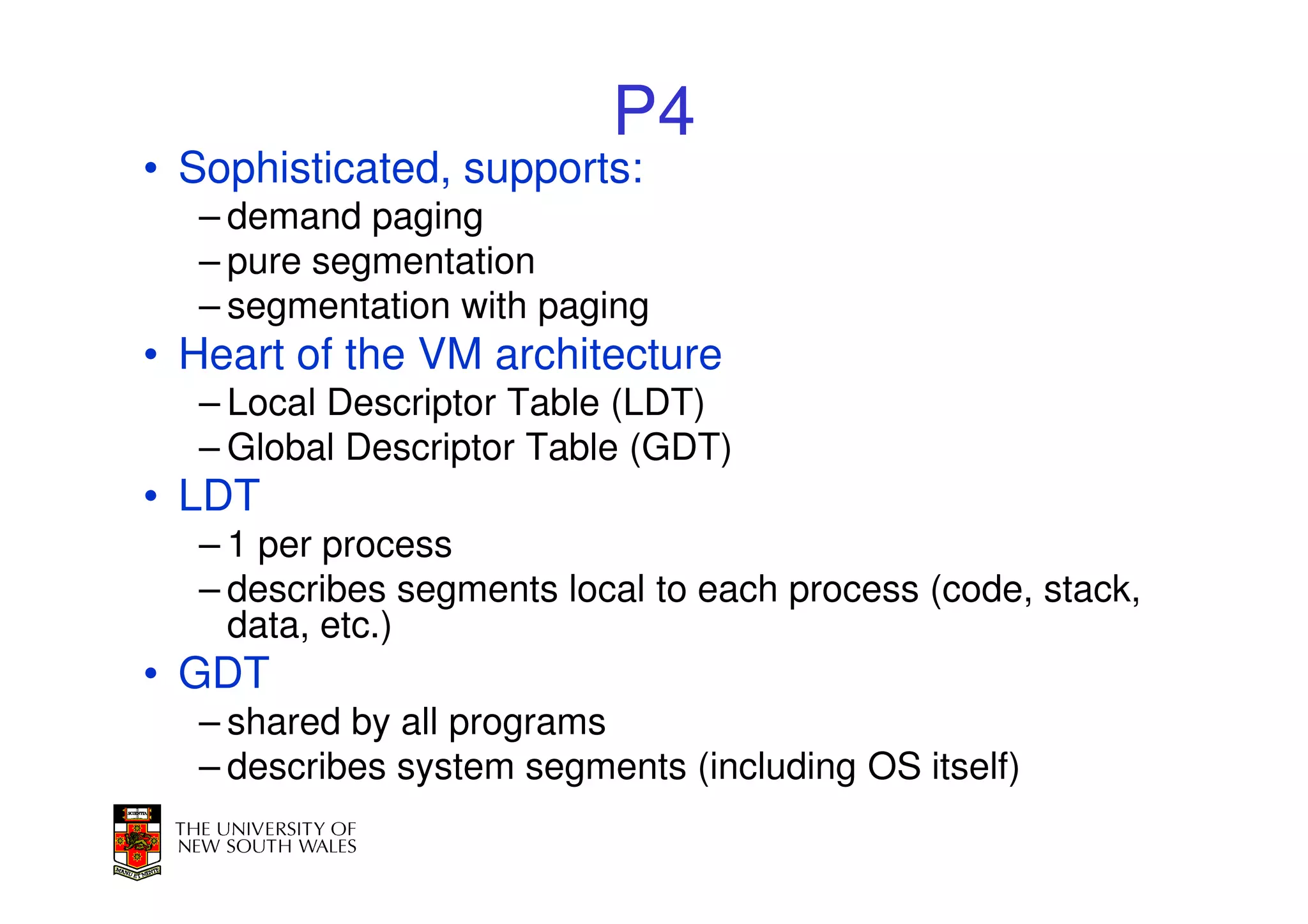
P4
• Sophisticated, supports:
  – demand paging
  – pure segmentation
  – segmentation with paging
• Heart of the VM architecture
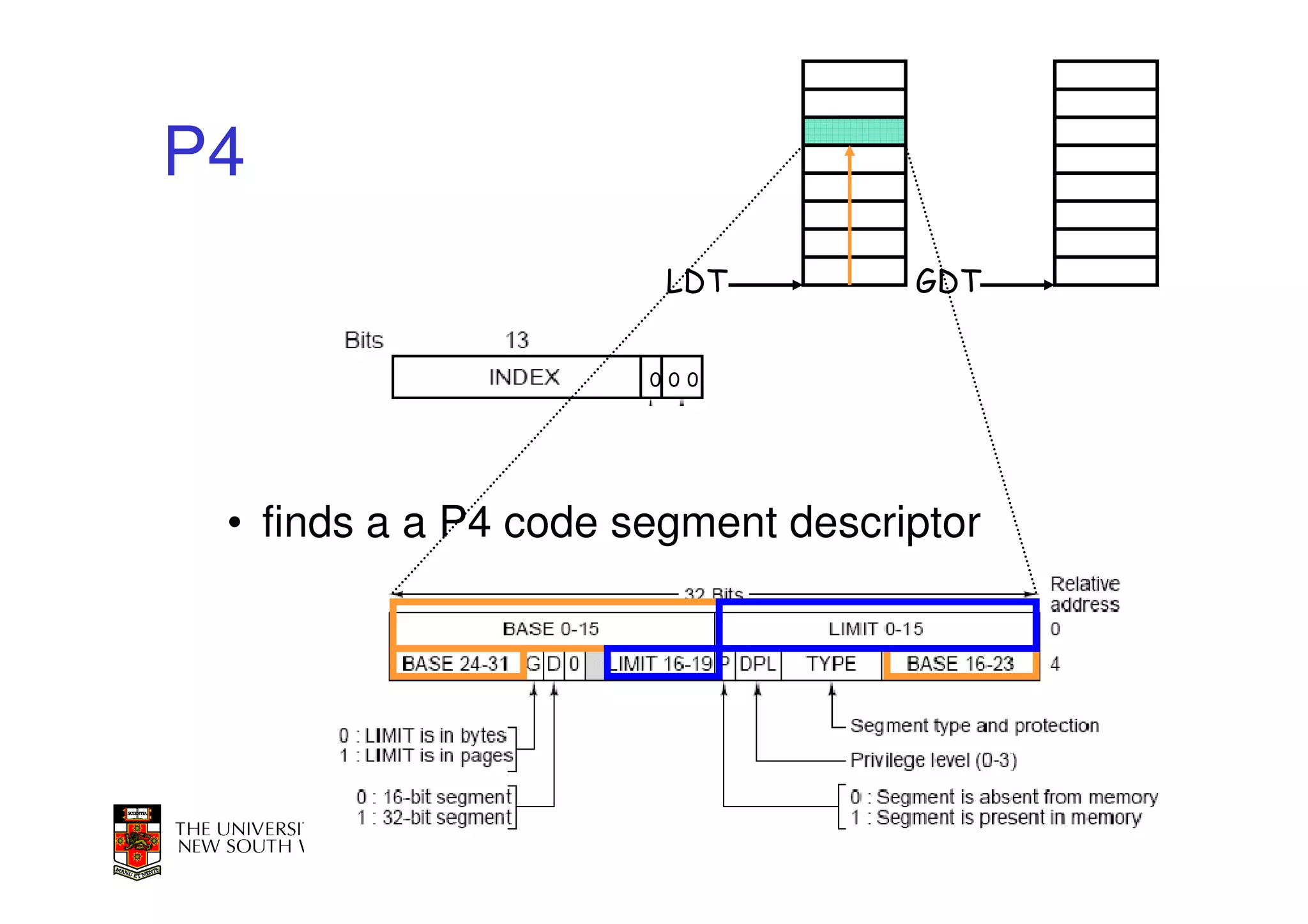
  – Local Descriptor Table (LDT)
  – Global Descriptor Table (GDT)
• LDT
  – 1 per process
  – describes segments local to each process (code, stack,
    data, etc.)
• GDT
  – shared by all programs
  – describes system segments (including OS itself)
P4
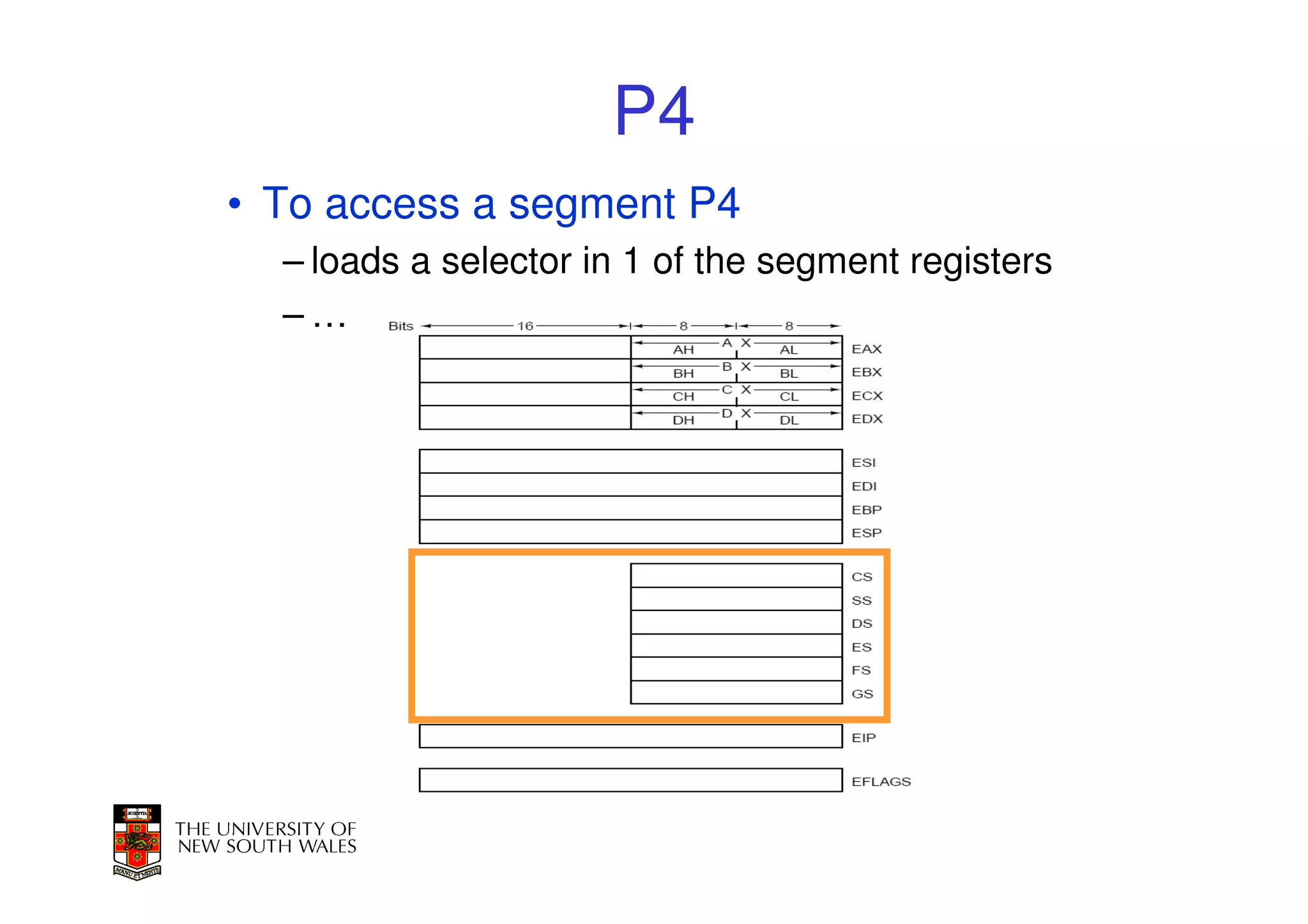
• To access a segment P4
  – loads a selector in 1 of the segment registers
  –…
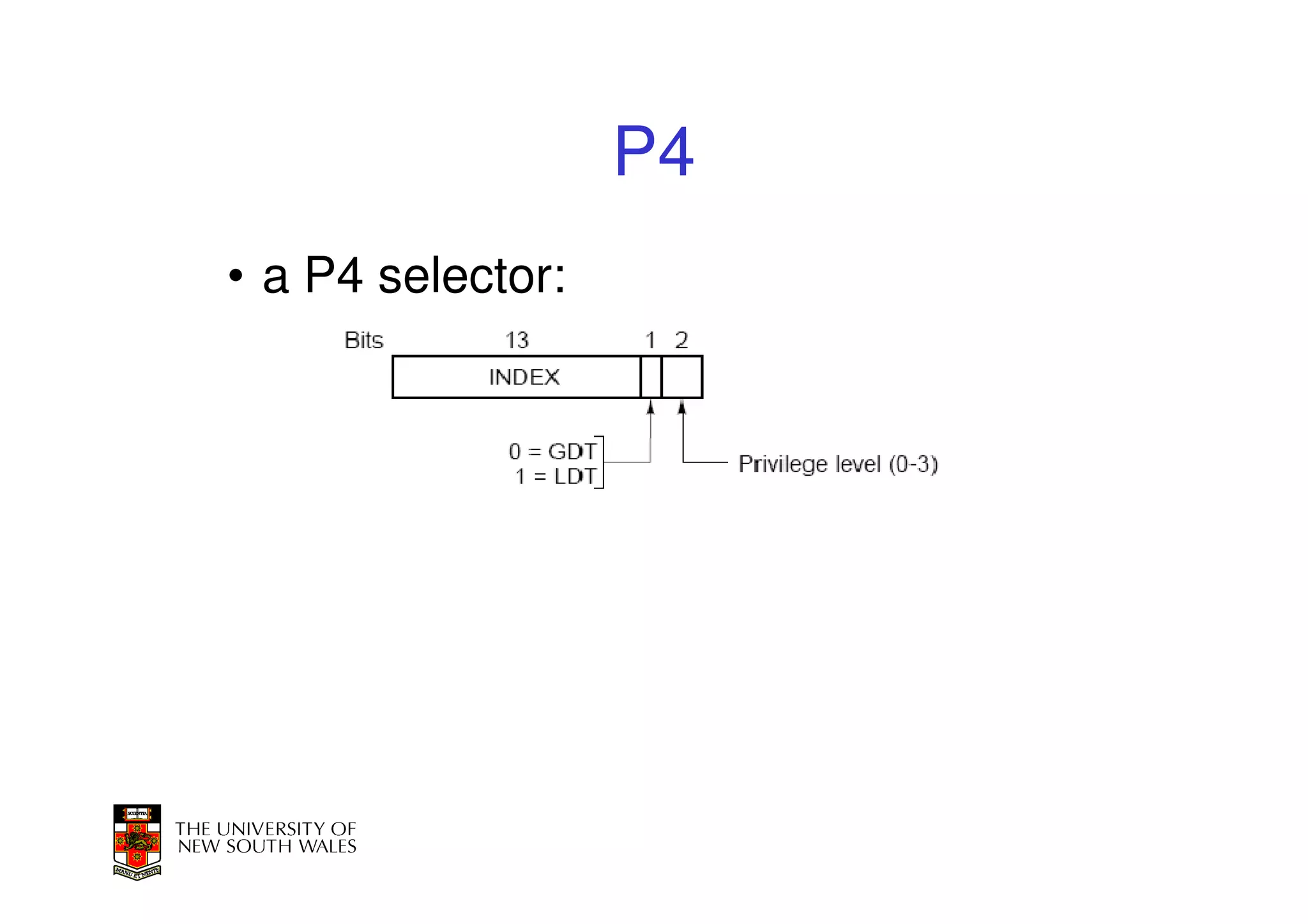
P4
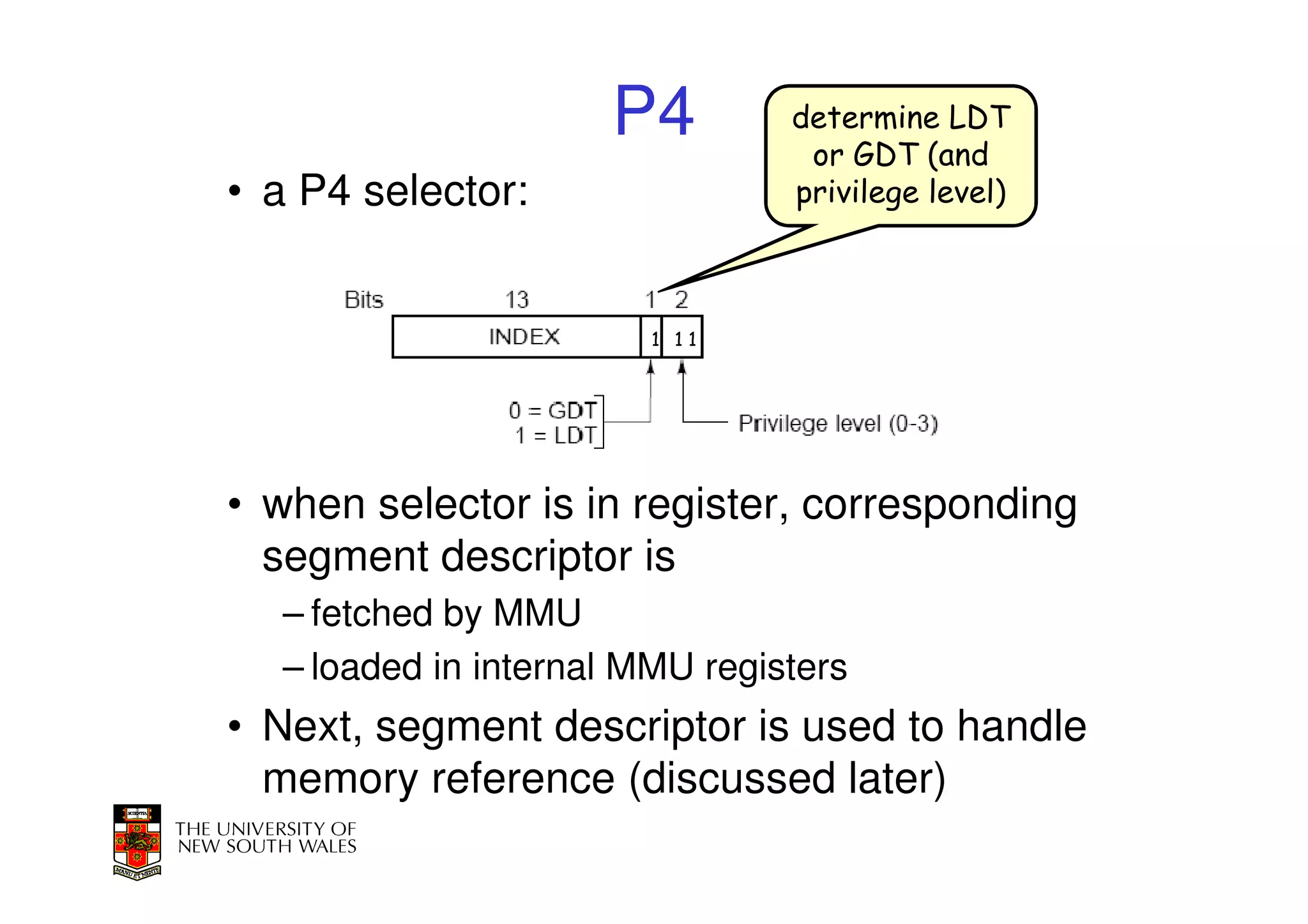
• a P4 selector:
P4         determine LDT
                                 or GDT (and
• a P4 selector:                privilege level)


                        1 11


• when selector is in register, corresponding
  segment descriptor is
  – fetched by MMU
  – loaded in internal MMU registers
• Next, segment descriptor is used to handle
  memory reference (discussed later)
P4
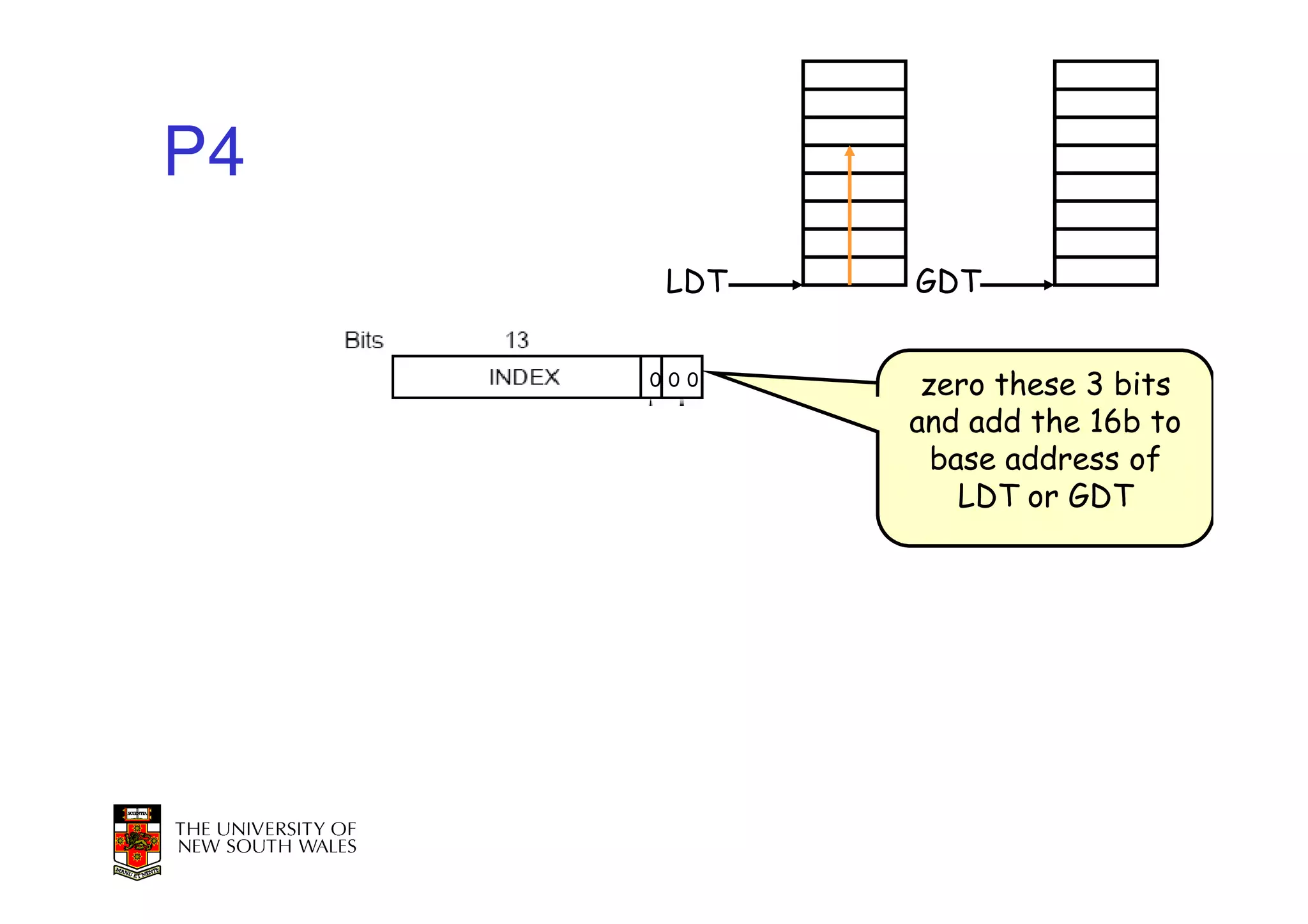
     LDT   GDT


     000    zero these 3 bits
           and add the 16b to
             base address of
               LDT or GDT
P4
                       LDT         GDT


                      000


 • finds a a P4 code segment descriptor
P4
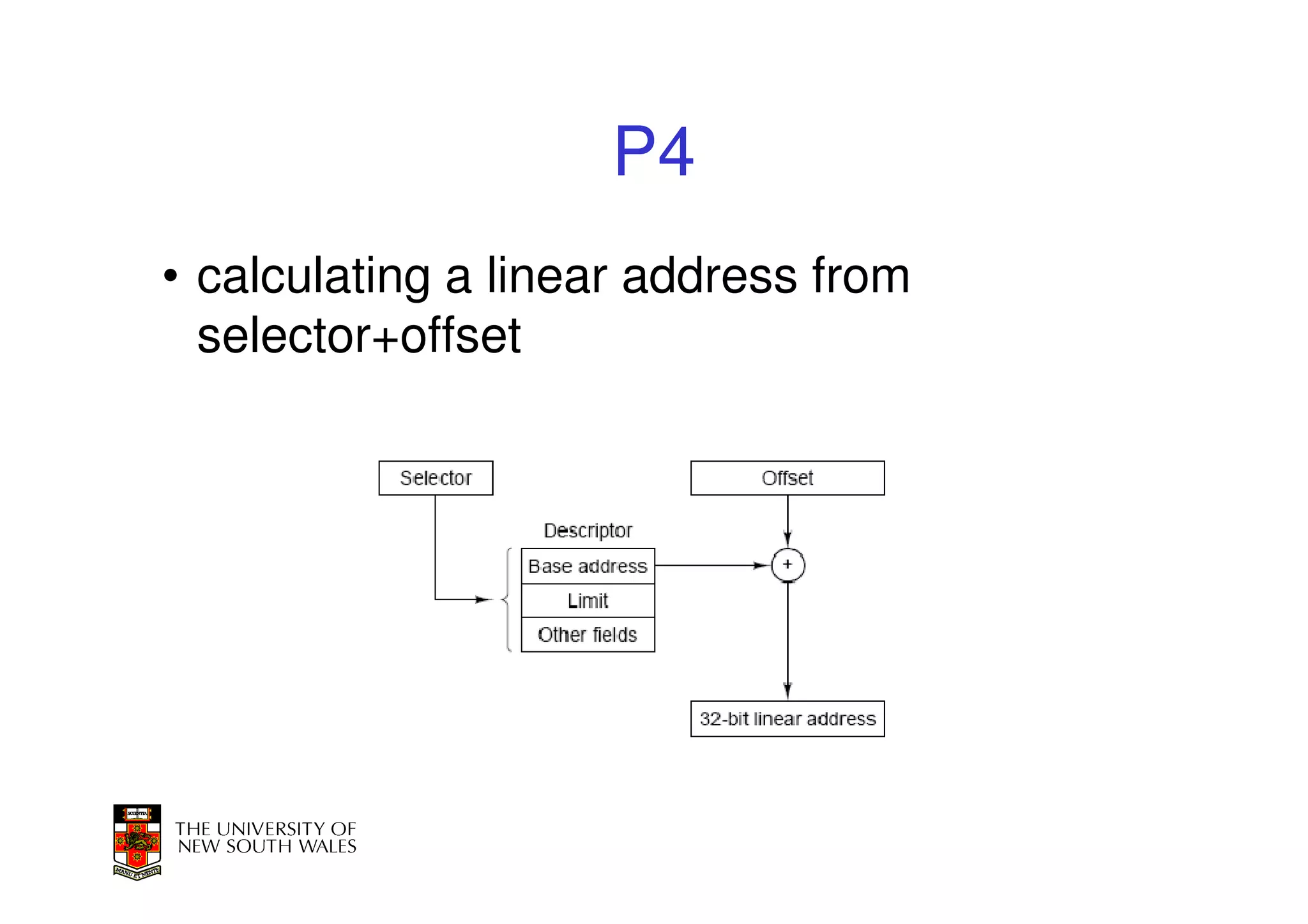
• calculating a linear address from
  selector+offset
P4
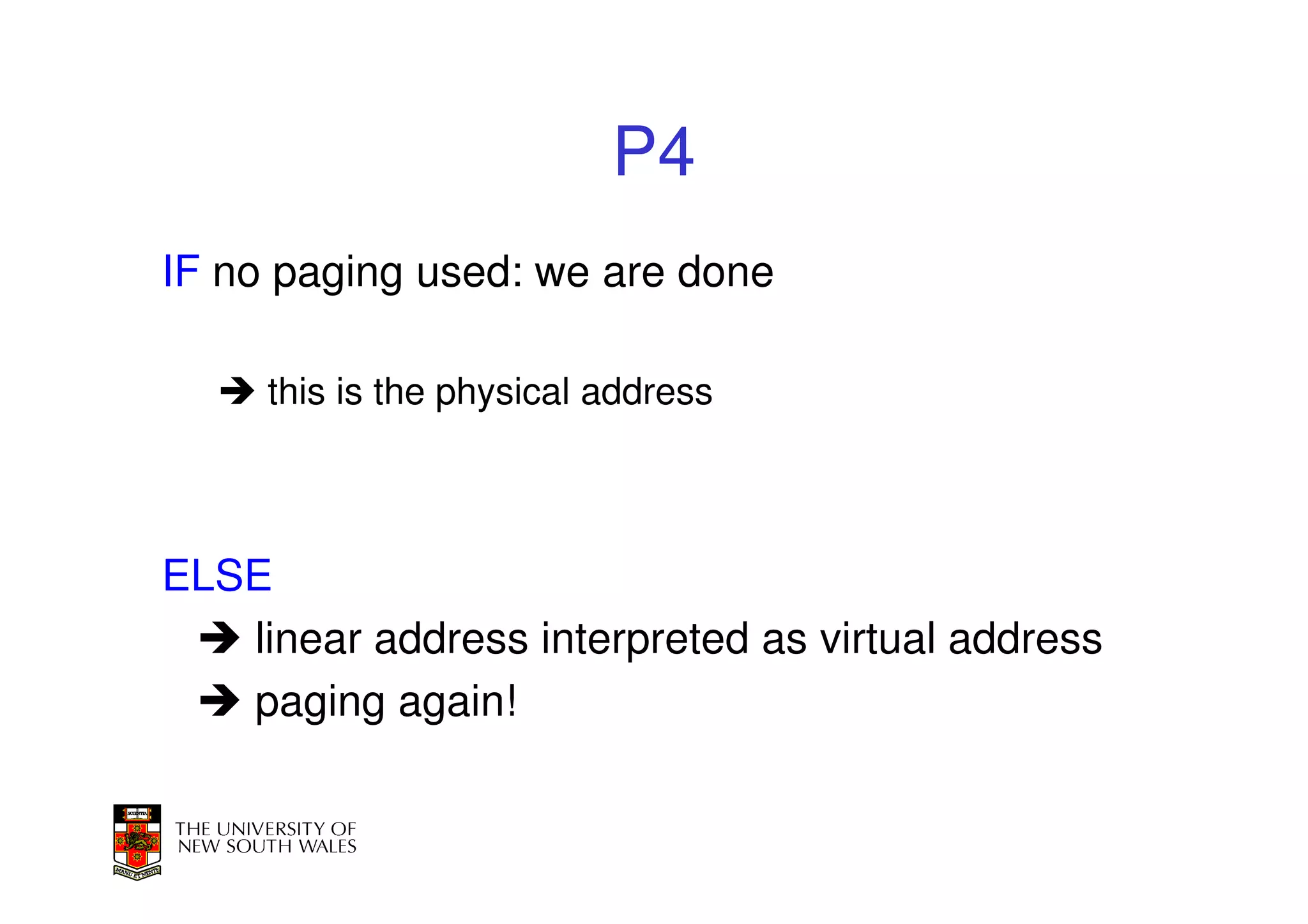
IF no paging used: we are done

     this is the physical address


ELSE
   linear address interpreted as virtual address
   paging again!
P4 with paging
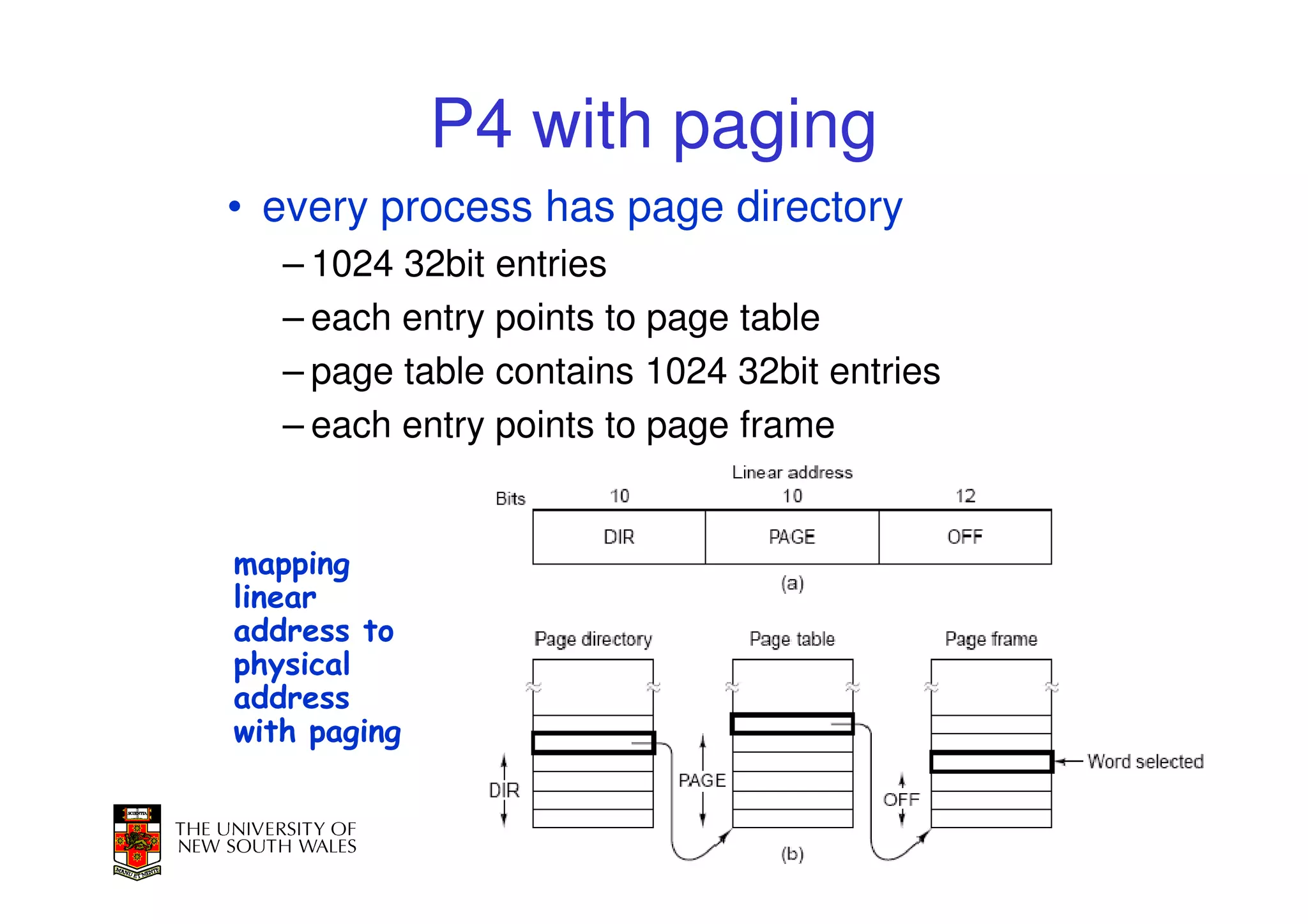
• every process has page directory
   – 1024 32bit entries
   – each entry points to page table
   – page table contains 1024 32bit entries
   – each entry points to page frame


mapping
linear
address to
physical
address
with paging
P4
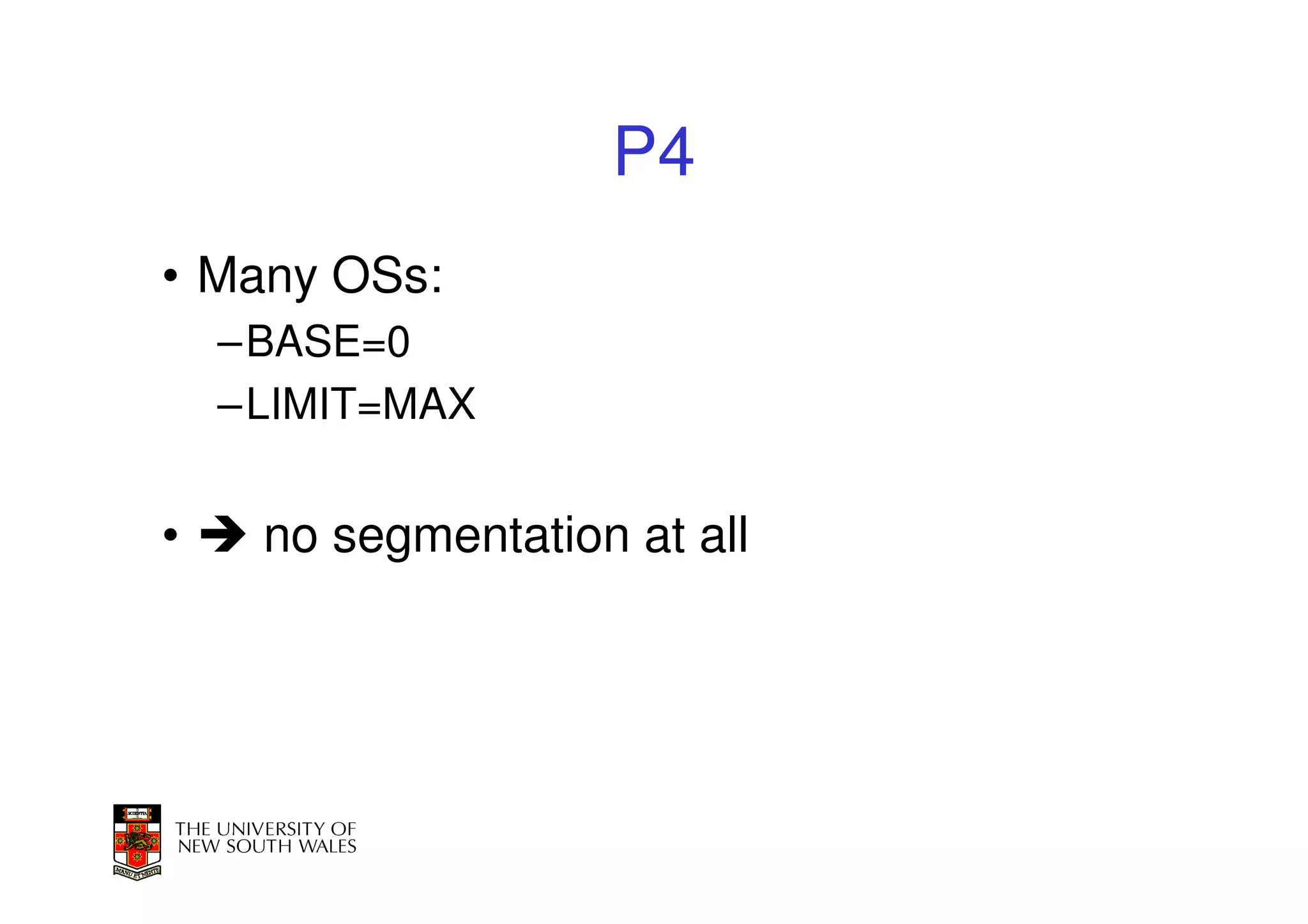
• Many OSs:
    –BASE=0
    –LIMIT=MAX


•    no segmentation at all

Extlect04

  • 1.
  • 2.
  • 3.
  • 4.
    R3000 TLB Refill •Can be optimised for TLB refill • An example routine only mfc0 k1,C0_CONTEXT – Does not need to check the mfc0 k0,C0_EPC # mfc0 delay exception type # slot – Does not need to save any lw k1,0(k1) # may double registers # fault (k0 = orig EPC) • It uses a specialised assembly routine that only nop uses k0 and k1. mtc0 k1,C0_ENTRYLO – Does not check if PTE exists nop • Assumes virtual linear array – tlbwr see extended OS notes jr k0 rfe • With careful data structure choice, exception handler can be made very fast 4
  • 5.
    Virtual Linear Arraypage table • Assume a 2-level PT • Assume 2nd-level PT nodes are in virtual memory • Assume all 2nd-level nodes are allocated contiguously ⇒ 2nd-level nodes form a contiguous array indexed by page number 5
  • 6.
    Virtual Linear ArrayOperation • Index into 2nd level page table without referring to root PT! • Simply use the full page number as the PT index! • Leave unused parts of PT unmapped! • If access is attempted to unmapped part of PT, a secondary page fault is triggered – This will load the mapping for the PT from the root PT – Root PT is kept in physical memory (cannot trigger page faults) 6
  • 7.
    Virtual Linear ArrayPage Table • Use Context register to simply load PTE by indexing a PTE array in virtual memory • Occasionally, will get double faults – A TLB miss, while servicing a TLB miss – Handled by general exception handler PTEbase in virtual memory in kseg2 • Protected from user access 7
  • 8.
    c0 Context Register •c0_Context = PTEBase + 4 * PageNumber – PTEs are 4 bytes – PTEBase is the base local of the page table array (note: aligned on 4 MB boundary) – PTEBase is (re)initialised by the OS whenever the page table array is changed • E.g on a context switch – After an exception, c0_Context contains the address of the PTE required to refill the TLB. 8
  • 9.
    Code for VLATLB refill handler Load PTE mfc0 k1,C0_CONTEXT address from mfc0 k0,C0_EPC # mfc0 delay slot context register lw k1,0(k1) # may double fault # (k0 = orig EPC) nop Move the PTE Load address of mtc0 k1,C0_ENTRYLO into EntryLo. instruction to nop return to tlbwr jr k0 rfe Load the PTE. Note: this load can cause a Write EntryLo TLB refill miss itself, but into random TLB this miss is handled by the entry. Return from the general exception vector. exception The general exception vector has to understand this situation and deal with 9 in appropriately
  • 10.
    Software-loaded TLB • Pros – Can simplify hardware design – provide greater flexibility in page table structure • Cons – typically have slower refill times than hardware managed TLBs. 10
  • 11.
    Trends • Operating systems – moving functionality into user processes – making greater use of virtual memory for mapping data structures held within the kernel. • RAM is increasing – TLB capacity is relatively static • Statement: – Trends place greater stress upon the TLB by increasing miss rates and hence, decreasing overall system performance. – True/False? How to evaluate? 11
  • 12.
    Design Tradeoffs forSoftware-Managed TLBs David Nagle, Richard Uhlig, Tim Stanley, Stuart Sechrest Trevor Mudge & Richard Brown 12
  • 13.
  • 14.
  • 15.
  • 16.
    Note the TLBmiss costs • What is expected to be the common case? 16
  • 17.
  • 18.
  • 19.
  • 20.
  • 21.
  • 22.
    Other performance improvements? • In Paper – Pinned slots – Increased TLB size – TLB associativity • Other options – Bigger page sizes – Multiple page sizes 22
  • 23.
    Itanium Page Table •Takes a bet each way • Loading – software – two different format hardware walkers • Page table – software defined – linear – hashed 23
  • 24.
  • 25.
  • 26.
    P4 • Sophisticated, supports: – demand paging – pure segmentation – segmentation with paging • Heart of the VM architecture – Local Descriptor Table (LDT) – Global Descriptor Table (GDT) • LDT – 1 per process – describes segments local to each process (code, stack, data, etc.) • GDT – shared by all programs – describes system segments (including OS itself)
  • 27.
    P4 • To accessa segment P4 – loads a selector in 1 of the segment registers –…
  • 28.
    P4 • a P4selector:
  • 29.
    P4 determine LDT or GDT (and • a P4 selector: privilege level) 1 11 • when selector is in register, corresponding segment descriptor is – fetched by MMU – loaded in internal MMU registers • Next, segment descriptor is used to handle memory reference (discussed later)
  • 30.
    P4 LDT GDT 000 zero these 3 bits and add the 16b to base address of LDT or GDT
  • 31.
    P4 LDT GDT 000 • finds a a P4 code segment descriptor
  • 32.
    P4 • calculating alinear address from selector+offset
  • 33.
    P4 IF no pagingused: we are done this is the physical address ELSE linear address interpreted as virtual address paging again!
  • 34.
    P4 with paging •every process has page directory – 1024 32bit entries – each entry points to page table – page table contains 1024 32bit entries – each entry points to page frame mapping linear address to physical address with paging
  • 35.
    P4 • Many OSs: –BASE=0 –LIMIT=MAX • no segmentation at all