Presented by:
Sunil Kumar Senapati
7th Sem.,
Under Supervision of:
Prof. A.K.Barik
Dept. of Mechanical Engineering
 Introduction
 What is Hyperloop?
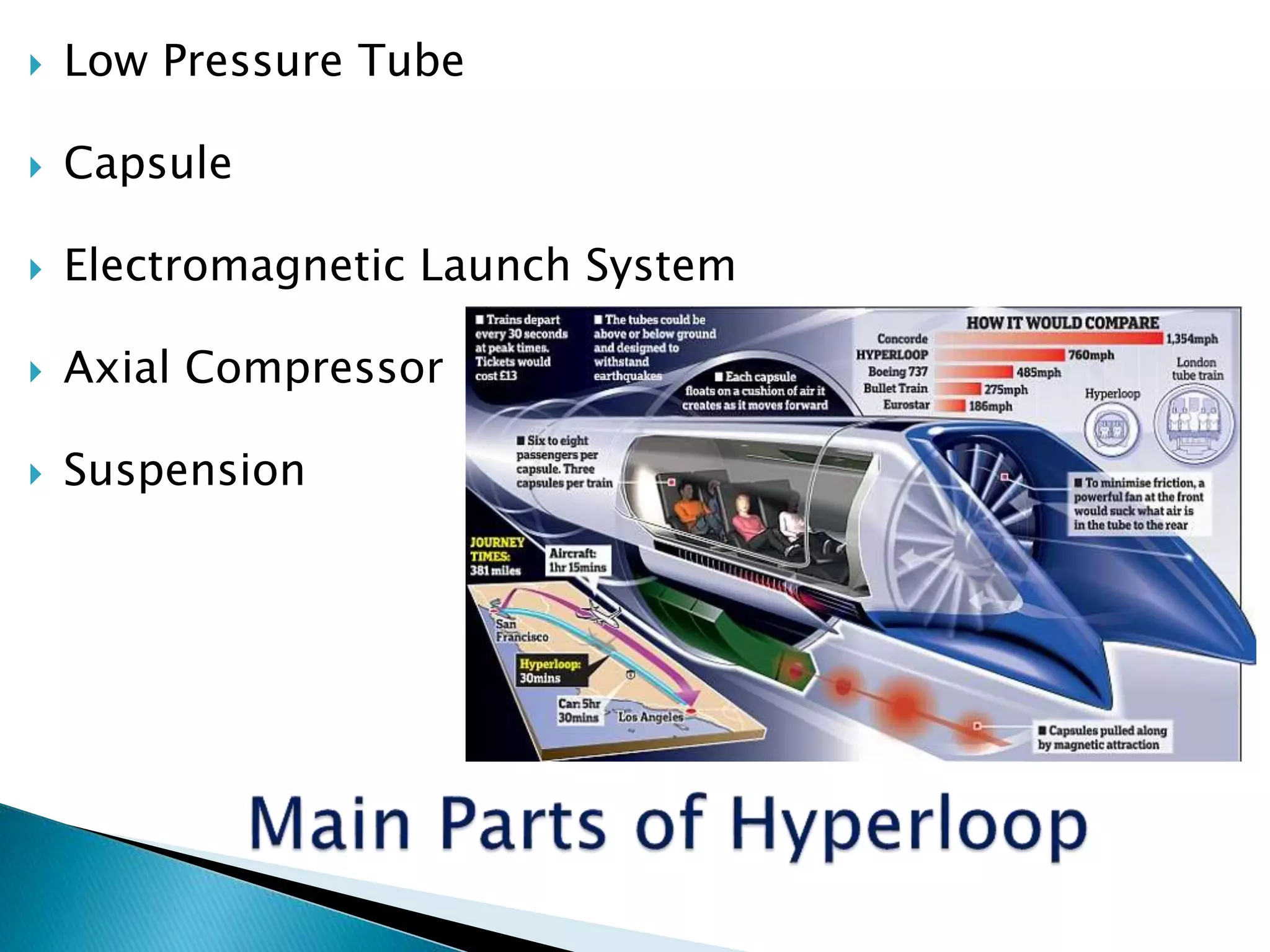
 Main parts of Hyperloop
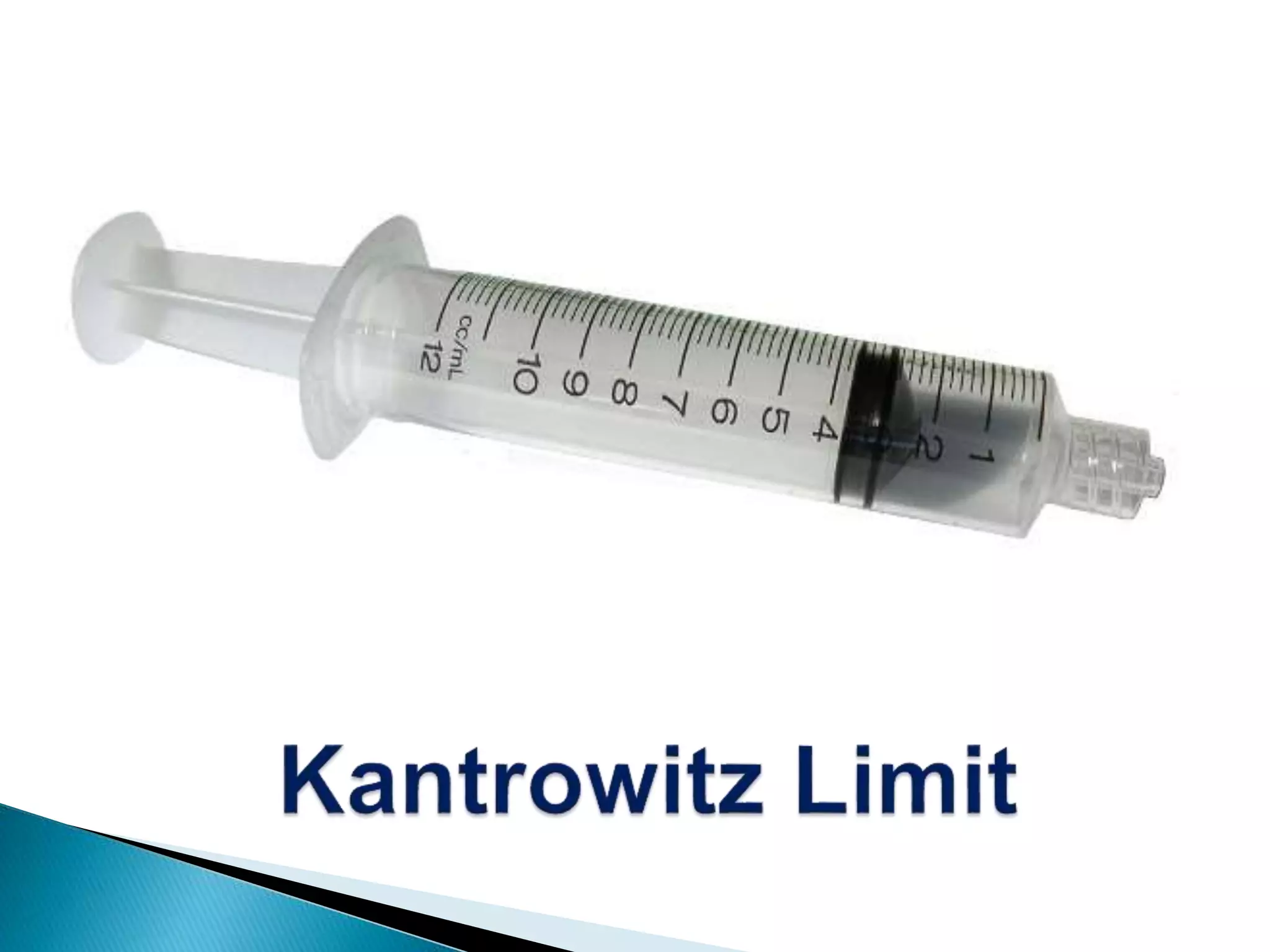
 Kantrowitz limit
 Compressor line diagram
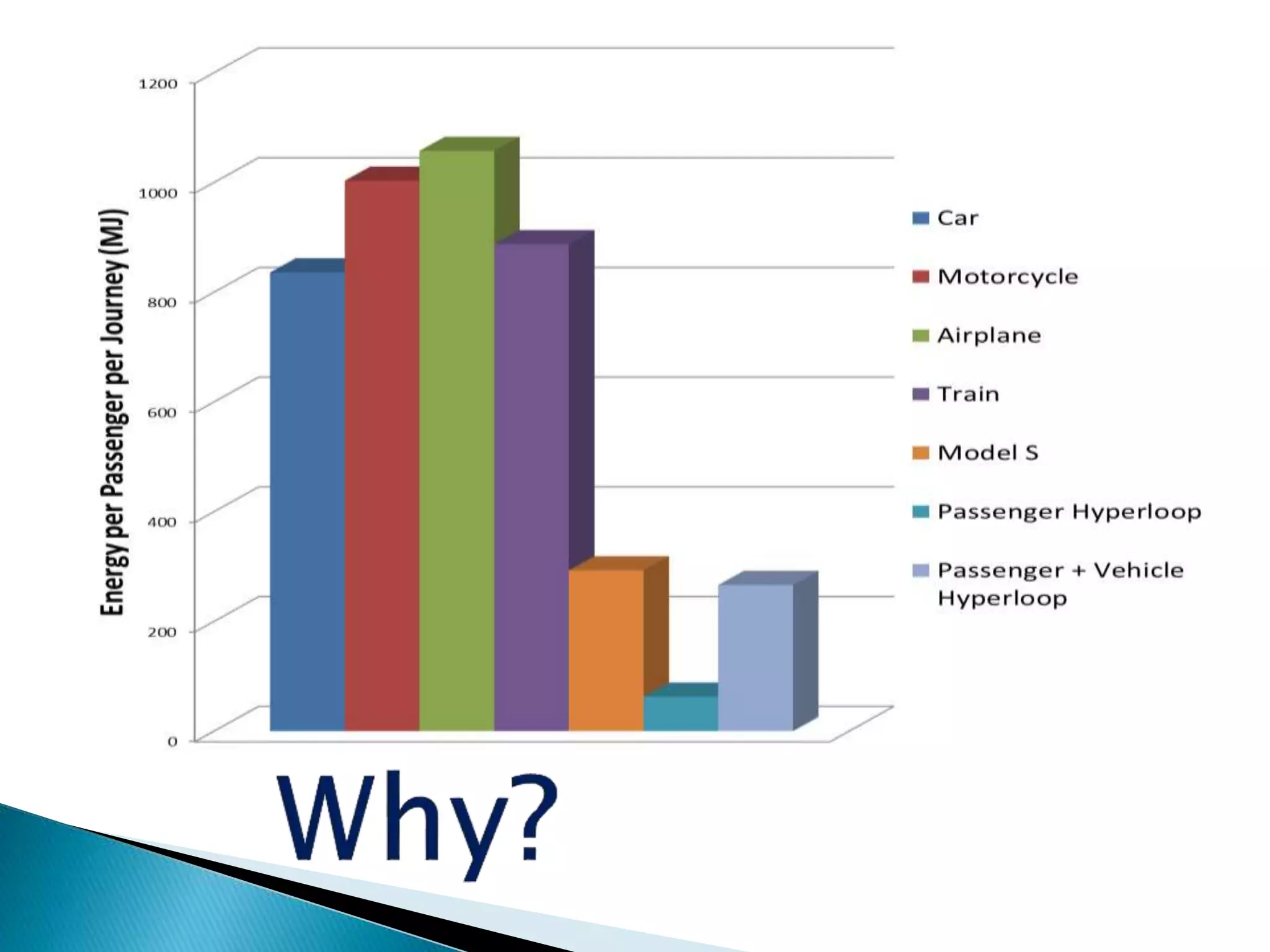
 Why it is used?
 Air locking system
 Advantages and Disadvantages
 Conclusion
 Today's conventional modes of transportation of
people consists of four unique types: rail, road, water,
and air. These modes of transport tend to be either
relatively slow (e.g., road and water), expensive (e.g.,
air), or a combination of relatively slow and expensive
(i.e., rail).
 Hyperloop is a new mode of transport that seeks
to change this pattern by being both fast and
inexpensive for people and goods.
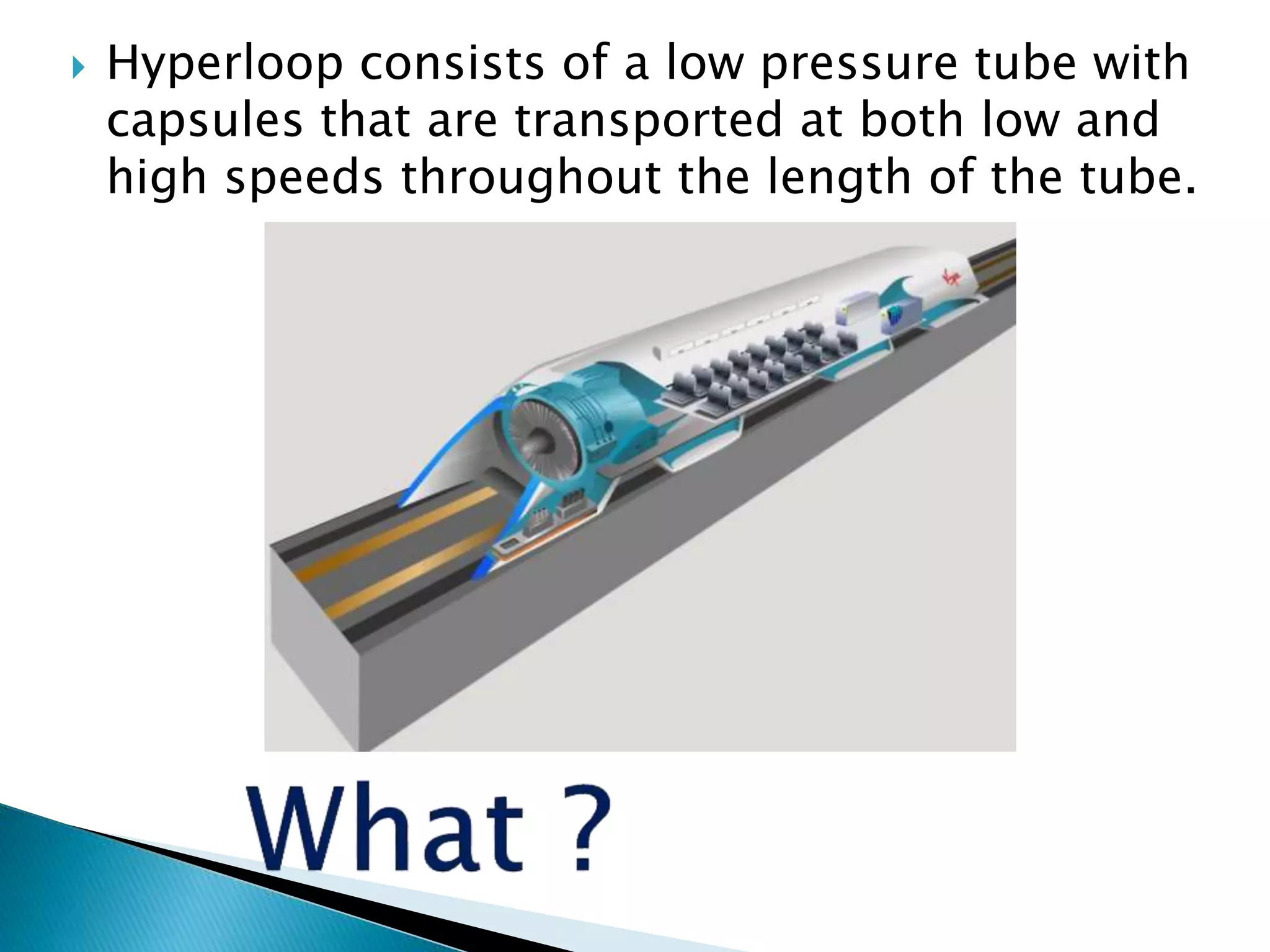
 Hyperloop consists of a low pressure tube with
capsules that are transported at both low and
high speeds throughout the length of the tube.
 Low Pressure Tube
 Capsule
 Electromagnetic Launch System
 Axial Compressor
 Suspension
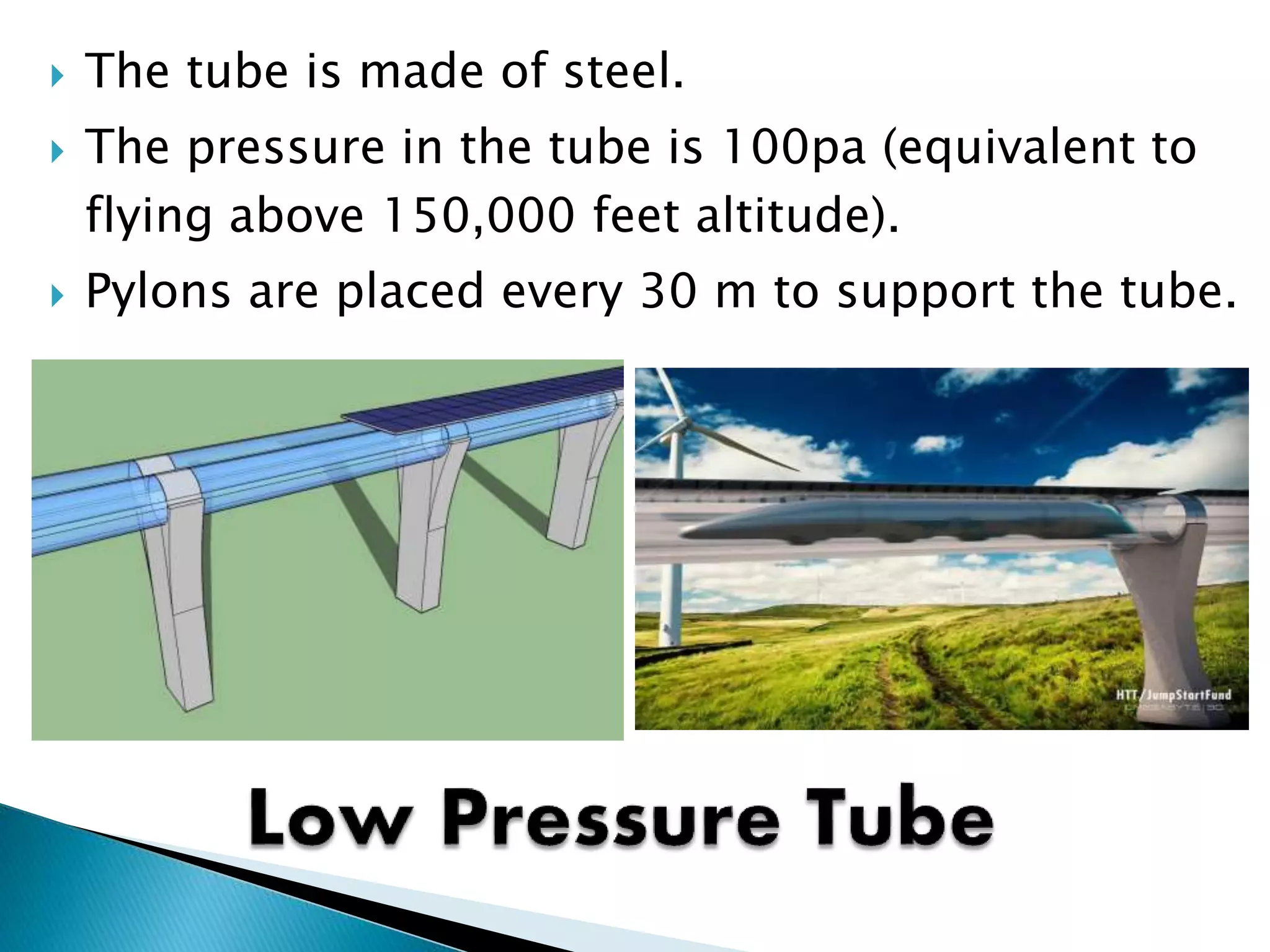
 The tube is made of steel.
 The pressure in the tube is 100pa (equivalent to
flying above 150,000 feet altitude).
 Pylons are placed every 30 m to support the tube.
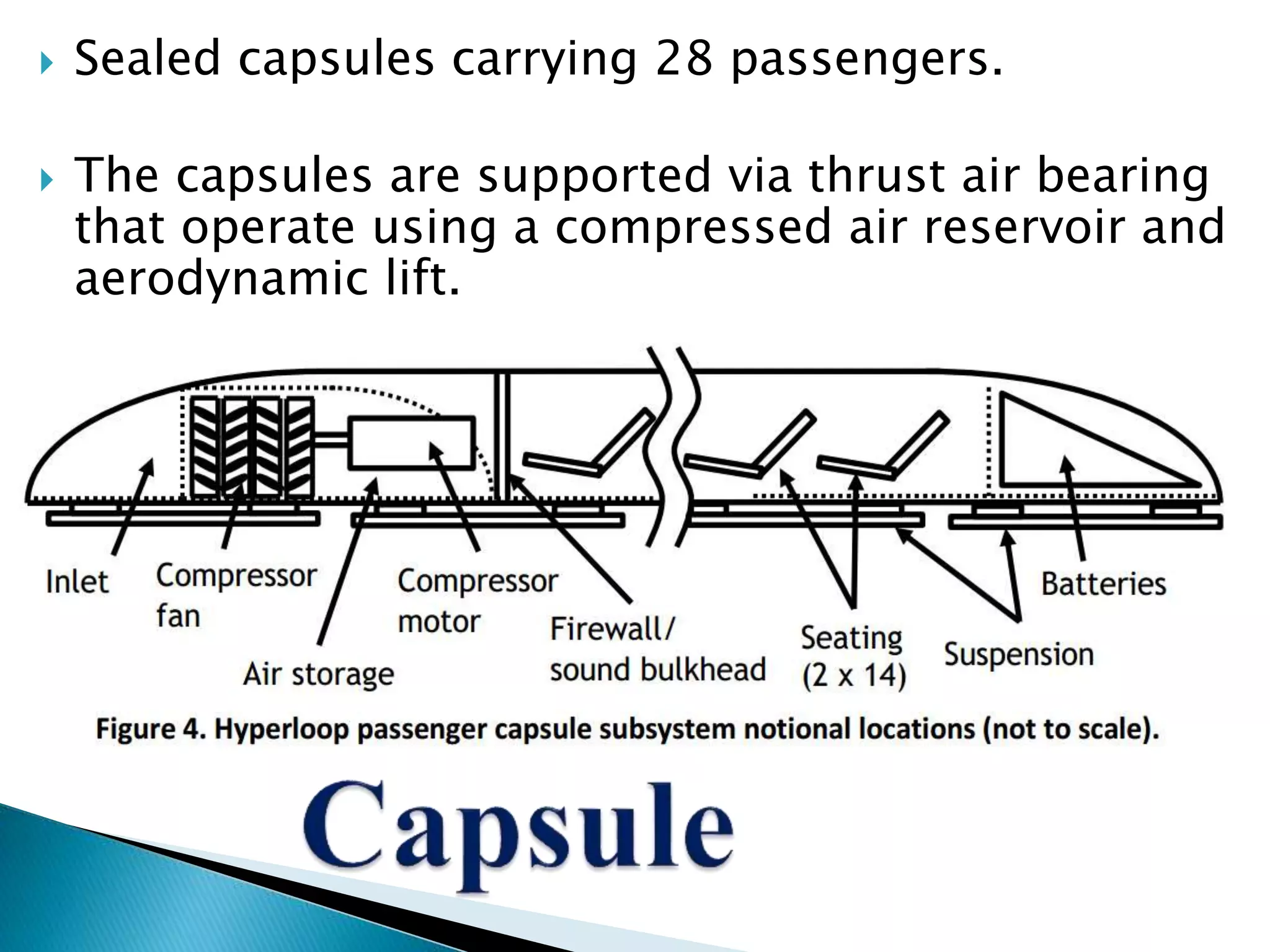
 Sealed capsules carrying 28 passengers.
 The capsules are supported via thrust air bearing
that operate using a compressed air reservoir and
aerodynamic lift.
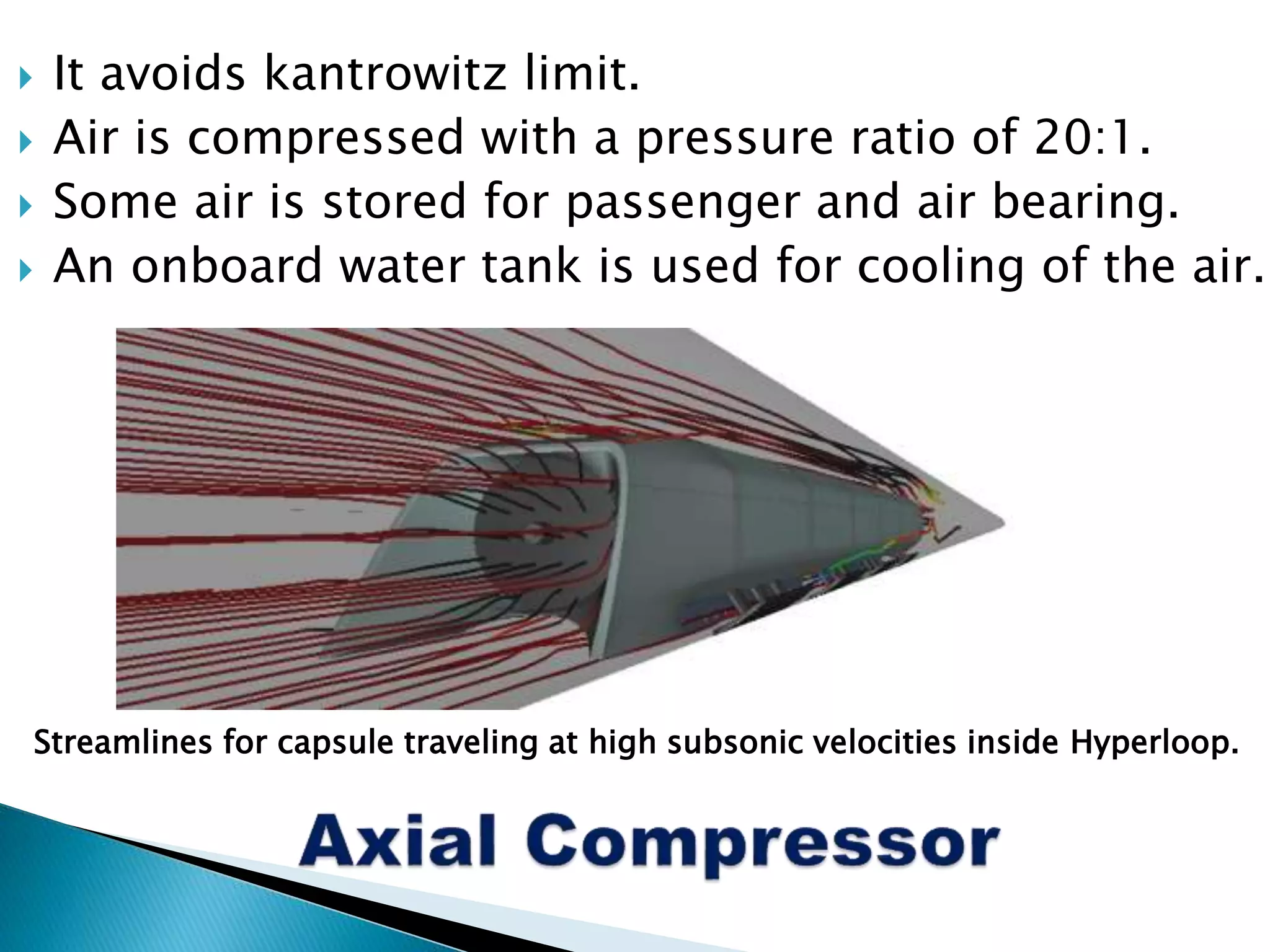
 It avoids kantrowitz limit.
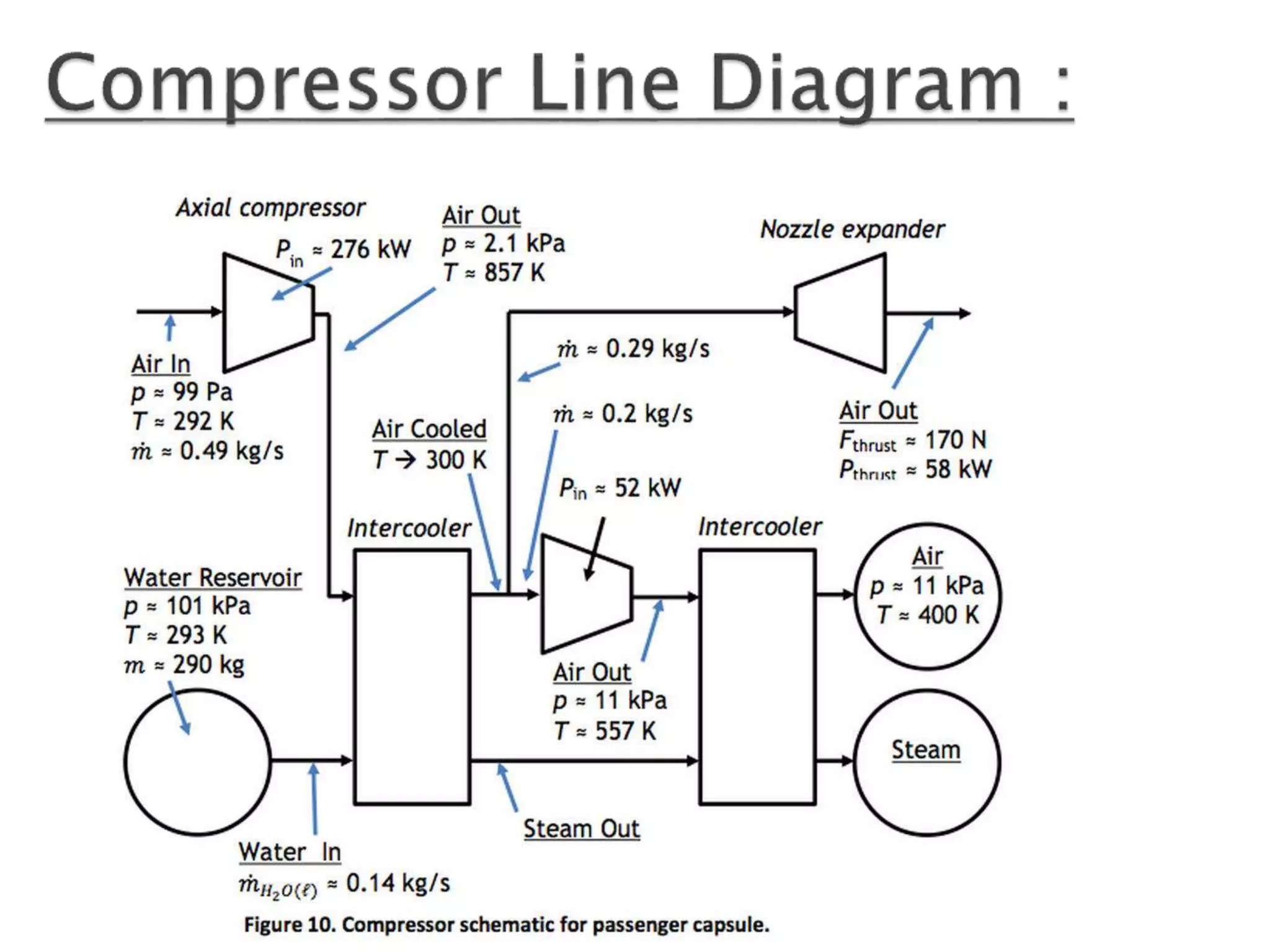
 Air is compressed with a pressure ratio of 20:1.
 Some air is stored for passenger and air bearing.
 An onboard water tank is used for cooling of the air.
Streamlines for capsule traveling at high subsonic velocities inside Hyperloop.
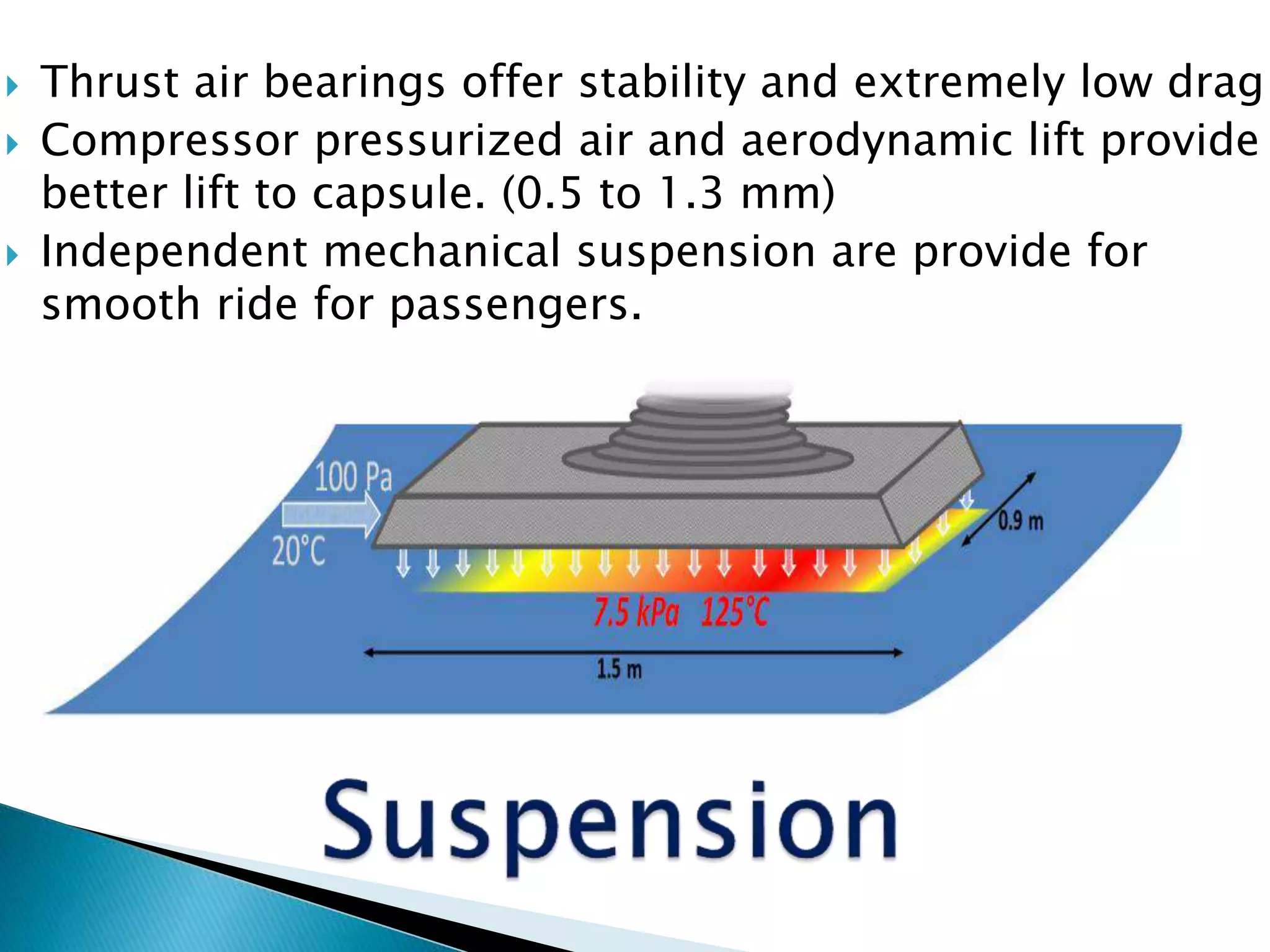
 Thrust air bearings offer stability and extremely low drag
 Compressor pressurized air and aerodynamic lift provide
better lift to capsule. (0.5 to 1.3 mm)
 Independent mechanical suspension are provide for
smooth ride for passengers.
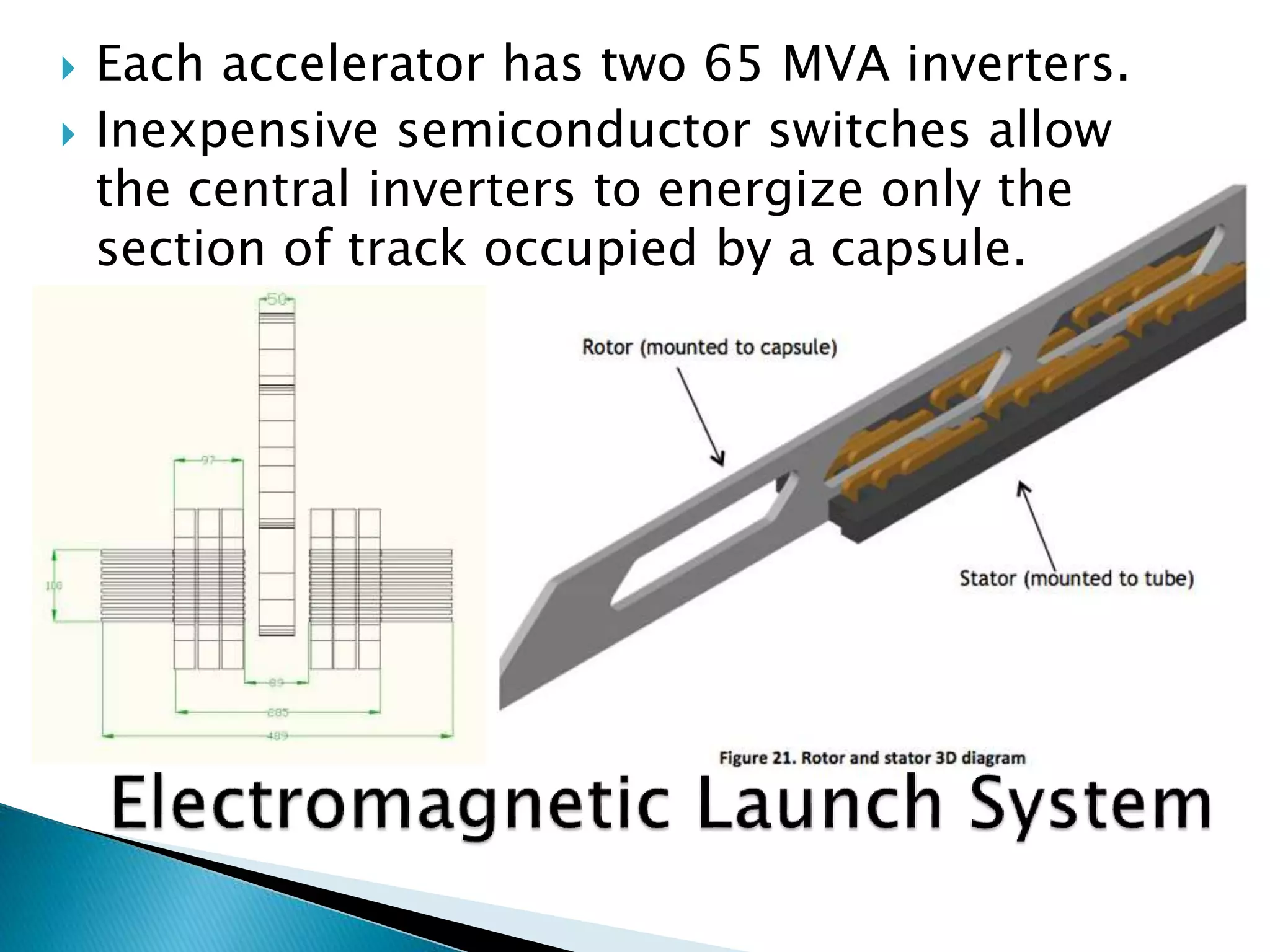
 Each accelerator has two 65 MVA inverters.
 Inexpensive semiconductor switches allow
the central inverters to energize only the
section of track occupied by a capsule.
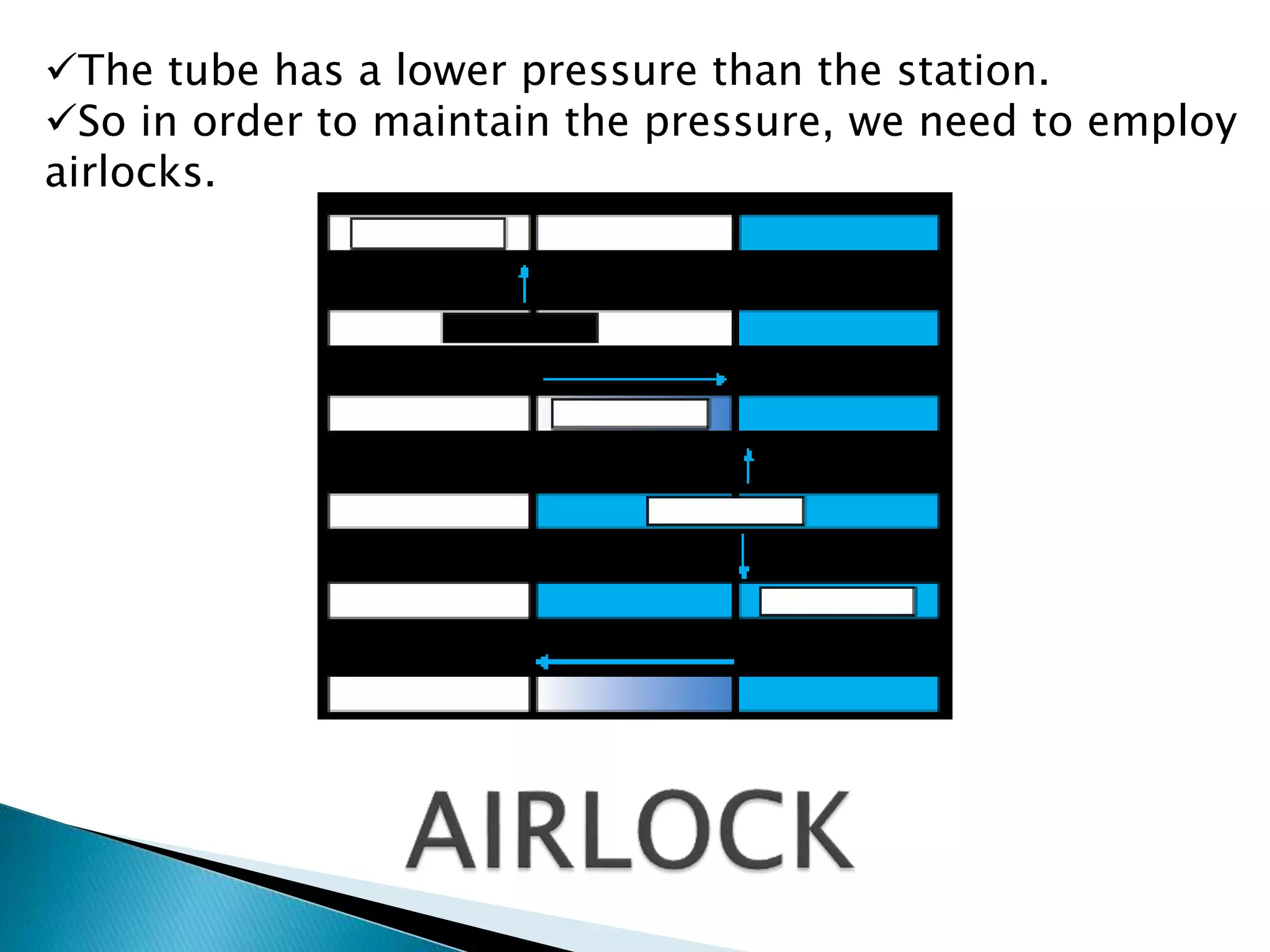
The tube has a lower pressure than the station.
So in order to maintain the pressure, we need to employ
airlocks.
 The Hyperloop as a whole is projected to consume
an average of 21 MW.
 A solar array covering the entire Hyperloop is large
enough to provide an annual average of 76,000 hp
(57 MW), significantly more than the Hyperloop
requires.
 Battery array at each accelerator, allowing the solar
array to provide only the average power needed to
run the system.
 Faster
 Lower cost.
 Pollution free.
 Immune to weather.
 Safer
 Sustainably self-powering.
 Resistant to Earthquakes.
 Tube pressurization.
 Turning will be critical (with large radius).
 Insufficient movable space for passenger.
 As it has number of advantages it will very help full
for transport public as well as goods in a very short
period of time (at a top speed of 1220 kmph) and
also in lower cost.
 It is a new concept so there is some future work
will be required for development of this project.
 United States. State of Oregon. Department of Transportation. High Speed
Rail on the Pacific coast. State of Oregon, n.d. Web. 13 Nov. 2013.
 Kopp, S. (n.d.). Bill Number: SCR 6 Chaptered. Retrieved from
leginfo.ca.gov
 Wilbrink, Joost. "SVT 137 153 Ff. Leipzig." Dbtrains.com. N.p., n.d. Web. 13
Nov. 2013.
 "Hyperloop in OpenMDAO". OpenMDAO. October 9, 2013.
Retrieved October 9, 2013.
 Jump up^ "Future Modeling Road Map". OpenMDAO. October 9, 2013.
Retrieved January 4,2014.
 "Hyperloop". SpaceX. Space Exploration Technologies. Retrieved June
15, 2015.
Hyperloop

Hyperloop

  • 1.
    Presented by: Sunil KumarSenapati 7th Sem., Under Supervision of: Prof. A.K.Barik Dept. of Mechanical Engineering
  • 2.
     Introduction  Whatis Hyperloop?  Main parts of Hyperloop  Kantrowitz limit  Compressor line diagram  Why it is used?  Air locking system  Advantages and Disadvantages  Conclusion
  • 3.
     Today's conventionalmodes of transportation of people consists of four unique types: rail, road, water, and air. These modes of transport tend to be either relatively slow (e.g., road and water), expensive (e.g., air), or a combination of relatively slow and expensive (i.e., rail).  Hyperloop is a new mode of transport that seeks to change this pattern by being both fast and inexpensive for people and goods.
  • 4.
     Hyperloop consistsof a low pressure tube with capsules that are transported at both low and high speeds throughout the length of the tube.
  • 5.
     Low PressureTube  Capsule  Electromagnetic Launch System  Axial Compressor  Suspension
  • 6.
     The tubeis made of steel.  The pressure in the tube is 100pa (equivalent to flying above 150,000 feet altitude).  Pylons are placed every 30 m to support the tube.
  • 7.
     Sealed capsulescarrying 28 passengers.  The capsules are supported via thrust air bearing that operate using a compressed air reservoir and aerodynamic lift.
  • 9.
     It avoidskantrowitz limit.  Air is compressed with a pressure ratio of 20:1.  Some air is stored for passenger and air bearing.  An onboard water tank is used for cooling of the air. Streamlines for capsule traveling at high subsonic velocities inside Hyperloop.
  • 11.
     Thrust airbearings offer stability and extremely low drag  Compressor pressurized air and aerodynamic lift provide better lift to capsule. (0.5 to 1.3 mm)  Independent mechanical suspension are provide for smooth ride for passengers.
  • 13.
     Each acceleratorhas two 65 MVA inverters.  Inexpensive semiconductor switches allow the central inverters to energize only the section of track occupied by a capsule.
  • 15.
    The tube hasa lower pressure than the station. So in order to maintain the pressure, we need to employ airlocks.
  • 16.
     The Hyperloopas a whole is projected to consume an average of 21 MW.  A solar array covering the entire Hyperloop is large enough to provide an annual average of 76,000 hp (57 MW), significantly more than the Hyperloop requires.  Battery array at each accelerator, allowing the solar array to provide only the average power needed to run the system.
  • 17.
     Faster  Lowercost.  Pollution free.  Immune to weather.  Safer  Sustainably self-powering.  Resistant to Earthquakes.
  • 18.
     Tube pressurization. Turning will be critical (with large radius).  Insufficient movable space for passenger.
  • 19.
     As ithas number of advantages it will very help full for transport public as well as goods in a very short period of time (at a top speed of 1220 kmph) and also in lower cost.  It is a new concept so there is some future work will be required for development of this project.
  • 20.
     United States.State of Oregon. Department of Transportation. High Speed Rail on the Pacific coast. State of Oregon, n.d. Web. 13 Nov. 2013.  Kopp, S. (n.d.). Bill Number: SCR 6 Chaptered. Retrieved from leginfo.ca.gov  Wilbrink, Joost. "SVT 137 153 Ff. Leipzig." Dbtrains.com. N.p., n.d. Web. 13 Nov. 2013.  "Hyperloop in OpenMDAO". OpenMDAO. October 9, 2013. Retrieved October 9, 2013.  Jump up^ "Future Modeling Road Map". OpenMDAO. October 9, 2013. Retrieved January 4,2014.  "Hyperloop". SpaceX. Space Exploration Technologies. Retrieved June 15, 2015.

Editor's Notes

  • #2 My dear friends ………..
  • #3 In this presentation I will discuss this topics
  • #5 The top speed of this capsule is 1220 kmph which is really very faster than aeroplane, it is about 2.5 to 3 times faster than aeroplane at only 1300 rupees for 615 km which is 3 times lesser than aeroplane……
  • #7 Main disadvantages of conventional type of transportation system is only the aerodynamic drag and the rolling friction
  • #8 Per hour 840 passengers are transported
  • #9 If any how we can sucks the air which is comes to the front of the capsule so that air locking is not possible…….
  • #12 The conventional wheels are not suitable for this range of speed (1220)kmph. Because of high rolling friction and high drag and dynamically instable. so here is the solution,
  • #14 It will situated or constructed at every 70 miles apart, so don’t need to construct this launch system through out the whole length of the tube……
  • #16 At every 2 minutes the capsules are leaving from station and reaches the station….