By:
Neeraj Kumar Rai
A serious, unexpected and often
dangerous situation requiring
immediate action.
An emergency is a situation that
poses an immediate risk to health,
life, property or environment. Most
emergencies require urgent
intervention to prevent a worsening
of the situation.
1. Fire
2. Blast in vessel
3. Gas release
4. Tank collapse
5. Building collapse
6. Earthquake
To handle the emergencies we have
to prepare the emergency plans.
These are of two types:
1. On site emergency plan
2. Off site emergency plan
Fire is the rapid oxidation of a
material in the exothermic chemical
process of combustion, releasing
heat, light and various reaction
products.
 Class A: Fires involving solid material such as
wood,paper or textiles etc.
 Class B:Fires involving flammable liquids such
as petrol,diesels,solvents etc.
 Class C: Fires involving gases.
 Class D: Fires involving metals such as Na, Mg
etc.
 Class E: Fires involving live electrical
apparatus.
 Class E fire has been excluded.
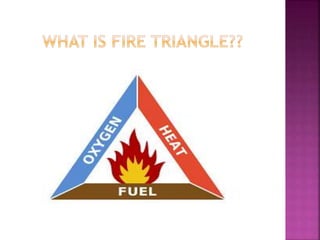
1. Starvation: Removal of fuel
2. Smoothering: Removal of oxygen
3. Cooling: Removal of heat
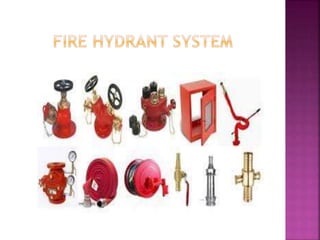
1. Water tank
2. Jockey pump
3. Electric motor pump
4. Diesel pump
5. Delivery system/network
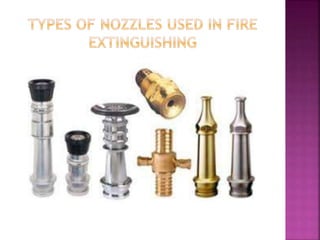
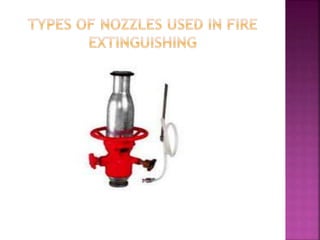
6. Different types of nozzles
7. Foam etc.
Any Question?????
Thank you…….

Emergency preparedness training.pptx

  • 1.
  • 2.
    A serious, unexpectedand often dangerous situation requiring immediate action. An emergency is a situation that poses an immediate risk to health, life, property or environment. Most emergencies require urgent intervention to prevent a worsening of the situation.
  • 3.
    1. Fire 2. Blastin vessel 3. Gas release 4. Tank collapse 5. Building collapse 6. Earthquake
  • 4.
    To handle theemergencies we have to prepare the emergency plans. These are of two types: 1. On site emergency plan 2. Off site emergency plan
  • 5.
    Fire is therapid oxidation of a material in the exothermic chemical process of combustion, releasing heat, light and various reaction products.
  • 6.
     Class A:Fires involving solid material such as wood,paper or textiles etc.  Class B:Fires involving flammable liquids such as petrol,diesels,solvents etc.  Class C: Fires involving gases.  Class D: Fires involving metals such as Na, Mg etc.  Class E: Fires involving live electrical apparatus.  Class E fire has been excluded.
  • 8.
    1. Starvation: Removalof fuel 2. Smoothering: Removal of oxygen 3. Cooling: Removal of heat
  • 14.
    1. Water tank 2.Jockey pump 3. Electric motor pump 4. Diesel pump 5. Delivery system/network 6. Different types of nozzles 7. Foam etc.
  • 15.
  • 16.