Download as PDF, PPTX

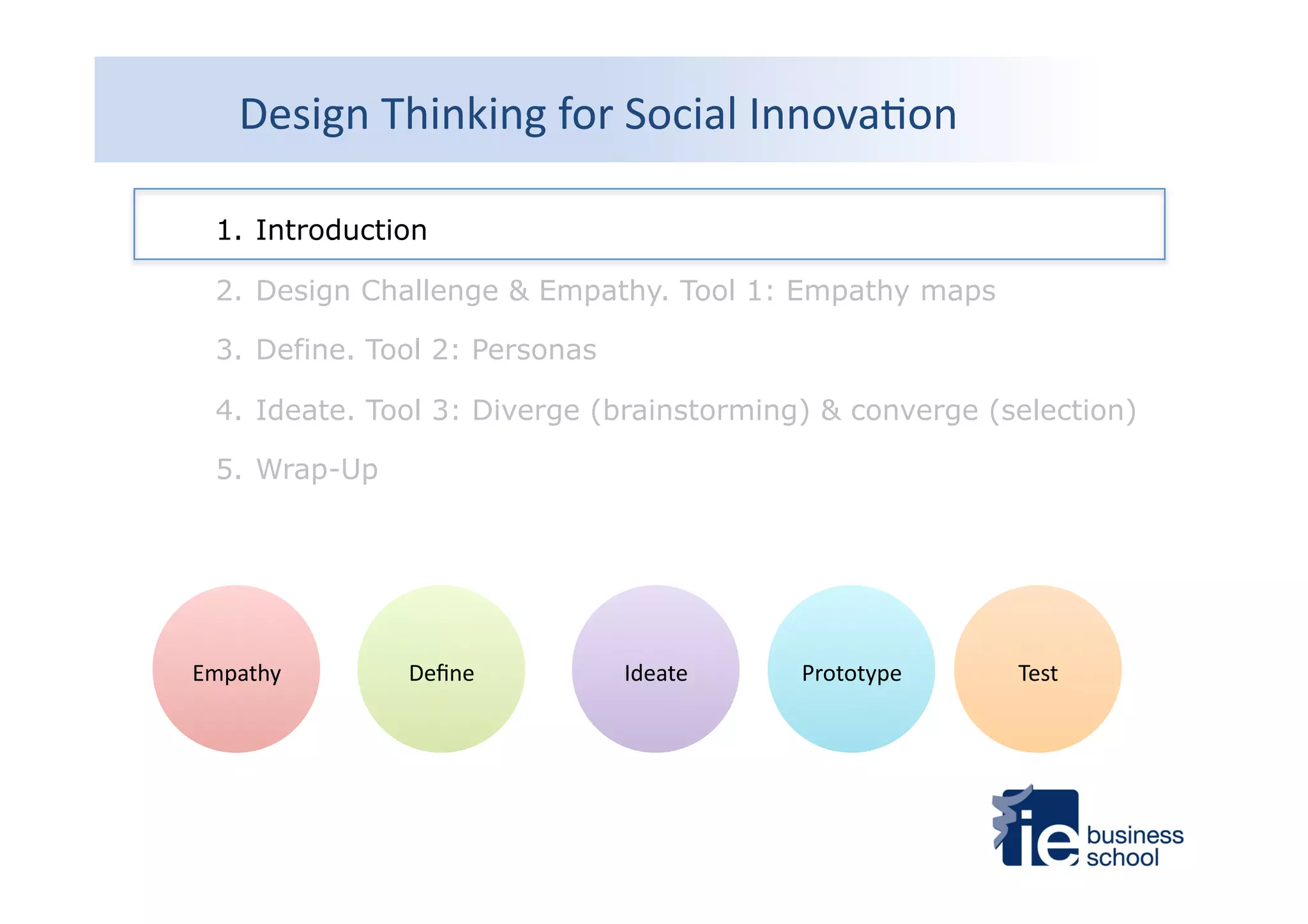
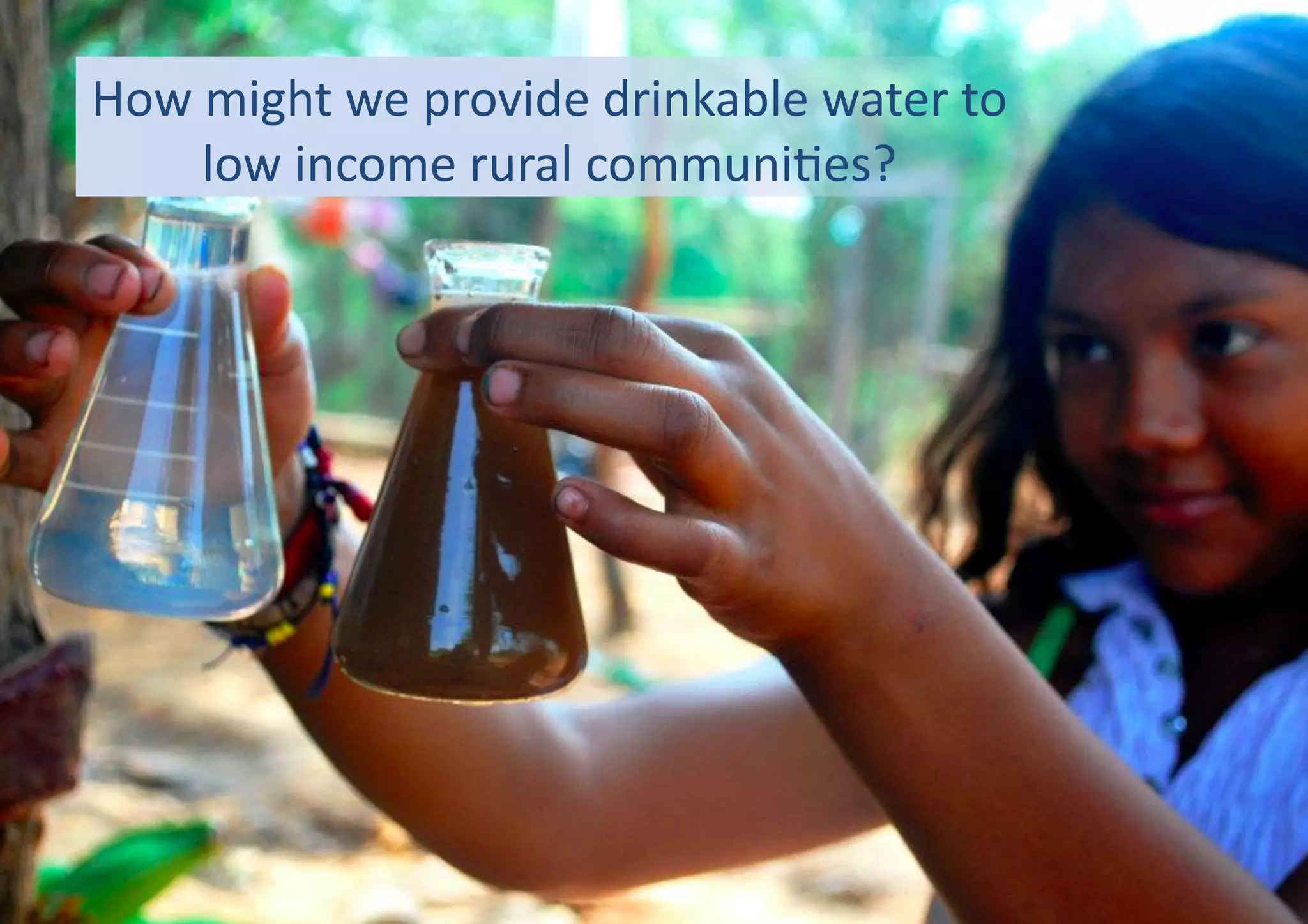
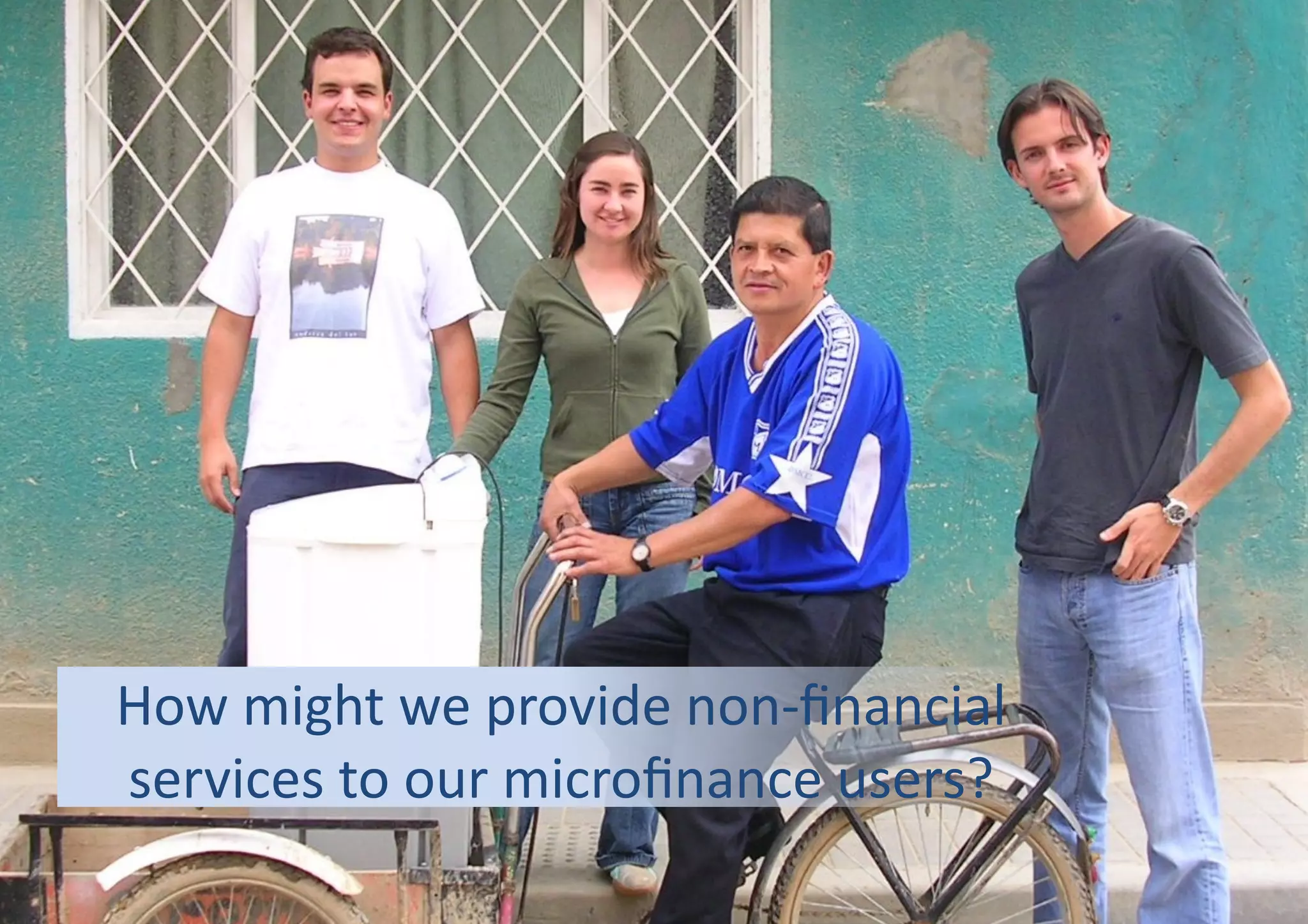

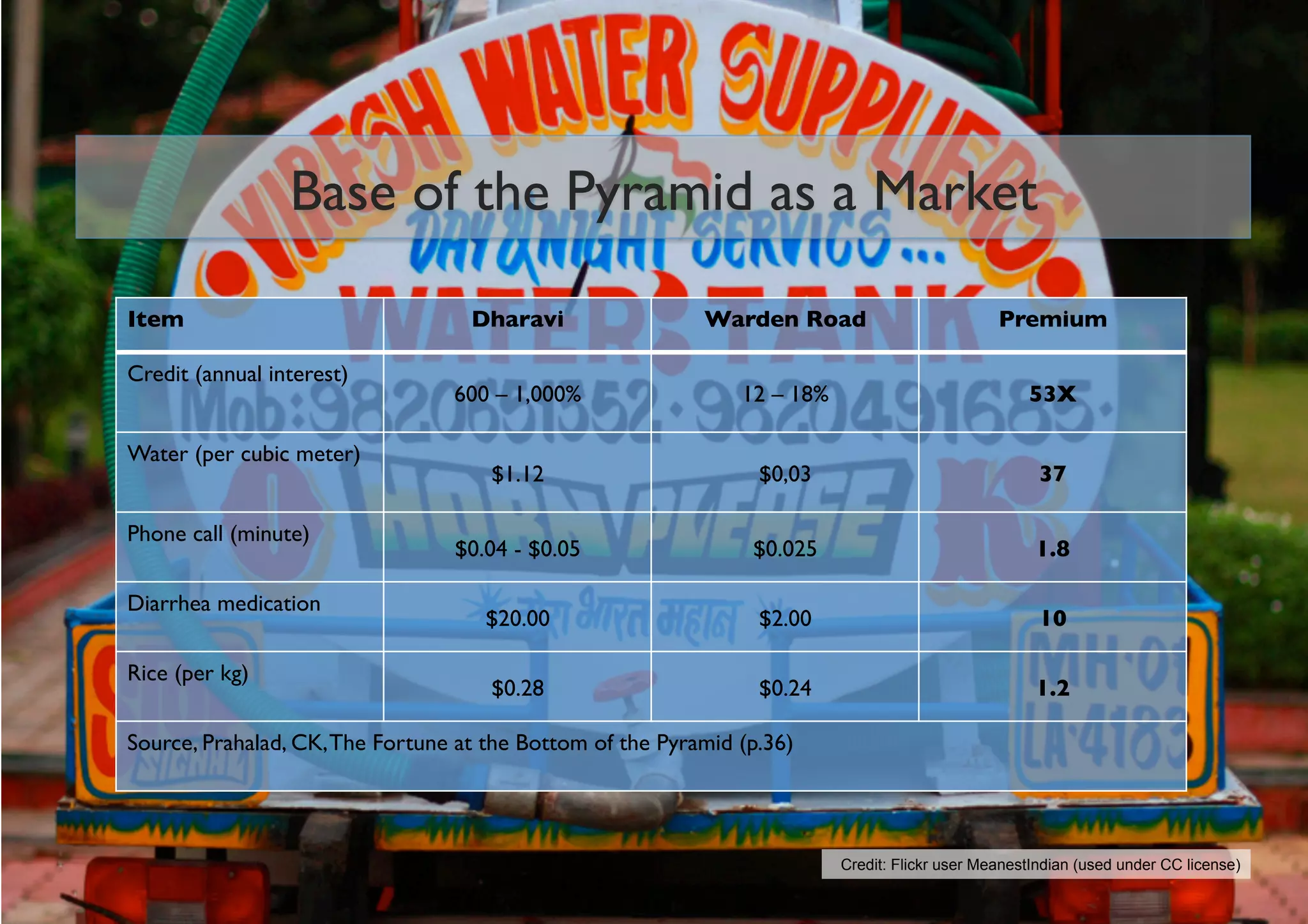

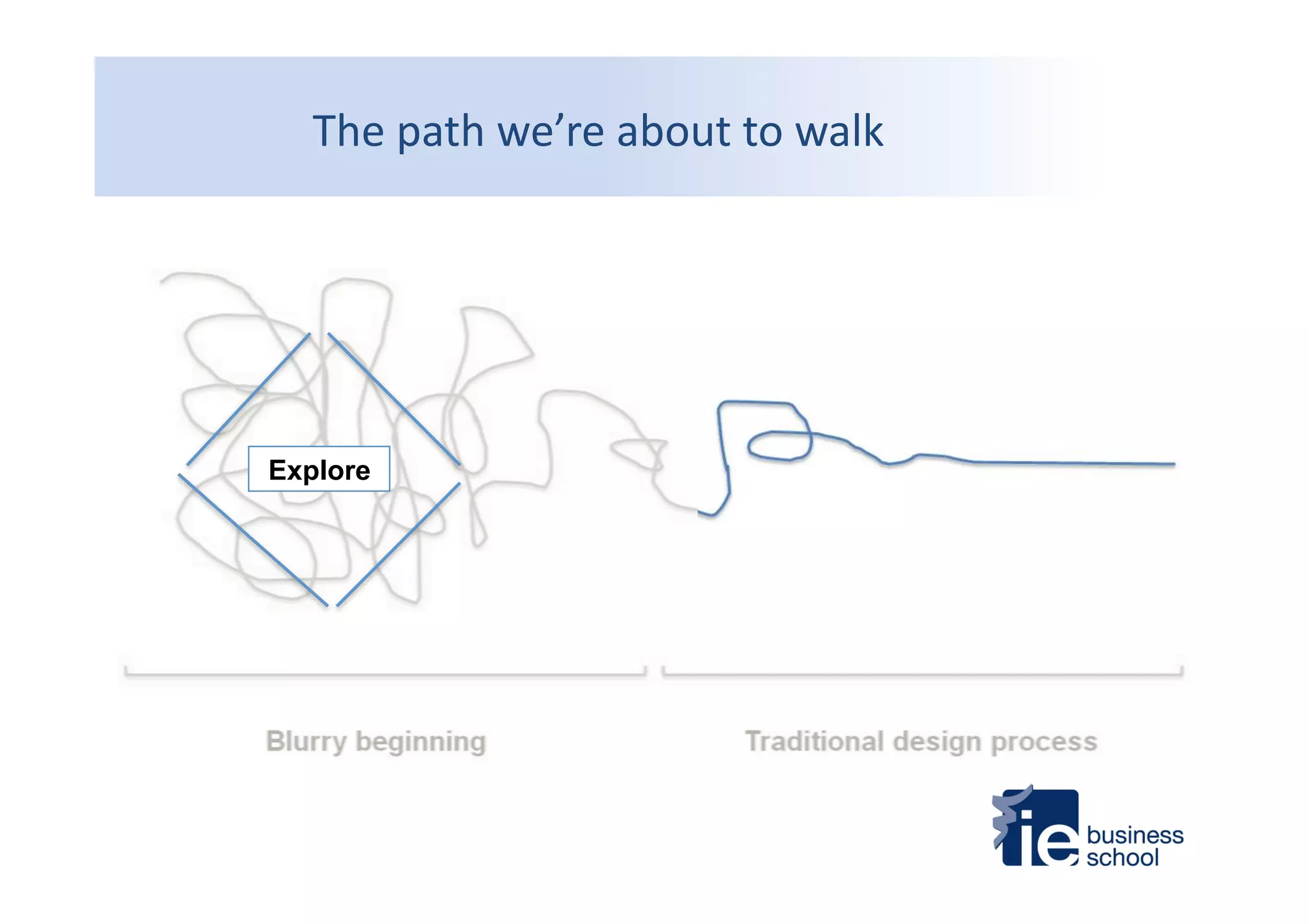
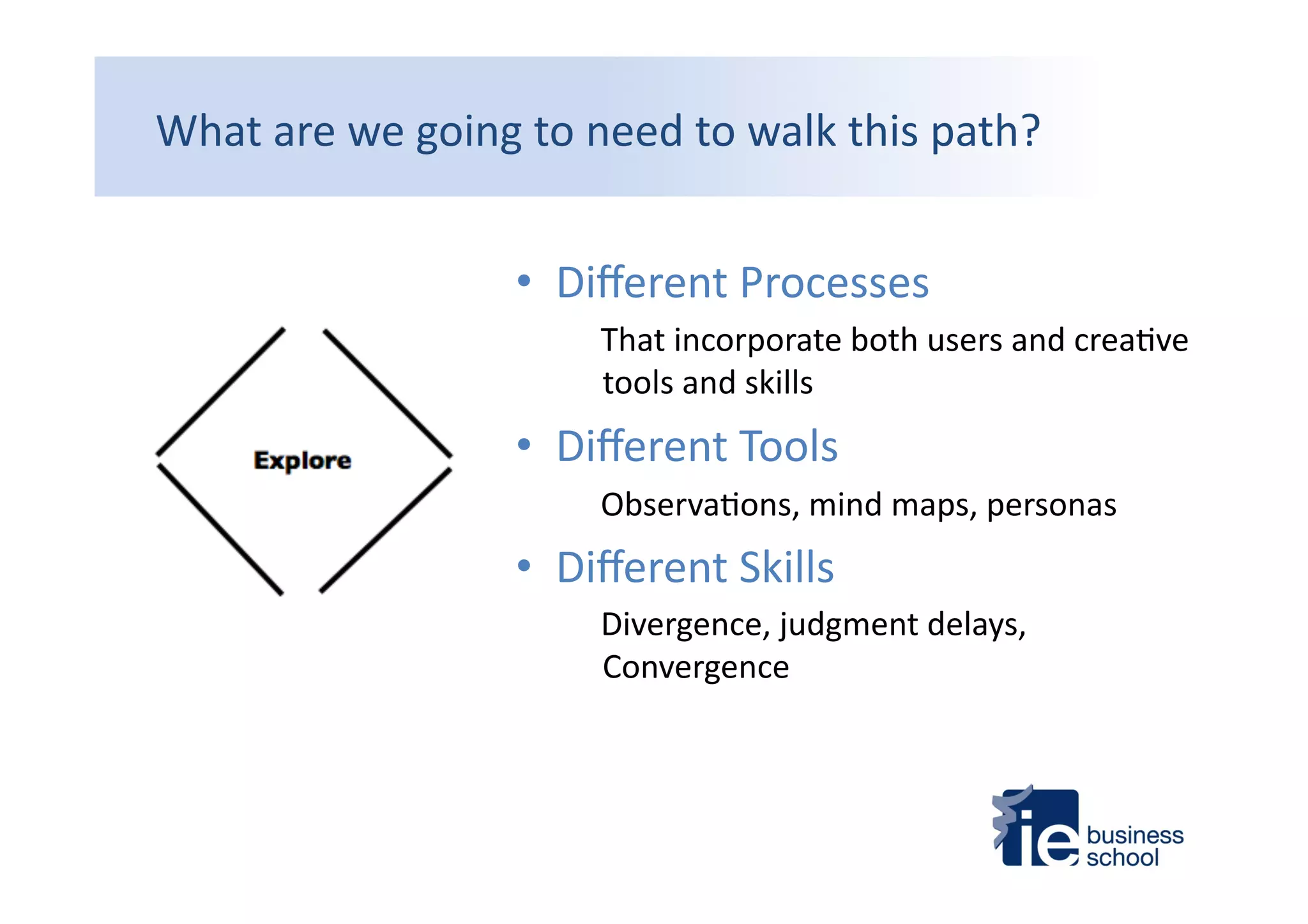
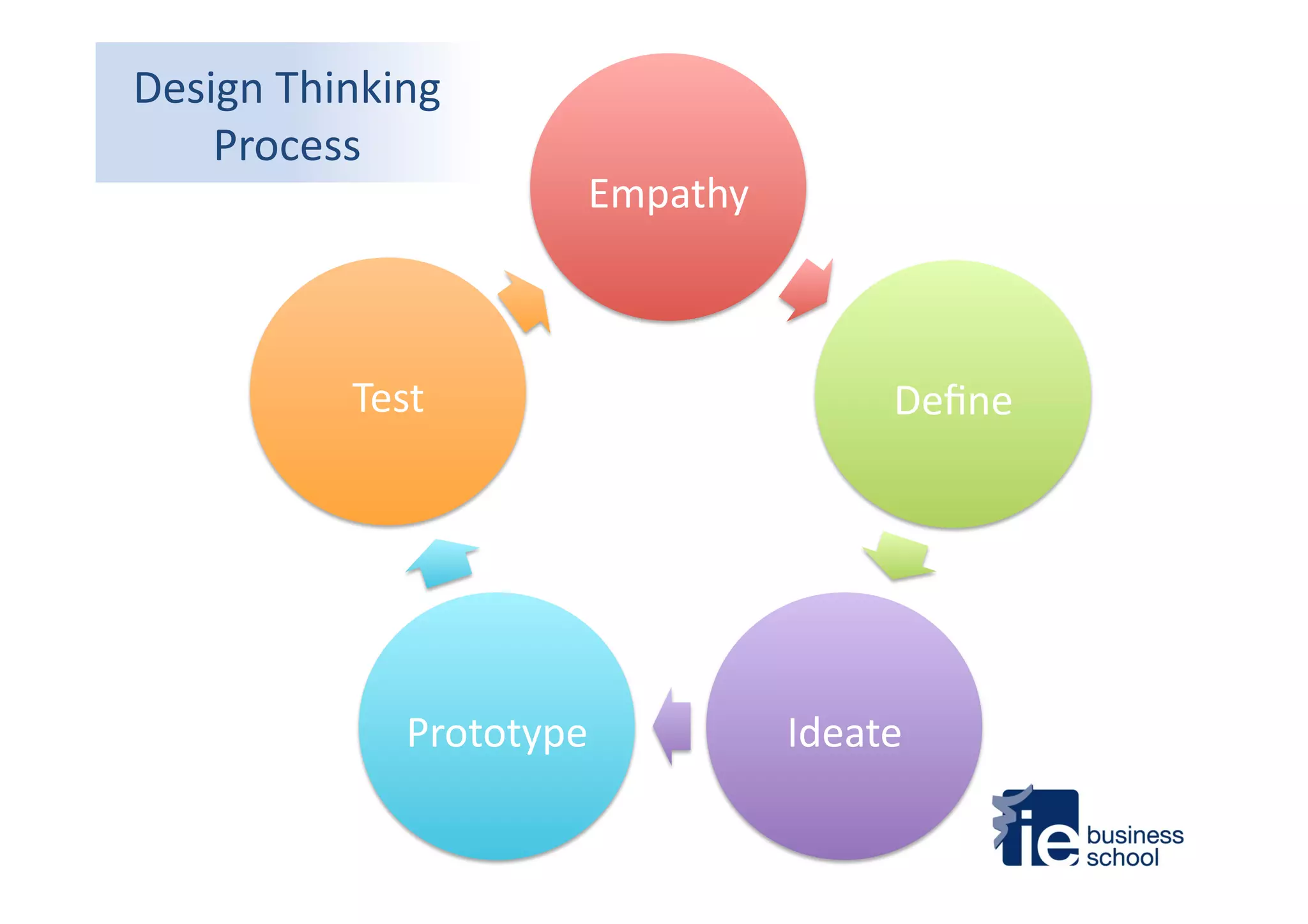
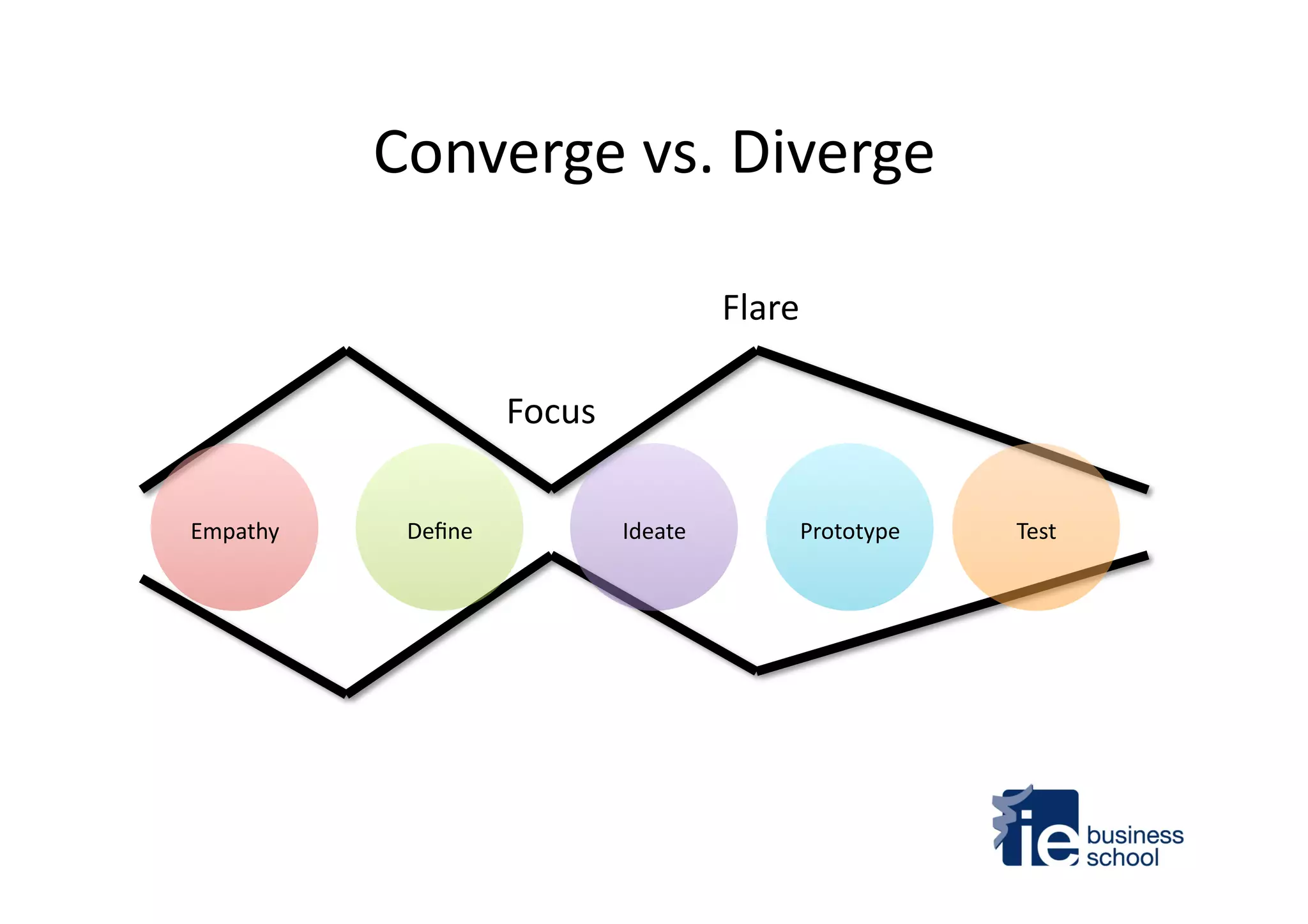

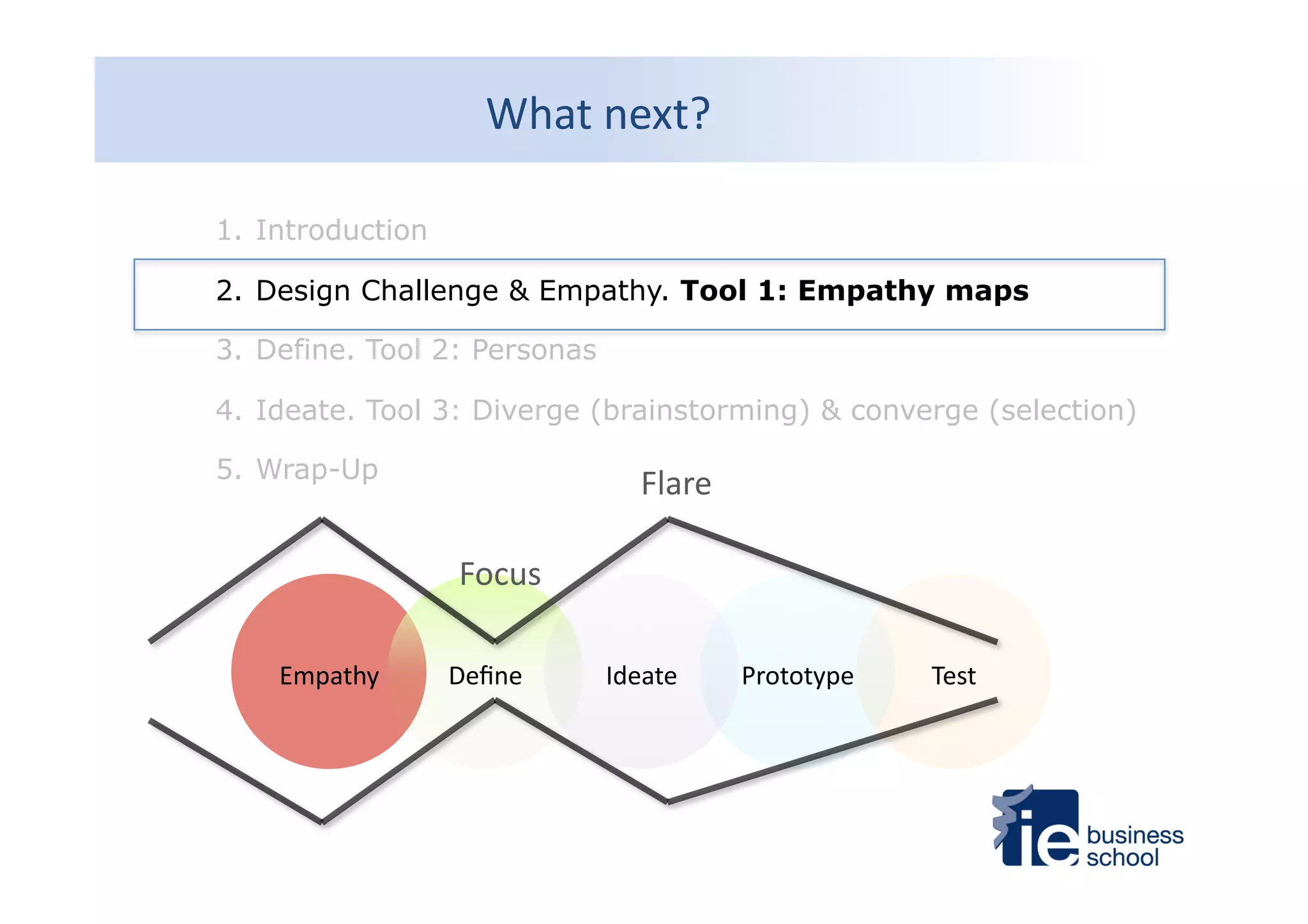

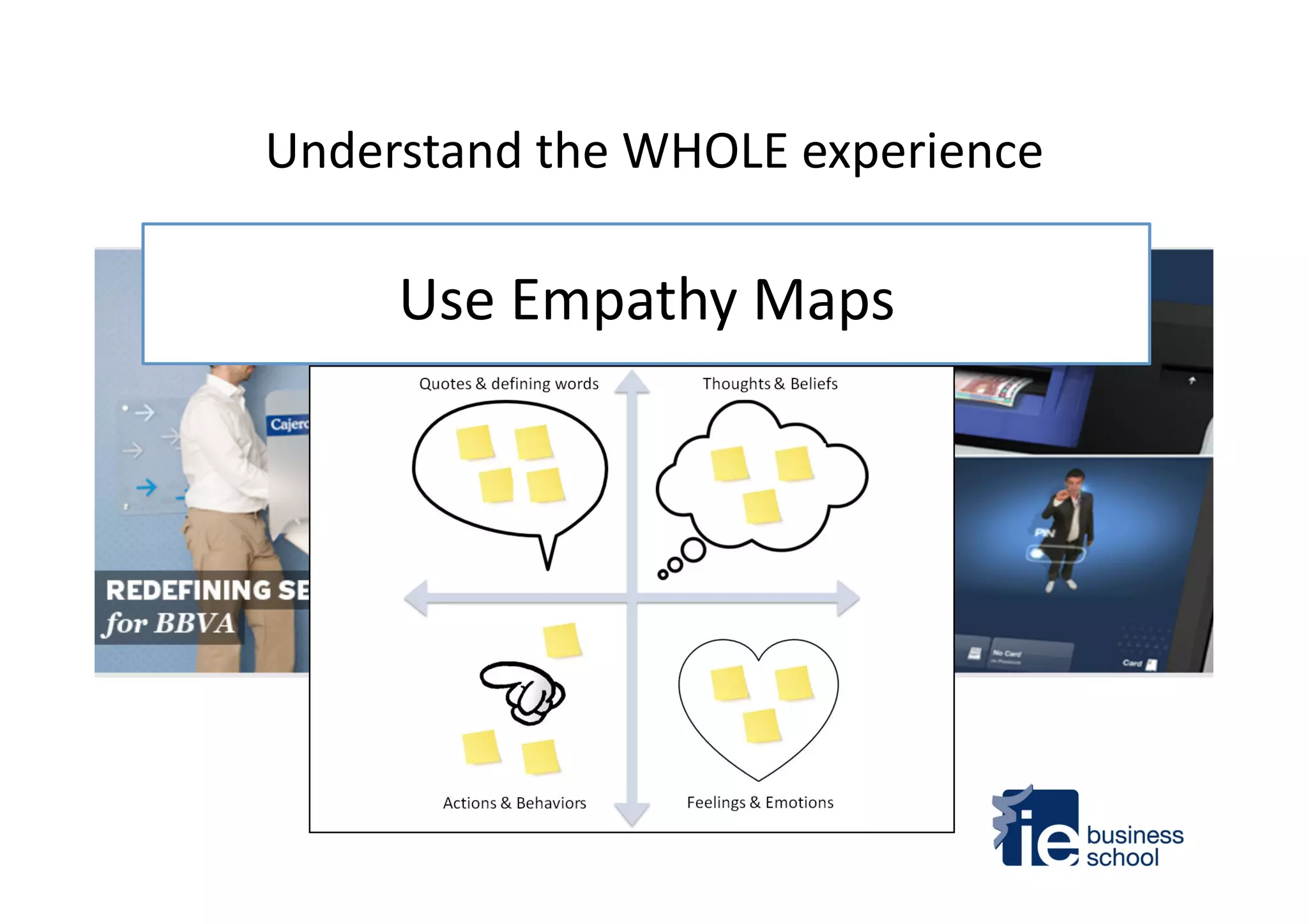
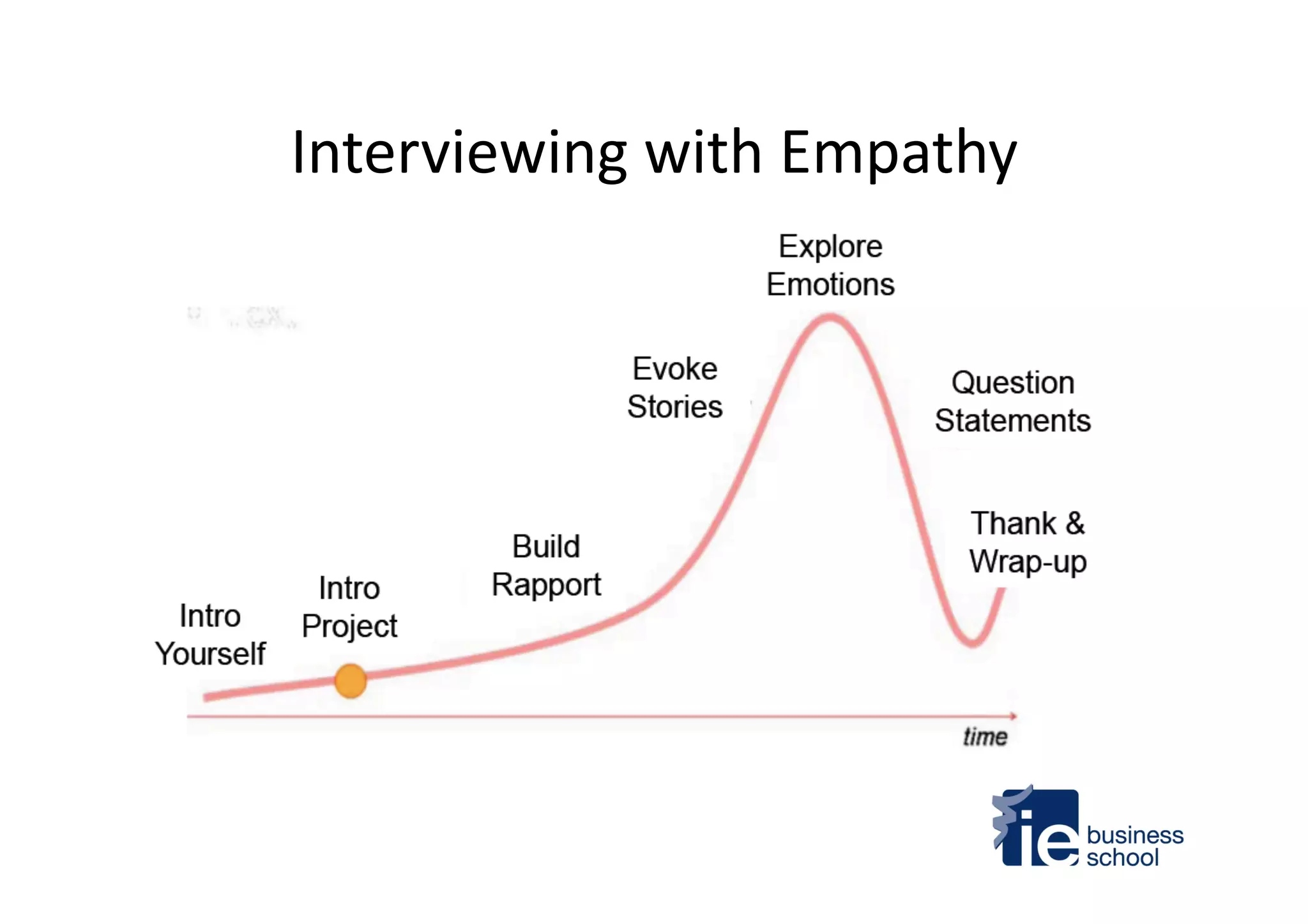
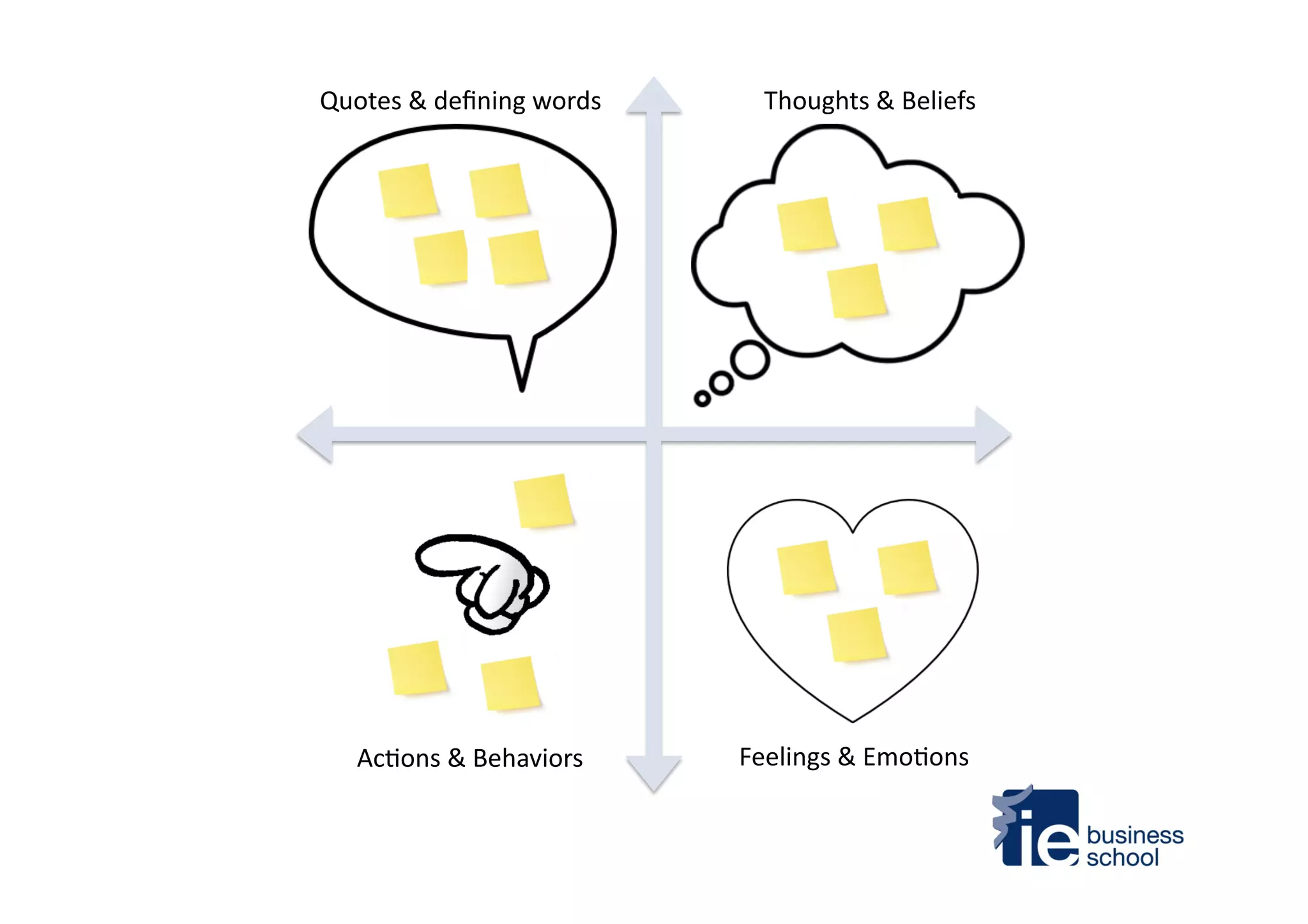
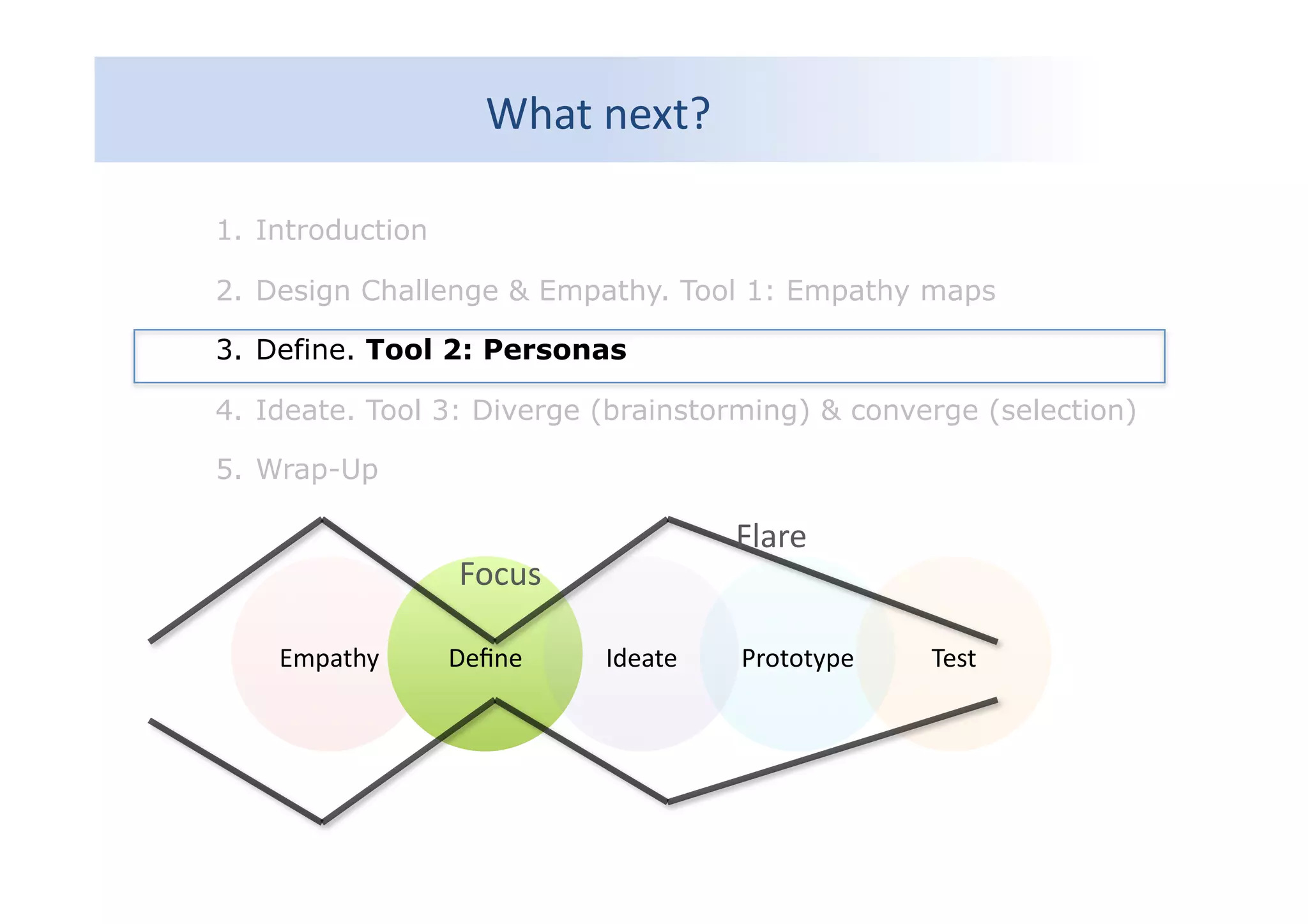
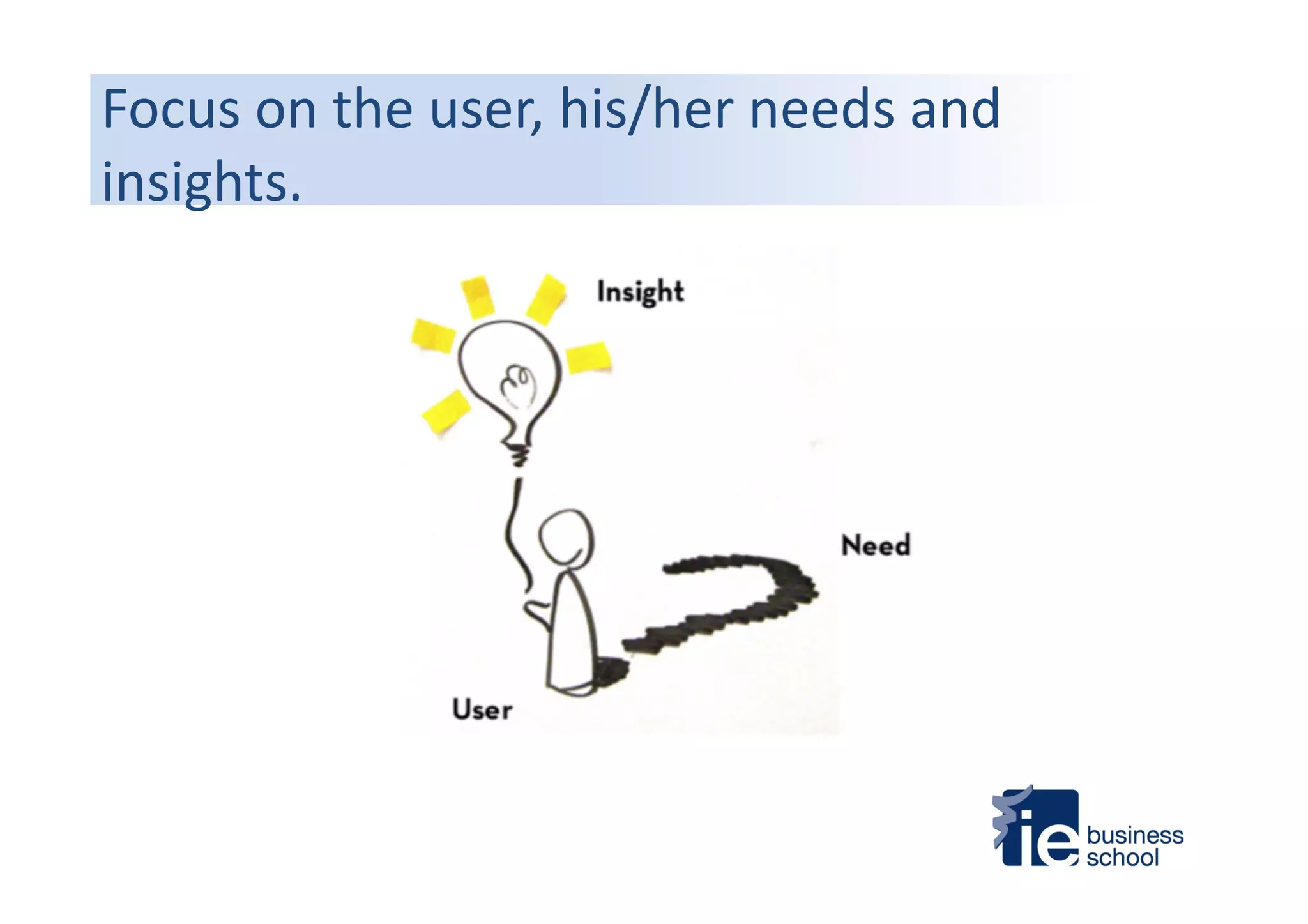
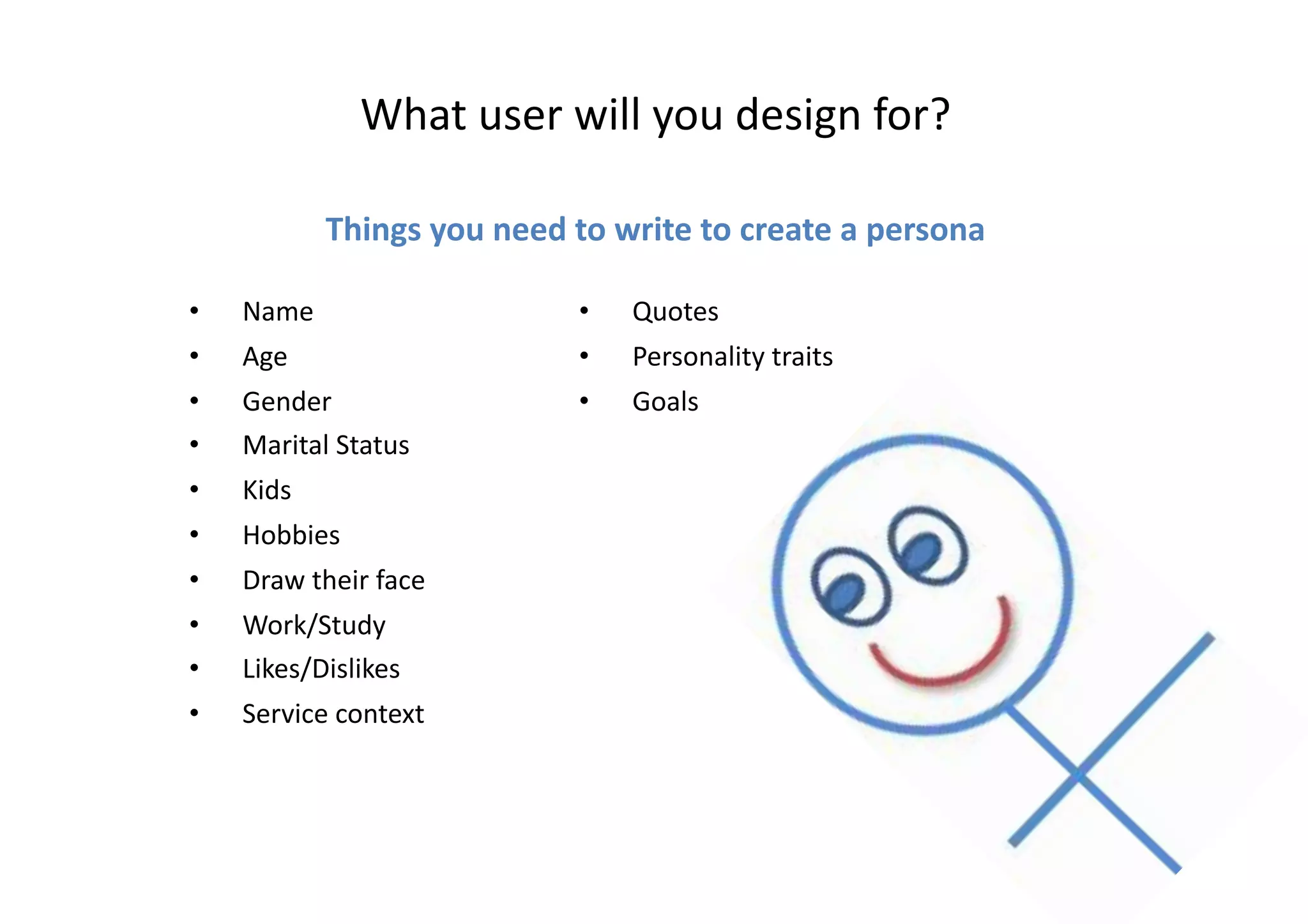
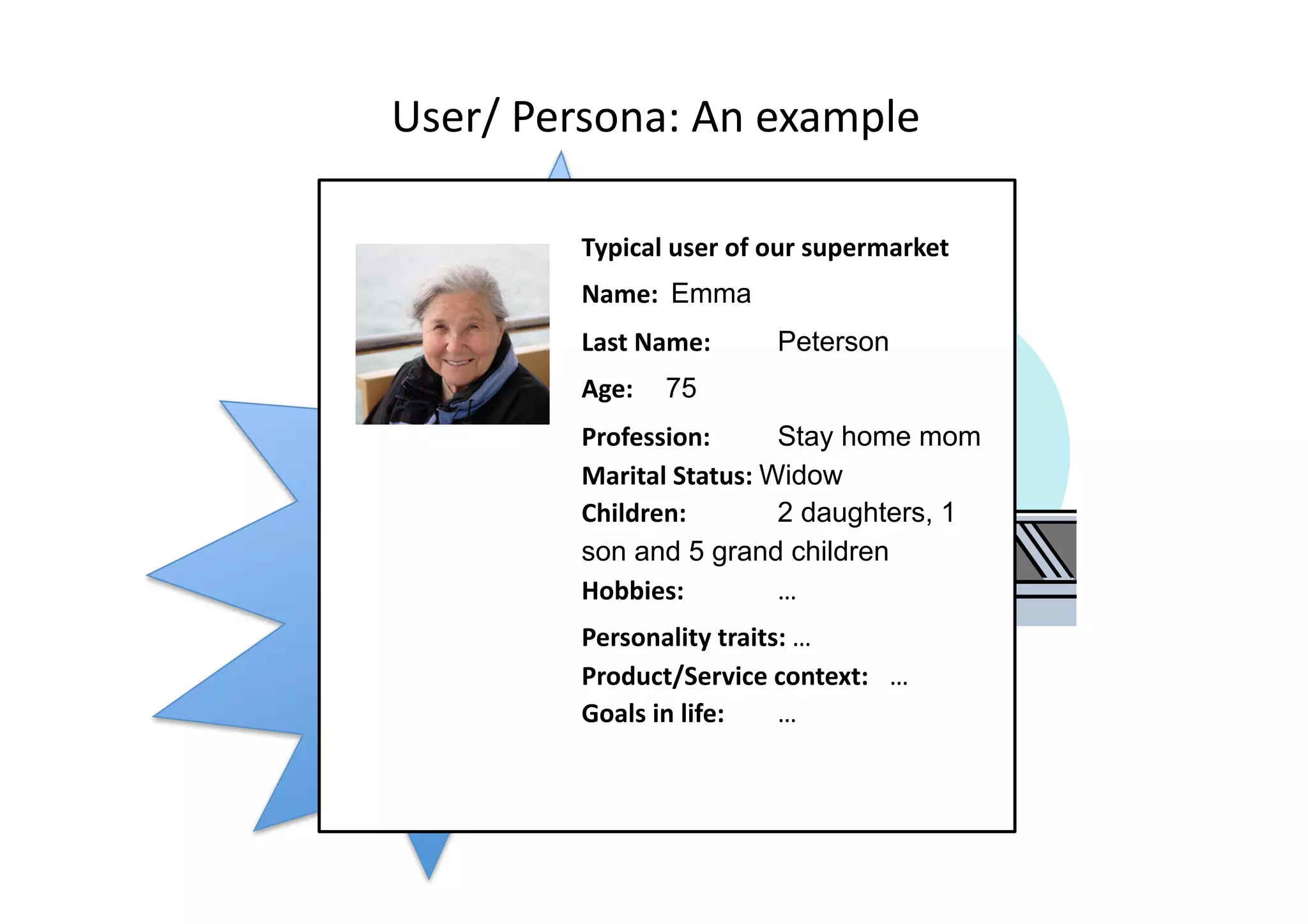
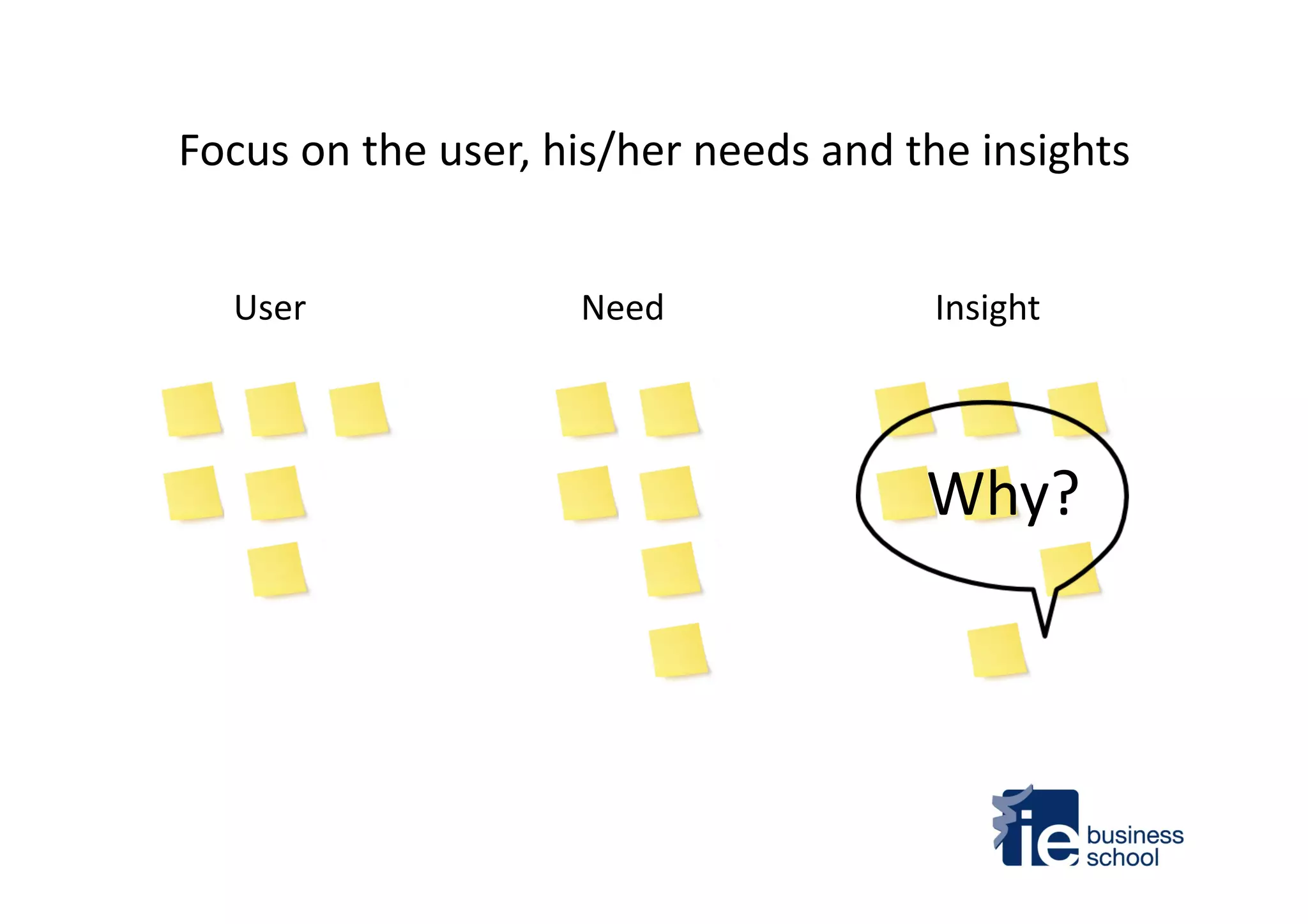
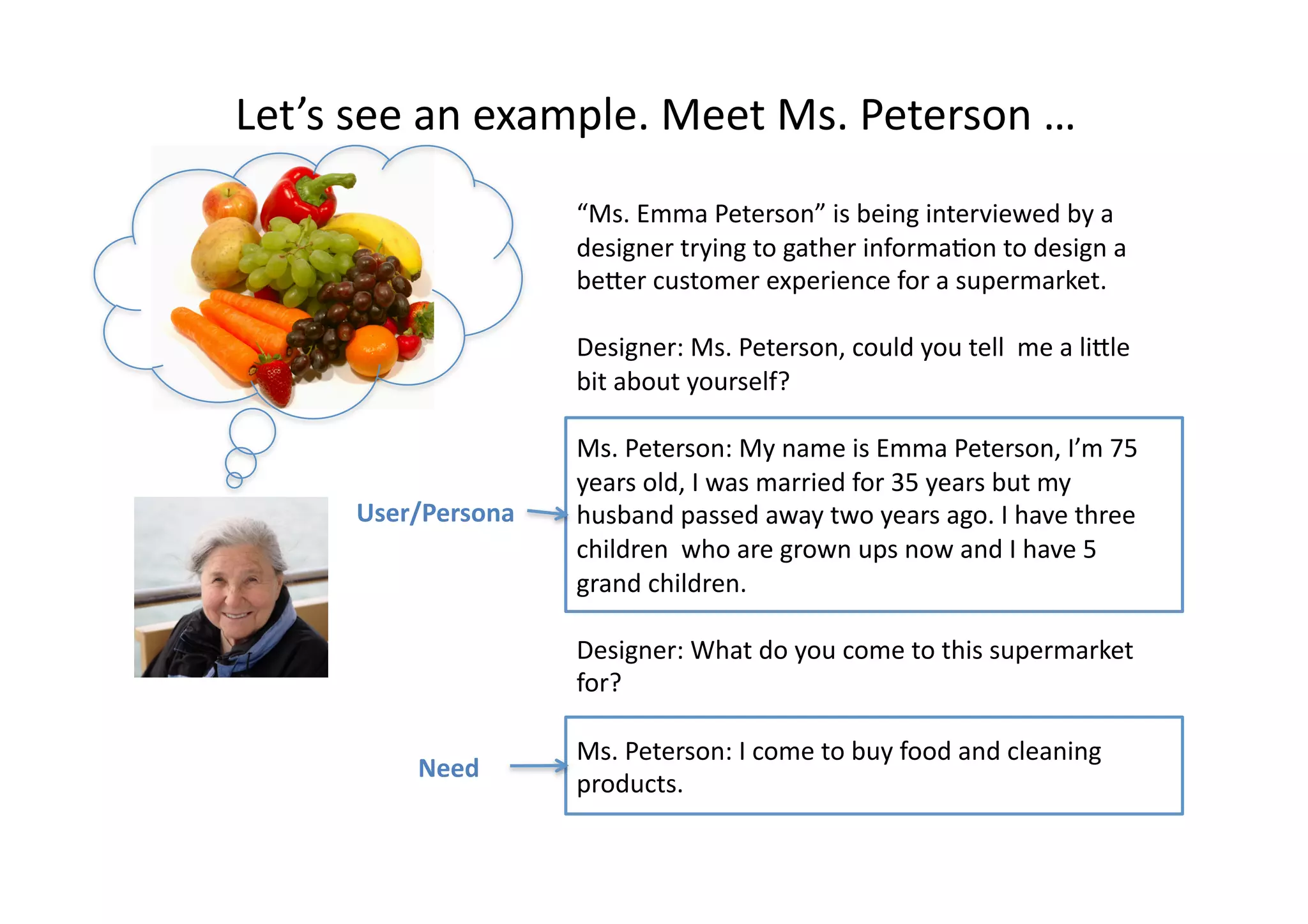
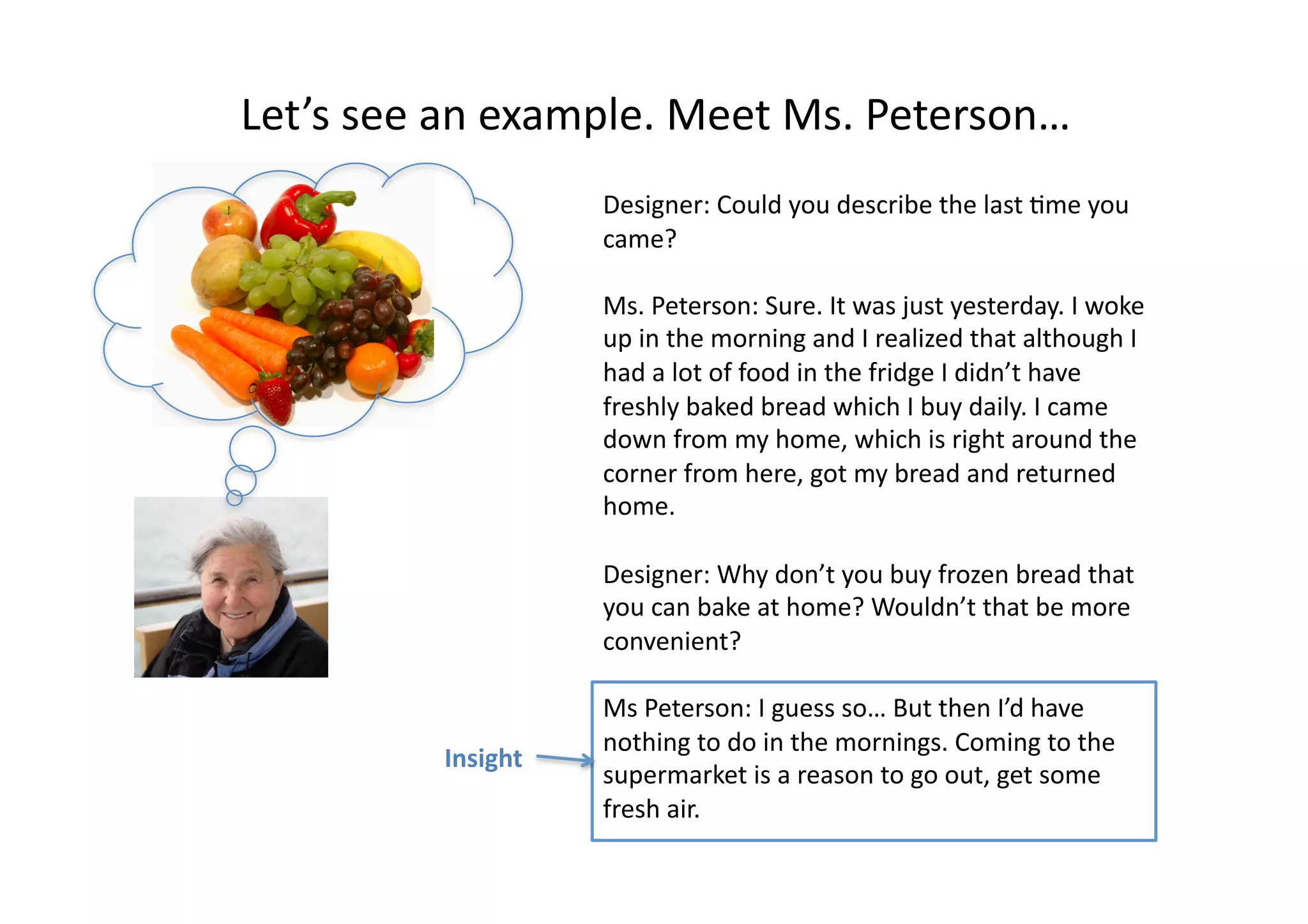
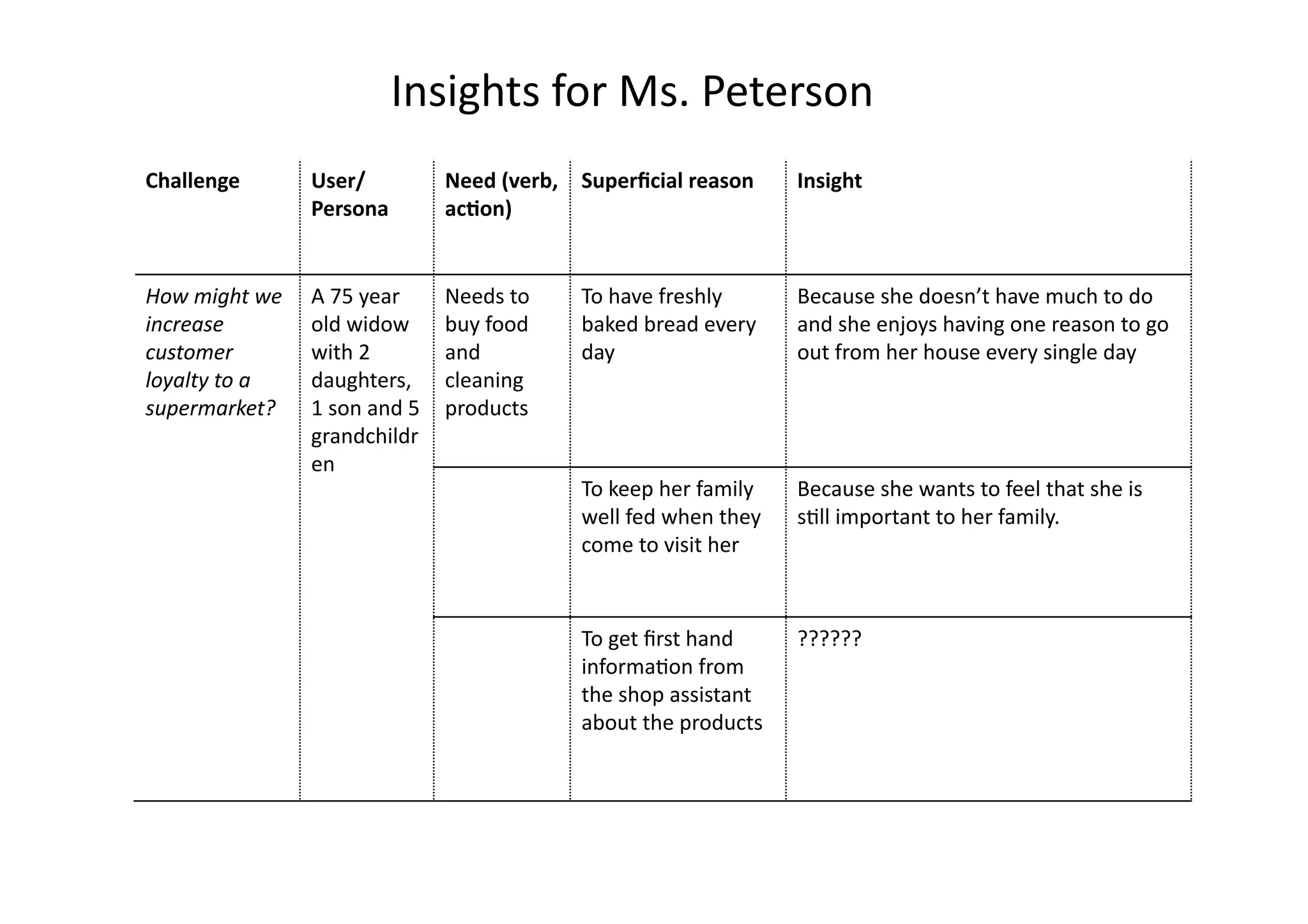
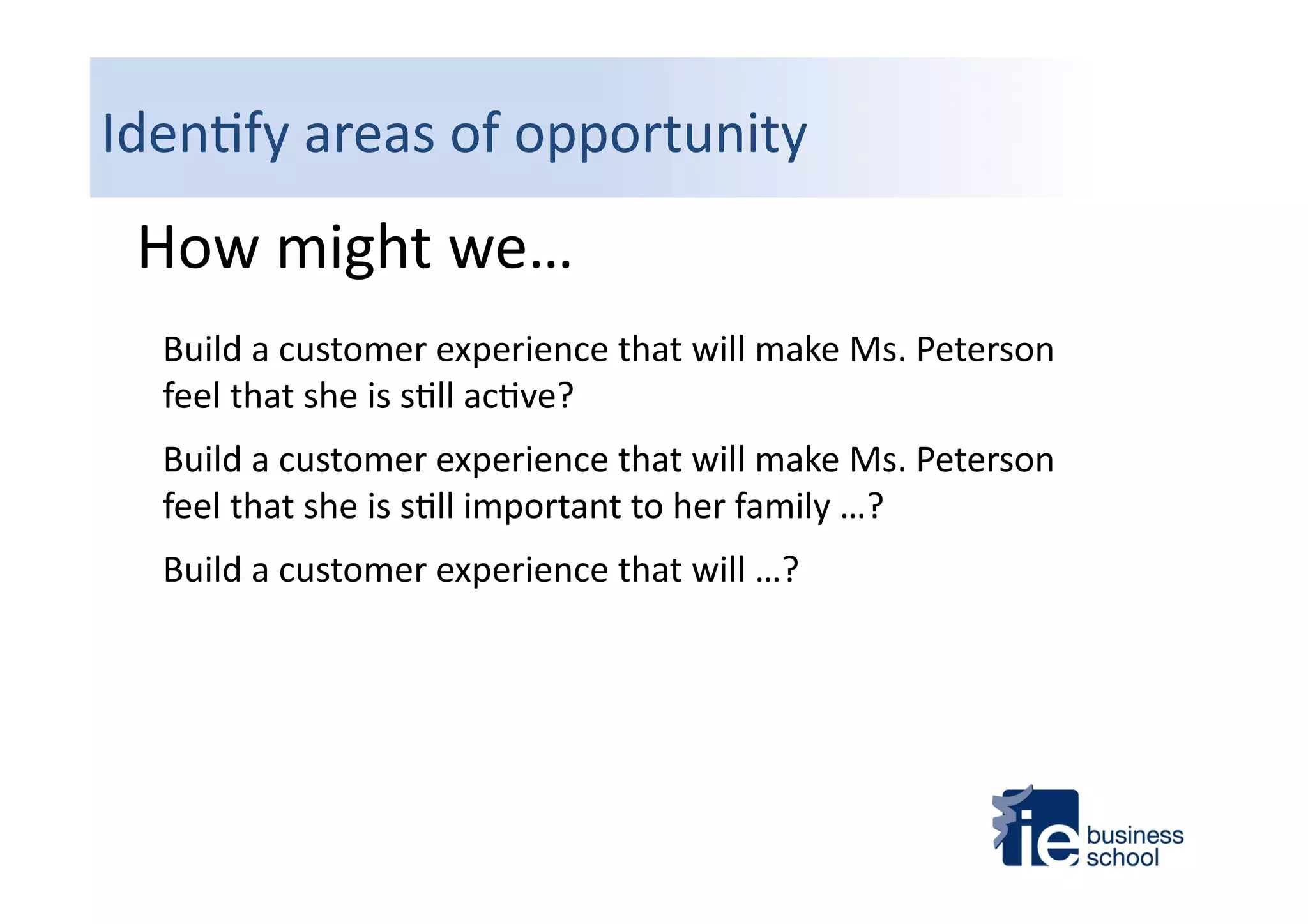
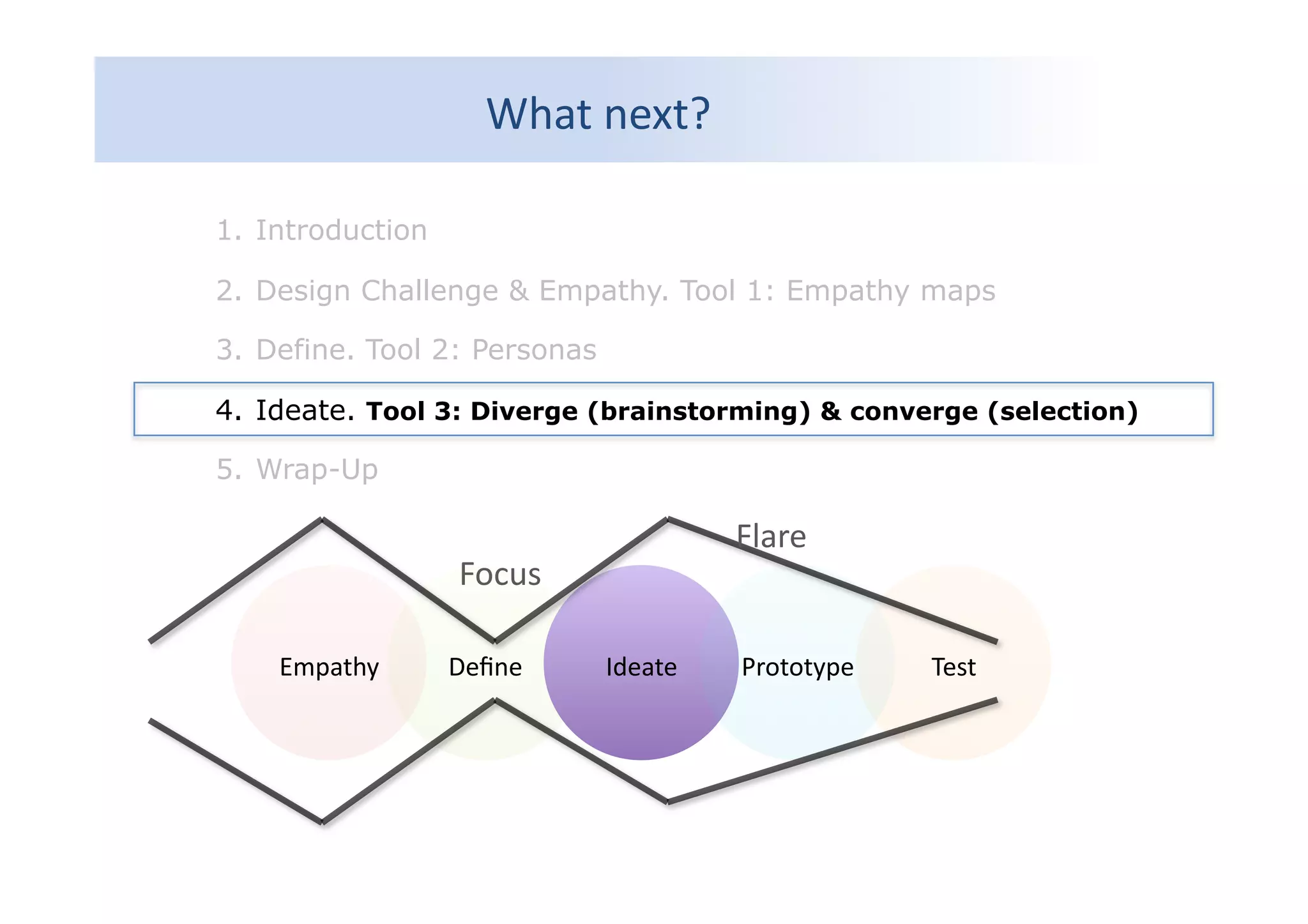
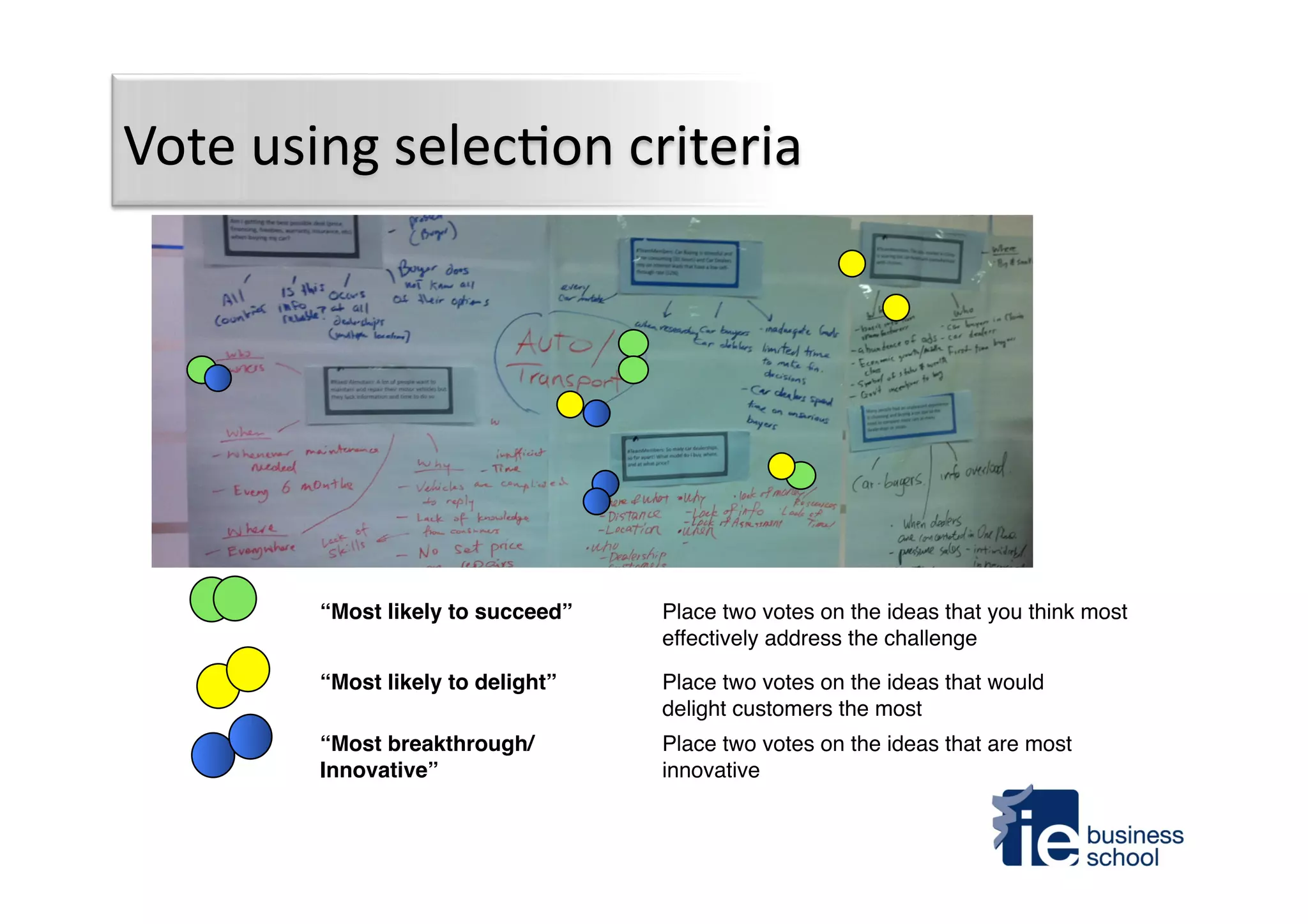
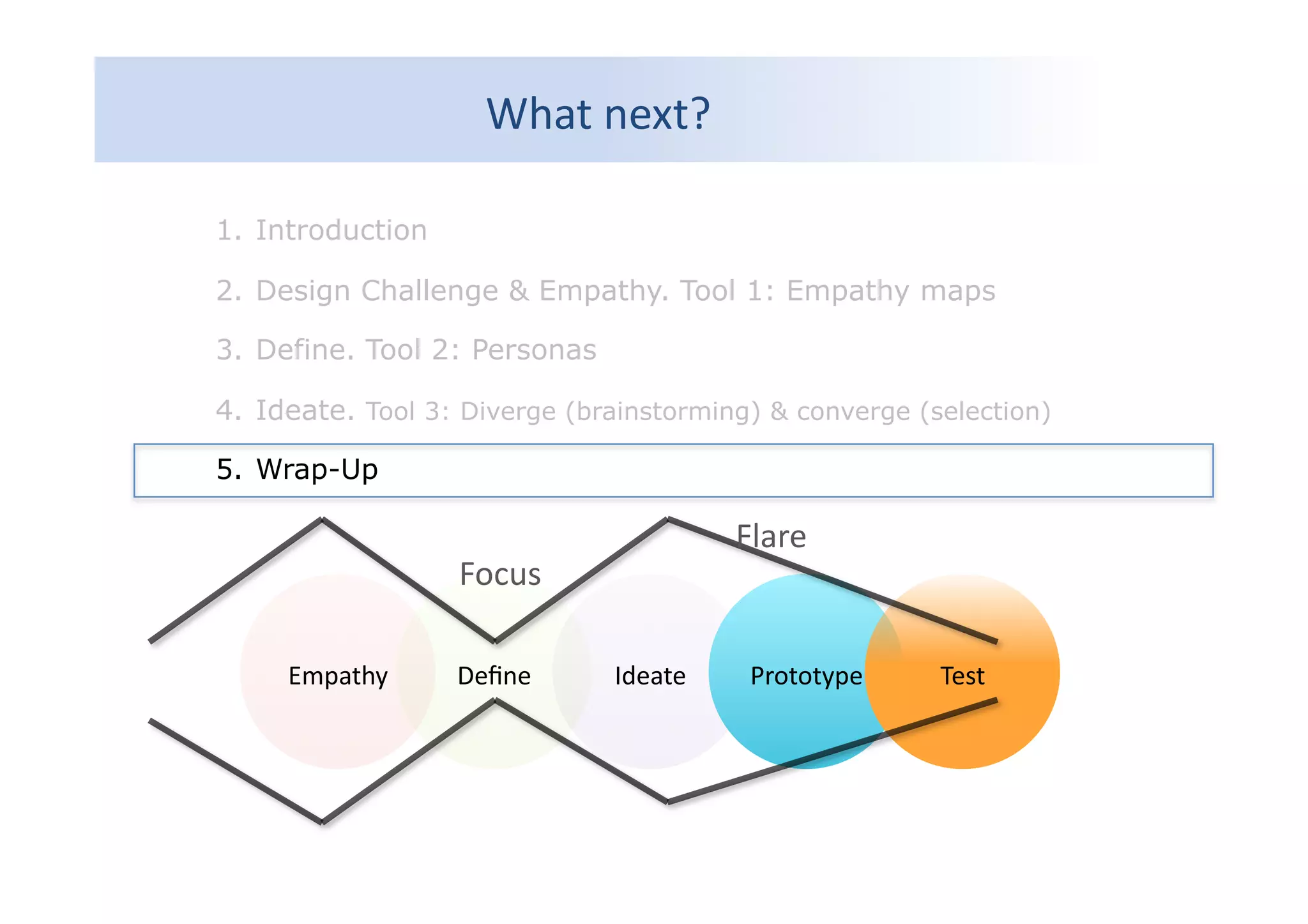
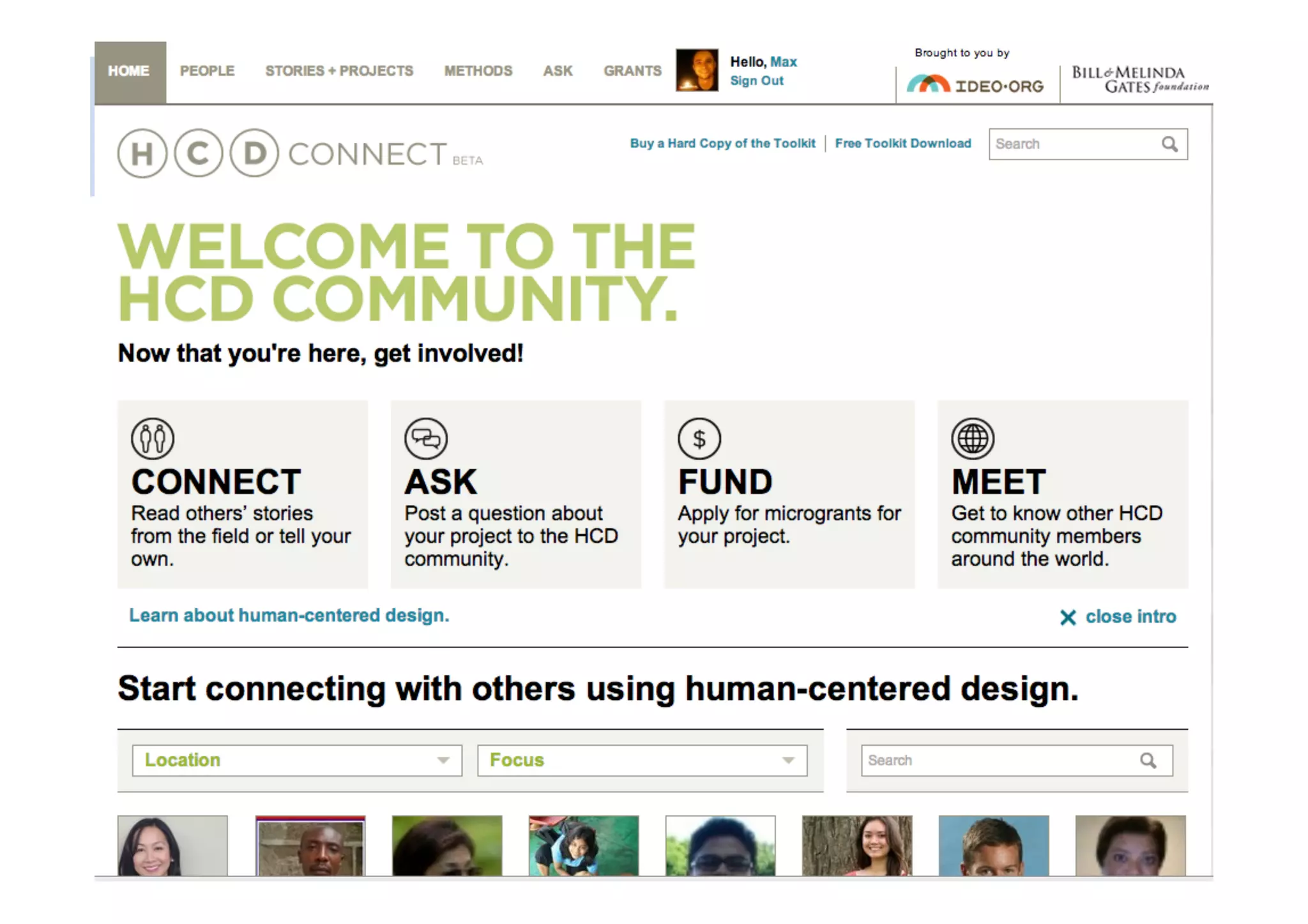
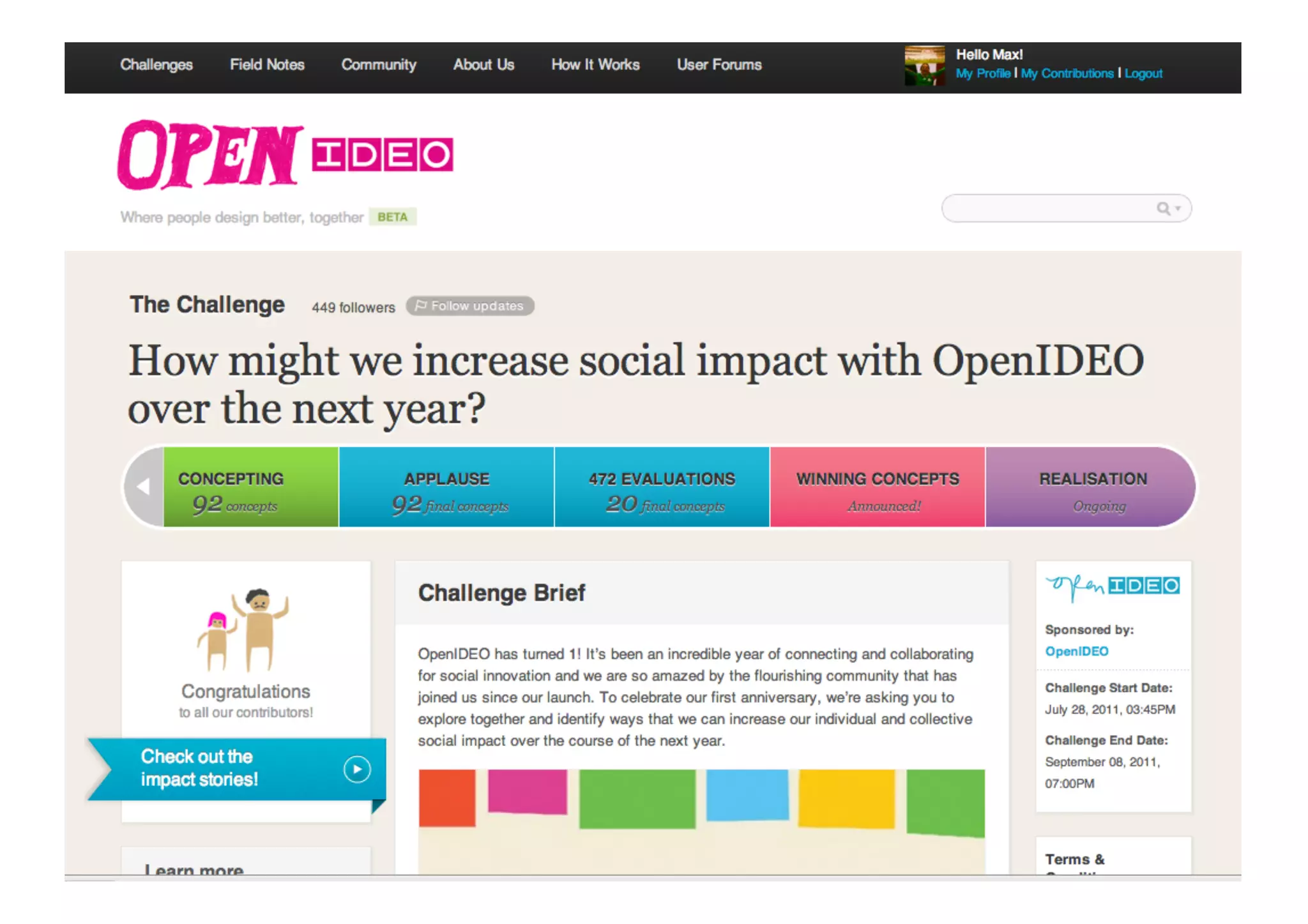
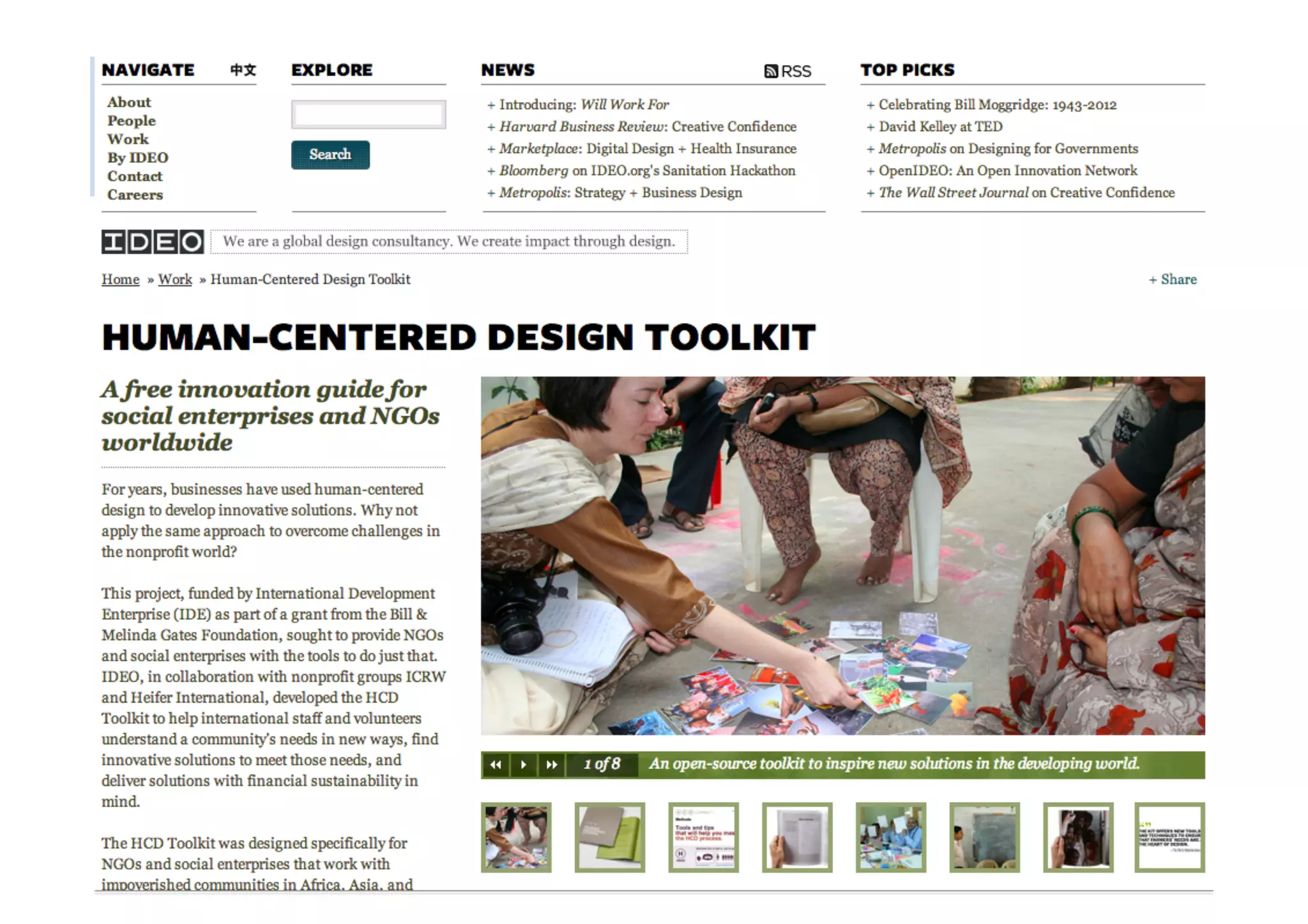



The document outlines the design thinking process for social innovation, emphasizing tools such as empathy maps and personas to address challenges faced by low-income communities. It covers stages of empathy, definition, ideation, prototyping, and testing, encouraging a user-centered approach to innovation. Key examples include providing drinkable water and non-financial services, with insights on understanding user needs to create actionable solutions.


