Downloaded 21 times

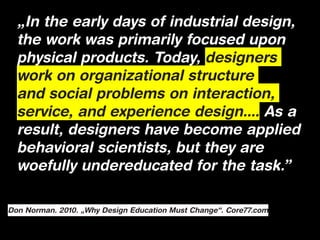
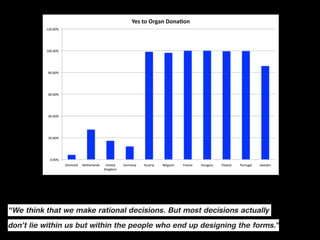
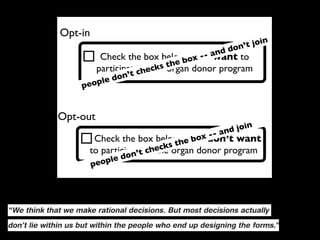
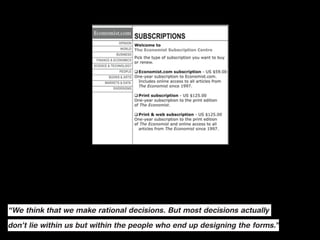
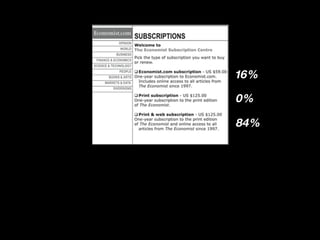

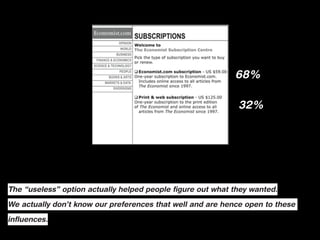



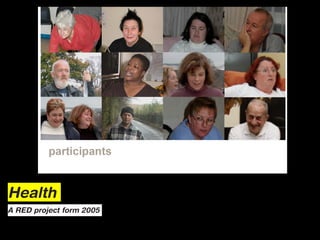
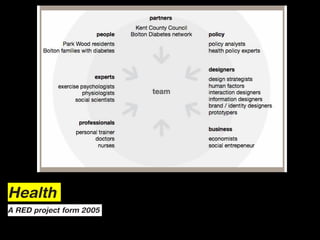



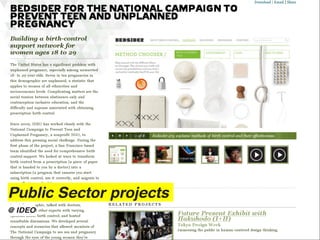
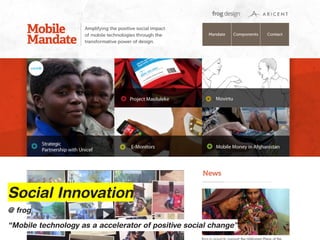
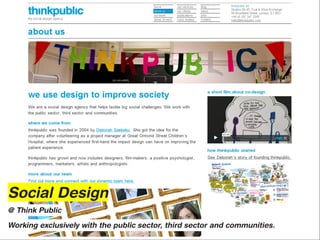
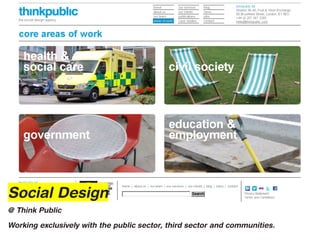
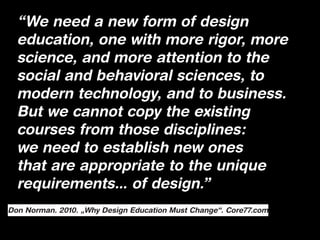


The document discusses how design has evolved from focusing on physical products to also addressing organizational structures, social problems, and human behavior. It notes that designers have become applied behavioral scientists but are undereducated for this task. It provides examples of how behavioral economics and design can be applied to domains like health, insurance, and retirement planning to design more effective policies and tools by understanding cognitive limitations. The document advocates for a new form of design education that incorporates more rigor, science, and attention to social/behavioral sciences, technology, and business to suit the unique requirements of design.


