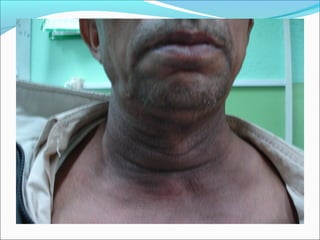
Clinical importance: 
Various spaces in the neck 
18 spaces: suprahyoid and infrahyoid 
Clinically important 
Intercommunication 
infection spreads rapidly: cranial cavity, mediastinum
Clinical importance cont.: 
If not tackle:- Life threatening conditions 
Acute laryngeal oedema 
Upper airway compression 
Involvement of great vessels, cranial nerves 
Severe odynophagia
Important Deep Neck Spaces: 
1. Peritonsillar space 
2. Submaxillary space: sublingual space 
submandibular space 
3. Retropharyngeal space 
4. Parapharyngeal space 
5. Parotid space 
6. Masseteric space 
7. Pre-epiglottic & para-glottic space.
Peritonsillar space: 
Boundary: laterally : superior constrictor 
medially : tonsillar capsule 
Infection: peritonsillitis-> Abscess (quinsy) 
Pathology : as an complication & 
: de novo
Peritonsillar space cont.: 
s/s: 
Pain more severe & unilateral 
Muffled sound (hot potatoes sound) 
Trismus 
Drooling of saliva 
Inflamed soft palate 
Buried tonsils 
Enlarged and tender JD node
Management of 
peritonsillitis: 
Diagnosis: clinically, aspiration of abscess 
Treatment: I/V Ampicillin + cloxacillin & metronidazole 
Anti-inflammatory: Ibuprofen & paracetamol 
Locally antiseptic mouth wash 
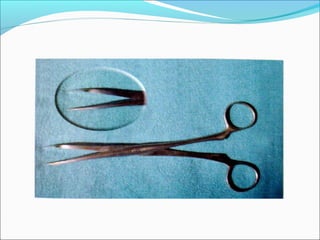
If abscess: I & D of abscess (site of drainage) 
If second attack: tonsillectomy.
Submaxillary space: 
Boundary: 
Superior : mucosa of floor of mouth 
Inferior : deep fascia of neck 
Divided by myelohyoid muscle 
Content: submandibular and sublingual 
salivary glands, lymph nodes.
Sub maxillary space cont: 
Ludwigs angina (inflammation of floor of 
mouth):- Browny Induration 
Pathology: 
Dental origin(80%) 
Inflammation of submandibular salivary gland 
Lymphadenitis 
Trauma floor of mouth
Ludwig’s Angina
Submaxillary space cont.: 
S/S: 
pain 
Swelling of floor of mouth 
Submandibular & submental region 
Trismus 
Diagnosis: clinically 
Treatment: 
Conservative : Antibiotics 
: Anti-inflammatory 
: local antiseptic mouth wash
Submaxillary space cont.: 
Surgical treatment: 
Incision and drainage: wide incision 
Greety sensation 
No pus: usually inflammatory fluid & necrotic tissue 
NB: always pierce myelohyoid muscle.
Retropharyngeal space: 
Boundary: 
Superior : base of skull 
Inferior : posterior mediastinum 
Posterior : pre-vertebral fascia 
Anterior : bucopharyngeal fascia 
Content: Lymph nodes, loose aerolar tissues. 
Pathology:suppuration RP lymph node (Rouviere) 
:Koch’s spine 
:Pharyngeal trauma 
:From other neck spaces
Retropharyngeal space cont: 
S/S: 
Pain, fever 
Odynophagia 
Drooling of saliva 
Stertor: respiratory obstruction 
o/e: bulging of posterior pharyngeal wall 
X-ray soft tissues neck lateral view: increase prevertebral 
soft tissue density.
Retropharyngeal space cont: 
Treatment: 
Conservative: 
Antibiotics 
Anti-inflammatory+ supportive therapy 
Surgical: I&D of most bulging area through trans-oral 
route 
Anaesthesia: blanket anaesthesia 
Position: head down and lateral position
Parapharyngeal space: 
Boundary: 
Superior : base of skull 
Inferior : Hyoid bone 
Medial : pharynx 
Lateral : mandible 
content: great vessels, last 4 cranial nerves, lymph 
nodes, deep lobe of parotid.
Parapharyngeal space cont: 
S/S: 
 Pain, fever, odynophagia 
Drooling of saliva 
Stertor - respiratory obstruction 
O/E: lateral neck swelling 
bulging of lateral pharyngeal wall 
pseudo enlargement of tonsils
Parapharyngeal space cont: 
Treatment: 
Conservative: 
Antibiotics 
Anti-inflammatory + supportive therapy 
Surgical: I&D of most bulging area lateral side of 
neck (external route) 
Anaesthesia: LA or GA 
Position: head turn and lateral position
Deep neck space infections

Deep neck space infections

  • 2.
    Clinical importance: Variousspaces in the neck 18 spaces: suprahyoid and infrahyoid Clinically important Intercommunication infection spreads rapidly: cranial cavity, mediastinum
  • 3.
    Clinical importance cont.: If not tackle:- Life threatening conditions Acute laryngeal oedema Upper airway compression Involvement of great vessels, cranial nerves Severe odynophagia
  • 4.
    Important Deep NeckSpaces: 1. Peritonsillar space 2. Submaxillary space: sublingual space submandibular space 3. Retropharyngeal space 4. Parapharyngeal space 5. Parotid space 6. Masseteric space 7. Pre-epiglottic & para-glottic space.
  • 5.
    Peritonsillar space: Boundary:laterally : superior constrictor medially : tonsillar capsule Infection: peritonsillitis-> Abscess (quinsy) Pathology : as an complication & : de novo
  • 6.
    Peritonsillar space cont.: s/s: Pain more severe & unilateral Muffled sound (hot potatoes sound) Trismus Drooling of saliva Inflamed soft palate Buried tonsils Enlarged and tender JD node
  • 7.
    Management of peritonsillitis: Diagnosis: clinically, aspiration of abscess Treatment: I/V Ampicillin + cloxacillin & metronidazole Anti-inflammatory: Ibuprofen & paracetamol Locally antiseptic mouth wash If abscess: I & D of abscess (site of drainage) If second attack: tonsillectomy.
  • 11.
    Submaxillary space: Boundary: Superior : mucosa of floor of mouth Inferior : deep fascia of neck Divided by myelohyoid muscle Content: submandibular and sublingual salivary glands, lymph nodes.
  • 12.
    Sub maxillary spacecont: Ludwigs angina (inflammation of floor of mouth):- Browny Induration Pathology: Dental origin(80%) Inflammation of submandibular salivary gland Lymphadenitis Trauma floor of mouth
  • 13.
  • 14.
    Submaxillary space cont.: S/S: pain Swelling of floor of mouth Submandibular & submental region Trismus Diagnosis: clinically Treatment: Conservative : Antibiotics : Anti-inflammatory : local antiseptic mouth wash
  • 15.
    Submaxillary space cont.: Surgical treatment: Incision and drainage: wide incision Greety sensation No pus: usually inflammatory fluid & necrotic tissue NB: always pierce myelohyoid muscle.
  • 17.
    Retropharyngeal space: Boundary: Superior : base of skull Inferior : posterior mediastinum Posterior : pre-vertebral fascia Anterior : bucopharyngeal fascia Content: Lymph nodes, loose aerolar tissues. Pathology:suppuration RP lymph node (Rouviere) :Koch’s spine :Pharyngeal trauma :From other neck spaces
  • 18.
    Retropharyngeal space cont: S/S: Pain, fever Odynophagia Drooling of saliva Stertor: respiratory obstruction o/e: bulging of posterior pharyngeal wall X-ray soft tissues neck lateral view: increase prevertebral soft tissue density.
  • 19.
    Retropharyngeal space cont: Treatment: Conservative: Antibiotics Anti-inflammatory+ supportive therapy Surgical: I&D of most bulging area through trans-oral route Anaesthesia: blanket anaesthesia Position: head down and lateral position
  • 21.
    Parapharyngeal space: Boundary: Superior : base of skull Inferior : Hyoid bone Medial : pharynx Lateral : mandible content: great vessels, last 4 cranial nerves, lymph nodes, deep lobe of parotid.
  • 22.
    Parapharyngeal space cont: S/S:  Pain, fever, odynophagia Drooling of saliva Stertor - respiratory obstruction O/E: lateral neck swelling bulging of lateral pharyngeal wall pseudo enlargement of tonsils
  • 23.
    Parapharyngeal space cont: Treatment: Conservative: Antibiotics Anti-inflammatory + supportive therapy Surgical: I&D of most bulging area lateral side of neck (external route) Anaesthesia: LA or GA Position: head turn and lateral position