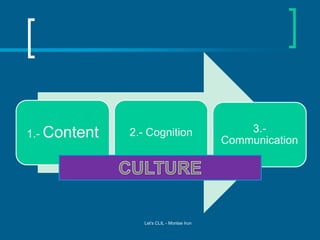
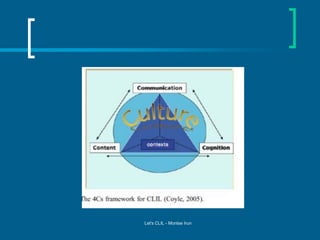
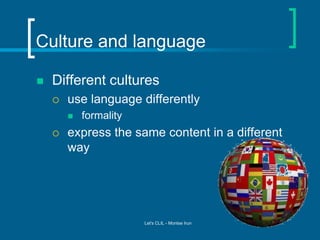
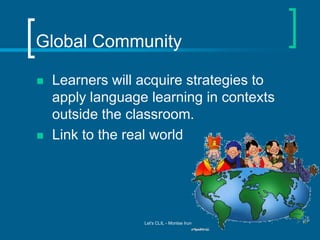
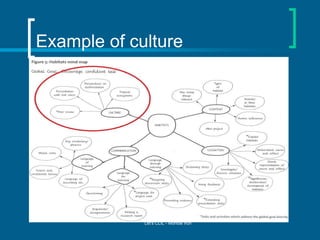
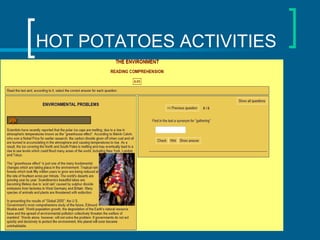
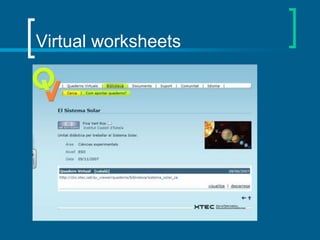
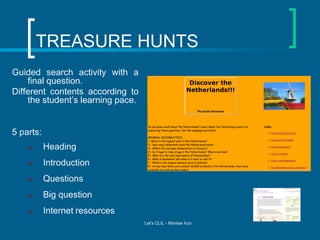
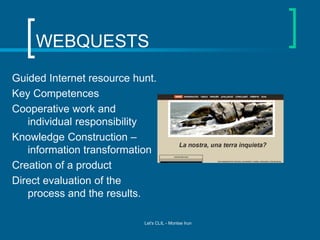
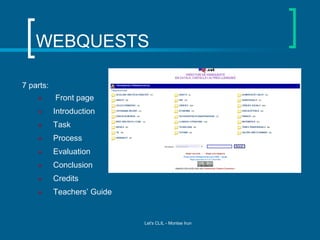

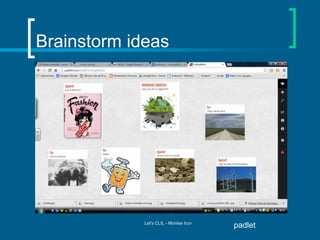
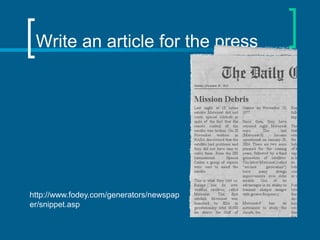
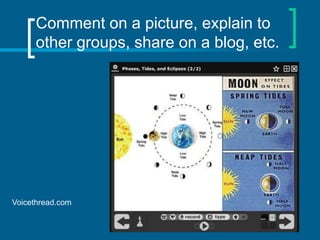
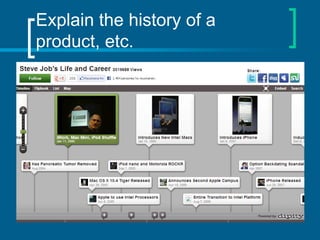
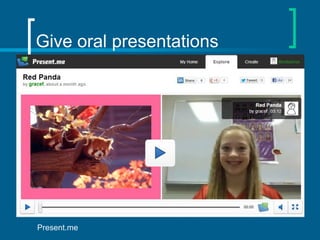
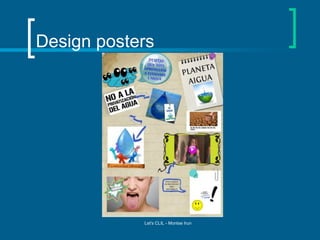
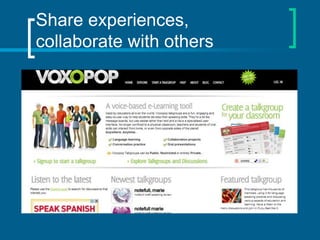


This document discusses culture and materials used in CLIL (Content and Language Integrated Learning) units. It addresses how culture can be integrated into content, cognition, and communication. Authentic materials dealing with real-life habits and traditions of other cultures allow students to make comparisons. Culture also influences how different languages are used, in terms of formality and expression. CLIL tasks aim to help students identify similarities and uniqueness between their own and other social groups. Examples of digital materials discussed for CLIL include virtual worksheets, treasure hunts, webquests, brainstorming tools, newspaper generators, voicethreading, and presentation and poster design software to facilitate project-based learning.


