Biological Science
B I O L O G Y
Dr. Maria Belen Ynzon Gusto
DDM, BSED Major in
Biological Science, MED Major in
Chemistry (ongoing)
Faculty at FQDMFSSHS
Biology and Basic Physics
Science
- Careful
- Disciplined
- Logical search for
knowledge
• all aspect of the
universe and
always subject to
correction and
improvement
upon discovery of
better evidence.
Scientific Method
• Logical way to solve a
problem or answer a
question
Steps
1. Observation
2. Formulation of
hypothesis
3. Collecting data
4. Publishing results
5. Forming a theory
6. Developing a new
hypothesis
7. Revising the theory
Fields of Science
• Natural Science – deal with nature
a. Physical Science – deals with the study of
nonliving things
ex. Chemistry, Physics. Astronomy
b. Biological Sciences – deals with the study of
living things
ex. Biology, Botany, Zoology, Ornithology
Social Sciences – deal with
human relations or the study of
man in his group activities.
Ex. History, Economics, Political
Science
Pure and Applied Science
Pure science – basic research done for
the sake of knowledge itself.
Applied science – makes practical use
of this knowledge.
BIOLOGY
-is the science of life
-- it is the study of the
structures, functions and
relationships of living-things or
organisms.
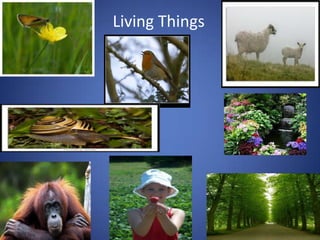
Living Things
Structure – refers to the way the
body is organized.
All forms of life are made up of
the same basic structural unit
that carries on the basic
functions necessary for the
maintenance and the
perpetuation of life.
Characteristics of Life
1. Movement/Locomotion
2. Excretion
3. Reproduction
4. Respiration/Homeostasis
5. Irritability/Sensitivity/Adaptability
6. Nutrition
7. Growth
Brief History of Biology
The early Greeks were the first
known biologists
- Biological investigations and
everything in nature was controlled
by different gods.
Natural Philosophers
• Aristotle – the Father of Biology, was one of the
greatest natural philosophers who lived in the
Golden Age of Greece
• Galen – a Roman physician, became the greatest
authority of the human anatomy, obtained
knowledge from the dissection of animals.
• Andreas Vesalius
• William Harvey – he study and trace the
circulation of blood
Marie Francois Bichat-discovered that
organs were composed of tissues.
Carolous Linnaeus-binomial system of
nomenclature
Robert Hooke-discovered cell as the
basic unit of structure of tissues
Anton Van Leeuwenhoek-microscope
Louis Pasteur
• Gregor Mendel
• Charles Darwin
• Alexander Fleming
• James Watson and Francis Crick-DNA double
helix model
• Frederick Sanger and Walter Gilbert-DNA
sequencing technology
• Georges J.F Kohler and Cesar Milstein-use
antibodies in medicine as diagnostic and
therapeutic agents
• Kary Mullis-polymerase chain reaction-
diagnosis of genetic diseases
FIELDS OF BIOLOGY
• Biology is the science of life.
Two major divisions are:
a. Botany-the study of plants or flora
b. Zoology-the study of animals or
fauna
Areas of specialization
A. Morphology-study of structures and
forms
1. Gross Morphology- study of external
structures
2. Anatomy-study of internal structures
as revealed by dissection
a. Cytology-the study of the structure
and functions of cells.
b. Histology-the study of tissues
c. Organology-the study of organs
3. Physiology- the study and functions of
parts of an organism
4. Ecology- the study of the relationship
between the organism and its
environment
5.Taxonomy- the study of the systemic
classification and scientific naming of
organisms
6. Genetics- the study of heredity and
7. Embryology- the study of the growth and
development of an organism within the
fertilized egg
8. Evolution- the study of origin and
differentiation of different kinds of organisms
9. Paleontology- the study of fossils of living
things and their distribution in time
10. Pathology- the study of plant and animal
diseases
11. Biochemistry- the study of chemical
processes occurring within the living matter
12. Entomology- the study of insects
13. Helminthology- the study of worms
14. Ichthyology- the study of fishes
15. Ornithology- the study of birds
16. Herpetology- the study of reptiles
17. Malacology- the study of mollusks
18. Protozoology- the study of protozoans
19. Conchology- the study of shells
20. Anthropology- the study of man
21. Mammalogy- the study of mammals
22. Phycology- the study of algae
23. Mycology- the study of fungi
24. Pteridology- the study of ferns
25.Agrostology- the study of grasses
26. Bacteriology- the study of bacteria
27. Microbiology- the study of microscopic
organisms
28. Lichenology- the study of lichens
Modern Biological Tools and Techniques
1. Microscopy – examine small objects
2. Cell and Tissue Culture – grow cells or
tissues outside the living organism
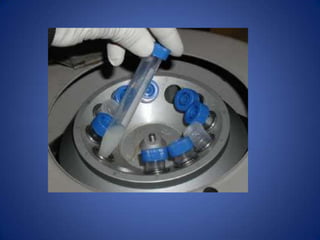
3. Centrifugation – separates cells or cell
organelles
4. Chromatography - purify biological
molecules
5. Gel Electrophoresis – separate and visualize
proteins or nucleic acids
6. Spectrophotometry – determine the
concentration of proteins or nucleic acids in a
solution
7. Polymerase Chain Reaction – make copies of
a given DNA fragment using an enzyme
called DNA polymerase
8 DNA Sequencing – determine the sequence of
nucleic acids present in a given gene of DNA
fragment
9. Immunoassays – identify a particular disease
or the presence of bacterial and viral infections
ex. Pregnancy test
10. DNA Cloning – used to produce large
quantities of specific DNA fragments
11. Microarrays (Gene Chips) – used to identify
genes involved in the different processes inside
the cell
Summary:
Biology – is the science that deals with the
study of life processes of living organisms and
the search for solutions to problems associated
with them.
Biologists – use the scientific method to solve
biological problems
Biology is divided into many branches and
specialized fields that correlate and overlap
with one another.
The study of Biology is important because it
helps us to understand the hows and whys of
living systems
Living things exhibit unique characteristics that
make them different from non-living things.
Modern biology is the study of organized
knowledge contributed by many biologists from
different generations.
There is a wide variety of choices in terms of
career options and opportunities in biology.
The raid advancements in biology is the result
of the development of modern tools and
techniques to study biological problems.
Twenty-first century biology is characterized by
rapid developments in biotechnology and
molecular biology.

Chapter 1 Introduction to Biology

  • 1.
  • 2.
    Dr. Maria BelenYnzon Gusto DDM, BSED Major in Biological Science, MED Major in Chemistry (ongoing) Faculty at FQDMFSSHS Biology and Basic Physics
  • 3.
    Science - Careful - Disciplined -Logical search for knowledge • all aspect of the universe and always subject to correction and improvement upon discovery of better evidence.
  • 4.
    Scientific Method • Logicalway to solve a problem or answer a question Steps 1. Observation 2. Formulation of hypothesis 3. Collecting data 4. Publishing results 5. Forming a theory 6. Developing a new hypothesis 7. Revising the theory
  • 5.
    Fields of Science •Natural Science – deal with nature a. Physical Science – deals with the study of nonliving things ex. Chemistry, Physics. Astronomy b. Biological Sciences – deals with the study of living things ex. Biology, Botany, Zoology, Ornithology
  • 6.
    Social Sciences –deal with human relations or the study of man in his group activities. Ex. History, Economics, Political Science
  • 7.
    Pure and AppliedScience Pure science – basic research done for the sake of knowledge itself. Applied science – makes practical use of this knowledge.
  • 8.
    BIOLOGY -is the scienceof life -- it is the study of the structures, functions and relationships of living-things or organisms.
  • 9.
  • 10.
    Structure – refersto the way the body is organized. All forms of life are made up of the same basic structural unit that carries on the basic functions necessary for the maintenance and the perpetuation of life.
  • 11.
    Characteristics of Life 1.Movement/Locomotion 2. Excretion 3. Reproduction 4. Respiration/Homeostasis 5. Irritability/Sensitivity/Adaptability 6. Nutrition 7. Growth
  • 12.
    Brief History ofBiology The early Greeks were the first known biologists - Biological investigations and everything in nature was controlled by different gods.
  • 13.
    Natural Philosophers • Aristotle– the Father of Biology, was one of the greatest natural philosophers who lived in the Golden Age of Greece • Galen – a Roman physician, became the greatest authority of the human anatomy, obtained knowledge from the dissection of animals. • Andreas Vesalius • William Harvey – he study and trace the circulation of blood
  • 14.
    Marie Francois Bichat-discoveredthat organs were composed of tissues. Carolous Linnaeus-binomial system of nomenclature Robert Hooke-discovered cell as the basic unit of structure of tissues Anton Van Leeuwenhoek-microscope Louis Pasteur
  • 15.
    • Gregor Mendel •Charles Darwin • Alexander Fleming • James Watson and Francis Crick-DNA double helix model • Frederick Sanger and Walter Gilbert-DNA sequencing technology • Georges J.F Kohler and Cesar Milstein-use antibodies in medicine as diagnostic and therapeutic agents • Kary Mullis-polymerase chain reaction- diagnosis of genetic diseases
  • 16.
    FIELDS OF BIOLOGY •Biology is the science of life. Two major divisions are: a. Botany-the study of plants or flora b. Zoology-the study of animals or fauna
  • 17.
    Areas of specialization A.Morphology-study of structures and forms 1. Gross Morphology- study of external structures 2. Anatomy-study of internal structures as revealed by dissection a. Cytology-the study of the structure and functions of cells.
  • 18.
    b. Histology-the studyof tissues c. Organology-the study of organs 3. Physiology- the study and functions of parts of an organism 4. Ecology- the study of the relationship between the organism and its environment 5.Taxonomy- the study of the systemic classification and scientific naming of organisms 6. Genetics- the study of heredity and
  • 19.
    7. Embryology- thestudy of the growth and development of an organism within the fertilized egg 8. Evolution- the study of origin and differentiation of different kinds of organisms 9. Paleontology- the study of fossils of living things and their distribution in time 10. Pathology- the study of plant and animal diseases 11. Biochemistry- the study of chemical processes occurring within the living matter
  • 20.
    12. Entomology- thestudy of insects 13. Helminthology- the study of worms 14. Ichthyology- the study of fishes 15. Ornithology- the study of birds 16. Herpetology- the study of reptiles 17. Malacology- the study of mollusks 18. Protozoology- the study of protozoans 19. Conchology- the study of shells 20. Anthropology- the study of man 21. Mammalogy- the study of mammals 22. Phycology- the study of algae 23. Mycology- the study of fungi
  • 21.
    24. Pteridology- thestudy of ferns 25.Agrostology- the study of grasses 26. Bacteriology- the study of bacteria 27. Microbiology- the study of microscopic organisms 28. Lichenology- the study of lichens
  • 22.
    Modern Biological Toolsand Techniques 1. Microscopy – examine small objects 2. Cell and Tissue Culture – grow cells or tissues outside the living organism 3. Centrifugation – separates cells or cell organelles 4. Chromatography - purify biological molecules 5. Gel Electrophoresis – separate and visualize proteins or nucleic acids
  • 23.
    6. Spectrophotometry –determine the concentration of proteins or nucleic acids in a solution 7. Polymerase Chain Reaction – make copies of a given DNA fragment using an enzyme called DNA polymerase 8 DNA Sequencing – determine the sequence of nucleic acids present in a given gene of DNA fragment 9. Immunoassays – identify a particular disease or the presence of bacterial and viral infections ex. Pregnancy test
  • 24.
    10. DNA Cloning– used to produce large quantities of specific DNA fragments 11. Microarrays (Gene Chips) – used to identify genes involved in the different processes inside the cell
  • 27.
    Summary: Biology – isthe science that deals with the study of life processes of living organisms and the search for solutions to problems associated with them. Biologists – use the scientific method to solve biological problems Biology is divided into many branches and specialized fields that correlate and overlap with one another.
  • 28.
    The study ofBiology is important because it helps us to understand the hows and whys of living systems Living things exhibit unique characteristics that make them different from non-living things. Modern biology is the study of organized knowledge contributed by many biologists from different generations.
  • 29.
    There is awide variety of choices in terms of career options and opportunities in biology. The raid advancements in biology is the result of the development of modern tools and techniques to study biological problems. Twenty-first century biology is characterized by rapid developments in biotechnology and molecular biology.