Downloaded 511 times
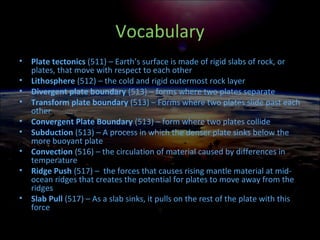
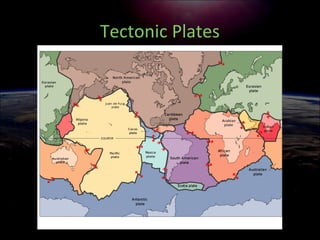
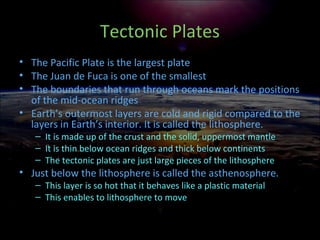
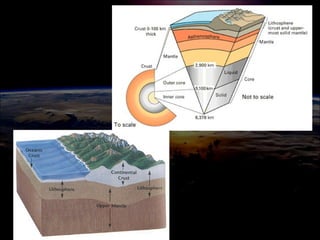
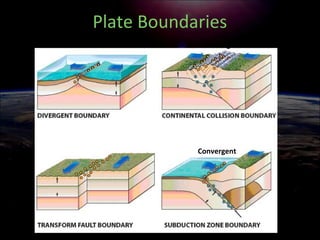
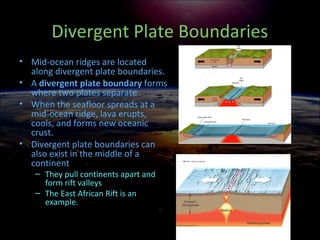
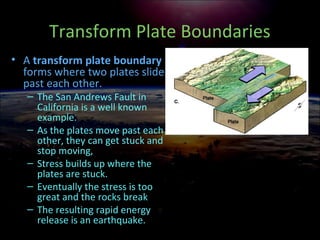
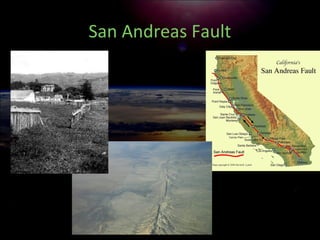
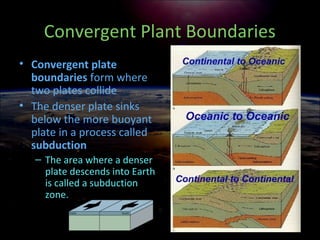
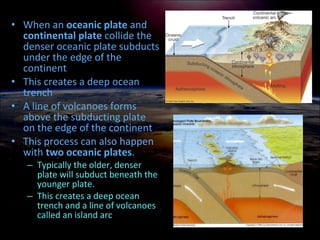
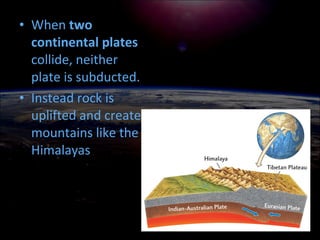
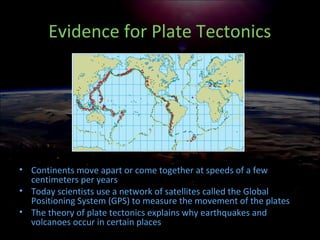
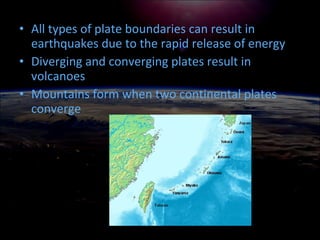
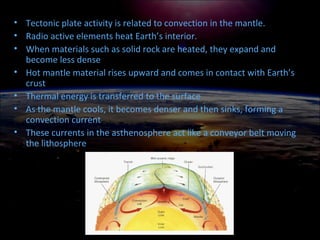
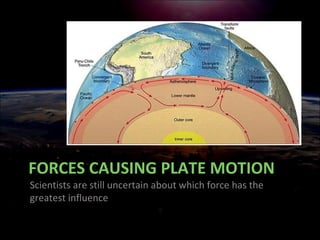
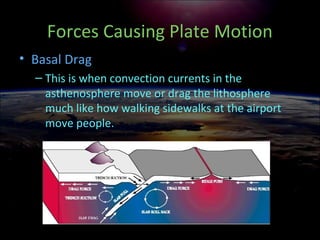
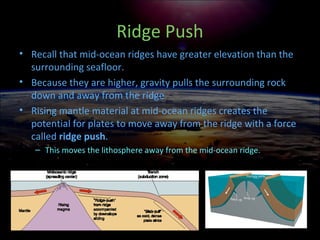
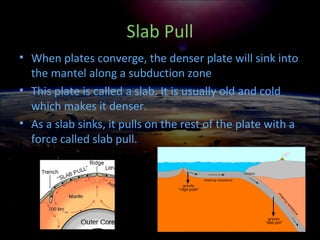

The theory of plate tectonics describes Earth's surface as consisting of rigid slabs, or tectonic plates, that shift over the hot and semi-plastic mantle, resulting in the creation and destruction of the crust. It explains various geological phenomena, including earthquakes, volcanic eruptions, and mountain formation through different types of plate boundaries: divergent, convergent, and transform. Despite its success as a unifying theory in geology, several questions regarding the forces driving plate motion and unique aspects of Earth's tectonics remain unanswered.


