Every Child, Every Day:
Creating Readers
Faye	
  Brownlie	
  
Brandon	
  Reading	
  Council	
  
Feb.	
  25,	
  2014	
  
www.slideshare.et/fayebrownlie/
brandon	
  
Learning Intentions
•  I	
  can	
  find	
  evidence	
  of	
  current	
  reading	
  research	
  
and	
  the	
  big	
  ideas	
  of	
  literacy	
  in	
  my	
  pracEce	
  and	
  
become	
  curious	
  about	
  incorporaEng	
  a	
  pracEce	
  
that	
  is	
  different	
  to	
  me	
  
•  I	
  am	
  leaving	
  with	
  a	
  quesEon	
  and	
  a	
  plan	
  
•  	
  Richard	
  Allington	
  and	
  Rachael	
  Gabriel	
  (EducaEonal	
  
Leadership,	
  March,	
  2012)	
  have	
  proposed	
  6	
  teaching	
  
pracEces	
  that	
  if	
  applied	
  daily,	
  greatly	
  improve	
  all	
  
students'	
  chances	
  in	
  becoming	
  readers.	
  	
  Their	
  
pracEces:	
  	
  choice,	
  accuracy,	
  understanding,	
  personally	
  
meaningful	
  wriEng,	
  talk,	
  and	
  listening	
  to	
  a	
  fluent	
  
reader.	
  	
  We	
  will	
  examine	
  how	
  to	
  include	
  each	
  of	
  these	
  
pracEces	
  throughout	
  the	
  day	
  and	
  how	
  these	
  pracEces	
  
support	
  improved	
  student	
  reading	
  for	
  all	
  students	
  -­‐	
  
from	
  those	
  who	
  need	
  addiEonal	
  support	
  and	
  ELL	
  to	
  
passionate	
  readers.	
  	
  Using	
  early	
  years	
  and	
  middle	
  years	
  
examples,	
  come	
  and	
  see	
  how	
  to	
  create	
  readers	
  who	
  
not	
  only	
  CAN	
  read,	
  but	
  WANT	
  to	
  read!	
  
“Every	
  Child,	
  Every	
  Day”	
  –	
  Richard	
  Allington	
  and	
  
Rachael	
  Gabriel	
  
In	
  EducaEonal	
  Leadership,	
  March	
  2012	
  
6	
  elements	
  of	
  instrucEon	
  for	
  ALL	
  students!	
  
1.	
  	
  Every	
  child	
  reads	
  something	
  he	
  or	
  she	
  
chooses.	
  
2.  Every	
  child	
  reads	
  accurately.	
  
-­‐intensity	
  and	
  volume	
  count!	
  
-­‐98%	
  accuracy	
  
-­‐less	
  than	
  90%	
  accuracy,	
  doesn’t	
  improve	
  
reading	
  at	
  all	
  
Our key questions:

Did	
  that	
  make	
  sense?	
  
Our key questions:	
  

How	
  did	
  you	
  figure	
  that	
  out?	
  
M	
  –	
  meaning	
  
Does	
  this	
  make	
  sense?	
  
S	
  –	
  language	
  structure	
  
Does	
  this	
  sound	
  right?	
  
V	
  –	
  visual	
  informaEon	
  
Does	
  this	
  look	
  right?	
  
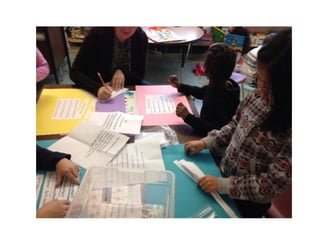
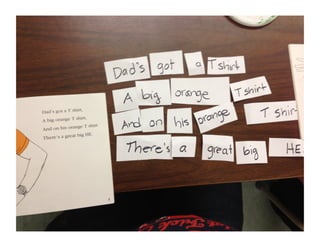
•  Building accuracy, fluency, and
understanding with repeated readings in
different ways, often in literacy centres.
3.  Every	
  child	
  reads	
  something	
  he	
  or	
  she	
  
understands.	


  -­‐at	
  least	
  2/3	
  of	
  Eme	
  spent	
  reading	
  and	
  
rereading	
  NOT	
  doing	
  isolated	
  skill	
  pracEce	
  or	
  
worksheets	


  -­‐build	
  background	
  knowledge	
  before	
  
entering	
  the	
  text	


  -­‐read	
  with	
  quesEons	
  in	
  mind	


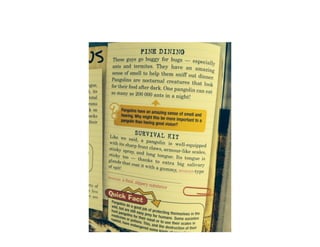
Background Knowledge
Close Reading
Think Aloud
Inquiry
How do animals adapt?
Background	
  knowledge	
  has	
  a	
  greater	
  impact	
  on	
  
adolescents	
  being	
  able	
  to	
  read	
  a	
  text	
  than	
  
anything	
  else.	


  -­‐Doug	
  Fisher,	
  Richard	
  Allington	
  
Why is this adaptation the best for
this environment?
•  Examine	
  the	
  pictures,	
  the	
  capEons	
  and	
  the	
  
graphics,	
  the	
  text	
  
•  Look	
  for	
  what	
  strikes	
  you,	
  what	
  jumps	
  out	
  as	
  
unique	
  and/or	
  important	
  to	
  remember	
  
•  Place	
  3	
  post-­‐it	
  notes	
  on	
  3	
  different	
  points	
  that	
  
support	
  your	
  inquiry/argument	
  
•  Come	
  to	
  the	
  circle	
  to	
  start	
  the	
  conversaEon	
  
with	
  the	
  informaEon	
  behind	
  the	
  post-­‐it	
  notes	
  
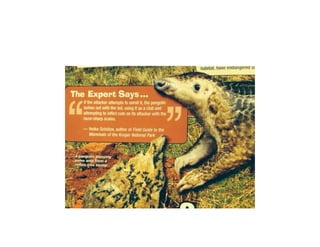
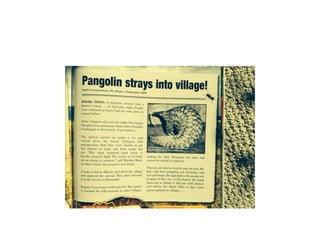
The 10
A Scholastic Series for Inquiry
Editor: Jeff Wilhelm
•  100	
  Etles	
  grades	
  6-­‐10	
  
•  50	
  Etles	
  grades	
  4-­‐8	
  
Smartest Adaptations in Nature
-Scholastic	
  
Think Aloud
• 
• 
• 
• 
• 
• 

Gradual	
  release	
  
Builds	
  interest	
  and	
  background	
  knowledge	
  
Builds	
  oral	
  language	
  
Introduces	
  key	
  concepts	
  and	
  vocabulary	
  
Builds	
  quesEons	
  
Models	
  and	
  pracEces	
  ‘close’	
  reading	
  
4.  Every	
  child	
  writes	
  about	
  something	
  
personally	
  meaningful.	
  
	
  -­‐connected	
  to	
  text	
  
	
  -­‐connected	
  to	
  themselves	
  
	
  -­‐real	
  purpose,	
  real	
  audience	
  
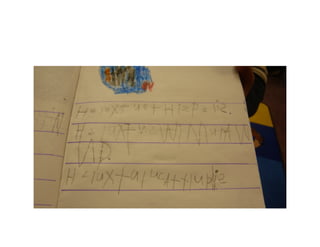
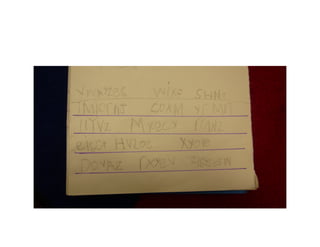
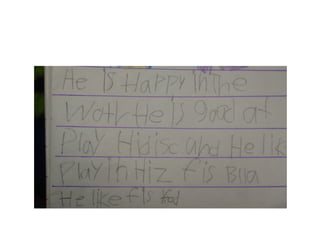
K/Grade	
  1	
  WriEng	
  
Commons	
  &	
  Jakovac	
  
Samples	
  from	
  June	
  7th,	
  2012	
  
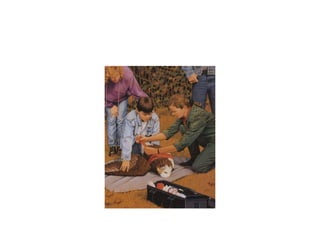
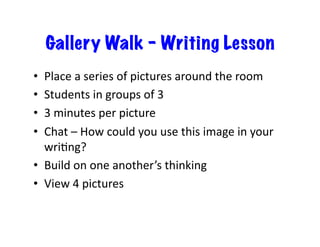
Gallery Walk – Writing Lesson
Place	
  a	
  series	
  of	
  pictures	
  around	
  the	
  room	
  
Students	
  in	
  groups	
  of	
  3	
  
3	
  minutes	
  per	
  picture	
  
Chat	
  –	
  How	
  could	
  you	
  use	
  this	
  image	
  in	
  your	
  
wriEng?	
  
•  Build	
  on	
  one	
  another’s	
  thinking	
  
•  View	
  4	
  pictures	
  
• 
• 
• 
• 
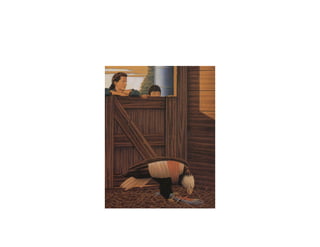
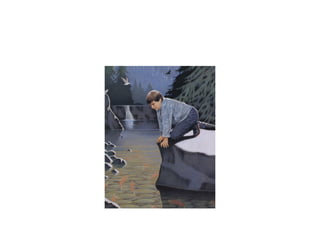
•  Eagle	
  Dreams	
  -­‐	
  	
  Wri.en	
  by	
  Sheryl	
  McFarlane	
  ;	
  
Illustra;ons	
  by	
  Ron	
  Lightburn;	
  	
  
•  ISBN:	
  1-­‐55143-­‐016-­‐9	
  
•  Task:	
  	
  a	
  piece	
  of	
  wriEng,	
  choose	
  your	
  genre,	
  
think	
  about	
  the	
  criteria	
  
•  As	
  you	
  are	
  moving	
  to	
  your	
  desk,	
  keep	
  walking	
  
unEl	
  you	
  have	
  your	
  first	
  line	
  in	
  your	
  head	
  
•  12	
  minutes	
  to	
  write	
  
•  As	
  students	
  are	
  wriEng,	
  move	
  about	
  the	
  room,	
  
underlining	
  something	
  powerful	
  (criteria	
  
connected)	
  in	
  each	
  person’s	
  wriEng	
  
•  Each	
  student	
  shares	
  what	
  was	
  underlined	
  
•  Listen	
  to	
  hear	
  something	
  you	
  might	
  want	
  to	
  
borrow	
  
•  As	
  a	
  class,	
  decide	
  on	
  why	
  each	
  was	
  underlined	
  
•  Create	
  the	
  criteria:	
  
–  Words	
  that	
  are	
  WOW	
  
–  Details	
  that	
  showed	
  emoEon	
  or	
  made	
  a	
  picture	
  
–  Hook	
  –	
  first	
  line	
  made	
  me	
  want	
  to	
  keep	
  reading	
  
Sample	
  1	
  
One	
  cool	
  and	
  breezy	
  night,	
  in	
  a	
  prairie,	
  a	
  boy	
  sat	
  
on	
  the	
  rim	
  of	
  his	
  open	
  window,	
  looking	
  out	
  at	
  
the	
  moon,	
  hoping	
  for	
  something	
  to	
  happen.	
  	
  
Aqer	
  a	
  few	
  minutes,	
  he	
  went	
  back	
  in	
  and	
  close	
  
his	
  window.	
  	
  Robin	
  sighed.	
  “I	
  wished	
  my	
  life	
  
has	
  more	
  excitement	
  in	
  it,	
  “	
  he	
  thought,	
  
before	
  he	
  turned	
  off	
  his	
  light	
  and	
  went	
  to	
  bed,	
  	
  
he	
  took	
  one	
  quick	
  look	
  at	
  his	
  kite	
  on	
  top	
  of	
  his	
  
bed	
  that’s	
  shaped	
  like	
  an	
  eagle,	
  and	
  went	
  to	
  
sleep.	
  
Sample	
  3	
  
Once	
  upon	
  a	
  Eme	
  there	
  was	
  a	
  boy	
  that	
  was	
  facinated	
  by	
  eagles,	
  he	
  
asked	
  his	
  father	
  to	
  get	
  one	
  for	
  him	
  but	
  he	
  couldn’t.	
  	
  Then	
  the	
  boy	
  
thought	
  about	
  a	
  way	
  to	
  catch	
  an	
  eagle	
  and	
  then	
  a	
  different	
  gender	
  
one	
  for	
  more	
  eagles.	
  	
  Delighted	
  with	
  his	
  idea	
  that	
  he	
  thought	
  of	
  last	
  
night,	
  he	
  conEnued	
  his	
  plan.	
  	
  He	
  put	
  3	
  fishes	
  in	
  the	
  open	
  with	
  a	
  
trap,	
  and	
  went	
  to	
  bed.	
  	
  Then	
  he	
  heard	
  a	
  noise	
  that	
  sounded	
  like	
  an	
  
eagle.	
  	
  When	
  he	
  had	
  checked	
  the	
  trap,	
  he	
  found	
  an	
  eagle	
  that	
  was	
  
in	
  his	
  trap.	
  	
  Happily	
  jumping	
  around,	
  the	
  eagle	
  made	
  him	
  inspired	
  to	
  
make	
  a	
  home	
  for	
  the	
  eagle.	
  	
  He	
  created	
  a	
  bond	
  with	
  the	
  eagle.	
  	
  He	
  
remembered	
  how	
  much	
  his	
  father	
  despised	
  eagles.	
  	
  He	
  lead	
  the	
  
eagle	
  to	
  a	
  secret	
  place	
  in	
  the	
  forest	
  where	
  his	
  father	
  never	
  went.	
  	
  
He	
  came	
  downstairs	
  and	
  his	
  father	
  was	
  in	
  a	
  rage.	
  	
  He	
  threatened	
  to	
  
ground	
  his	
  son	
  if	
  he	
  didn’t	
  kill	
  the	
  eagles.	
  Shocked,	
  the	
  boy	
  asked	
  
why	
  he	
  told	
  him	
  so.	
  	
  The	
  father	
  said	
  they	
  …	
  
Sample	
  4	
  
At	
  Sunday,	
  the	
  Ximing	
  and	
  his	
  father	
  mother	
  go	
  
travel.	
  	
  On,	
  Ximing	
  say	
  “I’m	
  see	
  a	
  eagle!”	
  	
  His	
  
father	
  and	
  his	
  mother	
  is	
  going	
  to	
  his.	
  	
  And	
  his	
  
mother	
  say	
  “Oh,	
  Help	
  it!”	
  	
  OK.	
  	
  It	
  was	
  heal.	
  	
  OK.	
  	
  
We	
  are	
  go	
  back	
  home!	
  
At	
  home:	
  
Today	
  is	
  very	
  funning.	
  Because	
  we	
  are	
  helpa	
  eagle!	
  	
  
I’m	
  so	
  happy	
  now!	
  Ximing	
  is	
  Eme	
  to	
  eat	
  a	
  dinner	
  
say	
  mother	
  say	
  …	
  
•  Kids	
  can	
  add/edit/conEnue	
  to	
  work	
  
•  Set	
  up	
  for	
  next	
  class	
  

–  Work	
  on	
  same	
  criteria	
  
–  Hear	
  again,	
  pieces	
  that	
  work	
  
–  Move	
  to	
  where	
  kids	
  can	
  idenEfy	
  criteria	
  in	
  their	
  own	
  
work	
  and	
  ask	
  for	
  help	
  with	
  criteria	
  that	
  are	
  struggling	
  
with	
  

•  Aqer	
  repeated	
  pracEce,	
  students	
  choose	
  one	
  
piece	
  to	
  work	
  up,	
  edit,	
  revise,	
  and	
  hand	
  in	
  for	
  
marking	
  
•  Feedback	
  is	
  conEnuous,	
  personal,	
  Emely,	
  focused	
  
5.	
  	
  Every	
  child	
  talks	
  with	
  peers	
  about	
  reading	
  
and	
  wriEng.	
  
6.  Every	
  child	
  listens	
  to	
  a	
  fluent	
  adult	
  read	
  
aloud.	


  -­‐different	
  kinds	
  of	
  text	


  -­‐with	
  some	
  commentary	
  
1.  Every	
  child	
  reads	
  something	
  he	
  or	
  she	
  chooses.	
  
2.  Every	
  child	
  reads	
  accurately.	
  
3.  Every	
  child	
  reads	
  something	
  he	
  or	
  she	
  
understands.	
  
4.  Every	
  child	
  writes	
  about	
  something	
  personally	
  
meaningful.	
  
5.  Every	
  child	
  talks	
  with	
  peers	
  about	
  reading	
  and	
  
wriEng.	
  
6.  Every	
  child	
  listens	
  to	
  a	
  fluent	
  adult	
  read	
  aloud.	
  
CR4YR Results 201213
•  The	
  struggling	
  readers	
  who	
  were	
  given	
  MORE	
  
choice	
  tended	
  to	
  close	
  the	
  gap	
  more.	
  
•  The	
  more	
  readers	
  struggled,	
  the	
  less	
  choice	
  
they	
  received.	
  	
  Those	
  who	
  made	
  the	
  least	
  
progress	
  had	
  the	
  LEAST	
  choice.	
  
•  Readers	
  who	
  are	
  NOT	
  struggling	
  tend	
  to	
  have	
  
choice.	
  
According	
  to	
  teachers,	
  what	
  worked	
  in	
  CR4YR	
  
2012-­‐13?	
  
For	
  students	
  who	
  showed	
  major	
  gains,	
  what	
  worked	
  was:	
  
•  1:1	
  support	
  (this	
  didn’t	
  necessarily	
  mean	
  pull	
  out)	
  
•  feeling	
  safe	
  and	
  supported;	
  relaEonships	
  
•  choice/personalizaEon	
  (kids	
  who	
  struggled	
  the	
  most	
  oqen	
  
had	
  the	
  least	
  amount	
  of	
  choice)	
  
•  A	
  focus	
  on	
  purpose	
  and	
  meaning	
  	
  
Sharon	
  Jeroski,	
  August	
  2013	
  
sjeroski@shaw.ca	
  
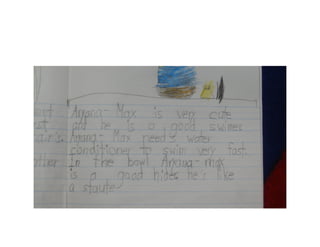
No fun grade one.
YIKES….!!!
•  What’s	
  your	
  plan?	
  
•  Who	
  will	
  you	
  work	
  with?	
  
•  How	
  will	
  you	
  know	
  that	
  what	
  you	
  have	
  done	
  is	
  
making	
  a	
  difference?	
  

Brandon.every child, every day.2014

  • 1.
    Every Child, EveryDay: Creating Readers Faye  Brownlie   Brandon  Reading  Council   Feb.  25,  2014   www.slideshare.et/fayebrownlie/ brandon  
  • 2.
    Learning Intentions •  I  can  find  evidence  of  current  reading  research   and  the  big  ideas  of  literacy  in  my  pracEce  and   become  curious  about  incorporaEng  a  pracEce   that  is  different  to  me   •  I  am  leaving  with  a  quesEon  and  a  plan  
  • 3.
    •   Richard  Allington  and  Rachael  Gabriel  (EducaEonal   Leadership,  March,  2012)  have  proposed  6  teaching   pracEces  that  if  applied  daily,  greatly  improve  all   students'  chances  in  becoming  readers.    Their   pracEces:    choice,  accuracy,  understanding,  personally   meaningful  wriEng,  talk,  and  listening  to  a  fluent   reader.    We  will  examine  how  to  include  each  of  these   pracEces  throughout  the  day  and  how  these  pracEces   support  improved  student  reading  for  all  students  -­‐   from  those  who  need  addiEonal  support  and  ELL  to   passionate  readers.    Using  early  years  and  middle  years   examples,  come  and  see  how  to  create  readers  who   not  only  CAN  read,  but  WANT  to  read!  
  • 4.
    “Every  Child,  Every  Day”  –  Richard  Allington  and   Rachael  Gabriel   In  EducaEonal  Leadership,  March  2012   6  elements  of  instrucEon  for  ALL  students!  
  • 5.
    1.    Every  child  reads  something  he  or  she   chooses.  
  • 6.
    2.  Every  child  reads  accurately.   -­‐intensity  and  volume  count!   -­‐98%  accuracy   -­‐less  than  90%  accuracy,  doesn’t  improve   reading  at  all  
  • 7.
    Our key questions: Did  that  make  sense?  
  • 8.
    Our key questions:   How  did  you  figure  that  out?  
  • 9.
    M  –  meaning   Does  this  make  sense?   S  –  language  structure   Does  this  sound  right?   V  –  visual  informaEon   Does  this  look  right?  
  • 10.
    •  Building accuracy,fluency, and understanding with repeated readings in different ways, often in literacy centres.
  • 14.
    3.  Every  child  reads  something  he  or  she   understands.      -­‐at  least  2/3  of  Eme  spent  reading  and   rereading  NOT  doing  isolated  skill  pracEce  or   worksheets      -­‐build  background  knowledge  before   entering  the  text      -­‐read  with  quesEons  in  mind        
  • 15.
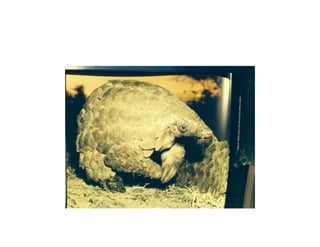
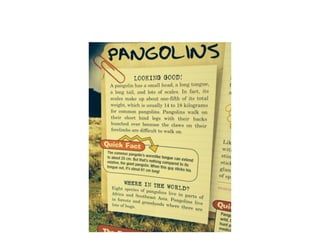
    Background Knowledge Close Reading ThinkAloud Inquiry How do animals adapt?
  • 16.
    Background  knowledge  has  a  greater  impact  on   adolescents  being  able  to  read  a  text  than   anything  else.        -­‐Doug  Fisher,  Richard  Allington  
  • 19.
    Why is thisadaptation the best for this environment? •  Examine  the  pictures,  the  capEons  and  the   graphics,  the  text   •  Look  for  what  strikes  you,  what  jumps  out  as   unique  and/or  important  to  remember   •  Place  3  post-­‐it  notes  on  3  different  points  that   support  your  inquiry/argument   •  Come  to  the  circle  to  start  the  conversaEon   with  the  informaEon  behind  the  post-­‐it  notes  
  • 25.
    The 10 A ScholasticSeries for Inquiry Editor: Jeff Wilhelm •  100  Etles  grades  6-­‐10   •  50  Etles  grades  4-­‐8   Smartest Adaptations in Nature -Scholastic  
  • 26.
    Think Aloud •  •  •  •  •  •  Gradual  release   Builds  interest  and  background  knowledge   Builds  oral  language   Introduces  key  concepts  and  vocabulary   Builds  quesEons   Models  and  pracEces  ‘close’  reading  
  • 27.
    4.  Every  child  writes  about  something   personally  meaningful.    -­‐connected  to  text    -­‐connected  to  themselves    -­‐real  purpose,  real  audience  
  • 28.
    K/Grade  1  WriEng   Commons  &  Jakovac   Samples  from  June  7th,  2012  
  • 38.
    Gallery Walk –Writing Lesson Place  a  series  of  pictures  around  the  room   Students  in  groups  of  3   3  minutes  per  picture   Chat  –  How  could  you  use  this  image  in  your   wriEng?   •  Build  on  one  another’s  thinking   •  View  4  pictures   •  •  •  • 
  • 45.
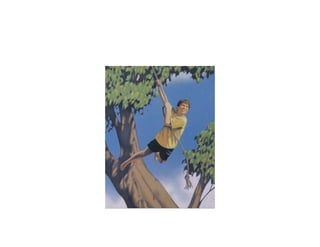
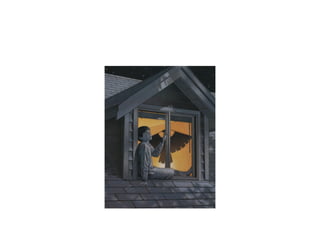
    •  Eagle  Dreams  -­‐    Wri.en  by  Sheryl  McFarlane  ;   Illustra;ons  by  Ron  Lightburn;     •  ISBN:  1-­‐55143-­‐016-­‐9  
  • 46.
    •  Task:    a  piece  of  wriEng,  choose  your  genre,   think  about  the  criteria   •  As  you  are  moving  to  your  desk,  keep  walking   unEl  you  have  your  first  line  in  your  head   •  12  minutes  to  write   •  As  students  are  wriEng,  move  about  the  room,   underlining  something  powerful  (criteria   connected)  in  each  person’s  wriEng  
  • 47.
    •  Each  student  shares  what  was  underlined   •  Listen  to  hear  something  you  might  want  to   borrow   •  As  a  class,  decide  on  why  each  was  underlined   •  Create  the  criteria:   –  Words  that  are  WOW   –  Details  that  showed  emoEon  or  made  a  picture   –  Hook  –  first  line  made  me  want  to  keep  reading  
  • 48.
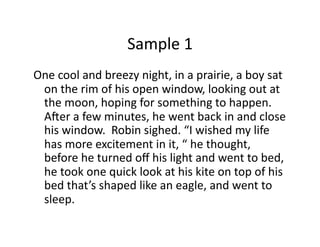
    Sample  1   One  cool  and  breezy  night,  in  a  prairie,  a  boy  sat   on  the  rim  of  his  open  window,  looking  out  at   the  moon,  hoping  for  something  to  happen.     Aqer  a  few  minutes,  he  went  back  in  and  close   his  window.    Robin  sighed.  “I  wished  my  life   has  more  excitement  in  it,  “  he  thought,   before  he  turned  off  his  light  and  went  to  bed,     he  took  one  quick  look  at  his  kite  on  top  of  his   bed  that’s  shaped  like  an  eagle,  and  went  to   sleep.  
  • 49.
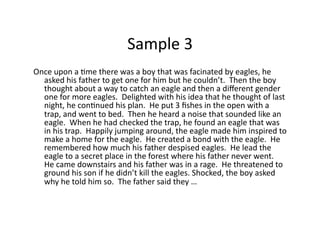
    Sample  3   Once  upon  a  Eme  there  was  a  boy  that  was  facinated  by  eagles,  he   asked  his  father  to  get  one  for  him  but  he  couldn’t.    Then  the  boy   thought  about  a  way  to  catch  an  eagle  and  then  a  different  gender   one  for  more  eagles.    Delighted  with  his  idea  that  he  thought  of  last   night,  he  conEnued  his  plan.    He  put  3  fishes  in  the  open  with  a   trap,  and  went  to  bed.    Then  he  heard  a  noise  that  sounded  like  an   eagle.    When  he  had  checked  the  trap,  he  found  an  eagle  that  was   in  his  trap.    Happily  jumping  around,  the  eagle  made  him  inspired  to   make  a  home  for  the  eagle.    He  created  a  bond  with  the  eagle.    He   remembered  how  much  his  father  despised  eagles.    He  lead  the   eagle  to  a  secret  place  in  the  forest  where  his  father  never  went.     He  came  downstairs  and  his  father  was  in  a  rage.    He  threatened  to   ground  his  son  if  he  didn’t  kill  the  eagles.  Shocked,  the  boy  asked   why  he  told  him  so.    The  father  said  they  …  
  • 50.
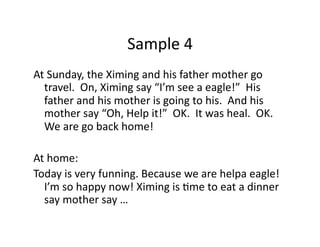
    Sample  4   At  Sunday,  the  Ximing  and  his  father  mother  go   travel.    On,  Ximing  say  “I’m  see  a  eagle!”    His   father  and  his  mother  is  going  to  his.    And  his   mother  say  “Oh,  Help  it!”    OK.    It  was  heal.    OK.     We  are  go  back  home!   At  home:   Today  is  very  funning.  Because  we  are  helpa  eagle!     I’m  so  happy  now!  Ximing  is  Eme  to  eat  a  dinner   say  mother  say  …  
  • 51.
    •  Kids  can  add/edit/conEnue  to  work   •  Set  up  for  next  class   –  Work  on  same  criteria   –  Hear  again,  pieces  that  work   –  Move  to  where  kids  can  idenEfy  criteria  in  their  own   work  and  ask  for  help  with  criteria  that  are  struggling   with   •  Aqer  repeated  pracEce,  students  choose  one   piece  to  work  up,  edit,  revise,  and  hand  in  for   marking   •  Feedback  is  conEnuous,  personal,  Emely,  focused  
  • 52.
    5.    Every  child  talks  with  peers  about  reading   and  wriEng.  
  • 53.
    6.  Every  child  listens  to  a  fluent  adult  read   aloud.      -­‐different  kinds  of  text      -­‐with  some  commentary  
  • 54.
    1.  Every  child  reads  something  he  or  she  chooses.   2.  Every  child  reads  accurately.   3.  Every  child  reads  something  he  or  she   understands.   4.  Every  child  writes  about  something  personally   meaningful.   5.  Every  child  talks  with  peers  about  reading  and   wriEng.   6.  Every  child  listens  to  a  fluent  adult  read  aloud.  
  • 55.
    CR4YR Results 201213 • The  struggling  readers  who  were  given  MORE   choice  tended  to  close  the  gap  more.   •  The  more  readers  struggled,  the  less  choice   they  received.    Those  who  made  the  least   progress  had  the  LEAST  choice.   •  Readers  who  are  NOT  struggling  tend  to  have   choice.  
  • 56.
    According  to  teachers,  what  worked  in  CR4YR   2012-­‐13?   For  students  who  showed  major  gains,  what  worked  was:   •  1:1  support  (this  didn’t  necessarily  mean  pull  out)   •  feeling  safe  and  supported;  relaEonships   •  choice/personalizaEon  (kids  who  struggled  the  most  oqen   had  the  least  amount  of  choice)   •  A  focus  on  purpose  and  meaning     Sharon  Jeroski,  August  2013   sjeroski@shaw.ca  
  • 57.
    No fun gradeone. YIKES….!!!
  • 58.
    •  What’s  your  plan?   •  Who  will  you  work  with?   •  How  will  you  know  that  what  you  have  done  is   making  a  difference?