Professional	
  Collabora.on	
  to	
  
    Meet	
  Learner	
  Needs	
  
          Surrey	
  Librarians	
  
            Sept.	
  8,	
  2010	
  
           Faye	
  Brownlie	
  
Frameworks


It’s All about Thinking – Brownlie & Schnellert, 2009
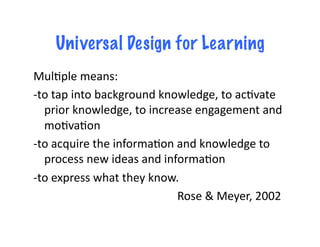
Universal Design for Learning
Mul.ple	
  means:	
  
-­‐to	
  tap	
  into	
  background	
  knowledge,	
  to	
  ac.vate	
  
        prior	
  knowledge,	
  to	
  increase	
  engagement	
  and	
  
        mo.va.on	
  
-­‐to	
  acquire	
  the	
  informa.on	
  and	
  knowledge	
  to	
  
        process	
  new	
  ideas	
  and	
  informa.on	
  
-­‐to	
  express	
  what	
  they	
  know.	


  Rose	
  &	
  Meyer,	
  2002	
  
Backwards Design
•  What	
  important	
  ideas	
  and	
  enduring	
  
   understandings	
  do	
  you	
  want	
  the	
  students	
  to	
  
   know?	
  

•  What	
  thinking	
  strategies	
  will	
  students	
  need	
  to	
  
   demonstrate	
  these	
  understandings?	


  McTighe	
  &	
  Wiggins,	
  2001	
  
Essential Lesson Components


•    Essen.al	
  ques.on/learning	
  inten.on/a	
  big	
  idea	
  
•    Open-­‐ended	
  strategies:	
  	
  connect-­‐process-­‐transform	
  
•    Differen.a.on	
  –	
  choice,	
  choice,	
  choice	
  
•    Assessment	
  for	
  learning	
  
•    Gradual	
  release	
  of	
  responsibility	
  
Inquiry
•  Presen.ng	
  an	
  open-­‐ended	
  ques.on	
  over	
  
   several	
  lessons	
  or	
  a	
  full	
  unit	
  of	
  study	
  
•  Students	
  collect,	
  compare,	
  and	
  synthesize	
  
   informa.on	
  over	
  .me	
  
•  Students	
  develop	
  thinking	
  strategies	
  which	
  
   lead	
  to	
  deeper	
  understanding	
  of	
  key	
  concepts	
  
Open-Ended Learning Strategies
•  Connect	
  
•  Process	
  
•  Transform	
  and	
  personalize	
  
Assessment for Learning
•    Learning	
  inten.ons	
  
•    Criteria	
  
•    Descrip.ve	
  feedback	
  
•    Ques.oning	
  
•    Peer	
  and	
  self	
  assessment	
  
•    Ownership	
  
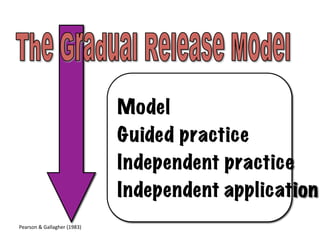
Model
                                          Guided practice
                                          Independent practice
                                          Independent application	
  
Pearson	
  &	
  Gallagher	
  (1983)	
  
Egypt	
  
In	
  ancient	
  .mes,	
  Egypt	
  grew	
  much	
  more	
  food	
  
      than	
  it	
  needed.	
  	
  
It	
  sold	
  the	
  extra	
  food	
  to	
  other	
  countries.	
  	
  
Today,	
  Egypt	
  can’t	
  grow	
  enough	
  food	
  for	
  its	
  
      people.	


It	
  must	
  buy	
  more	
  than	
  half	
  its	
  food	
  from	
  other	
  
      countries.	
  
In	
  ancient	
  Egypt,	
  farmers	
  used	
  donkeys	
  to	
  move	
  
   heavy	
  loads.	
  	
  Today,	
  farmers	
  use	
  camels.	
  	
  
   Ancient	
  Egyp.ans	
  did	
  not	
  have	
  camels.	
  
Ancient	
  Egyp.ans	
  kept	
  careful	
  records,	
  or	
  lists,	
  
  of	
  their	
  crops	
  and	
  ca`le.	
  	
  These	
  records	
  were	
  
  kept	
  for	
  tax	
  purposes.	
  	
  Everyone	
  had	
  to	
  pay	
  
  taxes	
  on	
  their	
  crops	
  and	
  their	
  animals.	
  	
  
  Farmers	
  were	
  even	
  taxed	
  on	
  the	
  number	
  of	
  
  eggs	
  their	
  chickens	
  produced!	
  
Ques.oning	
  –	
  gr.	
  2/3	
  
Goal:	
  	
  crea.ng	
  real	
  ques.ons,	
  using	
  ques.ons	
  to	
  
       link	
  background	
  knowledge	
  with	
  new	
  
                informa.on,	
  create	
  curiosity	
  

•  Present	
  an	
  image	
  
•  Aber	
  each	
  image,	
  ask	
  students	
  to	
  pose	
  
   ques.ons	
  about	
  the	
  image	
  and	
  to	
  resist	
  the	
  
   urge	
  to	
  answer	
  someone	
  else’s	
  ques.on	
  
•  Repeat	
  with	
  3-­‐4	
  images	
  
•  Salmon	
  Creek	
  –	
  Anne`e	
  LeBox	
  &	
  Karen	
  
      Reczuch	
  
  	
  A	
  Groundwood	
  Book,	
  2002	
  
  	
  0-­‐88899-­‐458-­‐3	
  
Resources	
  
•  It’s	
  All	
  about	
  Thinking	
  
Collabora.ng	
  to	
  support	
  all	
  learners	
  –	
  Brownlie	
  
   and	
  Schnellert	
  (2009)	
  

•  Student	
  Diversity	
  
Classroom	
  strategies	
  to	
  meet	
  the	
  needs	
  of	
  all	
  
   learners	
  (2nd	
  ed)	
  –	
  Brownlie,	
  Feniak	
  &	
  
   Schnellert	
  (2006)	
  

Surrey Librarians Sept 10

  • 1.
    Professional  Collabora.on  to   Meet  Learner  Needs   Surrey  Librarians   Sept.  8,  2010   Faye  Brownlie  
  • 2.
    Frameworks It’s All aboutThinking – Brownlie & Schnellert, 2009
  • 3.
    Universal Design forLearning Mul.ple  means:   -­‐to  tap  into  background  knowledge,  to  ac.vate   prior  knowledge,  to  increase  engagement  and   mo.va.on   -­‐to  acquire  the  informa.on  and  knowledge  to   process  new  ideas  and  informa.on   -­‐to  express  what  they  know.                        Rose  &  Meyer,  2002  
  • 4.
    Backwards Design •  What  important  ideas  and  enduring   understandings  do  you  want  the  students  to   know?   •  What  thinking  strategies  will  students  need  to   demonstrate  these  understandings?                      McTighe  &  Wiggins,  2001  
  • 5.
    Essential Lesson Components •  Essen.al  ques.on/learning  inten.on/a  big  idea   •  Open-­‐ended  strategies:    connect-­‐process-­‐transform   •  Differen.a.on  –  choice,  choice,  choice   •  Assessment  for  learning   •  Gradual  release  of  responsibility  
  • 6.
    Inquiry •  Presen.ng  an  open-­‐ended  ques.on  over   several  lessons  or  a  full  unit  of  study   •  Students  collect,  compare,  and  synthesize   informa.on  over  .me   •  Students  develop  thinking  strategies  which   lead  to  deeper  understanding  of  key  concepts  
  • 7.
    Open-Ended Learning Strategies • Connect   •  Process   •  Transform  and  personalize  
  • 8.
    Assessment for Learning •  Learning  inten.ons   •  Criteria   •  Descrip.ve  feedback   •  Ques.oning   •  Peer  and  self  assessment   •  Ownership  
  • 9.
    Model Guided practice Independent practice Independent application   Pearson  &  Gallagher  (1983)  
  • 10.
    Egypt   In  ancient  .mes,  Egypt  grew  much  more  food   than  it  needed.     It  sold  the  extra  food  to  other  countries.     Today,  Egypt  can’t  grow  enough  food  for  its   people.       It  must  buy  more  than  half  its  food  from  other   countries.  
  • 11.
    In  ancient  Egypt,  farmers  used  donkeys  to  move   heavy  loads.    Today,  farmers  use  camels.     Ancient  Egyp.ans  did  not  have  camels.  
  • 12.
    Ancient  Egyp.ans  kept  careful  records,  or  lists,   of  their  crops  and  ca`le.    These  records  were   kept  for  tax  purposes.    Everyone  had  to  pay   taxes  on  their  crops  and  their  animals.     Farmers  were  even  taxed  on  the  number  of   eggs  their  chickens  produced!  
  • 13.
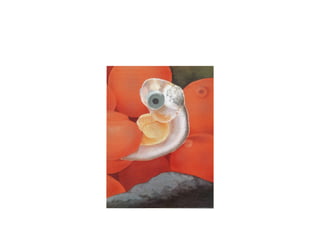
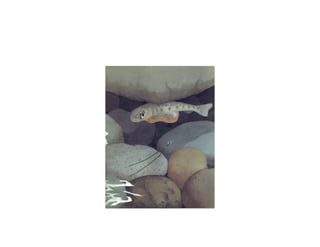
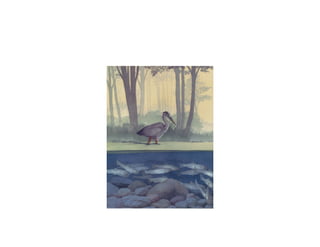
    Ques.oning  –  gr.  2/3   Goal:    crea.ng  real  ques.ons,  using  ques.ons  to   link  background  knowledge  with  new   informa.on,  create  curiosity   •  Present  an  image   •  Aber  each  image,  ask  students  to  pose   ques.ons  about  the  image  and  to  resist  the   urge  to  answer  someone  else’s  ques.on   •  Repeat  with  3-­‐4  images  
  • 17.
    •  Salmon  Creek  –  Anne`e  LeBox  &  Karen   Reczuch    A  Groundwood  Book,  2002    0-­‐88899-­‐458-­‐3  
  • 18.
    Resources   •  It’s  All  about  Thinking   Collabora.ng  to  support  all  learners  –  Brownlie   and  Schnellert  (2009)   •  Student  Diversity   Classroom  strategies  to  meet  the  needs  of  all   learners  (2nd  ed)  –  Brownlie,  Feniak  &   Schnellert  (2006)