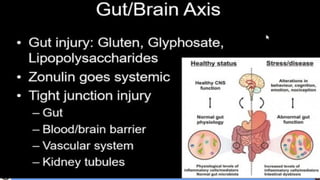
bcst work supports the ANS/Vagus Nerve
Wandering nerve
New treatments emerging… that show the power
of working with the Vagus nerve
“A woman who suffered from severe, debilitating rheumatoid arthritis
received treatment with a device which minimized inflammation by
simply stimulating the vagus nerve.
What this means, is that by activating the vagus nerve which is a
major part of the parasympathetic nervous system, we can greatly
influence inflammation and the immune system. The role of the brain
influencing body inflammation can be profound. It can influence
digestive complaints, high blood pressure, depression or any
inflammatory condition, these are all controlled by the vagus nerve.”
Vagus Nerve Tone Is Key To Activating The Parasympathetic Nervous
System
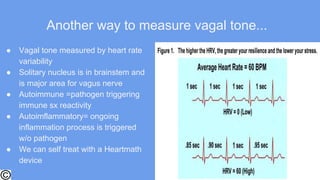
Vagal tone is measured by:
● tracking your heart-rate alongside your breathing rate. Your heart-rate speeds up a
little when you breathe in, and slows down a little when you breathe out. The bigger
the difference between your inhalation heart-rate and your exhalation
heart-rate, the higher your vagal tone. Higher vagal tone means that your
body can relax faster after stress.
● High vagal tone improves the function of many body systems, causing better blood
sugar regulation, reduced risk of stroke and cardiovascular disease, lower blood
pressure, improved digestion via better production of stomach digestive enzymes,
and reduced migraines. Higher vagal tone is also associated with better mood, less
anxiety and more stress resilience.
The Vagus Nerve Reads The Gut Microbiome!
● By reading the gut biome the vagus nerve initiates a response to modulate
inflammation based on whether or not it detects pathogenic versus
non-pathogenic organisms. In this way, the gut microbiome can have an
affect on your mood, stress levels and overall inflammation.
● Low vagal tone is associated with cardiovascular conditions and strokes,
depression, diabetes, chronic fatigue syndrome, cognitive impairment, and
much higher rates of inflammatory conditions. Inflammatory conditions include
all autoimmune diseases (rheumatoid arthritis, inflammatory bowel disease,
endometriosis, autoimmune thyroid conditions, lupus and more).
How do we increase vagal tone?
Vagal tone can be increased through regular practice. To some degree, you are
genetically predisposed to varying levels of vagal tone, but this doesn’t mean that
you can’t change it. Here are some ways to increase the tone of the vagus nerve:
1. Slow, rhythmic, diaphragmatic breathing. Breathing from your belly, rather
than shallowly from the top of the lungs
2. Humming, singing, and speaking because the vagus nerve is connected to
the vocal cords, You can hum a song, or even better repeat the sound ‘OM’.
3. Washing your face with cold water. The mechanism here is not known, but
cold water on your face stimulates the vagus nerve.
4. Loving kindness meditation promotes feelings of goodwill towards yourself
and others. For example META...
5. Balancing the gut microbiome. The presence of healthy bacteria in the gut
creates a positive feedback loop through the vagus nerve, increasing its tone.
Another way to measure vagal tone...
● Vagal tone measured by heart rate
variability
● Solitary nucleus is in brainstem and
is major area for vagus nerve
● Autoimmune =pathogen triggering
immune sx reactivity
● Autoimflammatory= ongoing
inflammation process is triggered
w/o pathogen
● We can self treat with a Heartmath
device
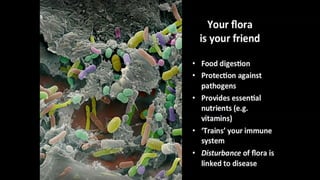
Our Microbiome = we live in a symbiotic relationship with
bugs; we are ostensibly a community supporting each other
● Our microbiome...
○ Is inhabited by 100 trillion
microorganisms
○ This is 10x the number of cells in the
human body
○ Has 150x as many genes than we have
○ Co-exists with gut pathogens
○ Regulates the immune system
○ Regulates the endocrine system
○ Modulates digestion (Vitamin K2, single
chain fatty acids, and fructose)
○ Weighs 2-6 pounds
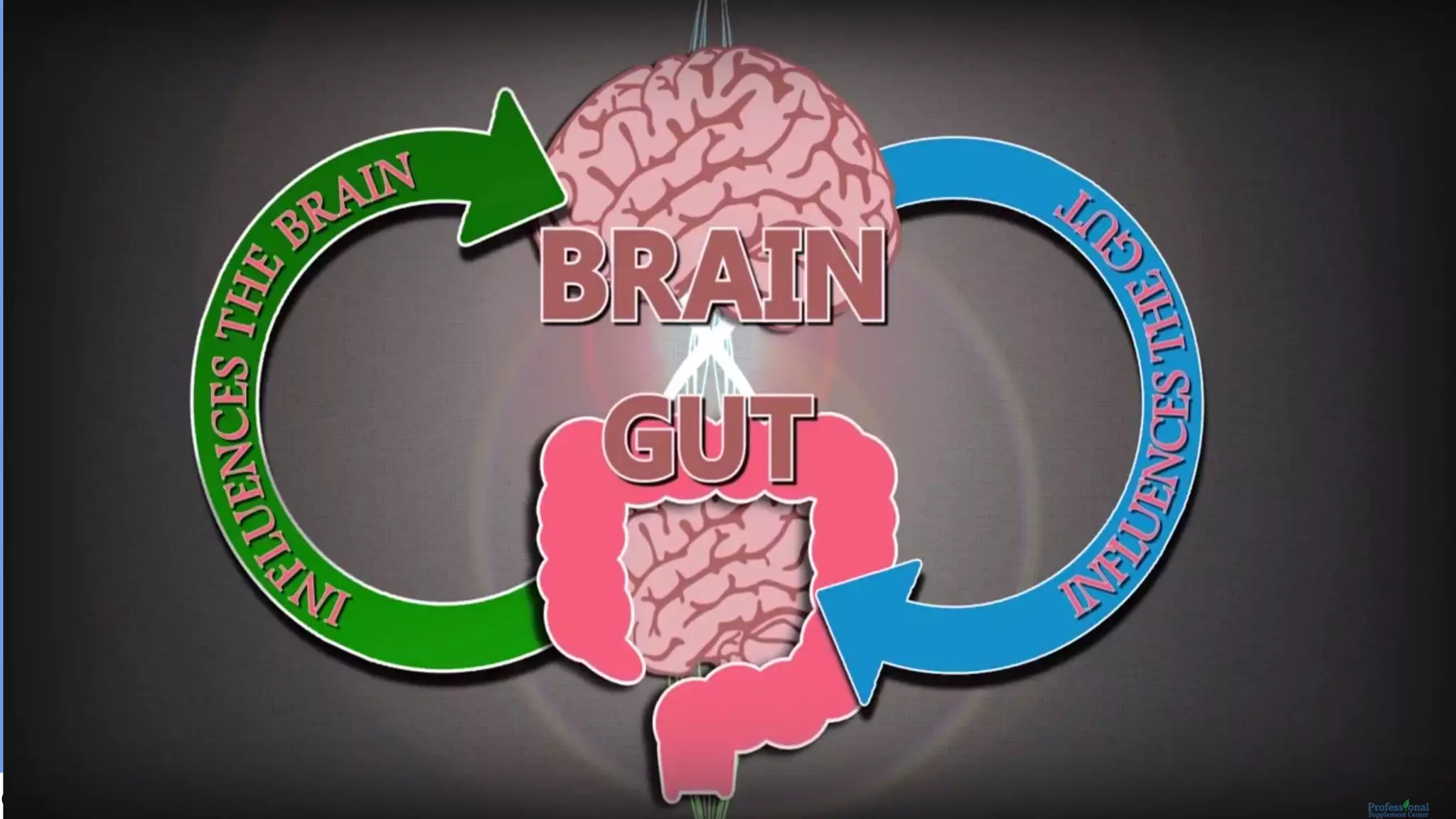
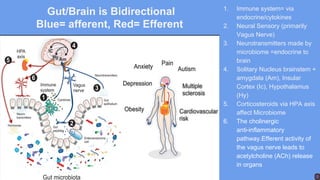
Gut/Brain is Bidirectional
Blue= afferent, Red= Efferent
1. Immune system= via
endocrine/cytokines
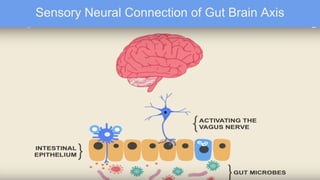
2. Neural Sensory (primarily
Vagus Nerve)
3. Neurotransmitters made by
microbiome =endocrine to
brain
4. Solitary Nucleus brainstem +
amygdala (Am), Insular
Cortex (Ic), Hypothalamus
(Hy)
5. Corticosteroids via HPA axis
affect Microbiome
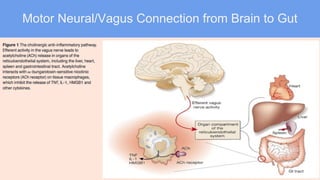
6. The cholinergic
anti-inflammatory
pathway.Efferent activity of
the vagus nerve leads to
acetylcholine (ACh) release
in organs
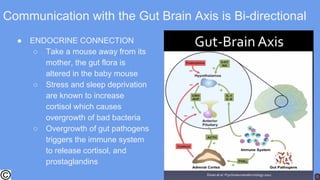
Communication with the Gut Brain Axis is Bi-directional
● ENDOCRINE CONNECTION
○ Take a mouse away from its
mother, the gut flora is
altered in the baby mouse
○ Stress and sleep deprivation
are known to increase
cortisol which causes
overgrowth of bad bacteria
○ Overgrowth of gut pathogens
triggers the immune system
to release cortisol, and
prostaglandins
Sensory Neural Connection of Gut Brain Axis
Motor Neural/Vagus Connection from Brain to Gut
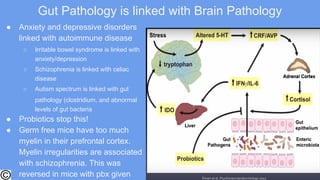
Gut Pathology is linked with Brain Pathology
● Anxiety and depressive disorders
linked with autoimmune disease
○ Irritable bowel syndrome is linked with
anxiety/depression
○ Schizophrenia is linked with celiac
disease
○ Autism spectrum is linked with gut
pathology (clostridium, and abnormal
levels of gut bacteria
● Probiotics stop this!
● Germ free mice have too much
myelin in their prefrontal cortex.
Myelin irregularities are associated
with schizophrenia. This was
reversed in mice with pbx given
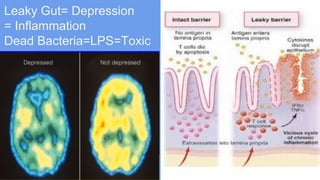
Leaky Gut= Depression
= Inflammation
Dead Bacteria=LPS=Toxic
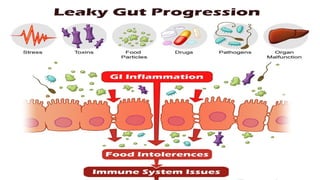
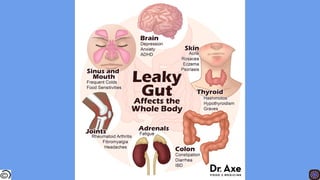
Zonulin Opens up Barriers...
Top causes of increased zonulin and development of leaky gut:
● Overgrowth of harmful organisms, like bacteria or yeast in the intestine
A. SIBO = small intestinal bacterial overgrowth (caused by low HCL, Ileocecal valve issues, low enz)
B. Fungal dysbiosis or candida overgrowth
C. Parasite infections
● Gliadin in the diet (gluten containing foods)
○ Gliadin is a protein in wheat, that like gluten, is a trigger for people with celiac disease. However, a
study published in the Scandiavian Journal of Gastroenterology in 2006 clearly showed that gliadin
can affect zonulin even in people without the gene for celiac. The researchers concluded that
○ Based on our results, we concluded that gliadin activates zonulin signaling irrespective of the genetic
expression of autoimmunity, leading to increased intestinal permeability to macromolecules.
The significance of this is that gluten affects intestinal permeability in all persons to different extents. It also
means that 100% of patients with autoimmune disease or leaky gut could potentially benefit from a gluten-free
diet.
Elevated zonulin levels and leaky gut are also associated with the following:
1. Crohn's disease
2. Type 1 Diabetes
3. Multiple Sclerosis
4. Asthma
5. Glioma
6. Inflammatory Bowel Disease
In conclusion the article states:
Genetic predisposition, miscommunication between innate and adaptive immunity, exposure to
environmental triggers, and loss of intestinal barrier function secondary to the activation of the zonulin
pathway by food-derived environmental triggers or changes in gut microbiota all seem to be key
ingredients involved in the pathogenesis of inflammation, autoimmunity, and cancer. This new theory
implies that [once this path is activated] it can be... reversed by preventing the continuous interplay
between genes and the environment.
Zonulin and Its Regulation of Intestinal Barrier Function: The Biological Door to Inflammation,
Autoimmunity, and Cancer
- Alessio Fasano
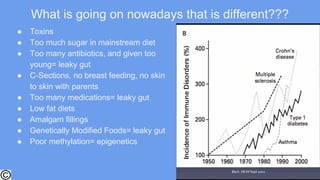
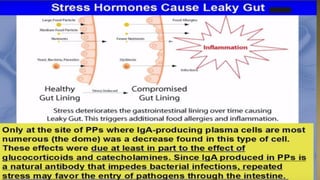
What is going on nowadays that is different???
● Toxins
● Too much sugar in mainstream diet
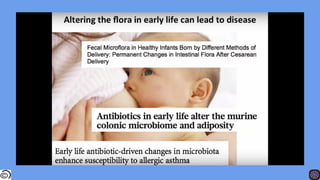
● Too many antibiotics, and given too
young= leaky gut
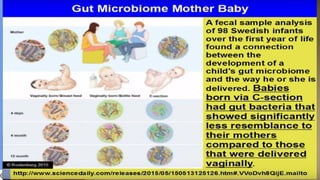
● C-Sections, no breast feeding, no skin
to skin with parents
● Too many medications= leaky gut
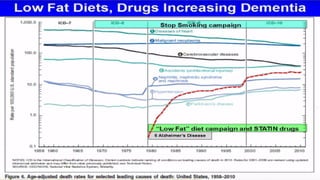
● Low fat diets
● Amalgam fillings
● Genetically Modified Foods= leaky gut
● Poor methylation= epigenetics
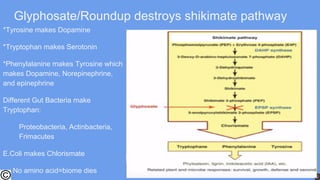
Glyphosate/Roundup destroys shikimate pathway
*Tyrosine makes Dopamine
*Tryptophan makes Serotonin
*Phenylalanine makes Tyrosine which
makes Dopamine, Norepinephrine,
and epinephrine
Different Gut Bacteria make
Tryptophan:
Proteobacteria, Actinbacteria,
Frimacutes
E.Coli makes Chlorismate
No amino acid=biome dies
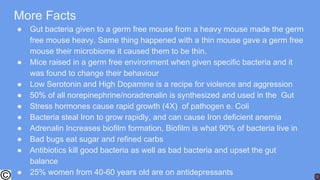
More Facts
● Gut bacteria given to a germ free mouse from a heavy mouse made the germ
free mouse heavy. Same thing happened with a thin mouse gave a germ free
mouse their microbiome it caused them to be thin.
● Mice raised in a germ free environment when given specific bacteria and it
was found to change their behaviour
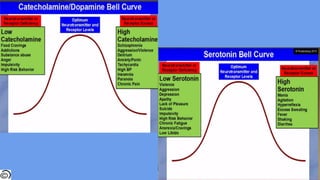
● Low Serotonin and High Dopamine is a recipe for violence and aggression
● 50% of all norepinephrine/noradrenalin is synthesized and used in the Gut
● Stress hormones cause rapid growth (4X) of pathogen e. Coli
● Bacteria steal Iron to grow rapidly, and can cause Iron deficient anemia
● Adrenalin Increases biofilm formation, Biofilm is what 90% of bacteria live in
● Bad bugs eat sugar and refined carbs
● Antibiotics kill good bacteria as well as bad bacteria and upset the gut
balance
● 25% women from 40-60 years old are on antidepressants
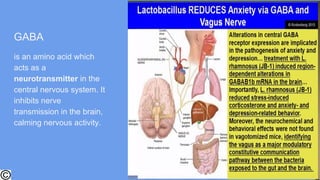
GABA
is an amino acid which
acts as a
neurotransmitter in the
central nervous system. It
inhibits nerve
transmission in the brain,
calming nervous activity.
What we can do to support our gut brain axis...
● Probiotics lower anxiety, and increase learningLower your stress level with
our work and a mind-body daily practice
● Eat fermented food if you don’t have histamine issues
● Take probiotics, and prebiotics, switch brands often...
● Eat whole unrefined organic foods, grass fed meats, and free range poultry
● Drink bone broth to heal and support your gut walls
● Eat fiber to feed healthy bacteria: psyllium, acacia, inulin= fibers from fruits
and some healthy carbs, cooked cold sushi rice, unripe bananas, cooked cold
potatoes
● Avoid too much alcohol, NSAID’s ( =cause leaky gut) , stress, and sleep loss
● Low carb diets to avoid feeding bad bacteria
● See a natural health doctor for help is there is an overgrowth in the gut
● Get muscle tested for food sensitivities: gluten, dairy, corn, soy are m/c
What bacteria produce which neurotransmitter?
● Lactobacillus and Bifidobacterium species produce GABA
● Lactobacillus produces Acetylcholine
● Escherichia, Bacillus, and Saccharomyces produce
norepinephrine
● Candida, Streptococcus, Escherichia, and Enterococcus
produce serotonin
● Bacillus and Serratia produce dopamine
Reference articles
● http://www.mindful.org/meet-your-second-brain-the-gut/
● http://neurosciencenews.com/parkinsons-gastrointestinal-tract-neurology-215
0/
● https://bbrfoundation.org/brain-matters-discoveries/gut-bacteria%E2%80%99s
-vital-role-in-prefrontal-cortex-brain%E2%80%99s-white-matter
● http://primaldocs.com/members-blog/zonulin-leaky-gut/#!prettyPhoto
● http://doctorakil.com/microbiome/
● http://drhyman.com/blog/2016/09/08/do-probiotics-really-work/
● Dr. Rostenberg, DC
● Dr. Axe
● Dr. Hyman
● http://science.sciencemag.org/content/341/6150/1241214

Brain gut connections(1)

  • 2.
    bcst work supportsthe ANS/Vagus Nerve Wandering nerve
  • 3.
    New treatments emerging…that show the power of working with the Vagus nerve “A woman who suffered from severe, debilitating rheumatoid arthritis received treatment with a device which minimized inflammation by simply stimulating the vagus nerve. What this means, is that by activating the vagus nerve which is a major part of the parasympathetic nervous system, we can greatly influence inflammation and the immune system. The role of the brain influencing body inflammation can be profound. It can influence digestive complaints, high blood pressure, depression or any inflammatory condition, these are all controlled by the vagus nerve.”
  • 4.
    Vagus Nerve ToneIs Key To Activating The Parasympathetic Nervous System Vagal tone is measured by: ● tracking your heart-rate alongside your breathing rate. Your heart-rate speeds up a little when you breathe in, and slows down a little when you breathe out. The bigger the difference between your inhalation heart-rate and your exhalation heart-rate, the higher your vagal tone. Higher vagal tone means that your body can relax faster after stress. ● High vagal tone improves the function of many body systems, causing better blood sugar regulation, reduced risk of stroke and cardiovascular disease, lower blood pressure, improved digestion via better production of stomach digestive enzymes, and reduced migraines. Higher vagal tone is also associated with better mood, less anxiety and more stress resilience.
  • 5.
    The Vagus NerveReads The Gut Microbiome! ● By reading the gut biome the vagus nerve initiates a response to modulate inflammation based on whether or not it detects pathogenic versus non-pathogenic organisms. In this way, the gut microbiome can have an affect on your mood, stress levels and overall inflammation. ● Low vagal tone is associated with cardiovascular conditions and strokes, depression, diabetes, chronic fatigue syndrome, cognitive impairment, and much higher rates of inflammatory conditions. Inflammatory conditions include all autoimmune diseases (rheumatoid arthritis, inflammatory bowel disease, endometriosis, autoimmune thyroid conditions, lupus and more).
  • 6.
    How do weincrease vagal tone? Vagal tone can be increased through regular practice. To some degree, you are genetically predisposed to varying levels of vagal tone, but this doesn’t mean that you can’t change it. Here are some ways to increase the tone of the vagus nerve: 1. Slow, rhythmic, diaphragmatic breathing. Breathing from your belly, rather than shallowly from the top of the lungs 2. Humming, singing, and speaking because the vagus nerve is connected to the vocal cords, You can hum a song, or even better repeat the sound ‘OM’. 3. Washing your face with cold water. The mechanism here is not known, but cold water on your face stimulates the vagus nerve. 4. Loving kindness meditation promotes feelings of goodwill towards yourself and others. For example META... 5. Balancing the gut microbiome. The presence of healthy bacteria in the gut creates a positive feedback loop through the vagus nerve, increasing its tone.
  • 7.
    Another way tomeasure vagal tone... ● Vagal tone measured by heart rate variability ● Solitary nucleus is in brainstem and is major area for vagus nerve ● Autoimmune =pathogen triggering immune sx reactivity ● Autoimflammatory= ongoing inflammation process is triggered w/o pathogen ● We can self treat with a Heartmath device
  • 9.
    Our Microbiome =we live in a symbiotic relationship with bugs; we are ostensibly a community supporting each other ● Our microbiome... ○ Is inhabited by 100 trillion microorganisms ○ This is 10x the number of cells in the human body ○ Has 150x as many genes than we have ○ Co-exists with gut pathogens ○ Regulates the immune system ○ Regulates the endocrine system ○ Modulates digestion (Vitamin K2, single chain fatty acids, and fructose) ○ Weighs 2-6 pounds
  • 10.
    Gut/Brain is Bidirectional Blue=afferent, Red= Efferent 1. Immune system= via endocrine/cytokines 2. Neural Sensory (primarily Vagus Nerve) 3. Neurotransmitters made by microbiome =endocrine to brain 4. Solitary Nucleus brainstem + amygdala (Am), Insular Cortex (Ic), Hypothalamus (Hy) 5. Corticosteroids via HPA axis affect Microbiome 6. The cholinergic anti-inflammatory pathway.Efferent activity of the vagus nerve leads to acetylcholine (ACh) release in organs
  • 11.
    Communication with theGut Brain Axis is Bi-directional ● ENDOCRINE CONNECTION ○ Take a mouse away from its mother, the gut flora is altered in the baby mouse ○ Stress and sleep deprivation are known to increase cortisol which causes overgrowth of bad bacteria ○ Overgrowth of gut pathogens triggers the immune system to release cortisol, and prostaglandins
  • 12.
    Sensory Neural Connectionof Gut Brain Axis
  • 13.
  • 14.
    Gut Pathology islinked with Brain Pathology ● Anxiety and depressive disorders linked with autoimmune disease ○ Irritable bowel syndrome is linked with anxiety/depression ○ Schizophrenia is linked with celiac disease ○ Autism spectrum is linked with gut pathology (clostridium, and abnormal levels of gut bacteria ● Probiotics stop this! ● Germ free mice have too much myelin in their prefrontal cortex. Myelin irregularities are associated with schizophrenia. This was reversed in mice with pbx given
  • 15.
    Leaky Gut= Depression =Inflammation Dead Bacteria=LPS=Toxic
  • 19.
    Zonulin Opens upBarriers... Top causes of increased zonulin and development of leaky gut: ● Overgrowth of harmful organisms, like bacteria or yeast in the intestine A. SIBO = small intestinal bacterial overgrowth (caused by low HCL, Ileocecal valve issues, low enz) B. Fungal dysbiosis or candida overgrowth C. Parasite infections ● Gliadin in the diet (gluten containing foods) ○ Gliadin is a protein in wheat, that like gluten, is a trigger for people with celiac disease. However, a study published in the Scandiavian Journal of Gastroenterology in 2006 clearly showed that gliadin can affect zonulin even in people without the gene for celiac. The researchers concluded that ○ Based on our results, we concluded that gliadin activates zonulin signaling irrespective of the genetic expression of autoimmunity, leading to increased intestinal permeability to macromolecules. The significance of this is that gluten affects intestinal permeability in all persons to different extents. It also means that 100% of patients with autoimmune disease or leaky gut could potentially benefit from a gluten-free diet.
  • 20.
    Elevated zonulin levelsand leaky gut are also associated with the following: 1. Crohn's disease 2. Type 1 Diabetes 3. Multiple Sclerosis 4. Asthma 5. Glioma 6. Inflammatory Bowel Disease In conclusion the article states: Genetic predisposition, miscommunication between innate and adaptive immunity, exposure to environmental triggers, and loss of intestinal barrier function secondary to the activation of the zonulin pathway by food-derived environmental triggers or changes in gut microbiota all seem to be key ingredients involved in the pathogenesis of inflammation, autoimmunity, and cancer. This new theory implies that [once this path is activated] it can be... reversed by preventing the continuous interplay between genes and the environment. Zonulin and Its Regulation of Intestinal Barrier Function: The Biological Door to Inflammation, Autoimmunity, and Cancer - Alessio Fasano
  • 21.
    What is goingon nowadays that is different??? ● Toxins ● Too much sugar in mainstream diet ● Too many antibiotics, and given too young= leaky gut ● C-Sections, no breast feeding, no skin to skin with parents ● Too many medications= leaky gut ● Low fat diets ● Amalgam fillings ● Genetically Modified Foods= leaky gut ● Poor methylation= epigenetics
  • 27.
    Glyphosate/Roundup destroys shikimatepathway *Tyrosine makes Dopamine *Tryptophan makes Serotonin *Phenylalanine makes Tyrosine which makes Dopamine, Norepinephrine, and epinephrine Different Gut Bacteria make Tryptophan: Proteobacteria, Actinbacteria, Frimacutes E.Coli makes Chlorismate No amino acid=biome dies
  • 33.
    More Facts ● Gutbacteria given to a germ free mouse from a heavy mouse made the germ free mouse heavy. Same thing happened with a thin mouse gave a germ free mouse their microbiome it caused them to be thin. ● Mice raised in a germ free environment when given specific bacteria and it was found to change their behaviour ● Low Serotonin and High Dopamine is a recipe for violence and aggression ● 50% of all norepinephrine/noradrenalin is synthesized and used in the Gut ● Stress hormones cause rapid growth (4X) of pathogen e. Coli ● Bacteria steal Iron to grow rapidly, and can cause Iron deficient anemia ● Adrenalin Increases biofilm formation, Biofilm is what 90% of bacteria live in ● Bad bugs eat sugar and refined carbs ● Antibiotics kill good bacteria as well as bad bacteria and upset the gut balance ● 25% women from 40-60 years old are on antidepressants
  • 35.
    GABA is an aminoacid which acts as a neurotransmitter in the central nervous system. It inhibits nerve transmission in the brain, calming nervous activity.
  • 36.
    What we cando to support our gut brain axis... ● Probiotics lower anxiety, and increase learningLower your stress level with our work and a mind-body daily practice ● Eat fermented food if you don’t have histamine issues ● Take probiotics, and prebiotics, switch brands often... ● Eat whole unrefined organic foods, grass fed meats, and free range poultry ● Drink bone broth to heal and support your gut walls ● Eat fiber to feed healthy bacteria: psyllium, acacia, inulin= fibers from fruits and some healthy carbs, cooked cold sushi rice, unripe bananas, cooked cold potatoes ● Avoid too much alcohol, NSAID’s ( =cause leaky gut) , stress, and sleep loss ● Low carb diets to avoid feeding bad bacteria ● See a natural health doctor for help is there is an overgrowth in the gut ● Get muscle tested for food sensitivities: gluten, dairy, corn, soy are m/c
  • 37.
    What bacteria producewhich neurotransmitter? ● Lactobacillus and Bifidobacterium species produce GABA ● Lactobacillus produces Acetylcholine ● Escherichia, Bacillus, and Saccharomyces produce norepinephrine ● Candida, Streptococcus, Escherichia, and Enterococcus produce serotonin ● Bacillus and Serratia produce dopamine
  • 39.
    Reference articles ● http://www.mindful.org/meet-your-second-brain-the-gut/ ●http://neurosciencenews.com/parkinsons-gastrointestinal-tract-neurology-215 0/ ● https://bbrfoundation.org/brain-matters-discoveries/gut-bacteria%E2%80%99s -vital-role-in-prefrontal-cortex-brain%E2%80%99s-white-matter ● http://primaldocs.com/members-blog/zonulin-leaky-gut/#!prettyPhoto ● http://doctorakil.com/microbiome/ ● http://drhyman.com/blog/2016/09/08/do-probiotics-really-work/ ● Dr. Rostenberg, DC ● Dr. Axe ● Dr. Hyman ● http://science.sciencemag.org/content/341/6150/1241214