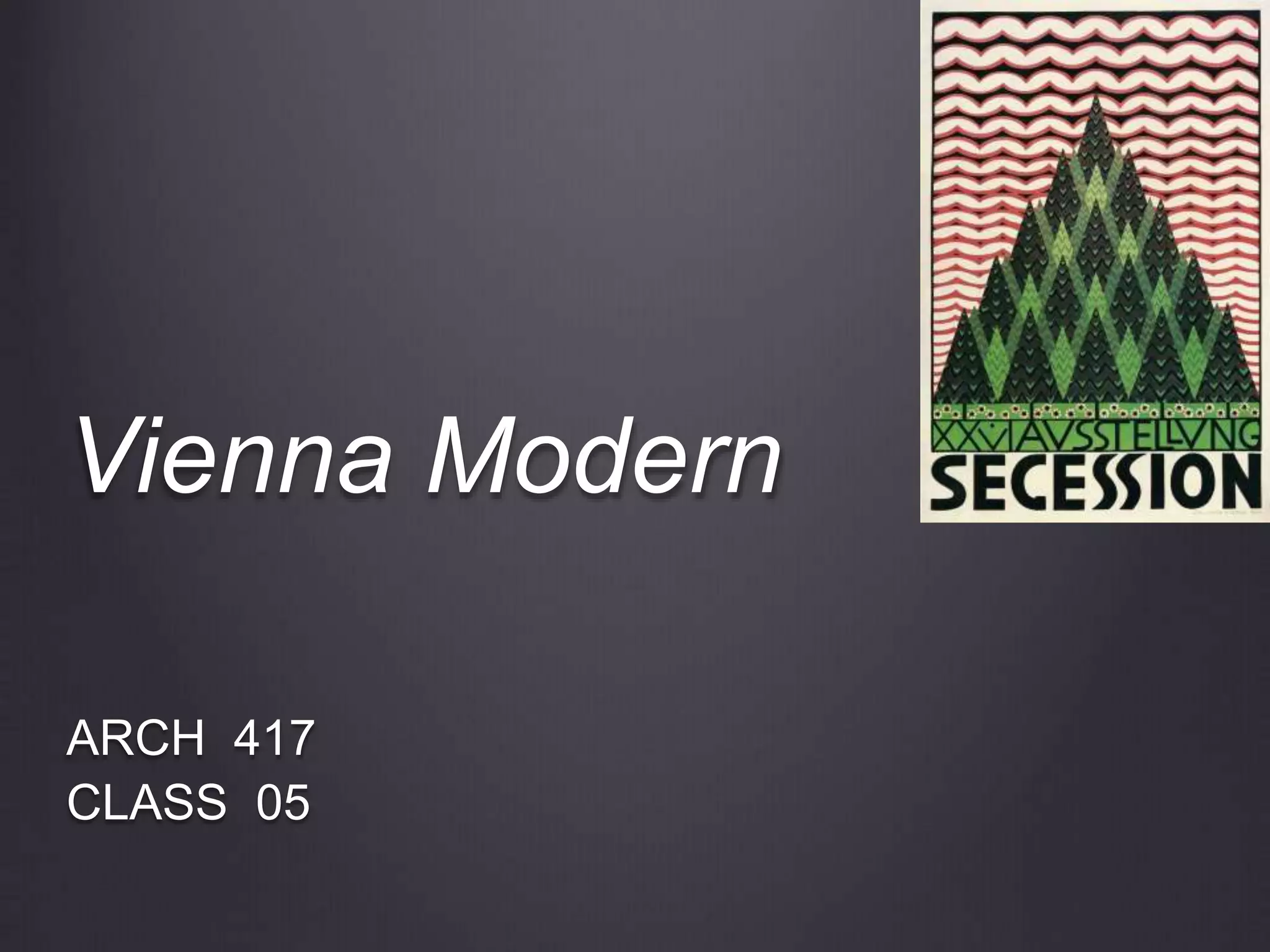
Vienna Modern
ARCH 417
CLASS 05
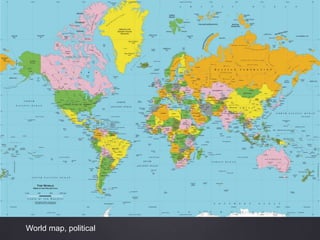
World map, political
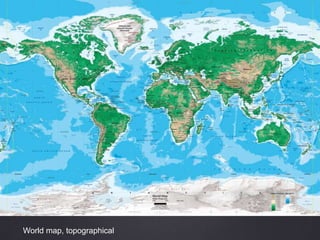
World map, topographical
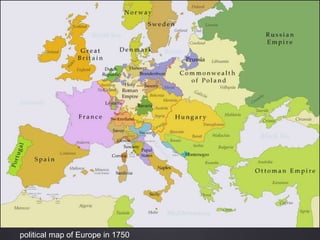
political map of Europe in 1750
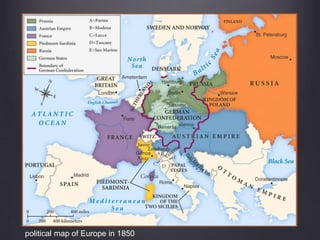
political map of Europe in 1850
Johann Strauss
Kaiser-walzer (The Emperor Waltz)
1889
https://www.youtube.com/watch?v=EBLaMmxyibE&list=RDEBLaM
mxyibE#t=33 [START at 2:30]
The waltz was composed for a ceremonial visit by Austrian
emperor Franz Josef to Kaiser Wilhelm II of Germany in
1889.
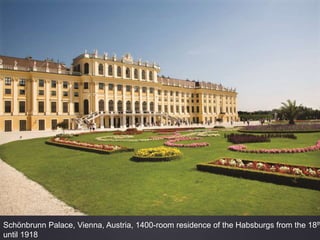
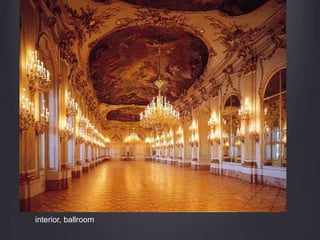
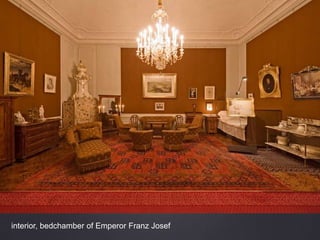
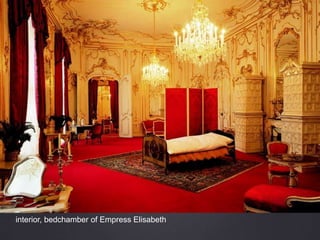
Schönbrunn Palace, Vienna, Austria, 1400-room residence of the Habsburgs from the 18th
until 1918
interior, ballroom
interior, bedchamber of Emperor Franz Josef
interior, bedchamber of Empress Elisabeth
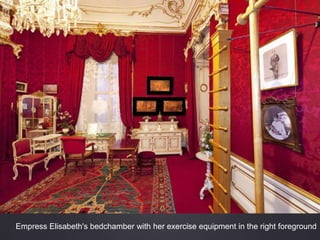
Empress Elisabeth's bedchamber with her exercise equipment in the right foreground
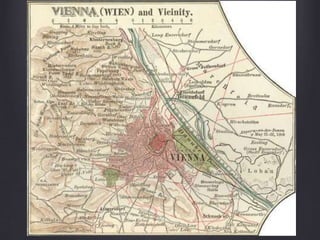
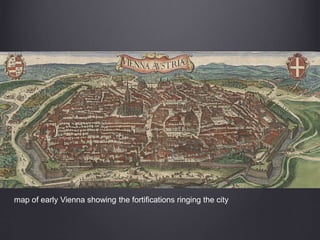
map of early Vienna showing the fortifications ringing the city
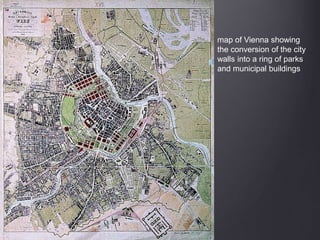
map of Vienna showing
the conversion of the city
walls into a ring of parks
and municipal buildings
Ringstrasse
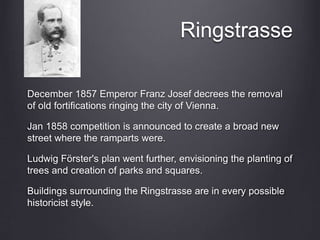
December 1857 Emperor Franz Josef decrees the removal
of old fortifications ringing the city of Vienna.
Jan 1858 competition is announced to create a broad new
street where the ramparts were.
Ludwig Förster's plan went further, envisioning the planting of
trees and creation of parks and squares.
Buildings surrounding the Ringstrasse are in every possible
historicist style.
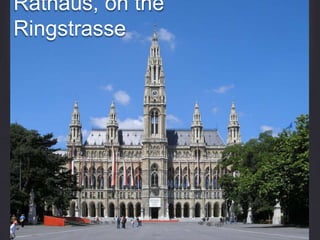
Rathaus, on the
Ringstrasse
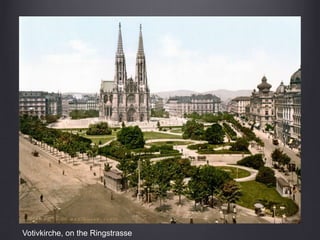
Votivkirche, on the Ringstrasse
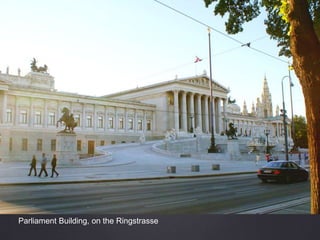
Parliament Building, on the Ringstrasse
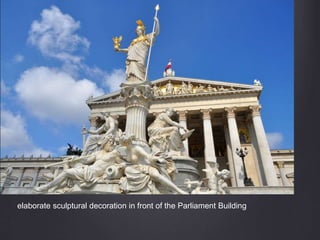
elaborate sculptural decoration in front of the Parliament Building
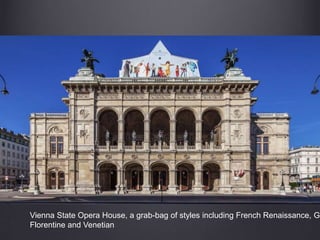
Vienna State Opera House, a grab-bag of styles including French Renaissance, Go
Florentine and Venetian
Opera House
Defense of eclecticism:
"Ours does not appear to be an age given to the creation of
new styles in architecture. The more attempts are made to
invent a new style of building, the clearer it is that the
vocation for such creative activity is lacking. On the other
hand, the more imaginatively, the more ingeniously one
endeavors to unit given styles, the basic elements of already
existing types of architecture, with the advances of modern
technology, the more successful are the results."
—Rudolf von
Eitelberger
changing attitudes
toward the Ringstrasse
• first generation regarded it with pride
• later it was seen as an abomination
• one critic described it as a time that "understood by
architecture nothing more than an accumulation of orders,
profiles and ornaments from two millennia, from which
each individual selected what we thought best." (1914)
• "Contemporary art must express the ability, the mode of
existence, of modern man, by means of forms created by
us." (Otto Wagner, 1911)
"If you walk across the Ring, you have the impression of
being in the midst of a carnival. Everything masked,
everything disguised...Life has become too serious for that
sort of thing. We want to look life in the face. This is what we
mean when we talk of 'realist architecture,' that is, that the
building must not only serve its intended purpose but must
also express, not conceal, that purpose...To disguise it
behind borrowed forms is both silly and ugly."
—Hermann Bahr
"Earlier, people used to require that a building should 'look
like something'; we demand that it should 'be something.'
We, the working people of today, should be ashamed to live
in the style of the princes and patricians of yesterday. That
we think of as a swindle. From the appearance of a house,
we should be able to judge what is its purpose, who lives in it
and how. We are not of the age of the Baroque, we don't live
in the Renaissance, why should we act as if we did? Life has
changed, costume has changed, our thoughts and feelings,
our whole manner of living has changed, architecture must
change too...These demands have now become audible, and
will no longer be stifled."
—Hermann Bahr
Otto WAGNER (1841-1918)
• antithesis of historicist attitude present on Ringstrasse
• "father" of modern Viennese architecture
• educator of an entire generation
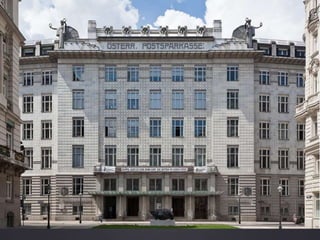
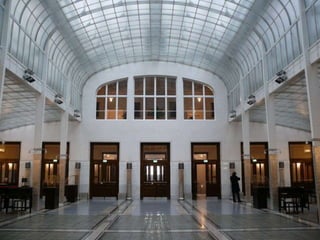
Wagner, Post Office
Savings Bank
1904-1912
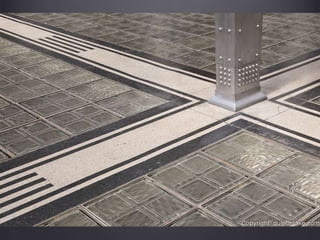
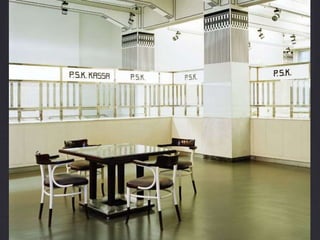
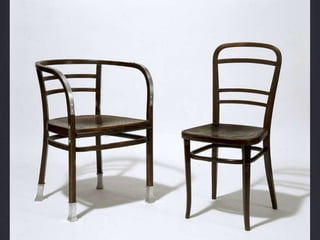
Wagner designed the building, all the details, and the
furniture
an example of the "Gesamtkunstwerk": total work of art,
creation of a complete designed environment
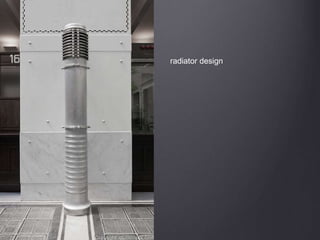
radiator design
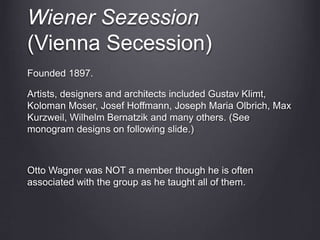
Wiener Sezession
(Vienna Secession)
Founded 1897.
Artists, designers and architects included Gustav Klimt,
Koloman Moser, Josef Hoffmann, Joseph Maria Olbrich, Max
Kurzweil, Wilhelm Bernatzik and many others. (See
monogram designs on following slide.)
Otto Wagner was NOT a member though he is often
associated with the group as he taught all of them.
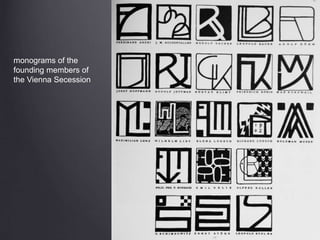
monograms of the
founding members of
the Vienna Secession
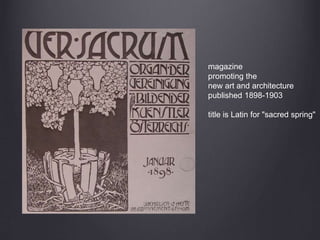
magazine
promoting the
new art and architecture
published 1898-1903
title is Latin for "sacred spring"
Joseph Maria OLBRICH
(1867-1908)
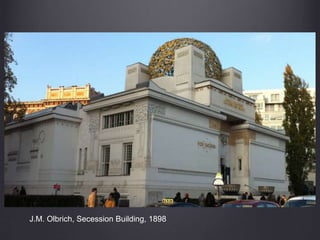
J.M. Olbrich, Secession Building, 1898
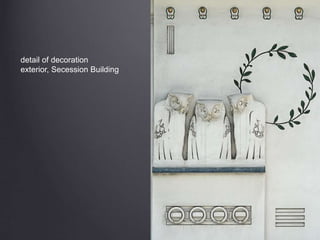
detail of decoration
exterior, Secession Building
motto on the Secession
Building
"Der Zeit ihre Kunst. Der
Kunst ihre Freiheit."
"To every age its art. To every
art its freedom."
Joseph HOFFMANN
(1870-1956)
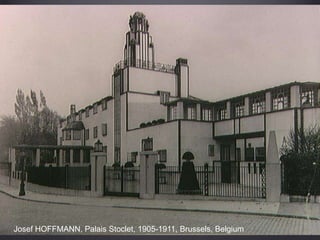
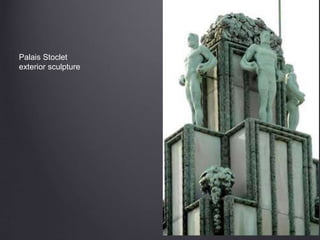
Josef HOFFMANN, Palais Stoclet, 1905-1911, Brussels, Belgium
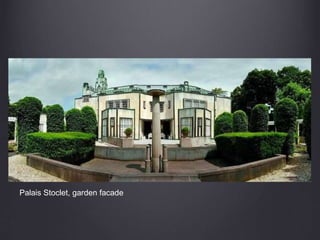
Palais Stoclet, garden facade
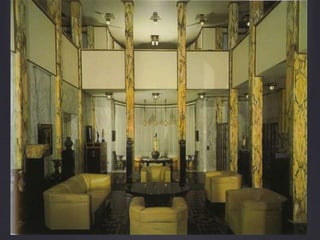
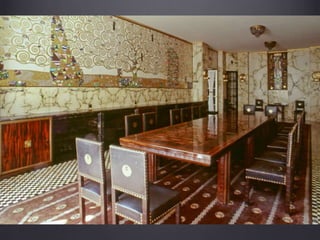
Palais Stoclet
exterior sculpture
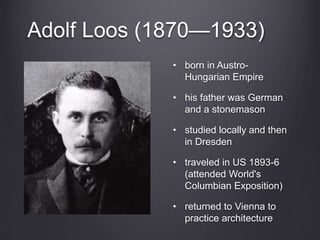
Adolf Loos (1870—1933)
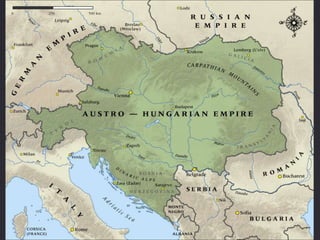
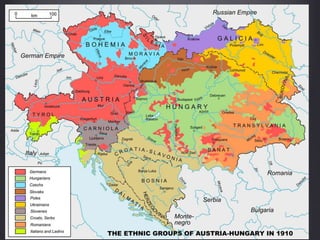
• born in Austro-
Hungarian Empire
• his father was German
and a stonemason
• studied locally and then
in Dresden
• traveled in US 1893-6
(attended World's
Columbian Exposition)
• returned to Vienna to
practice architecture
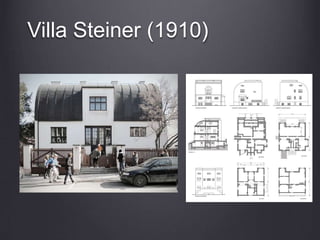
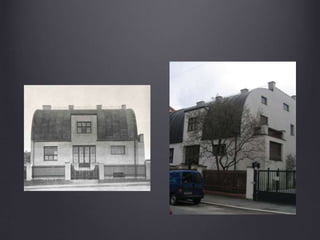
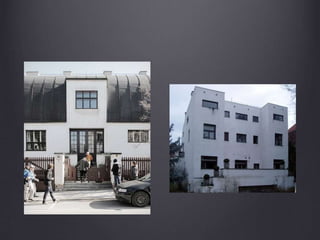
Villa Steiner (1910)
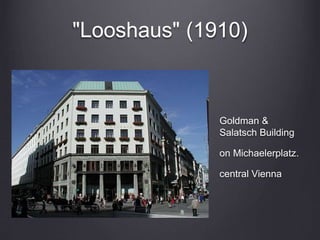
"Looshaus" (1910)
Goldman &
Salatsch Building
on Michaelerplatz.
central Vienna

ARCH417Class05

  • 1.
  • 2.
  • 3.
  • 5.
    political map ofEurope in 1750
  • 6.
    political map ofEurope in 1850
  • 7.
    Johann Strauss Kaiser-walzer (TheEmperor Waltz) 1889 https://www.youtube.com/watch?v=EBLaMmxyibE&list=RDEBLaM mxyibE#t=33 [START at 2:30] The waltz was composed for a ceremonial visit by Austrian emperor Franz Josef to Kaiser Wilhelm II of Germany in 1889.
  • 11.
    Schönbrunn Palace, Vienna,Austria, 1400-room residence of the Habsburgs from the 18th until 1918
  • 12.
  • 13.
    interior, bedchamber ofEmperor Franz Josef
  • 14.
    interior, bedchamber ofEmpress Elisabeth
  • 15.
    Empress Elisabeth's bedchamberwith her exercise equipment in the right foreground
  • 16.
    map of earlyVienna showing the fortifications ringing the city
  • 17.
    map of Viennashowing the conversion of the city walls into a ring of parks and municipal buildings
  • 18.
    Ringstrasse December 1857 EmperorFranz Josef decrees the removal of old fortifications ringing the city of Vienna. Jan 1858 competition is announced to create a broad new street where the ramparts were. Ludwig Förster's plan went further, envisioning the planting of trees and creation of parks and squares. Buildings surrounding the Ringstrasse are in every possible historicist style.
  • 19.
  • 20.
  • 21.
    Parliament Building, onthe Ringstrasse
  • 22.
    elaborate sculptural decorationin front of the Parliament Building
  • 23.
    Vienna State OperaHouse, a grab-bag of styles including French Renaissance, Go Florentine and Venetian
  • 24.
    Opera House Defense ofeclecticism: "Ours does not appear to be an age given to the creation of new styles in architecture. The more attempts are made to invent a new style of building, the clearer it is that the vocation for such creative activity is lacking. On the other hand, the more imaginatively, the more ingeniously one endeavors to unit given styles, the basic elements of already existing types of architecture, with the advances of modern technology, the more successful are the results." —Rudolf von Eitelberger
  • 25.
    changing attitudes toward theRingstrasse • first generation regarded it with pride • later it was seen as an abomination • one critic described it as a time that "understood by architecture nothing more than an accumulation of orders, profiles and ornaments from two millennia, from which each individual selected what we thought best." (1914) • "Contemporary art must express the ability, the mode of existence, of modern man, by means of forms created by us." (Otto Wagner, 1911)
  • 26.
    "If you walkacross the Ring, you have the impression of being in the midst of a carnival. Everything masked, everything disguised...Life has become too serious for that sort of thing. We want to look life in the face. This is what we mean when we talk of 'realist architecture,' that is, that the building must not only serve its intended purpose but must also express, not conceal, that purpose...To disguise it behind borrowed forms is both silly and ugly." —Hermann Bahr
  • 27.
    "Earlier, people usedto require that a building should 'look like something'; we demand that it should 'be something.' We, the working people of today, should be ashamed to live in the style of the princes and patricians of yesterday. That we think of as a swindle. From the appearance of a house, we should be able to judge what is its purpose, who lives in it and how. We are not of the age of the Baroque, we don't live in the Renaissance, why should we act as if we did? Life has changed, costume has changed, our thoughts and feelings, our whole manner of living has changed, architecture must change too...These demands have now become audible, and will no longer be stifled." —Hermann Bahr
  • 28.
    Otto WAGNER (1841-1918) •antithesis of historicist attitude present on Ringstrasse • "father" of modern Viennese architecture • educator of an entire generation
  • 29.
    Wagner, Post Office SavingsBank 1904-1912 Wagner designed the building, all the details, and the furniture an example of the "Gesamtkunstwerk": total work of art, creation of a complete designed environment
  • 33.
  • 36.
    Wiener Sezession (Vienna Secession) Founded1897. Artists, designers and architects included Gustav Klimt, Koloman Moser, Josef Hoffmann, Joseph Maria Olbrich, Max Kurzweil, Wilhelm Bernatzik and many others. (See monogram designs on following slide.) Otto Wagner was NOT a member though he is often associated with the group as he taught all of them.
  • 37.
    monograms of the foundingmembers of the Vienna Secession
  • 38.
    magazine promoting the new artand architecture published 1898-1903 title is Latin for "sacred spring"
  • 39.
  • 40.
  • 41.
  • 42.
    motto on theSecession Building "Der Zeit ihre Kunst. Der Kunst ihre Freiheit." "To every age its art. To every art its freedom."
  • 43.
  • 44.
    Josef HOFFMANN, PalaisStoclet, 1905-1911, Brussels, Belgium
  • 45.
  • 46.
  • 50.
    Adolf Loos (1870—1933) •born in Austro- Hungarian Empire • his father was German and a stonemason • studied locally and then in Dresden • traveled in US 1893-6 (attended World's Columbian Exposition) • returned to Vienna to practice architecture
  • 51.
  • 54.
    "Looshaus" (1910) Goldman & SalatschBuilding on Michaelerplatz. central Vienna