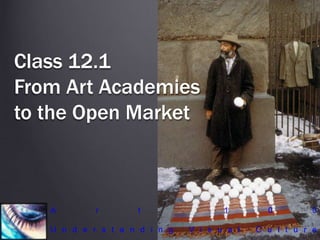
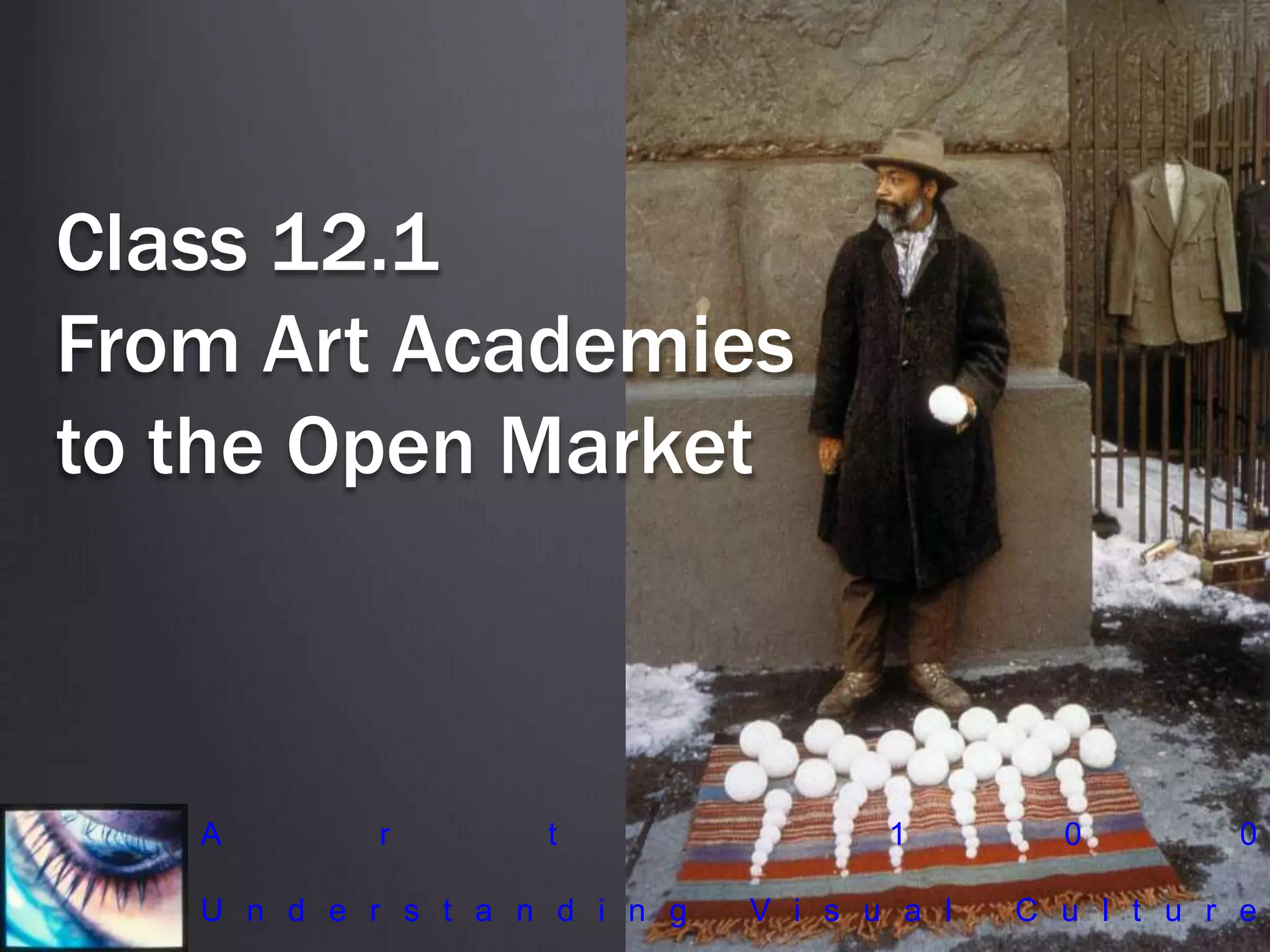



Class 12.1
From Art Academies
to the Open Market
A r t 1 0 0
U n d e r s t a n d i n g V i s u a l C u l t u r e
medieval guild system
Guilds were trade associations for specific crafts and were
often associated with a patron saint. (Painters belonged to
the Guild of St Luke. )
Around 1200, guilds controlled the production of
• leather and textiles (e.g. cloth merchants, dyers, stretchers,
fullers, weavers, tailors, tanners, and cobblers)
• buildings (e.g. masons, tilers, plasterers, carpenters, and
blacksmiths).
development of the
guild system
• Guilds became increasingly diverse and specialized; in
Nuremberg by 1400 there were 141 separate crafts
registered with the city council.
• Policing the boundaries between who was allowed to
contract and perform which jobs also became important
as guilds worked hard to protect the livelihood of their
members.
• Craft guilds handled quality control and standardized
wage levels through their elected officers.
art education in the guilds
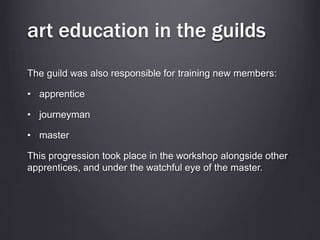
The guild was also responsible for training new members:
• apprentice
• journeyman
• master
This progression took place in the workshop alongside other
apprentices, and under the watchful eye of the master.
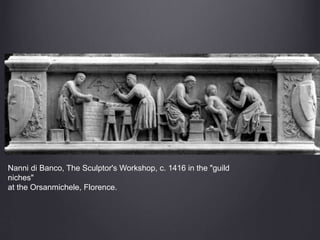
Nanni di Banco, The Sculptor's Workshop, c. 1416 in the "guild
niches"
at the Orsanmichele, Florence.
apprenticeship: indenture
A beginner, aged about twelve, would be bound to a master
craftsman for two to seven years, living in his house. He was
subject to the master's rules of conduct.
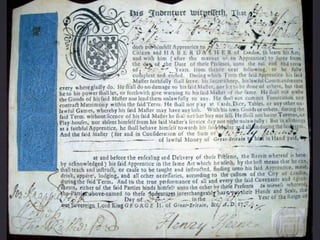
indenture
Lease indenture between John Kaye of Denby Grange and lessee John
North of Bankend for land in Almondbury, Yorkshire, England 1639.
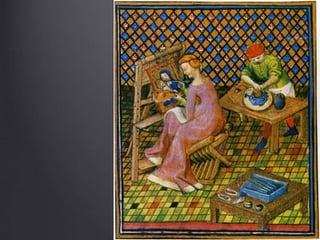
apprenticeship: first phase
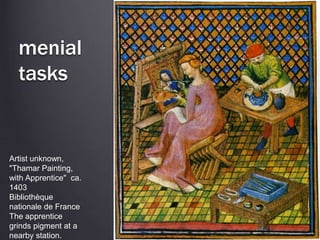
He would begin with menial tasks, such as grinding,
straining, and mixing pigments, before being entrusted with
work requiring skill.
menial
tasks
Artist unknown,
"Thamar Painting,
with Apprentice" ca.
1403
Bibliothèque
nationale de France
The apprentice
grinds pigment at a
nearby station.
producing a "masterpiece"
After a few years he could submit his "masterpiece" to the
guild and, if successful, set up his own workshop as a master
craftsman.
in England
Traditionally it was the Paynters who decorated, gilded and
coloured objects of wood, metal and stone and Steyners who
applied colour to woven fabrics.
The two trades united as one company in 1502.
In the eighteenth century the Company became more
involved in fine art and no fewer than fifteen Presidents of
the Royal Academy were Painter-Stainers, the first being Sir
Joshua Reynolds in 1784.
what changed?
The Renaissance brought changes in the artist’s social
position allied to the notion that painting, sculpture, and
architecture were not mechanical but liberal arts.
They were considered to differ from such arts as pottery,
weaving, and stained glass in that their practice demanded
intellectual understanding of such matters as anatomy,
perspective, and Classical culture.
Around 1490 Lorenzo de’ Medici appointed the sculptor
Bertoldo di Giovanni to instruct any outstanding apprentice in
Florence. His teaching is presumed to have included the
study of the ancient and contemporary sculpture in the
Medici collection.
Accademia di San Luca
(1590s)
• The first to have education as its primary aim was the
Accademia di S Luca founded in Rome in the 1590s under
Federico Zuccaro.
• Its curriculum, taught by visiting tutors, consisted of
copying from drawings or engravings, drawing from
plaster casts and male models, and lectures on subjects
of aesthetic concern. Prizes were awarded.
• It became a model for future academies in other Italian
towns and later elsewhere in Europe.
Académie Royale de Peinture
et de Sculpture (1648)
The French Royal Academy was founded in Paris in 1648 by
a group of artists including Charles Le Brun who wished to
break away from the craft-based corporation of S. Luc and
establish the status of painting and sculpture as intellectual
rather than manual pursuits.
Académie Royale de Peinture
et de Sculpture (1648)
• Until its dissolution in 1793 (during the French
Revolution), the Académie Royale was responsible for
• codifying the rules of art and imposing strict intellectual
hierarchies
• holding a biennial Salon in the Louvre in Paris that was open
to the public
• awarding the Prix de Rome, a competition for young artists
with a cash prize to study in Rome.
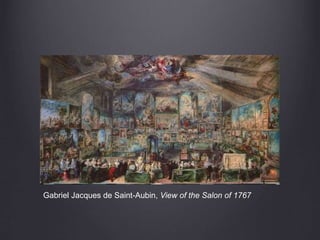
Gabriel Jacques de Saint-Aubin, View of the Salon of 1767
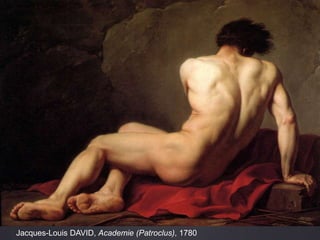
Jacques-Louis DAVID, Academie (Patroclus), 1780
the power of the academy
The Academie was very powerful in its day, exerting a
stranglehold over appropriate subject matter and style. It
would take centuries before this power would be contested.
École Nationale
Supérieure des Beaux-
Arts (1795)
The École des Beaux-Arts was established in 1795 as a
continuation of the Royal Academy under another name.
It controlled the path to traditional success with its awards
and state commissions.
In the middle of the 19th century, some artists began to
challenge its authority and organize their own exhibitions.
Salon des Refusés (1863)
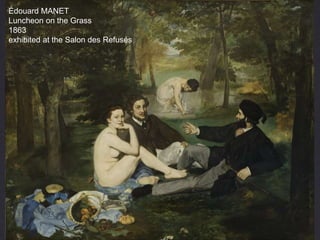
• In 1863, many artists complained that their work had been
turned down by the official Salon jury. Napoleon III
ordered this special event to show their work. It drew huge
crowds, but they came mainly to ridicule the work on
display, and Manet's Déjeuner sur l'herbe was subjected
to particular abuse.
• It undermined the official Salon and reduced its singular
importance. It also created a precedent for the
Impressionist exhibition in 1874 and future, unofficial
Salons, like the Salon des Indépendants (1884), which
emerged in the later years of the century.
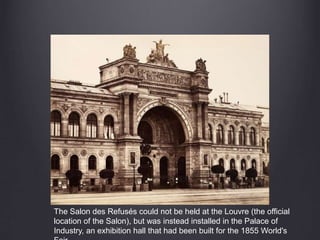
The Salon des Refusés could not be held at the Louvre (the official
location of the Salon), but was instead installed in the Palace of
Industry, an exhibition hall that had been built for the 1855 World's
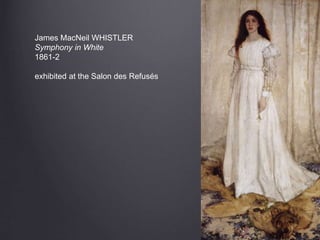
James MacNeil WHISTLER
Symphony in White
1861-2
exhibited at the Salon des Refusés
Èdouard MANET
Luncheon on the Grass
1863
exhibited at the Salon des Refusés
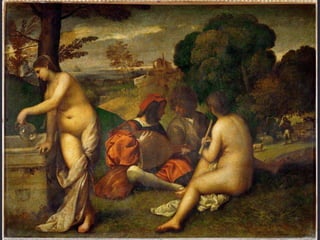
How different was Manet's
painting from the celebrated
"Pastoral Concert" of 1509
(now attributed to Titian) that
hung in the Louvre? Why was
Titian's painting acceptable,
and Manet's outrageous?
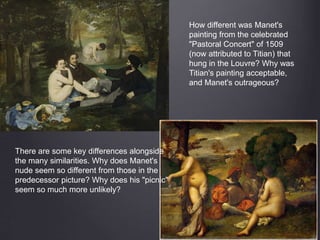
There are some key differences alongside
the many similarities. Why does Manet's
nude seem so different from those in the
predecessor picture? Why does his "picnic"
seem so much more unlikely?
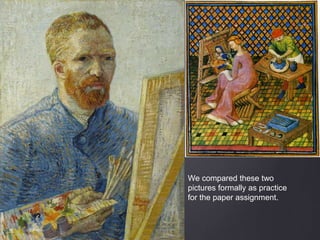
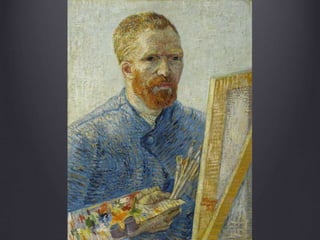
We compared these two
pictures formally as practice
for the paper assignment.
UVC100_Fall16_Class12.1

UVC100_Fall16_Class12.1

  • 1.
    Class 12.1 From ArtAcademies to the Open Market A r t 1 0 0 U n d e r s t a n d i n g V i s u a l C u l t u r e
  • 2.
    medieval guild system Guildswere trade associations for specific crafts and were often associated with a patron saint. (Painters belonged to the Guild of St Luke. ) Around 1200, guilds controlled the production of • leather and textiles (e.g. cloth merchants, dyers, stretchers, fullers, weavers, tailors, tanners, and cobblers) • buildings (e.g. masons, tilers, plasterers, carpenters, and blacksmiths).
  • 3.
    development of the guildsystem • Guilds became increasingly diverse and specialized; in Nuremberg by 1400 there were 141 separate crafts registered with the city council. • Policing the boundaries between who was allowed to contract and perform which jobs also became important as guilds worked hard to protect the livelihood of their members. • Craft guilds handled quality control and standardized wage levels through their elected officers.
  • 4.
    art education inthe guilds The guild was also responsible for training new members: • apprentice • journeyman • master This progression took place in the workshop alongside other apprentices, and under the watchful eye of the master.
  • 5.
    Nanni di Banco,The Sculptor's Workshop, c. 1416 in the "guild niches" at the Orsanmichele, Florence.
  • 6.
    apprenticeship: indenture A beginner,aged about twelve, would be bound to a master craftsman for two to seven years, living in his house. He was subject to the master's rules of conduct.
  • 7.
    indenture Lease indenture betweenJohn Kaye of Denby Grange and lessee John North of Bankend for land in Almondbury, Yorkshire, England 1639.
  • 9.
    apprenticeship: first phase Hewould begin with menial tasks, such as grinding, straining, and mixing pigments, before being entrusted with work requiring skill.
  • 10.
    menial tasks Artist unknown, "Thamar Painting, withApprentice" ca. 1403 Bibliothèque nationale de France The apprentice grinds pigment at a nearby station.
  • 11.
    producing a "masterpiece" Aftera few years he could submit his "masterpiece" to the guild and, if successful, set up his own workshop as a master craftsman.
  • 12.
    in England Traditionally itwas the Paynters who decorated, gilded and coloured objects of wood, metal and stone and Steyners who applied colour to woven fabrics. The two trades united as one company in 1502. In the eighteenth century the Company became more involved in fine art and no fewer than fifteen Presidents of the Royal Academy were Painter-Stainers, the first being Sir Joshua Reynolds in 1784.
  • 13.
    what changed? The Renaissancebrought changes in the artist’s social position allied to the notion that painting, sculpture, and architecture were not mechanical but liberal arts. They were considered to differ from such arts as pottery, weaving, and stained glass in that their practice demanded intellectual understanding of such matters as anatomy, perspective, and Classical culture. Around 1490 Lorenzo de’ Medici appointed the sculptor Bertoldo di Giovanni to instruct any outstanding apprentice in Florence. His teaching is presumed to have included the study of the ancient and contemporary sculpture in the Medici collection.
  • 14.
    Accademia di SanLuca (1590s) • The first to have education as its primary aim was the Accademia di S Luca founded in Rome in the 1590s under Federico Zuccaro. • Its curriculum, taught by visiting tutors, consisted of copying from drawings or engravings, drawing from plaster casts and male models, and lectures on subjects of aesthetic concern. Prizes were awarded. • It became a model for future academies in other Italian towns and later elsewhere in Europe.
  • 15.
    Académie Royale dePeinture et de Sculpture (1648) The French Royal Academy was founded in Paris in 1648 by a group of artists including Charles Le Brun who wished to break away from the craft-based corporation of S. Luc and establish the status of painting and sculpture as intellectual rather than manual pursuits.
  • 16.
    Académie Royale dePeinture et de Sculpture (1648) • Until its dissolution in 1793 (during the French Revolution), the Académie Royale was responsible for • codifying the rules of art and imposing strict intellectual hierarchies • holding a biennial Salon in the Louvre in Paris that was open to the public • awarding the Prix de Rome, a competition for young artists with a cash prize to study in Rome.
  • 17.
    Gabriel Jacques deSaint-Aubin, View of the Salon of 1767
  • 18.
  • 19.
    the power ofthe academy The Academie was very powerful in its day, exerting a stranglehold over appropriate subject matter and style. It would take centuries before this power would be contested.
  • 20.
    École Nationale Supérieure desBeaux- Arts (1795) The École des Beaux-Arts was established in 1795 as a continuation of the Royal Academy under another name. It controlled the path to traditional success with its awards and state commissions. In the middle of the 19th century, some artists began to challenge its authority and organize their own exhibitions.
  • 21.
    Salon des Refusés(1863) • In 1863, many artists complained that their work had been turned down by the official Salon jury. Napoleon III ordered this special event to show their work. It drew huge crowds, but they came mainly to ridicule the work on display, and Manet's Déjeuner sur l'herbe was subjected to particular abuse. • It undermined the official Salon and reduced its singular importance. It also created a precedent for the Impressionist exhibition in 1874 and future, unofficial Salons, like the Salon des Indépendants (1884), which emerged in the later years of the century.
  • 22.
    The Salon desRefusés could not be held at the Louvre (the official location of the Salon), but was instead installed in the Palace of Industry, an exhibition hall that had been built for the 1855 World's
  • 23.
    James MacNeil WHISTLER Symphonyin White 1861-2 exhibited at the Salon des Refusés
  • 24.
    Èdouard MANET Luncheon onthe Grass 1863 exhibited at the Salon des Refusés
  • 26.
    How different wasManet's painting from the celebrated "Pastoral Concert" of 1509 (now attributed to Titian) that hung in the Louvre? Why was Titian's painting acceptable, and Manet's outrageous? There are some key differences alongside the many similarities. Why does Manet's nude seem so different from those in the predecessor picture? Why does his "picnic" seem so much more unlikely?
  • 27.
    We compared thesetwo pictures formally as practice for the paper assignment.