ANTIBODY GENERATION
SUBMITED BY,
S.MUTHUSELVI
1ST MSC
REG NO:2017502008
DEPARTMENT OF BIOINFORMATICS
OVERVIEW OF PRESENTATION
Introduction of antibody(Ab)
History of antibody
Structure of antibody
Antibody classification
Definition and key terms
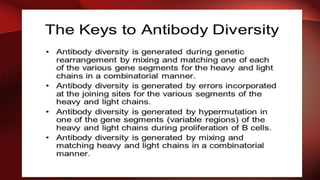
Antibody diversity
Basic concept
Generation antibody diversity
Antibody production
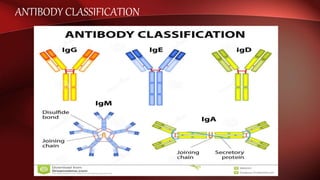
ANTIBODY CLASSIFICATION
DEFINITION AND KEY TERMS
1) Antigen – A molecule can specifically binds to an antibody
or a T-cell receptor(TCR) and usually induces an adaptive
immune response.
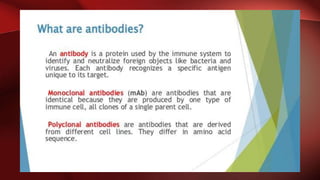
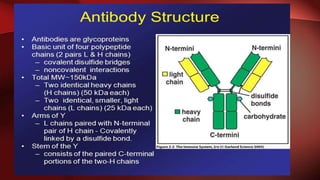
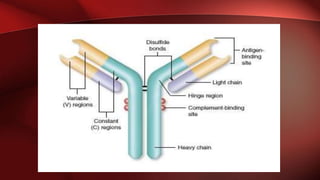
2) Antibody – Also called immunoglobulin(Ig).A type of
glycoprotein is produced by B cell that binds to Ags with
high specificity and affinity.
3) Antiserum – Serum from Ag-immunized individual that
contains Ab specific Ag.
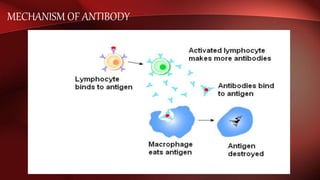
MECHANISM OF ANTIBODY
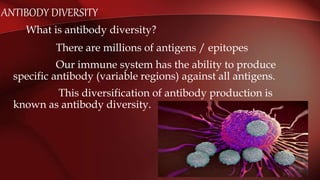
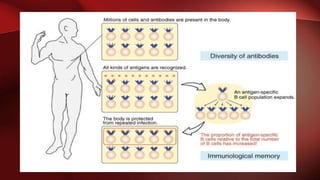
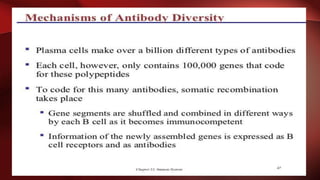
ANTIBODY DIVERSITY
What is antibody diversity?
There are millions of antigens / epitopes
Our immune system has the ability to produce
specific antibody (variable regions) against all antigens.
This diversification of antibody production is
known as antibody diversity.
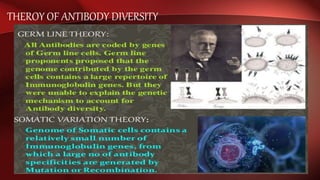
THEROY OF ANTIBODY DIVERSITY
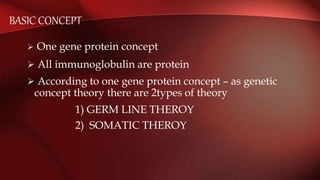
BASIC CONCEPT
 One gene protein concept
 All immunoglobulin are protein
 According to one gene protein concept – as genetic
concept theory there are 2types of theory
1) GERM LINE THEROY
2) SOMATIC THEROY
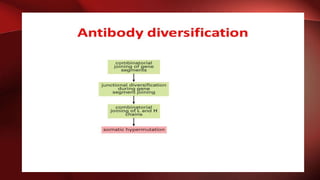
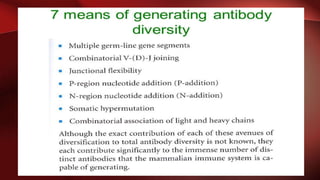
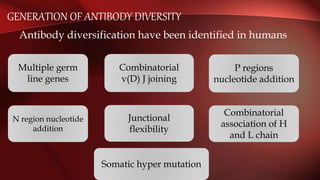
GENERATION OF ANTIBODY DIVERSITY
Antibody diversification have been identified in humans
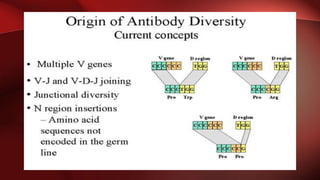
Multiple germ
line genes
Combinatorial
v(D) J joining
P regions
nucleotide addition
N region nucleotide
addition
Junctional
flexibility
Combinatorial
association of H
and L chain
Somatic hyper mutation
ANTIBODY PRODUCTION
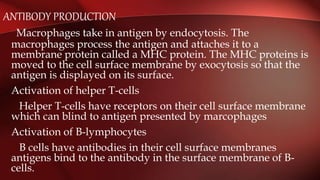
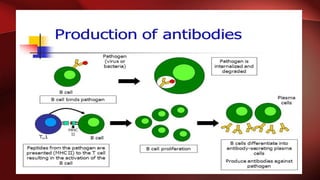
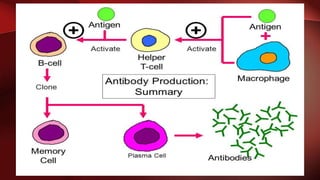
Macrophages take in antigen by endocytosis. The
macrophages process the antigen and attaches it to a
membrane protein called a MHC protein. The MHC proteins is
moved to the cell surface membrane by exocytosis so that the
antigen is displayed on its surface.
Activation of helper T-cells
Helper T-cells have receptors on their cell surface membrane
which can blind to antigen presented by marcophages
Activation of B-lymphocytes
B cells have antibodies in their cell surface membranes
antigens bind to the antibody in the surface membrane of B-
cells.
PROLIFERATION
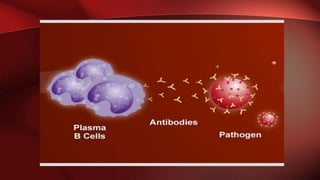
The activated B-cell starts to divide by mitosis to form a
clone of plasma cells.
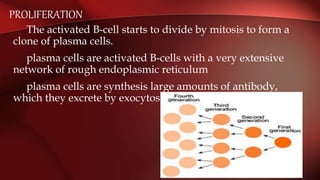
plasma cells are activated B-cells with a very extensive
network of rough endoplasmic reticulum
plasma cells are synthesis large amounts of antibody,
which they excrete by exocytosis.
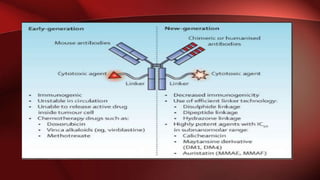
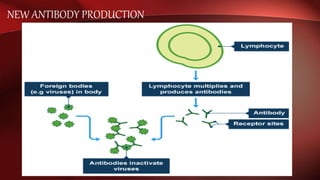
NEW ANTIBODY PRODUCTION
Antibody generation
Antibody generation
Antibody generation
Antibody generation

Antibody generation

  • 1.
    ANTIBODY GENERATION SUBMITED BY, S.MUTHUSELVI 1STMSC REG NO:2017502008 DEPARTMENT OF BIOINFORMATICS
  • 2.
    OVERVIEW OF PRESENTATION Introductionof antibody(Ab) History of antibody Structure of antibody Antibody classification Definition and key terms Antibody diversity Basic concept Generation antibody diversity Antibody production
  • 7.
  • 8.
    DEFINITION AND KEYTERMS 1) Antigen – A molecule can specifically binds to an antibody or a T-cell receptor(TCR) and usually induces an adaptive immune response. 2) Antibody – Also called immunoglobulin(Ig).A type of glycoprotein is produced by B cell that binds to Ags with high specificity and affinity. 3) Antiserum – Serum from Ag-immunized individual that contains Ab specific Ag.
  • 9.
  • 10.
    ANTIBODY DIVERSITY What isantibody diversity? There are millions of antigens / epitopes Our immune system has the ability to produce specific antibody (variable regions) against all antigens. This diversification of antibody production is known as antibody diversity.
  • 16.
  • 18.
    BASIC CONCEPT  Onegene protein concept  All immunoglobulin are protein  According to one gene protein concept – as genetic concept theory there are 2types of theory 1) GERM LINE THEROY 2) SOMATIC THEROY
  • 20.
    GENERATION OF ANTIBODYDIVERSITY Antibody diversification have been identified in humans Multiple germ line genes Combinatorial v(D) J joining P regions nucleotide addition N region nucleotide addition Junctional flexibility Combinatorial association of H and L chain Somatic hyper mutation
  • 22.
    ANTIBODY PRODUCTION Macrophages takein antigen by endocytosis. The macrophages process the antigen and attaches it to a membrane protein called a MHC protein. The MHC proteins is moved to the cell surface membrane by exocytosis so that the antigen is displayed on its surface. Activation of helper T-cells Helper T-cells have receptors on their cell surface membrane which can blind to antigen presented by marcophages Activation of B-lymphocytes B cells have antibodies in their cell surface membranes antigens bind to the antibody in the surface membrane of B- cells.
  • 25.
    PROLIFERATION The activated B-cellstarts to divide by mitosis to form a clone of plasma cells. plasma cells are activated B-cells with a very extensive network of rough endoplasmic reticulum plasma cells are synthesis large amounts of antibody, which they excrete by exocytosis.
  • 27.